
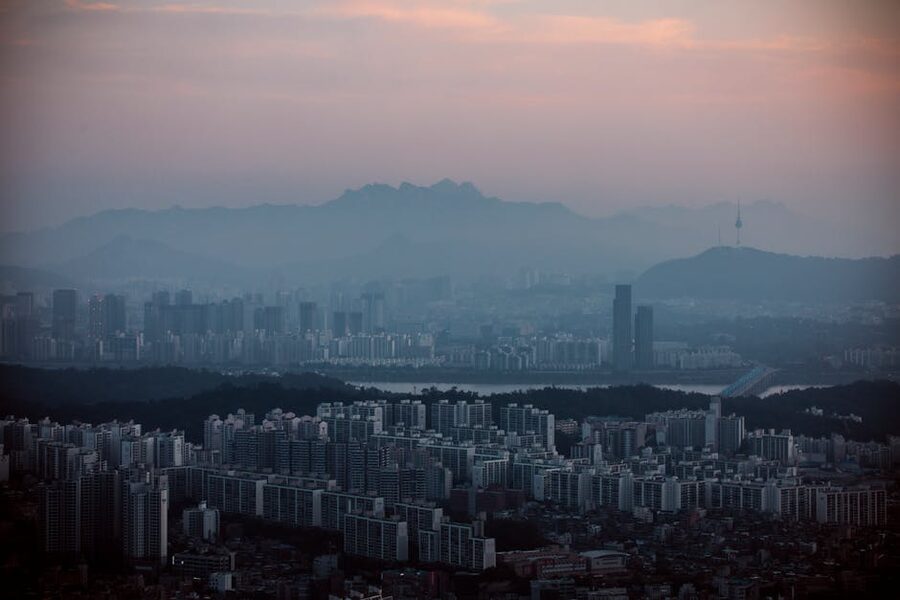
One morning you are eating toast in a Seoul hotel that gets a signal strong enough to stream anything you like. A few hours later you are sitting on a tiny wooden chair in a mock North Korean schoolroom, listening to a woman tell you how she walked out of that country on foot through China, Laos and Thailand, carrying her daughter and leaving her husband behind. That gap between the two mornings is the whole point of a DMZ tour with a North Korean defector meet-up, and it is not an experience I book casually anywhere else on the planet.
- Short on time? Three defector-meet-up tours I would book today
- What the Defector Meet-Up Actually Is
- Why This Is Different From a Regular DMZ Tour
- The Three Defector Tours Worth Booking
- 1. DMZ Tour With Exclusive North Korean Defector Meet-Up — from
- 2. Seoul: DMZ Tour and Defector Meet-Up Add-On — from
- 3. From Seoul: DMZ Tour and North Korean Defector Talk — from
- How to Actually Book One of These
- What the Day Actually Looks Like
- Ask Questions — and How to Ask Them Well
- Who Should Skip This
- The Politics Are More Complicated Than You Think
- Cancellations and Weather
- A Short History of How We Got Here
- Getting Back to Seoul for Dinner
- Combining With Other Seoul Itinerary Days
- What I Would Actually Do If I Were You
- Other Seoul Day Trips Worth Booking Around This
Short on time? Three defector-meet-up tours I would book today
- DMZ Tour With Exclusive North Korean Defector Meet-Up — around $27. The only budget option where the defector meeting is part of the programme, not an add-on. Check availability
- Seoul: DMZ Tour and Defector Meet-Up Add-On — around $45. Solid standard DMZ route with the defector testimony tacked on as an optional module. Check availability
- From Seoul: DMZ Tour and North Korean Defector Talk — around $49. A fuller seven to nine hour day with a longer Q&A slot. Check availability
What the Defector Meet-Up Actually Is
Let me be clear about what you are booking, because the marketing language can be fuzzy. The defector is a woman (it is almost always a woman) who escaped North Korea, was resettled in South Korea, and has agreed through a small network of tour operators to sit with foreign tourists for about an hour and answer their questions.
She speaks through an interpreter. You are usually sitting in a mocked-up North Korean primary school, with tiny wooden desks, or sometimes at a lunch restaurant. She tells the story of her escape. Then she takes questions. Nothing is off-limits, and the operators I rate most highly let her push back if she thinks a question is silly.
Two rules you will be asked to follow. No photographs of her face. Ever. Some of these women still have family in the North, and any image that circulates online puts those relatives at real risk. Do not share her name. The guide may tell you a first name to use in the room. Use it, then leave it there.
If either rule is not enforced, that is a red flag about the tour operator.
Why This Is Different From a Regular DMZ Tour
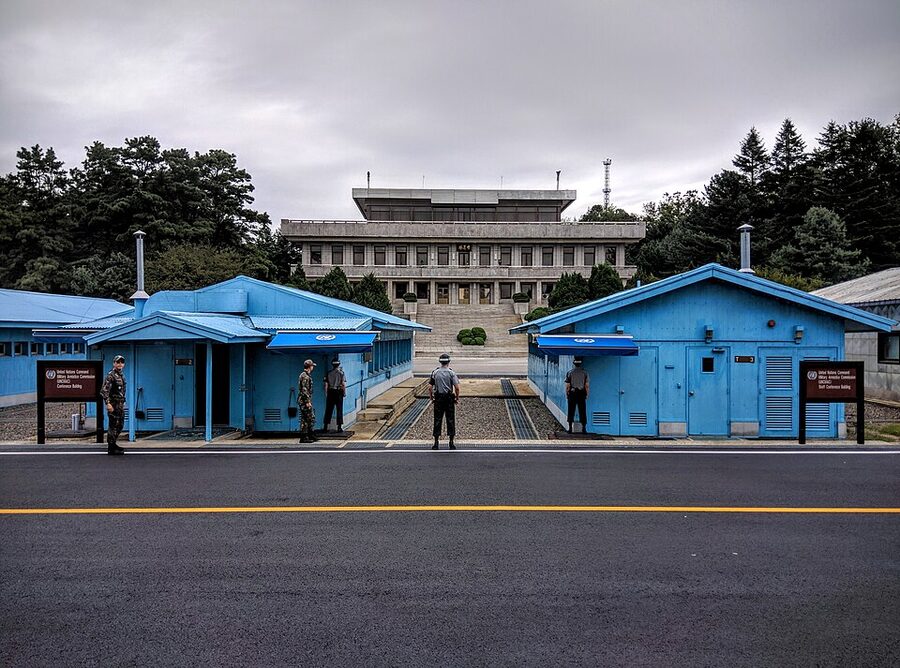
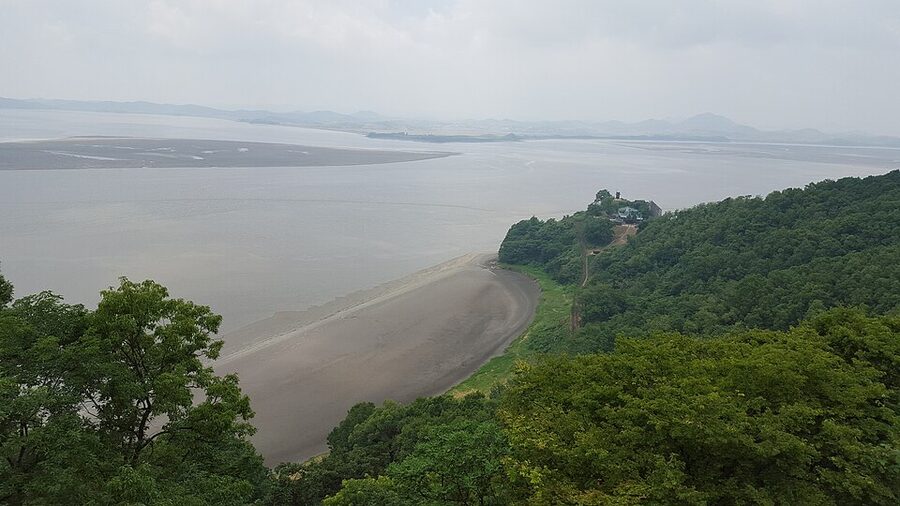
The standard DMZ tour is already a strange day out. You leave central Seoul, drive roughly 50km north, pass through a military checkpoint, stop at an observatory to look across a river at a country you cannot visit, walk down into a tunnel that North Korea dug to invade the South, and then get bussed back in time for dinner.
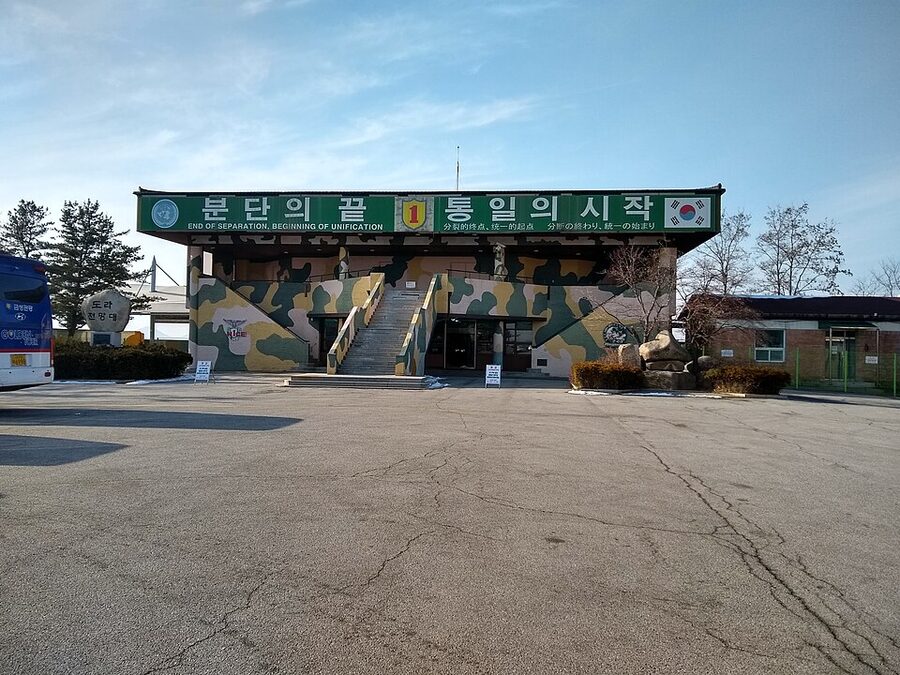
It is moving in the way that visiting a memorial is moving. You are close to something but not inside it.
The defector version changes the arithmetic. You spend an hour with someone who actually lived on the other side, lost people to escape, and now carries that story around because she has decided it matters. After that, the observatories hit differently. The fence is not abstract anymore. There is a specific woman whose specific daughter is on the other side of it.
I have done the generic DMZ trip twice and the defector version twice. The defector version is the one I think about months later. If you want the plain route with tunnel and observatory and nothing emotional, our guide to the standard DMZ tour from Seoul walks through the normal options and what is included.
The Three Defector Tours Worth Booking
There are maybe six licensed operators who run DMZ tours and only a handful who have a defector on retainer. These three are the ones I would book. Pricing is per person and moves a little seasonally.
1. DMZ Tour With Exclusive North Korean Defector Meet-Up — from $27
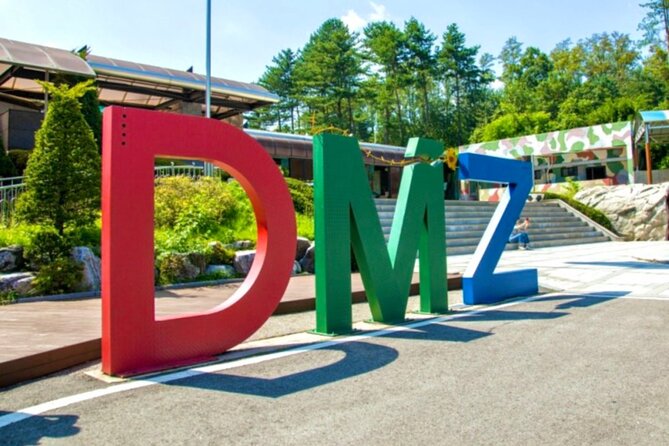
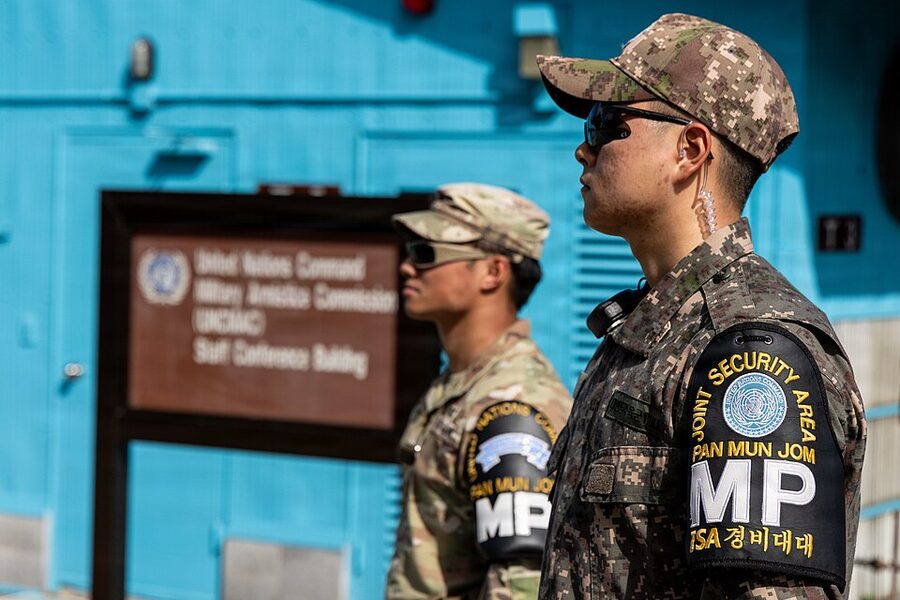
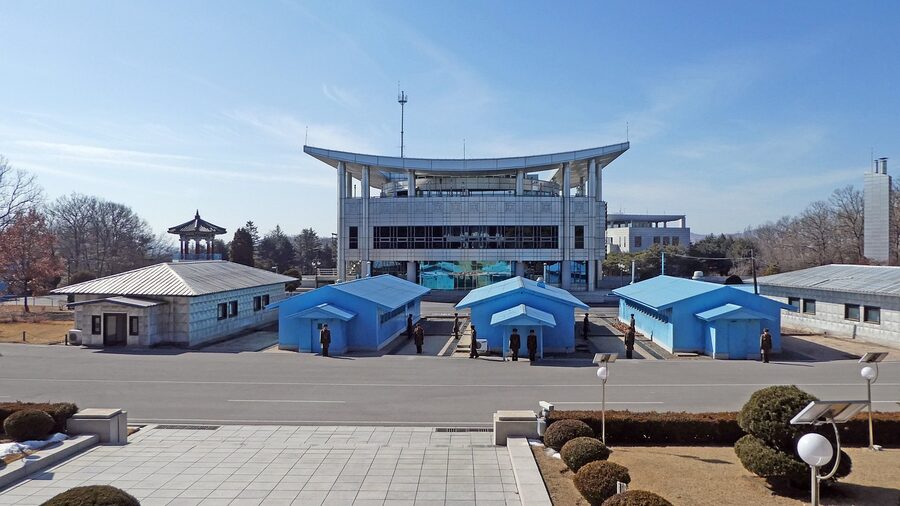
This is the cheapest way in the market to meet a North Korean defector as a guaranteed part of the itinerary, not as a paid upgrade, and our full review breaks down where the savings come from and what is left out. You skip the Joint Security Area here — the JSA is not open for tourist walks on almost any tour right now anyway — and spend the saved time on the meet-up and a longer Q&A. For the price this is genuinely hard to beat.
2. Seoul: DMZ Tour and Defector Meet-Up Add-On — from $45
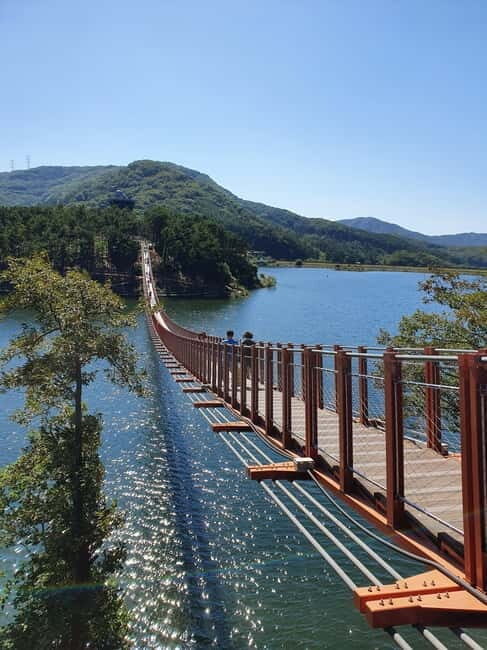
Run by Seoul City Tour, this is the classic DMZ itinerary — Imjingak, the Third Tunnel, Dora Observatory, the Unification Village — with the defector meeting offered as an add-on module most of the group picks up on the day. The full review explains when the upgrade is worth it and when it is not. The hotel pickup is wider than the budget option and the bus is nicer.
3. From Seoul: DMZ Tour and North Korean Defector Talk — from $49
This one bundles the meeting in as a headline feature, gives you a storyteller-style guide, and runs a longer schedule so the Q&A session is not cut short. Our review gets into the guide experience — this operator is strong on historical context before and after the defector sits down. I would pick this one if you have any background interest in Cold War or modern Korean history.
How to Actually Book One of These
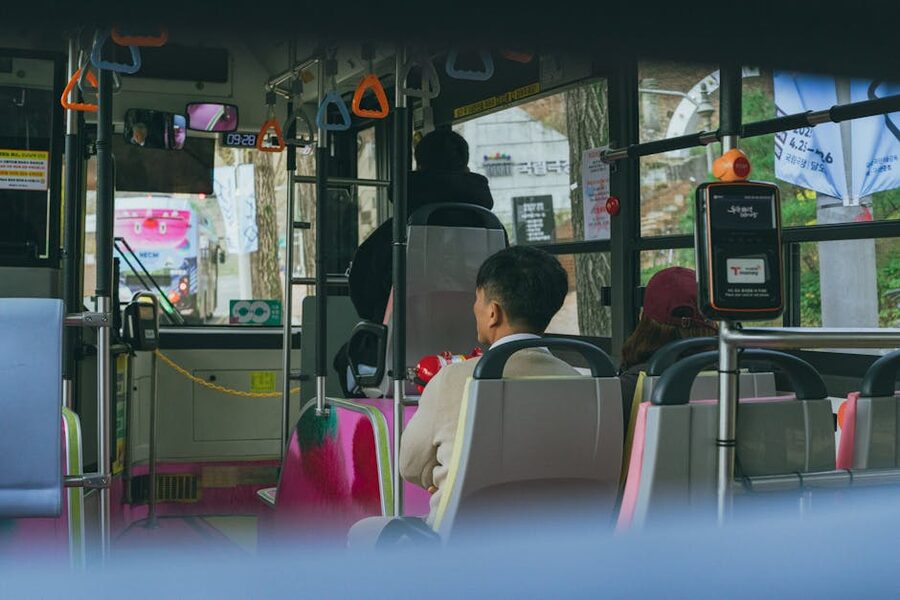
Book online at least 48 hours before, and further ahead on weekends. All three tours sell out regularly, especially during spring and autumn travel season. The defector segment in particular has limited slots because the speaker can only see so many groups per day.
Use Viator or GetYourGuide. I prefer these over direct operator bookings because the refund and reschedule terms are cleaner if something goes wrong — and in a place where a sudden military exercise can close the DMZ, you want that flexibility. Klook also lists the same tours at near-identical prices.
What you need to bring. Your passport is mandatory. Not a photo. Not a driving licence. The actual physical booklet. South Korean military checks ID at the DMZ gate and without it you will be turned around, and the operator cannot legally refund. I have watched this happen to someone on a tour bus and it is bleak.
Who cannot go. Citizens of North Korea, obviously. But also currently: citizens of a handful of countries whose relationships with the South Korean military are complicated (the list shifts — check with the operator when you book). Small children are allowed on most tours but not on tunnel walks under their own height clearance, and the defector sessions can cover heavy ground.
What it costs in total. Base tour $27 to $49. Lunch $10 to $15 if not included. Binoculars at Dora Observatory 500 won. A small donation or tip for the defector, around 5,000 to 10,000 won (about $4 to $8), handed to the guide — nobody will pressure you, but it is customary.
What the Day Actually Looks Like
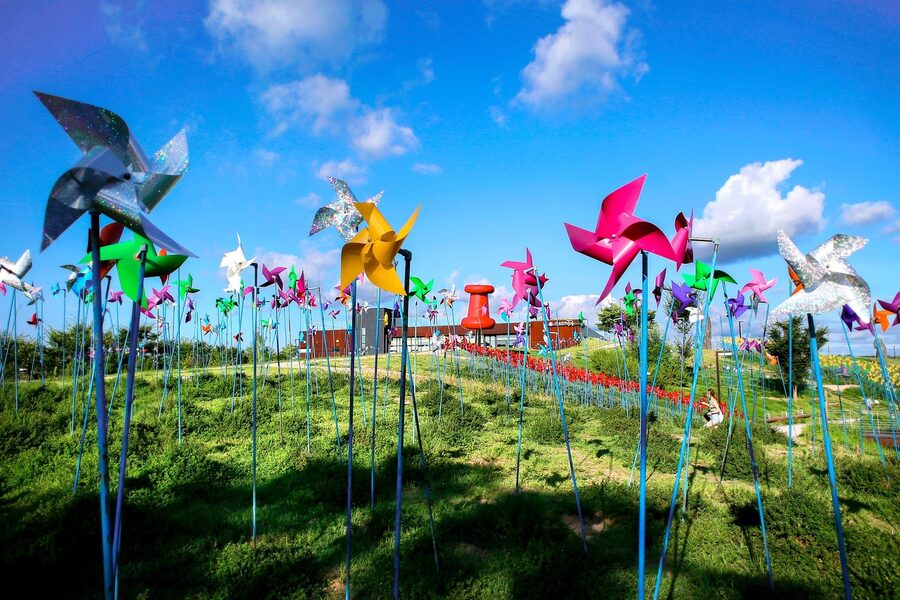
Most defector-meetup tours run a similar spine. Times shift but the order is fairly fixed.
7:30am — Hotel pickup in central Seoul. Almost all tours hit Myeongdong, Hongdae and Gangnam. Ask for the closest pickup at booking.
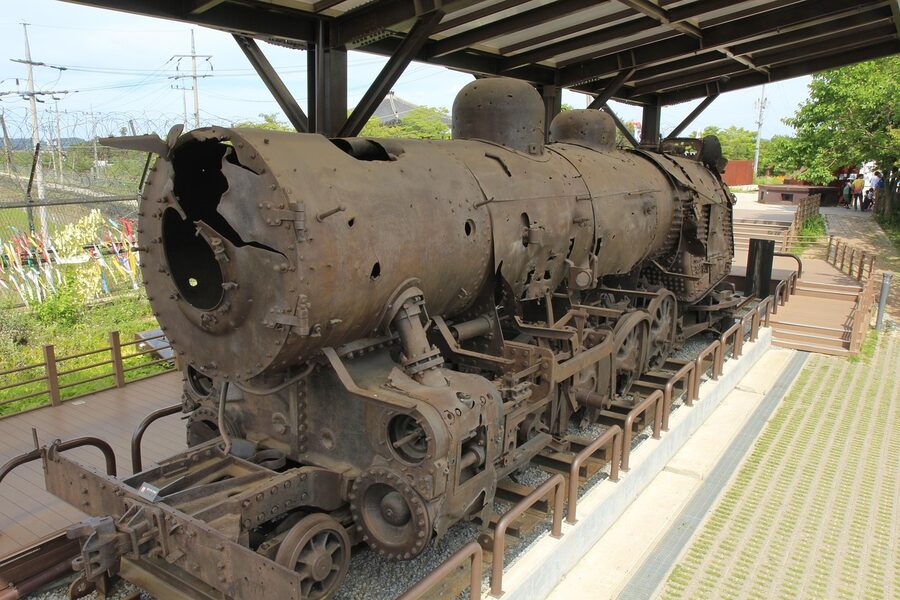
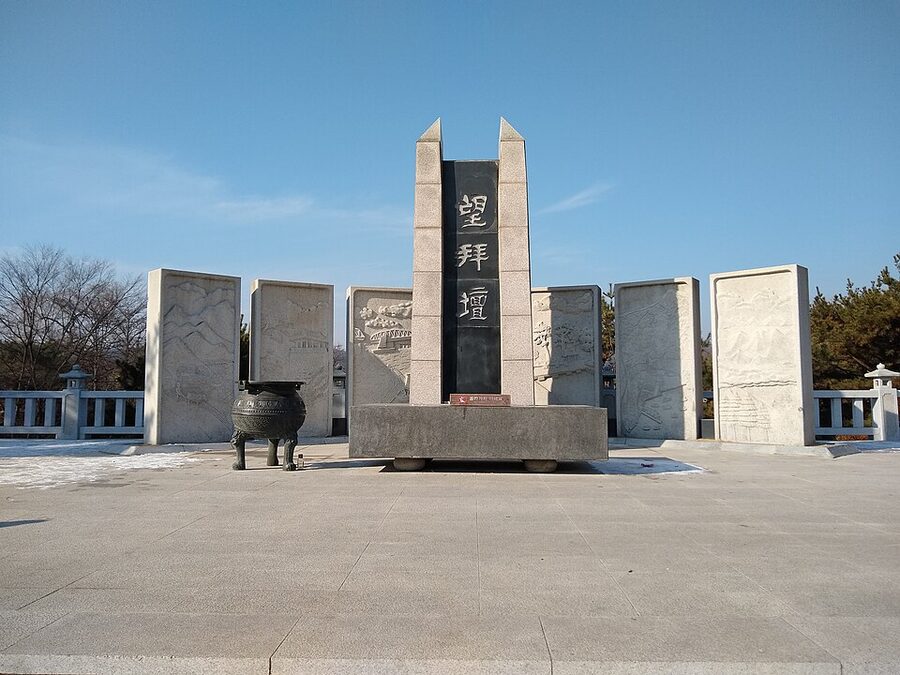
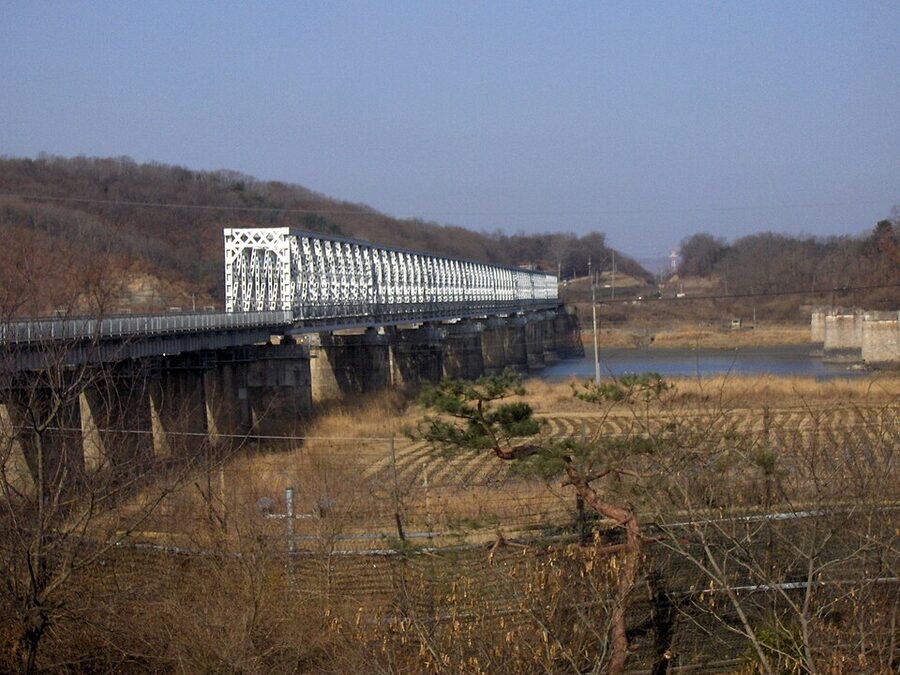
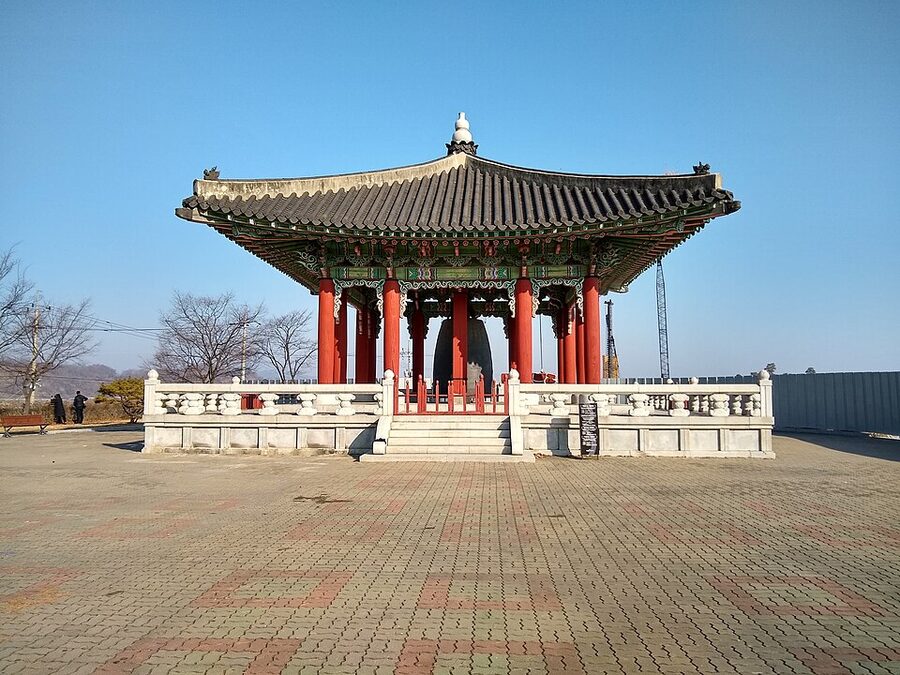
9:00am — Imjingak Park. This is where you start feeling it. Jangdan station’s bombed-out steam locomotive is here, pulled out of the Imjin River after the war. So are the Peace Bell, the Peace Altar and the Freedom Bridge. It is the southernmost point civilians can freely walk without a military permit.
10:00am — Freedom Bridge. The single-track railway bridge where 12,773 UN prisoners of war walked home in 1953. Its end is blocked by a wire fence covered in ribbons, flags and messages from separated families. Read a few. You will find English, German, Japanese and Chinese among them.
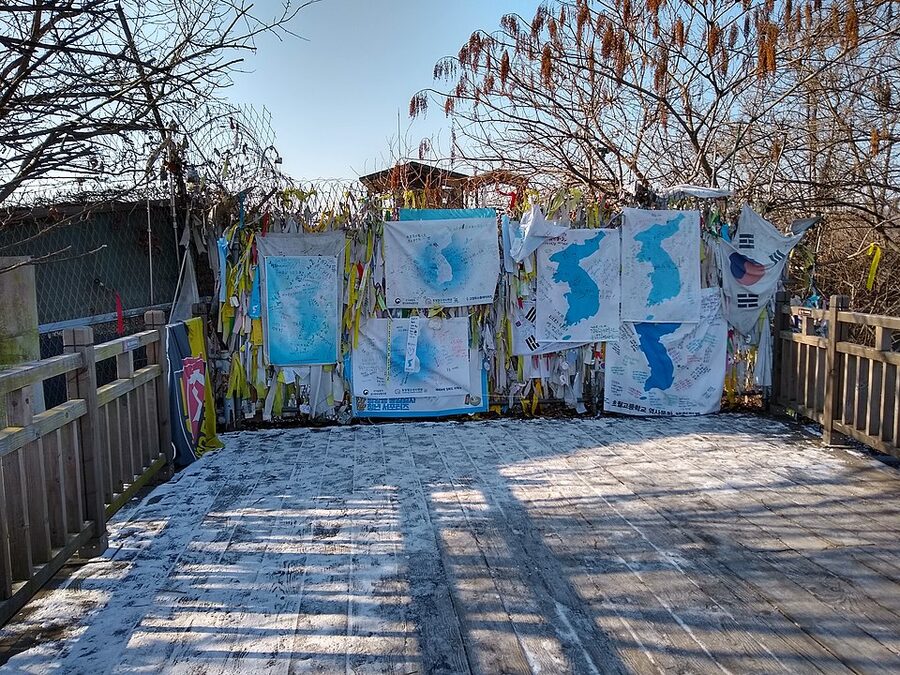
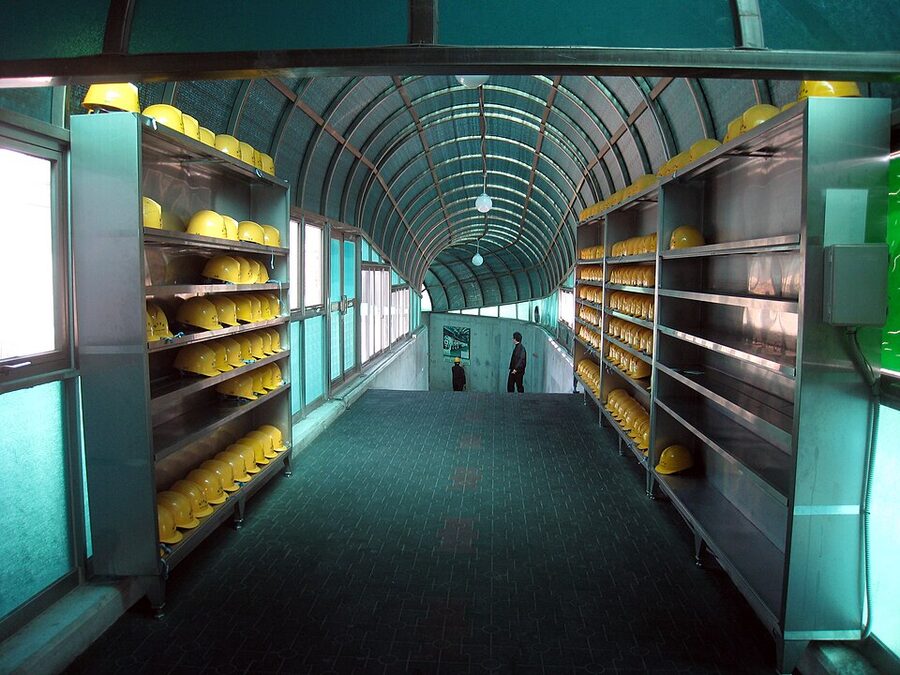
11:00am — Third Infiltration Tunnel. North Korea dug four of these under the border in the 1970s. This one was discovered in 1978 after a tipoff from a defector. You walk down a long, steep access ramp, then hunch your way along the original tunnel until you hit the wall blocking further progress. Claustrophobic. Short people have an easier time of it than I do.
12:30pm — Lunch. Often bibimbap or a Korean barbecue set at a restaurant in Paju. On the premium tours, the defector joins you here and this is where the informal part of the conversation happens — questions that feel too personal for the group room often come out over food.

2:00pm — The defector session. An hour, sometimes ninety minutes. Short introduction, her escape story, then your questions.
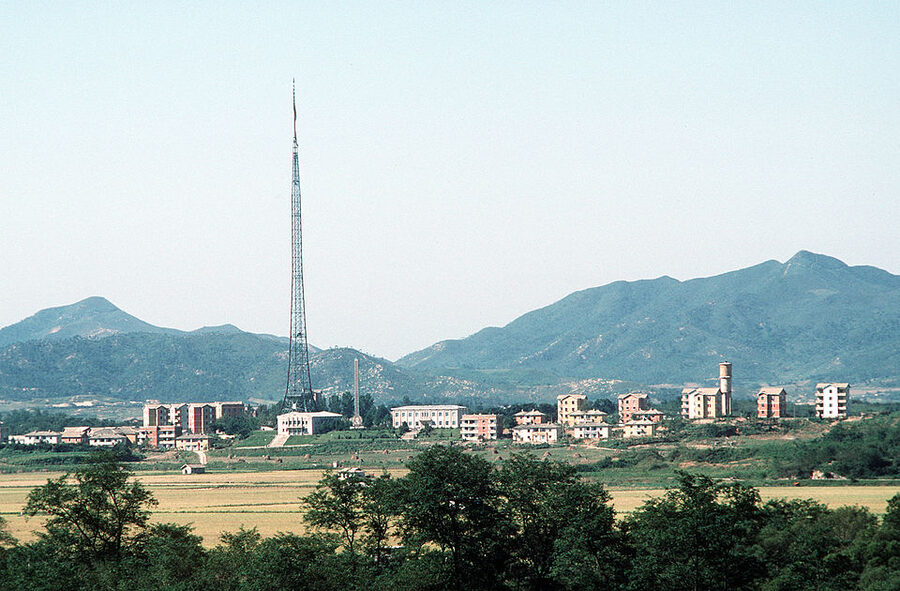
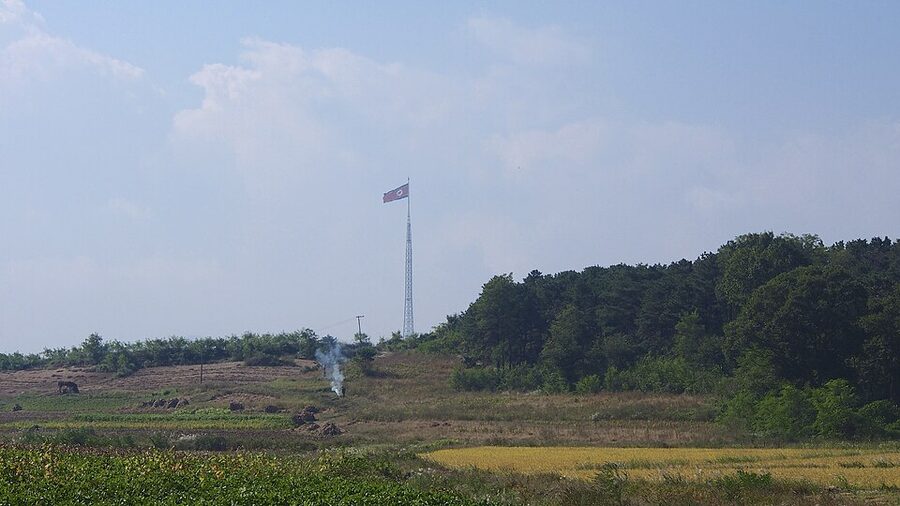
3:30pm — Dora Observatory. After the meeting is when this works best. The view across to Kaesong City and Kijong-dong means something now. Pay the small change for the binoculars.
5:00pm — Dorasan Station. The would-be rail link to Pyongyang, built to connect the two Koreas in the early 2000s. Trains run as far as the DMZ and stop. You can stand on the platform with a ticket that says Pyongyang. It is quieter and stranger than any of the earlier stops.
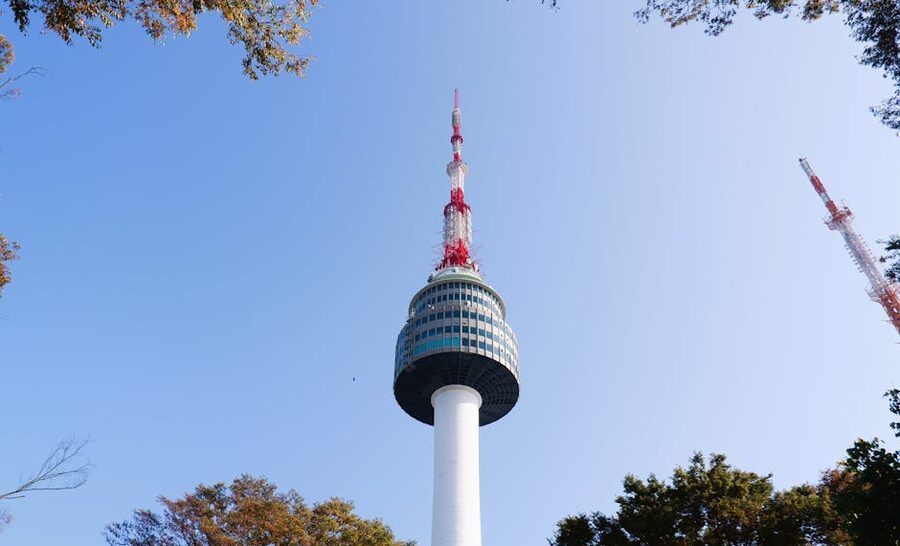
6:30pm — Back in Seoul. In summer, still light. In winter, dark by the time you hit Namsan.
Ask Questions — and How to Ask Them Well
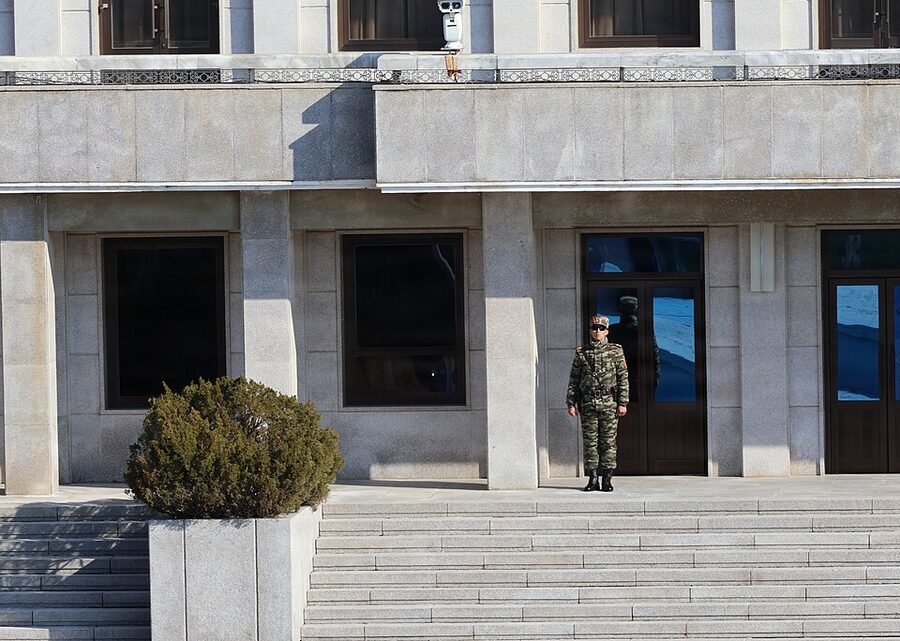
The Q&A is not a press conference. You are sitting in a small room with a human being who has made herself available to explain one of the heaviest lives on earth. Some gentle rules I have picked up.
Ask specific, not generic. Is life in North Korea really that bad is a question she cannot answer well. Where did you get your news from before you left, or how old were your kids when you started planning to leave — these will give you a real answer.
Ask about ordinary life as much as politics. What music did she like as a teenager. What was her wedding like. What does she eat in Seoul that she did not have in the North. These are the questions that usually unlock the best storytelling.
Do not try to catch her out. Some defector testimonies in the early 2010s were later questioned. Some were exaggerated. The woman sitting with you has passed through the South Korean resettlement process, the operators know her, and her story has been told to hundreds of groups. You are not the first foreigner to show up with scepticism — she has heard it. A polite follow-up question is fine. A gotcha is not.
Ask what she would like tourists to know. This one always gets an answer that would not make it into a book. It is where the real politics sit.
Who Should Skip This
Not every traveller is well served by this tour, and I think it is worth saying so.
If you are in Seoul for 36 hours and have not yet eaten or walked the city, spend the day on a food tour or a palace walk instead. The DMZ will still be there when you come back.
If you are travelling with children under about 12, the defector session will bore them and the themes are hard to pitch. Do the regular DMZ tour instead.
If you are sensitive to stories about family separation and have recently lost someone, save it for another trip. This room gets emotional. I have seen people cry who did not expect to.
If you are a journalist or researcher planning to write about it: let the operator know in advance. Some will allow it. Some will not. Showing up and pulling out a recorder is a good way to end the session early.
The Politics Are More Complicated Than You Think
One thing I did not expect the first time I did this tour: many defectors are politically nuanced in ways the English-language media rarely covers.
The women I have heard speak tended to be critical of the North Korean government in specific ways — the 2009 currency reform that wiped out their savings, the shift under Kim Jong Il toward family rule, the famine years. But several also spoke almost warmly about the Kim Il Sung era, when food was more reliable. Several were ambivalent about reunification, worried that a sudden opening would devastate northern families who have no savings and no language for capitalism. Several said the hardest thing about Seoul was loneliness.
None of this fits a neat narrative. That is why the meeting is worth it. You leave with a more complicated picture than you came in with, which is usually a good sign.
Cancellations and Weather
The DMZ closes to civilians with no notice for two main reasons. Military exercises — usually joint US-South Korean drills in March and August — and cross-border incidents, which are rare but real. In both cases, tours are cancelled and refunded or rescheduled. GetYourGuide and Viator handle this cleanly. Direct bookings sometimes take longer.
Weather matters less than you think for the defector meeting, which is indoors. It matters for Dora Observatory (the view disappears in fog) and for the tunnel walk if there has been heavy rain. Spring and autumn weekends are busy but clearest. August is hot and humid and the masks you wear in the tunnel feel suffocating.
Mondays are a bad idea. Many DMZ attractions close on Monday, and the tours that do run do so with a stripped-back itinerary. Wednesday through Saturday is the sweet spot.
A Short History of How We Got Here
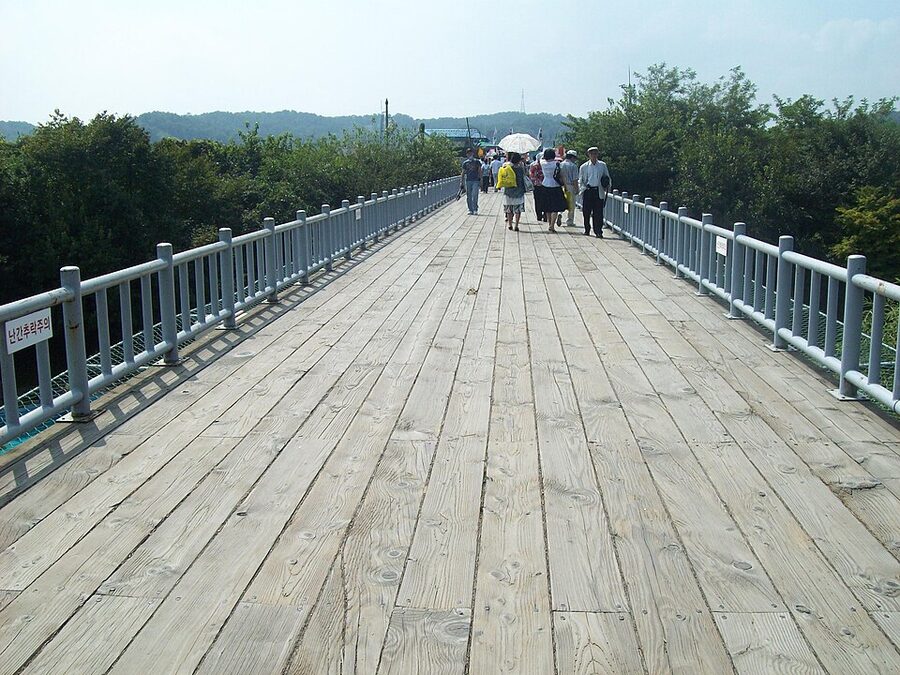
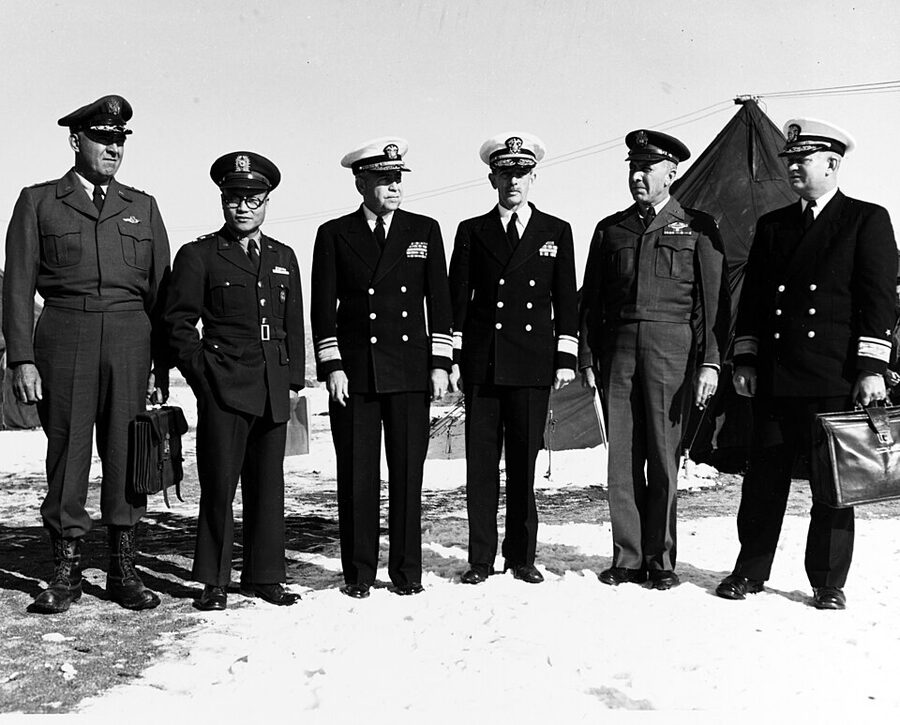
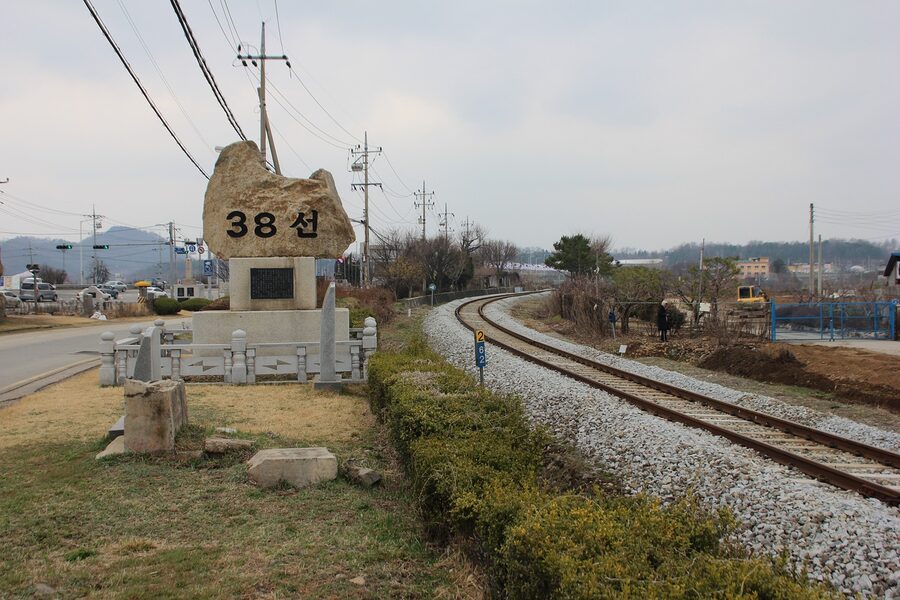
The DMZ was drawn in July 1953 as part of the Korean War armistice — a ceasefire, not a peace treaty. Technically, North and South Korea are still at war. The zone is 4km wide and 250km long, and for seventy years it has been one of the most heavily militarised strips of land in the world.
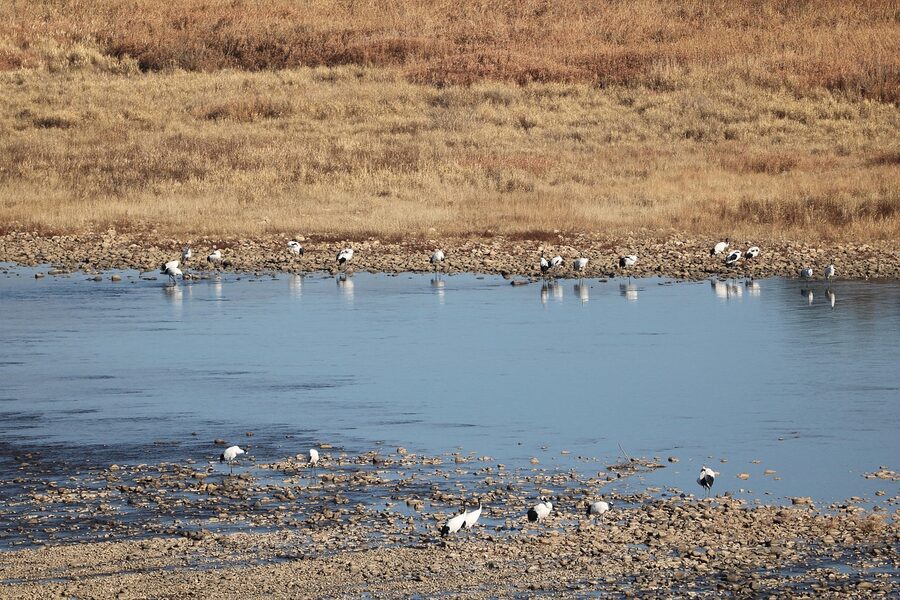
It is also, by accident, one of the richest wildlife refuges in East Asia. No civilians, no farming, no development. Red-crowned cranes winter here. Asiatic black bears have been recorded. Landmines are a problem for researchers but not, generally, for the birds.
The defector meet-up programmes started in the early 2000s. About 34,000 North Koreans have been resettled in the South. The numbers fell sharply during the pandemic — the Chinese border is the main escape route and it closed hard — and have only partially recovered. The women who speak on tours are, on average, older than they were a decade ago. The operators I trust pay them a fair daily rate and the tip you leave goes straight through.
Getting Back to Seoul for Dinner
Most tours drop off back near where they picked up. The day ends around 5 to 7pm depending on traffic. You will not want to do anything loud afterwards. Plan something slow — a bowl of handmade food after a Korean cooking class is ideal if you booked one earlier in the week. A quiet dinner in Ikseon-dong. An early night.
A few travellers I have talked to went directly from the DMZ drop-off to a pub crawl and regretted it. The day sits heavily on you for 12 hours.
Combining With Other Seoul Itinerary Days
If you have a week or more in Seoul, space the DMZ day carefully. I would not pair it with anything emotional the day before or the day after.
Day before: something easy. A hanbok rental day at the palaces, a Gangnam neighbourhood tour, or a market food crawl.
Day after: also something easy. A pub crawl through Hongdae if you have recovered by the evening, or a trip out to Nami Island and the Garden of Morning Calm for landscape instead of history.
If you are ending your Korea trip in Seoul and flying out via Incheon, our Incheon airport transfer guide is the cleanest way to get from hotel to terminal. Travellers flying in through Gimhae to Busan should look at the Busan airport SIM and T-money pickup for same-day arrival sorting. And if you have a long Incheon layover you cannot leave the airport for, the Seoul layover tour from Incheon is a better use of six hours than the transit lounge.
What I Would Actually Do If I Were You
If this is your first time in Korea and the budget is tight, book the $27 exclusive defector meet-up tour. The defector session is the point of the day and that tour gives it the most airtime for the lowest price.
If you want a slicker bus and do not mind paying for the option to skip the meeting on the day (you will not skip it), book the $45 add-on tour.
If you have a history interest or are travelling with someone who does, pay the extra eight or ten dollars and book the $49 DMZ plus defector talk tour. The storyteller guide makes the historical context sticky rather than rote.
Any of them beats the standard DMZ day by a long way.
Other Seoul Day Trips Worth Booking Around This
Once you have done the DMZ with a defector, the next few days in Seoul tend to feel quieter. That is by design — do not try to pack too much in. A few favourites that slot in nicely after.
For something hands-on and gentle the day after, book another Korean cooking class or a kimchi-making session. The action of chopping and stirring is a real reset. I like a Seoul night market food tour two evenings after, when you are ready for noise again. A private Seoul tour can be stitched together around any of this if you want someone doing the logistics.
If you are in Korea longer than a week, push out of Seoul. Mt Seoraksan is a deliberate counterweight to the DMZ — pure mountain, no history. Jeju Island and a Gyeongju day trip from Busan round out a two-week Korea trip. The BTS ARMY footsteps tour and a K-drama filming location tour are useful if you are travelling with someone who came to Seoul for a specific pop-culture reason and is humouring you on DMZ day.
Book the defector meeting first. Everything else can flex around it.