
Is booking a hanbok in Seoul something you plan weeks in advance, or just something you show up for? I wondered the same thing before my first palace day. The honest answer is a bit of both, and whether you pre-book makes more difference than the colour you pick.
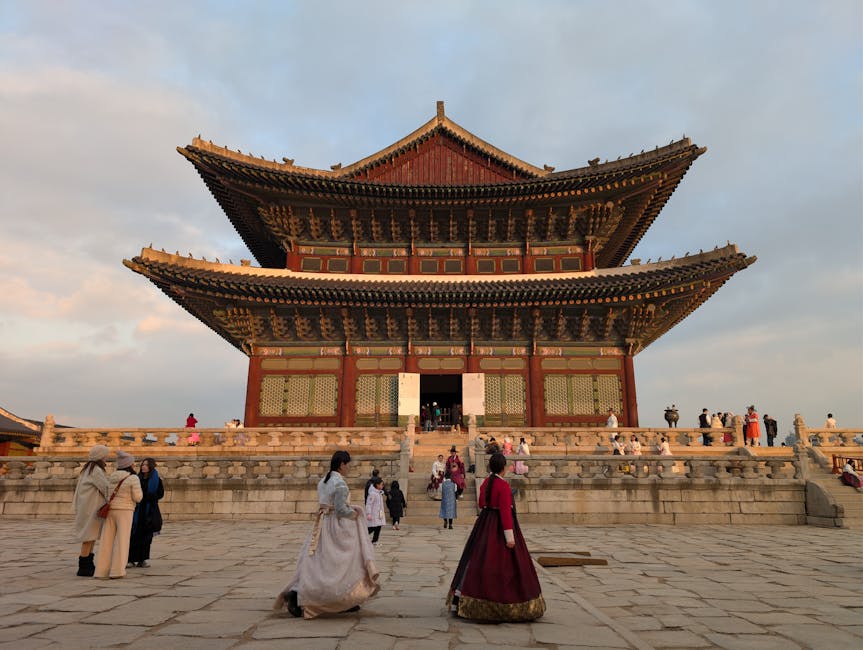
This is the guide I wish I’d had before I stood in front of a rack of 500 hanboks trying to decide between jade green and dusty rose. Below is how I’d book it now, plus the three rental tours I’d recommend to a friend.
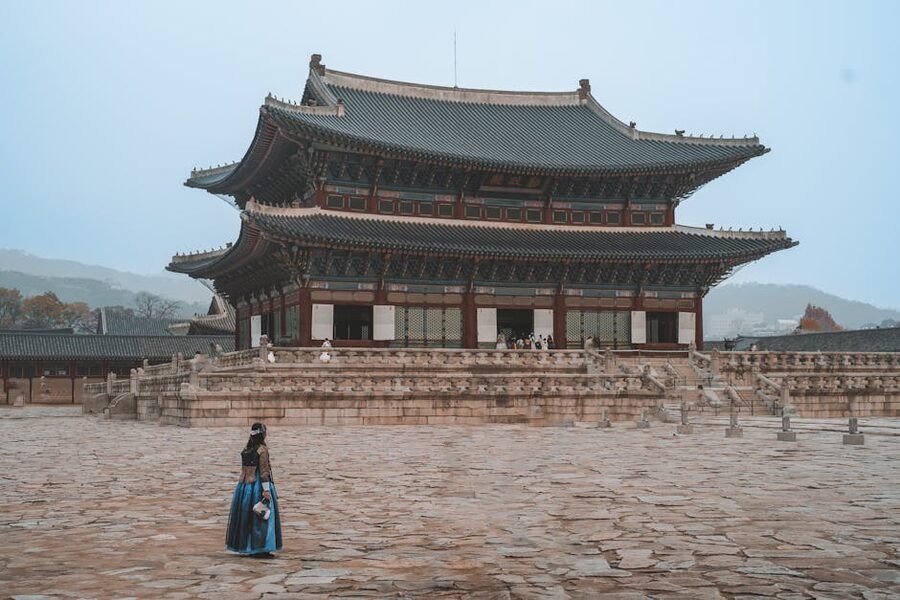
Short on time? My top 3 hanbok rental picks
- Seoul: Hanbok Rental with Gyeongbokgung Palace Entry — from $6. The cheapest reliable option right outside Gyeongbokgung. Check availability
- Seoul: Gyeongbok Palace with Gigibebe Hanbok Rental — from $9. A full day rental if you want to wander further than the palace. Check availability
- Hanbok Photoshoot and History Tour at Gyeongbokgung — from $60. If you want a guide and a pro photographer, not just a dress. Check availability
- Short on time? My top 3 hanbok rental picks
- Do you actually need to book a hanbok in advance?
- Where to rent — it’s all about Jongno-gu
- Near Gyeongbokgung Palace
- Near Changdeokgung Palace
- Near Bukchon Hanok Village and Insadong
- How much does it cost to rent a hanbok in Seoul?
- How long should you rent for?
- Season matters more than you’d think
- Which tour should you actually book?
- 1. Seoul: Hanbok Rental with Gyeongbokgung Palace Entry — from
- 2. Seoul: Gyeongbok Palace With Gigibebe Hanbok Rental — from
- 3. Hanbok Photoshoot and History Tour at Gyeongbokgung Palace — from
- What actually happens at a hanbok rental shop
- A brief history of the hanbok — why it still matters
- The unwritten rules nobody tells you
- What shoes to wear under a hanbok
- Wearing hanbok with kids and groups
- What to bring, what to leave behind
- Making a full day of it
- Alternatives if you don’t want to rent
- Common questions I get about hanbok rentals
- If this is your first Korea trip
- Planning your hanbok day in Seoul
Do you actually need to book a hanbok in advance?
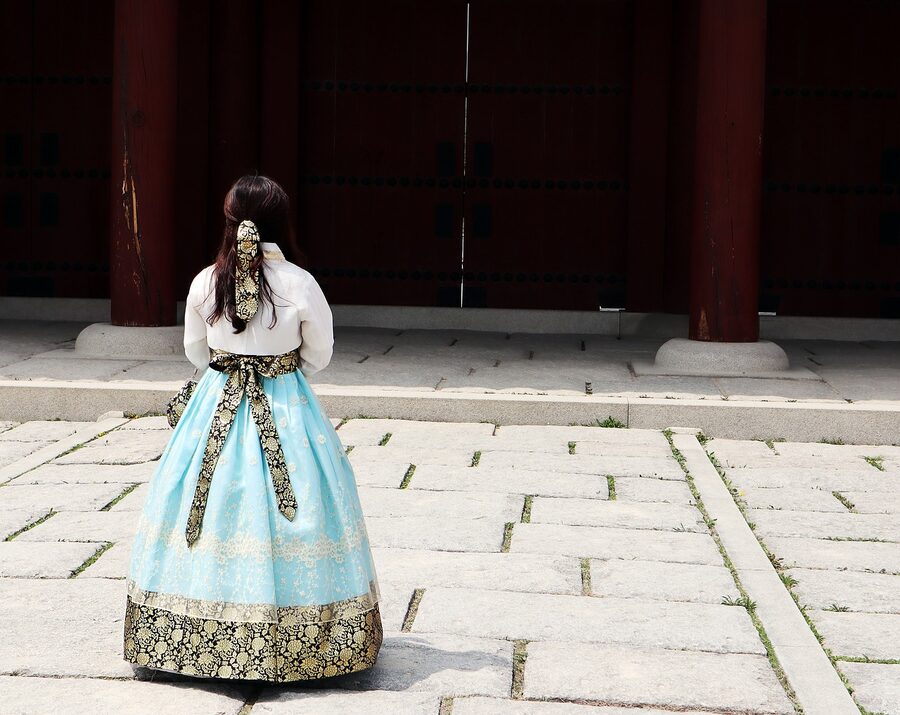
Short version: on a regular Tuesday in January, no. On a Saturday in April, yes, and I mean by the week before. The rental shops near Gyeongbokgung can absorb a lot of walk-ins, but when the cherry blossoms bloom or a public holiday lands, you can lose an hour queuing while other people collect your first-choice dress.
I booked my first hanbok on the day through GetYourGuide’s Gyeongbokgung rental because I wanted the voucher as insurance. The price is the same as walking in. The difference is you turn up with a time slot, and the staff don’t have to squeeze you in between groups.
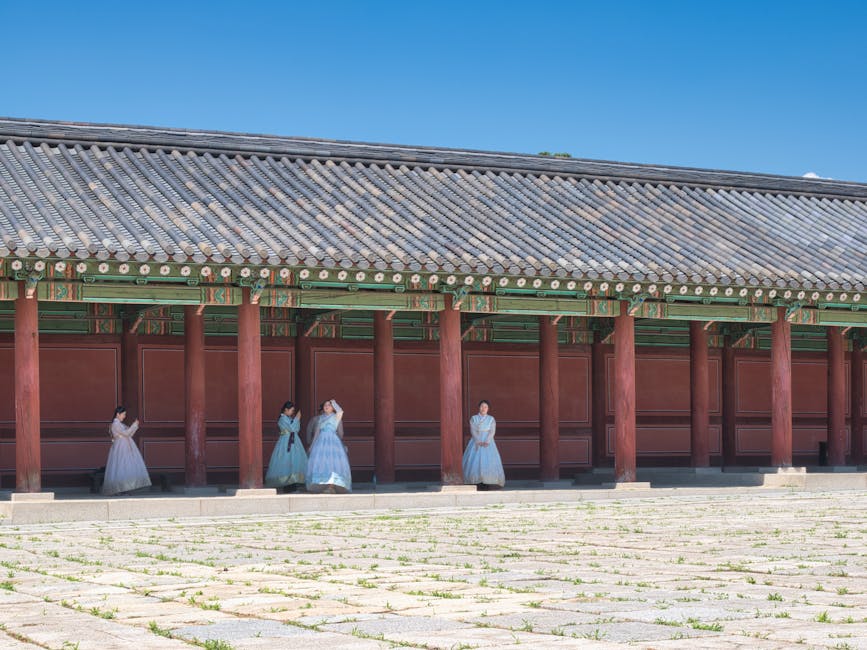
Here’s what pre-booking actually gets you. A guaranteed time slot means you walk past the queue. It locks in the shop’s standard price, so you don’t end up steered towards a premium rack. Many of the online vouchers also bundle the free palace entry with a specific shop, so you’re not hunting around for a place that still has stock of your size. And if you change your mind, most booking platforms refund up to 24 hours before.
If you’d rather wing it, go first thing in the morning. The shops open around 09:00 and by 10:30 the good stuff starts thinning out on busy days.
Where to rent — it’s all about Jongno-gu
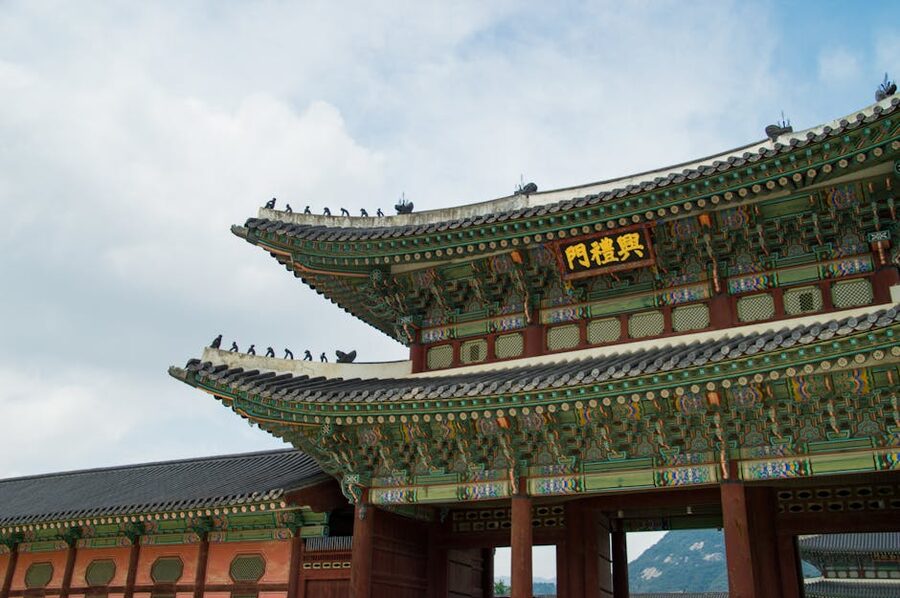
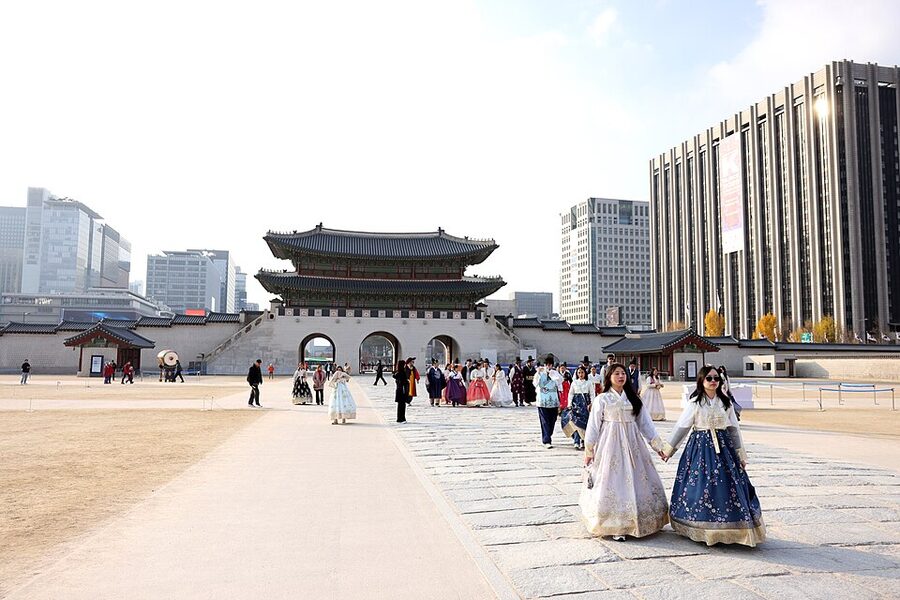
Nearly every tourist hanbok rental in Seoul sits in one neighbourhood: Jongno-gu, specifically the streets around Gyeongbokgung Palace, Bukchon Hanok Village, and Insadong. It’s not coincidence. All five of the city’s grand palaces cluster here, and they all give free entry to anyone wearing hanbok.
Near Gyeongbokgung Palace
This is the main event. Gyeongbokgung is the biggest, most ornate of the palaces, and it’s the backdrop on almost every hanbok Instagram post you’ve ever seen. The rental shops wrap around the palace on both the east and west sides, with Hanboknam’s Gyeongbokgung branch being the most booked. I rented here because the shop sits about four minutes from Gwanghwamun Square.
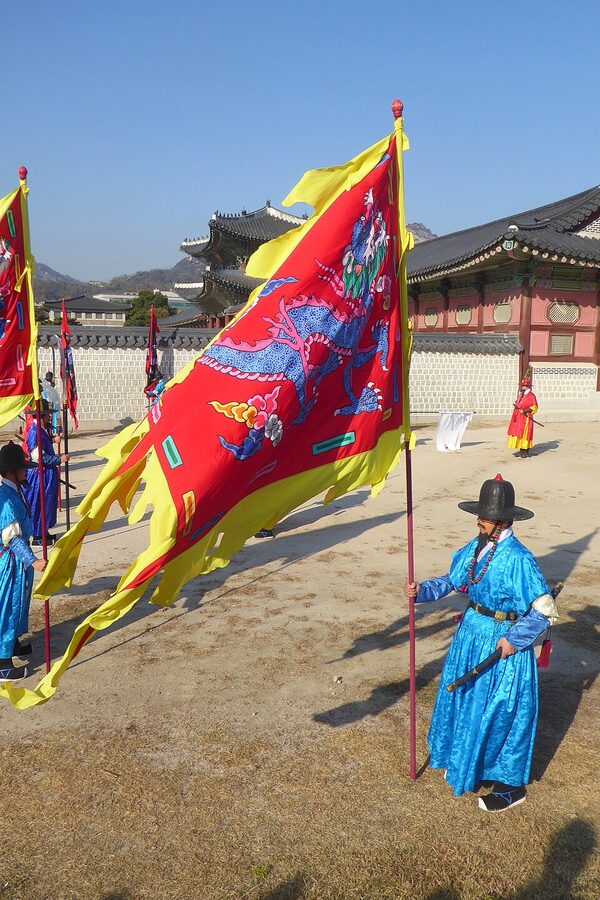
Heads up: Gyeongbokgung is closed on Tuesdays. If you’ve booked a hanbok for a Tuesday, you’ll miss the free palace entry and end up doing photos by the outer walls only. Not the end of the world — the walls are beautiful — but not what most people imagine. Book for any other day if you can.
Near Changdeokgung Palace
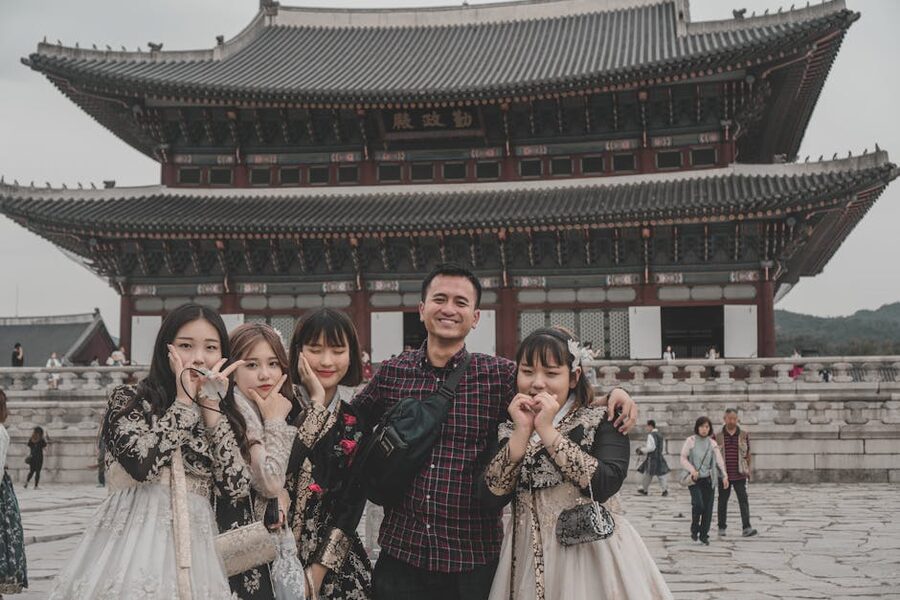
Changdeokgung is quieter, and its UNESCO-listed Secret Garden (Huwon) is magical in the autumn. Hanboknam has a second branch at the Donhwamun-ro entrance, which is ideal if you want to visit Changdeokgung and the nearby Changgyeonggung in one rental period. Changdeokgung is closed on Mondays, so again, check the day before you book.
The Secret Garden needs a separate timed ticket and only a limited number of people are let in per session. If that’s part of your plan, book both things — the hanbok and the Secret Garden slot — a couple of days ahead.
Near Bukchon Hanok Village and Insadong
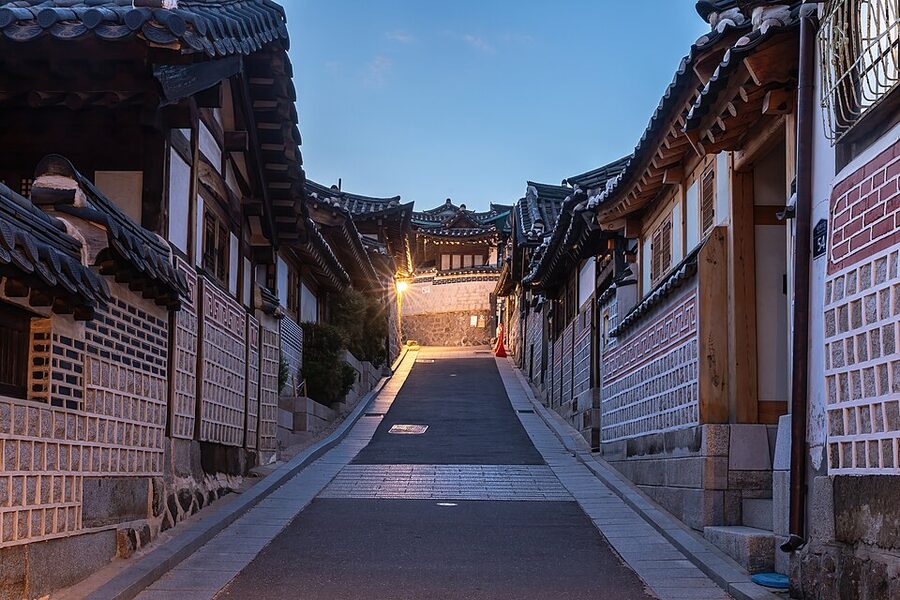
A ten-minute walk northeast of Gyeongbokgung drops you into Bukchon Hanok Village. This is the neighbourhood of preserved traditional homes that you’ve seen on every Seoul postcard. The famous alley with the photogenic rooftop view is Bukchon-ro 11-gil. Locals still live here, and since 2024 the area enforces quiet hours (10:00-17:00 only, Sunday closed entirely on some streets). If you book a hanbok for Bukchon, go early in the day and whisper.
Dorothy Hanbok sits almost exactly between Gyeongbokgung and Bukchon, which is why I’d pick it if I wanted to hit both on the same rental. Insadong is another popular pickup area — the neighbourhood itself is less photogenic than Bukchon, but it’s full of teahouses, calligraphy shops, and places to sit when your feet hurt after two hours in traditional shoes.
How much does it cost to rent a hanbok in Seoul?
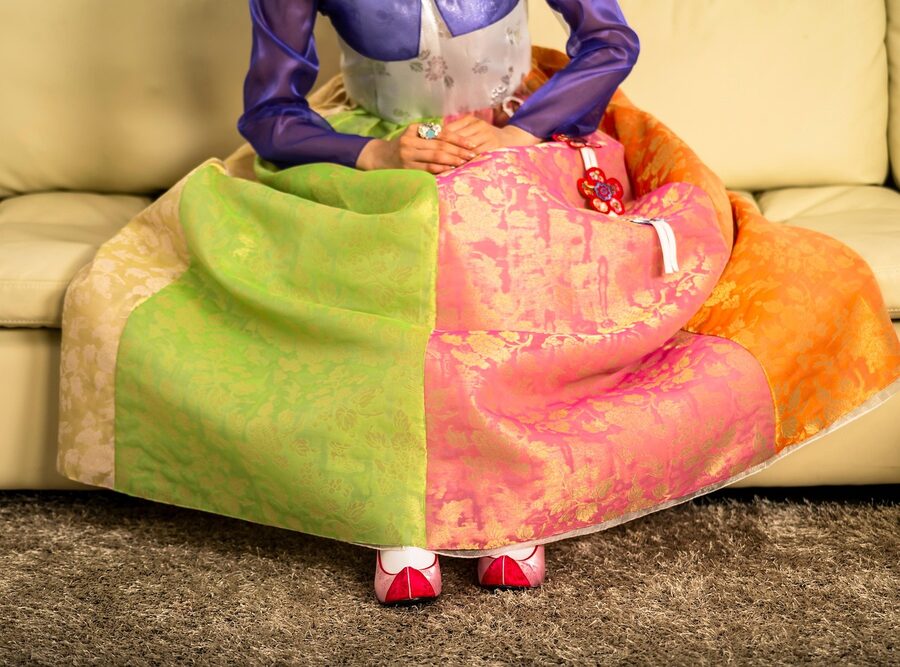
The price range is wider than people expect. Here’s what I’ve paid and what you should budget:
- Basic 2-4 hour rental: W15,000-W25,000 (about $11-$19). Includes the hanbok, underskirt, and basic hair styling.
- Standard 2-4 hour rental: W25,000-W40,000 (about $19-$30). Adds more colour and fit options, and usually accessories.
- Premium 2-4 hour rental: W40,000-W80,000 (about $30-$60). Designer hanboks, silks, Maison Danha-style. The BLACKPINK-wears-it tier.
- Full day rental: W30,000-W60,000 (about $22-$45). Worth it if you plan to visit multiple palaces.
- Photoshoot packages: W50,000-W150,000 (about $37-$112). With a professional photographer.
The base $6 price you sometimes see on booking platforms is a shortened slot, usually 90 minutes at a single palace. It’s real, but understand what it is — enough time for photos, not enough for a leisurely afternoon. I’d spend the extra few dollars for a 4-hour window.
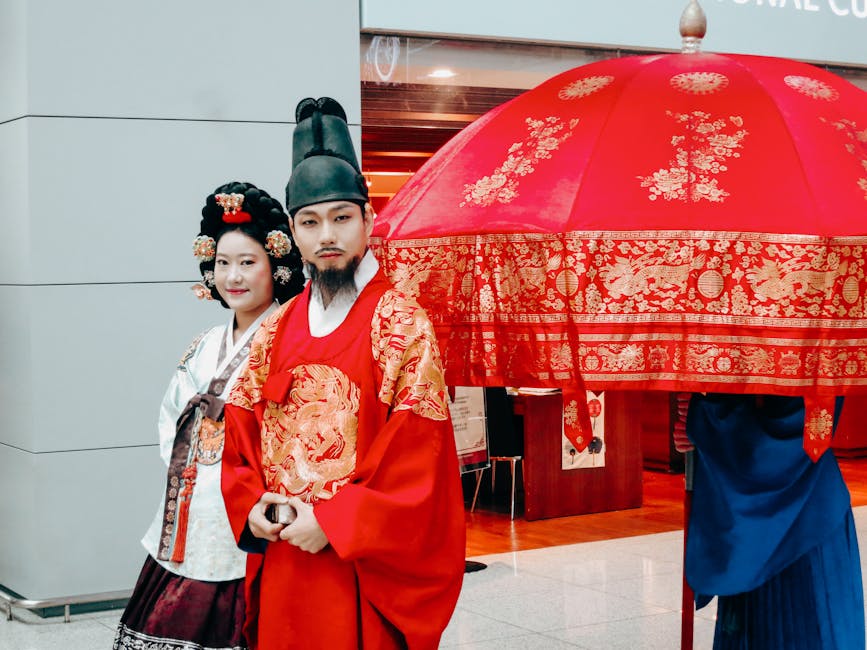
The deposit is separate. Most shops ask for a refundable W10,000 if you leave your passport, or around W50,000 if you only leave a photocopy. You get this back when you return the dress clean and on time. Pay in cash where you can — foreign cards sometimes fumble at the smaller shops.
How long should you rent for?
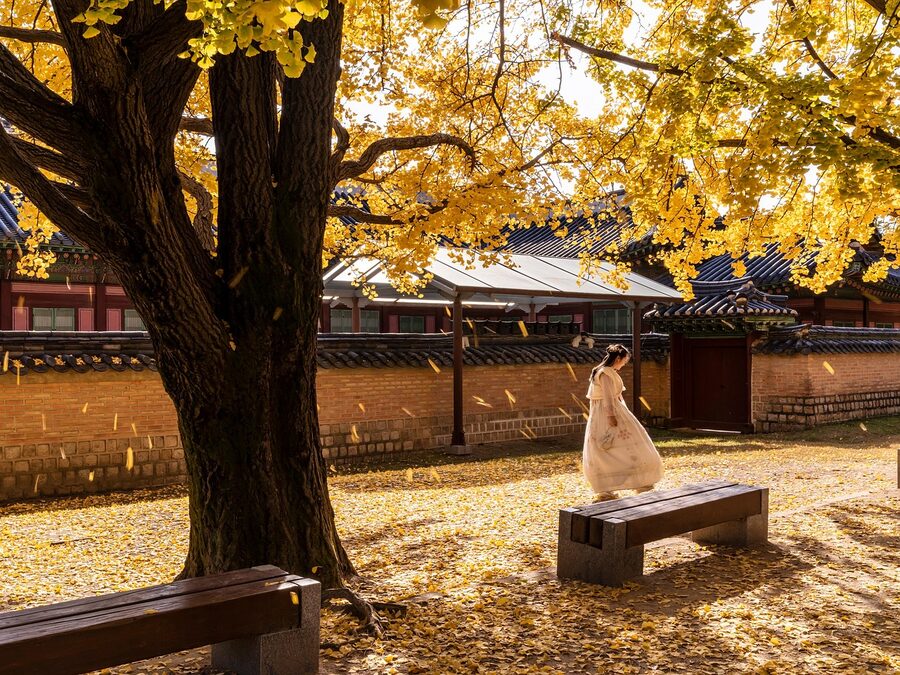
I always book the 4-hour option now. Here’s the maths: you lose 20 minutes to fitting and styling at the start, another 15 to the walk to the palace, 30-40 to a single palace visit, another 20 to walk back. On a 2-hour rental, that leaves maybe 30 minutes for photos. Not enough.
On a 4-hour rental, you can cover Gyeongbokgung and Bukchon without sprinting, catch the changing of the guard, and sit for a coffee somewhere. On a full-day rental, you can add Changdeokgung or a proper lunch at a hanjeongsik restaurant.
Season matters more than you’d think
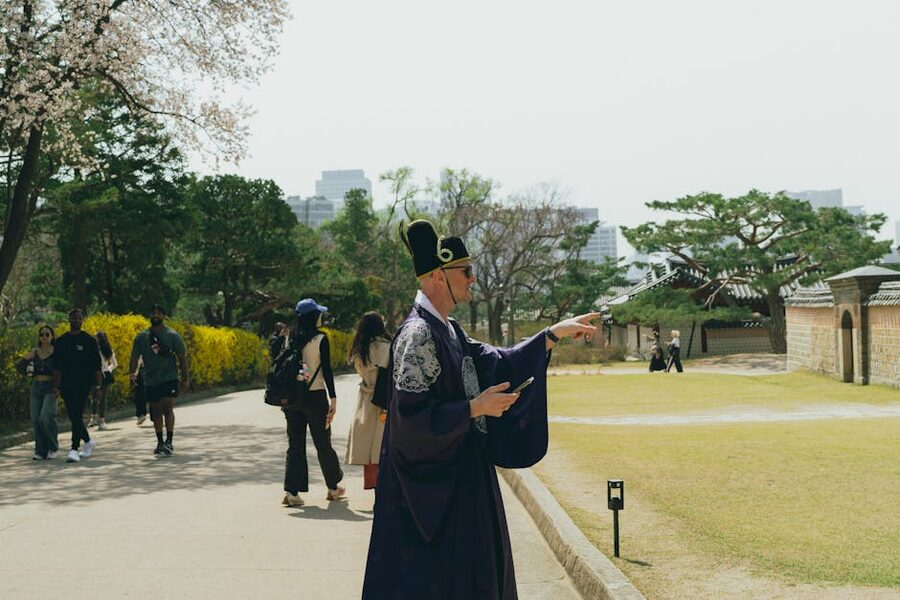
Korean summers are brutal. July and August regularly hit 32-35°C with 80% humidity. A traditional hanbok layers an underskirt, a skirt, and a long-sleeved jacket — you will melt. If you must rent in summer, do it first thing in the morning, pick a lighter cotton-blend, and stick to a 2-hour slot.
Spring and autumn are the sweet spot. Mid-March to late April gives you cherry blossoms and magnolias as backdrops. Late September to early November hands you golden ginkgo trees and maple leaves in the palace grounds. Winter works too if you pick a shop that includes a fur-lined vest or shawl (Hanbok That Day does), and the photos against snow dusting the palace roofs are genuinely striking.
Which tour should you actually book?
Here’s where I’d put my money now, after a few rentals. I’ve ranked these by best fit for different kinds of visitors.
1. Seoul: Hanbok Rental with Gyeongbokgung Palace Entry — from $6
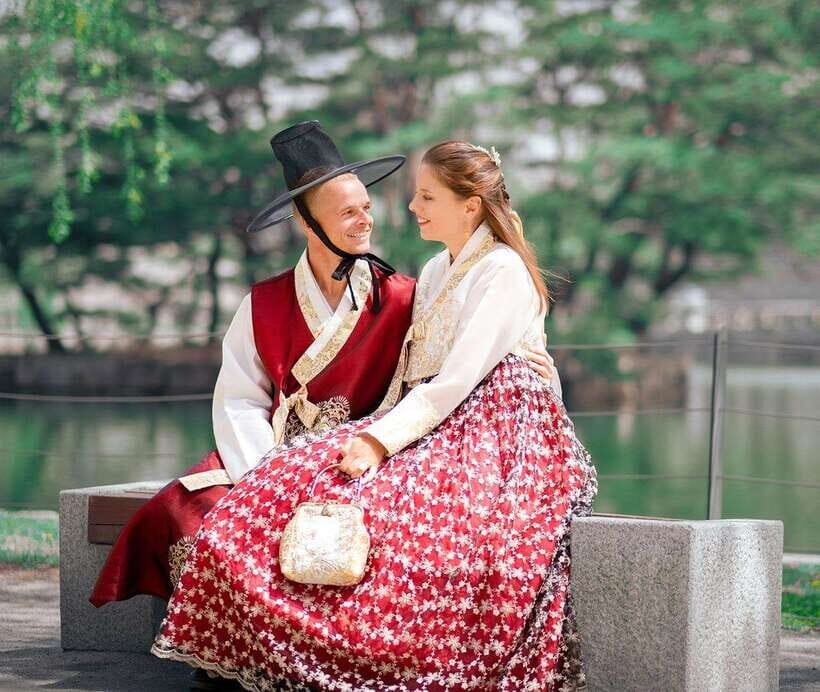
This is the one I’d send a budget-conscious friend to first — our full review covers which dress tiers actually come with the base price and which add-ons the staff will suggest on arrival. The shop is reliable, the changing rooms are clean, and the location is as close to Gwanghwamun as you can reasonably get. You won’t get designer hanbok here, but you’ll get a solid, clean dress and a staff member who’ll help with the hair.
2. Seoul: Gyeongbok Palace With Gigibebe Hanbok Rental — from $9
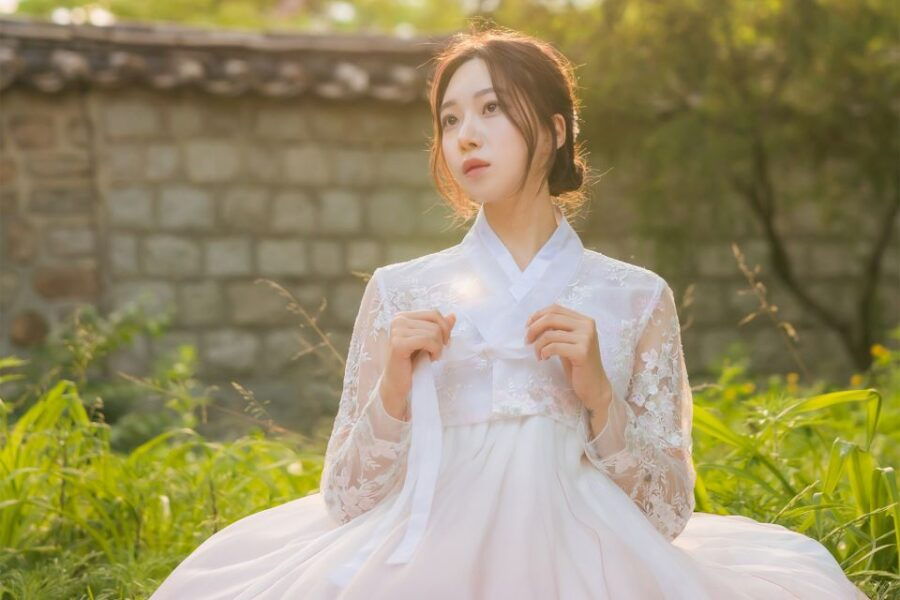
Gigibebe gets my vote for travellers who want to wander. It’s a 1-day rental at a price close to what others charge for 4 hours, and our full review breaks down the style selection and the staff’s English level. The dresses lean modern-traditional rather than strictly historical, which I actually prefer for photos outside the palace walls.
3. Hanbok Photoshoot and History Tour at Gyeongbokgung Palace — from $60
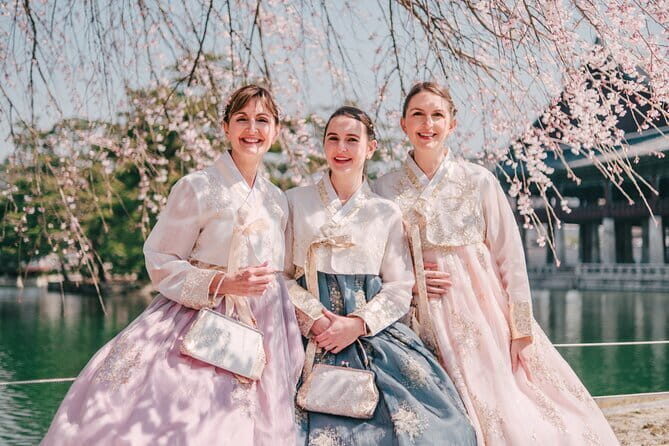
If you’re in Seoul for a special reason — anniversary, engagement shoot, a solo trip you want to remember properly — this is where I’d put the budget. You get a guide who talks you through what you’re actually looking at in the palace, and a photographer who knows the angles that won’t have thirty tourists in the frame. Our full review has the details on the photo package and final deliverables, including how many edited shots you get back.
What actually happens at a hanbok rental shop
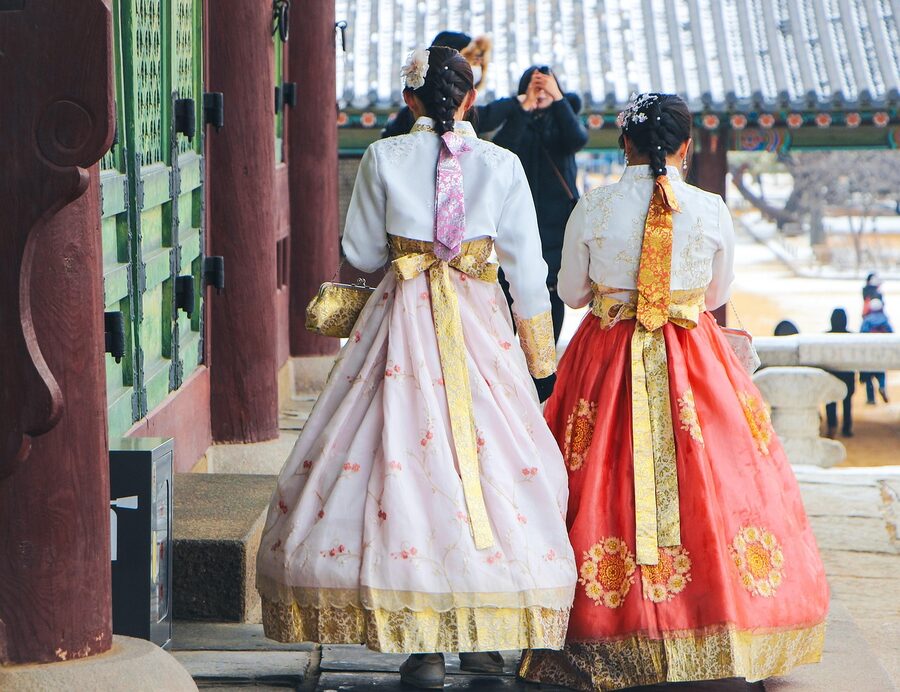
The process is fast, and the staff have done it a thousand times. Here’s the sequence at pretty much every shop:
- Arrive on time. If you booked online, turn up at the start of your slot. Late arrivals get their rental time clipped short — they won’t extend your 4 hours just because you showed up at 14:20 for a 14:00 slot.
- Leave your deposit. Passport plus W10,000, or photocopy plus W50,000. You get the money back on return.
- Pick your hanbok. The racks are sorted by size first, colour second. Don’t panic over the choice. Once you’re outside, one colour looks as good as another.
- Keep your clothes on underneath. This threw me the first time. You don’t strip down. You put the hanbok on over your t-shirt and leggings. Saves on cleaning between customers.
- Hair and accessories. Most shops include a basic braid with a ribbon (daenggi) or a bun with a headband. Upgrades are extra — usually W5,000-W15,000 for elaborate hair or full makeup.
- Lock up your bag. Free locker in the shop. Take only your phone, wallet, and camera.
- Clock starts when you leave. Not when you finish getting dressed. The moment you walk out the door.
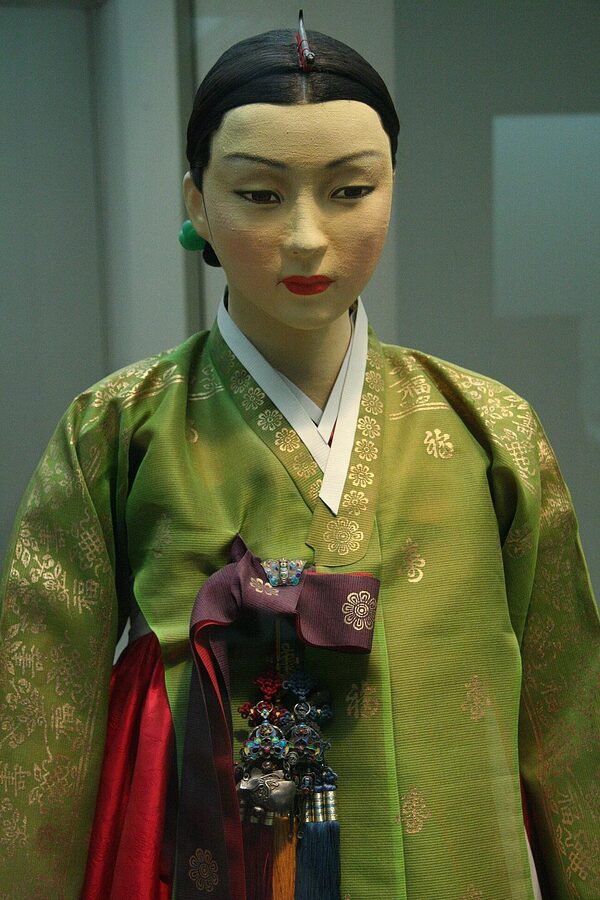
Returning is easy. Walk back in, change in the same room, hand everything over. Staff do a quick check for stains or damage — minor dirt from walking around is fine, a coffee spill or a torn hem is charged against your deposit. In four rentals across three trips, I’ve never had a deposit taken.
A brief history of the hanbok — why it still matters
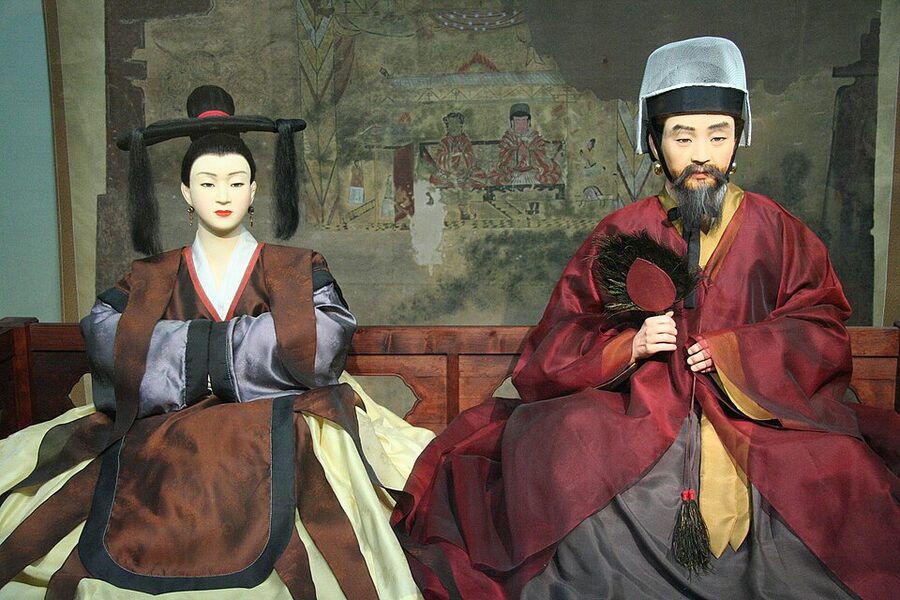
The hanbok isn’t a dress-up costume, even though modern rentals frame it that way. It’s been Korea’s everyday formal wear for nearly 2,000 years, and the cut you’ll wear at Gyeongbokgung is mostly a Joseon-dynasty design — that’s 1392 to 1897. The jeogori (top jacket) got shorter over the centuries; the chima (skirt) got fuller.
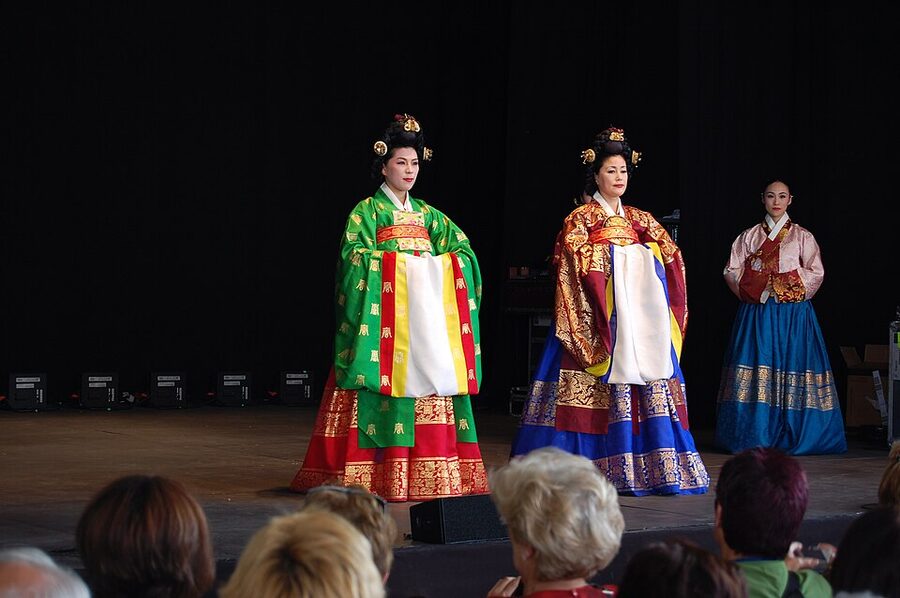
By the early 1900s Western clothing replaced everyday hanbok in cities, and it nearly disappeared as daily wear. The revival you see now started as a cultural push in the 1990s and exploded with K-dramas and K-pop in the 2010s. The “free palace entry when wearing hanbok” rule — introduced in 2013 — is part of that same push. It’s why every Gyeongbokgung photo has a crowd of hanbok wearers in it now.
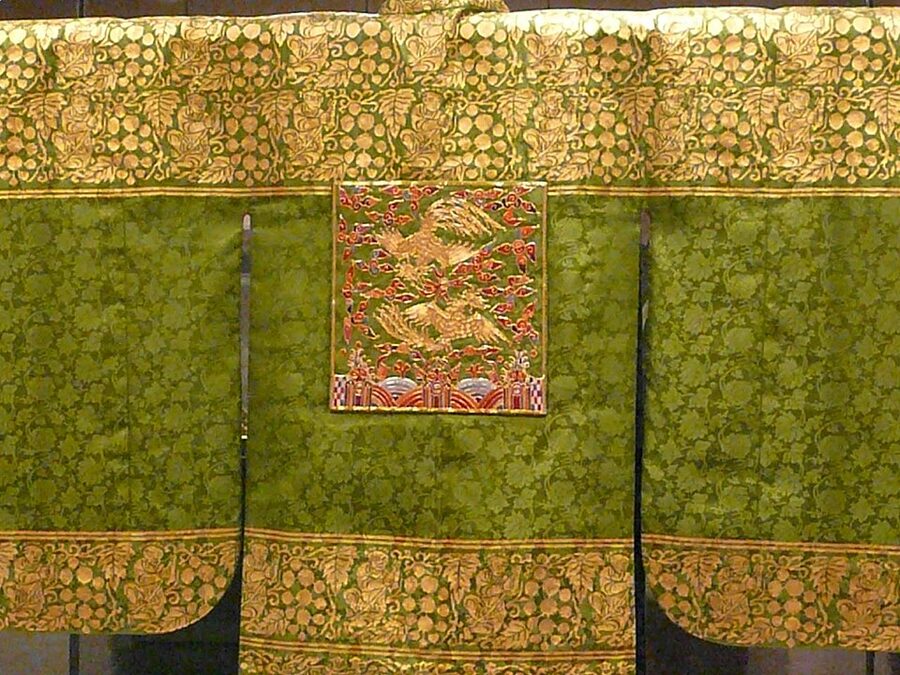
Why does this matter for your rental? Because the shops do take the tradition seriously. The staff will quietly correct the way you’re holding the skirt, the placement of the goreum (ribbon tie on the jacket), the angle of your hair ornament. It’s worth listening — partly for good photos, partly because wearing someone’s cultural dress badly in the country of origin is not a great look.
The unwritten rules nobody tells you
There are a few etiquette things that aren’t on any rental contract but will save you side-eye:
- Don’t hold up the palace gates for photos. Take your shot and move. A crowd of hanbok photographers clogging Gwanghwamun is a minor Seoul traveller complaint.
- Bukchon is a residential area. Whisper. Don’t film with a tripod. Don’t photograph through people’s front doors.
- Don’t eat messy food in hanbok. The dresses are dry-cleaned between rentals, but ddeokbokki sauce on silk stains the deposit. Coffee and ice cream are fine, street food less so.
- The dress is not a costume party outfit. Don’t pair it with a baseball cap or sunglasses on your head. Photos look weird, and shops have started asking people to take props off before they leave.
- Return on time. Late returns are charged by the hour, and the charges are steep — often more than the original rental.
What shoes to wear under a hanbok
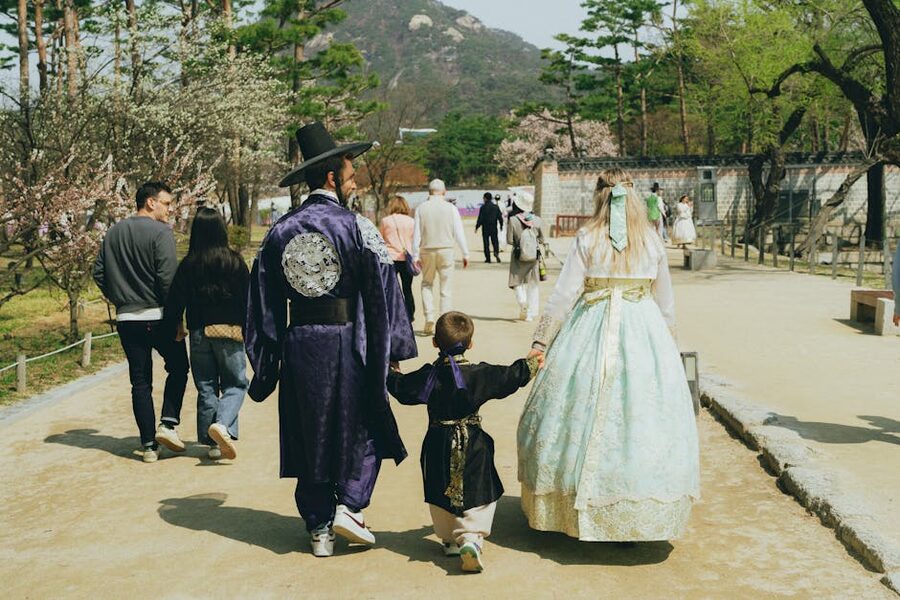
Shops provide traditional flat shoes as part of the rental. They work for about an hour. After that, your feet will protest — the soles are thin, there’s no arch support, and Seoul’s palace grounds are uneven gravel in places. My rule now is: wear comfortable socks (they’ll show), bring folding flats or trainers in the locker, and swap out after you’ve done the main photo spots.
Actually, one better rule: book a hanbok shop that’s genuinely close to where you want photos, then walk straight there, shoot, and walk straight back. Don’t add a Bukchon detour unless your feet are already broken in on Korean palace paths.
Wearing hanbok with kids and groups
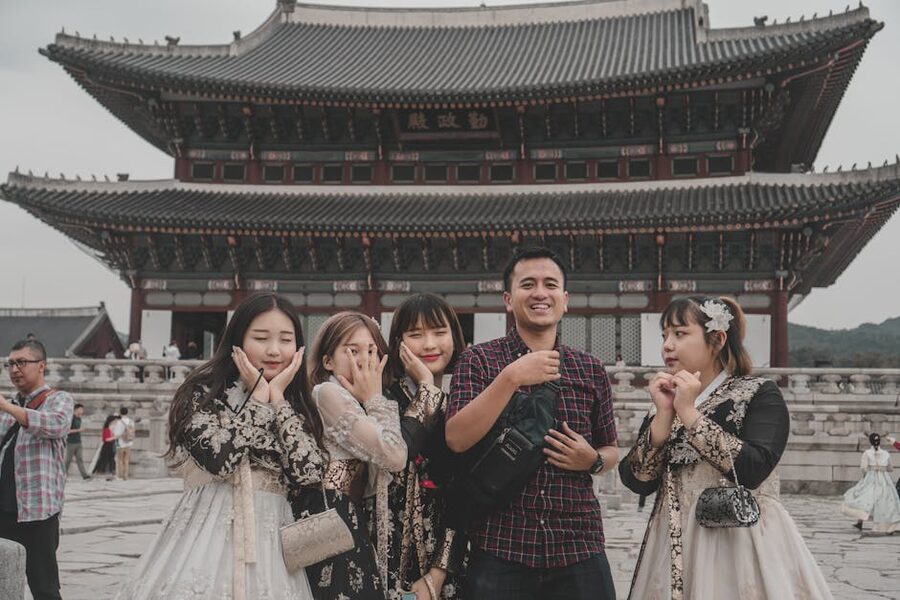
Kids’ hanboks start at Gongju Hanbok, the Insadong shop that keeps sizes as small as age 1. Expect about W15,000 for a child’s rental if booked alongside an adult. The shoot opportunities with kids are best at Bukchon — quieter streets, fewer strangers in the frame — but you need to time it between school groups and nap time.
For bigger groups (bachelorette parties, birthdays, company outings), most shops will do a block booking at a small discount. Message the shop directly or book through the GYG voucher with a note about group size. Hanbok That Day is the go-to if you want a photographer included — they’ll coordinate the whole group.
What to bring, what to leave behind
Practical kit for a hanbok day:
- Your passport (or a colour photocopy and a bigger deposit).
- Cash in won — the deposit often needs to be cash, and so do smaller shops.
- A phone charger and power bank. You’ll take hundreds of photos.
- A light layer you can carry. Korean palaces get windy in spring and autumn.
- Comfortable socks that won’t look weird with traditional shoes.
- Folding flats in a tote you can stash in the locker or leave at the shop (they’ll hold it).
- Your T-money card. You’ll be walking between neighbourhoods and may want a quick subway hop.
Leave your big backpack at the hotel. Pockets on hanbok are basically decorative — you’ll struggle to carry anything on your person.
Making a full day of it
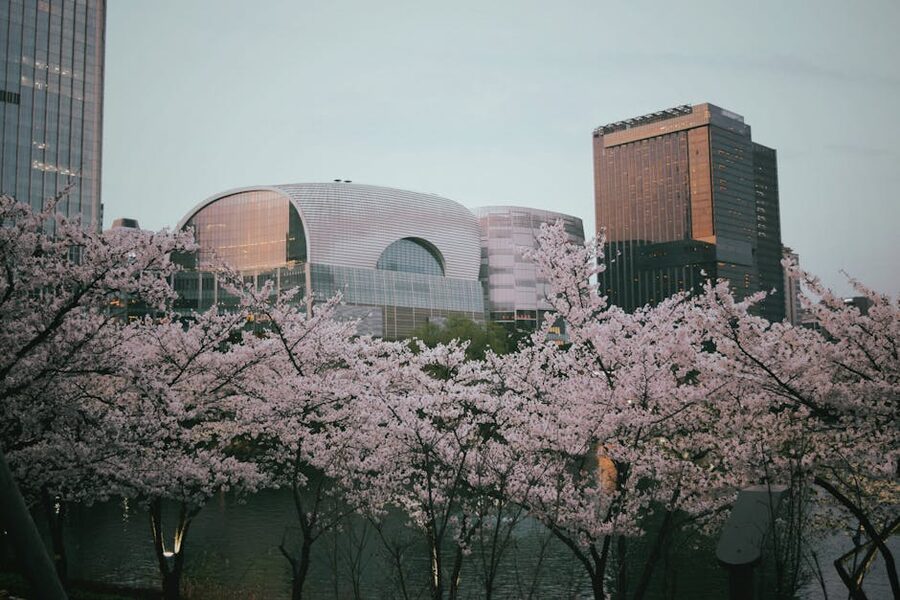
A good hanbok day follows a rhythm: arrive at the shop by 09:30, in the palace by 10:30 for the changing of the guard, lunch in Bukchon or Insadong around noon, a second short photo spot in the afternoon, back at the shop by 14:00 or 15:00. That leaves the late afternoon for everything else Seoul has to offer.
If you want to plan out the rest of your Seoul time, my guide to booking a private Seoul tour covers good add-ons for after your hanbok morning, and the Seoul night walking tour guide is perfect for the evening. Many people pair a hanbok morning with a Korean cultural show like Nanta or Painters in the evening, which keeps the traditional-culture thread going all day.
Alternatives if you don’t want to rent
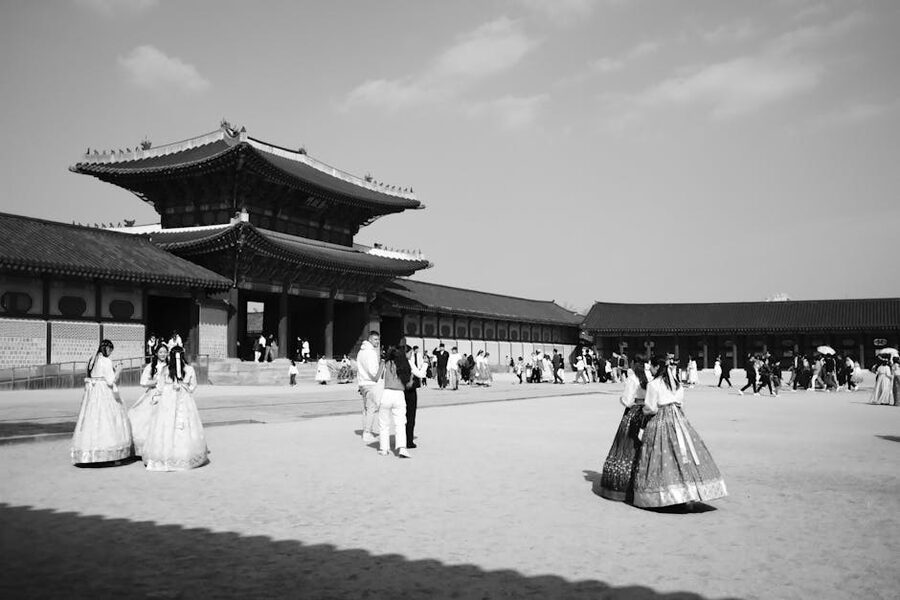
Not everyone wants to put on a dress. Fair. A few alternatives that get you close to the culture without the rental:
- Gyeongbokgung self-guided visit. W3,000 entry, English audio guide, and the same palace everyone else is photographing. You miss the free entry but gain the calm.
- National Folk Museum. Inside the Gyeongbokgung grounds. Free. Excellent hanbok exhibits and the full history of what you’re seeing outside.
- Hanbok photoshoot with a pro photographer. Some studios let you just stand for the shoot without renting to wander — you get the dress for the photos and hand it back. Cheaper than a full-day rental if that’s all you wanted.
- A Korean cultural show. Nanta, Painters, and TOUCH FIVE all dress performers in hanbok and give you the music and percussion without any outfit change for you. See my Korean cultural shows guide for current options.
Common questions I get about hanbok rentals
Can I wear my own clothes under the hanbok? Yes, and you’re expected to. A t-shirt and leggings work. Avoid thick hoodies or baggy jeans that show at the neckline.
Are men’s hanboks available? Every shop I’ve visited has them. Expect fewer colour options than women’s rentals, but plenty of variety in the jacket cut.
Can I rent plus-size hanbok? Seohwa Hanbok specialises in extended sizes up to about US 22-24. Most larger shops have up to US 14-16 as standard. Message ahead if unsure.
Can I take the hanbok outside the immediate palace area? Yes, as long as you’re back at the shop on time. I’ve seen people wearing hanbok at Ihwa Mural Village, N Seoul Tower, even Starfield COEX mall. Just don’t take it on the subway during rush hour — the fabric catches on bag straps.
Do shops take foreign cards? Online booking platforms do, obviously. At the counter, bigger shops accept Visa and Mastercard; smaller ones are cash-only. Always have W50,000-W100,000 in cash as backup.
Is there a tipping culture at hanbok shops? No. Korea isn’t a tipping country. The staff will refuse if you try. A genuine thank-you in Korean (kamsahamnida) is the actual tip.
If this is your first Korea trip
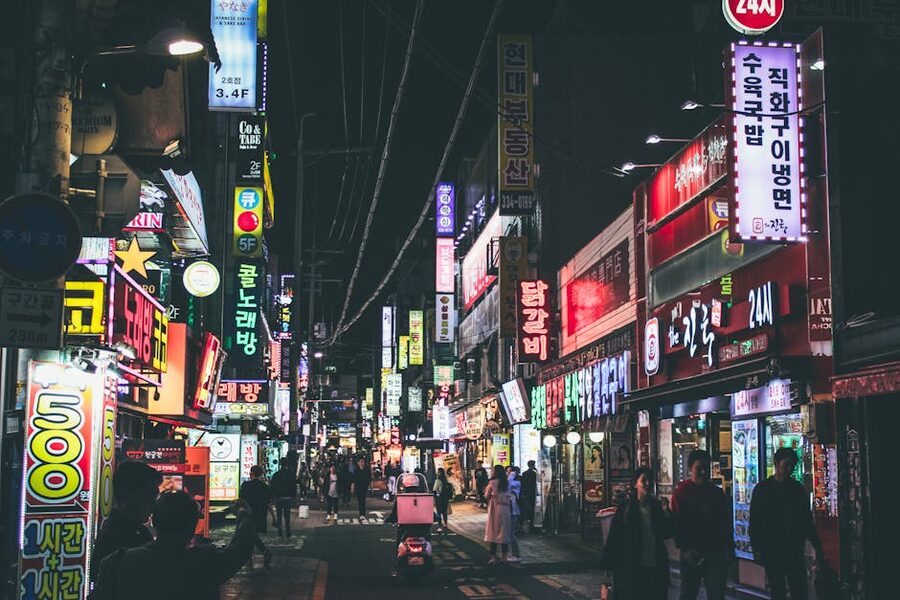
Wearing hanbok is one of those travel things that sounds performative until you do it. Then you realise it’s less about the photos and more about walking through a 600-year-old palace feeling like you belong there rather than gawking at it. The palace grounds respond differently to people in hanbok. You’ll see what I mean.
For everything else Seoul, have a look through the rest of my Korea booking guides. The Busan city tour guide covers the obvious follow-on trip south, the Mt Seoraksan day trip guide is my pick for a big nature day, and the Incheon SIM and T-money card guide is the single most useful booking you’ll make before landing. If you’re extending beyond Seoul, the Jeju private tour guide and Suwon Hwaseong Fortress day trip guide are where I’d point you. For a different flavour of Seoul, the Gangnam tour guide puts you in the modern half of the city — the opposite of the hanbok afternoon — and rounds out the trip nicely. And if you want to make a night of it after your hanbok morning, the Seoul pub crawl guide is where I’d start.
Planning your hanbok day in Seoul
You don’t need to overthink this one. Pick a date that isn’t a Tuesday (Gyeongbokgung closed), pre-book a 4-hour slot at a shop near Gyeongbokgung if you’re going on a weekend or in cherry-blossom week, leave the big backpack at the hotel, and show up on time. The rest — which colour, which style, which palace to hit first — sorts itself out once you’re in the shop. The staff know their job, and everything looks good at a Korean palace.
If I had to pick one booking, it’d be the Gigibebe full-day rental at $9 — enough time to actually be in the hanbok, not just rush through photos. If you want something with a photographer, the photoshoot tour is worth the extra money. And if your entire trip is budget-driven, the Gyeongbokgung entry voucher at $6 is a genuine bargain that still gets you through the palace gate for free.