
A traditional Korean meal isn’t really a meal — it’s a quiet act of editing. On a proper table you’ll find rice, a main dish, a stew, and anywhere from five to twelve tiny bowls of banchan arranged like a color wheel. Nothing gets plated individually. Everyone reaches for everything. The meal builds itself bite by bite, and the rules for which bite comes next are older than most European countries.
That’s the part a Seoul cooking class actually teaches you. The recipes are the easy bit. The logic of Korean eating — why kimchi is fermented in late autumn, why soup goes on the right, why the eldest person lifts their spoon first — is what you leave with.
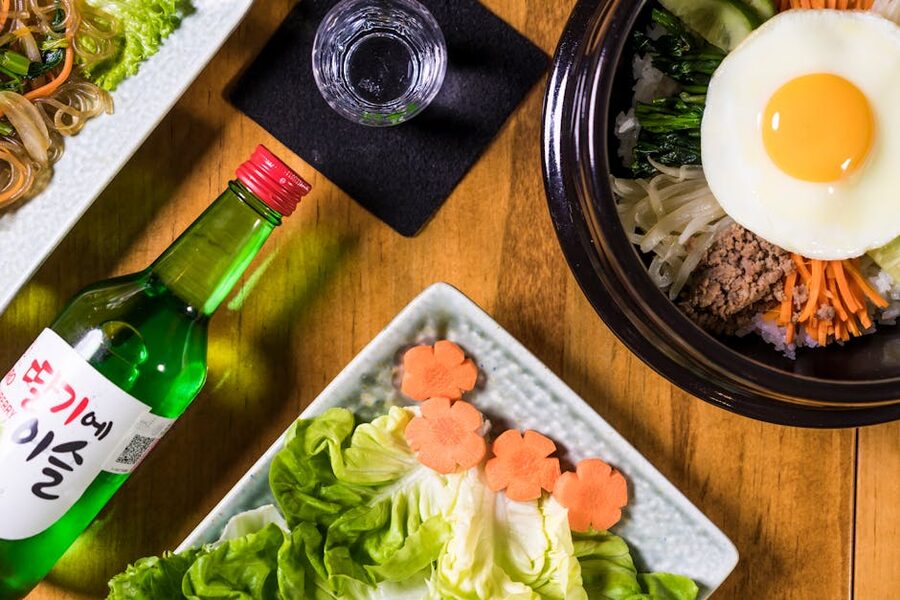
I’ve been running around South Korea for the past ten days, wrapping up this country series for the site, and the cooking class was the piece I kept pushing back because I wanted to save the good stuff for last. Three hours in a hanok kitchen in Jongno, a market walk at Gwangjang, a bag of gochugaru in my backpack — it was worth every won. This guide is everything I wish I’d known before booking.
Short on time? Here are my top 3 picks:
Best overall: Korean Cooking Class With Full-Course Meal and Market Tour — $91. The highest review count of any class in Seoul, and the only one that bundles a Gwangjang market walk with a full-course sit-down meal.
Best small group: Seoul Market Tour and Korean Cooking Class — $85. Caps at a handful of students, so you actually get hands-on time with the instructor instead of watching from three rows back.
Best hanok setting: Seoul Korean Cooking Class at a Local Home and Market Tour — $98. Held in a family home with the instructor’s own knives and pots. Pricier but the atmosphere is unbeatable.
- Why a Cooking Class Is the Smartest Thing You’ll Book in Seoul
- How Seoul Cooking Classes Work
- What You’ll Actually Cook
- The Best Korean Cooking Classes in Seoul
- 1. Korean Cooking Class With Full-Course Meal and Market Tour —
- 2. Seoul Market Tour and Korean Cooking Class With Small Group —
- 3. Seoul Korean Cooking Class at a Local Home and Market Tour —
- The Market Walk — What to Expect
- When to Book and What to Wear
- How to Get to the Usual Meeting Points
- Tips From Someone Who Learned the Hard Way
- The Korean Pantry You’ll Want to Build at Home
- Is It Worth Doing More Than One Class?
- Planning the Rest of Your Seoul Trip
Why a Cooking Class Is the Smartest Thing You’ll Book in Seoul
Here’s the argument I make to anyone who asks. Korean food has the steepest learning curve of any East Asian cuisine, mostly because of the pantry.
Once you can taste the difference between doenjang (fermented soybean paste) and gochujang (fermented chili paste), between ganjang (soy sauce) and the stronger guk-ganjang used only for soup, you start understanding restaurant menus in a completely different way. Suddenly “the fishy one” becomes jeotgal and you know to order it on the side, not mixed in.
A cooking class compresses that learning from months of trial and error into about three hours. You smell every paste, you handle every spice, you watch someone who’s been making kimchi since they were six turn a cabbage into dinner.
The other reason is logistical. If you take the class early in your trip — day two or three, not day ten — you’ll spend the rest of your time in Seoul ordering better, eating more confidently, and actually knowing what you want at the BBQ joint instead of pointing at photos. I made the mistake of booking mine for the end. Don’t do what I did. Pair it with a proper Seoul sightseeing tour on day one and you’ll have the city basically figured out before your first dinner.
How Seoul Cooking Classes Work
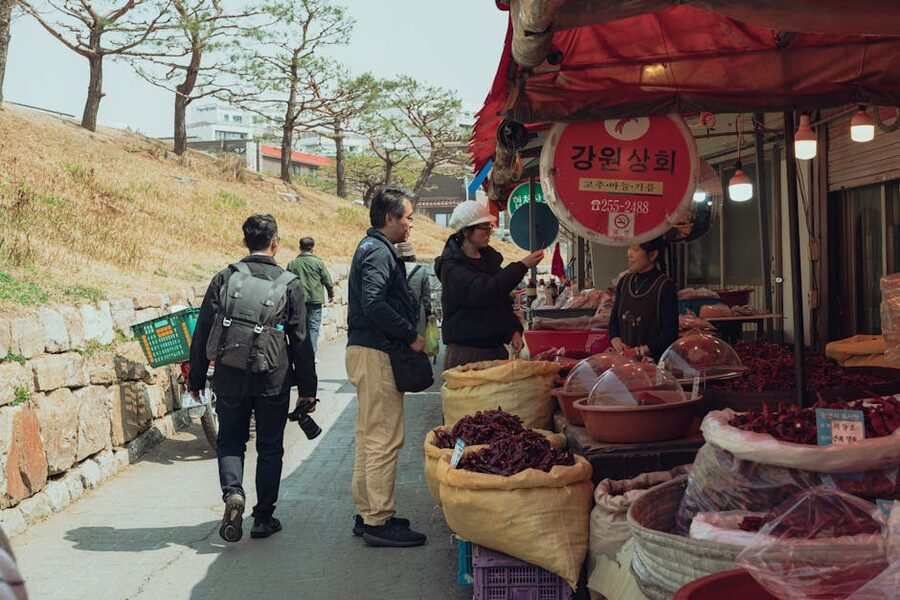
Almost every class in Seoul follows the same rough template. You meet your instructor at a subway exit, walk ten to fifteen minutes to a traditional market (Gwangjang, Namdaemun, or the smaller Mangwon if you’re out west), shop for ingredients together, then go to either a studio kitchen or a private hanok home to cook. The session ends with everyone sitting down to eat what they made. Total time is about three to three and a half hours.
The menu is usually two mains plus sides. Bulgogi is on almost every class menu because it’s genuinely easy to cook and stunning to eat. You’ll also usually make one noodle dish — either japchae (glass noodles) or kalguksu (knife-cut) — and one kimchi variant. Some classes throw in tteokbokki or kimchi pancakes as a bonus.
Class sizes range from two to twelve. Anything over eight and you’re mostly watching. Under six and the instructor has time to answer actual questions — which hot sauce to buy at H Mart back home, why your home kimchi went slimy last time, whether it’s okay to use apples instead of Korean pears in the bulgogi marinade (it is).
What You’ll Actually Cook
Let me walk through the dishes you’re most likely to make, because the descriptions on booking sites are usually too generic to picture.
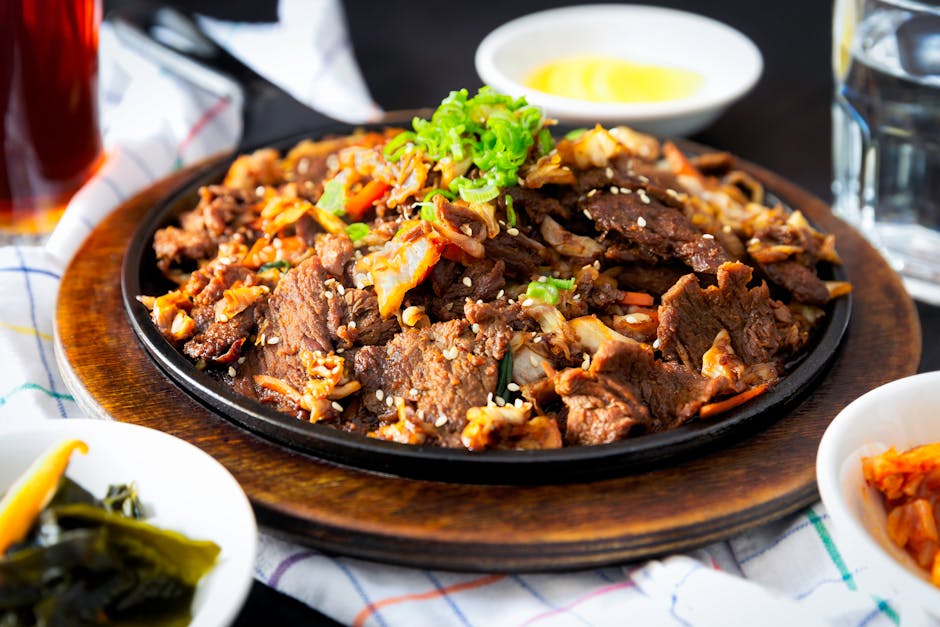
Bulgogi. Thinly sliced beef marinated in soy, sugar, sesame oil, garlic, and pear juice. The pear is the secret — it tenderizes the meat and adds a clean sweetness that regular sugar can’t match. You’ll prep the marinade, let it sit for twenty minutes, then cook it fast in a heavy pan. Beginner-proof.
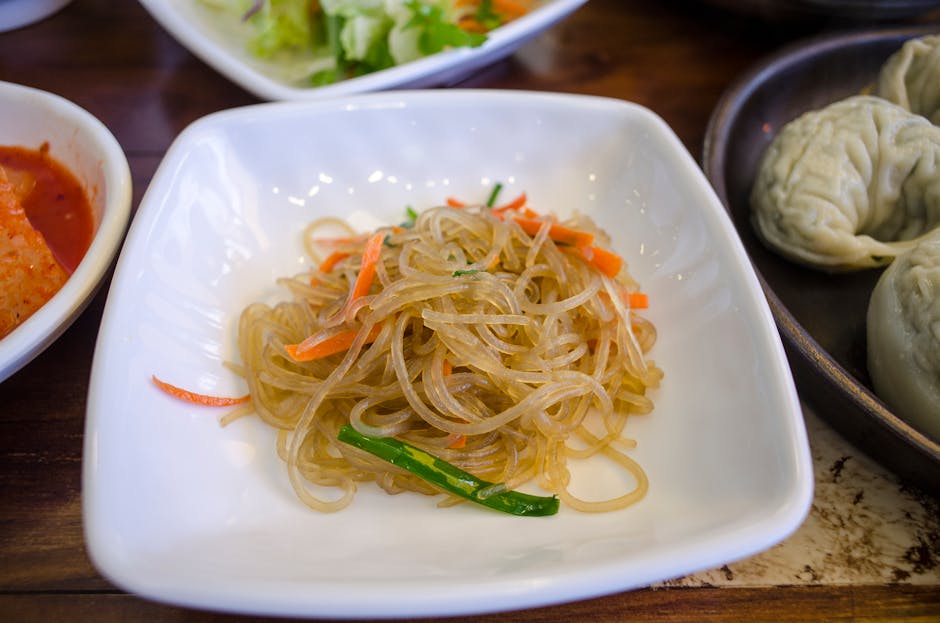
Japchae. Sweet potato starch noodles tossed with julienned carrot, spinach, mushrooms, and beef. The trick nobody tells you: every vegetable gets stir-fried separately and seasoned on its own, then everything gets combined at the end. That’s why the colors stay distinct. Skip the separation step and you get a brown pile.
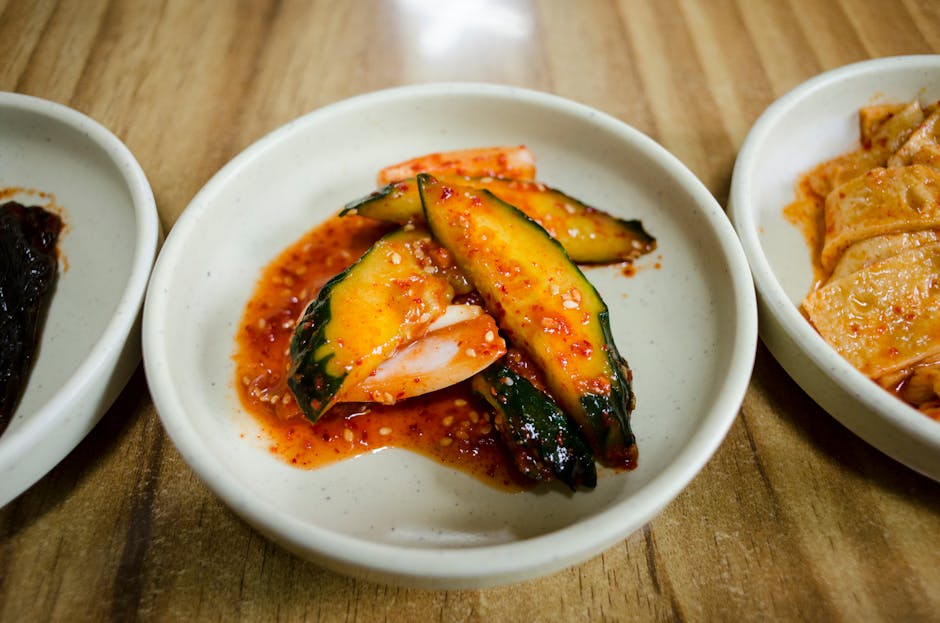
Kimchi. Either the classic napa cabbage version or a quick cucumber kimchi that’s ready to eat the same day. The napa version takes days to ferment properly, so you’ll prep a fresh batch to take home and eat jars that have been aging for weeks. Eating the two side by side — raw and fermented — is the single clearest food lesson I’ve had on this trip.
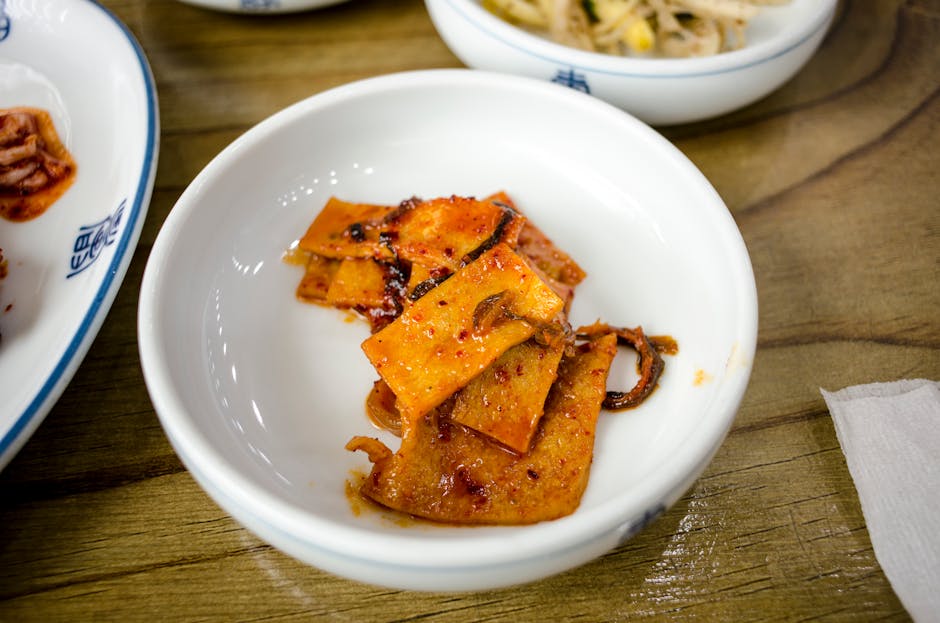
Banchan. The little side dishes that arrive with every Korean meal. You’ll typically make two or three — seasoned spinach, bean sprouts, fish cakes, maybe a pickled radish. These take five minutes each and they’re the real workhorse of Korean home cooking. I make three different banchan every Sunday now for the week ahead.
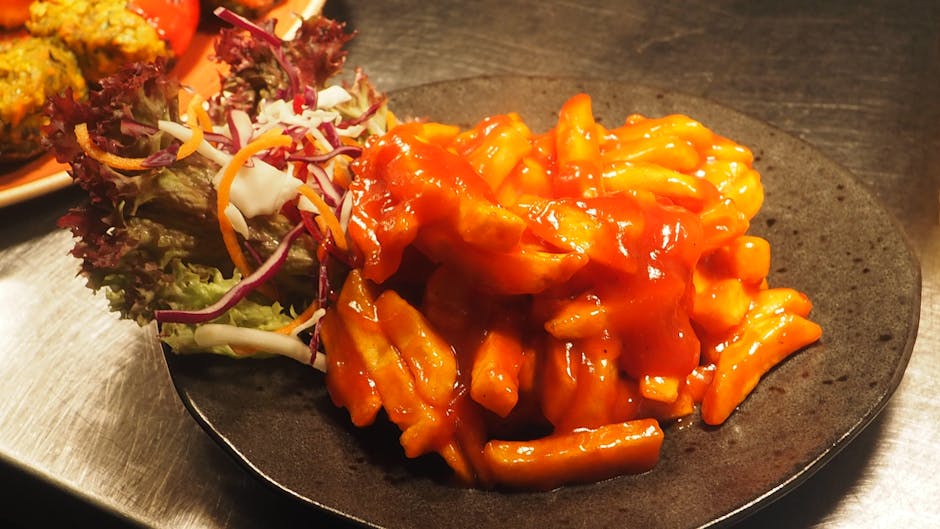
Tteokbokki. Chewy rice cakes in a sweet-spicy gochujang sauce. Not on every class menu, but if yours includes it, pay attention during the sauce-mixing step. The ratio of gochujang to sugar to soy sauce is what separates good tteokbokki from the gluey street-cart version.
The Best Korean Cooking Classes in Seoul
Here are the three I’d actually book, ranked by which one I’d choose first. All three include a market walk, a hands-on cooking session, and a full meal at the end. The differences come down to group size, venue type, and price.
1. Korean Cooking Class With Full-Course Meal and Market Tour — $91

This is the class with by far the highest review count of any Seoul cooking class I’ve looked at — over a thousand ratings and a clean five-star average. That kind of volume on that kind of score is rare, and it usually tells you something.
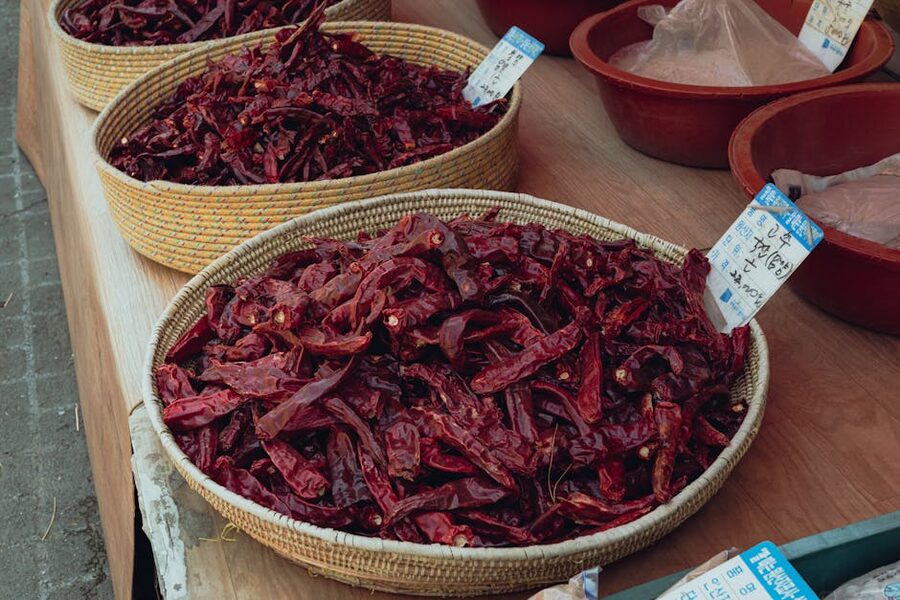
What you actually get is a three-hour session that starts at Gwangjang Market with a guided walk through the stalls — dried chilies, fermented pastes, the gimbap aunties, the whole sensory overload — then moves to a nearby studio for the cook. The menu is a full course: bulgogi, japchae, a fresh kimchi, and two or three banchan. You sit down at the end and eat everything you made like a proper meal.
At $91 it’s the sweet spot for value. You’re not paying hanok prices but you’re getting a far more complete experience than the budget classes. I’d book this one first and only upgrade if the dates don’t work.
2. Seoul Market Tour and Korean Cooking Class With Small Group — $85
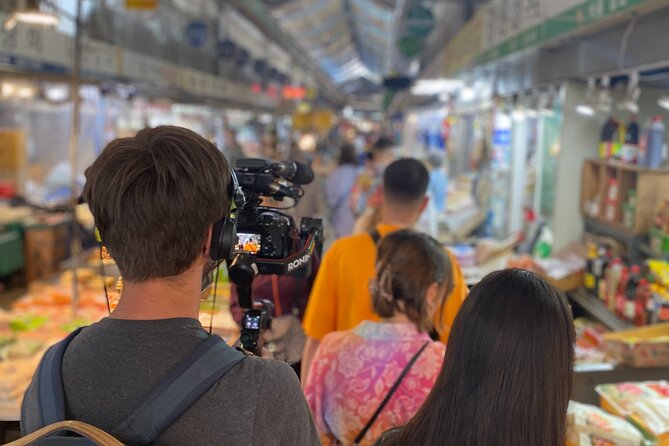
This one is run by OME Cooking Lab and it’s the budget pick without feeling like a budget pick. The class is capped small — usually six students maximum — which is the thing that actually matters when you’re trying to learn something new with your hands. At the bigger classes you spend a lot of time standing in a semicircle watching. Here you’re at your own station with your own knives from minute one.
The menu is slightly more home-cooking focused: bulgogi, kimchi pancakes, and a noodle dish. Less ambitious than the full-course class above, but the tradeoff is more one-on-one time. If you’re a nervous cook or you just want to ask a hundred questions without holding up the group, this is the one.
At $85 it’s also the cheapest of the three, and the six-dollar difference versus the full-course class buys you significantly more instructor attention.
3. Seoul Korean Cooking Class at a Local Home and Market Tour — $98
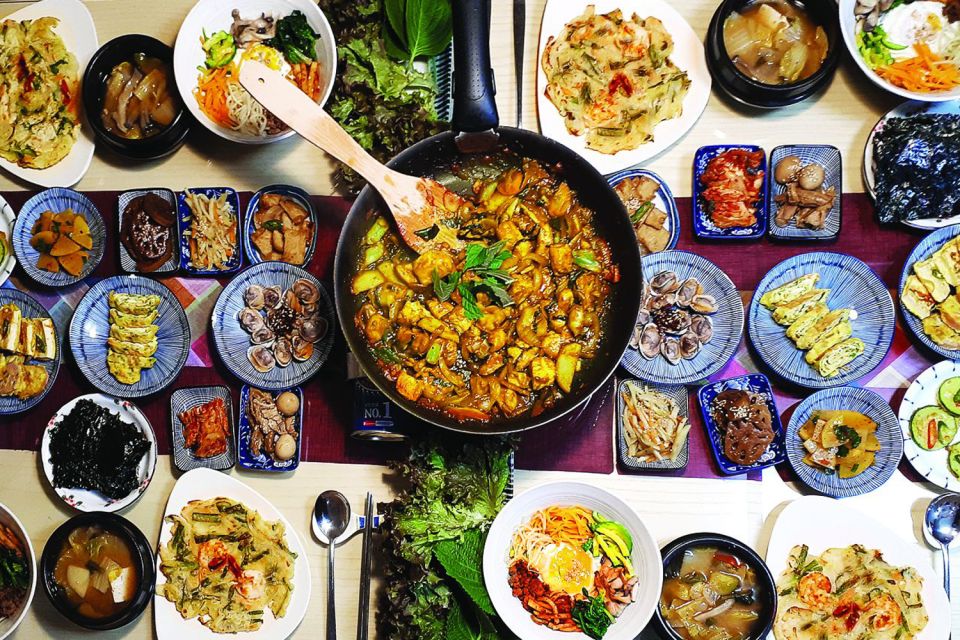
If you want the most atmospheric version of a Seoul cooking class, this is the one. Instead of a rental studio, you cook inside a local’s home — a working kitchen with someone’s family photos on the wall and the instructor’s own well-worn knives and pans. The whole thing feels like you’ve been invited over for dinner, which technically you have.
The teaching is less structured than a studio class. The instructor cooks alongside you rather than demonstrating from the front, and the banter is looser. You’ll learn how a Korean home cook actually runs their kitchen — how they freeze leftover rice, how they reuse anchovy stock, how they time the rice and the soup to finish together.
It’s $98, which makes it the most expensive of the three, but the venue is the entire point. If the idea of cooking in an anonymous studio puts you off, pay the extra.
The Market Walk — What to Expect
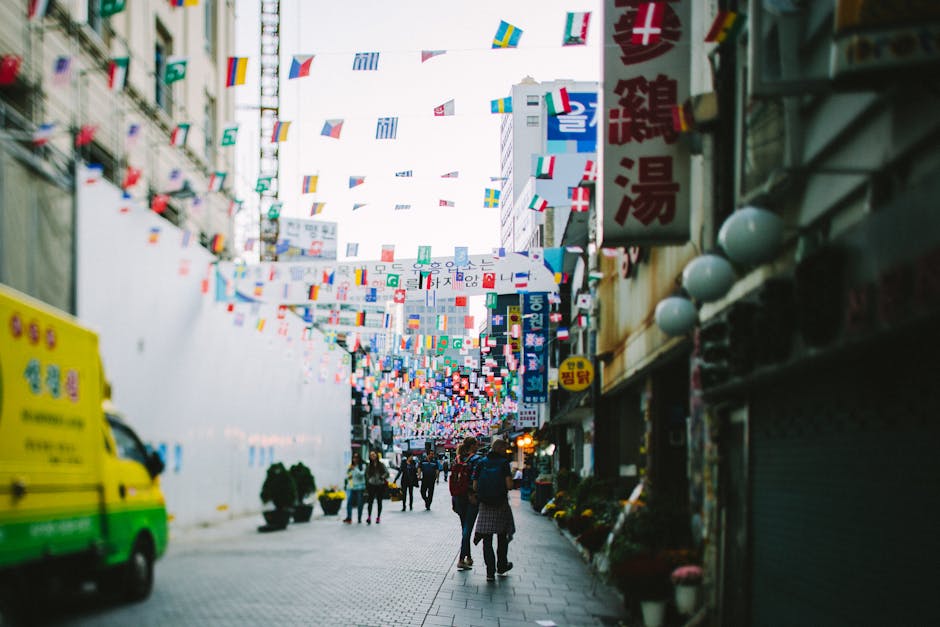
All three of the classes above include a market walk before the cooking starts, and it’s my favorite part of the whole experience. Gwangjang is the usual stop — it’s the oldest traditional market in Seoul and the place where locals still do their fermented-food shopping.
You’ll walk through maybe eight or nine stalls. The instructor points at things, explains what they are, and usually lets you try a few — a piece of dried squid, a spoonful of fresh kimchi, a warm hotteok if the class runs through the pancake stalls. The stops aren’t random. Each one corresponds to an ingredient you’ll use in the kitchen afterward.
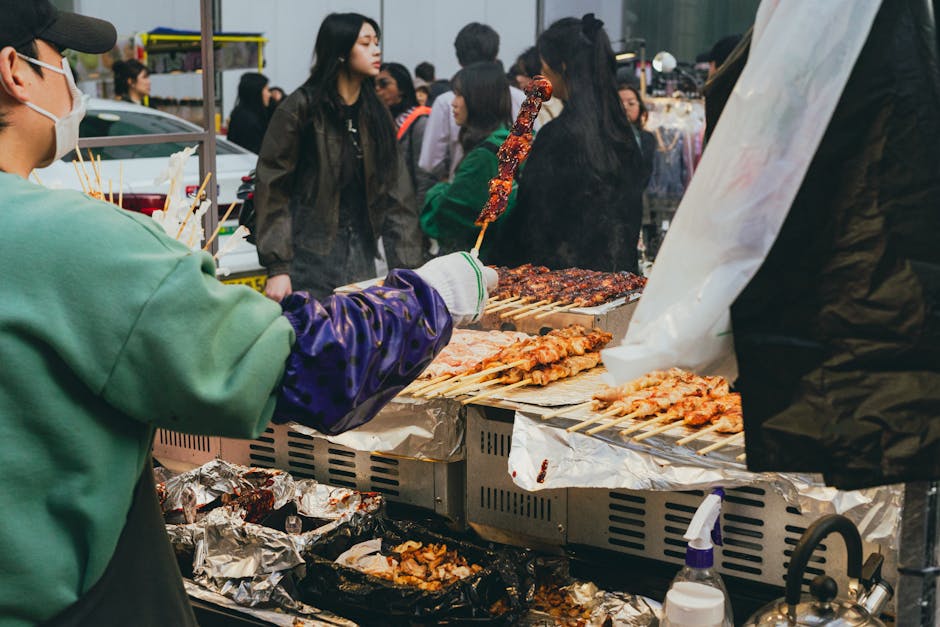
The educational value is real. I walked past the jeotgal stall at Gwangjang on day one of my trip and saw rows of buckets full of something pink and thought “no thank you.” Ten days later, after the class, I understood those buckets were salted fermented shrimp, anchovies, and squid — the flavor base for kimchi and stews. Now I can’t walk past a market without stopping.
The same thing happens if you do the Busan day trip afterward — the Jagalchi fish market suddenly makes sense instead of looking like a slippery challenge.
When to Book and What to Wear
Book at least a week in advance in high season (April, May, October). Two weeks if you’re going in cherry blossom or autumn leaf weeks. The smaller classes — especially the home ones — sell out first. Last-minute is possible in summer and winter but risky.
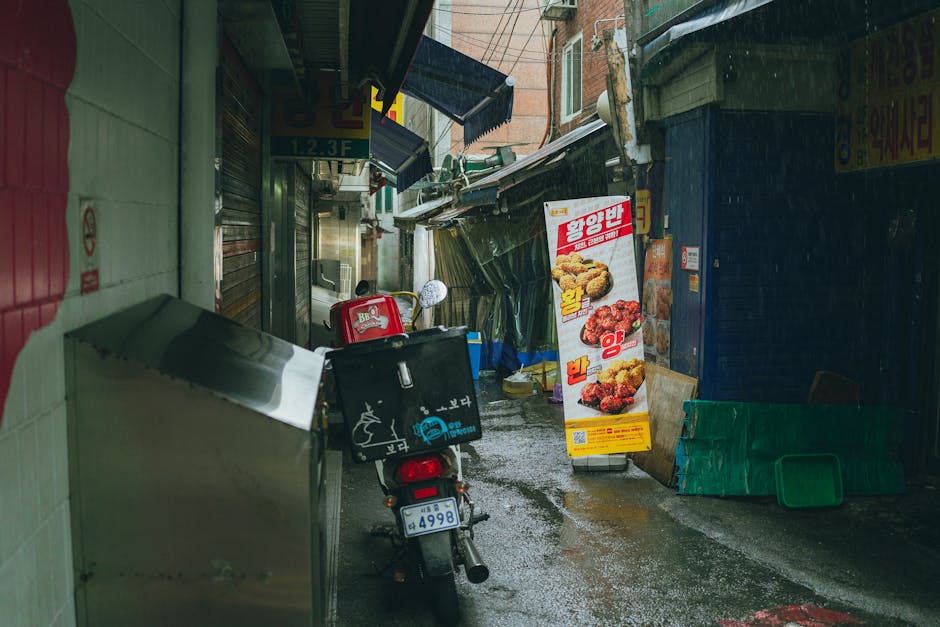
Wear closed-toe shoes. The market floors get wet and the kitchen floors get oily. Avoid open sandals even in summer. Long hair should be tied back — instructors will offer hair ties but it’s easier if you come prepared. Skip dangly jewelry because it catches on pots, and leave your white linen shirt at the hotel because gochujang stains forever.
Bring a small notebook or just use your phone to shoot the recipe booklets most classes hand out. Some instructors speak slowly enough to write along, others rip through the marinade ratios. Voice memo is your friend if you want to remember exactly what went into what.
How to Get to the Usual Meeting Points
Most classes meet at one of three subway stations. Jongno 3-ga (Lines 1, 3, 5) is the most common — it’s the gateway to Gwangjang Market and the hanok studios in the Jongno and Insadong areas. Take exit 12 and walk five minutes north.
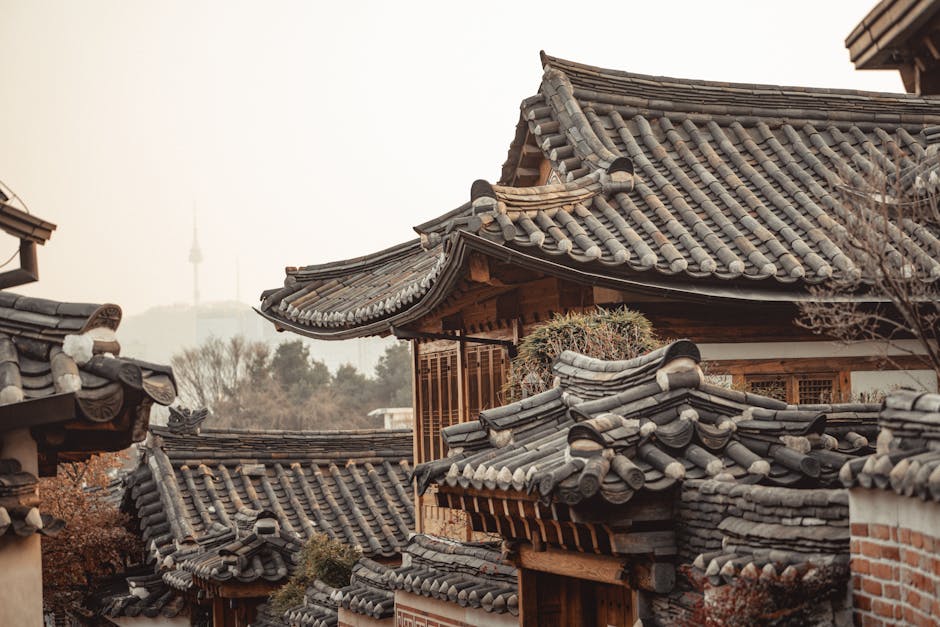
Anguk (Line 3) is the stop for classes in Bukchon Hanok Village. Exit 2, then about seven minutes of gentle uphill walking. Wear shoes with grip — the stone lanes are slick when it rains.
Euljiro 1-ga (Line 2) and Myeongdong (Line 4) cover the downtown studio classes. Both are central and easy to reach from any hotel.
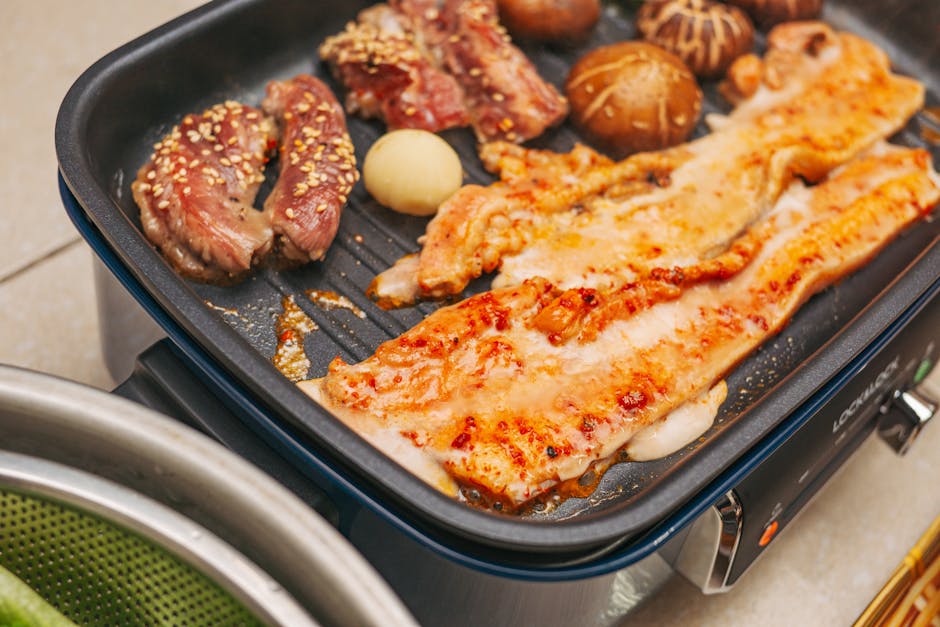
If you’re staying in Hongdae or Itaewon, budget thirty to forty minutes on the subway. Taxis are cheap in Seoul but traffic is bad at rush hour — leave at least an hour before class starts if you’re taking a cab.
Tips From Someone Who Learned the Hard Way
A few things nobody tells you ahead of time.
Eat a small breakfast. You’ll taste ingredients at the market, snack on things during prep, and then sit down to a full meal at the end. Walk in hungry and you’ll be uncomfortable by hour two. A light breakfast is ideal.
Don’t wear contact lenses if you can avoid it. Chopping onions for bulgogi marinade in a warm kitchen is a recipe for tears. I spent ten minutes blinking uselessly at my station. Glasses next time.
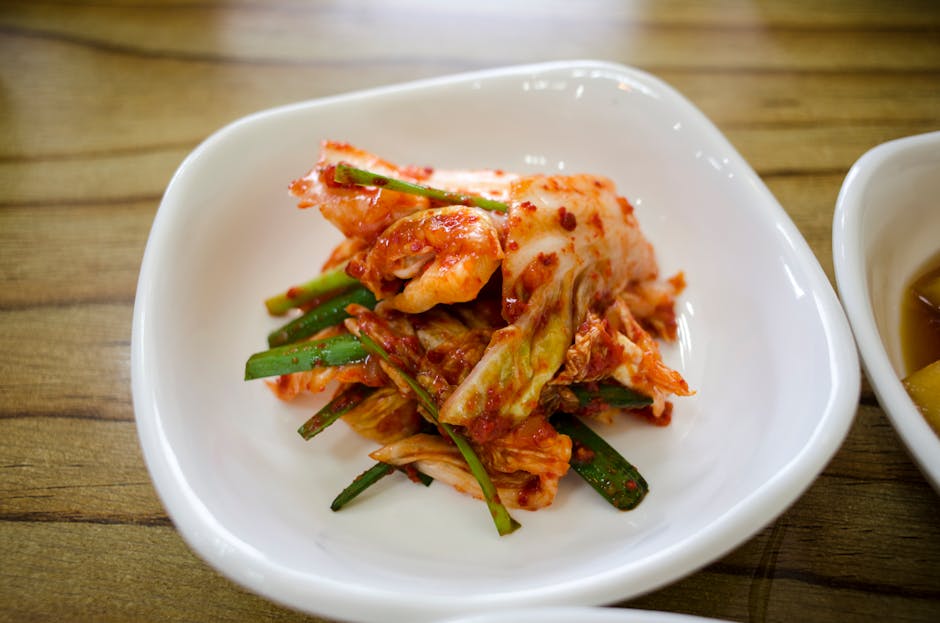
Buy gochugaru and gochujang at the market, not the airport. The prices at Gwangjang are about a third of what you’ll pay duty-free, and the quality is better. The instructor can tell you which brand to pick — there are about twenty different kinds and they are not interchangeable.
Take the class early in your trip, not late. I keep saying this but it matters. Everything you learn in three hours becomes useful for every other meal you eat in Seoul. Book day two or three.
Ask about dietary substitutions when booking. Most classes can accommodate vegetarians, but only if you give them a few days’ notice. Vegan is harder — anchovy stock is in almost everything. Possible, but ask first.
Tip in the recipe booklet. Tipping isn’t expected in Korea, but if your instructor was great, slipping a few thousand won inside the recipe booklet as you hand it back is a nice touch. It feels less transactional than cash across the counter.
The Korean Pantry You’ll Want to Build at Home
One underrated reason to take the class is that you leave with a clear shopping list for your kitchen back home. Before the class I had maybe three Korean ingredients in my pantry — soy sauce, sesame oil, and a dusty jar of gochujang I was scared to use. After the class I have twelve.
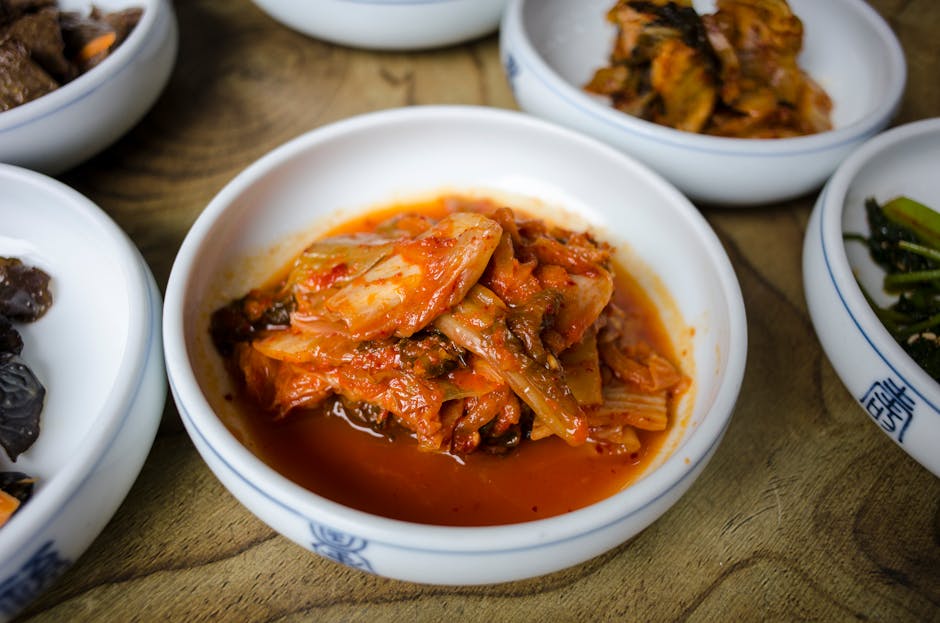
The essentials are: gochujang (fermented chili paste), gochugaru (coarse red pepper flakes — crucial, not interchangeable with regular chili flakes), doenjang (fermented soybean paste), soy sauce (two kinds ideally — regular and soup soy), sesame oil, rice vinegar, mirin, minced garlic, scallions, and sesame seeds. Add to that perilla oil if you can find it and anchovy stock powder for soups. That’s the whole grammar.
With those twelve ingredients and a bag of short-grain rice you can make ninety percent of the home-cooking dishes you’ll learn in class. Every Korean grocery store back home will stock them, and most non-Korean supermarkets now carry at least gochujang and soy sauce.
Is It Worth Doing More Than One Class?
Honestly — for most people, no. One well-chosen class will cover the fundamentals. If you’re a serious home cook or you’re spending more than a week in Seoul, a second class with a different focus (a temple cuisine class, or a dedicated kimchi workshop, or one of the royal cuisine sessions) is worth it for the depth. But for a first-time visitor on a normal trip, one three-hour session teaches you more than you’ll be able to retain anyway.
If you want a second food-related experience in Seoul that’s not another cooking class, book a Seoul night market food tour instead. You cover more dishes across more venues and you don’t spend the second half standing in a hot kitchen. It’s a nice complement without the redundancy, and the skills from your cooking class turn the night tour into something closer to a tasting exam than a buffet.
Planning the Rest of Your Seoul Trip
This is the last South Korea guide on the site for now, so if you’re putting together a full Seoul itinerary, here’s how the cooking class fits in with everything else I’ve covered. Book the class for day two or three so you can use what you learn at every meal afterward. On another morning, head out early for the DMZ border tour — it’s a long day and you’ll want the energy.
Pair it with a Seoul sightseeing tour on day one to get your bearings, and a Seoul night market food tour the evening after the cooking class so you can test-drive your new ordering confidence. For day trips, the Nami Island and Garden of Morning Calm trip is the prettiest easy option, and if you can extend your trip, flying to Jeju Island for a couple of days is the move.
BTS fans should also look at the BTS In The Soop tour up in Pyeongchang, and if you’re heading south, my Busan day trip guide covers the fastest way to do the coast in a day.