
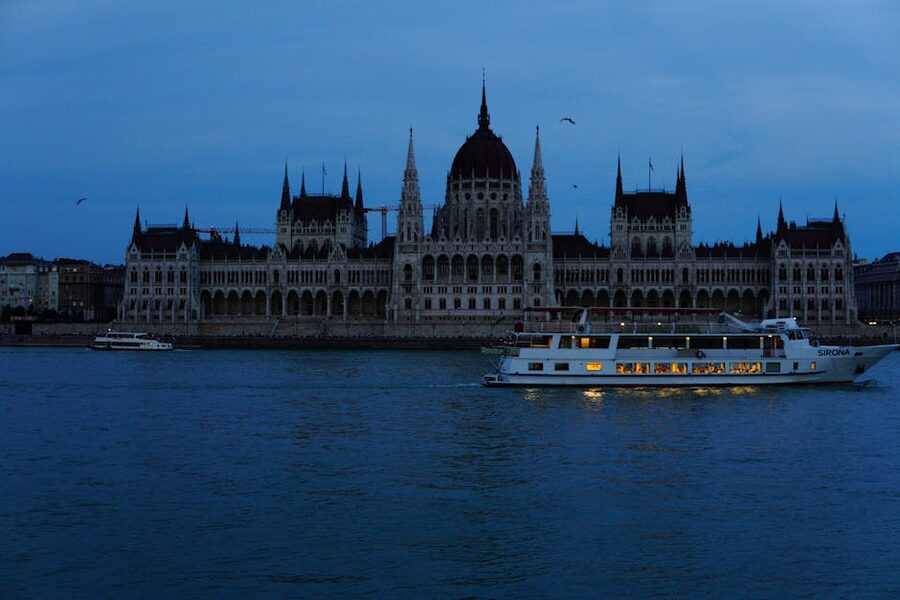
The first course lands at your table, the violinist starts up two metres away, and the boat slides past Parliament with every window glowing. That’s the moment a Budapest dinner cruise stops being a tourist itinerary item and becomes the night you remember. The food, the music, and the river skyline lock into the same beat for two hours.
I’ve done several of these, in different shapes, with different operators. They are not all the same evening. The buffet boats run hot and busy with folk shows and dancing. The plated Hungarian dinner cruises are quieter and let the music do the work. The candlelit ones lean romantic with table service and a longer route. This guide is how to pick which one fits your night.
- In a Hurry?
- What a Budapest Dinner Cruise Actually Is
- How to Pick Between the Three Shapes
- Three Cruises I’d Actually Book
- 1. Buffet Dinner Cruise with Performances and Music:
- 2. Danube Cruise with Hungarian Dinner and Live Music:
- 3. Candlelit Dinner River Cruise with Live Music: 9
- What the Food Actually Looks Like
- The Music: What You’re Actually Getting
- Timing: When to Sail
- Boarding and What to Expect On Arrival
- Boats and Operators
- Common Issues to Plan For
- What You’ll See from the Water
- Booking Tips That Actually Save Money
- Should You Do a Dinner Cruise At All?
- If You’re Doing Other Central European Cities
- What to Pair With Your Dinner Cruise
In a Hurry?
The three I’d actually book, depending on the night you want.
- Most popular, best value: Buffet Dinner Cruise with Performances and Music. About $54, two hours, full Hungarian buffet plus folk show.
- Plated Hungarian dinner, smaller boat: Danube Cruise with Hungarian Dinner and Live Music. About $53, 90 minutes, three courses on the vintage Gróf Széchenyi.
- Romantic, candlelit, four courses: Candlelit Dinner River Cruise with Live Music. About $129, 2.5 hours, the slow, dressy option.
What a Budapest Dinner Cruise Actually Is
A Budapest dinner cruise is a 90-minute to 2.5-hour boat trip on the Danube with a full meal served on board and live music for most of the run. The boat does a slow loop between Margaret Bridge in the north and somewhere around Rákóczi Bridge in the south, passing every illuminated landmark in the city centre on both banks.
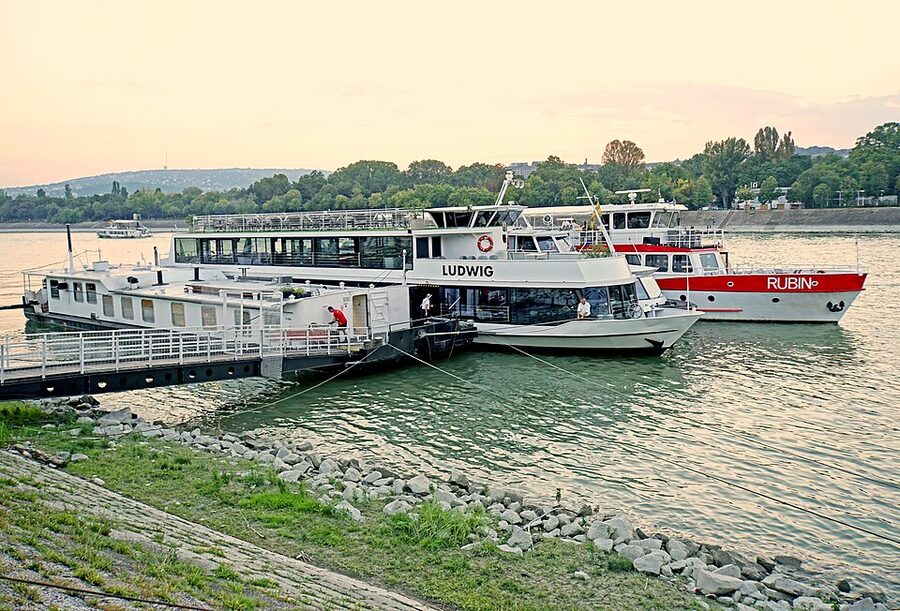
The route is the same. The dinner is what changes. Some boats run a Hungarian buffet with chefs carving roasts at a station. Some plate three or four courses with table service. The candlelit boats add longer table breaks between courses to give you more river time. Most include welcome drinks, and a few bundle unlimited wine or prosecco.
Live music sits in three rough buckets: folk band with dancers, solo violinist or piano, or a mix of operetta and folk. You’ll see the same group of musicians rotating across boats some nights, since the operators share talent in the off season.
How to Pick Between the Three Shapes
This is the actual decision. I’ll give you the short version, then back it up.
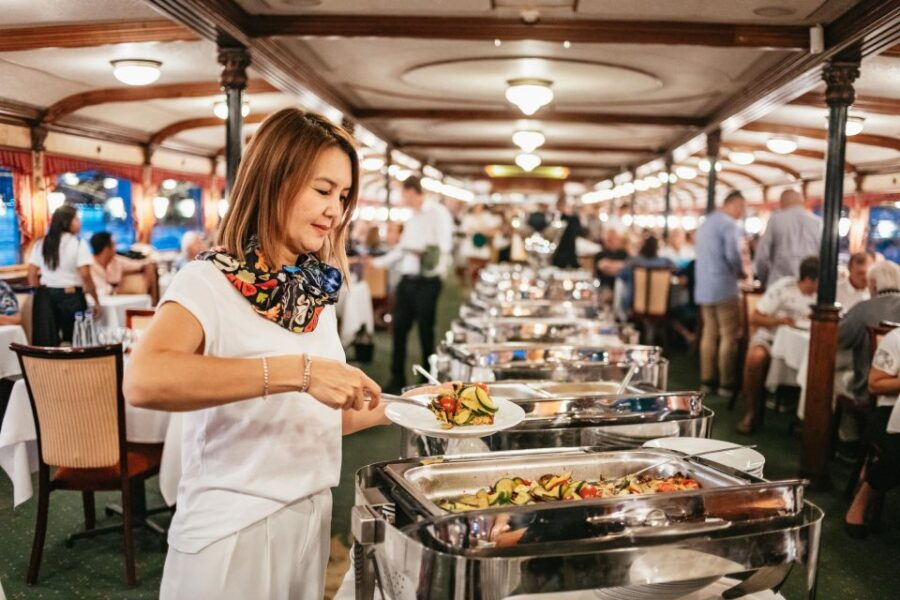
Buffet boats are loud, busy, and a great deal. You’re paying around $50 to $60 per person and you get a full evening: welcome drink, unlimited buffet, folk show with dancing pulled from the audience, and roughly two hours on the river. The crowd skews tour-group and family, the boats are bigger (200+ seats), and the energy is closer to a wedding reception than a date night. If you want the food and the show and you’re not picky about service polish, this is the box to tick.
Plated Hungarian dinner cruises sit in the middle. You get a proper three-course meal brought to your table, a fixed menu with one or two protein choices, and live music that’s there to enhance dinner rather than headline it. The boats are smaller, often a vintage steamer like the Gróf Széchenyi, and the crowd skews couples and small groups of friends. Same price point as the buffet (around $50 to $90), better table service, less spectacle.
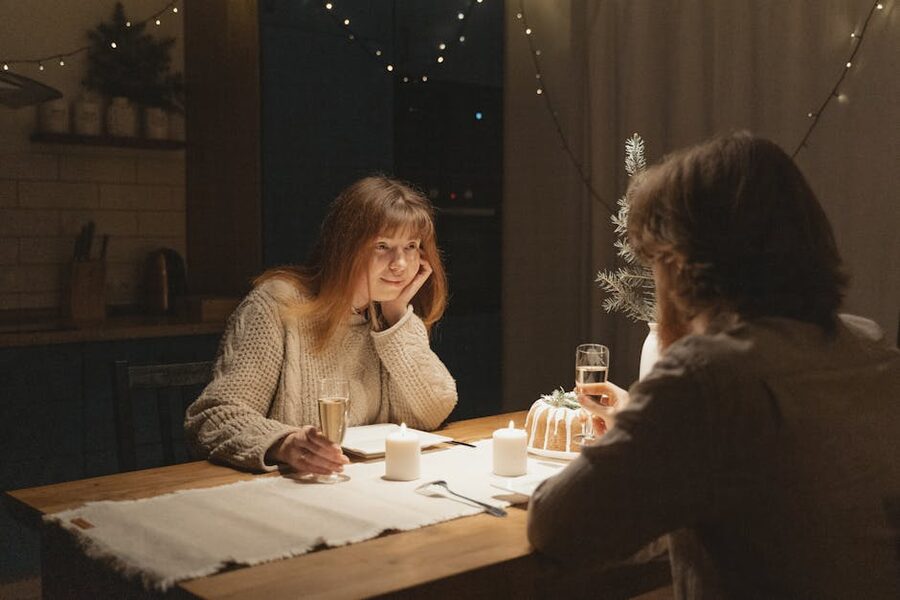
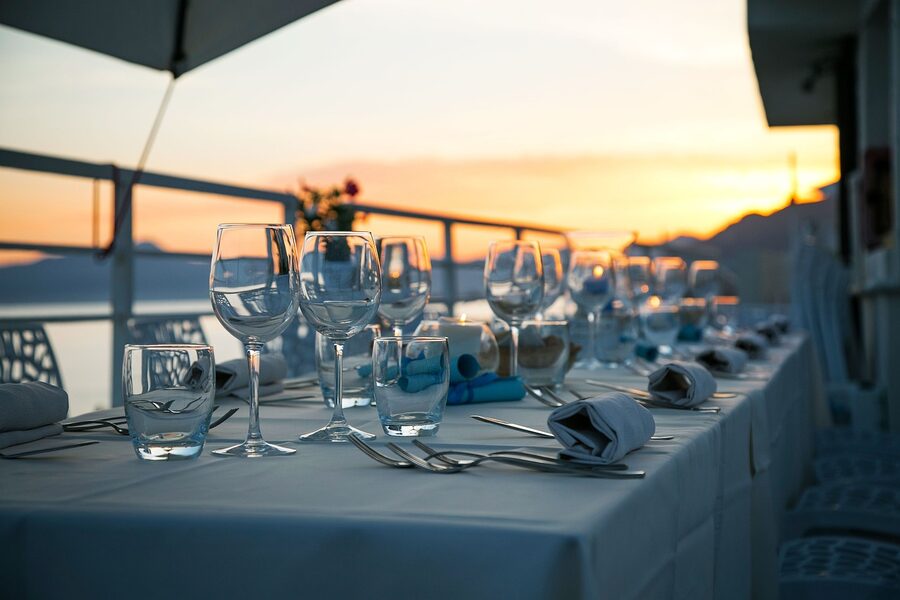
Candlelit cruises are the romantic upgrade. Four courses, table service, longer route (2.5 hours instead of 90 minutes), and the dining room is dimmed so the river view through the windows becomes the wallpaper. Welcome drink is sparkling, the menu has a vegetarian and a fish option without you needing to ask, and you can usually upgrade to a window table for a small fee. Around $120 to $135 per person. This is the anniversary boat.
Three Cruises I’d Actually Book
These are pulled from our review database and ranked by how many people have booked them. The buffet cruise has thousands of reviews because it’s been running daily since 2017. The other two are smaller operations with shorter histories but stronger ratings.
1. Buffet Dinner Cruise with Performances and Music: $54
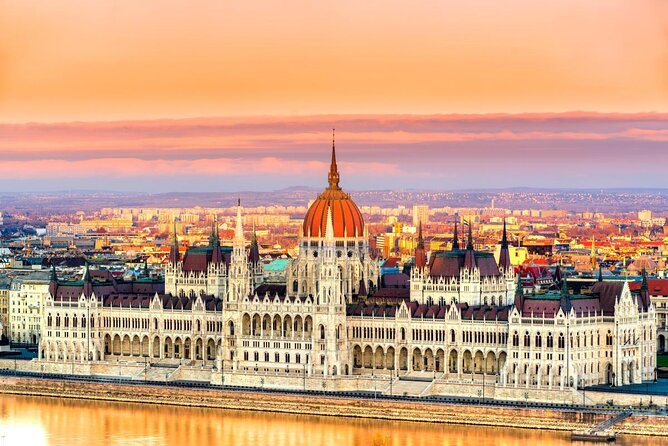
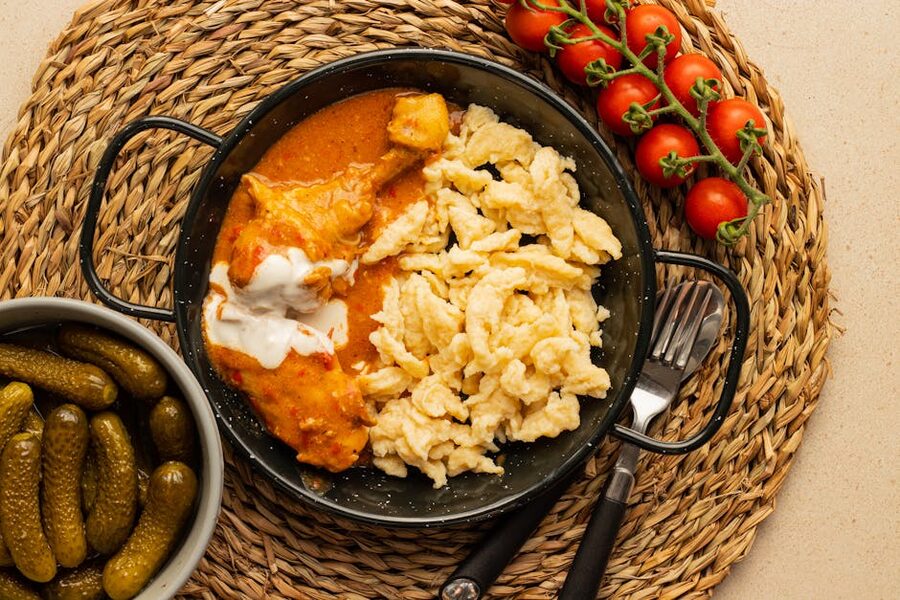
This is the cruise that built the category. It runs nightly, the buffet is properly Hungarian (goulash, chicken paprikash, stuffed peppers, plus a carving station), and the live folk show pulls people up to dance about 45 minutes in. The full review covers the vegetarian options and the Hungária Folk Orchestra rotation. Skip if you want quiet, book if you want the full Hungarian-night-out experience.
2. Danube Cruise with Hungarian Dinner and Live Music: $53
This is the one I’d send a couple to if they want the dinner-cruise experience without the crowd. Three courses, plated, on a 90-minute run with a quartet playing classical and Hungarian standards. Our review breaks down the menu, the boat history, and what to expect from the music. Best mid-tier pick on the river.
3. Candlelit Dinner River Cruise with Live Music: $129
The full romantic version. Four courses, candlelit cabin, 2.5 hours, and the boat does a double loop so you pass Parliament from both directions. Rating is the highest of the three at 4.7. Read the full review for menu details and the wine upgrade options. Book this one if it’s your anniversary, your honeymoon, or your only night in Budapest.
What the Food Actually Looks Like
Hungarian dinner-cruise menus are pretty standardised across operators. You’re not getting Michelin food, you’re getting honest Hungarian comfort cooking served at scale on a boat. That’s a different category and worth setting expectations for.
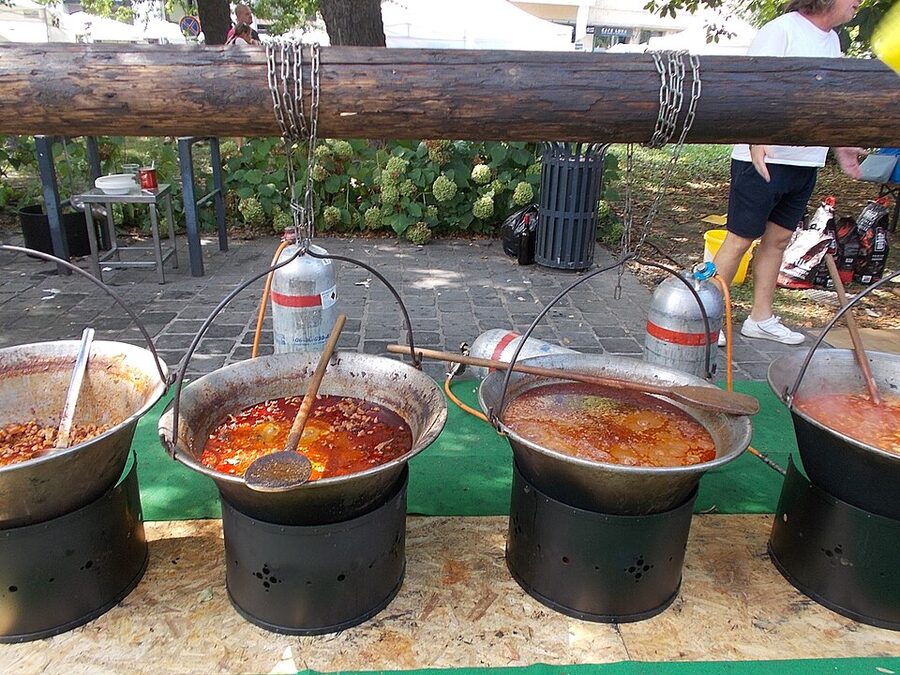
The starter is almost always either goulash soup or a cold plate of Hungarian sausage and cheese. Mains rotate through chicken paprikash, beef stew, stuffed cabbage, and pork loin. There’s usually a vegetarian option (mushroom paprikash or stuffed peppers), but it’s worth flagging at booking if you want one. Vegan is harder; only the higher-end candlelit boats tend to handle it without notice.
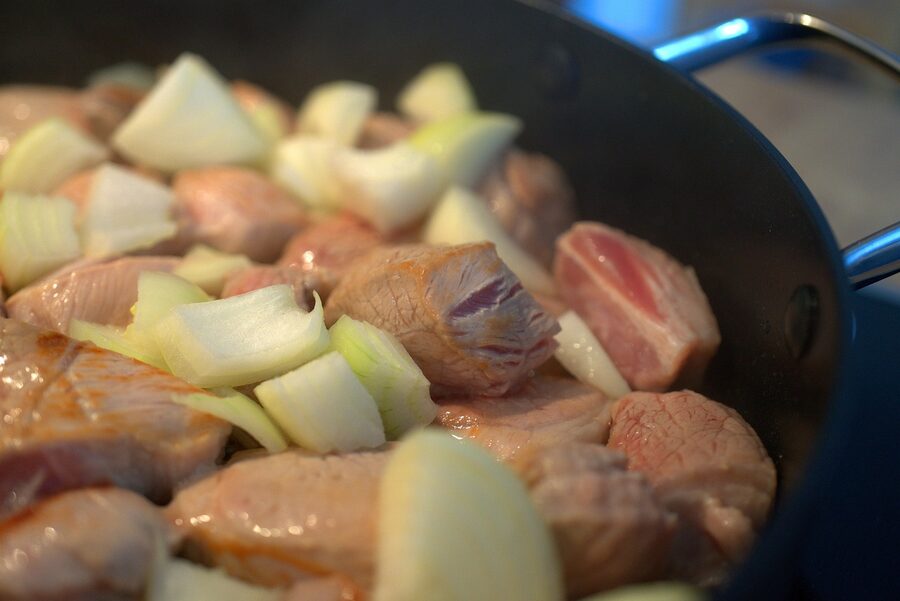
Dessert is usually Somlói galuska (Hungarian trifle with chocolate and rum) or strudel. Coffee is included on the candlelit boats, an extra euro or two on the buffet ones.
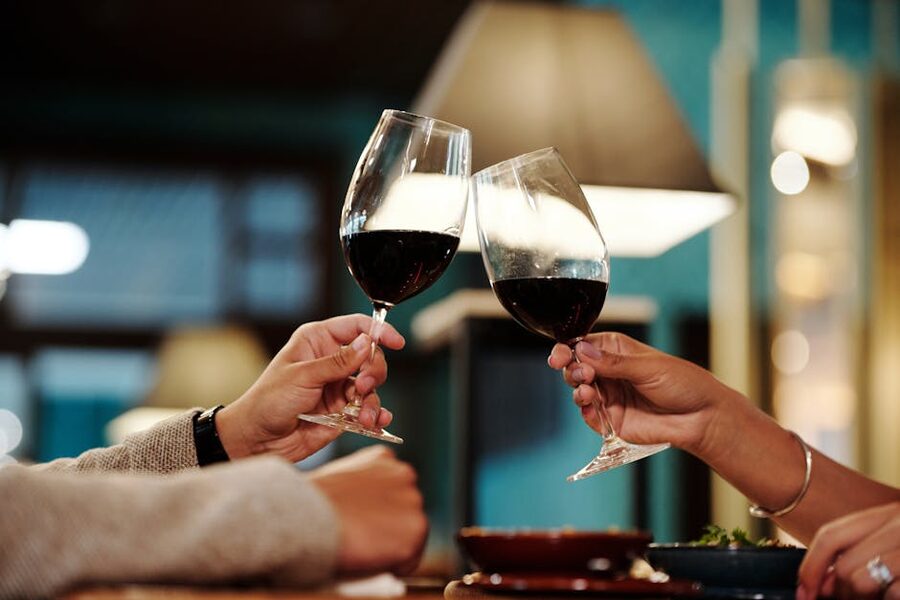
Drinks: a welcome drink (prosecco or palinka) is standard. After that, most boats charge for additional drinks unless you booked an unlimited-drinks upgrade. The unlimited-prosecco bundles are popular and run about $20 extra. If you want a serious wine experience, the candlelit cruises offer a paid pairing that’s usually worth it. If you want unlimited drinks specifically and dinner is secondary, the Budapest prosecco cruise option is the better category for that.
The Music: What You’re Actually Getting
Three formats, and the difference matters more than the brochures suggest.
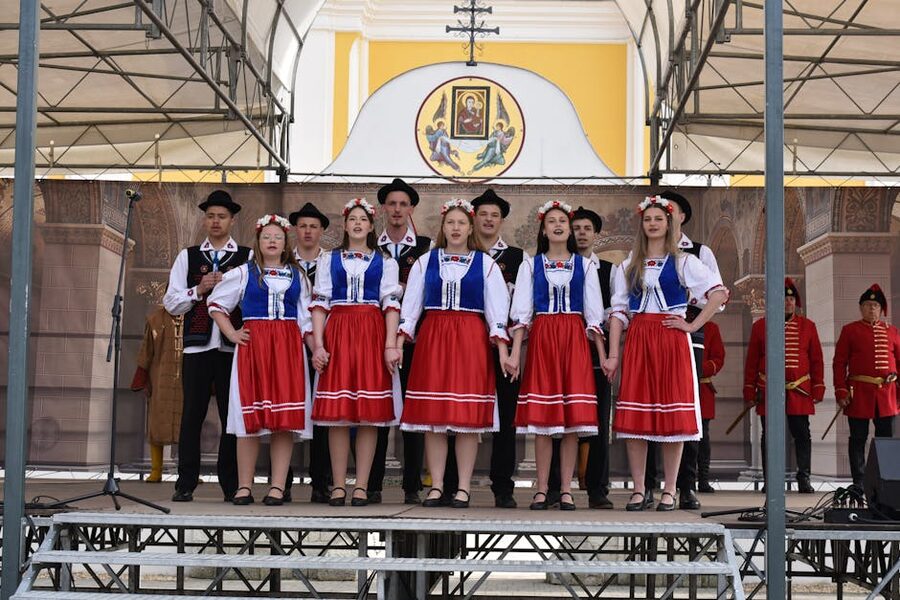
Folk show with dancers: a four to six person band plus two or three dancers in costume. They do a 30 to 40 minute set, usually starting after the mains and running through dessert. It’s a show, not background music. You’ll be expected to clap, and one or two of you will get pulled up to dance. This is the buffet-cruise standard.
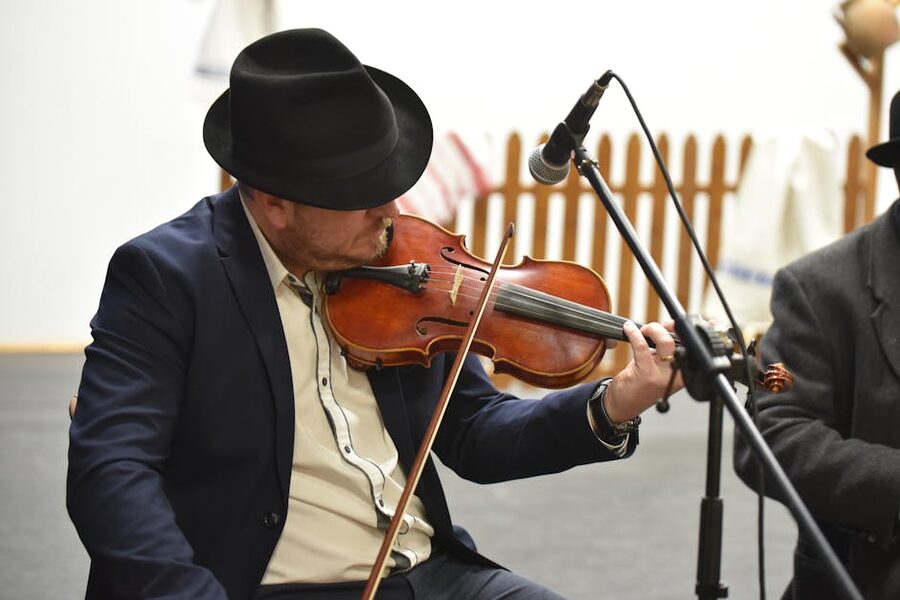
Solo violinist or piano: the plated-dinner boats hire one or two musicians who play continuously through the meal. Repertoire is half Hungarian folk standards, half tourist-friendly classical (Brahms Hungarian Dances are the lock-in). It’s mood-setting rather than a performance, and you can hold a conversation through it.
Operetta and folk mix: a few mid-tier boats run an operetta singer plus a folk band, alternating sets. This works if you like operetta. If you don’t, it’s a long evening. Check the boat name before booking. Silverline and Hungária Koncert run the operetta nights most consistently.
Timing: When to Sail
Departures cluster around 19:00, 19:30, 20:00, and 22:00. The early slots are full sunset-and-illumination on the same trip. The late ones are cheaper but you miss dusk.
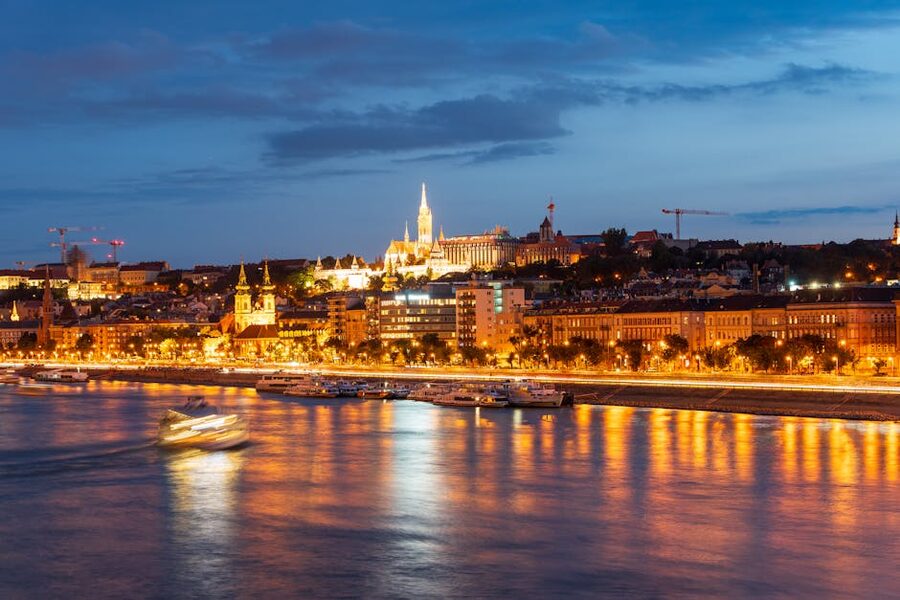
The river is most photogenic in the 30-minute window after the city lights kick on. In summer that’s around 21:00 (book the 20:00 sailing). In winter and shoulder season, lights hit by 17:30 (book the 19:00 sailing for the dinner-and-lights overlap). Check sunset time for your specific date and aim to be on the boat about 30 minutes before.
Late-night cruises (22:00 onwards) are the cheapest tier and run shorter (90 minutes). The food is usually a lighter plate and the music is more subdued. Worth considering if you’ve already eaten and just want the river-after-dark with a glass of wine in hand.
Boarding and What to Expect On Arrival
Most boats leave from Pier 7 on the Pest side, between Chain Bridge and Elisabeth Bridge. A few smaller operators use Pier 6 or the dock under Vigadó tér. Your booking confirmation will name the pier. Turn up 20 to 30 minutes before sail time, especially in summer.
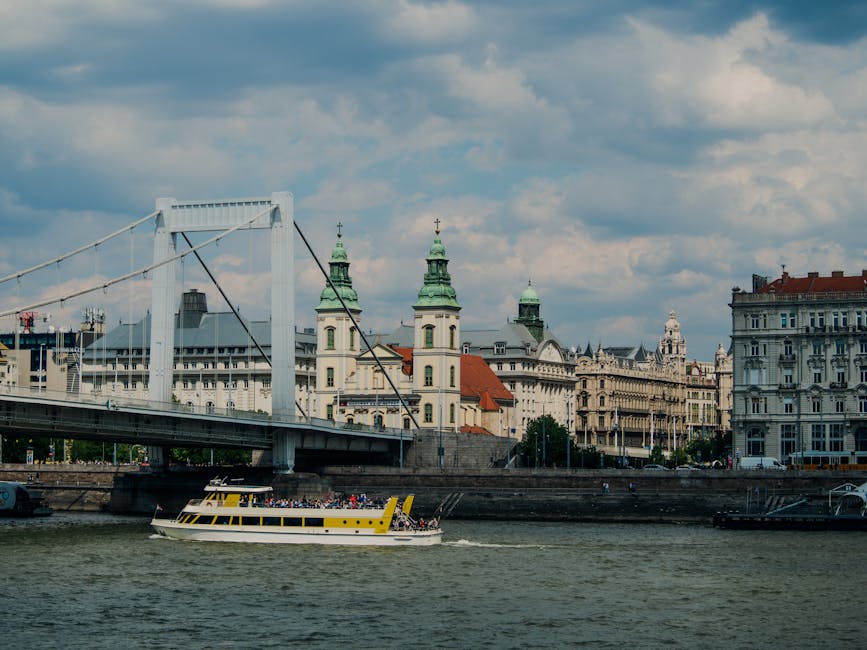
Boarding is usually first-come-first-served for table seating unless you paid for a window upgrade. If you want a window seat and didn’t pay extra, get there 30 minutes early and ask the host politely. The boats fill up but are rarely chaotic; staff are used to placing people quickly.
Dress code: the buffet cruises are smart casual at most (jeans are fine). The candlelit boats lean a notch dressier: collared shirts, dresses, nothing formal but not gym wear. Heels are fine on the boats; the decks are flat and stable.
Boats and Operators
A handful of operators run almost every dinner cruise on the Danube. Knowing them helps you read the actual product behind the booking platform listing.
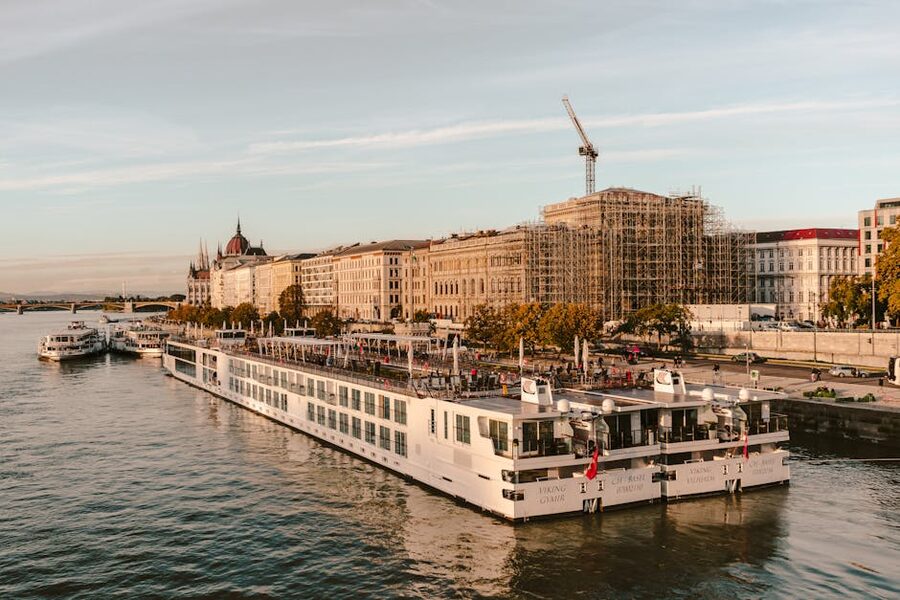
Legenda Cruises runs the candlelit boats and most of the high-end product. Their fleet is well-maintained and the staff are bilingual. Silverline (Silver Line) runs the operetta-and-folk-show buffet evenings. Mahart PassNave handles a chunk of the budget end. Hungária Koncert programs the bigger folk-show productions and rotates between several operators’ boats. Dunarama runs the vintage Gróf Széchenyi for the plated Hungarian-dinner cruise.
Booking platforms (GetYourGuide, Viator) sometimes list the same physical cruise under two different titles. If two listings have the same departure time and pier, check whether they’re the same boat with different commission structures before booking the more expensive one.
Common Issues to Plan For
A few things I wish I’d known before my first dinner cruise.
The plated-dinner boats are slow. If you’re hungry, eat a snack before you board. Mains often don’t land until 40 minutes in.
Buffet queues spike around 20:00 to 20:15. If you’re on a buffet boat, get up as soon as service opens or wait until the dancing starts; the middle window is the busiest.
The open deck closes in bad weather. Wind and rain on the Danube means the captain may keep everyone below. Not the end of the world, the dining-room views are still there, but you lose the open-air photo angles.
Dietary requirements need a note at booking. Vegan, gluten-free, and severe allergies are not always handled well on the busier boats. Email the operator after booking with specifics. The candlelit boats handle this best.
Tipping is not included. Service charge is sometimes added on the candlelit cruises but rarely on the buffet ones. Ten per cent on the bar tab and a few extra forints to the waiter who brought your courses is the standard.
What You’ll See from the Water
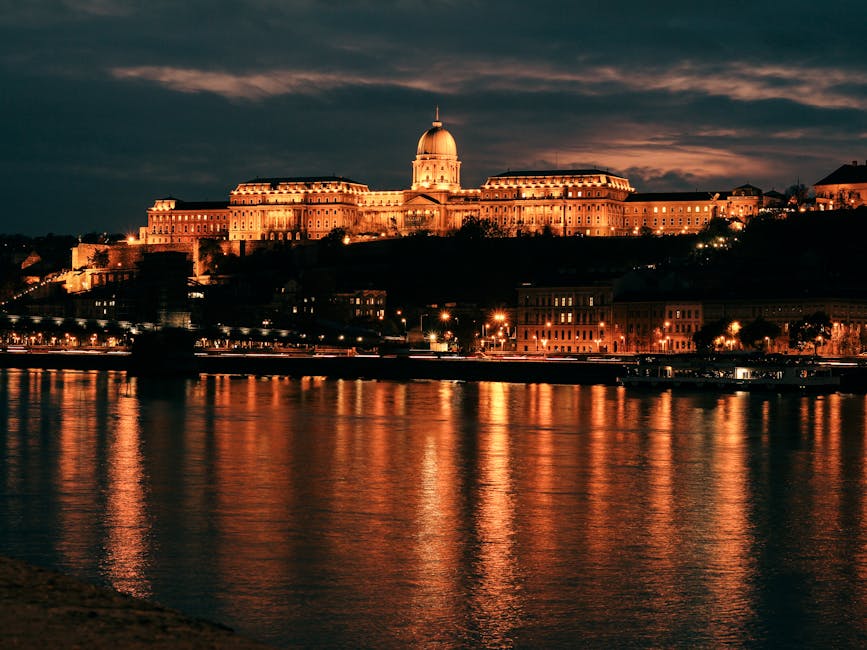
The route covers the whole UNESCO-listed riverbank between Margaret Bridge and the Liberty Bridge area, with most boats turning around just past Rákóczi Bridge.
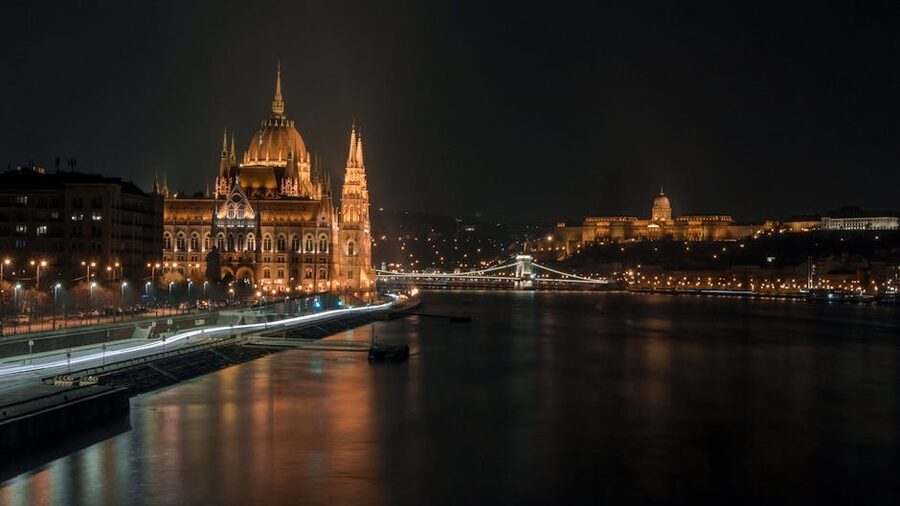
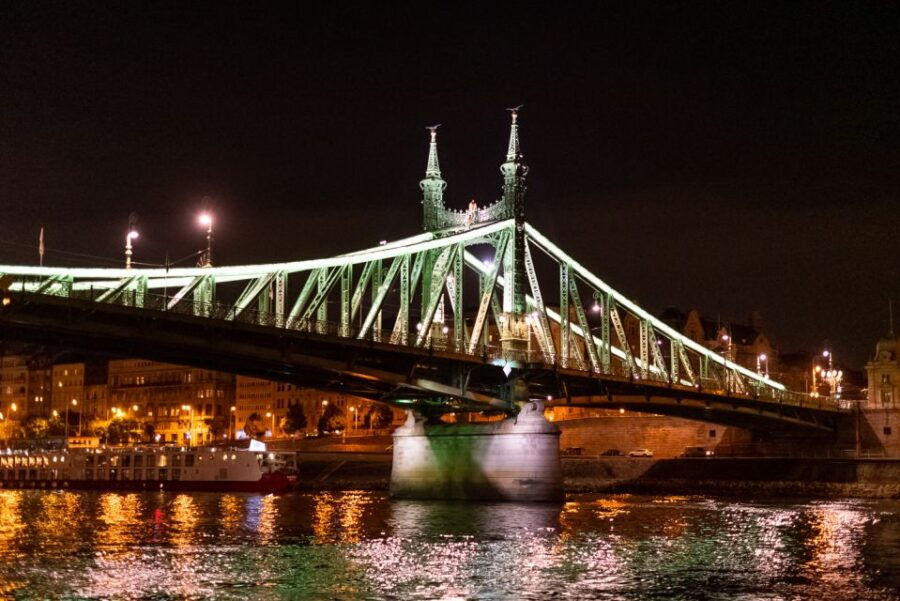
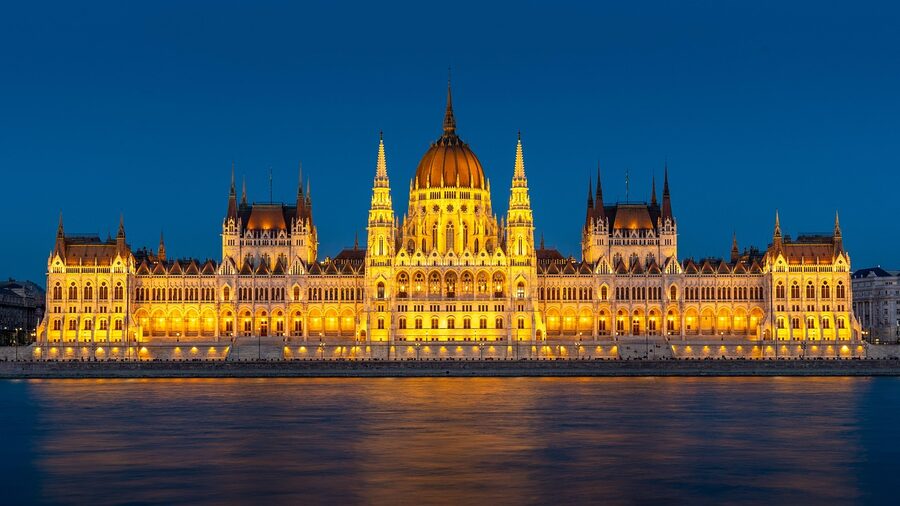
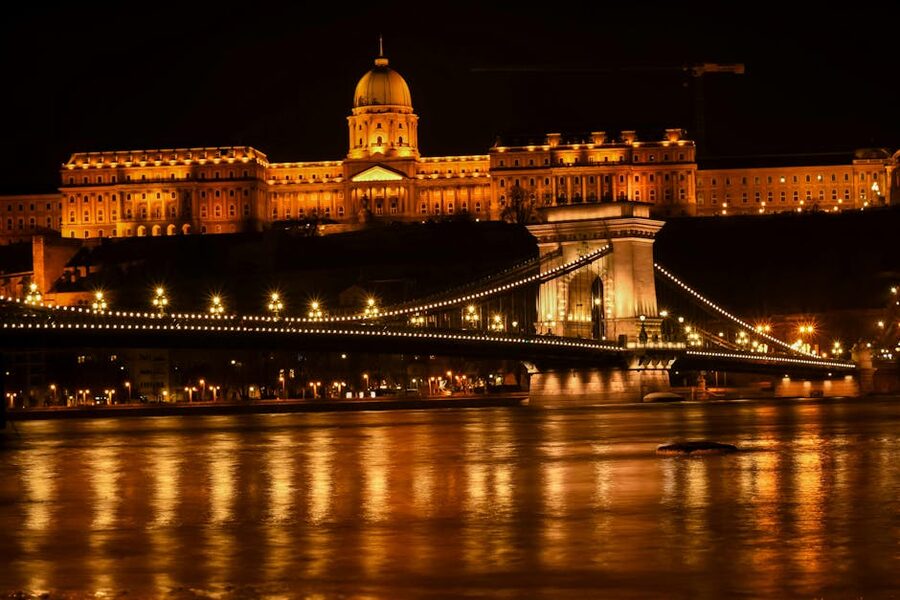
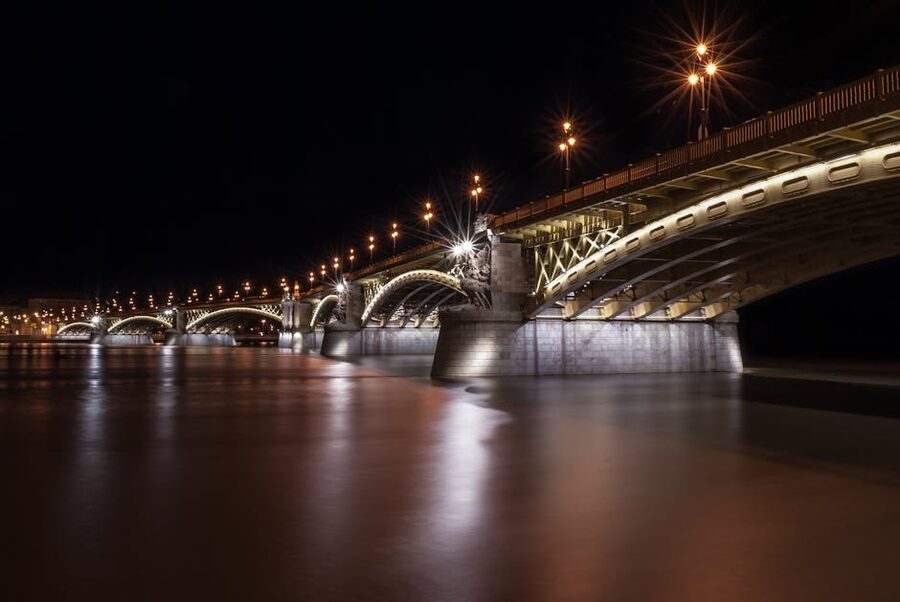
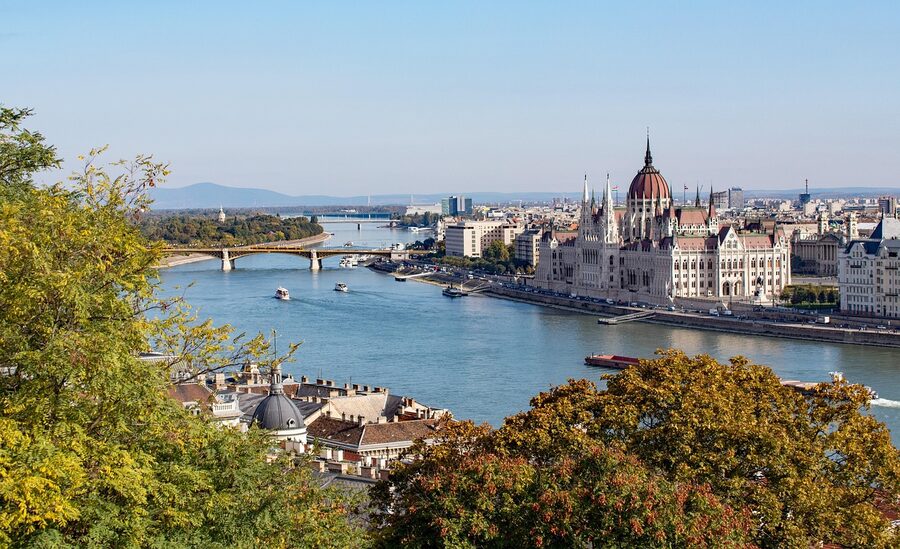
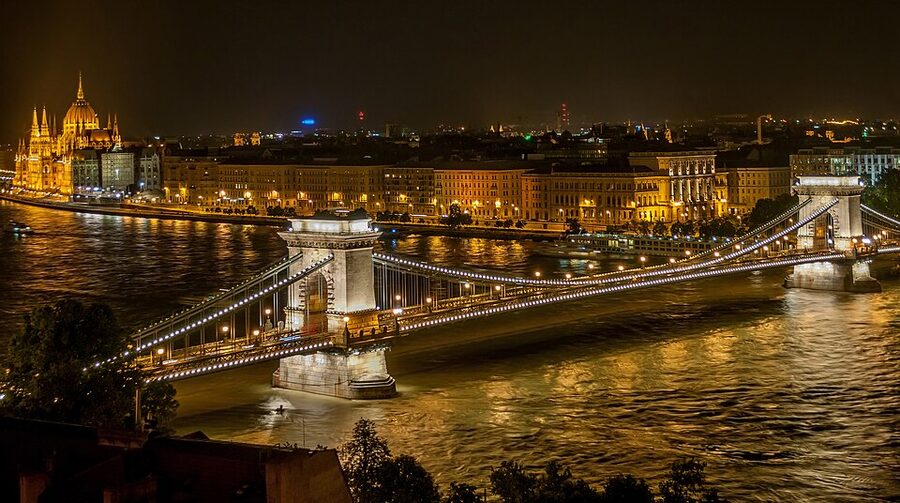
Going north to south you’ll see Margaret Bridge, then the Hungarian Parliament Building on the Pest bank (the headline shot), Buda Castle rising on the other side, the Chain Bridge directly ahead, the Várkert Bazár garden walls below the castle, Elisabeth Bridge with its single white pylon, the Gellért Hill citadel overhead, and finally the green-painted Liberty Bridge. On the way back you do it all in reverse with the lighting hitting the buildings differently.
Booking Tips That Actually Save Money
Book on GetYourGuide or Viator, not the operator site. The third-party platforms regularly run the cruises 10 to 20 per cent below the operator-direct price, especially out of peak season.
Free cancellation up to 24 hours. Both major platforms offer this on most listings. Lock in your preferred slot when you commit to the trip and adjust later if needed.
Combo tickets exist but rarely save much. The cruise-plus-walking-tour combos are usually cheaper as separate bookings, especially if you also want the Budapest Card for transport.
Group of four or more: some operators offer a private-table reservation for a small premium. Worth the 5 euros per head if you don’t want to share a long table with strangers.
Birthday or anniversary: mention it at booking. The candlelit boats will usually bring a small dessert plate or sparkling wine on the house. Not always, but the email costs nothing.
Should You Do a Dinner Cruise At All?
Honest answer: it depends on the rest of your Budapest plans.
If you’ve got two nights in the city, a dinner cruise is a strong second-night choice. First-night dinner in town gets you familiar with Hungarian food at a proper restaurant. Second night on the water, with everything you’ve already seen by foot now lit up below the table, lands much better.
If you’ve got one night in Budapest, the cruise is a tighter call. A two-hour boat with mediocre food might cost you the chance to eat properly at a place like Onyx, Borkonyha, or even just a good neighbourhood spot in the seventh district. In that case, do a shorter sightseeing-only cruise at sunset (60 to 75 minutes, much cheaper) and dine on land afterwards.
If you’re in Budapest with kids, the buffet boats handle children well (high chairs, a kids’ menu, and the dancers will pull little ones up first). The candlelit boats are less family-friendly; book those when it’s just you and your partner.
If You’re Doing Other Central European Cities
Budapest’s dinner cruise scene is the strongest on the Danube. If you’re stitching together a multi-city trip, a couple of comparisons help.
Prague’s Vltava cruise scene is a different animal. The Vltava is narrower, the boats are smaller, and the dinner-cruise category there is much thinner. If you’re doing both cities, pick Budapest for the dinner cruise and Prague for a daytime sightseeing run. Don’t double up the dinner format.
Dresden’s Elbe cruise is daytime-focused, no real dinner equivalent. Berlin’s Spree boat tours and Hamburg’s harbor cruises are working-river experiences rather than illuminated-skyline ones. Cologne’s Rhine panoramic cruise is closer in concept but the Cologne skyline is one cathedral, not a four-kilometre stretch of palaces and parliament.
Frankfurt’s Main cruise and Heidelberg’s Neckar boats are scenic but neither has the dinner-cruise depth that Budapest has built up.
If you’re doing Budapest and want to extend the night-on-the-water idea elsewhere, your closest match is actually the Hamburg Speicherstadt evening cruise. Same illuminated-warehouses framing, same boat speed, different food.
What to Pair With Your Dinner Cruise
The cruise is two hours of your evening. Most people have planned the day around it and want one more thing to do either side.
The smartest pairing in my opinion is a walking tour earlier the same day so the buildings you see from the water already mean something. The Parliament guided tour works the same way. By the time you’re floating past it at 9pm, you’ll know what’s behind those windows.
If you want to extend the night, the ruin bar pub crawl picks up around 10pm and runs into the small hours. Total contrast in mood, from candlelit dining to disused factory courtyards full of fairy lights, but the contrast is the point. For a daytime add-on the next day, the Széchenyi Spa is the obvious recovery. For a different boat experience earlier in the trip, the hop-on hop-off bus with river leg is a daytime alternative that covers the same skyline at half the price.
Three nights or more in Budapest? Do a daytime sightseeing cruise on day one for the orientation, then come back on the dinner cruise on the last night when you know what you’re looking at. The repetition isn’t redundant; the daytime light shows you a completely different city.