
So you’ve just watched Incheon tick past the window on descent, your phone is on 3% and you’re about to land with a seven-hour flight baked into you — and somewhere in the next hour you’d like to be in your hotel rather than lost on a platform. Is booking a private transfer worth it, or is this a spot where the train and a bit of stubbornness will do? I’ve done both, back to back, and the honest answer depends on one thing: what you’ve brought with you.
A private Incheon transfer buys you a named driver with your surname on a card at Gate 4 or thereabouts, a quiet sedan or van waiting in the short-stay car park, a fixed price you already paid online, and a door-to-door ride to any Seoul address without a single transfer or ticket machine. The whole thing runs about 60 to 75 minutes door to door depending on where in Seoul you’re headed and the time of day.
Short on time? Three private transfers that actually show up
If you just want to know what to book right now, these are the three I’d pick in order of group size. All are flat-fare, all include Yeongjong toll, all greet you in the arrivals hall.
- Private Transfer Incheon ↔ Seoul, up to 7 pax — $98 per group — the workhorse. A van that fits two adults, two kids and a stack of suitcases without anyone sitting on a bag.
- Private Airport Transfer Incheon ↔ Seoul, 1-5 People — $95.95 per group — a comfortable sedan for couples or small groups. Cheapest per head if you fill it.
- Private Airport Transfer Incheon to Seoul City, 1-5 Pax — $105 per group — slightly pricier but the operator that’s been doing this the longest from the Incheon side specifically. Meet-and-greet is the most polished of the three.
- Short on time? Three private transfers that actually show up
- When a private transfer is worth booking (and when it isn’t)
- What you’re actually paying for
- The three private transfers I’d actually book
- 1. Private Airport Transfer Incheon ↔ Seoul, up to 7 pax —
- 2. Private Airport Transfer Incheon ↔ Seoul, 1-5 People — .95
- 3. Private Airport Transfer Incheon to Seoul City, 1-5 Pax — 5
- How the pickup actually works on arrival
- The Yeongjong bridge moment
- How it compares to the other options
- AREX Express Train (€6.30, 40 minutes)
- AREX All-Stop Train (€2.80-3.20, 66 minutes)
- Airport Limousine Bus (€11.30, 70 minutes)
- Regular taxi
- Where you’re headed matters more than you’d think
- Booking logistics and common surcharges
- Common surcharges and what to expect
- Who books a transfer and who doesn’t
- A few Seoul arrival tips that only make sense after you’ve done it
- What to book alongside your transfer
- So should you book a private transfer or not?
When a private transfer is worth booking (and when it isn’t)
Let me save you the sales pitch. A private transfer isn’t always the right answer. It’s a clear yes if any of the below apply, and a maybe at best if none of them do.
Book a private transfer if: you’re travelling with three or more people, you have more than two checked bags between you, you’re arriving after 10pm, you’re staying somewhere that’s not walkable from an AREX station, you have young children, or this is your first time in Korea and you don’t read any Hangul. Each of those things turns public transport from a €6 saving into a 90-minute stress test.
Skip the private transfer if: you’re solo or a couple, carry-on only, landing between 9am and 7pm, staying in Hongdae, near Seoul Station, or along the AREX corridor. In that case the Express train is €6.30 and 40 minutes and runs like a metronome.
The other thing nobody mentions: the AREX express train stops at Seoul Station, not your hotel. From there you’re likely taking a taxi or a metro line with one or two transfers, and Seoul metro stations have long passages and not always an escalator up. If your hotel is in Insadong, Bukchon, or anywhere hilly in Jung-gu, factor that in.
What you’re actually paying for
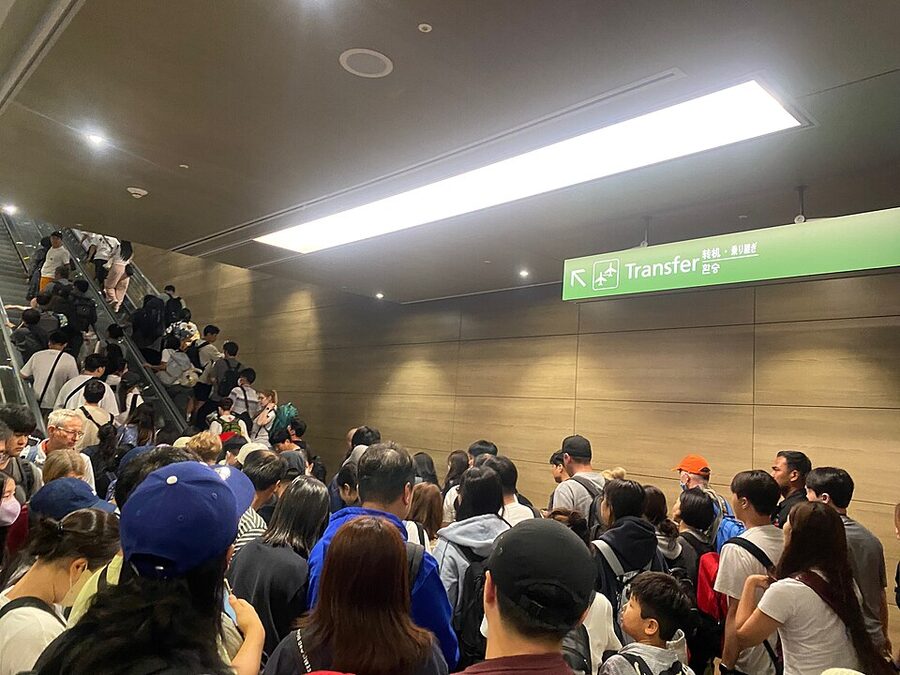
A private transfer to Seoul usually lands between $90 and $180 depending on vehicle size. That sounds steep next to a €6.30 train ticket, but compare like for like.
A standard Seoul taxi from the airport to downtown runs around KRW 48,000 (about $35) on the meter, plus tolls, plus a 20 to 40 percent night surcharge between 10pm and 4am. If your driver takes the Incheon Expressway you add another KRW 7,900 in tolls. Late-night landing with two bags in a jumbo taxi? You’re already at $70 or more, without a meet-and-greet, without flight monitoring, and with the driver possibly speaking no English.
The flat-fare private transfer bundles in:
- A named driver holding a sign in the arrivals hall
- 90 minutes of free waiting after your flight’s scheduled landing — so customs queues don’t cost you
- Yeongjong toll, airport parking fee, and any late-night surcharge
- A vehicle matched to your group size rather than a meter-driven sedan you have to squeeze into
- An English or Chinese-speaking driver in most cases
- Free cancellation up to 24 hours before pickup on most GetYourGuide and Viator listings
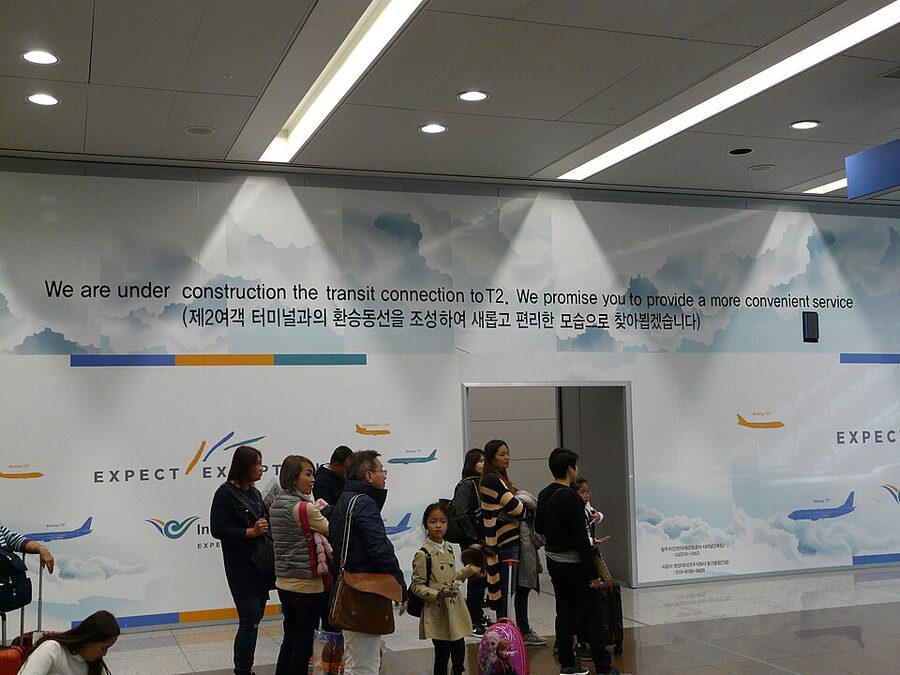
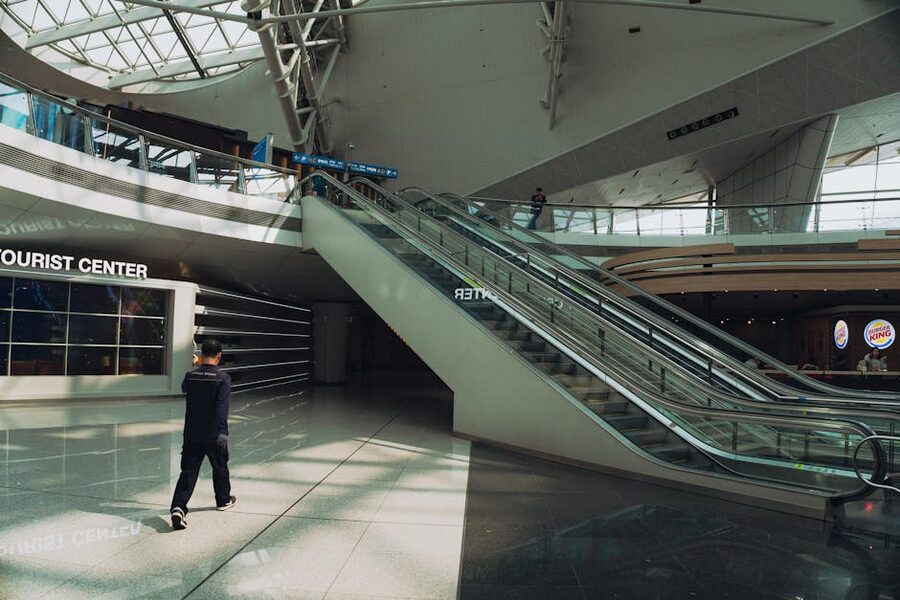
Do the maths: if there are four of you and you’d otherwise be in a jumbo taxi with a meter, the private transfer is usually within $10 to $20 of the same total once you include the night surcharge, tolls and the “can we actually all fit” problem. Except you know the price upfront and you don’t have a conversation with your driver about routing.
The three private transfers I’d actually book
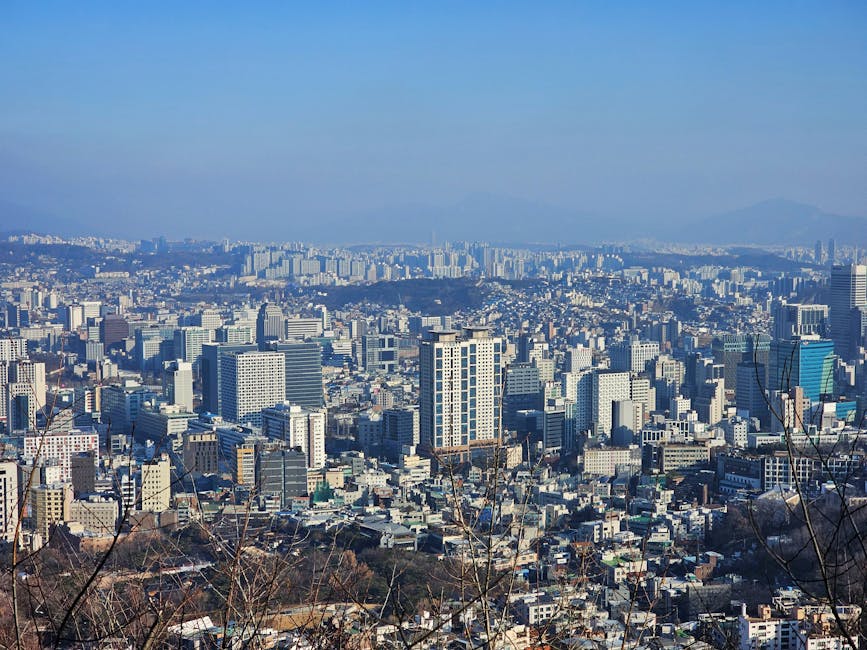
I picked these three based on operator reputation on Viator, group-size flexibility, and how clearly each one handles the two awkward parts of airport transfers: meet-and-greet and late arrivals. Prices are per group, not per person.
1. Private Airport Transfer Incheon ↔ Seoul, up to 7 pax — $98

This is the one I’d book for a family or a group of friends — our full review of this private van transfer goes into the specific vehicle specs. The fixed price covers the driver, the tolls, and a generous waiting window if your flight lands late. At $98 for up to seven passengers, it’s the clearest value on the list once you’re over three people.
2. Private Airport Transfer Incheon ↔ Seoul, 1-5 People — $95.95

For couples or a solo traveller with a lot of luggage, our review of this 1-5 person sedan transfer walks through how the meet-and-greet actually plays out — the driver texts you before landing and waits past customs. It’s my default for business-trip pairs or couples who want to go from gate to hotel bar without a transfer.
3. Private Airport Transfer Incheon to Seoul City, 1-5 Pax — $105

This is the one to pick if your priority is the meet-and-greet feeling like it was rehearsed rather than improvised — read our full review for the operator details. The extra $10 over the sedan option buys you the most consistent service of the three; handy if you’re arriving on a red-eye and not in the mood for surprises.
How the pickup actually works on arrival
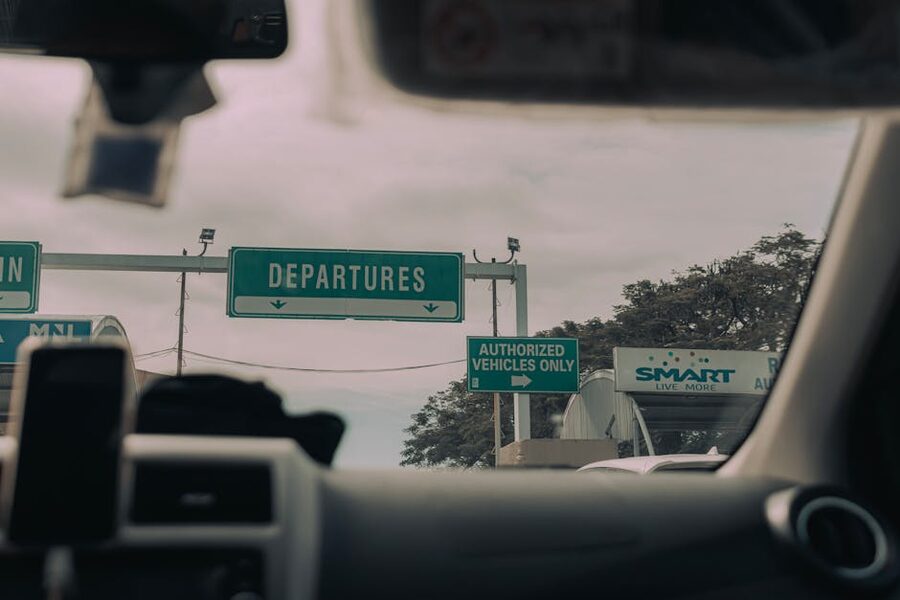
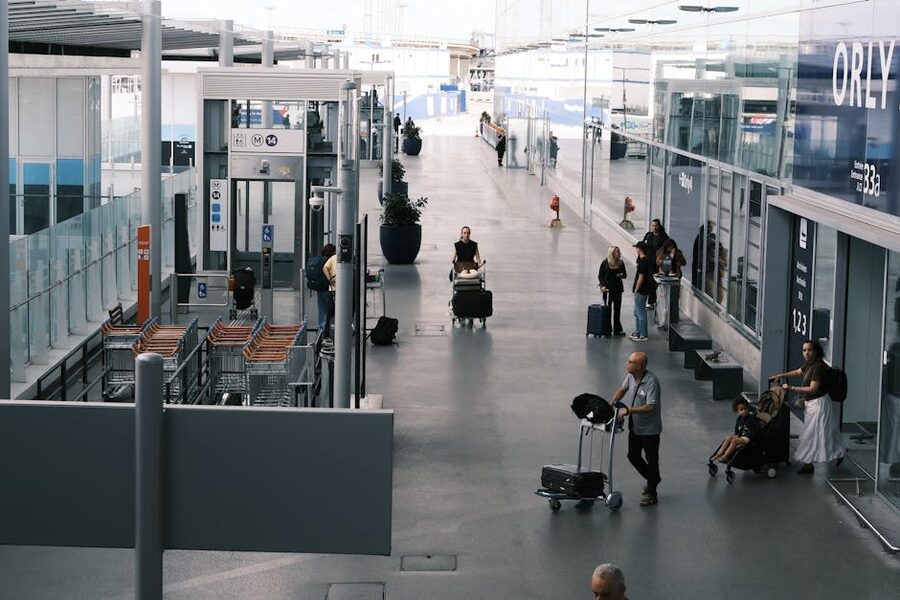
Here’s the part most listings gloss over. After you book, you’ll get a confirmation email with your driver’s phone number and a pickup point. For Terminal 1 that’s usually Gate 5 or Gate 6 on the Arrivals level. For Terminal 2, it’s usually Gate 2 or Gate 3 on Arrivals. Your driver will already be there with a sign with your surname, phone in hand, probably looking bored because they’ve been monitoring your flight for two hours.
You walk out of customs. You walk through the last set of sliding doors. You scan the row of people holding signs — it’s quieter than you’d expect, maybe 20 to 30 drivers on a normal day. Your name is on one of them. The driver takes your luggage to the short-stay car park (three to five minutes’ walk at most), loads it, and you’re on the road.
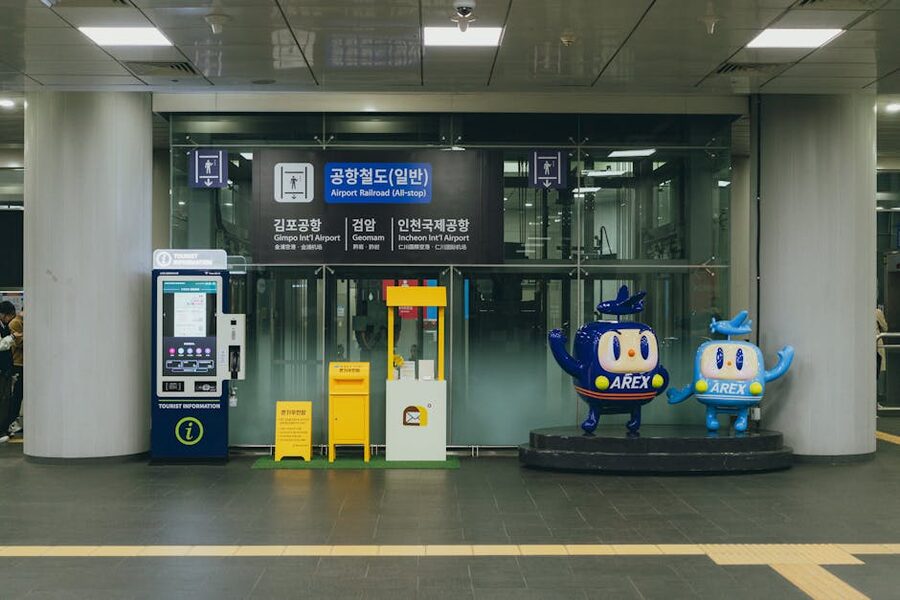
If your flight is delayed: the operator is tracking it, so you don’t need to do anything. The free-waiting window kicks in from your actual landing time, not your scheduled one. I’ve landed 90 minutes late after a diversion and still had my driver waiting without any extra charge.
If you can’t find your driver: ring the number on the confirmation. Don’t email. Don’t wander off looking. Ring. The drivers are used to tourists who’ve switched off international roaming — Incheon has free Wi-Fi throughout the arrivals hall, so connect before you try to call.
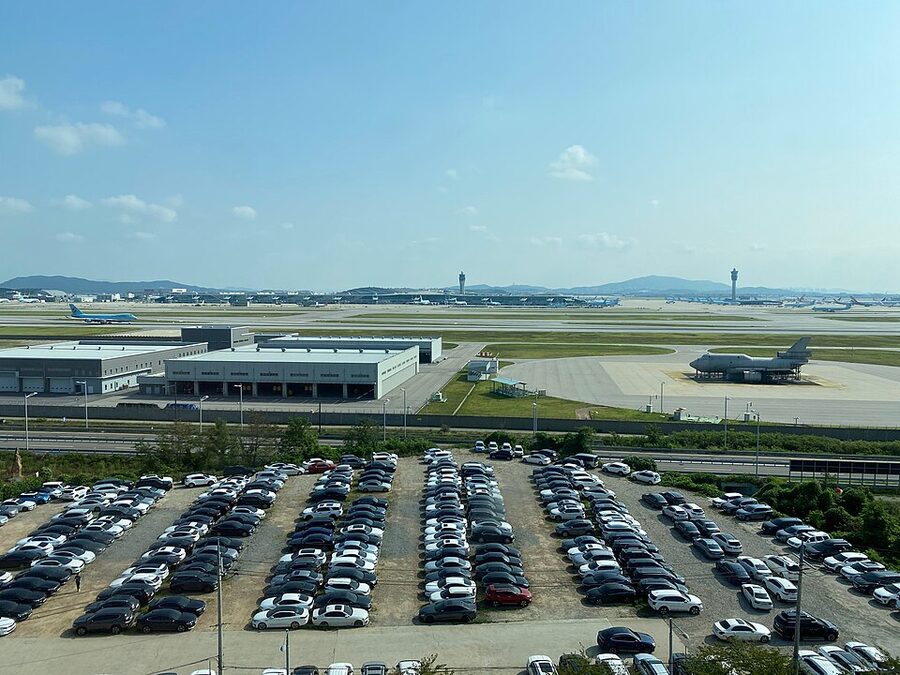
The Yeongjong bridge moment
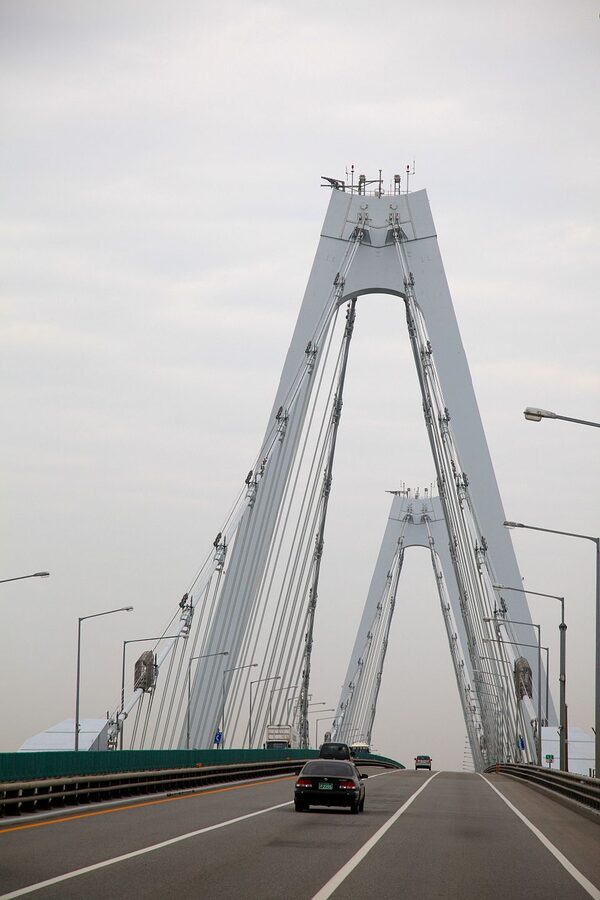
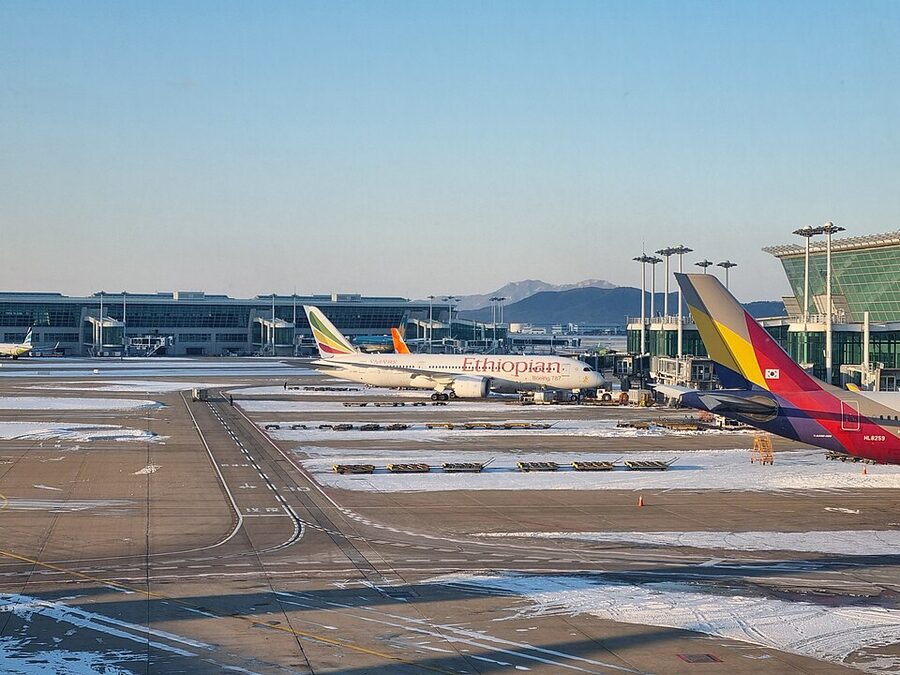
This is a small thing but it’s worth mentioning. Incheon airport sits on Yeongjong Island, joined to the mainland by two bridges: the Yeongjong Grand Bridge (12 minutes) and the Incheon Bridge (longer but scenic). Drivers usually take whichever is faster depending on traffic. If you’re sitting in the van at night and the skyline suddenly appears on both sides, that’s the bridge. It’s one of my favourite 30 seconds in all of Korean travel.
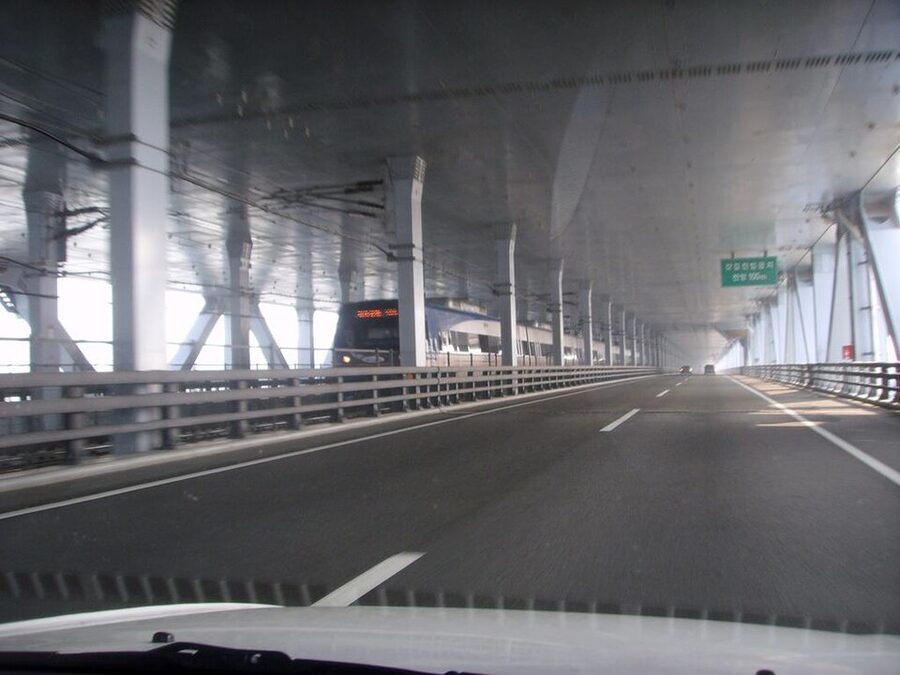
The toll is KRW 7,900 (about €5.30) and is always included in your private transfer fare. Taxis add it on, buses absorb it in the ticket price.
How it compares to the other options
I want to be fair to the other transport options from Incheon. The train and the bus aren’t bad — they’re just different trade-offs. Here’s the honest breakdown.
AREX Express Train (€6.30, 40 minutes)
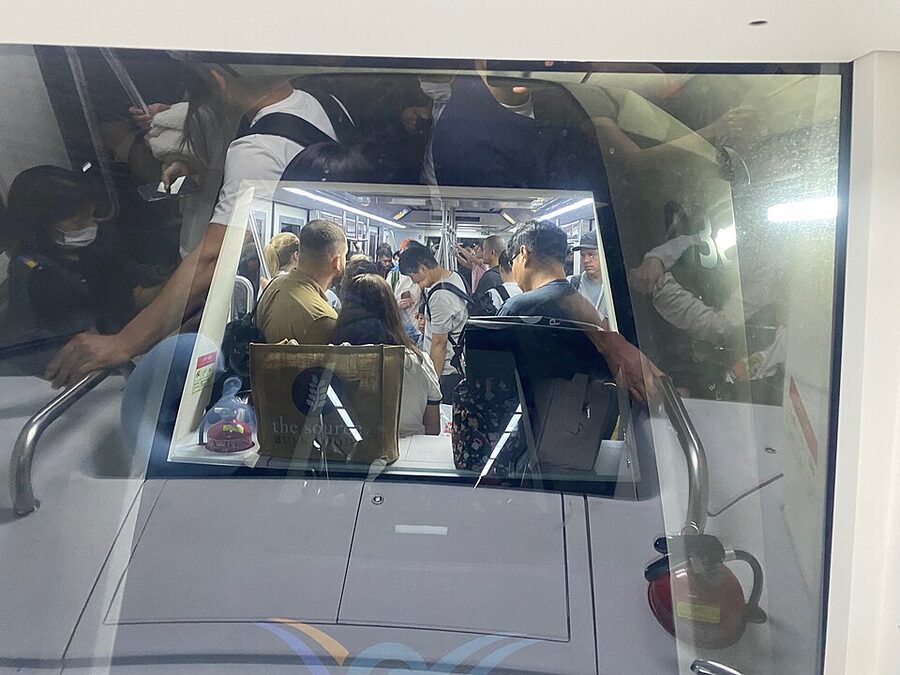
The AREX Express runs from both terminals to Seoul Station in 40 minutes flat, every 20 to 40 minutes between 05:15 and 23:39. Tickets are €6.30 for adults, €5 for children. You buy them at the AREX counter on B1 after arrivals.
Best for: solo travellers, carry-on only, staying near Seoul Station or on line 1 or 4. Avoid if: you’ve got a lot of luggage, you’re travelling with kids, or you’re landing after 23:00.
AREX All-Stop Train (€2.80-3.20, 66 minutes)
The cheap cousin. Runs every 5 to 10 minutes but stops at every station between Incheon and Seoul — 11 stops in total. Handy if you’re staying in Hongdae, Gongdeok, or one of the stations along the line; painful if you’re not. You can pay with a T-money card or buy a single-journey ticket from a machine. The card is easy to pick up as soon as you land — check our guide to booking an Incheon Airport SIM and T-money card for the pickup process, because getting connectivity sorted while you’re still in the airport removes about three layers of arrival stress.
Airport Limousine Bus (€11.30, 70 minutes)
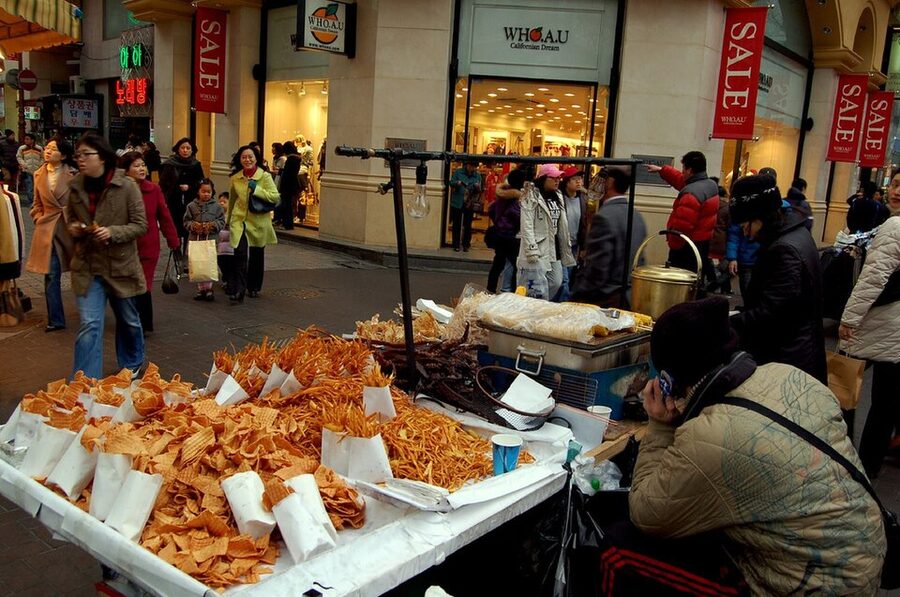
The underrated option. Several companies run these, with different routes calling at major hotels. Bus stops at Terminal 1 Arrivals (Level 1) outside Gates 4, 6, 7, 8, 9, 11 and 13; at Terminal 2 they leave from the Ground Transportation Center on B1. Tickets are around KRW 17,000.
The bus is slower than the train but it drops you closer to your hotel, has proper luggage storage under the coach, and is a legitimately comfortable ride. Two night routes (N6001 to Seoul Station and N6002 to Gangnam) keep running through the night. If you land at a reasonable hour and your hotel is on one of the main routes, the bus is quietly the best-value option.
Regular taxi
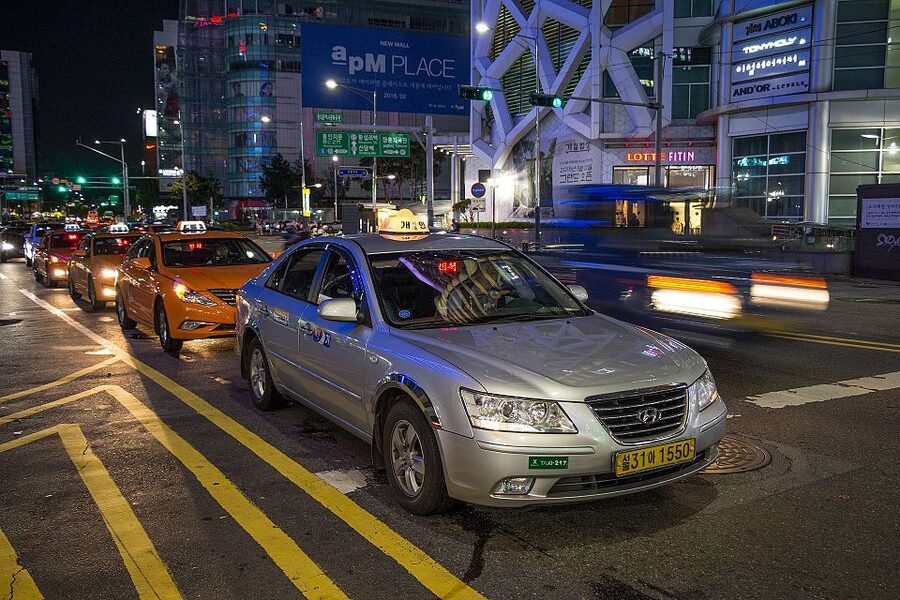
Regular Seoul taxis line up at the taxi rank on the first floor of the passenger terminal, between platforms 5C, 6C, and 6D at Terminal 1 and at 7C for Terminal 2. Sedan taxis take four passengers; jumbo/deluxe take up to nine. The metered fare to downtown Seoul is around KRW 48,000 (€32), plus tolls (€5.30), plus a 20-40% night surcharge between 22:00 and 04:00, plus possibly another 20% if you book an International taxi with an English-speaking driver.
Standard taxis are safe and plentiful — but they’re a meter-based crapshoot. I’ve had a 55,000-won fare in light traffic and an 85,000-won fare on a Friday night. If budget predictability matters, the private transfer wins on psychology alone.
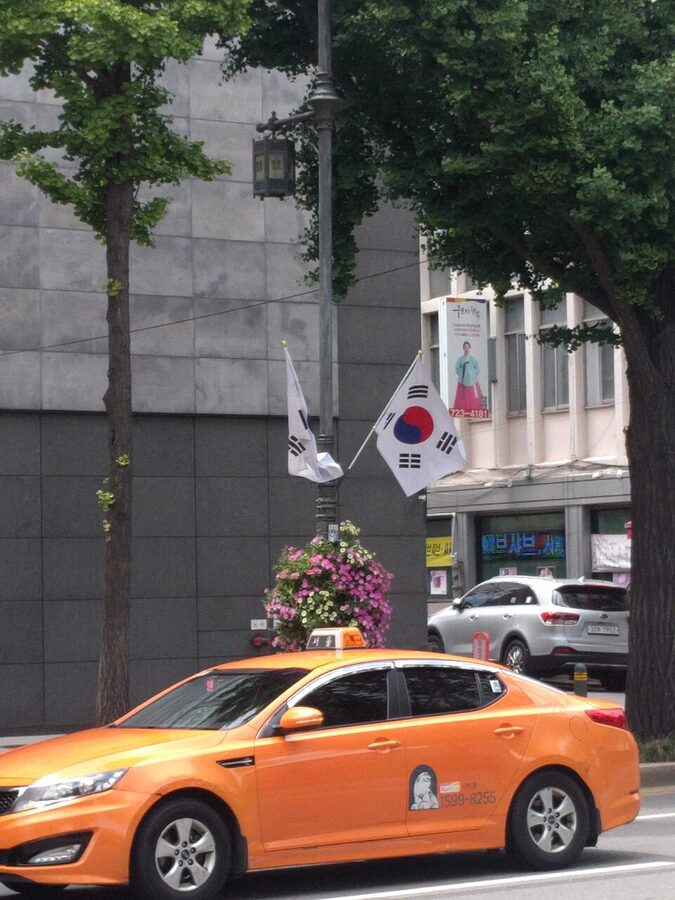
Where you’re headed matters more than you’d think
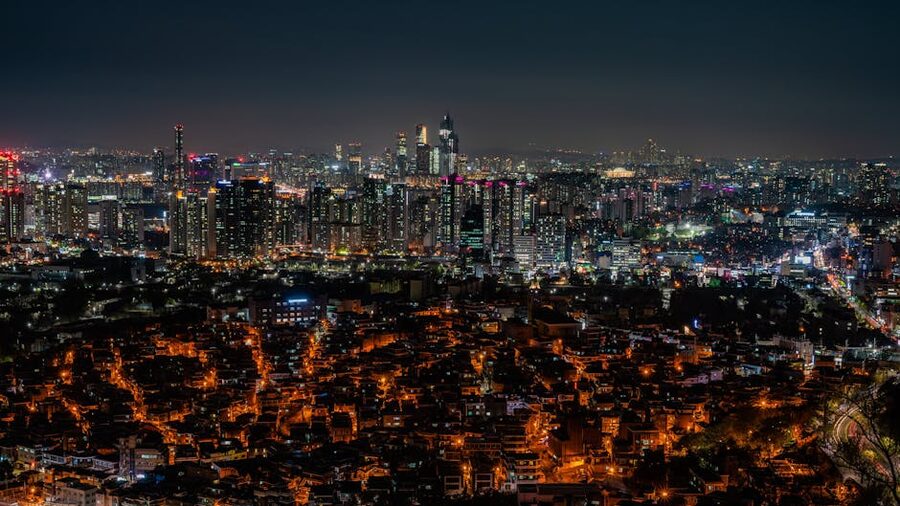
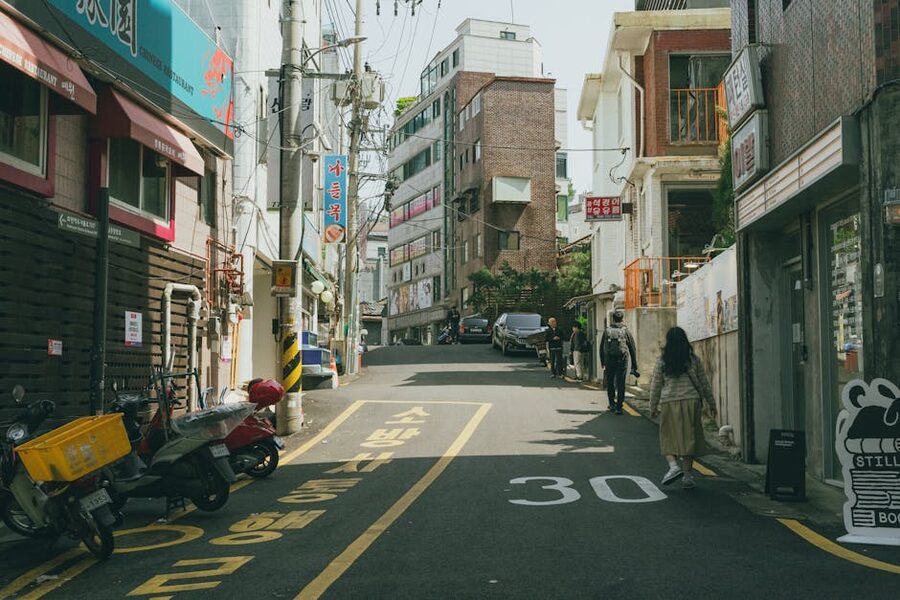
Seoul sprawls. The difference between staying in Myeongdong (north of the river) and Gangnam (south of the river) is 45 minutes of extra driving. Some drivers charge a surcharge for Gangnam or Gangdong pickups, some don’t. Ask before you book.
Most Seoul neighbourhoods fall into one of four clusters:
- Jung-gu / Myeongdong / Insadong / Euljiro — traditional central Seoul, closest to Seoul Station. The standard private transfer price applies. AREX gets you to Seoul Station in 40 minutes but then you’re looking at a 10-15 minute taxi or a metro transfer.
- Hongdae / Mapo-gu / Yeouido — young, nightlife-heavy, west of centre. AREX is excellent here (Hongik University station). Bus is also good.
- Gangnam / Seocho / Gangdong — south of the river, business district. Add 15-20 minutes to any transfer time. Private transfer usually charges the same. AREX requires at least one transfer.
- Itaewon / Yongsan / Hannam-dong — embassies, international crowd. No AREX station close by. Bus or private transfer only.
If you’re staying anywhere that’s not on the AREX line or a limousine bus route, a private transfer basically pays for itself in hassle saved.
Booking logistics and common surcharges
Private transfers on Viator and GetYourGuide work the same way as any other tour: pick your date and time window, enter passenger count, enter pickup (either “Incheon Airport” with your flight number, or your Seoul hotel address for departures), pay, get the confirmation email within a few minutes.
A few things to watch for when you’re filling in the form:
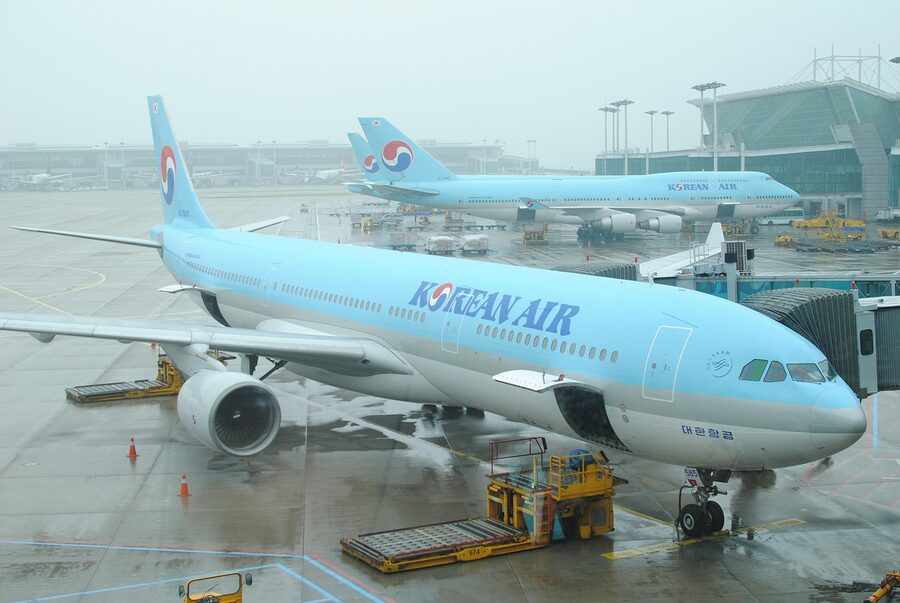
- Terminal number: Terminal 1 and Terminal 2 are 15 minutes apart by internal shuttle train. Putting the wrong terminal is the most common booking error I see. Check your airline: Korean Air, Delta, Air France, KLM all use T2; most others use T1.
- Flight number + scheduled landing time: this is how the driver monitors your arrival. Don’t just put the scheduled time — put the actual flight number so they can track any delay.
- Pickup point: the operator will assign one based on your terminal. Don’t try to pick the “meeting point” yourself.
- Exact Seoul address: use the Korean address if your hotel has one (check Naver Maps, not Google) — Korean GPS systems read Korean addresses reliably; English ones sometimes get rounded to the nearest major road.
Common surcharges and what to expect
Private transfers hide fewer surcharges than taxis do, but a couple show up:
- Extra luggage: anything beyond one checked bag and one carry-on per person may trigger a surcharge or require a larger vehicle. Golf bags, bike boxes, and oversize luggage almost always do.
- Remote destinations: if you’re staying in Gangwon-do, Gyeonggi-do outside Seoul, or beyond the Seoul ring road, expect a different (higher) flat fare or a per-kilometre supplement.
- Late-night or pre-dawn pickup: a few operators charge a modest surcharge for pickups between midnight and 5am. Most don’t.
- Extra stops: if you want to swing past a duty-free pickup counter or grab a quick coffee, ask when booking. Adding a stop after the fact may not be possible.
Who books a transfer and who doesn’t
I’ve probably been through Incheon 20 times now, and here’s roughly what I’ve observed. Solo business travellers take the Express train. Families with kids take a private transfer every time. Couples under 30 usually take the bus or the train. Couples over 50 often take a private transfer if they’ve done their homework, or a taxi if they haven’t. Groups of three or more almost always take a transfer once they’ve done the maths.
There’s also a reverse case — departing Seoul. If you’ve got an early-morning flight and you’re staying somewhere that isn’t on a convenient AREX link, the private transfer for the return leg can be worth more than the inbound one. The buses start from 05:05 and the trains from 05:15; if your check-in opens at 04:30 you’ve got nothing, and taxis are scarce at 4am in most Seoul neighbourhoods.
On a short trip I’ve booked one-way transfers in both directions — incoming private transfer because I’m tired, outgoing AREX because I’m not and I’ve packed properly. That’s probably the sweet spot for most travellers.
A few Seoul arrival tips that only make sense after you’ve done it
Small things I wish I’d known the first time.
Connect to airport Wi-Fi before you leave the terminal. Incheon’s Wi-Fi is excellent and free, and you’ll need it to message your driver or check your confirmation. Don’t rely on mobile data until you’ve sorted a SIM — and if you haven’t yet, our Incheon SIM and T-money guide covers the booth locations on arrival. Pair it with a private transfer and you’re sorted for connectivity and ground transport in one go.
Withdraw cash in the arrivals hall if you don’t have a debit card. Your driver won’t ask for cash, but taxis, buses, and small shops in Seoul still prefer cash or a local card. ATMs accepting international cards are clearly marked near the arrivals exits.
Check the weather and ask your driver about routing. The two bridges from Yeongjong have different characters — one is shorter and closer to sea level, the other is the Incheon Bridge and offers a better view. Ask. Most drivers are happy to take the scenic route if it’s not rush hour and they’ll know which one avoids current roadworks.
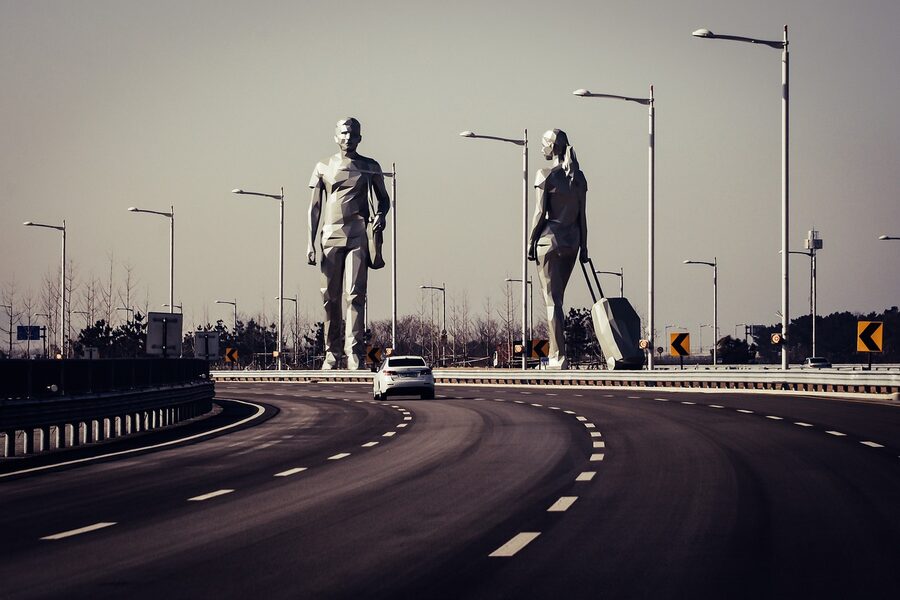
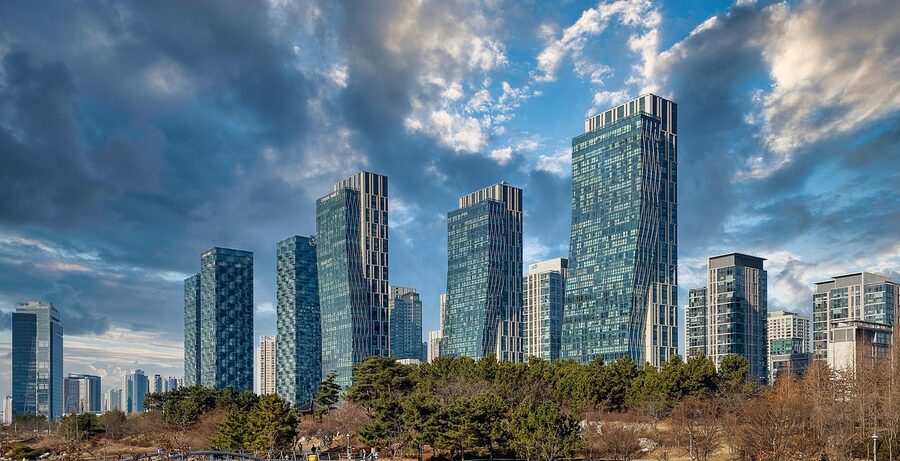
Don’t sleep through the drive. It’s tempting. But the expressway into Seoul is surprisingly photogenic — you cross two major rivers, pass the edge of Gimpo and the Songdo skyline, and then the city slowly resolves out of the dark. It’s a genuine sense of arrival that the train doesn’t quite match.
Tip the driver if you want to. It’s not expected in Korea — really, not expected — but if your driver waited through a long customs queue or handled extra bags, KRW 5,000 to 10,000 feels right. Most will refuse it once and accept it the second time.
What to book alongside your transfer
A smooth airport transfer is really the first stroke of a good trip to Korea rather than the whole painting. A few things pair naturally with it.
If you’re transiting through Incheon with 4 to 10 hours before your connection, don’t waste it sitting in the terminal — our guide to booking a Seoul layover tour from Incheon walks through the private tours specifically designed for this window, including the customs procedure for leaving and re-entering on the same trip.
For most first-time visitors, the highest-impact day trip is the DMZ. If the idea of a conventional tour sounds a bit sterile, our companion piece on booking a DMZ tour with a North Korean defector meet-up covers the version with an actual conversation with someone who crossed the border — a very different experience from the usual observatory stop.
And if you’re flying into Busan instead of Seoul on a later leg of your trip, the airport connectivity question is almost identical — our Busan Airport SIM and T-money guide covers the Gimhae equivalent for arrivals.

So should you book a private transfer or not?
If I had to distil it down: book a private transfer if you’re three or more people, if you’re arriving late, if you’ve got more than two checked bags, if you’re staying anywhere that isn’t convenient to AREX, or if this is your first trip to Korea and you want the arrival to feel frictionless. Skip it and take the Express train if you’re solo or a couple, carry-on only, arriving during the day, staying near Seoul Station or on the AREX line.
The three listings I’d book from are all flat-fare, all include tolls, and all greet you with a sign in the arrivals hall. The $98 van is the clear pick for families. The $95.95 sedan is my default for couples. The $105 option costs a little more but is the most consistent for red-eye arrivals when you really don’t want surprises. Whichever one you pick, you’ll be sitting in your hotel lobby 70 minutes after walking out of customs, and that on day one of a trip to Korea is worth a lot more than $90.
Welcome to Seoul.
Once your driver drops you in Seoul, the rest of the trip usually branches three ways. Most travellers do a DMZ day tour on day two, spend an afternoon on Gyeongbokgung Palace and the Bukchon hanok village, and slot in a Korean cooking class as the half-day indoor option. If you’re staying longer, a private Seoul tour with a local guide fits the first full day after a good sleep.