
Why book a private tour of Seoul when the city has one of the easiest subway systems on the planet and a GetYourGuide catalogue that runs to hundreds of group tours? Because a Seoul you navigate on your own is a different Seoul from the one a local guide opens up for you. That is what this guide is about — how to actually book a private tour in Seoul that earns its price tag.
In a Hurry? The Three Private Seoul Tours I’d Book First
- Seoul City Private Full-Day Tour Including Lunch — from $220. The classic full-day — palaces, Bukchon, Namsan, lunch sorted. Check availability on Viator.
- Top 10 Seoul Highlights & Hidden Gems: Private Custom Tour — from $77. Cheapest way into a licensed private guide. Pick your own route. Check availability on Viator.
- Welcome to Seoul: Private Tour With a Local — from $55. A two-to-six-hour orientation walk on day one. Check availability on GetYourGuide.
- In a Hurry? The Three Private Seoul Tours I’d Book First
- What You Actually Get on a Private Seoul Tour
- How Private Seoul Tours Are Actually Booked
- My Three Picks — The Best Private Seoul Tours to Actually Book
- 1. Seoul City Private Full-Day Tour Including Lunch — from 0
- 2. Top 10 Seoul Highlights & Hidden Gems: Private Custom Tour — from
- 3. Welcome to Seoul: Private Tour With a Local — from
- What a Full-Day Private Tour Actually Covers
- The First Palace Stop
- Hanbok, Hanok, and the Bukchon Problem
- Lunch — The Most Negotiable Part of the Day
- Afternoon — Namsan, Han River, or Something Weirder
- How Much a Private Seoul Tour Actually Costs
- Booking Timeline — When to Lock It In
- Customising Your Route Before the Tour
- Private vs Group — When Each One Actually Makes Sense
- Language and Guide Quality
- Logistics — Meeting Point, Payment, Cancellation
- Taking a Private Tour Further — Day Trips and Multi-Day
- One More Thing — Booking the Sibling Experiences
What You Actually Get on a Private Seoul Tour
A private Seoul tour is one guide, one vehicle or walking route, and your party. That is the whole pitch. You decide when to stop for coffee, how long to stand in Gyeongbokgung’s throne hall, whether to trade a second palace for Gwangjang Market instead.
In practice, you will usually get one of three formats. A full-day city tour with a fixed backbone and a few choices along the way. A customisable half-day where you draft the route with your guide in advance. Or a welcome tour — a walking orientation on day one that helps you read the subway map and spot the neighbourhoods you want to come back to alone.
The price gap between these formats is significant. A welcome-style orientation runs from about $55 per person. A city-wide walking private with a young host starts around $77. A full-day private with a licensed guide and a car usually sits between $220 and $320 per person, with a lunch included and hotel pick-up.
How Private Seoul Tours Are Actually Booked
There are four realistic ways to get a private Seoul guide. Each has a different price floor and a different vetting process behind it.
Marketplace bookings (Viator, GetYourGuide, Klook). The path I use most. You pay at time of booking, you get a voucher with a meeting point and a phone number, cancellation is usually free up to 24 hours before. This is how the two Viator tours and the GetYourGuide option in the Quick Picks above work. The upside is obvious — you have protection, you have reviews to read, and you can compare price and inclusions side by side.
Host platforms (ToursByLocals, WithLocals, GoWithGuide). A step closer to the guide. You message them first, agree on a route together, then book through the platform. Slower, but you get to tell your guide you want to skip palaces and spend four hours eating instead. Useful if you have very specific interests.
Direct-to-agency (OneDayKorea, VIP Travel, ThisIsKoreaTours). A handful of Seoul agencies take direct bookings via their own websites. You get dedicated concierge, English email support, and sometimes a small price advantage for multi-day packages. OneDayKorea is the operator behind the flagship Viator city tour. You are usually paying the same people either way.
Licensed guide through KTO. The Korea Tourism Organization keeps a public directory of licensed guides. Rates are unregulated and language-dependent. This is where you land if you want a guide in a language other than English, Mandarin or Japanese.
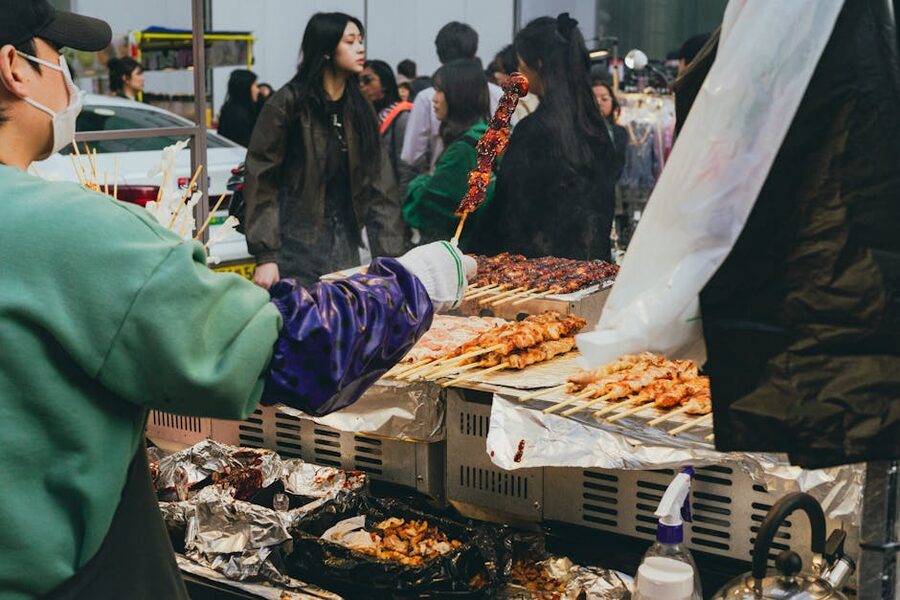
My Three Picks — The Best Private Seoul Tours to Actually Book
These are the three I would book for different kinds of travellers. Each one solves a different problem — the full-day classic, the pick-your-own-adventure, and the gentle day-one orientation.
1. Seoul City Private Full-Day Tour Including Lunch — from $220
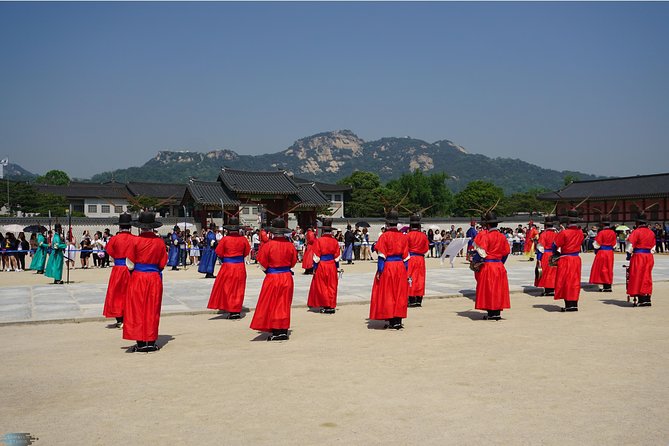
This is the default answer for a first-time Seoul visitor who wants one person to handle everything for a day. Our full review walks through the exact palace-market-Namsan loop and flags the lunch trade-off you can negotiate in advance. Pick this if you want zero logistics and a car for the whole day.
2. Top 10 Seoul Highlights & Hidden Gems: Private Custom Tour — from $77
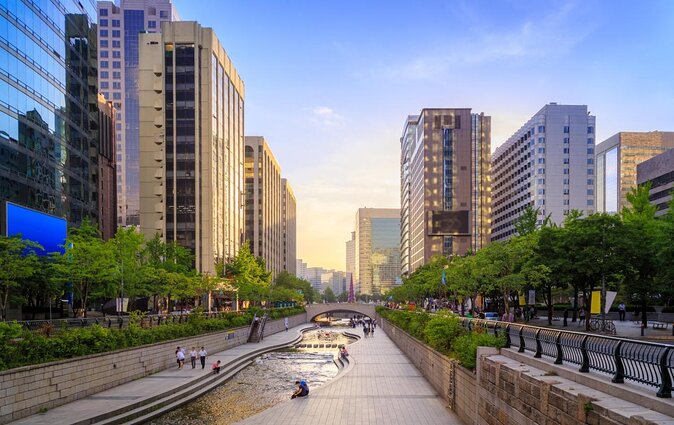
This one is cheap for what it is — a properly private, fully customised walking day with a local host who speaks fluent English. Our review of the tour goes into what the host briefing actually looks like and how to nudge it towards food, photography or shopping. Pick this if you prefer a conversation over a minibus.
3. Welcome to Seoul: Private Tour With a Local — from $55
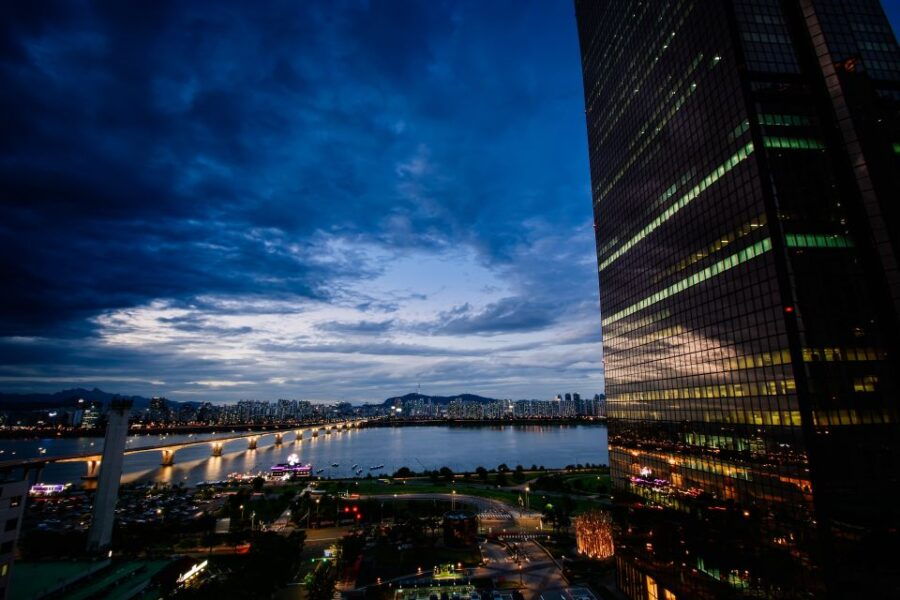
The best day-one tour I know of in Seoul. Our full review covers how the flexible duration works — you can wrap after two hours if jet lag wins, keep going for six if it doesn’t. Pick this if you want someone to teach you the T-money card, your nearest subway exit, and where to eat in your first 24 hours.
What a Full-Day Private Tour Actually Covers
The standard full-day private in Seoul runs eight to nine hours. Hotel pick-up lands somewhere between 8:30 and 9am, drop-off around 5pm. Most guides follow the same broad rhythm — a palace, a village, lunch, a market, a viewpoint. The good ones collapse or expand each chapter depending on what your group wants.
The First Palace Stop
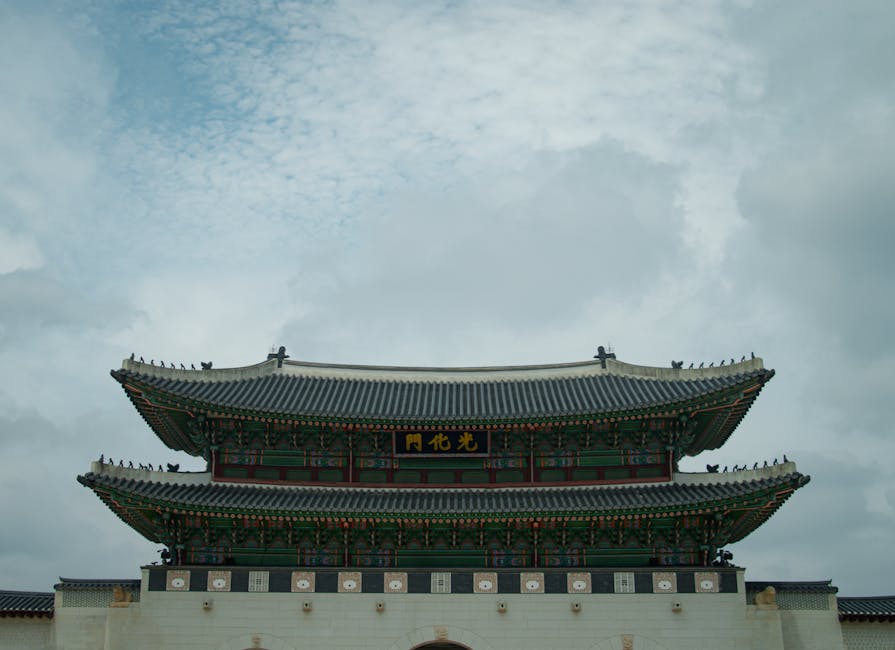
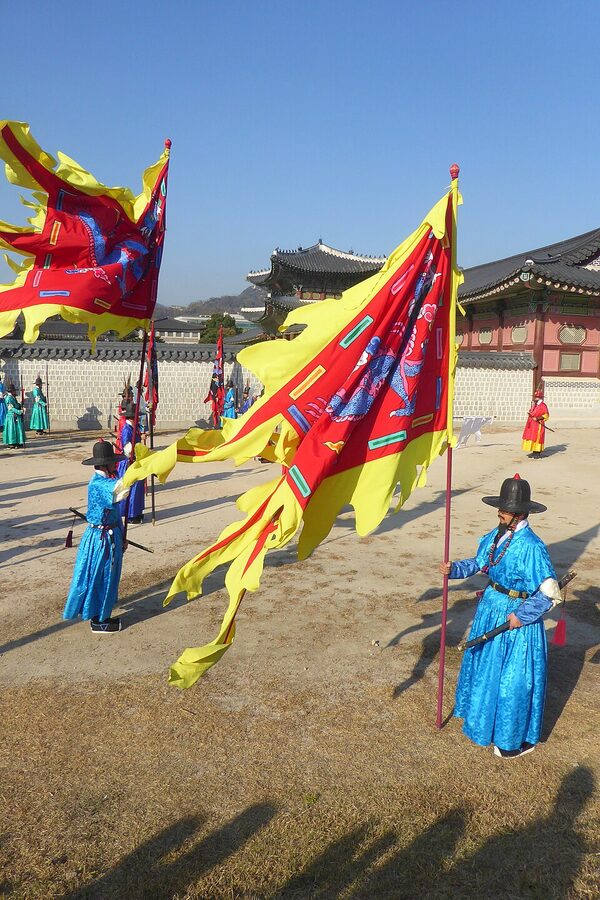
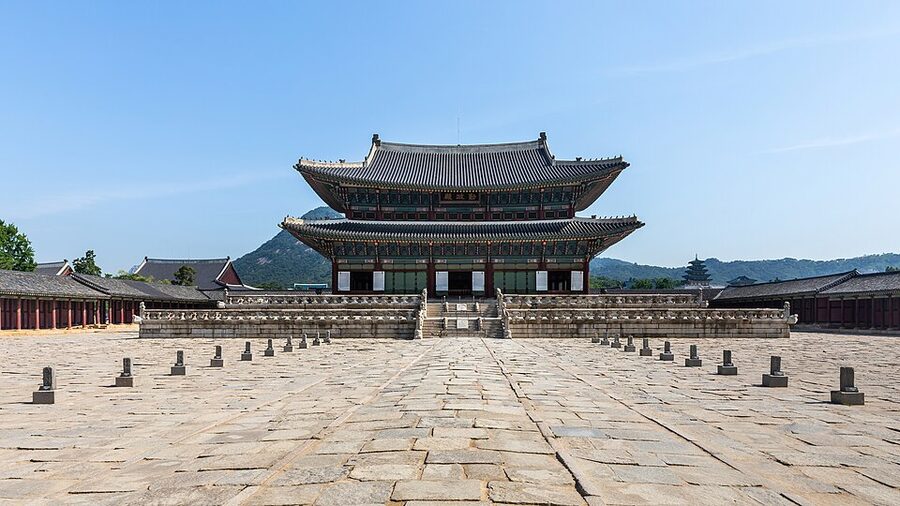
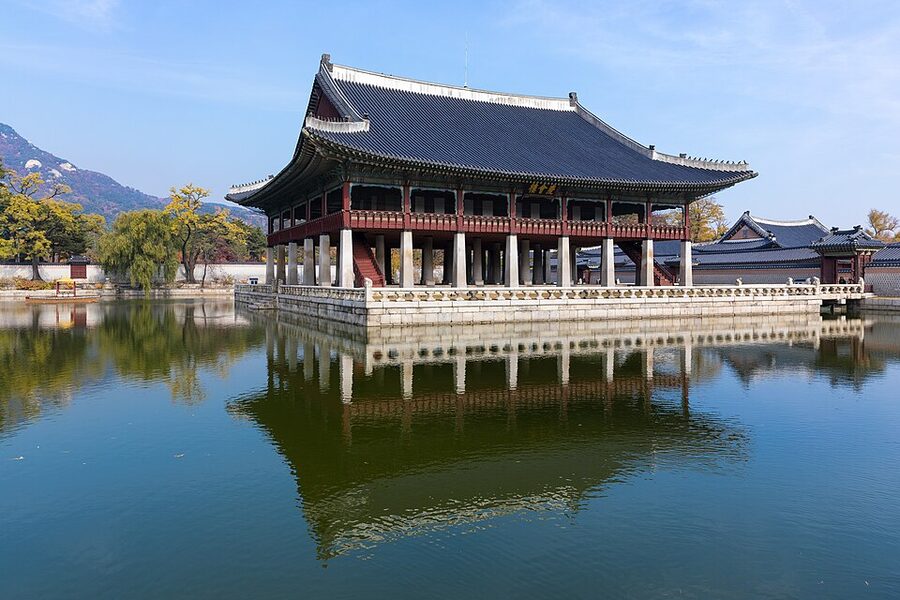
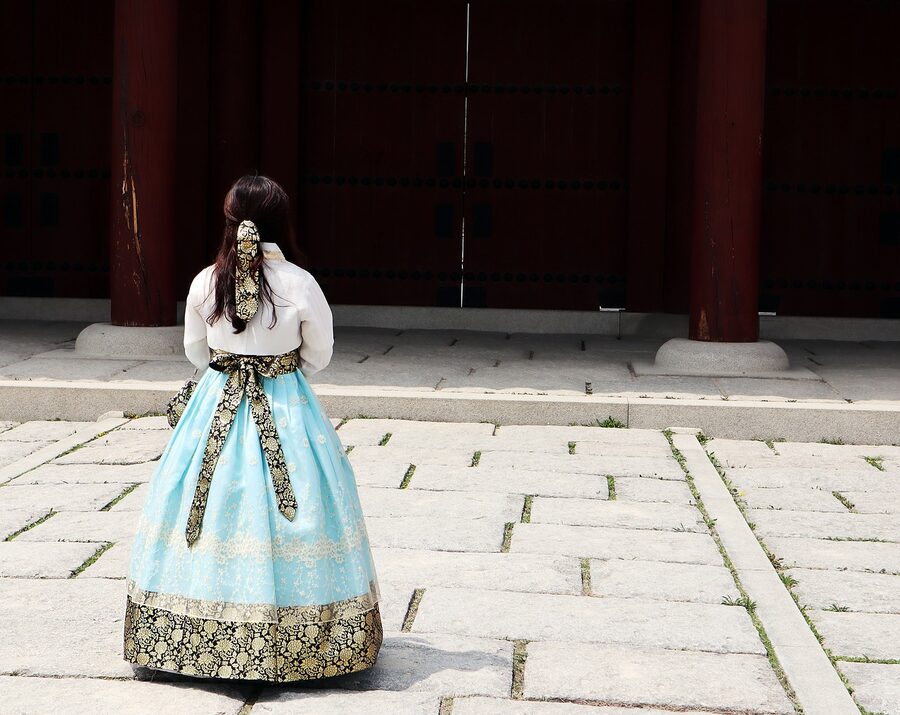
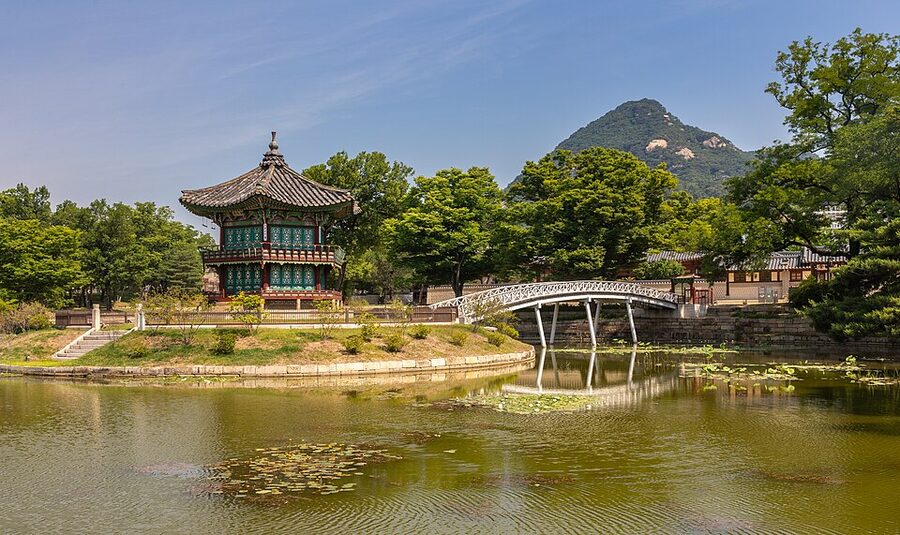
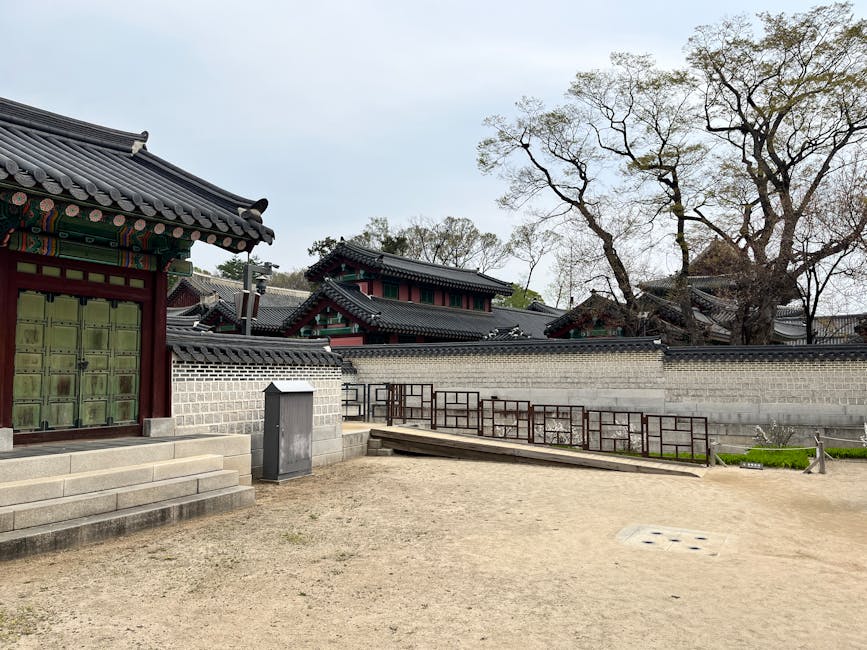
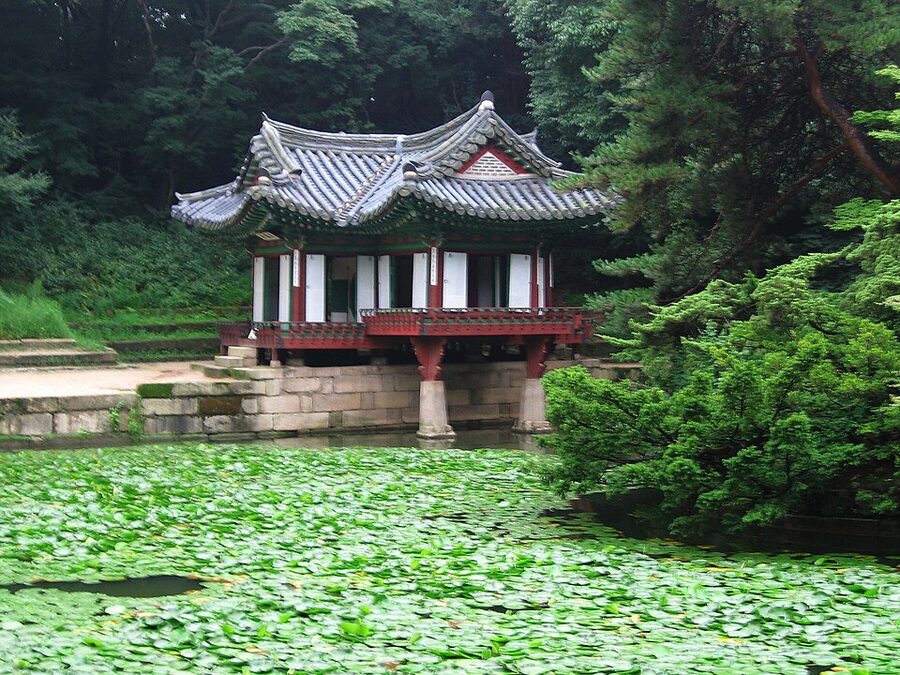
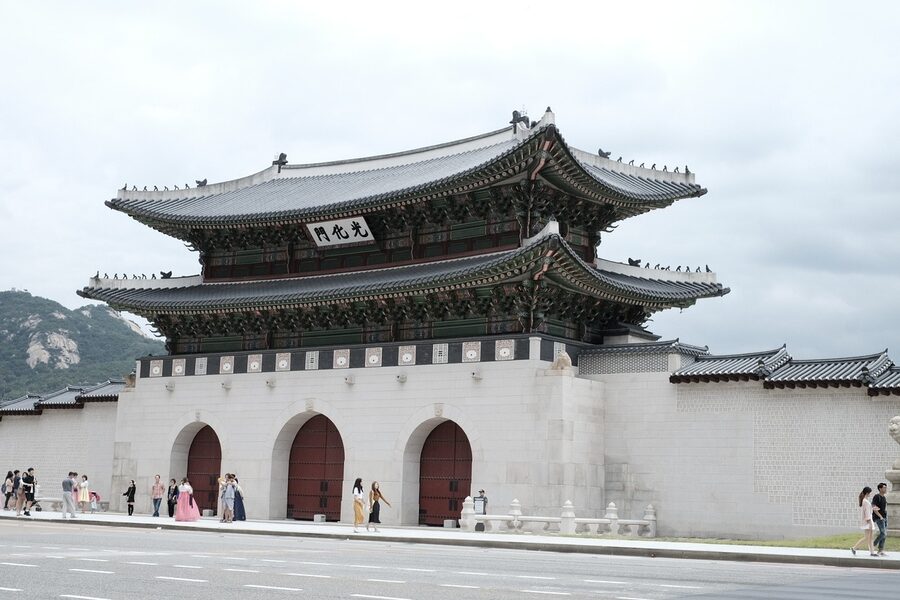
Almost every private tour opens at Gyeongbokgung. It is the largest of Seoul’s five royal palaces, it is the easiest to orient new arrivals in, and the Changing of the Guard gives a natural rhythm to the first hour. If your group is shy about other tourists, ask the guide to flip to Changdeokgung instead — same era, a smaller crowd, and the Huwon Secret Garden is only accessible on timed tickets a private guide can reserve for you.
Hanbok, Hanok, and the Bukchon Problem
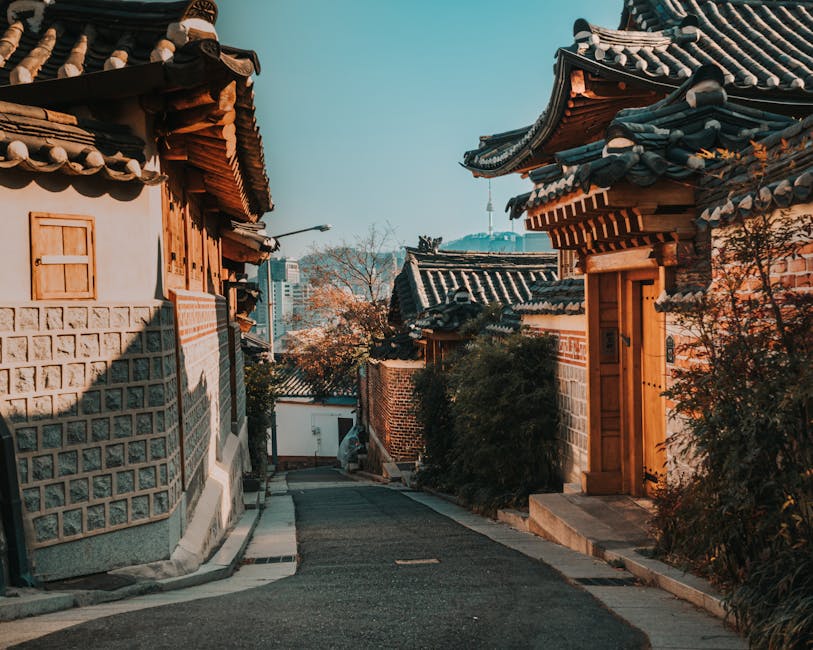
From Gyeongbokgung most tours walk fifteen minutes to Bukchon Hanok Village. It is the most photographed neighbourhood in Seoul and, because of that, it is also the one most locals have a complicated relationship with. The village is a working residential area — the residents live behind those walls.
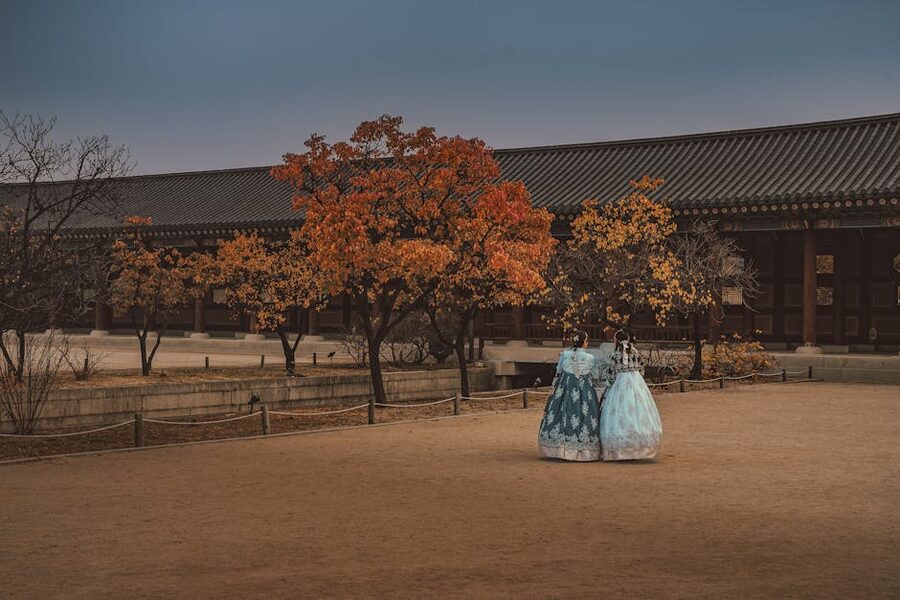
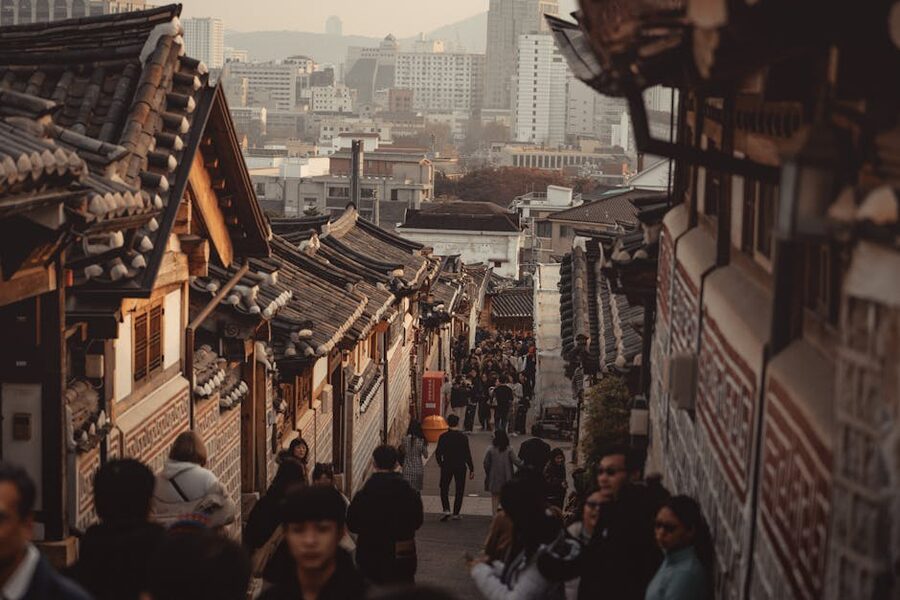
A private guide will do two things here that a group tour cannot. They will walk you along the quieter alleys that most group buses skip. And they will stop you from taking photos in the zones where residents have posted no-photos signs — both for their sake and yours, since those rules now carry real fines.
Lunch — The Most Negotiable Part of the Day
Lunch on a full-day private is included but rarely inspiring. The default is a mid-range Korean barbecue restaurant near wherever you are at midday. That is fine, but it is the part of the tour you can most easily improve by asking in advance. Three options I have had good results with:
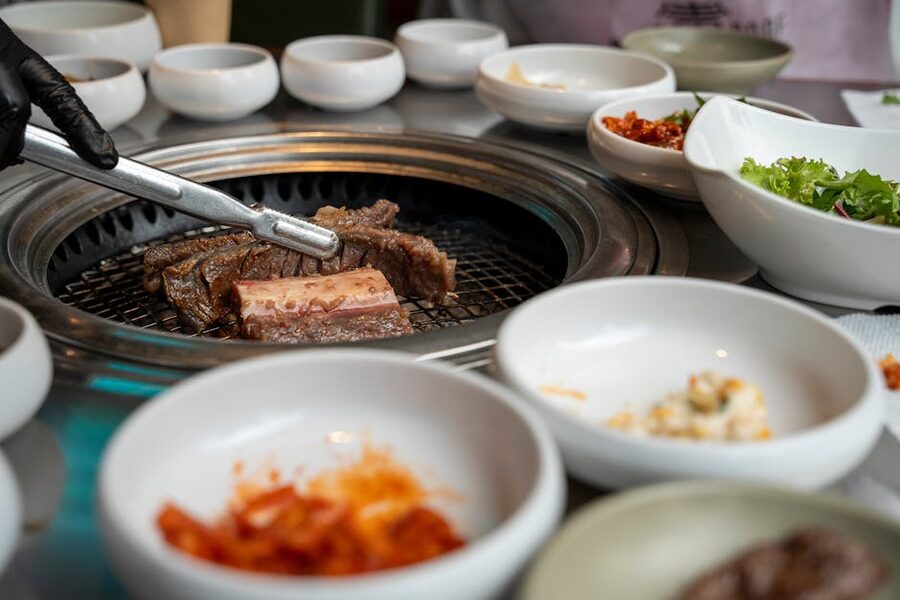
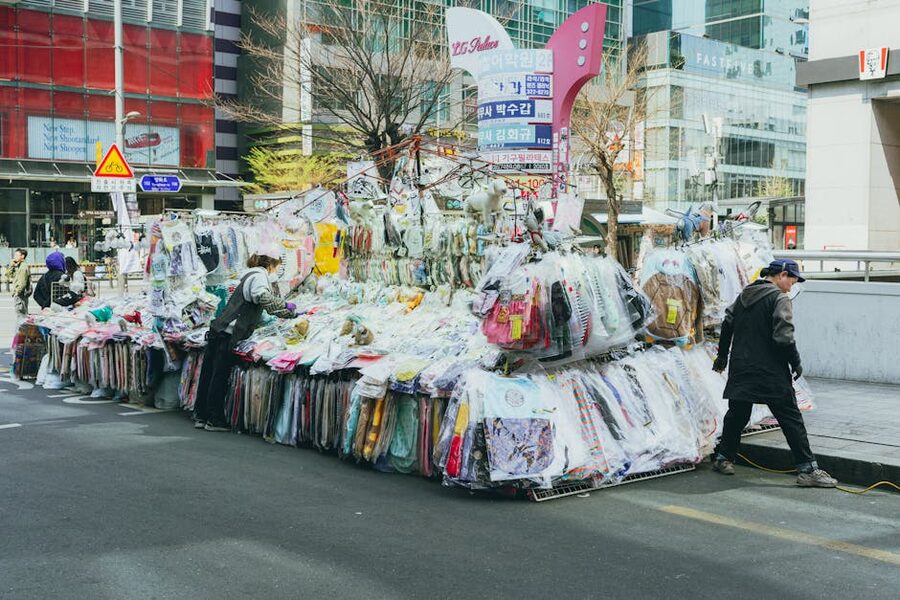
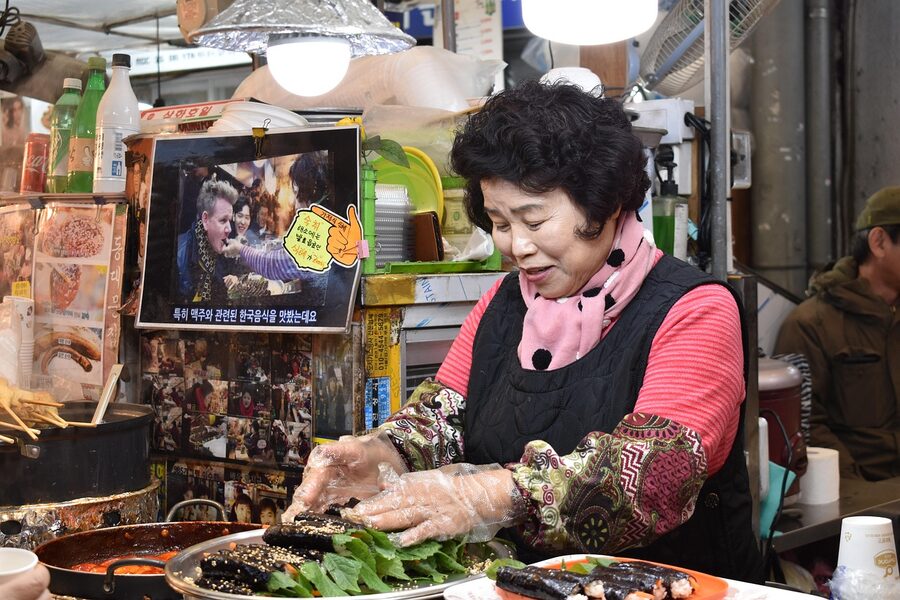
One — swap to a traditional Korean set meal (hanjeongsik) in a hanok restaurant near Insadong. Two — do a walking market lunch at Gwangjang (bindaetteok, mayak gimbap, live octopus if you are brave). Three — if you are travelling with picky eaters, ask for a noodle place so everyone can order something they recognise.
Afternoon — Namsan, Han River, or Something Weirder
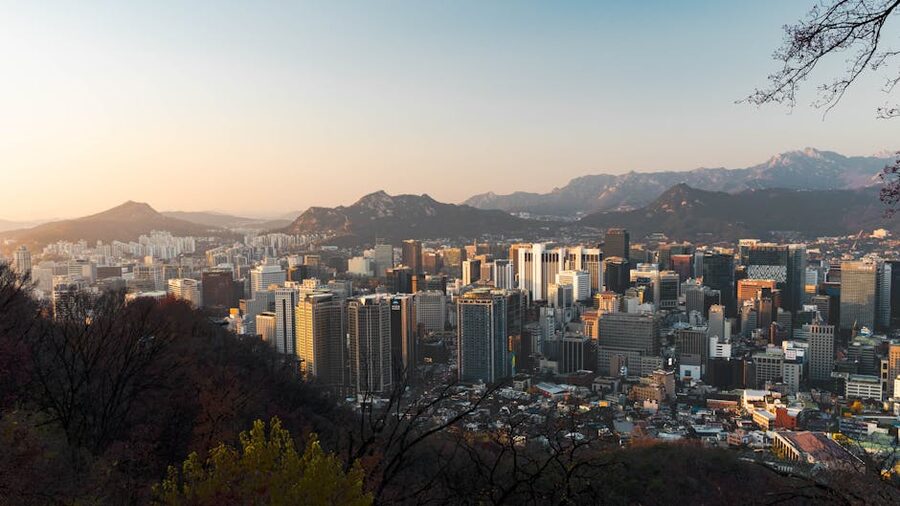
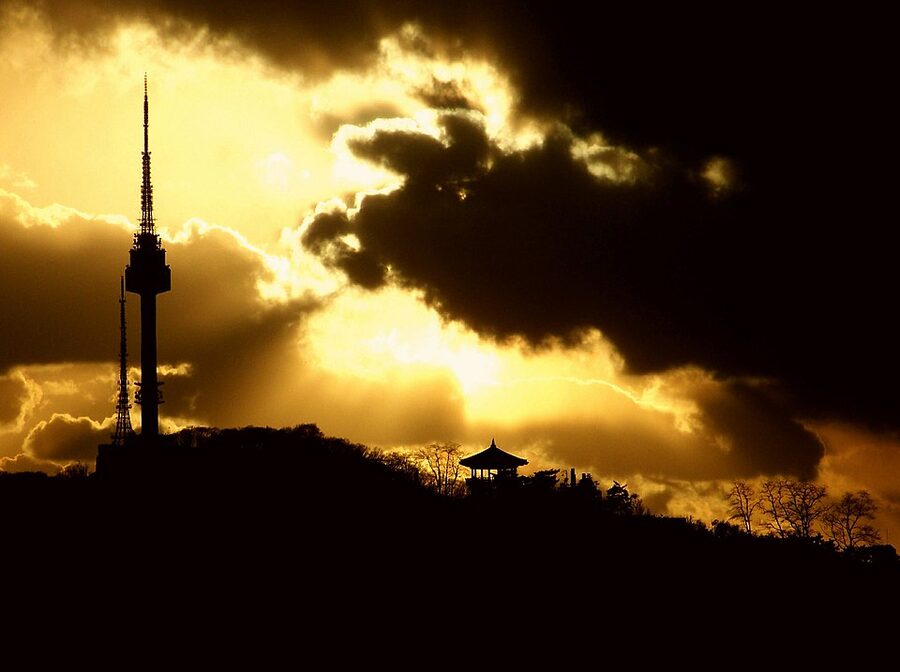
Afternoons are where private tours earn their premium. A group tour will drive everyone up Namsan for the cable-car-and-N-Seoul-Tower combo. A private tour will ask you what you actually want. If you want the iconic view, yes, go up Namsan. If you are a runner, ask to be dropped at the Han River cycle path instead. If you like contemporary design, Dongdaemun’s DDP complex is a better afternoon.
How Much a Private Seoul Tour Actually Costs
Published prices on Viator and GetYourGuide quote per person, which is misleading for private tours. The per-person price usually drops significantly as your group grows. A full-day private quoted at $220 per person will often land at $130 per person for two, and under $100 per person for four.
For budgeting, I use these rough bands. Under $100 per person — half-day walking private or a welcome-tour orientation with no car. $120–$180 per person — full-day walking private or half-day private with car. $200–$320 per person — full-day private with licensed guide, private car, hotel pick-up, and lunch. $400+ per person — DMZ or multi-day Gyeongju extension tacked on.
Tip guidelines matter more than most people realise. In Korea tipping is not customary at restaurants, but private guides are the one exception — $20 to $50 per day for a full-day guide who did a good job is normal. Pay in cash at the end.
Booking Timeline — When to Lock It In
Private guides are not as oversubscribed as, say, the Louvre or the Alhambra. But the best ones on each platform do sell out in peak weeks (cherry blossom in early April, autumn foliage in late October, New Year). Here is what I aim for:
Peak season (April, October): book four to six weeks out. Highly-rated guides fill up. Cancellation is usually free up to 24 hours, so locking in early costs nothing.
Shoulder (May–June, September, November): three weeks is plenty. You can often find a good guide a week out, but you lose the pick of the platform.
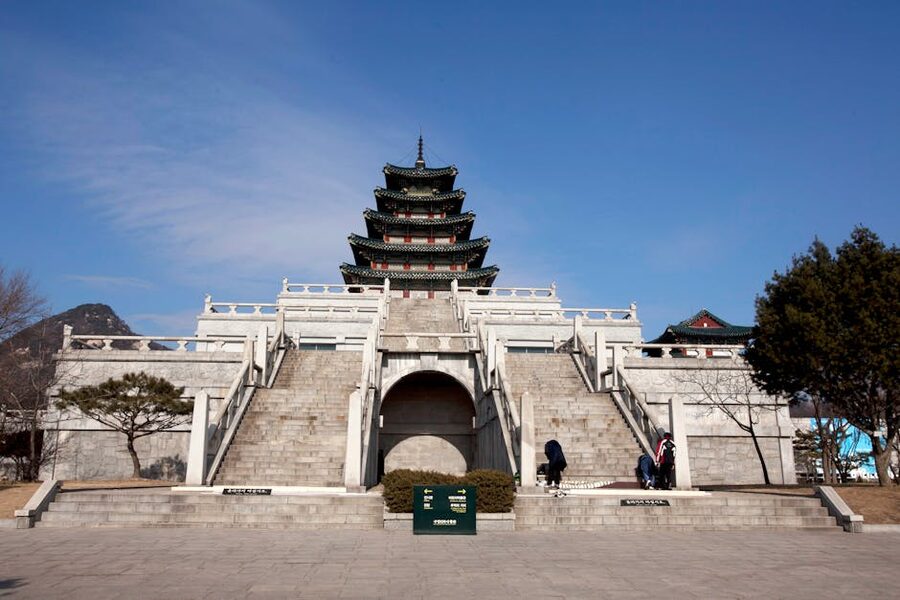
Winter and rainy season (July–August, December–February): a few days is fine. Build in an indoor fallback with your guide — the National Museum of Korea, the National Folk Museum inside Gyeongbokgung, or a cooking class if the forecast turns ugly.
Customising Your Route Before the Tour
The single biggest mistake first-time private-tour bookers make is waiting until the morning of the tour to tell the guide what they want. By then, the route is already set in the guide’s head. Send a short message three days before. Four things to cover:
- What you want to skip. Be specific — not interested in Namsan Tower is better than we’ve done the views elsewhere.
- Dietary needs and picky eaters. Especially useful before the lunch slot is booked.
- Photo priorities. If you want posed hanbok photos at a specific palace gate, say so — the guide will plan light and crowd avoidance around it.
- Pace. We walk slowly or we walk fast saves hours of silent frustration on both sides.
Private vs Group — When Each One Actually Makes Sense
Private is not automatically better. Here is how I decide:
Go private when you are travelling with kids or seniors, the group has very different interests, you have mobility limits, you want a specific route (food-heavy, photography-heavy, history-heavy), you are a solo traveller who wants a local conversation, or you are landing jet-lagged and want someone to hand you the city.
Go group when you are a solo traveller on a budget (group tours are often half the private per-person price), the itinerary is long-distance and logistics-heavy (DMZ day trips, ski resort day tours), or you actively want to meet other travellers.
Language and Guide Quality
English-language private tours in Seoul are a mature market. You will have dozens of options with strong reviews. Japanese and Mandarin are almost as deep. Spanish, French and German guides exist but are thinner — book earlier and expect to pay more.
One quiet signal for guide quality I rely on — check whether the guide is listed as licensed by the Korea Tourism Organization on their Viator/GetYourGuide profile. A licensed guide has passed the KTO exam, which is not trivial. You do not need a licensed guide for a city walking tour, but for anything entering Gyeongbokgung or the DMZ you absolutely do.
Logistics — Meeting Point, Payment, Cancellation
Three practical things that trip new bookers up. Meeting point — for most private tours it is hotel pick-up, but confirm the exact lobby meeting time and location in writing the day before. Seoul hotels have multiple entrances and guides have been known to wait at the wrong one. Payment — marketplace tours charge your card at booking; any additional services (lunch upgrades, extra hours) are cash on the day. Cancellation — 24 hours free for most Viator and GetYourGuide tours, but read the specific listing. Private-car tours sometimes require 48 hours.
One last point — insurance. Most marketplace private tours include public liability cover on the operator side, but your own travel insurance is what matters. Confirm your policy covers guided activities before you book any tour that includes a car.
Taking a Private Tour Further — Day Trips and Multi-Day
If you like your day-one private guide, the platforms make it easy to rebook them for a day trip. DMZ is the obvious extension. Busan by KTX bullet train is the second most popular. If you want a full custom multi-day, that is where direct-agency booking — OneDayKorea, VIP Travel, ThisIsKoreaTours — starts to make more sense than the marketplaces.
One More Thing — Booking the Sibling Experiences
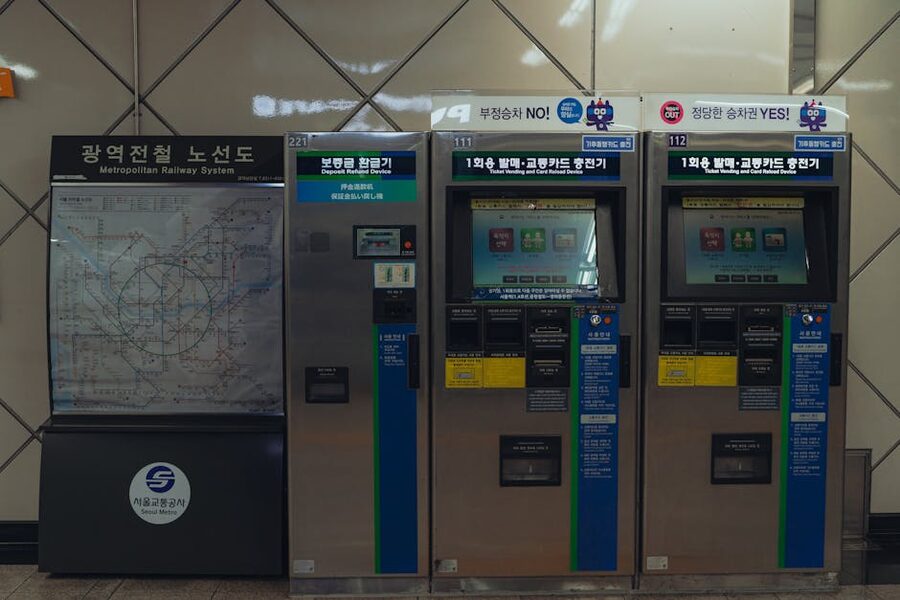
Seoul rewards a couple of booked-in-advance experiences beyond the private city tour itself. If you are arriving through Incheon, the single cleverest booking you can make is the Incheon Airport SIM and T-money card combo — you pick it up at arrivals and step straight onto the subway, which is exactly what a good welcome-tour guide will talk you through anyway. For your first evening, a guided Seoul night walking tour covers the opposite half of the day from the daytime private — palace alley lamps, pojangmacha tents, night market grazing.
For a second city, the Busan full-day city tour is the easiest extension south — most Seoul private guides will book you onto the KTX and meet you off the train in Busan. And if you want a cooking-class day to balance all that walking, the best Seoul cooking classes fit neatly on a half-day morning slot. A night market food tour is my go-to for day-two evening — same level of hand-holding as a private walking tour, cheaper because it runs small-group, and it gets you the dishes you were too shy to order at Gwangjang. Heading beyond Seoul, a Gyeongju day trip from Busan is the historical counterpoint to Seoul’s palaces — book it once you have a Busan base.
That is how I would sequence the bookings. Private Seoul tour on day one or two to lay the map down, practical SIM and transport card before you land, and a couple of smaller guided experiences — cooking, night food, sibling cities — threaded into the rest of the trip so the private guide fee is never wasted on things you could have done alone.