
My friend Elena flew to Seoul after a twelve-episode binge of Jewel in the Palace and a half-serious promise to stand in the same courtyard where her favourite scene was shot. She booked what looked like the cheapest K-drama tour on the first platform that popped up, turned up to the meeting point at 7am, and spent six hours on a bus that hit three locations she didn’t care about before reaching one she did. She came home with forty photos she never looked at again.
The problem wasn’t the tour — it was the wrong tour. There are at least three completely different kinds of K-drama filming location tour out of Korea right now, and the one that suits a casual fan is not the same one that suits a hardcore Crash Landing on You rewatcher. I’ll save you Elena’s six hours.
- In a Hurry? The Quick Picks
- The Three Flavours of K-Drama Tour
- How Booking Actually Works
- The Three Tours I’d Actually Book
- 1. MBC K-Drama Studio One Day Tour (Ilsan & Sangam) — around 1
- 2. MBC Dae Jang Geum Park Drama Set Half-Day Tour — around
- 3. Busan Private Tour: Iconic Locations of K-Drama & K-Pop — around 2
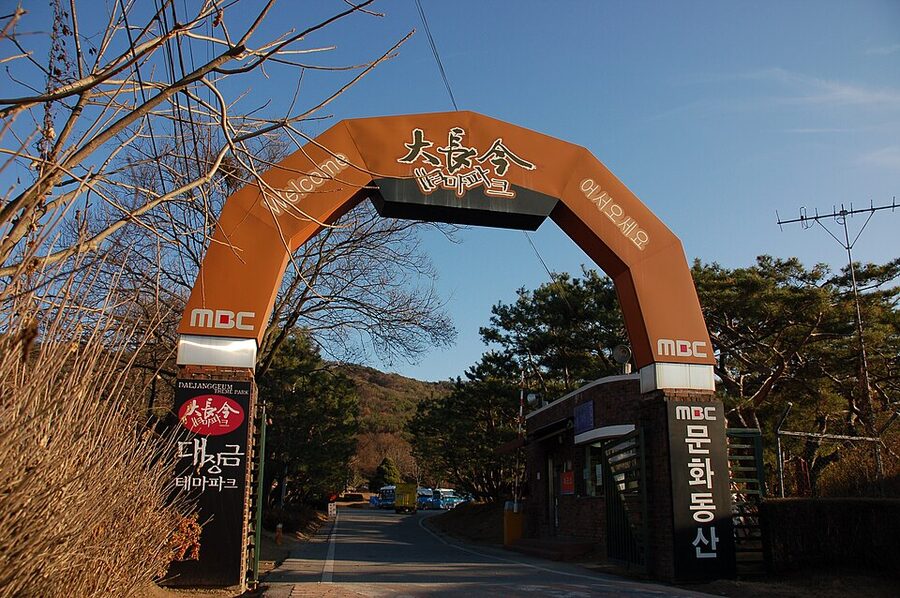
- Dae Jang Geum Park, Up Close
- Should You Book a Guided Tour or Go Alone?
- Seoul’s Real-World Drama Locations (The Ones You Don’t Need A Tour For)
- Jeju Island: The Drama Location Nobody Warned You About
- What To Pack and Wear
- The Guide Question
- Timing Your Visit: Season and Weekday
- Pickup Logistics and Meeting Points
- What About Self-Guided K-Drama Tours?
- Food Stops That Feel Like the Show
- Prices and What’s Included
- Pairing K-Drama With The Rest of Your Korea Trip
- The Honest Verdict
- Before You Book, Also Look At
In a Hurry? The Quick Picks
- Best behind-the-scenes: MBC K-Drama Studio One Day Tour (Ilsan & Sangam) — around $101, 7 hours. Actual working studios and live rehearsals if you’re lucky.
- Best half-day set tour: MBC Dae Jang Geum Park Drama Set Half-Day — about $50, efficient. Joseon-era sets, photogenic, back by lunch.
- Best for Busan fans: Busan Private Tour: Iconic K-Drama & K-Pop Locations — around $132, private and flexible. Gwangalli, Gamcheon, coastal drama shoots.
The Three Flavours of K-Drama Tour
Every K-drama tour sold out of Korea falls into one of three buckets. Pick the wrong one and you’ll be standing in the wrong courtyard wondering why your scene isn’t there.
1. Historical set tours. These visit purpose-built Joseon-era film sets — the biggest and best-known is MBC Dae Jang Geum Park in Yongin, about an hour south of Seoul. You’re walking through fake palaces and fake villages that feel real because they’ve been used for two decades of sageuk (period drama). If your must-watch list is Jewel in the Palace, Moon Embracing the Sun, Love in the Moonlight, Mr. Sunshine, or anything with a hanbok in it — this is your bucket.
2. Modern drama location tours. These hit real-world spots in Seoul, Busan, or Jeju that were used as backdrops in contemporary dramas. Cafes, bridges, beaches, bus stops. The filming happens at actual addresses, not a dedicated park. If you came for Crash Landing on You, Goblin, Itaewon Class, Descendants of the Sun, Welcome to Samdal-ri, or anything set in modern Korea — start here.
3. Studio and behind-the-scenes tours. These go inside MBC’s working studios in Ilsan and Sangam. You might catch a live rehearsal, you might just see the sets, but you’re in a functioning TV complex rather than a tourist attraction. If you care more about the production side than the fan-selfie side — this is the one.
Decide your bucket first. Everything else gets easier after that.
How Booking Actually Works
Most K-drama tours in Korea sell through three channels: GetYourGuide, Viator, and Klook. Local operators publish on all three with slightly different prices and pickup windows, so it pays to check two. Klook leans cheaper for Jeju tours, GetYourGuide leans cheaper for Seoul half-days, Viator is strongest for private tours and longer itineraries.
The second thing to know: most set tours require advance booking. Dae Jang Geum Park closes on Tuesdays. MBC’s studio tour is only offered on certain weekdays because it shares space with actual productions. Turning up at the door without a booking usually means being turned away — and if you’re on a day trip from Seoul, that’s your whole day gone.
The third thing: almost every half-day set tour leaves before 9am. The park is about 70 minutes south-east of Seoul, and the tours are timed to catch morning light and beat the school trips. If you’re not a morning person, book a private tour with a flexible start instead.
The Three Tours I’d Actually Book
Before I’d send you anywhere, I pulled what we know about the K-drama tour market in Korea — pricing, what people consistently say about the guides, which itineraries hold up and which cut corners. Three rise above the rest. They cover different angles, so pick the one that matches your bucket above.
1. MBC K-Drama Studio One Day Tour (Ilsan & Sangam) — around $101
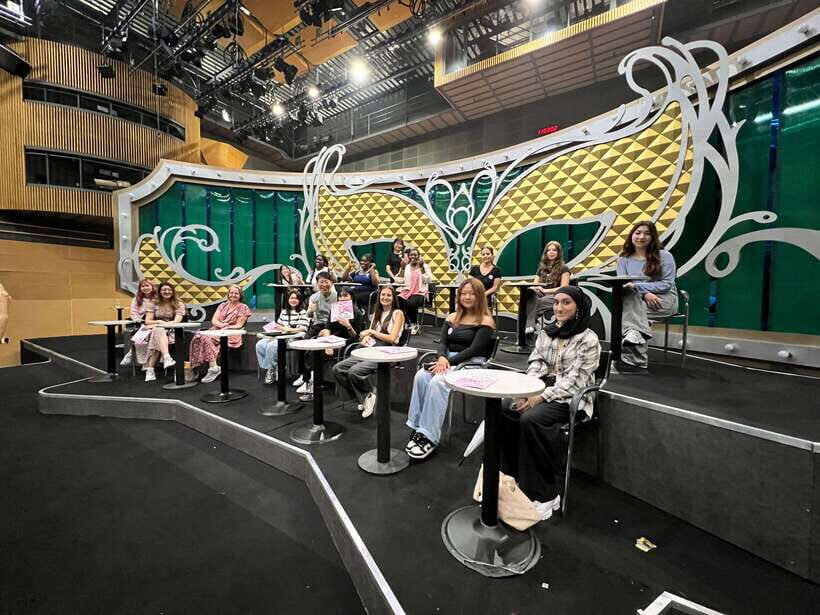
This is the one for people who want the production side, not the photo-op side. It runs seven hours, starts in Seoul, and covers both MBC’s Ilsan Dream Center (the biggest indoor studio in Korea) and the Sangam Headquarters with Star Park and the radio studios. Our detailed review walks through what happens on rehearsal-shooting days versus quieter ones — worth reading before you book, because the two experiences are very different.
2. MBC Dae Jang Geum Park Drama Set Half-Day Tour — around $50
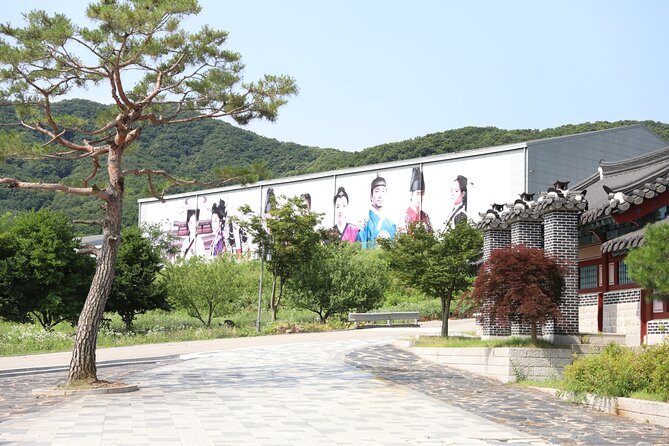
If your brief is “Jewel in the Palace but I’d like to be home for lunch”, this is the pick. Five hours door-to-door, small-group, and the guides actually show you which scene was shot where rather than just letting you wander. Our full review covers the guide question — Sophie in particular is the name that keeps coming up in the write-ups.
3. Busan Private Tour: Iconic Locations of K-Drama & K-Pop — around $132
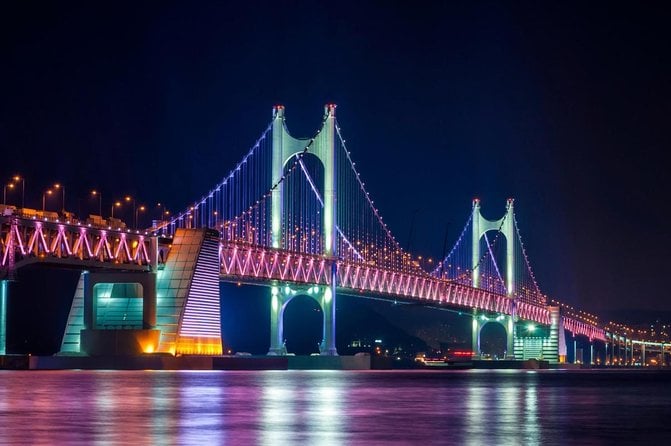
If your must-watch shows are set in Busan rather than Seoul — Crash Landing on You, Hometown Cha-Cha-Cha, My Mister — the Busan-based tours are the right answer, not a day trip from Seoul. Private, flexible, and the guide can swap in a specific cafe or bridge if you ask. Our Busan K-drama review lists the specific locations each itinerary hits and which ones to push for if you have a favourite scene.
Dae Jang Geum Park, Up Close
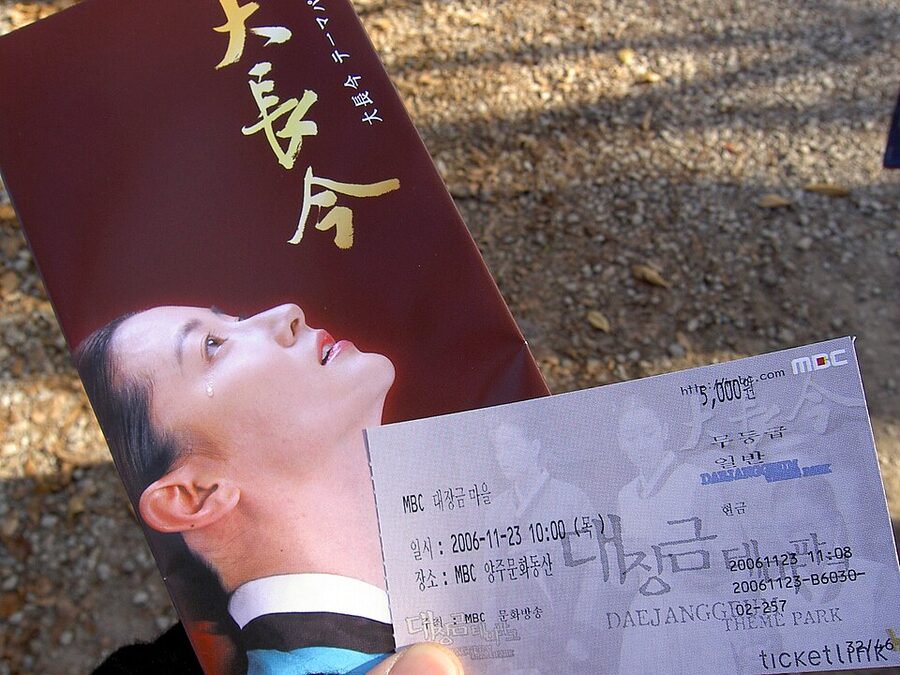
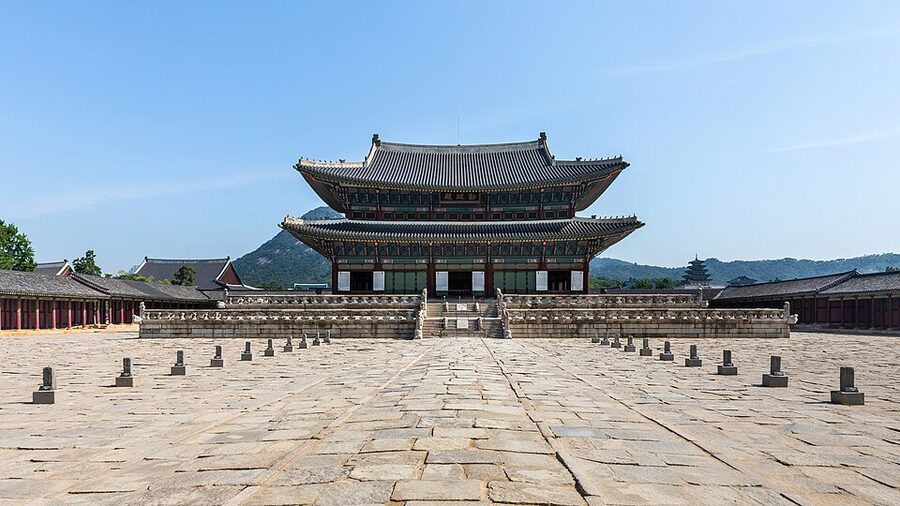
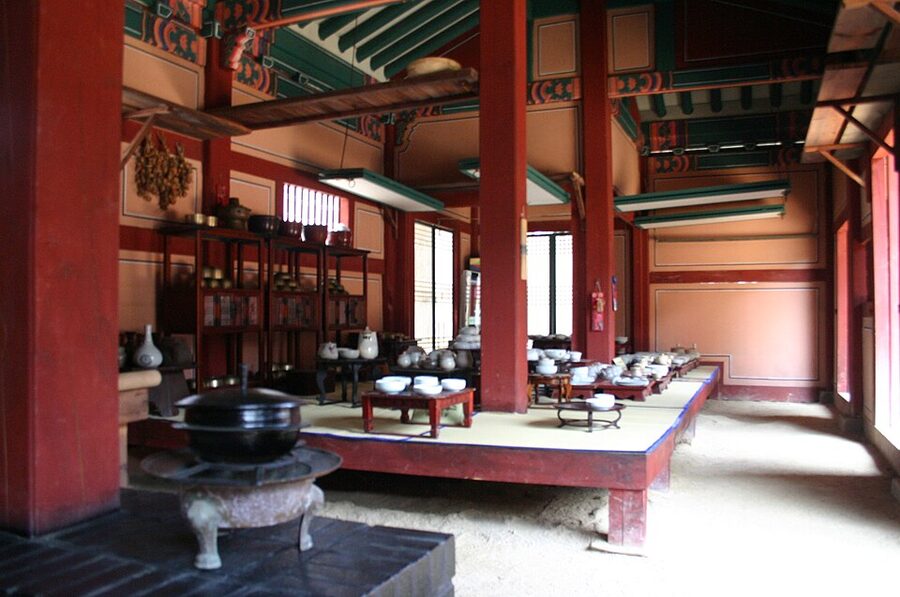
Also called Dramia (drama + Arabia — nobody knows why), Dae Jang Geum Park is a 2,400-acre MBC-run complex in Yongin, about 40km from central Seoul. It opened in 2011 and it’s been used for dozens of period productions: Queen Seondeok, Moon Embracing the Sun, Jewel in the Palace (the one it’s named after), Mr. Sunshine, The King: Eternal Monarch. If a drama has horses, palace intrigue, or people wearing hanbok while crying — there’s a solid chance a scene was shot here.
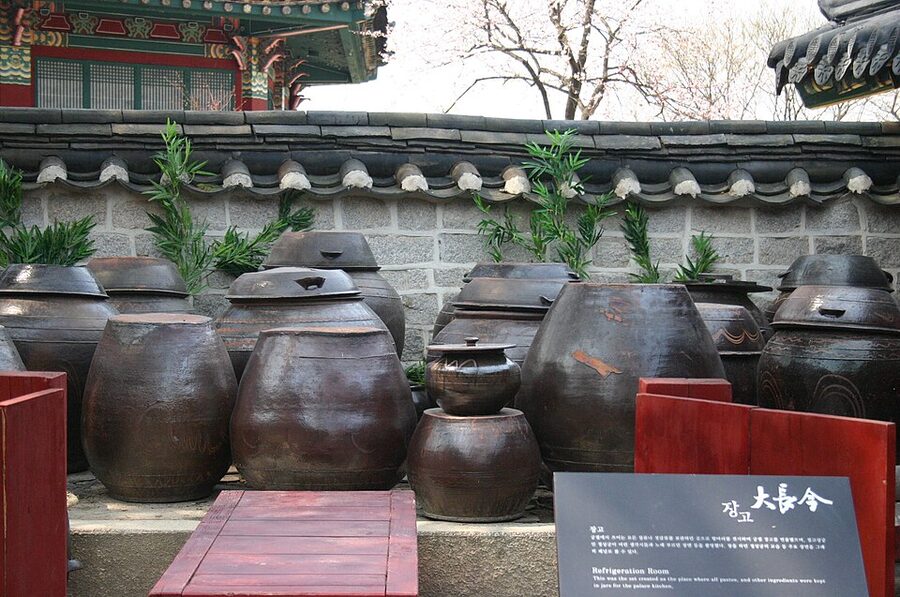
The park is laid out as a series of sets you walk between: a main palace courtyard, a thatched-roof village, a Joseon-era street, a royal tomb, a courtroom, a marketplace. Some have interiors you can step inside, most are exteriors where you shoot from the path. Allow three hours minimum to see it properly.
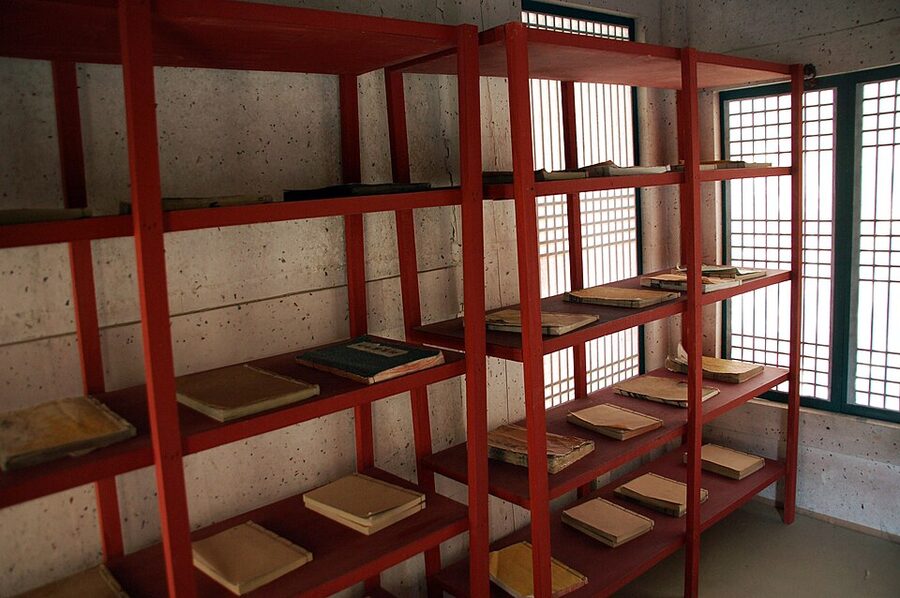
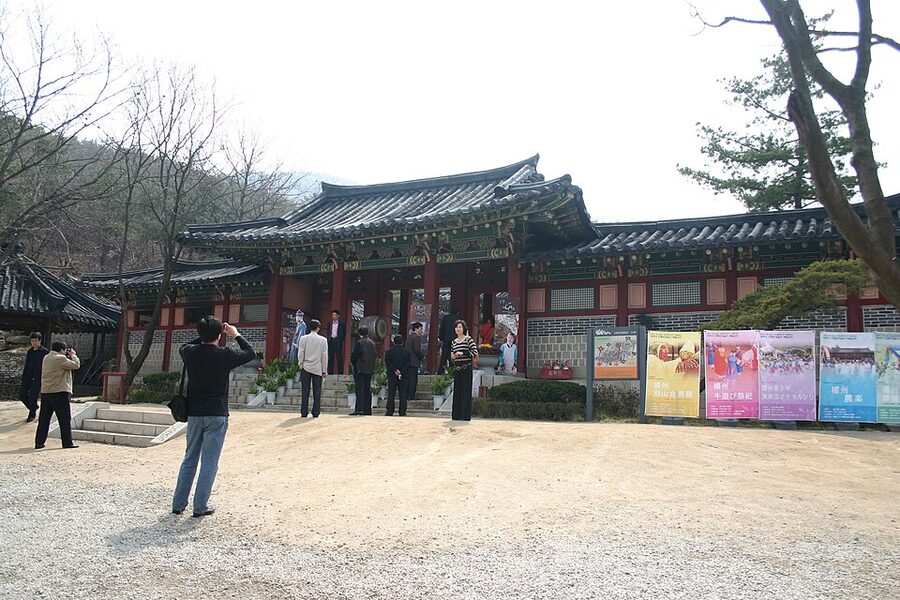
A few practical things I learned the first time I went: the park is bigger than it looks on the map, and there’s very little shade. Bring a cap in summer. The photo ops are strongest in the first hour after opening — half-day tours arrive for that opening window on purpose. Food inside is limited to one small cafeteria, so if you’re doing a full day, eat on the bus in.
Should You Book a Guided Tour or Go Alone?
Technically you can get to Dae Jang Geum Park on your own — it’s a 40-minute subway ride plus a 25-minute taxi from Yongin Station. Technically. In practice, almost no-one does it that way. The taxi is hit and miss on the return, the park itself doesn’t have English signage on every set, and you miss the guide’s running commentary on which scene got shot where.
My honest take: for the first K-drama location visit, book a guide. For a second trip — say, you’ve already done the half-day and want to come back to a specific corner of the park — DIY is fine. A private car hire is the middle ground if you don’t want a bus full of strangers but also don’t want to negotiate Yongin taxis.
Seoul’s Real-World Drama Locations (The Ones You Don’t Need A Tour For)
Not every filming location needs a booked tour. A surprising amount of Seoul’s drama geography is accessible on a subway pass and an afternoon of walking. Here’s the shortlist I give friends who want to DIY the contemporary drama side.
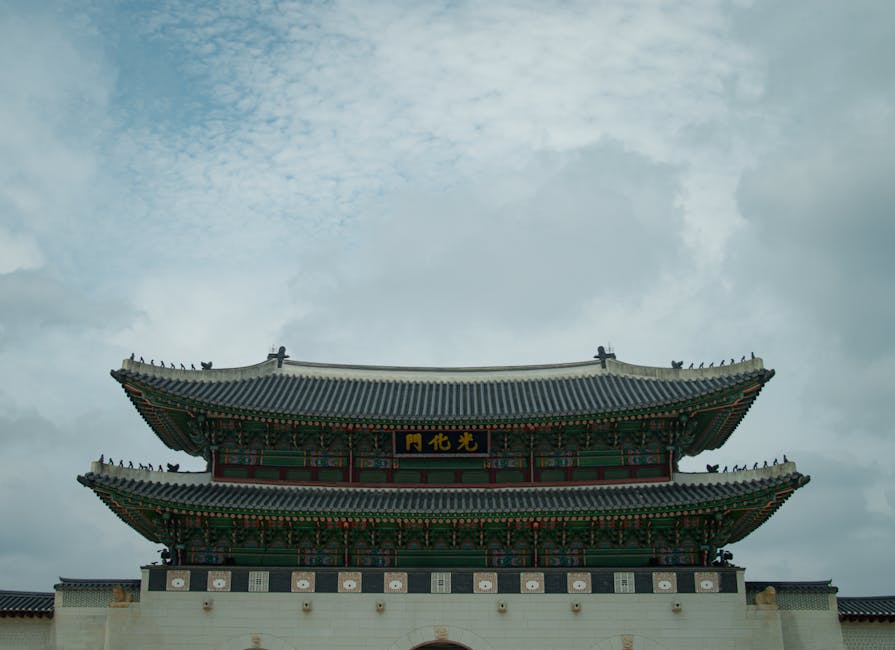
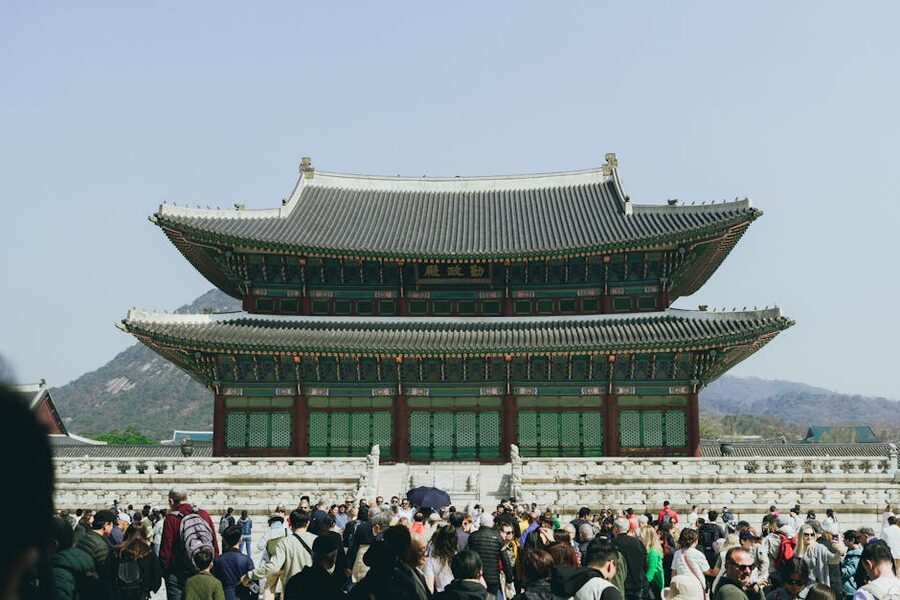
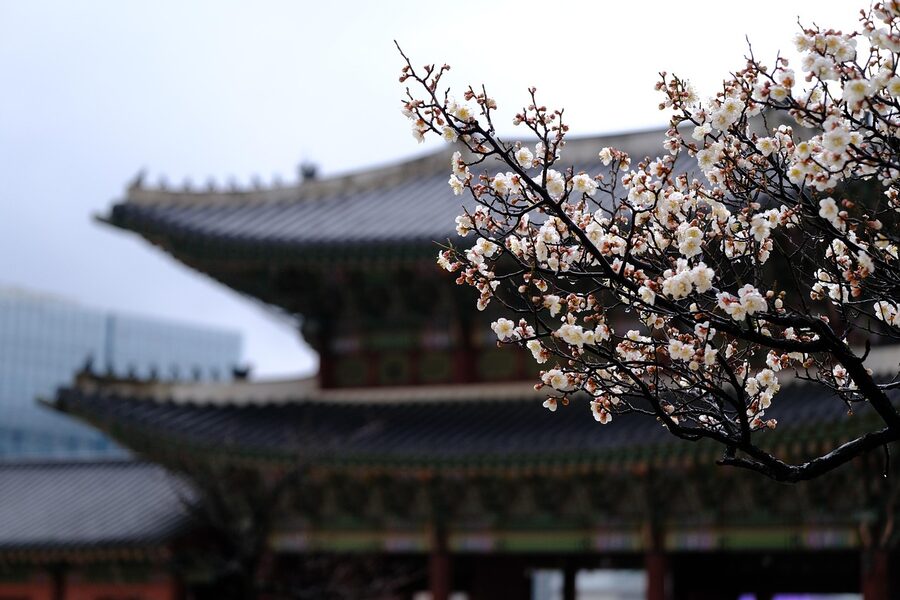
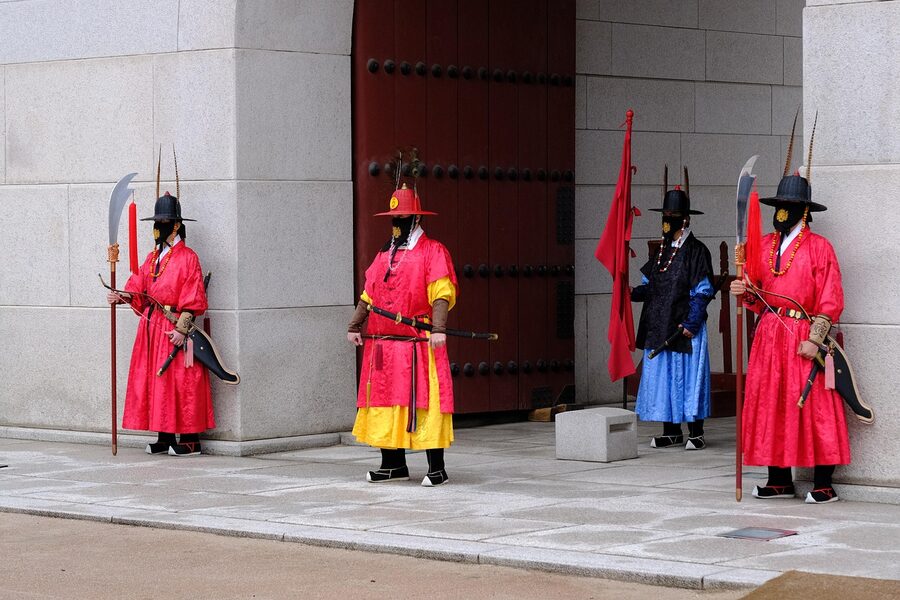
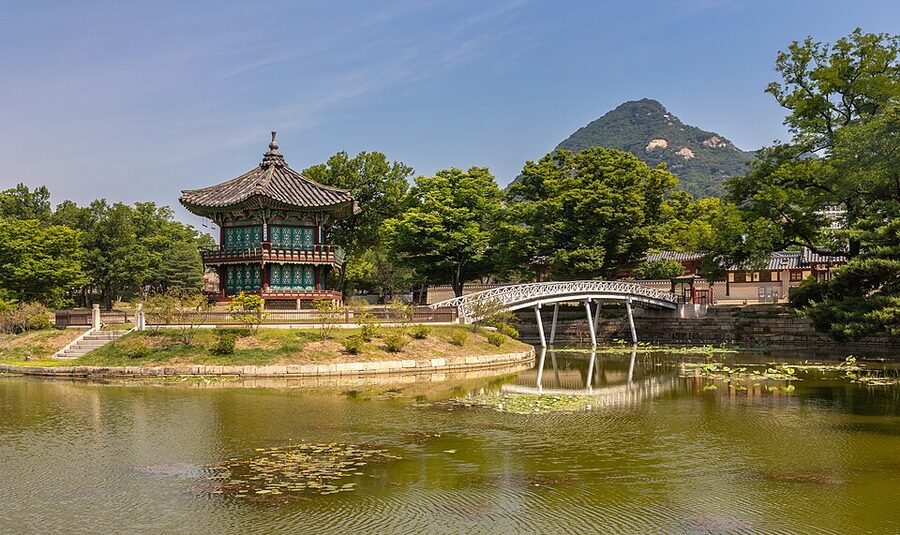
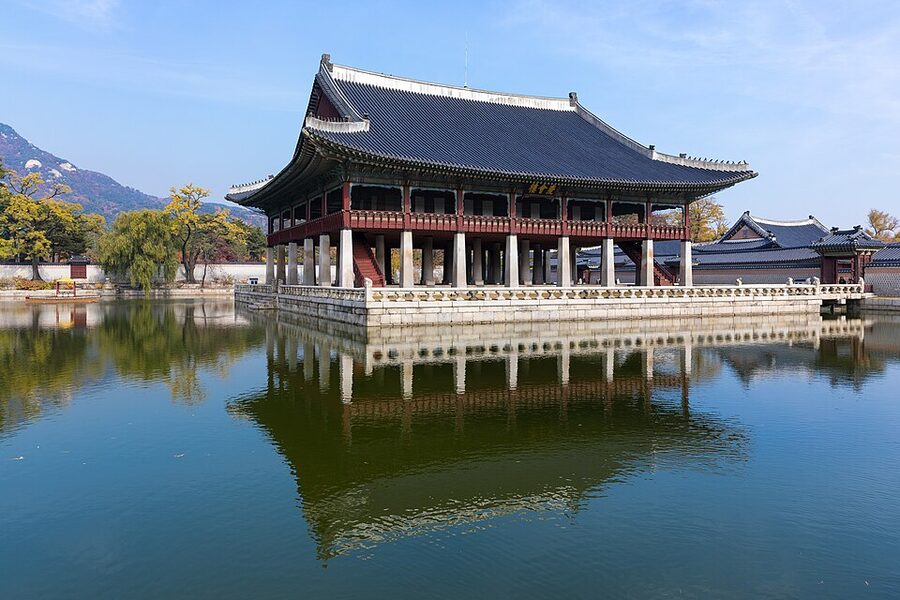
Gyeongbokgung Palace. Establishing shots in every period drama ever made. The guard-changing ceremony at 10am and 2pm is the money shot. Wear hanbok, entry is free. Our hanbok rental guide covers which shops are worth it.
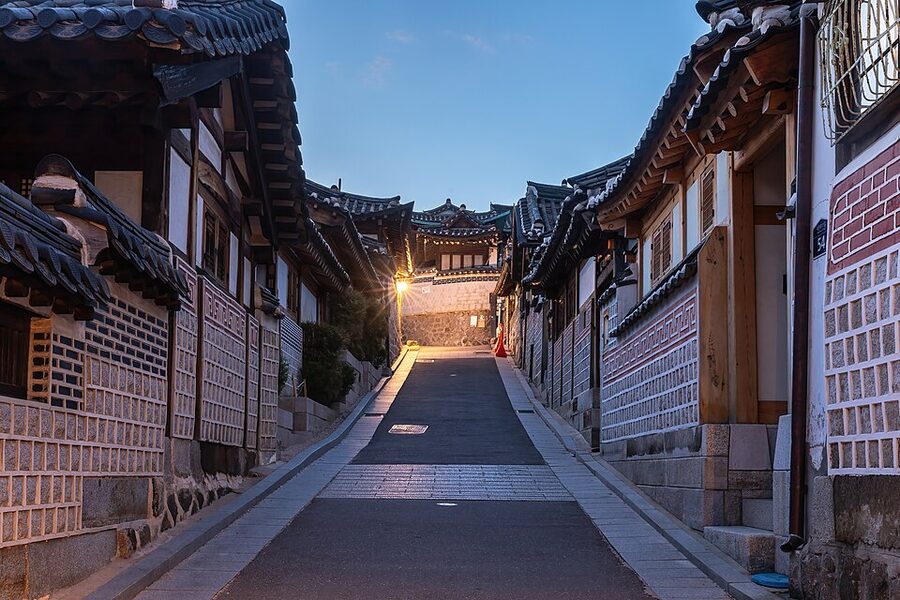
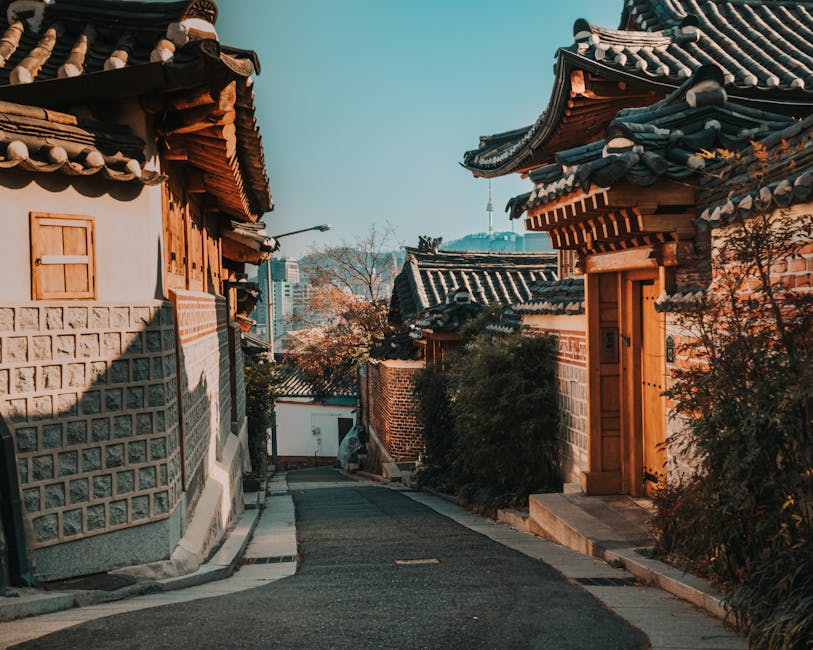
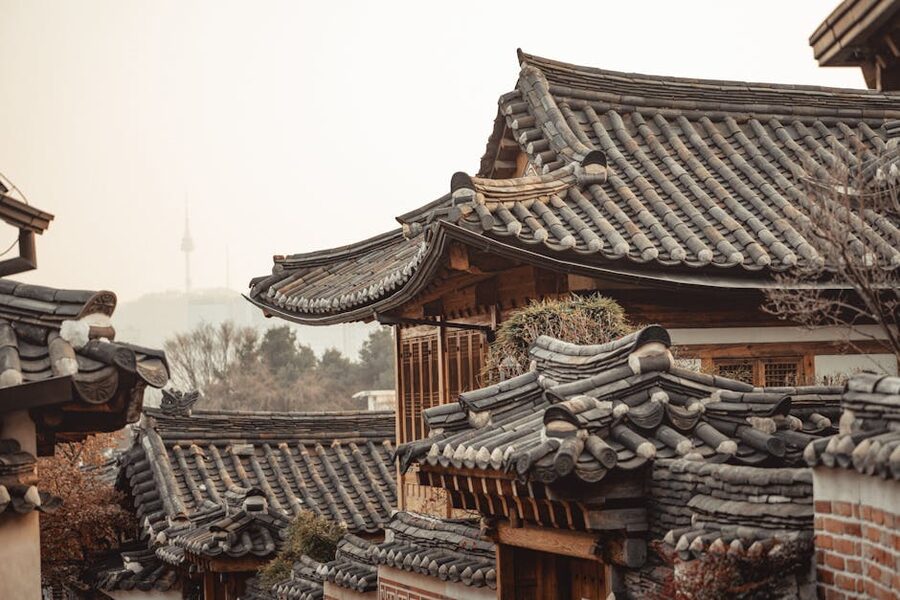
Bukchon Hanok Village. Used in half the sageuk dramas and a generous chunk of the modern ones too. The alley with the best hanok roof vista is Bukchon-ro 11-gil. Go early — after 10am it gets loud and you’ll struggle to get a photo without fifteen hanbok-rental selfies in it.
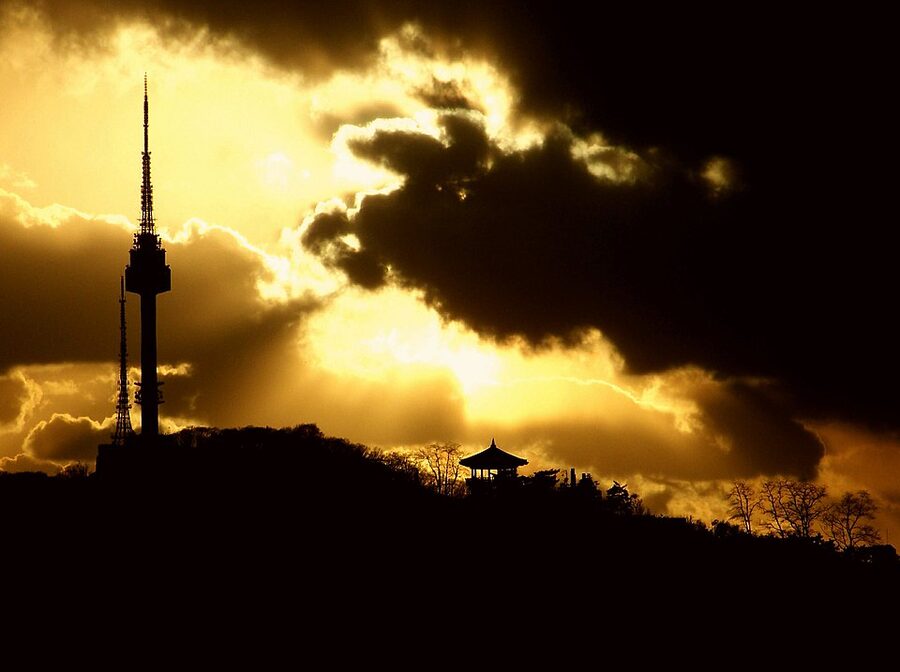
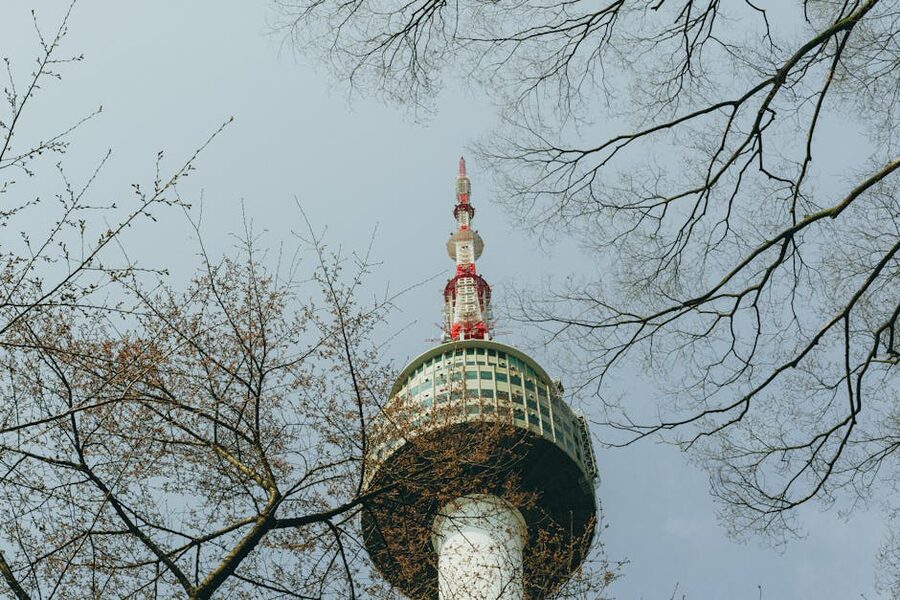
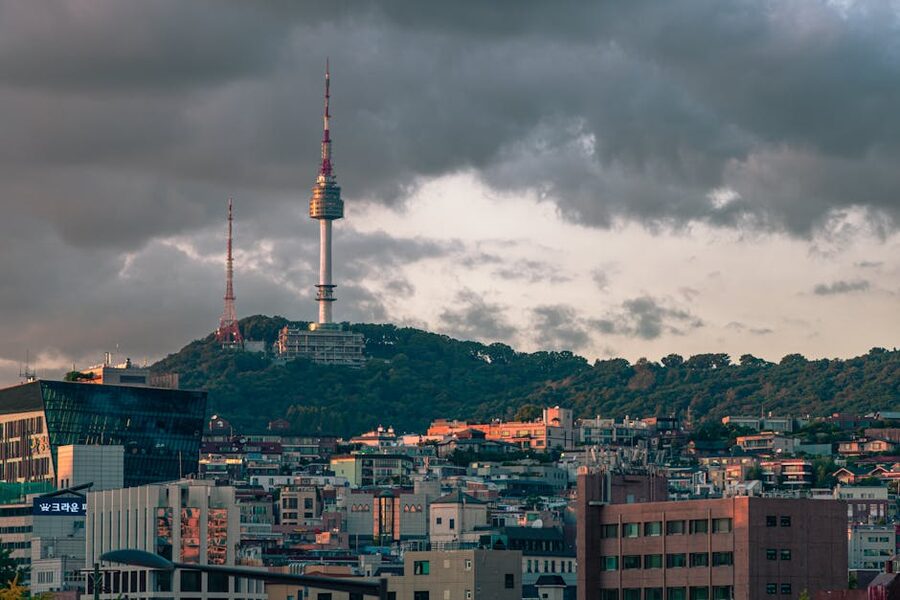
N Seoul Tower (Namsan). If two characters in any modern Seoul drama ever attach a padlock to a fence, it’s here. Iconic from My Love from the Star and The Heirs. Take the cable car up from the base for the best approach shot.
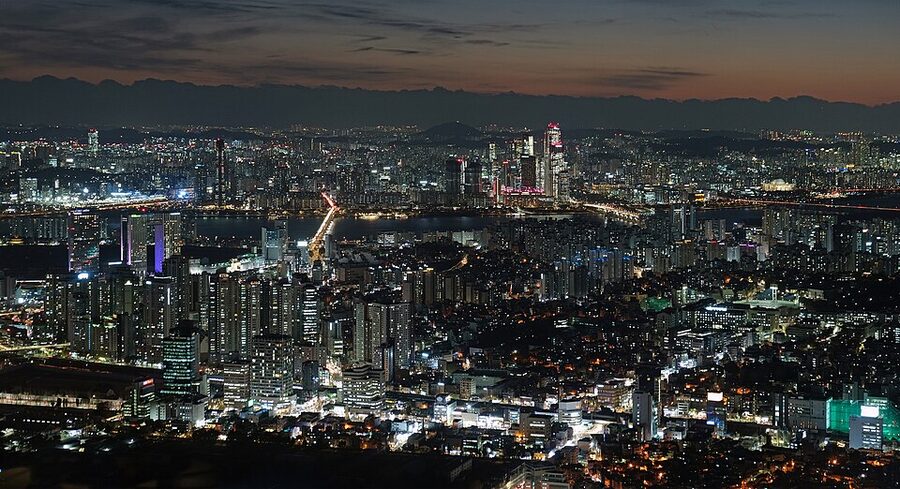
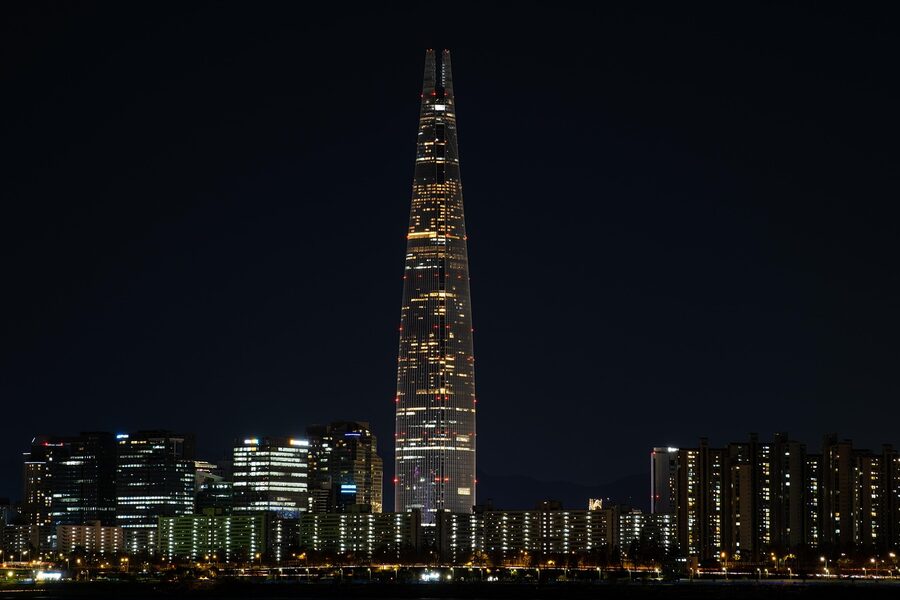
Lotte World Tower. Modern dramas love this skyline. It’s also where Kingdom had its weird contemporary cameo. Stand on the glass floor on the Seoul Sky deck on the 118th floor if you’re into that.
Jeju Island: The Drama Location Nobody Warned You About
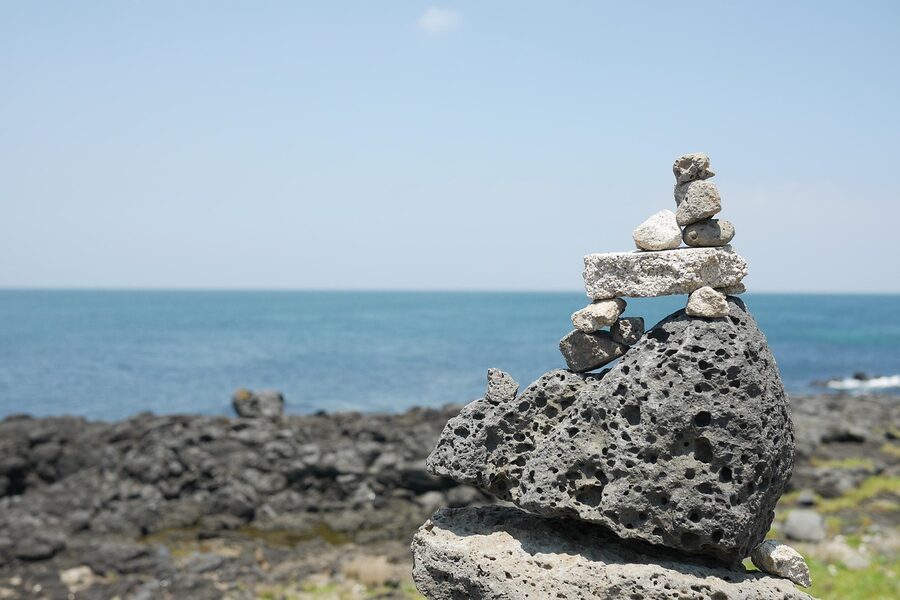
Jeju has quietly become the most-used contemporary K-drama backdrop outside Seoul. Our Blues, Welcome to Samdal-ri, It’s Okay to Not Be Okay, Extraordinary Attorney Woo, and half of Running Man have all used Jeju coastline shots. If your favourite recent drama was coastal, there’s a real chance you’re looking for Jeju.
The catch: Jeju is a separate flight. You can’t day-trip it from Seoul. A short flight from Gimpo (an hour or so) plus at least one night on the island is the minimum commitment. Most dedicated Jeju K-drama tours are nine-hour days with hotel pickup and a ten-location itinerary.
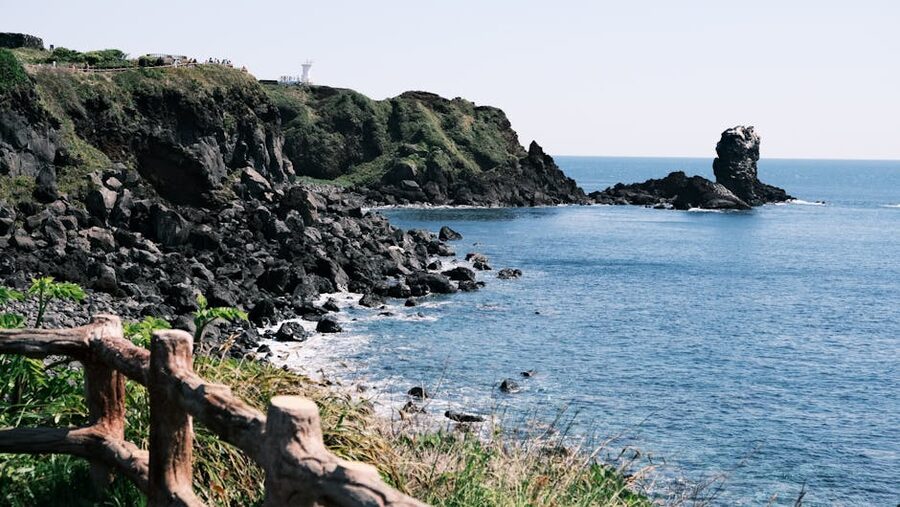
The best Jeju K-drama tours run from the island’s west and east sides separately, because a single day can’t cover both. If you’ve got two days, do east on day one (for Welcome to Samdal-ri and the Running Man spots) and west on day two (for the tangerine groves and the Osulloc tea fields). Our sister article on booking a private Jeju tour covers the specific operators and how to pair it with K-drama locations.
What To Pack and Wear
K-drama tours are mostly outdoor walking. Comfortable shoes, layers, and a phone with more storage than you think you need. Beyond that, three things I wish I’d known:
Camera, not just phone. If you care about the photos, a proper camera beats a phone for the wide-angle palace shots. Mid-range mirrorless is fine. Tripods are allowed inside Dae Jang Geum Park but not at Gyeongbokgung — tripods don’t play well with guards.
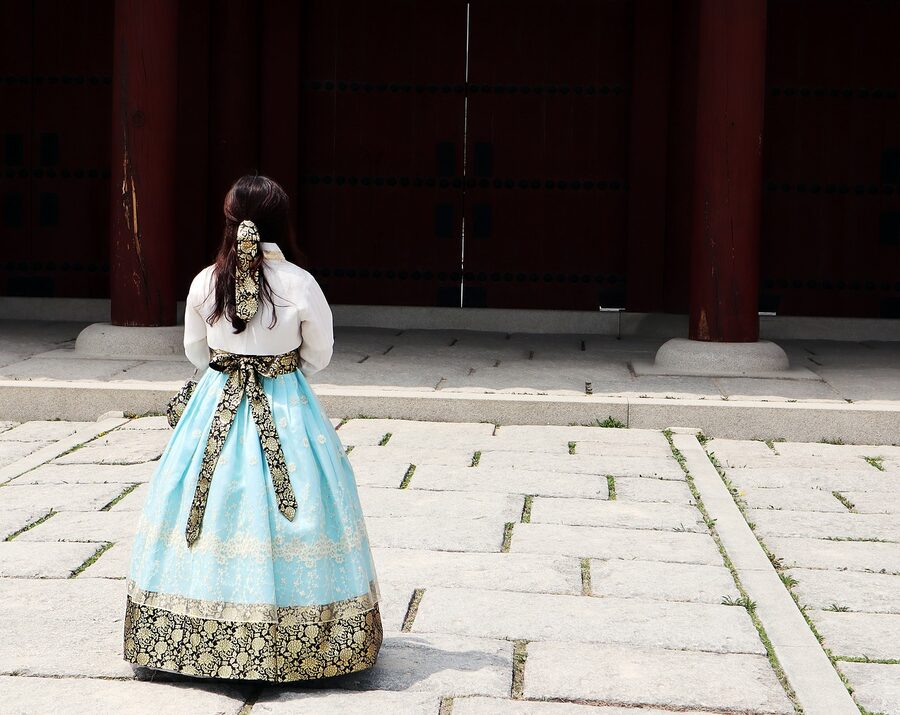
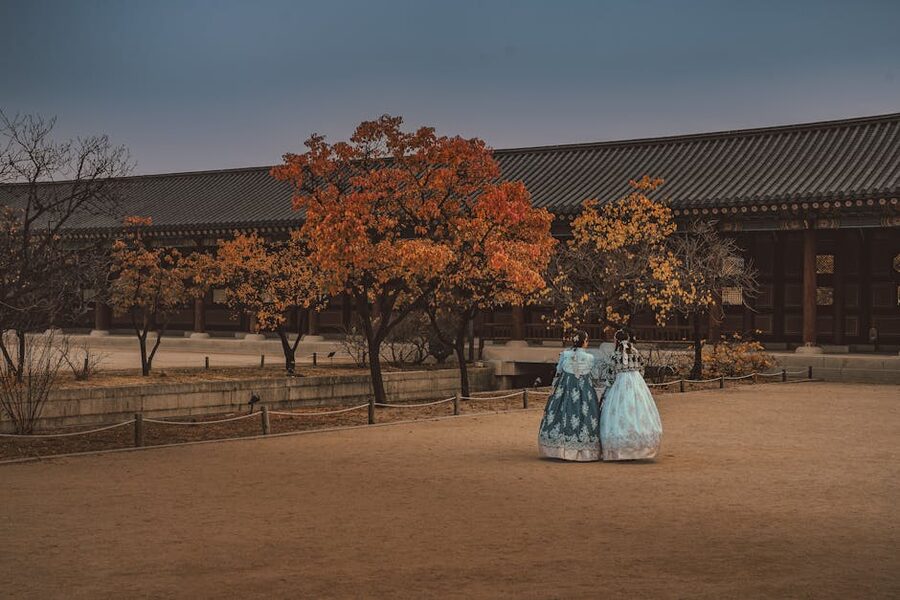
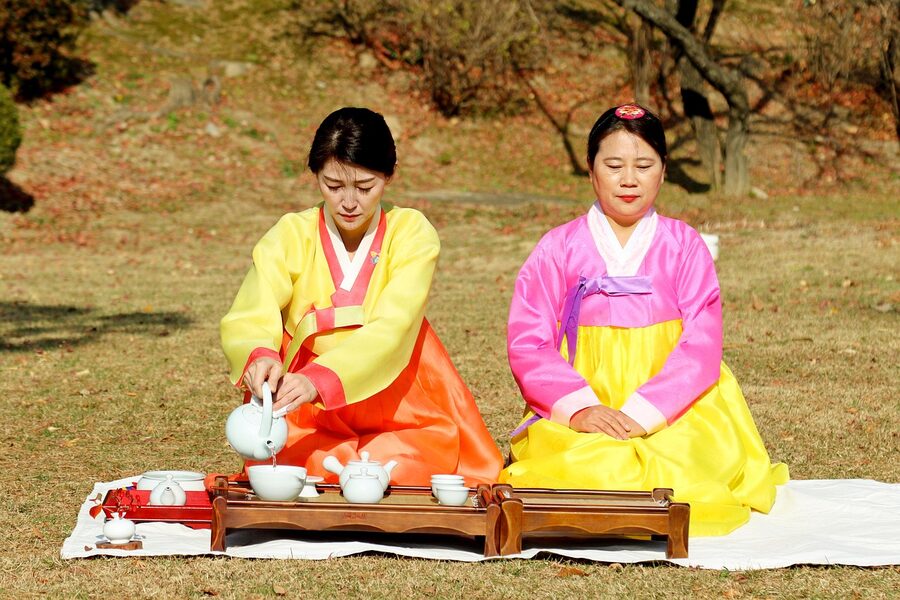
Hanbok rental is a better photo than your jacket. Even if you don’t think you want to dress up, a hanbok rental is $10-20 for the afternoon, gets you free palace entry, and the photos are twice as good as a shot in a puffer jacket. Most guided tours don’t include this — book separately. Read our hanbok rental guide before you go.
Cash for the in-park snacks. Dae Jang Geum Park has a tiny cafeteria that still runs on cash. Don’t rely on card.
The Guide Question
Most K-drama tour bookings mention the guide by name — and that’s the one thing you actually should pay attention to. A good K-drama guide is someone who’s watched the shows, speaks the right language, and knows which corner of which set was used for which scene. A bad one reads from a laminated sheet.
The names that keep coming up in reliable reports: Sophie (MBC Dae Jang Geum half-day), Joon (MBC Studio tour), Dylan and Sunny on the Busan and Jeju sides. If your confirmation email lists one of these, you’re in good hands. If it lists someone else, ask the operator — most will tell you the guide’s background if you email.
Timing Your Visit: Season and Weekday
K-drama location tours run year-round, but three periods are genuinely better than others.
Late March to mid-April. Cherry blossoms at both Gyeongbokgung and around Dae Jang Geum Park. The blossom window is roughly two weeks and shifts a few days yearly — check the forecast the week before you fly. Tours book out first for this slot.
Late September to early November. Autumn colours against the hanok roofs. Cooler walking weather, brighter light, smaller crowds than spring. The second-best window.
Mid-December. If you’re doing a winter drama like Crash Landing on You or Winter Sonata pilgrimage, the dusty cold of mid-December is the actual visual. Bring thermal layers. Dae Jang Geum Park stays open but some tours pause.
Avoid August. It’s hot, humid, and the park sets have no shade. You’ll stand in the same courtyard the actors stood in for eight-hour shoots, except you’re there by choice.
Weekdays beat weekends. Tuesday and Wednesday are the emptiest days at Dae Jang Geum Park (Monday it’s closed). School groups arrive on Thursdays. Weekends are 50-100% more crowded than weekdays.
Pickup Logistics and Meeting Points
Most Seoul-based K-drama tours meet near Hongik University Station exit 8 or 9 or at Myeongdong Station. A few offer hotel pickup for a small extra charge — worth it if your hotel is in a standard tourist area and you hate carrying a rental bag at 6:30am.
Double-check the meeting point the night before. The tour operators sometimes shift pickup stations between seasons because of roadworks or subway exit closures. The confirmation email usually has a map pin — save it to Google Maps offline before you go, because Korean mobile data can be patchy in some subway exits.
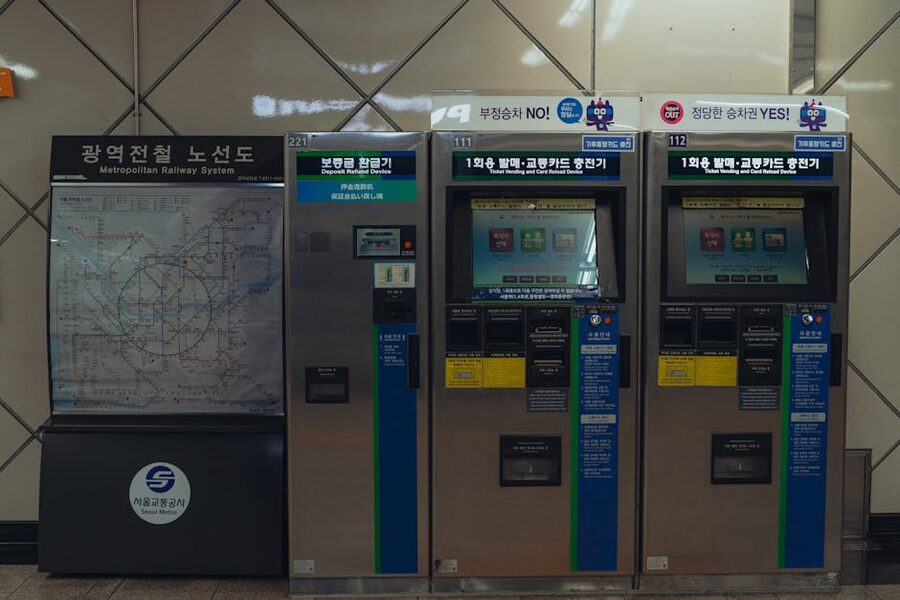
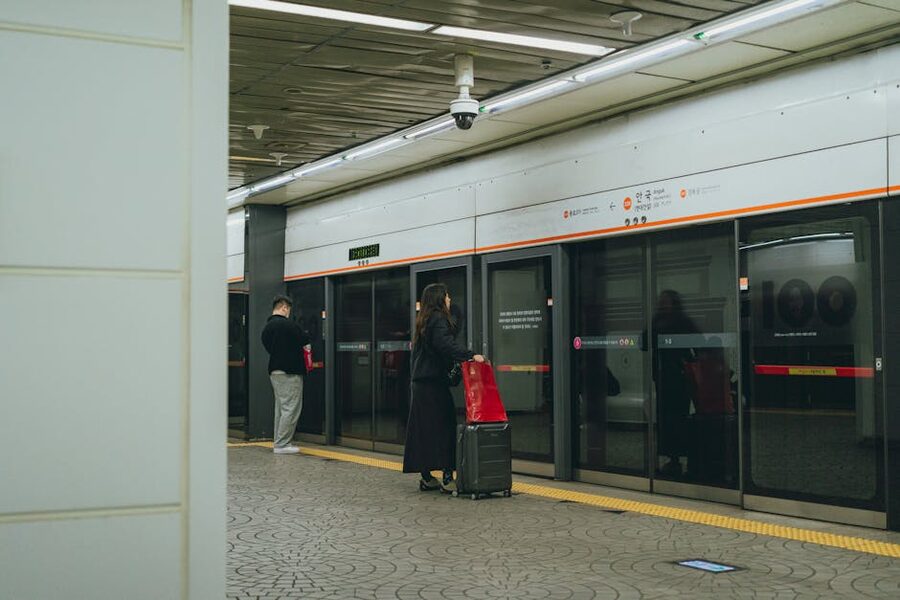
If you’re flying in and want to set up a T-money card and SIM on the same day, our Incheon Airport SIM and T-money guide walks through which booth to hit in which terminal.
What About Self-Guided K-Drama Tours?
Self-guided tours are a real option for the contemporary Seoul locations — the cafes, bridges, and streets — but not really for Dae Jang Geum Park or the MBC studios. Those need advance tickets and/or transport that’s hard to string together alone.
For Seoul self-guided, the itinerary I’d run: morning at Gyeongbokgung (hanbok rental, guard-changing ceremony, throne hall), afternoon walking Bukchon’s hanok alleys, evening at Namsan Tower for sunset and the classic padlock-fence wall. One full day, all subway-accessible, no tour needed. Bring snacks.
Food Stops That Feel Like the Show
Half of K-drama is people eating. Tteokbokki with their friends, fried chicken and beer, street-food dates. If you want to book that bit into your tour day, here’s what to aim for.
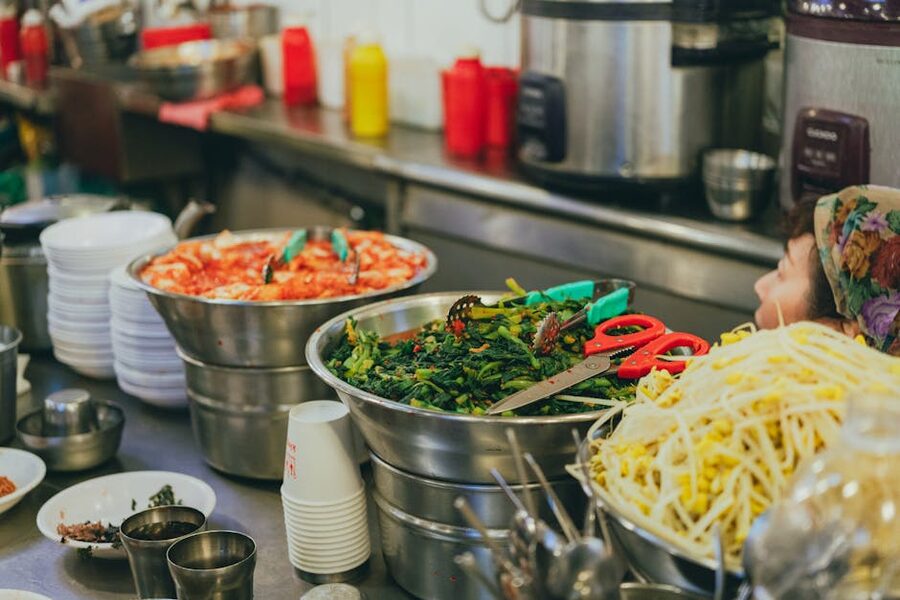


Most K-drama half-day tours don’t include food — they drop you back in central Seoul around lunchtime and you’re on your own. If you want a pre-arranged food stop attached, the full-day MBC tours usually include a Korean lunch, or you can combine a half-day set tour with a Seoul night walking tour the same evening for a proper market experience.
Prices and What’s Included
The price range for K-drama tours looks wild — $50 to $400+ — but it breaks down cleanly once you know the variables.
Half-day group tours ($50-70). Shared transport, English-speaking guide, set entry. No lunch, no pickup, usually no hanbok rental. The cheapest way to see Dae Jang Geum Park with a guide.
Full-day group tours ($90-130). Same as above but longer — usually includes a second location (Nami Island, Petite France, or Suwon Folk Village) plus a lunch or snack stop.
Private tours ($150-400). Dedicated guide and vehicle, flexible itinerary, hotel pickup. Worth it if you have a specific drama in mind and want to hit a non-standard location, or if you’re travelling with people who care about different things.
Studio tours ($100-150). The MBC insider tours are in this bracket — more expensive per hour than set tours because they include access to a working studio.
Cancellation policies matter. GetYourGuide and Viator both offer 24-hour free cancellation on most listings — check before you book. Klook’s policy is usually tighter. If your flight is slippery, book the GYG version.
Pairing K-Drama With The Rest of Your Korea Trip
A K-drama tour rarely fills a full trip on its own. It’s one piece of a Seoul week, or a Jeju weekend, or a coastal Busan swing. Here’s how I’d slot it.
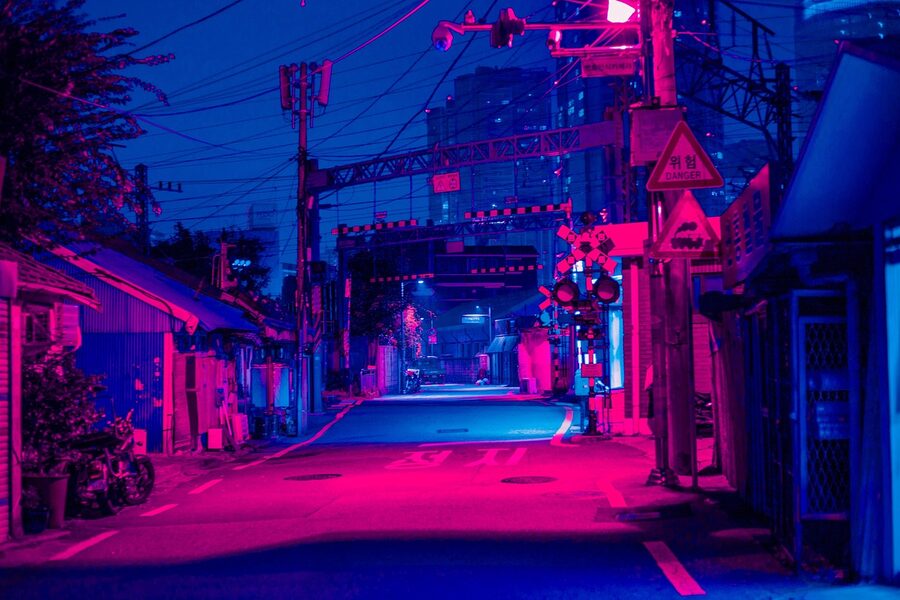
Day 1: Land in Seoul, quick setup at the hotel. A private Seoul tour is the best cultural anchor on day one — palaces, markets, neighbourhood context. You see a handful of drama locations as a bonus.
Day 2: The K-drama set half-day in the morning (book the 8am pickup, be back by lunch). Free afternoon to nap or walk Bukchon. Night walking tour in the evening.
Day 3: Full day at Gyeongbokgung plus N Seoul Tower, DIY. Hanbok rental in the morning, cable car at sunset.
Day 4: Day trip. Suwon Hwaseong Fortress if you’re sageuk-heavy (UNESCO fortress walls, traditional village). Mt Seoraksan if you want a full hiking day with granite peaks and autumn colour.
Day 5: Fly to Jeju for two days on the drama-coast side, or fly to Busan for the Busan night tour and city tour combination. Jeju is the more scenic, Busan is the more convenient.
The Honest Verdict
If I had to recommend one K-drama tour without knowing anything about the person booking it, I’d send them to the MBC Dae Jang Geum Park Half-Day. It’s the cheapest, it’s the most photogenic, and it’s the one that actually resembles the drama scenes people fly to Korea for. Five hours, $50, home for lunch. That’s the sweet spot.
If you’ve watched more modern dramas than period ones, swap to the Busan private tour — real coastal locations, real street scenes, and the freedom to swap in a specific cafe or beach from whichever show brought you here.
If you care about the production side, the MBC Studio tour in Ilsan is the one. It’s a longer day and a steeper bill, but you’ll see working studios rather than static sets.
Book early — the good guides get reserved a week or two out. Pick a weekday. Double-check the meeting point the night before. Bring a real camera. Wear hanbok for the palace day at least. And if you only watch one sageuk to prep before you go, make it Jewel in the Palace — so much of the tour experience becomes a game of “I know this corner” once you’ve done.
Before You Book, Also Look At
A K-drama tour is only one thread of the Korea trip. If you’ve got a week or more, there are a handful of other booking guides I’d pair it with. Start with a private Seoul tour for the cultural anchor — it sets up the palace and neighbourhood context so your K-drama day makes more sense. Add a hanbok rental for the Gyeongbokgung morning, because the photos are twice as good and palace entry is free when you’re dressed for it.
If you’re heading to the coast, a Busan night tour is the obvious complement — a lot of modern Korean dramas shoot evening scenes along the Gwangalli and Haeundae stretch, and the guided night tours hit them at the right hour. Or pick up our BTS ARMY footsteps tour guide if your K-culture obsession skews musical rather than drama-shaped.
If you’re coming in winter, a Korea ski day trip from Seoul is the other filming-location bonus — quite a few drama resort scenes got shot at Elysian Gangchon and Yongpyong, which double as actual operating ski fields. Two for the price of one on the photo front.
And for a proper day out of Seoul that feels like a period drama walking tour, Suwon Hwaseong Fortress is the closest authentic UNESCO fortress wall you can walk — more atmospheric than a film set because it’s real, and cheaper than most studio tours.