
Twenty seconds before the orchestra strikes the first bar of Eine kleine Nachtmusik, the room goes still in a way most rooms don’t. You can hear the faint rustle of programmes settling, the dry click of a horsehair bow tightening, a single cough swallowed politely into a sleeve. Then the violins lift, and three centuries of Vienna come back into the room at once.
Vienna is the only city in the world where a Mozart concert is not a tribute act. He lived here from 1781 until he died, fired by the Archbishop of Salzburg and reinvented as a freelance composer two streets from where most concerts now happen. Picking the right one matters more than people think. The venue does as much work as the music.
- In a Hurry?
- Three Different Mozart Evenings, Three Different Rooms
- What “Mozart Concert” Actually Means in Vienna
- How to Pick a Concert
- Visit Options
- 1. Mozart Concert at the Golden Hall, Musikverein:
- 2. Mozart and Strauss Concert at Schönbrunn:
- 3. Classical Concert at Mozart’s First House:
- Where Each Venue Actually Is
- Costumes, or No Costumes
- Is the Music Actually Any Good?
- Best Time of Year, Best Time of Day
- How Far in Advance to Book
- What to Wear
- If You’re Already Doing Schönbrunn
- What’s Actually on the Programme
- Photos and Recording
- A Bit of History You Don’t Need But Will Enjoy
- Practical Notes Before You Book
- What to Pair with the Concert
- If You Have a Spare Day in Central Europe
- Common Reasons People End Up Disappointed
- The Short Version
- Beyond Mozart
In a Hurry?
- Mozart Concert at the Golden Hall ($78): the famous gold-and-stucco hall you’ve seen on the New Year’s Day broadcasts. Book it.
- Mozart and Strauss at Schönbrunn ($42): a glass-walled orangery on a Habsburg palace estate, with ballet and arias mixed in. Book it.
- Classical Concert at Mozart’s First House ($67): a small chamber room in a Mozart-era building, intimate and quiet. Book it.
Three Different Mozart Evenings, Three Different Rooms
If you only read one paragraph of this guide, read this one. Vienna’s Mozart concerts split into three shapes, and the shape determines almost everything: how dressed up you’ll feel, how close to the music you’ll sit, what the room sounds like, and what you’ll remember six months from now.
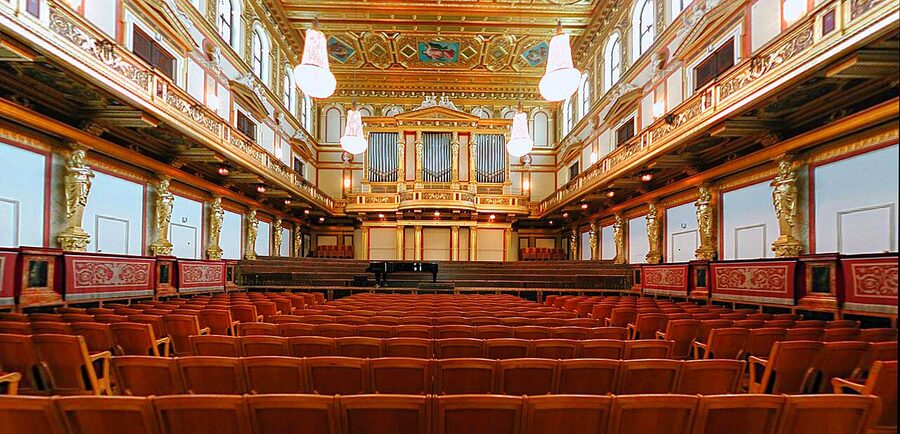
The grand-hall shape is the Golden Hall at the Musikverein. It’s the showpiece room, the one that hosts the Vienna Philharmonic on New Year’s morning. You buy this concert for the room as much as for the music. The palace shape is the Orangery at Schönbrunn, where the imperial family and their guests would actually have heard music in Mozart’s time. You buy this one for the setting and for the lighter ballet-and-aria programme that goes with it. The intimate shape is the Sala Terrena, on the ground floor of a building Mozart genuinely played in as a child. You buy this one to get within arm’s length of a string quartet in a room the size of a generous living room.
None of them is wrong. They’re just different evenings.
What “Mozart Concert” Actually Means in Vienna
It’s worth being honest about what these are. None of them are full symphony concerts in the Wiener Philharmoniker subscription-series sense. They are tourist-facing chamber and small-orchestra programmes, usually 90 minutes to two hours, with a generous helping of Mozart’s greatest hits, often paired with Strauss waltzes, two opera arias, and a small ballet interlude.
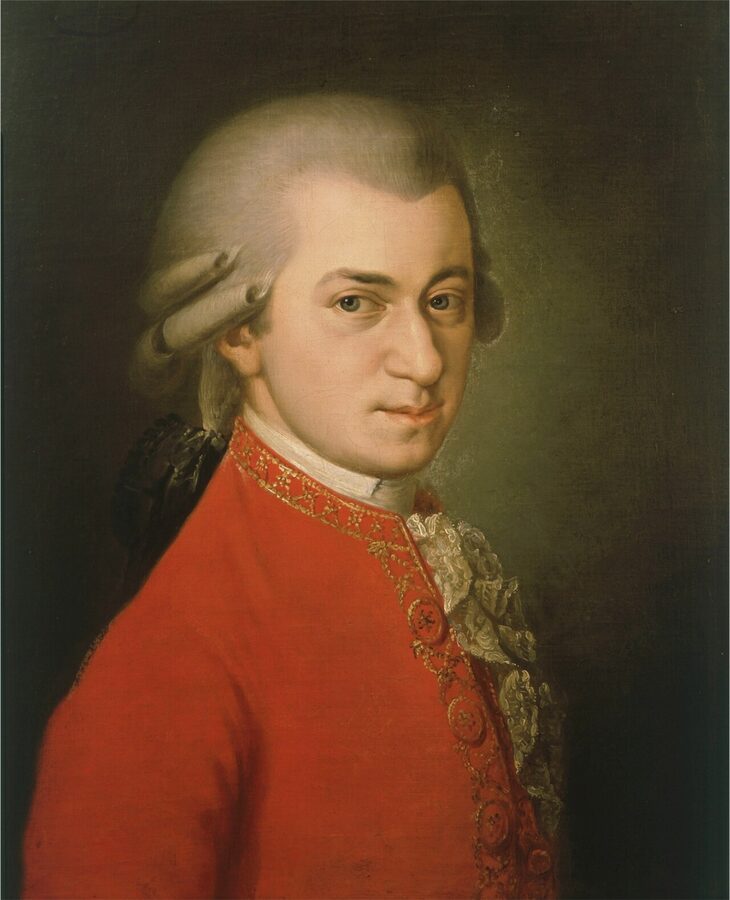
That’s not a criticism. It’s the point. These are the concerts you go to once on a holiday in Vienna, not the ones a season-ticket holder catches every other Thursday. The musicians are usually members of named ensembles like the Vienna Mozart Orchestra or the Wiener Residenzorchester. The standard is genuinely high. But the programmes are designed to land for someone who has heard Eine kleine Nachtmusik before but couldn’t name the K. number.
How to Pick a Concert
Three quick filters work better than reading every blurb on every booking site.
How dressed up do you want to feel? Golden Hall is the dressy one. Most of the audience is in jacket-and-tie or equivalent, and that fits the room. Schönbrunn is smart-casual. Mozart’s First House is dressy if you want it to be, but plenty of people show up in a clean shirt and clean jeans and nobody minds.
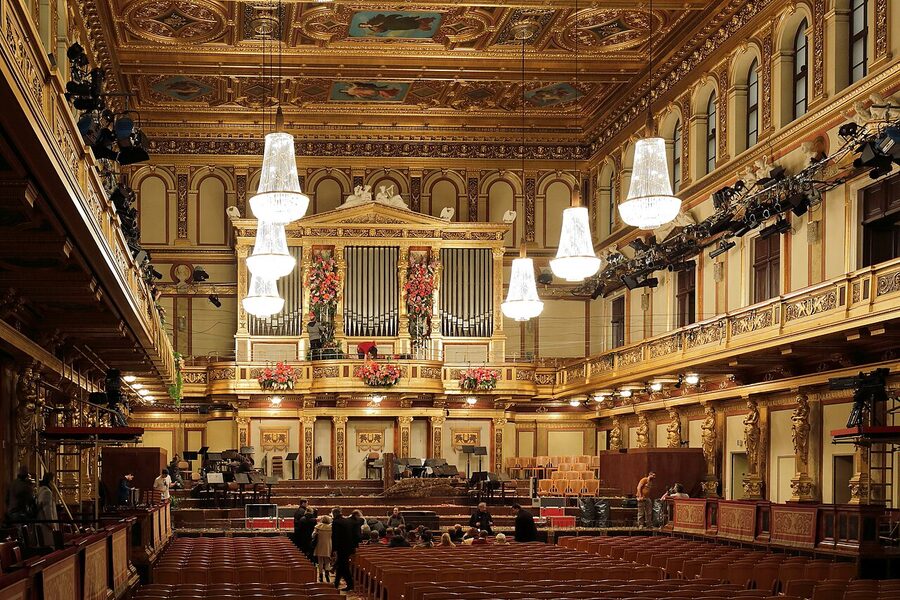
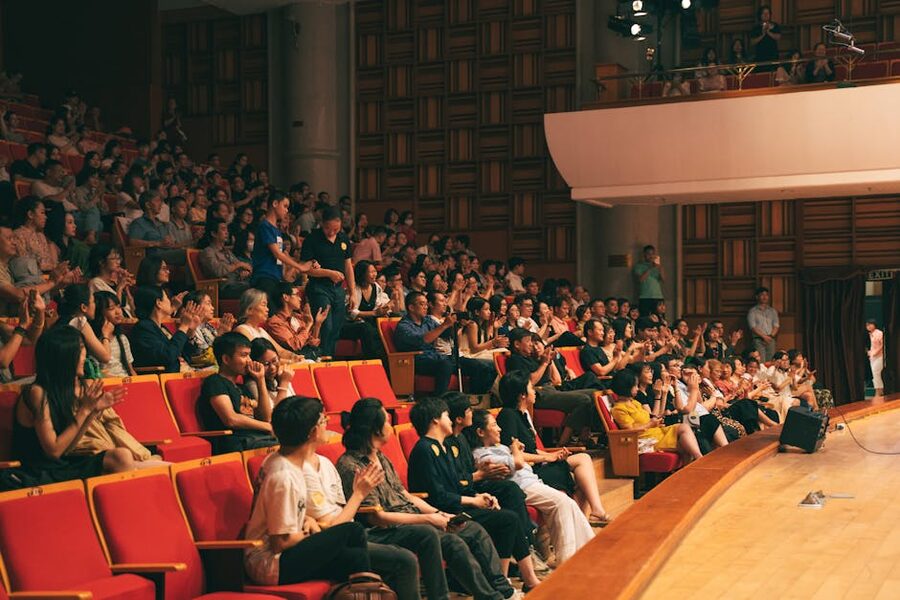
How close do you want to sit? Golden Hall holds nearly two thousand. The cheap seats are far back and to the side, with sightlines that can be partially blocked by a column or a balcony rail. Schönbrunn Orangery seats around four hundred at small candlelit tables, almost theatrical-cabaret style. Mozart’s First House Sala Terrena seats around eighty, on chairs, in a single rectangular room. There’s no bad seat in either of the smaller two.
How important is the historical link? Mozart never set foot in the Musikverein. It opened in 1870, seventy-nine years after he died. He performed and lived in the building that houses the Sala Terrena venue. He famously musical-duelled with Salieri in the Schönbrunn Orangery in 1786 (and lost, for the record, although history has been kinder to him since). For some people that matters a lot. For others, sitting under the Golden Hall’s coffered ceiling with the violins’ first phrase spreading out around you matters more.
Visit Options
Sorted by review count, with the most-booked concert first. Each one is a different shape of Mozart evening, not a ranking of which is “best.”
1. Mozart Concert at the Golden Hall, Musikverein: $78

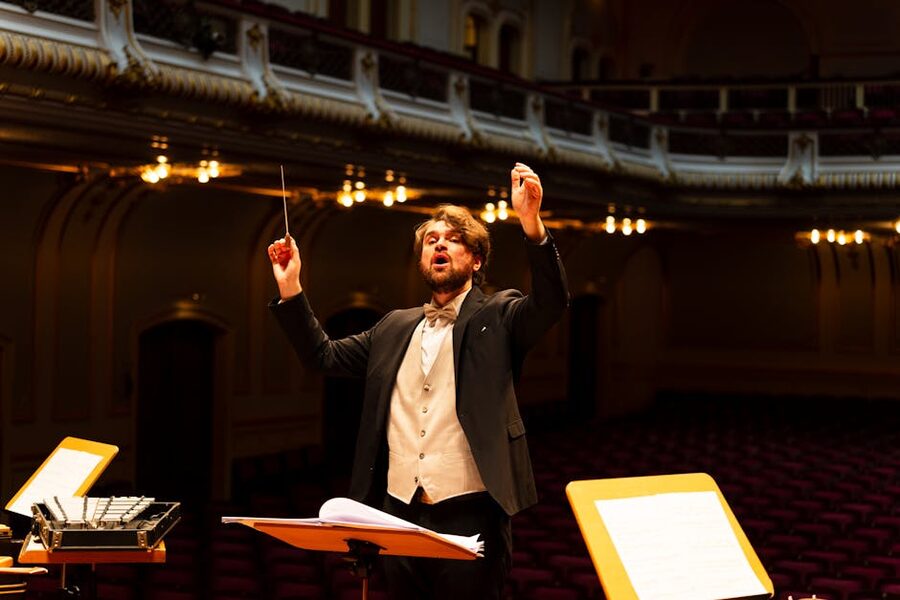
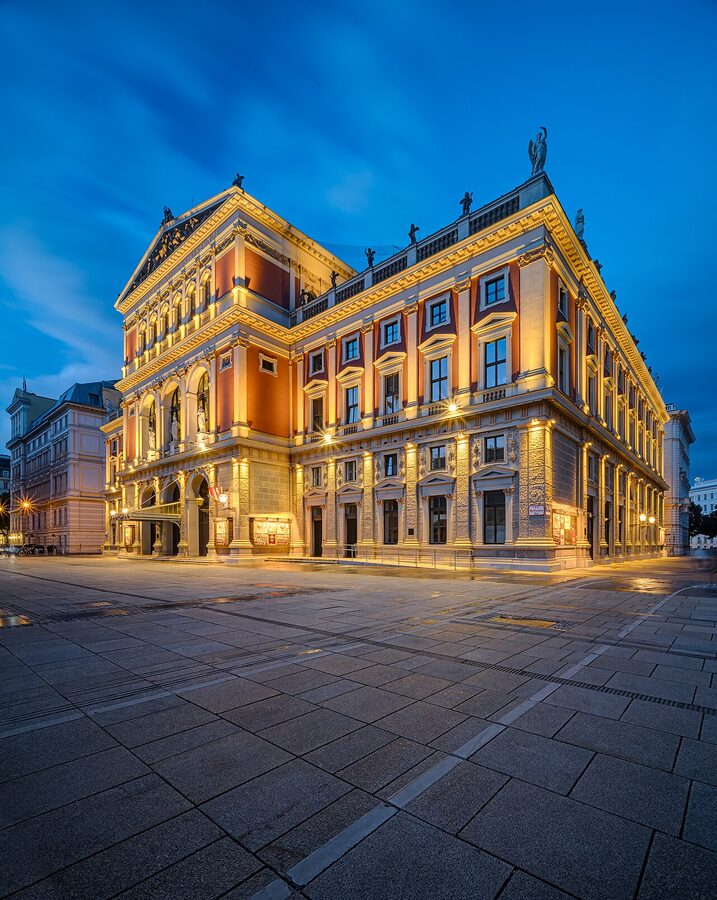
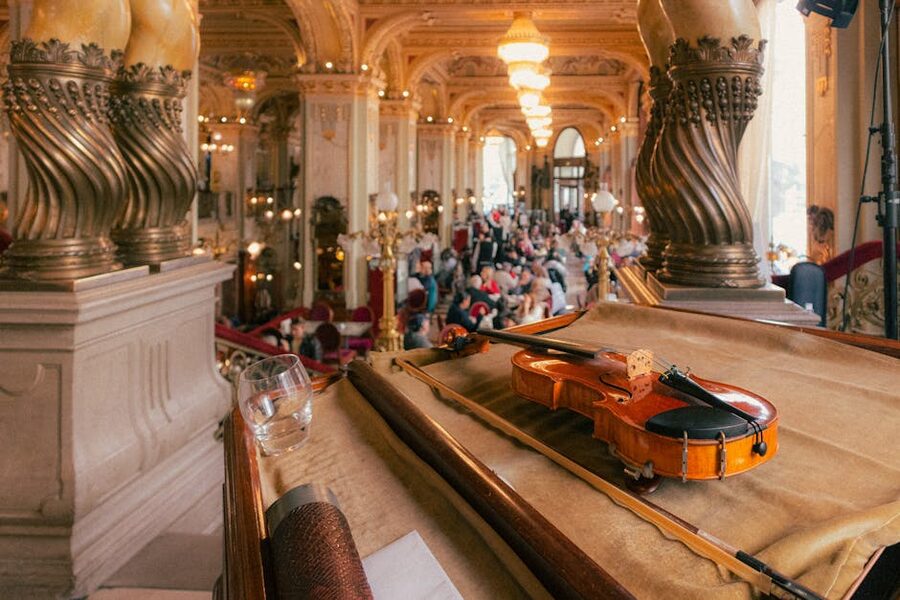
This is the famous one. It’s held in the Goldener Saal of the Musikverein, the same room the Vienna Philharmonic plays its New Year’s Day concert in. The Vienna Mozart Orchestra performs in eighteenth-century costume with two opera singers and a pair of ballet dancers. Our full review covers the seat-tier breakdown, since the room is large enough that where you sit genuinely matters. Catherine in the audience told us her view was partially blocked behind a column and you really need to be at least mid-orchestra; we’d echo that.
2. Mozart and Strauss Concert at Schönbrunn: $42
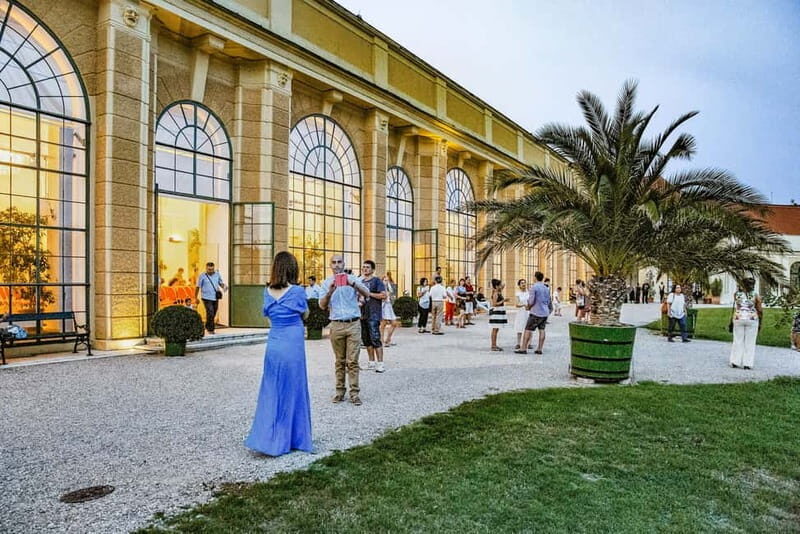
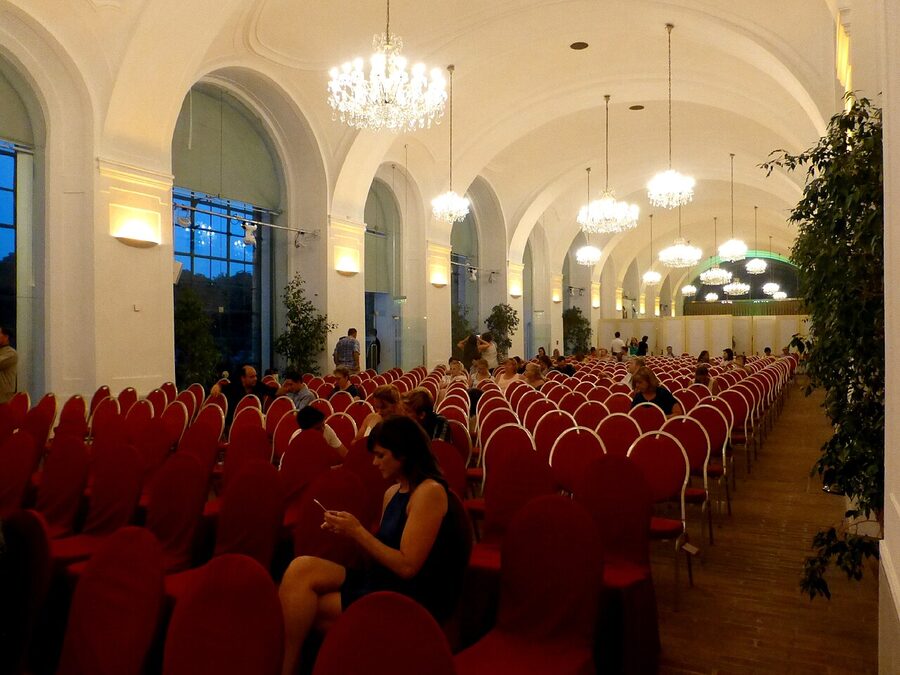
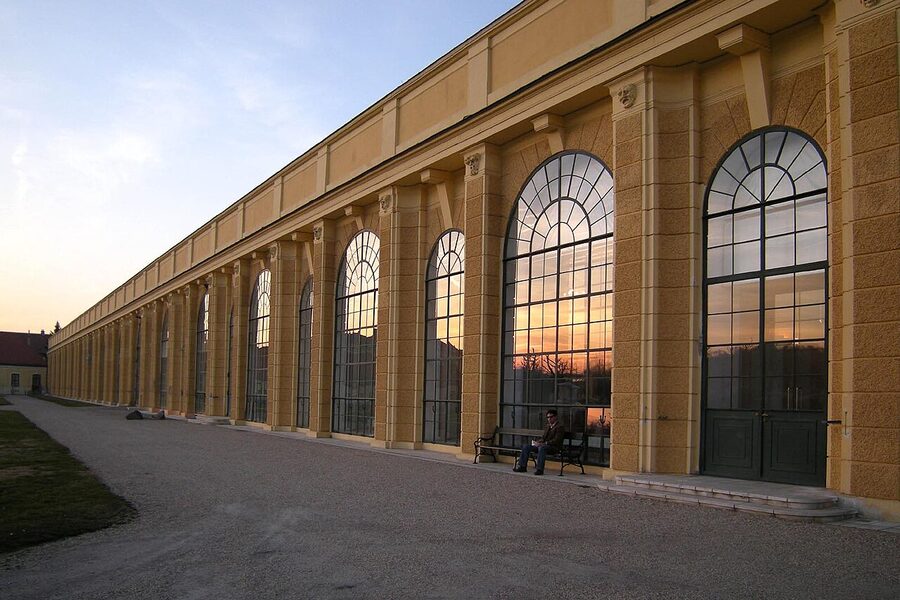
This one is the cheapest of the three and probably the best value if you’re already planning a Schönbrunn day. The programme blends Mozart with Strauss waltzes, so slightly less pure-Mozart, slightly more crowd-pleaser, with a sprinkle of dancers. It’s staged in a glass-paned orangery on the palace grounds. Our full review goes into the dinner-add-on options, which are worth it if you’re making a full evening of it. If you’ve already booked your Schönbrunn Palace tour for the day, this is the easiest pairing in Vienna.
3. Classical Concert at Mozart’s First House: $67
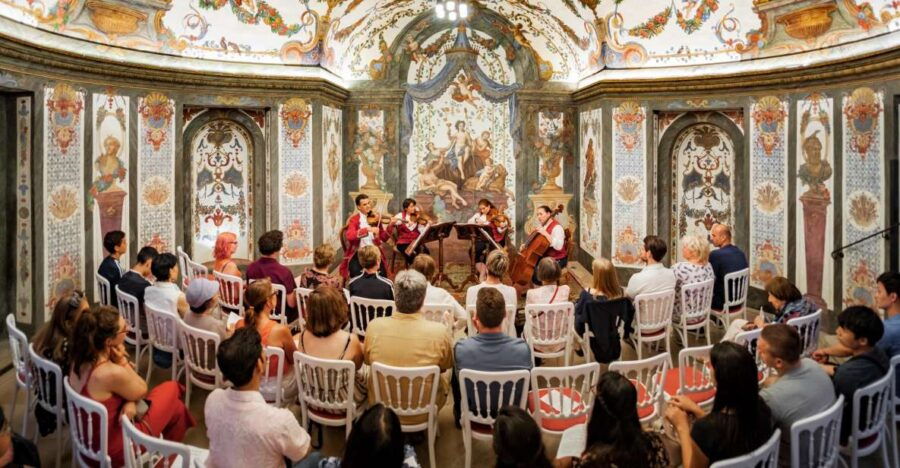
The smallest, most personal of the three. A string quartet plays Mozart in a single-room chamber venue inside the Deutschordenshaus, the building Mozart was lodged in by the Archbishop of Salzburg in 1781. Our full review walks through what the eighty-seat room actually feels like, close enough to see the violinists’ fingerings. Pennie wrote in to say it was the venue more than the programme that made the night, which matches what we’d guess. Pair this with a daytime visit to the Hofburg and Sisi Museum a few minutes’ walk away.
Where Each Venue Actually Is
The Musikverein is on Bösendorferstraße, two blocks behind the State Opera, just south of the Ring. The U-Bahn stop is Karlsplatz, two minutes on foot. Don’t confuse it with the Konzerthaus, which is also a serious classical venue but a separate building five minutes away.
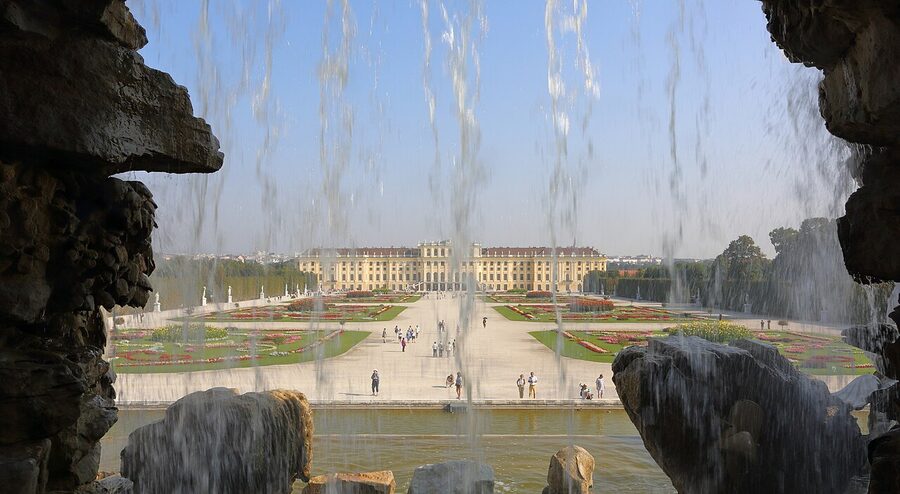
The Schönbrunn Orangery is on the palace estate in the city’s western fringe. The U4 line runs straight to Schönbrunn station, and from there it’s a five-minute walk through the gates. The Orangery is on the eastern side of the palace gardens. The taxi from central Vienna runs about €15 if you’re running late.
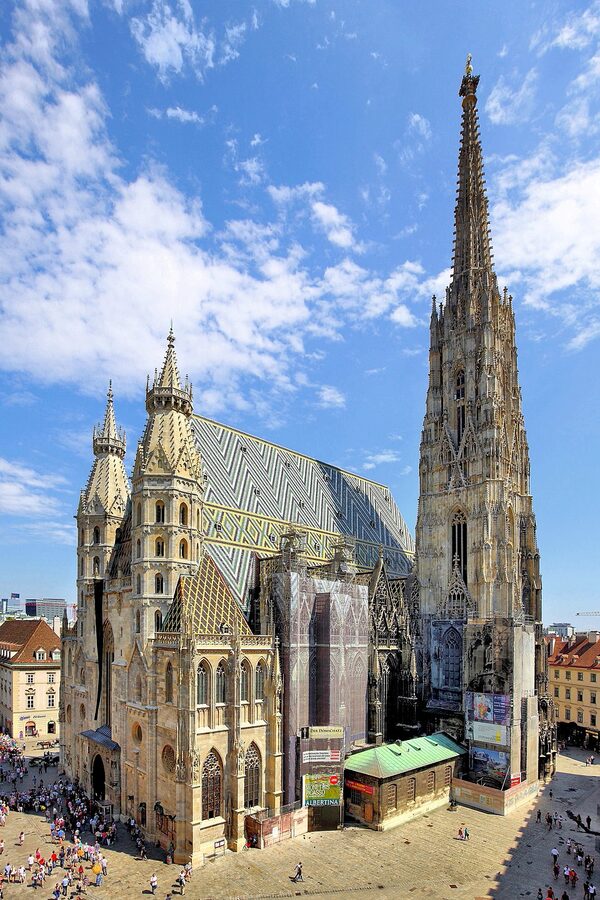
Mozart’s First House is on Singerstraße in the heart of the old town, close enough to Stephansdom that you can hear the cathedral bells from outside the venue. Walk; everything central is fifteen minutes from anywhere central. The Sala Terrena is on the ground floor of the Deutschordenshaus at Singerstraße 7. Look for a small painted sign by the courtyard arch.
Costumes, or No Costumes
One thing the booking pages don’t always make clear: the costumes are not a universal Vienna-Mozart-concert thing. The Vienna Mozart Orchestra at the Musikverein performs in full eighteenth-century dress with powdered wigs, breeches, and brocade. The Schönbrunn programme is more split. Some performances are costumed, some not. The Sala Terrena at Mozart’s First House is generally not costumed; the players come out in modern black tie.
If costumes are part of the appeal, lean Golden Hall. If they would feel like a theme-park version of classical music, lean toward the smaller venues. There is no right answer here. The Vienna Mozart Orchestra players are excellent musicians; the costumes are a presentation choice, not a tell about the level of the playing.
Is the Music Actually Any Good?
Yes. This is the part of the question that worries some travellers most, especially those who already attend serious classical concerts at home. The short answer is that all three of these are real chamber concerts performed by professional musicians with real conservatory training, not pickup-band tourist gigs.
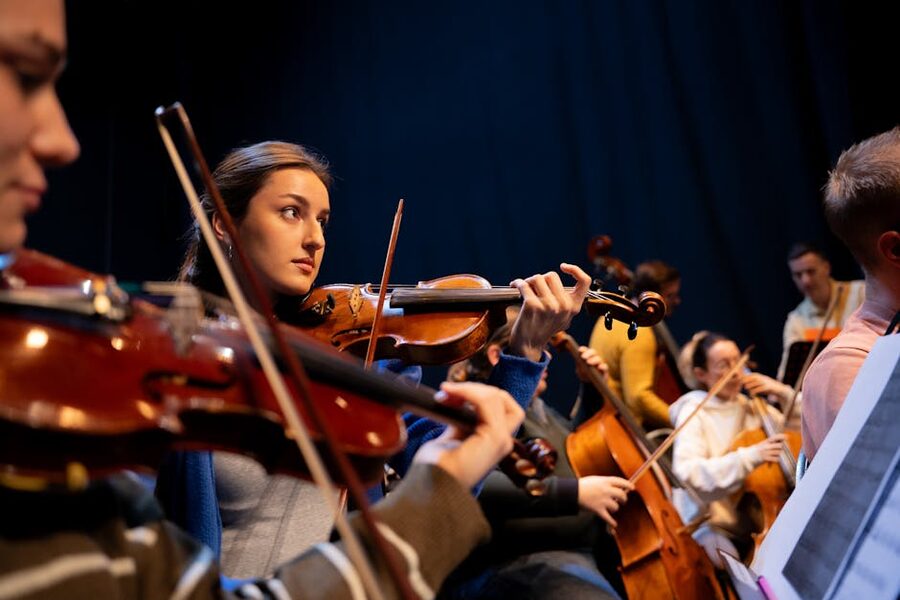
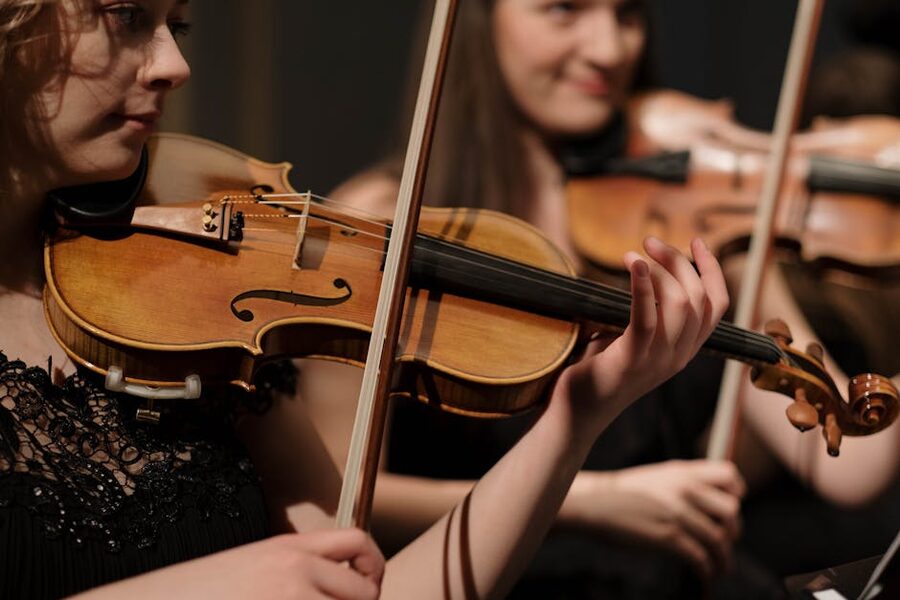
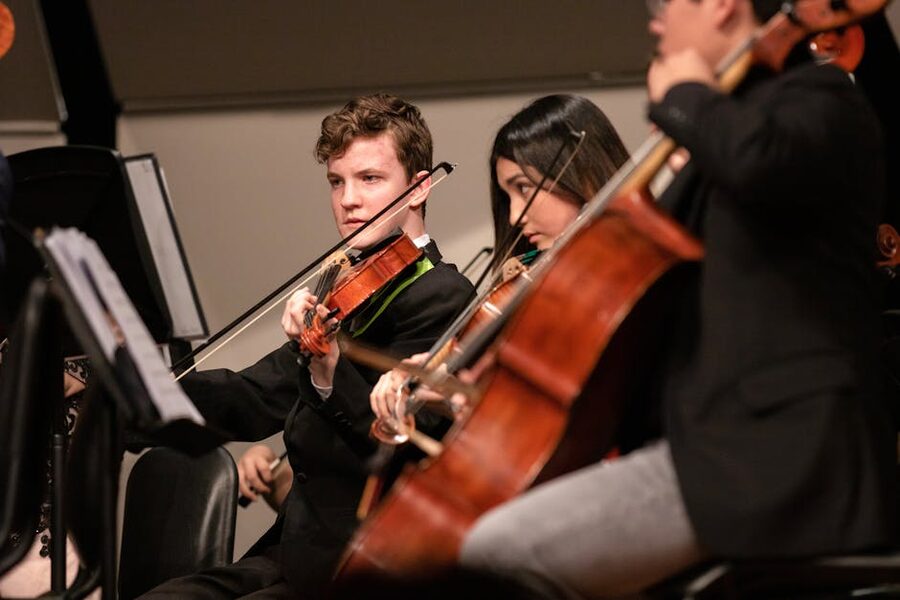
The longer answer is that the standard varies more by ensemble than by venue. The Vienna Mozart Orchestra is the most consistent across the three. The Schönbrunn programme rotates between a few different ensembles depending on the night; quality is generally high but slightly more variable. The Mozart’s First House quartets are usually a fixed group with one or two rotating substitutes, and they’re often the most musically interesting of the three because the chamber repertoire is harder to fake.
If you want to hear Mozart played by the very best in the world, that’s a Vienna Philharmonic ticket at a different time of year and a separate, harder-to-get conversation. These concerts are not that. They are very good Vienna evenings.
Best Time of Year, Best Time of Day
All three venues run year-round, with the highest frequency of performances between April and October. Winter is generally quieter and you’ll have more pick of dates, but the Golden Hall in particular is in heavy demand around Advent and the New Year’s run.
Most performances start at 8 or 8:30 PM and run about two hours. Schönbrunn occasionally adds a 7 PM dinner-and-concert combo where you eat in the palace restaurant first. Mozart’s First House sometimes schedules a 6:30 earlier slot in summer.
If you’re squeezing the concert into a packed day, the Schönbrunn timing works against you. The palace is twenty minutes back into town by U-Bahn after a 10 PM finish. The Golden Hall and Mozart’s First House are both walking distance from any central hotel.
How Far in Advance to Book
The Golden Hall sells through fastest. In peak season, the better seat tiers go three to six weeks out, sometimes more for Saturday performances. The cheaper seats often hold up to a week before, but the cheaper seats are also the ones most likely to give you a partly obstructed view, which makes them a less good last-minute deal than they look.
Schönbrunn rarely sells fully out unless it’s a specific performance with a celebrity guest soloist. A week ahead is usually fine. Same evening can work in shoulder season.
Mozart’s First House is the most variable. The room is small enough that any single tour group can take a third of it. We’ve seen it sold out three weeks ahead and we’ve seen a Tuesday in November with seats forty minutes before curtain. If your dates are flexible, the Sala Terrena rewards last-minute checking.
What to Wear
Vienna is a city where people dress up for the opera but not always for chamber music. The honest rule is “look like you took it seriously.” Jacket for men at the Golden Hall is standard; ties optional. Smart trousers and a clean shirt at any of the three is fine. Jeans are tolerated but feel out of place at the Musikverein and absolutely fine at Mozart’s First House.
One practical note: the Schönbrunn Orangery is a long glass-walled room and gets cold in winter even with the heating on. Bring a light layer.
If You’re Already Doing Schönbrunn
The Schönbrunn concert is the obvious pairing if you’ve booked a daytime palace tour. We’d argue it’s the only time the math really works in its favour. You’re already out at the palace, already past the U-Bahn change, and the Orangery is a five-minute walk from the palace gates. Have an early dinner in Hietzing, see the concert, U4 back to town. Compare that with making the same trip just for the concert and the calculation looks weaker, especially against the Sala Terrena option in the centre.
If you’re working through a wider Vienna list, the more natural pairings are: Belvedere (close enough to the Musikverein for an afternoon-then-concert combo), the Spanish Riding School (morning training session, evening concert at the Sala Terrena since they’re three minutes apart), and the broader Vienna walking tour for context on the streets and buildings you’ll be passing on the way.
What’s Actually on the Programme
All three concerts pull from a shared pool of greatest-hits Mozart pieces, though the proportions and pairings differ.
Standards you’ll almost certainly hear at all three: the opening of Eine kleine Nachtmusik, an aria or two from The Marriage of Figaro (“Voi che sapete” or “Non più andrai”), something from The Magic Flute (often the Queen of the Night aria, which divides audiences), and at least one piano concerto movement.
The Golden Hall programme tends to be heavier on opera arias and lighter on chamber pieces. The Schönbrunn programme is the one that mixes Mozart with Strauss waltzes: Blue Danube, Radetzky March, that crowd. Mozart’s First House programme is the most chamber-music-pure: string quartet movements, occasional piano trios, less opera, less Strauss.
If the Strauss element matters either way, for or against, that’s your filter for which concert.
Photos and Recording
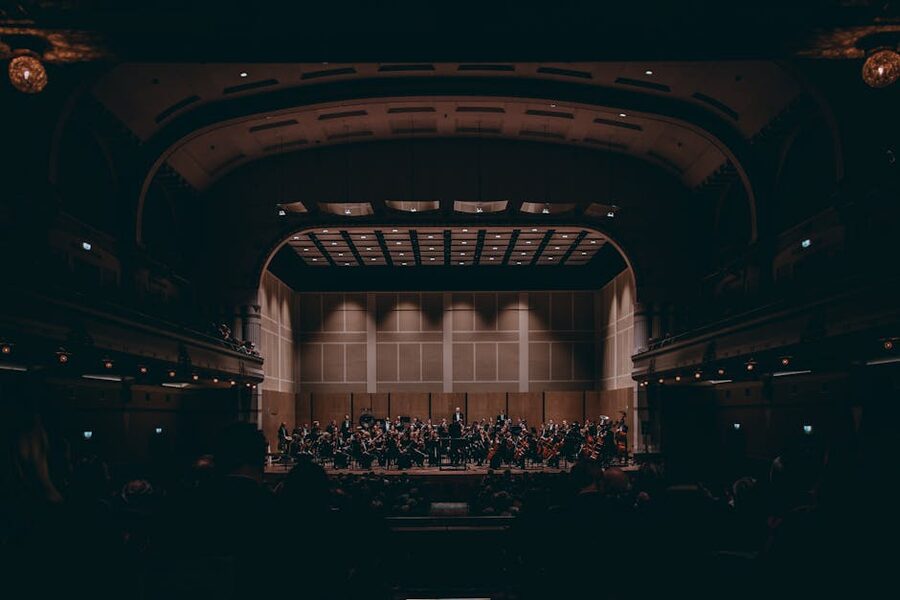
None of the venues allow flash photography during performances, and the Golden Hall in particular has staff who will tap your shoulder fast if you start filming. A discreet phone shot at the curtain call is fine and standard everywhere. If the Klimt-and-coffered-ceiling Golden Hall photo is the reason you’re going, take it during the interval or just after the encore. The audience does it then and nobody minds.
The Sala Terrena is the easiest to get a clean photo in because the room is small, well-lit, and the whole audience is on the same level as the players.
A Bit of History You Don’t Need But Will Enjoy
Mozart arrived in Vienna in 1781 in service to the Archbishop of Salzburg. He was, by his own admission, miserable. He picked a fight with the archbishop’s steward, was literally kicked down the stairs of what is now the Sala Terrena venue, and decided to stay in Vienna freelancing rather than crawl back to Salzburg. He never lived anywhere else for the rest of his life.
The famous Mozart-versus-Salieri musical duel happened in 1786 at Joseph II’s request, in the Schönbrunn Orangery. The two composers each wrote a one-act opera for the same evening. Salieri’s Prima la musica e poi le parole beat Mozart’s Der Schauspieldirektor on the night. History has obviously gone the other way, but the room you’d sit in for the Schönbrunn concert is the same one. That’s the bit worth knowing.
He wrote The Marriage of Figaro in the apartment at Domgasse 5, around the corner from where the Sala Terrena concert happens. He died in 1791 in another apartment about five minutes’ walk away, on what is now Rauhensteingasse. None of the three concerts you can book are in those exact rooms. Mozarthaus runs separate small evening recitals, but those aren’t what’s covered in this guide. The Sala Terrena venue is the closest you can get to a working room that Mozart was actually heard in.
Practical Notes Before You Book
A few small things worth knowing.
Cancellation works in different windows on each booking. The Golden Hall via GetYourGuide gives you 24 hours to cancel free; Schönbrunn gives 24 hours; Mozart’s First House gives 48 hours. Check the small print on whichever you book.
Latecomers are not seated until the first interval at the Golden Hall. This is enforced. Schönbrunn is more relaxed because the cabaret-table seating means quiet movement is possible. The Sala Terrena will not let you in mid-piece full stop because the room is too small to enter without disrupting it.
Drinks are available at all three. The Golden Hall has a proper bar in the marble foyer with sparkling wine by the glass. Schönbrunn pre-pours sparkling wine for everyone in the interval. The Sala Terrena does a small drinks tray rather than a full bar.
Children under six are technically allowed at all three but I’d really only suggest the Schönbrunn programme for them. It’s shorter, livelier, and the cabaret seating means a fidgeting child isn’t the disaster it would be in row C of the Golden Hall.
What to Pair with the Concert
This is genuinely the question we get asked most often. The answer depends on which concert.
If you’re at the Golden Hall: dinner at one of the old Ringstrasse cafés before the concert (Café Schwarzenberg is two minutes’ walk and runs late seatings); afterwards, walk back through the Burggarten if the weather holds. The Mozart monument with the famous treble-clef-of-flowers is a five-minute stroll away. If you’ve also booked a non-Mozart classical concert for another night to compare programmes, the Karlskirche Vivaldi performance is the natural counterweight.
If you’re at Schönbrunn: pair it with a daytime Schönbrunn Palace tour earlier the same day. Eat at one of the small Hietzing restaurants behind the palace before the show. They’re far less touristy than the central options.
If you’re at Mozart’s First House: spend the late afternoon at the Mozarthaus museum on Domgasse, five minutes’ walk away. It is genuinely worth two hours. Eat afterwards at one of the Singerstraße area restaurants. You’ll likely be back at your hotel by 11 PM, having walked the whole evening.
If You Have a Spare Day in Central Europe
Vienna sits in a triangle with Budapest and Prague that almost every classical-music traveller eventually does in some combination. If the music side of the trip is what’s drawing you, the obvious add-ons are a Danube cruise in Budapest with live music on board, or the small classical concerts that run in Prague’s Old Town churches.
If you’re going further afield in Austria, Salzburg has its own Mozart-concert circuit at Mirabell Palace and the Salzburg Cathedral, which is more obviously Mozart-themed than Vienna’s because Salzburg is where he was born. The Salzburg from Munich day trip can be done from Vienna too if you’ve got the long-day energy. And the easier Austrian add-on, if you’re already in Vienna, is the Hallstatt day trip, which has nothing to do with Mozart but everything to do with what makes Austria itself feel like a film set.
Common Reasons People End Up Disappointed
Three patterns I’ve seen come up more than once.
Wrong expectations about the Golden Hall. Some travellers go in expecting the Vienna Philharmonic and discover it’s the Vienna Mozart Orchestra in costume. They are not the same group. The Vienna Philharmonic plays the Goldener Saal too, but at completely different times of year and at completely different price points. The Vienna Mozart Orchestra is excellent for what it is. Just know what you’re booking.
Cheap seats at the Golden Hall. The €40-€50 tier exists, and from those seats the room sounds great but you may not actually see the soloists. If the visual is part of why you wanted to go, spend the extra €40 on a category-one or category-two seat. We’d rather see one Vienna concert from a good seat than two from poor ones.
Schönbrunn without the palace. If you’ve never been to Schönbrunn during the day, going there only for an 8 PM concert means you’ll arrive in the dark, see the Orangery’s interior, and leave in the dark. The setting is much more impressive when you’ve walked the gardens earlier the same day.
The Short Version
Pick the Golden Hall if you want the classic Vienna concert-night experience and the room itself is the point. Pick Schönbrunn if you’re already doing the palace and want to extend the day into evening for the cheapest of the three options. Pick Mozart’s First House if you care about the historical connection, want to be close to the players, and prefer chamber music to opera-aria highlights.
None of them is the wrong choice. The wrong choice is showing up to Vienna without booking any of them, which is what most travellers do, and then discovering on Tuesday that everything good is sold out for the weekend.
Beyond Mozart
If a Mozart concert turns out to be the highlight of your Vienna evenings, you’ll want to know what else is in town. The broader Vienna classical concerts guide covers the Vivaldi-at-Karlskirche, St Anne’s, and Stephansdom programmes. Those run in churches rather than concert halls and have a different feel again. For a daytime alternative on the same theme, the Vienna walking tour covers the streets where Mozart lived, performed, and died, with stops at Domgasse and the Burggarten monument. And on the wider trip, if you’re heading north, the Dresden Semperoper tour is the closest in spirit further afield: purpose-built nineteenth-century opera house, similar gold-and-velvet aesthetic to the Goldener Saal, less crowded than Vienna’s circuit. Pair, compare, and pick the one that looks most like the night you’re after.