
So which Belvedere are you actually trying to see? Because there are two palaces, two ticket counters, and a Klimt collection that pulls in most of the crowds, and the wrong ticket gets you into the wrong building. I sorted that out the hard way on my first visit, and now I tell every Vienna friend the same thing before they book.
- In a Hurry?
- Upper, Lower, or Both? Start Here
- What’s Inside Upper Belvedere
- Don’t Miss the Marble Hall
- What’s Inside Lower Belvedere
- Which Ticket to Pick
- 1. Upper Belvedere Entry Ticket: around
- 2. Belvedere Skip-the-Line Tour with Official Guide: , 2 hours
- 3. Lower Belvedere & Temporary Exhibitions Entry:
- Booking Mechanics: Timed Entry, Cancellations, Audio Guides
- Why Prince Eugene Built Two Palaces
- The Gardens (And the Free Way to Visit)
- Getting There from Central Vienna
- Belvedere as Part of a Vienna Day
- Photographer’s Tips
- Common Mistakes I See People Make
- Pairing Belvedere with the Rest of Vienna
- What to Do After Belvedere
In a Hurry?
- Upper Belvedere entry, around $19: the one with Klimt’s The Kiss, do this if you only do one. Check Upper Belvedere availability.
- Skip-the-line guided tour, $50: a real guide for two hours, useful if you want context not just selfies. Check guided tour availability.
- Lower Belvedere entry, $17: different building, different art, much quieter. Pair it with the Upper if you have a half day. Check Lower Belvedere availability.
Upper, Lower, or Both? Start Here
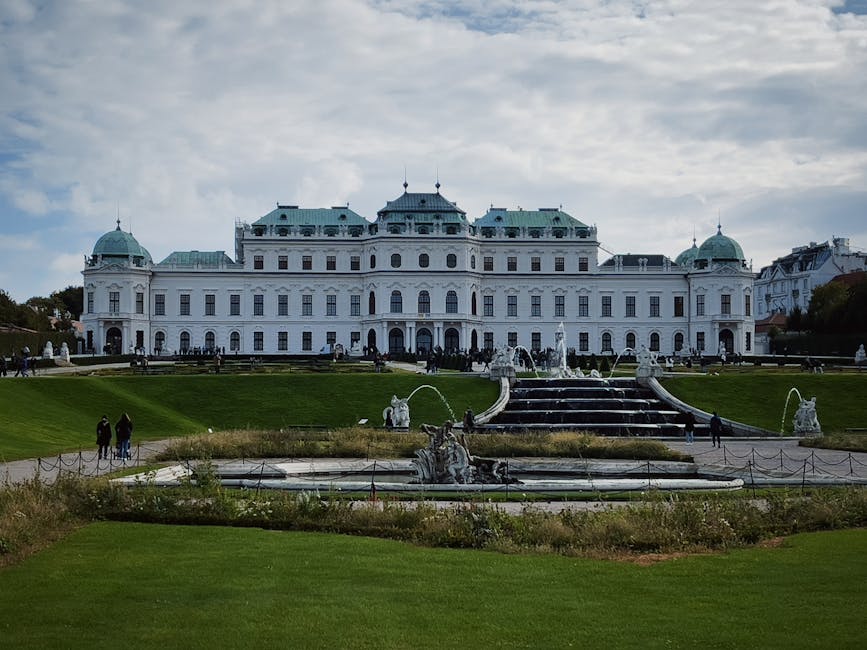
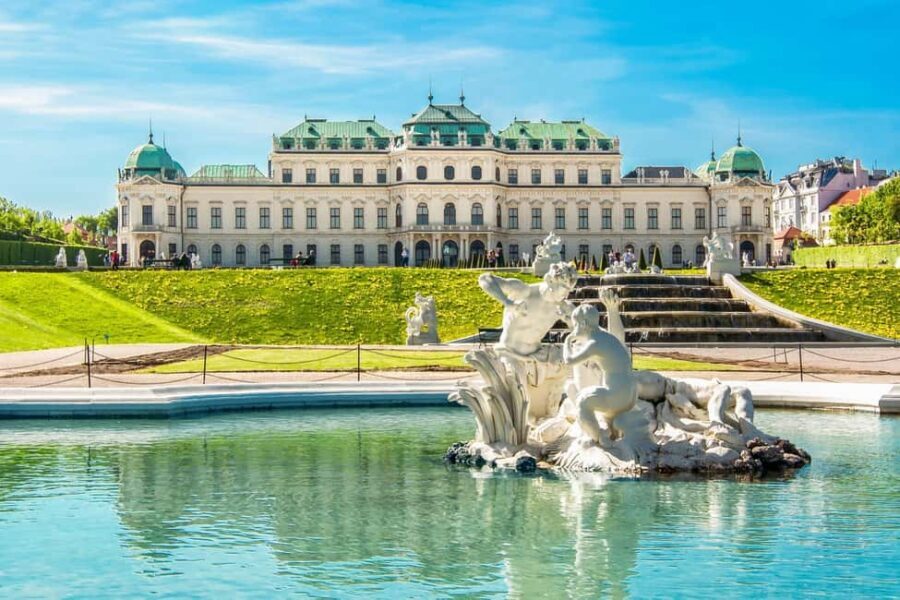
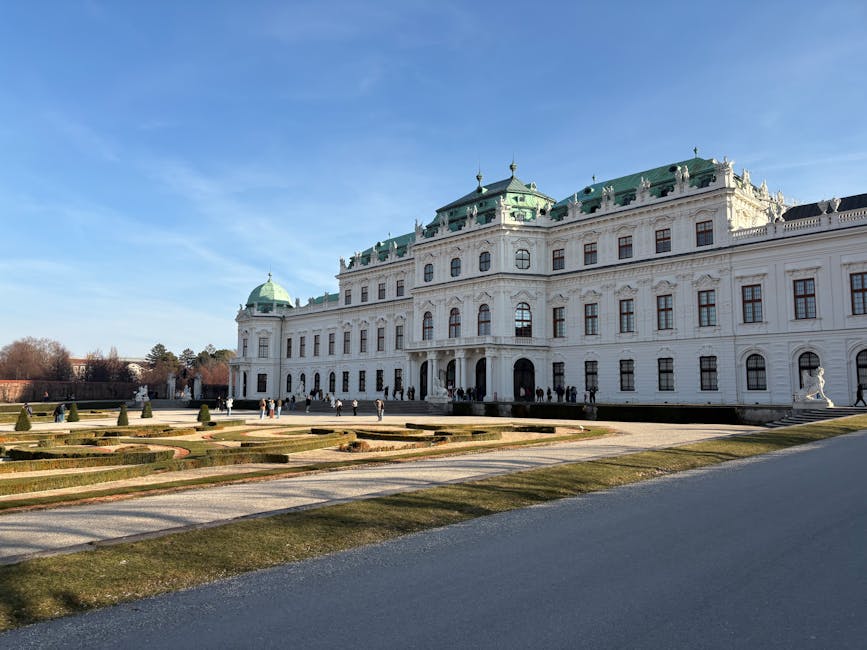
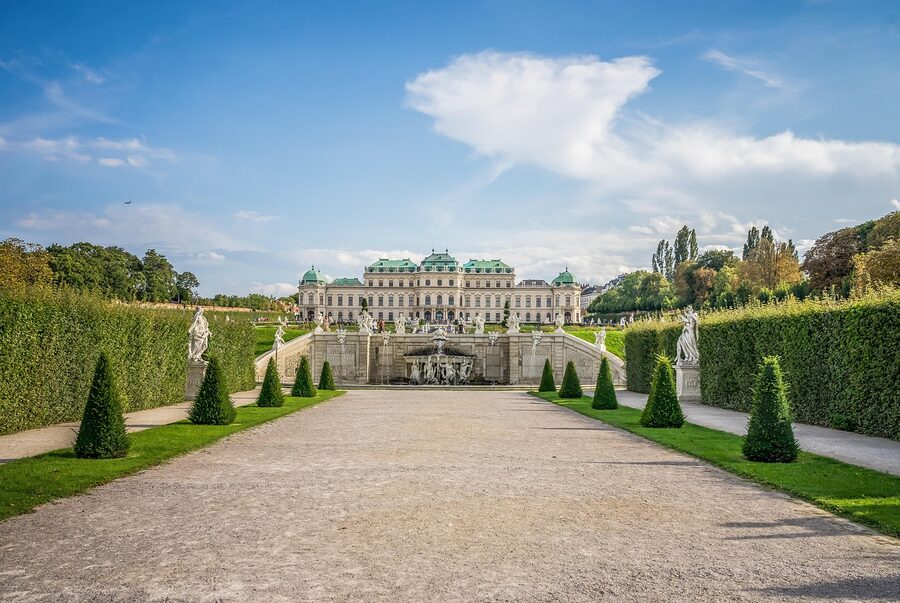
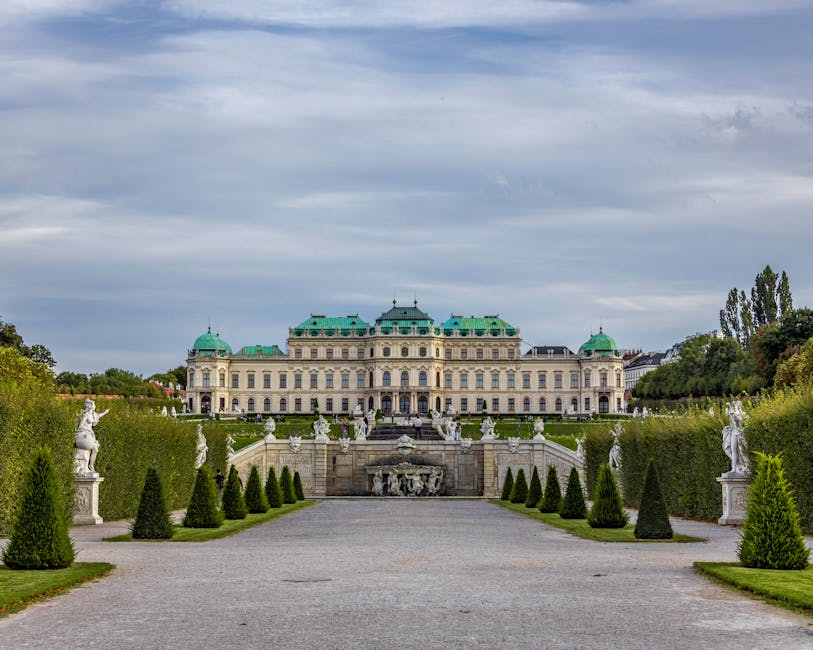
The Belvedere is two separate baroque palaces sitting at either end of the same set of gardens. Upper Belvedere is the showpiece, the one with the wide front pool and the permanent art collection. Lower Belvedere is more intimate, hosts rotating special exhibitions, and feels like a different museum entirely.
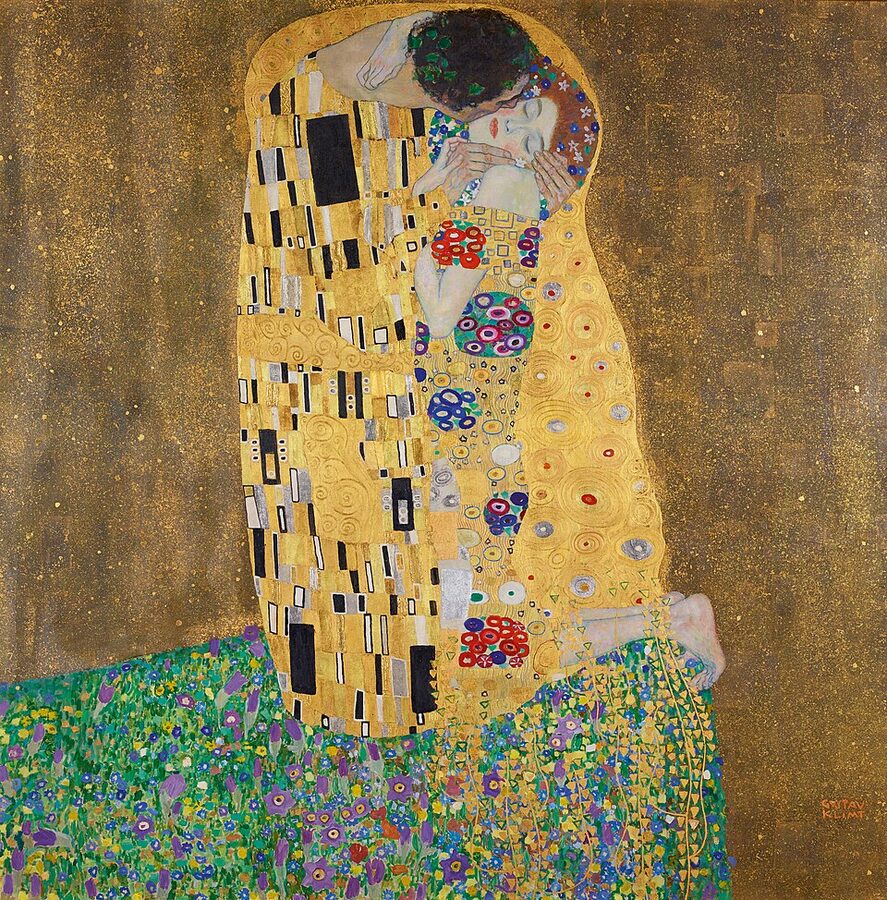
If you want Klimt’s The Kiss, you need Upper Belvedere. That’s the single most important sentence in this guide. People book a Lower Belvedere ticket thinking they’ll see The Kiss, then realise their mistake at the door. The two buildings have separate entrances and separate tickets.
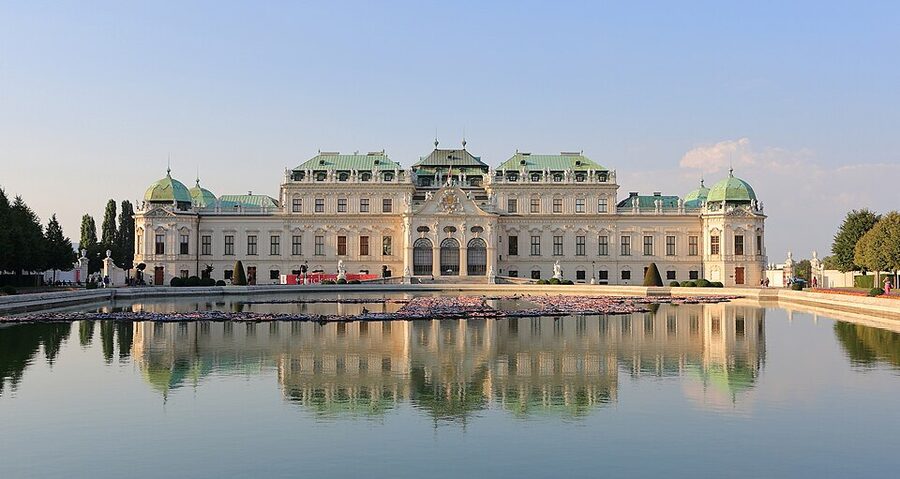
The gardens are free to walk through. You only need a ticket once you step inside one of the palaces or the contemporary annex. So the cheapest way to do Belvedere is just stroll the gardens, take your photos at the front pool, and skip the museums. Plenty of visitors do exactly that and leave happy.
For the museums, here’s the rule of thumb I give friends. Do Upper if you have ninety minutes. Do Upper plus Lower if you have a full half day and like art. Skip both if you’re allergic to crowds in front of famous paintings, because The Kiss is genuinely jammed in summer.
What’s Inside Upper Belvedere
Upper Belvedere holds the permanent collection. Most visitors come for one painting, but the rest of the collection is strong enough that I’ve sent friends in for an hour and they’ve stayed three.
The headline rooms cover Gustav Klimt, Egon Schiele, and the Vienna 1900 movement. Klimt’s The Kiss sits in its own room and is always crowded. The painting is smaller than people expect, and the gold leaf reads better up close than from photos. Judith is in the same wing and gets a fraction of the attention but is arguably the more interesting Klimt to study.
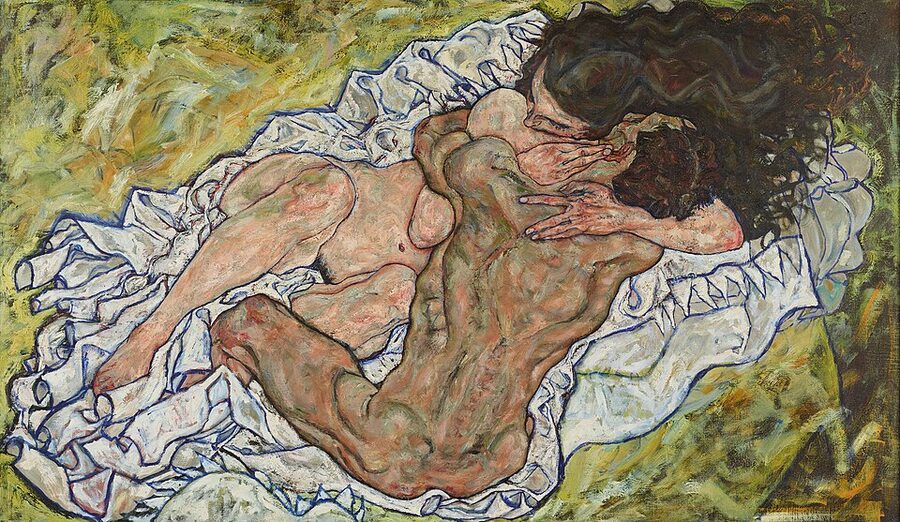
Egon Schiele’s room is darker, less crowded, and rewarding if you give it time. The Embrace from 1917 is the famous one, painted just before Schiele died of the Spanish flu. Walk slowly here. The collection rewards anyone who isn’t just rushing to The Kiss.
Beyond the Vienna 1900 wing, the collection has medieval, baroque, and 19th-century European art. Most people skip it and head straight for Klimt. I’d argue that’s a mistake if you’re paying for the ticket anyway. Give the other rooms twenty minutes on the way out.
Don’t Miss the Marble Hall
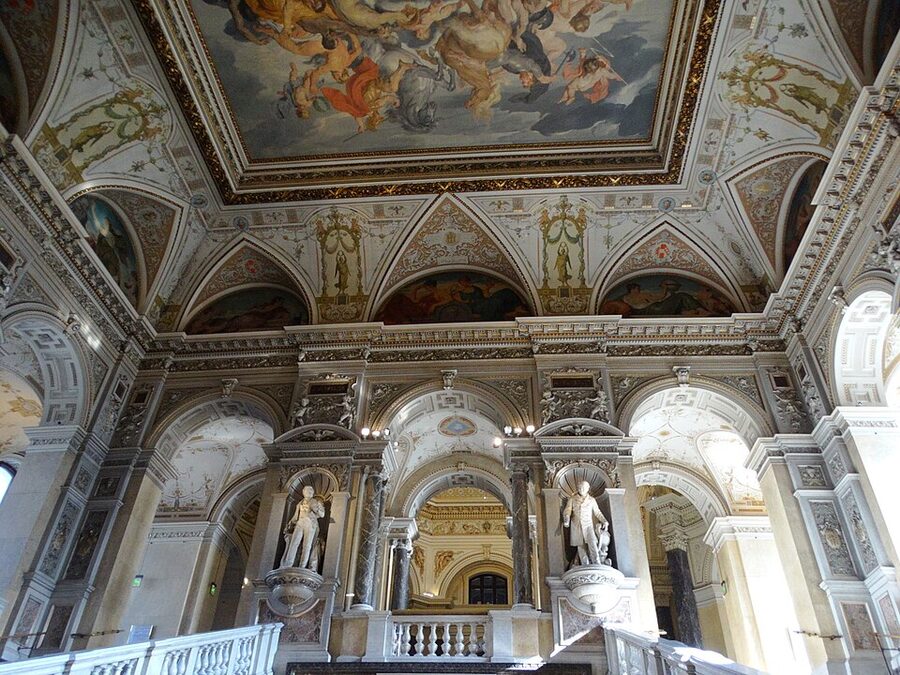
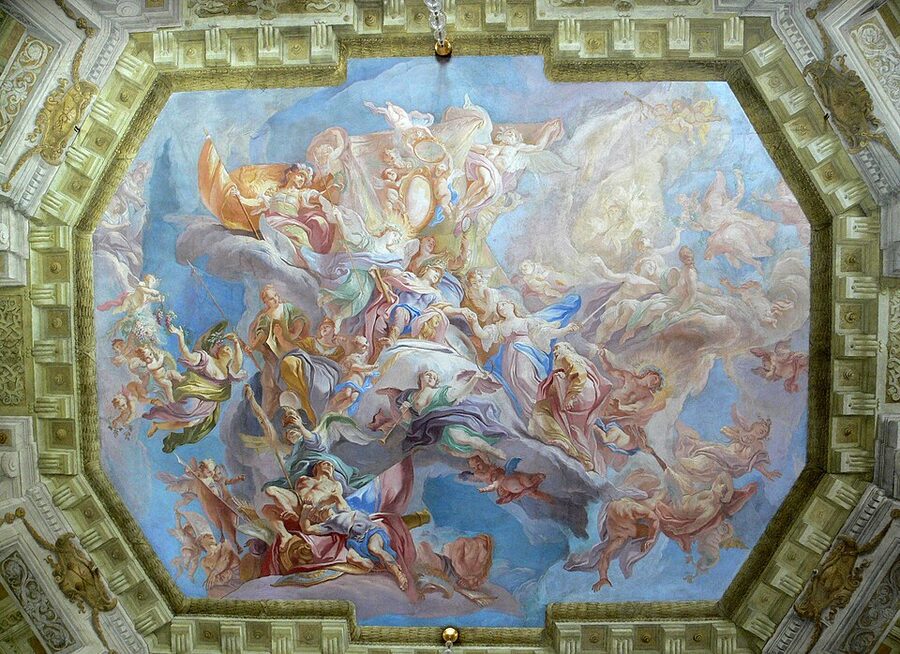
Most visitors march through the Marble Hall on their way to Klimt. Don’t. The Marmorsaal is the ceremonial centrepiece of Upper Belvedere and one of the finest baroque rooms in Vienna. The ceiling fresco shows Apollo on his chariot, the marble walls are real, and the room has hosted state events since the 1720s. Austria’s State Treaty was signed here in 1955.
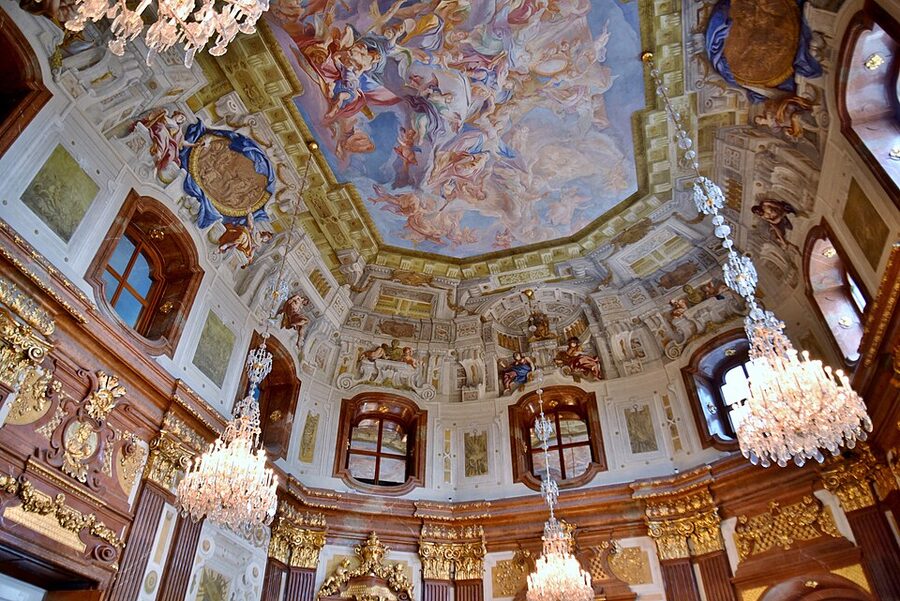
Stand in the centre and look up for a full minute before you move on. It’s a small ritual that makes the rest of the visit hit differently.
What’s Inside Lower Belvedere
Lower Belvedere is the smaller, less famous building at the other end of the gardens. Functionally it does three things. It hosts Belvedere’s special exhibitions on a rolling schedule. It contains the medieval art collection in the former Palace Stables. And it has the Orangery, which is now extra exhibition space.
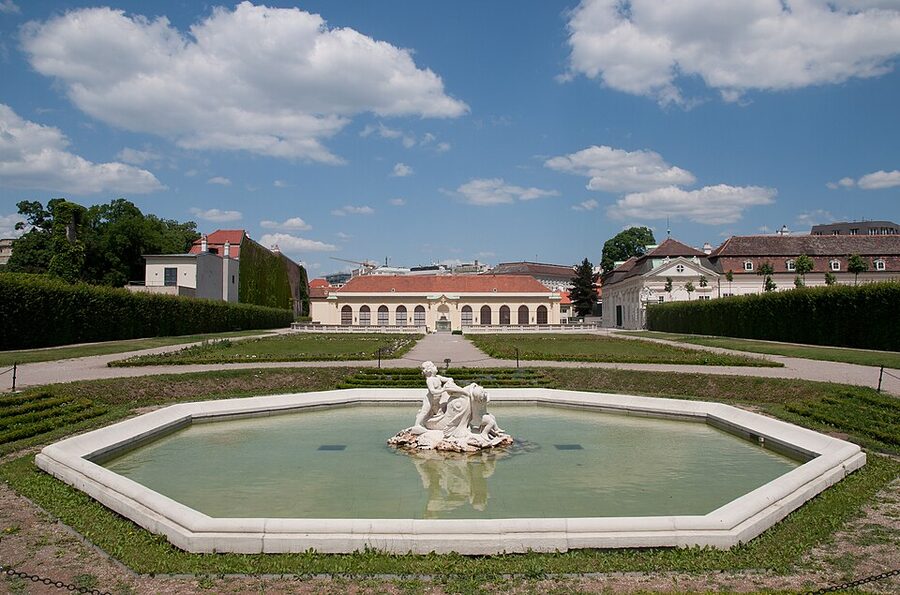
The honest answer about Lower Belvedere is that it’s only worth visiting if the current special exhibition appeals to you. Check the Belvedere website before you book. The exhibitions rotate every few months and range from Klimt’s working methods to Renaissance Italian sculpture.
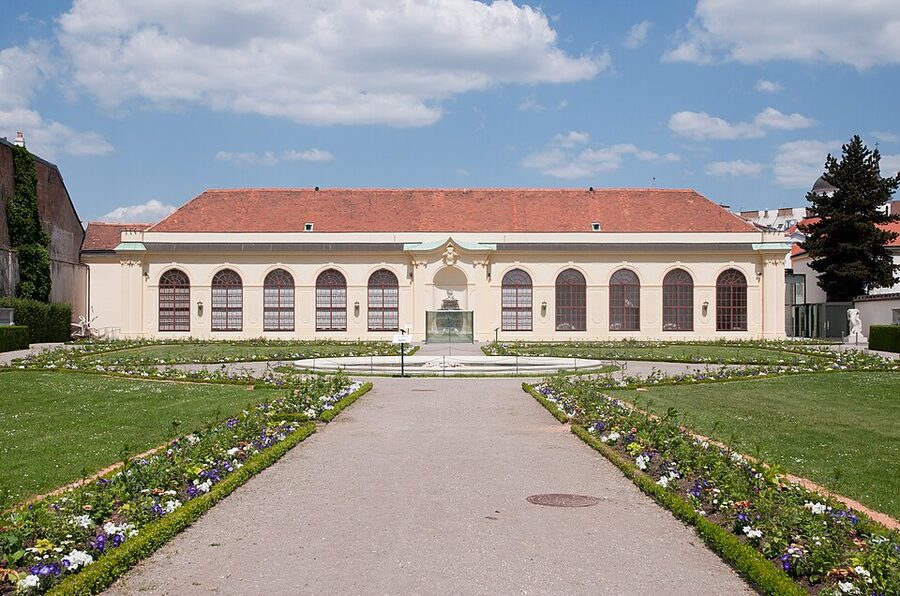
The medieval collection in the Palace Stables is small but specific. If you’ve already done Vienna’s Kunsthistorisches Museum, you’ll have seen most of what makes medieval Austrian art interesting. If not, this is a decent compressed tour.
Which Ticket to Pick
From thousands of Belvedere bookings on the major platforms, three shapes do the heavy lifting. They cover almost everyone’s actual use case. Here’s what they are and how I’d choose between them.
1. Upper Belvedere Entry Ticket: around $19
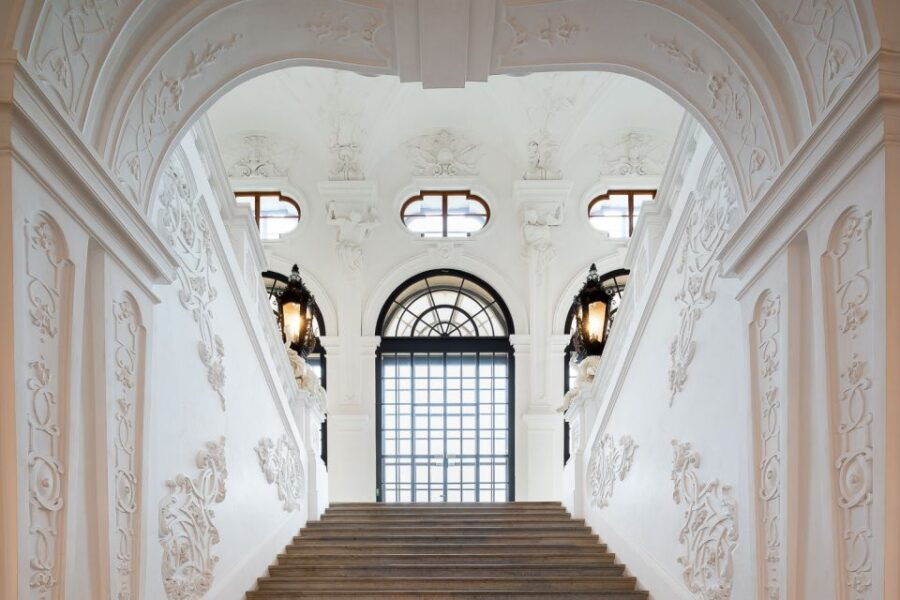
This is the ticket the vast majority of people actually want. It gets you into Upper Belvedere with the full permanent collection, including The Kiss. The timed-entry system means you pick a slot and walk straight in, so you avoid most of the queue. Our full review of the Upper Belvedere entry covers the audio-guide options and the trick of going right at opening.
2. Belvedere Skip-the-Line Tour with Official Guide: $50, 2 hours
If you want to actually understand what you’re looking at, take a guide. Two hours is the right length, and the official-guide variant means you get a licensed art historian rather than a generic city guide. Our review of this skip-the-line guided tour goes into how the smaller group sizes change the experience around The Kiss.
3. Lower Belvedere & Temporary Exhibitions Entry: $17
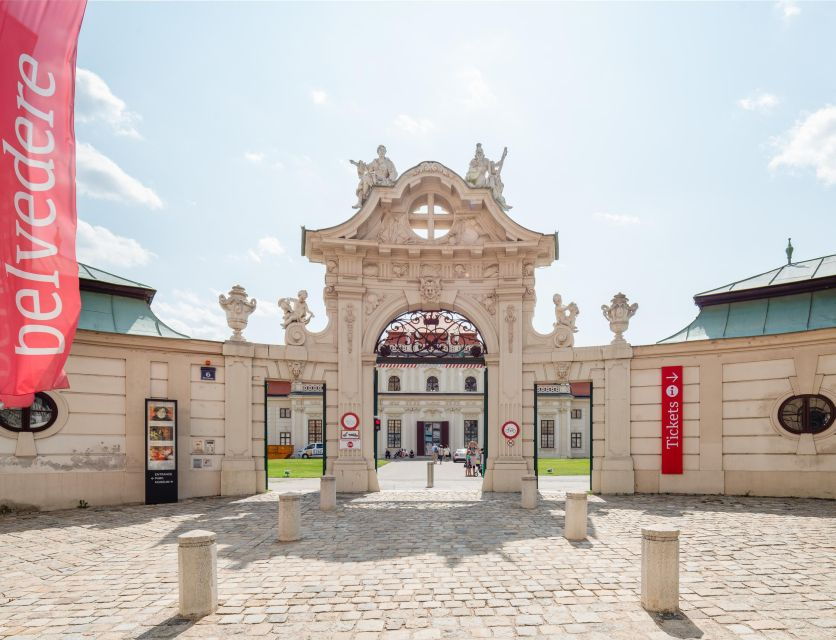
This is the one to add if you have time and the current Lower Belvedere exhibition appeals to you. It’s a separate building and a separate ticket, but the Belvedere site lists both together and you can pair them on the same day. Our Lower Belvedere review explains which exhibitions tend to land and which don’t, plus the medieval art rooms in the Palace Stables.
Booking Mechanics: Timed Entry, Cancellations, Audio Guides
All Upper Belvedere tickets use timed entry. You pick a thirty-minute window when you book. Show up within that window and walk in. Show up early and you stand in the gardens.
The free-cancellation window on the major booking platforms is usually 24 hours. That’s generous, and it’s the main reason I book through Get Your Guide rather than direct. Plans change, weather changes, and 24-hour cancellation means you don’t lose anything if you decide to swap to Schönbrunn for the day.
The audio guide is included with most tickets. It’s good. Not great, but good. The Klimt commentary is the strongest section. The medieval and baroque sections are duller and you can skip them. Bring your own headphones because the supplied ones are uncomfortable for long visits.
One detail competitors don’t always mention. The on-site ticket office at Upper Belvedere isn’t at the main entrance. It’s in an outbuilding slightly to the west of the palace. If you book online you skip this entirely, but if you walk up without a ticket and look for a counter at the front door you won’t find one. Walk west.
Why Prince Eugene Built Two Palaces
The story is a useful one because it changes how you read the buildings. Prince Eugene of Savoy was the most successful military commander in Habsburg service, born 1663, died 1736. He spent decades fighting the Ottomans on Austria’s eastern frontier and won the kind of battles that made emperors very generous.
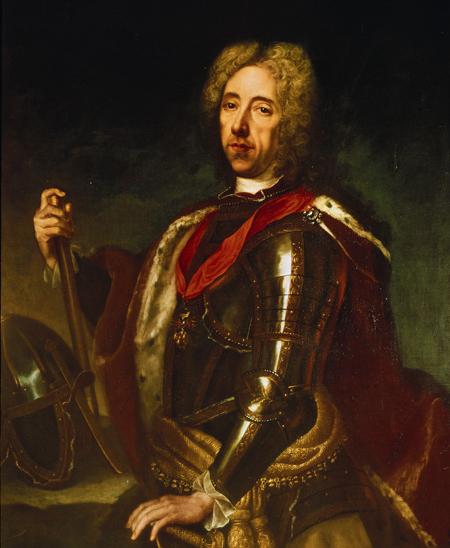
Lower Belvedere went up first, between 1714 and 1716, as Eugene’s summer residence. Upper Belvedere followed between 1717 and 1723 as a ceremonial reception palace, designed for parties and political theatre. Eugene didn’t sleep in Upper Belvedere. He used it to receive the right kind of guests in the right kind of room.
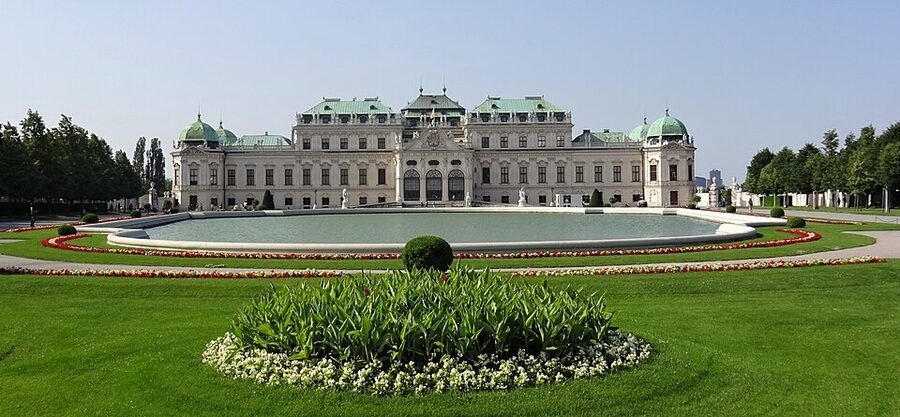
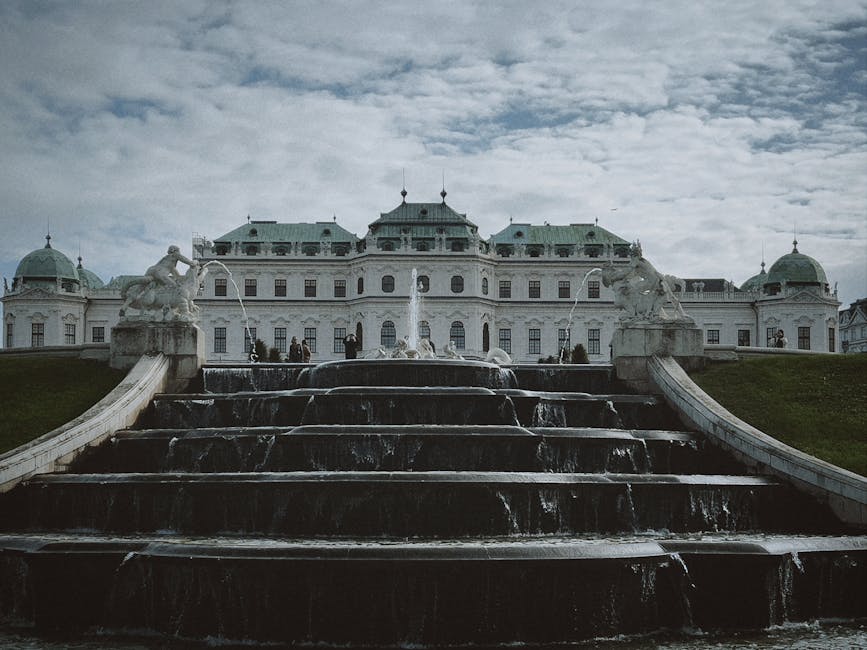
The architect was Johann Lukas von Hildebrandt, who also worked on Eugene’s Winter Palace in central Vienna. The two Belvedere buildings are connected by a strict baroque garden axis with fountains, sphinxes, and a long sight line that makes the whole composition read as a single stage set.
Eugene died in 1736 with no direct heirs, and the buildings passed to Habsburg ownership. By 1781 they were already public art galleries. That’s earlier than the Louvre, which often surprises visitors. The Belvedere has been a public museum for almost 250 years.
The Gardens (And the Free Way to Visit)
The gardens between Upper and Lower Belvedere are open every day and cost nothing. Walk in from any of the side gates and you’re free to wander the whole formal axis. This is how I’d visit if I had less than an hour or didn’t want to pay for any museums.
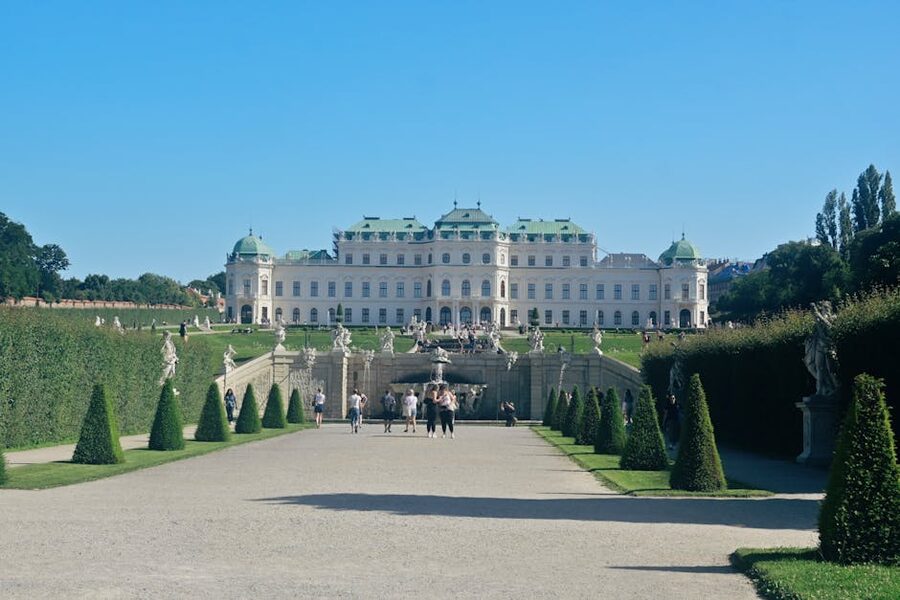
The gardens were laid out by Dominique Girard, who trained at Versailles, and the resemblance is intentional. Fountains, clipped hedges, formal flower beds, and statuary. The fountains turn off in winter but the garden is still beautiful covered in snow.
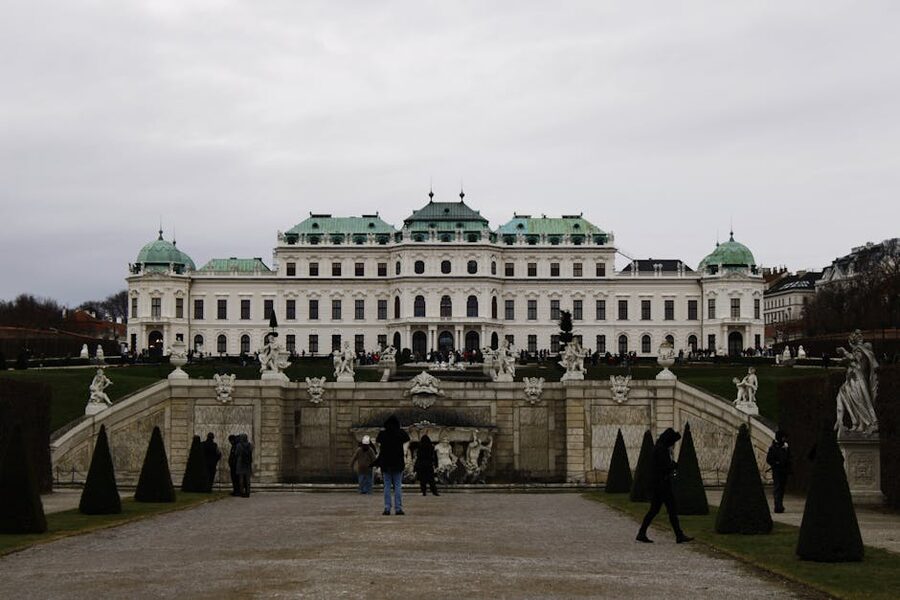
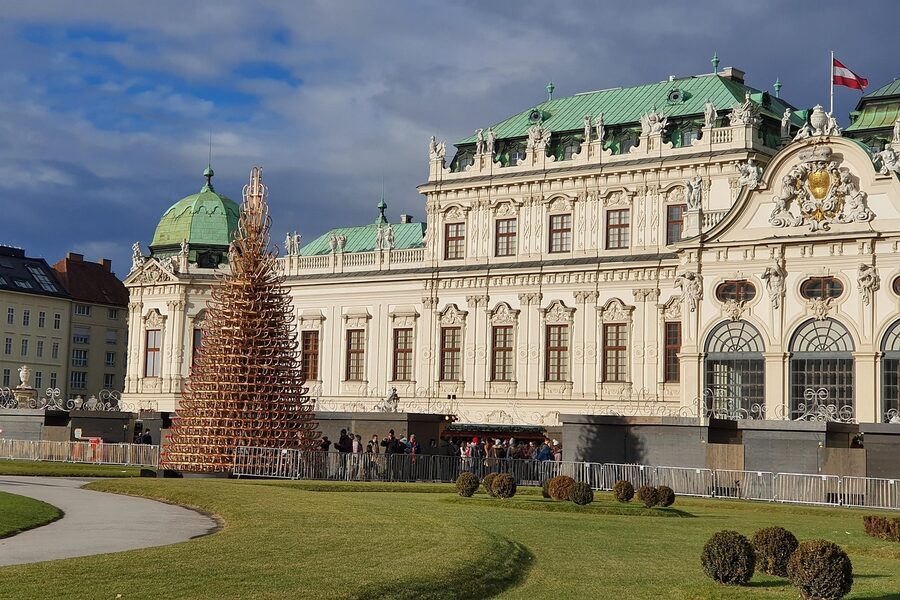
The Christmas market at Upper Belvedere runs from late November to late December and is one of the better Vienna markets. Smaller than Rathausplatz, less touristy than Stephansplatz. Glühwein, wooden stalls, the palace lit up at night. I’d put it in your top three Vienna markets if you visit in winter.
One thing worth knowing. The gardens are slightly raked, so the south end (Lower Belvedere) sits higher than the north end (Upper Belvedere). The view from Upper looking south, with Lower in the foreground and the city behind, is the postcard angle. From Lower looking north it’s just a building. So if you only walk one direction, walk south to north.
Getting There from Central Vienna
Belvedere is in District 3, about fifteen minutes from Stephansplatz on foot or three stops on the tram. The closest tram is the D line, which runs from the Ringstrasse and stops at Schloss Belvedere. The S-Bahn station Quartier Belvedere is also a five-minute walk and connects directly to the airport.
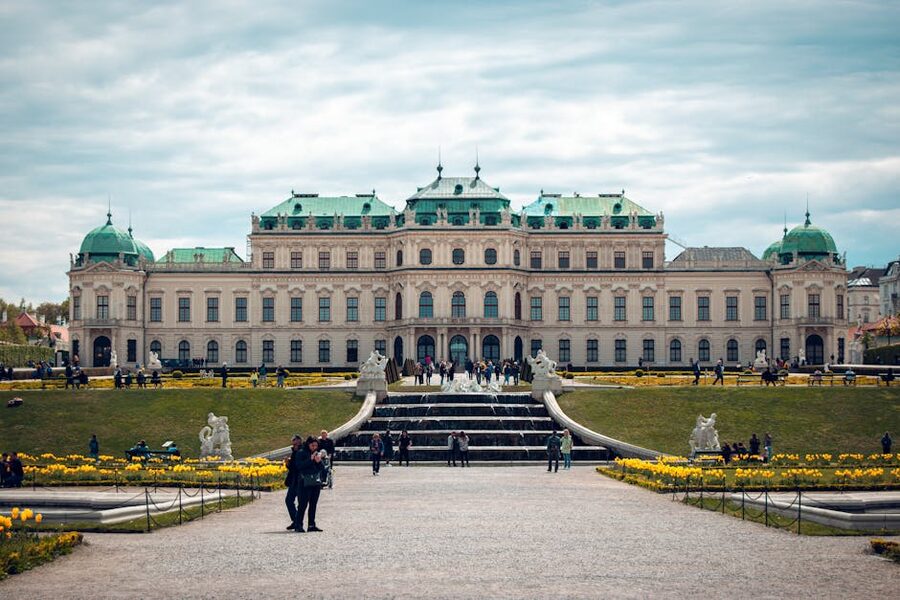
If you’re coming from the city centre, the easiest route is tram D from the Opera. It drops you at Schloss Belvedere, which is the gate to Upper Belvedere. Walk in, do Upper, walk down through the gardens, and exit through Lower Belvedere onto Rennweg if you want to continue the tour.
The address for Upper Belvedere is Prinz Eugen-Strasse 27. For Lower Belvedere it’s Rennweg 6. They’re the opposite ends of the same garden.
Belvedere as Part of a Vienna Day
How does Belvedere fit a typical Vienna itinerary? It’s about ninety minutes for Upper Belvedere alone, two and a half hours if you do both palaces, and the gardens add another half hour. That makes it a comfortable morning or afternoon, not a full day.
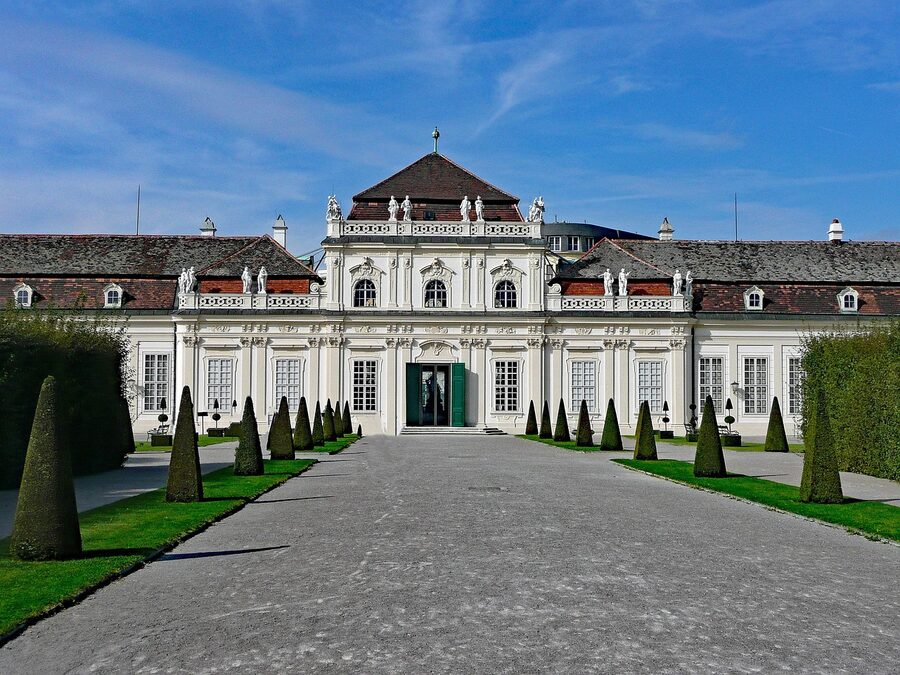
I usually pair Belvedere with the Hofburg or the Kunsthistorisches Museum for a full art-and-empire day. Upper Belvedere in the morning when the light through the windows is best, lunch at one of the cafes near Schloss Belvedere, then either the Sisi Museum at the Hofburg complex or a slow afternoon at the Kunsthistorisches.
If you’re doing the broader Vienna palace tour, also consider Schönbrunn Palace, the Habsburg summer residence on the western edge of the city. Schönbrunn is bigger, more imperial, and lives at the other end of the day from Belvedere. They’re complementary, not competitive.
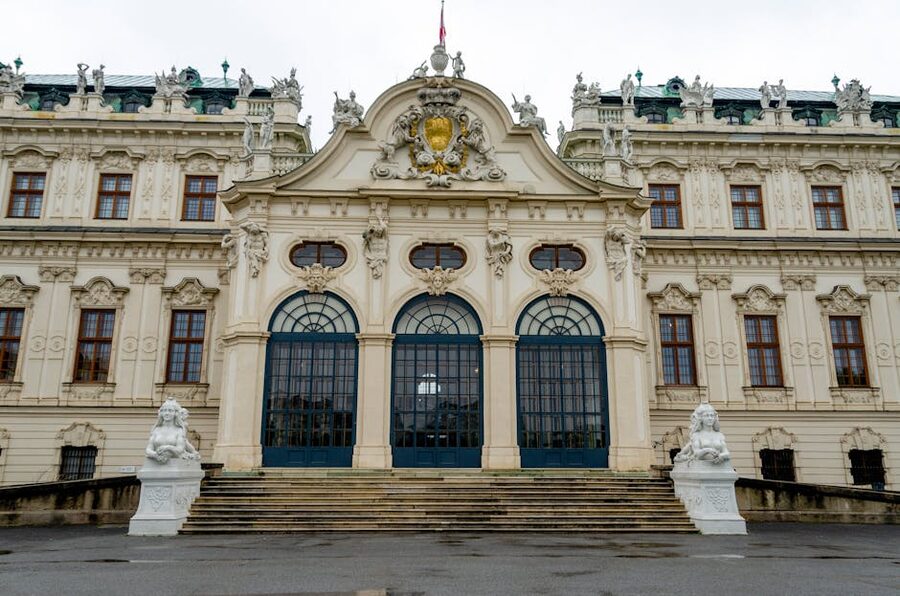
For visitors doing the Spanish Riding School in the morning, Belvedere works as the afternoon stop. The riding school sits inside the Hofburg complex, so a logical day is Spanish Riding School training session at 10am, lunch in the first district, then tram D out to Belvedere by 1pm.
Photographer’s Tips
The reflecting pool in front of Upper Belvedere is the shot everyone takes. Best light is morning or late afternoon, with the sun behind the photographer for the front shot. The pool is shallow and reflects the full facade, so the trick is getting low. Crouch or sit on the steps.
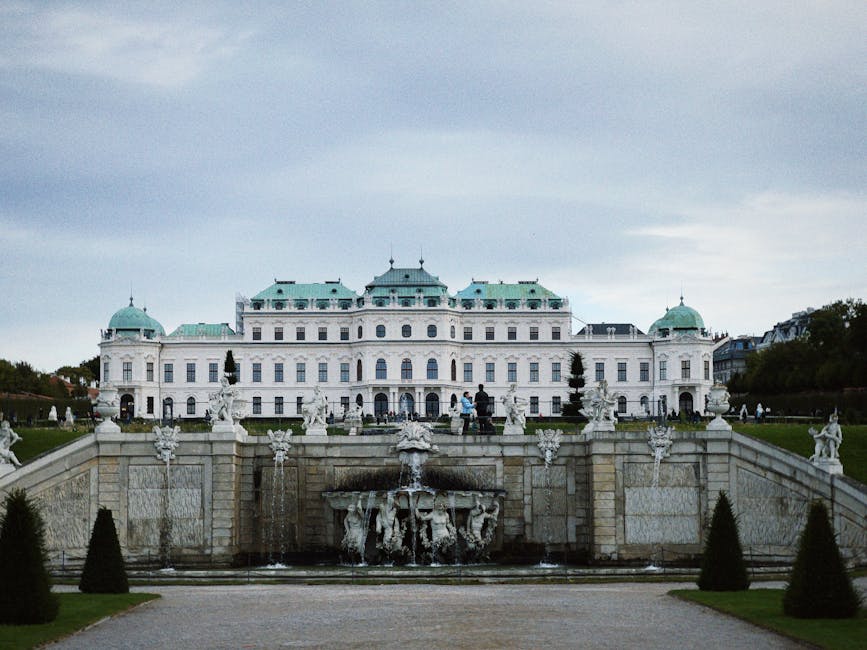
The reverse shot, from the upper terrace looking south over Lower Belvedere toward the city, is underrated. The Stephansdom spire shows in the distance and you get a sense of how the gardens were designed as a single composition. Go to the back of Upper Belvedere and turn around.
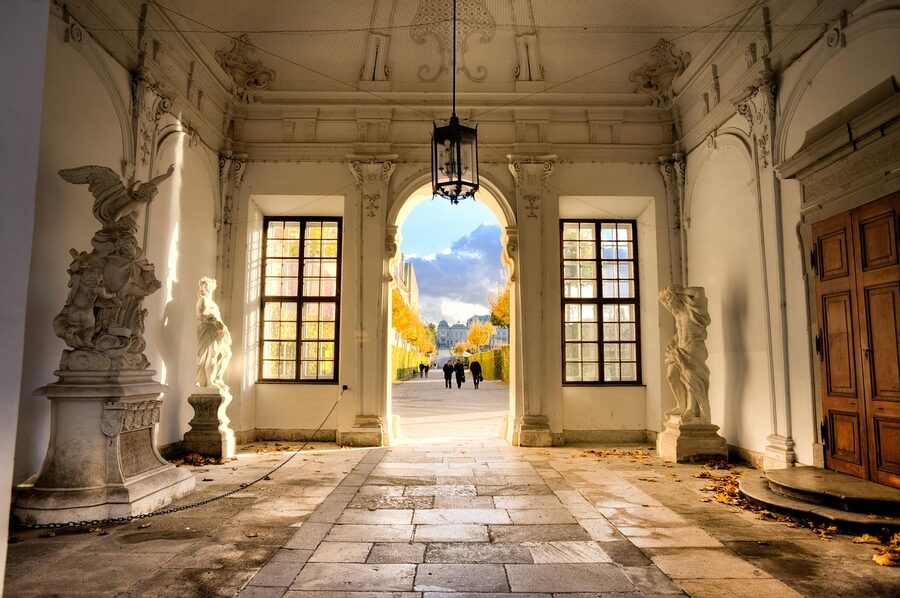
Inside the museum you can photograph almost everything except special exhibitions and the room with The Kiss. No flash, no tripods. Phones are fine. The light in the Marble Hall is excellent for photos but the room is busy, so wait for a gap between tour groups before you shoot.
Common Mistakes I See People Make
Booking Lower Belvedere thinking they’ll see The Kiss. The most common error. The Kiss is at Upper Belvedere only.
Showing up without a timed-entry slot in summer. Walk-up tickets are sometimes available but you’ll wait. Book online, even if you’re booking that morning.
Doing both palaces back to back without a break. By the second one you’re tired and the art doesn’t land. Take 30 minutes in the gardens between buildings.
Skipping the Marble Hall. People rush through it on the way to Klimt. Don’t. It’s the architectural high point of the whole complex.
Eating at the Belvedere cafe. It’s overpriced and the food is mediocre. Walk five minutes to one of the cafes on Rennweg or Prinz Eugen-Strasse instead.
Pairing Belvedere with the Rest of Vienna
Vienna is a city of palaces and the Belvedere is one of three you’ll probably consider. Schönbrunn is the imperial summer residence and the bigger commitment, half a day minimum. The Hofburg with the Sisi Museum is the winter residence in the centre of town and the most efficient way to absorb Habsburg history. The Spanish Riding School sits inside the Hofburg complex and is the one Vienna experience that’s genuinely unlike anywhere else.
If you’re doing Central Europe properly, the natural triangle is Vienna with Budapest and Prague. Budapest gets you a different palace tradition, more intimate and more eastern, while Prague brings in the Bohemian baroque. The Buda Castle walking tour is the closest comparison to a Belvedere visit, and Prague Castle rounds out the set.
For German palace comparisons, Sanssouci at Potsdam is the obvious pair to Belvedere. Same scale, same baroque vocabulary, same Frederick-era logic. Neuschwanstein from Munich is a different beast entirely (19th-century romanticism, not baroque) but visitors often pair them anyway.
Within Vienna, two more pairings worth knowing. The St Stephen’s Basilica in Budapest is a useful comparison if you’re doing both cities, especially for the dome views. And if you’ve already done the Budapest thermal baths, Vienna’s slower aristocratic pace will feel like a different country in the best way.
What to Do After Belvedere
The garden exit at Lower Belvedere drops you onto Rennweg, a quiet residential street that runs back toward the centre. Walk fifteen minutes and you’re at Schwarzenbergplatz, with cafes, the Soviet War Memorial, and tram connections back to Stephansdom.
If you’re spending more days in Vienna and want a different angle on Habsburg power, do the Hofburg with Sisi Museum next. It’s the family residence and contains the personal artefacts of Empress Elisabeth, Sisi to her friends, who lived in the building until her assassination in 1898. It pairs naturally with Belvedere because the two were used as opposite ends of the same dynasty’s stage.
For an afternoon that’s pure Vienna, hop a tram from Schloss Belvedere back to the Opera and book a training-session ticket at the Spanish Riding School for the next morning. Watching the Lipizzaners practice while the city wakes up is the most distinctly Viennese way to start a day, and it’s a far better deal than the formal performance for what you actually see.