
I made the obvious mistake on my first Prague trip. I booked the “Pilsner Urquell Experience” near the Old Town, walked in expecting to see copper kettles and an underground cellar, and instead found a slick interactive tasting room with a 360° projection wall and a smiling host pouring me a small glass of beer. It was good. It was not the brewery. The brewery is in Pilsen, an hour west by train, and that is the trip beer people actually want.
This guide untangles the three Pilsner-shaped experiences in and around Prague, so you can pick the one that matches the day you have got, not the one that happens to come up first on Google.
- In a Hurry?
- The Mistake Most People Make
- What the Three Options Actually Are
- 1. Pilsner Urquell Experience (Prague, indoor)
- 2. Pilsen Brewery Tour (Pilsen, the real thing)
- 3. Bernard Beer Spa (Prague, the unusual angle)
- Which One Fits Your Day
- How to Get to Pilsen from Prague
- Booking the Three Tours
- 1. Prague: Pilsner Urquell Experience & Beer Tasting:
- 2. Pilsen: Pilsner Urquell Brewery Tour with Beer Tasting:
- 3. Prague: Bernard Beer Spa with Beer and Massage: 7 per couple
- What the Pilsen Brewery Tour Actually Covers
- The Cellar Tasting
- What to Do in Pilsen After the Tour
- Booking Tips That Actually Save You Money
- What About Other Czech Breweries?
- Pairing the Pilsner Trip with the Rest of Prague
- If You Have Already Done Czech Beer, Try the German Side
In a Hurry?
Best Prague tasting room: Prague: Pilsner Urquell Experience & Beer Tasting at $25. Stays in central Prague, finishes in 90 minutes, ends with a souvenir bottle.
Best brewery day trip: Pilsen: Pilsner Urquell Brewery Tour with Beer Tasting at $21. The actual source brewery, plus the unfiltered-keg tasting in the cellar 50 metres underground.
Best unusual angle: Prague: Bernard Beer Spa with Beer and Massage at $137 per couple. Soak in a beer bath with unlimited Bernard lager on tap next to the tub.
The Mistake Most People Make
“Pilsner Urquell Experience” and “Pilsner Urquell Brewery Tour” sound like the same product. They are not. One is a tasting room in central Prague. The other is a 90-minute working brewery tour in a different city. The marketing photos look almost identical. The actual experiences are not even close.
If you have already booked the Prague Experience and just realised it is the urban tasting room, do not panic. It is genuinely a fun 90 minutes. But if your goal is to see how Pilsner is made and to taste the unfiltered version that cannot legally leave the cellar, you have to go to Pilsen.
What the Three Options Actually Are
1. Pilsner Urquell Experience (Prague, indoor)
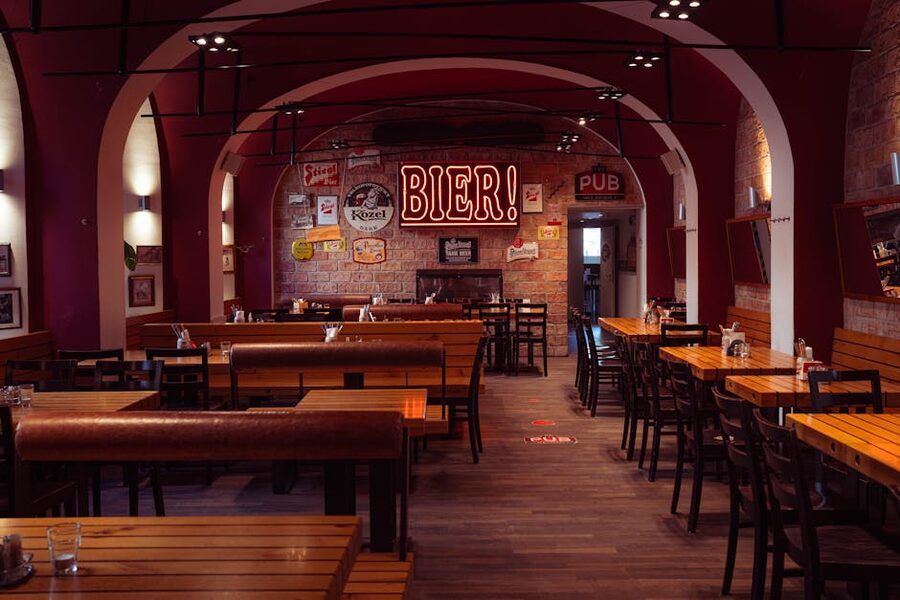
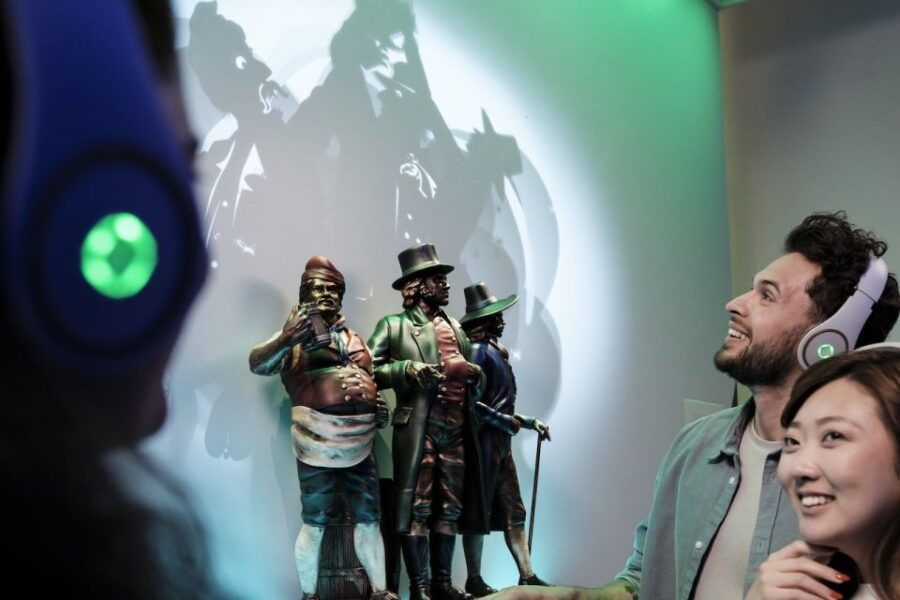
This is the urban tasting room about a 10-minute walk from Old Town Square. You go through interactive rooms about the brewery’s history, play a 360° projection game (“Tapster Academy”), and finish with a tasting of the regular bottled Pilsner Urquell in a recreated historic beer hall. The whole thing runs 60 to 90 minutes. There is no actual brewing on-site. You leave with a numbered souvenir bottle.
2. Pilsen Brewery Tour (Pilsen, the real thing)
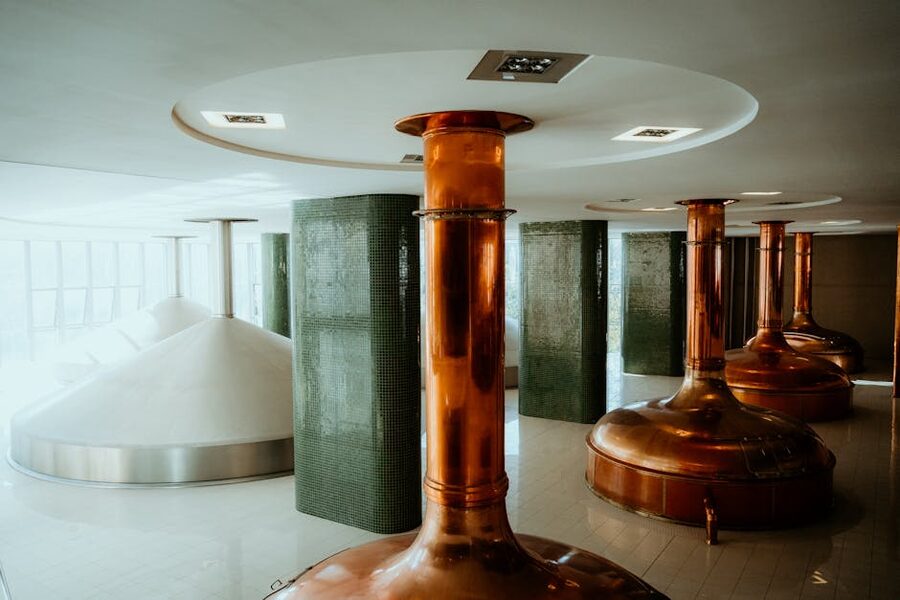
This is the 90-minute factory tour at the actual Pilsner Urquell brewery in Pilsen. You see the modern bottling line, walk through the brewhouse with its rows of copper kettles, and finish in the underground cellar where the brewmaster taps unfiltered, unpasteurised lager directly out of a wooden keg. That tasting at the end is the reason to make the trip. The unfiltered version is not sold anywhere else in the world.
3. Bernard Beer Spa (Prague, the unusual angle)
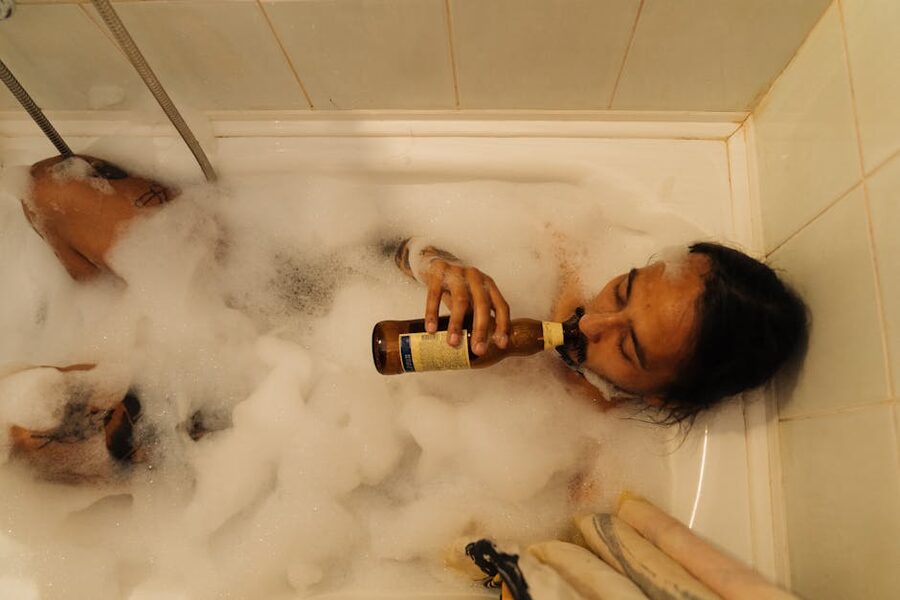
This one is in central Prague, but it is not really a beer experience in the educational sense. It is a wellness booking. You spend 60 to 90 minutes in a private cedar-wood tub filled with hot water, hops, malt, and active brewer’s yeast, with an unlimited tap of Bernard lager next to you. There is an optional massage on a heated grain bed afterwards. It is silly, it is good for your skin, and it is one of the most-booked single experiences in Prague.
Which One Fits Your Day
The honest decision tree is short. Pick by how much time you have got and what kind of “beer thing” you actually want.
Got half a day in Prague and a casual interest in beer? Book the Prague Experience. It is central, it is well-produced, and the souvenir bottle is genuinely a nice keepsake.
Got a full day and care about how beer is actually made? Take the train to Pilsen. The factory tour is the real thing, and an hour each way on a Czech intercity train is no hardship. You can pair it with a couple of hours wandering Pilsen’s old town square afterwards.
Travelling as a couple and want something that is not a normal tour? Book the Bernard Beer Spa. It is a date night, not a tour. Nobody is going to teach you anything about brewing.
How to Get to Pilsen from Prague
If you are doing the brewery tour, this is the bit that matters. Pilsen sits 90 km west of Prague and is the easiest day trip on the Czech rail network.
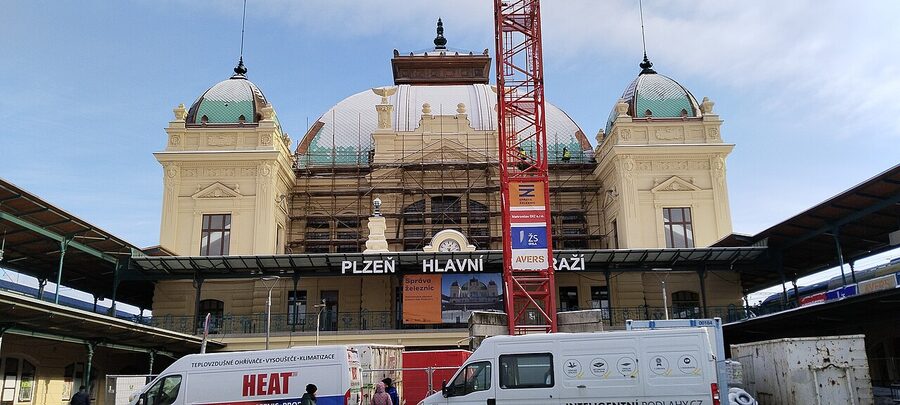
Trains depart Prague’s main station (Praha hl.n.) for Plzeň hl.n. about every half hour. The journey takes 1h25 to 1h35 depending on which service you catch (the express or the regional). A standard one-way ticket on České dráhy is about 175 CZK ($7.50). Buy at the machine in the station hall or on the cd.cz app. Reservations are not needed.
FlixBus is the cheaper alternative at around 140 CZK ($6) and a flat one hour to Pilsen’s central bus station. It is faster than the train, but the station drop-off is slightly further from the brewery, about a 15-minute walk.
If you are nervous about logistics, book the bundled Pilsen day-trip product instead. It includes the brewery entry, an English-speaking guide, and door-to-door transport from a central Prague pickup. Costs more, removes every decision.
Booking the Three Tours
The three options below are not interchangeable. Read the take, not the price.
1. Prague: Pilsner Urquell Experience & Beer Tasting: $25
Book this one if your only window is a Prague morning or afternoon and you do not want to lose half a day to train logistics. Our full review of the Prague Experience covers what is in the souvenir bottle and which time slot has the smallest groups. Ninety minutes, central, finishes with a tasting of the proper bottled Urquell.
2. Pilsen: Pilsner Urquell Brewery Tour with Beer Tasting: $21
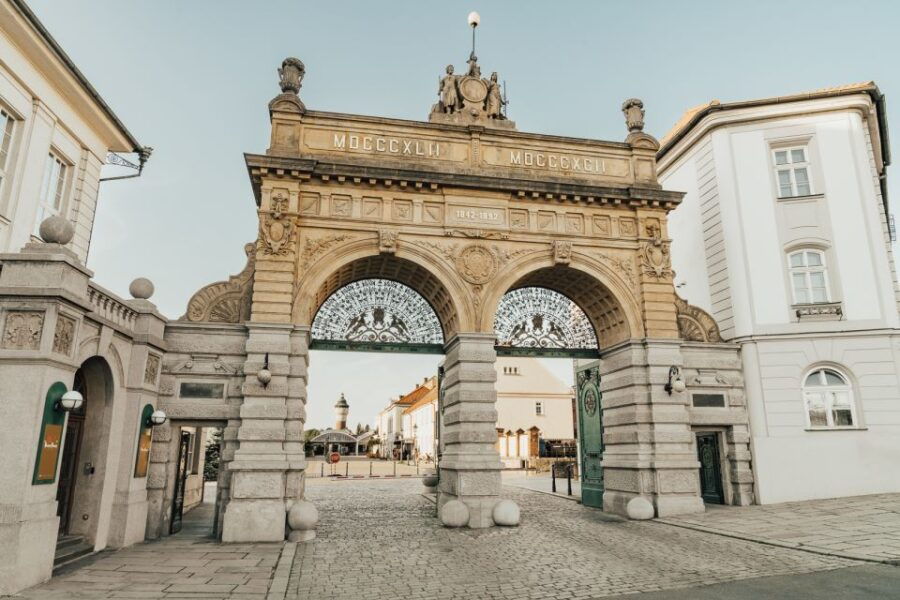
The actual brewery tour, in Pilsen, with the unfiltered-keg tasting at the end. The price you pay on GetYourGuide is the same 380 CZK official entrance ticket, just bookable in English with a free 24-hour cancel. Our review of the Pilsen tour covers what to wear in the cellar (it is cold, even in August). Two hours, language slots in Czech, English, and German.
3. Prague: Bernard Beer Spa with Beer and Massage: $137 per couple
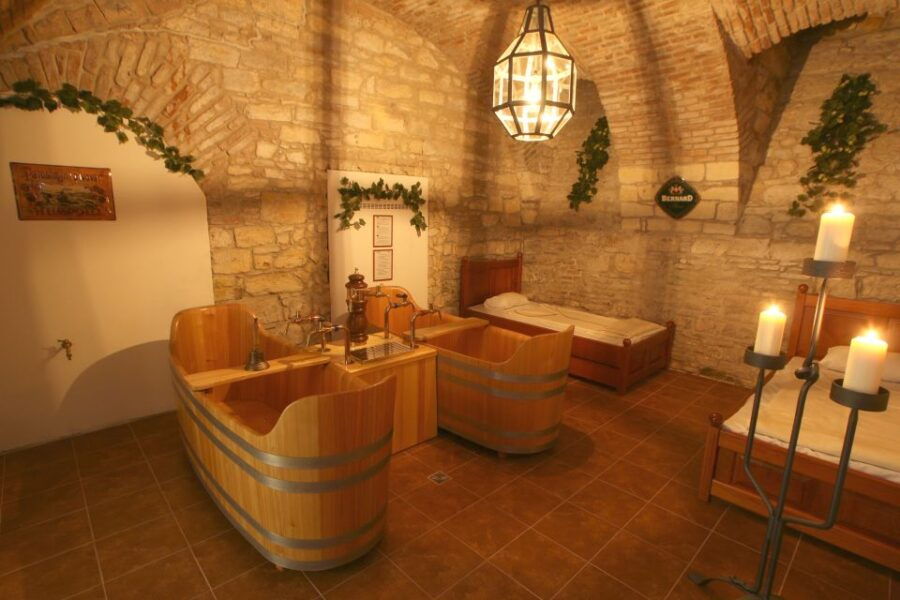
Not a beer education product. A beer-themed wellness booking. Our review of the Bernard Beer Spa walks through the optional massage upgrade and what to wear (or not wear) in the private room. Sixty to 90 minutes, in central Prague, near Náměstí Republiky.
What the Pilsen Brewery Tour Actually Covers
Worth knowing in detail, because this is the one most people are deciding about. The 90-minute Classic tour follows the same script every day, but the rhythm rewards a bit of preparation.
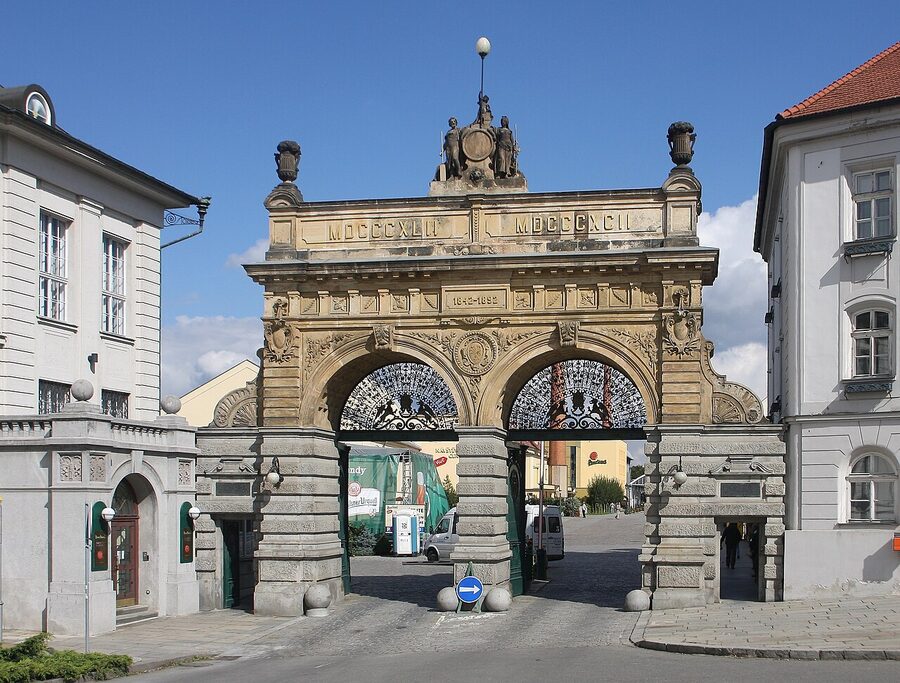
The first stop is the visitor centre, where the guide gathers the language group and gives you the brand-history bit. The brewery was founded by 250 Pilsen burghers in 1842 because the local beer at the time was so bad they had to dump 36 barrels of it in the public square. The Bavarian brewmaster they hired, Josef Groll, brewed the world’s first golden lager on the 5th of October that year. That is the date everyone in Pilsen will quote at you, and it really is the date the modern beer world was born.
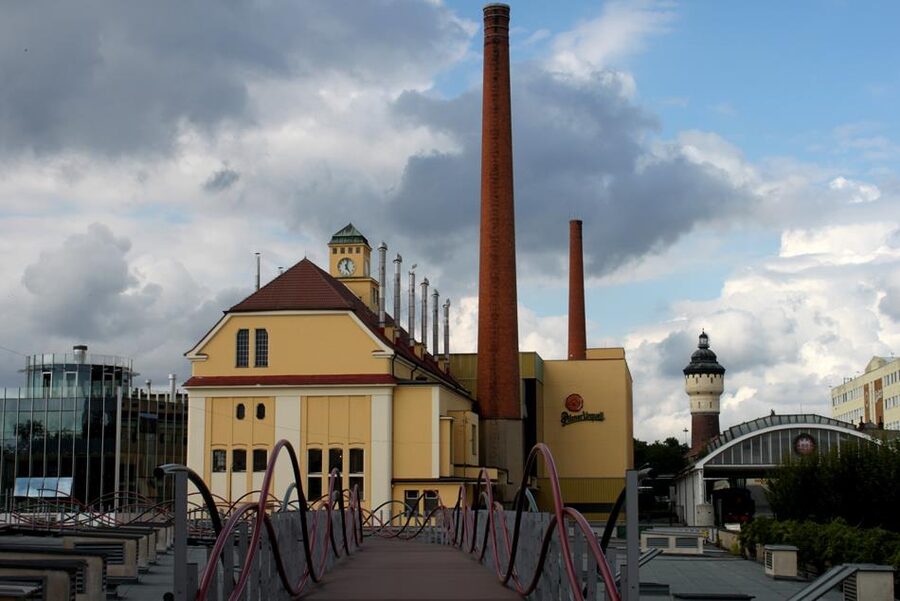
From the visitor centre you ride a small bus to the bottling hall. It is loud, so the guide does the explanation before you go in and you mostly just stand at the viewing gallery and watch the line do its thing. About 120,000 bottles per hour, every line, every shift. Worth seeing once. Probably not worth dwelling on.
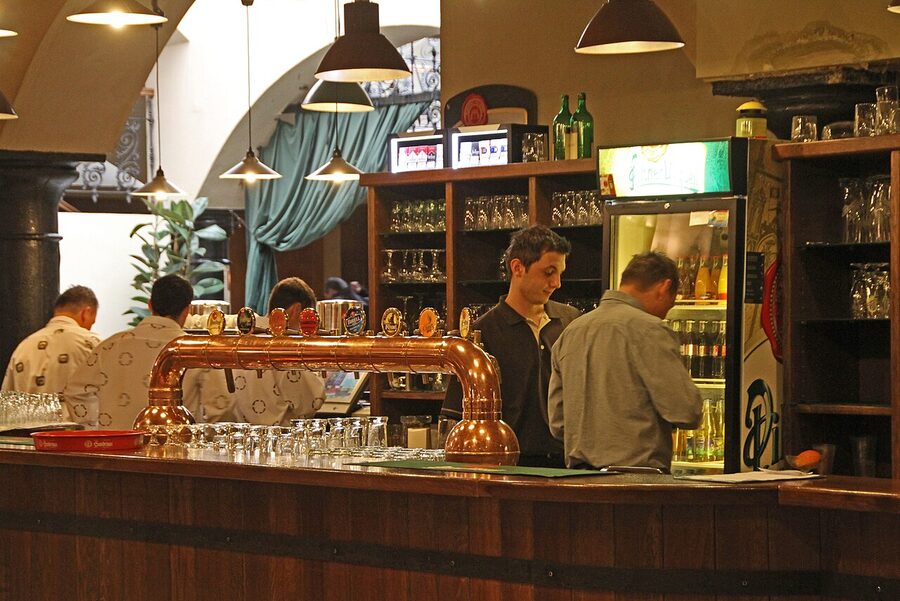
Then the brewhouse, with the gleaming copper tanks. The guide explains the triple-decoction process, which is the technical reason Pilsner Urquell tastes the way it does. Most modern lagers use a single-infusion mash because triple decoction takes about three times as long. The Pilsen brewery still does it the slow way for the proper Urquell. You will see a five-minute video about the production process at this point and then it is on to the cellar.
The Cellar Tasting
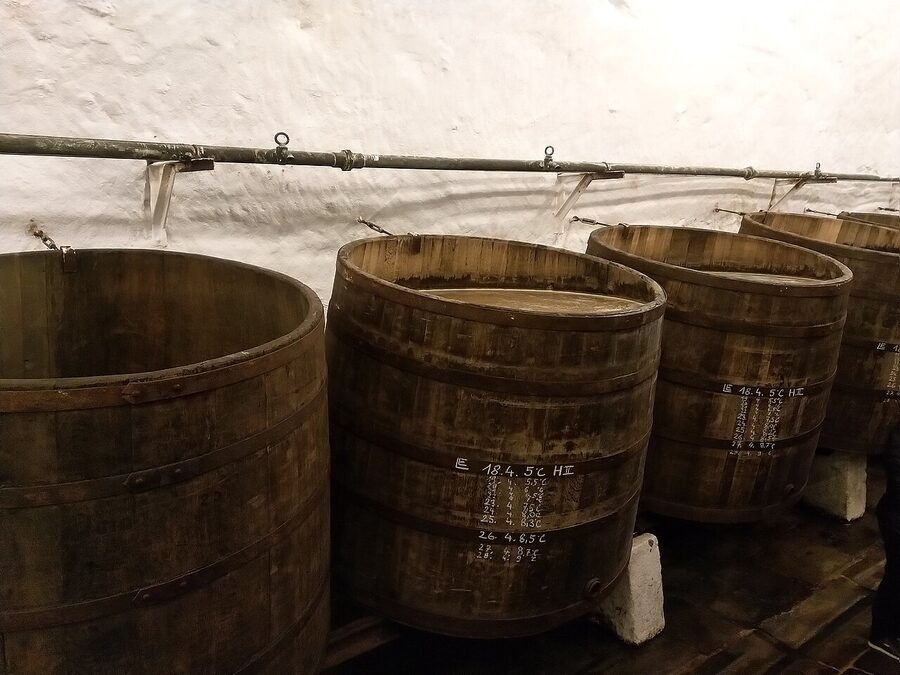
This is the bit that makes the trip. The guide takes you down 50 metres underground, into one of the 60 ice cellars where the unpasteurised, unfiltered Pilsner Urquell still ages on a 35-day cycle.
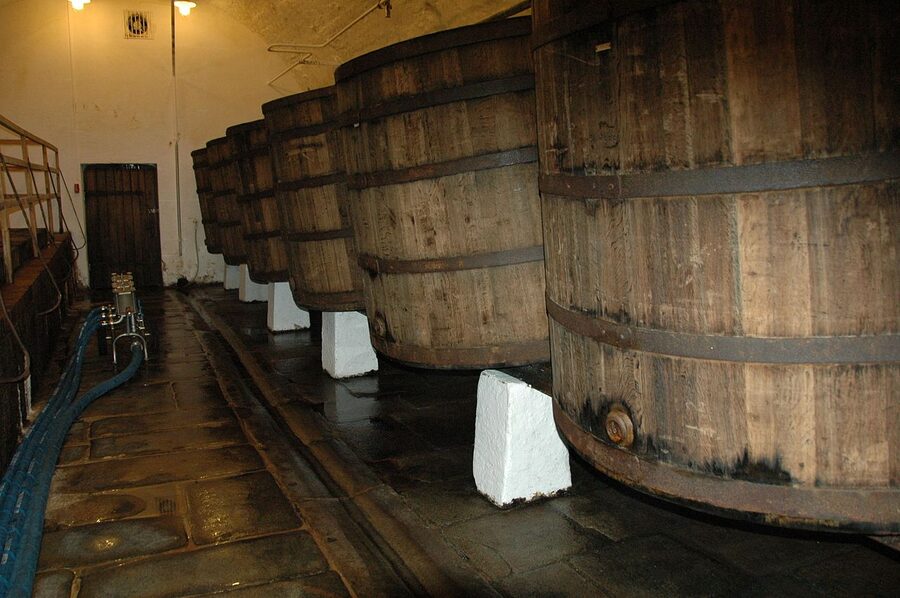
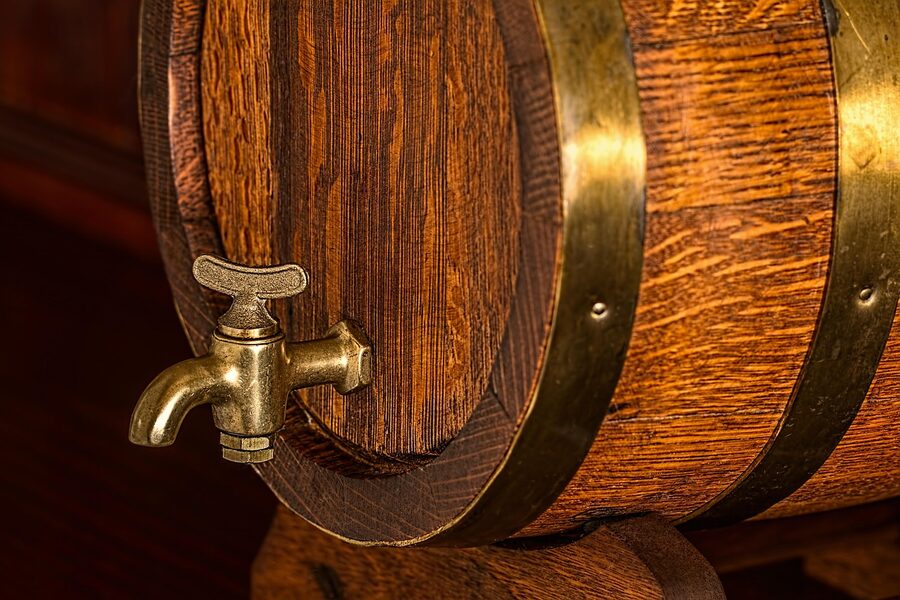
The man with the wooden mallet is the cellarman. He taps a small wooden keg in front of the group, fills a glass through a pewter tap, and you drink the unfiltered version. It is hazier than the bottled stuff, slightly fuller in the body, and it tastes more like fresh bread than the supermarket version does. This beer cannot legally leave the cellar. Czech brewing law treats it as a draft-only product because of the live yeast. Drinking it here is the only way to drink it.
Bring a layer. The cellars are 6°C even in August, the tour spends about 20 minutes underground, and a t-shirt is genuinely uncomfortable. A light fleece or a long-sleeved shirt is enough.
What to Do in Pilsen After the Tour
The brewery sits at the eastern edge of Pilsen, a 12-minute walk from the main square. If you have come all the way from Prague, you might as well stay for lunch and walk the historic centre. It is a small, walkable Czech city that most foreign visitors skip.
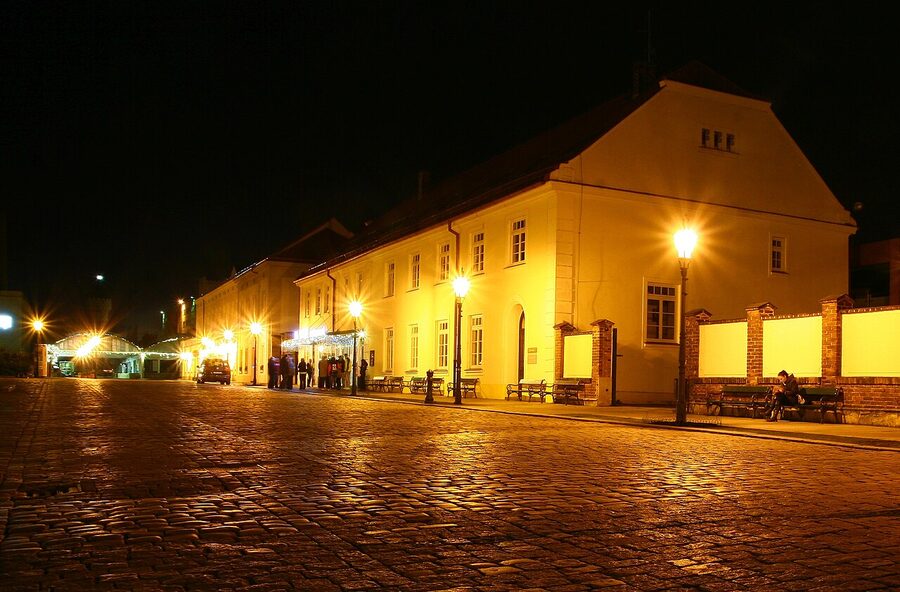
Na Spilce is the obvious lunch stop because it is on the brewery grounds. It is also enormous (550 seats), so you will not have a wait. The classic order is svíčková with bread dumplings and a half-litre of fresh Pilsner. About 350 CZK for both.
If you would rather eat in town, walk 12 minutes west to Na Parkánu, near the Brewery Museum. Same brewery, more atmospheric room, similar prices. They also pour the unfiltered Urquell here, which is the only place outside the brewery cellar where you can have it on draft.
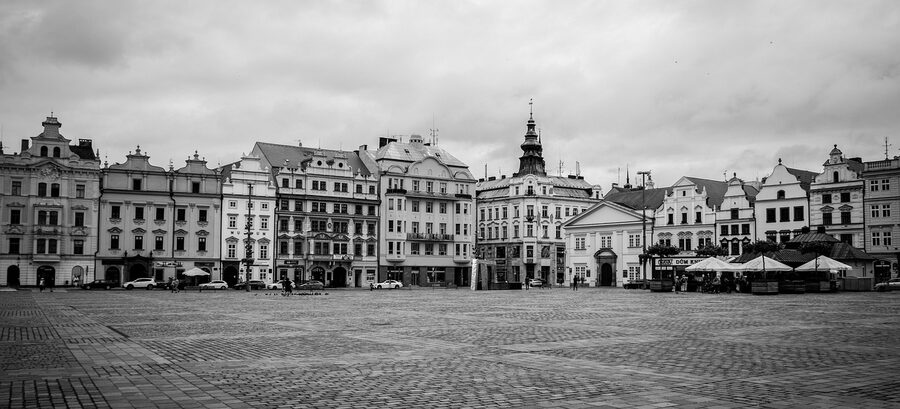
Other 90-minute things in town: the Brewery Museum (separate from the factory tour, smaller, focused on Pilsen’s pre-Urquell beer history), the Patton Memorial commemorating the 1945 American liberation, and the Great Synagogue, which is the third-largest in the world and almost always empty.
Booking Tips That Actually Save You Money
Three small things, all of which are easy to miss the first time you book.
The Pilsen tour sells out two weeks ahead in summer. Especially the English slots, especially weekends. The brewery runs about 12 English-language tours per day, but each is capped at around 25 people, and demand in July and August is genuinely higher than supply. Book at least 10 days ahead between June and September.
Book transport separately for the brewery tour. The bundled “Pilsen day trip from Prague” products on GetYourGuide cost $80 to $120. The brewery ticket plus a return train fare is about $36 total. The bundle saves you exactly nothing in time and adds a bus pickup logistics layer. The only reason to book the bundle is if you genuinely want a guide on the train ride.
The Prague Experience can be combined with the Pilsen tour for a discount. If you book through the official Pilsner Urquell site (pilsnerexperience.com) you can buy a combined “Prague + Pilsen” ticket for about 580 CZK ($25), which is cheaper than booking the two separately. Bring your Prague ticket stub when you check in for the Pilsen tour.
What About Other Czech Breweries?
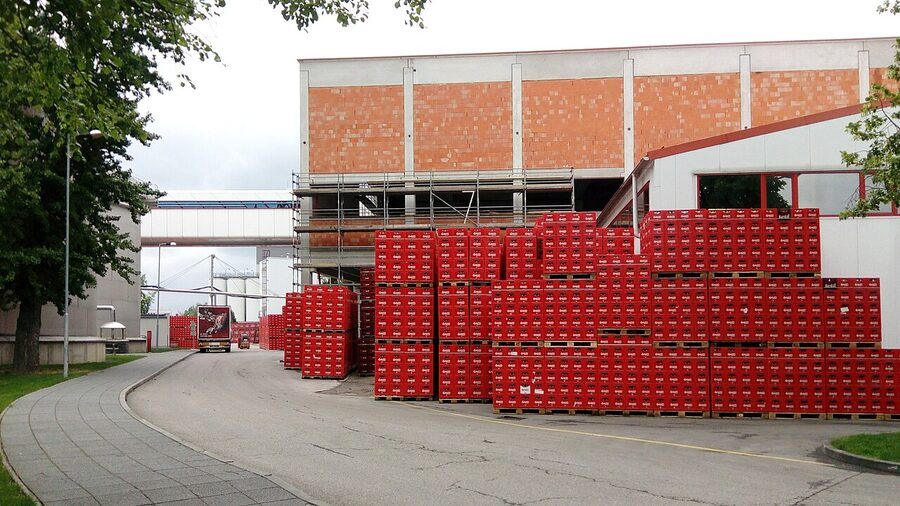
Pilsner Urquell is the famous one because it invented the style. But the Czech Republic has dozens of working breweries, and a couple of them are interesting if you have already done Urquell.
Kozel in Velké Popovice runs a tour from Prague that focuses on the goat-themed dark lager. Budvar in České Budějovice (the original “Budweiser” brewery, the one that has been suing Anheuser-Busch since 1907) is the obvious next-step pilgrimage but a 2.5-hour train each way and harder to do in a day. Bernard in Humpolec runs a small craft tour, but the Bernard product most Prague visitors actually book is the beer spa.
If you have time for one more beer thing in Prague rather than a second brewery, a Prague food tour usually pairs traditional Czech beer halls with local snacks like trdelník and svíčková. That is a better use of three hours than another brewery tour.
Pairing the Pilsner Trip with the Rest of Prague
If you have only got two or three days in Prague, the Pilsner question is fundamentally about how much of those days you want to spend on a beer-related activity. Most people are not in town just for beer.
The natural half-day pairings work like this. The Prague Experience slots in well next to a Prague Old Town walking tour in the same morning, since both are central and run 90 minutes. Doing the Old Town walk first and the tasting after lunch is the rhythm I would use.
The Bernard Beer Spa is best paired with a slower Prague day. Book it for late afternoon, then walk down to the river for a sunset Vltava cruise. The two together make an unhurried second-day rhythm if you have already done the headline sights.
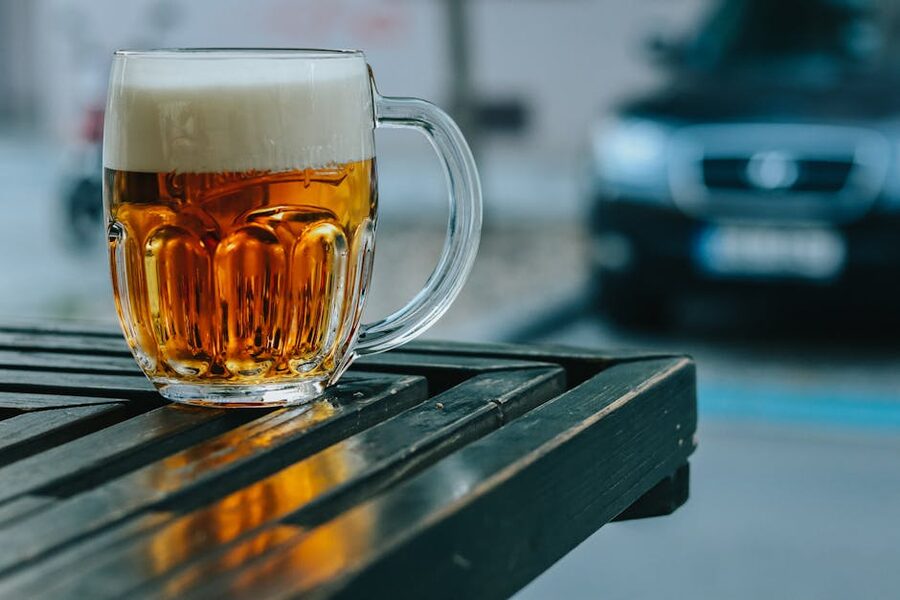
The Pilsen brewery tour is a full-day commitment. If you are using your Pilsner day for the Pilsen trip, plan around it. Prague Castle on a separate day rather than the same morning. Prague’s medieval underground is a good evening pairing if you got back from Pilsen by 5pm and still have energy, since both are about going underground in different ways and the contrast is interesting.
For dedicated culinary readers building a beer-and-food rhythm into the trip, our Prague food tour guide walks through the dedicated tasting walks that pair best with a Pilsner day, and the Prague Jewish Quarter guide covers the historical thread that sits across the Vltava from the brewery — same Czech kingdom, very different stories. For evenings, our Prague ghost walking tour guide is the natural after-beer-spa wind-down: gentler on the legs, but matches the slightly-tipsy state of mind a beer day puts you in.
If You Have Already Done Czech Beer, Try the German Side
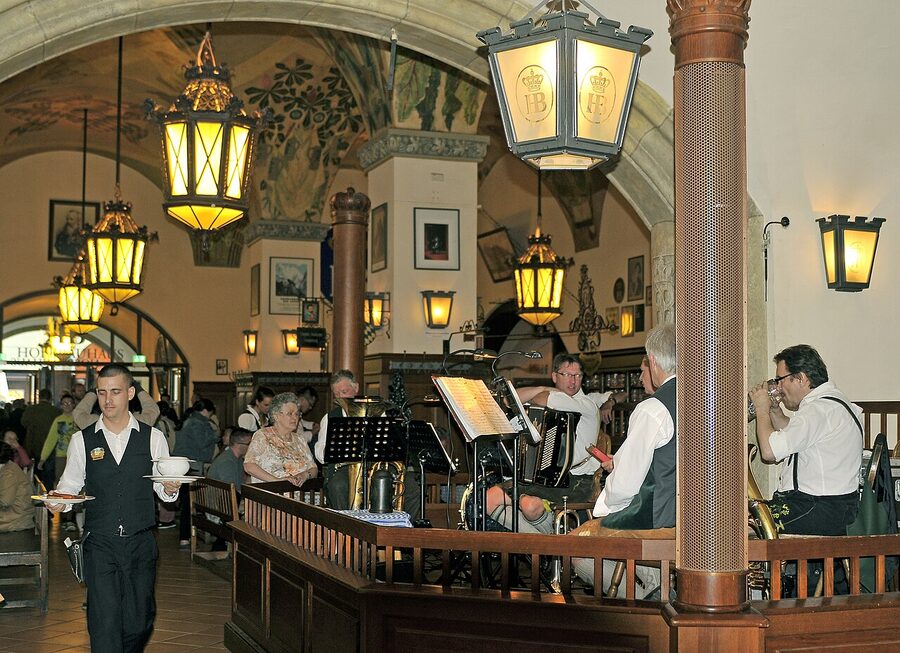
Czech and Bavarian brewing traditions are cousins, not strangers, and there is a natural overland route between them that hits both. The Munich beer halls three hours south of Prague are the obvious second leg, and our guide to the Munich beer halls covers Hofbräuhaus, Augustiner Stammhaus, and the Viktualienmarkt seasonal beer garden, which together are the Bavarian equivalent of what Pilsen is for Czech lager.
Closer to Prague, Dresden’s Elbe cruise is the natural day-three alternative if you have already burnt your beer day on Pilsen. Trains from Prague to Dresden run every two hours and take 2h15. Saxon Switzerland between the two cities is one of the most underrated stretches of Central Europe and you can see most of it from the train window.
And if Prague is the start of a longer Central Europe trip, the brewery story keeps going west. Cologne’s Kölsch breweries are a different beer culture entirely (top-fermented, served in tiny 0.2L glasses, the opposite of Czech style), and worth the trip if you want to see how the same general grain-and-hops idea splits into different traditions across a 600 km arc.