
The first time I tried to book a Gangnam tour I made a mistake that cost me an entire afternoon. I picked the one that looked the glossiest online, assumed it would be K-pop heavy, and turned up expecting a Hallyu deep-dive. What I actually got was a smart, thoughtful walk through plastic surgery clinics, exam prep buildings, and luxury apartment towers — which was fascinating, but not what I’d booked for.
The problem is that “Gangnam tour” means at least three different things in Seoul. If you don’t know which one you want, the booking platforms blur them together and you land with a guide whose script doesn’t match your expectations. I’ll save you the headache.
- In a Hurry? The Quick Picks
- The Three Flavours of Gangnam Tour
- How Booking Actually Works
- Where You Meet the Guide
- What You Pay Extra For
- My Three Picks
- 1. Seoul: Gangnam Tour on Youth and Society — around
- 2. Seoul: 4-Hour Gangnam Walking Tour with Customized Itinerary — around 5
- 3. Private Tour: Discover the Korean Wave in Gangnam — around 9
- What Gangnam Actually Is (Before You Book)
- Why Gangnam Became Gangnam
- What to See on a Gangnam Tour
- COEX Mall and Starfield Library
- Bongeunsa Temple
- Garosu-gil and Apgujeong Rodeo
- The Gangnam Style Statue
- Lotte World Tower (Adjacent, Not Technically Gangnam)
- The Mistakes I See Travellers Make
- When to Go
- How Gangnam Pairs with the Rest of Seoul
- Day Trips That Pair with Gangnam
- Other Evening Options in Gangnam
- The Honest Verdict
- Before You Book, Also Look At
In a Hurry? The Quick Picks
- Best overall: Gangnam Tour on Youth and Society — about $33, 2.5 hours. The one with the smart guide everyone recommends.
- Best private pick: 4-Hour Gangnam Walking Tour with Customized Itinerary — around $155, flexible. Build your own route with a local.
- Best for K-pop fans: Private Korean Wave Tour in Gangnam — roughly $229, private. K-Star Road, SMTOWN, the Hallyu Hall, the whole thing.
The Three Flavours of Gangnam Tour
Every tour sold under the “Gangnam” label falls into one of three buckets. Pick the wrong bucket and you’ll be standing on the wrong street wondering why nobody is dancing.
1. Youth and society tours. These are the most popular by a mile. The guide walks you through clinic alleys, the hagwon (cram school) district, and luxury blocks while explaining why South Korea has the highest rate of plastic surgery per capita and why teenagers study 14 hours a day. It’s an education, not a photo op.
2. Highlight and shopping tours. The sightseeing flavour. You’ll hit COEX, Starfield Library, Garosu-gil, maybe Bongeunsa temple, and see the Gangnam Style statue. This is what most first-time visitors actually want but rarely search for by name.
3. K-pop and Hallyu tours. Focused on K-Star Road, the SMTOWN hologram theatre, and entertainment company HQs. Usually private and usually pricier because the guides know which idol trainee is rumoured to be at which cafe.
Pick one bucket first. Then the booking bit gets easy.
How Booking Actually Works
Every Gangnam tour worth paying for is sold through the same three platforms: GetYourGuide, Viator, and Klook. You book online, you get a voucher by email, and you meet the guide at a subway exit. That’s it. You do not need to call, email, or book through a hotel concierge.
The flagship Youth and Society tour runs most days of the week at around 10am or 2pm. Private tours are flexible — pick your slot. You pay upfront, but free cancellation up to 24 hours is the norm, so book early and lock in the guide you want before they sell out.
Where You Meet the Guide
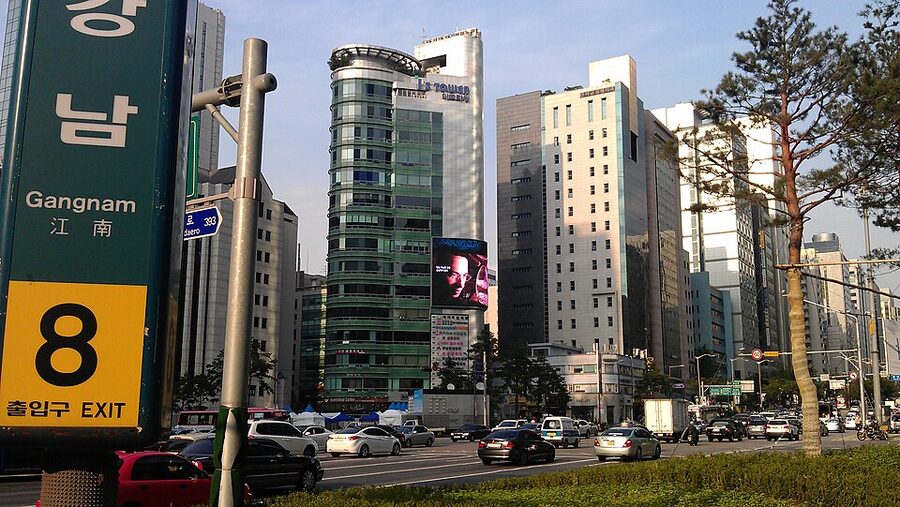
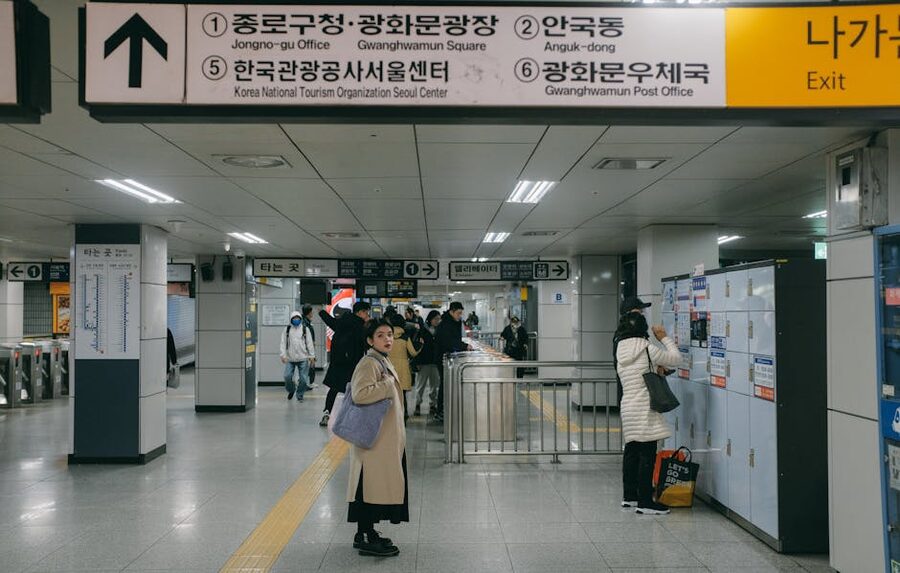
Most Gangnam walking tours meet at Gangnam Station, Line 2 (green), Exit 11. A couple meet at Apgujeong Rodeo or Sinsa. The booking confirmation will tell you exactly which exit — read it twice. Gangnam Station is huge and the exits are hundreds of metres apart. I’ve watched people panic-run across the station to the wrong side more than once.
Pro tip: give yourself 15 minutes’ buffer. The subway map looks simple but the transfer from Line 4 or Line 9 involves a surprisingly long walk.
What You Pay Extra For
The budget shared tours (around $30) include the guide and that’s about it. Subway fares and snacks are on you. Private tours include the guide and a customised route, sometimes pickup from your hotel, and sometimes lunch. The Korean Wave private tour throws in SMTOWN coexartium entry.
Tipping is not expected in Korea. The guides will politely refuse if you try.
My Three Picks
I’ve filtered out the dozens of lookalike Gangnam tours on the platforms and narrowed it to three that actually deliver on what they promise. Each one targets a different reader.
1. Seoul: Gangnam Tour on Youth and Society — around $33

This is the one I’d pick first if I were flying in tomorrow. It runs about 2.5 hours, stays walkable, and the guides actually explain the uncomfortable stuff — the education system, the cosmetic surgery culture, why Gangnam became Gangnam — rather than just pointing at buildings. Our full review breaks down the exact stops and what each one represents.
2. Seoul: 4-Hour Gangnam Walking Tour with Customized Itinerary — around $155

This is for anyone who wants flexibility rather than a fixed script. You and the guide build the route together before you set off — COEX, Gangnam Style statue, trendy coffee streets, or all three. Our detailed look at this tour explains what a customised itinerary actually includes versus what you have to add on.
3. Private Tour: Discover the Korean Wave in Gangnam — around $229
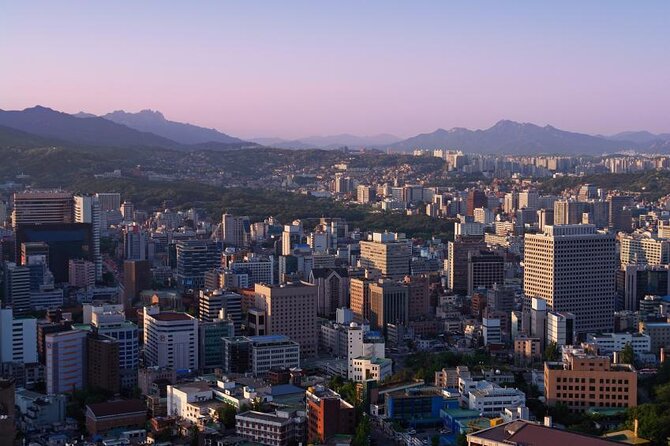
A private K-pop-focused tour for up to eight people. You visit the Hallyu Hall, the underground shopping mall beneath COEX, K-Star Road with its handprint statues, and the SMTOWN coexartium for a hologram performance. Our review of this tour covers what SMTOWN actually looks like these days versus what the marketing photos show.
What Gangnam Actually Is (Before You Book)
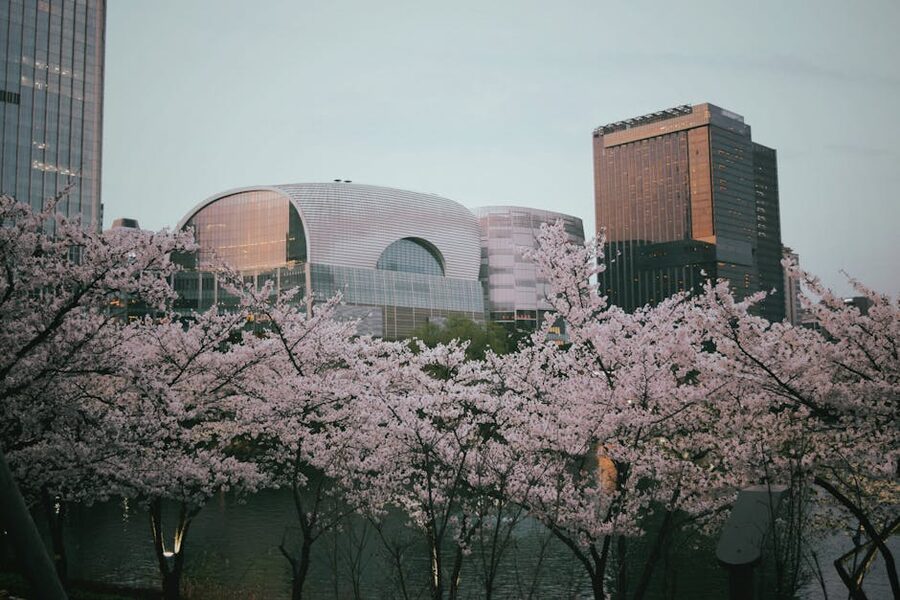
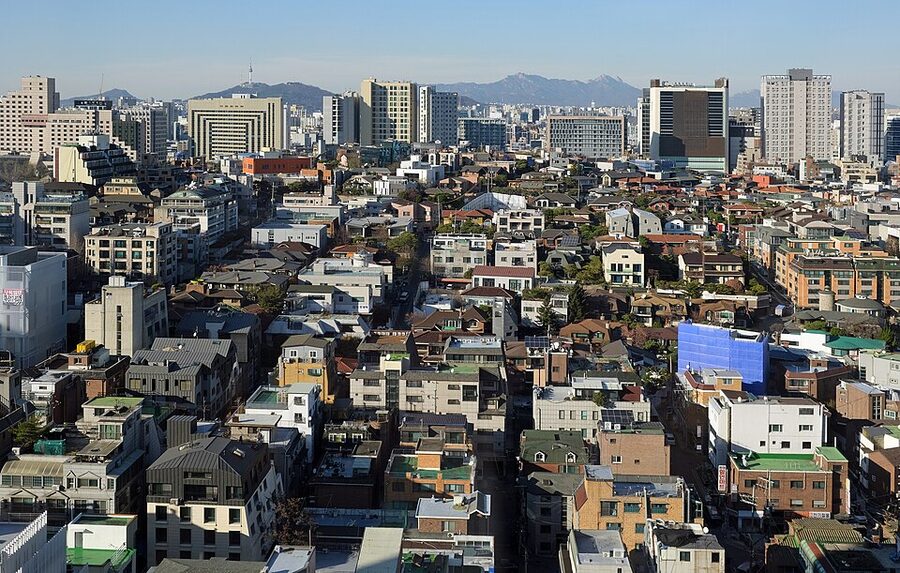
Gangnam-gu (literally “south of the river”) is one of 25 administrative districts in Seoul. It sits on the south bank of the Han River and it’s where the money lives. Think Beverly Hills crossed with Shibuya crossed with a very high-pressure exam hall. The district has its own distinct energy that’s different from historic Seoul north of the river.
A “Gangnam tour” usually covers three micro-neighbourhoods: the core around Gangnam Station, Apgujeong-Cheongdam to the north (the luxury shopping belt), and Samseong/COEX to the east (mall, temple, Lotte Tower views). Three hours is enough for two of them. Four hours gets you all three if you subway between stops.
Why Gangnam Became Gangnam
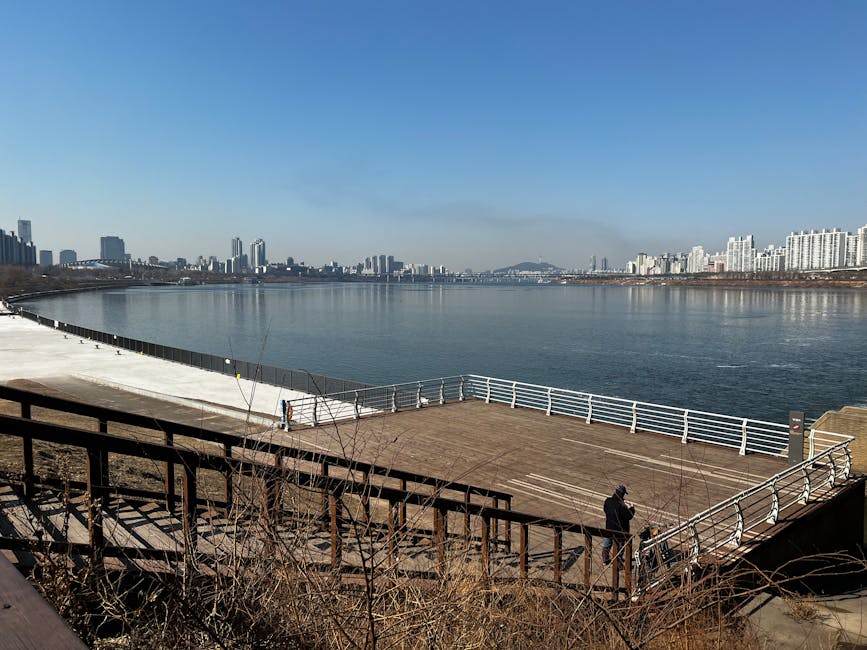
The short version: until the 1970s this side of the river was rice paddies. Then the Korean government built the Gyeongbu Expressway and started relocating institutions south. The land boom that followed created a generation of wealth, which built the apartment towers, which brought the private schools, which brought the clinics. Every building you walk past on the Youth and Society tour is a piece of that story.
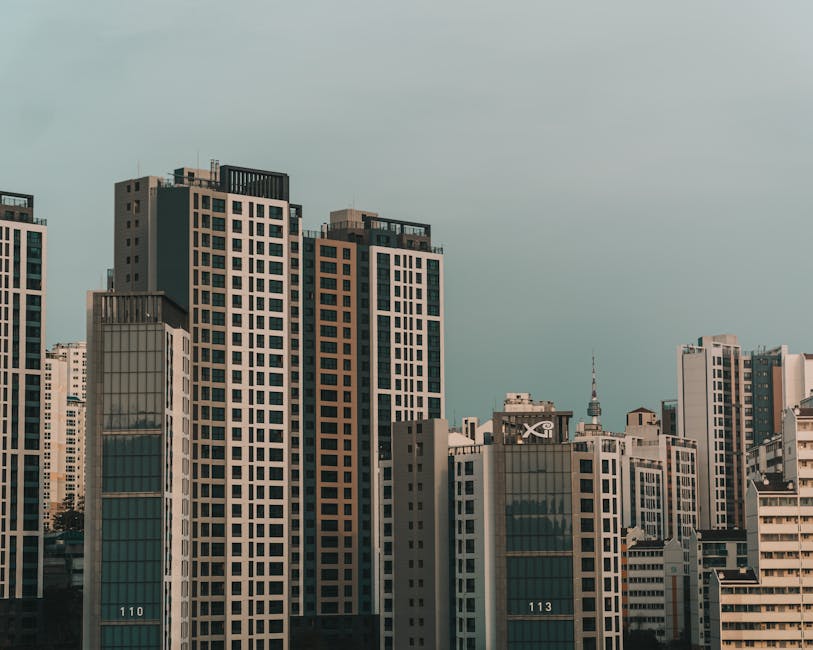
Most guides can reel this off in three minutes. Ask them about the 1970s if you want the full version.
What to See on a Gangnam Tour
Whichever flavour you pick, the route will touch some combination of these landmarks. Knowing them before you book helps you pick the right tour.
COEX Mall and Starfield Library
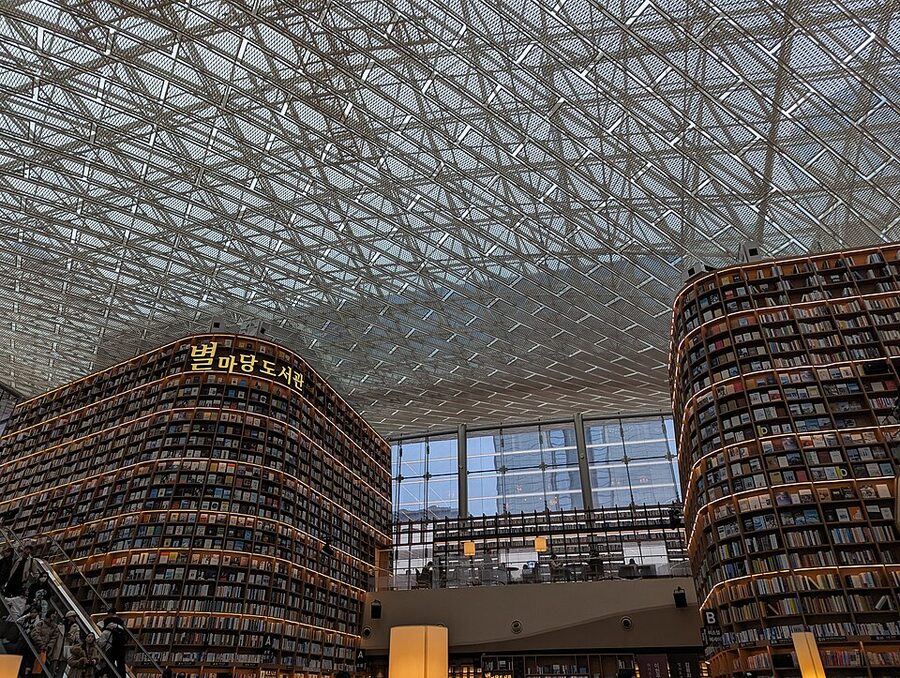
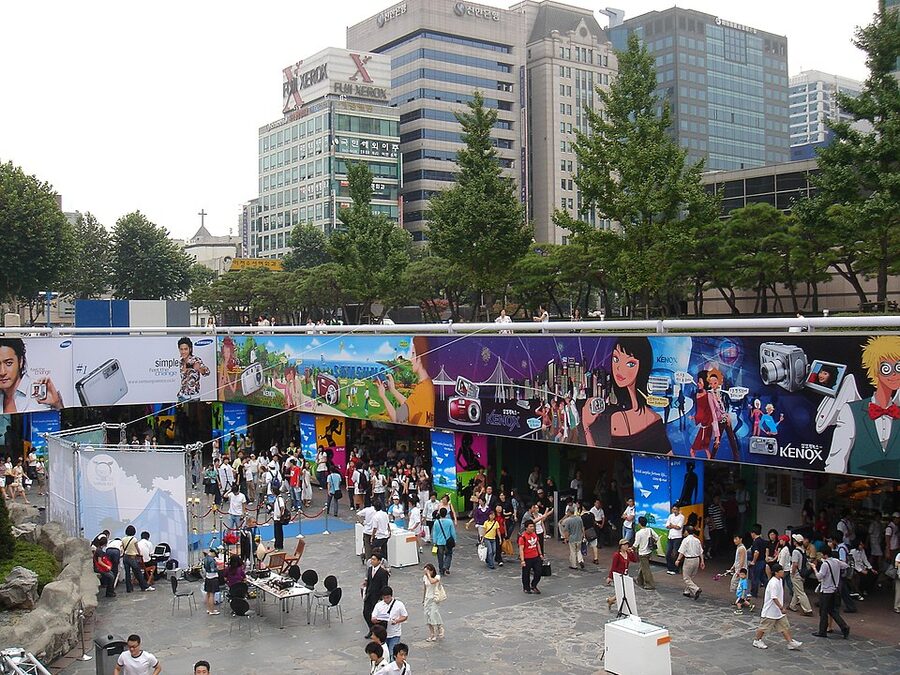
COEX is the biggest underground shopping mall in Asia. The ceiling-height Starfield Library sits in the middle of it and is free to walk into. Most tours leave you 20 minutes here for photos. If you want to actually sit and read, factor in an extra hour on your own time.
Bongeunsa Temple
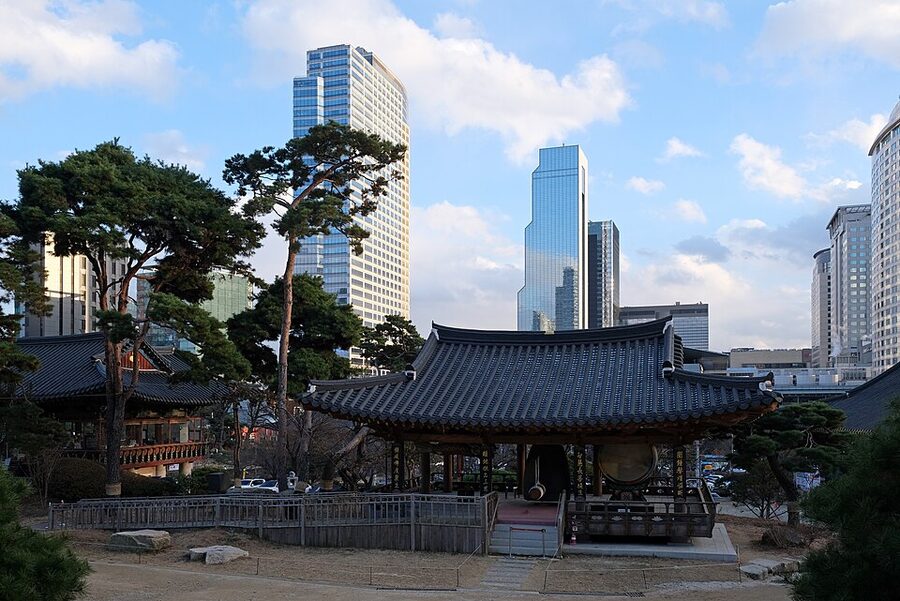
A 1200-year-old Buddhist temple planted directly opposite COEX. The giant standing Buddha statue (Mireuk Daebul) is the photo everyone wants. Most tours only point at it from the road. If you want to walk up to it, add 30 minutes to your Gangnam day and come back on your own.
Garosu-gil and Apgujeong Rodeo
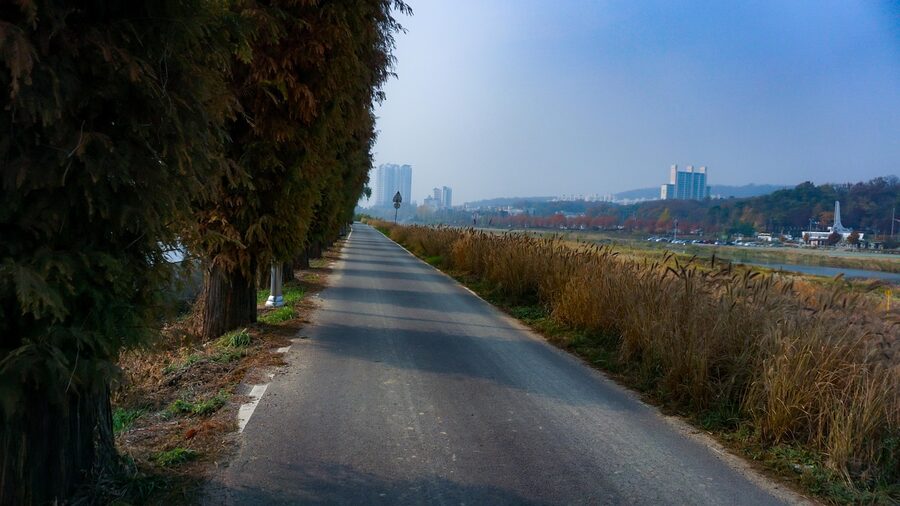
Garosu-gil is the tree-lined boulevard in Sinsa-dong that the shopping tours use as their “pretty street” stop. It’s two subway stops north of Gangnam Station on Line 3. Apgujeong Rodeo is another ten-minute walk beyond that — the luxury belt. Most guides will take you to one or the other, rarely both.
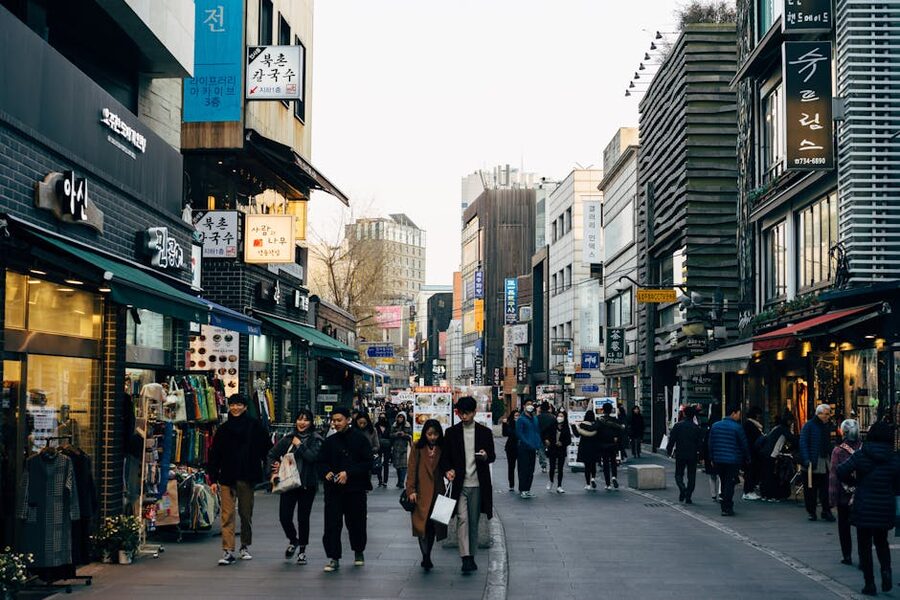
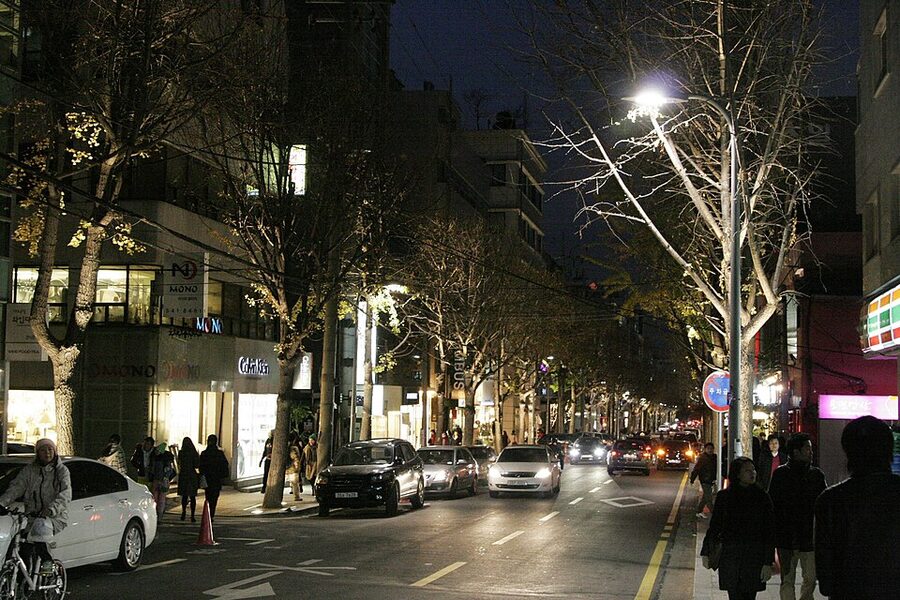
The Gangnam Style Statue
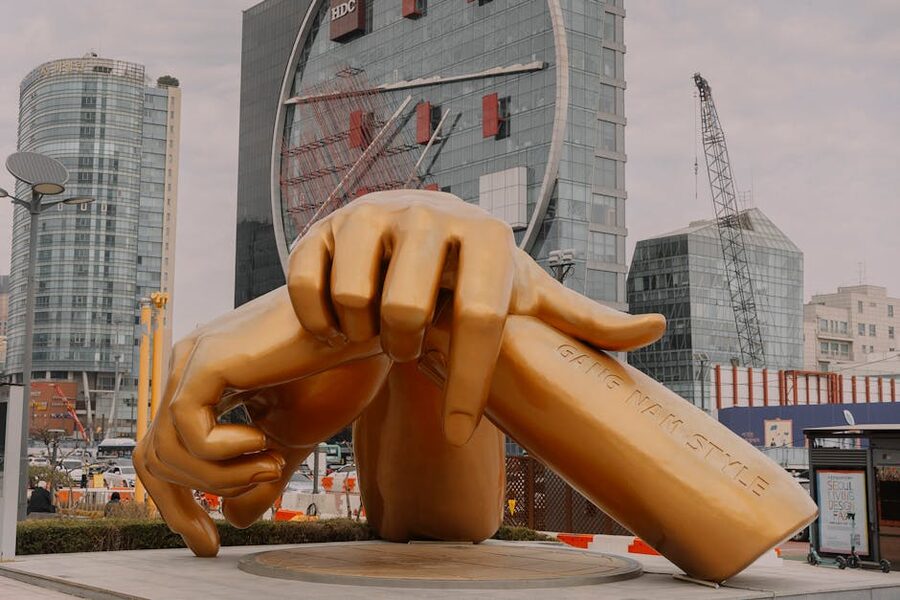
The bronze hand-gesture sculpture outside COEX is the single most-photographed spot in the district and it’s a bit of a tourist trap. Tours include it because everyone expects it, but the actual art installation plays the song on a loop and the crowd around it can get thick on weekends. Ten minutes is enough. Don’t let anyone tell you it’s the highlight.
Lotte World Tower (Adjacent, Not Technically Gangnam)
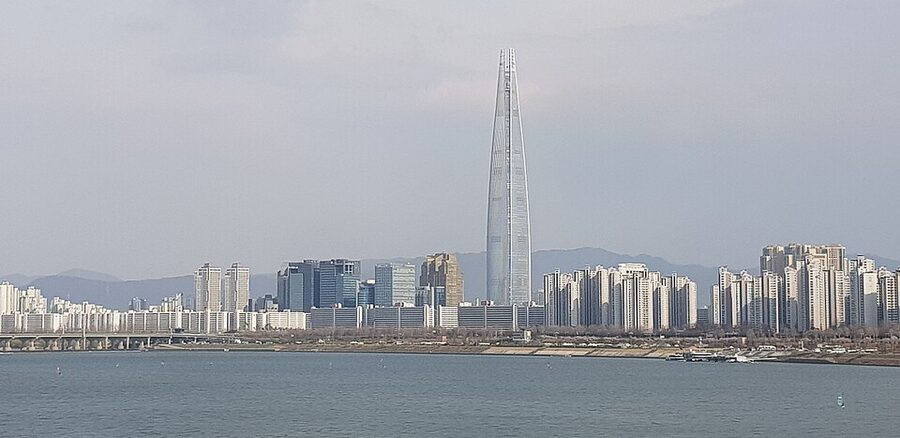
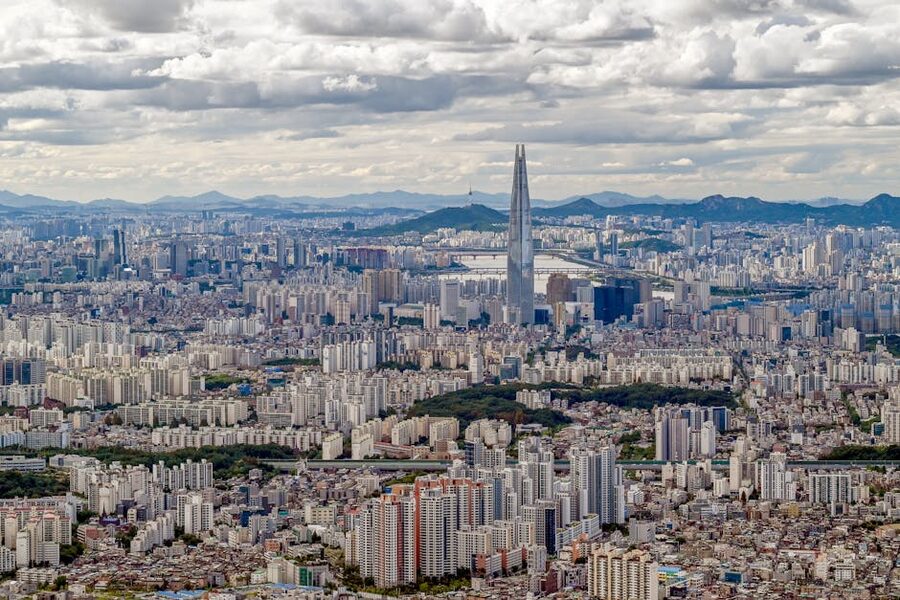
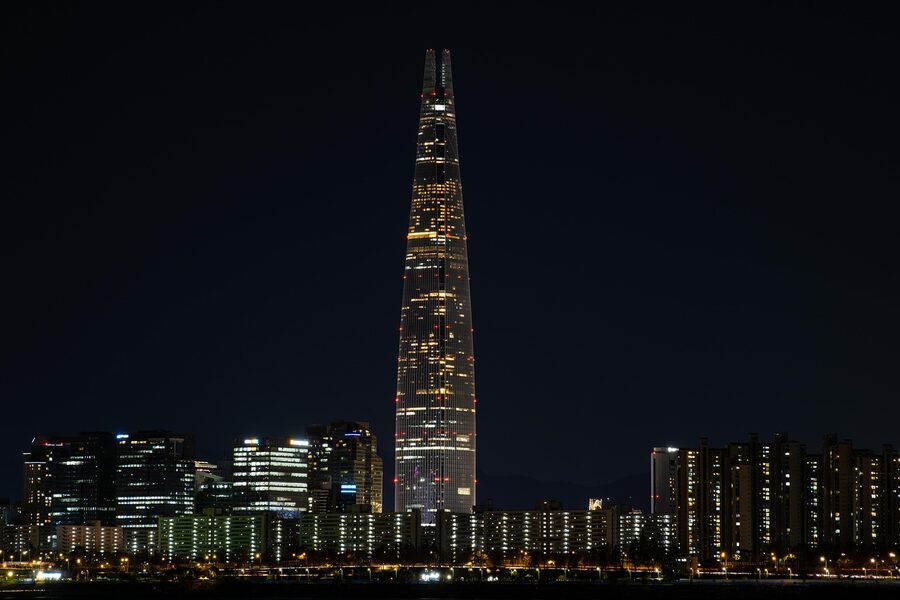
Seoul’s tallest building (555m) is technically in Songpa-gu, not Gangnam-gu. But it looms over the south-river skyline and most tours will photograph it from a distance. Going up to the Seoul Sky observation deck on level 117 is a separate ticket and a separate half-day — don’t expect it as part of a standard Gangnam tour.
The Mistakes I See Travellers Make
A short list of the errors I’ve seen people make, including myself on that first trip.
Mistake 1: Booking the wrong flavour. You see “Gangnam tour” and assume K-pop. Then you get a sociology lecture. Or you book the sociology tour and miss SMTOWN. Read the tour description. The word “Youth” in the title means it’s the sociology one.
Mistake 2: Meeting at the wrong exit. Gangnam Station has 12 exits and they’re far apart. If your voucher says Exit 11, do not turn up at Exit 3. You will not find the group. By the time you sprint to the right exit, the guide has already moved on.
Mistake 3: Doing Gangnam on your first day. The Youth and Society tour hits harder if you’ve already seen old Seoul — the Joseon-era palaces, Bukchon Hanok Village, Insadong. Otherwise you don’t have the contrast. Do Gangnam on day three, not day one.
Mistake 4: Going in summer afternoons. July-August midday is 35 degrees and concrete-radiant. The outdoor walking stops are brutal. Shift to an evening tour or shoulder seasons.
Mistake 5: Skipping the guide. You can walk around Gangnam alone with a map. You will see buildings. You will not understand what any of them are. The district is visually modern and textually loaded — you need someone to read the text for you.
When to Go
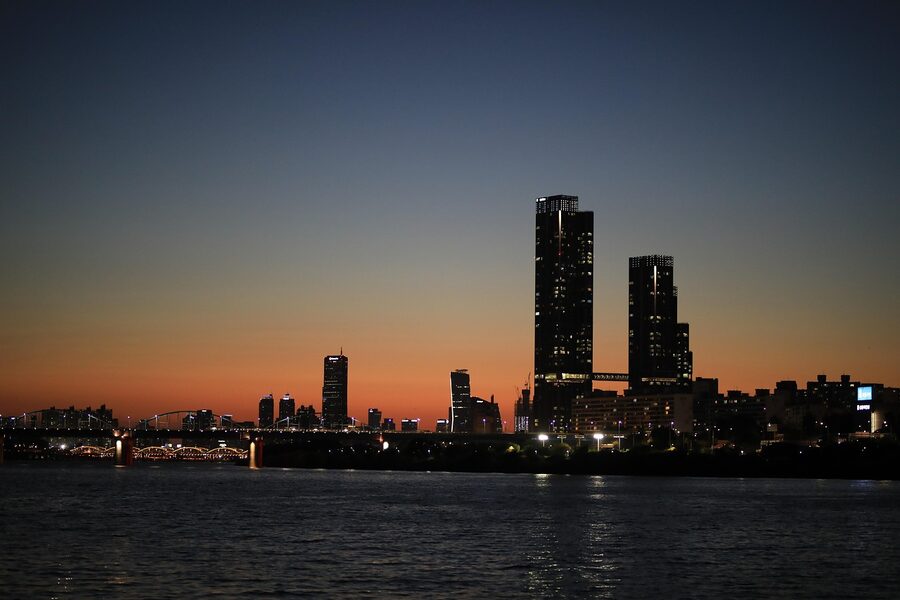
Spring and autumn are the obvious picks. April mornings, mid-October afternoons. Cherry blossoms line parts of the Han River on the Gangnam side in early April. Autumn colour hits Garosu-gil in the last week of October.
Summer works if you pick an evening tour (starts 5-6pm). Winter is cold (well below freezing in January) and some of the outdoor stops get cut short — but the clinic and mall stops are indoor-ish and the pace is slower.
Avoid Korean public holidays (Chuseok in autumn, Seollal in late January or early February). The district is a ghost town during Chuseok because everyone goes to their ancestral hometowns.
How Gangnam Pairs with the Rest of Seoul
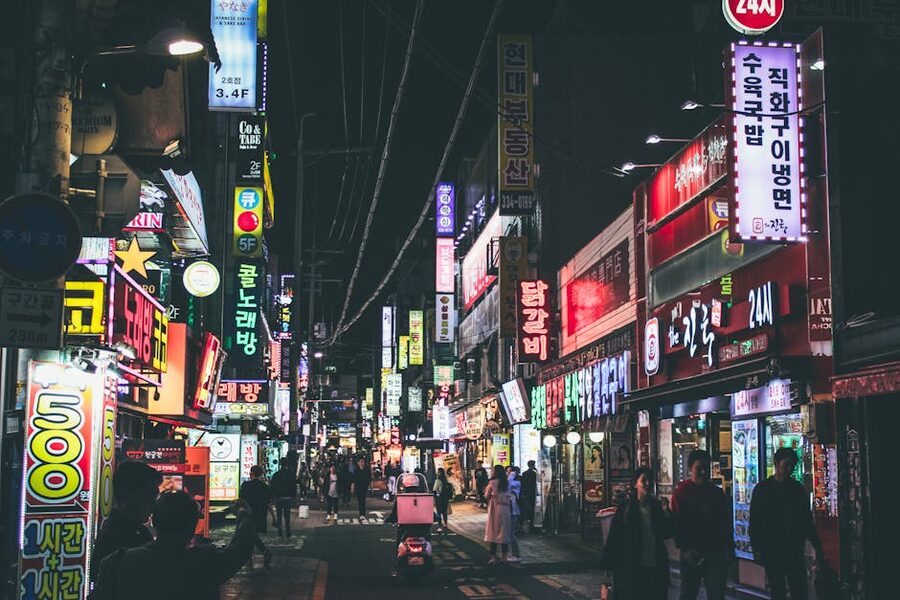
Gangnam is not a full-day activity on its own. Three hours for the walking tour, then you’re on your own. Here’s how I’d slot it into a bigger Seoul plan.
Morning: old Seoul. Do Gyeongbokgung Palace in a rented hanbok (our guide to booking the rental covers which shops are worth it and which aren’t). Free palace entry if you wear one.
Afternoon: walk across the river and do your Gangnam tour around 2pm. Finish at COEX around 5pm.
Evening: stay south of the river for a rooftop cocktail, or subway back north for a Seoul night walking tour through the markets, or a Seoul pub crawl through Hongdae. One of the three.
If you want one more full-day trip with a guide, book a private Seoul tour for a different day — the private guides cover north-of-the-river palaces plus personal itinerary tweaks, which complements the Gangnam half-day nicely.
Day Trips That Pair with Gangnam
If you’ve got a week in Seoul, a Gangnam half-day works best as a city anchor with one or two escape days around it. A few I’ve tested.
Suwon Hwaseong Fortress is the closest proper day trip — 40 minutes south by train. UNESCO-listed fortress wall, trad village, a full day out. Easy pair with Gangnam because the train to Suwon leaves from the south-of-the-river stations.
Mt Seoraksan is the bigger nature day — two hours east by bus, granite peaks, temple walks, a proper workout. Save it for a day when you want the opposite of Gangnam concrete.
Busan to Gyeongju and the Jeju Island scene sit further out if you’ve got more time. Jeju private tours are the most common upgrade — a short flight from Gimpo and a completely different landscape of volcanic coast and waterfalls.
Other Evening Options in Gangnam
If you finish the walking tour at 4-5pm and want to stay south of the river, there’s a night’s worth of things to do without repeating anything.
A Seoul night market food tour picks up the evening side of the city and takes you through three or four stalls. Most of them are actually north of the river, so you’d subway up — but it’s the obvious after-dark continuation if you want more street food than the Gangnam route covers.
A Korean cultural show — Nanta, Painters, or TOUCH FIVE — slots in neatly after a day tour. Most of these run in Gangnam-adjacent theatres and start around 8pm, giving you time to shower at your hotel first.
The Honest Verdict
If I had to recommend one tour without context, it would be the Youth and Society walking tour. It’s the one that explains Gangnam rather than just showing it to you. Everything else is a variation on that theme.
Book early — the good guides get reserved a week out. Check the cancellation policy so you can adjust if your flight’s delayed. Meet at the right exit. Ask the guide the 1970s question. And wear real shoes — Gangnam streets are long and flat, but they’re long.
Before You Book, Also Look At
Gangnam is one piece of Seoul. The other pieces have their own booking guides and some of them pair better than others. If you’re landing in Seoul cold, start with a private Seoul tour for the cultural anchor, then slot Gangnam in after you’ve seen the palaces. Add a hanbok rental if you’re doing Gyeongbokgung. If you’ve got a spare afternoon, a Seoul night walking tour covers what the daytime tours skip. And if you’re thinking about leaving the city for a day, Suwon Hwaseong Fortress or a Jeju private tour are the two I’d weigh up first.