
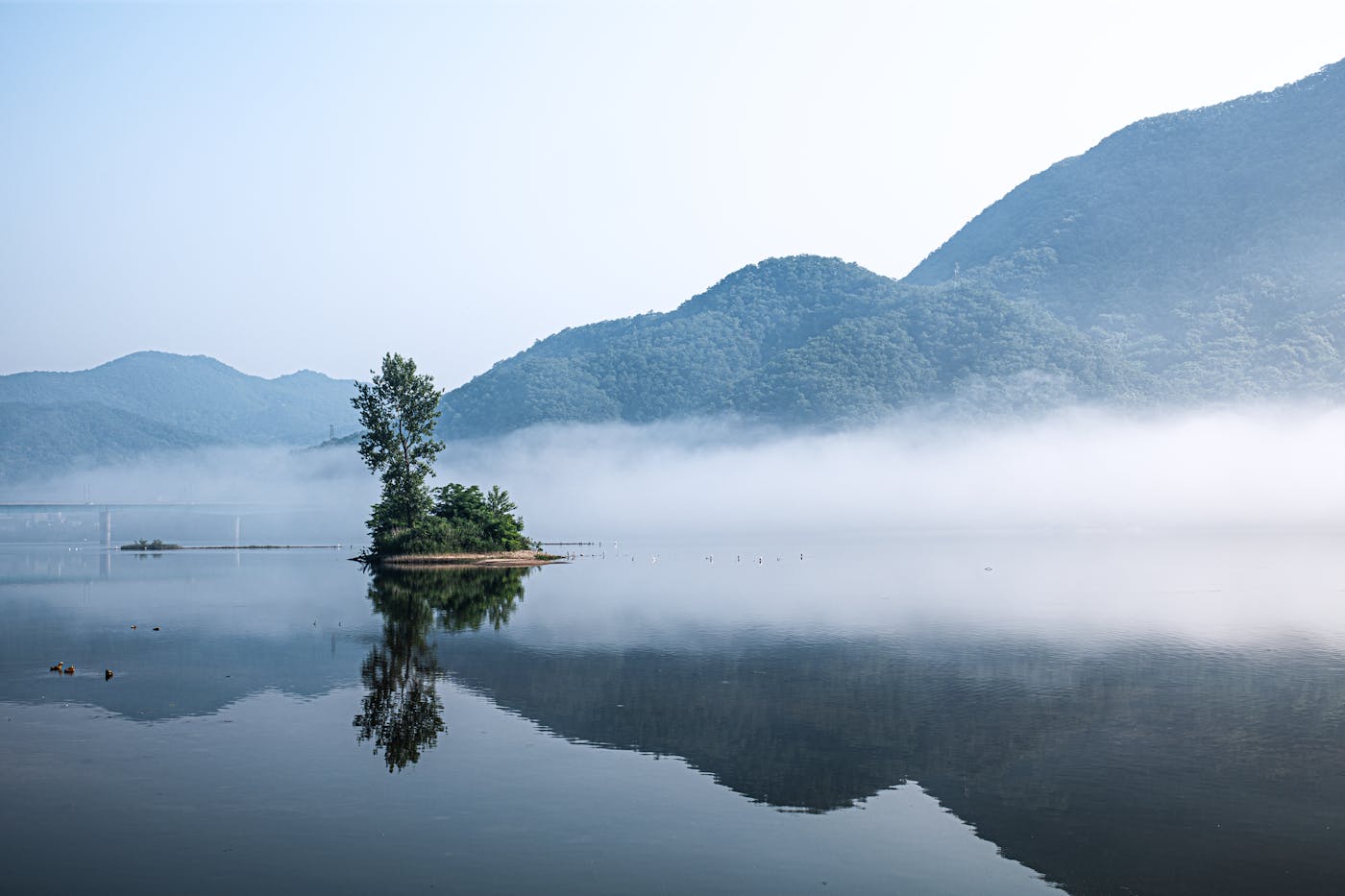
Here is a fact that shapes almost every Nami Island day trip you will read about: the place was a forgotten riverside plantation owned by a silk-worm farmer until the winter of 2002, when a Korean TV drama called Winter Sonata filmed a single kiss scene under a row of metasequoia trees and turned a half-kilometre-wide teardrop of land in the Han River into one of the most photographed spots in Asia.
Nami is not a natural wonder. It is a man-made river island, created when the Cheongpyeong Dam flooded the valley in 1944, planted with imported Japanese redwoods in the 1960s, and then accidentally immortalised by a moody snowy melodrama two decades ago.
The tree-lined avenues you see in every Instagram frame — the ones you are going to stand under on your day tour — were planted, not grown wild, and the gravel paths were laid specifically so Bae Yong-joon and Choi Ji-woo could walk under them in the snow on camera.
Every single tour-bus driver on the Seoul-Gapyeong run knows this story, and a good guide will tell it while you are already walking down the ferry ramp. That context changes the day.
You stop expecting raw wilderness and start appreciating what Nami actually is: a meticulously curated 460,000 square metres of forest paths, sculpture gardens, duck ponds, squirrels, gallery sheds, one UNICEF-linked children’s library and a surprisingly large number of ostriches. The moment you stop fighting the K-drama theme parkiness of it, the place gets better.
This guide is about the three-stop day trip that almost every visitor to Seoul ends up doing: Nami Island + the Garden of Morning Calm + usually either Gangchon Rail Bike or Mount Seorak as a third headline stop.
I pulled the top three tours from our review database (ranked by verified booking count, not marketing copy), cross-checked them against live availability, and laid out which one you should actually book depending on what you want out of the day.
If you have already read our DMZ tour from Seoul guide or our Seoul sightseeing walkthrough, the format will be familiar — tour cards up top with honest pros and cons, then the logistics you actually need to plan around.
- Why Most People Do Nami And Morning Calm On The Same Day
- The 3 Best Nami Island & Morning Calm Day Tours (Based On Real Review Data)
- 1. Mount Seorak + Nami Island + Garden of Morning Calm Day Trip — Best Overall
- 2. Seoul: Nami Island and Garden of Morning Calm (opt Railbike) — Best Value
- 3. From Seoul: Nami Island, Korean Garden & Rail Bike Day Trip — Best For Rail Bike Fans
- Which Tour Should You Actually Pick?
- What Is Actually On Nami Island When You Get There
- The Garden Of Morning Calm, Briefly Explained
- Getting To Gapyeong On Your Own (If You Really Want To)
- When To Go (Month By Month)
- What To Pack For The Day
- How The Tour Day Actually Flows
- How Much Does It Actually Cost, All In?
- Booking Notes You Should Actually Read
- How Nami Fits Into A Longer Korea Trip
- Common Mistakes People Make On This Day Trip
- Is This Day Trip Actually Worth Doing?
Why Most People Do Nami And Morning Calm On The Same Day
Gapyeong county sits about 75 kilometres northeast of Seoul, buried in hills and cut through by the Bukhangang River. It is close enough for a day trip and far enough that you would not bother going for a single attraction.
Nami Island is the headline act, but within a 20-minute drive of the ferry terminal you have two other genuinely worthwhile stops: the Garden of Morning Calm (a 33,000 square metre botanical garden that was the first private garden in Korea) and the Gangchon Rail Bike (a four-seater pedal car that runs on a disused railway line along the Bukhangang, through three lit tunnels).
Driving up there for only one of them makes no sense. Driving up for all three, with a guide who handles the ferry tickets and the lunch stop, makes a lot of sense — especially because the public transport version is doable but brutal on timing.
If you tried to DIY this trip, you would be looking at an ITX-Cheongchun train from Yongsan or Cheongnyangni to Gapyeong station (around 70 minutes), then a local bus or taxi to the Nami ferry terminal, then another bus to the Garden of Morning Calm which runs maybe every 90 minutes on weekdays, then working out how to get back to Gapyeong station before the last train home.
It is all technically possible. In practice you end up spending half your day at bus stops in a county where nothing is walkable and where the signage at rural stops is entirely in Korean. A tour solves this by stuffing all three stops into one coach route timed around ferry schedules — the same logic that applies to our Busan to Gyeongju day trip further south.
The 3 Best Nami Island & Morning Calm Day Tours (Based On Real Review Data)
Instead of guessing, I pulled every Nami Island / Garden of Morning Calm / Mount Seorak tour out of our database and ranked them by verified review count and average rating. These three came out on top.
They are all full-day tours leaving from central Seoul in the morning and returning late afternoon or early evening, all three include Nami Island, all three include the Garden of Morning Calm, and they differ mainly in what they stack on top — a rail bike, a Seorak hike, or an alpaca farm. Pick based on the third stop, because Nami and the Garden are basically identical across all of them.
1. Mount Seorak + Nami Island + Garden of Morning Calm Day Trip — Best Overall

Check availability and book the Mount Seorak + Nami + Morning Calm tour →
This is the one I would book if I was only going to do Gapyeong-area day tours once on my Korea trip. It is a big, ambitious loop that hits three of the five most-requested day-trip destinations from Seoul in a single 12-hour swing. Pickup is from central Seoul hotels (Myeongdong, Hongdae and Dongdaemun are the usual pickup points) at around 7:00-7:30am, and you are back by roughly 8:00pm.
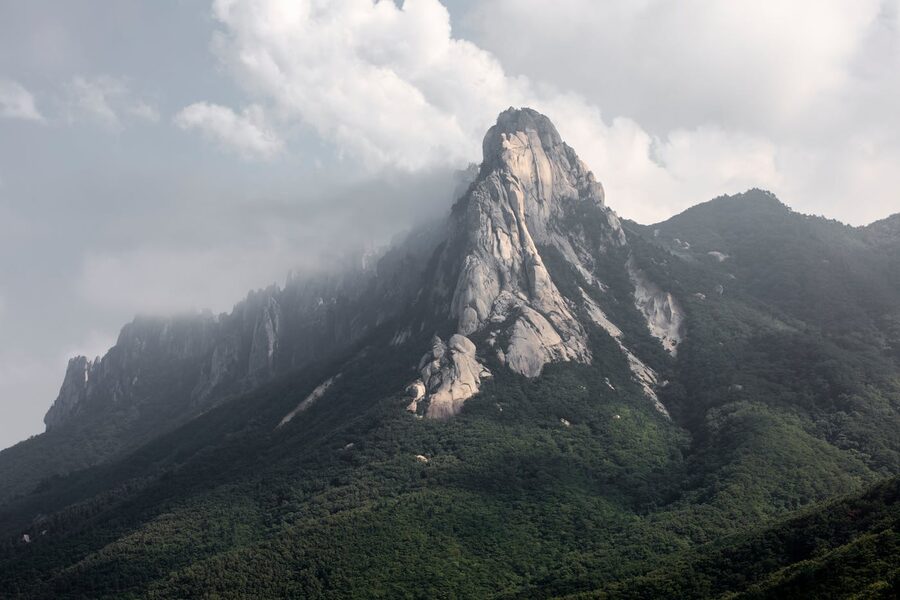
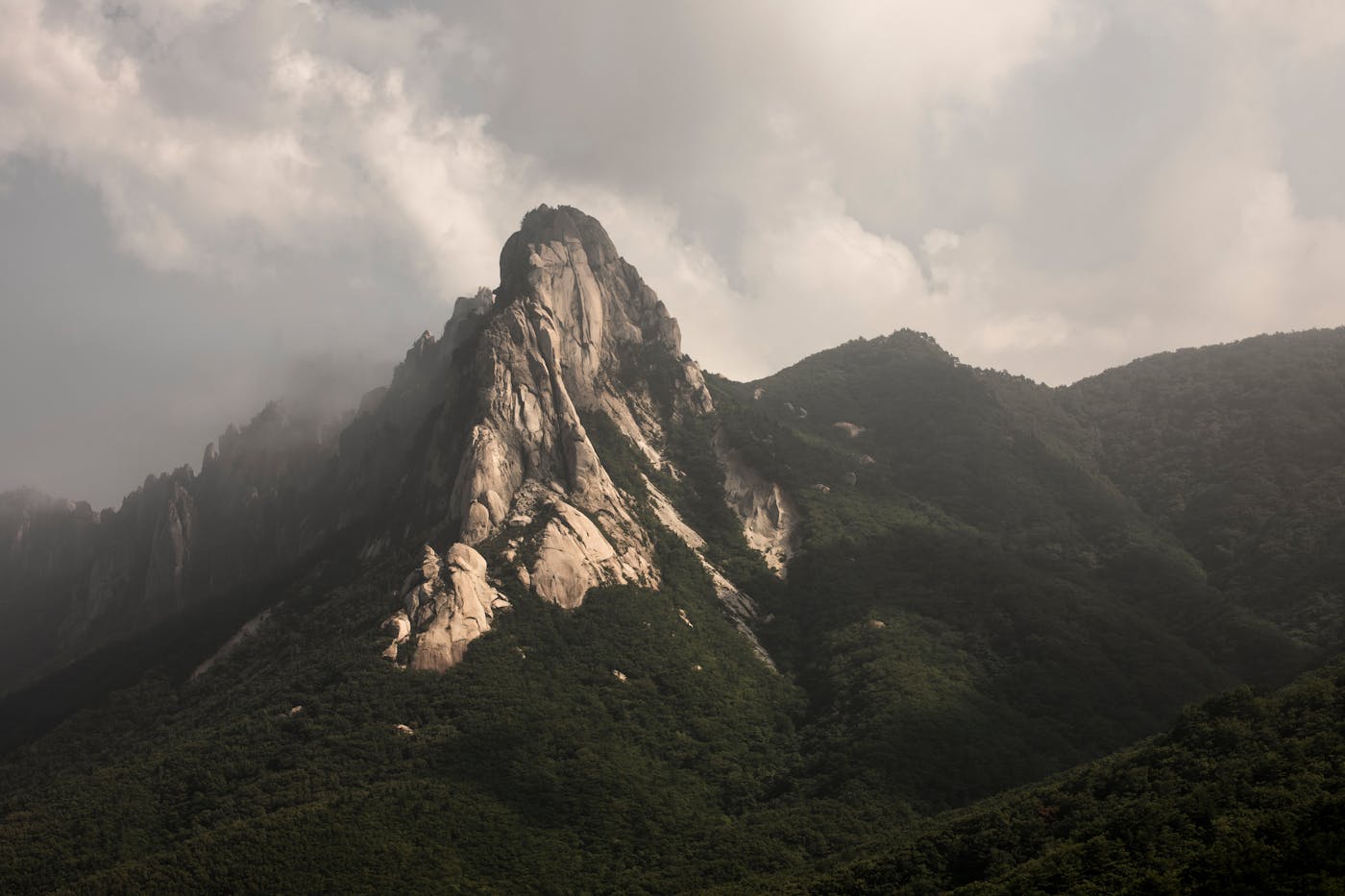
The itinerary is Mount Seorak National Park in the morning (including the Biryong Falls trail and the Sinheungsa Temple giant bronze Buddha), a Korean lunch stop, Nami Island in the early afternoon, and the Garden of Morning Calm as the last stop before the drive back to Seoul.
What pushes it past the other two tours on this list is Seorak. It is Korea’s most famous mountain national park, and it is genuinely stunning, especially in autumn when the maples and the crag tops turn into a colour the Koreans have a dedicated word for (danpung).
The catch is that Seorak is a three-hour drive from Seoul each way, which is why this tour is 12 hours long and why it does not include a proper Seorak hike — you get the cable car up Gwongeumseong, the easy 30-minute walk to Biryong Falls, and the Sinheungsa temple loop. If you want to actually summit Ulsanbawi you need a dedicated Seorak trip, not this day tour.
But if you want the feel of Seorak stacked on top of Nami and the Garden, this is how you get it in one day.
Pros:
- A perfect 5.0 star average across 959 verified reviews — the highest rating of any tour in this category in our database
- Stacks three of the top five Seoul day-trip destinations into one day (Seorak, Nami, Morning Calm)
- Includes the Seorak cable car up Gwongeumseong peak, which has one of the best panoramic views in Korea
- Sinheungsa Temple with the giant bronze Buddha is worth the stop on its own
- English-speaking guide on the bus all day, and all entrance tickets plus the ferry fee are included
- Hotel pickup from central Seoul means zero transport logistics on your end
- Lunch is included in the price (usually bibimbap or a Korean set meal near Seorak)
Cons:
- It is a long day. Twelve hours is a lot and there are real drive segments — expect around 6 hours on the bus total
- You are not actually hiking Seorak. The Biryong Falls walk is easy and the cable car does the climbing for you, which is fine for most people but a letdown if you came to Korea to bag a mountain
- At $95 it is nearly double the price of the other two tours on this list — you are paying for Seorak, essentially
- Time at each stop is fixed by the coach schedule, so if you fall in love with the Garden of Morning Calm you still have to leave after 60-75 minutes
- In peak autumn (mid-October to early November) Seorak gets busy and the cable car queues can eat into your time up top
Who should book this: First-timers with one spare day who want to cram in the maximum number of headline Korean day-trip sights; autumn visitors who want to see the danpung at Seorak; anyone who does not mind a long bus day in exchange for ticking three bucket-list stops at once.
2. Seoul: Nami Island and Garden of Morning Calm (opt Railbike) — Best Value
Check availability and book the Nami + Morning Calm + Railbike tour →
If the Seorak tour is the ambitious one, this is the sensible one. At $51 per person it is nearly half the price of the Mount Seorak option, and it trades the three-hour drive to the mountains for a much shorter loop inside Gapyeong county itself.
The core itinerary is Nami Island → Garden of Morning Calm → optional Gangchon Rail Bike (an extra ₩18,000 on the day for the rail bike ticket, or the money goes to a Petite France stop instead if you skip it). Pickup is from Hongdae, Myeongdong or Dongdaemun around 8:00am, and you are back by around 7:00pm.
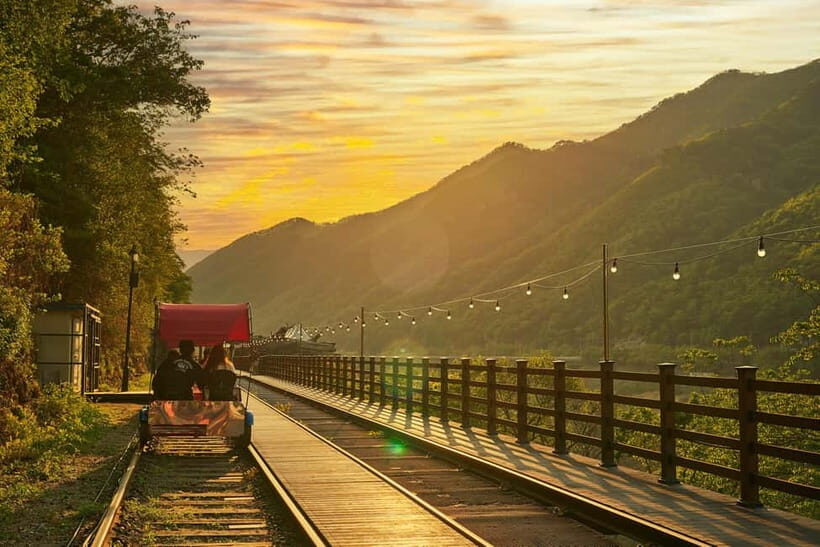
The Gangchon Rail Bike is the decider on this tour. It is a bright yellow four-seater pedal car that runs for about 8 kilometres along an abandoned section of the Gyeongchun railway line, following the Bukhangang River and passing through three long tunnels that have been turned into lit neon art installations.
It sounds gimmicky on paper and it kind of is in practice, but after 45 minutes of pedalling through river valleys with mountains rising on both sides it becomes genuinely charming. You do not need to be fit — two people can pedal while the other two coast — and it is the single most popular add-on for couples and families doing the Gapyeong loop.
Pros:
- By far the best value at $51 per person — close to half the Seorak tour for a very similar Nami + Morning Calm experience
- The Gangchon Rail Bike add-on is a genuinely fun 45-minute break from walking around gardens and islands
- Shorter driving time overall (Gapyeong only, no Seorak detour) means more time actually at the stops
- Better pacing for families with kids because the rail bike is a seated activity in the middle of the day
- 907 verified reviews at 4.6 stars — the volume is proof it delivers consistently
- Flexible pickup points across several Seoul neighbourhoods
Cons:
- The rail bike add-on is not included in the base price — budget an extra ₩18,000 per person if you want it
- Lunch is not included, so factor in another ₩10,000-15,000 for the lunch stop (usually a Korean set meal restaurant chosen by the guide)
- No Seorak and no mountain scenery beyond the Bukhangang river valley
- Petite France (the faux-European village) is the default stop if you skip the rail bike, and it is charming for about 30 minutes but a bit kitsch
- Rail bike seats sell out on weekends in peak season — book the tour at least 48 hours ahead and confirm the add-on when you book
Who should book this: Budget travellers doing Korea on a tight schedule; couples and families who want a fun activity in the middle of the day rather than a mountain hike; anyone who has already seen Seorak on a previous trip and does not need to do it again.
3. From Seoul: Nami Island, Korean Garden & Rail Bike Day Trip — Best For Rail Bike Fans
Check availability and book the Nami + Korean Garden + Rail Bike tour →
The third tour is very close in concept to the second one, with one important difference: the Gangchon Rail Bike is included in the base price instead of being an optional add-on. At $61 per person, you are paying roughly ten dollars more up front but you do not have to add ₩18,000 on the day, so the total cost is almost identical.
The itinerary is tighter too: Nami Island → Rail Bike → Korean garden (which is the Garden of Morning Calm on most dates) → back to Seoul, with a lunch stop somewhere along the way.
What makes this one worth considering is the pacing. Because the rail bike is baked into the tour, the coach schedule is built around the rail bike booking window, which means you are never stuck waiting for a late rail bike slot the way you sometimes are on the optional version.
The guides on this tour are also more rail-bike-focused — they actually explain how the Gyeongchun railway was built in 1939, why it was decommissioned in 2010, and how it became a tourist line. If you are the kind of traveller who likes the backstory on the things you are doing, that is a small but real bonus.
Pros:
- Gangchon Rail Bike is fully included in the price — no add-on hassle on the day
- Tighter schedule built around the rail bike slot means better timing and less waiting around
- $61 all-in is still significantly cheaper than the Mount Seorak tour
- Guides on this tour tend to be more knowledgeable about the Gyeongchun railway history
- Same three-stop Gapyeong loop as tour #2 but with the rail bike locked in
Cons:
- If you decide you would rather skip the rail bike (some people find it touristy), you are still paying for it
- The lunch stop is not included and usually adds ₩10,000-15,000
- Review count (724) is slightly lower than tour #2 (907), though the rating is identical
- No Seorak, no Petite France — this is a stripped-down three-stop loop
- Some itineraries substitute a smaller Korean garden instead of the actual Garden of Morning Calm on lower-season dates, so confirm on booking
Who should book this: Travellers who already know they want to do the rail bike and would rather have it included than add it as an extra; anyone who wants a cleaner, more focused three-stop Gapyeong day without Seorak; people who like their tours to run on tight schedules.
Which Tour Should You Actually Pick?
Here is the honest short version. If you only have one day for Seoul-area sightseeing and you want the absolute maximum for your money, book Mount Seorak + Nami + Garden of Morning Calm. You are paying $95 but you are getting three separate headline destinations instead of one cluster, and the 5.0 star rating across nearly a thousand reviews means the execution matches the ambition.
Autumn visitors should default to this one without thinking about it — Seorak danpung is on most Korea bucket lists for a reason.
If you are budget-conscious or travelling with kids, book Nami + Morning Calm + optional Railbike. It is $51 up front, hits the two Gapyeong headline stops, and gives you a mid-day rail bike break that keeps smaller legs happy. Expect to spend another ₩30,000-ish on rail bike plus lunch on the day, bringing the real all-in cost to around $80, still cheaper than the Seorak option.
If you specifically want the rail bike locked in and you do not want to faff with add-ons, book the Nami + Korean Garden + Rail Bike Day Trip at $61. It is a small premium over tour #2 but you get the certainty of a pre-booked rail bike slot. For a different kind of K-drama filming-location day, see our BTS In The Soop PyeongChang tour guide.
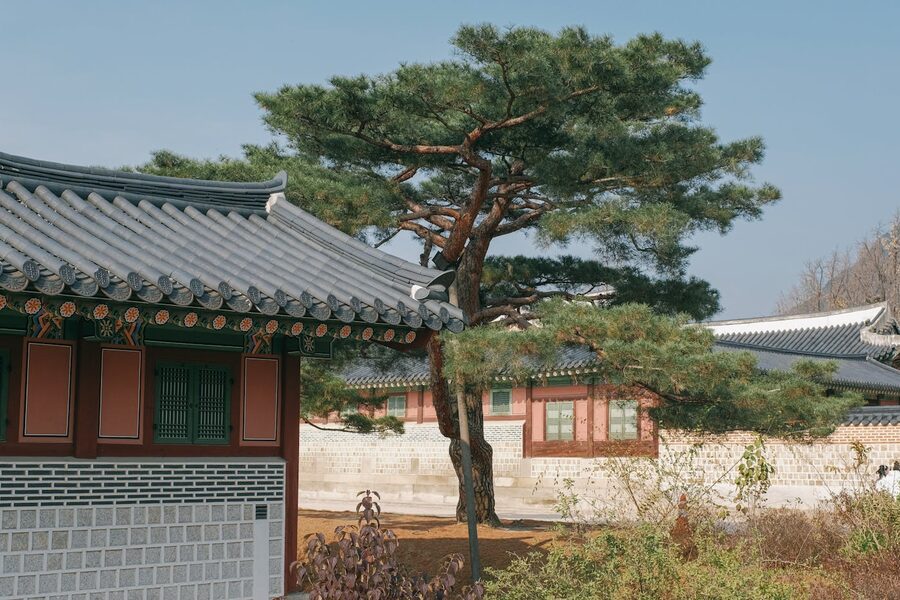
What Is Actually On Nami Island When You Get There
Nami is a 460,000 square metre teardrop-shaped river island. It is 6 kilometres in circumference if you walk the full outer loop, which is flat and paved and takes roughly 90 minutes at a strolling pace. The ferry crossing from Gapyeong pier takes 5 minutes and runs constantly during daylight hours. If you are on a day tour, the coach drops you at the pier, the guide handles the tickets, and you are walking into Nami within ten minutes of arriving.
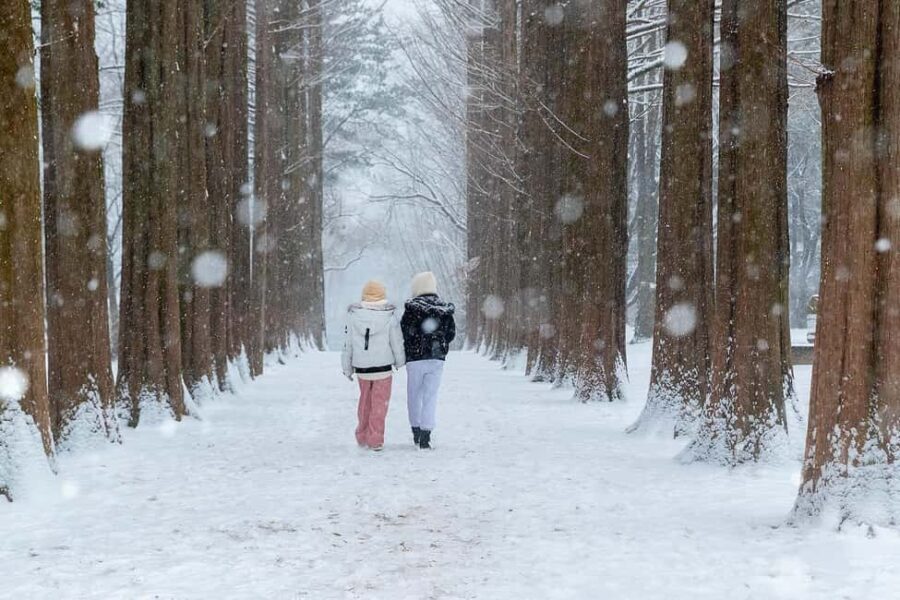
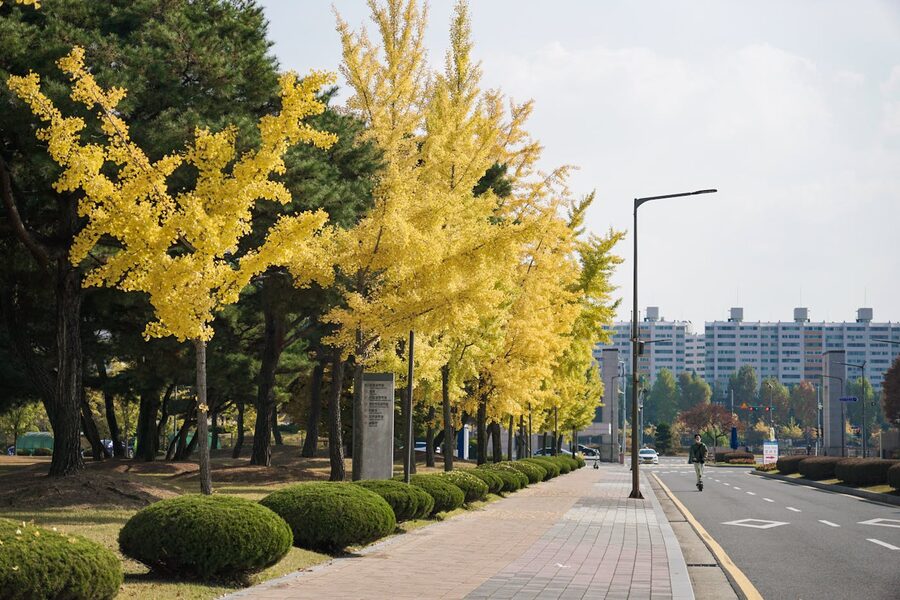
The headline sights once you are on the island are the tree avenues — metasequoia, ginkgo, cherry, pine — which were all planted deliberately in the 1960s and 1970s to give the place its photogenic structure. The single most-photographed spot is the metasequoia avenue in the centre of the island, which is where the Winter Sonata kiss was filmed.
You will know it when you see it because there will be a small crowd of Korean and Chinese travellers taking photos in exactly the same pose. The ginkgo avenue in November is the second most popular.
There is also a pine forest, a Korean traditional garden, a small zoo with ostriches and rabbits, a sculpture park full of quirky bronzes, and a surprising number of upscale cafes and bakeries built into converted plantation buildings.
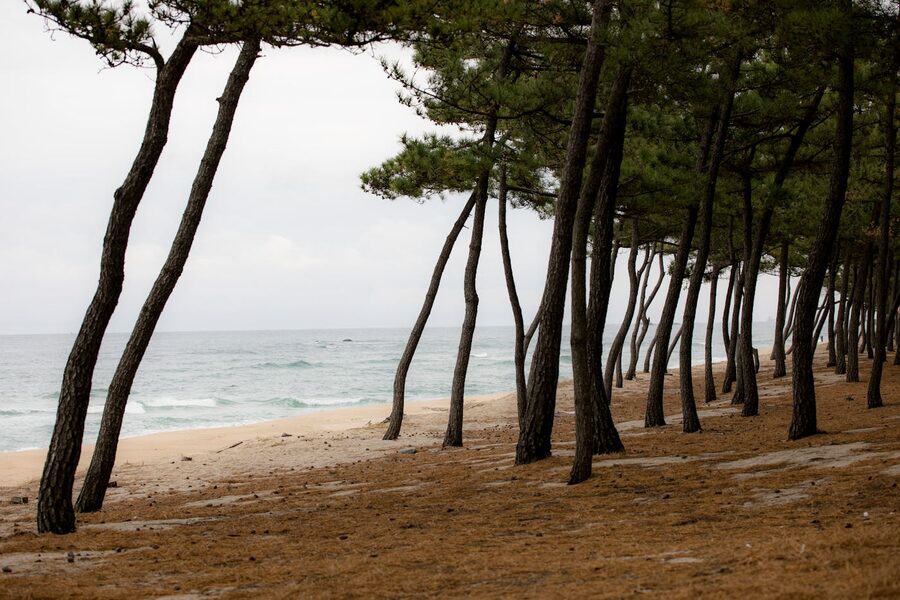
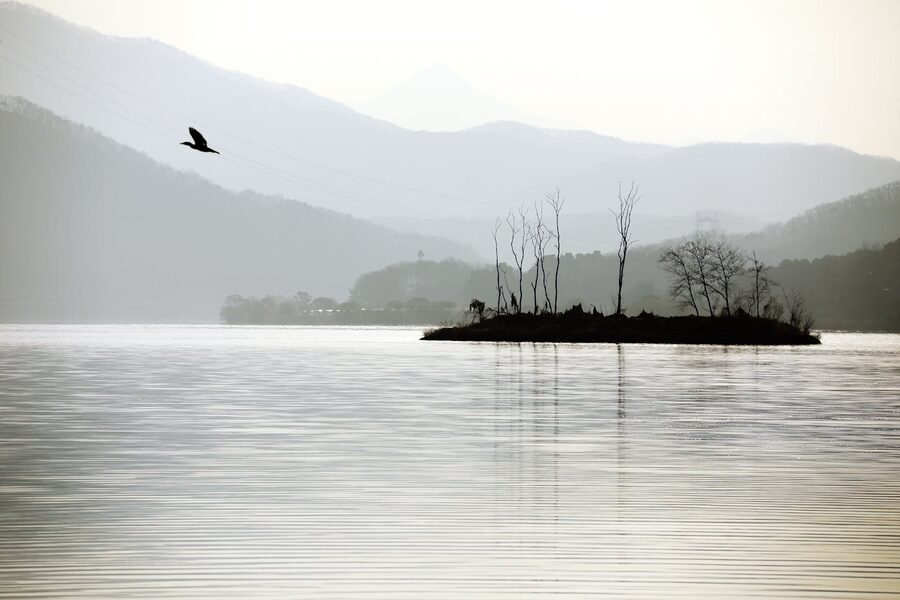
The thing most guides will not tell you: you can basically ignore the K-drama angle if you want to. If you skip the Winter Sonata photo points and just walk the outer riverside loop, Nami becomes a quiet forest park with duck-filled ponds, squirrels on the paths and the Bukhangang River glittering through the trees.
About 70% of the visitors cluster in the centre of the island, so the outer loop is always noticeably quieter. This is the move if you came for a peaceful walk and not for a drama pilgrimage.
The Garden Of Morning Calm, Briefly Explained
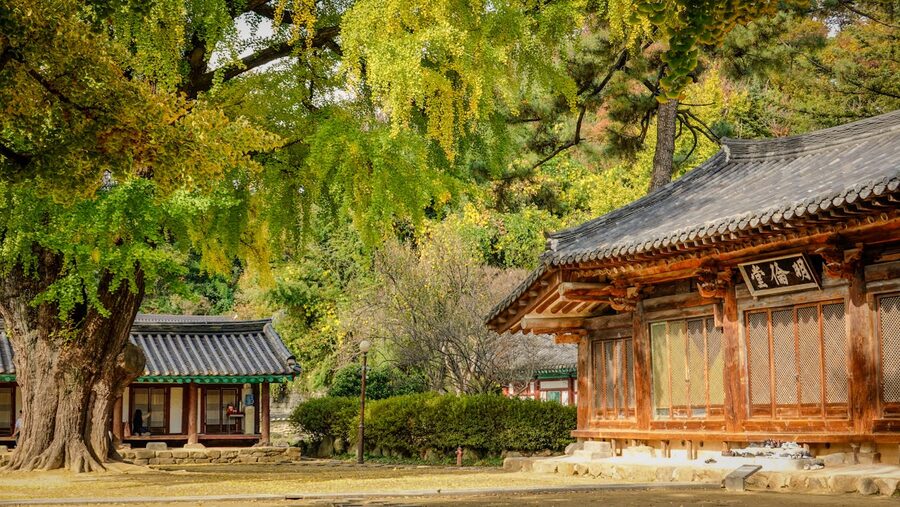
The Garden of Morning Calm is a 33,000 square metre private botanical garden about a 25-minute drive from the Nami Island ferry pier, founded in 1996 by a Sahmyook University horticulture professor named Han Sang-kyung.
It was the first private garden in Korea open to the public, and its name comes from a phrase coined by the Indian poet Rabindranath Tagore who called Korea the Land of the Morning Calm.
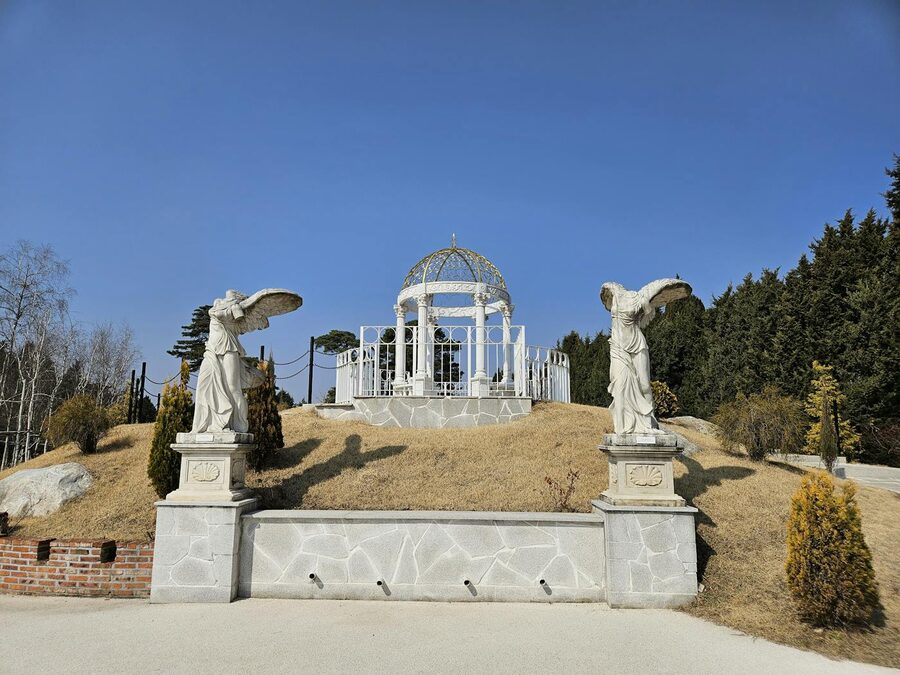
The garden is laid out in themed sections — a hado garden of native Korean plants, a sunken garden, a bonsai section, a wildflower field, a garden of eden with a gazebo, and so on — and the paths meander through rolling lawns dotted with sculpture.
Seasonally it is one of the best-value stops on the Gapyeong loop. Spring (late April to May) is wildflowers and azaleas. Summer is roses and hydrangeas. Autumn is the famous one — chrysanthemums plus maple and ginkgo foliage in mid-to-late October.
And winter is the Lighting Festival, which runs roughly December to March and turns the whole garden into a field of fairy lights that has become one of the most popular night-time day trips from Seoul in December. If you are visiting in winter, check whether your tour stays until after dark — some do, and that is when Morning Calm is at its absolute best.
Getting To Gapyeong On Your Own (If You Really Want To)
If you are determined to DIY this and skip the tour, here is the honest logistics: take the ITX-Cheongchun train from Yongsan, Cheongnyangni or Sangbong station in Seoul to Gapyeong station. Journey time is 60-75 minutes depending on which Seoul station you start from, and the fare is around ₩5,000.
From Gapyeong station, the Nami Island ferry pier is a 15-minute ₩7,000 taxi ride, or a shuttle bus (the “Gapyeong Tourist Shuttle”) that runs roughly every 30 minutes in peak season and connects Gapyeong station to Nami, the Garden of Morning Calm and a few other stops on a loop.
The shuttle is the make-or-break piece. When it runs on schedule, DIY Gapyeong is fine. When it does not — which is usually in winter, on weekdays in low season, or when a bus breaks down — you end up stuck at a rural bus stop with three hours of daylight left and no clear way to the Garden of Morning Calm.
The last ITX-Cheongchun back to Seoul leaves Gapyeong station around 9:45pm, which gives you some buffer, but if you miss it you are looking at an expensive taxi ride back to the city.
My honest recommendation: if you are staying in Seoul longer than five days and have a spare buffer day, the DIY version is doable and can save you around $30 per person compared to the tour. If you are in Seoul for four days or fewer and this is your only Gapyeong day, pay for the tour and protect your schedule. The $51-$95 you spend on the tour is worth not losing three hours at a bus stop.
For context, we also go into this kind of Seoul-area logistics planning in our Busan to Gyeongju day trip guide which deals with the same DIY-vs-tour question for the Korean south.
When To Go (Month By Month)
Gapyeong county has four very distinct seasons and the difference between them is bigger than most Seoul-only travellers expect. Here is when I would book each tour in the year.
Spring (late March to May): Cherry blossoms hit Nami around the first or second week of April and the Garden of Morning Calm wildflower explosion runs mid-April through May. Spring is also the sweet spot for Seorak weather — the mountains are clear, not yet humid, and the temperatures are perfect for the cable car and the Biryong Falls walk. Book the Mount Seorak tour if your timing hits mid-April to mid-May.
Summer (June to August): Hot, humid, often rainy. Nami is still beautiful but Gapyeong gets pounded by the East Asian monsoon from late June to late July, and coach tours do run in the rain but the photos will not be what you are hoping for. If you have to go in summer, go early in June or late in August and check the forecast the night before. Summer is also peak Chinese and Southeast Asian tourist season so Nami gets crowded.
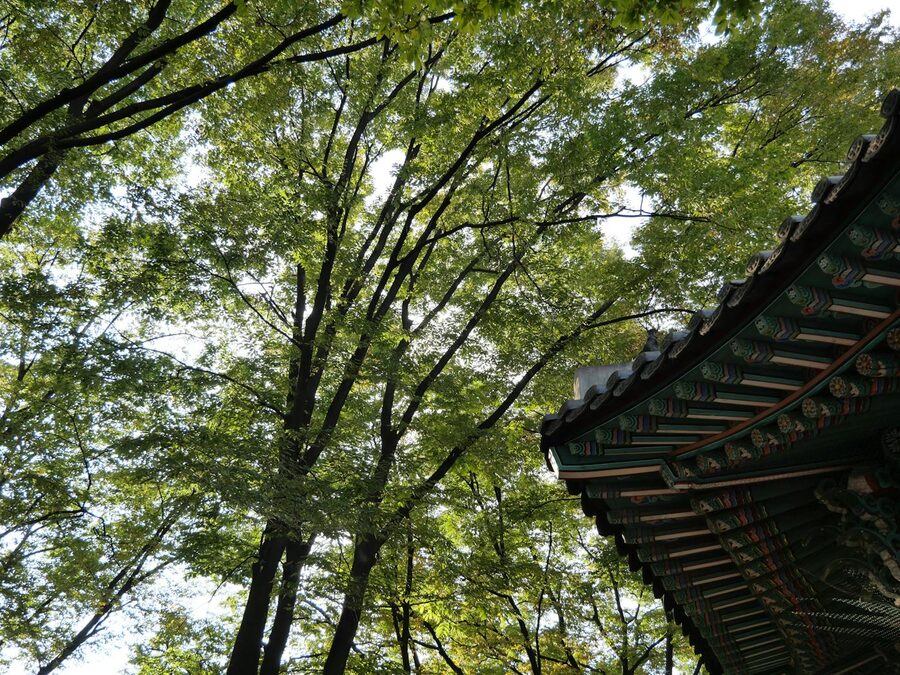
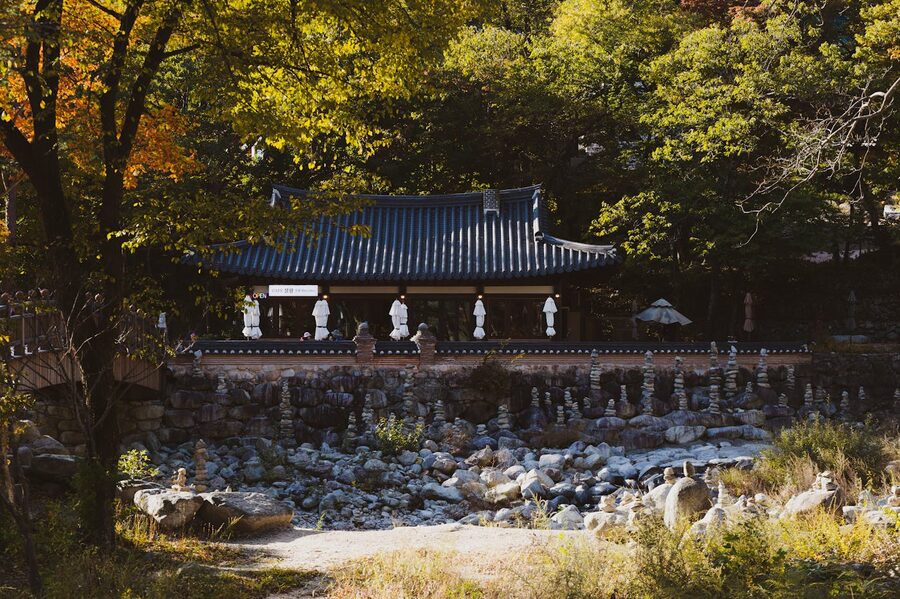
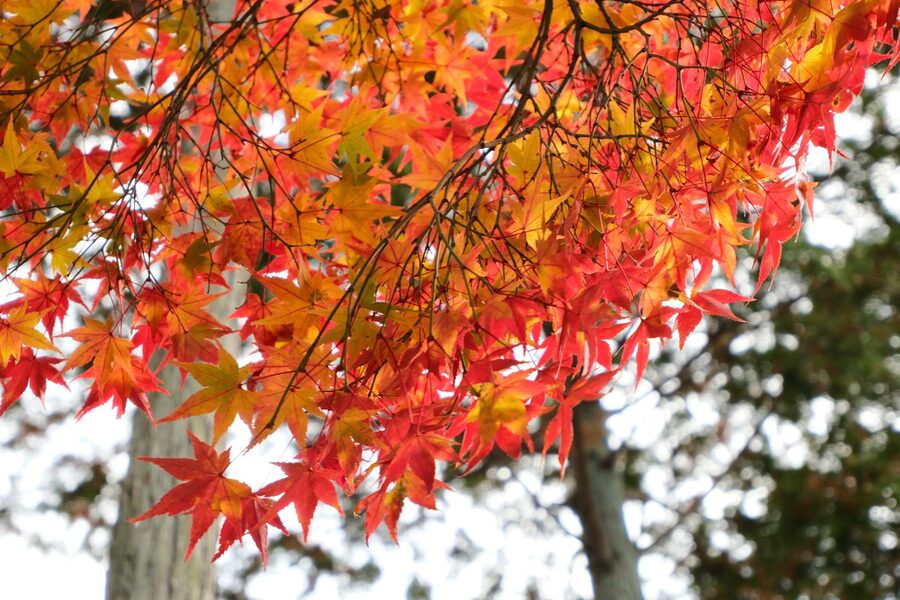
Autumn (September to November): This is the big one. Korean autumn is legendary, Seorak danpung peaks in mid-to-late October, and the Garden of Morning Calm turns into a chrysanthemum and maple showcase at the same time. Nami’s ginkgo avenue hits peak yellow around the first week of November. If you can only visit Korea once, go in autumn and book the Mount Seorak + Nami + Morning Calm tour. This is the best-case scenario for all three stops lined up at once.
Winter (December to February): Cold but surprisingly busy because of the Winter Sonata factor — Nami is literally famous from a winter drama and Korean and Japanese travellers go specifically to see it in snow. The Garden of Morning Calm Lighting Festival runs through winter and is arguably the single best thing to do in Gapyeong in December and January.
Winter tours are slightly cheaper and significantly less crowded than autumn ones, and if you get lucky with snow the photos are unbeatable. Dress in layers — Gapyeong is 5-10°C colder than Seoul.
What To Pack For The Day
Packing for a Gapyeong day tour is about striking a balance between moving comfortably at three different outdoor stops and not overpacking. Real walking shoes are non-negotiable — Nami alone is 6 kilometres of paths and the Garden of Morning Calm is another 1-2 kilometres on slopes and steps. Sneakers are fine. Heeled boots are going to ruin your day.
For the Seorak tour, the walks are similar but with slightly more elevation and the cable car platform has steep metal stairs, so grippy soles matter.
Water bottle, small snacks, a camera with a zoom (the ostrich enclosure on Nami is behind a fence), and a portable battery for your phone because you are going to be taking photos all day and public WiFi on the coach is unreliable at best. In autumn and winter, add a warm layer — the temperature drops noticeably at Seorak elevation and at the Garden of Morning Calm in November evenings.
Sunscreen in spring and summer because none of the stops have much shade. A small umbrella in June-July because summer rain comes fast.
Cash. Bring around ₩30,000-50,000 in small notes. Tour prices include the big-ticket stuff (Nami ferry, Morning Calm entrance, Seorak cable car, rail bike on tour #3) but lunch is usually separate on tours #2 and #3, and you will want cash for coffee, snacks, small souvenirs, and the occasional extra photo-op fee.
Card works on Nami Island itself — there are ATMs and every cafe takes Visa — but card does not always work at roadside lunch stops or at the rail bike station vending machines.
How The Tour Day Actually Flows
A tour day on the Nami + Morning Calm loop generally runs like this. Pickup from your Seoul hotel between 7:00 and 8:00am depending on your pickup point. A one-way drive of 75-90 minutes to Gapyeong, during which the guide introduces themselves and usually runs through the K-drama history of the island. Arrival at Nami ferry pier around 9:30am, ferry crossing at 9:45am, and roughly two hours on the island before meeting back at the pier at 11:45am.
Lunch stop (included on the Seorak tour, at your own cost on tours #2 and #3) usually runs 12:00-1:00pm at a nearby Korean set-menu restaurant. From there, either the rail bike (tours #2 and #3) or Mount Seorak (tour #1, which obviously reshuffles the morning entirely).
Garden of Morning Calm is the final stop of the day, usually from around 3:30pm until 5:00pm, with enough time to walk the main loops and sit with a coffee before the drive back to Seoul. Drop-off in central Seoul between 6:30 and 8:00pm depending on traffic and which tour you are on.
How Much Does It Actually Cost, All In?
Sticker price versus real price matters here. The base tour prices are $51, $61 and $95 per person, but what you actually spend looks like this in practice:
Seorak tour at $95.18: Lunch is included, all entrance fees are included, the cable car is included. You are looking at maybe $10-15 in extras for coffee, souvenirs and a rest-stop snack. Real all-in: around $105-110.
Nami + Morning Calm (opt Railbike) at $51: Rail bike add-on is around ₩18,000 (roughly $13), lunch is around ₩12,000 (roughly $9), and coffee and snacks add another $5-10. Real all-in: around $78-83. Still significantly cheaper than the Seorak tour, and you get a rail bike that tour #1 does not.
Nami + Korean Garden + Rail Bike at $61: Rail bike included, lunch around $9, snacks $5-10. Real all-in: around $75-80. This is actually the cheapest of the three once you add everything up, because tour #2 ends up costing about the same once you add the rail bike. If you know you want the rail bike, tour #3 is the best value.
Booking Notes You Should Actually Read
A few small things that matter if you are about to book one of these tours. First, all three run daily but with variable capacity — the Seorak tour often has a single coach (around 30 seats) and sells out 48-72 hours ahead in October. The two Gapyeong-only tours run multiple coaches a day and are more flexible but the Saturday slots still go first. If your Korea trip is inflexible, book as soon as your dates are set.
Second, confirm your pickup point when you book. The tour operators use different meeting points in Hongdae, Myeongdong and Dongdaemun and they are not always the same hotel. A few travellers end up at the wrong meeting point at 7am and miss the coach entirely. Your booking confirmation will list the exact pickup address — save it offline.
Third, all three tours have an age minimum (usually 4 years old) and none of them have seatbelts for baby seats on the coaches. If you are travelling with very young children, the rail bike tours are a better fit than Seorak because the walking distances are shorter and the rail bike is actually fun for kids from about age 6 upwards.
Fourth, cancellation policies vary. The GetYourGuide tours (tours #2 and #3) are usually free cancellation up to 24 hours before, which is generous. The Viator Seorak tour is usually free cancellation up to 48 hours. Check before you book in case that has changed.
How Nami Fits Into A Longer Korea Trip
If you are doing the classic first-timer Korea itinerary (Seoul → Busan → Jeju), the Nami Island day trip is one of your Seoul-base days and it works best on day 3 or day 4. You want to be rested from jetlag (day 1) and acclimatised to Seoul (day 2) before you get on a coach at 7am. Day 3 or 4 is the sweet spot.
A typical Seoul base of 4-5 days can comfortably fit one DMZ tour (covered in our DMZ tour from Seoul guide), one Gapyeong day, plus city sightseeing and one evening food tour from our Seoul night market food tour guide.
Combining with Jeju is easy: the Gapyeong day is a Seoul-base day, Jeju is its own separate segment you fly to. Our Jeju day tours guide covers the volcanic-island side of Korea separately. If you are doing Busan as well, the Busan to Gyeongju day trip is the equivalent cultural day trip from Busan — between the two of them you are covering most of Korea’s must-see inland sights without needing to drive yourself.
For K-drama fans specifically, the BTS In The Soop PyeongChang tour is another filming-location day trip worth stacking on the same Seoul base. Two filming-location day trips plus the DMZ tour gives you a very full, very cultural Seoul week.
Common Mistakes People Make On This Day Trip
Wearing the wrong shoes is the single most common one. People see “river island” and “botanical garden” and think flat and easy. Nami is 6 kilometres of paths and the Garden of Morning Calm has slopes. If you wear heels or dress shoes you are going to be miserable by 3pm. Real walking shoes, every time.
Skipping breakfast. Hotel pickup is 7-7:30am and the tour does not feed you until noon (Seorak tour) or until you buy your own lunch at 1pm (tours #2 and #3). Five hours without food is a long time when you are walking around an island. Eat something at your hotel before pickup or grab a convenience store breakfast to take on the bus.
Underdressing for Gapyeong in shoulder season. Seoul will be 15°C and sunny and you will think you are fine. Gapyeong at Seorak elevation will be 5°C with wind. Bring a layer. Every tour guide will tell you this on the bus and half the coach still shivers their way through the cable car stop.
Buying souvenirs on Nami Island at the price they charge there. Nami’s cafes and gift shops are tourist-tax-level expensive. A bottle of water that costs ₩800 at a Seoul convenience store costs ₩3,500 on Nami. Bring water and snacks with you. If you want K-drama merch, wait until you are back in Myeongdong or Insa-dong where it is cheaper — the shopping neighbourhoods we cover in our Seoul sightseeing guide.
Assuming the ferry is a scenic boat ride. It is a five-minute utility crossing on a roll-on roll-off ferry that carries maybe 150 people at a time. Do not expect a photo opportunity on the boat itself — save your camera for the tree avenues once you are on the island.
Is This Day Trip Actually Worth Doing?
For most people visiting Seoul for the first time, yes, emphatically. The Nami + Morning Calm loop is the single most-booked day trip from Seoul after the DMZ tour, and the reason is not K-drama nostalgia — it is that you get a completely different landscape from what Seoul offers in the space of a single day. Seoul is a 25-million-person megacity of concrete and neon.
Gapyeong is rolling hills, a river, tree-lined islands, a private garden and a mountain national park. Seeing both in a four-day visit gives you a much more honest picture of Korea than just pounding the Seoul subway for a week.
The one group I would gently steer away from this tour is people who have already done a lot of Asian botanical gardens and temples. If you have been to Kyoto’s gardens, Kew in London, or the Singapore Botanic Gardens, the Garden of Morning Calm will feel smaller and less curated than what you are used to. You are really paying for the Gapyeong countryside drive and for Nami Island, not for the Garden. That is still a fair deal, but set expectations accordingly.
For everyone else — first-timers, K-drama fans, autumn visitors, families, budget travellers — this is one of the genuinely great half-price introductions to the Korean countryside and you should book one of the three tours above.
The five-star Seorak tour if you have the budget and the time for a 12-hour day, the $51 Nami + Morning Calm for everyone else, and the $61 rail-bike-included version if you specifically want that locked in. All three have hundreds of verified reviews at 4.6 stars or better. All three have been running for years.
And all three will get you back to your Seoul hotel in time for a proper Korean BBQ dinner, which is how every good Seoul day should end.