
I stood in front of a glass case in a darkened room of the Sisi Museum, looking at the file Empress Elisabeth carried with her on the day she was assassinated. Her gloves are there too, and the death notice the Habsburgs had printed within hours. I had walked in expecting a parade of dresses and jewels. The museum gives you those, but it also forces you to sit with the woman behind the postcards, and that part stayed with me longer than the gold ever did.
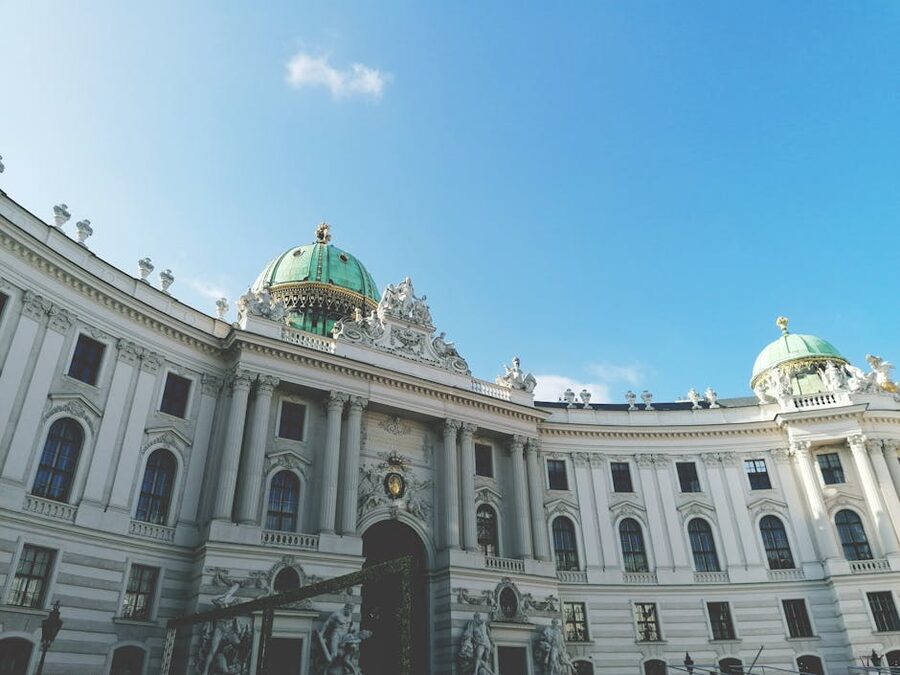
The Hofburg is the biggest imperial palace in Vienna and the easiest to fumble. The complex covers six acres. There are five museums inside, two crown collections, a chapel, a riding school, a national library, and several entrances that all look like the right one. This guide gets you to the Sisi Museum, the Imperial Apartments, and the parts most visitors actually want to see, with the right ticket and a route that does not eat your whole afternoon.
- In a Hurry?
- What Your Ticket Actually Gets You
- How to Pick a Ticket
- 1. Skip-the-Line Sisi Museum, Hofburg and Gardens Tour:
- 2. Imperial Treasury in the Hofburg Palace:
- 3. Hofburg and Empress Sisi Museum Guided Tour:
- Who Sisi Actually Was
- The Imperial Apartments Most Visitors Race Through
- The Imperial Treasury, And Why It Is Worth The Extra Ticket
- Getting There Without Wandering The Wrong Square
- When To Go And How Much Time To Set Aside
- Tickets, Combos, And The Vienna Pass Question
- What To Skip If You Are Short On Time
- What To Pair It With On The Same Trip
- Practical Notes The Tour Operators Skip
- The Most Common Question I Get Asked
- Where To Go After You Walk Out
In a Hurry?
- Sisi Museum + Hofburg + Gardens skip-the-line tour from $61. Most-booked option, 2.5 hours, English-speaking guide, beats the Michaelerplatz timeslot queue. Check availability
- Imperial Treasury entry from $18. Different museum, same Hofburg complex. Crown jewels of the Holy Roman Empire and the Austrian Imperial Crown. Quick visit, around an hour. Check availability
- Hofburg + Sisi Museum guided tour from $56. Two hours with a small group, less rushed than the volume tour, the guide goes deeper into Sisi life. Check availability
What Your Ticket Actually Gets You
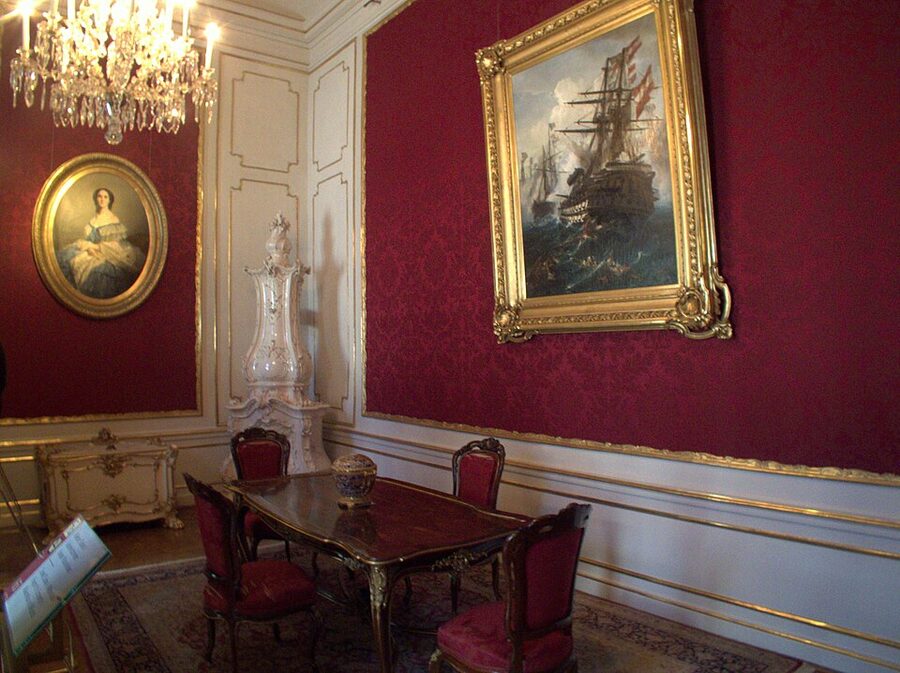
One ticket covers three things, all in the same building. The Sisi Museum is the main draw. The Kaiserappartements (Imperial Apartments) are where Franz Joseph and Elisabeth actually lived and worked. The Silberkammer (Imperial Silver Collection) is the third room, though it has been closed for renovation in recent months and may still be when you visit. Check the official site before you go if the Silver Collection matters to you.
The standard adult ticket is around 20 euros and includes an audio guide. That audio guide is genuinely worth the time. I went around with it on for almost everything and it took me about four hours. If you skip ahead and read the room cards instead, you can be out in two.
The Hofburg sees over 900,000 visitors a year through these rooms, and the building runs on timeslots. That matters. If you turn up at noon in July without a slot, you may wait an hour or be told to come back at 4pm. Booking online either through the official Sisi Museum site or through one of the tour operators below is what I would do every time.
How to Pick a Ticket
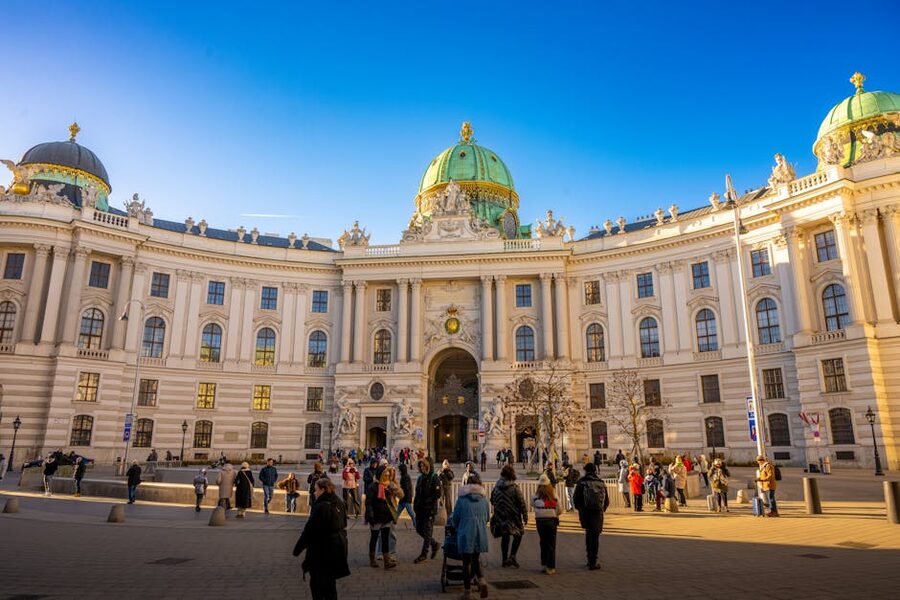
The three tour shapes below are the ones I would actually book. They are sorted by how many people have used them, not by what looks shiniest in marketing photos.
1. Skip-the-Line Sisi Museum, Hofburg and Gardens Tour: $61
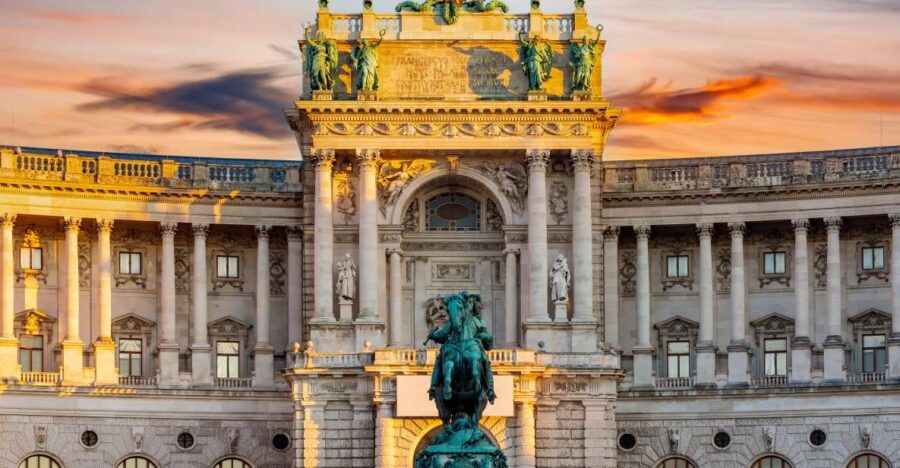
This is the most-booked Hofburg tour on the market for good reason. The 2.5-hour walk takes in the Sisi Museum, the Imperial Apartments, and the surrounding gardens with a guide who picks the rooms worth slowing down in. Our full review covers the language options and the tour-is-in-English clause that has tripped up French and Spanish guests in past months. The tradeoff is pace, you cover ground quickly.
2. Imperial Treasury in the Hofburg Palace: $18
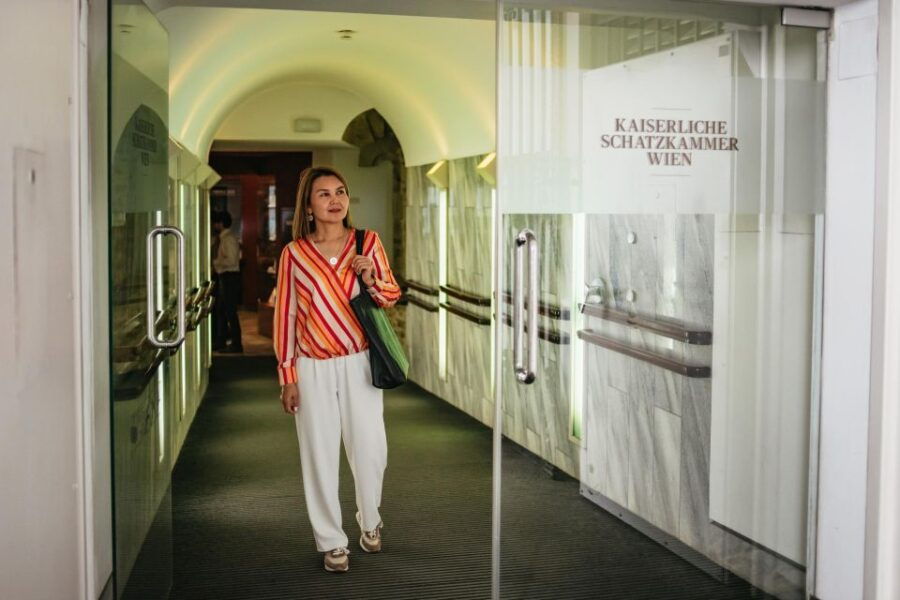
Different museum, same Hofburg complex, separate ticket. The Treasury (Schatzkammer) holds the crown of the Holy Roman Empire, the Austrian Imperial Crown, and the regalia the Habsburgs used at coronations. Our review walks through what the audio guide covers in the Imperial Cross room. Plan an hour. Pair it with the Sisi Museum on the same morning if you have stamina, the two together make sense.
3. Hofburg and Empress Sisi Museum Guided Tour: $56
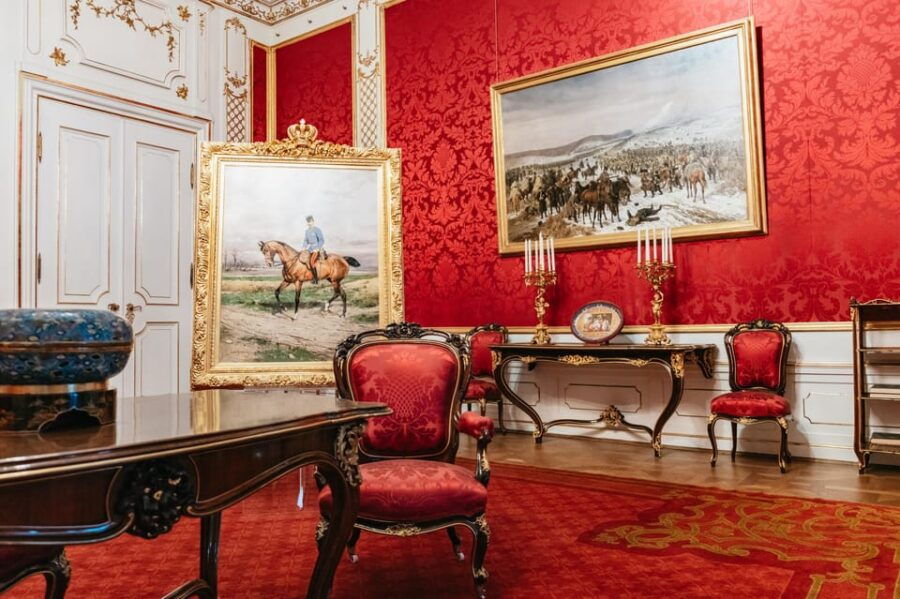
Run by Good Vienna Tours and built around the Sisi narrative rather than the Hofburg architecture. Two hours with a smaller group, deeper anecdotes about her court life, the depression, the fitness obsession, the Greek tutor she travelled with for years. Our review notes which guides reviewers keep mentioning by name. Pick this one if you have read a Sisi book and want to push past the postcard version.
Who Sisi Actually Was
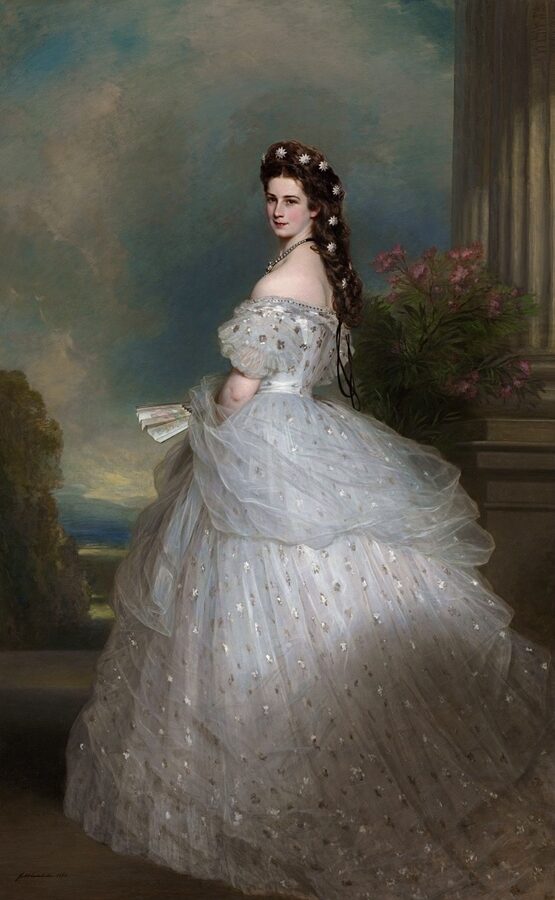
Elisabeth of Bavaria married Franz Joseph at sixteen. She hated the Viennese court almost from the first month. She was tall for her era at 172cm, obsessive about her weight (44 kilos held tight her whole adult life), her hair (which reached her ankles and took three hours a day to dress), and her exercise (gym rings installed in her dressing room, fencing lessons in middle age). She travelled compulsively. She rarely came back to Vienna for long stretches.
She was stabbed by an Italian anarchist named Luigi Lucheni in Geneva in 1898. She was 60. The file with her name on it that you see in the museum is the one she carried that day.
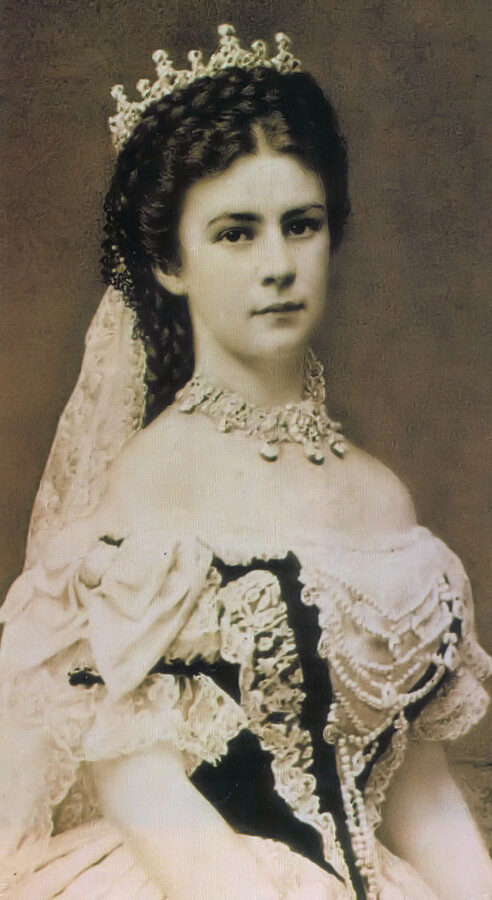
The museum does not turn her into a saint. It walks you through the depression, the eating disorder, the time she spent away from her own children, and the way the Habsburg court used her image for propaganda before and after her death. The film Sissi with Romy Schneider gets a room to itself, framed as the myth, set against the historical record on the wall opposite. That contrast is the point of the museum.
The Imperial Apartments Most Visitors Race Through
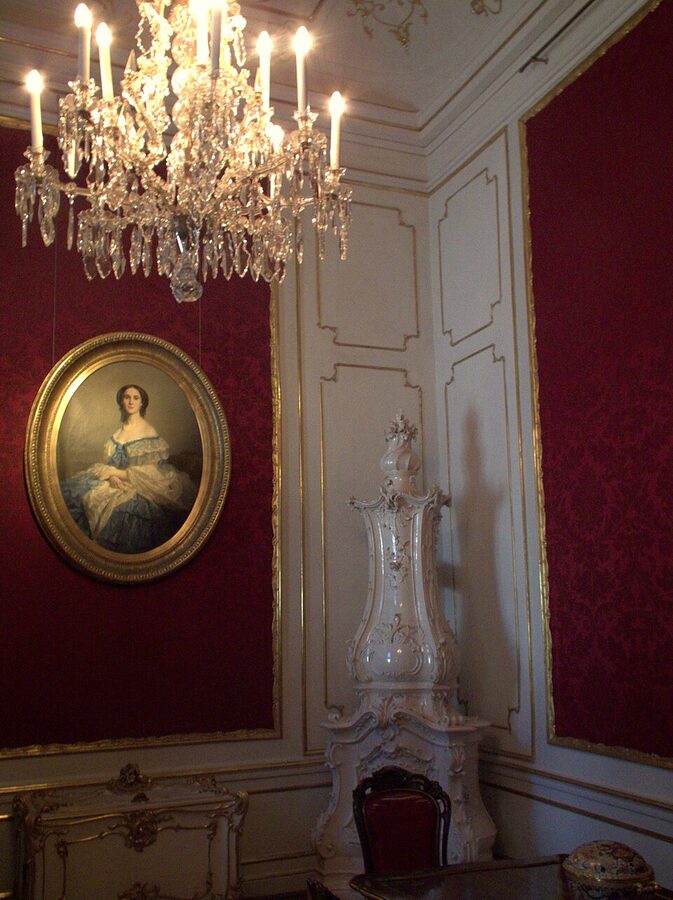
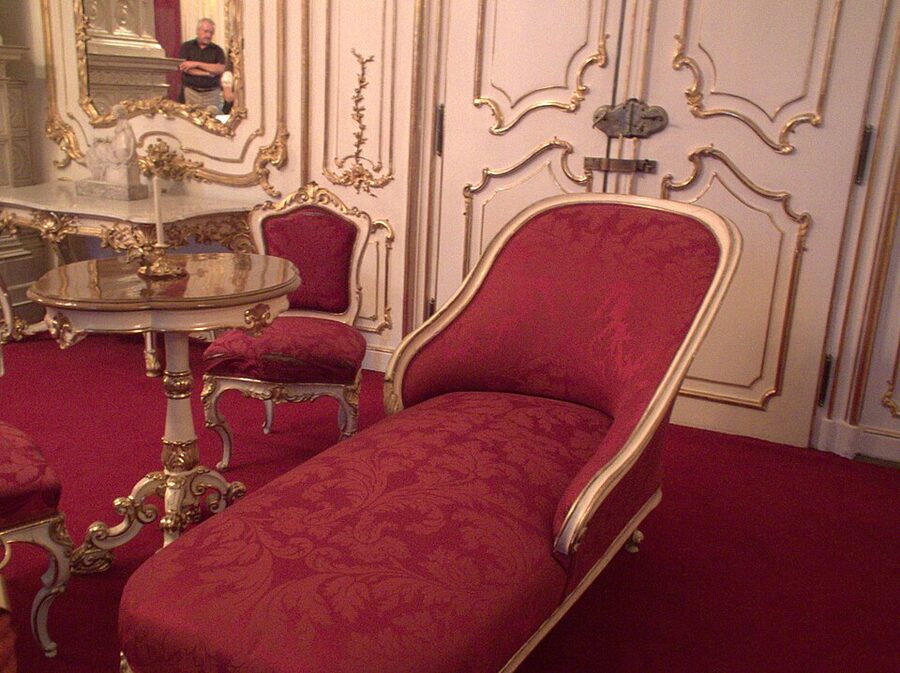
The Kaiserappartements come right after the Sisi Museum on the route, and most people are tired by the time they reach them. They walk through. Do not. The Imperial Apartments are where the day-to-day of the empire happened. Twenty-something rooms of audience halls, salons, the gym Elisabeth had installed, Franz Joseph iron bed, the dining room set up with the porcelain that had to be washed by hand by the imperial silver staff.
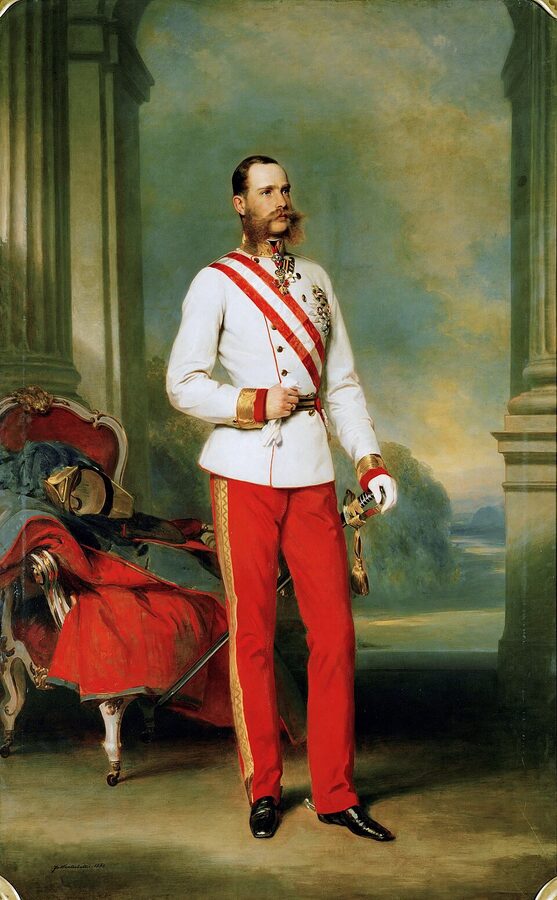
Franz Joseph reigned from 1848 to 1916. Sixty-eight years on the throne. He outlived his only son Rudolf (suicide at Mayerling), his wife Elisabeth (assassinated), and his nephew Franz Ferdinand (assassinated in Sarajevo, the spark of the First World War). He kept the same office, the same desk, the same routine through all of it. The audio guide on his writing room is the most affecting stop in the building, in my view.
The Imperial Treasury, And Why It Is Worth The Extra Ticket
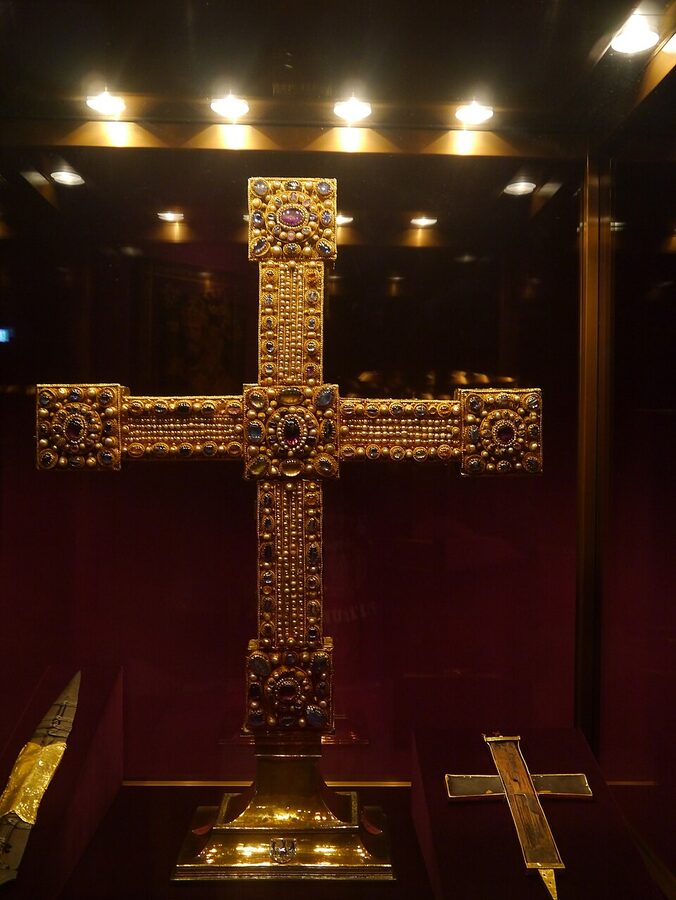
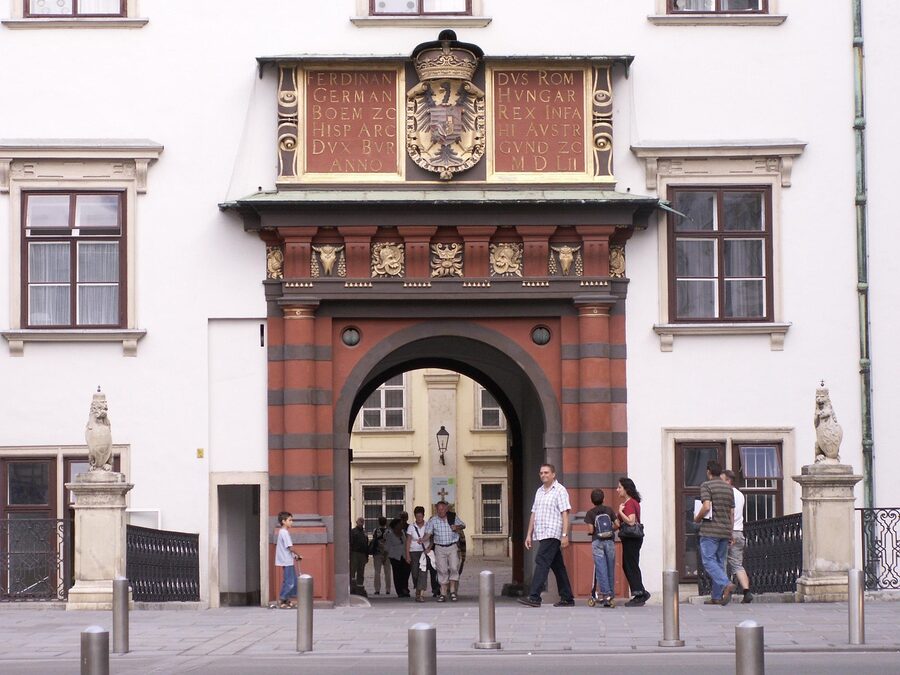
The Schatzkammer (Imperial Treasury) is a separate ticket and a separate museum, but it is in the same Hofburg complex. From the Sisi Museum exit you walk maybe four minutes through the Swiss Court to reach it. 18 euros entry. An hour is enough.
What you see: the Imperial Crown of the Holy Roman Empire, the Austrian Imperial Crown made for Rudolf II, the coronation mantle of the Sicilian kings stitched in 1133, the spear that medieval emperors believed pierced the side of Christ, the inalienable Habsburg Burgundian treasures, and the regalia used at coronations until the empire was dissolved in 1918. It is one of the deepest treasure collections in Europe, and most first-time Vienna visitors miss it because they have already burned their morning on the Sisi Museum.
Practical note: the Treasury closes earlier than the Sisi Museum on most days, so do this one first if you are visiting both in the same morning. Both museums are run by Kunsthistorisches Museum Wien and the staff at one will tell you about the other if you ask.
Getting There Without Wandering The Wrong Square
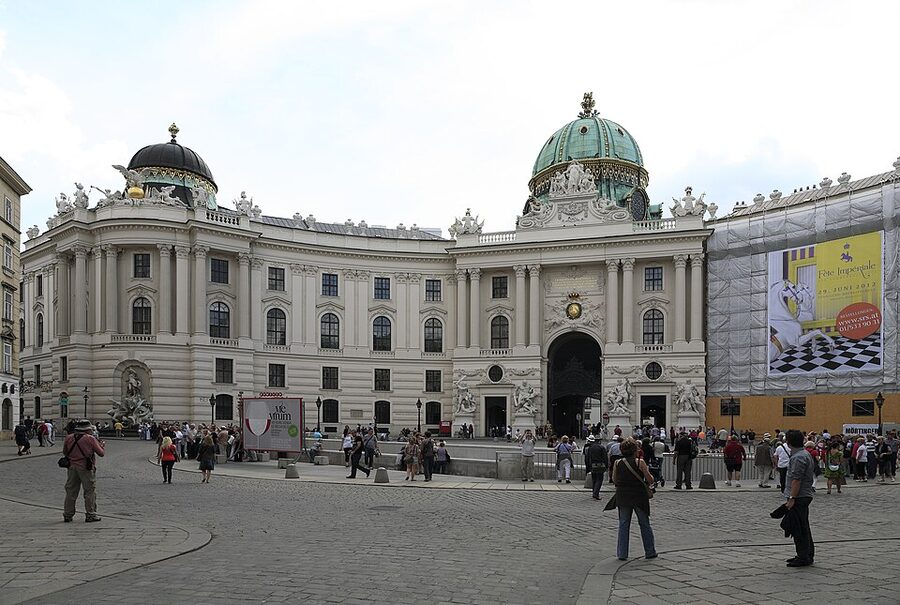
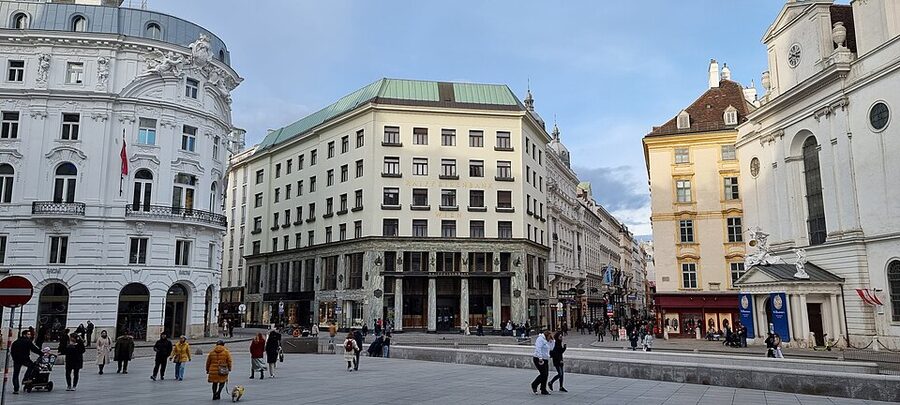
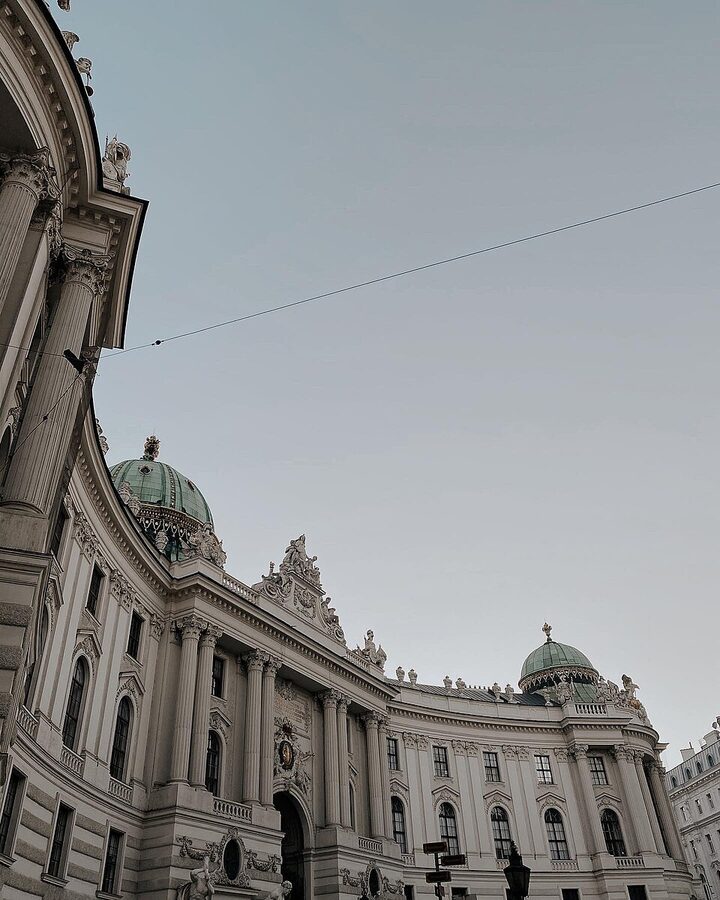
The Hofburg has multiple entrances and the Sisi Museum entrance is not at any of the obvious ones. Heldenplatz has the big statues and the open square most tourists photograph first, but that is the wrong end. The Neue Burg has its own museums (Weltmuseum, the Ephesus collection, instruments) and is also wrong.
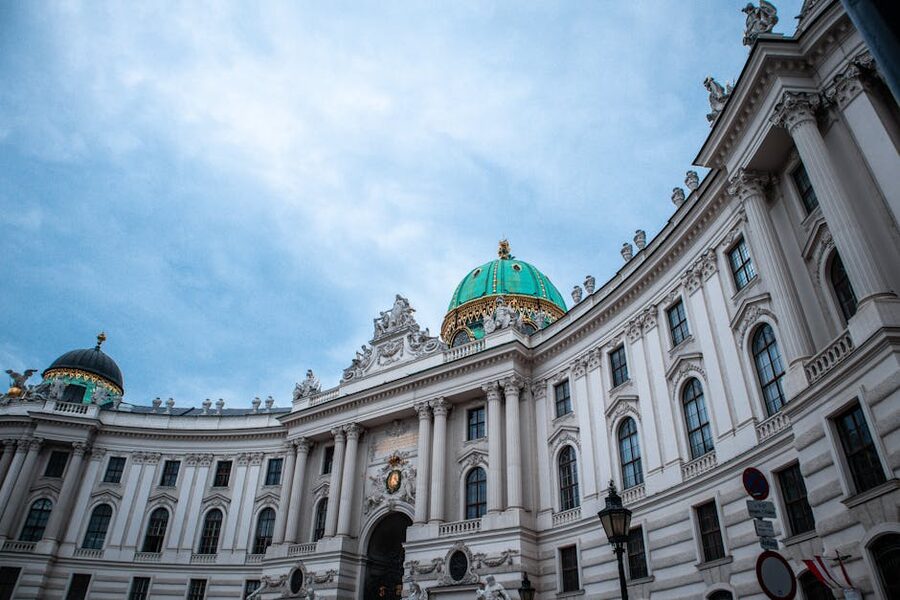
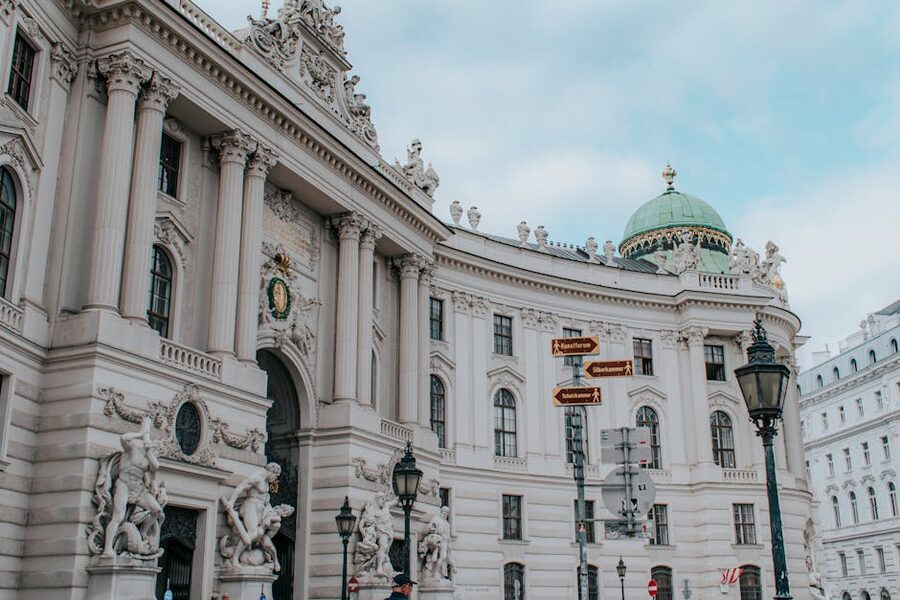
The entrance you want is Michaelerplatz, on the northeastern corner of the complex. Look for the green dome from the Graben shopping street and walk toward it. The ticket counter is straight under the dome. The actual address: Michaelerkuppel, 1010 Vienna.
Public transport:
- Subway: Herrengasse (U3) is closest, two minutes walk. Stephansplatz (U1/U3) and Volkstheater (U2/U3) also work, around five minutes.
- Tram: 1, 2, D or 71 to Burgring stop. Then a short walk through the gardens.
- Bus: 1A or 2A directly to Michaelerplatz is the easiest of all. 48A to Ring/Volkstheater is the second-easiest.
The Hofburg is a pedestrian zone almost entirely, so taxis and rideshares cannot get closer than the Ring boulevard. Plan a four-minute walk from any drop-off.
When To Go And How Much Time To Set Aside
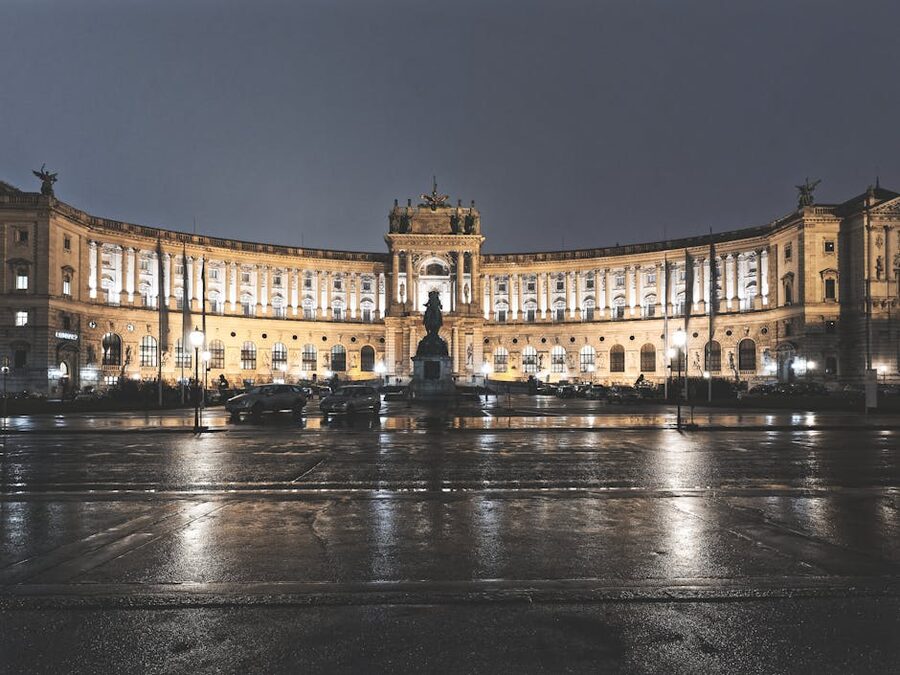
The opening hours that have been stable for the last few years: 9am to 5:30pm daily, last entry 4:30pm, with seasonal extensions on summer evenings. The Sisi Museum closes for one or two days a year for cleaning, always advertised on the official site. Plan around that if you are in Vienna for a tight weekend.
Best slot: 9am to 10am, hands down. The first hour of the day is the only time the Sisi Museum is genuinely quiet. From 11am onward the cruise ship groups and the school trips arrive together and the audio guide stops being a calm experience.
Time budget for the full ticket: I took four hours with the audio guide on for almost everything. If you only want the Sisi rooms and a quick walk through the Imperial Apartments, two hours is realistic. The Treasury adds another hour.
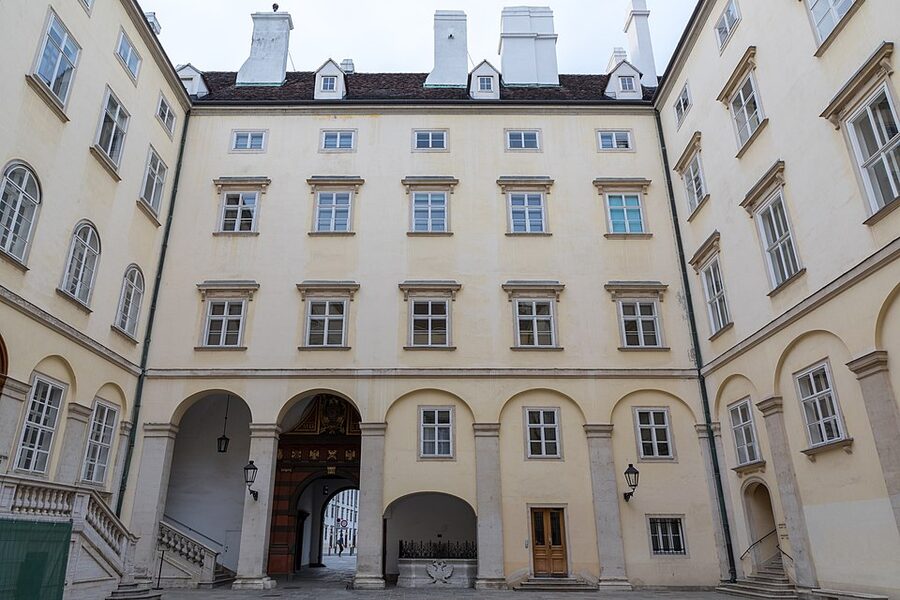
Tickets, Combos, And The Vienna Pass Question
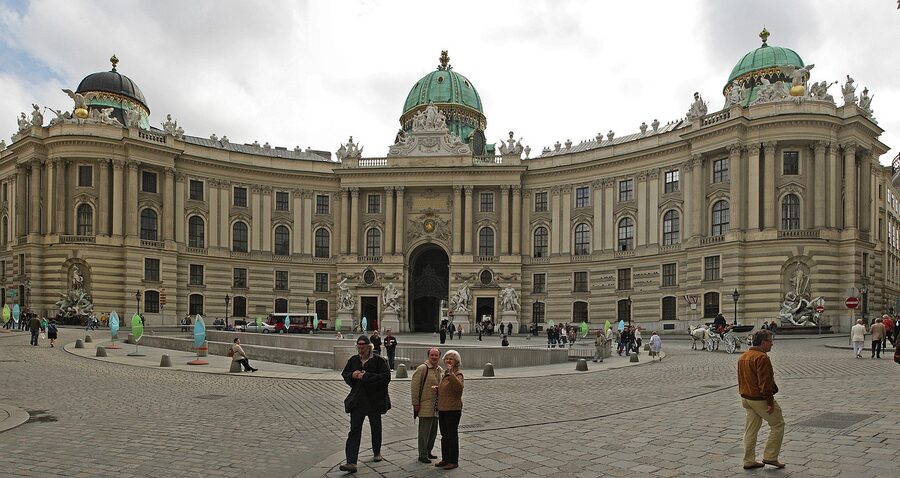
The standard Sisi Museum + Imperial Apartments + Silver Collection ticket is 20 euros adult, with reductions for under 19s, students, and seniors. Audio guide included. Vienna Pass holders get one free entry per pass per visit. Sisi Pass holders (a separate combo specifically for fans) get all four Sisi-related sites in Vienna and Schönbrunn for one fixed price.
If you are pairing this with Schönbrunn Palace, the Sisi Pass becomes the obvious math. If you are also planning Belvedere Palace or the Spanish Riding School, the wider Vienna Pass is usually better.
One thing to know: the standard ticket does not include a guided tour. The audio guide is the substitute. If you want a real guide, book one of the three options above, or accept that the room cards and audio do most of the work.
What To Skip If You Are Short On Time
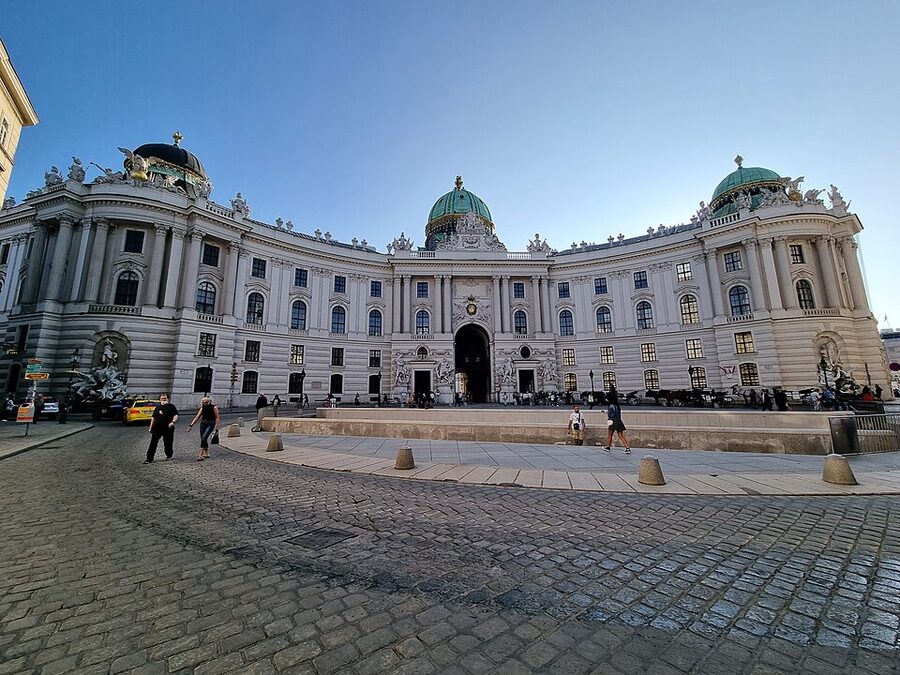
If you only have an hour, here is the honest cut:
- Skip: the long porcelain rooms in the Silver Collection. Beautiful but not the reason you came.
- Skim: the audio guide on the formal portraits in the first Sisi Museum room. The story gets going about ten minutes in.
- Slow down: the room with the death mask, the death notice, and the file. Five minutes minimum.
- Slow down: Franz Joseph writing desk in the Imperial Apartments. The audio segment there is the heart of the building.
- Slow down: Sisi gym, the dressing room with the wall rings, the Greek poems she kept in a notebook on the desk.
What To Pair It With On The Same Trip
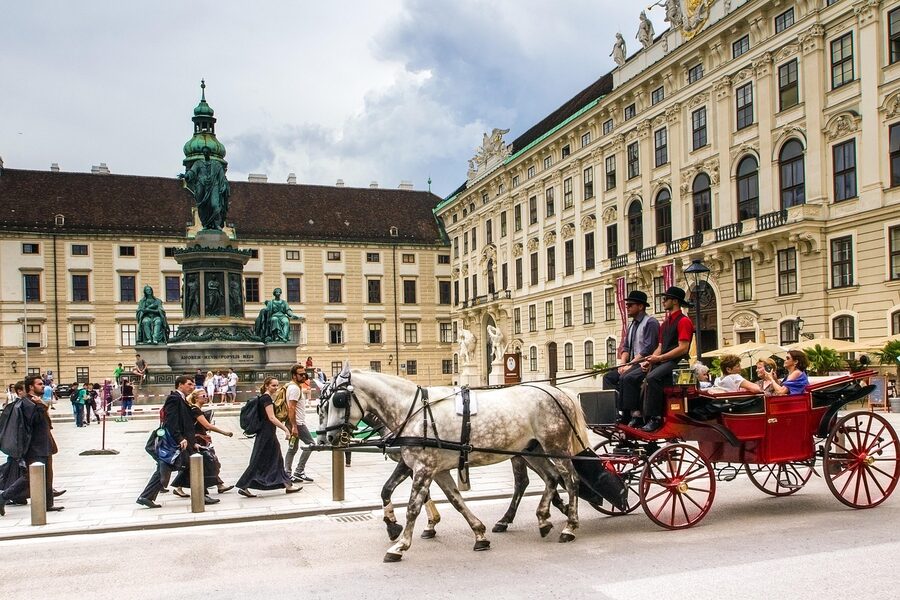
Schönbrunn Palace is the obvious pairing. Sisi spent her happiest stretches there. Going Hofburg in the morning and Schönbrunn after lunch is doable but a long day, and the audio guide fatigue is real. I prefer to split them across two days. The Belvedere is a different beast, more art gallery than imperial residence, and pairs well with a Hofburg afternoon if you do the Treasury rather than the full apartments.
If you want to widen the trip, the Central European triangle is a known quantity. Buda Castle in Budapest sits on the Hungarian side of what was the same Habsburg empire, and the audio guides over there explicitly cross-reference the Hofburg. St Stephen Basilica in Budapest holds the mummified hand of Hungary first king, who Sisi coronation as Queen of Hungary in 1867 traced back to. Prague Castle is the third Habsburg royal seat, and the contrast with the Hofburg is sharp. Prague feels older, the Hofburg feels lived-in.
For non-imperial Vienna, the easiest pairings are a Vivaldi concert at Karlskirche at 8pm after the museums close, or a Mozart night at the Golden Hall. Vienna evenings cost the equivalent of one Hofburg ticket and round the day off well.
Practical Notes The Tour Operators Skip
- Photography: No flash, no tripods, and no photos at all in the Sisi Museum most personal exhibits (the death rooms). Phone shots of the apartments are fine.
- Bag check: Free cloakroom at the entrance. They will take any bag bigger than a small daypack. Use it. Carrying a backpack through the apartments gets old fast.
- Toilets: Inside the museum at the start of the route and again before the apartments. Use the first set. The second set has queues.
- Food: Café Hofburg in the courtyard does decent Sachertorte for 7 euros. The In der Burg cafés outside the complex are cheaper and just as good.
- Children: The Sisi Museum is not pitched at kids. The Treasury is. Crowns and swords land harder than dresses.
- Wheelchair access: Mostly accessible via lift but call ahead. The Treasury route has more stairs than the Sisi Museum.
The Most Common Question I Get Asked
Is it worth it? Yes, with conditions. I have been twice. The first time I rushed and was underwhelmed. The second time I went at 9am with the audio guide and three hours blocked out, and it shifted from a Habsburg dress museum to one of the more affecting biographical museums I have walked through anywhere.
The thing the Sisi Museum does well is refuse to be fan service. It tells you the marriage was difficult, the court was cruel, the eating disorder was real, and the assassination was random. By the time you reach the Imperial Apartments you carry that with you, and Franz Joseph iron bed and uncluttered desk land harder than they would as a starting room.
Where To Go After You Walk Out
If you are still planning the trip, three Vienna palace guides naturally pair with this one. Schönbrunn Palace is where Sisi escaped from the Hofburg, and the contrast in moods between the two residences is the trip other half. The Belvedere is where you find Klimt The Kiss and a different chapter of the same Habsburg dynasty. The Spanish Riding School is right inside the Hofburg complex and the white Lipizzan horses at morning training are walkable from the Sisi Museum exit.
If you are widening the route to other Habsburg-era cities, Budapest and Prague are the natural partners. Salzburg old town day trip is another option if you are flying through Munich rather than landing in Vienna. The walking-tour itinerary tradition is strong across all four cities, and the audio guides talk to each other more than you might expect.