
The first time I watched a Lipizzaner stallion lift cleanly into a courbette across the white sand of the Winter Riding School, the man in the row behind me actually said the word “no” out loud. Not in protest. In disbelief. That is the effect this place has on people. You came to see a horse and you are watching a 450-year-old art form move past you in real time.
The catch is that there are three completely different ways to see it, and most first-timers pick the wrong one. So before you book anything, here is what each option actually delivers, what they cost, and which I would pick if you only have one morning in Vienna.
- In a Hurry? My Three Picks
- Three Ways to See the Lipizzaners (and Which to Pick)
- How Booking Actually Works
- Which Tour to Book
- 1. Spanish Riding School Morning Training:
- 2. Spanish Riding School Guided Tour:
- 3. Performance of the Lipizzans (The Formal Show): +
- The Stallburg Stables: The Best Part Almost Nobody Mentions
- What the Lipizzaners Actually Are
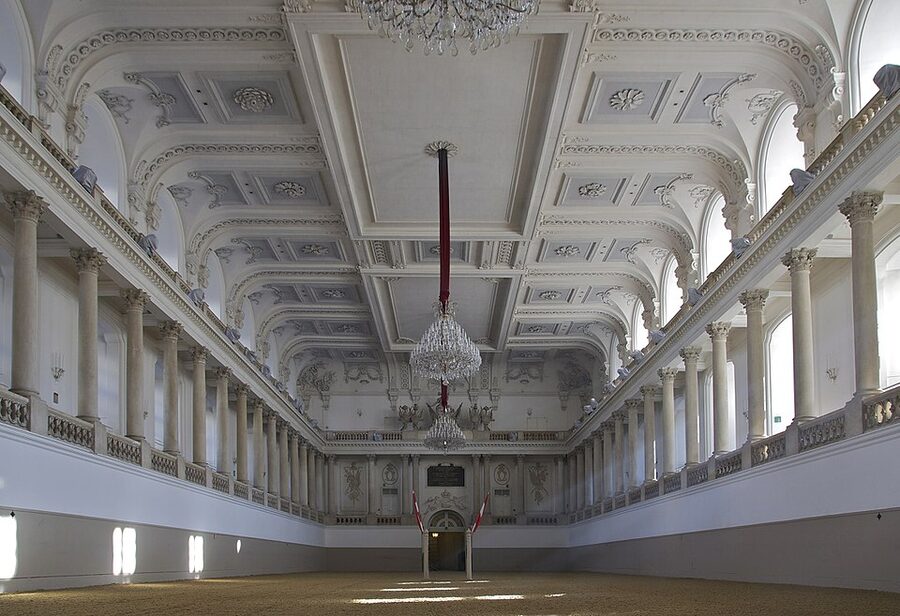
- The Winter Riding School: The Room Itself
- What a Visit Looks Like, Hour by Hour
- Best Time of Year to Go
- Tickets, Prices, and the Things People Get Wrong
- Photography, Phones, and Etiquette
- Getting There
- Pairing the School with Other Vienna Sights
- If You Have Time, Go to Piber Too
- Three Mistakes I See First-Timers Make
- If You Like This, Try These Next
In a Hurry? My Three Picks
- Morning Training, $20: the cheapest way in, the horses do their daily exercise to classical music. Book the morning exercise ticket.
- Guided Tour, $28: stables, tack room, the arena floor, with a real horsemanship guide. Book the guided tour.
- Formal Performance, $46: the Ballet of the White Stallions in full costume and music. Book the performance.
Three Ways to See the Lipizzaners (and Which to Pick)
This is the bit that confused me on my first trip and confuses almost every reader email I get. The Spanish Riding School sells three completely different products. They are not three price tiers of the same show. They are three different experiences.
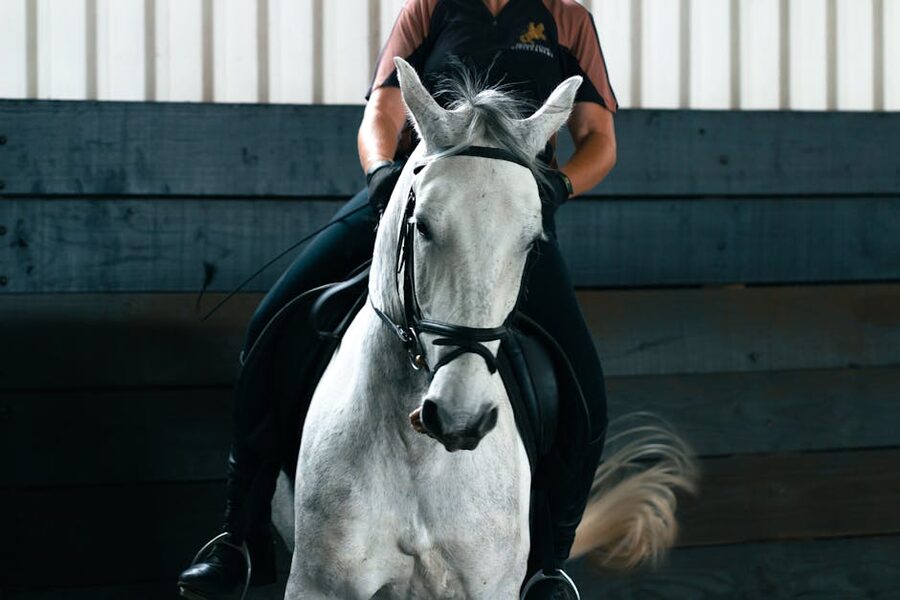
The Morning Training runs most weekday mornings when the horses are in town. You get a seat in the same baroque arena where the formal performances happen, but you are watching exercise, not show. Riders wear plain practice clothes. Stallions trot in pairs. The whole thing has the texture of an open-door rehearsal at a serious ballet company. It costs about $20, runs for around two hours (you can come and go), and is the only ticket that lets ordinary people into that room without paying full performance prices.
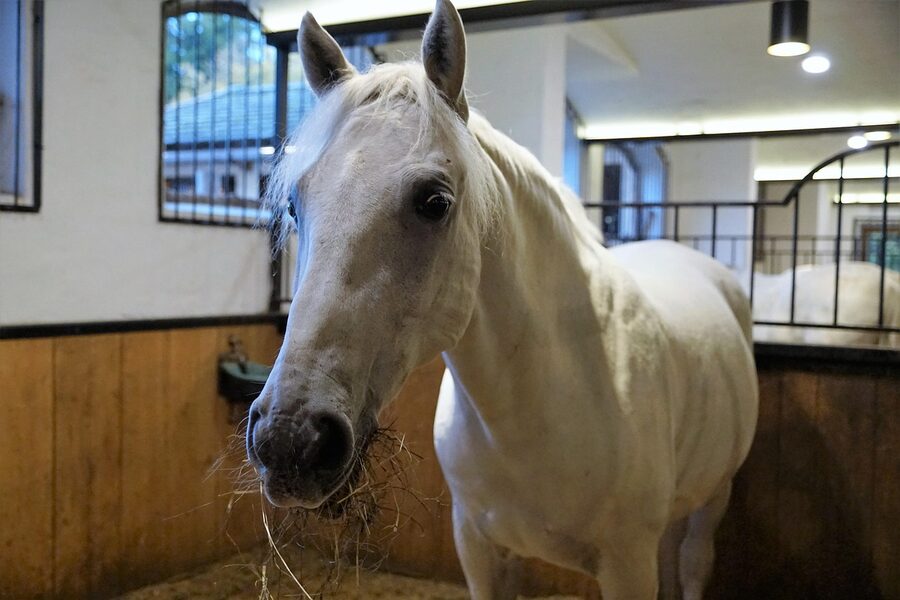
The Guided Tour takes you behind the velvet rope. You spend roughly an hour walking the arena floor, the Stallburg stables, the tack room with the saddles on name pegs, and the corridors most visitors never see. There is no horse performance. There is, however, the chance to stand a yard from a 1,200-pound stallion who is leaning out of his stable and breathing on you. I rate this above the morning exercise for first-timers because the guide actually explains what you are looking at: how a Lipizzaner is selected, why they are born black and turn white, what the saddle pegs mean, why the arena floor has those specific swirls. About $28.
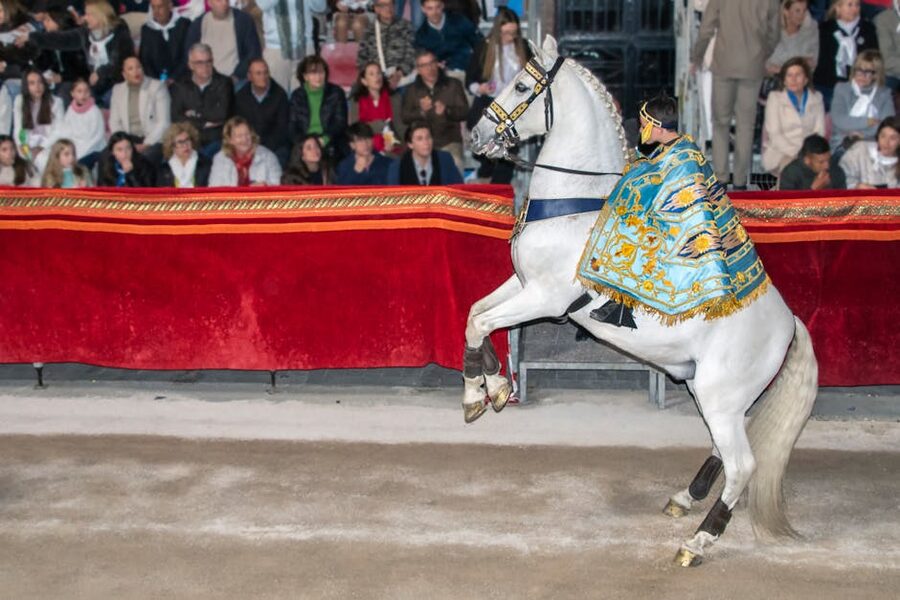
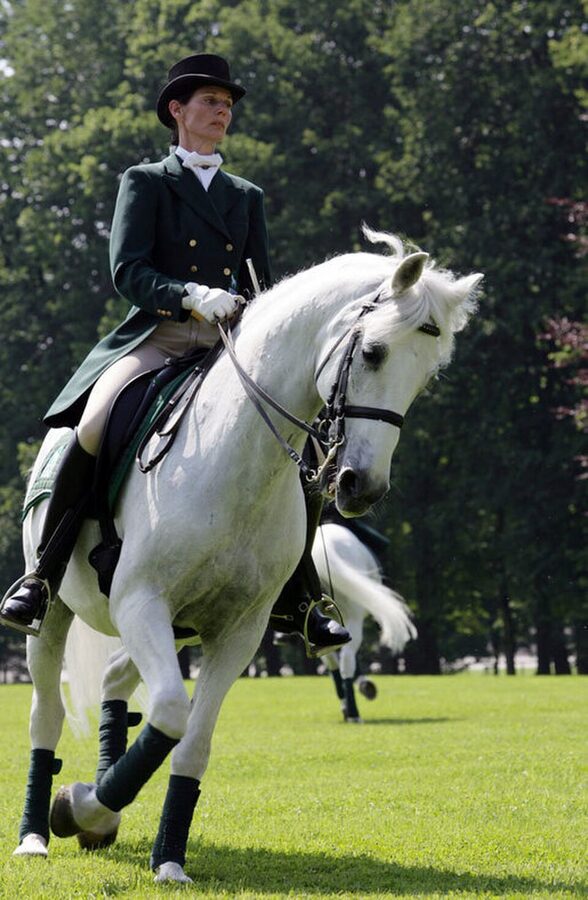
The Formal Performance is the famous one, the Ballet of the White Stallions. Riders in bicorn hats and brown coats, music written for the choreography, the airs above the ground (capriole, courbette, levade) all in sequence. It is shorter than you expect, around 80 minutes including the interval, and tickets start around $46 for standing room and climb past $200 for the prized first-row boxes. It is the most theatrical of the three and the least intimate.
If I had one morning in Vienna and limited budget, I would book the guided tour. If I had a full day and good seats available, I would do the morning training plus a guided tour combo (the school sells a discounted package). The performance is wonderful but you can find equestrian dressage at a high level in many cities. The Stallburg stables and the artisan saddles are something you cannot see anywhere else on earth.
How Booking Actually Works
You can buy directly from the official site srs.at, or through resellers like GetYourGuide, Tiqets, and Viator. The official site is reliably cheaper for the formal performance, sometimes by 10 to 15 percent. Resellers are usually faster to confirm and easier to refund if your travel plans wobble.
For the morning training, both routes work fine and prices are nearly identical. The training tickets sell out less often than people assume, but they sell out on holiday weekends and in summer. I would book a week ahead in May or August, and a day ahead in shoulder months.
For the guided tour, the official site requires you to email [email protected] with a date request, and your booking is not confirmed until they email back. That is fine if you have time, but if you want a confirmed slot in your inbox five seconds after paying, the GetYourGuide route is faster.
For the formal performance, book early. Six to eight weeks ahead for weekend dates, longer if you want a specific seat tier. Performances do not run every week. The school takes its summer recess (the Lipizzaners go to grazing pastures in the country), so check the calendar before you commit to dates.
Which Tour to Book
I have ridden through the booking flows for the three biggest ways to see the school. These are the ones I would pick.
1. Spanish Riding School Morning Training: $20
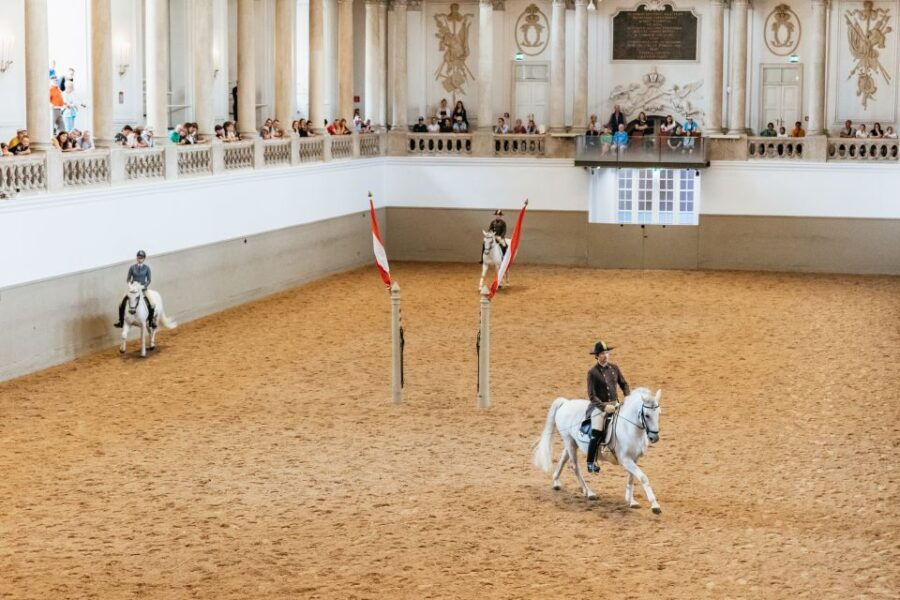
This is the entry-level ticket and the one I send first-timers to when they only have a tight budget or schedule. Our review of the morning exercise pass covers the come-and-go rule and which days it actually runs. Two hours, around $20, no formal show but the horses are in the room and so are you.
2. Spanish Riding School Guided Tour: $28
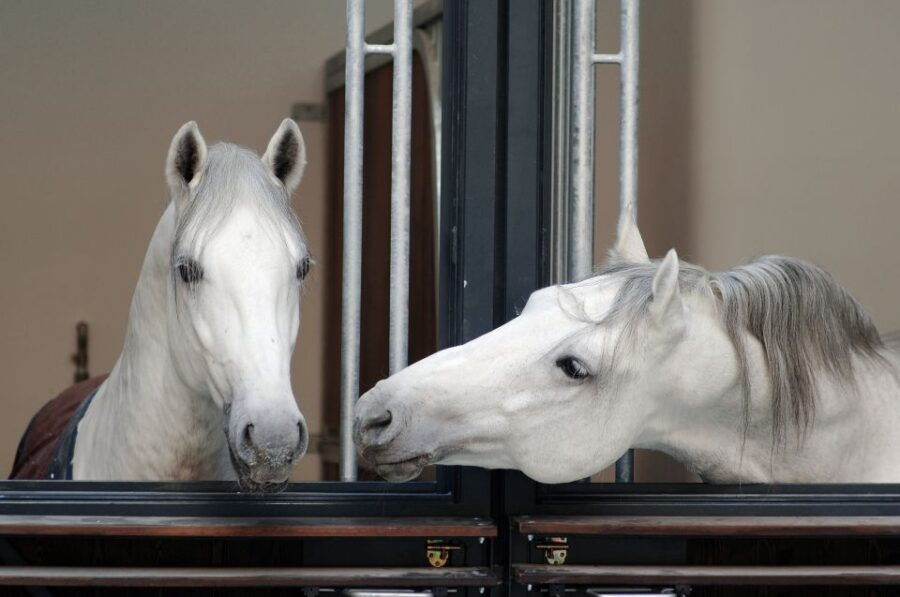
My pick for first-time visitors with a half day to spare. Our full review of the guided tour walks through the route from the Winter Riding School arena to the Renaissance stables. Around 55 minutes, English tours daily, and you learn more about Lipizzaners in an hour than the formal performance teaches you in eighty.
3. Performance of the Lipizzans (The Formal Show): $46+
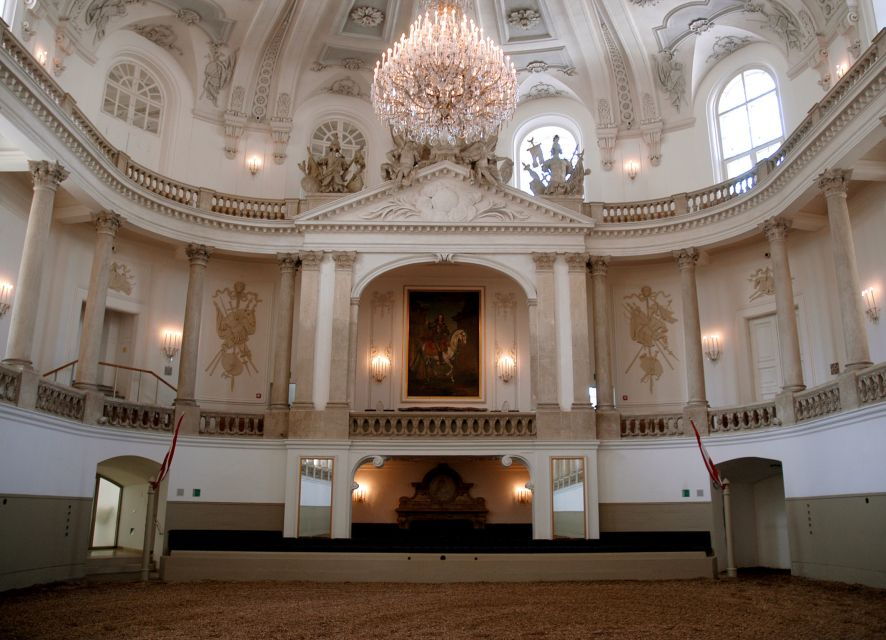
This is the bucket-list version, with the full Ballet of the White Stallions in costume. Our review of the formal performance covers seat tiers and which categories actually feel worth the price. Performances run roughly weekly outside the summer recess, so book ahead and check the calendar before locking your travel dates.
The Stallburg Stables: The Best Part Almost Nobody Mentions
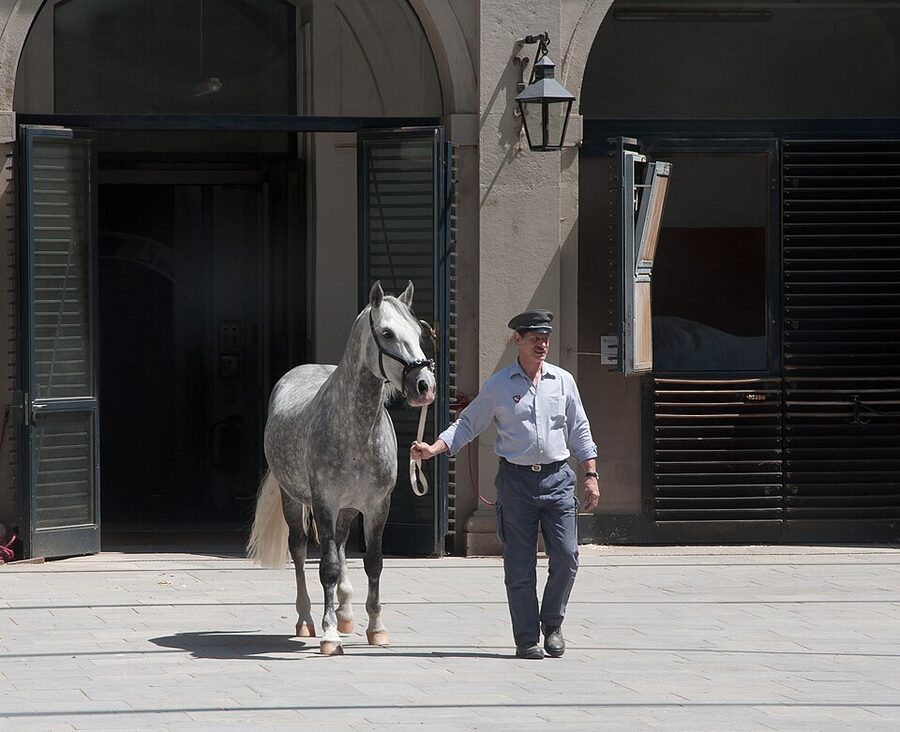
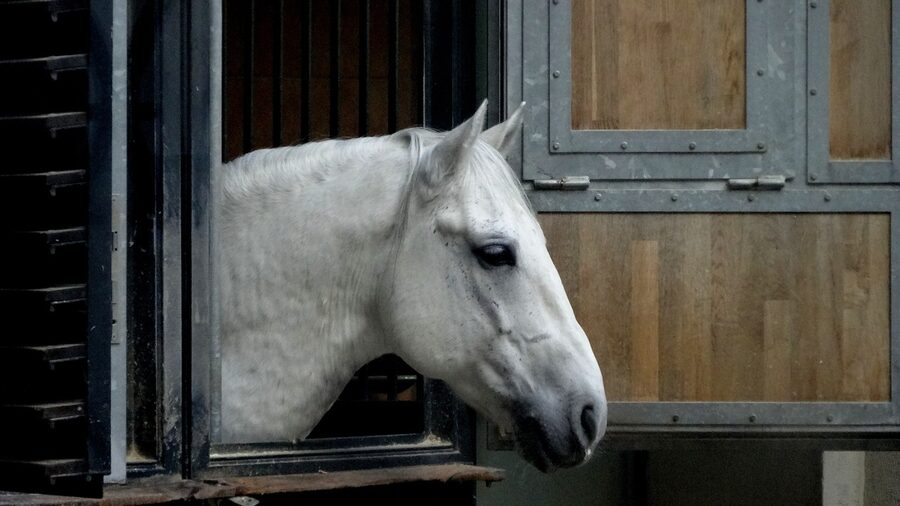
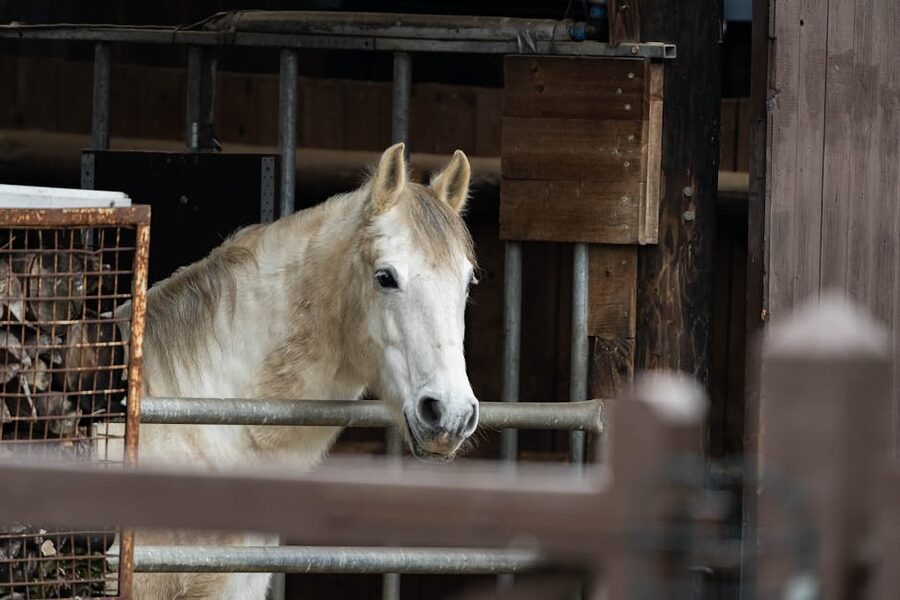
If you are doing the guided tour, the Stallburg is the part that will stay with you. The Winter Riding School is the room you have seen in photos. The Stallburg is the room you have not. It is across a small lane from the arena, and it is where the stallions actually live.
You walk into a Renaissance courtyard, look up, and see the stable doors lining all four sides. Each door has a horse looking out. The upper galleries are still arched and arcaded the way they were when Emperor Maximilian II first built the complex in the 1560s. There is no glass between you and the animals. No ropes either. The school trusts the horses and the visitors to behave.
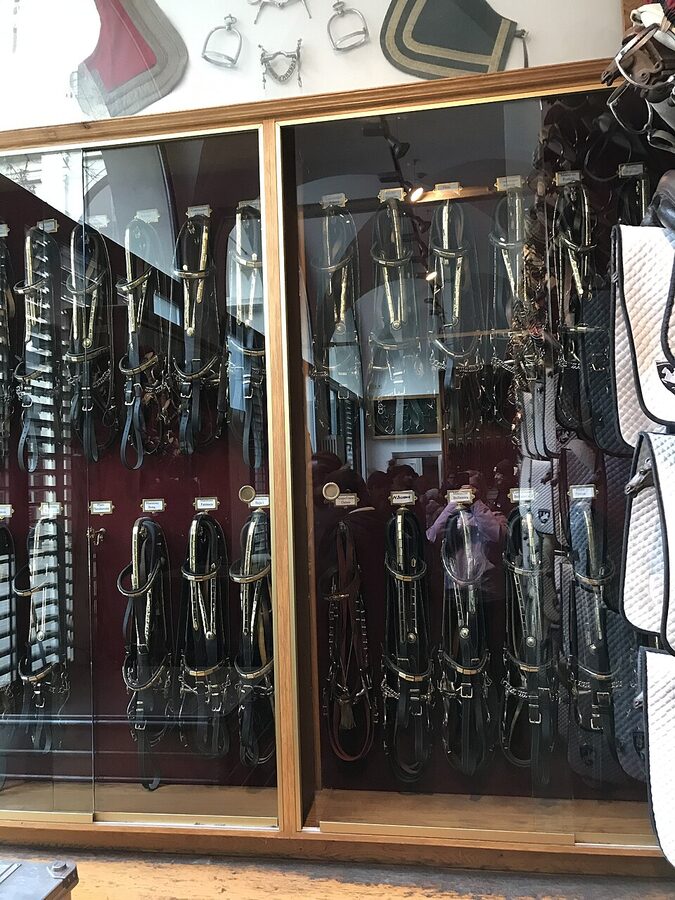
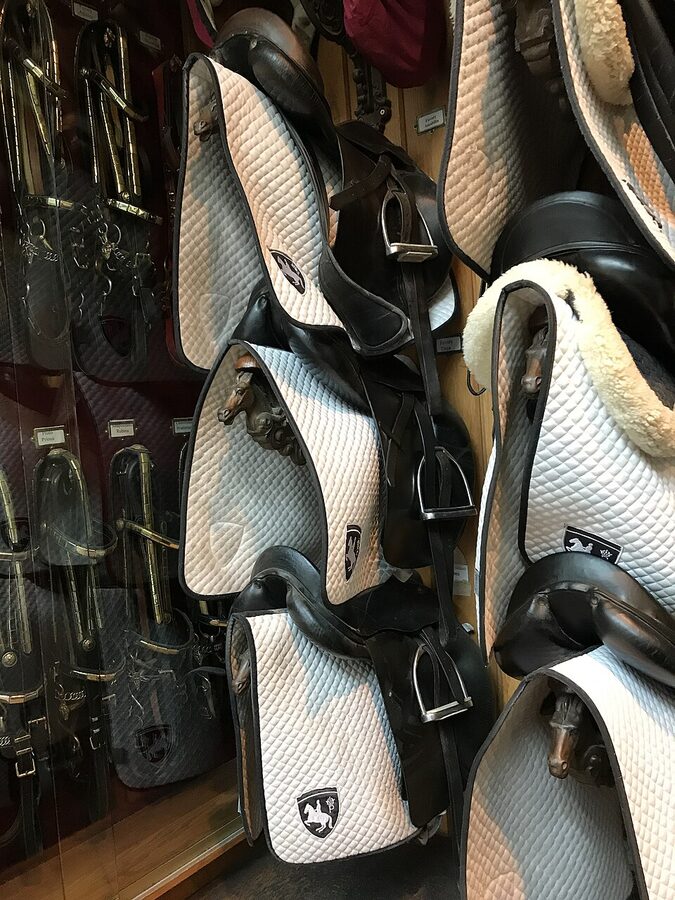
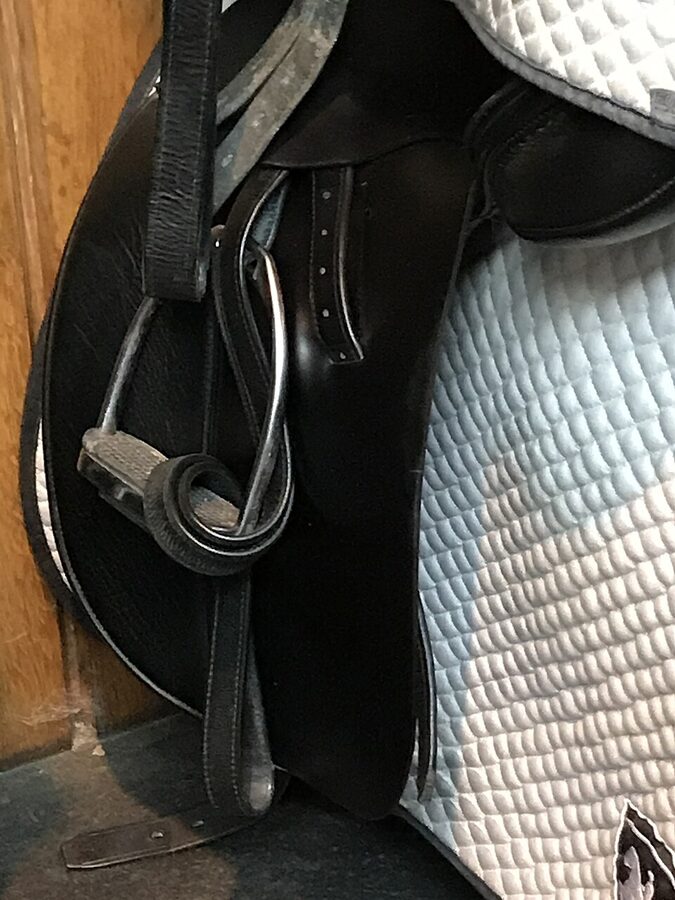
Inside the stable, the tack room is a small museum in itself. Every saddle, every bridle, every set of stirrups hangs on a labelled peg, fitted for a specific stallion and a specific rider. The saddles are still made on-site to a pattern that has barely changed since the 18th century. The leather smells exactly the way you want it to.
If you compare this to the way the Buda Castle walking tours in Budapest handle their own historic complex, this is closer in feel: a real working space rather than a museum behind glass. The school is a functioning institution, not a heritage display.
What the Lipizzaners Actually Are
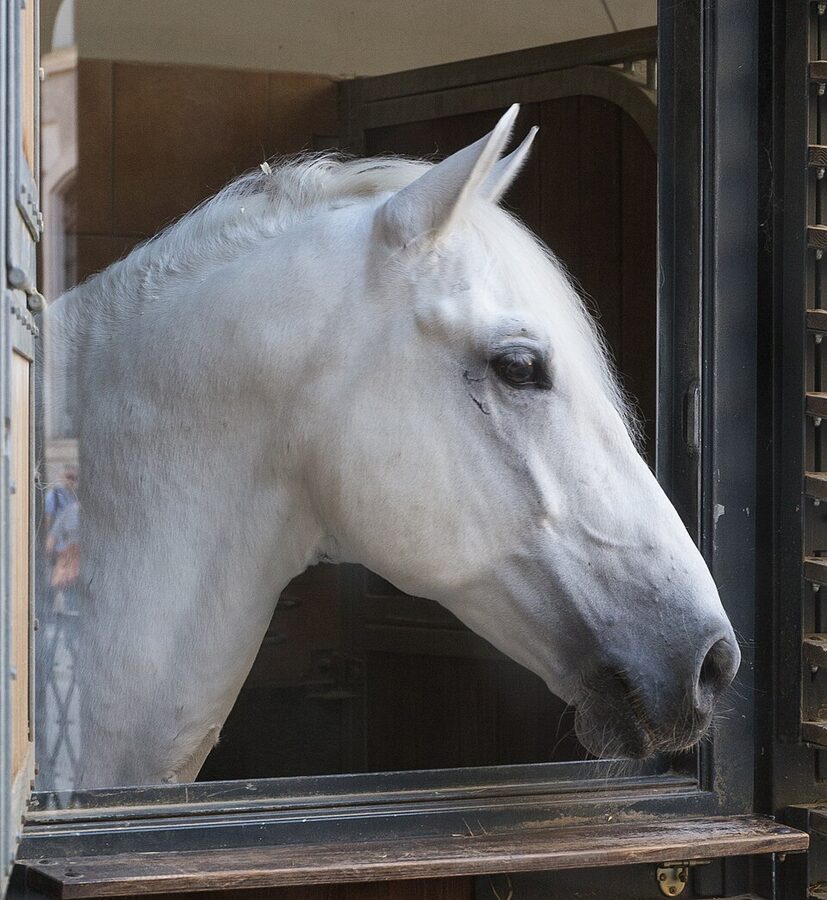
I had assumed Lipizzaners were a Vienna invention. They are not. The breed comes from a stud farm at Lipica, in what is now Slovenia, founded in 1580 by Archduke Charles. The Habsburgs wanted a horse that could do classical haute école dressage and look the part for state ceremonies. They crossbred Spanish, Arabian, and local Karst stock until they landed on the Lipizzaner.
The breed nearly died out twice. Once during World War I, when herds were scattered across the empire. Once during World War II, when the US Army staged the famous Operation Cowboy in 1945 to rescue stallions from a stud in occupied Czechoslovakia before they fell into Soviet hands. The current Vienna stallions descend from those rescued lines.
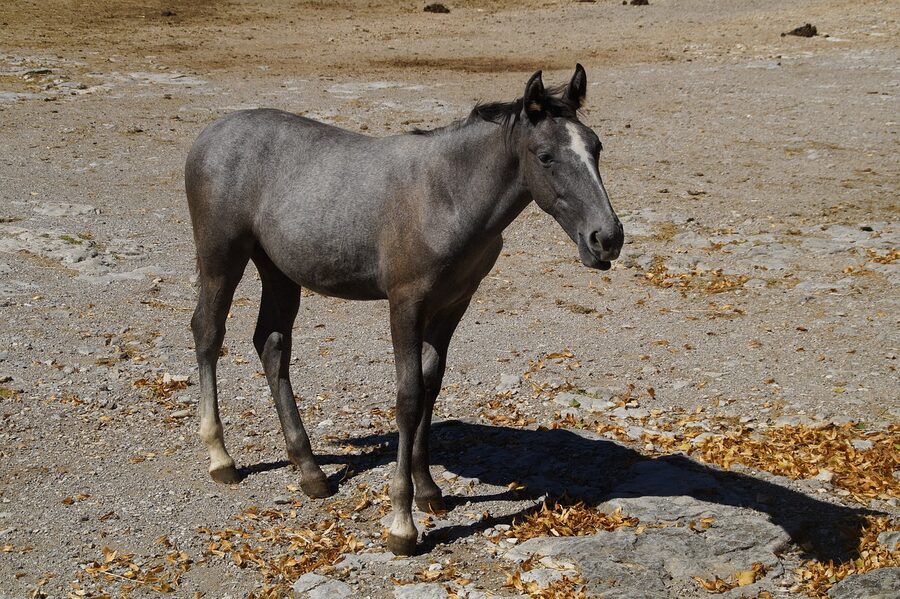
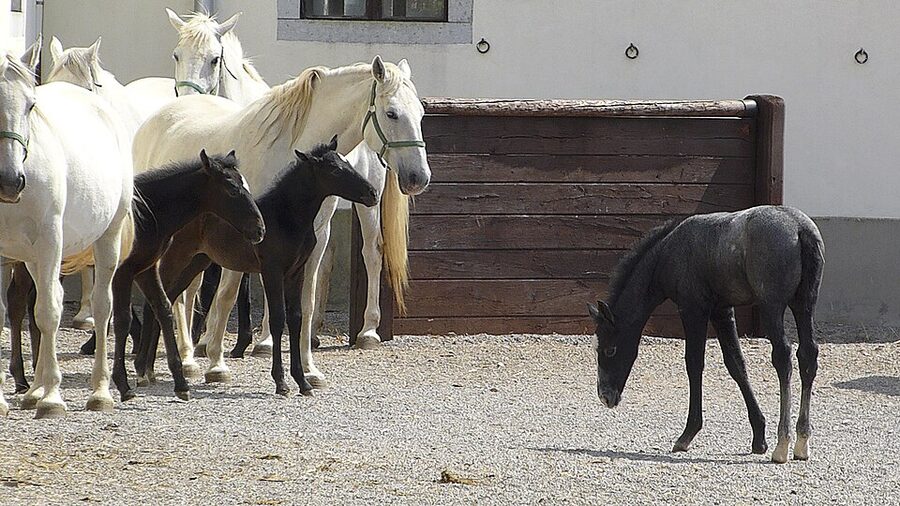
The school’s working stallions are still bred at Piber stud in the Styrian alps. They go to Vienna at four, train for around six years before performing publicly, and most retire from the formal performances in their late teens. A handful continue working the morning training sessions for years afterward.
The Winter Riding School: The Room Itself
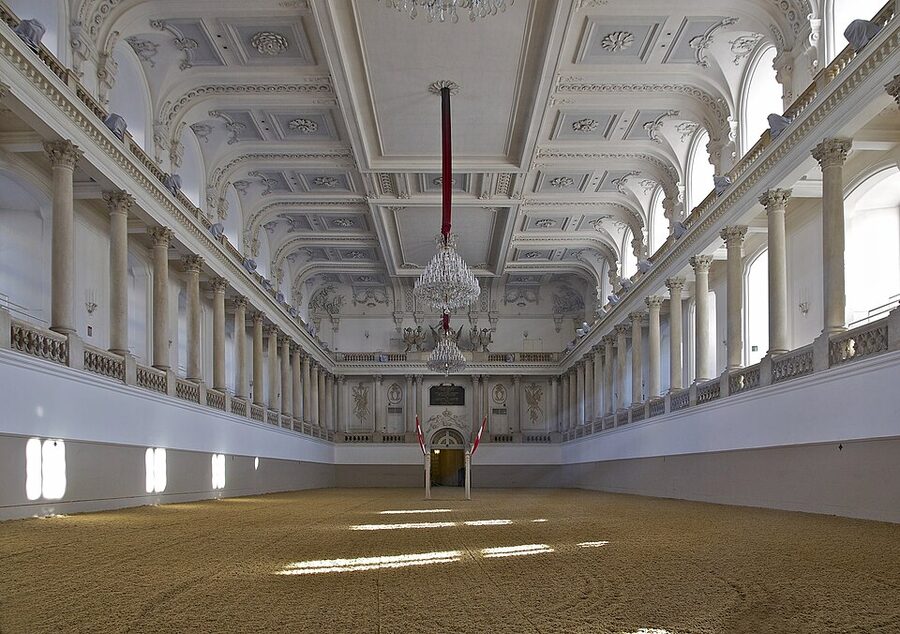
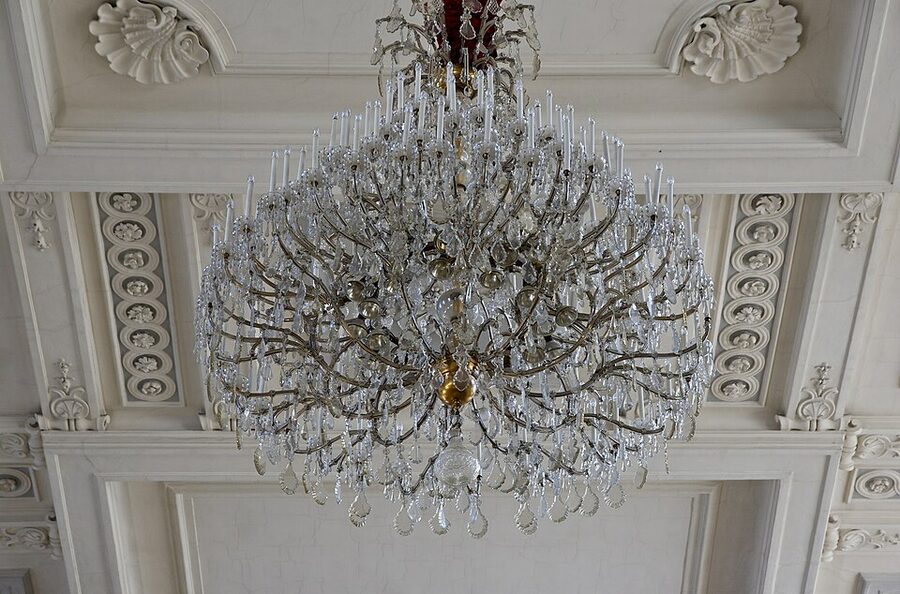
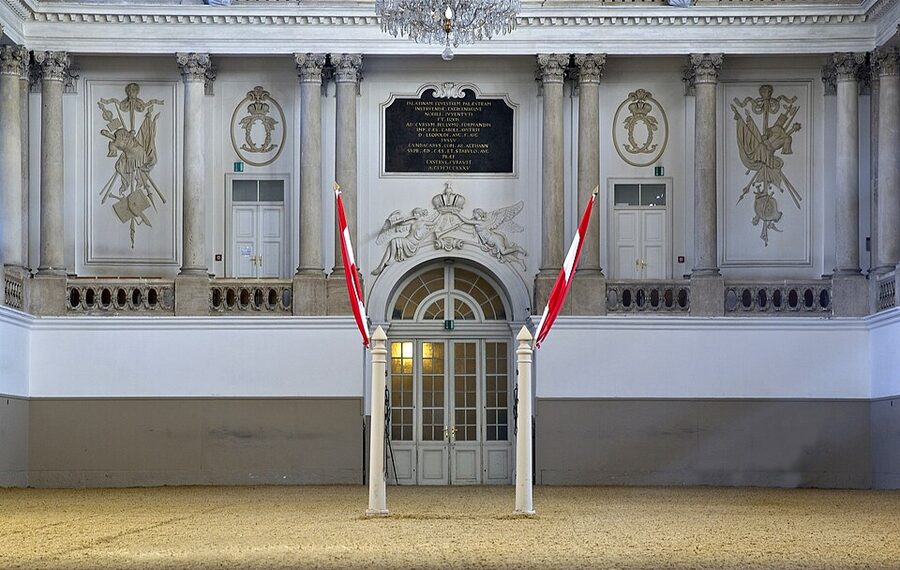
The arena is the postcard image of the school: a long, white, baroque hall with chandeliers, a gallery for the audience, and a portrait of Emperor Charles VI watching from the end wall. He paid for the building. His son-in-law’s son Joseph II opened it to the public. The riders still salute the portrait every time they enter the arena, and have done so unbroken since the 1730s.
The dimensions are small by modern equestrian standards. Around 55 metres long by 18 wide. The roof is supported on tall wooden trusses. The audience benches are raked steeply and unforgivingly hard, especially in the upper galleries. Bring a coat in winter and a folded jacket to sit on. Trust me on the second one.
What a Visit Looks Like, Hour by Hour
For the morning training, doors open at 9 in the morning. The exercise officially runs from 10 to noon. You can walk in any time after 9 and stay as long as you like in that window. Most visitors arrive at 9.30, sit for an hour, and leave around 11. The early arrivals get the best gallery seats.
For the guided tour, you meet at the ticket office hall at the time printed on your booking. English tours are usually at 14:00 or 16:00. The guide collects you, runs through the arena, the Stallburg, and the tack room, and the whole thing takes 55 to 60 minutes. The pace is unhurried. You get plenty of time at the stables.
For the formal performance, doors open about an hour before showtime. Pick up the printed programme on the way in. The performance itself is 80 minutes with a 15-minute interval. Wine and small bites are sold in the gallery. Dress code is technically smart casual but in practice everyone has gone full tourist polish.
Best Time of Year to Go
The school takes a long summer recess. The stallions move to pasture, the arena closes for performances, and the formal Ballet of the White Stallions does not run between roughly late June and late August. The morning training and the guided tour usually keep going through the year except for short maintenance breaks.
If your priority is the formal performance, target October through May. If your priority is the stables and the training, summer is fine. If you want all three (training plus tour plus performance), aim for October, November, March, or April. December is busy but the city is at its Christmas-market peak, which makes the trip worth the crowds.
Tickets, Prices, and the Things People Get Wrong
The cheapest morning training ticket runs around $20 per adult. Children get a discounted rate, usually about half. The guided tour is $28. The formal performance starts at $46 for standing room and works up through several seat tiers, with the prized first-row boxes touching $200 in peak weeks.
The Vienna Pass and the Vienna City Card both include free entry to the morning training but not the guided tour or the formal performance. If you are doing several Vienna sights, that pass quickly pays for itself, but it is not a substitute for proper tickets to the show or the tour. People misread that all the time.
One thing worth flagging: the Spanish Riding School is one of the few major Vienna sights that does not let you “skip the line” with a fast-track ticket. There is no fast-track. Everyone goes through the same security check and the same ticket office hall. Arriving 15 minutes early is plenty.
Photography, Phones, and Etiquette
Photos without flash are allowed at the morning training and the guided tour. Photos at the formal performance are technically not allowed once the show starts, and ushers do enforce it. Most people grab a few shots in the first minute, get told off, and put their phone away. Plan for that.
Touching the horses is not allowed. Talking quietly is fine. Children are welcome but the formal performance has a stated minimum age of three, and in practice it works best for ages eight and up. Younger kids get fidgety in the second half. The morning training is far more forgiving for small children because you can leave when you like.
Getting There
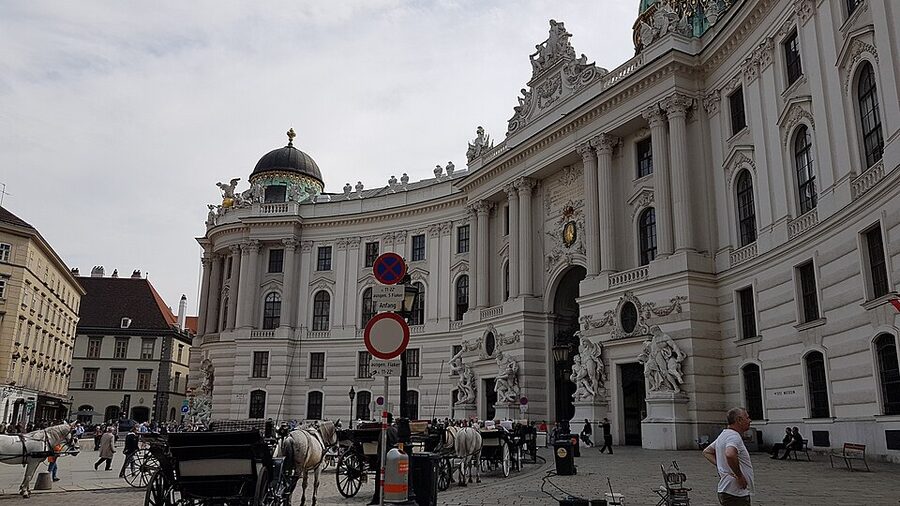
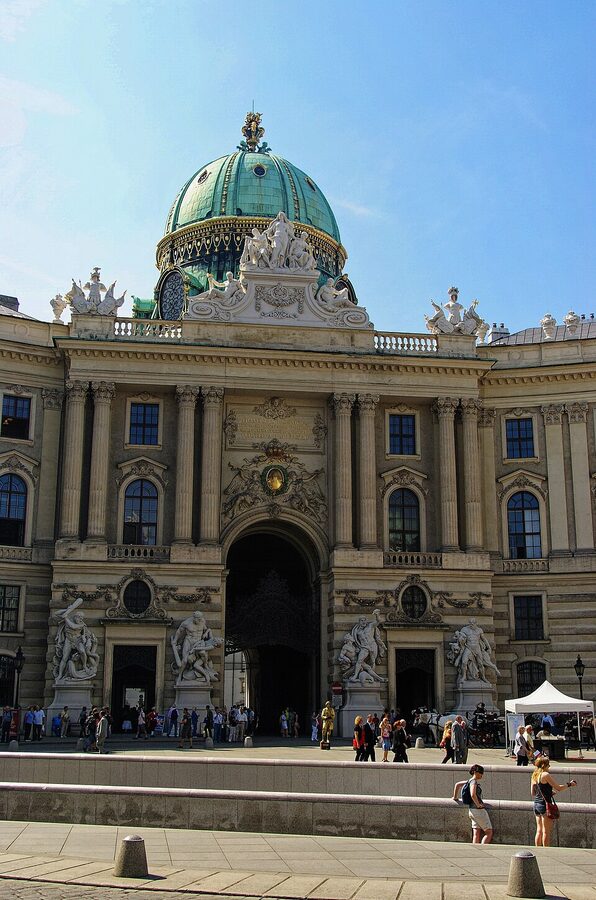
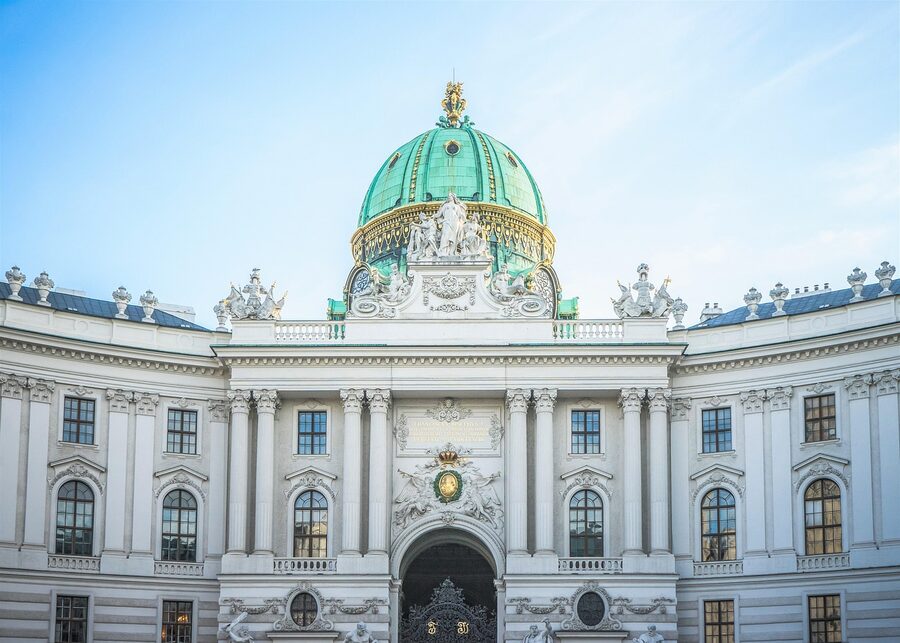
The school is at Michaelerplatz 1, 1010 Vienna, in the dead centre of the old city. The nearest U-Bahn stop is Herrengasse on the U3 line, two minutes’ walk away. Stephansplatz is about eight minutes on foot if you are coming from the cathedral side. There is no parking and you do not want to drive into the inner city anyway.
If you are walking from the Albertina or the Opera, allow ten minutes through the inner Hofburg courtyards. The route through the Heldenplatz, the Innerer Burgplatz, and out under the Michaelerkuppel dome is one of the prettiest short walks in Vienna and worth doing slowly.
Pairing the School with Other Vienna Sights
The school sits inside the same Hofburg complex as the Imperial Apartments and the Sisi Museum. If you have a half day, the most efficient route is morning training at 10, walk across the Innerer Burghof to the Hofburg and Sisi Museum for an hour at noon, then lunch on Kohlmarkt or Graben. That is your morning sorted.
If you are doing the formal performance in the evening, your day looks different. Use the morning for Schönbrunn Palace, take the U4 back into town for a late lunch, and arrive at the Hofburg by 18:30 for the show. You get the imperial summer palace and the imperial winter performance in a single day, which is the cleanest possible Habsburg sampler.
For art-focused trips, pair a morning training session with the Belvedere Palace in the afternoon. The Belvedere is your Klimt fix and a different kind of imperial space (it was Prince Eugene’s summer residence rather than an imperial home), and the U-Bahn ride from Herrengasse is short.
If You Have Time, Go to Piber Too
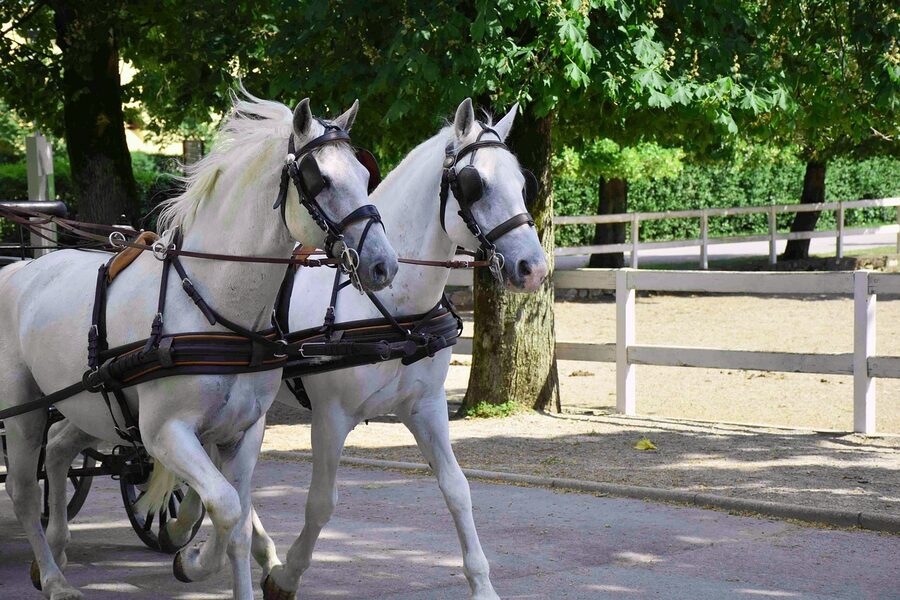
The school’s stud is at Piber, in Styria, about a four-hour train and bus journey from Vienna. The stud is open to visitors most of the year and is the better place to actually understand how Lipizzaners are produced. You see the foals (born black or dark grey, the white only comes later), the broodmares, and the early training. Most one-time visitors will not bother. If you have a passion for the breed, it is the trip that completes the picture.
Three Mistakes I See First-Timers Make
One: assuming the formal performance is the “main” experience and skipping the guided tour. The guided tour is what you remember a year later. The performance is wonderful but you can find similar dressage in other capitals. The Stallburg you cannot.
Two: booking the morning training thinking it is the full show. It is not. It is exercise. Quietly beautiful, especially for horse people, but plain and unscored. Read the description twice if you are not sure what you are buying.
Three: cutting it too tight on the dates. Performances do not run every week. The summer recess is real. Always check the official calendar before booking flights, not the other way around.
If You Like This, Try These Next
Vienna pairs naturally with Budapest and Prague for a Central-European trip, and all three cities have their own version of “old imperial spaces you can walk through.” If the Hofburg’s blend of working institution and museum-grade architecture grabs you, you will probably love the Buda Castle complex in Budapest and the way the Prague Castle compound still functions as the seat of the Czech presidency. They are working palaces, not just monuments. The Spanish Riding School fits the same mould.
For a different angle, the Hungarian Parliament tour in Budapest is the closest cousin to the SRS guided tour in feel: a working state institution that lets visitors walk through its inner rooms with a guide. Same controlled access, same sense that you are seeing real work happen, same satisfaction at the end. And if you are doing the trip in autumn or winter, an evening Danube cruise (the Budapest dinner cruise is the best version) is a lovely off-feet pairing after an active palace day.
Closer to home, if classical-music Vienna grabs you in the same way the school does, the Neuschwanstein day trip from Munich hits the same Habsburg-era romanticism but in a Bavarian register. Different country, similar emotional payoff.
Whatever you book, book it before you book the flight. The summer recess and the weekly performance schedule are the two things that catch most first-timers out, and both are easy to plan around if you check first.