
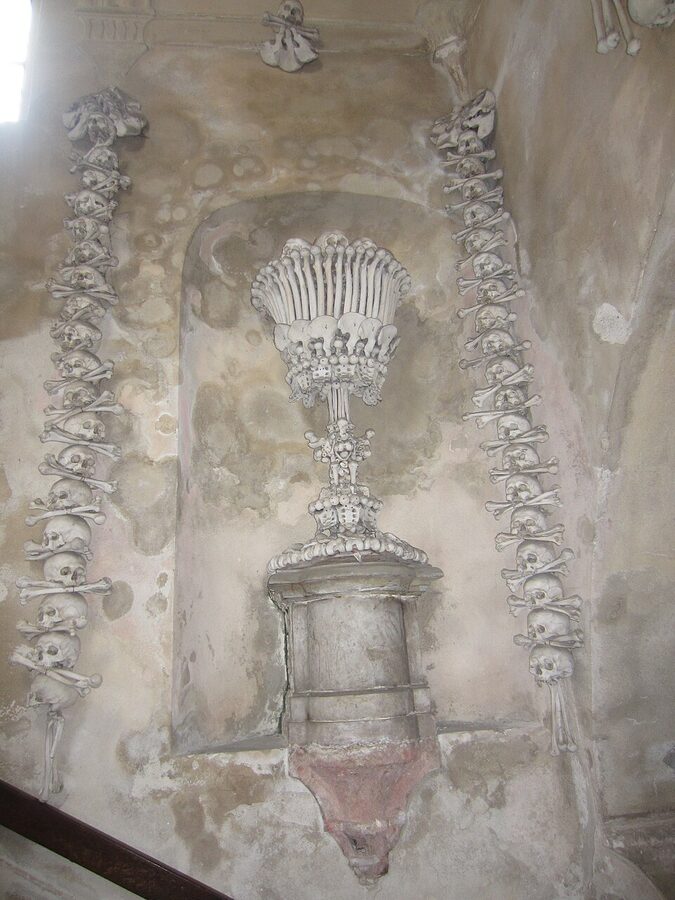
The first thing you notice in the Sedlec Ossuary is not the bones. It is the silence. Forty thousand human skeletons line the walls and dangle from the ceiling on a chandelier that uses every bone in the human body, and the visitors who file past them barely speak above a whisper. That hush is the sound of Kutná Hora’s most-talked-about attraction, and it is the reason most people book this day trip from Prague.
Kutná Hora is about an hour east of Prague by train, less by guided coach. There are three sensible ways to get there and back in a day, and the right one depends on how much hand-holding you want, how much time you want at the cathedral side of town, and how comfortable you are riding Czech trains alone.
- In a Hurry?
- Why Kutná Hora Is Worth a Day
- Three Ways to Do This Day Trip
- 1. Sandeman’s UNESCO Tour With Bone Chapel:
- 2. St Barbara’s Cathedral and Sedlec Ossuary Tour:
- 3. Day Trip to Kutná Hora by Train:
- Doing It Yourself by Train
- What You’ll See in Sedlec
- What You’ll See on the Cathedral Side
- How Much Time You Need
- The Best Time of Year to Go
- What to Pair Kutná Hora With
- Practical Notes
- One More Thing to Know
- Where to Go After Kutná Hora
In a Hurry?
- Sandeman’s UNESCO + Bone Chapel coach tour ($81): the most-booked option, six hours, walking-tour energy. Check availability.
- St Barbara’s Cathedral + Sedlec full guided day ($90): the architecture-focused pick, more time inside the cathedral. Check availability.
- Train day trip with light guiding ($83): rides the regular Czech Railways train both ways, guide meets you for a walking loop in town. Check availability.
Why Kutná Hora Is Worth a Day
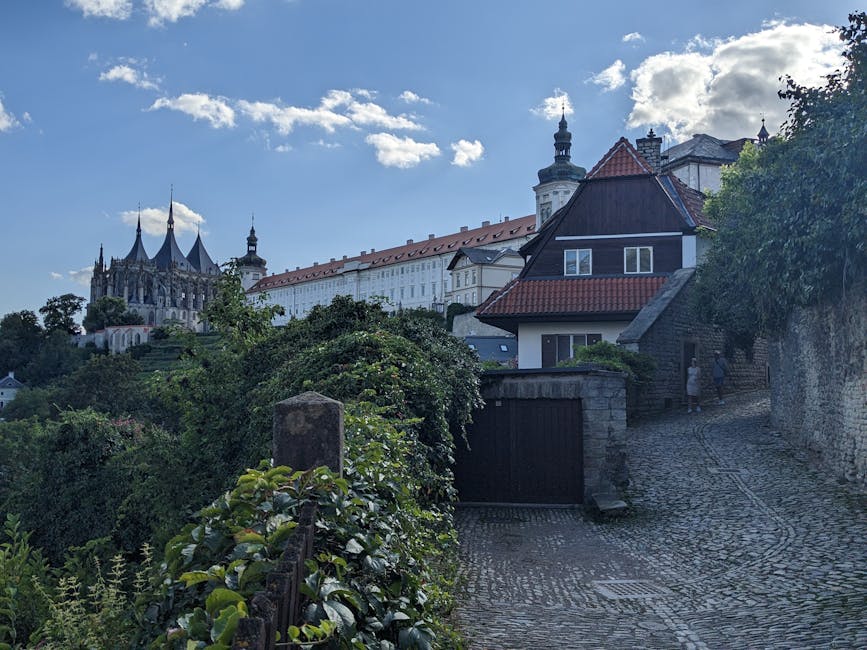
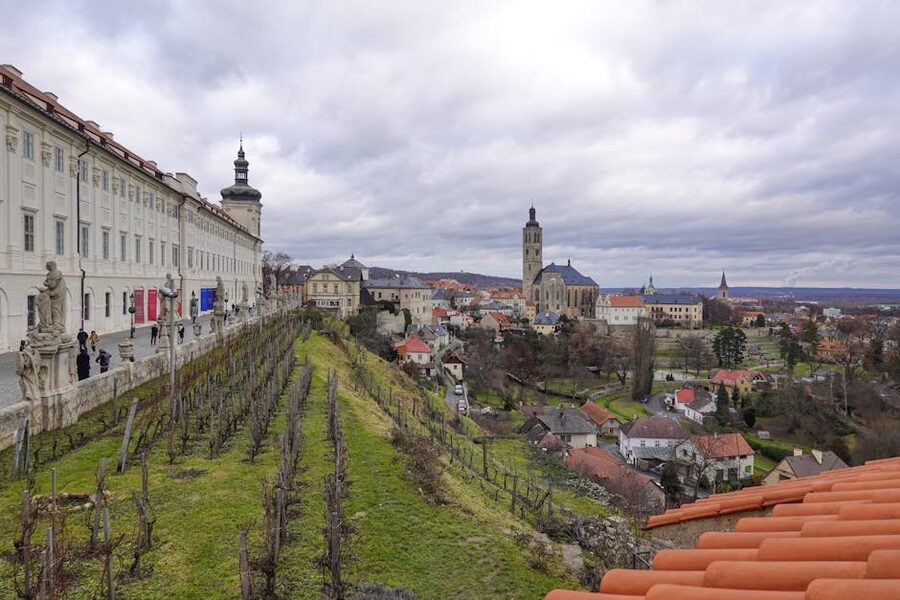
Kutná Hora is a small town with two outsized attractions and an old centre that punches well above its weight. In the Middle Ages it was the second city of Bohemia, rich on silver, and the architecture of the rich years is still there. St Barbara’s Cathedral, the Italian Court mint, the Stone House, the Jesuit College all sit inside a UNESCO World Heritage zone you can walk in an afternoon.
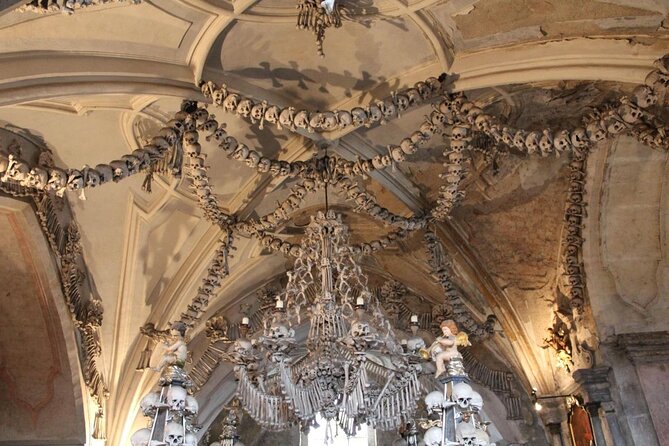
The Sedlec Ossuary is the headline. Most people I know booked the day trip on the strength of one photograph, the bone chandelier, and were surprised by how short the visit is. The chapel is tiny. Twenty to thirty minutes is enough. The thing that catches you off guard is what the place is actually for. It is a working chapel, the bones are sacred remains, and the artistic arrangement was a 19th-century woodcarver’s response to a real ossuary problem after the plague pits were exhumed.
What the Bone Chapel does not give you is a full day. That is St Barbara’s job, plus the walk between the two through the silver-mining old town. A good Kutná Hora day is a forty-minute train ride or hour-long coach, the ossuary in Sedlec, a two-kilometre stroll or short bus to the cathedral, and a long lunch on the way. If you book the right tour you do not have to think about any of this. If you book the wrong one, you spend half the day on a coach and twenty minutes per stop.
Three Ways to Do This Day Trip
The choice between the three options below comes down to one question. Do you want to be told where to stand and what you are looking at, or do you want to set your own pace?
The full guided coach tour is the easiest. You meet your guide in central Prague, you ride a bus, you are walked through Sedlec, you are walked through the old town, you are walked through (or up to) the cathedral, and you are returned to Prague. There is no IDOS app, no train station, no decision to make beyond which stop to use the bathroom at. This is what most first-time visitors book and what I would book if I had two days in Prague and wanted Kutná Hora to be one of them.
The cathedral-focused guided day is for people who want to spend longer at St Barbara’s and the silver-mining museum. These are the same six hours but weighted differently, and the small upgrade in price reflects the deeper cathedral experience. If you read about the Bone Chapel and thought it sounded thin, this is the better pick.
The train day trip is the closest thing to going independently while still having an English-speaking guide on the day. You ride the regular Czech Railways direct service from Prague’s main station, your guide meets the train, you walk the route as a small group, and you ride the train back. It is cheaper than the coach options, slightly slower, and noticeably less stage-managed.
1. Sandeman’s UNESCO Tour With Bone Chapel: $81
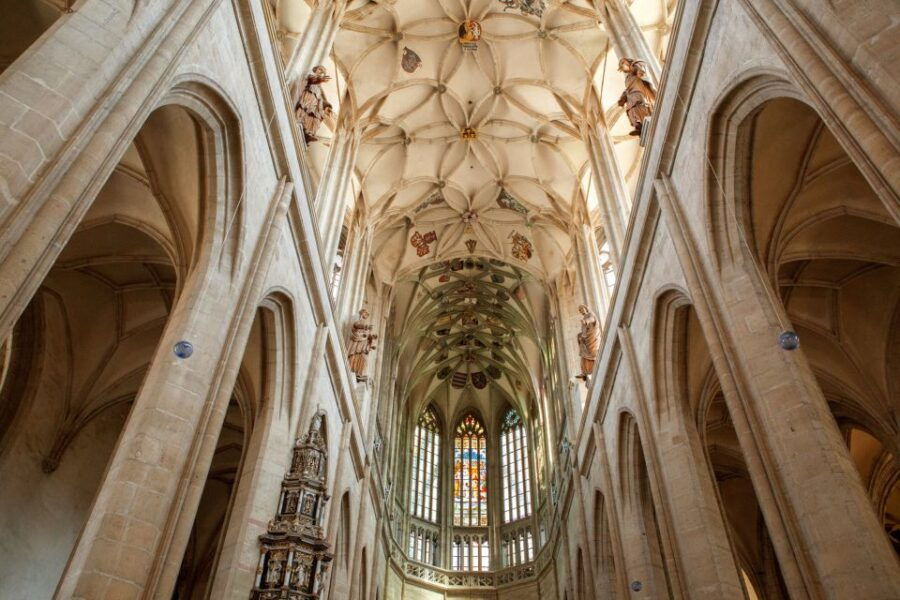
This is the highest-volume Kutná Hora tour out of Prague and the one I would default to if you only do this trip once. Our full review walks through the Sandeman’s day in detail. It hits the Bone Chapel, the silver-mining quarter, and St Barbara’s Cathedral with enough breathing space to actually look at things, and the guides are unusually good at the history.
2. St Barbara’s Cathedral and Sedlec Ossuary Tour: $90
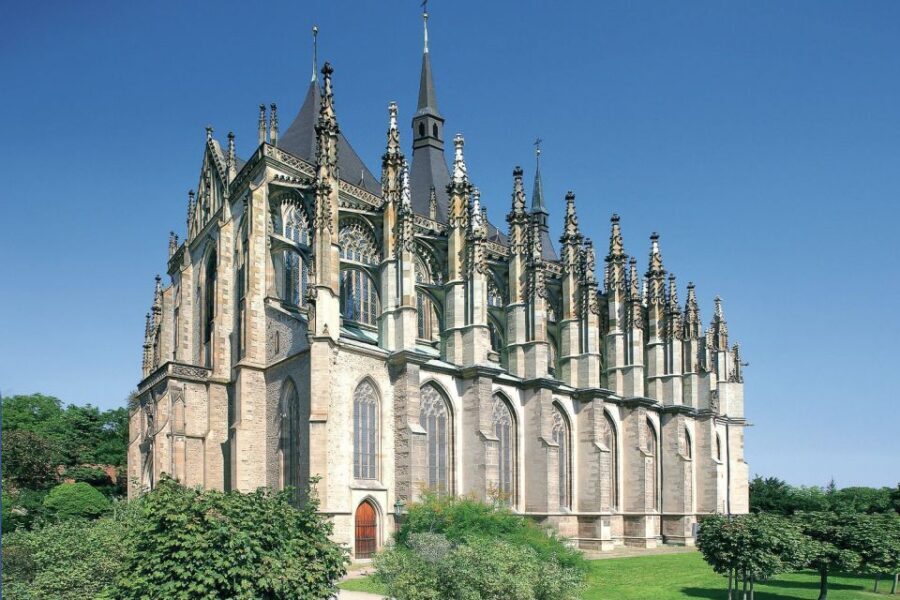
The pick for anyone who finds bone chapels short on substance and wants more cathedral time. Our review of the cathedral-led day covers the swap-in details and what you actually see inside St Barbara’s. The guides on this one tend to be art-history-trained, and the small group format helps when you are trying to follow a Late Gothic vault explanation.
3. Day Trip to Kutná Hora by Train: $83
This is the in-between pick. You take the regular train to Kutná Hora, your guide meets you, the walking tour and entrance fees are sorted on the day, and you ride back when the loop is done. Our full write-up of the train day has the meeting-point details. It is the lowest-stress version of the independent option, and I have always preferred a train carriage to a coach park.
Doing It Yourself by Train
If you would rather not be on a tour at all, the DIY train run is genuinely easy and the cheapest way to do Kutná Hora in a day. You buy a return ticket at Prague’s main station, Praha hlavní nádraží, and the journey takes between fifty minutes and an hour and a half if you land on a direct service it is the lower end of that range.
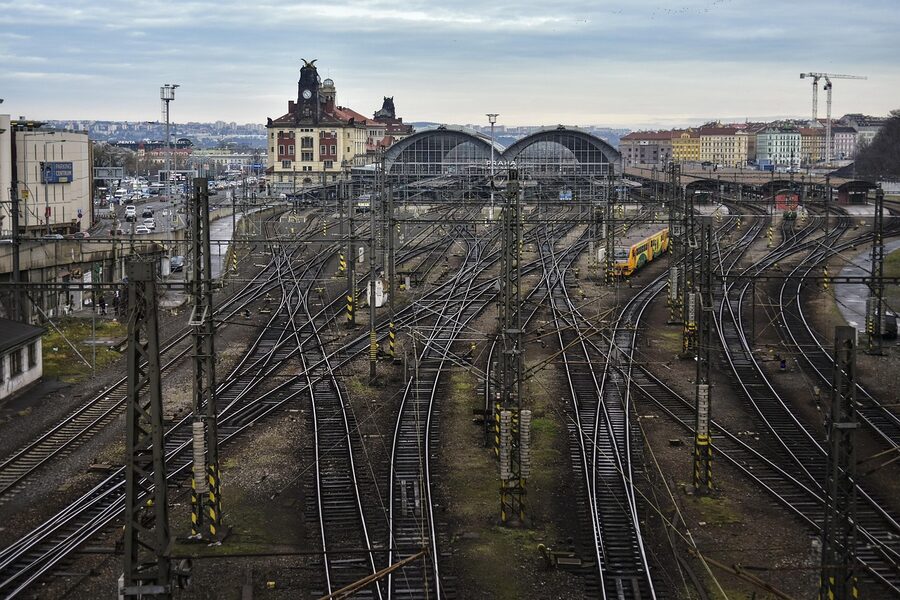
You want to download two apps before you leave Prague. IDOS is the Czech transit app, it has every train, every bus, every tram in the country, and the Kutná Hora schedule lives there. Mapy.cz is the local maps app, it knows the walking routes the cathedral side of town, and it knows them better than Google Maps does.
One catch worth knowing. Kutná Hora has two stations. The main one, Kutná Hora hl.n., is what the train from Prague pulls into, and it is the one closest to the Sedlec Ossuary. The town-centre stop, Kutná Hora město, is a tiny secondary station near St Barbara’s. There is a small shuttle train between them, the route is signposted in English, and most people walk Sedlec first and then ride the shuttle in.
What You’ll See in Sedlec
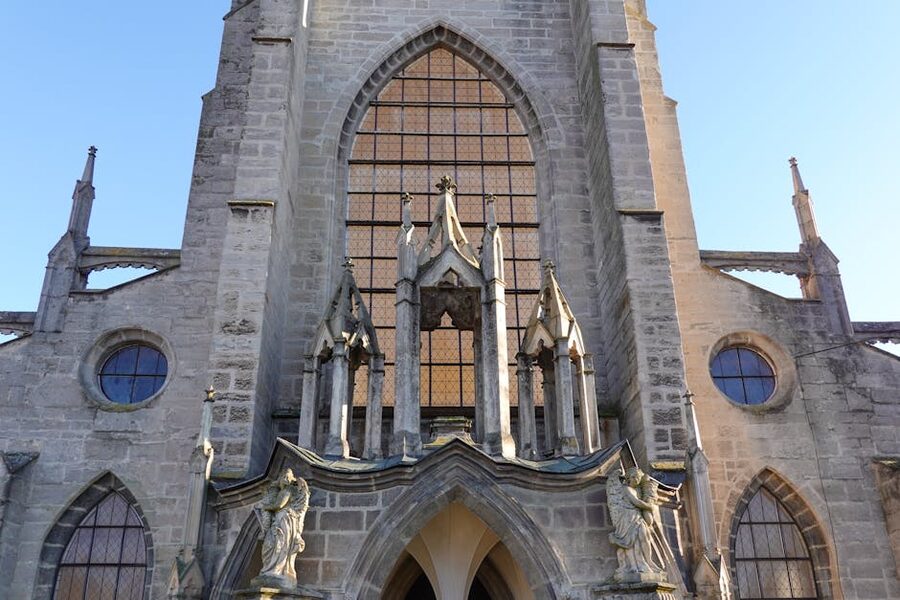
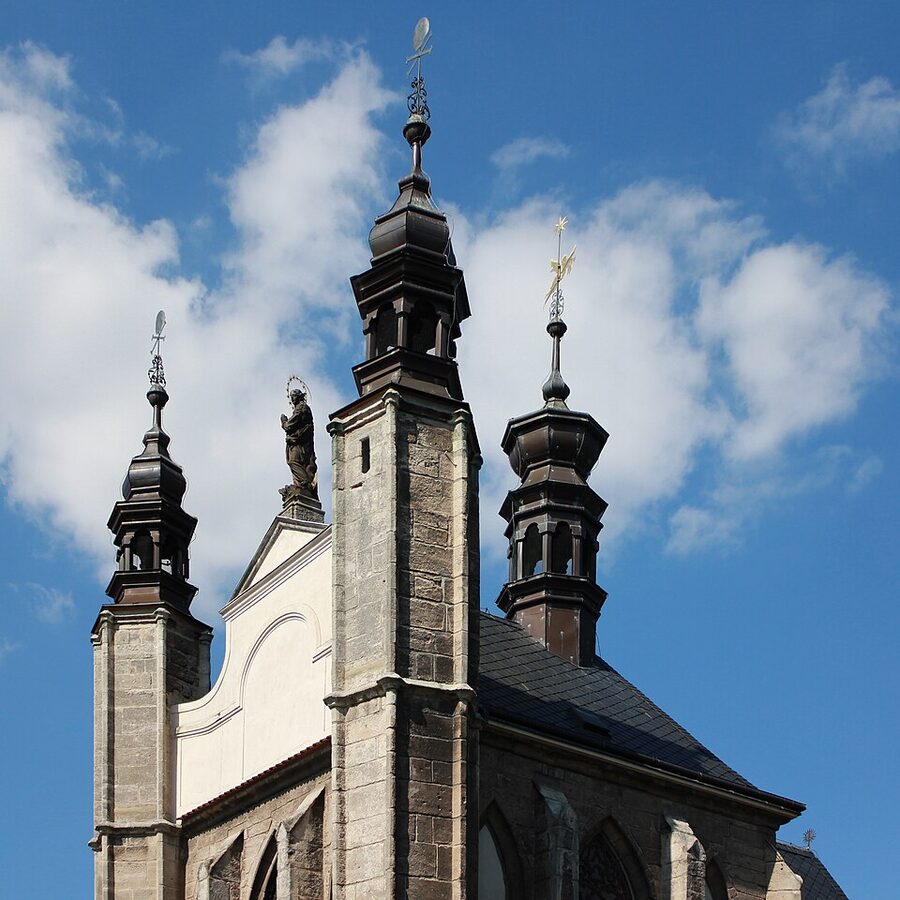
The Bone Chapel is the famous half of the Sedlec stop. The Cathedral of the Assumption of Our Lady and St John the Baptist is the other half, and most independent travellers skip it because they did not know it was there. They are a five-minute walk apart and a combined ticket covers them both.
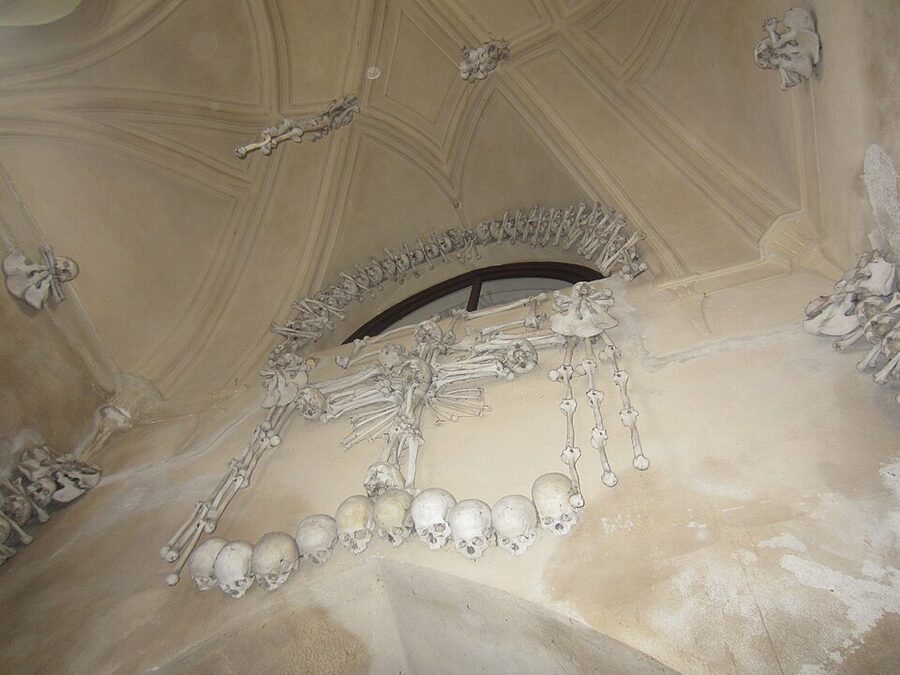
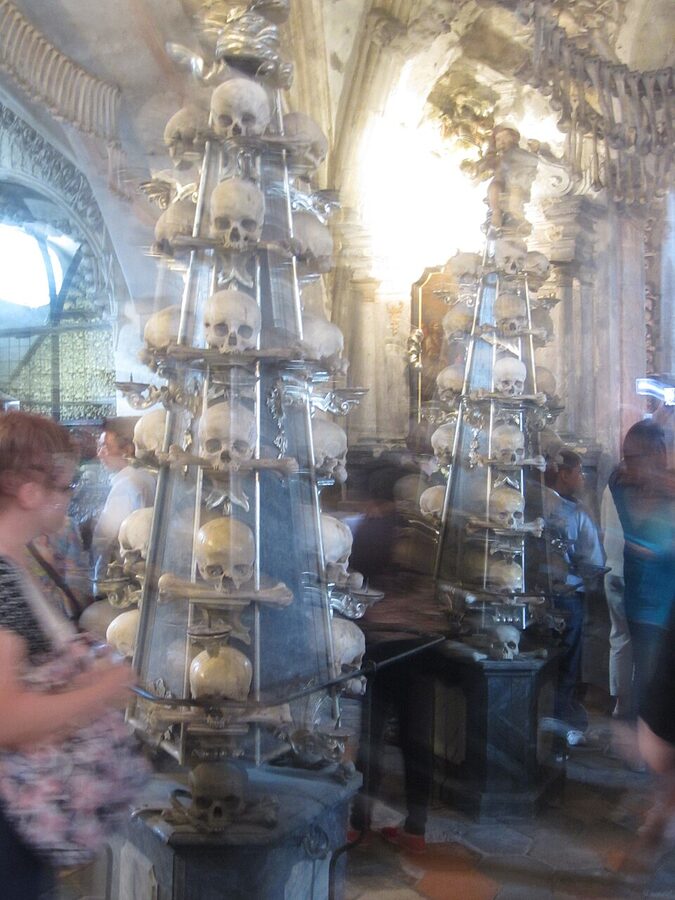
The ossuary itself is in the Cemetery Church of All Saints, a small two-storey chapel with the famous bone art on the lower floor. The decorations were arranged by a woodcarver named František Rint in 1870. He signed his name in bones on the wall to the left of the entrance. The chandelier hangs in the centre of the chapel directly under the vaulted ceiling, and the four pyramids of skulls in the corners are what most people photograph after the chandelier.
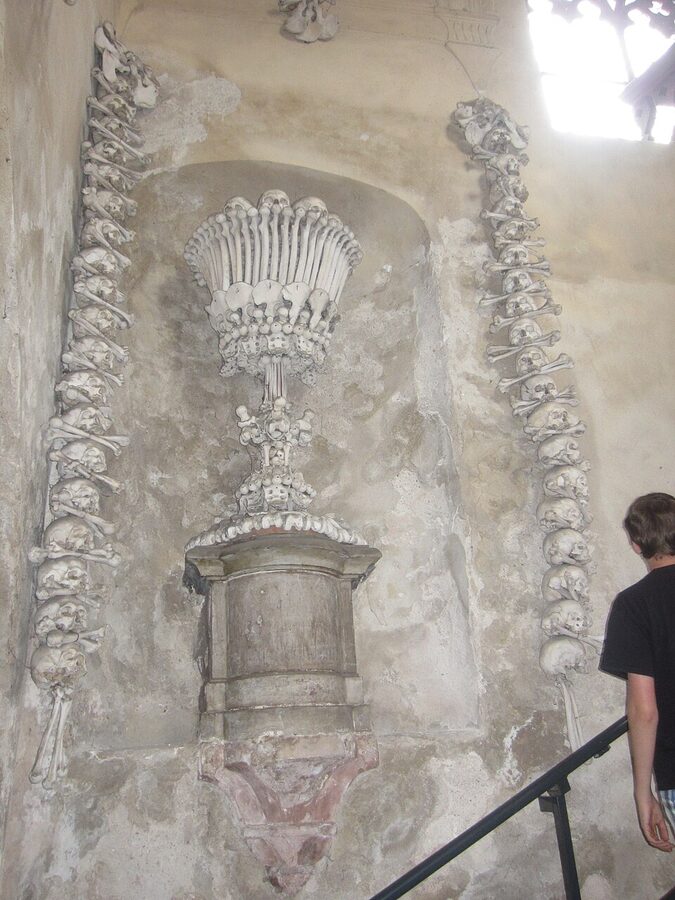
The most ornate piece is the Schwarzenberg coat of arms on the right-hand wall, also Rint’s work. It includes a small crow pecking at a Turk’s eye, a heraldic reference to a victory at the siege of Győr in 1598. Look for it. The coat is full of small details and it is easy to miss them if you are queueing for the chandelier shot.
The ossuary is open daily, and tickets are timed in summer to keep crowds manageable. If you are going independently in July or August, book online a few days ahead. If you are on a tour, your guide has already done this. Photography is allowed but flash is not, and there is a small fee for permit-free photography that the staff will quietly accept by including it in the entry price.
What You’ll See on the Cathedral Side
The walk from Sedlec into the centre of Kutná Hora is two and a half kilometres. Most tours do this by minibus and most independent travellers do it by the small Kutná Hora shuttle train. The walk itself is pleasant in dry weather and a slog in wet weather, so check the forecast.
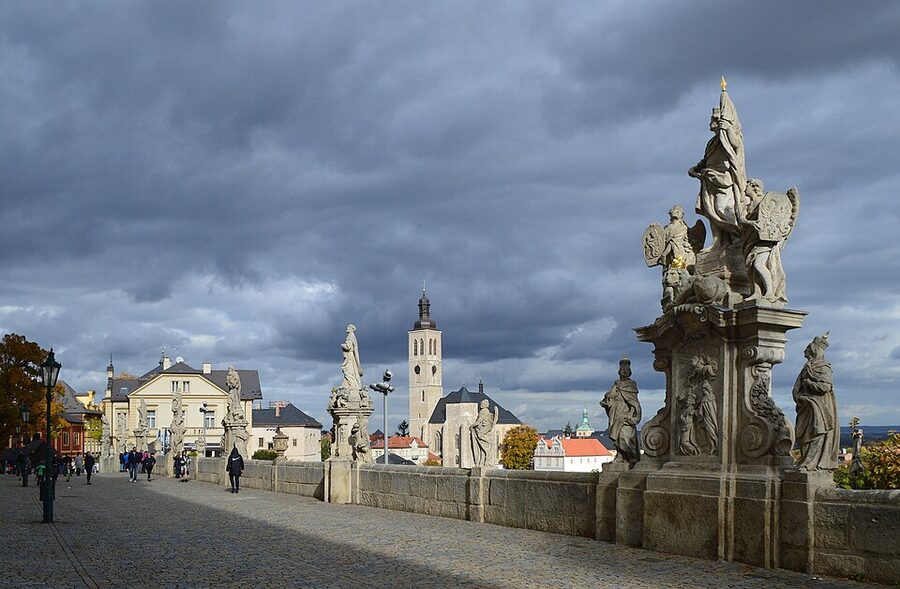
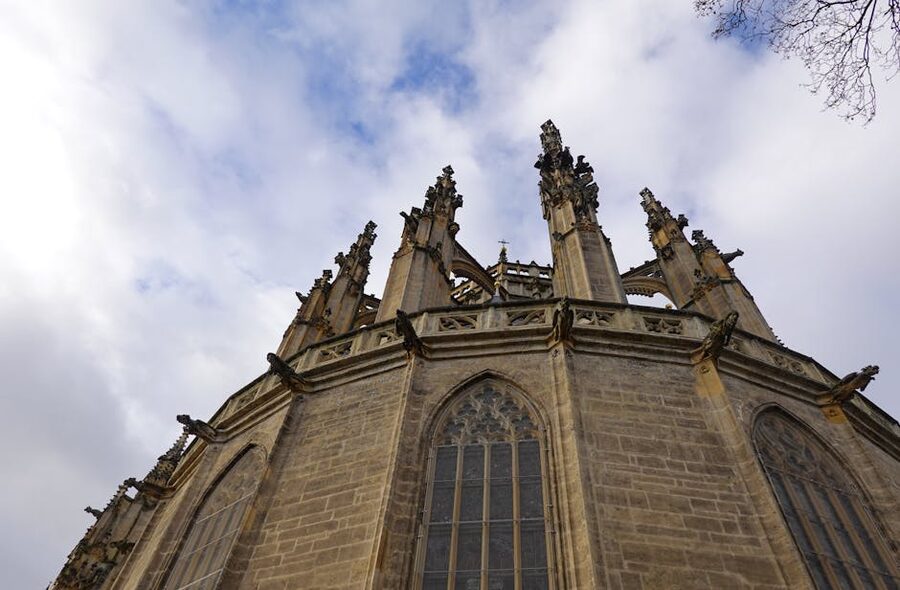
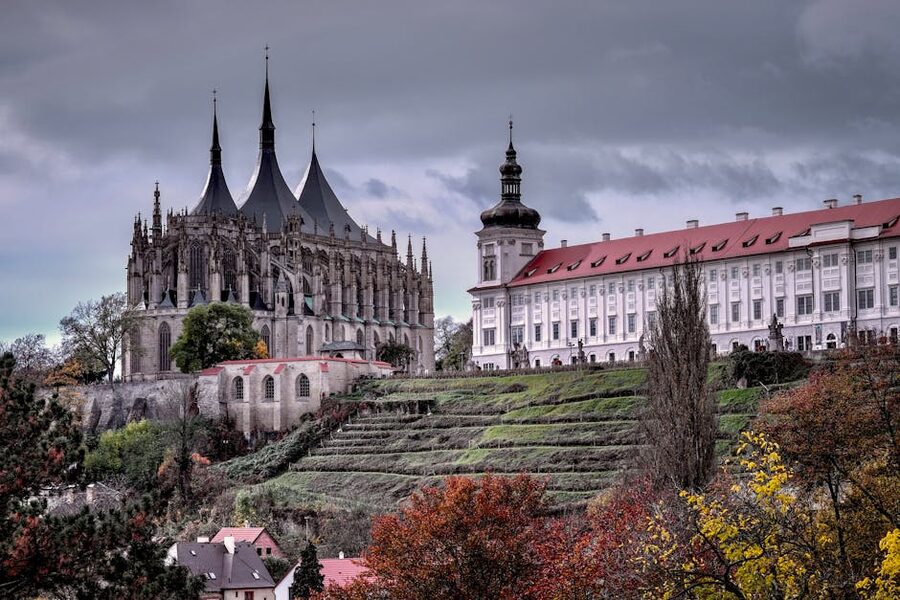
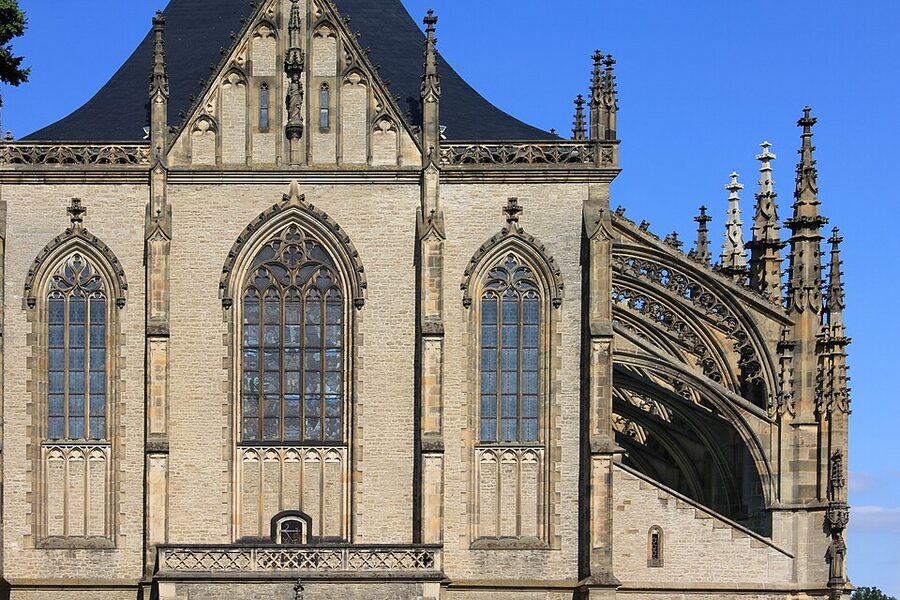
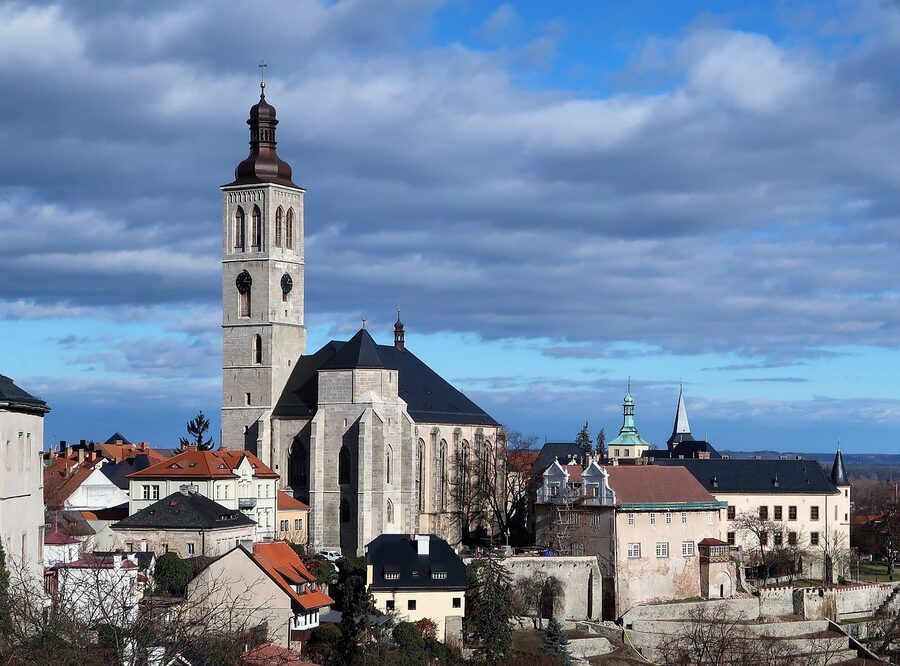
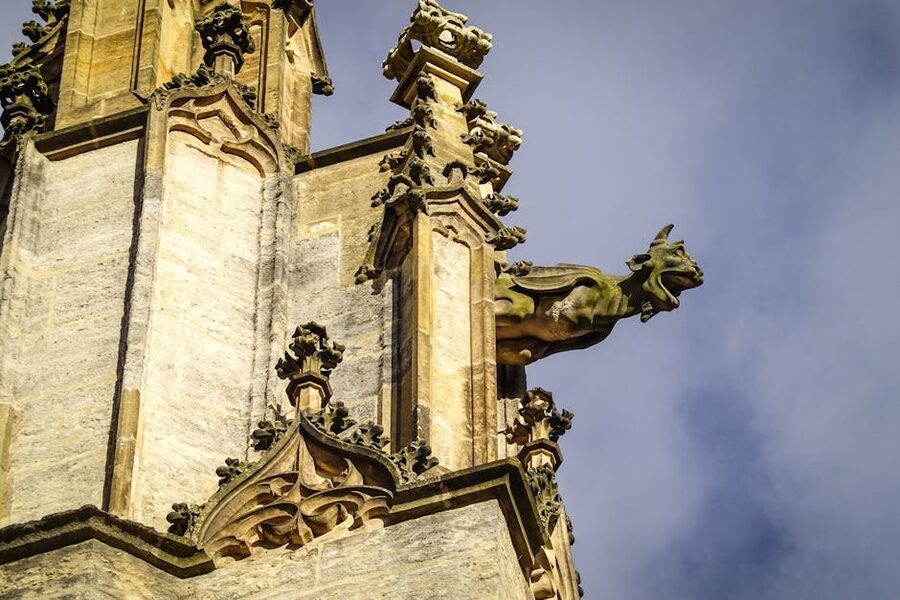
St Barbara’s Cathedral is the obvious target. It is one of the two most famous Late Gothic churches in Central Europe, the other being St Vitus in Prague, and the south side with the flying buttresses is the postcard view. The cathedral was built by silver miners as a private project to compete with the cathedral that the church was building inside the Italian Court complex. The miners ran out of money before the building was finished, the design was scaled down, and the original architect’s vault was completed by Benedikt Rejt three centuries later. The result is a Gothic interior with a Renaissance signature, which is unusual.
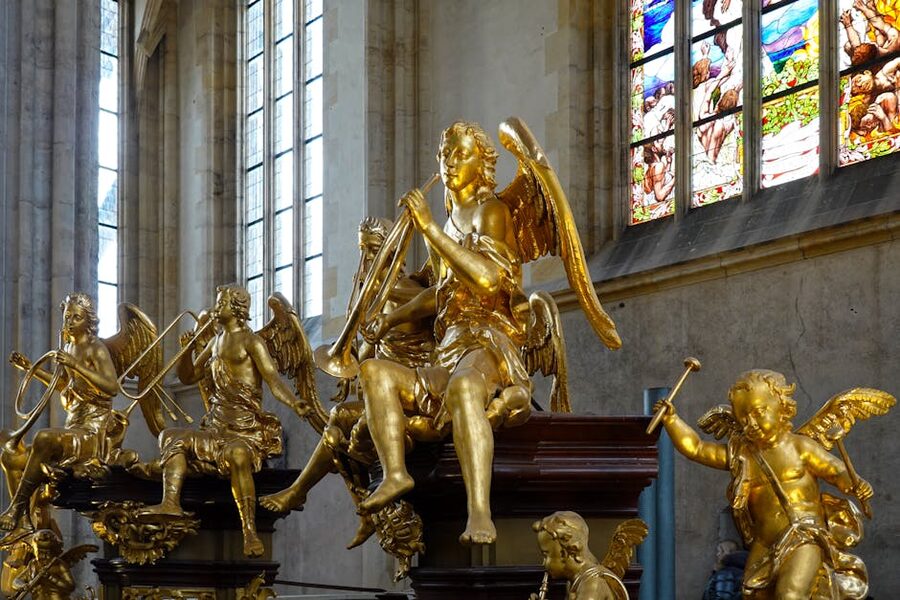
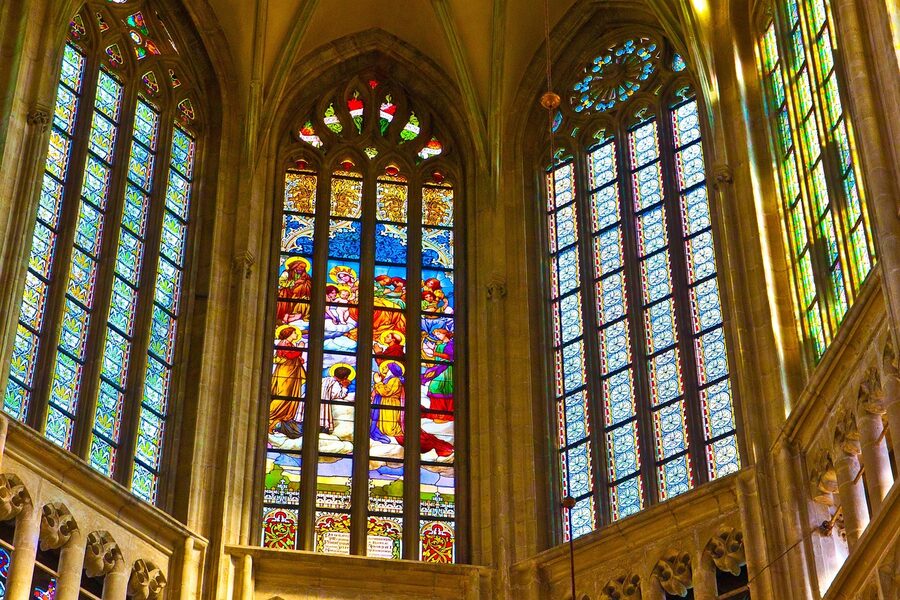
Inside, look up. The vault is the most surprising element. Most Late Gothic vaults are stiff geometric patterns, this one is a lacework of curved ribs that float across the ceiling, and Rejt’s signature design (he did the same thing at Prague Castle’s Vladislav Hall) is what you are looking at. The miners’ chapel on the north side has a fresco of mining work that is the only surviving record of how silver was actually pulled out of the ground here.
The Italian Court (Vlašský dvůr) is a fifteen-minute walk from the cathedral. It was the central royal mint of Bohemia in the silver years, and the cellars where the Prague groschen was struck are open to visit. The tour is short, about thirty minutes, and most day trips skip it. If you have more time than the standard six hours, this is where to spend it.
How Much Time You Need
The standard guided day is six hours from a Prague pickup to a Prague drop-off. That breaks down roughly as one hour each way on the road, twenty to thirty minutes inside the Sedlec Ossuary, an hour for lunch and the old town walk, and an hour at St Barbara’s. If you do the train DIY, give yourself an extra ninety minutes for the buffer at each end of the day. Total time on the ground in Kutná Hora is about four to five hours either way.
If you want a slower day, two-night stays in Kutná Hora are doable and there is a handful of pleasant small hotels in the centre. I would not bother for one night, an overnight only makes sense if you are using Kutná Hora as a base to also see Český Sternberg or one of the other Bohemian castles.
The Best Time of Year to Go
April through October is the comfortable window. The Bone Chapel is open year-round but the cathedral closes earlier in winter and the train timetable thins out. Summer weekends are the busiest. If you are going in July or August, take the earliest tour you can find, you want to be in the Sedlec Ossuary before nine and at St Barbara’s before the lunchtime coaches arrive.
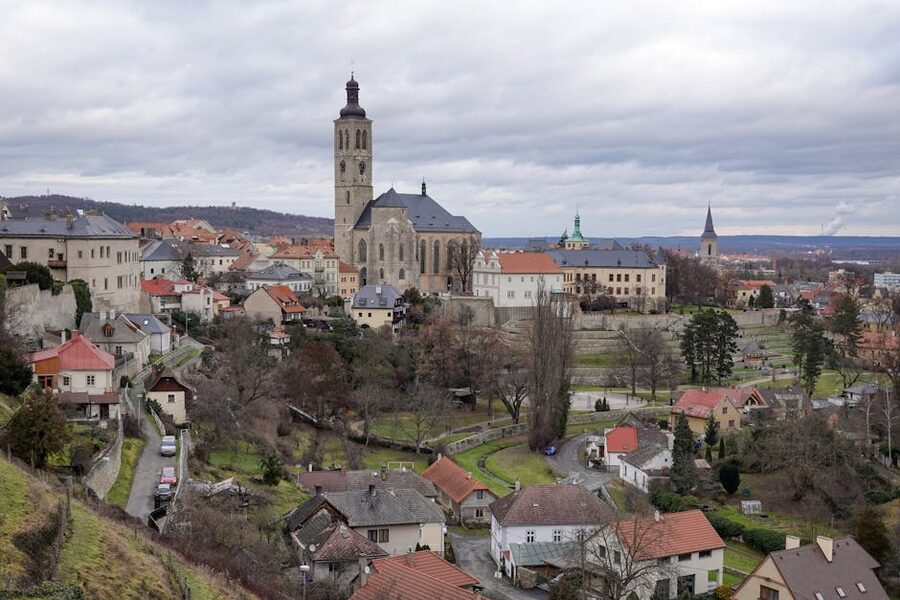
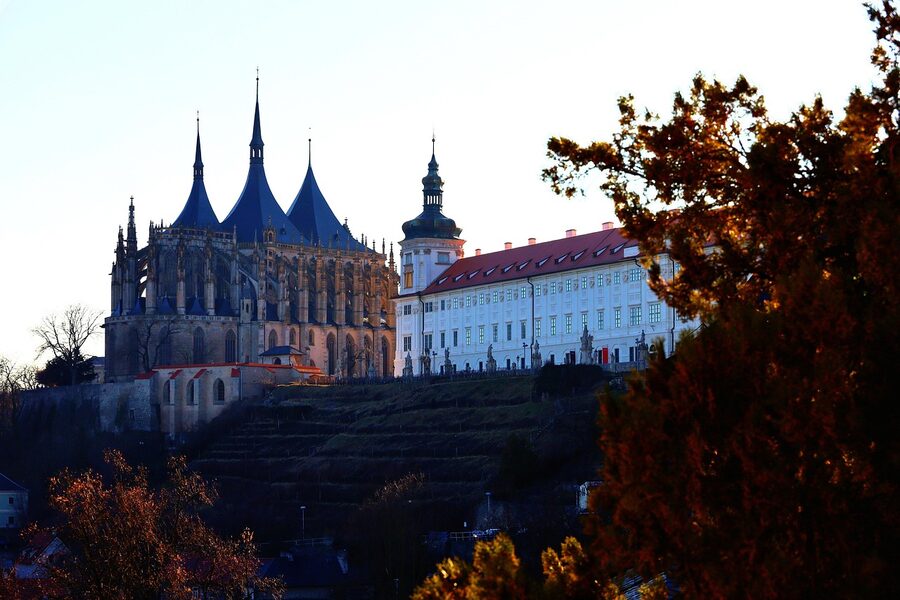
October is my favourite month for this trip. The summer crowds have eased, the trees on the Jesuit College ridge turn copper, and the cathedral interior in low afternoon light is something you cannot photograph well in midsummer because the contrast is too high.
What to Pair Kutná Hora With
Most visitors do this on its own as a single Prague day-out, and that works. If you have flexibility, the natural sequencing is to do Kutná Hora midweek and a longer trip on the weekend. Český Krumlov is the obvious other Bohemian day trip and it is a longer, fuller day. Doing both Kutná Hora and Český Krumlov in the same week gives you the silver-mining-town and castle-town versions of medieval Bohemia, and the contrast is worth the back-to-back booking.
If you have a heavier subject in mind, the Terezín day trip from Prague is the other heavyweight Prague day trip and is a different kind of weight. Most people do not want to do Terezín and the Bone Chapel on consecutive days, the emotional register is too similar even though the historical context is completely different. I would put a Prague day in between, ideally something light. A Vltava river cruise or a Prague food tour works well as a palate cleanser.
For nature, the Saxon Switzerland sandstone-pillar day from Prague is the longest of the four big Prague day trips. It is the one to book if you are tired of churches and cellars and want a hike. If you have already done the Prague city sights and the cathedral round, this is the one I would book next.
Practical Notes
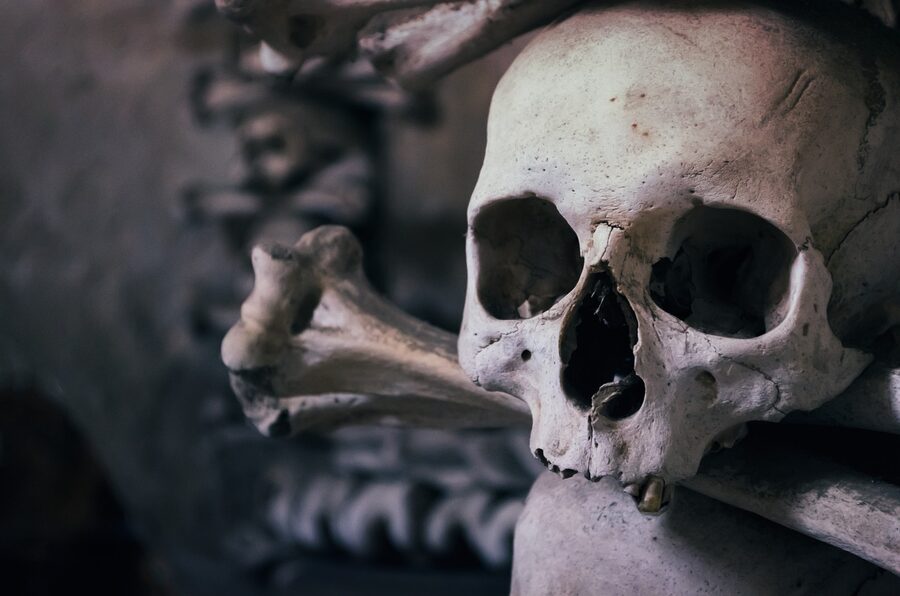
The Sedlec Ossuary is small. If you have a fear of enclosed spaces or a strong reaction to skeletal remains, this matters more than the photographs suggest. The decorations are floor to ceiling, you cannot avoid looking at them, and the smell is a faint dust-and-old-stone musk that is not unpleasant but is unmistakable. Most people are out in twenty minutes feeling slightly altered.
Lunch is straightforward. There are several decent restaurants in the old town between the cathedral and the main square. Ruthardka is the one most guides point to, it does proper Czech cooking and the prices are reasonable for somewhere this touristy. If you are on a guided tour, lunch is usually free time and not included in the booking, budget €15-25 per person.
The combined Sedlec ticket gets you into the ossuary, the Cathedral of the Assumption, and the Cathedral of St Barbara. Buy it at the first stop. If you are on a tour the entrance fees are usually included, but check, some operators charge them separately at the door.
The Bone Chapel queue can be the slow point of the day. In peak summer the wait can hit thirty to forty minutes outside, which is brutal in heat with no shade. A timed-entry ticket is the cure if you are doing it independently. On a tour, the operator has usually pre-booked and you skip the queue.
One More Thing to Know
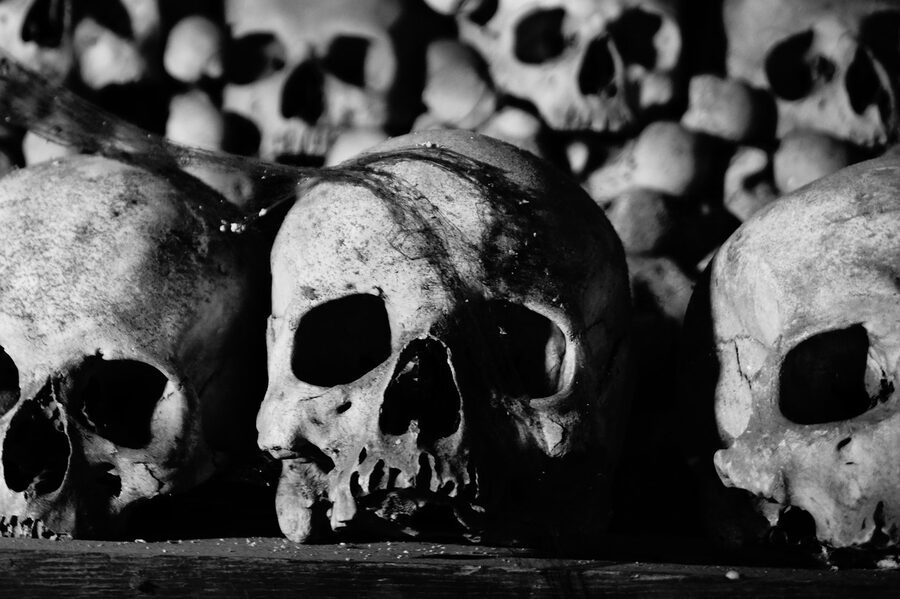
People often ask whether the Bone Chapel is disrespectful, given that those bones belong to real people. It is a fair question, and the chapel itself is treated with care. Photography is allowed but the staff hush loud groups, the chapel is consecrated, and there is a small Mass said inside on All Souls’ Day. The bones are remains, not props, and the place feels like a chapel that happens to be decorated this way rather than a tourist attraction that happens to be in a chapel. That distinction matters and most visitors feel it within five minutes of walking in.
One last note. If you do not want to look at bones at all, do the cathedral-led tour and ask the guide if you can wait outside the ossuary. The Cathedral of the Assumption next door is the better building anyway, you keep your money’s worth, and you walk away with the silver-mining old town and St Barbara’s intact. Most guides will accommodate this without comment.
Where to Go After Kutná Hora
Kutná Hora pairs naturally with a slower second day in Prague. If you have already done the obvious city sights, Prague Castle and the Old Town walking tour are the foundations. The day after a Bone Chapel run, I would do something gentle. The Jewish Quarter walking tour covers the same medieval-Bohemian context as Sedlec but at the level of synagogues and cemeteries, and the historical resonance is strong without overlap.
For a fuller Czech week, the Prague-Kutná Hora-Český Krumlov sequence is the standard, and the rail network makes it easy to do all three from one Prague hotel. Prague’s medieval underground tour is the city-side companion to Kutná Hora’s silver-mining theme, you walk the cellars under the Old Town and the period overlap is direct. If you are heading north afterwards, Dresden’s Frauenkirche is a two-hour train from Prague and continues the Central European sacred-architecture thread that started in Sedlec.
For the last word on Kutná Hora, my advice is to book the trip and not think too hard about it. The Bone Chapel is short, the cathedral is long, the silver-mining old town is small and walkable, and a six-hour day from Prague is the right size. If you want one piece of advice that the photographs do not give you, it is this. Go in the late afternoon if your tour allows. The light at St Barbara’s after three is the photograph you came for.