
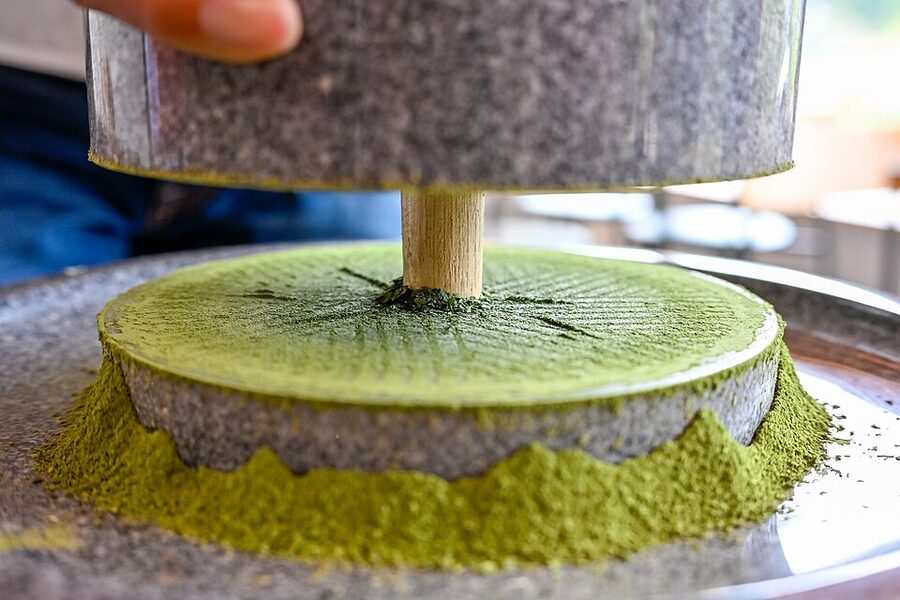
Here’s a thing I didn’t know until I booked my first matcha class: a granite stone mill grinds about 30 grams of tencha leaves into matcha powder per hour. One hour of slow, careful rotation for enough powder to make fifteen bowls. The tiny scoop your instructor hands you in Osaka — that pale green heap the size of a thumbnail — represents almost ten minutes of patient grinding before you even sit down.
That’s the part no YouTube video prepares you for. A matcha class in Osaka isn’t just “make a drink.” It’s a lesson in how much work goes into the few grams in your bowl, and why the ceremony around them matters.
Short on time? Three Osaka matcha classes I’d book without overthinking it
- Osaka Tea Ceremony Experience — $25 — most-booked matcha session in the city, 45 minutes, English-speaking host. Check availability
- Matcha Making Osaka with Japanese Sweets — $21.89 — dedicated matcha studio near Shinsaibashi, hotel pickup included. Check availability
- Osaka Matcha Making with Japanese Sweets (small group) — $22 — one hour, intimate class, tidy walk from Namba. Check availability
- Short on time? Three Osaka matcha classes I’d book without overthinking it
- Why Osaka Is a Surprisingly Good Place for a Matcha Class
- What a Matcha Class in Osaka Actually Involves
- The Three Osaka Matcha Classes I’d Actually Book
- 1. Osaka Tea Ceremony Experience —
- 2. Matcha Making Osaka — Japanese Sweets Set — .89
- 3. Osaka Matcha Making Experience with Japanese Sweets —
- How Much You Should Pay (And What the Price Gets You)
- Where to Book Your Class — the Three Main Osaka Neighbourhoods
- The Booking Step That Most People Skip
- What You’ll Be Drinking, Technically
- A Short History, Because It Matters Once You’ve Tasted It
- If You’re Combining Your Matcha Class with a Kimono Rental
- Pairing Your Matcha Class with Other Osaka Things
- Common Questions People Ask Before Booking
- What Not to Do in a Matcha Class
- Getting There and Back
- A Side Note on Doing This in Kyoto or Tokyo Instead
- After Your Class — Take the Matcha Habit Home
- Before You Go, One Last Thought on Ceremony Etiquette
- Where to Go From Here
Why Osaka Is a Surprisingly Good Place for a Matcha Class
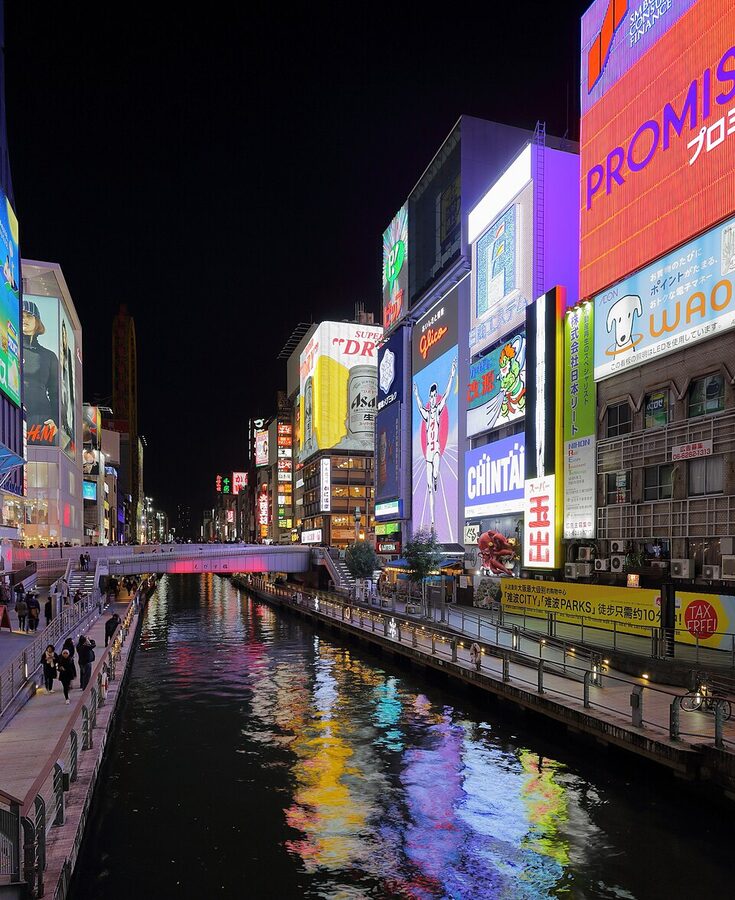
If you ask a purist where to drink matcha in Japan, they’ll say Kyoto. Fair — Kyoto is where the two biggest tea schools still operate (Omotesenke and Urasenke), and Uji just down the road grows some of the country’s best tencha. But here’s the thing: Kyoto classes are crowded, often formal, and usually run by the same small handful of guesthouses and schools that foreign visitors end up funneled into.
Osaka does it differently. The matcha scene here is smaller, friendlier, and weirdly suited to first-timers. Classes tend to run in compact studios tucked into Shinsaibashi, Namba, and near Osaka Castle. The hosts are more likely to crack a joke than to correct your posture. And because Osaka has spent centuries being the scrappy, merchant-minded counterweight to Kyoto’s refinement, the classes tend to focus on the doing — whisking, tasting, eating — rather than drilling you on which cloth you fold which way.
There’s also the logistics angle. If you’re basing yourself in Osaka for a few days and planning a Kyoto or Nara day trip, slotting a matcha class into your Osaka schedule is simpler than carving out time on a Kyoto day when you’d rather be at Fushimi Inari. You can whisk a bowl at 2pm, see Osaka Castle at 4, and eat okonomiyaki at 7.
What a Matcha Class in Osaka Actually Involves
A typical Osaka matcha class runs 45 minutes to an hour. Some private or combination classes stretch to 90 minutes or three hours if they include wagashi-making, calligraphy, or a kimono fitting. Here’s what most sessions cover, in the order they usually happen:
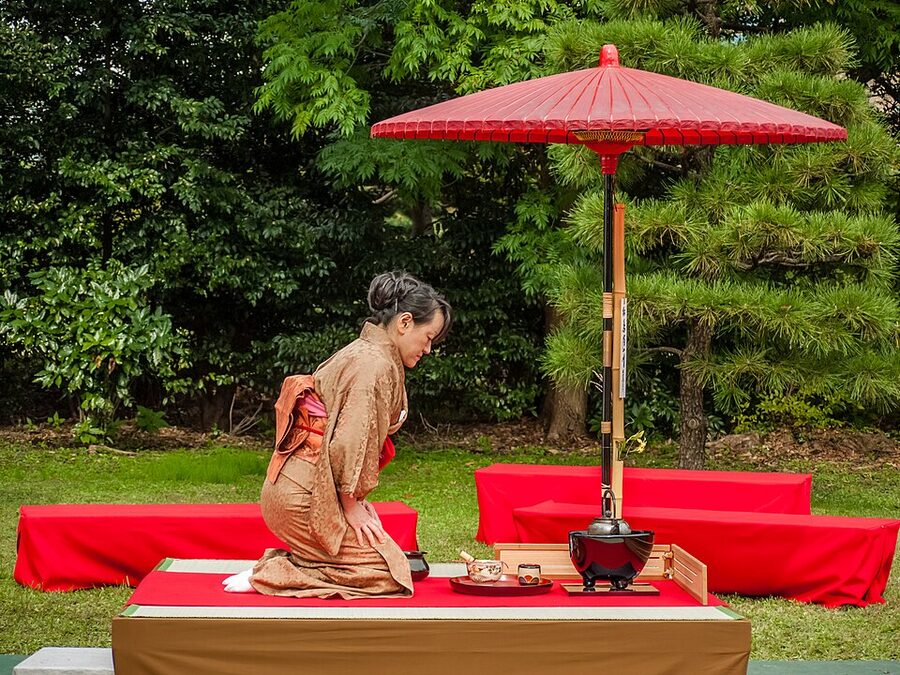
1. A short intro to matcha itself. Your host will explain where matcha comes from (tencha leaves that are shade-grown for three weeks before harvest, then steamed, dried, and stone-ground), why it’s different from regular green tea, and the difference between usucha (thin tea) and koicha (thick tea). Most tourist classes prepare usucha — the bright green, frothy version. Koicha is denser, more bitter, and mostly reserved for formal tea ceremonies.
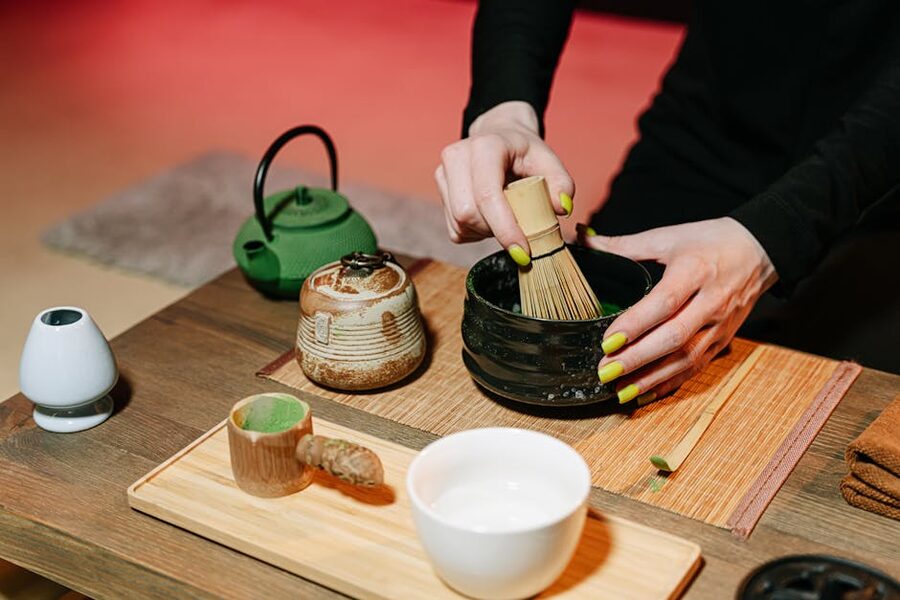
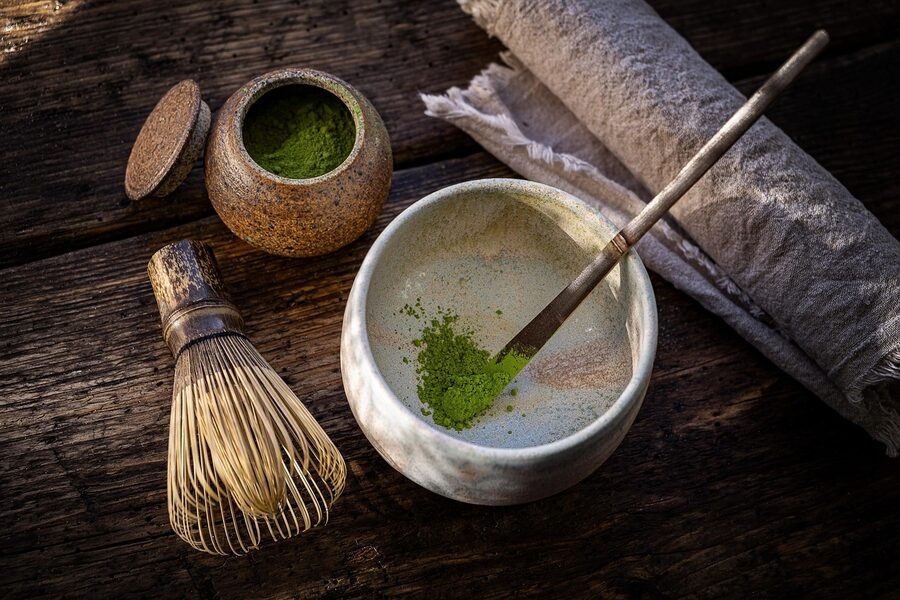
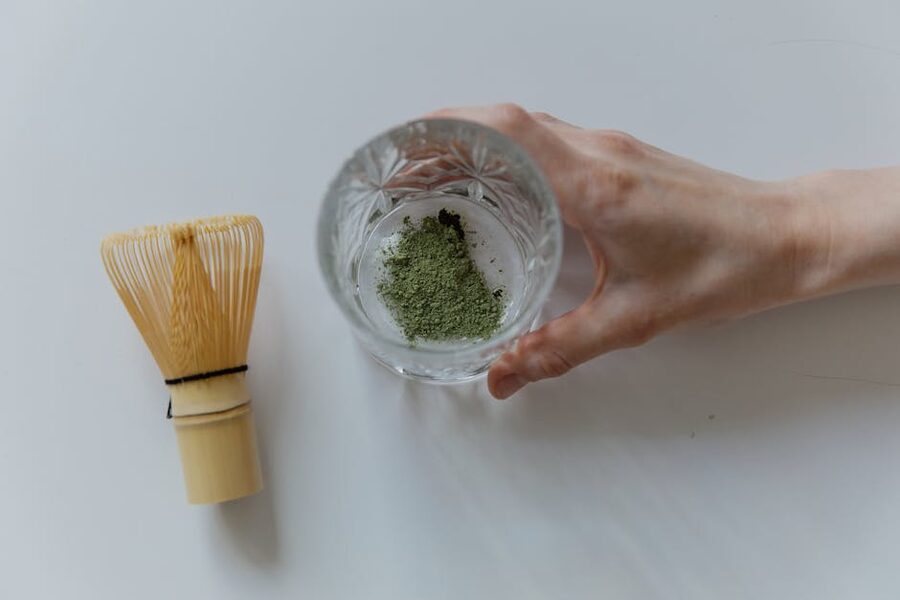
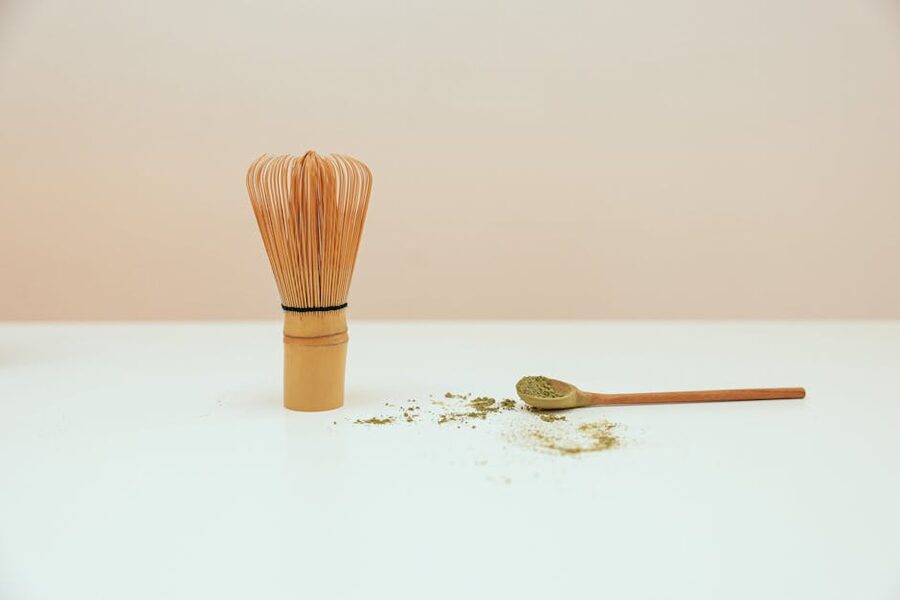
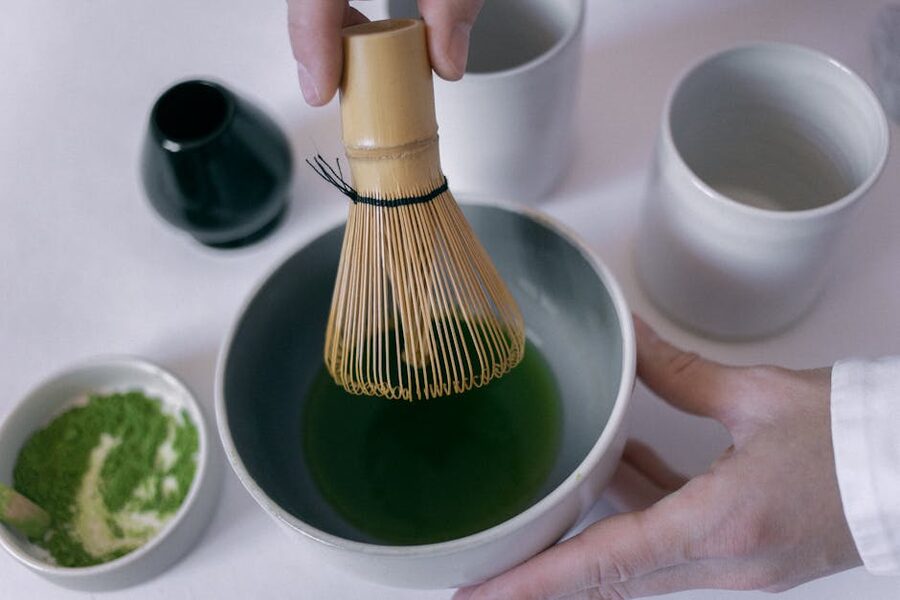
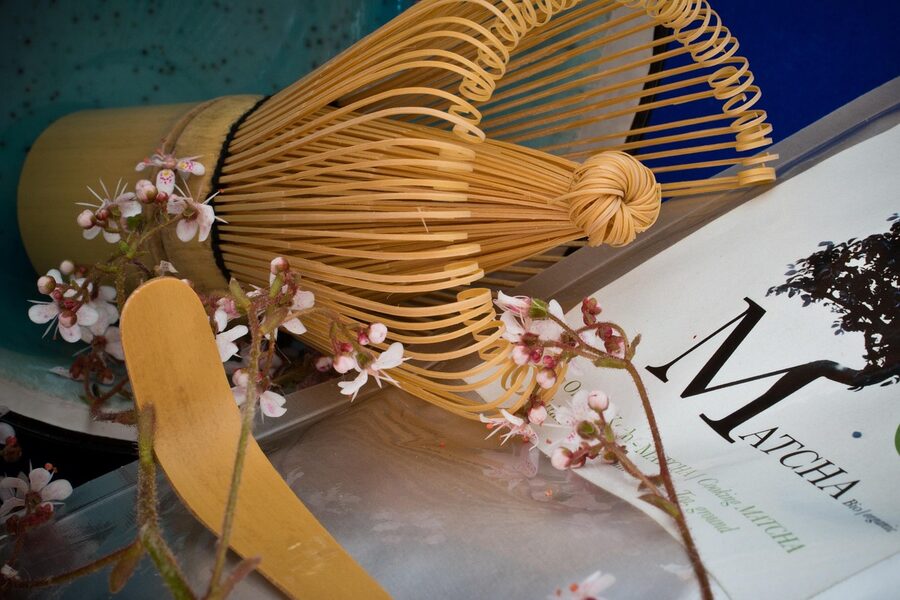
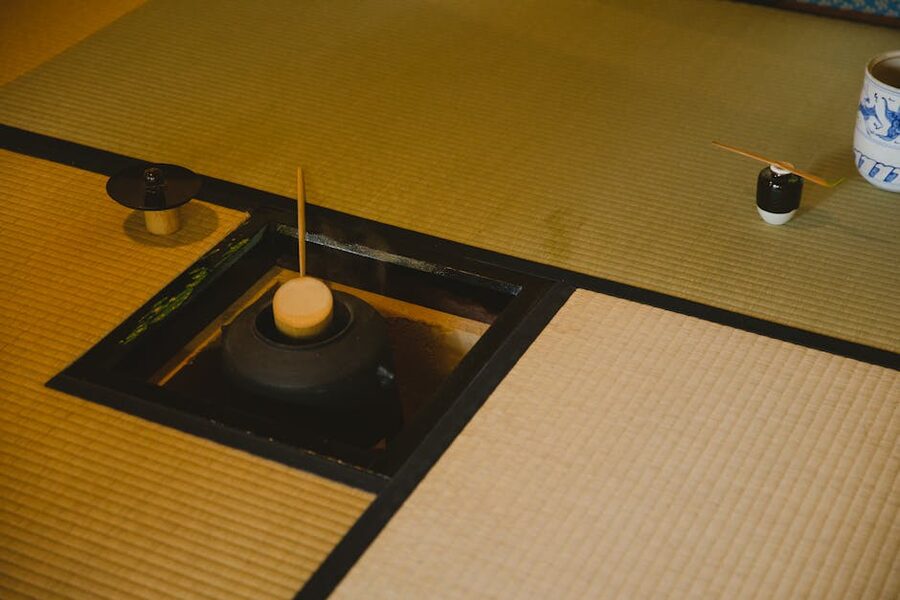
2. The tool tour. You’ll meet the four main utensils: the chasen (bamboo whisk, hand-carved, usually 80 or 120 prongs), the chawan (tea bowl, intentionally slightly irregular), the chashaku (slim bamboo scoop), and the natsume (lidded powder container). Your host will show you how to hold each one. The chasen is the one that matters most — grip it at the top, keep your wrist loose, and push from the shoulder, not the fingers.
3. Watching a demo. The host prepares a bowl first, usually silently, so you can see the rhythm. It’s shorter than you’d expect — maybe 90 seconds from scoop to serve. This is when most people realize the ceremony isn’t about doing it slowly, it’s about doing it deliberately.
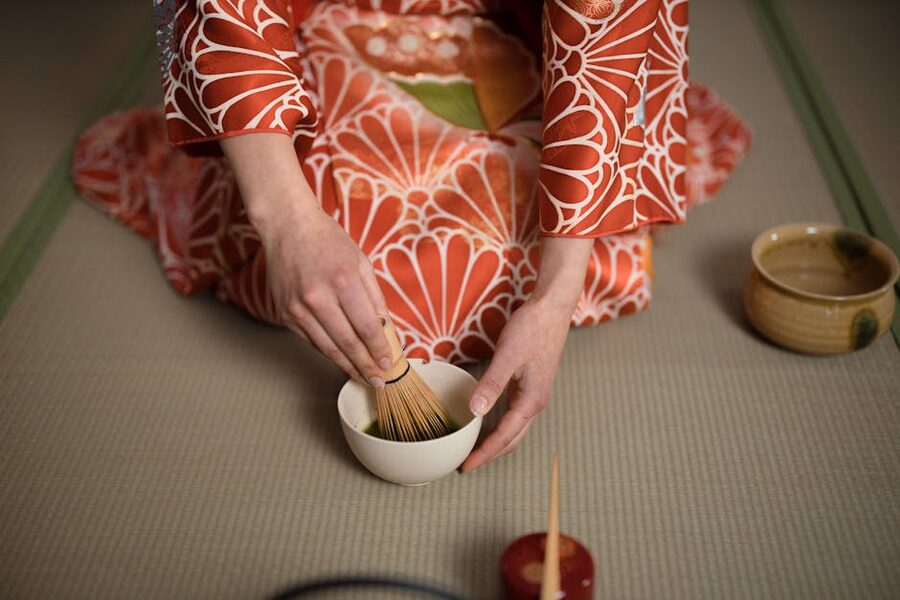
4. Your turn. You sit in front of your own bowl, usually on a low chair or a seiza bench if you can’t sit cross-legged comfortably (most Osaka classes don’t make you kneel — this is a real difference from Kyoto). You scoop the powder, pour hot water from a small cast-iron kettle (about 70-80°C, not boiling — boiling water ruins matcha), and whisk. Fast zigzag wrist motion, shaped like the letter M. About 15-20 seconds.
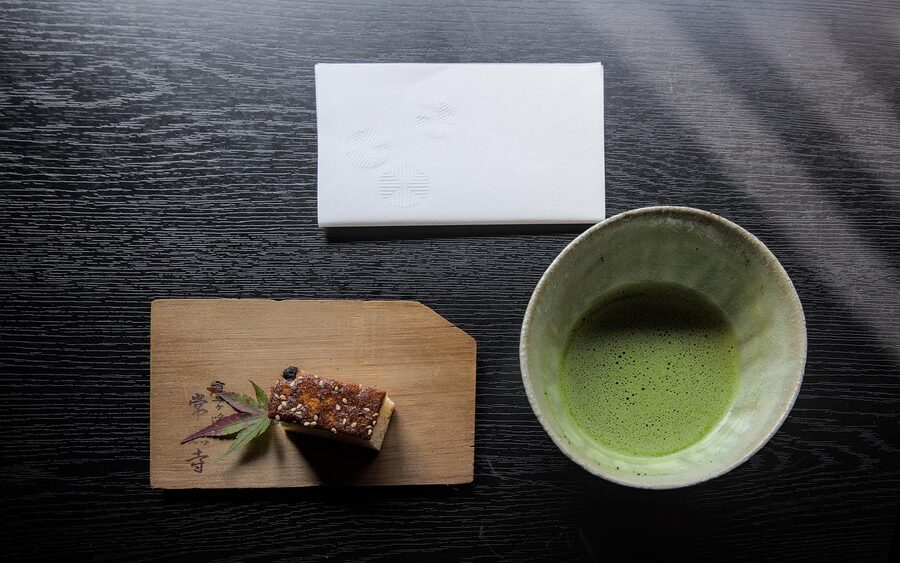
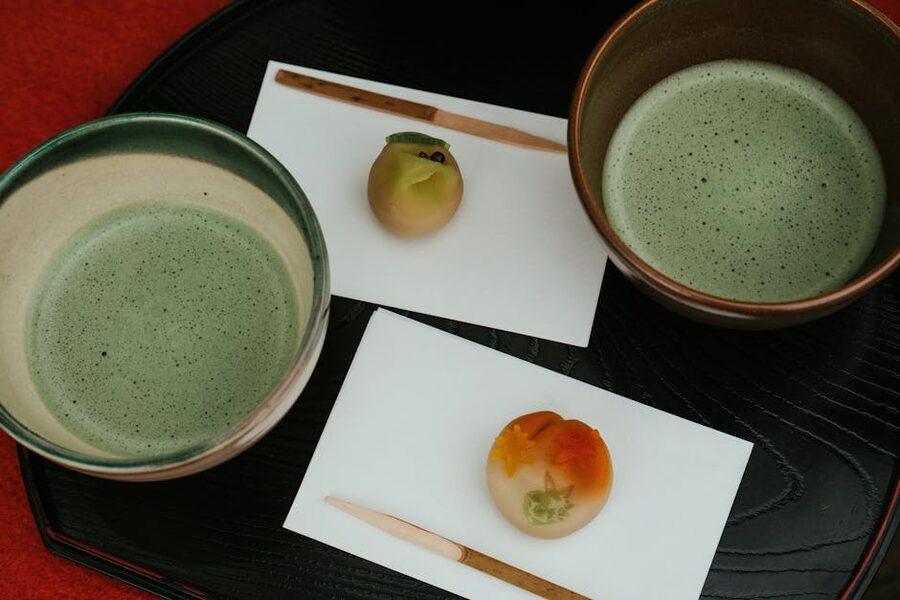
5. The wagashi moment. Most Osaka classes include a seasonal wagashi — a small Japanese sweet, often shaped like a flower or seasonal icon, eaten before you drink the matcha. The sweetness coats your palate so the bitterness of the tea lands differently. It’s the one detail that surprised me most on my first class: you don’t pair the sweet with the tea, you prepare your mouth with it.
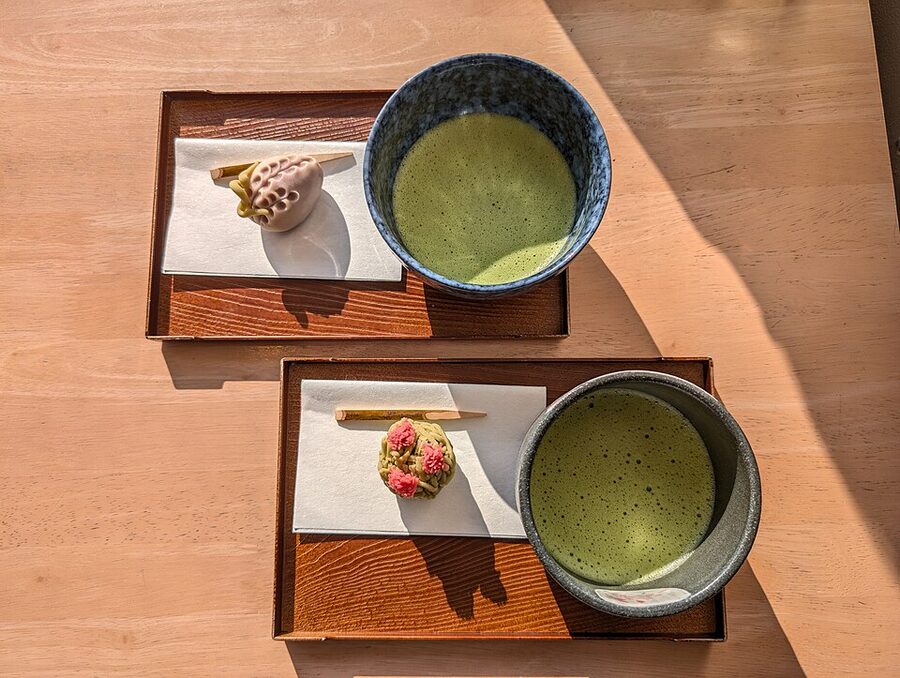
6. Drinking. Three and a half sips is the traditional number, though nobody’s counting. Turn the bowl twice clockwise before drinking so the “front” faces away from you — it’s a gesture of humility toward whoever made the bowl. After you’re done, inspect the bowl, compliment it, and return it.
That’s the standard run. If you book a longer combination class, you’ll also make your own wagashi from scratch (squishing sweet bean paste into a seasonal shape), learn calligraphy, or wear a kimono for the session.
The Three Osaka Matcha Classes I’d Actually Book
I’ve narrowed the field based on review counts, location, what you actually get for the price, and how well they handle first-timers who’ve never touched a chasen. All three are walkable from Shinsaibashi, Namba, or Osaka Castle — the city’s three main tourist corridors.
1. Osaka Tea Ceremony Experience — $25
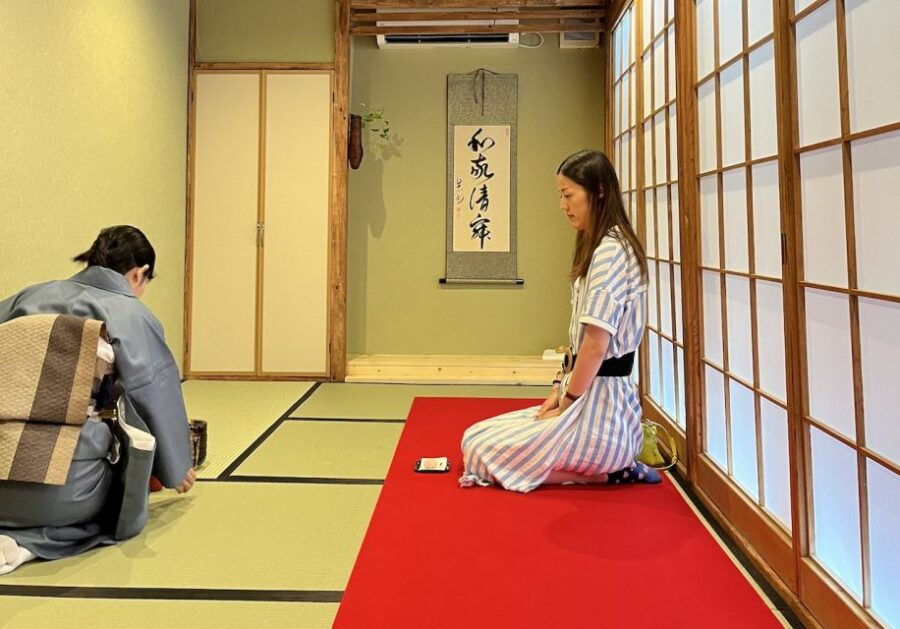
This is the volume leader — the most-booked matcha session in the city, consistently well-reviewed in a way that is unusual for a 45-minute cultural class. My take: the brevity works in its favour. You get the full demo, the whisk, the wagashi, and a clear explanation of what you’re doing, without the drag that longer classes sometimes have. Our full Osaka tea ceremony guide breaks down the different venue options if you want to compare specifics, but this is the one I’d book first.
2. Matcha Making Osaka — Japanese Sweets Set — $21.89
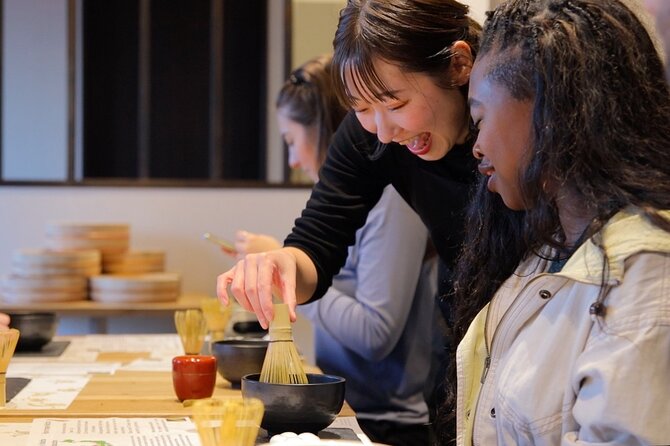
A standalone matcha studio near Shinsaibashi that opened relatively recently and has quickly built a strong reputation. The review notes the hotel pickup — rare at this price point — and the instructor’s English is properly conversational, not just “tea-ceremony English.” Smallest downside: the studio space is compact, so it feels intimate rather than grand.
3. Osaka Matcha Making Experience with Japanese Sweets — $22
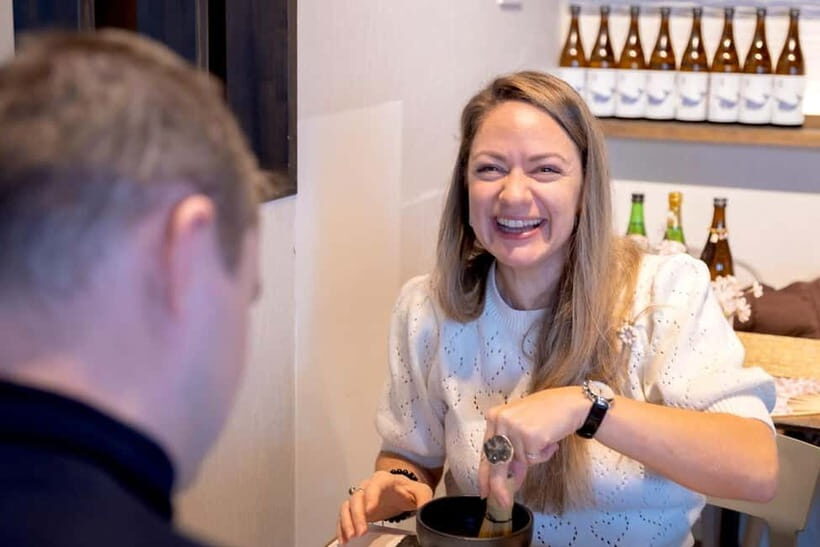
Small-group format (usually six people max) and a tighter one-hour structure than the big-volume classes. The set includes three different wagashi rather than one, so you get a richer tasting arc — that’s the detail that gives this class its edge. Our write-up goes deeper on the host’s backstory, worth a read if you like knowing who’s teaching you.
How Much You Should Pay (And What the Price Gets You)
Osaka prices for a standard 45-60 minute matcha class sit between $20 and $28. That’s for a group class with a demo, one matcha bowl, one or two wagashi, and English instruction. I’d avoid anything much cheaper than that — under $20 usually means shared demo only, no hands-on whisking, and that’s the whole point of booking a class.
Mid-tier classes ($40-$60) usually add something: a foot-bath onsen experience, calligraphy, a second round of tea, or a longer window. If you’re only doing one cultural activity in Osaka, a mid-tier class is arguably the better spend — you get 90 minutes of guided stuff instead of 45.
Private classes ($80-$120) get you the studio to yourself, often with a photographer or videographer option, and usually a kimono fitting. Worth it for couples, proposals, or anyone who hates being in a group setting. Not worth it if you just want to learn how matcha works.
What should trigger a pause: classes charging over $60 that only run 45 minutes with no kimono or extras included. That’s tourist-tax pricing. There’s always an equivalent experience nearby for half the price.
Where to Book Your Class — the Three Main Osaka Neighbourhoods
Shinsaibashi. This is the cluster with the most classes per square block. Matcha Making Osaka, the byFood-listed studios, and several smaller schools are all within a ten-minute walk of Shinsaibashi Station. Great if you want to combine your class with shopping on Shinsaibashi-suji arcade or dinner in Dotonbori.
Namba. A handful of classes are clustered near Namba Station, particularly around the Sennichimae and Kuromon Market area. Pairs well with a morning food tour — a Kuromon Market tour in the morning followed by a matcha class in the afternoon is a satisfying rhythm: savoury overload, then a green, bitter reset.
Osaka Castle area. A smaller set of classes run near Osaka Castle Park, including the Wa Cafe Kitajima kitchen that pairs cooking with matcha. If you’re going to the castle anyway (and you should — our Osaka Castle booking guide covers when to go), slot a matcha class nearby to round out the afternoon.
The Booking Step That Most People Skip
Check whether the class requires kneeling on tatami. Most Osaka classes don’t — they use low tables and chairs — but a handful still expect seiza (kneeling on your heels). If you can’t sit that way for 20 minutes, that class will ruin itself for you. Ask before you book. The tour page usually says, but not always in English.
The other thing: English level varies. The three classes I recommended above all have hosts who can hold a conversation in English, but some smaller studios list “English-speaking” when they mean basic phrases only. If you want to ask questions — which is half the point — check the reviews for recent comments about English fluency. Anything written in the last three months is usually a reliable signal.
Booking windows are usually one to five days out for group classes, but drop to 24 hours in shoulder season (September-October, February-March). Cherry blossom weeks (late March, early April) and the autumn peak (mid-November) are when classes fill up — book a week ahead if you’re travelling then.
What You’ll Be Drinking, Technically
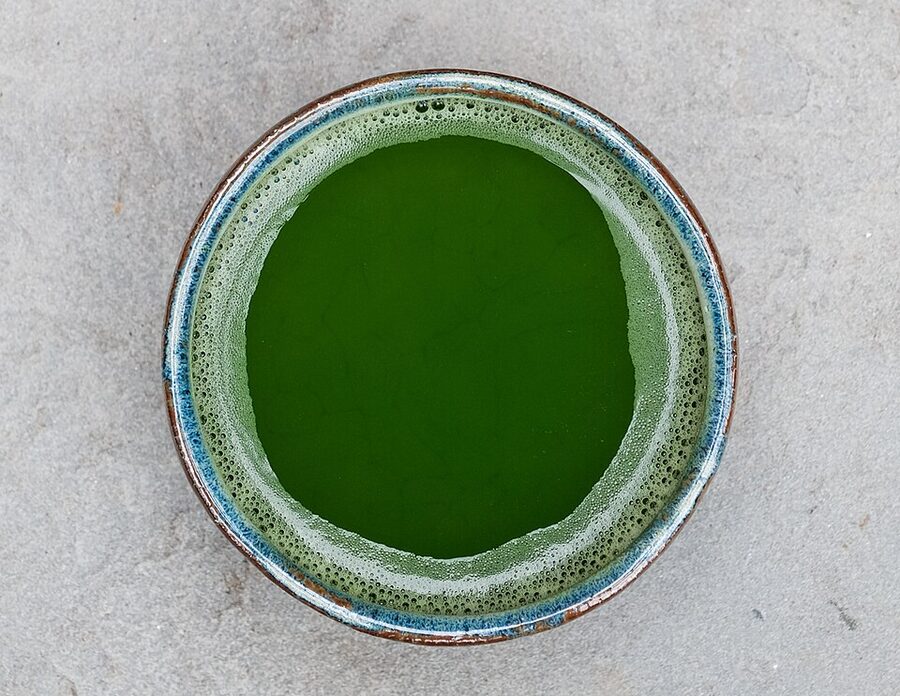
Matcha comes in two grades: ceremonial and culinary. Ceremonial is from the youngest, topmost leaves, ground finest, and used for drinking as-is. Culinary is coarser and used for matcha lattes, matcha desserts, and anything where you’re cooking with it. All three of the classes above use ceremonial grade — you’ll taste the difference if you’ve only had matcha lattes before. Proper ceremonial matcha is faintly vegetal and umami, more savoury than sweet, with a bitterness that rides in last and fades into something sweet on the back of your tongue. It’s the single most distinctive drink I’ve had in Japan.
Temperature matters more than people realise. Boiling water scorches matcha and turns it acrid — your host will let the kettle water cool to about 70-80°C before pouring it, usually by transferring it between small bowls. If you’re practising at home later, use a thermometer the first few times. Under-whisking is forgiveable; burnt matcha is not.
A Short History, Because It Matters Once You’ve Tasted It
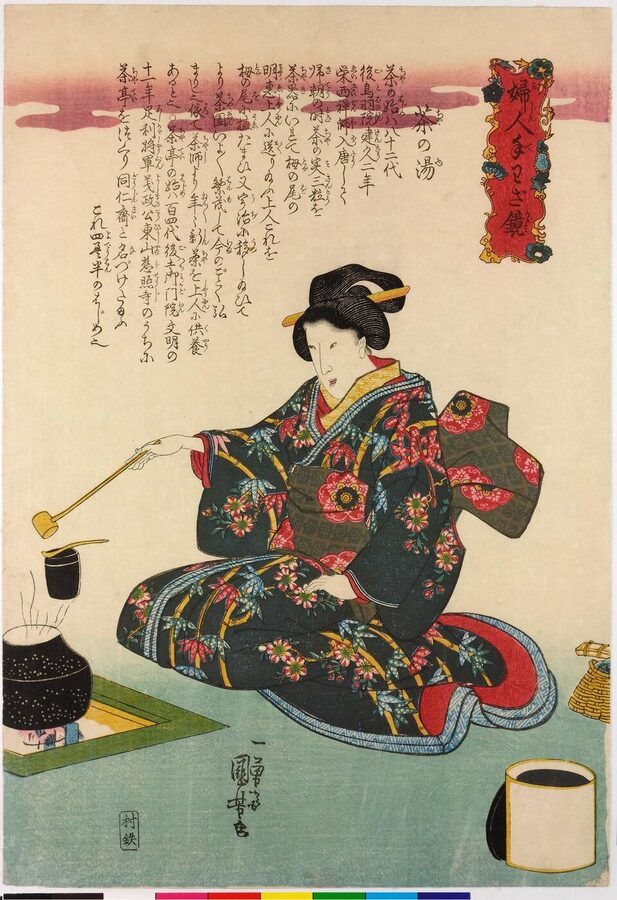
Matcha arrived in Japan in the late 12th century, brought back from China by the Zen monk Eisai. For the first hundred years it was medicine — given to sick monks, then to samurai before battle (the caffeine-plus-L-theanine combo keeps you alert without jitters, which is still why I drink it in the morning). It only became a formal cultural practice in the 16th century, when the tea master Sen no Rikyu codified the chanoyu ceremony into what we more or less still do today.
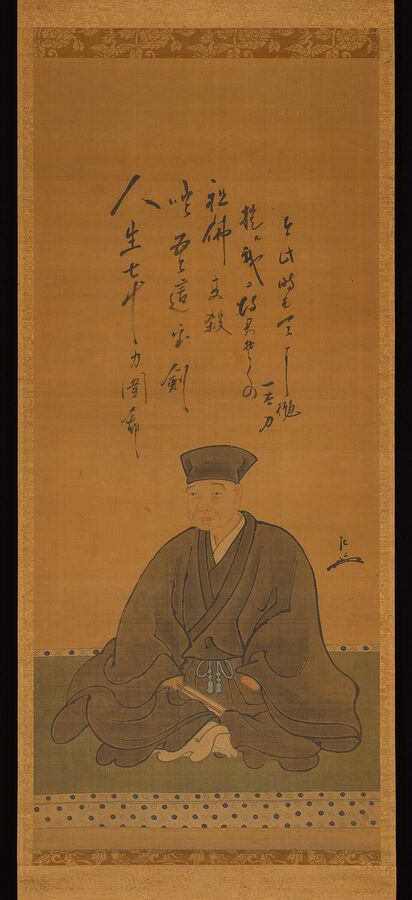
Rikyu’s genius was reducing rather than adding. He stripped away the ornate Chinese-style tea gatherings that preceded him and built chanoyu around four ideas: harmony, respect, purity, tranquility (wa-kei-sei-jaku). Every Osaka matcha class, even a 45-minute tourist one, is a descendant of that simplification. When your host turns the bowl twice clockwise, she’s doing something Rikyu would have done the same way 430 years ago.
The stone mill that started this whole article dates back roughly that far too. The design hasn’t changed because there’s no way to improve it — any faster and you’d oxidize the tea with friction heat, destroying the flavour.
If You’re Combining Your Matcha Class with a Kimono Rental
This is the most common combination request and worth planning ahead. A kimono rental in Osaka is easier than you’d think — most shops are near Dotonbori or Osaka Castle and cost around $30-$50 for a full-day rental with hair styling. Several matcha classes allow (or encourage) wearing a rented kimono to the session. If you’re basing yourself elsewhere in the country, our guides to booking a kimono rental in Tokyo and booking a kimono rental in Kyoto walk through the options in those cities too.
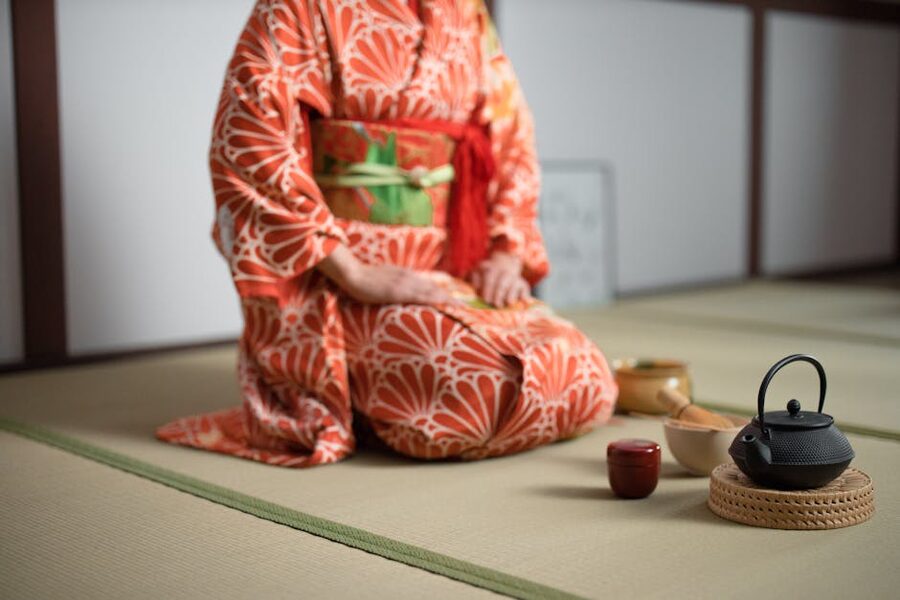
If you want the full combined experience, the Osaka: Private Tea Ceremony, Calligraphy & Kimono Class ($96) bundles all three into a three-hour session, which works out cheaper than booking separately. The tradeoff is it’s private, so you’re not meeting other travellers. For a similar experience in Kyoto, the Kyoto kimono rental with tea ceremony is a popular sibling option — same idea, slightly more formal.
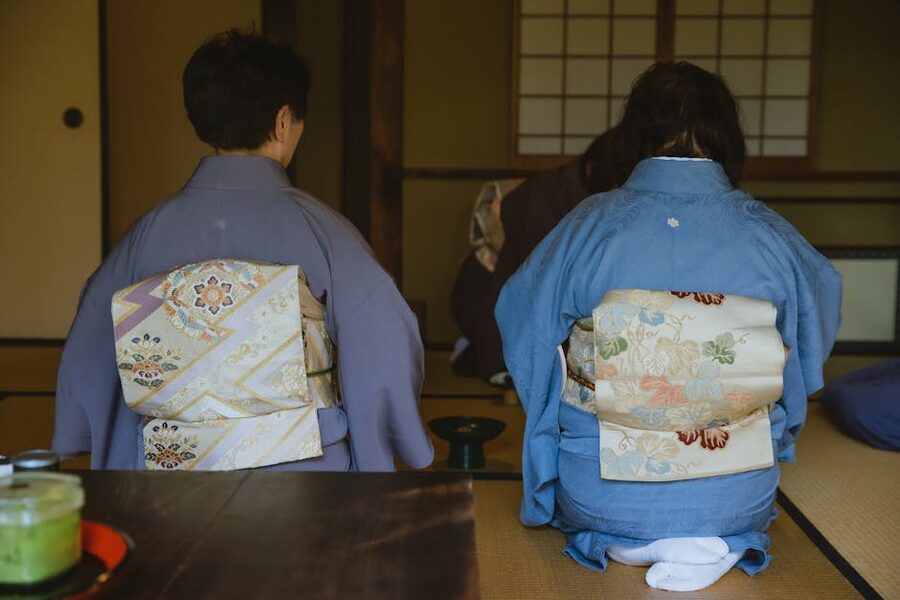
One tip from experience: if you rent the kimono separately, get the shop to tie your obi in a style that sits on your upper back, not the middle. Mid-back obi bows are beautiful but they stop you from leaning forward comfortably, which matters when you’re trying to whisk tea in a bowl in front of you. The rental shop will know what you mean if you say “tea ceremony knot.”
Pairing Your Matcha Class with Other Osaka Things
Matcha classes slot into an Osaka day neatly because they’re short, indoors (so rain-proof), and leave you calm and caffeinated — a useful combination for whatever comes next. My favourite pairings:
Morning food tour, afternoon matcha. Start with the Kuromon Market food tour — takoyaki, fugu sashimi, wagyu skewers, sweet egg. Finish around noon, walk 15 minutes to Shinsaibashi, and book a 2pm matcha class. The bitter matcha reset after a morning of bold Osaka flavours is genuinely lovely.
Castle in the morning, matcha in the afternoon. Osaka Castle opens at 9am and you can see the main keep, museum, and grounds in two hours. Head toward Tanimachi or Shinsaibashi for a late-lunch matcha class, then dinner in Dotonbori.
Ramen cooking class, then matcha. The Osaka ramen and gyoza class is about 90 minutes of making your own lunch. Follow it with a 45-minute matcha class for a Japanese-food-in-miniature day: savoury then sweet, hands-on throughout.
Night cruise, morning matcha. Reverse the formula — do the Dotonbori river cruise in the evening, sleep in, and start the next day with a 10am matcha session when you’re still calm and hungry.
Common Questions People Ask Before Booking
Can I bring kids? Yes, and most Osaka classes are fine from about age 6 up. Kids handle the whisk well because the wrist motion is silly enough to feel like a game. Some classes have a small discount for children under 12 — ask when booking. Under-5s are usually not allowed.
Do I need to know anything about tea before going? No. The classes are structured for total beginners. The hosts will tell you more than you need to know, not less.
Is it caffeinated? Yes, and matcha has more caffeine per gram than coffee, though the L-theanine gives it a smoother edge. One bowl in the afternoon is fine for most people. Don’t do it right before bed.
Can I buy the tools after? Most classes sell a starter set (chasen, chawan, a small tin of ceremonial matcha) for around $40-$60. The chasen is genuinely worth it — a good bamboo whisk lasts six months and the version sold at tourist shops is usually lower quality. A small pottery chawan makes a lovely souvenir and is the one thing you can’t easily buy at home.
Is it allergen-friendly? Most wagashi sweets contain red bean paste, mochi (glutinous rice), and sometimes dairy. If you’re vegan, most classes can adjust if you ask in advance — the traditional wagashi is often plant-based anyway. Gluten-free is harder because of the mochi. Nut allergies: confirm with the specific studio.
Do I need to tip? No. Tipping isn’t a Japanese custom and the hosts will be politely confused if you try. A thank-you and a review are the cultural equivalent.
What Not to Do in a Matcha Class
Small etiquette things that will get you gently corrected:
Don’t touch the front of the bowl when you drink — that’s the decorated side, reserved for the host. Turn it away from yourself, sip from the plain side, then turn it back before returning.
Don’t compliment the bowl mid-drink. Wait until you’re finished, then inspect the bowl (holding it close, turning it slowly) and comment on it. That’s the prescribed moment for appreciation.
Don’t slurp deliberately the way you might with ramen. A small sound is fine — in fact, the last audible sip signals you’re finished — but deliberate loud slurping is a Western tea-tour cliché, not a real chanoyu tradition.
Don’t skip the wagashi. You’ll regret it. The pairing order is the whole point, and the sweets are made fresh that morning at most studios.
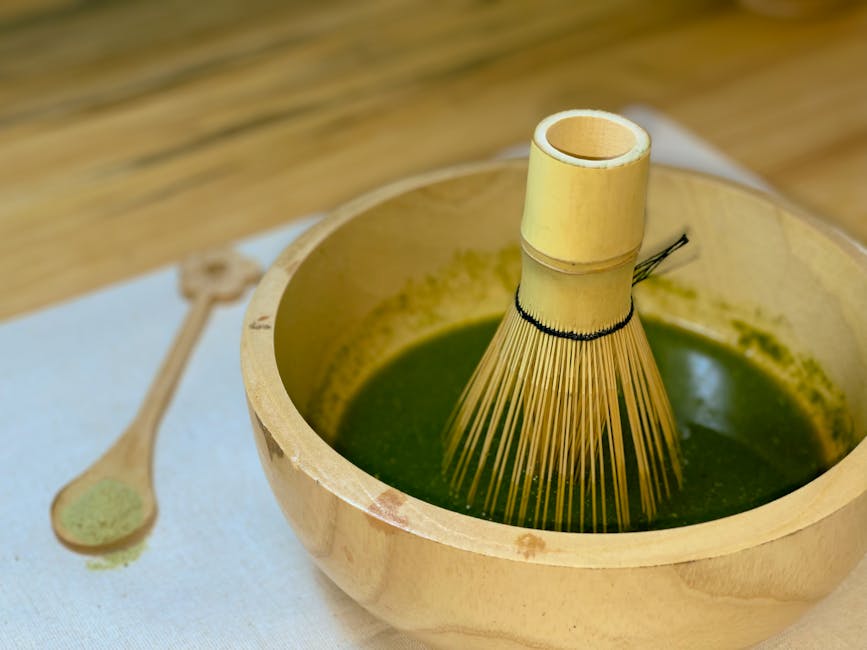
Don’t use the chasen to stir. Whisk, don’t stir. Stirring looks like you’re making soup; it also doesn’t create the foam you want, which is the visual sign the matcha is properly aerated.
Getting There and Back
Most classes are near major subway stations. Shinsaibashi Station is on the Midosuji line (red), the same line as Umeda (north) and Namba (south), so easy to reach from almost anywhere in central Osaka. Namba Station is a transfer point for the Midosuji, Yotsubashi, and Sennichimae lines — useful if you’re coming from the Kyocera Dome or the bay area.
If you’re staying in Kyoto and coming down for a day, the Shinkansen to Shin-Osaka takes 15 minutes, then 10 minutes on the Midosuji line to Shinsaibashi or Namba. Total door-to-door is about 45-60 minutes from central Kyoto. Cheaper option: the Keihan line or JR Special Rapid takes 30-40 minutes for a few hundred yen.
Coming from Nara? The Kintetsu Nara line to Osaka-Namba takes 40 minutes and lands you one block from several matcha studios — ideal if you’re day-tripping Nara from Osaka and want to end the afternoon quietly.
A Side Note on Doing This in Kyoto or Tokyo Instead
If you’ve read this far and you’re still wondering whether to do your matcha class in Osaka or somewhere else, here’s the honest comparison:
Kyoto is more traditional, slightly more formal, and has more options for the full chanoyu experience with Sen no Rikyu-lineage schools. Prices run $5-$10 higher on average. If you’re doing one cultural deep-dive in Japan and want the most “authentic” version, a Kyoto tea ceremony or a Kyoto matcha experience is arguably the better pick. There’s also a dedicated matcha museum in Kyoto that’s worth a separate afternoon if you get obsessed.
Tokyo has the most classes and the most variety — some genuinely upscale (Ginza studios running $80+), some in cultural centres that include calligraphy and flower arranging in the same visit. The Tokyo matcha class scene is the biggest of the three cities, but it’s also the most touristy and prices are highest. If you’re already in Tokyo, it’s the obvious choice. If you’re travelling more broadly, Osaka gives you a better price-per-experience.
Kanazawa gets a sleeper mention. Kanazawa’s tea ceremony at Kenrokuen Garden is possibly the most atmospheric matcha experience in Japan — a small wooden tea house inside one of the country’s three great gardens, with a view of moss and maple — but it’s a detour from the usual tourist trail.
Osaka wins on cost, ease of booking, and friendliness. It loses slightly on the traditional atmosphere front. For a first matcha experience, I’d do it here.
After Your Class — Take the Matcha Habit Home
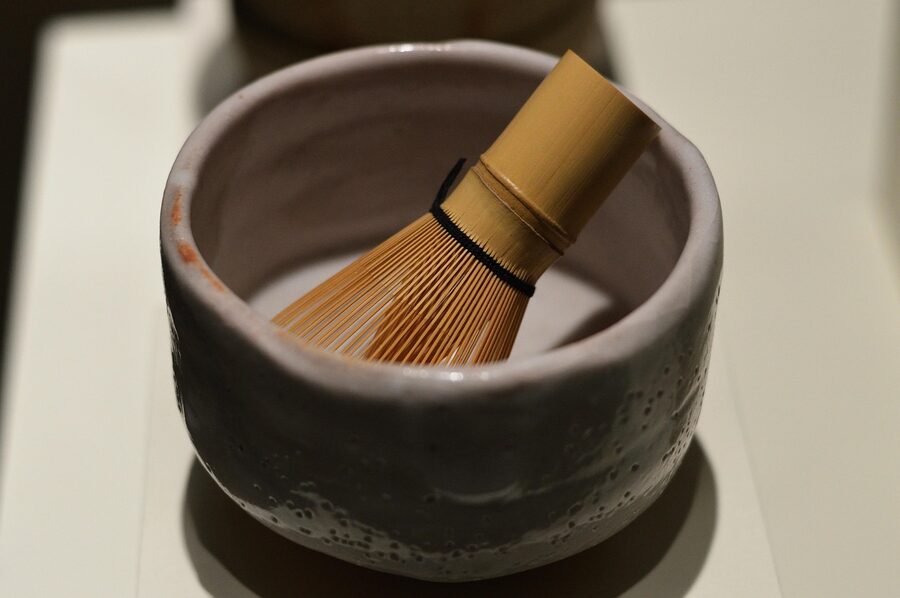
If the class made you want to try matcha at home, the minimum kit is: a chasen (bamboo whisk, ¥3,000), a chawan (tea bowl, ¥2,000-6,000), a small tin of ceremonial matcha (¥2,000-4,000 for 30g), and a small sieve to break up clumps in the powder. That’s it. You don’t need the kettle, the ladle, the silk cloth — those are for formal ceremonies. For daily matcha, just heat water to 80°C, sieve a heaping chashaku of powder into the bowl, add about 60ml of water, and whisk.
The shops near Shinsaibashi that most instructors recommend are Fukujuen, Ippodo, and the tea-specific floor of Daimaru department store. Uji-based brands travel well and keep for about three months unopened.
One trick I picked up from a host: once you’re home, if your matcha ever tastes acrid or dull, your water is too hot or your matcha is too old. Both fixable. Don’t blame your whisk technique until you’ve ruled those out.
Before You Go, One Last Thought on Ceremony Etiquette
The 45 minutes you spend in an Osaka matcha class is a compressed version of a ritual that used to take half a day. The full Rikyu-style chanoyu involves a garden walk, a kaiseki meal, a charcoal ceremony, a thick-tea round, and a thin-tea round — four to five hours, sometimes longer. What you’re doing in Osaka is the core of it, the part that survived across four centuries because the act of making and sharing a bowl of tea turned out to be genuinely calming, genuinely bonding, and genuinely beautiful when done with attention.
You won’t leave an expert. You probably won’t even whisk it right the first time (I didn’t). But you’ll come out with a new way of paying attention to a drink, and a small piece of the 30-grams-per-hour patience that made the powder in the first place. That alone is worth the $25.
Where to Go From Here
If the matcha class pulled you into cultural Osaka, the Osaka walking tours cover the historic quarters in a morning, and the Shinsekai food tour gives you the scruffy, loud other side of the city that makes the calm of the tea ceremony feel earned. For something else hands-on, a chopstick-making workshop in Tokyo or Kyoto pairs beautifully — both are crafts you can bring home. And if you liked this enough to want to go deeper, a full-day trip to Uji (the tea-growing region south of Kyoto) is the natural next step — the matcha fields are walkable and most farms will let you visit.