
My friend Hannah flew into Haneda at noon, dumped her bag at her Asakusa hotel, and two hours later sent me a photo of a bowl of froth-topped green tea she had just whisked herself. The caption: “I have made tea.” She is the same friend who once set off a smoke alarm steaming broccoli, so the tone was earned. What she had actually done was sit down at a one-hour matcha class half a block from Senso-ji, learn the same whisking technique tea masters have used for 400 years, and eat a handmade wagashi sweet. Thirty dollars, ninety minutes of her first day, an unexpectedly good story. This guide is the how of that morning.
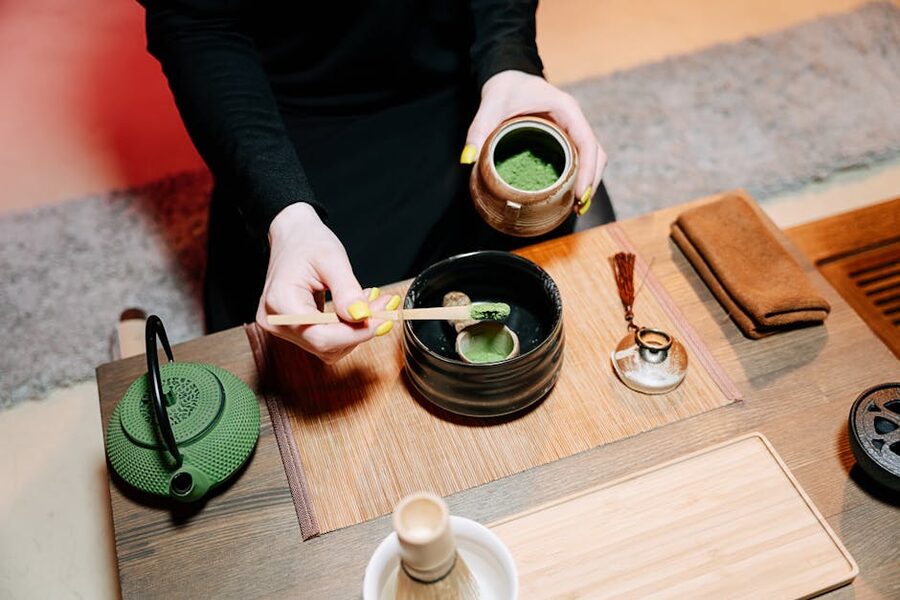
In a Hurry? Top 3 Tokyo Matcha Classes
- Matcha Making Tokyo in Asakusa — about $22. The highest-reviewed English-speaking class in the city, ninety minutes, runs seven days a week. Check availability.
- Matcha Making Experience with Mochi Sweets — about $22. Same Asakusa street, sweets-focused version, the instructors here get quoted more in reviews. Check availability.
- Matcha & Kimono Workshop — about $58. Ninety-minute combo, you get dressed in a kimono, then do the tea session in it. Worth the splurge if you want one Instagram moment that does two jobs. Check availability.
- In a Hurry? Top 3 Tokyo Matcha Classes
- What a Tokyo Matcha Class Actually Is
- Where to Book and Why Asakusa
- The Three Best Matcha Classes in Tokyo
- 1. Matcha Making Tokyo in Asakusa — about
- 2. Matcha Making Experience with Mochi Sweets in Asakusa — about
- 3. Matcha & Kimono Workshop — about
- How Much Time to Block Out
- Prices, What’s Included, What’s Not
- A Quick Detour Into Why Matcha Is Powdered
- The Difference Between “Usucha” and “Koicha”
- What About a Real Tea Ceremony Instead?
- Pairing a Matcha Class With Something Else in Asakusa
- Dietary and Accessibility Notes
- What to Wear, What to Bring
- A Brief History of Why This Ritual Exists
- The Wagashi That Comes With It
- How Early to Book Ahead
- Can You Do This As a Kid or With Kids?
- Your Solo-Traveller Version
- What I Would Do Differently If I Went Tomorrow
- Other Asakusa and Tokyo Bookings Worth Knowing About
What a Tokyo Matcha Class Actually Is
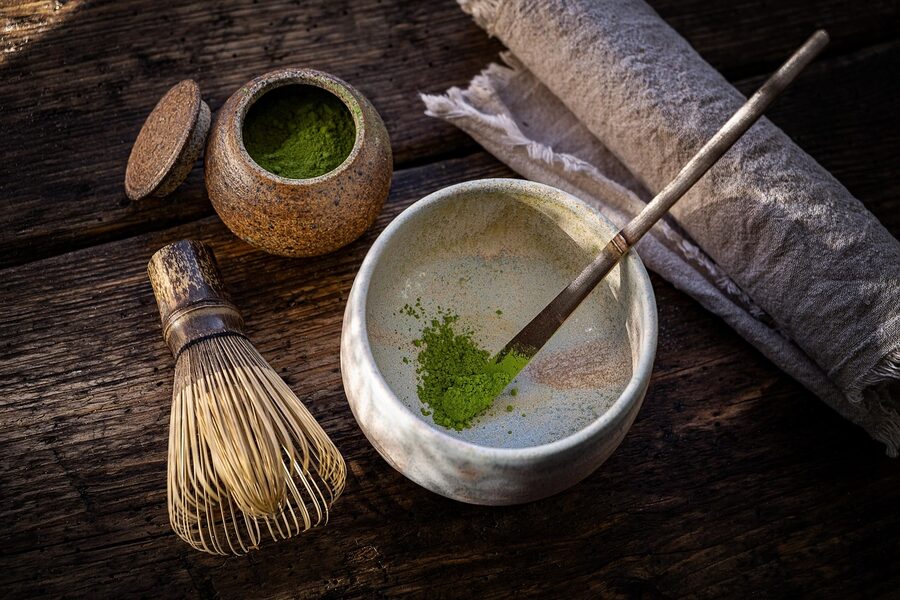
A matcha class in Tokyo is short, hands-on, and priced closer to a cocktail than a sightseeing tour. You sit at a low table, usually with four to six other people. A teacher walks you through the history of powdered green tea in about ten minutes. Then they show you how to scoop, pour hot water, whisk, and drink. You do it yourself. You eat a wagashi sweet. You leave with a slight caffeine buzz and a better understanding of why half of Tokyo drinks this stuff like water.
The key thing to understand: this is not a multi-hour tea ceremony in the traditional sense. A proper chanoyu ceremony — the kind where a host takes forty minutes to serve one guest — is something else entirely. The classes I am describing here are the stripped-down, beginner-friendly version. They cover the same movements, teach you the same vocabulary, but the goal is to get you whisking your own bowl by minute twenty, not to induct you into a four-hundred-year-old art form.
Most classes run 60 to 90 minutes. Prices sit in a tight band: $18 to $25 for a straight matcha class, $45 to $60 if you add kimono dressing or a second activity like calligraphy. The sweet spot is Asakusa, where three or four operators run back-to-back sessions every day within a ten-minute walk of each other.
Where to Book and Why Asakusa
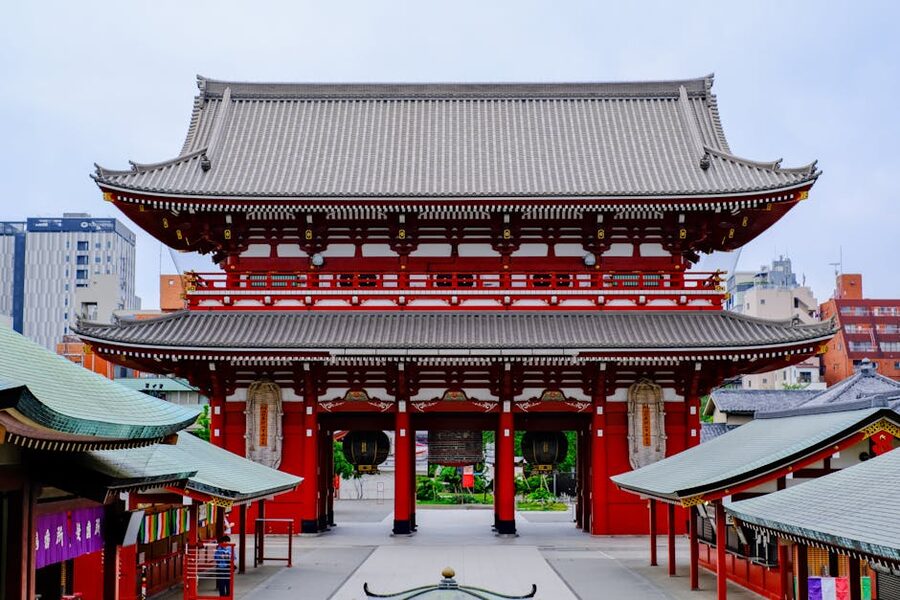
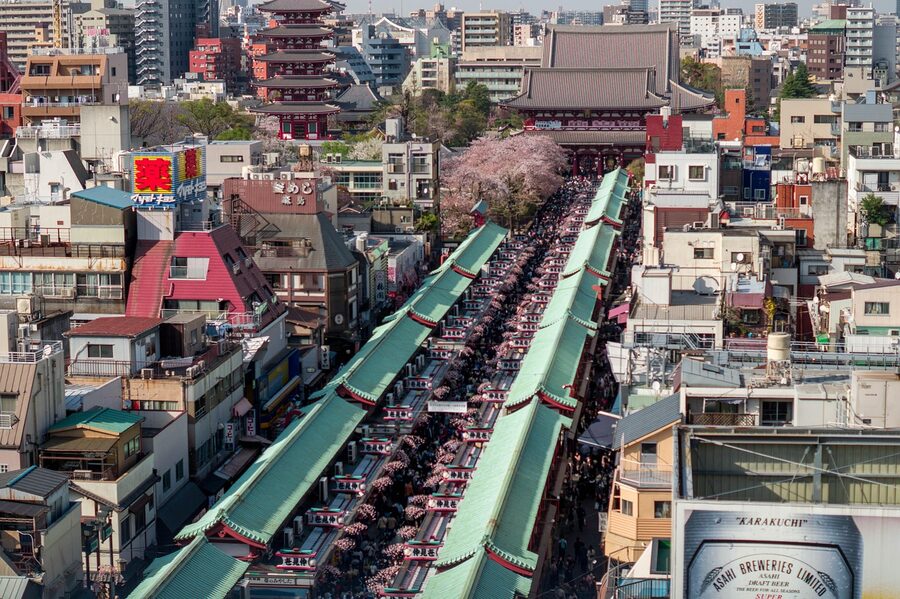
The honest answer: book a class in Asakusa. Every other neighbourhood in Tokyo has one or two matcha experiences. Asakusa has a cluster. It is the only district in the city where you can combine a temple visit, a kimono rental, a matcha class, and a stroll on Nakamise-dori in a single afternoon without getting on a train. For most travellers that density is the reason to pick it.
Shibuya and Shinjuku have a handful of tea-ceremony options too, but they lean older and more formal — ninety-minute full ceremonies with tatami etiquette, not the hands-on beginner format. If you want to actually whisk your own tea, Asakusa is where the English-speaking operators have built their businesses around that exact experience.
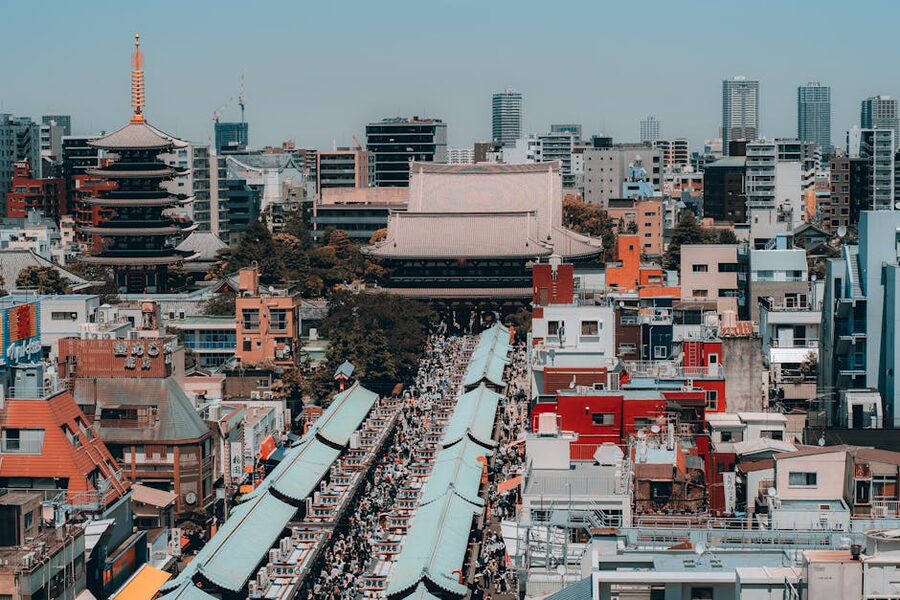
There is one Asakusa practical I learned from Hannah and three other friends who have done this: book a morning or very early afternoon slot, not the late afternoon one. The 10am and 11am sessions are usually fresher — the teachers are sharper, the tatami is uncluttered, and you leave with the whole day ahead of you. Afternoon sessions get rushed when they run back-to-back.
The Three Best Matcha Classes in Tokyo
Below are the three I would actually put your money into. I have ranked them by review count (the reliable proxy for how many travellers have been through the door and still felt moved enough to write about it). All three are in Asakusa. All three run in English. Prices are per person at the time of writing.
1. Matcha Making Tokyo in Asakusa — about $22
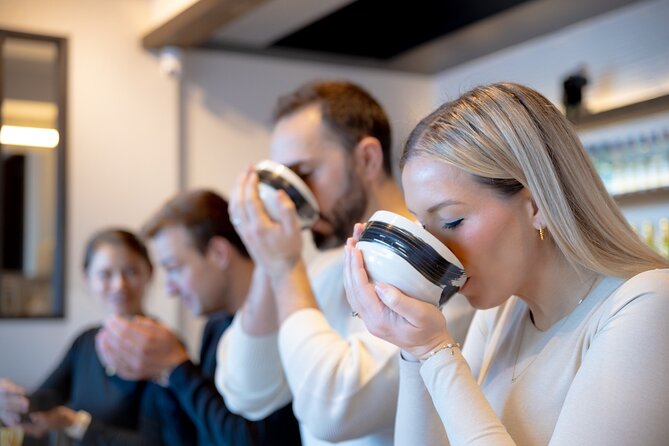
This is the highest-reviewed matcha class in Tokyo and the runaway winner on review volume. The format is a tight ninety minutes: ten minutes on history, fifteen on ingredients, forty on whisking and tasting, the rest on making your own wagashi sweet. Groups cap at six, so you get real one-on-one time with the teacher — something our full review digs into with visitor quotes. If you are only going to book one matcha class in Tokyo, book this one.
2. Matcha Making Experience with Mochi Sweets in Asakusa — about $22
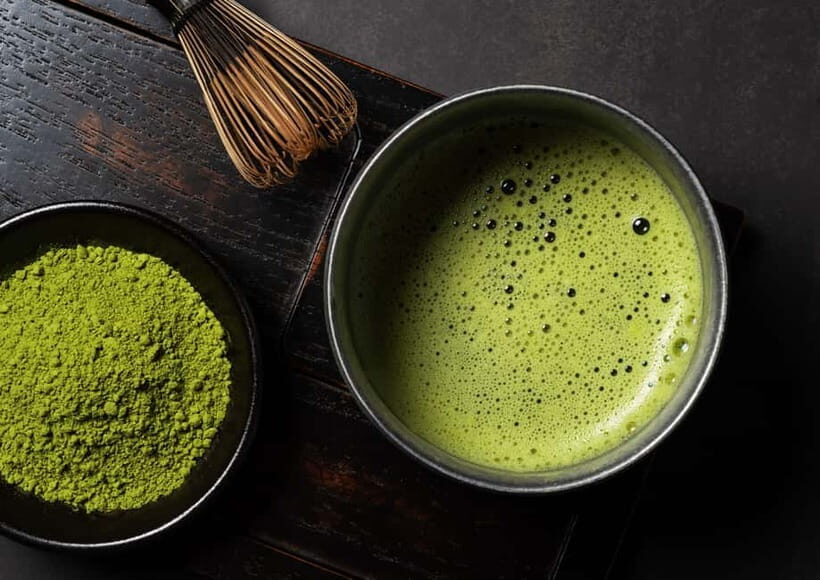
This is the sibling class to the pick above, run by a different operator on the same Asakusa stretch, and the two are near-identical in price. The reason I would pick this one instead is the mochi. Instead of being served a wagashi, you make one — the instructors walk you through kneading and shaping it, which our review notes is the moment most travellers remember longest. A slightly more hands-on version of the same hour.
3. Matcha & Kimono Workshop — about $58
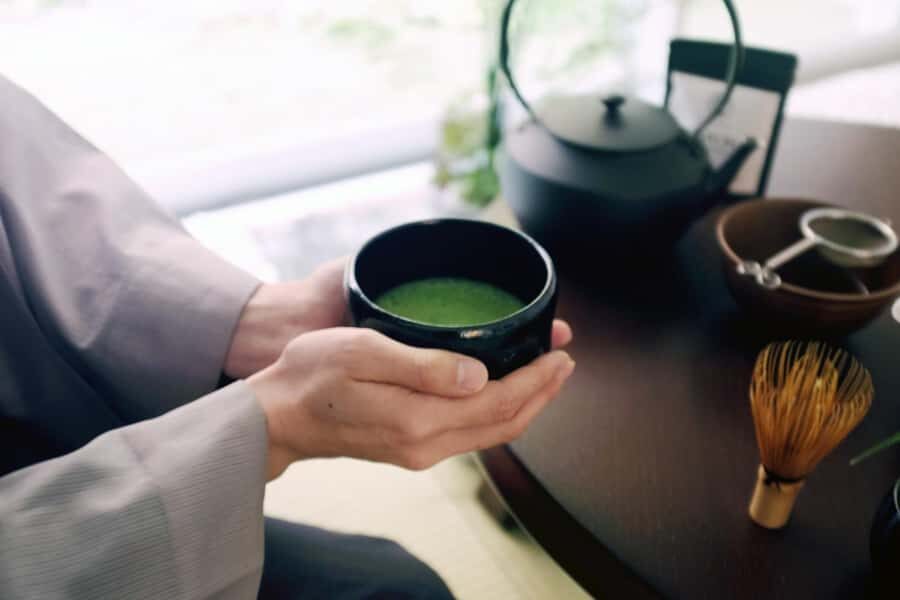
The price is triple because you are paying for two experiences, not one, but the logic holds. You arrive, get dressed in a kimono by a professional, and then do a ninety-minute tea ceremony in it. Our review explains why the kimono dressing alone is worth the difference — if you were already planning to do both activities separately, you are saving money by bundling them here.
How Much Time to Block Out
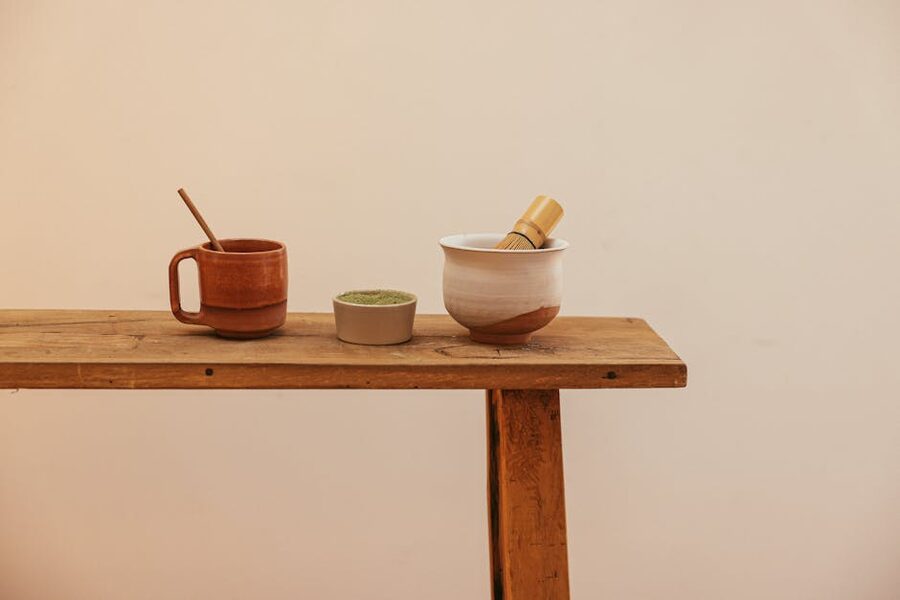
Plan for about two hours door-to-door, even if the class itself is only sixty minutes. The extras are: arriving ten minutes early (all operators ask this), finding the venue down a small Asakusa side street (always further than Google Maps implies), and the slow walk out afterwards while you buy matcha to take home.
If you are doing the kimono combo, add forty minutes on top — twenty for dressing, twenty for undressing and changing back. And factor in that you will want photos afterwards, in and around Senso-ji. The best-reviewed classes understand this and time their sessions to let you out in time for golden hour at the temple.
Prices, What’s Included, What’s Not
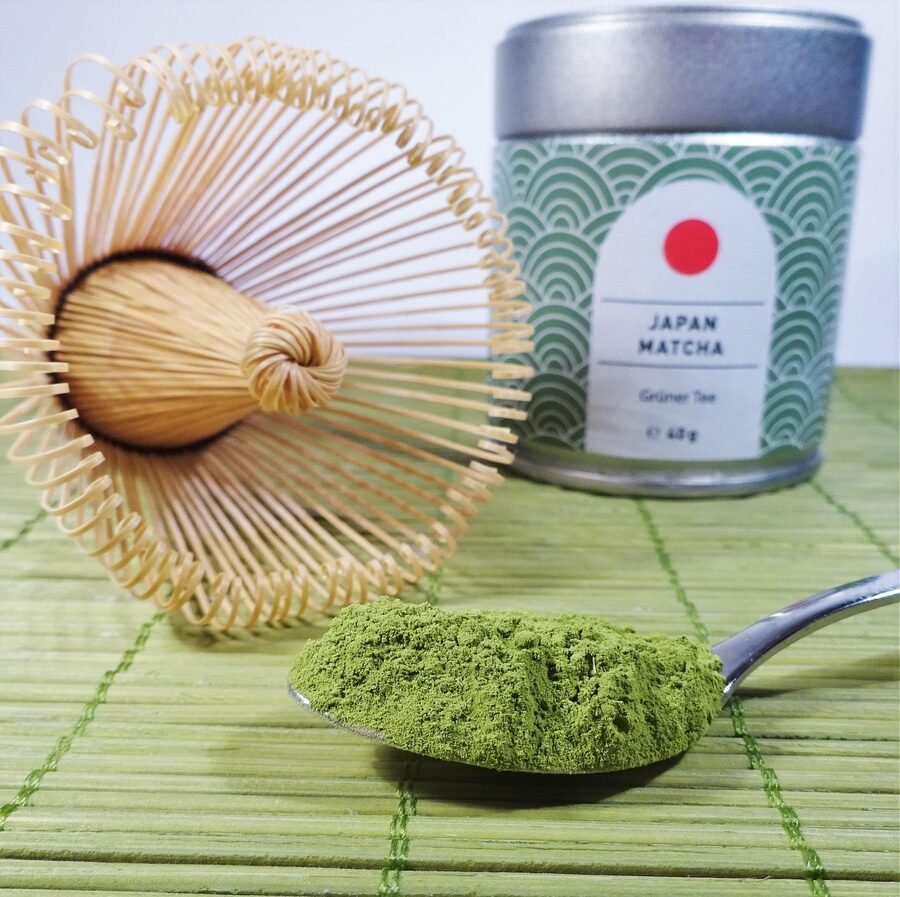
The base price ($18 to $25 for a standard class) includes: the teacher, the matcha itself, the wagashi sweet, use of all the equipment, and usually a printed pamphlet on the history. That is it. Most classes also run in small groups (maximum six) which is included in the price.
What is not included: transport to Asakusa, photos of yourself during the class (bring your phone), and any matcha powder you want to buy to take home. Most operators have a small retail corner where you can buy the ceremonial grade for about ¥1,500 to ¥2,500 per tin. Do it. You cannot easily replicate that specific grade of powder at home.
A quick tipping note: tipping is not customary in Japan and most teachers will actively refuse if you try. Save that guilt-money and buy a second tin instead.
A Quick Detour Into Why Matcha Is Powdered
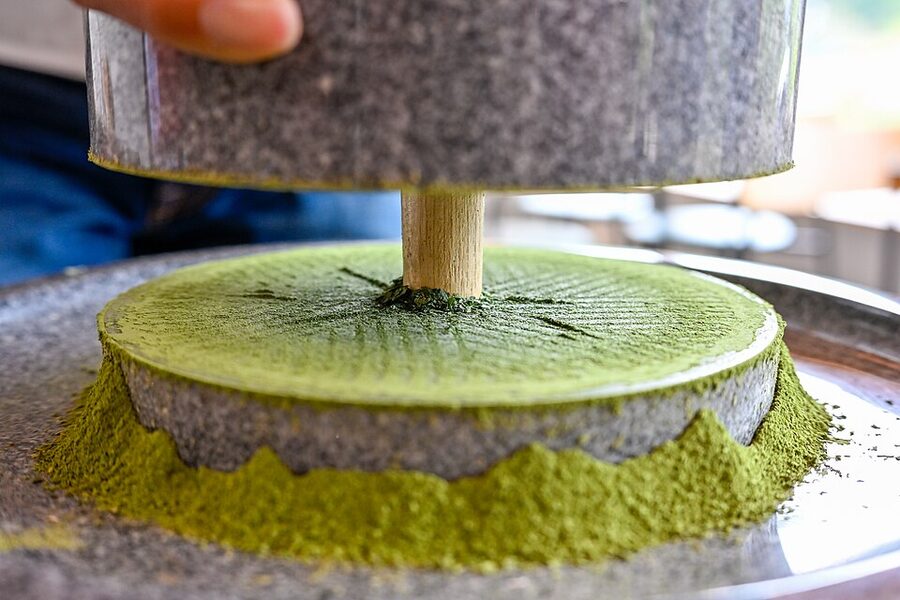
Here is the twenty-second version your teacher will give you. Most tea in Japan is sencha — brewed from whole leaves, then the leaves are discarded. Matcha is different. The leaves are shaded for three weeks before harvest (which boosts the chlorophyll and theanine, hence the bright green and the calm-alert feeling), then steamed, dried, deveined, and stone-ground into talcum-fine powder. When you drink it you are consuming the entire leaf, which is why the caffeine hit is cleaner and the health benefits are bigger.
That shading and stone-grinding is the reason good matcha is not cheap and bad matcha tastes like lawn clippings. A class is the fastest way to learn the difference — you taste the ceremonial grade on day one, and afterwards the culinary stuff at coffee shops is never the same.
The Difference Between “Usucha” and “Koicha”
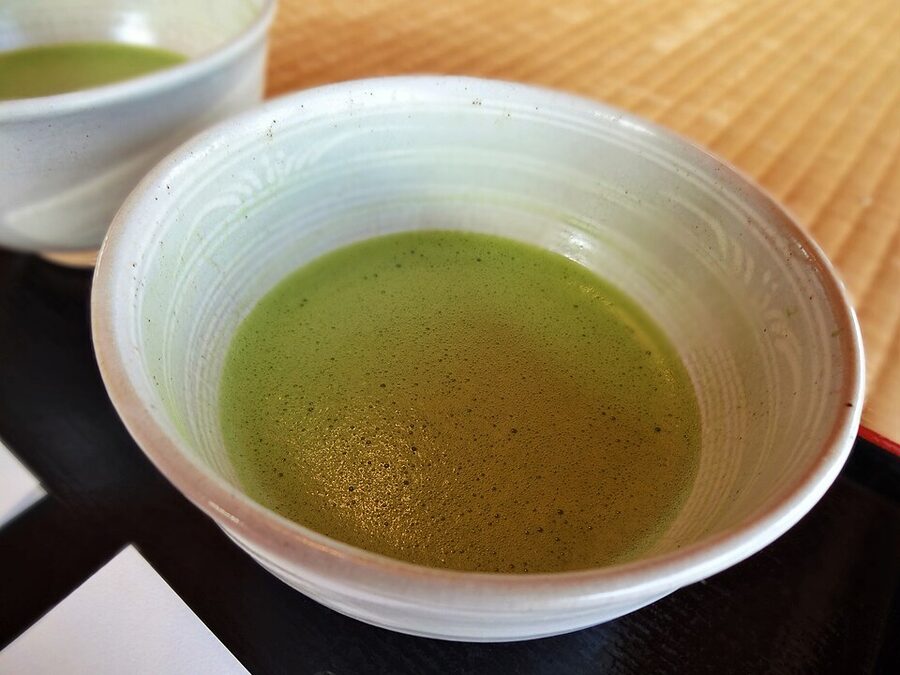
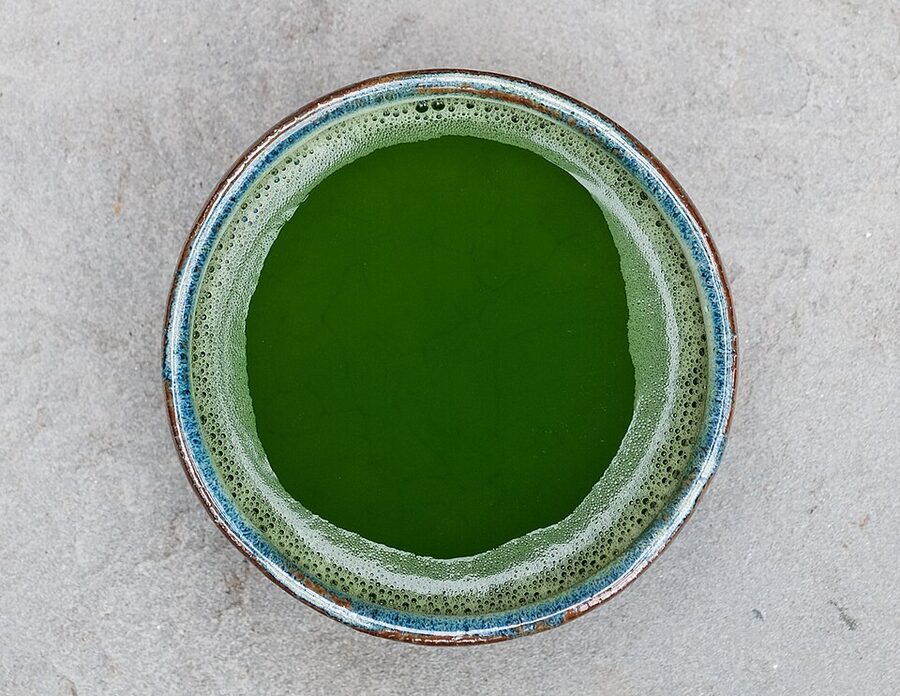
Every Tokyo matcha class will teach you usucha — “thin tea.” It is the frothy, bright green, slightly bitter version you see in photos. Two grams of matcha, 70ml of water at about 80°C, whisked hard in an M-pattern until the surface froths. This is the version 95 percent of travellers try and love.
Koicha, “thick tea,” is the other kind. It uses roughly four grams to 40ml of water, and it is not whisked but kneaded. The result is the consistency of warm honey and the colour of wet moss. It is reserved for formal ceremonies and is an acquired taste. If you see a class offering both, try the koicha sample — you might love it, or you might decide you are a usucha person for life. Either is fine. Both are correct.
What About a Real Tea Ceremony Instead?
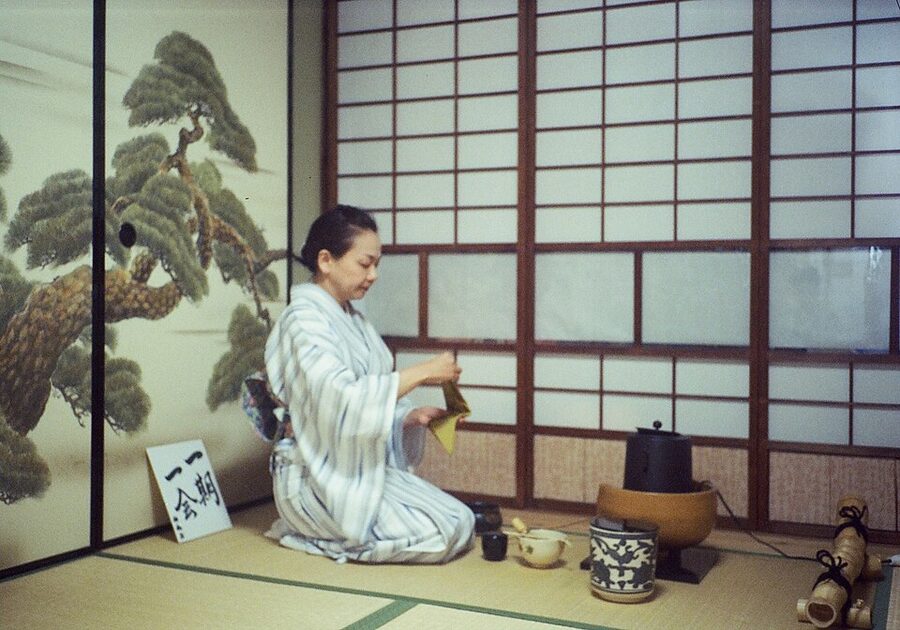
You can book a formal chanoyu ceremony in Tokyo — the full, forty-minute, guest-in-silence version. Shibuya and the Imperial Hotel both host them. They cost more ($80 to $150) and they are genuinely beautiful to witness. But they are not hands-on. You are a guest, not a participant.
For a first-timer visiting Tokyo, I would almost always recommend a matcha class first. You learn the same movements, you understand what a chanoyu ceremony is doing, and then — if you fall for it — you come back another trip and book the real thing. Going straight to a ceremony without the class means you are watching a ritual you do not yet have the vocabulary to follow.
If a proper ceremony is what you are actually after, the better bookings are in Kyoto and Osaka. Our Kyoto tea ceremony guide covers the machiya townhouse operators where the host-guest format runs properly, and Osaka tea ceremony walks through the cheaper, more beginner-friendly end of the same spectrum.
Pairing a Matcha Class With Something Else in Asakusa
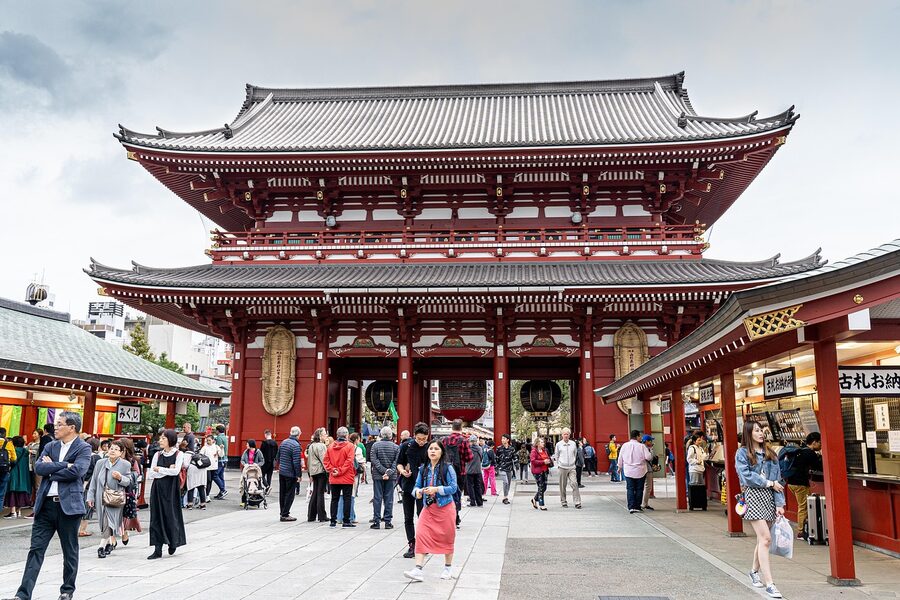
This is where Asakusa earns its ranking. A ninety-minute matcha class is not a full day, and the surrounding neighbourhood is built for exactly this kind of pairing. Here is what works:
Kimono rental first, class second. Dress up in the morning, wear the kimono into the class, do the whole thing in costume. This stacks two experiences into one continuous morning and the photos are unreal. If you are working out how that side of it works, our guide on booking a kimono rental in Tokyo walks through the rental shops in the same neighbourhood.
Class first, Senso-ji after. The most common combo. Matcha class at 10am, lunch on Nakamise-dori, Senso-ji at noon. You get the light calligraphy buzz from the caffeine and then walk it off among the temple crowds.
Class first, sushi-making class or calligraphy after. Several operators in Asakusa offer bundled half-day cultural packages. If you were already thinking about a sushi-making class in Tokyo, the same morning can absolutely hold both — sushi at 11am, tea at 2pm is a common route.
Dietary and Accessibility Notes
Matcha itself is vegan and gluten-free. The wagashi sweet served alongside is where it gets complicated. Traditional Asakusa wagashi are made from anko (sweet red bean paste) and mochi (glutinous rice) — so vegan by default, gluten-free unless the specific sweet uses wheat. Most operators will accommodate if you tell them at booking.
For dairy-free, you are fine — matcha classes use water, not milk (that is a matcha latte, which is a separate thing). For nut allergies, ask at booking. The occasional wagashi uses crushed sesame or peanut.
Accessibility varies. The historic Asakusa venues are often in second-floor tearooms above a shop, with stairs and no lift. If you need step-free access, message the operator before booking. A couple of venues are ground-floor and step-free, but they are not the majority.
What to Wear, What to Bring
Wear something you can sit comfortably in for an hour on a low cushion. Long skirts or wide pants are easier than tight jeans. You will take your shoes off at the door of almost every venue — clean socks are a small but real win.
Bring your phone for photos but keep it silent during the teacher’s demonstration. Most teachers will pause and invite photos at specific moments. Follow their lead. A few venues ban photography of the teacher’s hands during the whisking demo (it disrupts their focus); most do not. They will tell you either way.
You do not need cash. Every operator I have booked for friends takes card or PayPal. You might want a small amount of yen for the matcha tin you will almost certainly want to buy afterwards.
A Brief History of Why This Ritual Exists
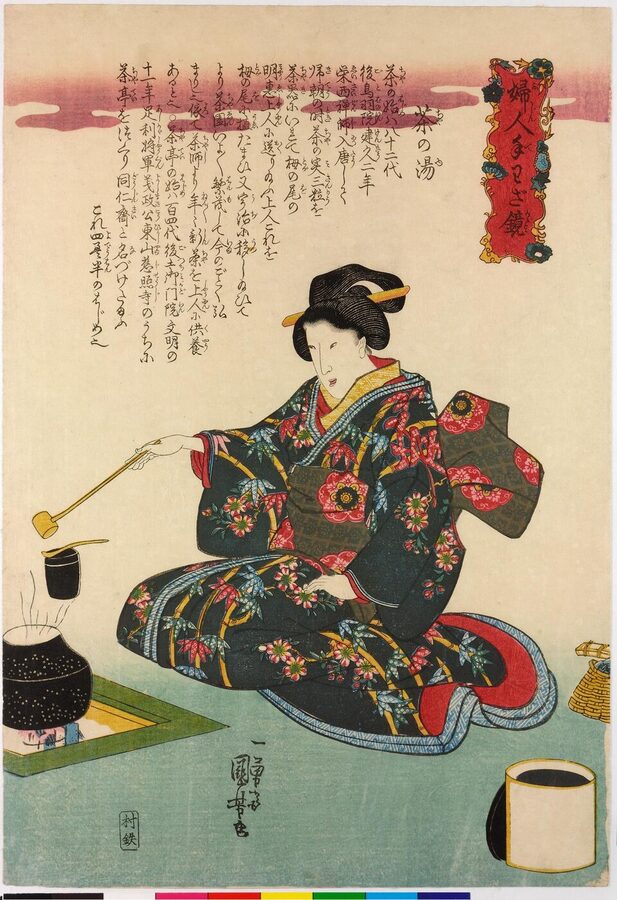
Powdered tea reached Japan from China in the late 12th century, brought back by the Buddhist monk Eisai. For the first few hundred years it was medicine — Zen monks drank it to stay alert during long meditation sessions. The ritualised “way of tea” emerged in the 16th century under Sen no Rikyu, who stripped the practice down to the bare essentials: a small room, a low doorway (which forced even samurai to bow on entry), a single scroll, a single flower, and one cup of tea, carefully made.
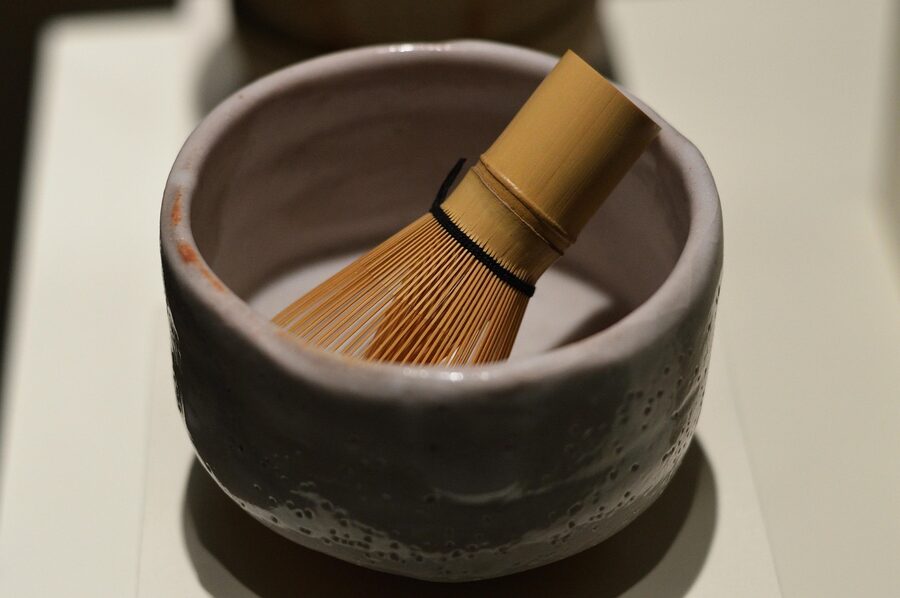
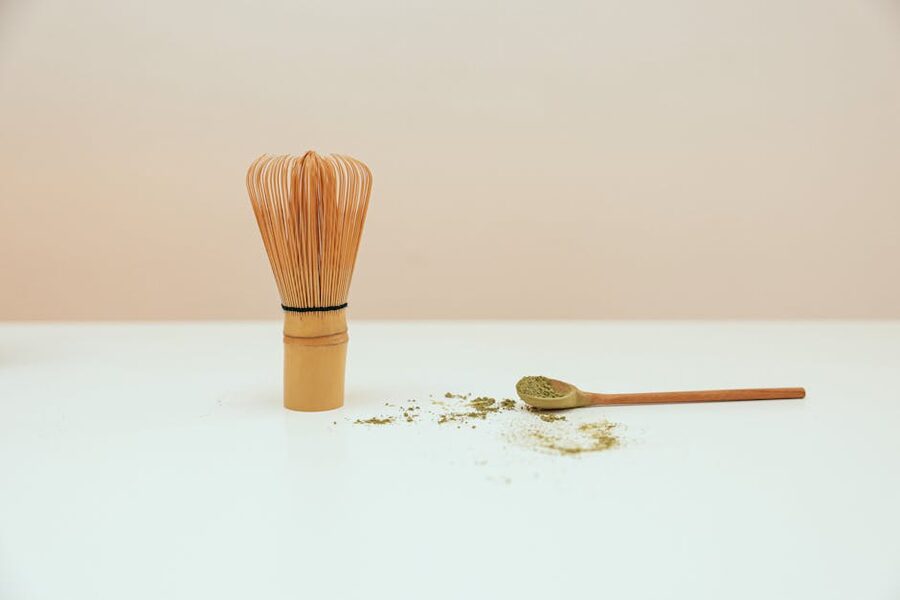
Every matcha class in Tokyo today is a descendant of Rikyu’s stripped-down aesthetic, whether the teachers mention him or not. The reason you use four specific tools (not five, not three), the reason the whisk is shaped exactly the way it is, the reason you turn the bowl twice before drinking — all of it traces back to the 1500s.
The Wagashi That Comes With It
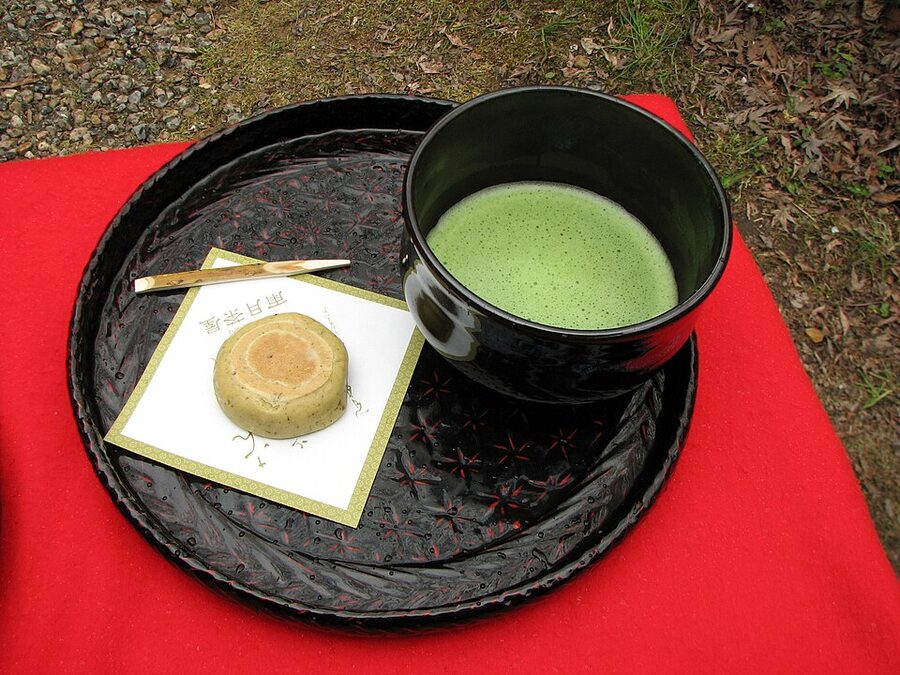
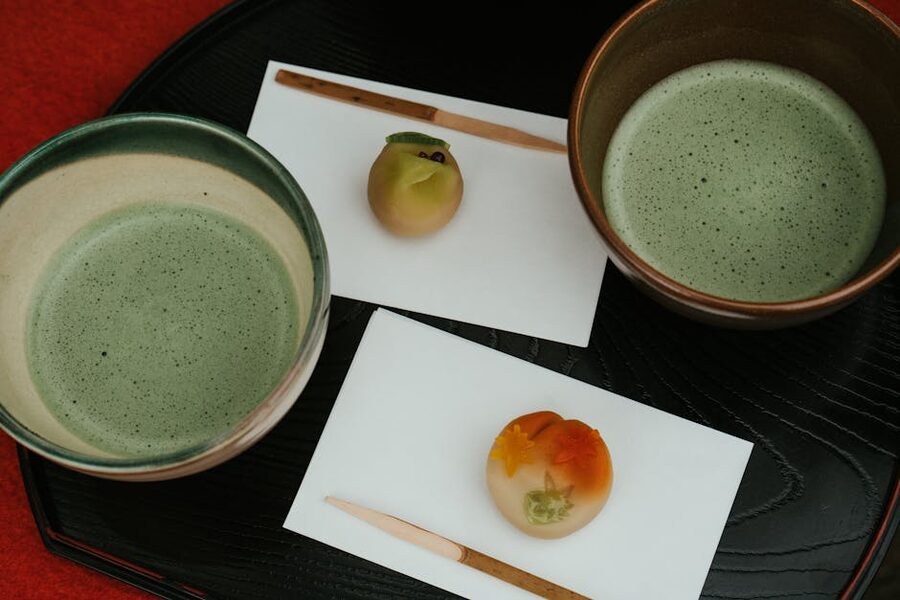
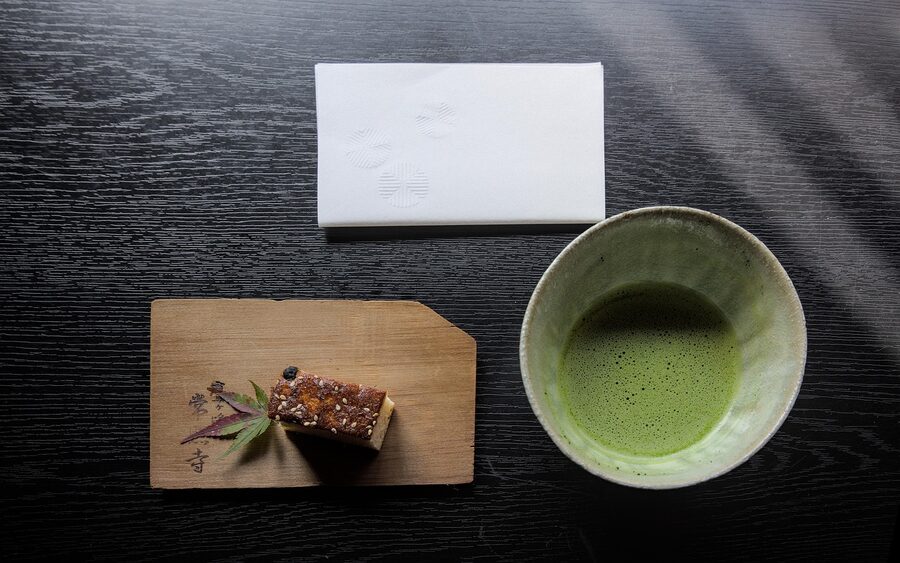
Wagashi is its own art form. The specific sweet you get in a Tokyo matcha class is usually a nerikiri — a soft confection made from white bean paste and rice flour, shaped to reflect the season. Cherry blossoms in spring. Plum in February. Maple leaf in autumn. A chrysanthemum in November. The shape is not arbitrary; it is the teacher’s way of telling you what season you are in without using words.
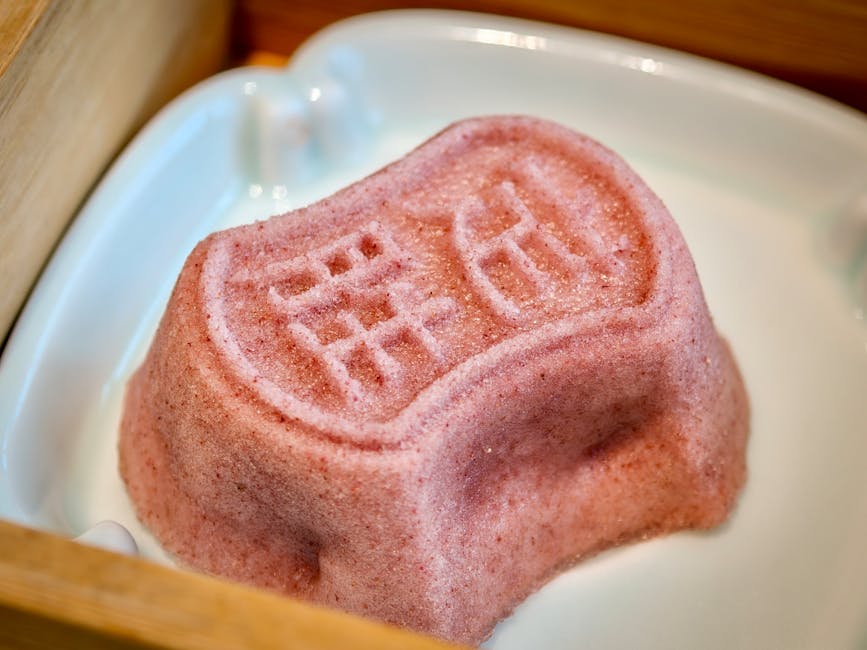
You eat the wagashi first. Whole. Then you drink the matcha. That order matters — the sweetness prepares your mouth for the bitterness. Reversed, the matcha hits you with nothing to soften it.
How Early to Book Ahead
Spring (late March through mid-April) and autumn (October to mid-November) are the peak booking windows. During those months the Asakusa matcha classes sell out two or three days ahead for the morning slots. In summer and winter you can often walk up and find space same-day, but I would not rely on that.
If you are visiting during cherry blossom season, book at least a week out. If you are going in the dead of January, book the morning before. The cancellation windows are usually 24 hours, so booking early carries no real risk.
Can You Do This As a Kid or With Kids?
Most Asakusa matcha classes accept children aged five and up. Under five is case-by-case — the attention span requirement is real, and the teacher will quietly steer you out if the child cannot sit for ninety minutes. The classes that handle kids best are the smaller-group ones where the teacher can pivot the energy. Matcha Making Tokyo and the mochi-sweets variant both have visible track records with families.
If you have a child under eight who loves cooking, the mochi-sweets class is the better pick — there is enough hands-on kneading to hold a younger kid’s attention, and the sweet-before-tea order means they get a small sugar reward for listening to the first half.
Your Solo-Traveller Version
Solo travellers do great at these classes. The group format means you are put at a table with four or five other people — usually a mix of solo travellers, couples, and the occasional small family. Nobody pairs off in a way that excludes you. The teacher’s focus rotates one person at a time.
If anything, solo travellers get the best of it. You can ask more questions. You get more whisking time when others are slower. And the wagashi is for one, which means you get the full pairing-instruction treatment instead of sharing it.
What I Would Do Differently If I Went Tomorrow
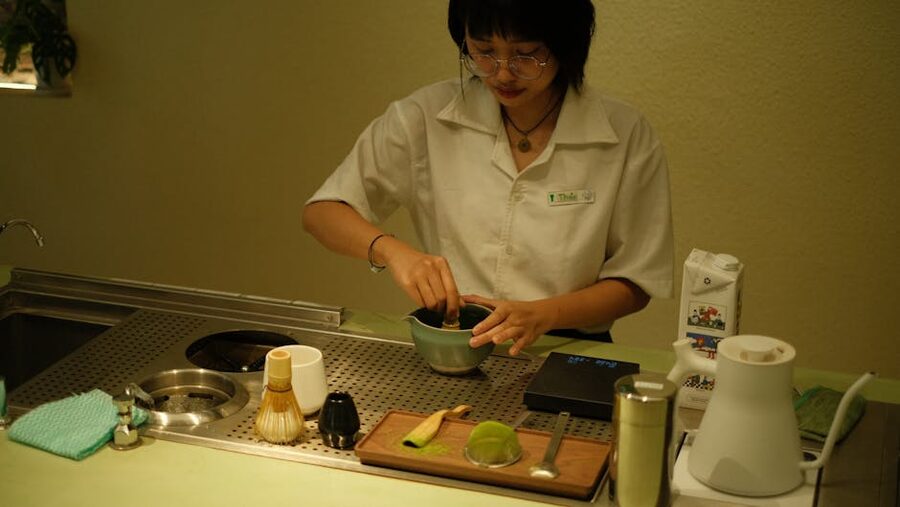
First, book morning — 10am if possible. Second, pair with kimono if your budget allows, because it stacks two cultural experiences into one morning for less than you would pay separately. Third, do not book the same day as another high-effort activity; you will be calm and caffeine-buzzed for an hour after, and it is a shame to waste that energy on a train ride to the next thing.
Fourth, buy the tin at the end. I know I have mentioned this twice. It is because the single most consistent regret from every friend I have sent is “I should have bought more matcha to take home.”
Other Asakusa and Tokyo Bookings Worth Knowing About
If a matcha class has you curious about deeper tea culture, the logical next step is a kimono rental — the same Asakusa streets are full of rental shops, and our piece on booking a kimono rental in Tokyo covers the best operators and the hidden extras to watch for. If you are city-hopping to Kyoto after Tokyo, the classic pairing over there is a kimono stroll through Gion — booking a kimono rental in Kyoto walks through the differences between the two cities’ rental scenes. And if Osaka is on your route and you want the same matcha experience in a different city (the Osaka version runs cheaper and is arguably more hands-on), booking a matcha class in Osaka has the full operator breakdown. Three cities, three variants of the same ritual — a surprisingly satisfying way to travel.
Hannah, for the record, bought two tins of matcha at the end of her class and smuggled them home in her carry-on. The whisk she bought separately, at a shop three blocks down. Six months later she is still making a bowl every Sunday morning, and has sent me three photos of wagashi she has attempted to shape. They are not good. But she is making them. Which is the point.