
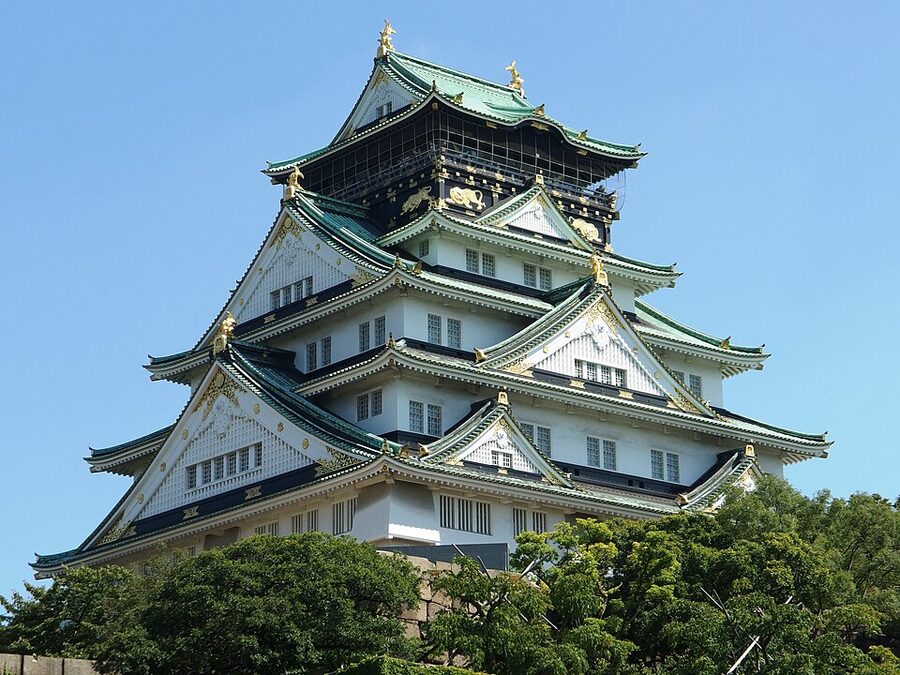
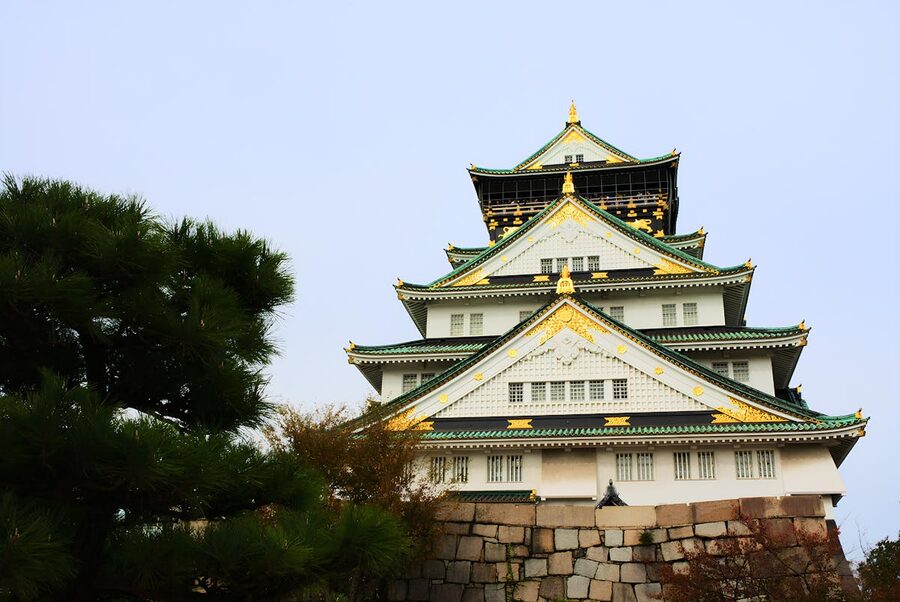
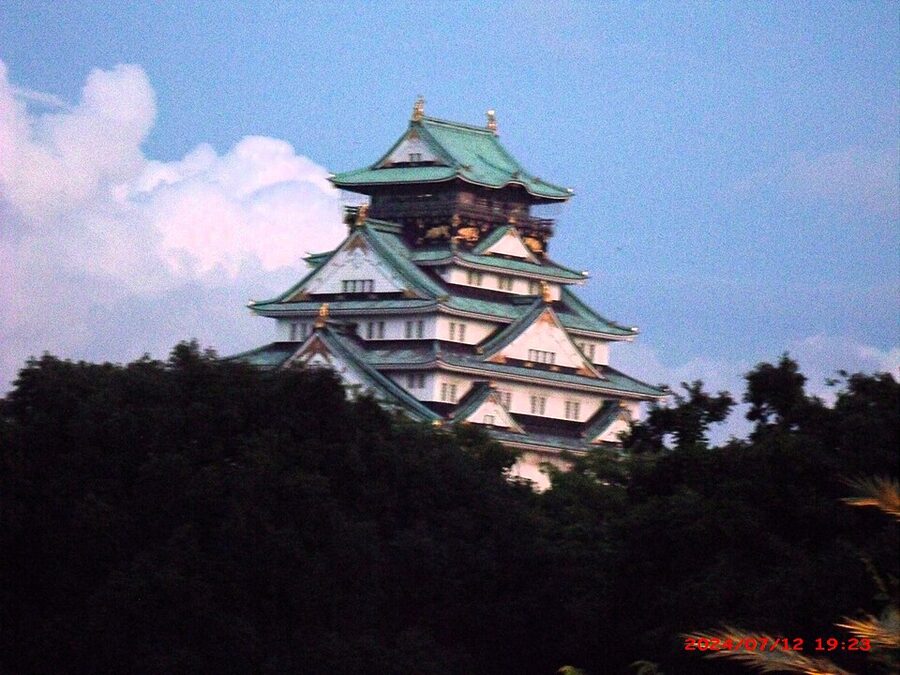
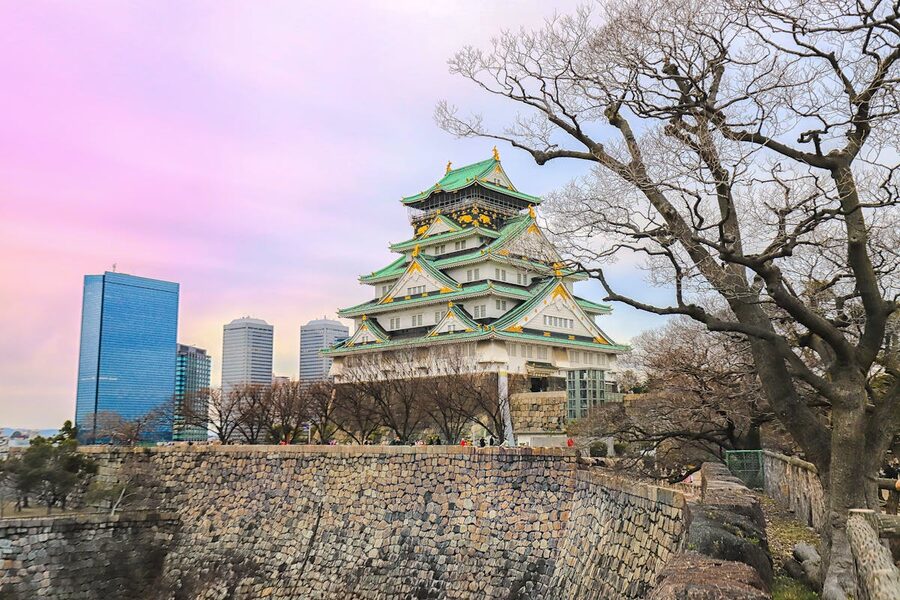
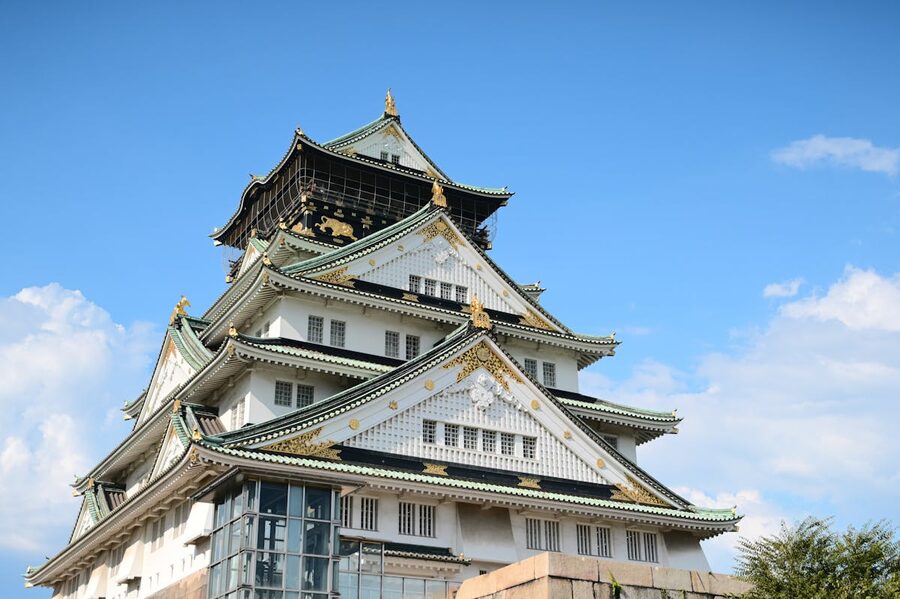
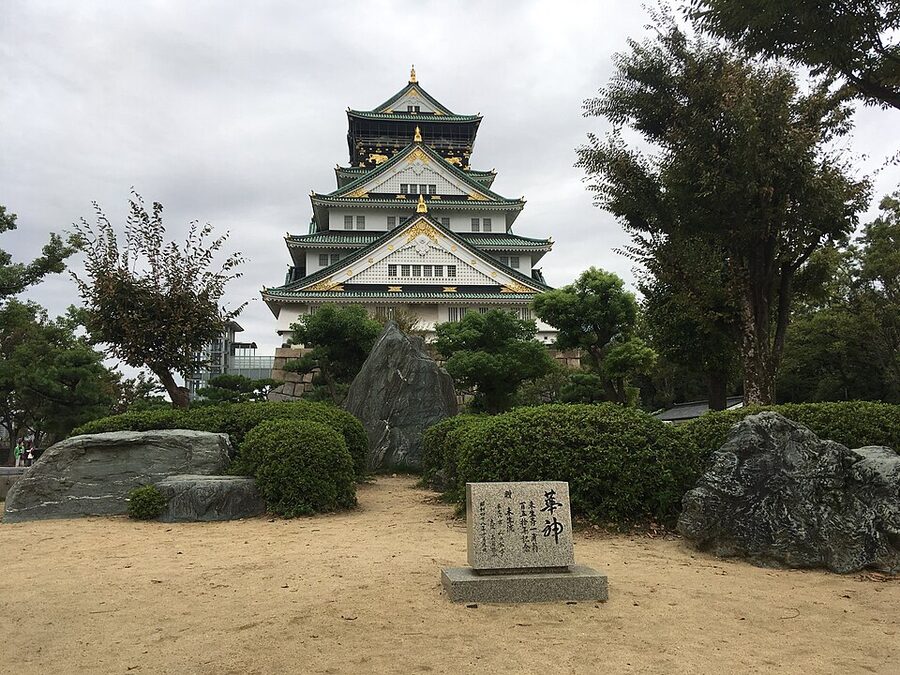
Osaka Castle is a fake. The 55-metre keep-tower you see in every Osaka photograph was finished in 1931 — built over a concrete elevator shaft — and then patched up again after American firebombing in March 1945 burned most of the surrounding complex to the ground. The original castle Toyotomi Hideyoshi built between 1583 and 1597 burned in the 1615 Siege of Osaka, within thirty years of its completion. What you walk into today is, strictly speaking, the third keep on the site.
Being a reconstruction doesn’t make it less worth visiting. The museum inside is genuinely excellent — one of the best single-site collections of Toyotomi and Tokugawa-period material in Japan. And the 106-hectare park that surrounds the keep is the closest thing Osaka has to Central Park, with 4,000 cherry trees, a plum garden, and a 4-kilometre running loop that office workers from the surrounding towers pound every lunch hour.
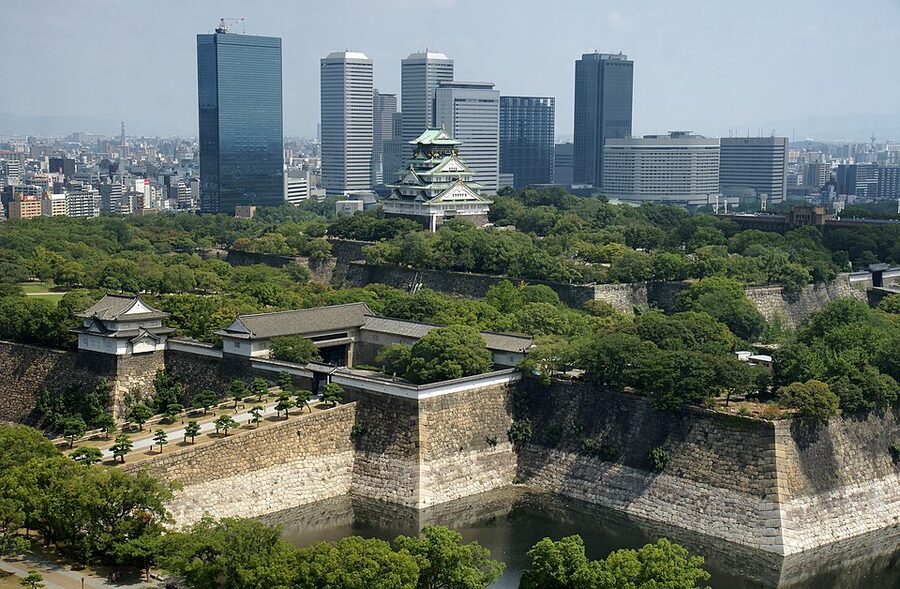
The three ticket options below cover the spectrum from $7 self-guided entry to $43 deep-dive guided tour. Which one you pick depends mostly on how much history context you want and whether you’re happy to read exhibit placards yourself.
Short on time? Here are my top picks:
Best no-frills admission: Osaka Castle: Museum and Tower Entry Ticket — $7, skip-the-line entry to both the main keep and the Toyotomi Ishigaki Museum. The bargain of Kansai.
Best with historical walking tour: Osaka Castle Walking Tour and Castle Tower Admission — $24, 90-minute guided walk around the stone walls and moats, with tower admission bundled in.
Best deep-dive guided: Osaka Castle Guided Tour — $43, private-style 2-3 hour tour including the interior museum floor by floor with a licensed guide.
- What You’re Actually Looking At
- The 3 Best Osaka Castle Tickets
- 1. Osaka Castle: Museum and Tower Entry Ticket —
- 2. Osaka Castle Walking Tour and Castle Tower Admission —
- 3. Osaka Castle Guided Tour —
- Inside the Museum, Floor by Floor
- Osaka Castle Park and Its Seasons
- The Walking Tour Option — Why It’s Worth the Extra
- Timing — When to Visit and When to Avoid
- Getting There and Around
- Practical Tips I Wish Someone Had Told Me
- Pairing Osaka Castle With the Rest of Kansai
What You’re Actually Looking At
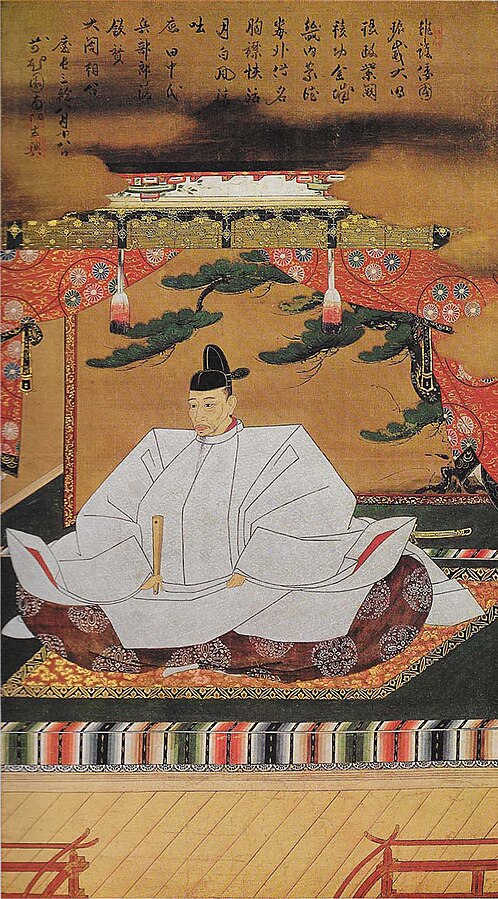
Hideyoshi started construction in 1583, on the grounds of a destroyed Buddhist temple called Ishiyama Hongan-ji. The site choice was political — the Ishiyama temple complex had held out against Hideyoshi’s mentor Oda Nobunaga for eleven years during the 1570s. By building a fortress on its ruins, Hideyoshi was announcing that no religious army would ever defy central power again.
Construction took 15 years and something like 100,000 labourers. The stone-wall engineering is what actually survives from that period — enormous blocks hauled from quarries up to 400 kilometres away, with the largest single stone, the Tako-ishi near Sakuramon Gate, weighing an estimated 130 tonnes. Each contributing daimyo was assigned a stretch of wall to build, and many of those stones still carry the carved family crests of the clans that provided them. You can still find these with a patient eye and good light.
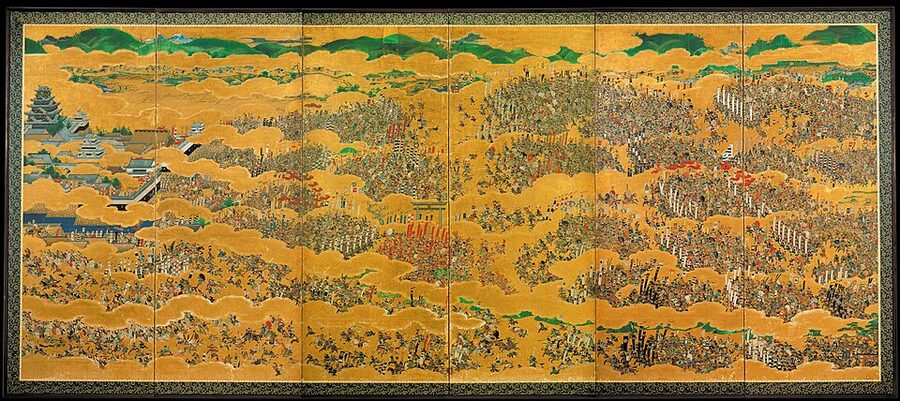
The siege came in two parts. Winter 1614 ended in a negotiated truce that the Tokugawa immediately violated by filling in the outer moats. The Summer 1615 assault took five weeks and ended when the keep itself caught fire — possibly by Toyotomi defenders torching it themselves to deny the victor any trophy. Hideyori and his mother Yodo-dono committed ritual suicide in a storehouse on the grounds.
Tokugawa Ieyasu rebuilt everything between 1620 and 1629, on a larger and more defensive scale, with the stone walls we walk past today. His keep lasted thirty-six years before lightning struck it in 1665 and burned it down. From that point until 1931, for 266 years, Osaka Castle had no main tower at all — just the walls, the moats, and some surviving turrets. The 1931 reconstruction was funded by Osaka citizens who raised 1.5 million yen in a public campaign during the depths of the Great Depression.
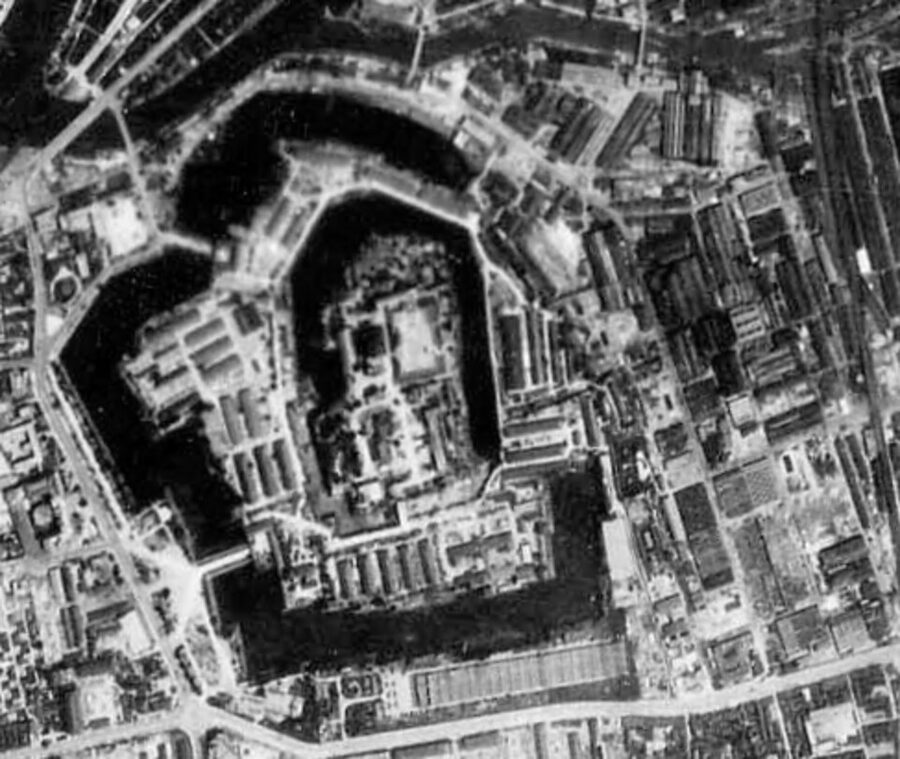
During WWII the Imperial Japanese Army had a massive ordnance factory immediately north of the castle, which made the entire complex a priority bombing target. The 1 June 1945 raid dropped 3,000 tonnes of incendiaries on central Osaka and killed somewhere around 3,000 people in a single night. Osaka Castle’s keep survived because reinforced concrete doesn’t burn, but nearly every other structure on the grounds was destroyed or damaged. Restoration work continued intermittently until the current configuration was finalised in 1997.
The 3 Best Osaka Castle Tickets
1. Osaka Castle: Museum and Tower Entry Ticket — $7
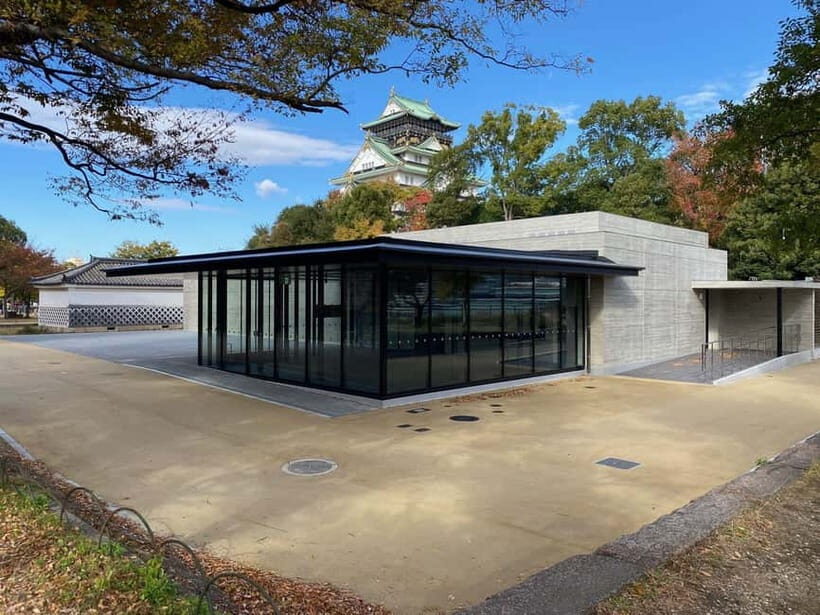
This is the straightforward option and, for most visitors, the right one. You book online, show your QR code at the gate, and walk past the ticket-booth line — which in cherry blossom season and summer holidays can stretch 20 to 30 minutes. A visitor I trust put it plainly in her review: skip-the-line “probably saved us a good 25 min wait.” The $7 covers both the main keep museum and the Toyotomi Ishigaki Museum (an underground exhibit showing the original 16th-century stone foundations discovered during excavation work).
What you give up at this price point is commentary. The museum signage is good and bilingual, but there’s no guide explaining which armour belonged to whom or why the siege screen matters. Our review of the entry ticket breaks down which floors are worth lingering on — floors 3, 4 and 5 are the dense history material, floor 7 is the diorama of the Summer Siege, and floor 8 is the observation deck. Allow 90 minutes inside if you read placards; 45 if you don’t.
2. Osaka Castle Walking Tour and Castle Tower Admission — $24

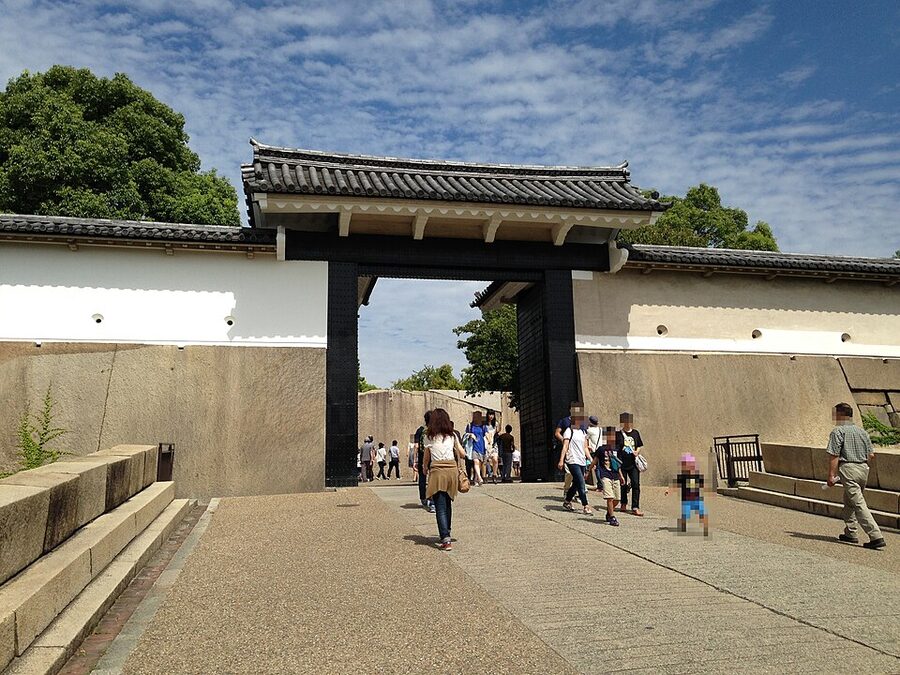
For $17 more than the bare admission, you get 90 minutes with a licensed guide walking the outer grounds before you go inside. This is the section most self-guided visitors rush past, and it’s where the castle’s actual history is most visible — the clan-crest stones, the filled-in 1614 moat line, the fire-scorch marks on the Otemon gate posts, the specific gates that survived the 1945 bombing versus the ones reconstructed after. A recent visitor named Laura said in her review that her guide Saya “knew a lot about the history of the castle… was very knowledgeable and able to answer everyone’s questions.” That’s consistent with what I’ve heard from three other travellers I trust.
The walk ends at the keep entrance and the guide hands you an admission ticket — you then do the museum at your own pace. Groups are small, usually 6-12, and the format works well if you want orientation without being shepherded through the exhibits. Our review explains why the outer-grounds walking portion is the most undervalued part of this tour. If you’re weighing this against pick 3, the distinction is 90 minutes outside with a guide versus 2-3 hours including the inside.
3. Osaka Castle Guided Tour — $43
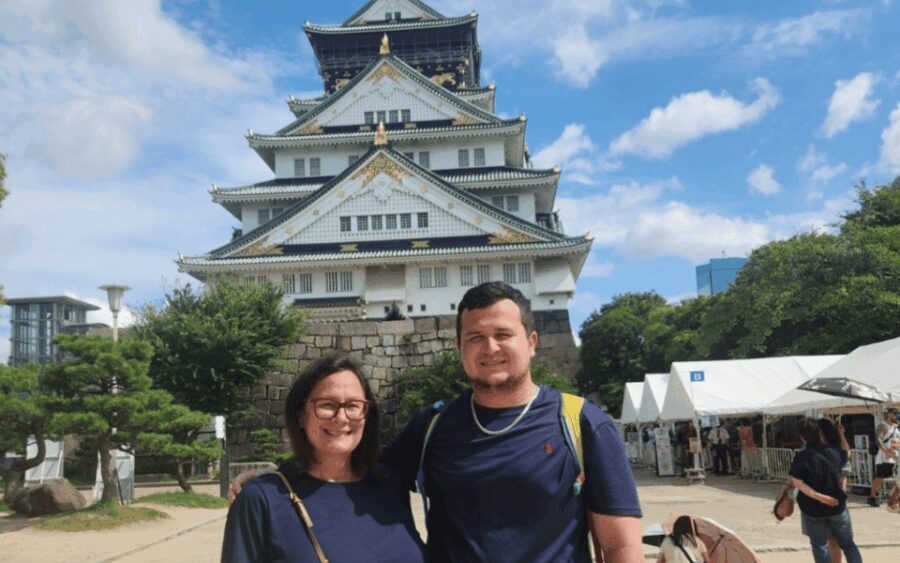
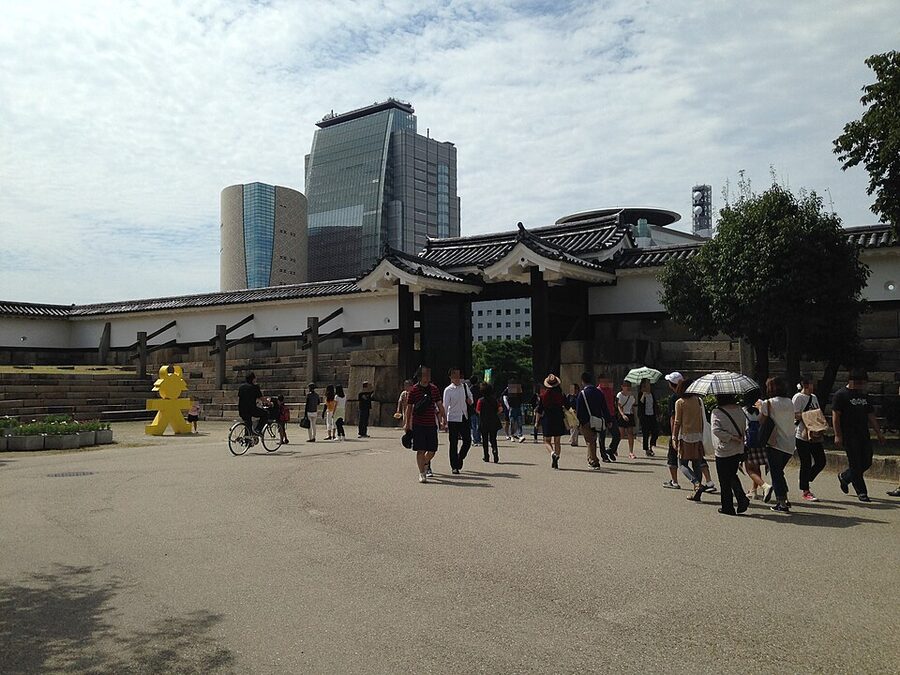
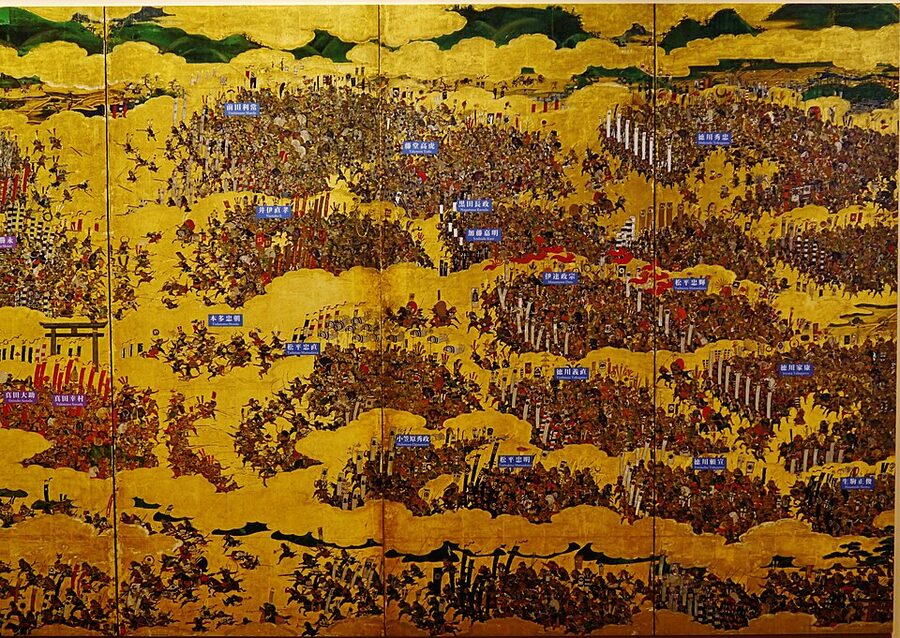
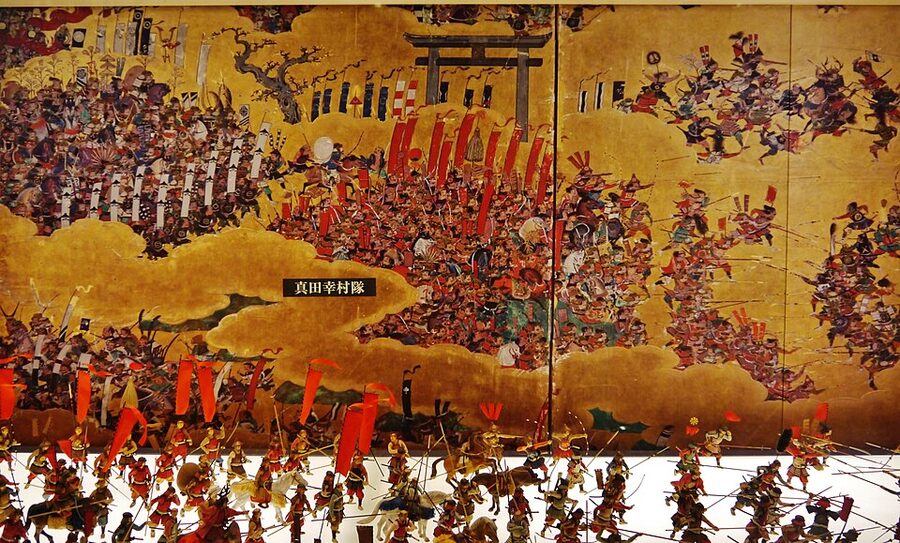
This tour is where you go if you actually care about the history. The guide walks you through the eight floors of the keep, pointing out the pieces that matter — the Toyotomi family crest on the recreated golden tea room, the full set of ceremonial armour worn by Toyotomi Hideyoshi’s retainers, the massive Siege of Osaka folding screen reproduction that’s impossible to read without a narrator. A recent visitor I asked said her guide “showed us the museum inside from top to bottom, explained the history of the castle and the battles fought around it, and answered any questions we had.” The comment on the lead review page reads the same way — warm, detailed, patient.
At $43 this is roughly double what pick 2 costs, and the value is in interior coverage. Our review compares the three guided-tour formats and where this one fits. If your Japan itinerary has exactly one castle on it and you want to actually understand what you’re looking at, this is the pick. If you’re castle-hopping (Himeji, Matsumoto, Kumamoto) and this is just one stop, pick 1 or 2 gets the job done.
Inside the Museum, Floor by Floor
The keep has eight floors. Floor 1 is entrance, lockers, a shop. The main museum runs from floors 2 to 7, with the observation deck on floor 8. An elevator goes from floor 1 to floor 5; beyond that it’s stairs only.
Floor 2 covers castle architecture broadly — models of other Japanese castles, explanations of stone-wall construction, a reconstruction of the golden tea room Hideyoshi used to receive dignitaries. The gold is real gold leaf, and the overall effect is loud and a little tacky in a way that would have thrilled a 16th-century warlord.
Floors 3 and 4 are the densest history content — Hideyoshi’s rise from peasant foot-soldier to regent of Japan, the unification campaigns, the Siege of Osaka, the Tokugawa takeover. Floor 3 is primarily artefacts under glass; Floor 4 uses models, touch-screens, and reproductions of Toyotomi battle correspondence. Photography is allowed on both floors except for specific marked pieces.
Floor 5 is the diorama floor — a series of miniature reconstructions of both Osaka sieges, with audio narration in Japanese and subtitle screens in English, Korean, and Chinese. It’s genuinely one of the best pieces of museum work I’ve seen in Japan, because the dioramas give you a sense of scale that photographs never do. The 1615 Summer Siege diorama alone is worth ten minutes.
Floor 7 is the folding-screen room — life-sized reproductions of the Kuroda Byobu (the Siege of Osaka screens pictured earlier in this article) hang along the walls, and you can walk up close enough to see individual figures among the thousands of painted combatants. A decent guide will explain which cluster of figures corresponds to which historical commander. Without a guide, you just see a lot of detail and not much structure.
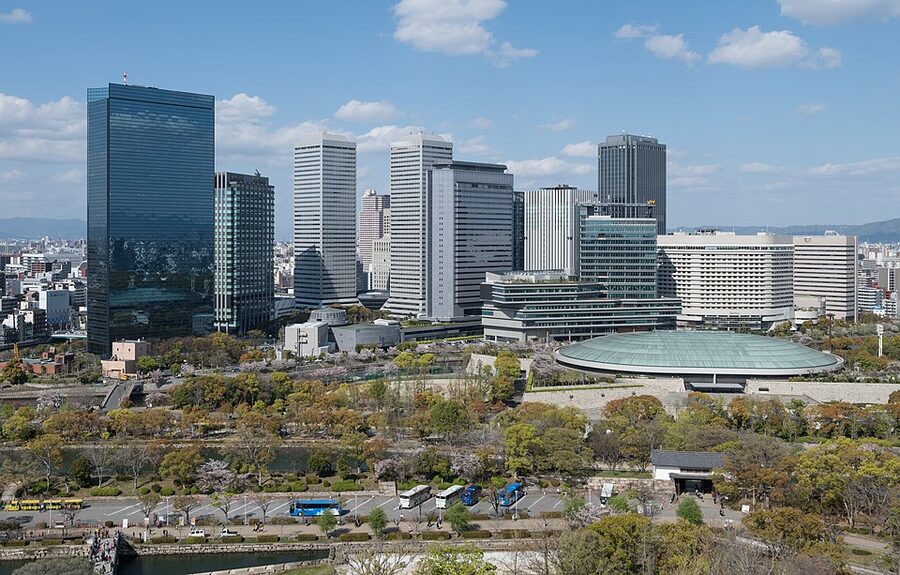
Floor 8 is the observation deck. The drop-off in visitor interest above Floor 7 is dramatic — most people walk up, take one photograph, and come back down. Which means if you spend ten minutes on floor 8 you’ll typically have it half to yourself, even in peak season. The views genuinely are worth the climb. Your feet will not agree with you.
Osaka Castle Park and Its Seasons
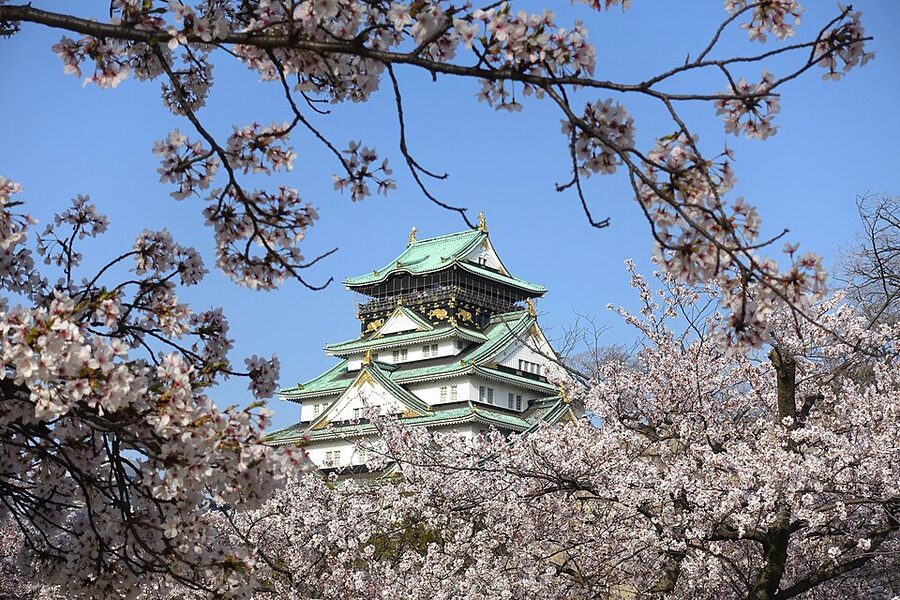
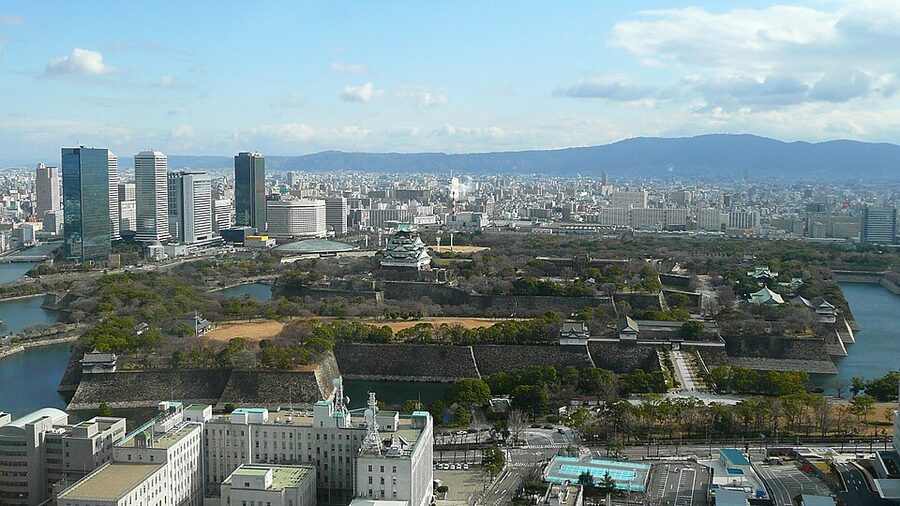
The park around the castle is 106 hectares — around 262 acres — and it’s Osaka’s biggest patch of genuinely usable green space. There’s a jogging loop that traces the outer moats (roughly 4 kilometres round, flat, with a marked surface), a plum garden with about 1,270 trees that blooms in late February, and the main cherry blossom corridor that packs out in early April.
I’d argue the park alone is worth a half-day visit, separate from the castle itself. Admission to the grounds is free — only the keep tower and the Nishinomaru Garden cost money — which means locals use it as an everyday park in a way most visitors rarely notice. Office workers eat lunch on the moat benches; dog walkers circle the outer path; school groups sketch the turrets.
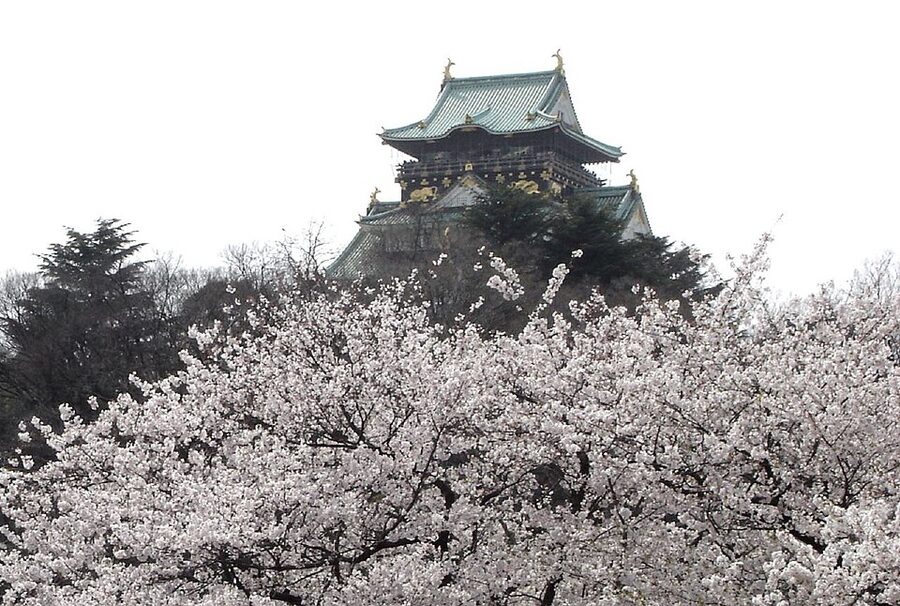
The Nishinomaru Garden in the inner grounds is the spot to aim for if you’re short on time — ¥200 ($1.30) gets you behind a second wall into a lawn with the keep framed above cherry blossoms in a postcard view. Locals call it the best hanami spot in central Osaka and they’re not wrong.
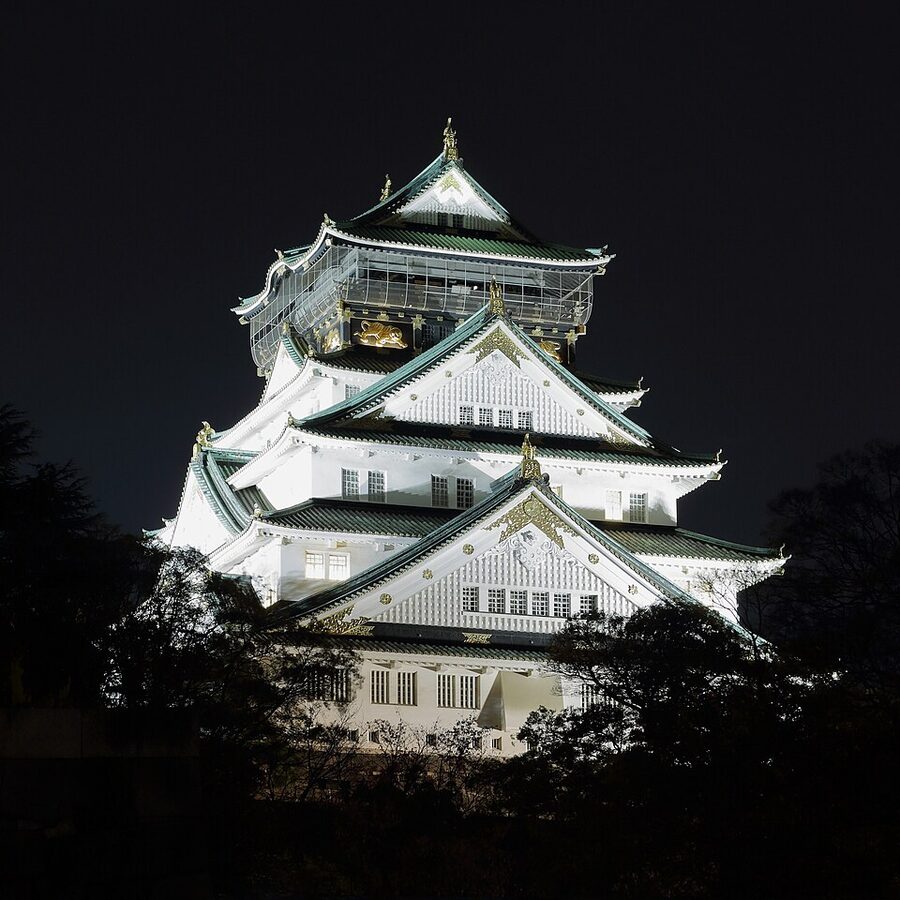
The park also hosts seasonal illumination events. The autumn illumination (Sakuya Lumina) runs typically October through early February, lighting the walls and keep in shifting projection-mapped colour — it’s a paid add-on separate from the castle ticket, around ¥2,000, and opinions are mixed. Some love it. Others find it a bit gimmicky. I’d save it for a cold winter night when daytime sightseeing is already done. The summer-evening keep lighting (free) is more subtle and, I think, better.
The Walking Tour Option — Why It’s Worth the Extra $17
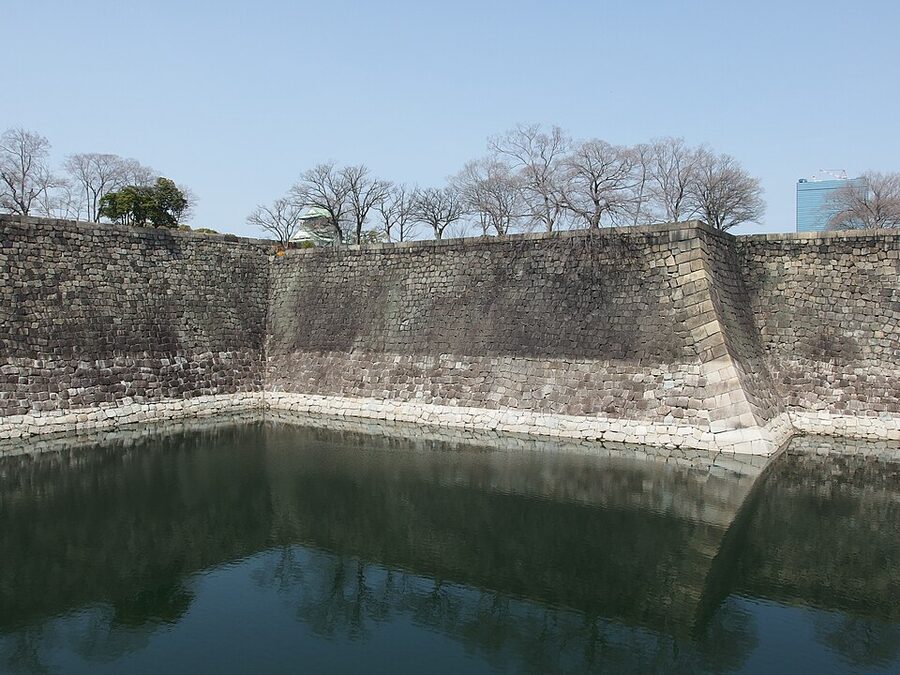
Here’s the case for paying for a guide. The outer grounds — the walls, the gates, the stone bridges, the turrets — are where Osaka Castle’s actual history lives. The keep is a 1931 reconstruction. The walls are from 1620. If you want to see what the Tokugawa shogunate built, you don’t look up at the keep. You look across a moat.
A good walking tour covers which gates survived the 1945 firebombing (the Otemon, the Sengan-yagura, the Tamon-yagura — mostly on the western and southern approaches) and which were reconstructed after. It points out the specific stones that bear clan crests — you can find around 80 visible ones on a detailed walk, carved by the daimyo households that contributed to Ieyasu’s rebuild. And it shows you the line where the 1614 outer moat used to run, now filled in and marked only by a subtle change in pavement.
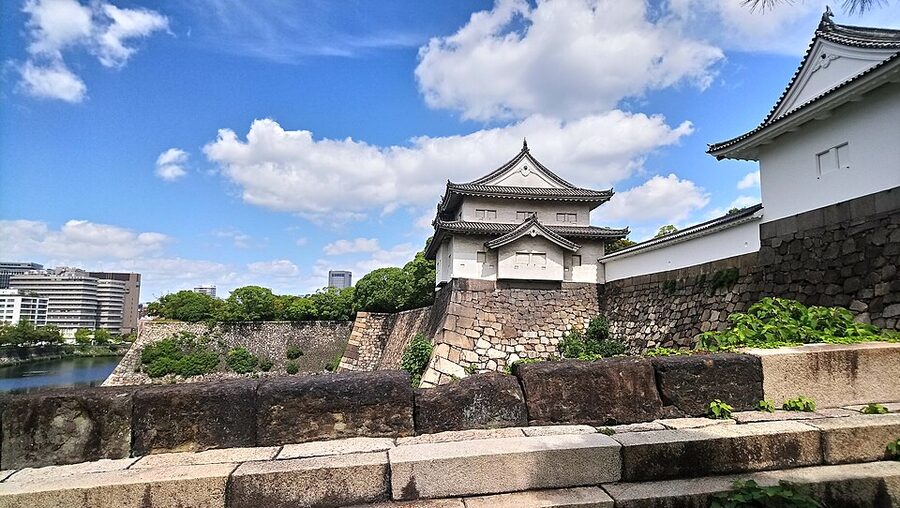
The Sengan-yagura turret is the piece I usually send first-time visitors to find. It’s an original structure. You can’t go inside — it’s only opened during limited special exhibits in spring and autumn — but you can stand at its base and see 400-year-old timber joinery and the arrow slits in the whitewashed upper walls. Most tour groups walk right past without stopping. A guide will make you stop.
If Osaka Castle is your one major castle visit in Japan, a walking tour more than pays for itself. If you’re already doing a Kyoto UNESCO bus tour or the Nagoya-Takayama-Shirakawa-go day trip elsewhere in Kansai, you could argue the $7 no-guide option is fine for Osaka since you’ll get your history fix elsewhere. My own bias: spring for the walking tour. The stone walls are the real artefact here.
Timing — When to Visit and When to Avoid
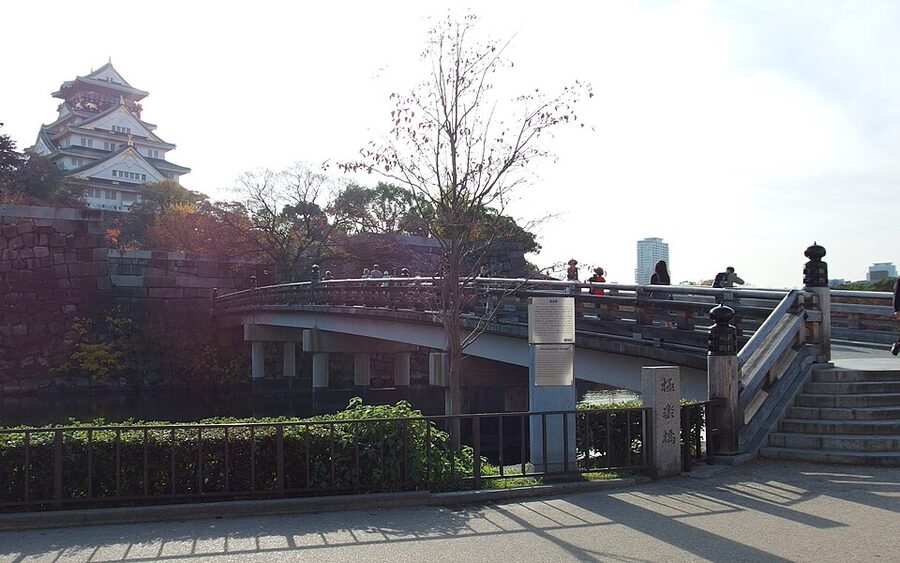
Peak season runs from late March through the first week of April — cherry blossom, which pulls domestic and international crowds in equal measure. Lines at the ticket booth without skip-the-line can hit 45 minutes. Inside the keep, the stairwells between floors can bottleneck. Book ahead if you’re visiting in this window.
July and August are also busy, but for a different reason: Japanese school summer holidays run mid-July to late August, and families flood the park. The heat is genuinely punishing — Osaka tops 35°C most days, with humidity to match — and climbing eight flights of stairs inside the keep is brutal. Elevators go to floor 5 only. Pace yourself and bring water.
The sweet-spot seasons are mid-October to mid-November (crisp, clear days, autumn foliage around the moats) and mid-January to late February (cold, but empty, and the plum garden blooms by mid-February). Mid-week mornings are reliably quieter than weekends. Opening time is 9:00am — arrive at 8:45 and you’ll be near the front of the line.
Closing time on the last-entry ticket is 5:00pm, which means your last chance to walk up the keep and onto the observation deck is around 4:30pm. The ticket itself is valid for a month from purchase, so if weather ruins your intended day, you can come back.
Getting There and Around
Three subway stations serve the castle, and the one you pick matters more than you’d think. Tanimachi 4-chome (Tanimachi Line + Chuo Line) is the closest to the Otemon main gate — about 10 minutes’ walk through a formal approach path and two surviving gates. This is the “front door” route and the one I recommend for first-timers.
Morinomiya (JR Loop Line + Chuo Line + Nagahori Tsurumi-Ryokuchi Line) drops you at the south-east corner of the park. It’s the most convenient station if you’re coming on the JR Loop Line from Osaka Station or Shin-Osaka. The walk to the keep is longer — about 15-18 minutes across the outer grounds — but it’s the most scenic approach, passing the Plum Garden, the south outer moat, and the Sakuramon Gate.
Osakajokoen (JR Loop Line only) is a small station on the north side of the park, right next to the Osaka Castle Hall concert venue. It’s the wrong choice if you’re heading to the keep — you end up entering through back-entrance paths that miss the main gates — but the right one if you’re headed to the Hall or the Business Park side.
Taxis from Namba or Umeda cost around ¥2,000-2,500 and drop you at the main Otemon gate directly. Worth considering if you’re travelling as a group of three or four — works out roughly the same as subway fares, and saves the walk in on the summer heat or winter cold.
Practical Tips I Wish Someone Had Told Me
Book tickets at least 48 hours ahead in cherry blossom season and around Golden Week (late April/early May). Even the skip-the-line ticket inventory sells through on peak days, though the main castle rarely runs out; only the bundled tour slots do.
The multilingual audioguide is worth the small extra fee (around ¥500 on top of your ticket) if you’re using the $7 self-guided option. English, Korean, and Mandarin versions are solid; the Spanish and French tracks are adequate but less detailed. Audioguides are distributed at the ticket gate on floor 1 and returned before you exit.
Strollers are allowed in the park and lower museum floors but not in the narrow upper-floor stairwells. There’s free stroller check-in at the keep entrance. The elevator goes to floor 5; floors 6-8 are stairs only. If you’re travelling with mobility restrictions, the lower museum floors still give you 70% of the collection, and floor 5 has its own smaller observation window.
Photography inside the museum is allowed in most areas. Specific pieces — typically the most fragile period artefacts — are marked with no-photo icons. Flash photography is banned throughout. If you’re a serious photographer, the observation deck on floor 8 is worth bringing a wide-angle for; the tilting angle through the viewing windows is awkward for phone cameras.
Combo tickets with Kaiyukan Aquarium or Osaka Wonder Loop exist through the information offices at major stations, and they save roughly ¥500-800 if you’re visiting both attractions in the same week. The castle ticket itself is valid for a month from purchase, which makes combining with other Osaka sights easier than with timed-entry attractions in Tokyo.
Cash works everywhere on the grounds but credit cards are accepted at the main ticket windows and the keep shop. The surrounding park has food stalls and vending machines; the official food court outside Otemon has a couple of chain restaurants and a convenience store. For anything better, walk ten minutes out to the Morinomiya station side and hit the Q’s Mall food courts.
Pairing Osaka Castle With the Rest of Kansai
Most people don’t spend a full day at Osaka Castle — three to four hours covers both the museum and a loop of the park. That leaves you room to pair it with other stops, and here’s what actually works. If you’re on a single subway day pass, a Shinsekai food tour in the afternoon is the natural afternoon: the neighbourhood is gritty in the way the castle grounds are polished, and the contrast makes both experiences land harder. For evenings, the Dotonbori river cruise pairs best — castle in daylight, neon in dark, three subway stops apart.
If Osaka Castle is part of a wider Kansai trip, think in clusters. Kyoto sits 45 minutes north on the JR Special Rapid. A day on the Kyoto UNESCO bus tour gives you Kinkakuji, Fushimi Inari, and Arashiyama in one sweep — a good counterweight to a castle-heavy day in Osaka. Evening walks through Gion with a geisha district guide or a Gion food tour work on the same day if you’re happy with a late dinner back in Osaka.
For the tea-ceremony angle, Osaka tea ceremonies tend to be cheaper and easier to book same-day than the Kyoto options. If you can make time in Kyoto instead, a formal Kyoto tea ceremony is the better experience by some distance — the settings are more atmospheric and the hosts are more experienced. Both work as contrasts to a castle-day itinerary: one big, outdoor, crowded; the other small, interior, quiet. If hop-on-hop-off buses are how you travel, the Kyoto hop-on bus is covered in a sibling article.
For food-first travellers, a Kuromon Market food tour is the close-to-castle option — roughly 20 minutes south by subway, and the contrast between 400-year-old stone walls and a 200-year-old fish market makes for a coherent day. If you’re day-tripping in from Tokyo on the bullet train, you can realistically fit the castle plus one of the Tokyo Skytree or a Tokyo sumo experience on consecutive days — the route is one shinkansen segment each direction, roughly 2.5 hours.
And for the curious: the castle is a one-stop photo that doesn’t do justice to how long the actual history goes. If you read the placards, follow a guide, and sit for a few minutes in Nishinomaru Garden with the keep above you, the 436 years of siege, fire, rebuild, bombing, and rebuild start to make sense. It’s not an original castle. But it’s a real one.