
Osaka doesn’t advertise itself as a tea ceremony city. Kyoto has the centuries of teahouse tradition, the Sen no Rikyū legacy, the carefully preserved machiya venues. Osaka has commerce, food culture, and a working-class energy that doesn’t obviously map to a quiet contemplative art form. And yet the tea ceremony scene in Osaka is genuinely worth the bookings — partly because a good Osaka tea host has to work harder to create the right atmosphere (commercial building basement, a converted room, a quiet corner of a foot-bath spa), and that effort often produces a more attentive experience than the visitor-heavy Kyoto teahouses where 200 visitors per day pass through the same tatami mat.
Osaka tea ceremonies are specifically built for travellers who are in Osaka — people who booked their trip around the city’s food culture or Universal Studios or a business conference — and who want the tea experience without the extra day-trip to Kyoto. The venues are clustered in Dotonbori, Namba, and Umeda, easily reachable from central hotels. Three formats dominate: the flagship ceremony experience, the Dotonbori-setting version for travellers on an evening food circuit, and the zen-plus-foot-bath combination that doesn’t really exist in Kyoto.
Short on time? Here are my top picks:
Best all-rounder: Osaka: Tea Ceremony Experience — $25, the most-booked Osaka tea ceremony. Small-group indoor format, 45-60 minutes.
Best for a Dotonbori evening: Tea Ceremony Experience in Osaka Doutonbori — $21, the budget pick set in the heart of Dotonbori.
Best unique combo: Osaka: Zen Tea Ceremony + Foot Bath — $41, ceremony combined with a traditional Japanese foot bath. Doesn’t exist in this format outside Osaka.
- Osaka vs Kyoto — The Genuine Comparison
- The 3 Best Osaka Tea Ceremony Experiences
- 1. Osaka: Tea Ceremony Experience —
- 2. Tea Ceremony Experience in Osaka Doutonbori —
- 3. Osaka: Zen Tea Ceremony and Foot Bath Experience —
- The Tea Ceremony Itself — What Happens
- Pairing With the Rest of Osaka
- Timing and Format
- A Very Brief History of Osaka Tea Culture
- What to Bring, What to Wear
- Common Add-Ons — Calligraphy, Kimono, and the Food Side
- Booking Tips
- More Osaka and Japan Experiences
Osaka vs Kyoto — The Genuine Comparison
Here’s the direct trade-off. Kyoto tea ceremony has the atmospheric advantage: genuinely ancient teahouses, hand-picked ceramics, hosts who grew up in tea families and can trace their lineage to 17th-century masters. The cultural weight is real. What Kyoto doesn’t have in 2026 is quiet teahouses — the most-booked venues handle 150-300 visitors per day, which creates a kind of conveyor-belt feel at peak season.
Osaka tea ceremony is quieter because there’s less inbound demand. A typical Osaka tour runs 6-10 visitors per session, and many sessions have fewer. The host has more time for individual questions, more time to let each guest try whisking matcha themselves, and more willingness to linger on specific bowl designs or seasonal flower arrangements. If you value attention-per-minute over cultural prestige, Osaka quietly wins.
The logistical argument for Osaka is simpler: if your Japan itinerary doesn’t include Kyoto (or includes only a day trip), booking tea ceremony in Osaka is the only reasonable option. A Kyoto tea ceremony is 90 minutes round-trip from central Osaka — that’s doable but eats half a day. An Osaka tea ceremony is 15 minutes round-trip from your Namba or Umeda hotel.
The 3 Best Osaka Tea Ceremony Experiences
1. Osaka: Tea Ceremony Experience — $25
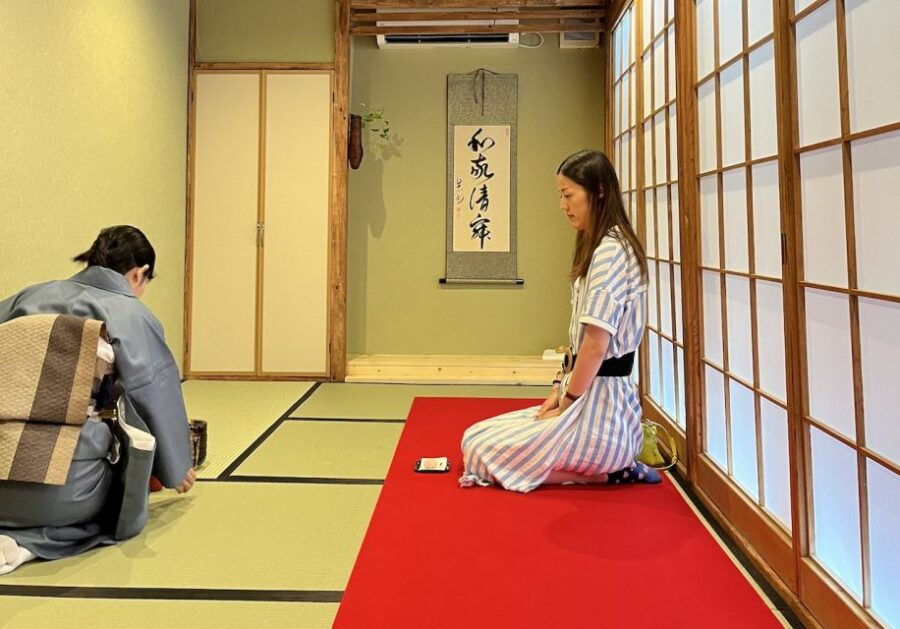
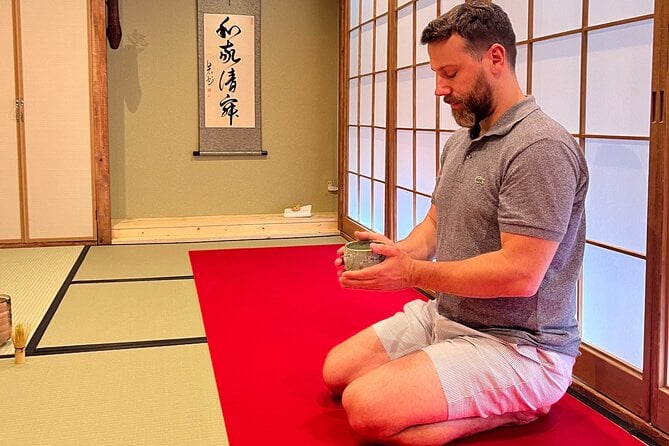
This is the default Osaka pick. The venue is an ordinary-looking commercial space a few minutes from Namba, with the ceremony held in a dedicated tatami room that’s been fitted out to the correct specifications (proper tokonoma alcove, seasonal flower, hanging scroll, sunken kettle hearth). The host is typically a certified tea practitioner — several decades of training — and the session covers the full protocol at a relaxed pace. The price is a meaningful discount on Kyoto equivalents, and the smaller group size compensates for the less-famous venue. Booking 3-5 days ahead is usually enough. Our full review covers the specific venue and protocol breakdown.
2. Tea Ceremony Experience in Osaka Doutonbori — $21
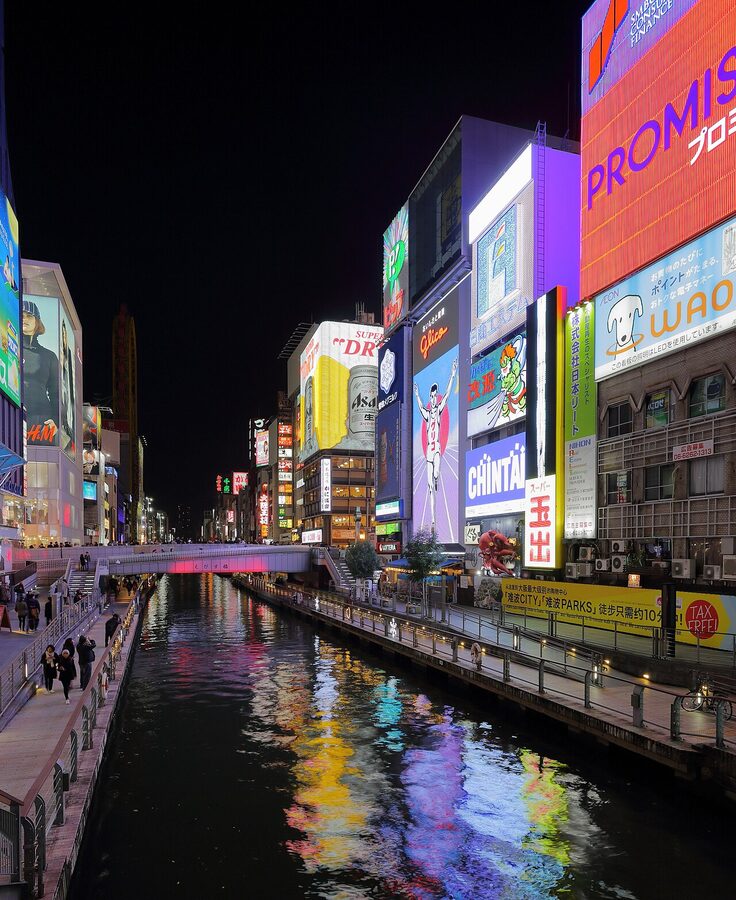
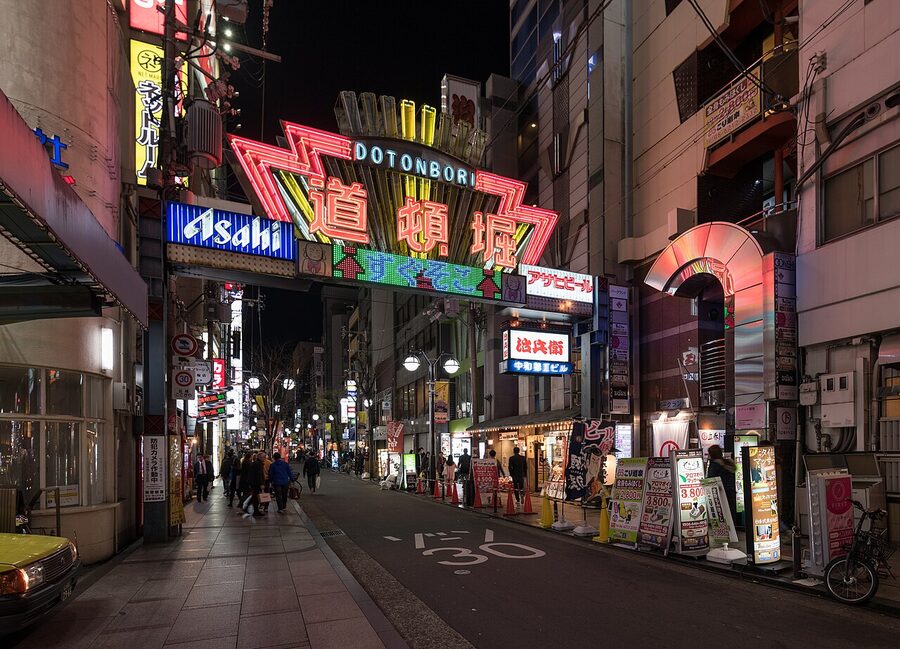
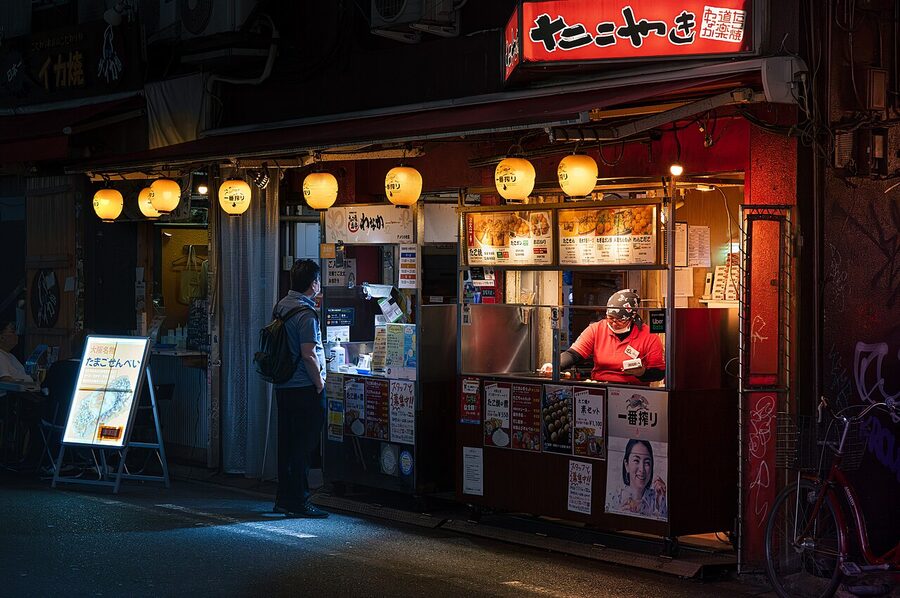
This one trades venue prestige for geographic convenience. You’re in Dotonbori — the heart of Osaka’s neon entertainment strip — in a small tatami room tucked inside a building on one of the side streets. The session is shorter (about 45 minutes), the host is highly trained but less formal in register, and the $21 price reflects the compressed format. Best used as an evening activity: dinner at a Dotonbori restaurant, tea ceremony at 7 or 8 pm, then bar-hopping or the Glico Running Man photo before heading back to the hotel. An efficient way to do tea ceremony when your evening is already anchored to the district. Our review compares the Dotonbori pacing to the flagship venue.
3. Osaka: Zen Tea Ceremony and Foot Bath Experience — $41
This is the format that doesn’t exist in Kyoto. You sit on a low seat with your feet in a heated Japanese foot bath (ashiyu) — water hot enough to feel, cool enough to relax — while the host performs an abbreviated tea ceremony in front of you. The ceremony runs about 30 minutes with the foot bath starting about halfway through. It’s a legitimate merger of two Japanese wellness traditions: the attention-focused formality of chadō and the body-focused relaxation of onsen culture. The host explains both traditions as the session progresses. Good pick for travellers at the tail-end of an active Japan trip who want the cultural experience without the seiza kneeling posture. Our review covers who this combination works best for.
The Tea Ceremony Itself — What Happens
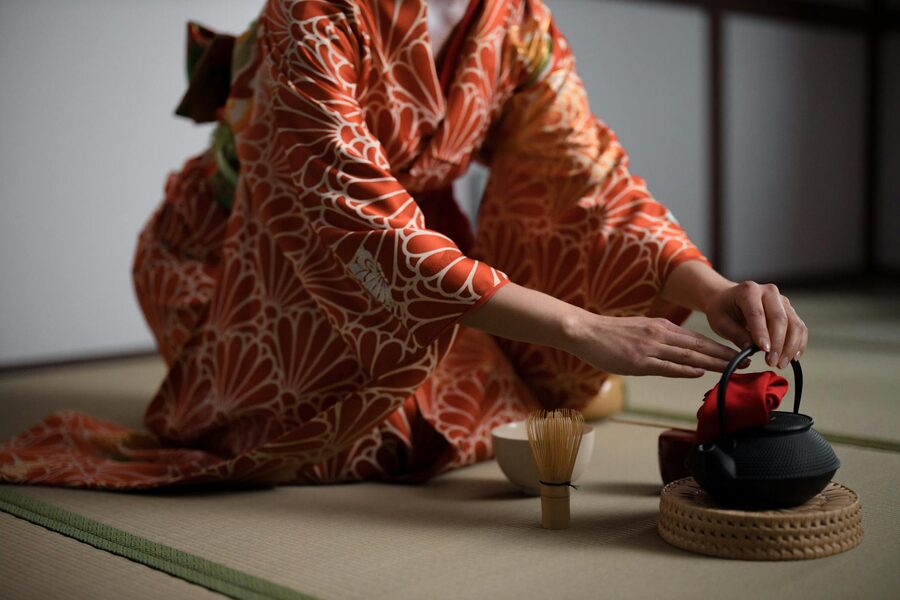
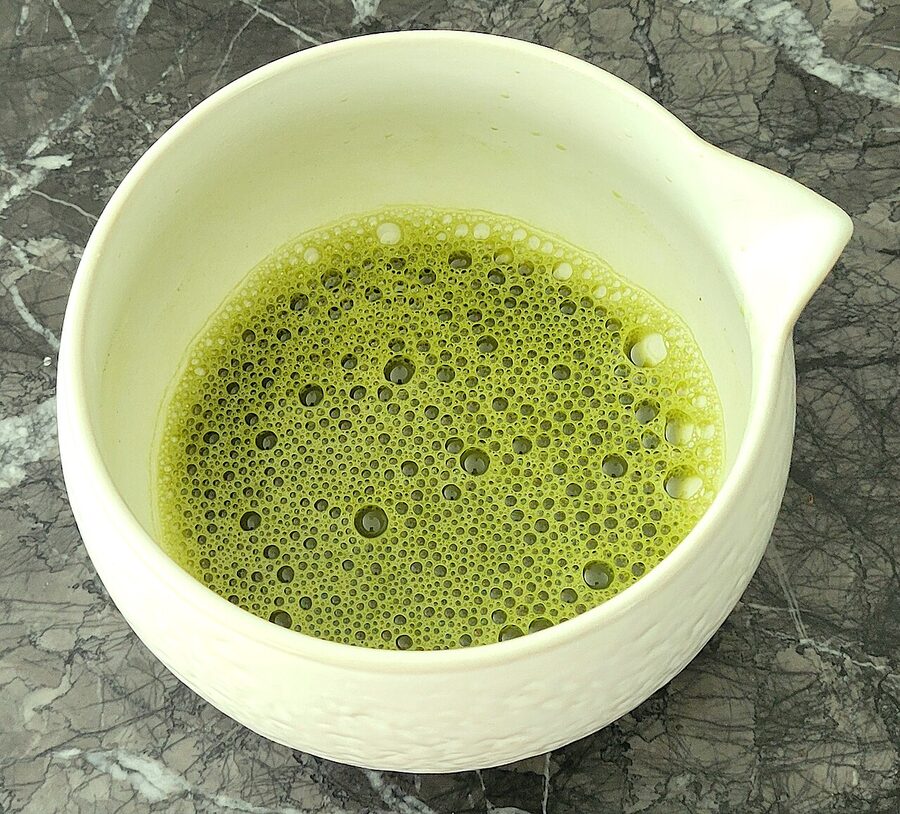
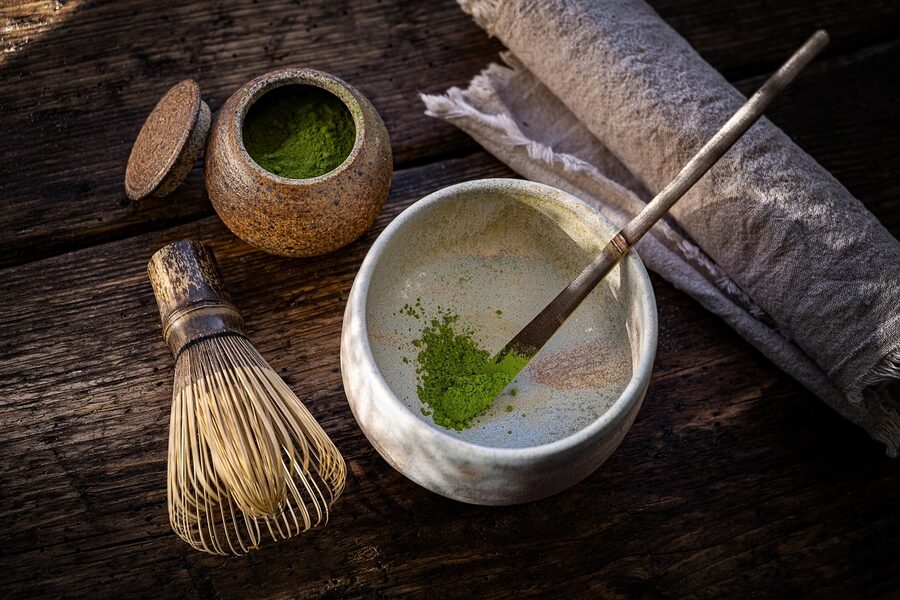
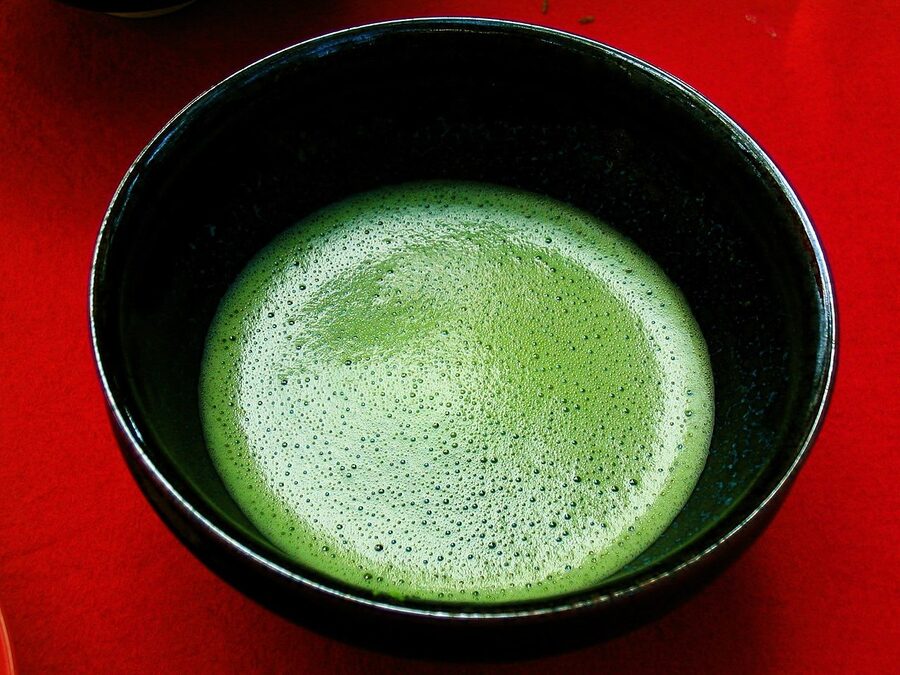
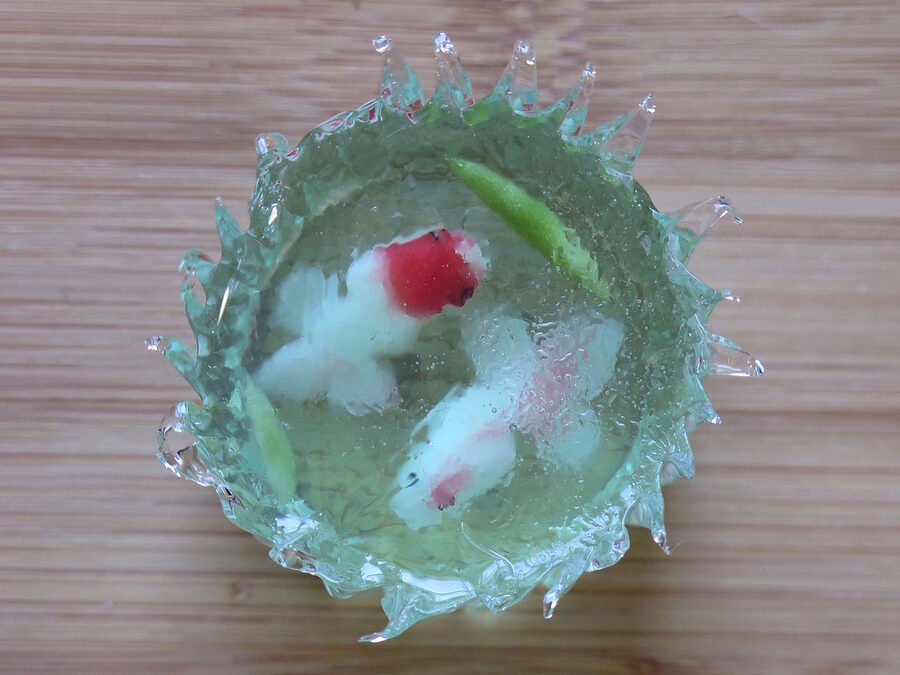
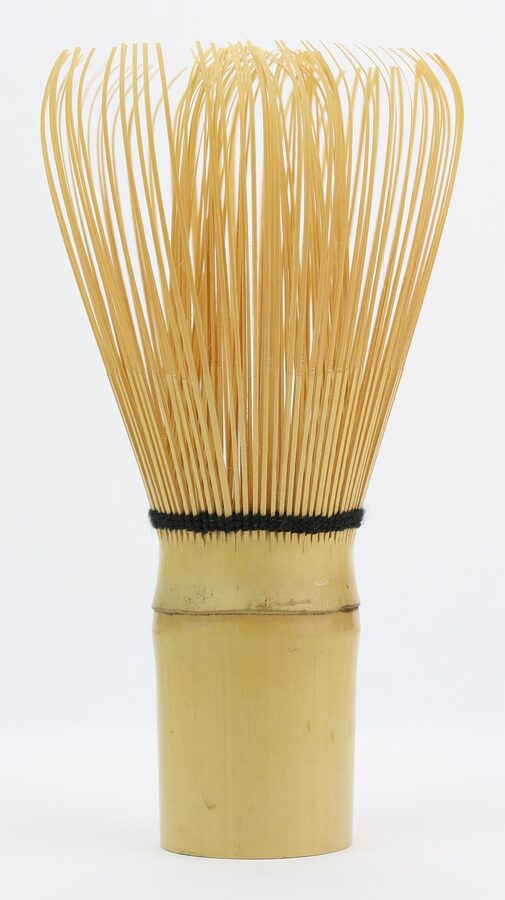
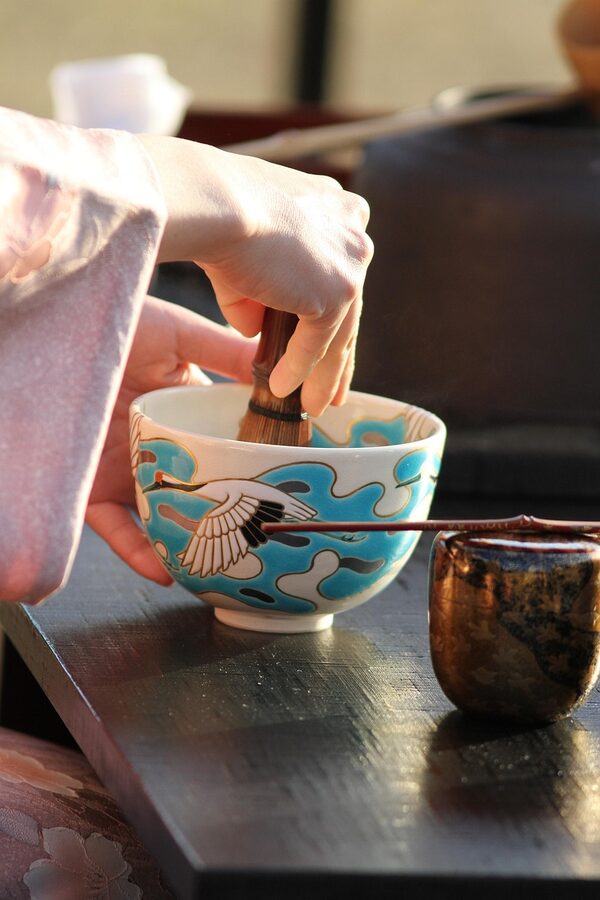
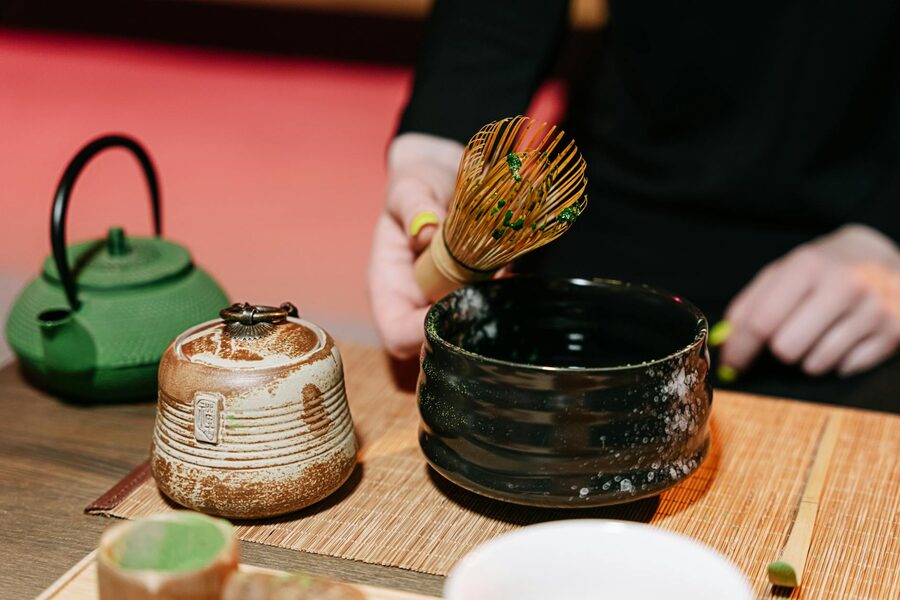
The protocol is identical across Osaka and Kyoto venues, because it’s identical across Japan. The host welcomes you and offers a small seasonal wagashi sweet on a lacquered plate; you eat it with the wooden pick provided. Then the host prepares the matcha in front of you — measured from a caddy, whisked with a bamboo chasen in a rapid W pattern until a fine foam rises, offered to you with a slight bow.
You accept the bowl with both hands, rotate it clockwise about a quarter turn to honour the decorated face, drink in three deliberate sips, wipe the rim with your thumb and first two fingers, rotate it back, and return it with a bow. The whole drinking sequence takes about 45 seconds but feels longer because of the deliberateness.
The Osaka version of the ceremony often includes a “try it yourself” segment — the host guides you through whisking your own bowl of matcha. Kyoto ceremonies occasionally offer this too, but it’s more consistently included in Osaka. If you’ve always wanted to make matcha properly with a chasen, book one of the Osaka formats specifically.
Pairing With the Rest of Osaka
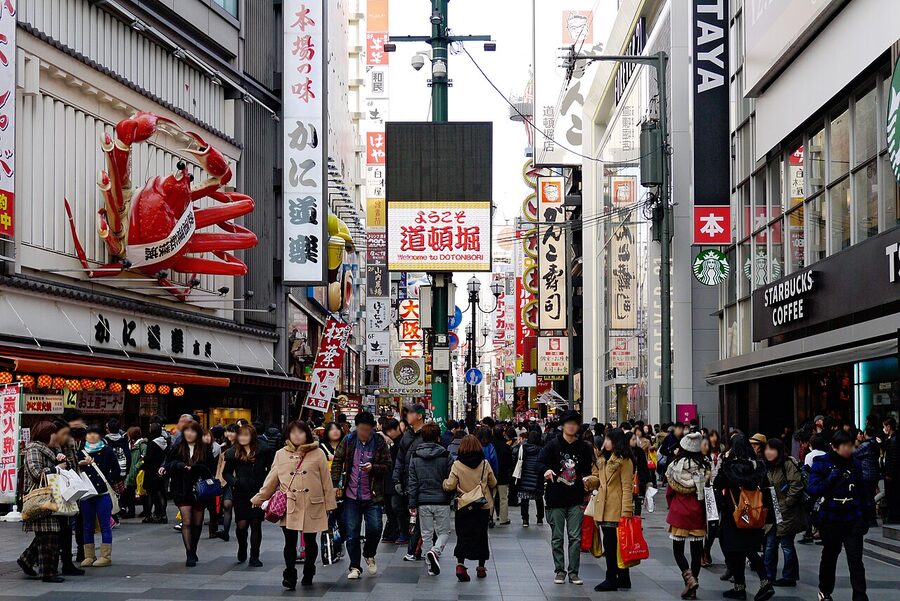
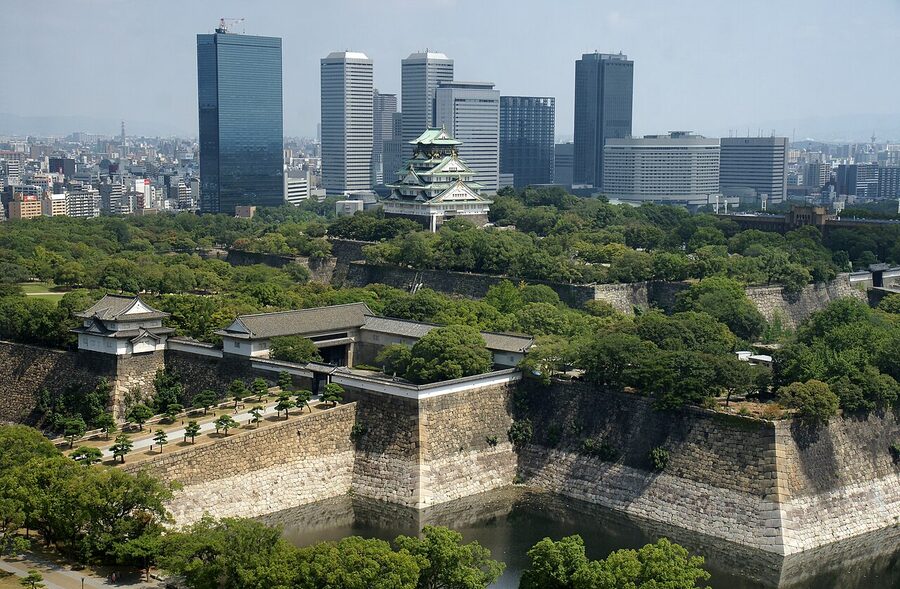
A tea ceremony in Osaka works as a contemplative counterpoint to the city’s louder attractions. Dotonbori food-hopping, Shinsaibashi shopping, Universal Studios, Osaka Castle — these all run at a high-energy register. The tea ceremony is the breath between them.
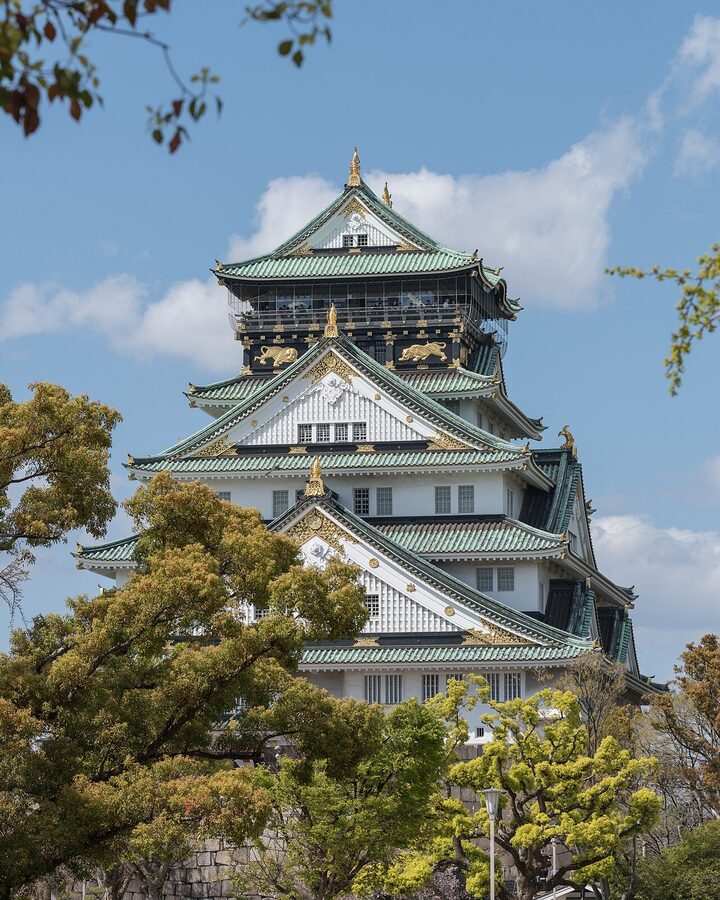
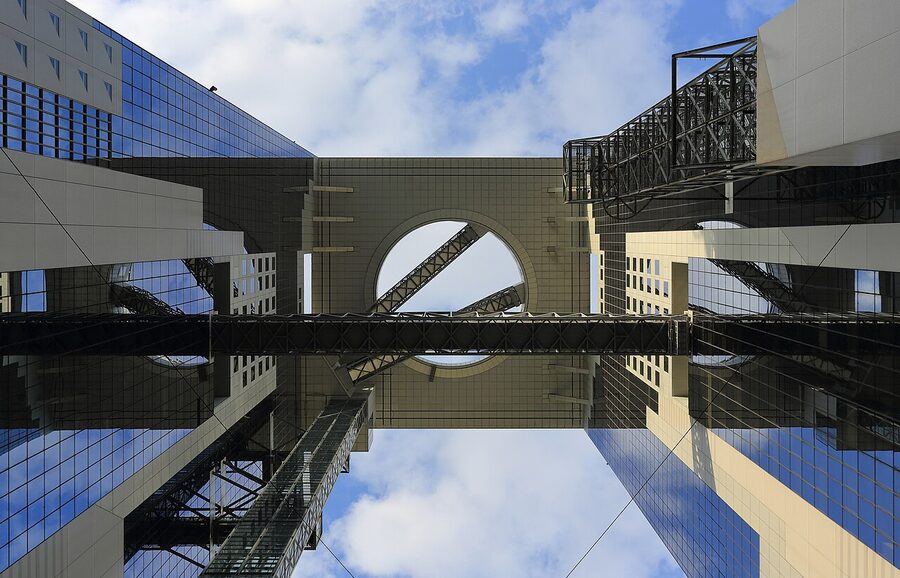
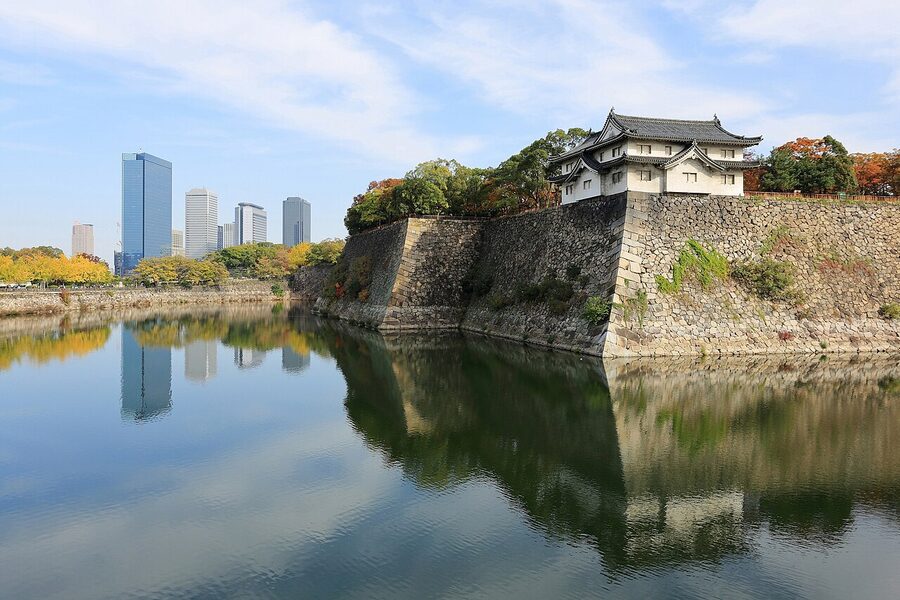
The geography is convenient. Tea ceremony venues in Osaka cluster in three main areas: Namba/Dotonbori in the central south, Umeda in the north, and the Osaka Castle area in the east. If you’re staying near any major Osaka station, at least one venue is within 10 minutes. This is different from Kyoto, where several of the most-booked tea ceremony venues require 20-30 minutes of bus travel from the main hotel zones.
Timing and Format
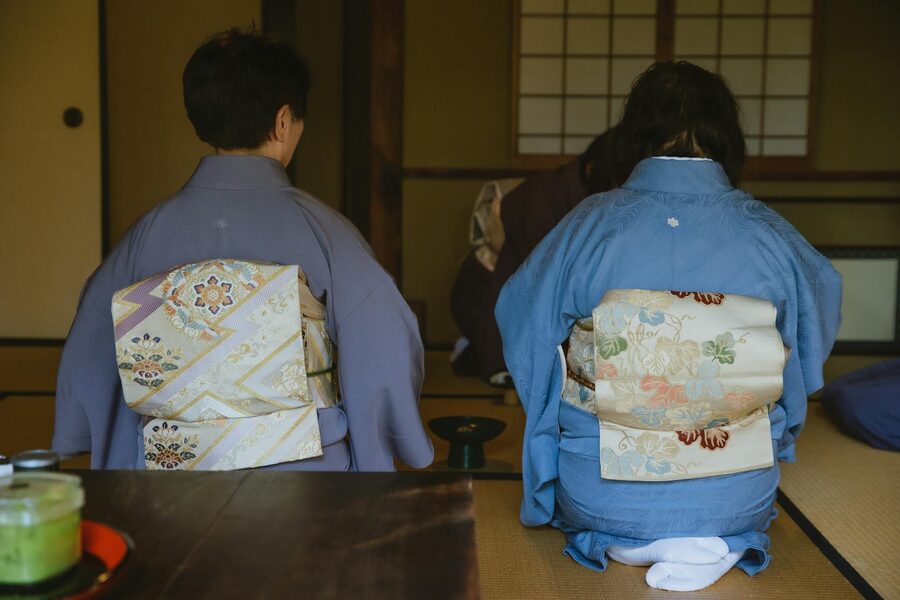
Most Osaka tea ceremonies run in the afternoon (2-5 pm) or early evening (6-8 pm). Morning slots are less common because the host’s setup phase doesn’t complete until late morning, and the traditional tea timing reflects the original post-meditation ritual schedule. Weekday afternoon slots are consistently quieter than weekend slots; book ahead for any Saturday ceremony.
The foot-bath combo (Tour 3) has fewer session times per day (typically 3-4 slots) because it uses more of the venue per session. Book 1-2 weeks ahead for this one specifically.
The seasonal rhythm of Osaka tea ceremony matches Kyoto’s: spring brings cherry and peony motifs, summer brings water-themed decor and lighter colours, autumn brings maple and chrysanthemum, winter the fullest formal protocols. An Osaka tea ceremony in late November (autumn foliage peak) feels markedly different from one in late March (cherry blossom) — the wagashi change, the host’s kimono changes, the flower in the tokonoma changes. If you can match your visit to a specific seasonal window, you get a meaningfully different experience.
A Very Brief History of Osaka Tea Culture
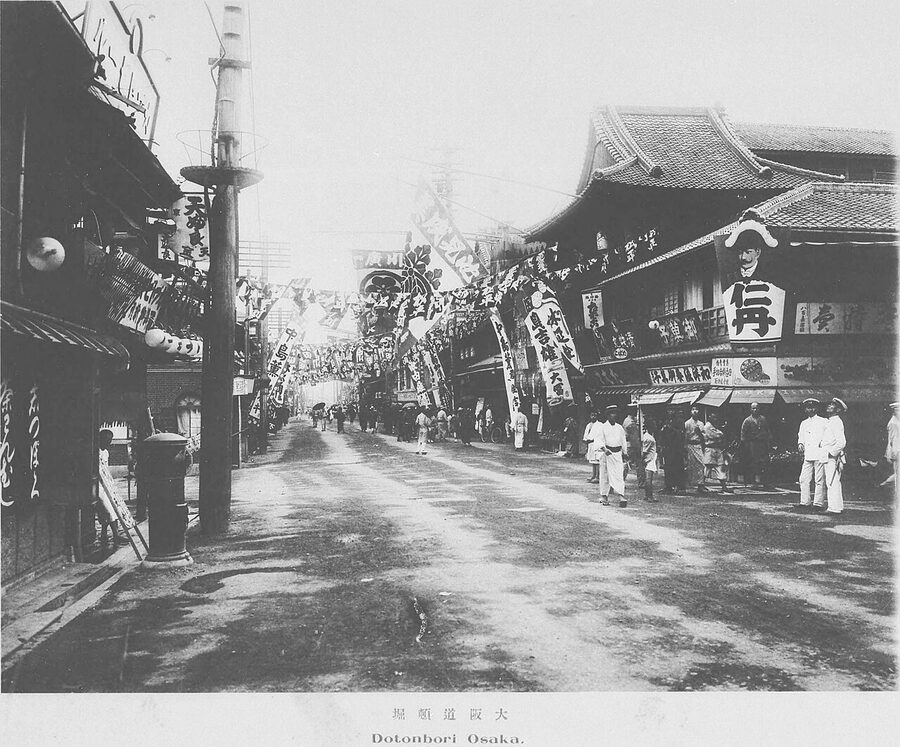
Osaka’s tea tradition is older than it gets credit for. The Omotesenke and Urasenke schools — the two dominant streams of Japanese tea ceremony, both descended from Sen no Rikyū’s teachings — have had Osaka branches continuously since the 17th century. The commercial class of Osaka (merchants, wholesalers, the famous shōnin trading culture) adopted tea ceremony early as a setting for business negotiation and relationship-building. By the 19th century, Osaka had dozens of active teahouses. Most closed during World War II and the post-war economic reconstruction, but the practice continued in private homes and a handful of commercial venues.
The modern “bookable visitor tea ceremony” in Osaka is a revival tradition — most current venues have been operating for 15-30 years, founded by practitioners who trained in Kyoto and chose to run their business in Osaka for the cheaper rent and the local audience. The result is a tea ceremony scene that’s authentically Kyoto-trained but physically and temperamentally Osaka — a useful hybrid for visitors.
What to Bring, What to Wear
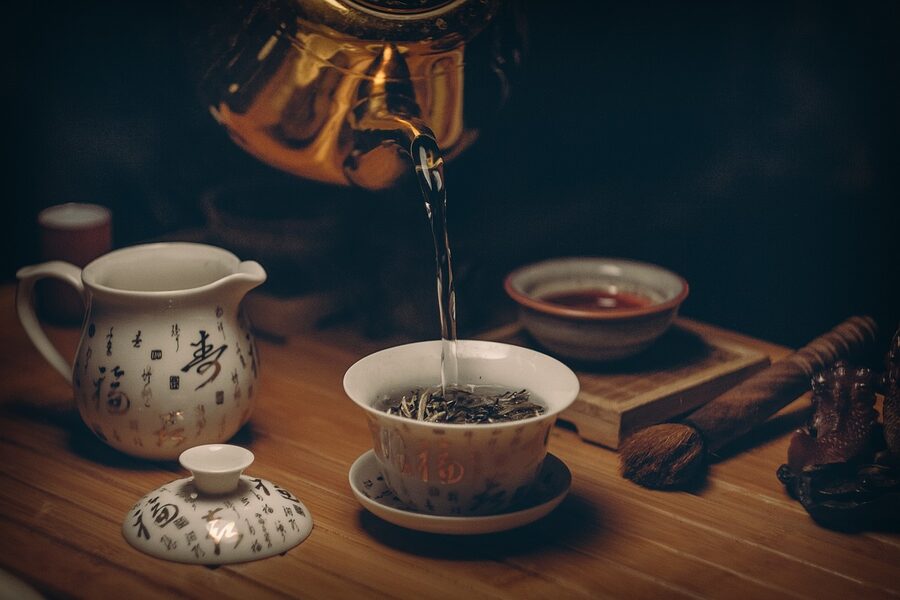
Dress modestly and comfortably. Socks are fine (many venues don’t provide slippers); leave your shoes at the entrance. If you’re wearing a skirt, mid-calf or longer is ideal for seiza kneeling; shorter skirts work but may feel awkward in the traditional posture. Avoid strong perfume — the ceremony is partly olfactory, and scented bodies compete with the seasonal flower and the steam from the kettle.
Bring cash for small tips, a souvenir chasen if the venue sells them (¥1,500-3,500), or a take-home tin of matcha (¥2,000-5,000 for ceremonial grade). Credit cards are accepted at most venues but cash is faster.
Photography policies vary. Most venues allow photography of the tools, the room, and the finished bowl before you drink. During the actual whisking and drinking, the host may ask you to put the phone down. Follow the house rules; they’re all reasonable.
Common Add-Ons — Calligraphy, Kimono, and the Food Side
Beyond the three main tours, Osaka offers several combination experiences worth knowing about. The calligraphy + tea ceremony combo ($64-96) pairs a basic shodō (Japanese calligraphy) lesson with a tea service; you practice basic kanji characters under instruction, then attend the ceremony wearing a provided happi coat. The kimono + tea combo ($96-130) adds full traditional dress; you’re fitted into a proper kimono before the ceremony, which changes your body awareness inside the tatami room meaningfully.
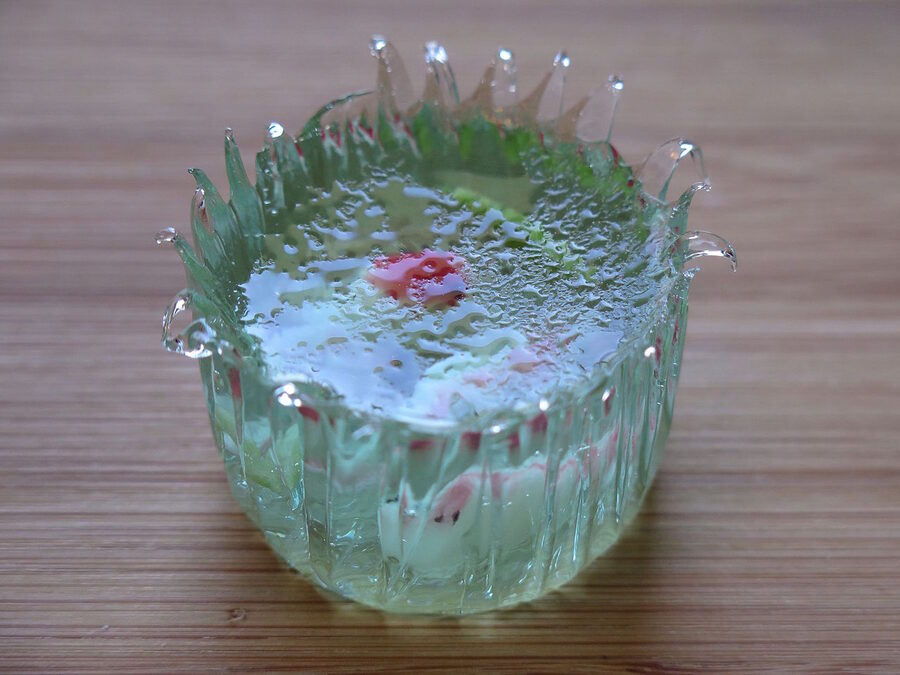
The sweets-making + tea ceremony combo ($18-28) is a cheaper variant: you make your own wagashi under a pastry chef’s instruction, then attend the ceremony using the sweets you just made. Technically educational, materially less formal than the standalone ceremony. Good for travellers with kids (the sweets-making part is child-friendly) or for food-focused visitors who want the craft angle.
Our separate Kyoto kimono rental and tea ceremony guide covers the equivalent Kyoto combination in more detail. The Osaka versions are generally cheaper and run with smaller groups.
Booking Tips
Book 3-5 days ahead for normal months; 1-2 weeks ahead for Japanese Golden Week (late April-early May), Obon (mid-August), and cherry blossom/autumn foliage peaks. The foot-bath combo (Tour 3) has fewer sessions and requires 2+ weeks advance booking.
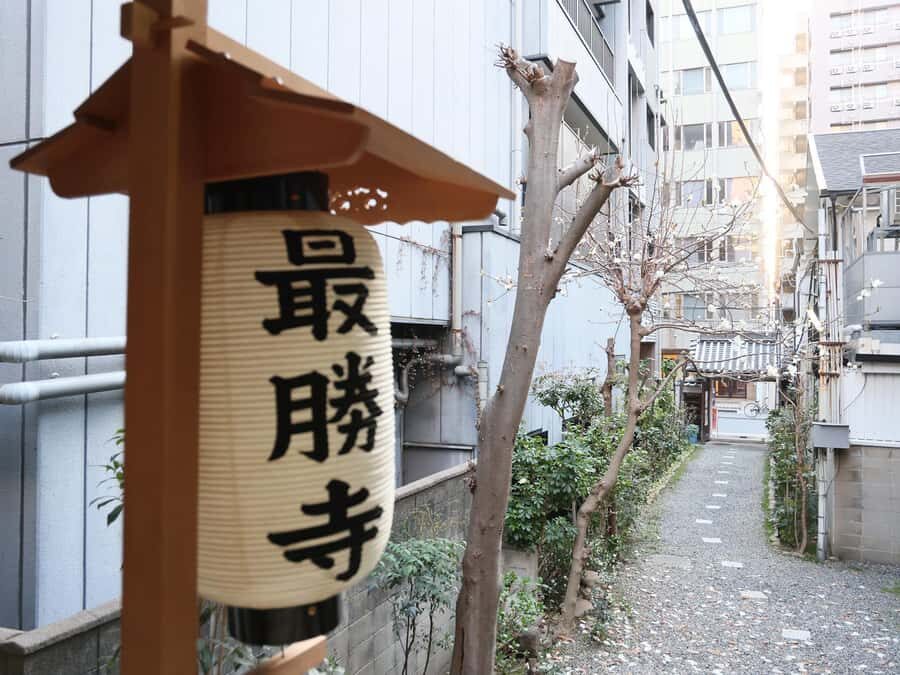
The venues typically don’t display English signage outside — you navigate by the exact address from your booking confirmation. Allow 10-15 minutes to locate the venue from the nearest subway station; the narrow side-street locations can be deceptively hard to find.
All three main tours offer free cancellation up to 24 hours before. The foot-bath venue (Tour 3) has a slightly stricter policy (48 hours) due to its limited session slots.
If you’re comparing pricing to Kyoto ceremonies, remember that the average Osaka ceremony runs $20-25 cheaper for a largely equivalent cultural experience. The savings can fund a second Osaka experience (food tour, observation deck, cocktail bar) on the same day.
More Osaka and Japan Experiences
A tea ceremony fits well into a broader Osaka cultural itinerary. Our Osaka Kuromon Market food tour is the morning food counterpart. Osaka Dotonbori river cruise covers the water-level angle of the district. Our Osaka Castle guide handles the historic afternoon. For broader Kansai, our Kyoto tea ceremony guide is the direct comparison article covering the Kyoto side of the same tradition, and Kyoto Gion food tour is the evening Kyoto equivalent when you make the day trip. For northern Kansai, Kanazawa tea ceremony at Kenrokuen is the garden-centric version — the third distinctive Japanese city for tea culture. If you’re continuing to Tokyo, our Tokyo sumo show, Tokyo Skytree, and Tokyo teamLab Planets cover the main Tokyo evening counterpoints. Nagoya to Takayama and Shirakawa-go day trip is the mountain-village-focused alternative to Kyoto day trips for culturally curious visitors. Most Osaka-based travellers book their tea ceremony on day two or three of their Osaka stay — after the food circuit has established itself and before any day trips — when a slower contemplative afternoon fits the trip’s rhythm best.