
The woman tightening my obi belt had been doing this for 30 years. She asked me to raise my arms. Then she pulled the sash so tight I literally stopped breathing for a second.
“Tight is good,” she said. “Too loose, kimono will fall.”
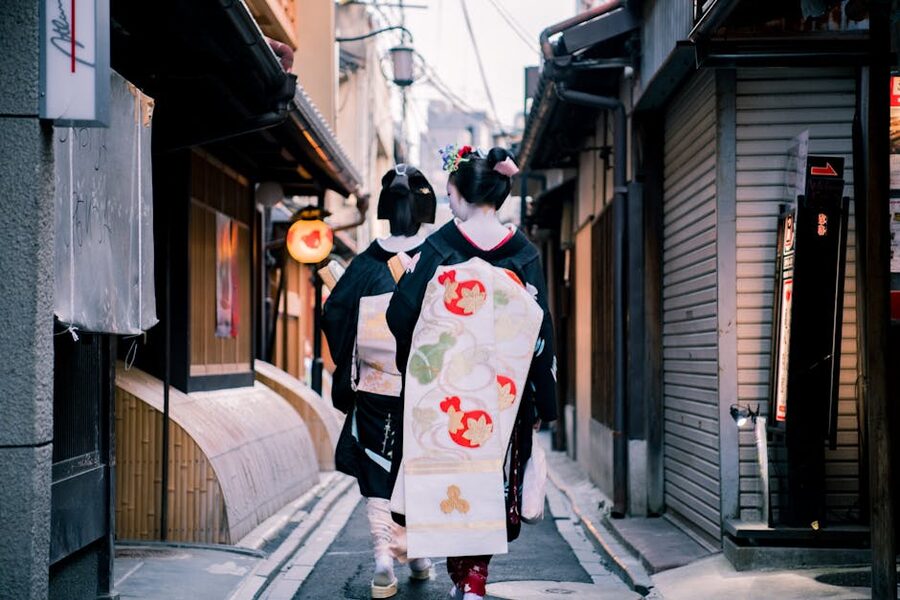
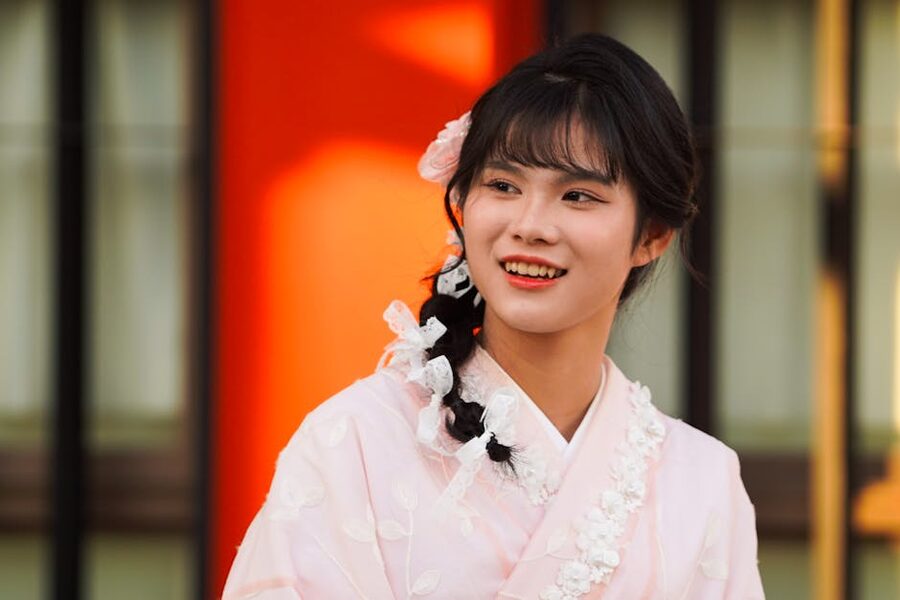
Kyoto is the kimono capital of Japan. Rental shops line the streets of Gion, Higashiyama, and Kawaramachi, offering everything from a basic 1-day rental for $20 to full hair-and-makeup packages with a tea ceremony for $50+. The combination is peak Kyoto — you wear traditional clothes to do a traditional activity in the district where both have been happening for 400 years.
This guide covers the top 3 experiences on the market. Pair them with a Gion geisha walking tour in the morning and a night food tour in the evening and you’ve got an unforgettable day.
Short on time? Here are my top picks:
Best value: Kyoto Kimono Rental with Hairstyling — $21, 1 day rental, 653 reviews. Full kimono + obi + accessories + hair styling. You keep it all day, return by evening.
Best combo: Kimono Tea Ceremony at Orizuruya Gion — $49, 2 hours, 618 reviews. Kimono rental + hair + tea ceremony at a Gion townhouse in one package.
Most traditional: Tea Ceremony Wearing a Kimono at MAIKOYA — $65, 911 reviews, perfect 5.0. The largest kimono collection in Kyoto, English-speaking tea masters, and a fully formal ceremony format.
- What Happens at a Kimono Rental
- Choose Your Kimono
- Underlayers and Obi
- Hair Styling
- Walk Out, Explore, Return
- The 3 Best Kyoto Kimono Experiences
- 1. Kyoto Kimono Rental with Hairstyling —
- 2. Kimono Tea Ceremony at Orizuruya Gion —
- 3. Traditional Tea Ceremony Wearing a Kimono at MAIKOYA —
- Kimono vs Yukata: Pick the Right One
- What the Tea Ceremony Actually Teaches You
- 400 Years of Kyoto Kimono Culture
- Where to Go Wearing Your Kimono
- Higashiyama District
- Gion
- Arashiyama Bamboo Forest
- Fushimi Inari
- Practical Tips
- Combining the Kimono Experience with Other Kyoto Activities
- Getting to the Rental Shops
- More Kyoto Experiences
What Happens at a Kimono Rental
Walking into a kimono shop for the first time is overwhelming in a good way. Here’s the sequence.
Choose Your Kimono
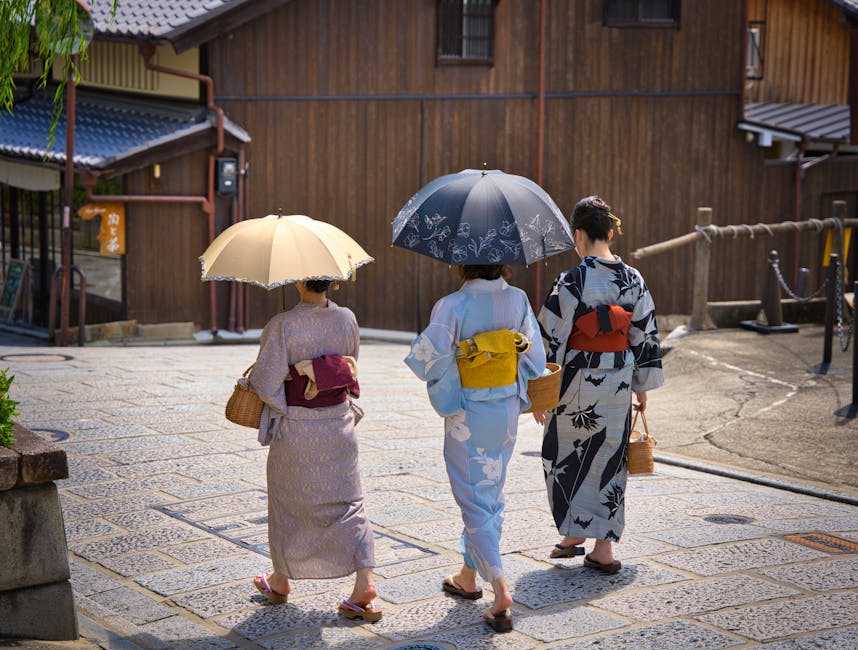
The shop will have rows of kimono organised by colour and season. You can try on as many as you want before deciding. First-timers usually panic at the variety and pick the first one that fits. Take your time.
Patterns tell you the season: cherry blossoms for spring, maple leaves for autumn, pines for winter, waves for summer. Colours can be whatever you want. Pink, indigo, red, green, and purple are the most popular. Black is traditional and formal, usually chosen by people who know kimono.
Underlayers and Obi
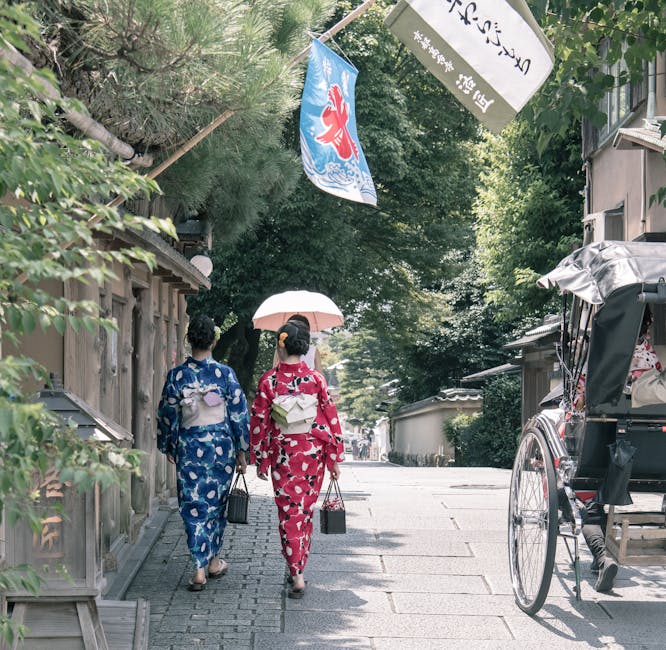
You strip down to your underwear and put on a juban — a thin white underlayer that protects the kimono from sweat. Then the outer kimono. Then the collar adjustment. Then the obi goes around your waist in a process that takes about 10 minutes and involves four different cords.
The final shape is architectural. The obi knot on your back — called a taiko (drum) — is what you’ll see in every photo. The staff will check the symmetry from all angles.
Hair Styling
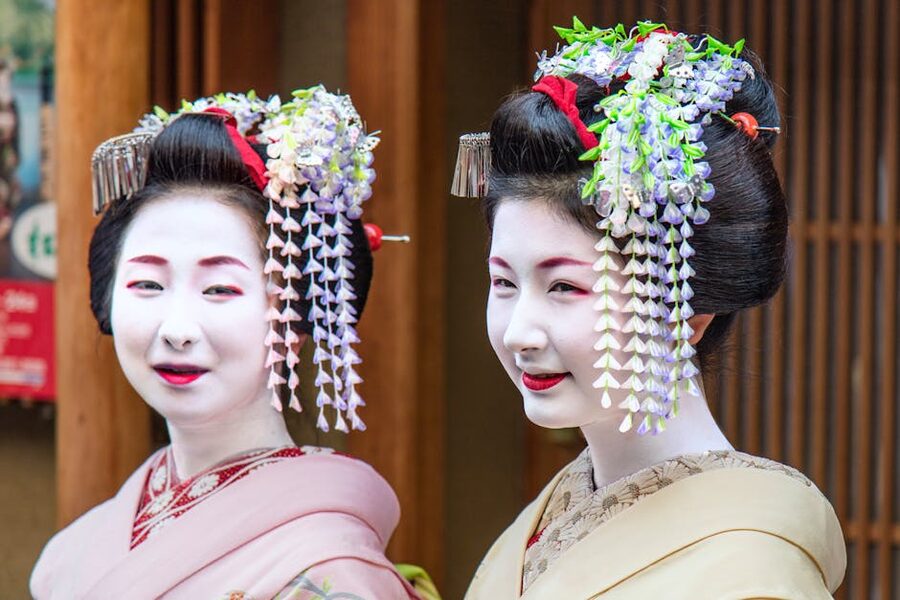
Most rental packages include basic hair styling — usually an up-do with a decorative kanzashi (hair pin). Full styling with curls and accessories costs extra (2,000-4,000 yen) but transforms the look.
Walk Out, Explore, Return
Most 1-day rentals give you the kimono from about 10am to 5:30pm. You’re expected to return it by a specific time (usually 5:30 or 6pm) so the shop can clean and prepare it for the next day. Don’t lose track of time.
You can go anywhere while wearing it. The temples, the shrines, the markets, restaurants — nobody will look twice. Kyoto is used to kimono visitors.
The 3 Best Kyoto Kimono Experiences
1. Kyoto Kimono Rental with Hairstyling — $21
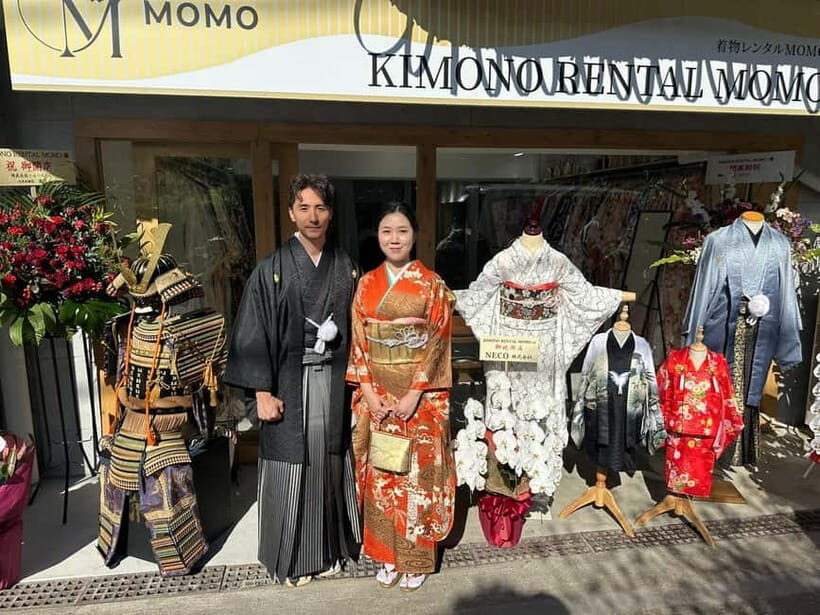
The best-priced option at $21 with 653 reviews. Includes the full kimono setup (kimono, juban, obi, obi-jime, sandals, tabi socks, handbag) plus hair styling. Jennifer from a recent visit arrived early and got help choosing the perfect kimono, and strongly recommended adding the 30-minute photography option for around $30 extra. Our full review covers the check-in process and what’s included.
2. Kimono Tea Ceremony at Orizuruya Gion — $49
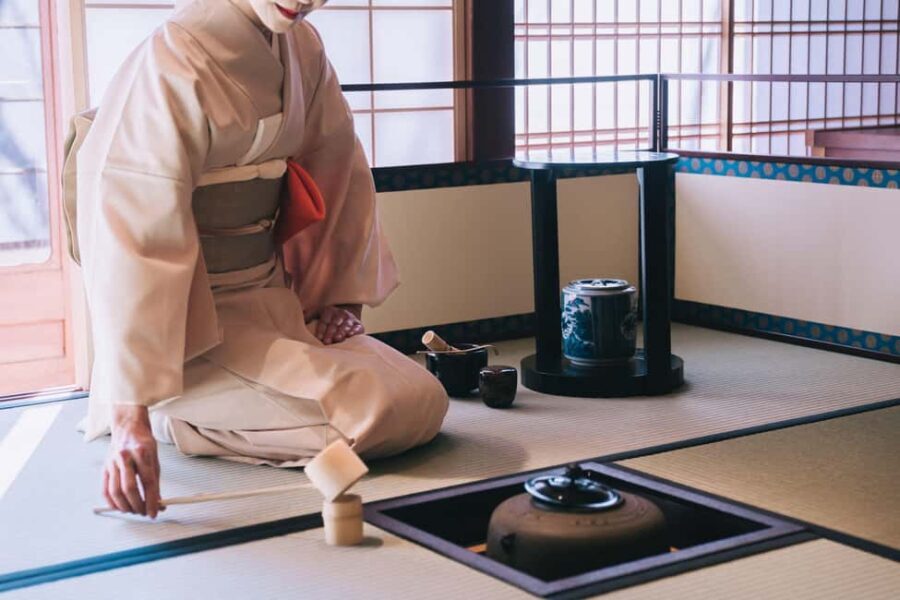
The combo deal — kimono dressing, hair styling, and a tea ceremony in one 90-minute to 2-hour package at a traditional Gion townhouse. 618 reviews at $49. Camila from a recent visit called it incredible, loved how the staff took photos and explained every step of the ceremony. Our review covers the full experience flow.
3. Traditional Tea Ceremony Wearing a Kimono at MAIKOYA — $65
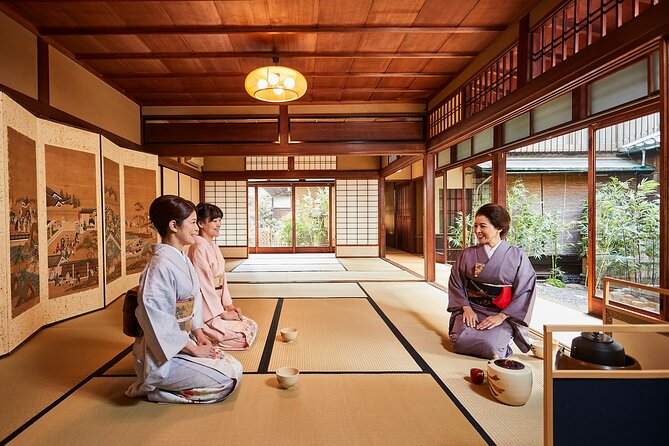
MAIKOYA is the award-winning premium option at $65 with 911 reviews and a perfect 5.0 rating. The venue is central Kyoto, the kimono collection is the largest on the market, and the tea ceremonies are led by English-speaking tea masters trained in the Urasenke school. If you want the most formal, most traditional version of this experience, this is the pick. Our review covers the venue and formal ceremony format.
Kimono vs Yukata: Pick the Right One
Most visitors don’t realise there are two options. Most rental shops stock both. The difference matters.
Kimono: Multi-layered, formal, lined, heavier, wool-silk blend. The full traditional outfit. Worn year-round for formal occasions. This is what you book for photos and the “real” experience.
Yukata: Single-layer, informal, cotton, much lighter, easier to wear. Originally bathing wear, now worn for summer festivals and casual outings. About half the price of a kimono rental.
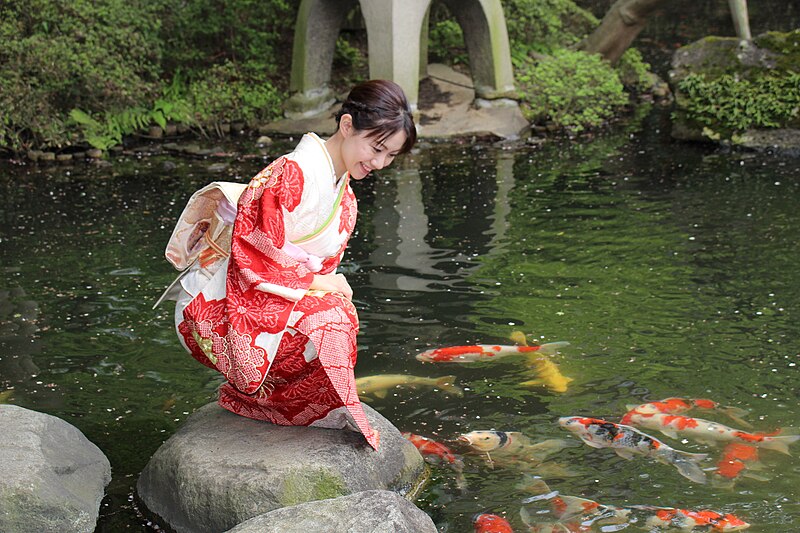
If you’re visiting in July or August, yukata is the smart choice — Kyoto summers are brutally humid and a full kimono will make you sweat through every layer. If you’re visiting in spring, autumn, or winter, go for the kimono. The weight actually helps in cold weather.
What the Tea Ceremony Actually Teaches You
If you’ve booked a combo experience, the tea ceremony runs about 30-45 minutes. Here’s what to expect and why it matters.
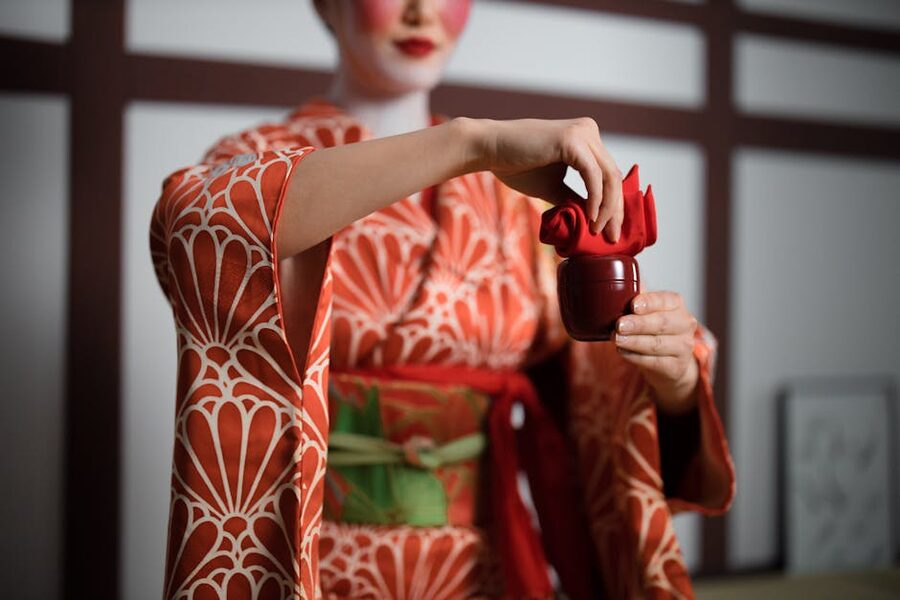
The tea master walks you through the steps. You bow when entering. You sit seiza-style on tatami (or at a table for the more modern versions). The tea master demonstrates the proper preparation. Then you try it yourself — measuring the powder, pouring the water, whisking into froth.
Before the tea comes the wagashi — a small, beautifully decorated sweet that matches the season. You eat it first. The sugar primes your palate so the matcha’s slight bitterness registers as sweetness instead.
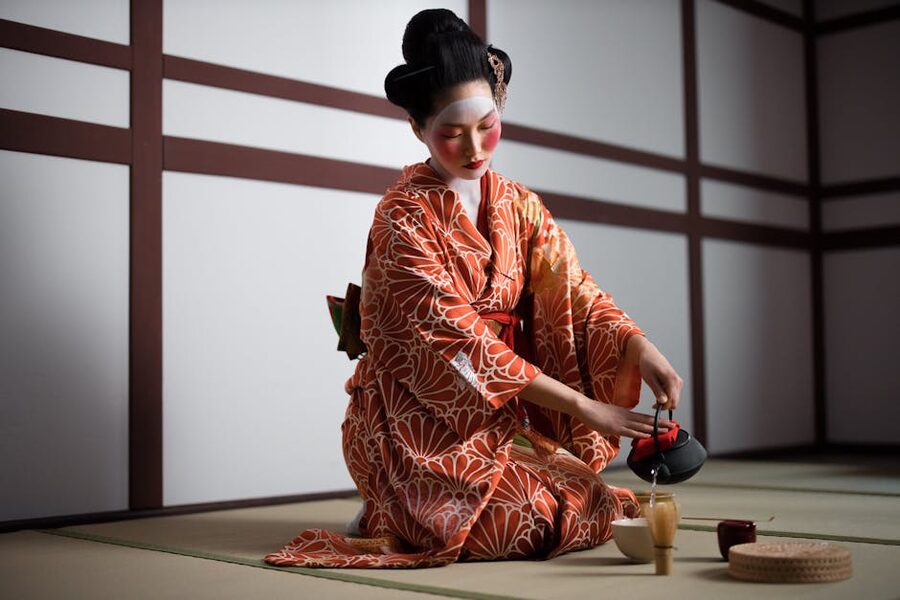
Then you whisk your own. The trick is a rapid W-shaped motion of the wrist, not a circular stir. Your first attempt will look like green milk. The tea master will (kindly) take it from you and remake it properly. Your second attempt will be better.
The bowl is placed in front of you. Two clockwise rotations (never drink from the “front” of the bowl — it’s the most decorated side and the rotation is a sign of respect). Three sips. Place the bowl down. Thank the host.
400 Years of Kyoto Kimono Culture
Kyoto didn’t choose to be the kimono capital. The emperor chose for it.
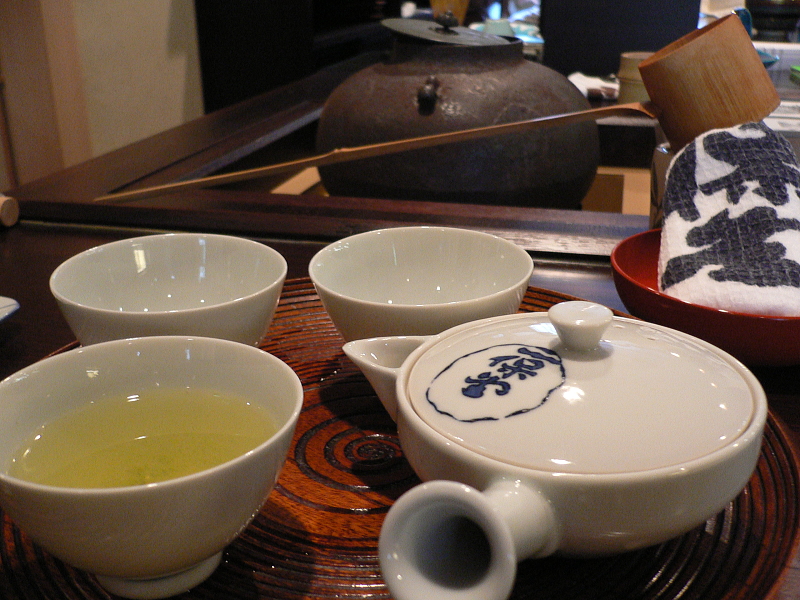
When Emperor Kanmu moved Japan’s capital to Kyoto in 794 AD, the imperial court brought its wealth and its taste with it. Within a few generations, Kyoto was producing the country’s finest silks. The Nishijin district in the north became the centre of high-end weaving — and it still is today, over 1,000 years later.
During the Edo period (1603-1868), kimono became a way to signal class. The merchants had money but couldn’t legally wear silk. They wore cotton kimono with hidden silk linings that only they would see. The samurai wore austere dark colours. The geisha wore the most elaborate kimono imaginable — the fashion magazines of the period.
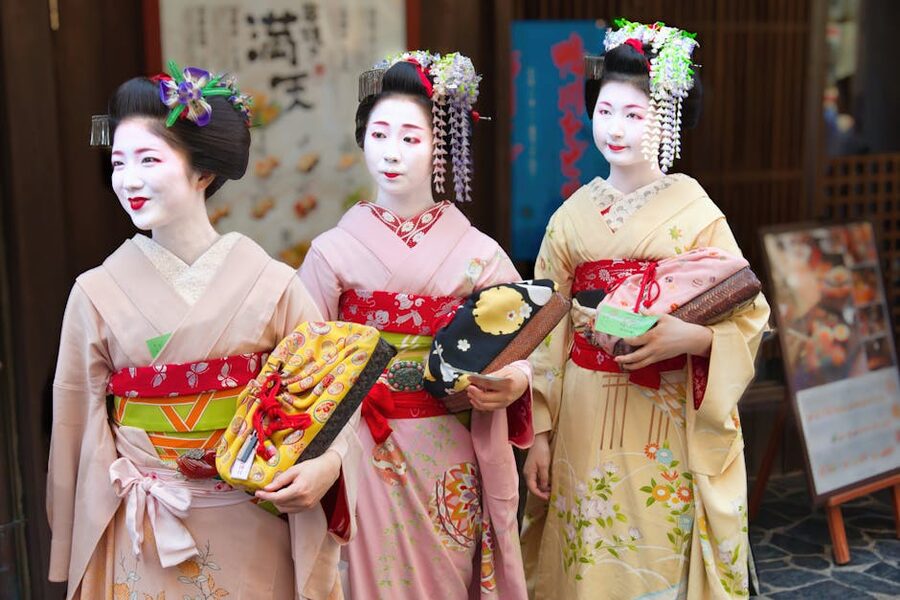
When Japan modernised in the late 1800s, Western clothing took over. Kimono became rare. By 1950, most Japanese people only owned one — for weddings and funerals. By 2000, they didn’t own any. Traditional kimono became something you saw in movies, not on streets.
Then, around 2010, Kyoto’s rental shops changed the story. Suddenly visitors could put on a kimono for $20 and walk the same streets the emperors had walked. The demand exploded. Today Kyoto has over 200 kimono rental shops, and on a busy Saturday in cherry blossom season, the streets of Gion can have 30% of pedestrians in rental kimono.
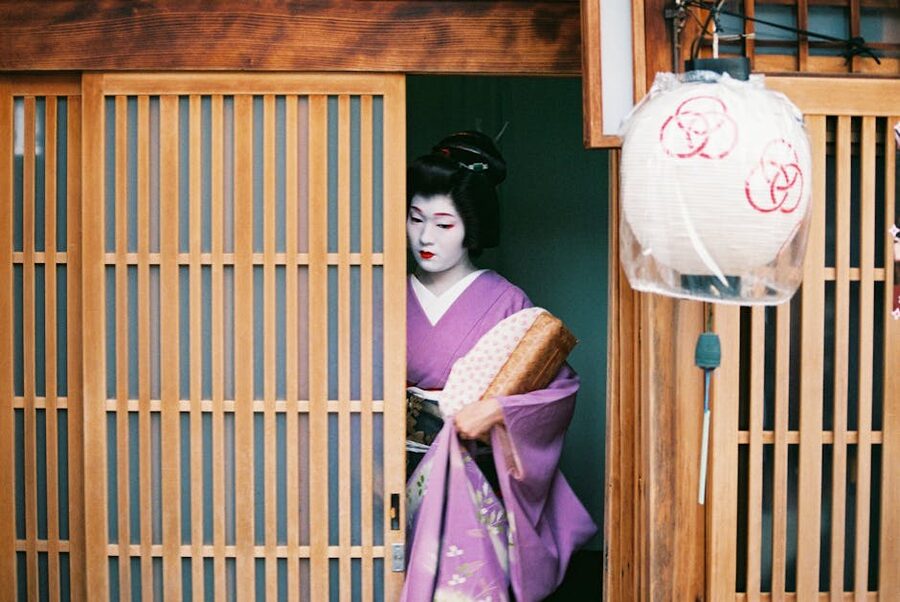
Why this matters when you visit: When you wear a rental kimono in Gion, you’re participating in a 1,000-year-old tradition at the cheapest possible price point. The rental you’ll wear isn’t the same quality as a geisha’s silk, but the silhouette is identical. You get to feel, for a few hours, what the streets looked like before cars and cameras and Airbnb.
Where to Go Wearing Your Kimono
The kimono is your entry pass to photo ops that would otherwise feel like costume cosplay. Here are the best places to wear it.
Higashiyama District
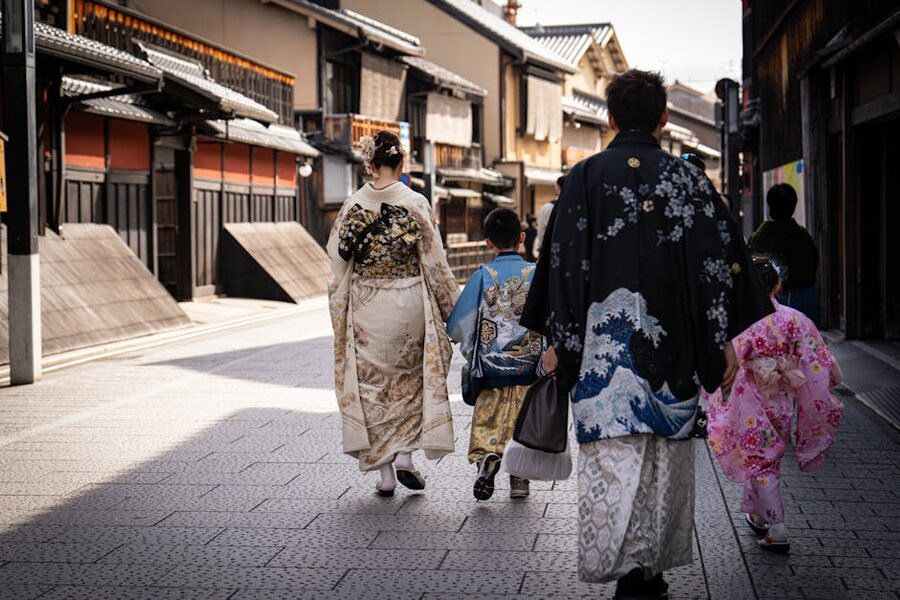
The wooden streets near Kiyomizu-dera and Yasaka Shrine are peak Kyoto. Go early. The crowds build after 10am and don’t thin out until sunset. Our early morning temple tours can get you here before the crowds.
Gion
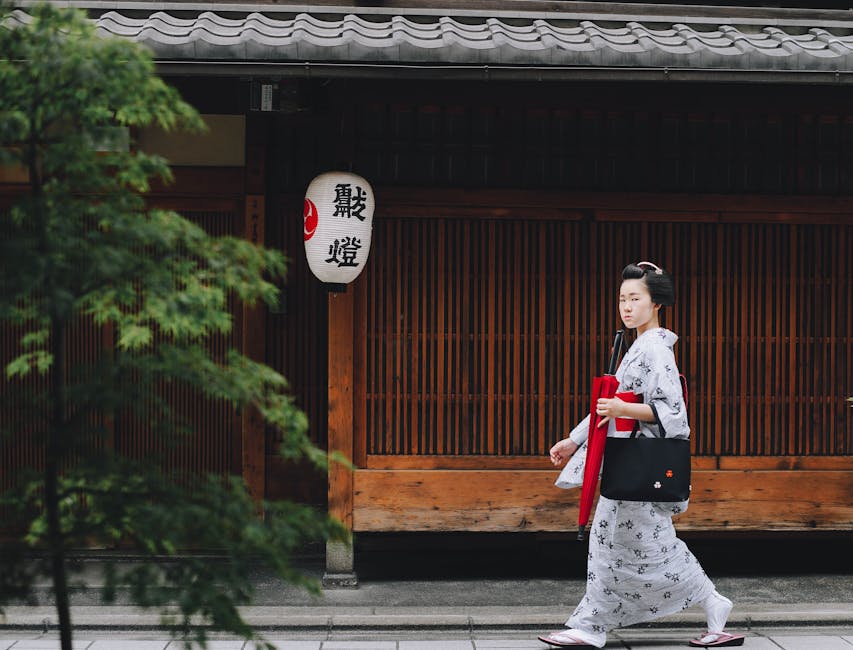
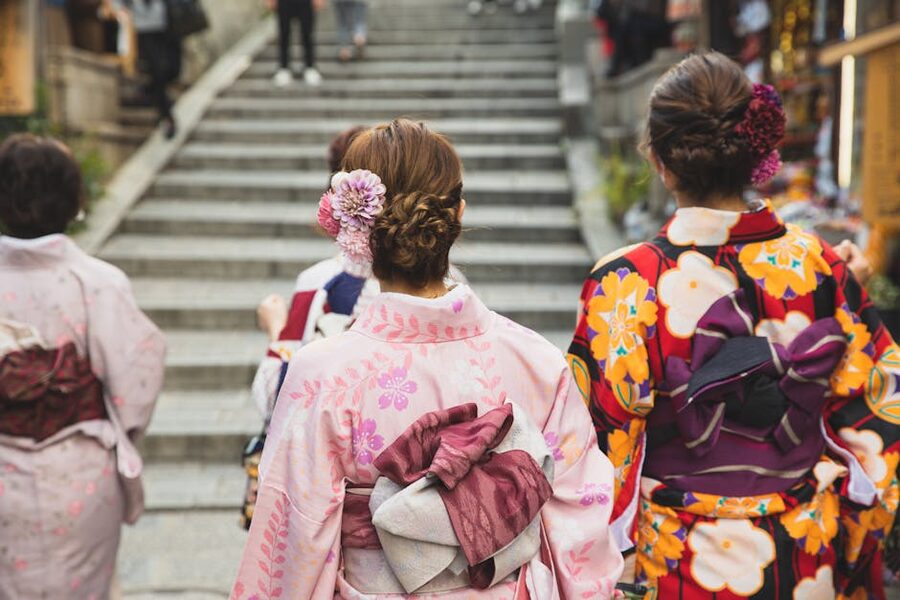
Gion’s narrow streets of wooden machiya and teahouses are the quintessential kimono backdrop. Shirakawa Canal and Hanami-koji are the two most photogenic strips. Walk them in your kimono and you’ll understand why Kyoto is the most photographed city in Japan.
Arashiyama Bamboo Forest
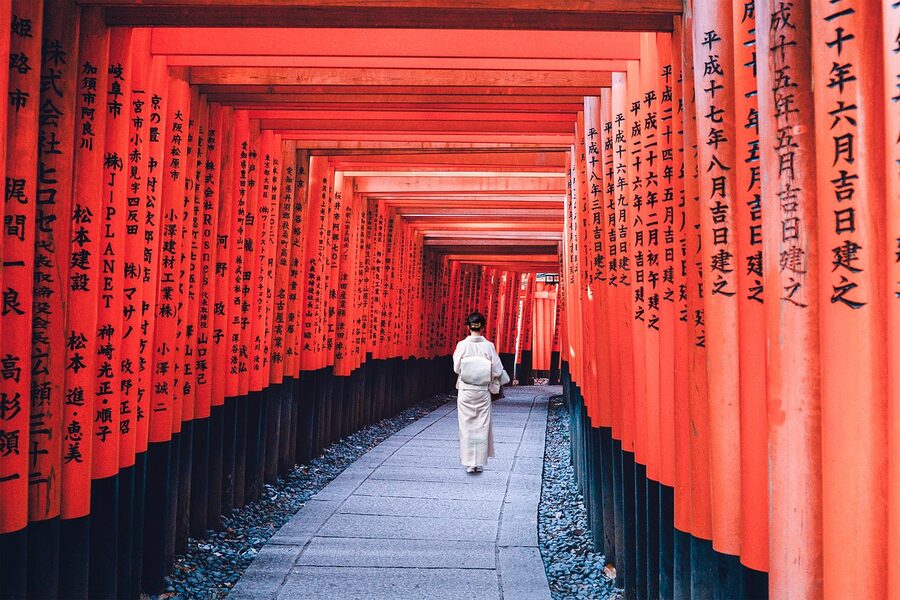
The bamboo forest is 30 minutes west of central Kyoto by train. The stone path through the bamboo is impossibly photogenic. You’ll need to arrive before 8am to get clear photos — by 9am the path is wall-to-wall.
Fushimi Inari
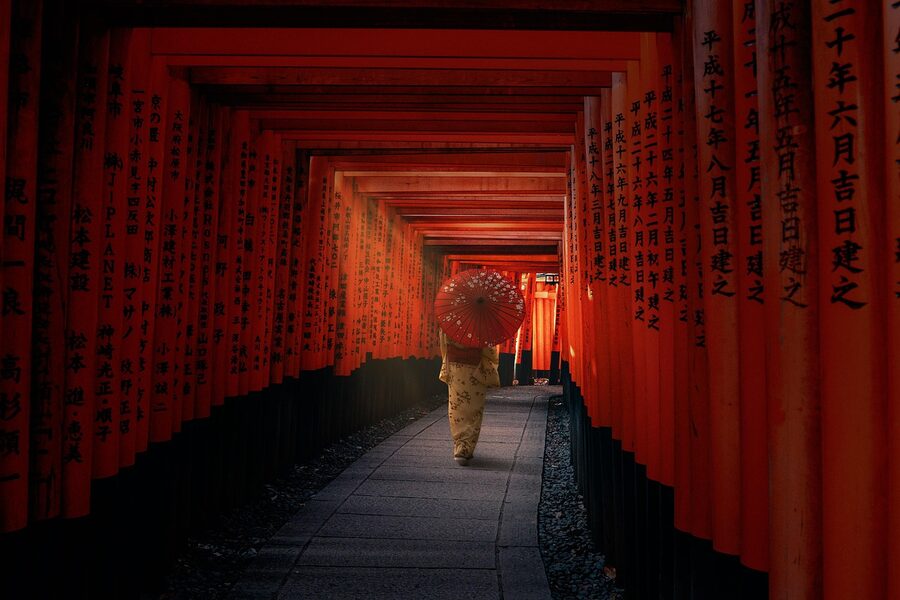
Fushimi Inari’s orange torii gates are the other most-photographed Kyoto spot. The gates closest to the entrance are the busiest — walk 15-20 minutes up the path to find empty stretches. A kimono with orange gates is a colour combination that needs no filter.
Practical Tips
When to book: 3-5 days ahead for standard rentals. 1-2 weeks ahead for cherry blossom season (late March-early April) and autumn colour season (November). These are the busiest times and shops fill up.
What to wear underneath: Light clothing. A thin tee and shorts or leggings work fine — the kimono covers everything. Don’t wear anything that might show around the collar or wrists.
Shoes: The zori sandals look elegant but your feet will hurt after 3+ hours of walking. Most rental shops let you swap back to your own shoes if needed. Bring comfortable socks.
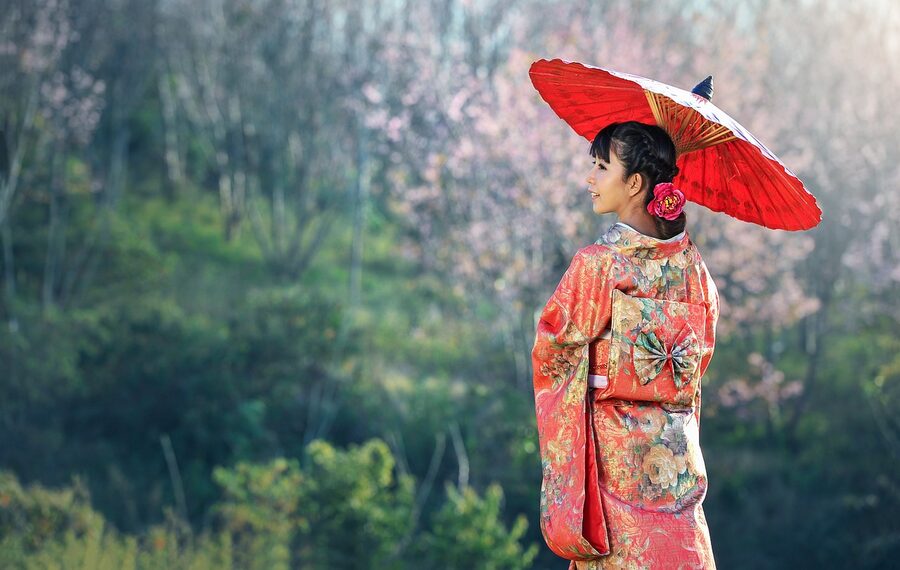
Photography: Most rental shops offer professional photography add-ons ($20-40). Worth it. The photographers know exactly which backdrops work and will take you to spots you wouldn’t find alone. DIY photos with your phone also work well — just ask the shop for posing tips.
Time limit: Standard rentals must be returned by 5:30 or 6pm. If you’re late, the shop will charge a late fee (usually 1,000 yen per hour). Set a phone alarm for 4:30pm.
What if it rains? Most shops provide a plastic poncho or waterproof cover. The kimono fabrics are more delicate than they look — don’t get them wet if you can avoid it.
Cancellation: Most GYG-listed experiences offer free cancellation up to 24 hours before. Weather-related cancellations are usually fine.
Body size: The shops carry kimono in a range of sizes (small to 3XL in most places). Tall visitors (180cm+) sometimes struggle with length — call ahead if you’re over 185cm.
Combining the Kimono Experience with Other Kyoto Activities
Here’s a full Kyoto kimono day that works.
Early morning: Early morning temple tour in regular clothes (6-8am). See Kiyomizu-dera and Fushimi Inari before the crowds.
Mid-morning: Arrive at kimono rental shop (9-10am). Choose, dress, style. 1 hour.
Late morning: Kimono tea ceremony at a Gion townhouse (90 minutes). This is when you learn the whisking and drink your first matcha.
Afternoon: Photo session around Higashiyama and Gion (1-2 hours). The stone streets, the temples, the Yasaka Pagoda view.
Lunch: Kaiseki or casual noodles in Gion. You can eat in a kimono — just be careful with soy sauce.
Mid-afternoon: Wander. Visit a food tour in Nishiki Market if timing allows (kimono work there).
4:30-5pm: Return kimono. Change back to regular clothes.
Evening: Kyoto bar hopping tour or samurai kenbu show. Cap the day with something distinctive.
Getting to the Rental Shops
The best rental shops are in Higashiyama, Gion, or near Kyoto Station. All are well-connected by bus and subway.
From Kyoto Station: Bus 206 to Gion (about 15 minutes) or subway to Shijo-Kawaramachi. Then a 5-10 minute walk.
From Arashiyama: Randen tram to central Kyoto, then walk or bus to Gion.
Tip: Pick a shop close to the places you want to photograph. Most visitors book near Gion because that’s where the best photo backdrops are. Don’t book near the station and then travel 20 minutes in a kimono — the fabric gets uncomfortable fast.
More Kyoto Experiences
The kimono is one layer of the Kyoto experience. From here, add on the formal tea ceremony if your rental package doesn’t include one. The Gion geisha walking tour pairs perfectly — walk the district in your rental kimono, learning the real geisha culture. For a different angle on Kyoto tradition, our samurai kenbu sword dance and matcha making experiences both work in regular clothes in the afternoon or evening. The Arashiyama bamboo forest walking tour is the iconic kimono-photo location 30 minutes west. And if you’re ending the day with food, Nishiki Market and Kyoto night food tours both welcome kimono-wearing visitors.