
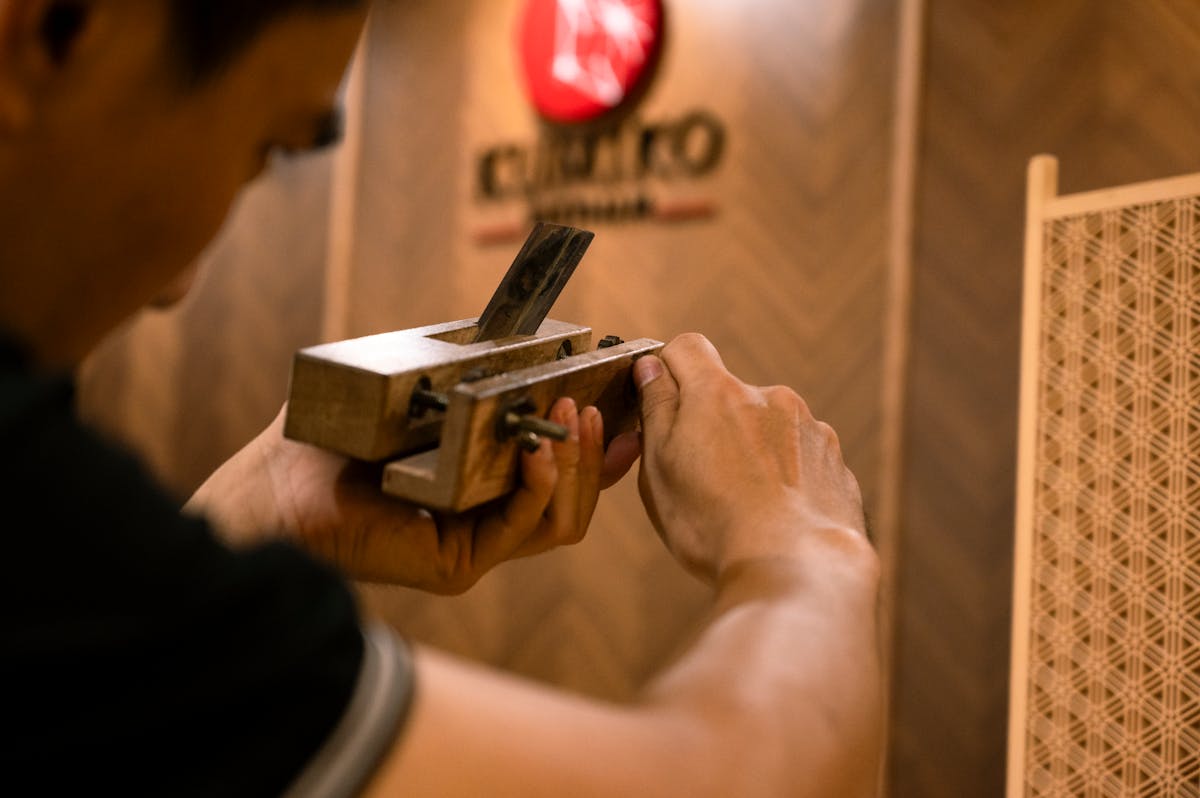
The wood shaving curls off the plane in a single continuous ribbon, so thin you can see light through it. I am holding a rectangular blank of hinoki cypress that smells like a forest after rain, and the instructor is watching my hands with the kind of patient attention that suggests I am about to do something wrong. I adjust my grip, pull the plane toward me — Japanese planes cut on the pull, not the push — and another shaving peels away. The chopstick is starting to take shape. It has been twelve minutes and I have one side done out of four.
This is what a chopstick making workshop in Japan is actually like. Not a polished tourist activity where everything is pre-cut and you just sand the edges. You start with a block of wood and a set of hand tools, and an hour later you walk out with a pair of chopsticks you made yourself. The whole thing costs between $15 and $27 depending on the workshop, and it is one of the best souvenirs you will bring home from Japan — because you literally made it with your own hands.
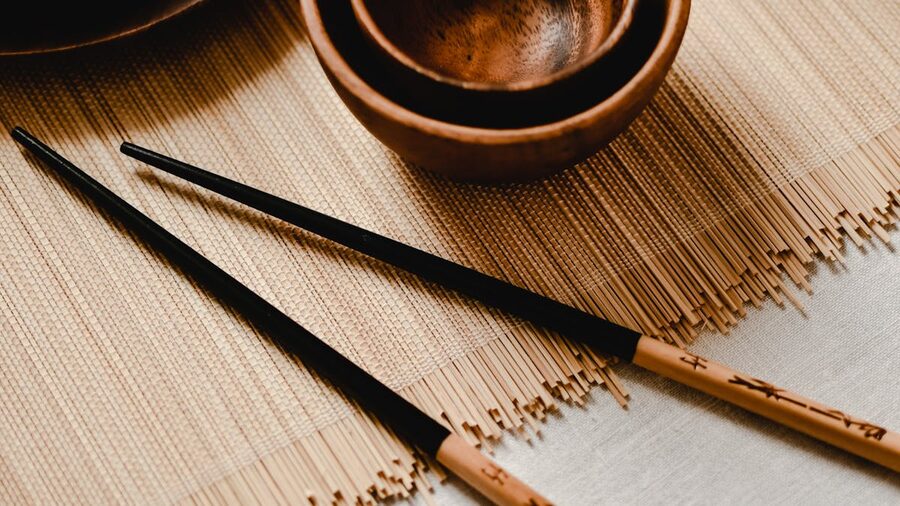
Workshops run in both Tokyo and Kyoto. The Tokyo ones are in Shinjuku and Ginza. The Kyoto one is right in Gion, the old geisha district. All of them welcome complete beginners, run in English, and take about an hour. Most offer engraving so you can put your name or a date on the finished pair.
Short on time? Here are my top picks:
Best value: Kyoto Gion Chopstick Workshop with Engraving — $15. Cheapest option, beautiful Gion location, engraving included.
Most popular: Tokyo Shinjuku Chopsticks Making Class — $20. Nearly 1,800 five-star reviews. The proven favourite.
Best artisan experience: Tokyo Chopstick Workshop with Artisan — $27. Work with a real craftsperson for a more intimate session.
- How Chopstick Making Workshops Work
- Workshop Locations — Tokyo vs Kyoto
- The Best Chopstick Making Workshops to Book
- 1. Tokyo Shinjuku Chopsticks Making Class —
- 2. Chopstick Making Workshop in Ginza —
- 3. Kyoto Gion Chopstick Workshop with Engraving —
- 4. Tokyo Chopstick Making Workshop with Artisan —
- When to Book
- How to Get There
- Tips for Your Workshop
- What You Will Make (Step by Step)
- Why Chopstick Making is Worth Your Time
- Planning More of Your Trip
How Chopstick Making Workshops Work
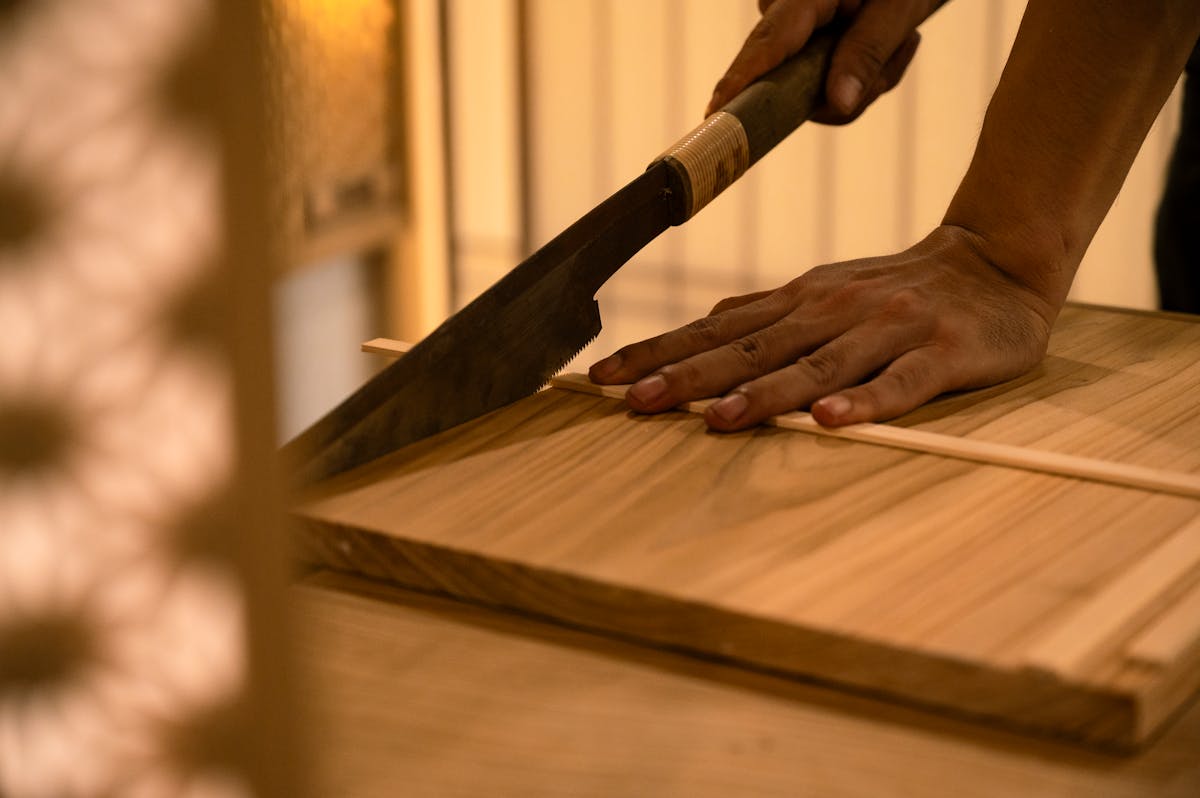
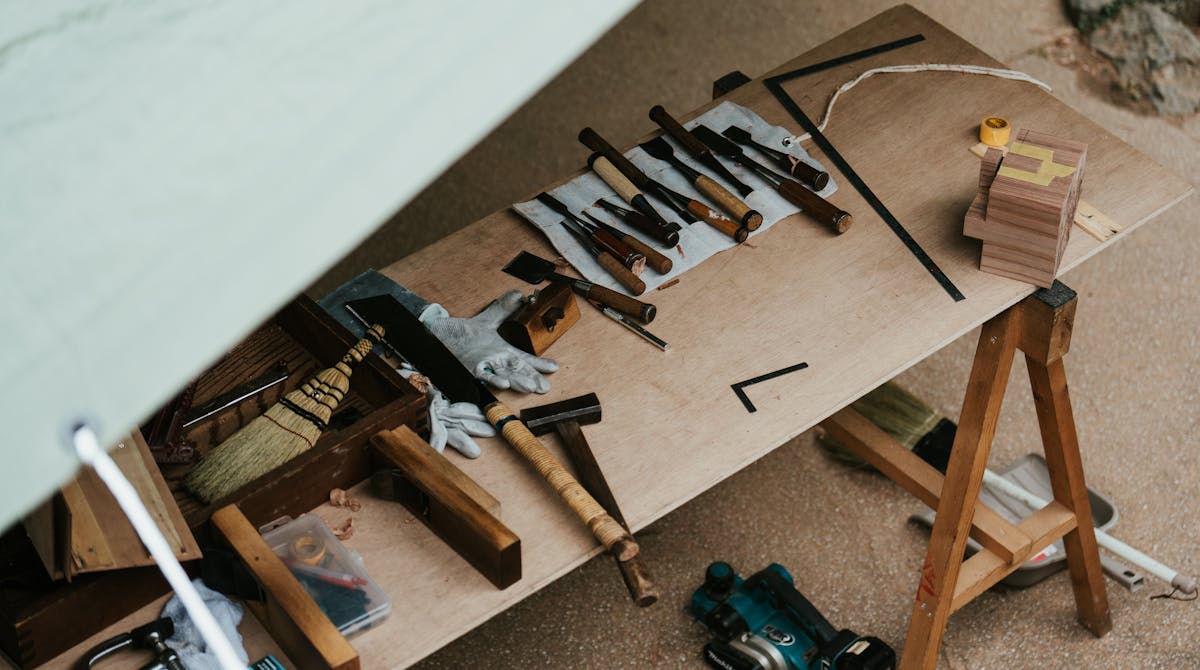
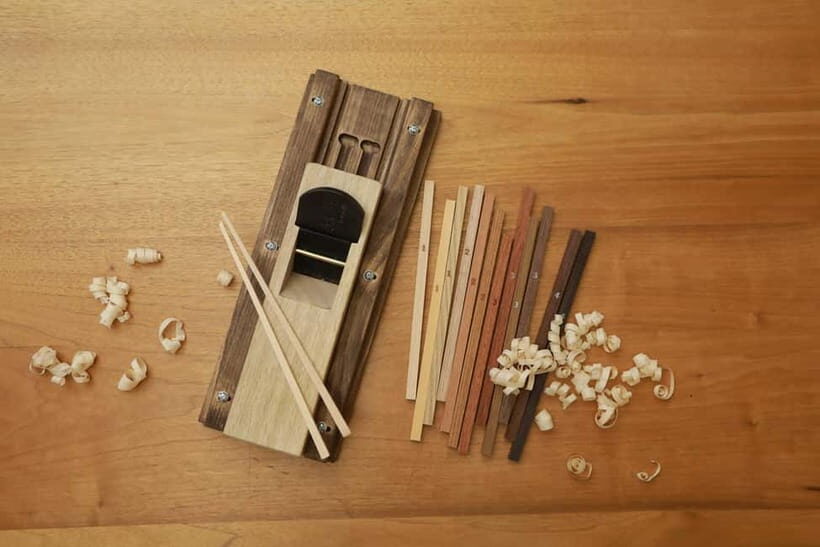
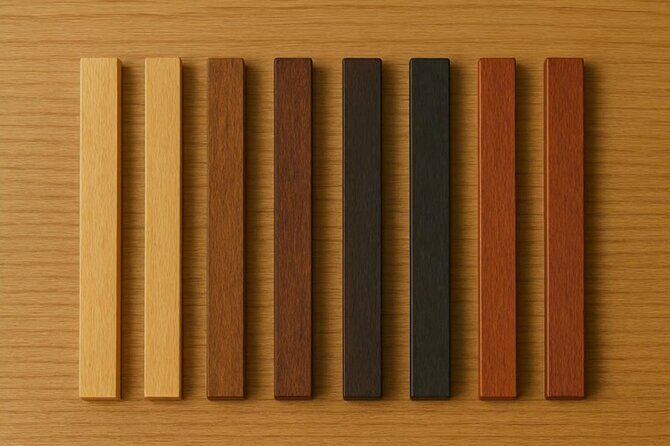
The process is straightforward but physical. You pick your wood type — most workshops offer 3-5 options like hinoki cypress, cherry, maple, or ebony — and receive a rectangular blank about 23cm long. Then you use a combination of a Japanese hand plane (kanna) and sandpaper to shape it into a tapered pair of chopsticks.
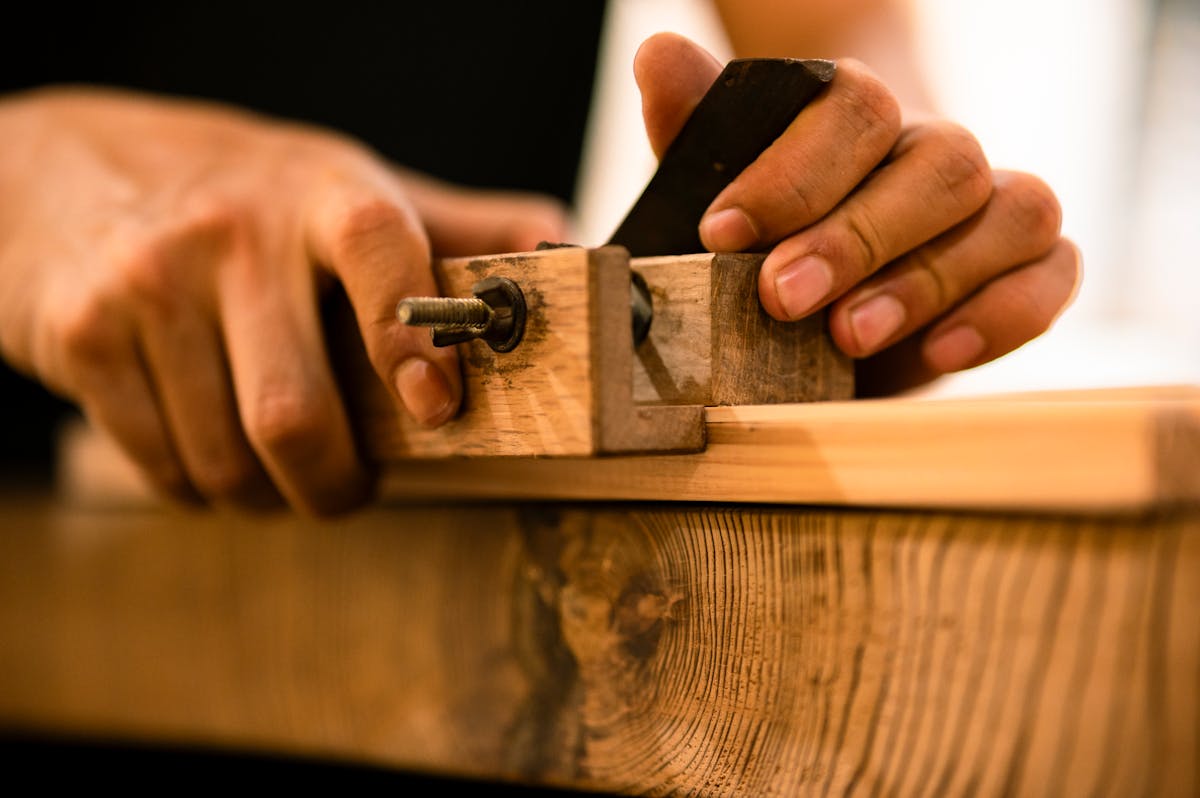
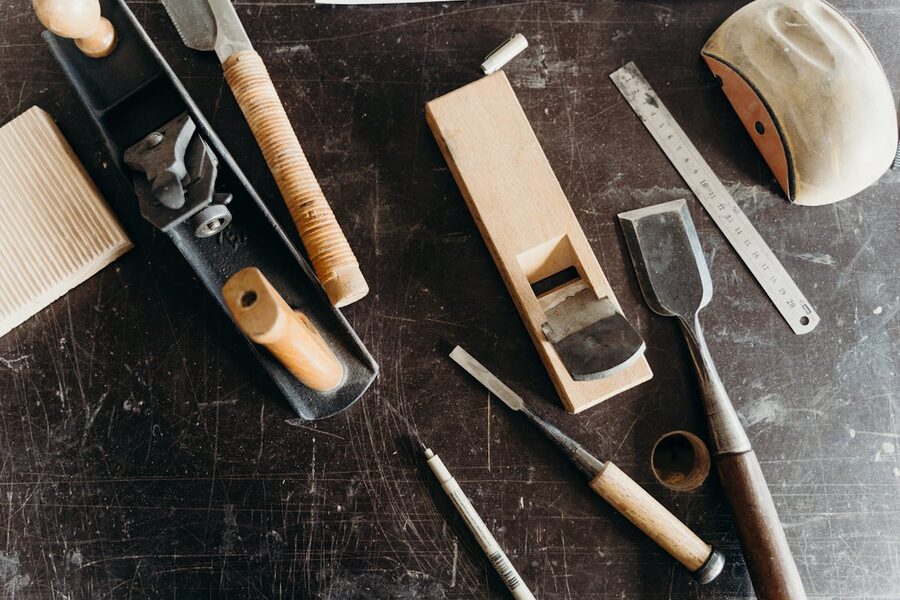
The first step is planing. You clamp the blank into a wooden jig and use the kanna to shave each of the four sides into a gentle taper — thicker at the top where you grip, thinner at the tips where you pick up food. This is the part that requires the most effort. The plane needs firm, even pressure and consistent strokes. It is not difficult, but your forearms will know about it afterward.
After planing comes sanding. You work through progressively finer grits until the surface is glass-smooth. Then you apply a food-safe oil finish — usually tung oil or camellia oil — which brings out the wood grain and protects the surface.
Total time: About 45-60 minutes for the actual making, plus 10-15 minutes for the introduction and any engraving. Some people finish faster, some take longer. The instructors do not rush you.
Skill required: None. I watched a ten-year-old and a seventy-year-old both complete theirs in the same session. The jig does most of the work of keeping things straight — you just need to pull the plane.
If you have done other craft workshops in Japan — tea ceremony, calligraphy, pottery — this one has a different feel. It is more tactile and physical. You are working with real tools that could actually hurt you if you are careless (though nobody was). And you end up with something genuinely useful, not decorative.
Workshop Locations — Tokyo vs Kyoto
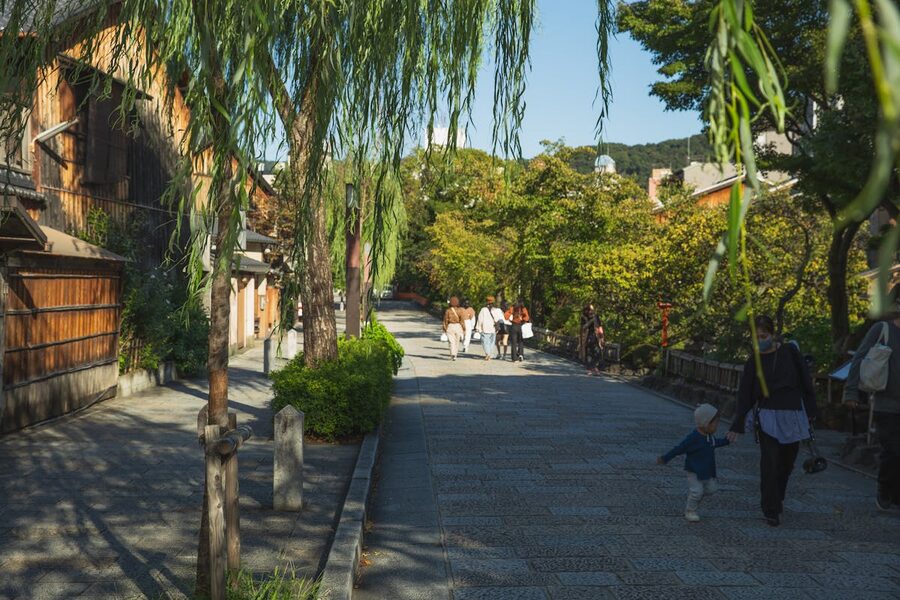
There are workshops in both cities. The experience itself is similar but the setting and price differ.
Tokyo options: Two main locations — Shinjuku and Ginza. The Shinjuku workshop is the most popular (nearly 1,800 reviews), conveniently located near the station, and runs multiple sessions daily. The Ginza workshop is in one of Tokyo most upscale districts and has a slightly different vibe — quieter, more intimate. The artisan workshop in Tokyo is a third option if you want a more personal, one-on-one experience with a dedicated craftsperson.
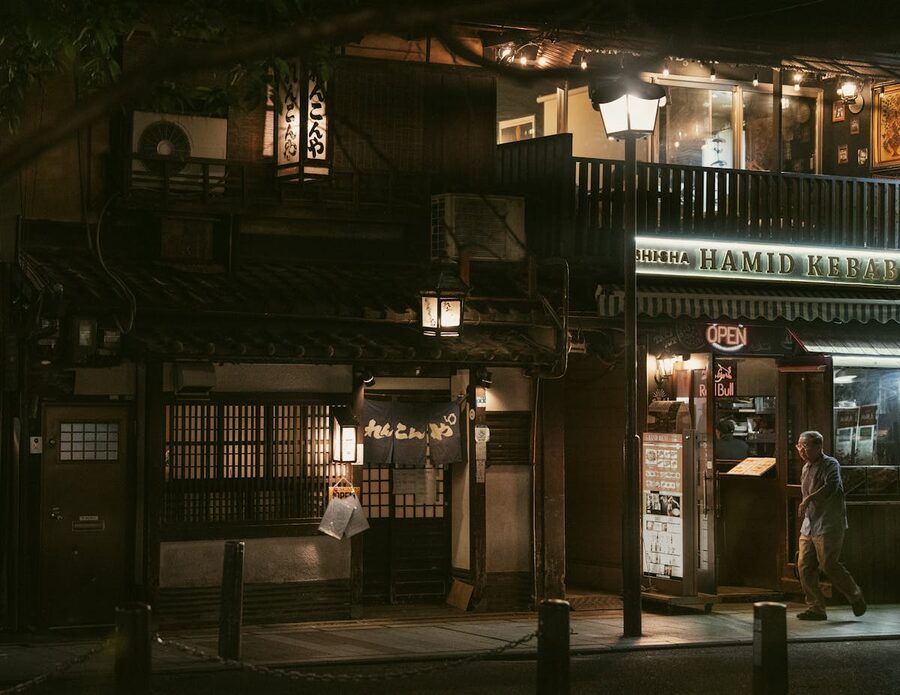
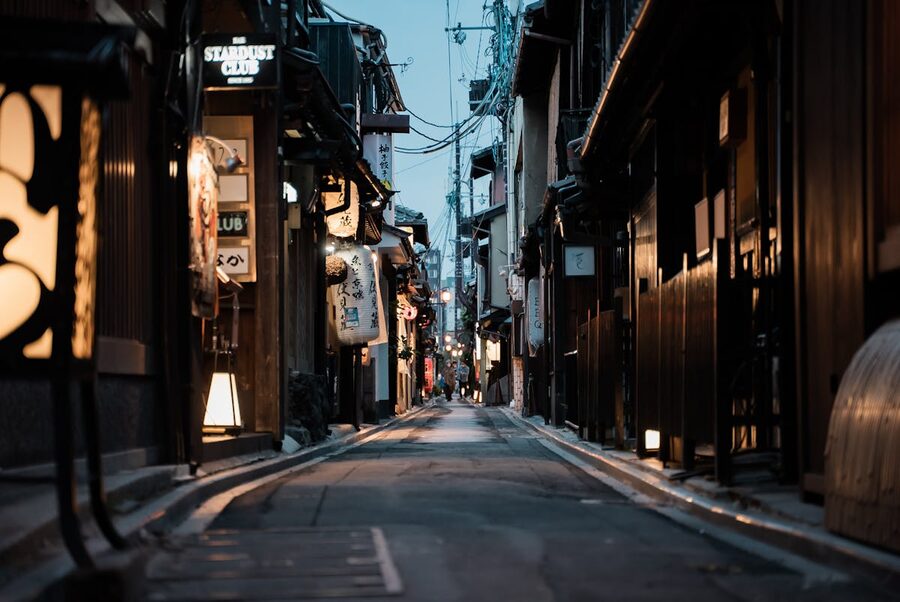
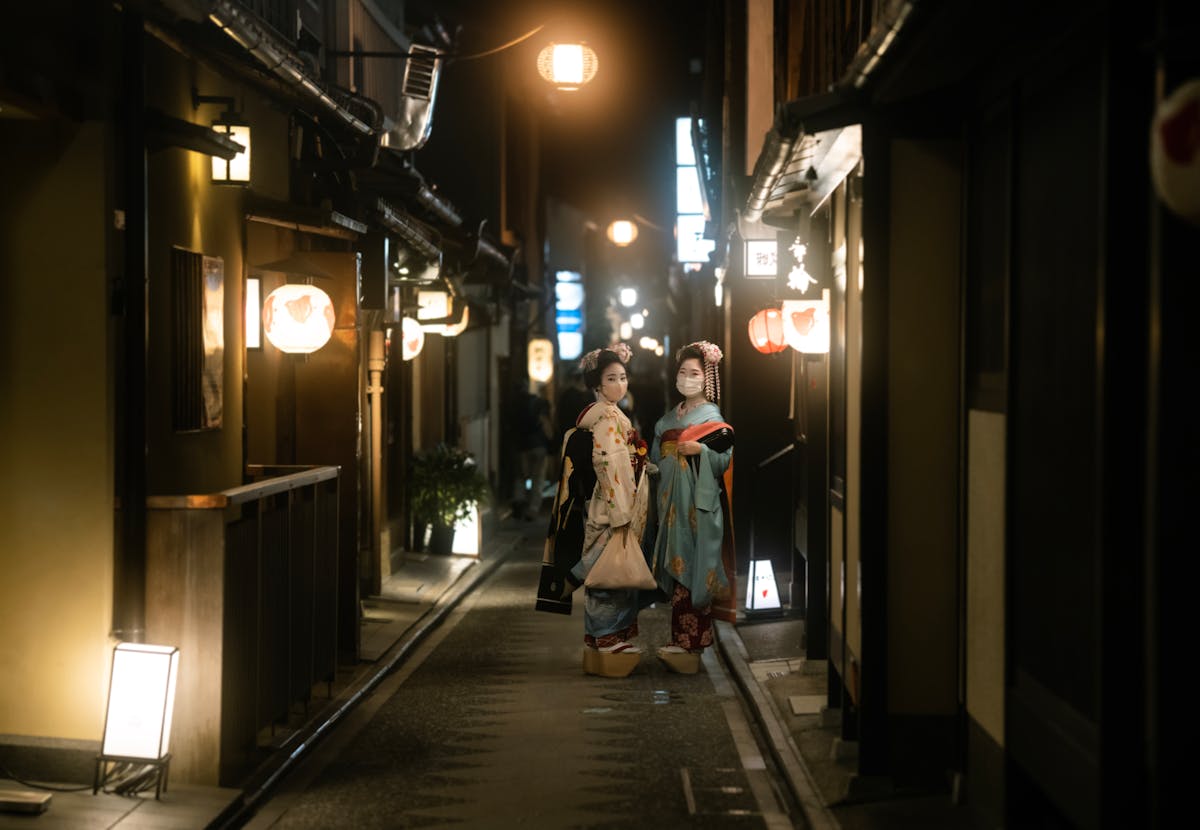
Kyoto option: One workshop in Gion, the historic geisha district. At $15 it is the cheapest option and includes engraving. The location alone makes it worth booking — you are making chopsticks in one of the most atmospheric neighborhoods in Japan. Pair it with a Gion walking tour or Arashiyama bamboo forest walk for a full day of Kyoto activities.
Which city to pick? If you are only in Tokyo, any of the three Tokyo workshops are excellent. If you are in Kyoto, the Gion workshop is a no-brainer at that price and location. If you are visiting both cities, I would lean toward the Kyoto one for the atmosphere, but the Tokyo artisan workshop offers a deeper craft experience.
The Best Chopstick Making Workshops to Book
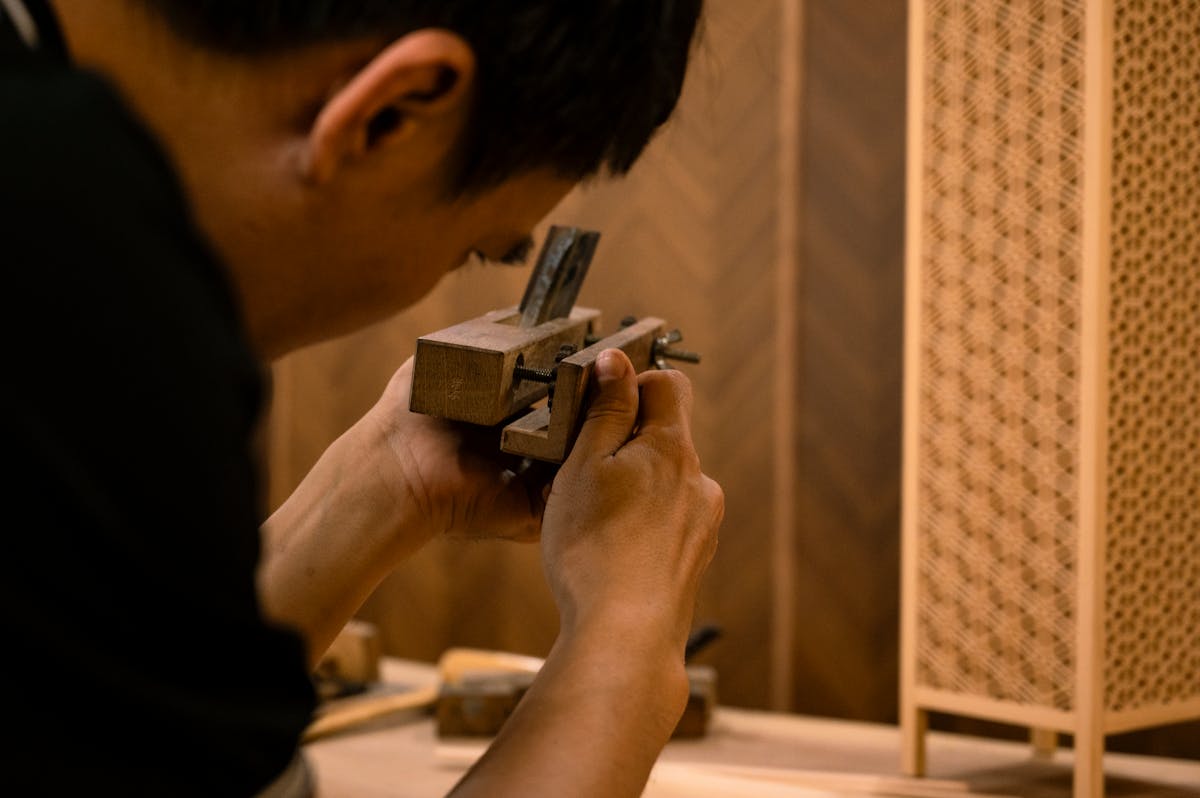
Four workshops, four slightly different experiences. All are excellent. The price difference is small enough that you should pick based on location and vibe rather than cost.
1. Tokyo Shinjuku Chopsticks Making Class — $20
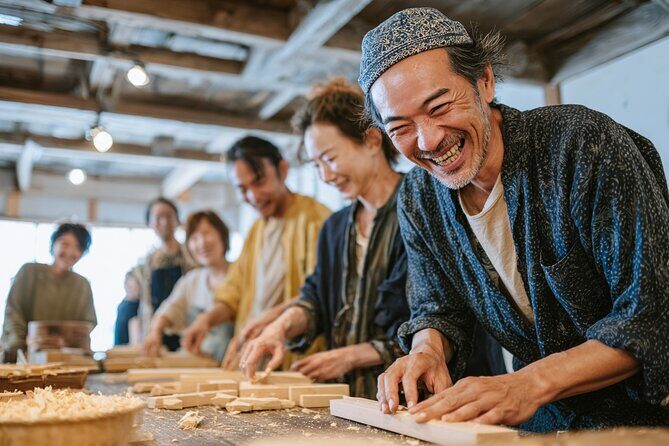
The most popular chopstick workshop in Japan by a wide margin. 1,763 reviews and a perfect 5.0 rating. At $20 it is ridiculously good value for a hands-on craft experience in central Tokyo. The workshop is a short walk from Shinjuku Station, runs multiple sessions throughout the day, and accommodates beginners with zero woodworking experience.
What makes this one stand out is the sheer volume of people who have done it and loved it. The instructors have the process down to a science — they know exactly where beginners struggle (the first taper cut, usually) and step in at the right moments. Engraving costs an extra 2,000 yen but it is worth it for a personalized souvenir. If you are doing other things in Shinjuku — the Shinjuku food tours are nearby — this slots in easily before or after.
2. Chopstick Making Workshop in Ginza — $25
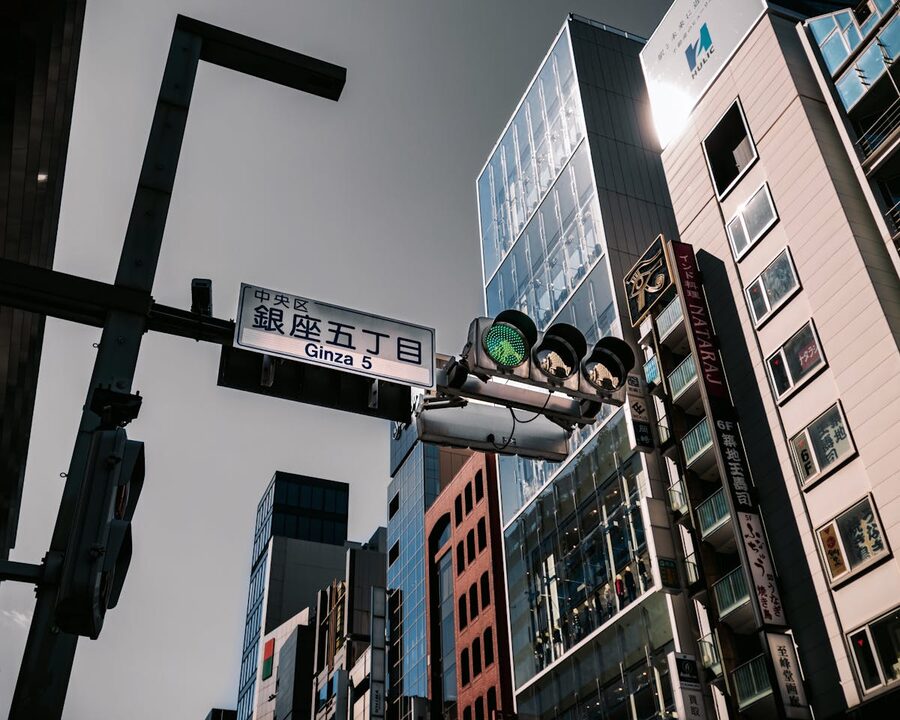
The Ginza location puts this workshop in the heart of Tokyo most upscale shopping district. It is a nice contrast — traditional woodworking craft surrounded by luxury retail. The 1,366 reviews and 4.8 rating tell the story. The slightly lower rating compared to the others comes down to the occasional crowded session, but at its best it is just as good.
At $25 for a one-hour session, the value is strong. The workshop itself is clean, well-organized, and the instructors speak good English. One reviewer put it well — it takes real arm strength to plane the wood, but the sense of accomplishment when you finish is genuine. This is a great option if you are already in Ginza for shopping or if you want something to do between the Tsukiji area and teamLab Planets.
3. Kyoto Gion Chopstick Workshop with Engraving — $15
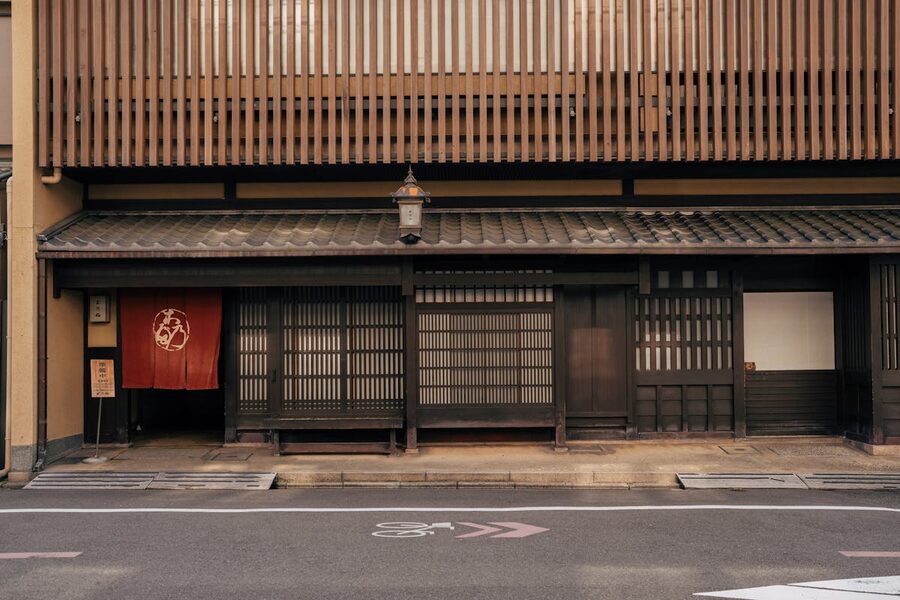
The cheapest option and arguably the best setting. $15 gets you the full workshop plus engraving, which the Tokyo workshops charge extra for. The location in Gion is what sells it — you are making chopsticks in one of the most historically significant neighborhoods in Japan, surrounded by traditional machiya townhouses and tea houses.
Nearly 960 reviews at a perfect 5.0 rating. The workshop uses a traditional kanna (Japanese plane) for carving, and you can customize your engraving with Japanese characters, your name, or a date. The instructor — Patrick gets mentioned frequently in reviews — is knowledgeable about the craft and the history behind it. If you are in Kyoto, this is a must-do. Combine it with a Kyoto bike tour in the morning or a Fushimi Inari hike in the afternoon.
4. Tokyo Chopstick Making Workshop with Artisan — $27
The premium Tokyo option. At $27 it is the most expensive, but you get something the others do not — a genuine artisan guiding the session. This is not just an instructor who learned the workshop routine. This is someone who makes a living from woodworking and brings that depth of knowledge to the teaching.
With 466 reviews and a 5.0 rating, it is the smallest of the four but consistently praised. The staff are described as helpful and the experience leaves you with a real sense of accomplishment. The slightly higher price point keeps the groups small, which means more attention from the artisan.
If you want the deepest craft experience and do not mind paying a few extra dollars, this is the one. It works well paired with the Tokyo go-kart tours for a day that mixes traditional and modern Tokyo.
When to Book
Chopstick workshops run year-round and are less seasonal than outdoor activities. That said, availability tightens during peak travel periods.
Busiest times: Cherry blossom season (late March to mid-April), Golden Week (late April to early May), and autumn foliage (November). Book 1-2 weeks ahead during these windows. The Shinjuku workshop especially fills up because of its popularity.
Quietest times: January, February, and June. Smaller groups and more flexibility with session times. The rainy season (June) actually makes chopstick making a great choice — it is indoors and you do not lose a good weather day.
Time of day: Most workshops run multiple sessions between 10am and 5pm. Morning sessions tend to have fewer people. Afternoon slots (2-3pm) are popular with travellers finishing up lunch. The Gion workshop in Kyoto works particularly well as a late afternoon activity — you finish up around 4-5pm, right when the district starts lighting up for the evening.
How far ahead to book: A week is usually enough outside peak season. During cherry blossom or autumn, book 2-3 weeks out. Same-day availability exists but is not guaranteed, especially on weekends.
How to Get There

Shinjuku workshop: Walk from JR Shinjuku Station (East Exit), about 5-7 minutes. The neighborhood is dense and easy to get turned around in — follow the directions the booking confirmation sends, not Google Maps, which tends to route you through the underground passages.
Ginza workshop: Walk from Ginza Station (Exit A3 or similar), about 5 minutes. The area is flat and easy to navigate. If you are coming from Tokyo Station, it is one stop on the Marunouchi Line.
Kyoto Gion workshop: Walk from Gion-Shijo Station on the Keihan Line (about 5 minutes) or bus from Kyoto Station (bus 206 or 100 to Gion, about 20 minutes). If you are combining this with Gion sightseeing, you will already be in the area.
Artisan workshop (Tokyo): Location details shared after booking. Generally accessible from major JR or Metro stations within 15-20 minutes.
Tips for Your Workshop
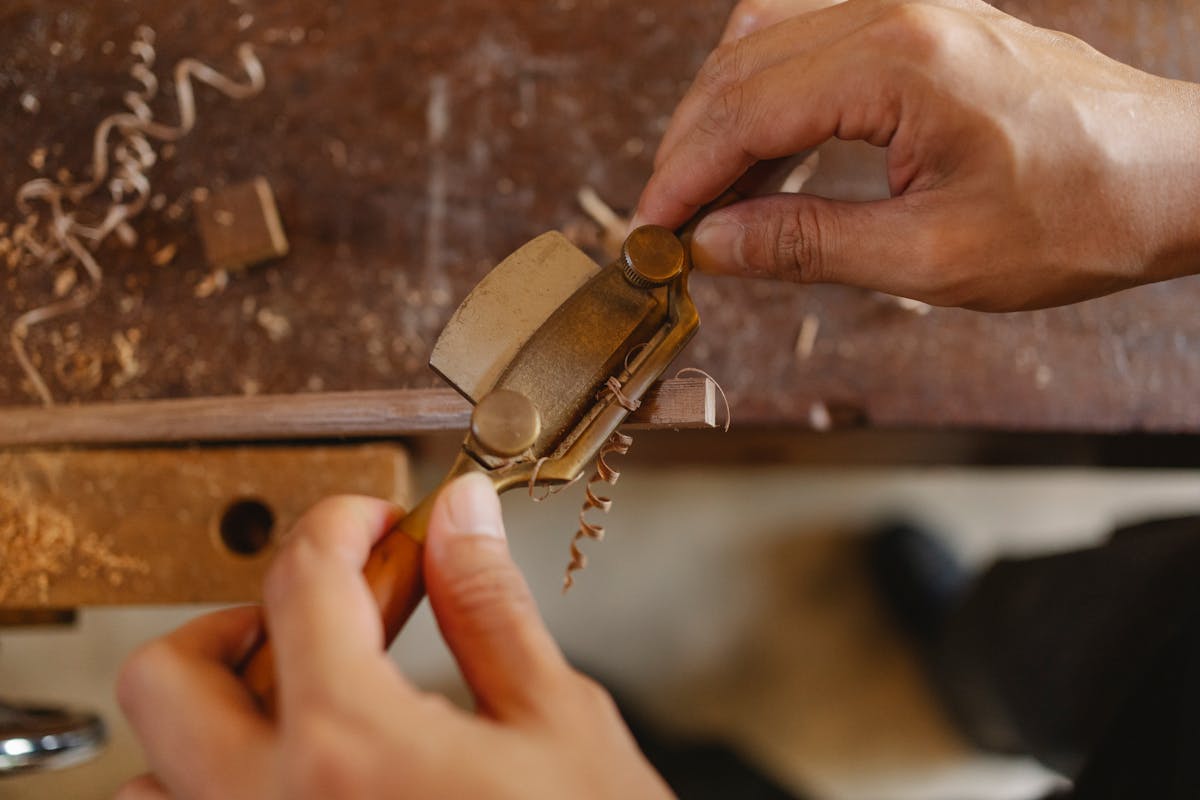
- It is more physical than you expect. Planing wood requires sustained arm effort. Not exhausting, but do not come in with sore arms from a previous activity. A few people in reviews mention it being an arm workout.
- Choose your wood carefully. Harder woods (ebony, cherry) give a more luxurious feel but are tougher to plane. Softer woods (hinoki, cedar) are easier to work with and smell fantastic. If it is your first time, go with hinoki — the scent alone is worth it.
- Engraving adds about 10-15 minutes. Think about what you want before you arrive. Japanese characters, a date, your initials — the options vary by workshop. The Kyoto one includes it free. Tokyo workshops charge around 2,000 yen extra.
- Wear clothes with short or rollable sleeves. You will be working with wood shavings and oil. Nothing gets ruined, but loose sleeves get in the way of the plane.
- Take the wood shavings home. Hinoki shavings smell incredible and some people use them in drawers or baths. Most workshops let you keep them. Ask.
- Combine with a food experience. The Ginza workshop is walking distance from great sushi restaurants. The Gion workshop is near Kyoto tea houses. The Shinjuku one is surrounded by ramen shops — if you have also booked a ramen cooking class, you could do both in the same neighborhood on the same day.
What You Will Make (Step by Step)
The full process from start to finish:
1. Choose your wood. Most workshops display 3-5 wood options with sample chopsticks to feel. Common choices include hinoki cypress (light, aromatic), cherry (warm colour, medium hardness), maple (pale, smooth), and sometimes ebony or walnut for premium options. The instructor explains the characteristics of each.
2. Mark and prepare. You mark guide lines on the blank showing where the taper should go. Some workshops use a pre-marked template, others have you measure freehand with the instructor watching.
3. Plane the taper. This is the main event. You secure the blank in a wooden jig and use the kanna to shave each side. Four sides, each needing about 15-20 strokes to reach the marked depth. The shavings should come off in long, continuous curls — if they crumble, the blade angle is wrong and the instructor will adjust it.
4. Sand smooth. Starting with medium-grit sandpaper and working to fine, you smooth out any plane marks and round the edges slightly. This takes about 10 minutes and is the most relaxing part of the process.
5. Oil finish. Apply food-safe oil with a cloth. This protects the wood and brings out the grain pattern. The colour deepens noticeably — raw hinoki goes from pale white to a warm honey tone.
6. Engrave (optional). If you have opted for engraving, the workshop handles this with a laser or hand tool depending on the venue. Takes about 5 minutes.
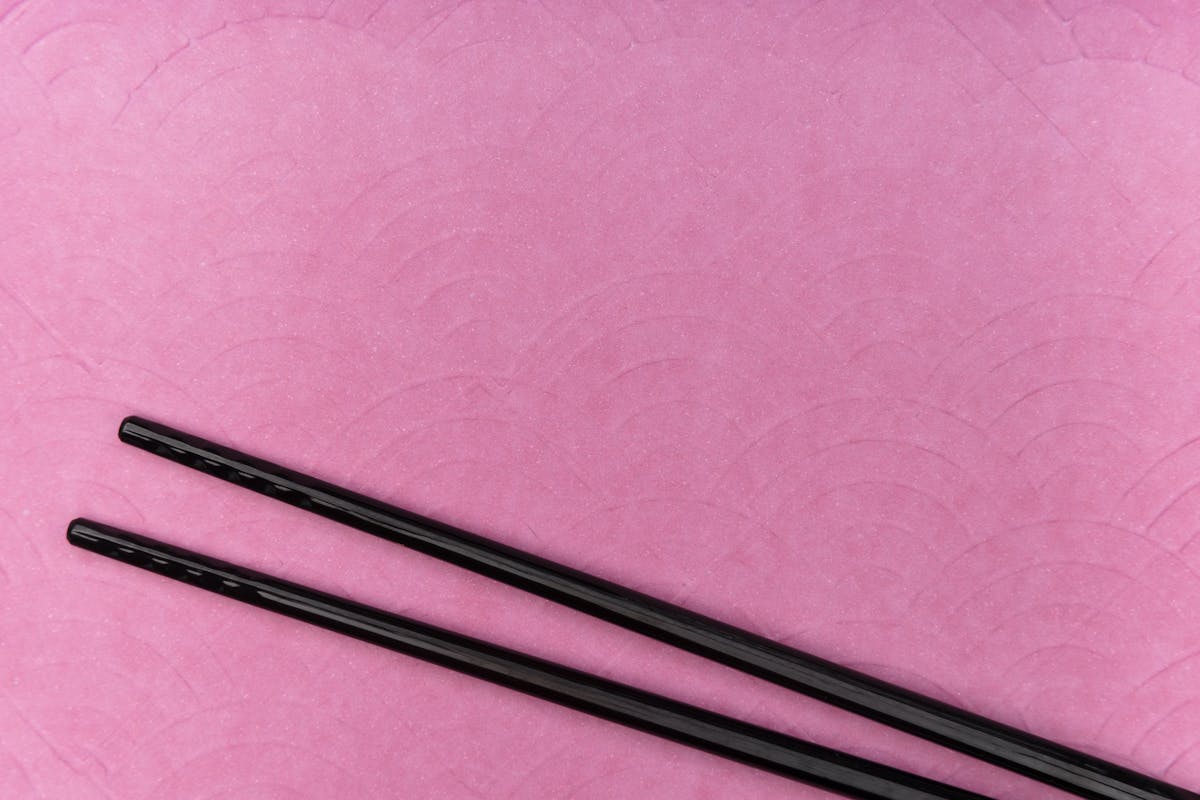
You take your finished chopsticks home that day, usually in a cloth bag or small wooden box. They are ready to use immediately — just wash them with warm water first.
Why Chopstick Making is Worth Your Time
Most Japan activities are about seeing or eating. This one is about making. And at $15-27 for an hour of hands-on work with a skilled artisan, it is one of the cheapest cultural experiences available in either city.
The practical benefit is obvious — you get a functional, beautiful souvenir that you made yourself. But the less obvious benefit is how it changes the way you look at Japanese craft. After spending an hour learning how much precision goes into something as simple as a pair of chopsticks, you start noticing the craftsmanship in everything else — the joinery in temple buildings, the woodwork in ryokan furniture, the lacquerware in shop windows.
It is also one of the few activities in Japan that works for literally everyone. Kids do it. Elderly couples do it. Solo travellers do it. Groups of friends do it. There is no language barrier because the instructions are mostly visual — watch, then copy. And the worst that can happen is your chopsticks end up slightly uneven, which honestly gives them character.
If you are looking for other hands-on experiences, the sushi making classes, ramen cooking classes, and Tokyo cooking classes (wagyu, bento, gyoza) offer a similar make-it-yourself satisfaction but in the kitchen rather than the workshop.
Planning More of Your Trip
A chopstick workshop takes about an hour, which leaves plenty of room for other things. In Tokyo, the full-day sightseeing bus tour covers the major sites if you are short on time, and the Nagano snow monkey day trip is doable from Tokyo Station in about 80 minutes by Shinkansen. For day trips, Kamakura is about an hour south and pairs well with a morning workshop in Tokyo.
In Kyoto, a Nara day trip works nicely the day after your Gion workshop, and Hiroshima and Miyajima are doable from Kyoto if you have a JR Pass. If you are heading to Osaka afterward, the Osaka walking tours and food tours round out the cultural side of your trip.
This article contains affiliate links. If you book through these links, we earn a small commission at no extra cost to you. This helps us keep writing these guides. All recommendations are based on genuine research and our own experience.