
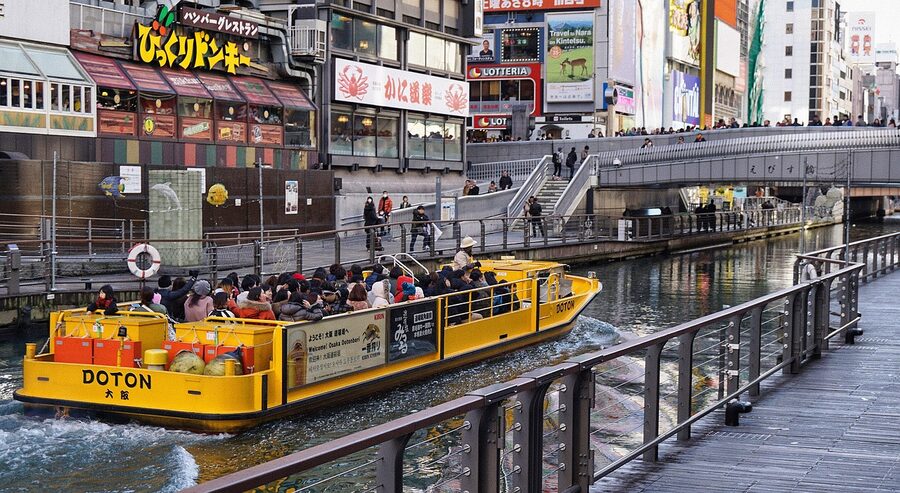
The guide was doing a bit about the Kani Doraku crab sign when the boat passed under the Ebisubashi Bridge and the entire thing went sideways. Not the boat — the comedy. He switched from factual tour guide to stand-up comedian in the space of one bridge, and the 30 passengers on this open-top cruise went from politely attentive to crying with laughter. The couple next to me, who spoke almost no Japanese, were laughing just as hard as everyone else. The guide was doing physical comedy, using props, pointing at buildings and making faces. I’ve done river cruises in a dozen cities. This was the only one where I forgot to take photos because I was too busy laughing.
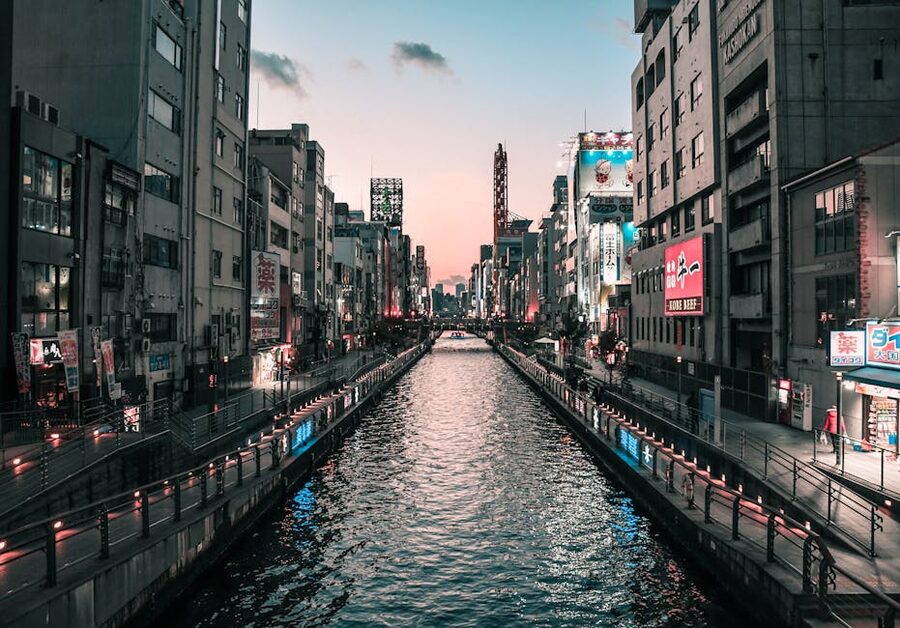
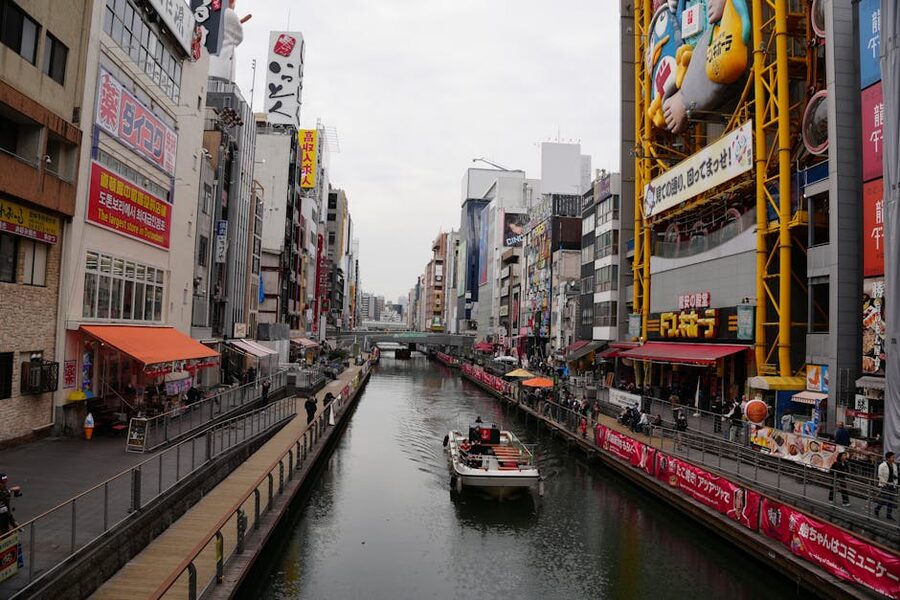
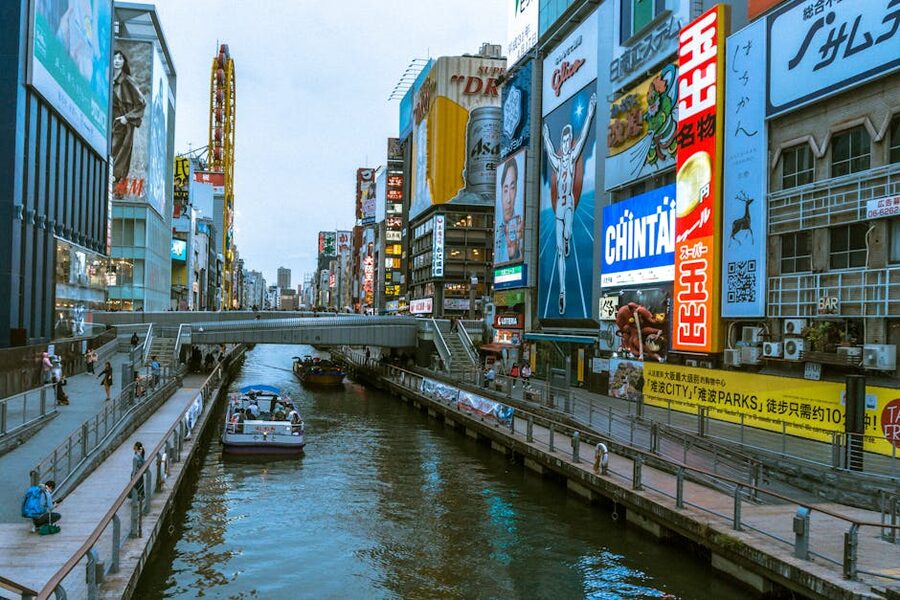
The Dotonbori River Cruise is one of those Osaka experiences that sounds touristy until you actually do it. A 20-minute boat ride down the canal that runs through the heart of Osaka’s most famous entertainment district, past the Glico Running Man sign, the giant Kani Doraku crab, and the neon-drenched restaurant fronts that make Dotonbori look like it’s powered by pure electricity. The boats are small, open-topped, and — depending on which cruise you book — piloted by a guide who treats the 20 minutes like a one-man comedy show.
Short on time? Here are my top picks:
Best overall: Dotonbori District River Cruise with Drink Discount — $12, 876 reviews. Includes a discount coupon for drinks at local bars. The most popular option.
Most fun: Dotonbori 20-Minute Pirates Cruise — $11, 533 reviews. The pirate-themed boat with a comedic guide. Cheapest option and arguably the most entertaining.
Best comedy: Dotonbori 20-Minute Cruise with Hilarious Guide — $14, 524 reviews. Same concept, different company. The guides here are legendary for their physical comedy.
- What You’ll See from the Boat
- The Glico Running Man
- Kani Doraku Crab
- The Bridges
- The Neon District from Below
- The 3 Best Dotonbori River Cruises
- 1. Dotonbori District River Cruise with Drink Discount —
- 2. Dotonbori 20-Minute Pirates Cruise —
- 3. Dotonbori 20-Minute Cruise with Hilarious Guide —
- Dotonbori: Four Centuries of Eating, Drinking, and Spending Money
- Daytime vs Night Cruise
- How to Book
- What to Do Before and After the Cruise
- The Language Question
- Practical Tips
- Getting There
- Combining the Cruise with Other Osaka Experiences
- More Osaka Guides
What You’ll See from the Boat
The cruise route runs east to west along the Dotonbori River (also called Tombori River), passing under several bridges and alongside the most iconic landmarks in Osaka’s entertainment district. Here’s the sequence from the water.
The Glico Running Man
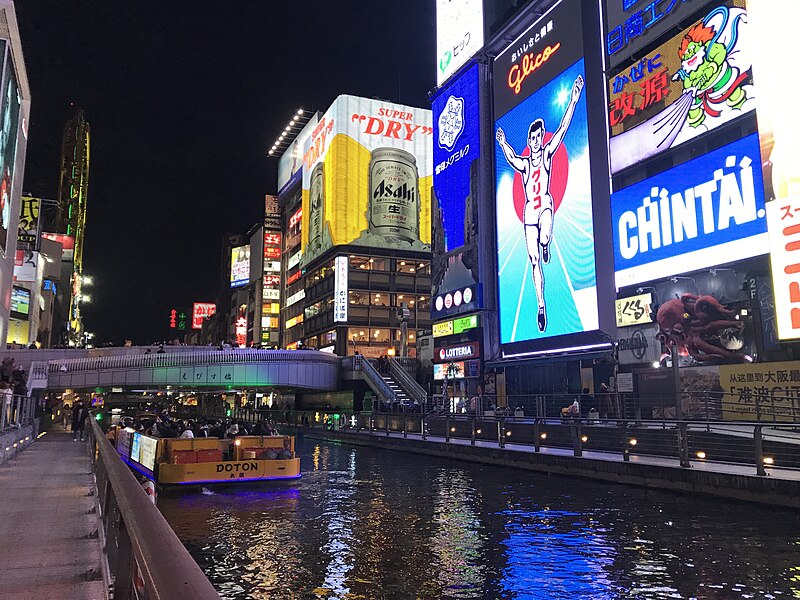
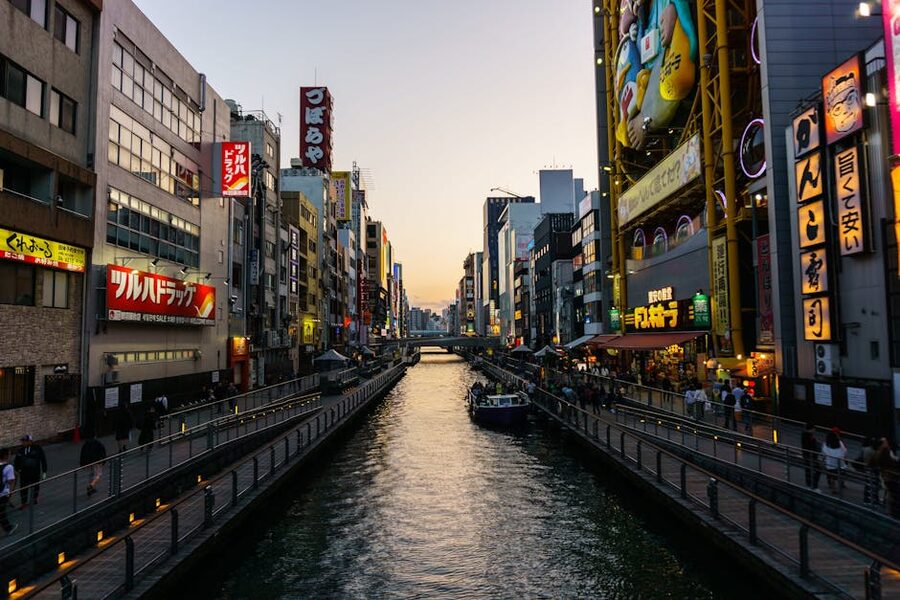
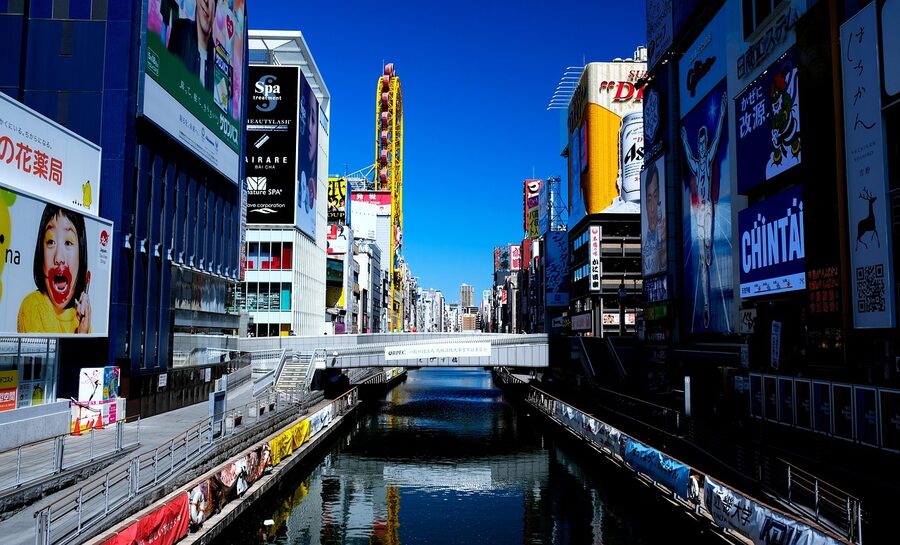
Osaka’s most famous sign. The Glico Running Man has stood at the south end of Ebisubashi Bridge since 1935. The current version — the sixth generation — went up in 2014 with LED technology that makes it even more photogenic at night. From the boat, you pass directly underneath the bridge. The view of the sign from water level, framed by the bridge arch, is different from the standard tourist shot and arguably better.
Kani Doraku Crab
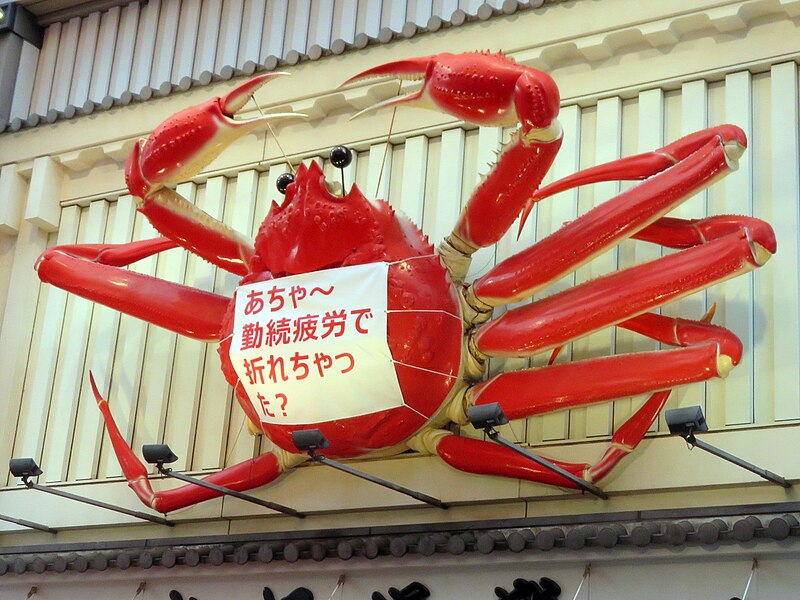
The giant mechanical crab that’s been crawling over the front of the Kani Doraku restaurant since 1960. Its legs actually move. From the water, you get the full effect — the crab towering overhead, the orange neon glow, and the queue of diners stretching down the street. The guides use it as comedy material. Every single one of them.
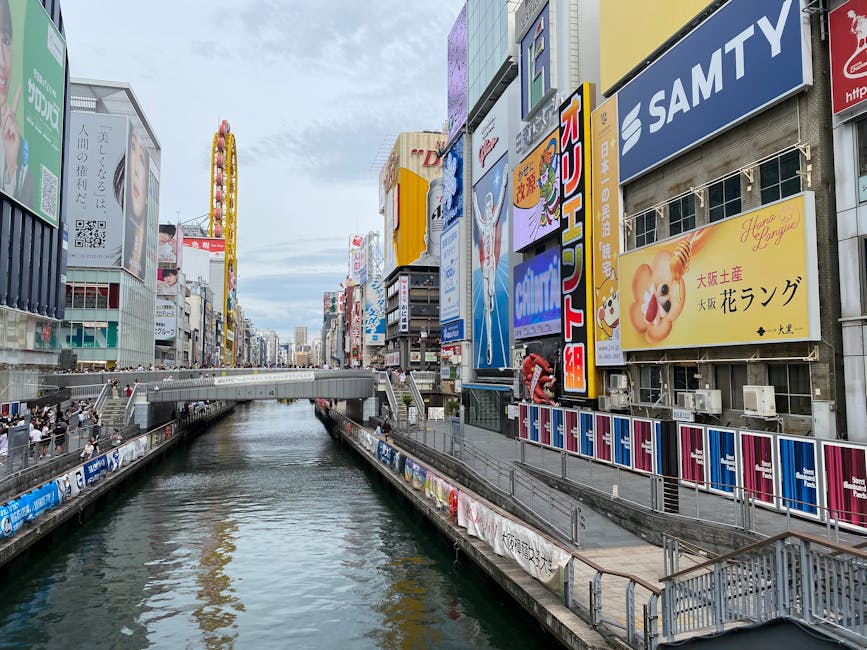
The Bridges
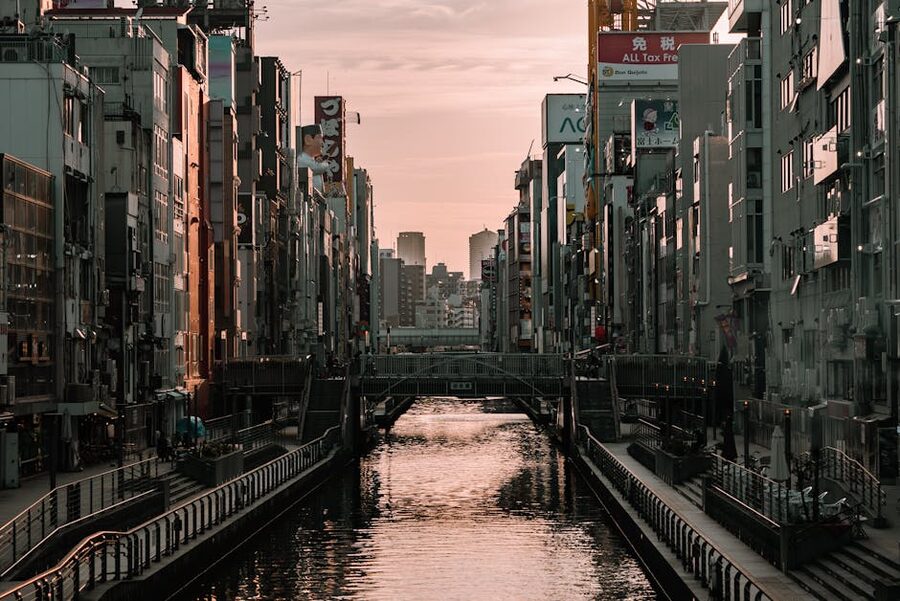
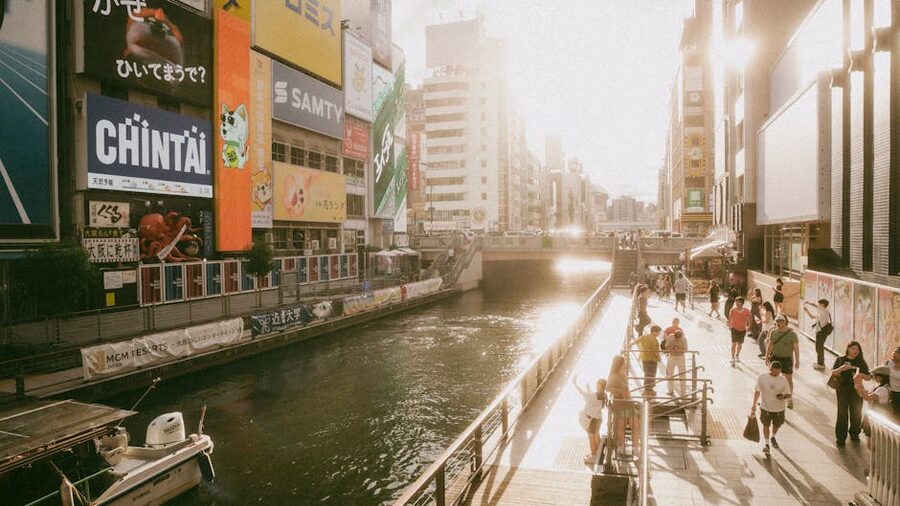
Dotonbori has nine bridges crossing the canal. You’ll pass under most of them. Each bridge has a different character — Ebisubashi is the famous one (selfie central), Daikokuobashi has the old-style stone railings, and Nipponbashi at the east end marks the beginning of Den Den Town (Osaka’s electronics and anime district). Passing under the bridges at water level gives you a sense of scale that you completely miss from street level.
The Neon District from Below
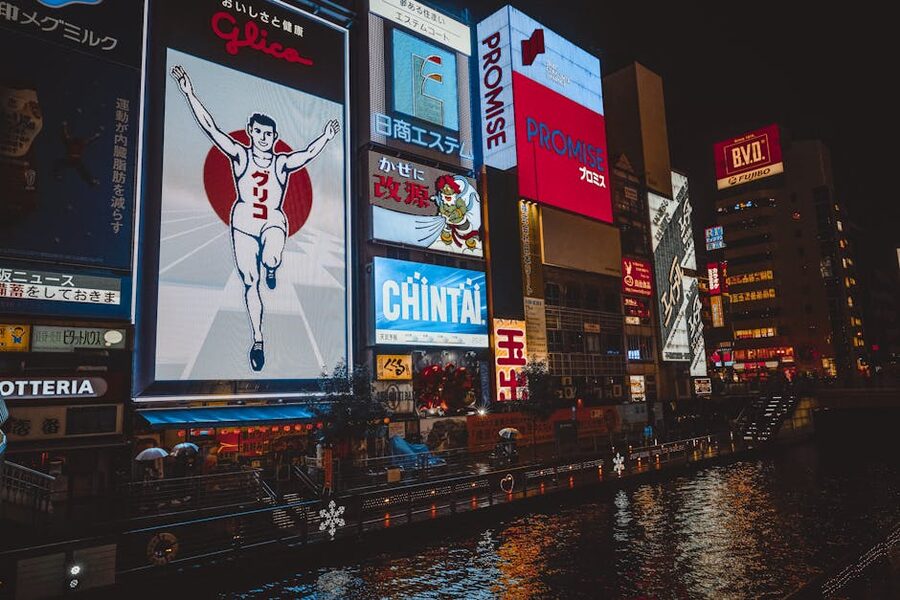
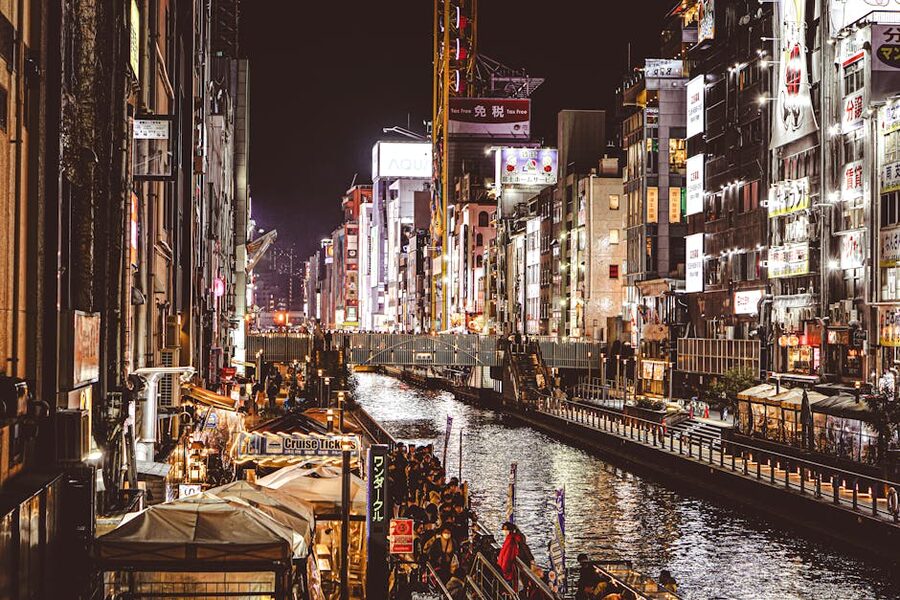
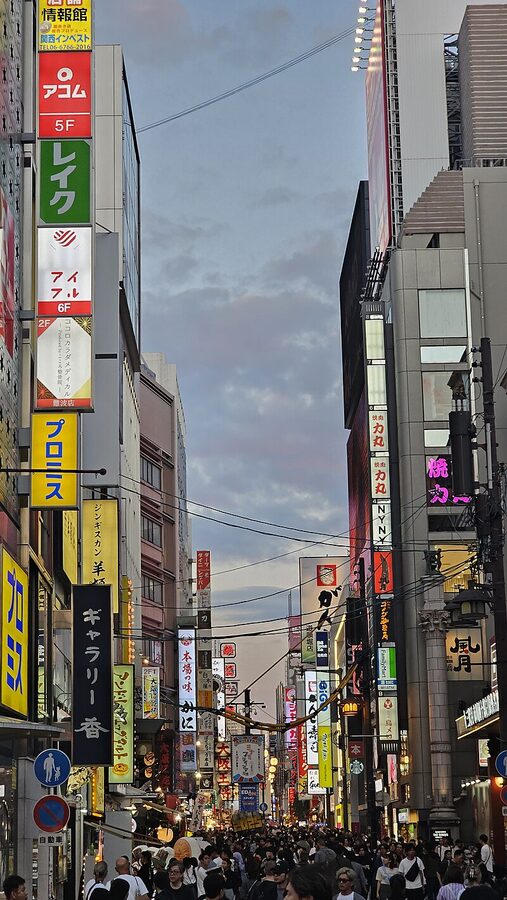
The restaurant and entertainment signs along Dotonbori are some of the most concentrated neon displays in the world. From the walkway above, you see them head-on. From the boat, you see them reflected in the water — a double layer of colour that’s genuinely beautiful, even if it’s selling takoyaki and pachinko. The evening cruises (after 6pm) get the best light show.
The 3 Best Dotonbori River Cruises
1. Dotonbori District River Cruise with Drink Discount — $12
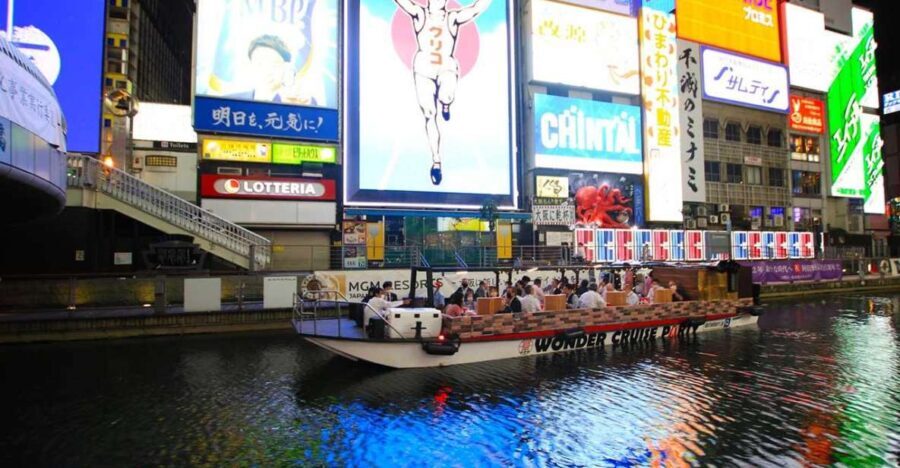
The most popular cruise with 876 reviews and a $12 price point. You get the 20-minute canal ride with a guide (in Japanese, but the visual comedy translates), plus a discount coupon for drinks at partner restaurants along Dotonbori. Michael from a recent trip said his guide Taito was funny and informative about the shops and landmarks. Our full review covers the route and what you’ll see.
2. Dotonbori 20-Minute Pirates Cruise — $11
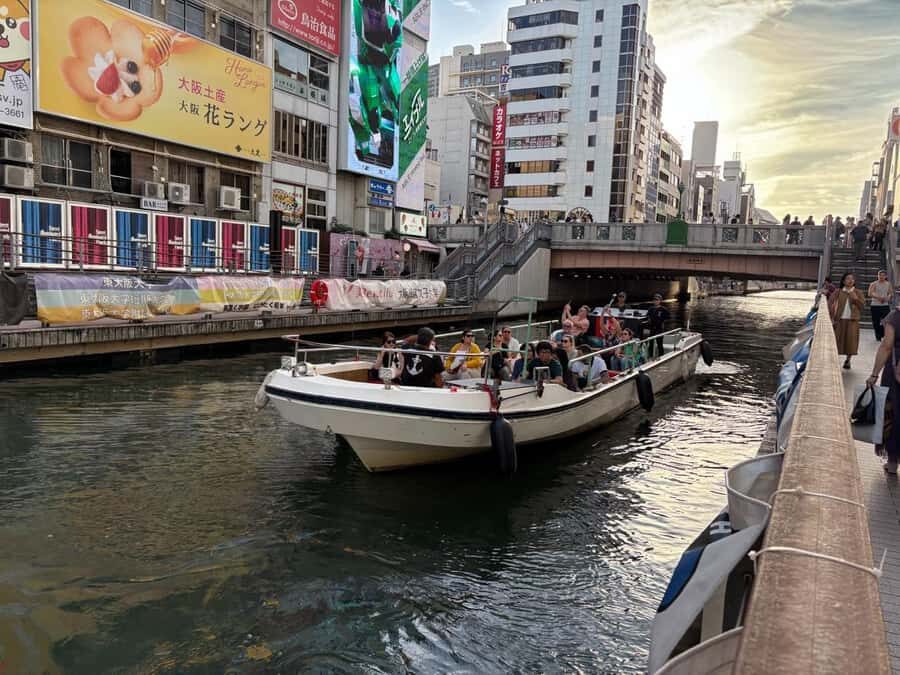
The cheapest option at $11 with 533 reviews. The pirate theme is lighthearted — the guides play along with costumes and props. Steven from a recent visit said the staff spoke multiple languages and it was a great activity for solo travellers and groups alike. Our review details the pirate theme and boarding process.
3. Dotonbori 20-Minute Cruise with Hilarious Guide — $14
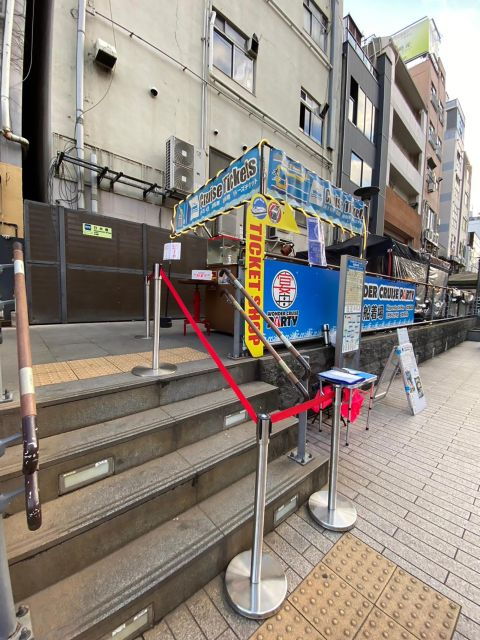
At $14, this is the priciest of the three but the guides are the main attraction. Theresa, who visited solo, said the whole crew were great and the experience was worth every yen. They even took photos for solo travellers under the Glico sign. Our review covers the comedy style and what makes this one different.
Dotonbori: Four Centuries of Eating, Drinking, and Spending Money
Dotonbori wasn’t always neon and takoyaki. The canal was dug in 1612 by a merchant named Yasui Doton, who invested his own fortune into connecting the Higashi-Yokobori and Nishi-Yokobori rivers. The canal was named after him (Doton + bori, meaning “Doton’s canal”). He didn’t live to see it finished — he was killed in the siege of Osaka Castle in 1615, three years after he started digging. The canal was completed by his cousins.
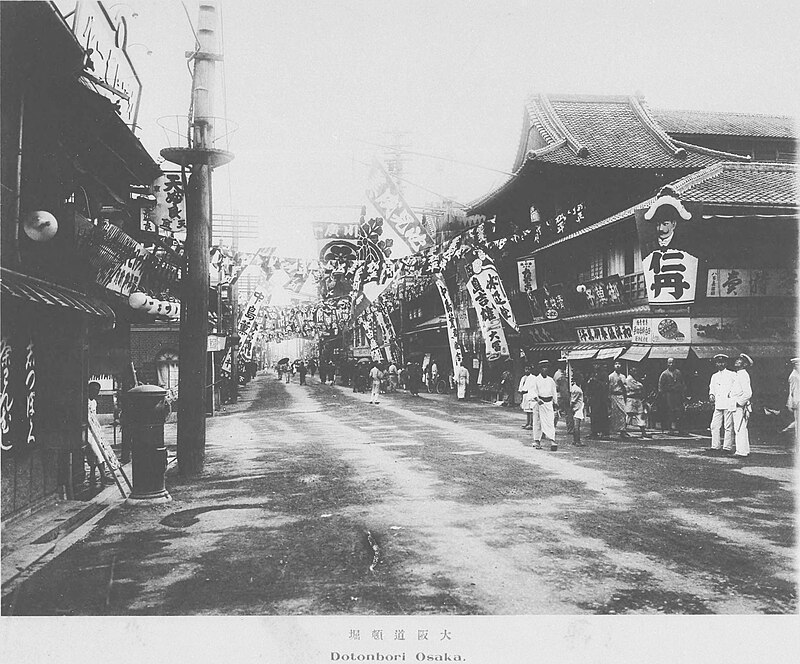
By the late 1600s, the area around the canal had become Osaka’s kabuki theatre district. Five major theatres lined the south bank. Performers, merchants, restaurateurs, and fortune-tellers followed. The neighbourhood became the centre of Osaka’s entertainment culture — a role it has never surrendered.
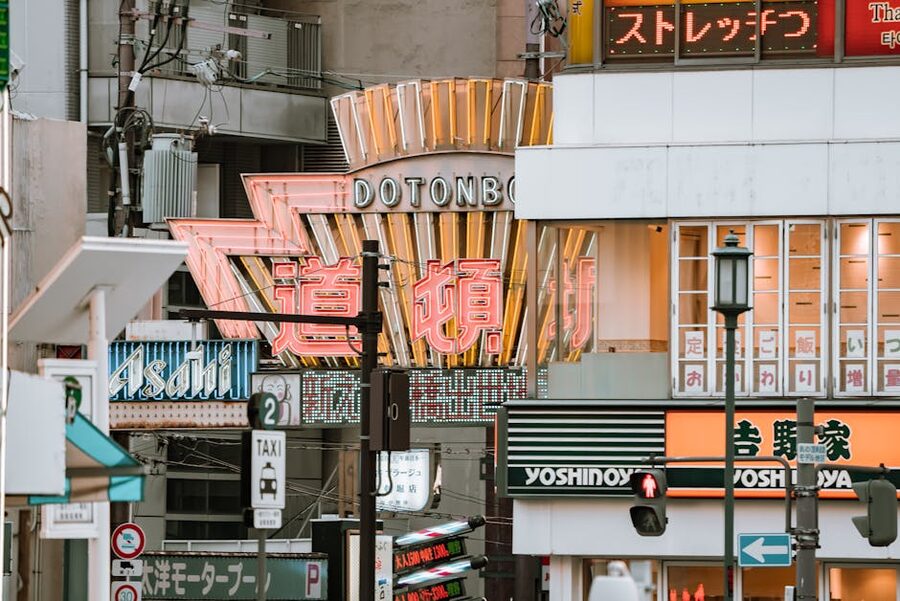
The kabuki theatres are gone (the last one closed after World War II), but the entertainment DNA remains. Today’s Dotonbori is restaurants, bars, pachinko parlours, karaoke boxes, and the kind of sensory overload that makes first-time visitors stand in the middle of the street with their mouths open. The river cruise takes you through the historical heart of it all.
The Glico Running Man sign went up in 1935 to promote Glico caramel candy. The Kani Doraku crab appeared in 1960. The Kuidaore drummer boy — a mechanical figure that stood outside the Kuidaore restaurant — became a landmark in 1950 and survived the restaurant’s closure in 2008 (he was “adopted” by a nearby department store). These icons are now inseparable from Osaka’s identity. The cruise passes them all.
Daytime vs Night Cruise
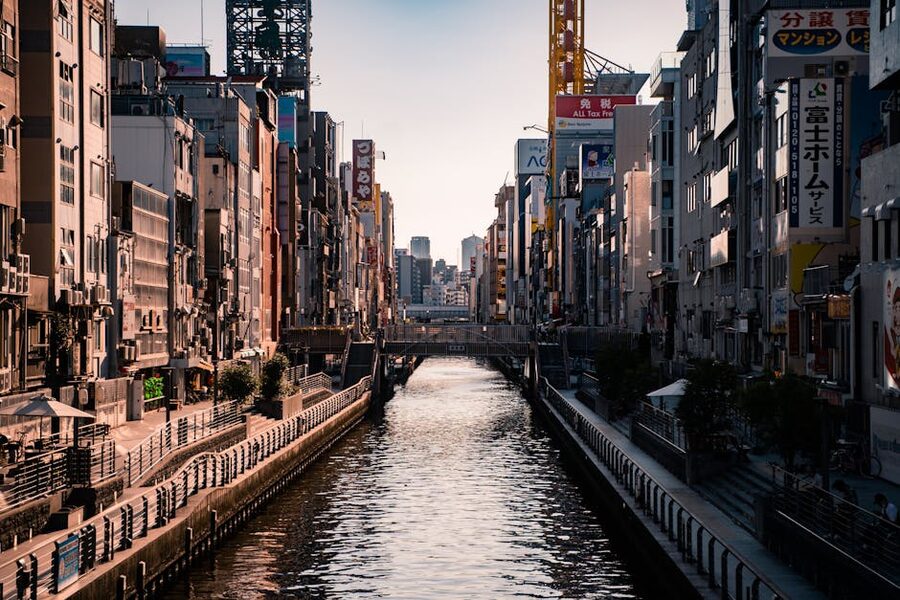
Daytime (10am-4pm): Quieter water, better visibility, fewer crowds at the boarding point. You can see the architecture clearly — the mix of modern restaurant fronts, old bridge stonework, and the canal walls. The guides are just as entertaining during the day. Good for photography of the buildings themselves.
Sunset (4-6pm): The sweet spot. The neon starts switching on, the sky colours mix with the artificial light, and the reflections on the water are at their best. This is when the Instagram photos happen. Book this slot if you can.
Night (6-9pm): Full neon mode. The canal transforms into a river of light. The atmosphere is electric — the restaurants are packed, the street food vendors are at full volume, and the energy of Dotonbori is at its peak. The night cruises are the most popular and fill up fastest.
How to Book
There are two ways to get on a Dotonbori cruise: booking online through GYG/Klook/Viator, or buying a ticket at the booth on the day.
Online booking (recommended): Book through GYG for the easiest cancellation policy (free up to 24 hours). Choose your date and preferred time slot. Show the QR code on your phone at the boarding point. The online tickets for the GYG-listed cruises include the English booking confirmation, which makes boarding straightforward.
Walk-up tickets: The ticket booth at Tazaemon Bridge opens one hour before the first departure. Walk-ups are first-come, first-served. Tickets are 2,000 yen for adults (13+), 1,000 yen for children (6-12), free for under-5s. Boats depart every 15 minutes. On busy evenings (weekends, holidays), the popular time slots sell out by mid-afternoon. If you’re set on a sunset or night cruise, book online.
Duration: The cruise itself is 20 minutes. Budget 30-40 minutes total including boarding and getting off the boat.
What to Do Before and After the Cruise
The cruise boarding point is in the middle of Dotonbori, so you’re already in the best position to explore the rest of the district.
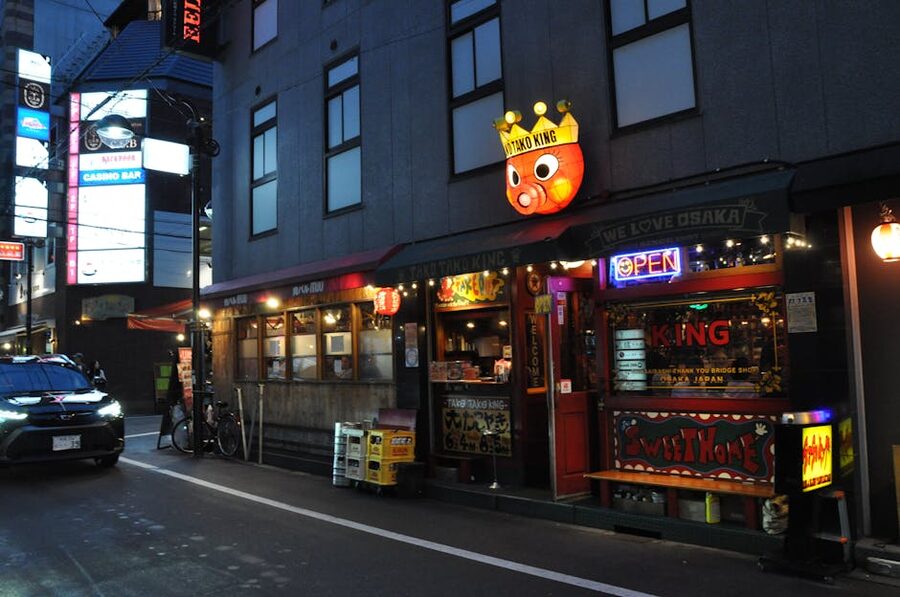
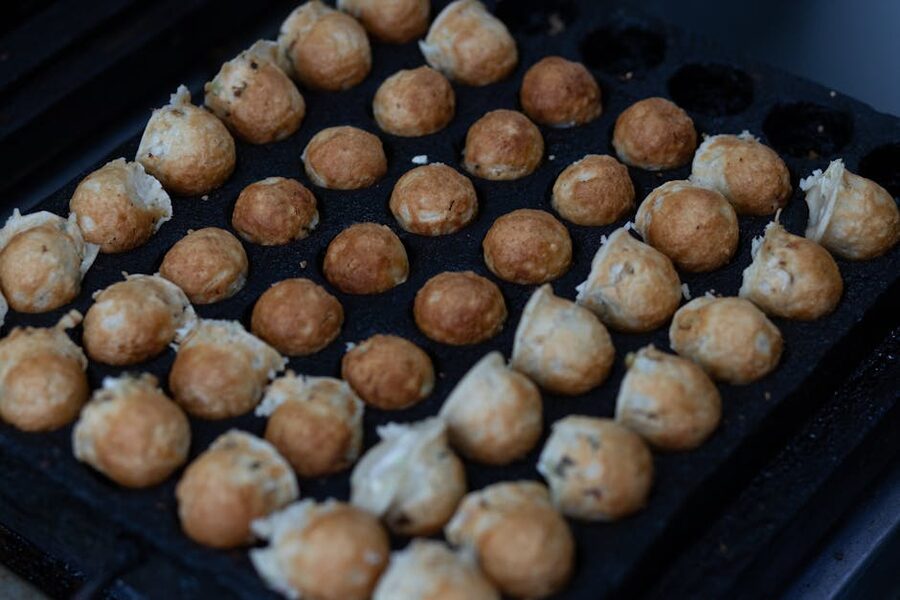
Before the cruise — eat: Dotonbori is Osaka’s street food epicentre. Takoyaki (octopus balls), okonomiyaki (savoury pancakes), kushikatsu (deep-fried skewers), and gyoza are all within a 2-minute walk of the boarding point. Our Osaka food tour guide covers the best options. Eat first, cruise second — the boat rocks gently and a full stomach handles it better than an empty one.
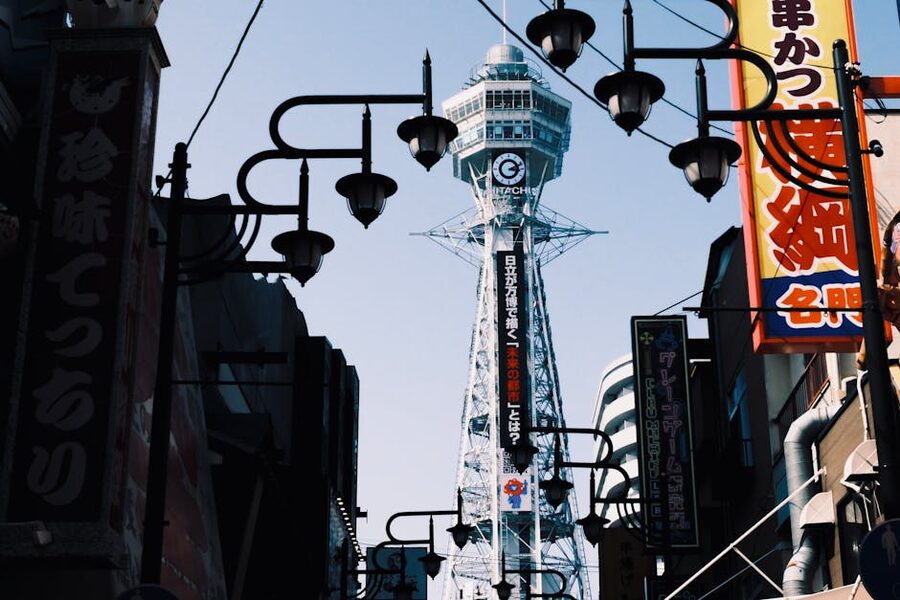
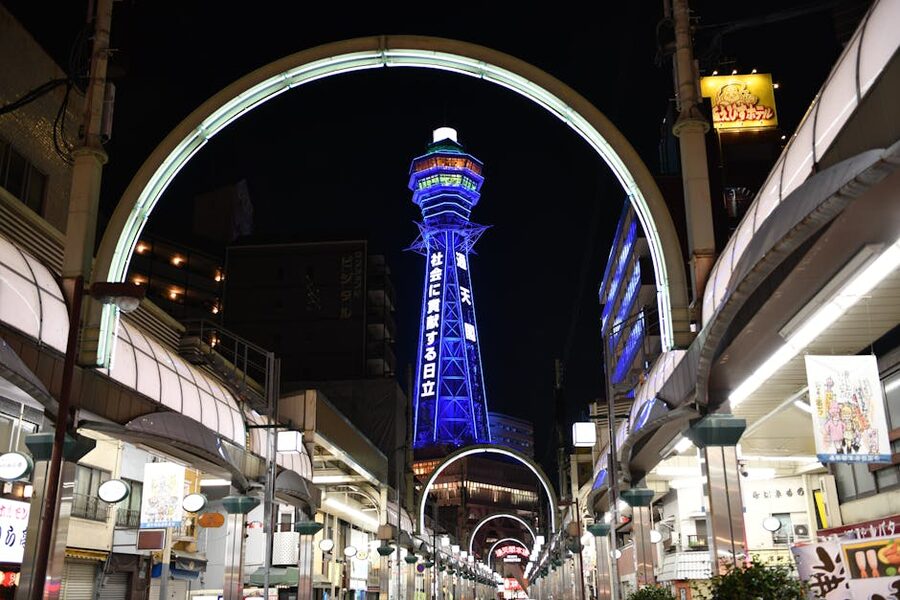
After the cruise — explore: Walk the canal-side promenade (Tombori River Walk) in both directions. Head south into the Shinsekai district for retro Osaka — the Tsutenkaku Tower and its surrounding streets feel like stepping back to the 1960s. Or head east toward Nipponbashi for Den Den Town (anime, manga, electronics).
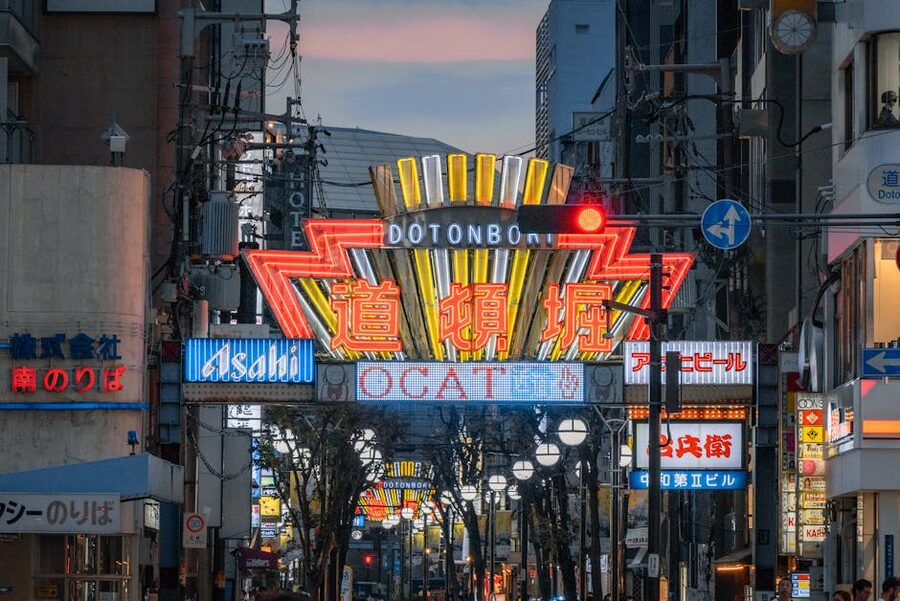
Evening plan: Osaka backstreet night tour starts in the same area and takes you into the hidden alleys that travelers miss. Or the Osaka bar hopping tour covers the best standing bars and izakayas within walking distance of the canal.
The Language Question
Most of the cruise guides speak Japanese only. This sounds like a deal-breaker but it genuinely isn’t. Here’s why.
Osaka guides are comedians. The comedy is physical — pointing at landmarks, making exaggerated faces, using props, timing their jokes to the bridge passes. The Japanese passengers laugh at the words. The international passengers laugh at the delivery. Everyone laughs at the same moments. I’ve seen this on three separate cruises and it works every time.
The landmarks are self-explanatory from the boat. The Glico Man is the Glico Man. The giant crab is a giant crab. The neon is neon. You don’t need narration to appreciate them. The guide adds comedy and context, but the visual experience stands on its own.
If English narration is essential to you, the GYG-listed cruises note which departures have multilingual options. Check the specific listing when booking.
Practical Tips
Boarding location: Most cruises board at or near Tazaemon Bridge (太左衛門橋), which is on the south side of the canal near the Glico sign. The exact location is on your booking confirmation. Look for the boat landing and the ticket booth.
Weather: The boats are open-topped. Rain cancels the cruise (you’ll get a refund). On windy days, the boats still run but it’s chilly — especially evening cruises. Bring a light layer.
Seating: First-come on the boat. No assigned seats. Board early if you want the front. The middle seats have the most stable ride. The back seats are closest to the guide.
Photography: Keep your phone secure. The boat rocks when it accelerates and when it passes under bridges. A phone in the Dotonbori canal is a phone gone forever. Wrist straps or phone cases with lanyards are smart. The best photo opportunities come at the Glico sign, the Kani Doraku crab, and the Ebisubashi Bridge pass — the guides slow down at these points.
Accessibility: Boarding requires stepping down into the boat. The step is moderate but there are no ramps or wheelchair access. Contact the cruise operator directly for specific accessibility questions.
Price comparison: Online GYG prices ($11-14) include booking convenience and cancellation protection. Walk-up prices at the booth are 2,000 yen (about $13-14 depending on exchange rate). The difference is negligible. Online booking saves time; walk-up gives flexibility.
Getting There
Namba Station (all lines): Dotonbori is a 5-minute walk from any Namba Station exit. Follow signs to Dotonbori or just walk north from the station — you’ll hit the canal within 3 blocks.
Nipponbashi Station (Sakaisuji Line): 5-minute walk west. Good if you’re coming from the east side of Osaka.
Shinsaibashi Station (Midosuji Line): 5-minute walk south. Walk through Shinsaibashi shopping arcade and you’ll emerge at the north end of Dotonbori.
Dotonbori is central Osaka. If you’re staying in the Namba or Shinsaibashi hotel districts, it’s walking distance. From Osaka Castle, take the Chuo Line to Namba (15 minutes). From Universal Studios, take the JR line to Namba (30 minutes).
Combining the Cruise with Other Osaka Experiences
A Dotonbori cruise fits easily into a full Osaka day. Here are the best combinations.
Full day food crawl: Osaka food tour in the morning (Kuromon Market or the backstreets), Dotonbori cruise at sunset, then backstreet night tour after dark. You will eat too much. That’s the point.
Culture + fun: Osaka Castle in the morning, Osaka walking tour in the afternoon, Dotonbori cruise at sunset. The castle gives you the serious history; the cruise gives you modern Osaka.
Day trip add-on: Nara day trip (morning), back to Osaka by mid-afternoon, Dotonbori cruise in the evening. The deer and temples of Nara followed by the neon and comedy of Dotonbori is a contrast that only Japan can deliver.
Evening triple: Dotonbori cruise, Osaka bar hopping, then sumo morning training the next day. End the night with a bowl of ramen from the 24-hour stalls along the canal.
More Osaka Guides
Dotonbori is where most Osaka trips start, and for good reason. From here, our Osaka food tour guide covers the best street food experiences in the district and beyond. The backstreet night tours take you into the hidden alleys that the Dotonbori crowds don’t reach. If you’re after more traditional culture, Osaka Castle is a 15-minute train ride north. For an utterly different experience, the teamLab Botanical Garden turns nature into digital art after dark. And for a day outside the city, Nara’s deer park and ancient temples are 45 minutes east by train — a world away from Dotonbori’s neon.