The tea was so green it glowed.
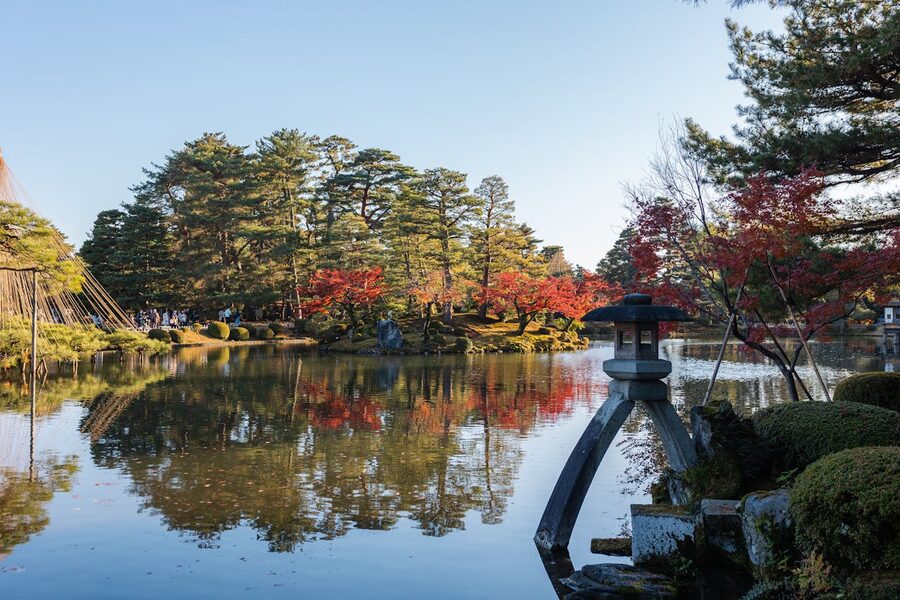
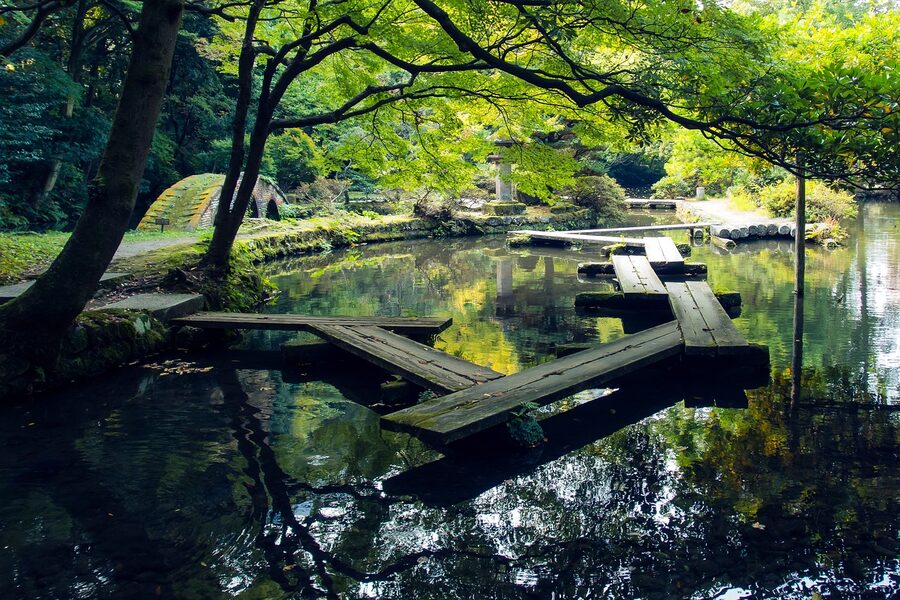
I was sitting on tatami in a wooden teahouse on the edge of Kenrokuen Garden, holding a ceramic bowl of matcha that had been whisked into a froth thick enough to hold a small leaf. Outside the open screen doors, a stone lantern stood at the edge of a pond where koi drifted in slow circles. An elderly woman in kimono knelt across from me, waiting patiently for me to take my first sip.
I had no idea what I was doing. She could tell. She smiled and gently rotated my bowl with her fingertips, showing me how to turn it before drinking. Two rotations clockwise. Drink from the front. Small sips.
The matcha was bitter, intense, and thick — nothing like the watered-down stuff in coffee shops back home. The wagashi sweet she’d placed on a lacquer tray in front of me suddenly made sense. One bite of the sweet, one sip of the tea. Bitter and sweet in a loop. That was the whole ceremony.
Kanazawa is one of Japan’s most underrated cities. While Tokyo and Kyoto get the crowds, Kanazawa quietly offers traditional culture that’s arguably better preserved — and far less crowded. The tea ceremony at Kenrokuen is the perfect example: a genuine cultural experience in a world-class garden, at a fraction of the Kyoto price, with almost no queue.
Short on time? Here’s my top pick:
Best tea ceremony: Kanazawa Kenrokuen Tea Ceremony Experience — a guided tea ceremony inside Kenrokuen Garden with matcha, wagashi sweets, and a teahouse overlooking the garden. The most reviewed Kanazawa experience for good reason.
- What You Get
- The Tour
- 1. Kanazawa Kenrokuen Tea Ceremony Experience —
- 2. Kanazawa: Tea Ceremony Experience at Kenrokuen —
- Kenrokuen Garden — Why It’s Special
- The Kenrokuen Seasons
- The History — Samurai Lords and Their Gardens
- Beyond the Garden — Kanazawa in a Day
- Tea Ceremony Etiquette (Don’t Worry)
- Practical Tips
- More Japan Experiences
What You Get
The Kenrokuen tea ceremony isn’t a full formal ceremony — those take 4 hours and require years of study to appreciate. This is a “seated tea experience” (chakai style), lasting about 20-30 minutes, designed to give you the essence of the tradition without the marathon.
Here’s the sequence:
Arrival: You enter the teahouse (built specifically for garden visitors) and are seated on tatami mats facing the garden. The screen doors are open, so you’re looking out at Kenrokuen’s ponds and trees while you sit.
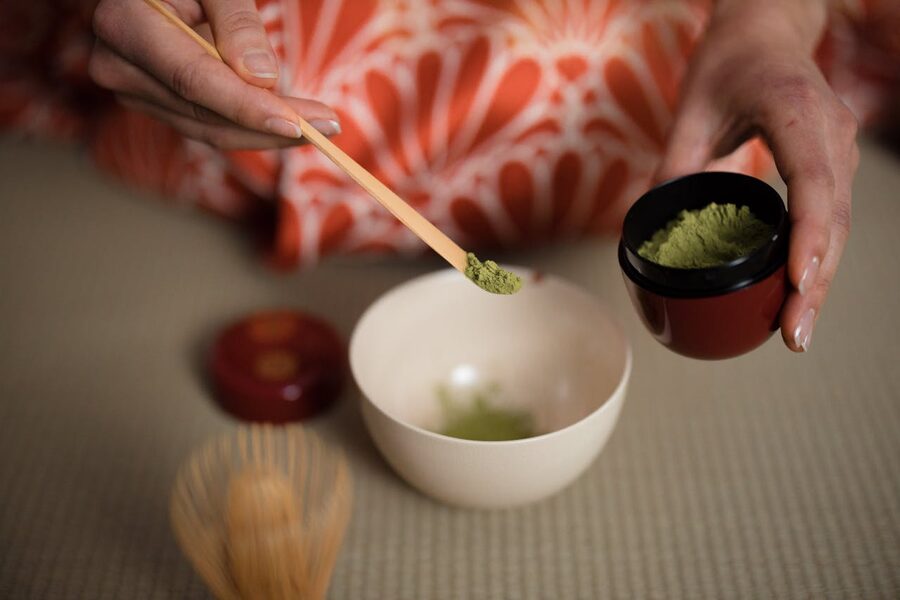
The sweet: A wagashi (traditional Japanese sweet) arrives first. It’s small, colourful, and designed to be eaten before the tea. The sweetness prepares your palate for the bitter matcha. Don’t save it for later — eat it first.
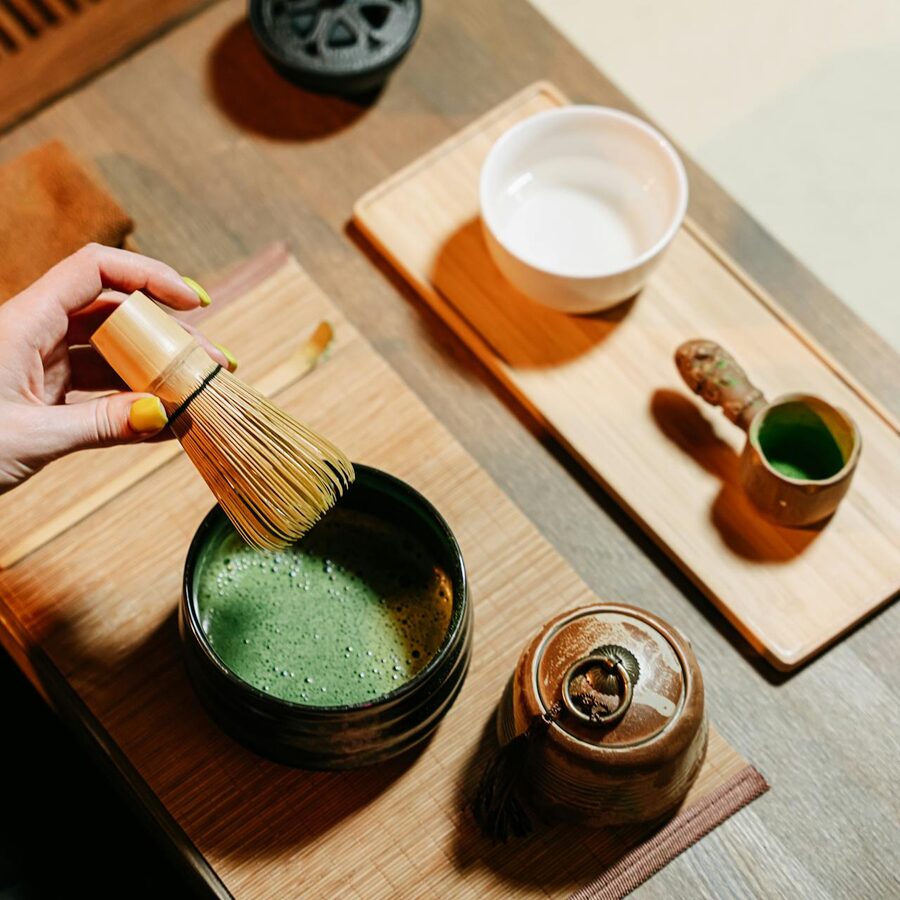
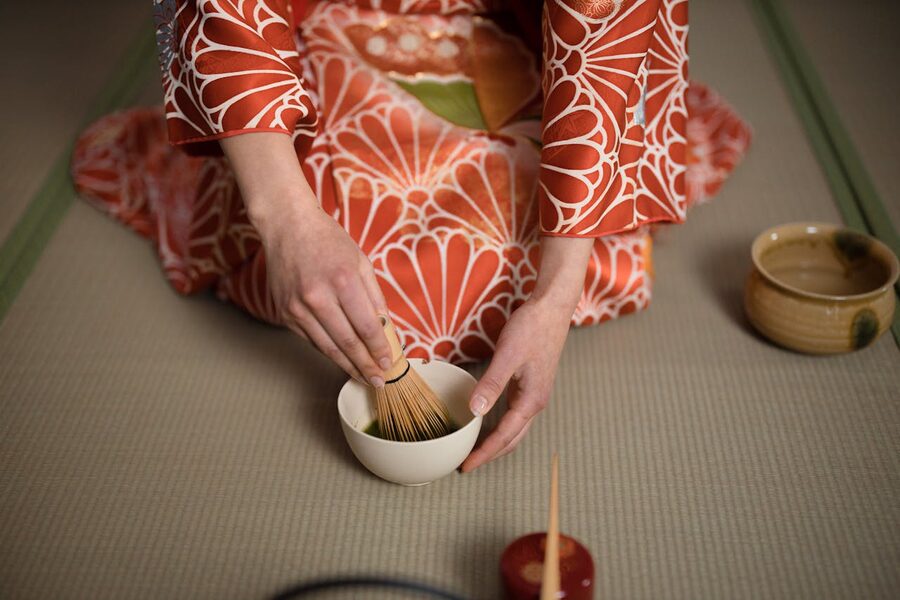
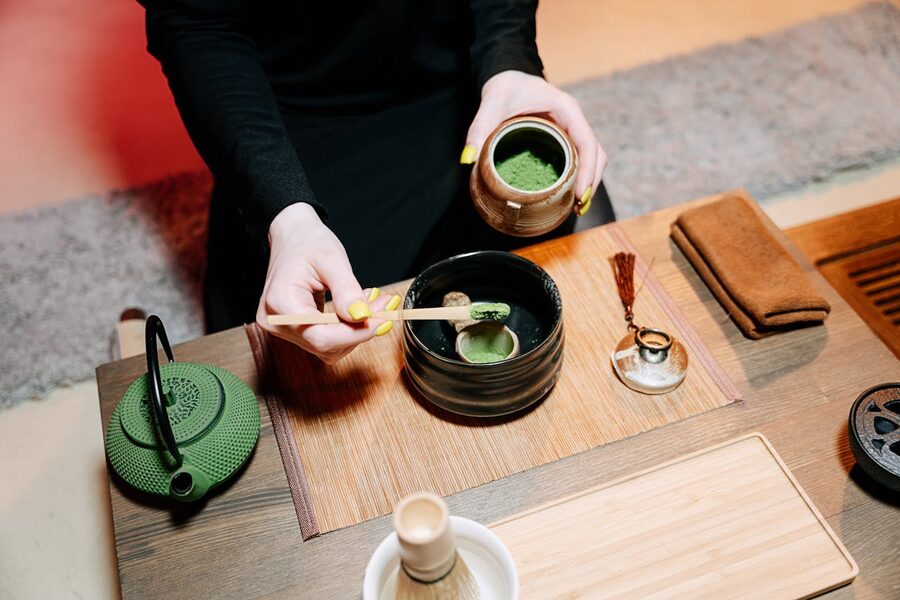
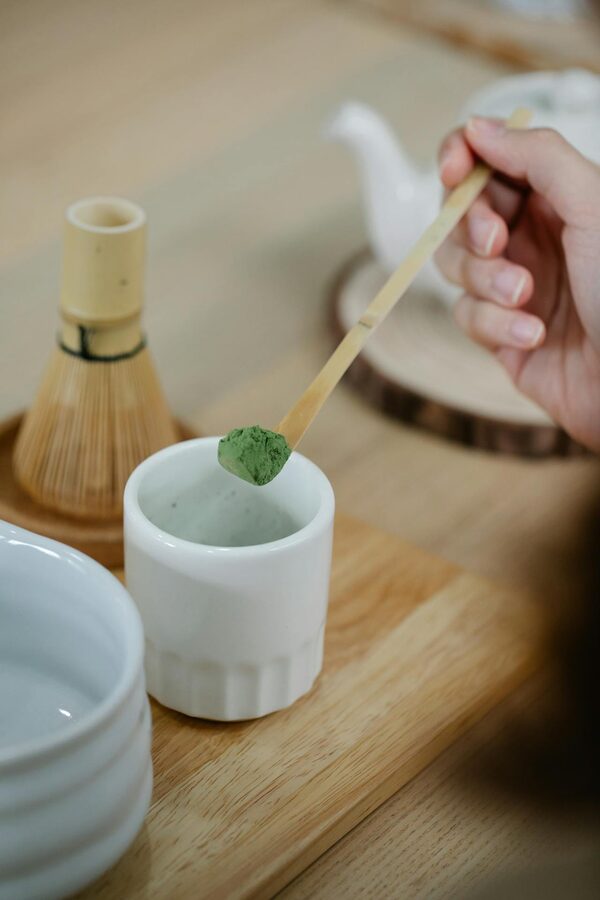
The tea: The host prepares matcha in front of you using a bamboo whisk (chasen). The tea is thick, frothy, and bright green. You’re shown how to rotate the bowl before drinking — two turns clockwise, so the decorated front of the bowl faces away from you (a gesture of humility).
The view: You sit, drink, and look at one of the most beautiful gardens in Japan. That’s it. That’s the experience. The simplicity is the point.
The Tour
1. Kanazawa Kenrokuen Tea Ceremony Experience — $35
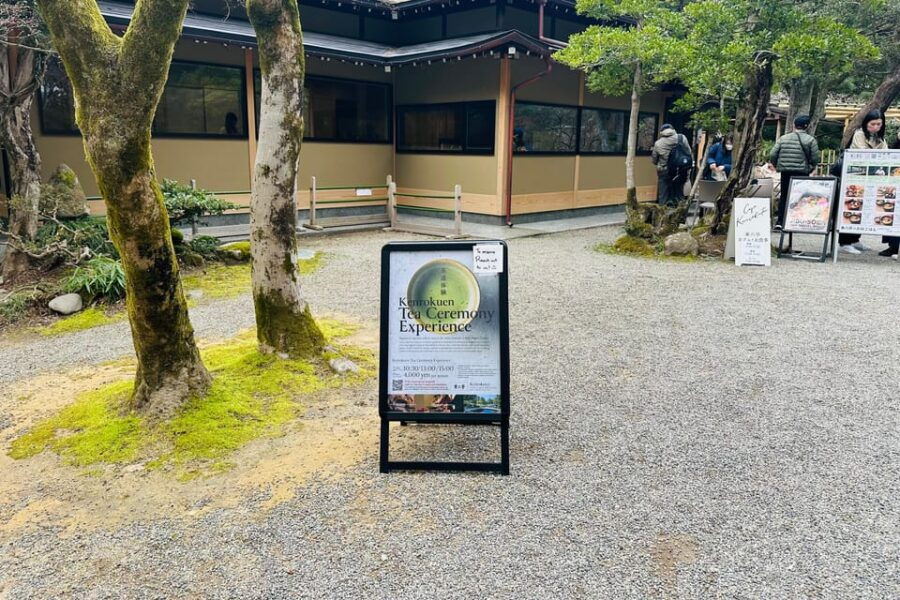
If you’ve never done a tea ceremony and you’re nervous you’ll mess up the etiquette, book this one. The host walks you through every step in English, makes gentle corrections (two rotations clockwise, never lift the bowl higher than your nose), and keeps the tone warm rather than stiff. You’re sitting on tatami looking out at Kenrokuen, and 25 minutes later you walk out understanding why Japanese people take this seriously. Our full review covers the ceremony step-by-step and what to wear.
2. Kanazawa: Tea Ceremony Experience at Kenrokuen — $29
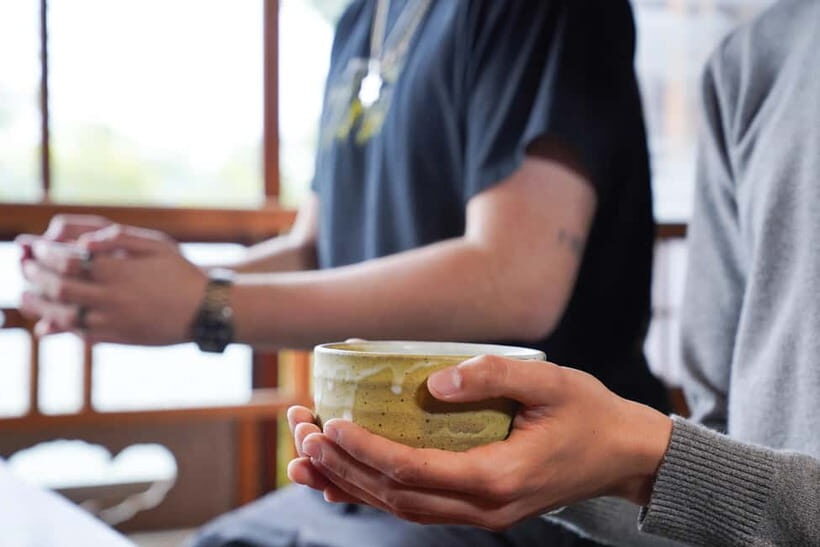
Six dollars cheaper than the headline tour and run by a different operator at a separate teahouse within the same garden. The ceremony itself follows the same structure — wagashi first, then matcha — but the room is smaller and the group feels more intimate (usually 4-6 people). Book this one if the main tour is sold out, or if you prefer a quieter room over a more established venue. Double-check the English availability before you book. Our review compares it to the main Kenrokuen tour.
Kenrokuen Garden — Why It’s Special
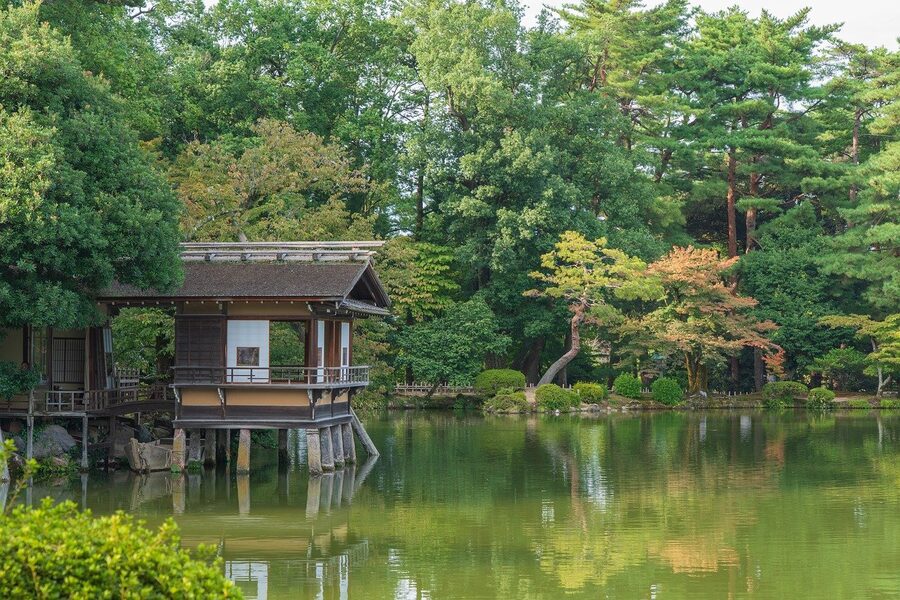
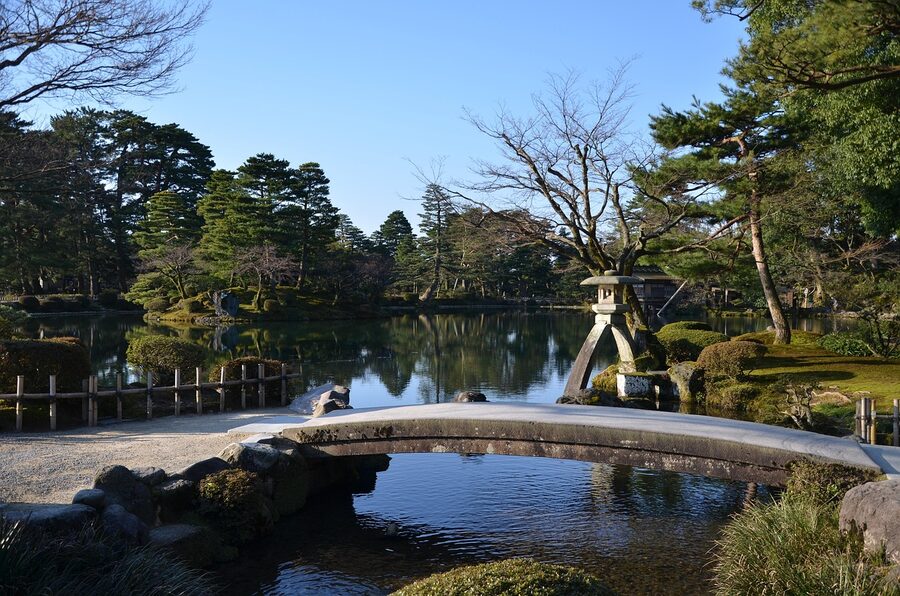
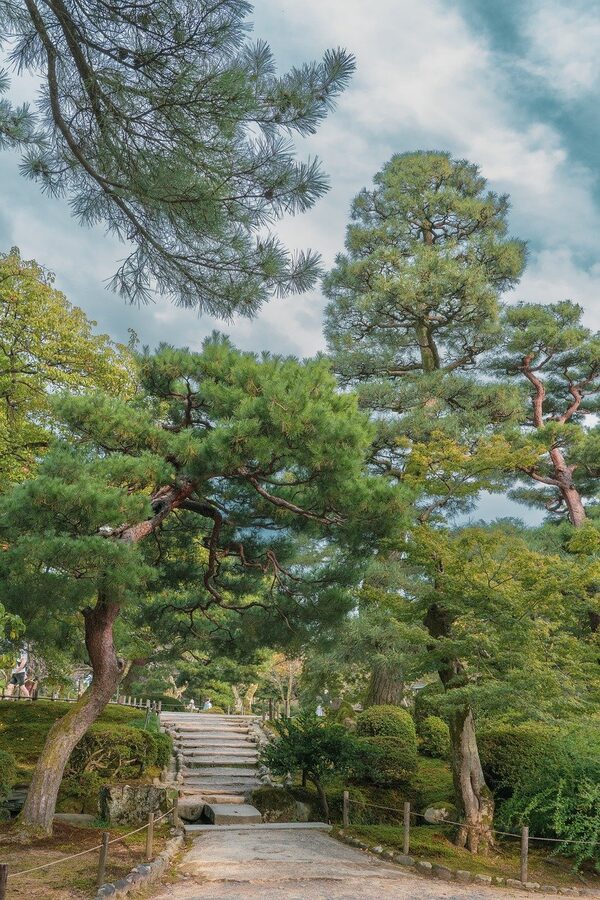
Kenrokuen is considered one of Japan’s “Three Great Gardens” alongside Kairakuen in Mito and Korakuen in Okayama. The name means “garden of six sublimities” — spaciousness, seclusion, artifice, antiquity, water features, and panoramic views. Most gardens can manage three or four. Kenrokuen somehow has all six.
The garden was built by the Maeda clan, the feudal lords who ruled Kanazawa for 300 years during the Edo period. They were the second-wealthiest feudal family in Japan (after the Tokugawa shogunate itself), and they poured that wealth into culture — gardens, tea ceremony, crafts, and the arts.
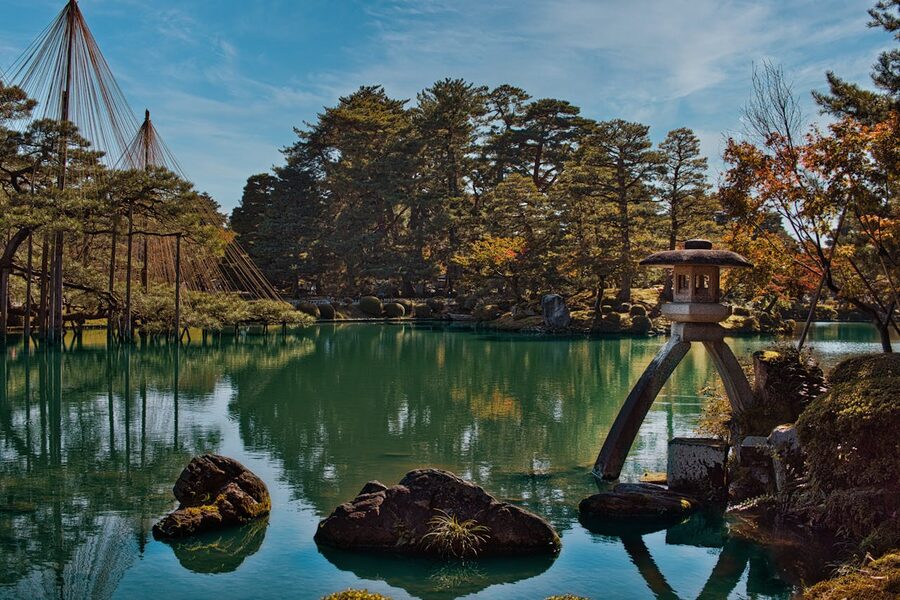
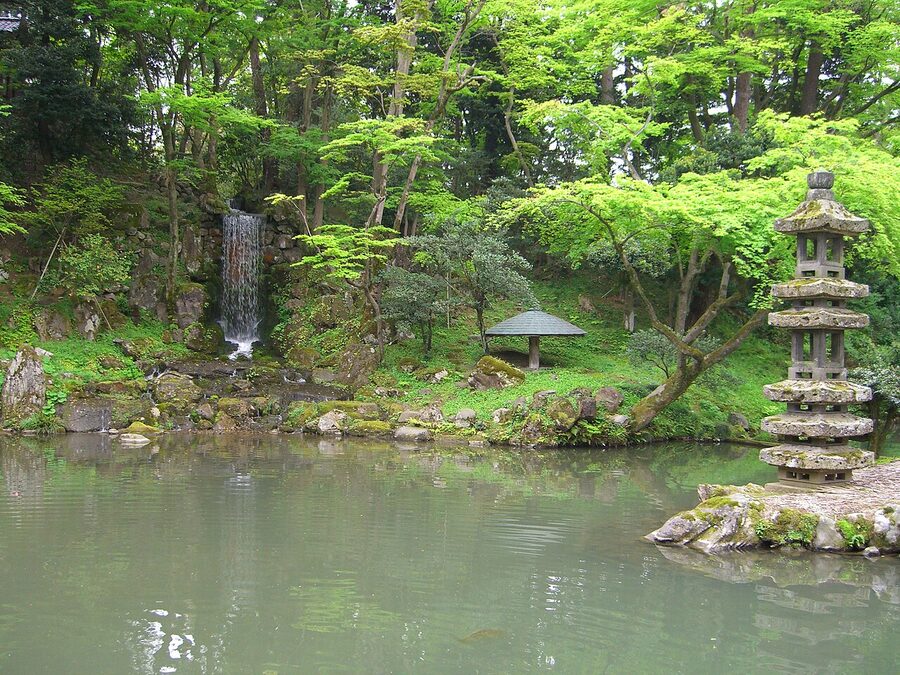
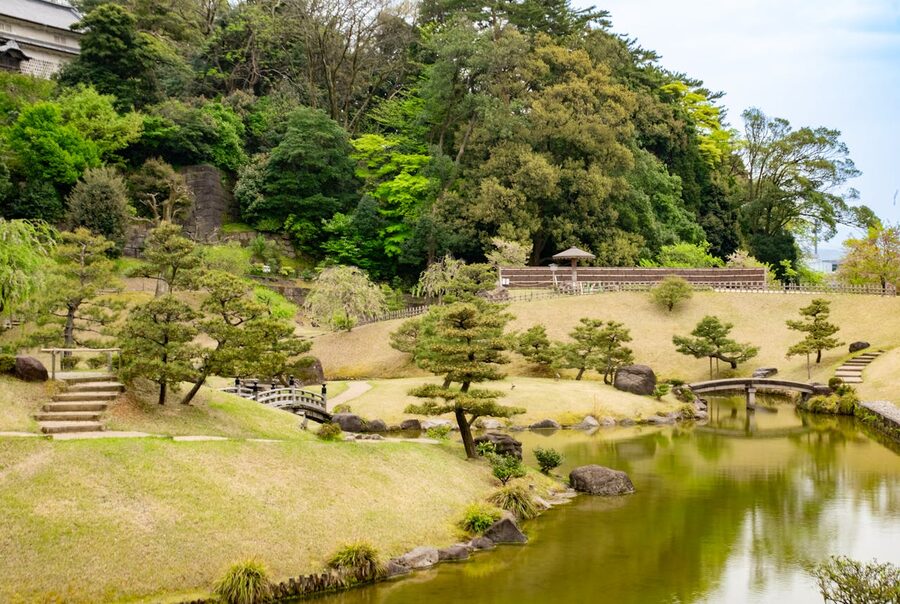
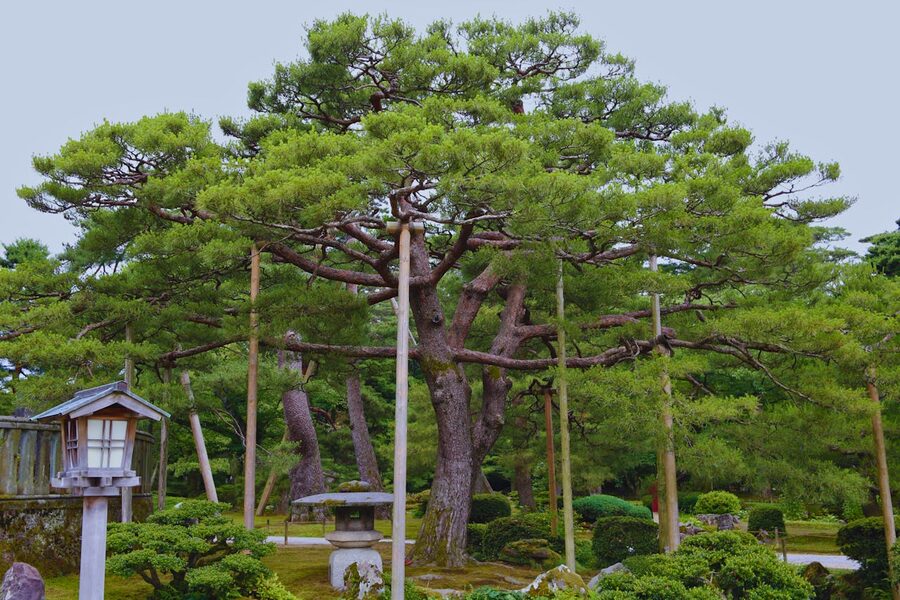
Key features: Kasumiga-ike Pond (the central pond with the famous Kotoji lantern), the Karasaki Pine (a massive pine tree propped up by 36 wooden supports), the Meiji Memorial (Japan’s oldest fountain, which runs on natural water pressure alone), and the various teahouses scattered around the grounds.
The Kenrokuen Seasons
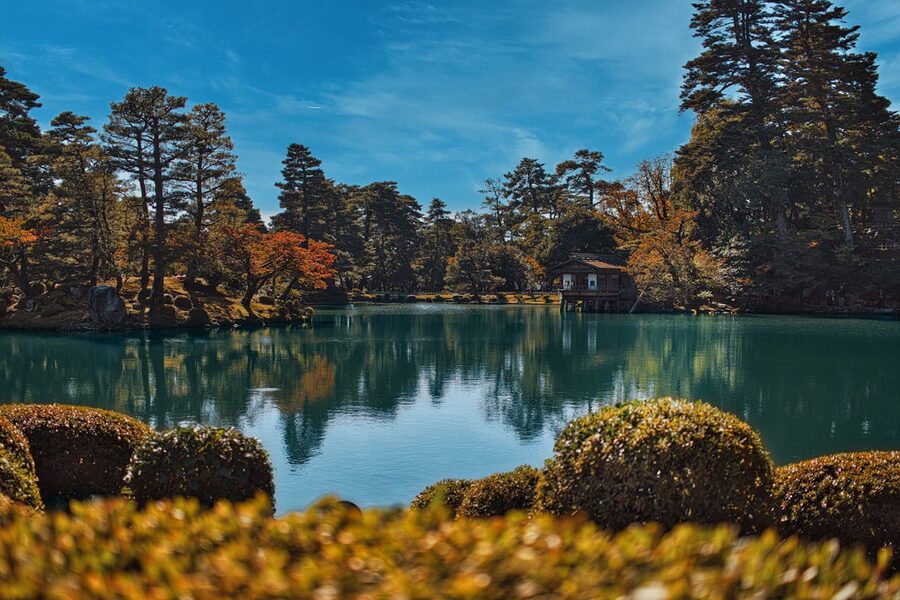
Kenrokuen changes dramatically with each season, which means the tea ceremony experience feels different every time you visit.
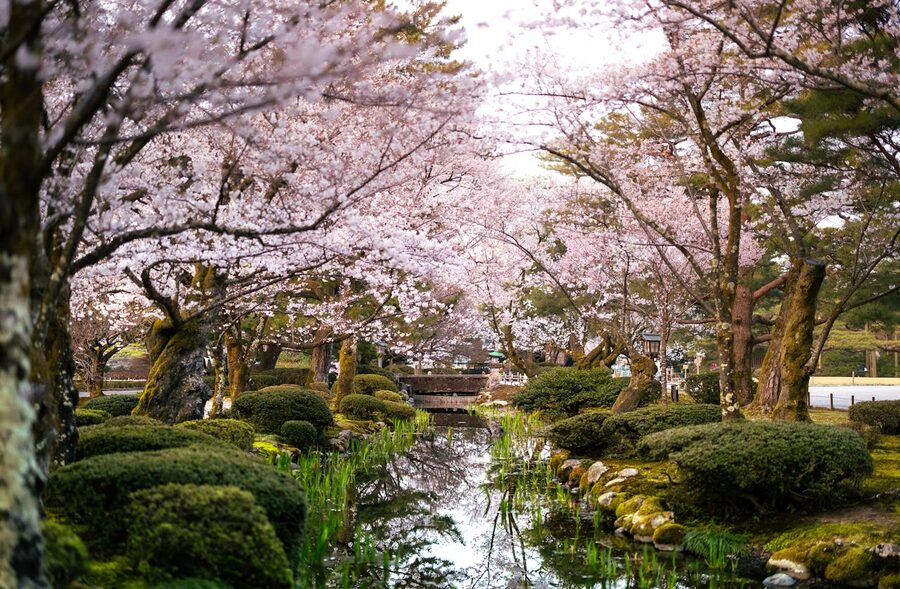
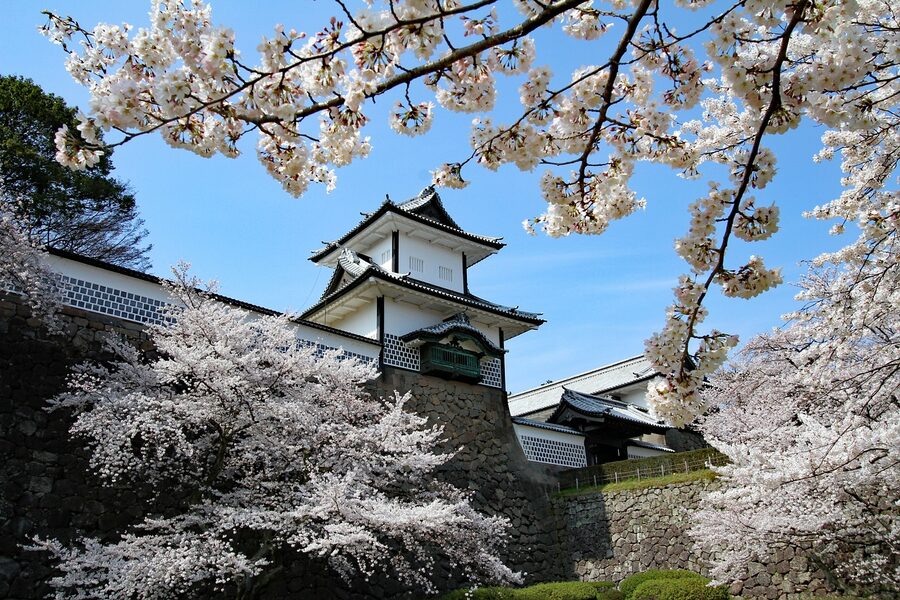
Spring (March-May): Cherry blossoms. Kenrokuen is one of the best cherry blossom spots in Japan — less crowded than Kyoto and arguably more beautiful. The plum trees bloom first (late February), then the cherry trees (mid-April). The garden opens for free during peak bloom.
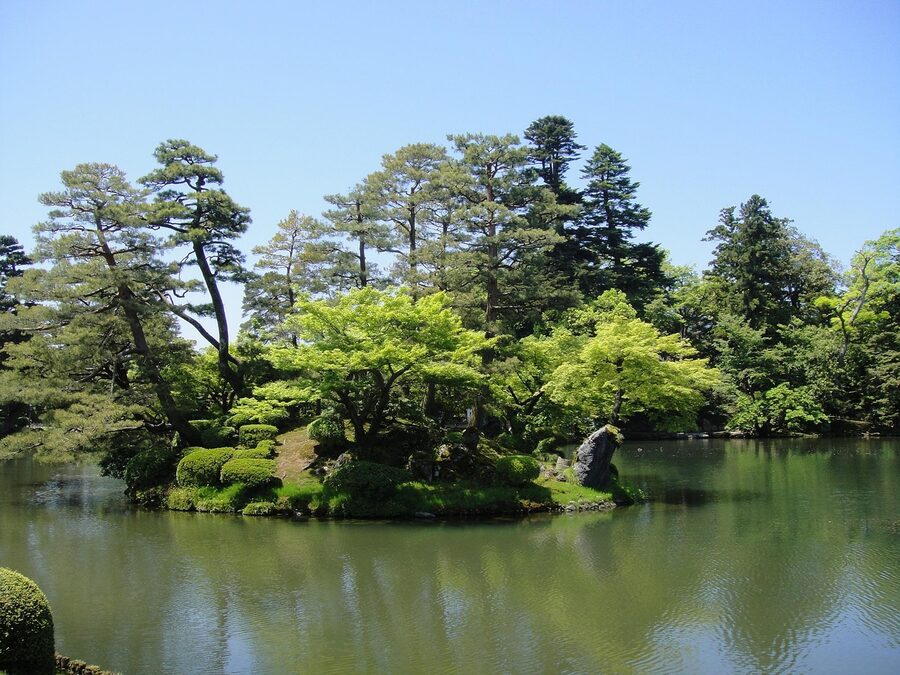
Summer (June-August): Deep green everywhere. The irises bloom around the streams in June. The garden is lush but hot and humid. Morning visits are best. The teahouse serves cold matcha in summer — same ceremony, chilled tea.
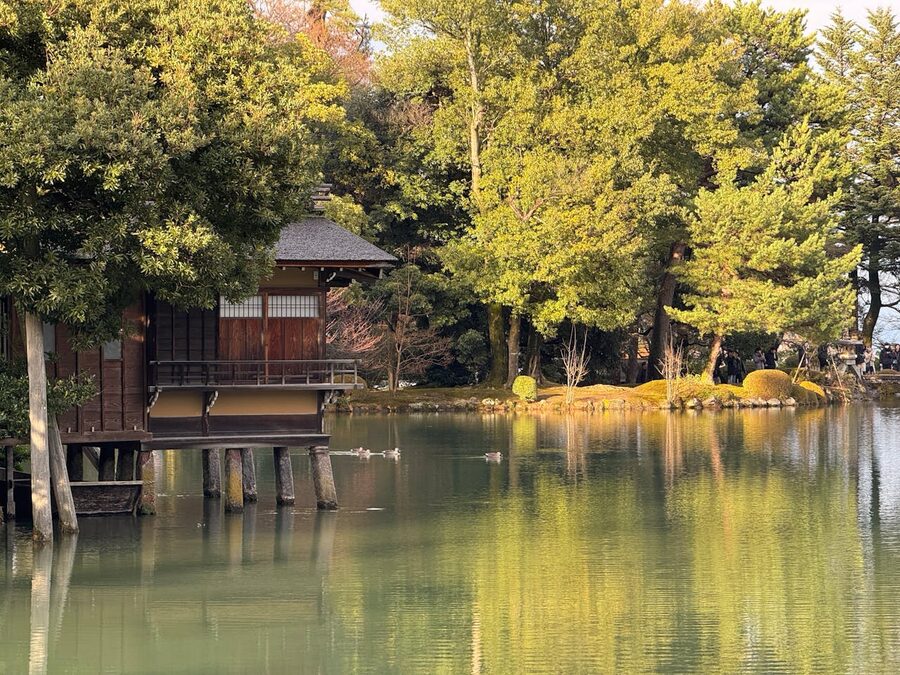
Autumn (September-November): Peak foliage. The maple trees inside the garden turn deep red and orange. Evening light-up events illuminate the autumn colours. November is the most popular month for Kanazawa visitors.
Winter (December-February): Snow on the garden is magical. The yukitsuri (cone-shaped rope supports) are installed on the pine trees to protect them from heavy snowfall, creating Kenrokuen’s most iconic visual. Tea ceremony in winter means hot matcha in a warm teahouse while snow falls on the garden outside your window.
The History — Samurai Lords and Their Gardens
Kanazawa’s story is the Maeda clan’s story. The Maeda lords controlled the Kaga Domain — the largest feudal domain in Japan outside the shogunate — from their seat at Kanazawa Castle. They had enormous wealth from rice production. But they also had a problem: the Tokugawa shoguns in Edo were suspicious of any domain powerful enough to challenge them.
The Maeda solution was brilliant: invest in culture instead of military power. Rather than building an army (which would provoke the shogunate), they poured money into tea ceremony, Noh theatre, pottery, gold leaf craftsmanship, and garden design. This made them appear refined and non-threatening while actually making Kanazawa one of the most culturally rich cities in Japan.
Kenrokuen was the centrepiece of this strategy. Started in the 1620s as a private pleasure garden for the lord’s family, it was expanded over 200 years into the masterpiece you see today. Every successive lord added something — a new pond, a new teahouse, a new planting scheme. The result is a garden that represents seven generations of aristocratic taste.
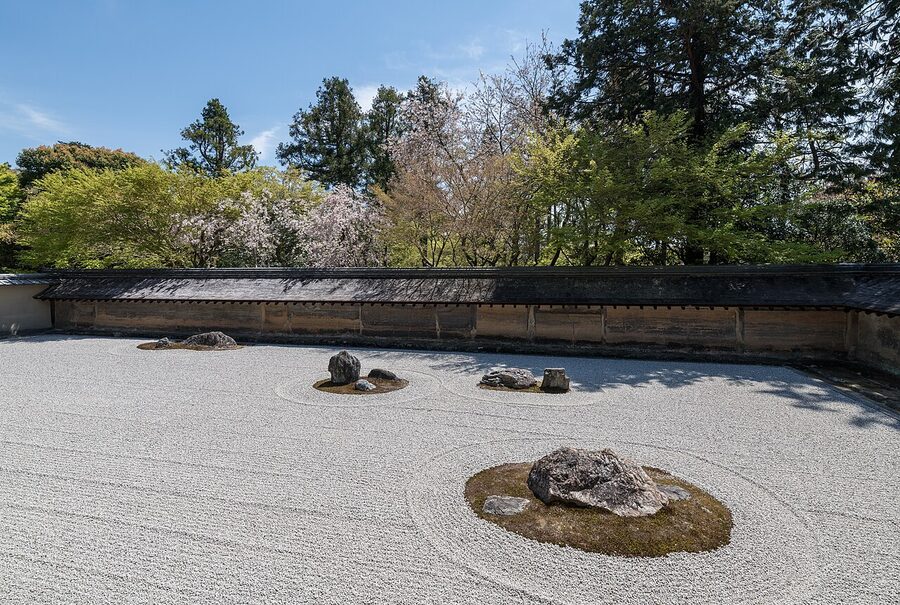
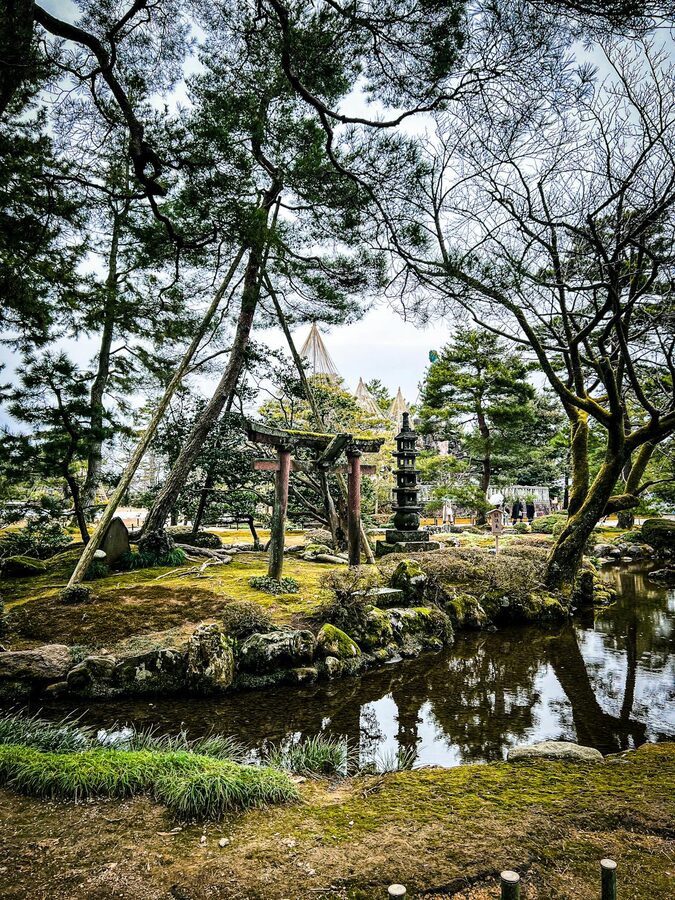
When you sit in the Kenrokuen teahouse drinking matcha, you’re doing exactly what the Maeda lords and their guests did for centuries. The teahouse, the garden, the ceremony — the whole setup was designed for this moment. The difference is that in 1800, you needed to be a samurai lord’s personal guest. Now it costs $35.
Beyond the Garden — Kanazawa in a Day
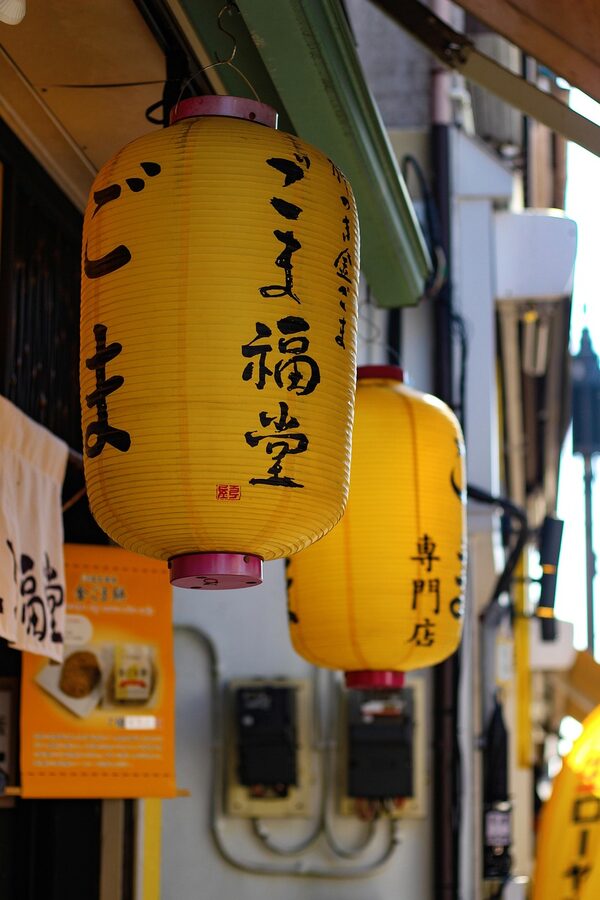
Kanazawa has enough to fill 2-3 days, but here’s how to pack the highlights into one day alongside the tea ceremony:
Morning: Kenrokuen Garden + tea ceremony (arrive when the garden opens at 7am for the quietest experience).
Mid-morning: Kanazawa Castle Park (directly adjacent to Kenrokuen, included in the same ticket area). Walk through the castle grounds and the restored Hishi-yagura turret.
Lunch: Omicho Market — Kanazawa’s covered food market, sometimes called “Kanazawa’s kitchen.” Famous for the freshest crab, uni (sea urchin), and chirashi-don (scattered sushi bowl) in the region.
Afternoon: Higashi Chaya (eastern geisha district) — a perfectly preserved Edo-period entertainment quarter. Browse the gold leaf shops, visit a teahouse, and walk streets that look exactly like they did 200 years ago.
Late afternoon: Nagamachi samurai district — the residential quarter where Maeda-era samurai families lived. The Nomura Samurai House has a garden that’s been ranked one of the top small gardens in Japan by a US garden journal. Free to walk around the district; small entry fee for the house.
Evening: The 21st Century Museum of Contemporary Art (free general admission) or dinner at a local izakaya. Kanazawa’s food scene is driven by proximity to the Sea of Japan — the seafood is extraordinary.
Tea Ceremony Etiquette (Don’t Worry)
First: relax. The Kenrokuen experience is designed for first-timers. The host and guide know you don’t know the rules. Here’s the basics:
Sit however you can. Traditional seiza (kneeling) position is ideal but not required. Most foreigners sit cross-legged after the first minute. Nobody judges you. If you have bad knees, say so — they’ll arrange a chair.
Eat the sweet first. Pick it up with the small wooden pick provided. Eat it in 2-3 bites before the tea arrives.
Pick up the bowl with two hands. Right hand on the side, left hand underneath.
Rotate the bowl clockwise twice before drinking. This turns the decorated front away from you — it’s a small gesture of respect.
Drink in 2-3 sips. It’s a small amount. Don’t nurse it for 10 minutes.
Admire the bowl briefly after drinking. Turn it in your hands and look at it. Then place it back on the mat in front of you.
That’s it. The guide will walk you through each step. The host won’t be offended if you make mistakes. They’re happy you’re there.
Practical Tips
When to book: The tea ceremony runs multiple sessions daily. Weekend and holiday slots fill fastest. Book 3-5 days ahead, more in cherry blossom and autumn foliage seasons.
Kenrokuen admission: 320 yen for the garden itself (separate from the tour cost). The tea ceremony tour includes garden admission.
Best time of day: Early morning (first session) for the most peaceful garden. The garden opens at 7am — arriving at opening means you’ll have paths almost to yourself before the tour buses arrive around 10am.
Getting to Kanazawa: Hokuriku Shinkansen from Tokyo (2.5 hours, about 14,000 yen one way). The bullet train connection opened in 2015 and transformed Kanazawa from a sleepy regional city to one of Japan’s most accessible day trips from Tokyo.
From Kyoto: Limited express train (about 2 hours 15 minutes) via Tsuruga. A popular side-trip if you’re already in the Kansai region. Many visitors do Kyoto → Kanazawa → Tokyo or the reverse.
What to wear: Smart casual is fine. Socks are mandatory (you’ll remove shoes in the teahouse). No shorts if you want to sit comfortably on tatami.
More Japan Experiences
Kanazawa’s tea ceremony is one of the most peaceful experiences in Japan — the perfect counterpoint to the chaos of Tokyo. If you’re heading back east, our Asakusa Sensoji walking tour covers old Tokyo. The Kyoto matcha tea museum is the next step if the Kenrokuen ceremony sparks a tea obsession. For traditional arts contrast, our Kyoto geisha show guide covers another corner of Edo-period culture. The samurai kenbu sword dance shows you the martial counterpart to the tea ceremony’s stillness. If Kanazawa makes you want more gardens, Nijo Castle in Kyoto has the Ninomaru Garden designed by the same aesthetic tradition. Our Kyoto kimono rental guide is the dress-up companion — rent a kimono and visit a garden. For an entirely different Japan experience, try the Fuji-Q Highland roller coasters — the opposite of zen, but equally unforgettable. Nishiki Market food tours in Kyoto pair well with Kanazawa’s Omicho Market. And our Osaka Dotonbori cruise is the loud, neon-lit version of Kanazawa’s gentle canal walks. Kanazawa proves that the quietest places in Japan are often the most memorable.