
The first time I made ramen from scratch I cried a little.
Not from the onions — from the noodles. I had spent 20 minutes pulling dough into stringy, uneven lengths that the chef described, very kindly, as “creative.” He then reached over, folded my mess in half, and produced perfect noodles in under a minute. I asked him how long it had taken him to learn. He said nine years. That put things in perspective.
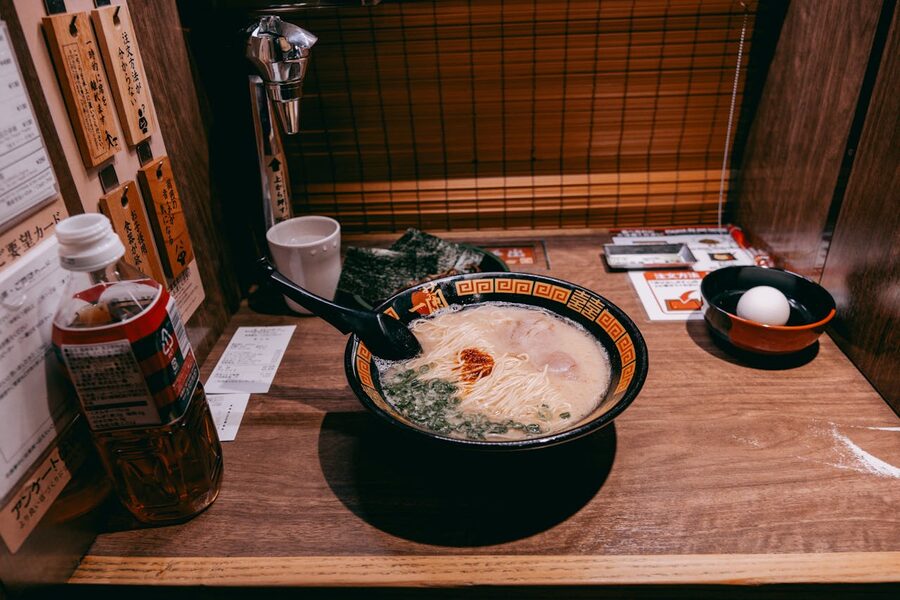
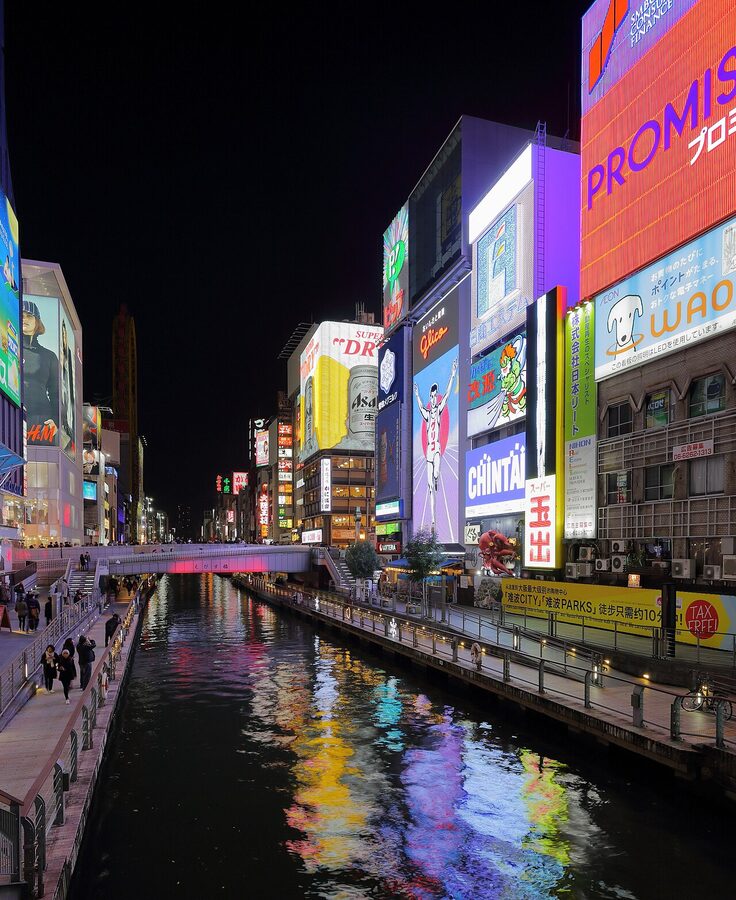
Osaka takes food more seriously than most cities in the world. The local expression is kuidaore — “eat until you drop” — and every visitor eventually gets the joke. So it makes sense that Osaka’s ramen & gyoza cooking classes are among the best in Japan.
They’re usually small (4-10 people), taught in English, and cost between $60-90. You leave with the dish you made, plus a photo, plus a surprising confidence about whether tonkotsu broth is actually that hard (spoiler: it is).
Short on time? Here are my top picks:
Best all-rounder: Osaka: Ramen and Gyoza Cooking Class in Dotonbori — the most-reviewed class in the city, central location, 2-3 hours, feeds you well.
Best for smaller groups: Ramen & Gyoza Course in Nanba — same idea, fewer people in the kitchen. Easier to ask questions.
Best quiet alternative: Osaka Castle Area Ramen-Making Experience — ramen-only (no gyoza) near Osaka Castle. You keep the shop apron as a souvenir.
- What Actually Happens in an Osaka Ramen Class
- The 3 Best Osaka Ramen & Gyoza Cooking Classes
- 1. Osaka: Ramen and Gyoza Cooking Class in Dotonbori —
- 2. Osaka: Cooking Class Ramen & Gyoza Course in Nanba —
- 3. Osaka Castle Area Ramen-Making Experience with Souvenir —
- The Ramen Styles You’ll Taste in Osaka
- Gyoza: Where Most Cooking Classes Earn Their Money
- A Short History of Ramen (and Why It Ended Up in Osaka)
- After the Class: Eating Ramen Around Osaka
- Related Japanese Noodle Traditions
- Where Your Class Will Be
- What to Wear, What to Bring, What to Expect
- More Osaka and Japan Experiences
What Actually Happens in an Osaka Ramen Class
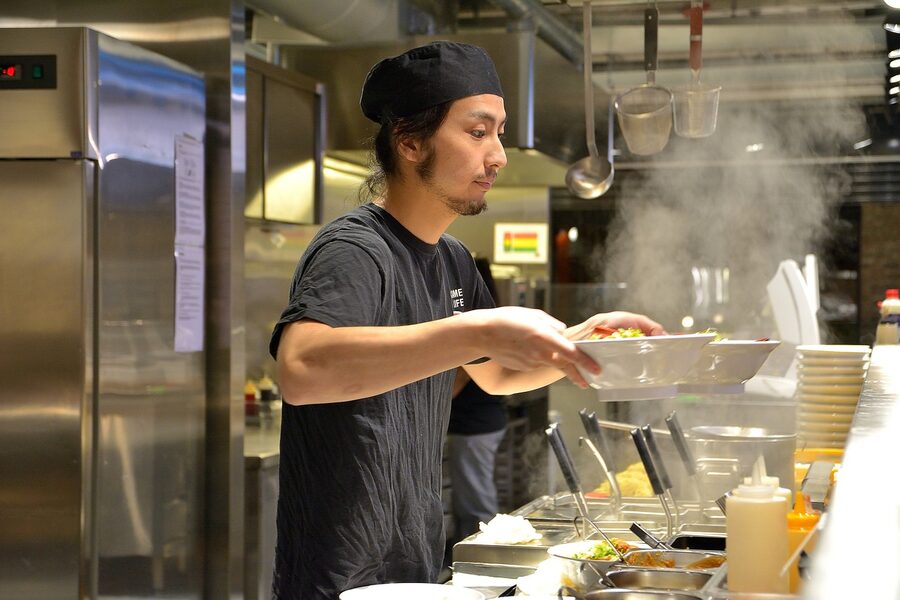
Classes run 2-3 hours and follow a similar pattern across the different operators. Understanding the arc helps you pick the right one.
The broth: You don’t make the broth from scratch — nobody can. Real tonkotsu takes 12-18 hours of boiling pork bones. The chef has pre-made the base; you adjust seasoning (salt, shoyu, miso) and add aromatics. You taste as you go. You’ll be surprised how much difference 5ml more soy sauce makes.
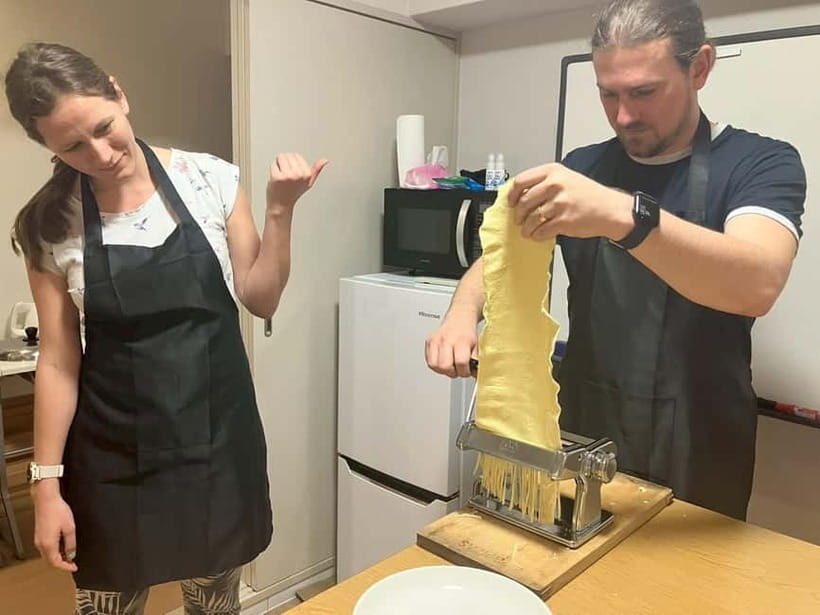
The noodles: Some classes have you make noodles from flour, water, and kansui (alkaline salt). Others provide fresh noodles and focus on cooking timing. Noodle-making from scratch is more satisfying but adds 30-40 minutes. Ask when you book if that matters to you.
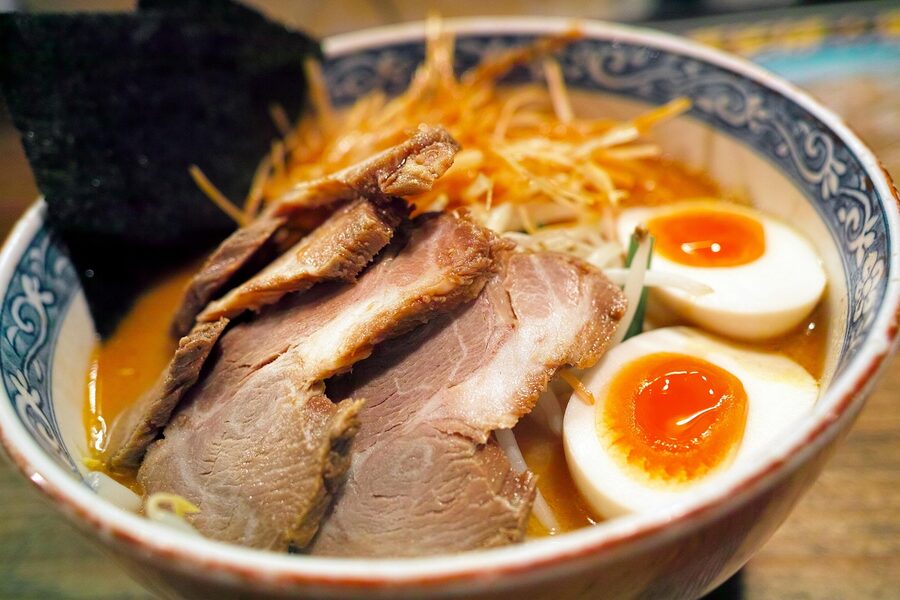
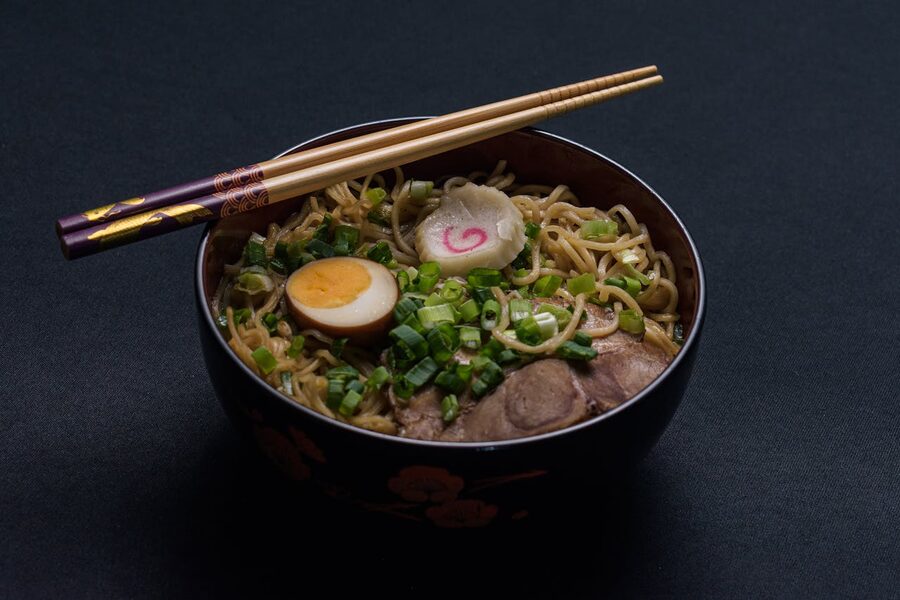
The toppings: Chashu pork (sliced), menma (fermented bamboo), soft-boiled egg, nori (seaweed), scallions. You slice, simmer, soft-cook the egg yourself. The egg is the trickiest — there’s a specific 6.5-minute window where it’s still jammy but cooked.
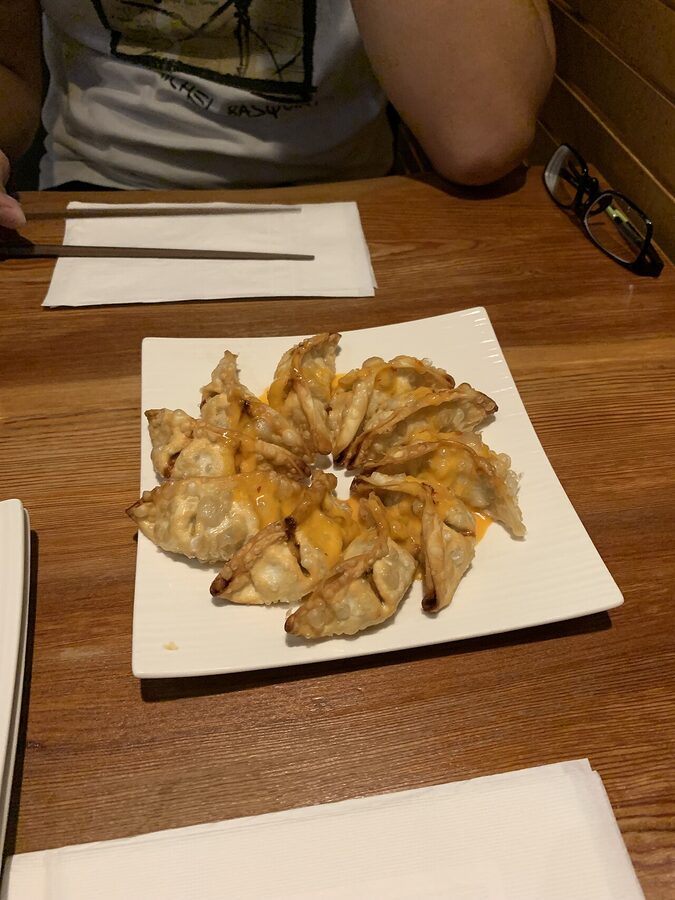
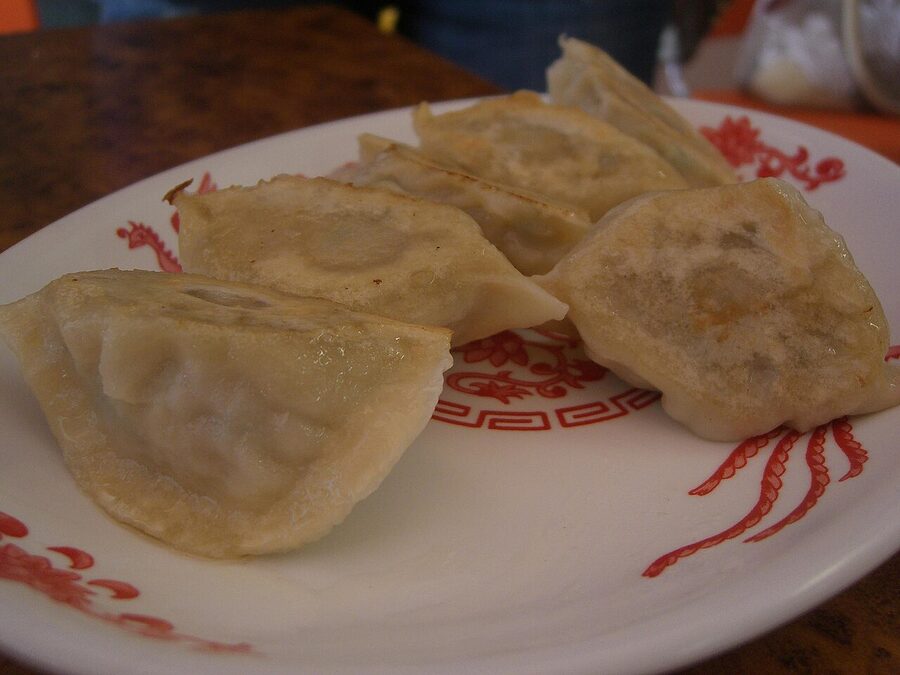
The gyoza: Usually made alongside the broth while it simmers. Mix pork and cabbage filling, pleat the wrappers (you’ll do about 12-15 of them badly, then start to get it right around #16), pan-fry with water to steam the tops while crisping the bottoms.
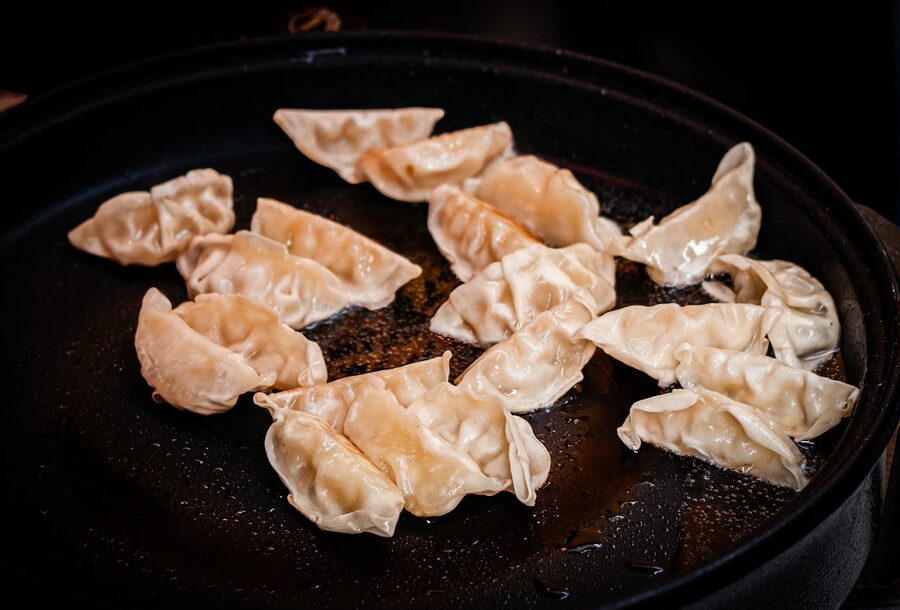
Eating: You sit down and eat what you made. Most classes include tea, some include beer or sake. Nobody cares if your noodles are uneven. They taste like you.
The 3 Best Osaka Ramen & Gyoza Cooking Classes
1. Osaka: Ramen and Gyoza Cooking Class in Dotonbori — $67
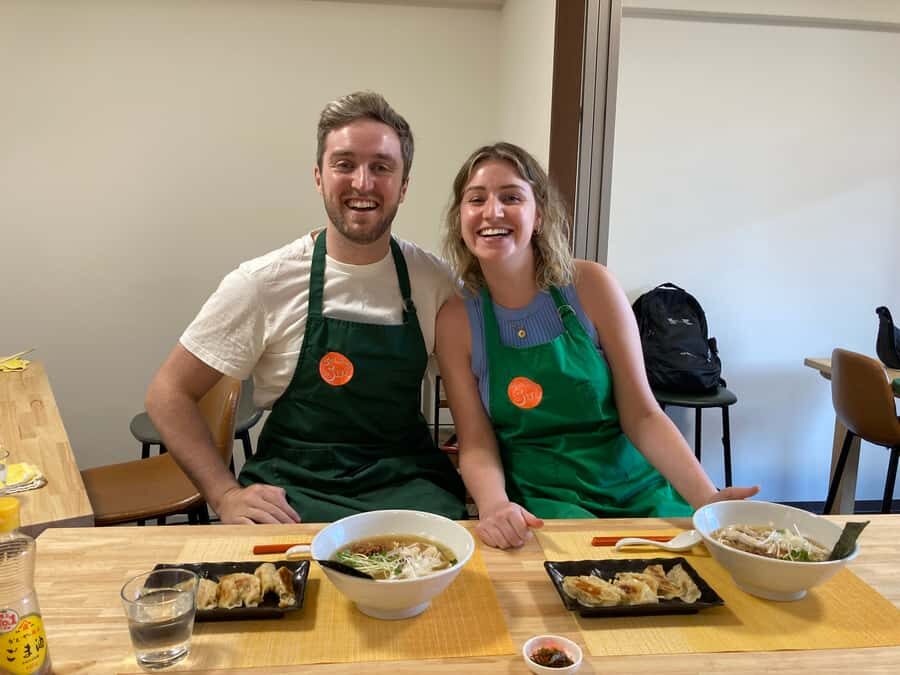
Book this one first. Central Dotonbori location, 2-3 hour session, English-speaking chef, group of up to 10. You make a full bowl of ramen plus gyoza from scratch — broth adjustment, noodle cooking, egg timing, dumpling pleating, the whole thing. The chef is patient with beginners and the kitchen is bright enough that your photos come out well. Pair it with a stroll along the Dotonbori canal for dinner-time neon and you have a full Osaka evening. Our full review covers the exact schedule and what to bring.
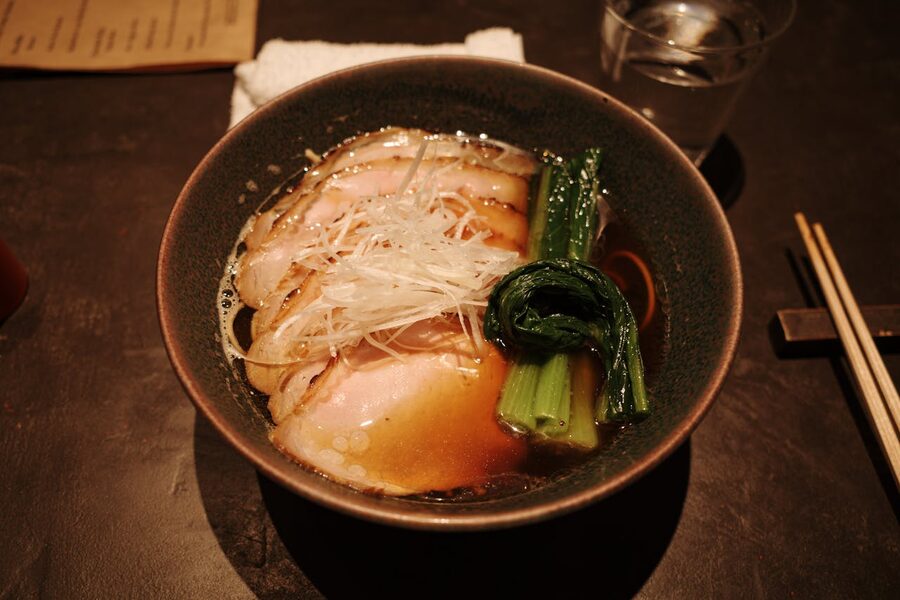
2. Osaka: Cooking Class Ramen & Gyoza Course in Nanba — $70
Three dollars more than the Dotonbori class and run by a different operator in Nanba — the same wider neighbourhood, a different kitchen. The group size stays around 4-6, which means the chef watches your pleating instead of just giving instructions to the room. If you want actual hands-on correction rather than demo-and-follow, pick this one. Good fit for solo travellers who want to interact with the chef. Our review compares it to the Dotonbori class.
3. Osaka Castle Area Ramen-Making Experience with Souvenir — $83
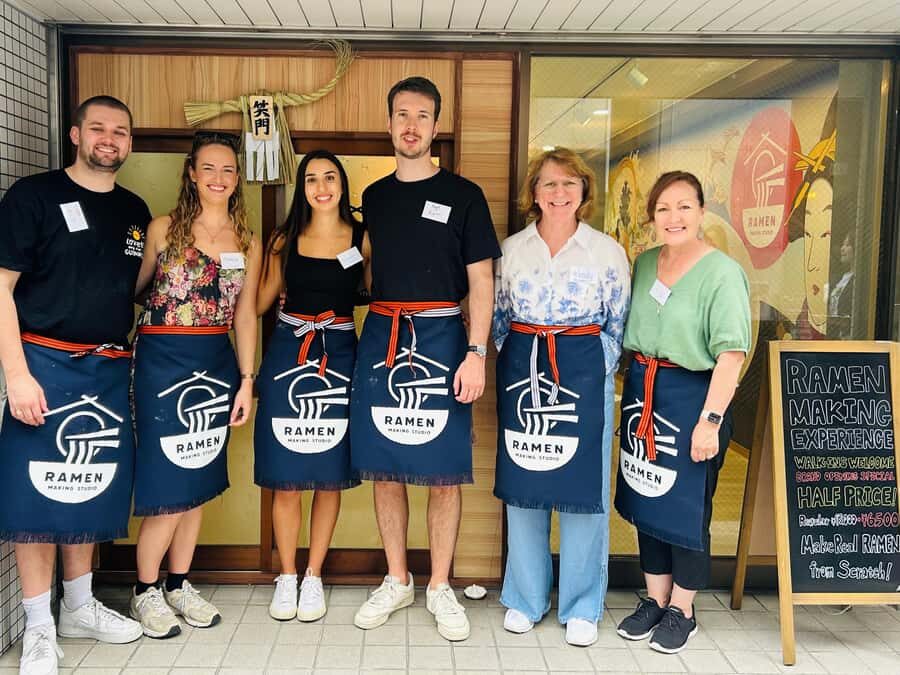
The most expensive of the three and the only one that skips gyoza entirely — you spend the saved time on the ramen itself (more noodle work, more detail on broth adjustment). Located near Osaka Castle, which means you can pair this with a castle tour and make a full day of it. You also take home the printed shop apron as a keepsake — more useful than it sounds for anyone who cooks at home. Our review explains the ramen-only format.
The Ramen Styles You’ll Taste in Osaka
Osaka doesn’t have its own signature ramen style the way Fukuoka (tonkotsu), Sapporo (miso), or Tokyo (shoyu) do. What it has is the best mashup kitchen in Japan. Osaka ramen shops borrow freely from every regional tradition, which means cooking classes here usually teach the three-or-four-way tasting approach — you learn the logic behind each broth rather than just one recipe.
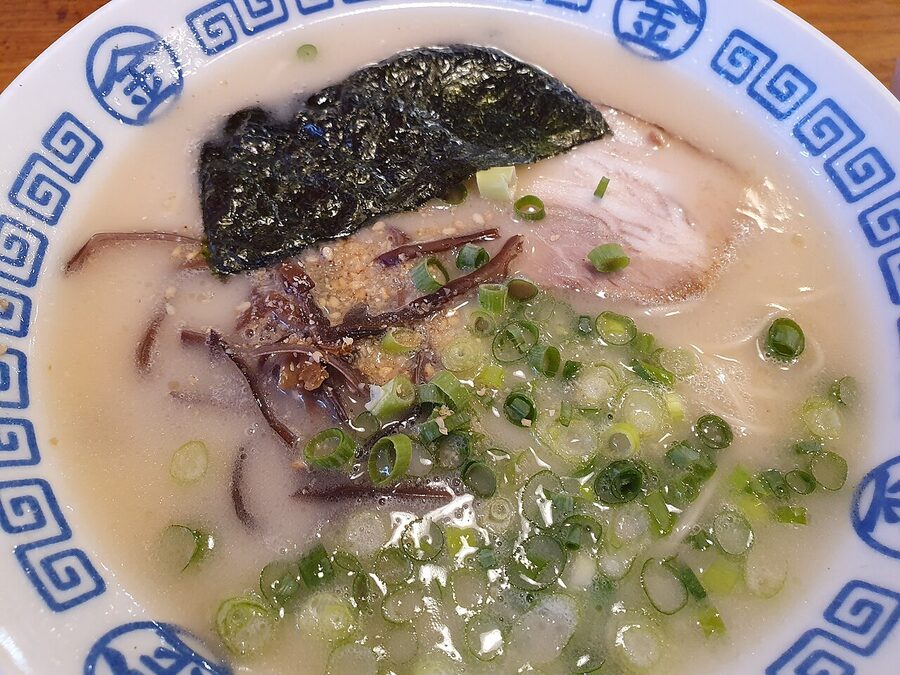
Tonkotsu (pork bone): Cloudy white, rich, almost creamy. Origin: Fukuoka/Kyushu. Takes 12-18 hours to make properly. The hardest broth to replicate at home.
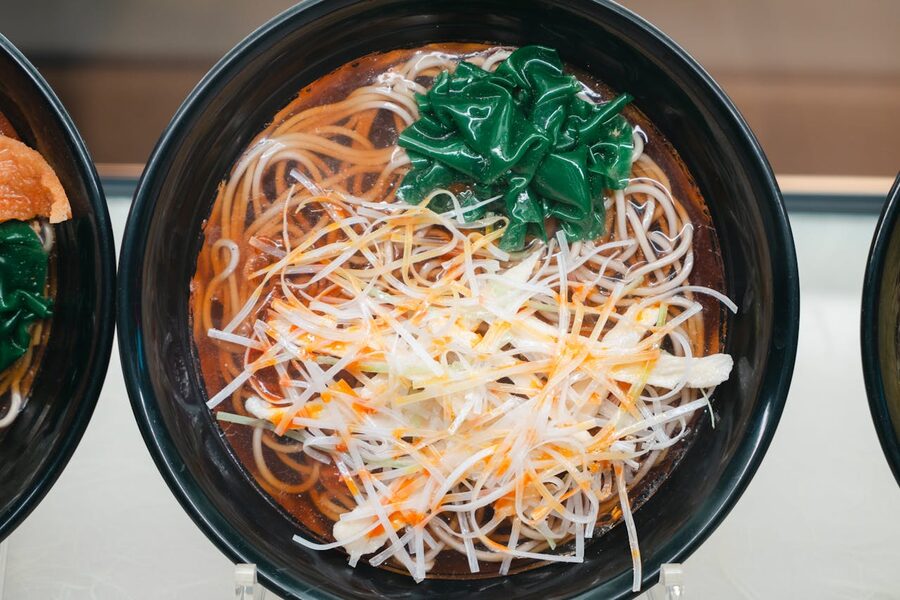
Shoyu (soy sauce): Clear brown, savoury, sharper. Origin: Tokyo. The most forgiving to cook. Most classes start beginners on shoyu.
Miso: Opaque, deep, almost nutty. Origin: Sapporo/Hokkaido. Good with corn and butter (yes, really — try it once before you judge).
Shio (salt): The lightest, simplest broth. Clean chicken or seafood base. The one most cooking classes skip because it’s harder to make memorable.
Gyoza: Where Most Cooking Classes Earn Their Money
Ramen is the headline. Gyoza is where you learn something you’ll actually cook at home.
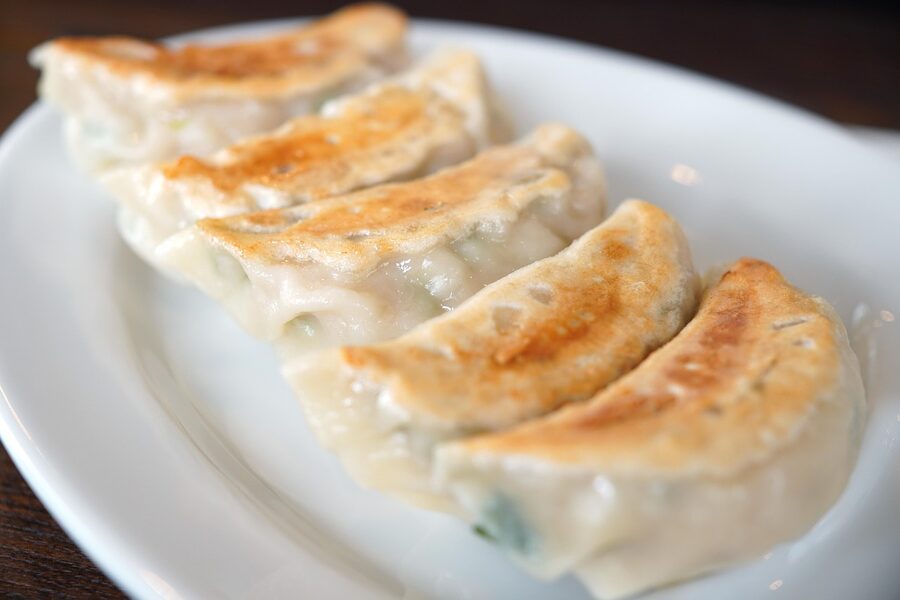
The reason: gyoza are repeatable. You can buy the wrappers in any Asian grocery. The filling is just minced pork, cabbage, garlic, ginger, sesame oil, and soy sauce. The pleating looks impossible, but after about 15-20 dumplings most people get the hang of it. The pan-fry-then-steam method transfers cleanly to any home kitchen.
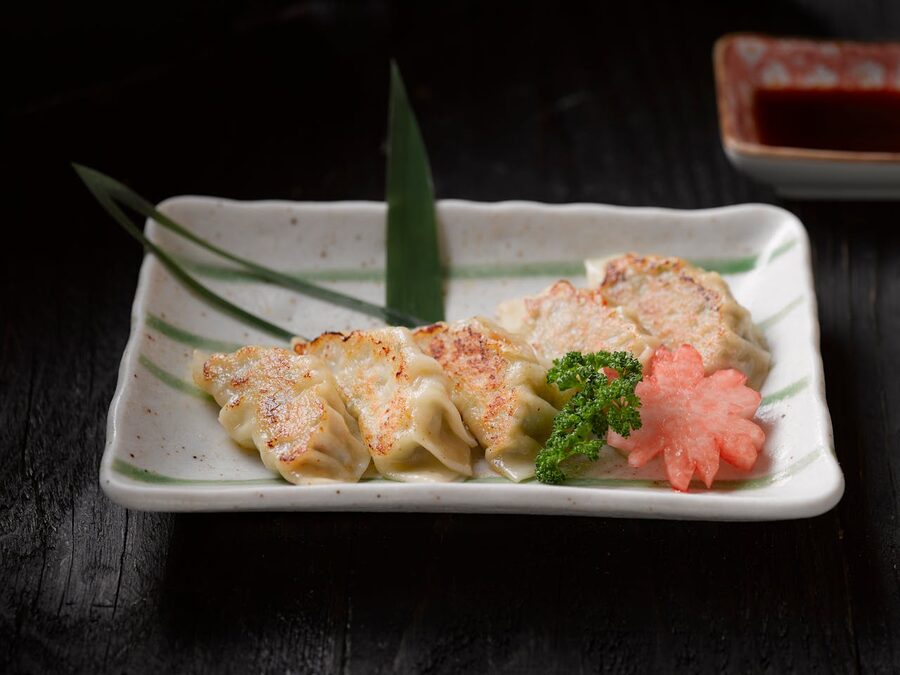
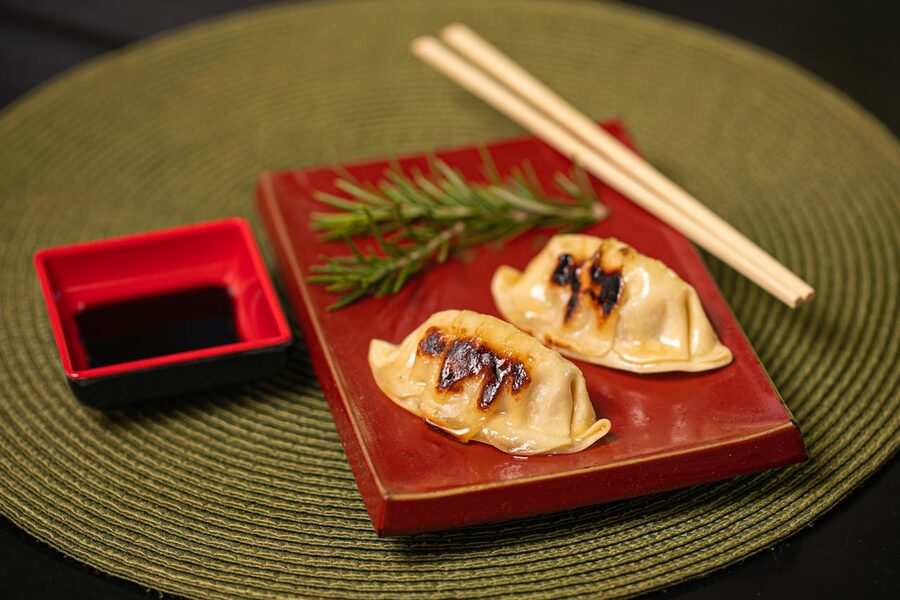
Japanese gyoza are different from Chinese dumplings in subtle but important ways: thinner wrappers, more garlic, pan-fried (not boiled), and eaten with soy sauce mixed with rice vinegar and rayu chilli oil. Good cooking classes teach the sauce ratio too — most people mix about 2:1:a-drop.
A Short History of Ramen (and Why It Ended Up in Osaka)
Ramen is not actually old. It’s a 20th-century dish — Japanese noodle shops started selling Chinese-style wheat noodles in pork broth around 1910, and the format caught on fast. By the 1950s, after post-war US wheat subsidies flooded Japan with cheap flour, ramen became a national obsession.
Each major city developed its own regional style. Tokyo went soy. Sapporo went miso. Fukuoka went tonkotsu. Osaka, being Osaka, ignored the rules and made a cuisine out of taking the best of each one. The city’s food identity is about mashing influences together and calling them local — takoyaki came from an adapted Chinese dumpling, okonomiyaki borrowed from Western griddle food, and Osaka ramen borrowed from everywhere.
This is why cooking classes here feel different from the ones in Tokyo or Kyoto: Osaka chefs are more willing to mix-and-match techniques, add local twists, and explain why. You’re learning a cuisine that’s self-aware about being a cuisine of borrowed parts — which makes the underlying logic clearer than if you’d learned pure tonkotsu in Fukuoka.
After the Class: Eating Ramen Around Osaka
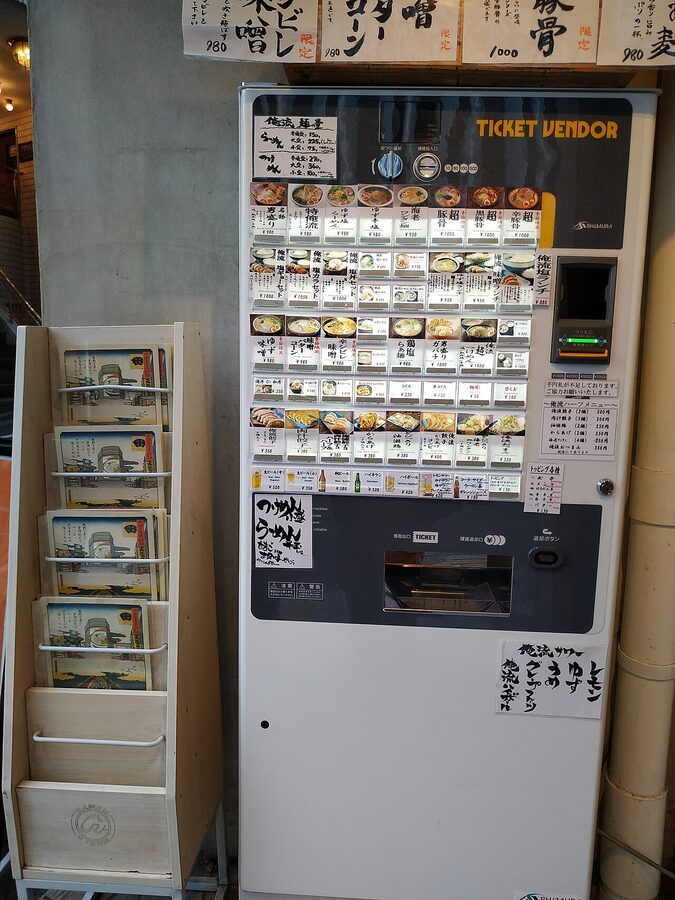
Once you’ve made ramen yourself, ordering it in a shop feels different. You notice the wrapper thickness, whether the soft-boiled egg is at the right stage, how long the broth has been sitting. You also notice how most Osaka ramen shops use a ticket vending machine at the door — you pick your bowl, pay the machine, hand the ticket to the counter, and sit down. The chef never handles money, which keeps the kitchen clean.
Osaka’s most famous ramen shop is Kinryu Ramen on Dotonbori (the one with the giant gold dragon on the sign). Open 24 hours. Tonkotsu broth. Self-serve kimchi and rice at the counter. No English menu, but the menu has three items and you’ll know the right one because everyone in Osaka has eaten here at 2am after a night out.
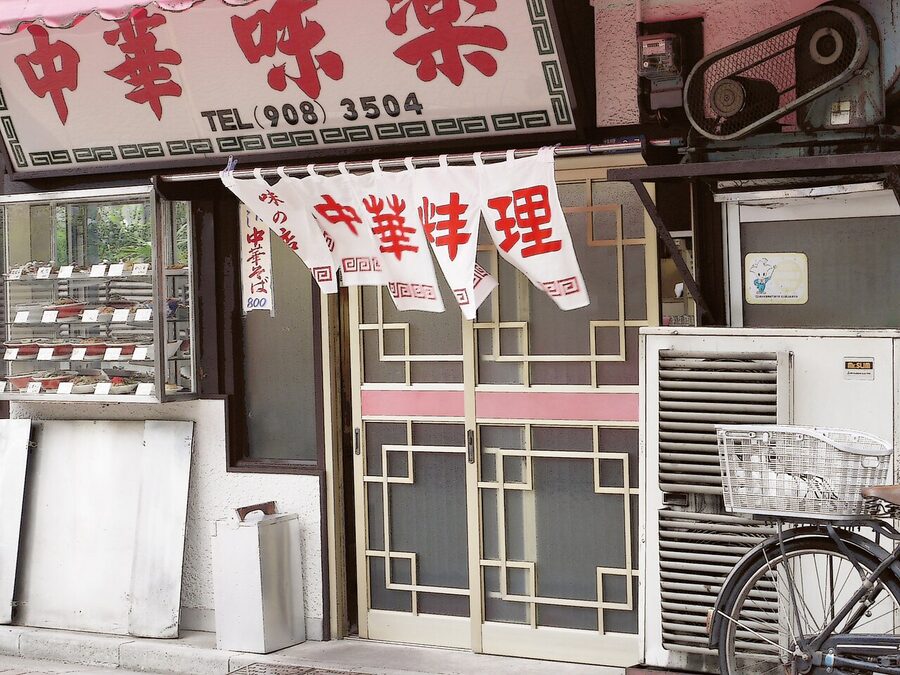
After your class, the smart move is to leave eating at real shops for the next day. You’ll taste much more because you’ve learned what to look for.
Related Japanese Noodle Traditions
While you’re in the cooking mindset, it’s worth knowing ramen is only one of Japan’s three major noodle traditions. Each has its own cooking classes across the country if you get hooked.
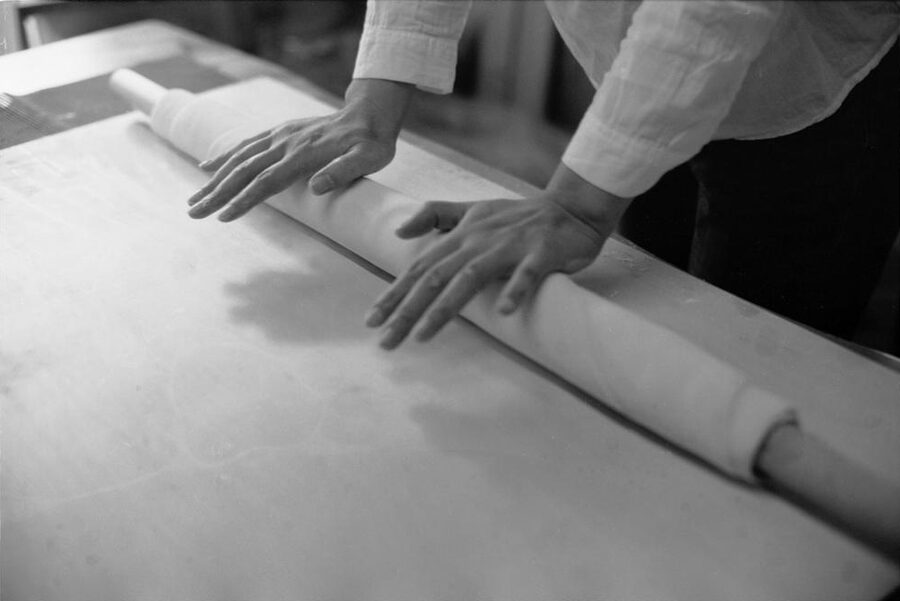
Udon: Thick wheat noodles, chewy, often served in a light dashi broth. Made from flour, water, and salt — much simpler than ramen noodles. Kagawa Prefecture (on Shikoku) is the heartland.
Soba: Buckwheat noodles, thinner and darker than udon, served hot or cold. Nagano and Yamagata are the famous regions. More of a Tokyo thing than an Osaka thing.
Ramen: Wheat noodles with kansui (alkaline salt) added — which is what gives ramen its springy yellow texture. A Chinese import that Japan made its own. Every major city has a style.
If you fall in love with one during your cooking class, a follow-up class in a different noodle style makes a great two-week Japan plan. Eat udon in Takamatsu, soba in Nagano, make ramen in Osaka, and you’ve done the full tour.
Where Your Class Will Be
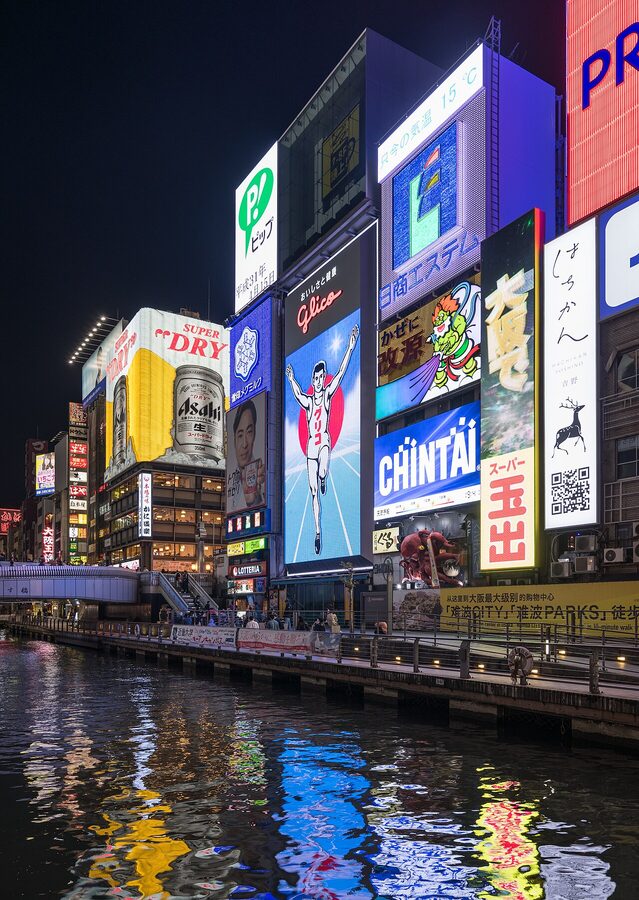
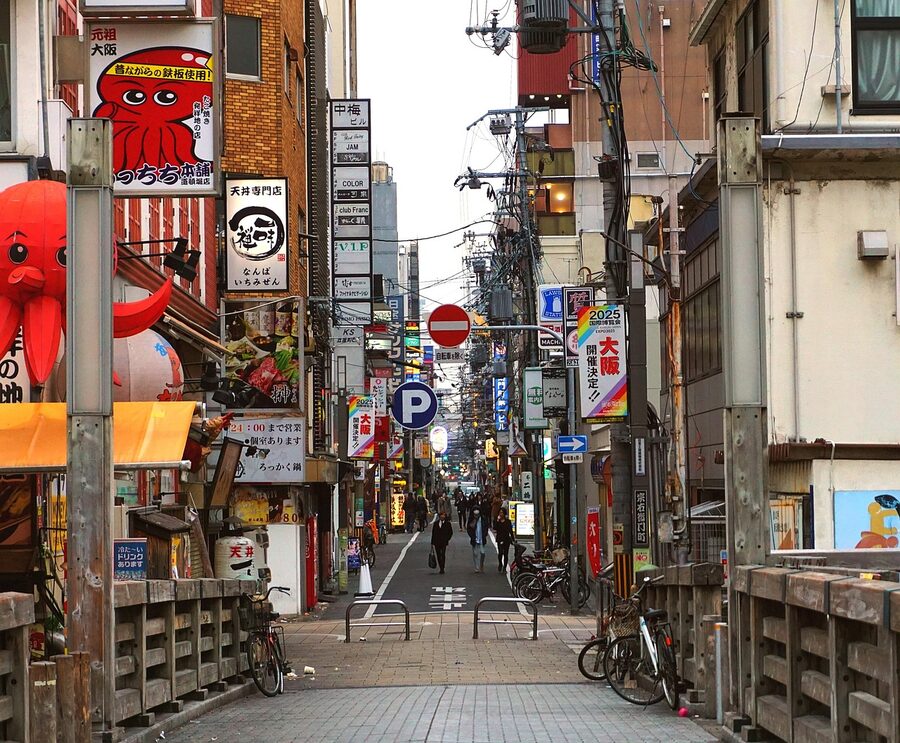
Dotonbori: The heart of Osaka’s food scene. Neon signs, canal-side crowds, and dozens of the city’s most famous restaurants. The main cooking class runs here. Easiest to reach from Namba Station.
Nanba: Nanba is the larger district that Dotonbori sits inside. The second cooking class is here, about 10 minutes’ walk from the canal. Less touristy blocks, more local shops.
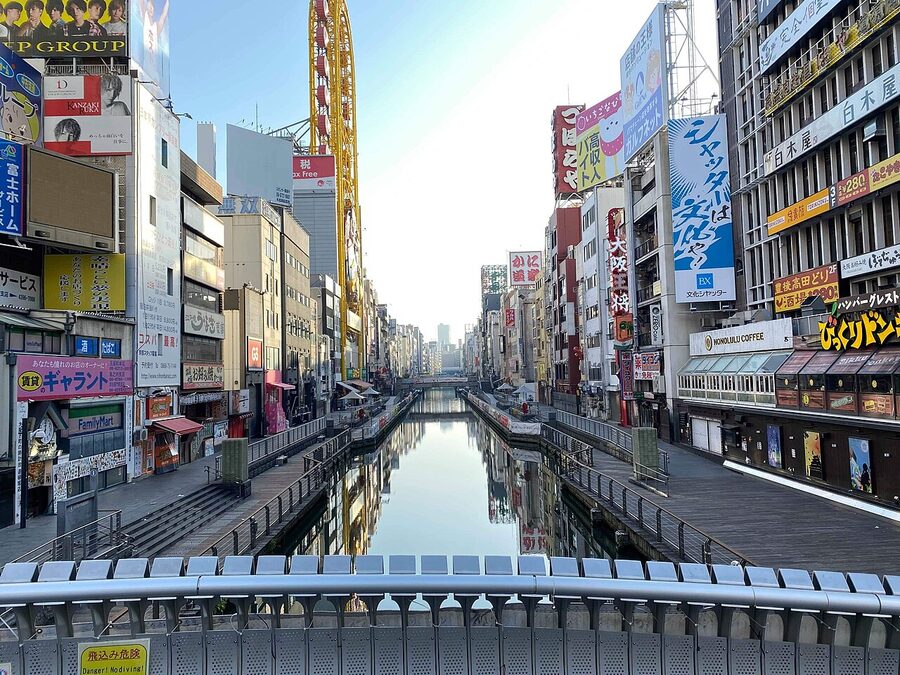
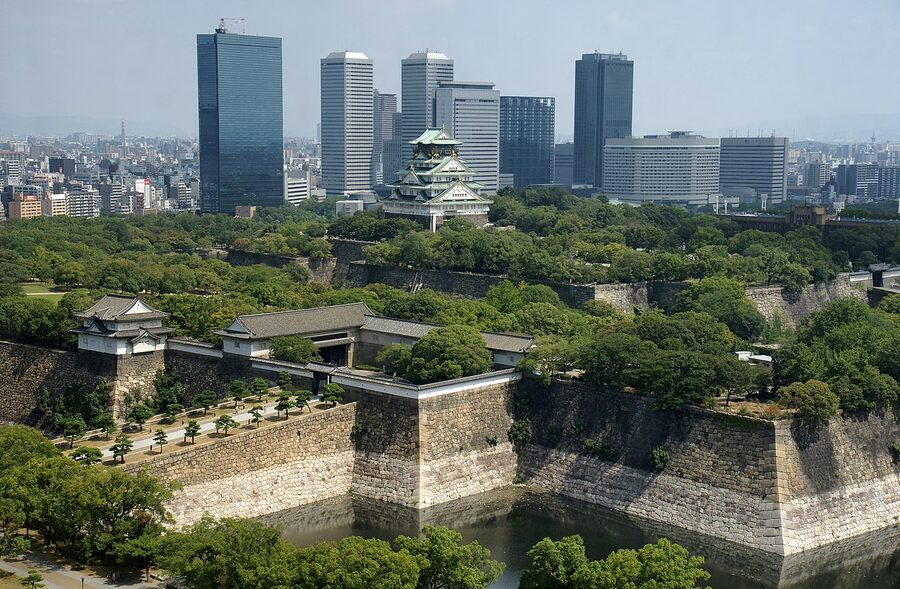
Osaka Castle area: The third class is about a 15-minute train ride from Dotonbori. Completely different vibe — quieter, more historic, green space around the castle. If you’re doing the class + castle combo, aim for castle in the morning, class around 2pm.
What to Wear, What to Bring, What to Expect
Clothes: Closed-toe shoes (kitchens spill). Short sleeves if you have them. Aprons are provided but hot-kitchen clothes help.
Allergies/Diet: Mention at booking. Gyoza can be made without pork; ramen broths often contain pork bones even in seemingly vegetarian setups, so ask for specifics. Halal and gluten-free classes exist but need advance notice.
Kids: Most operators accept children 6+ with an adult. The pan-fry step needs supervision; the pleating is a great kid activity.
Language: All three recommended classes are taught in English with a bilingual chef. Don’t expect perfect English jokes — do expect clear instruction.
Time: Block 3 hours including travel. You’ll eat what you cook, so skip lunch beforehand.
More Osaka and Japan Experiences
Osaka’s food scene is its defining feature. If ramen and gyoza click for you, the Kuromon Market food tour is the guided-tasting version — no cooking, just eating your way through Osaka’s oldest market. The Dotonbori river cruise is the quick neon introduction. For evening crawl-style eating, our Osaka backstreet night tours guide covers the streets the cooking classes don’t show you. And for height-over-food, the Umeda Sky Building views pair nicely the day after a food-heavy itinerary. If you’re headed elsewhere in Japan, the Asakusa Sensoji walking tour covers old Tokyo and the Kyoto Nishiki Market food tour is the Kyoto equivalent of Osaka’s Kuromon. Our Tokyo kintsugi workshop guide is another hands-on craft experience in the same 2-3-hour format as the cooking classes. And the Kanazawa tea ceremony is the quietest contrast to a noisy Osaka kitchen — matcha, wagashi, garden view, no chopping. Osaka is probably best done in 2 full days: one for food (cooking class + Kuromon), one for sights (castle + Umeda Sky + Dotonbori cruise). Come hungry.