
Our guide Hugo took us to a fromagerie tucked behind Notre-Dame and asked the owner to slice us a piece of comté that had been aging since before we’d booked the tour. He didn’t translate the conversation. He just watched us eat and said, “Now you understand.” That was the moment a Paris food tour earned its keep.
This guide covers what you actually get for the money, which neighbourhoods to pick (Marais vs Montmartre vs Saint-Germain), how to book the right one, and the quirks nobody mentions until you’re standing on a damp Parisian street with a bag of warm bread.
- In a Hurry? My Three Picks
- Why Book a Food Tour Instead of Just Eating
- What you’re actually getting for –150
- Pick Your Neighbourhood: Montmartre vs Marais vs Saint-Germain
- Montmartre — for first-timers and Sacré-Cœur day-trippers
- Le Marais — for serious food people and Jewish-quarter cooking
- Notre-Dame / Île Saint-Louis — for the picture-book version
- The Tours Worth Booking
- 1. Paris Montmartre or Notre Dame Small-Group Food Tasting Tour — 2.79
- 2. Paris Ultimate Food Tour — 3.91
- 3. Montmartre Walking Tour: Paris Best Art, Culture and Food — .70
- Booking Practicalities
- How far in advance to book
- Group sizes and what “small” actually means
- Pricing — what’s normal and what’s a markup
- What to Expect on the Day
- What to wear
- What to eat first
- Tipping
- Dietary Restrictions and Allergies
- Other Paris Food Experiences Worth Knowing About
- Macaron-making classes
- Cooking classes with market visit
- Wine and cheese pairings
- Bakery behind-the-scenes tours
- Best Time of Year for a Paris Food Tour
- How a Food Tour Slots Into a Paris Itinerary
- What to do the day after
- How Paris Food Tours Compare to Other Paris Activities
- Mistakes I See People Make
- Quick Q&A
- Eating Beyond the Tour
- The Other Paris Guides Worth Reading Next
In a Hurry? My Three Picks
- Best overall — Paris Montmartre or Notre Dame Small-Group Food Tasting Tour, $102.79. Pick your neighbourhood, 3.5 hours, full refund up to 24 hours. Check availability on Viator
- Best for serious eaters — Paris Ultimate Food Tour (Marais), $143.91. 11 tastings across eight spots, half-day commitment. Check availability on Viator
- Best short option — Montmartre Walking Tour: Paris Best Art, Culture and Food, $38.70. 90 minutes, art history with food bites worked in. Check availability on Viator
Why Book a Food Tour Instead of Just Eating
You can absolutely walk around Paris and eat well without a tour. The problem is figuring out which boulangerie has the actual award-winning baguette versus the one with prettier tiles. A food tour does the curation for you. Three to four hours, a small group, a guide who knows the owners.
The other thing you’re paying for is access. Some shops save their best stuff for guides — a back-of-counter pâté, a wheel of comté the guide pre-ordered, a chocolatier who normally won’t let you sample. You’re not buying the food. You’re buying the guide’s relationships.
If your trip is short and you want to compress a week of trial-and-error into one afternoon, this is the cheapest way to do it. If you’ve got two weeks and you read French menus comfortably, you can probably skip the tour and figure out boulangeries on your own. The Paris Museum Pass won’t help you find good food, but a tour will.
What you’re actually getting for $80–150
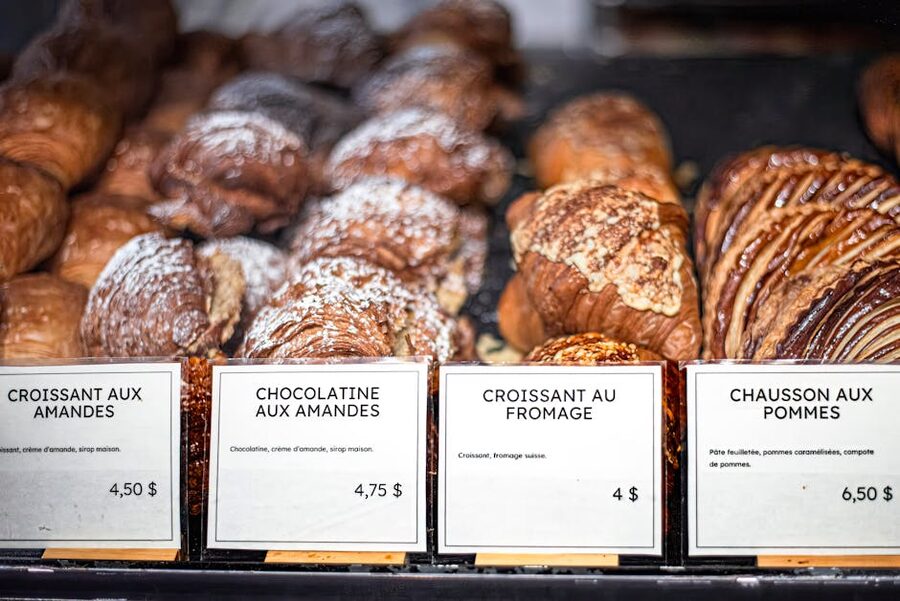
The standard format is six to eleven food stops over three to four hours. Most include at least one bakery, one cheese shop, one charcuterie, and either a wine bar or a chocolate shop. Some throw in a market walkthrough at the start. The pricier ones include a glass or two of wine.
You will not be hungry at the end. Most people skip dinner that night, which is worth knowing if you’ve already booked a Seine cruise dinner — read the Paris Seine cruise guide for cheaper ride-only options if you don’t want to eat twice.
Pick Your Neighbourhood: Montmartre vs Marais vs Saint-Germain
This is the call that matters. Each neighbourhood has its own food character and its own crowd problem. Pick the one that fits the rest of your day.
Montmartre — for first-timers and Sacré-Cœur day-trippers
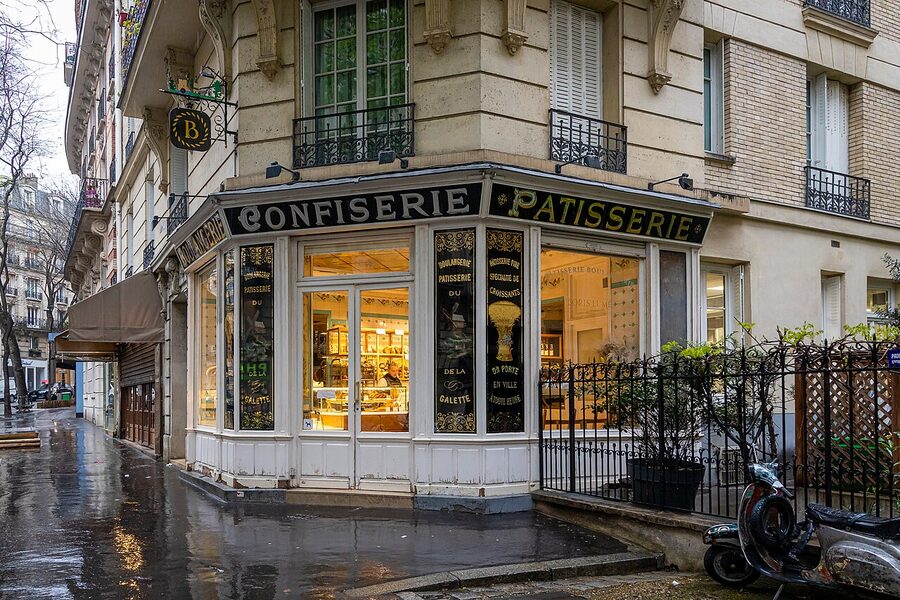
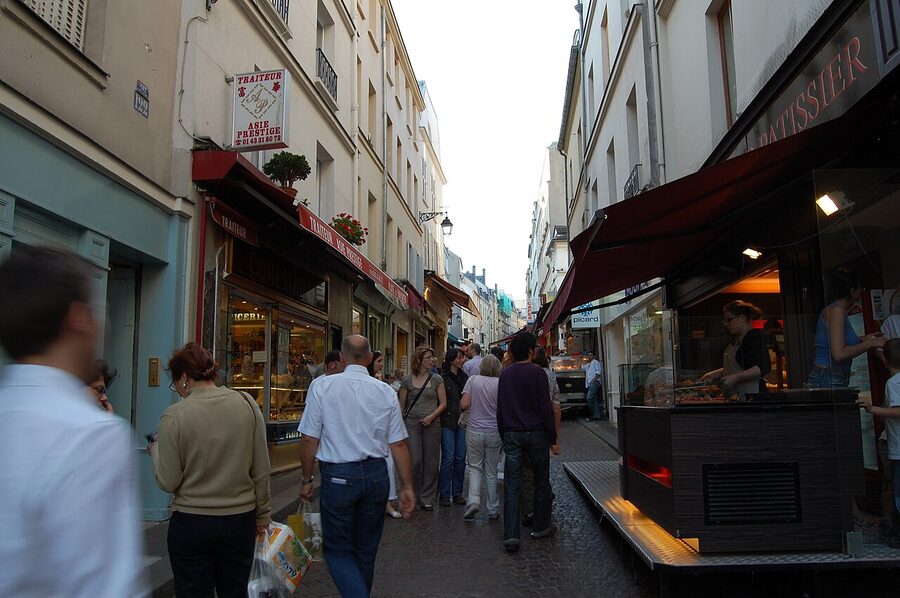
Montmartre tours work because the hill has a real food culture under all the painted-faces tourist stuff. Above the buskers, there are bakeries, cheese shops, and chocolate places that have been there for decades. The tours generally start near Abbesses metro and climb gradually, which is the kindest way to do that hill.
Pick Montmartre if you’re already planning to visit Sacré-Cœur or doing the Moulin Rouge the same evening. You can finish the food tour, walk five minutes to the basilica, and stay for sunset over the city.
Skip Montmartre if you hate hills or are travelling with someone who does. Some tours include 200+ steps. The shorter Montmartre walking tour is gentler on the legs because it spends more time at the top.
Le Marais — for serious food people and Jewish-quarter cooking
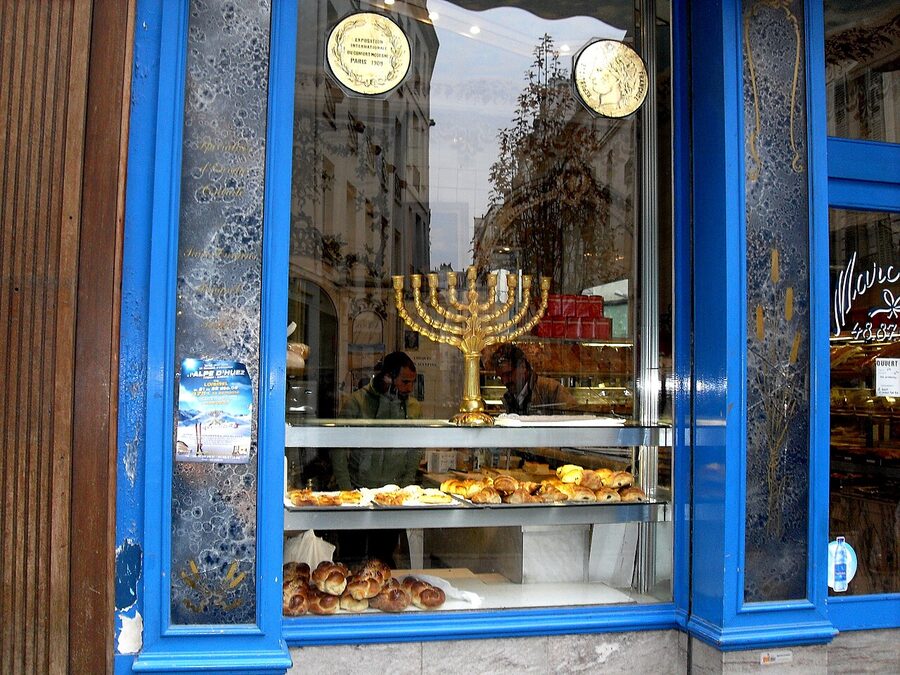
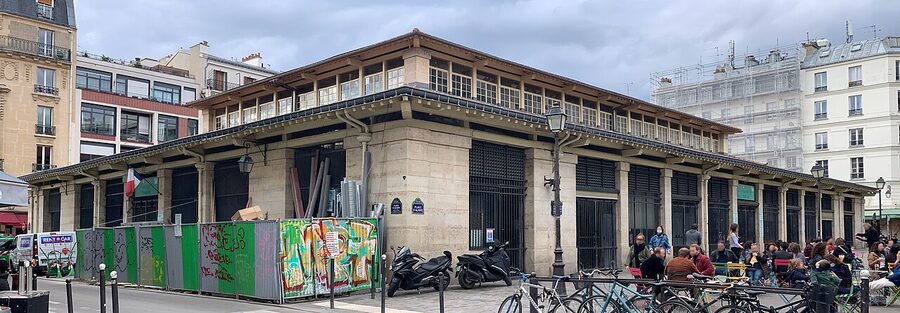
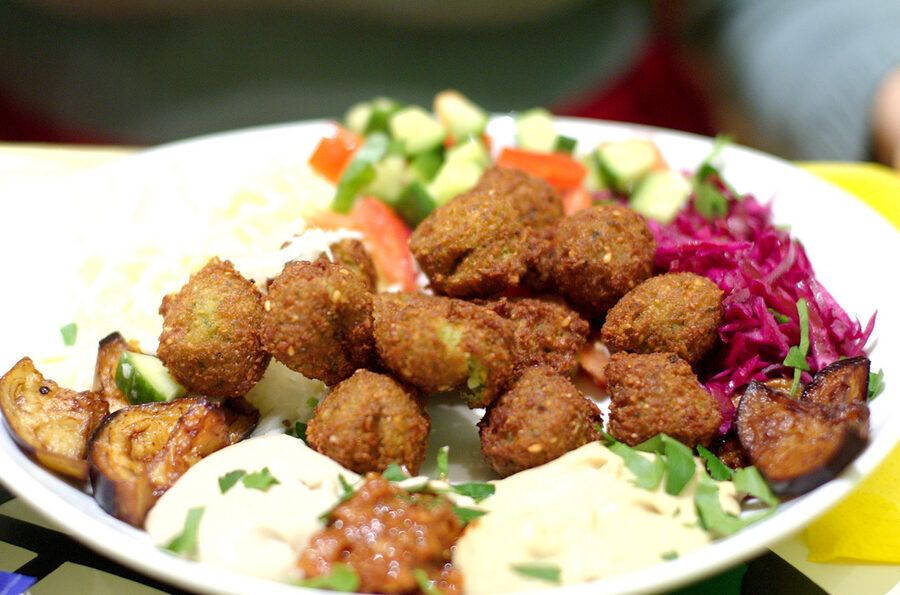
The Marais is flat, dense, and packed with specialist shops in the space of about six blocks. Bakeries that won three best-baguette awards. Cheese counters with thirty named varieties. A Jewish quarter on Rue des Rosiers with falafel and rugelach you won’t find on a Montmartre tour. The Paris Ultimate Food Tour stops at eleven different establishments here in 3.5 hours, which sounds frantic but works because nothing is more than three minutes apart.
Pick the Marais if you’ve been to Paris before, if you care about cheese specifically, or if you want a heavier eating-day. It pairs naturally with the Grévin wax museum in the morning or a music cruise in the evening. The Pompidou is a five-minute walk for after.
Notre-Dame / Île Saint-Louis — for the picture-book version
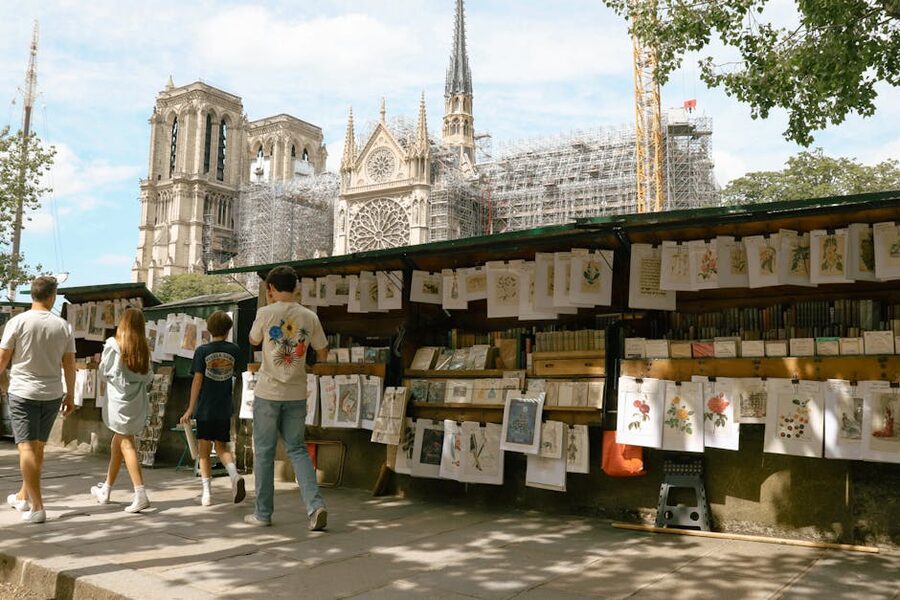
The Notre-Dame option on the Secret Food Tours route covers the 4th arrondissement around the cathedral and Île Saint-Louis. It’s quieter food than the Marais, more on the elegant-old-Paris side. Berthillon ice cream is on Île Saint-Louis and most tours that go there stop in. There’s also a strong fromagerie on Rue Saint-Louis-en-l’Île.
This route is the one I’d pick if you’re staying in the 5th or 6th and don’t want to commute. It’s also a sensible one if you’ve already done the Sainte-Chapelle and Conciergerie combo or have Panthéon tickets the same day — everything’s in walking distance.
The Tours Worth Booking
I’ve picked these three because between them they cover the budget range, the time range, and the two most-asked-for neighbourhoods. They’re all flexible-cancellation, all small-group, all run by long-established operators.
1. Paris Montmartre or Notre Dame Small-Group Food Tasting Tour — $102.79
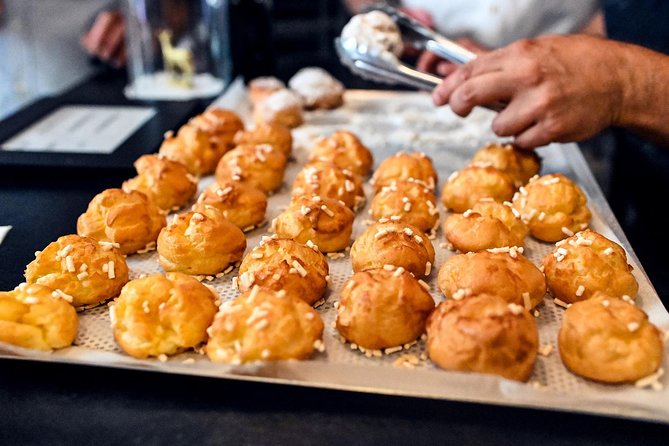
This is the one I send most first-timers to. Pick Montmartre if you want hills and bakeries, Notre-Dame if you want flat streets and the 4th arrondissement. Either way you get a 3.5-hour small-group walk with a guide who’s been doing it long enough to have a usual rotation of shops — our full review covers the exact stop list and what to skip lunch for.
2. Paris Ultimate Food Tour — $143.91
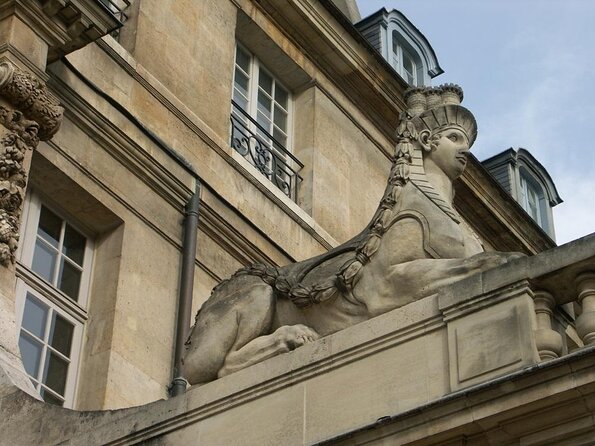
This is for people who came to Paris specifically to eat. Eleven tastings is genuinely a lot — you’ll need to pace yourself, and skipping breakfast is sensible. The full review walks through dietary adaptations (it works for vegetarians and pescatarians but not vegans). Two of the eleven stops are wine, which I’d say tips the value over the cheaper alternatives.
3. Montmartre Walking Tour: Paris Best Art, Culture and Food — $38.70
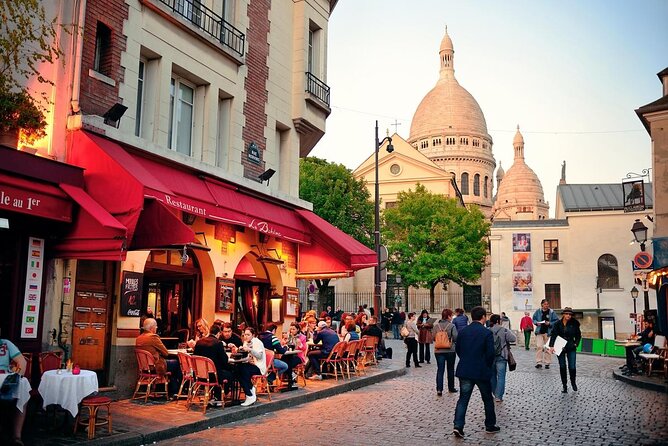
This isn’t really a food tour — it’s a Montmartre walking tour with food stops. But for $38 it’s how I’d test whether you even like guided experiences before committing four hours to a real food tour. Our full Montmartre tour review goes into who runs the route and what the bites usually are. If you’ve got the budget, the longer Secret Food Tours one above is better food. But this one fits in a morning.
Booking Practicalities
How far in advance to book
The flagship Secret Food Tours run sells out 7–10 days in advance during peak season (May to September, plus December). Off-peak you can sometimes walk in two days before. The Ultimate Food Tour books up further out because it’s a smaller group cap.
I’d book 2 weeks ahead for spring/summer, 3 days for winter, and the same morning if you’re in Paris already and the weather’s just turned. The 24-hour cancellation policy on the main pick takes most of the risk out — you can grab a Tuesday slot, and if it rains you reschedule.
Group sizes and what “small” actually means
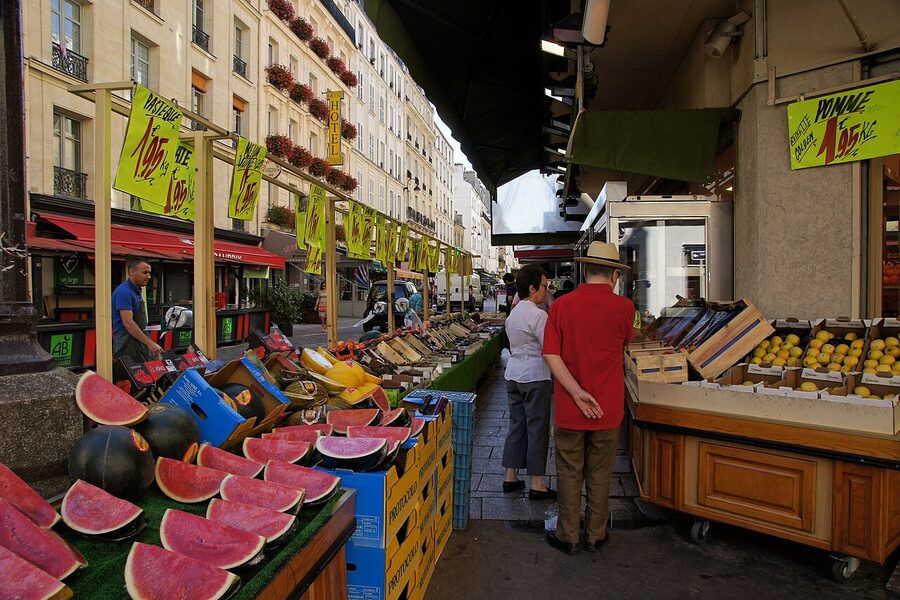
Small-group caps vary. Secret Food Tours usually keeps it to 12 max, often runs 6–8. Take Walks Ultimate caps at 14. The shorter Montmartre tours can run as large as 18, which feels closer to a guided herd than a tasting.
If you’re a couple or solo, 8 is the sweet spot. You’ll get more time at each stop, the guide will remember your name, and you’ll actually hear the stories about why this baker is the third-generation owner. If you’re a group of four already, look at private options — sometimes only $30 more per person and worth it.
Pricing — what’s normal and what’s a markup
Standard 3.5-hour Paris food tours run $80 to $130 in 2026. Anything under $50 is either a 90-minute walking tour with bites, a deal-of-the-week, or worth checking the reviews twice. Anything over $180 should include wine pairings or be private.
The biggest markup is on “luxury” or “Michelin” food tours that price at $250+. Those usually mean one nice meal at a Michelin-starred spot, which you can book yourself for less. If a tour says “Michelin” without naming the actual chef, it’s marketing.
What to Expect on the Day
What to wear
Comfortable shoes that handle cobblestones — Montmartre and the Marais both have stretches of medieval paving that will destroy heels in five minutes. A jacket with deep pockets so you can carry a bottle of water and the inevitable bag of macarons home. Layers in spring and autumn because Parisian shop interiors are either tropical or freezing.
What to eat first
Coffee. That’s it. Skip breakfast or have a small one. Most tours start at 10am or 11am and the first food stop is usually a bakery within twenty minutes. By the third stop you’ll wish you’d skipped breakfast properly. If you absolutely need food beforehand, eat fruit.
Tipping
French tour guides aren’t tipped at the rate American ones are, but a Paris food guide doing a 3.5-hour walk for an English-speaking group expects something. €10 per person is standard. €20 if the guide went above and held the group together when one of you got a phone call. Cash is appreciated — most guides won’t have a card reader.
Dietary Restrictions and Allergies
Vegetarians are fine on most Paris food tours — the cheese, bread, and pastry stops still work, and the charcuterie stop usually has a vegetable terrine option. Pescatarians get more variety because Paris has a strong fishmonger tradition.
Vegans struggle. Bakery stops are mostly butter-based, cheese stops are obviously off-limits, and a lot of charcuterie stops don’t have vegan equivalents. There are vegan-specific Paris food tours — search for “vegan Paris food tour” rather than asking a standard one to adapt.
Gluten-free is hard but doable. Tell the operator at booking, not on the day. The Ultimate Food Tour adapts for gluten-free. Most pastry-heavy walks don’t.
Nut allergies — pretty manageable. Lactose intolerance — you’ll skip most of the tour. Coeliac — go with a tour that explicitly says coeliac-friendly, or stick to a wine-focused walk where you’re pairing rather than tasting bread.
Other Paris Food Experiences Worth Knowing About
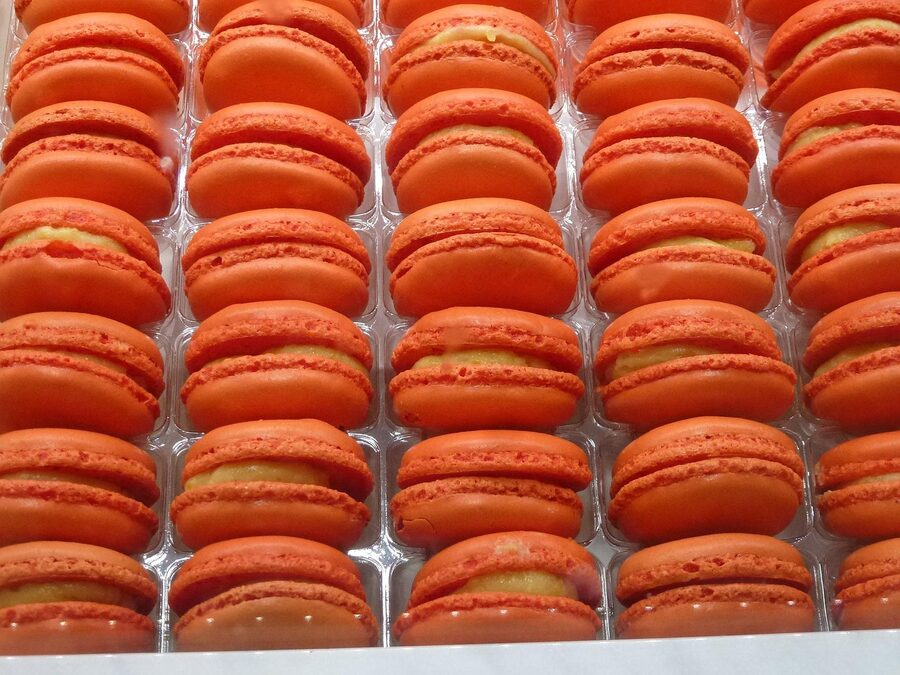
If a 3.5-hour walking tour isn’t quite what you want, here are the variants worth considering.
Macaron-making classes
About €70 for two hours. You leave with a box of your own macarons. Galeries Lafayette runs the most-booked one. It’s better if you actually want to come home knowing how to make them, less good if you just want to eat.
Cooking classes with market visit
This is the option I’d push if you’re spending a week in Paris. A 4-hour cooking class with a morning market visit, lunch included, runs about €120. You shop, you cook, you eat. The Paris cooking class with market visit on Viator (around $130) is the most-reviewed option, and Le Foodist does a private version if you’d rather not be in a group.
Wine and cheese pairings
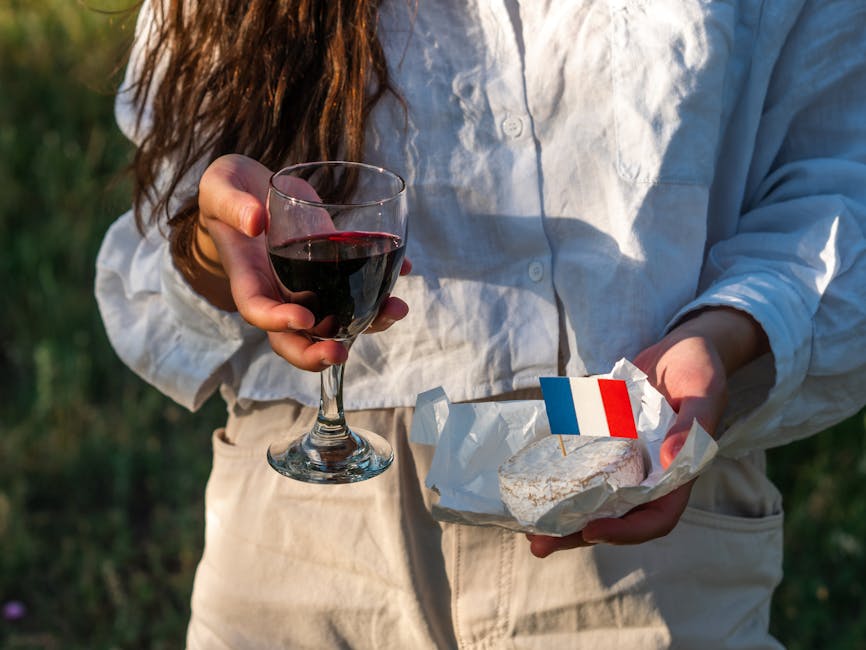
If you want the tasting without the walking, a wine-and-cheese pairing in a cellar in the Marais runs €40–€60 for 90 minutes. It’s the calmest version of a Paris food experience and it pairs naturally with an evening tour after — like the Paris dinner cruise or a late Louvre visit.
Bakery behind-the-scenes tours
An hour at a working boulangerie, watching them make pain au chocolat. Around €50. Better as a half-day add-on than a main activity. The behind-the-scenes Paris bakery tour with breakfast included is the most-booked one — about 900 reviews, runs at 7am most days.
Best Time of Year for a Paris Food Tour
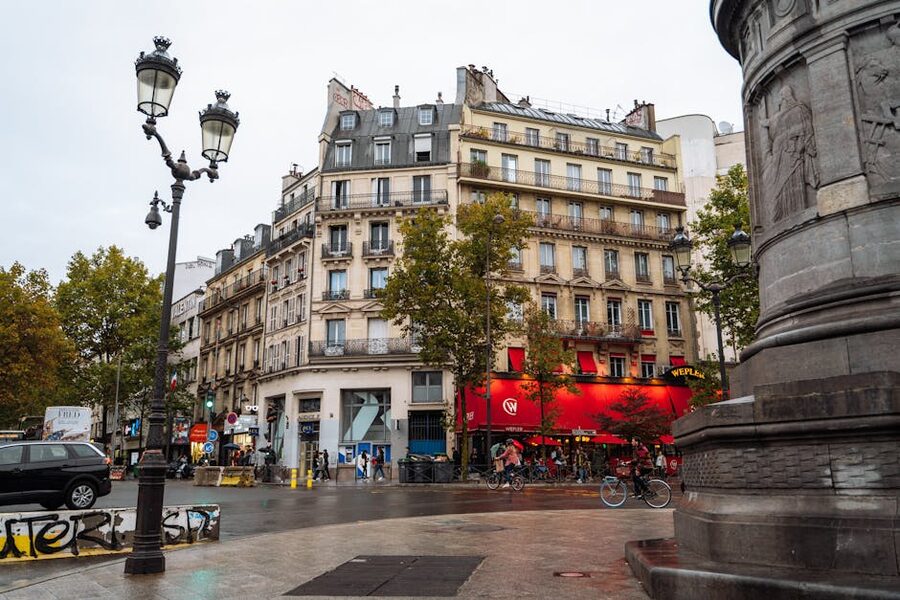
Spring (April–May) and autumn (September–October) are the best months. The weather is reliable, the markets have full produce ranges, and the worst tourist crowds haven’t kicked in. Strawberries are at their best in June. Truffle season is November to February — some specialised tours run truffle-themed routes in winter.
July and August are warm and packed. Some smaller bakeries close for the August vacation, which means a Marais tour in August might skip a couple of usual stops. December is cold and gorgeous — the Christmas market culture in Paris isn’t as strong as in Strasbourg, but the bakeries lean into seasonal pastries (galette des rois, bûche de Noël). January and February are cheap and quiet but rainy.
If your trip is fixed and the weather’s bad, food tours hold up better than most outdoor things. Half the stops are inside.
How a Food Tour Slots Into a Paris Itinerary
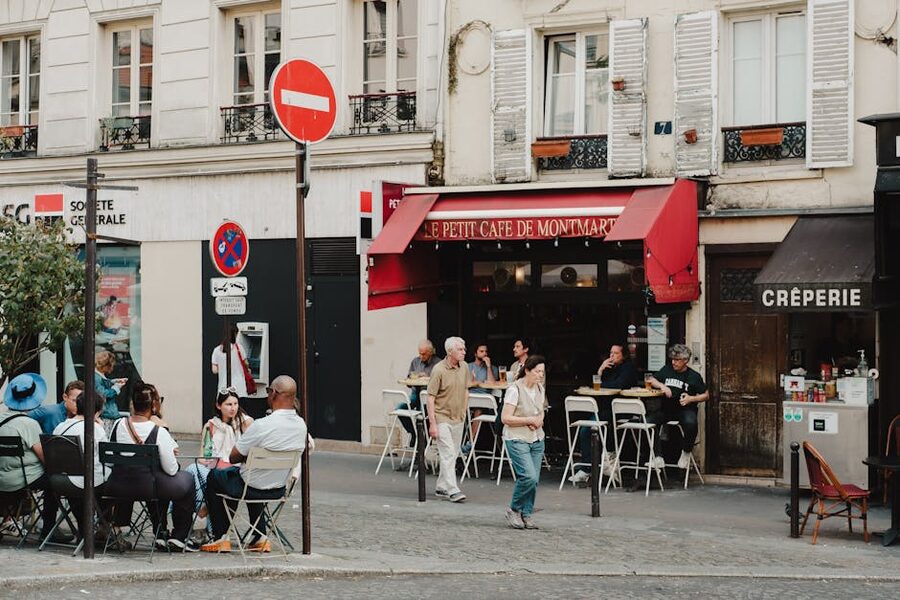
If you have one day in Paris, do a half-day food tour in the morning and a museum or monument in the afternoon. The Musée d’Orsay works because it’s a sit-down museum and you’ll be slow after eating. The Orangerie and the Eiffel Tower work for similar reasons.
If you have three days, put the food tour on day two — day one is for the headline sites (Eiffel Tower, Notre-Dame area), day two is for slowing down. End the food-tour day with a music cruise or just walking the Seine.
If you have a week and you’re a serious food person, book two food tours in different neighbourhoods — Montmartre early in the trip, Marais later. They don’t overlap as much as you’d think.
What to do the day after
Lighter food. If your tour is on Tuesday, Wednesday is the day for Versailles or another active day-trip. The Opéra Garnier is also a sensible morning-after — you walk it standing up, then sit down for an hour-long backstage section. Do not book another food tour back-to-back. Your stomach will quit on you.
How Paris Food Tours Compare to Other Paris Activities
If you’re choosing between a food tour and a bus tour like the Paris hop-on-hop-off, they’re not the same product. The bus tour is a city overview; the food tour is a neighbourhood deep-dive. Do both on a 4-day trip — the bus on day one to figure out what you want to revisit, the food tour on day two or three to actually live in one neighbourhood.
Versus a museum day with the Paris Museum Pass: complementary, not competing. Museums until 1pm, food tour from 2pm-5pm, dinner at 8pm. That’s a full day.
Versus a Versailles day-trip or a Disneyland Paris day: do those on different days. You don’t want to spend €150 on a food tour and then have a packed itinerary that means you can’t enjoy it.
Mistakes I See People Make
Booking the cheapest tour they find. The €30 walking tour with food bites is fundamentally a different product to the €100 food tasting tour. If you’re flying to Paris and you have one shot at this, pay for the longer one.
Eating a heavy lunch beforehand. The tour is the lunch. You will not enjoy the cheeses if you’ve just had a steak frites.
Booking a Montmartre tour on the day they’re already climbing the Sacré-Cœur steps and walking the Eiffel Tower stairs. That’s about 800 steps cumulative. Spread it.
Picking the Marais if anyone in the group is on a strict gluten-free or vegan diet. The Marais is a bread-and-cheese-and-charcuterie neighbourhood. It will not work as well as Montmartre, where there are more fruit and chocolate stops.
Not asking the guide for a dinner recommendation at the end. Every Paris food guide has a list of three places they’d send their friends. Ask. They’ll book you a table.
Quick Q&A
Are kids allowed on Paris food tours? Most allow children 8+, some go down to 5. Check the listing. The Marais is harder for kids than Montmartre because there’s more standing-and-listening at cheese stops.
Are food tours cancelled in the rain? No. They proceed unless it’s a thunderstorm. Bring a rain jacket. Some indoor stops become more obviously indoor when it’s pouring.
Can I just walk in the day of? Sometimes. Off-season Tuesdays and Wednesdays, yes. Saturday in summer, no. The flexible-cancellation tours are the safer same-day bet.
What language are tours in? Almost all are in English. A few smaller operators run French-language tours. Spanish-language Paris food tours exist seasonally.
Are there walking distances I should know about? Montmartre routes typically cover 1.5–2.5km with hills. Marais routes cover about 1km flat. Notre-Dame routes about 1.5km flat. None of these are athletic, but bring proper shoes.
Eating Beyond the Tour
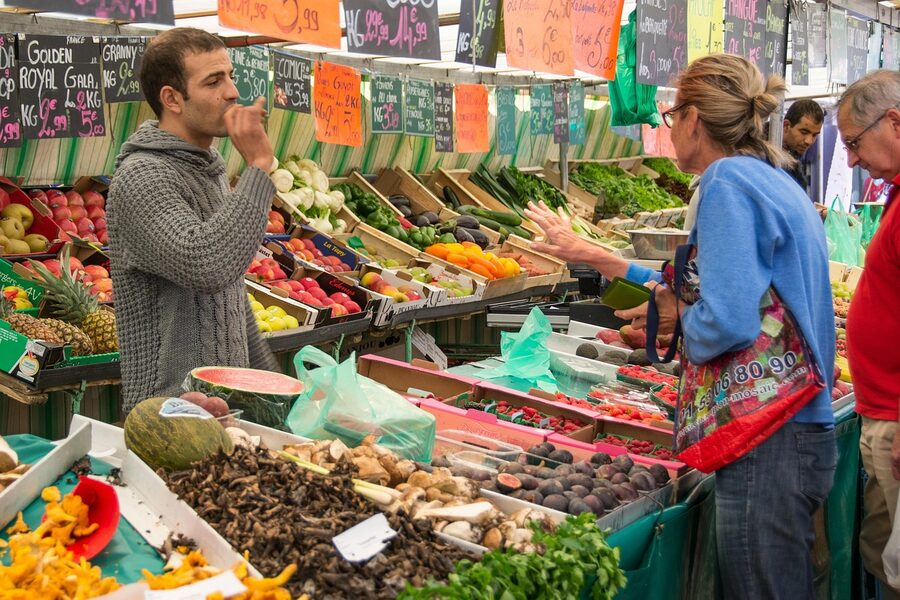
If the tour worked and you want to keep going on your own, here’s where to go. The 11th arrondissement around Charonne and Oberkampf has the best independent restaurant scene right now — neighbourhood bistros, small natural-wine bars, the kind of places where the menu changes weekly. The 10th around Canal Saint-Martin is the casual version.
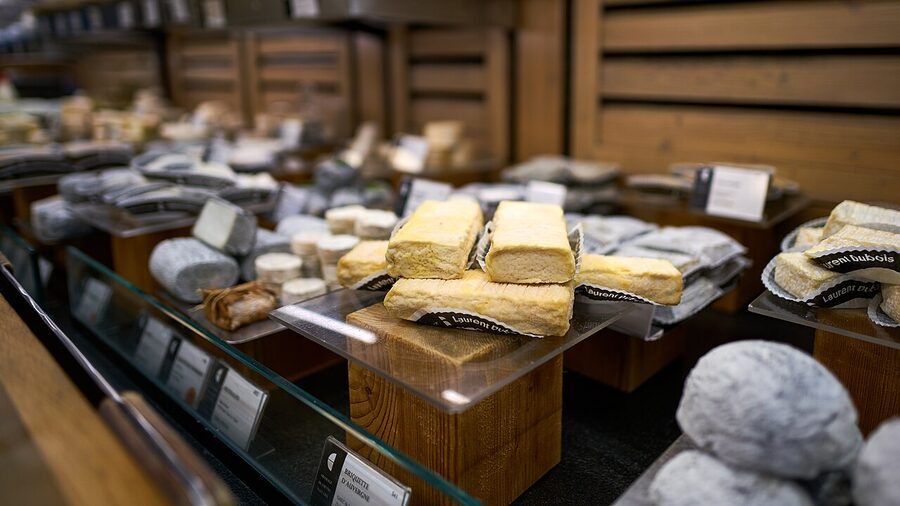
For specific things: best bread, ask the guide for their MOF (meilleur ouvrier de France) bakery in your neighbourhood. Best cheese, Laurent Dubois on Rue de Seine if you want a counter, Marie-Anne Cantin on Rue du Champ-de-Mars if you want a small expert shop. Best chocolate, Patrick Roger or Jean-Paul Hévin.
For Paris-as-a-whole context, the Arc de Triomphe rooftop at sunset is the best free-ish view, and the Montparnasse Tower observation deck is the city overview. Either makes a sensible evening after a food tour.
The Other Paris Guides Worth Reading Next
If you’re sketching out the rest of your Paris days around the food tour, the booking guides I’d reach for next are the Louvre for the obvious half-day, the Seine cruise for an easy evening, and the Fondation Louis Vuitton in the Bois de Boulogne for the modern-art counterweight to all the heavy eating. Don’t try to do all three on the same day.