
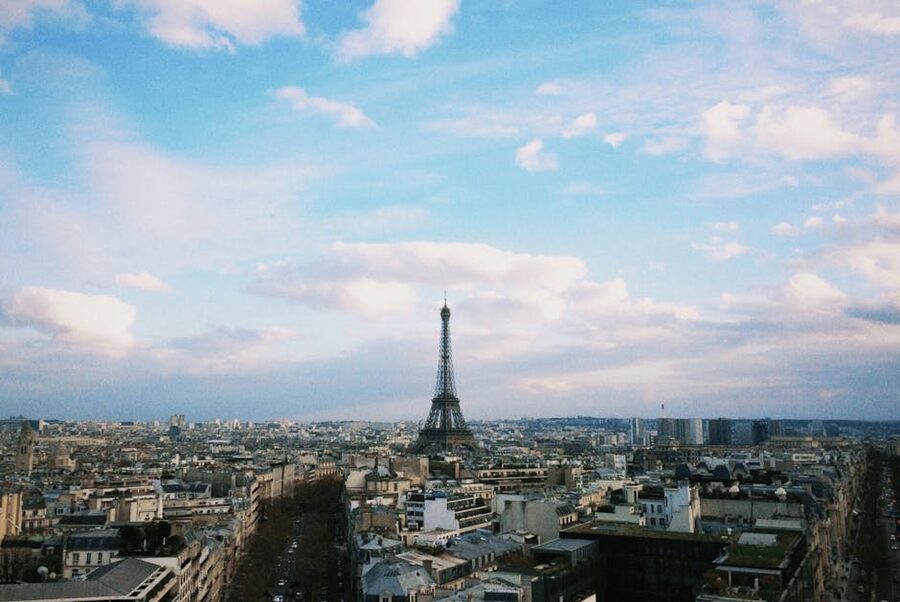
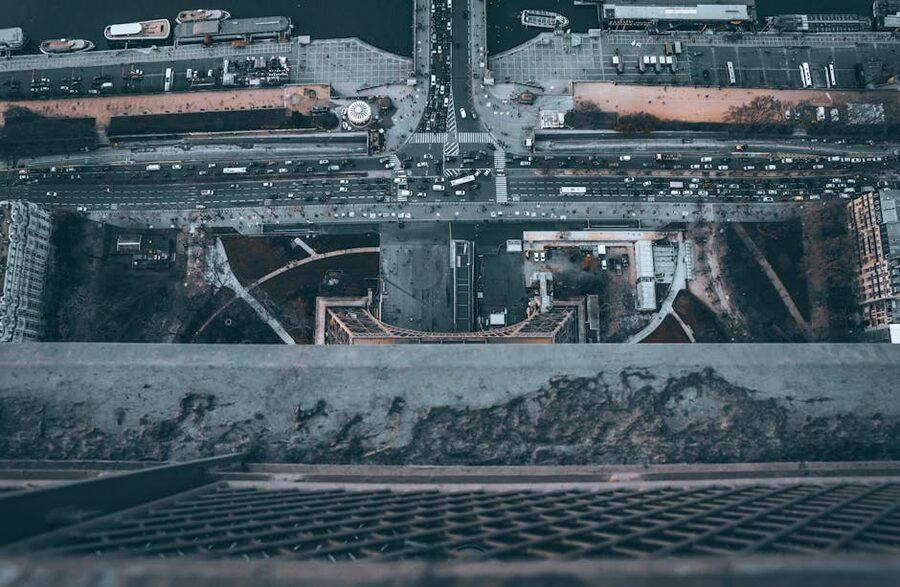
There is a payoff at the summit that you do not get from the second floor, and I want to be honest about what it is. It is not better views — the second floor is already higher than anything else in central Paris. It is the feeling of being on top of the tower. Actually on top. The steel lattice stops above your head and there is nothing but air between you and the horizon, 276 metres down. The only people who have ever stood higher than this in the middle of Paris are on planes.
The other thing worth being honest about: summit tickets sell out. Often weeks ahead. Not because the tower is small — the tower is huge — but because the top floor is the smallest level and they cap numbers strictly. This guide is about getting one of those tickets, and understanding what you are buying.
In a hurry? Here are my three picks for the summit:
Best value summit ticket: Eiffel Tower Entry with Optional Summit Access — $29. The most-booked Eiffel Tower ticket on the market. Hosted entry, 2nd floor included, summit upgrade on top.
Best for skip-the-line: Dedicated Reserved Access — Summit or 2nd Floor — $25. Reserved entry slot, quickest path in, choice of summit or second-floor ending.
Best guided experience: Summit or Second Floor Guided Access — $59. Small group with a guide who handles the elevator switch and talks you through the engineering on the way up.
- What a summit ticket actually gets you
- When to book — and why early matters
- Stairs or elevator — the honest comparison
- What you actually see from the top
- My three picks for getting to the summit
- 1. Paris: Eiffel Tower Entry Ticket With Optional Summit Access —
- 2. Eiffel Tower Dedicated Reserved Access Summit or 2nd Floor —
- 3. Paris: Eiffel Tower Summit or Second Floor Access —
- Timing your visit — morning, afternoon, or night
- What to bring — and what not to
- Getting there and what to do after
- A note on resellers and “official” lookalikes
- Worth knowing about the tower itself
- Before you close the tab
What a summit ticket actually gets you
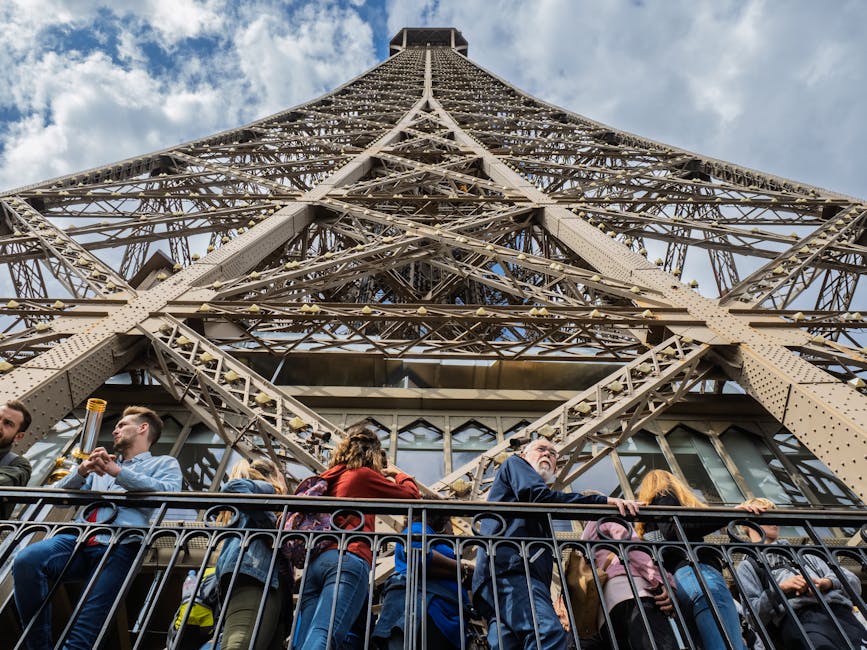
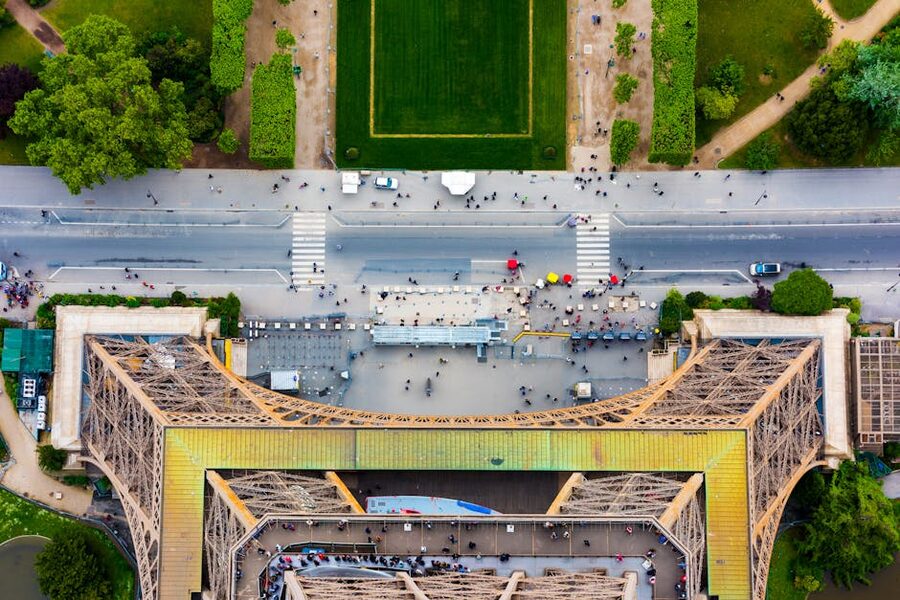
The Eiffel Tower has three visitor levels: first floor (57 metres), second floor (115 metres), and summit (276 metres). A summit ticket is the only ticket that lets you go all the way up. Second-floor tickets stop at 115 metres. First-floor-only tickets stop lower still. There is no upgrade path once you are inside — if you buy a second-floor ticket and change your mind at the top, you cannot pay the difference and keep going. You have to leave and re-enter with the right ticket, which in practice means you will not be doing it, because the queue to re-enter is the same queue you waited in the first time.
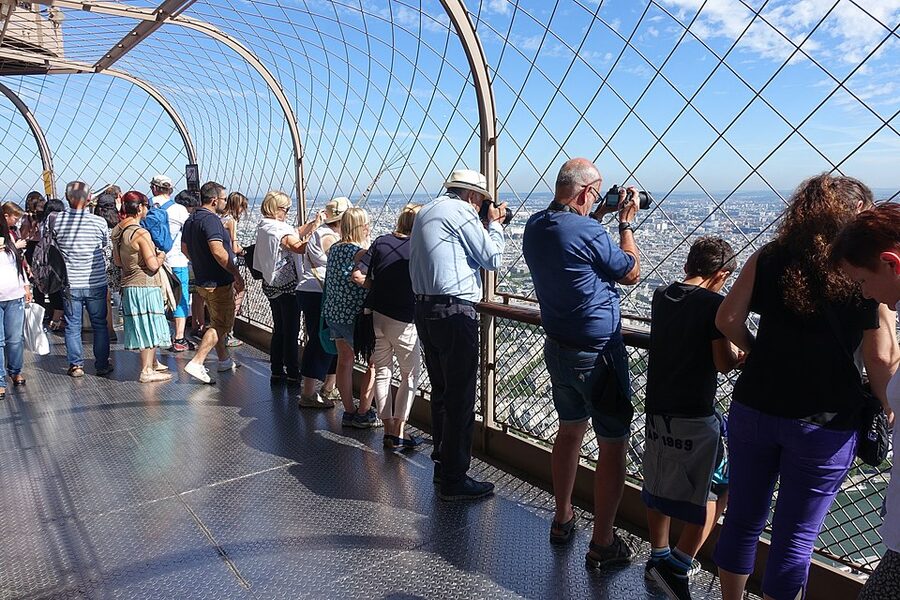
The summit itself has two parts. There is an enclosed glass-walled deck with windows all the way around, and a smaller open-air deck a short flight of stairs above it. Go straight to the open-air part. The enclosed part is fine, but you came up here for the feeling of standing in open sky at 276 metres, not for a view through a window.
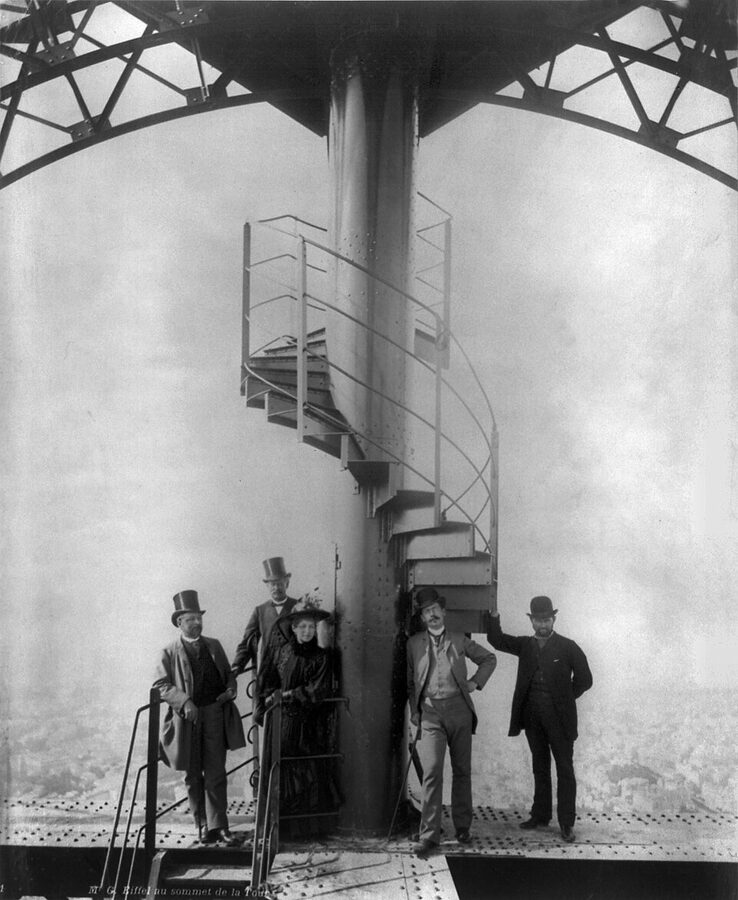
You also get a look into Gustave Eiffel’s reconstructed office on the way down. It is a small glassed-off room with waxworks of Eiffel, his daughter Claire, and Thomas Edison (who visited in 1889). It is odd. It is also unexpectedly charming.
When to book — and why early matters
Summit tickets open for sale 60 days in advance on the official Eiffel Tower website. For the summer months — June, July, August — the peak-time slots are often gone within a week of release. For spring and early autumn, you usually have a couple of weeks. For winter, tickets are easier but the weather is a lottery.
If you are travelling in peak season and you want a specific date and a specific time, book the moment your 60-day window opens. Set a calendar reminder. I am serious about this — there is no other attraction in Paris where booking timing matters this much, and it is the single most common reason people end up buying from resellers at marked-up prices.
If the official site is sold out for your date, do not give up. Three things to try before you pay a reseller:
- Check every time slot. The site defaults to showing you what is available for the time you searched. Scroll through the whole day — a sold-out morning does not mean a sold-out evening.
- Check the combined tickets. The summit ticket with a glass of Champagne (around €60) and the summit with guided tour (around €71) often have slots when the standard summit ticket is gone. They are pricier but they get you to the top.
- Refresh a few days out. Cancellations happen. Slots reappear. I have watched tickets go from “sold out” to “available” at 9pm on the night before, more than once.
If all of that fails, a third-party operator like the ones in my picks above is the next step. The tours use dedicated entry slots the operators pre-book in bulk, so they can still sell when the official site shows nothing. The dedicated reserved-access option is the one I have seen still have summit availability when the official site was showing three weeks of “sold out” across every time slot.
Stairs or elevator — the honest comparison
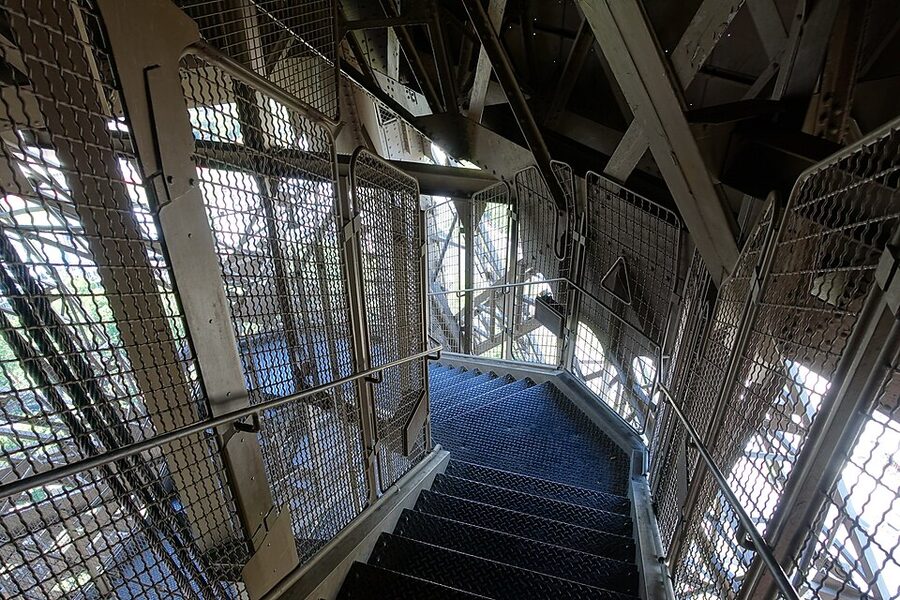
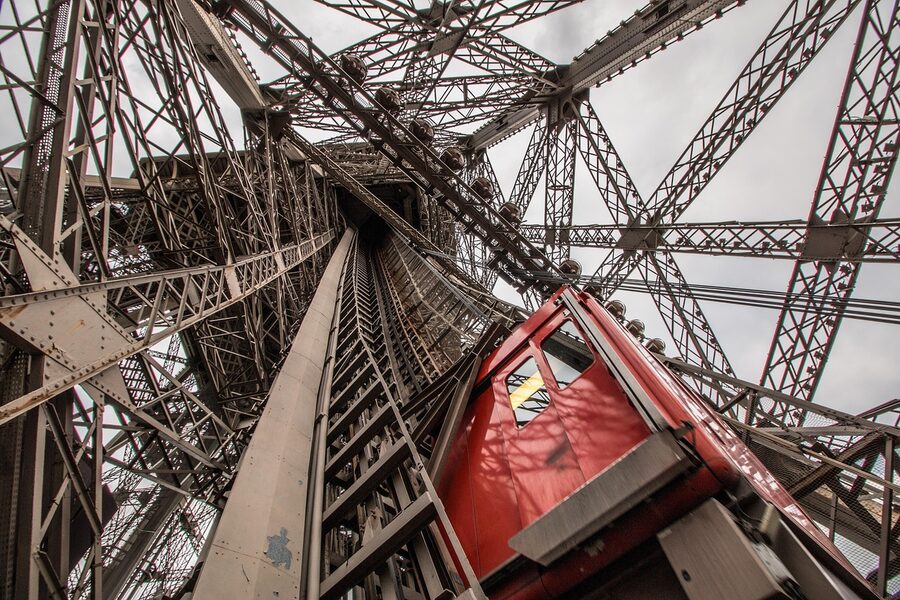
You cannot take the stairs all the way to the summit. You physically cannot. The tower only allows stair access to the second floor (115 metres, about 674 steps). From the second floor, everyone takes the summit lift — stair-ticket holders, elevator-ticket holders, groups, guides, everyone. That lift is the bottleneck, and the queue for it is the main reason summit visits take longer than people expect.
What this means for your ticket choice: the “stairs to level 2, then elevator to summit” ticket is cheaper (around €27.50 versus €36.10 for the full elevator route), but it costs you about an hour of climbing and it does not speed up the summit lift queue at all. Everyone merges at that final elevator. Whether you took stairs or lift from the ground is forgotten by the ticket scanners.
I have done the stairs once. It is a genuine experience — the steel close up, the city dropping away between the girders, the feeling of earning the view. I would not do it twice. The stairs are enclosed in mesh cages, which helps if you are nervous about heights but does not help if you are carrying a toddler, a backpack, or a camera bag. If any of that applies, take the lift.
What you actually see from the top
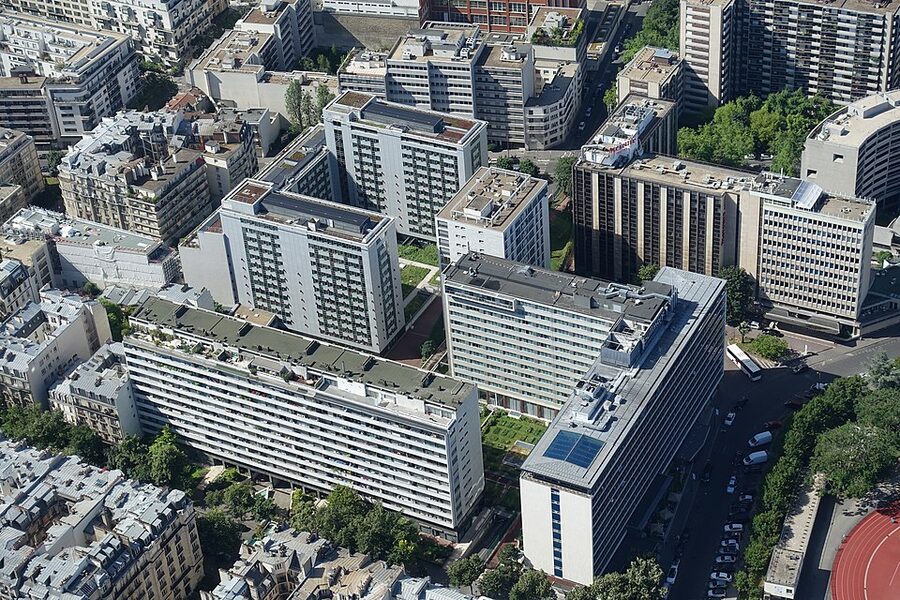
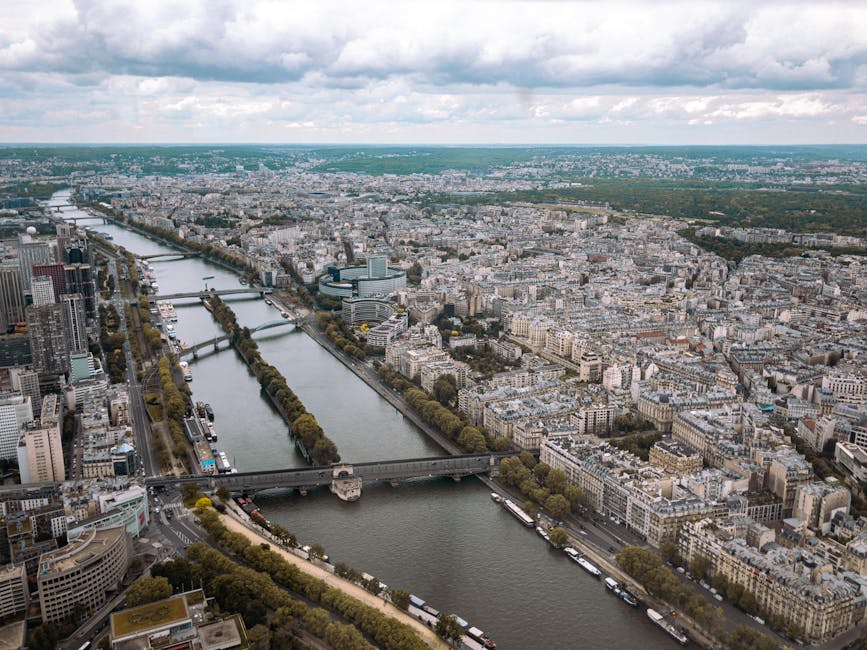
On a clear day the visible horizon from the summit is roughly 70 kilometres. That is far enough to pick out the cathedral at Chartres on a good morning, though you will need to know exactly where to look. More usefully, you can see:
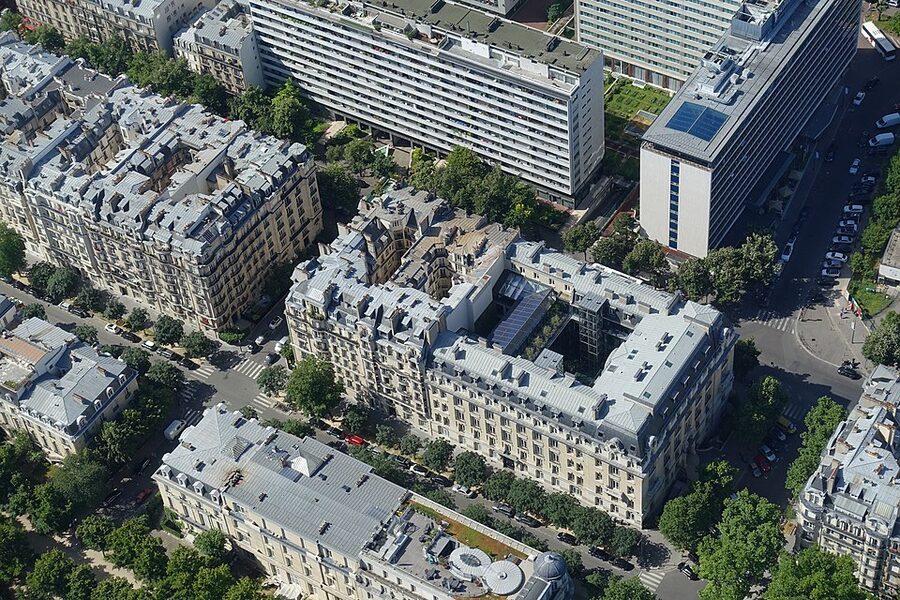
- Everything inside the Peripherique. Central Paris lays out like a map — the Seine’s bends, the grand boulevards, the Ile de la Cite with Notre-Dame’s scaffolding still visible from the 2019 fire restoration.
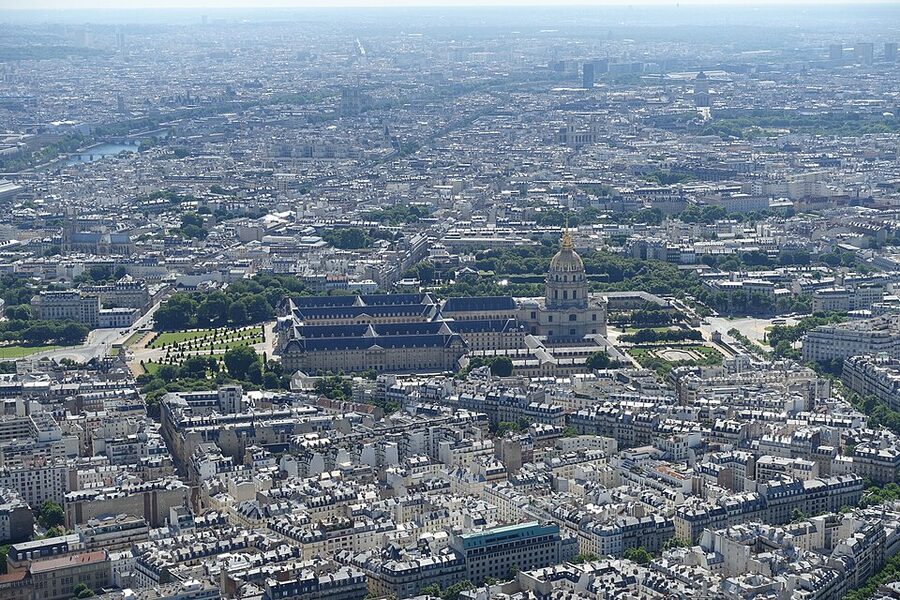
- The three big domes. Les Invalides (gold), the Pantheon (grey), and the Sacre-Coeur on Montmartre (white). The geometry of Paris organises itself around these when you see them together from above.
- La Defense. The glass-and-steel business district in the west, with the Grande Arche framing the end of the historical axis that runs from the Louvre through the Arc de Triomphe.
- The Bois de Boulogne. The enormous park to the northwest, much bigger than most visitors realise — more than twice the size of Central Park in New York.
- Montparnasse Tower. The single skyscraper that southern tourists love to hate. From the summit, it looks more reasonable — or at least, it looks small.
At night, the view changes character entirely. The city becomes a grid of warm yellow light, the main boulevards trace themselves out in lines you never notice from ground level, and on the hour the tower’s own searchlight sweeps the horizon for five minutes. You cannot see the tower sparkle from the summit — the lights are pointing outward — but you feel it. The whole structure hums slightly when it is lit.
My three picks for getting to the summit
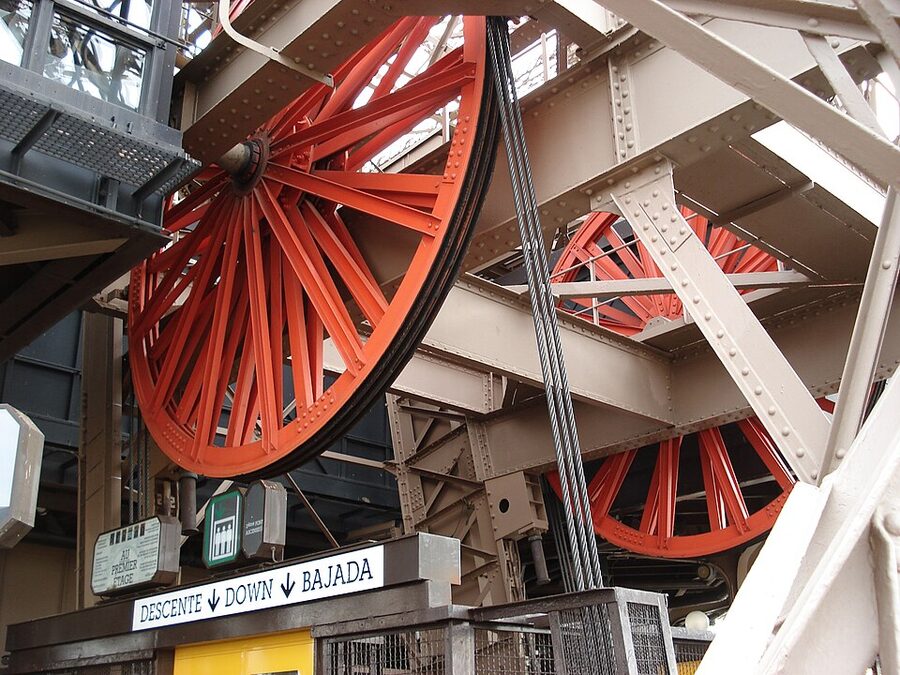
These three are ranked by how many people have booked them through us over the past five years. I have also taken into account logistics — how quickly you actually get to the top, how much you pay, and whether the guided options add something worth the money.
1. Paris: Eiffel Tower Entry Ticket With Optional Summit Access — $29
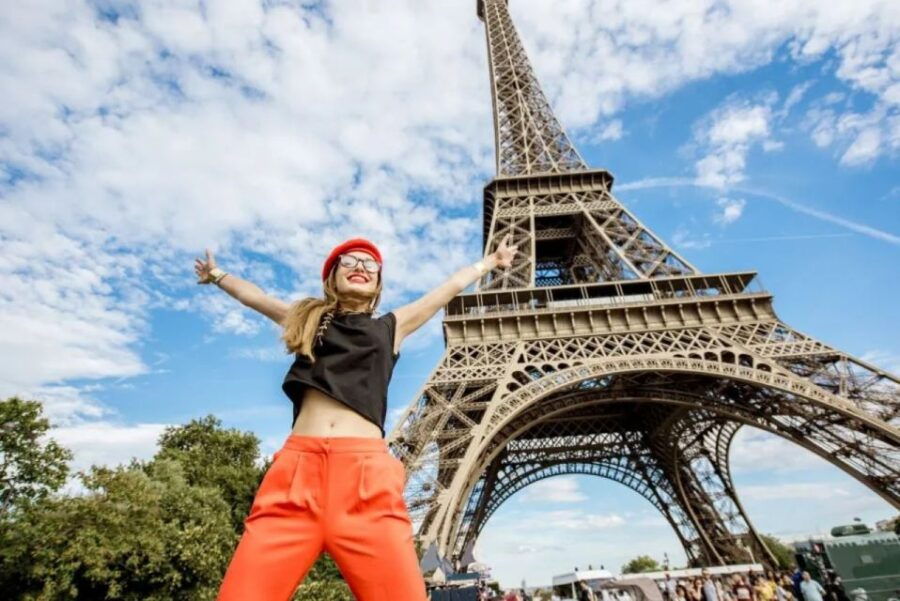
This is the Paris tower ticket that more people book than any other. Reserved timeslot, hosted check-in, second-floor access included, and the optional summit upgrade you want. Our full review covers the booking-window timing in more detail. Book the summit add-on at checkout — you cannot add it later.
2. Eiffel Tower Dedicated Reserved Access Summit or 2nd Floor — $25
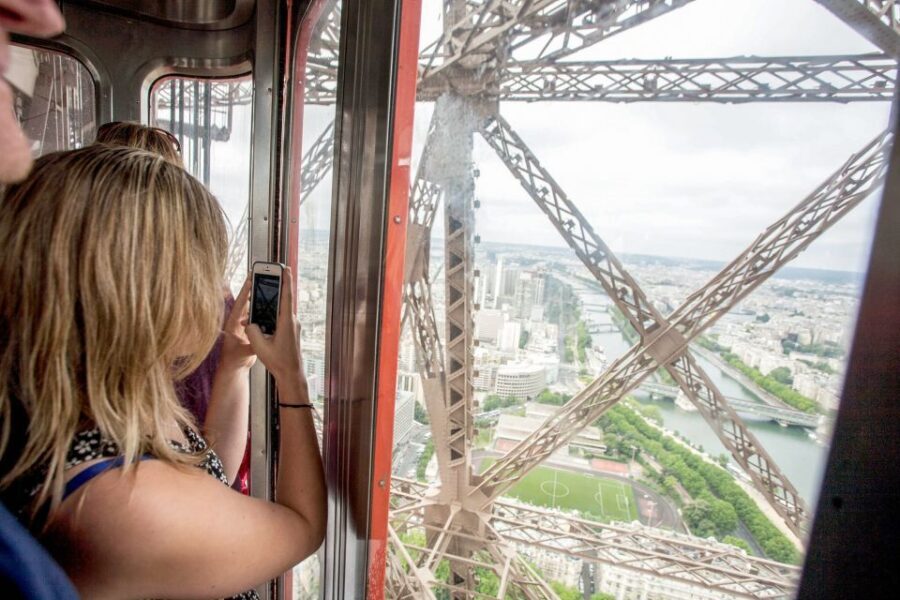
The cheapest way I have found to book summit access with genuine skip-the-line entry. The operator holds dedicated reserved slots, so this still shows availability when the official Eiffel Tower site is sold out — our review breaks down the exact entry flow. The “or 2nd Floor” is insurance — they default you to 2nd floor if the summit lift breaks mid-visit (rare, but it happens).
3. Paris: Eiffel Tower Summit or Second Floor Access — $59
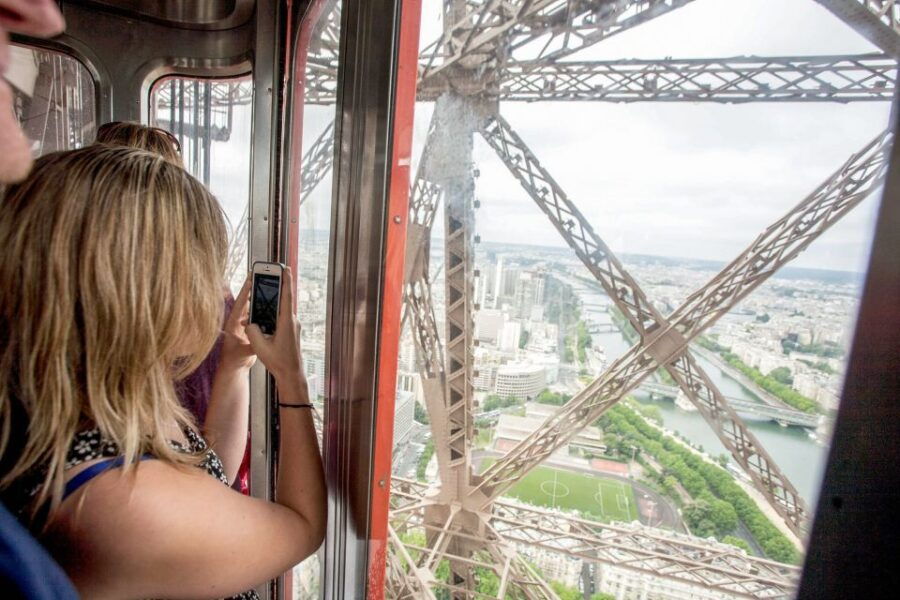
The guided option for people who want more than a ticket. A small group, a host who explains the ironwork and the 1889 Exposition Universelle history, and someone to manage the second-floor elevator transfer for you. I would pick this one for a first visit — our full review covers what a good Eiffel guide does differently.
Timing your visit — morning, afternoon, or night
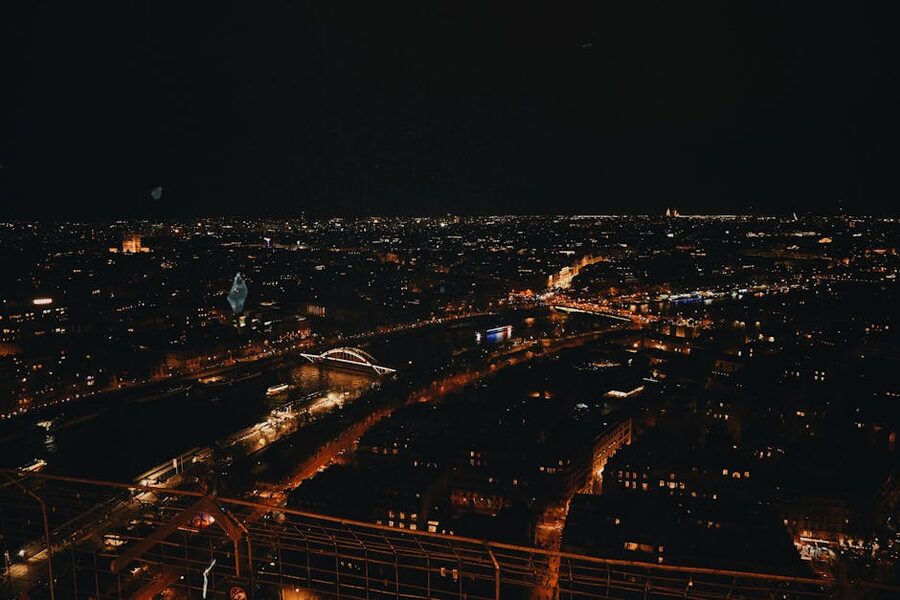
I have been to the summit at every time of day. Here is what I would tell a friend.
First slot of the morning is the best for photographs. The light is soft, the crowds have not arrived yet, and the lifts run on time because there is no accumulated queue from the previous hour. Downside: Paris is often hazy until about 11am, which can flatten the horizon.
Early afternoon (2-3pm) is the worst. Harsh overhead light, maximum crowds, longest lift queues. I would not book this unless it is the only slot available.
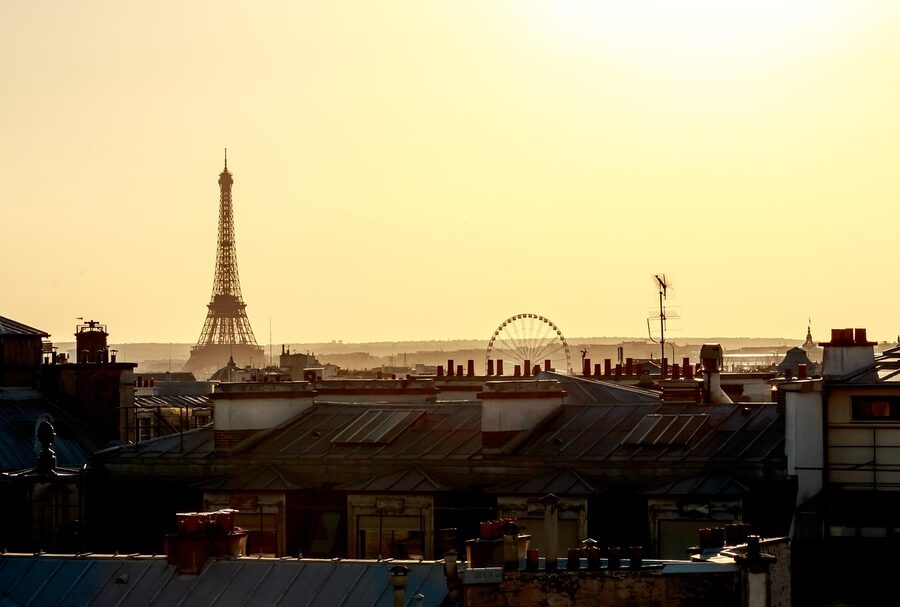
Late afternoon into golden hour is my favourite. From about 90 minutes before sunset, the light goes amber, the city turns warm, and the photographs start looking like the postcards. You can usually see two phases of the city — daylight, then the lights coming on — from a single ticket, if you time the entry window right.
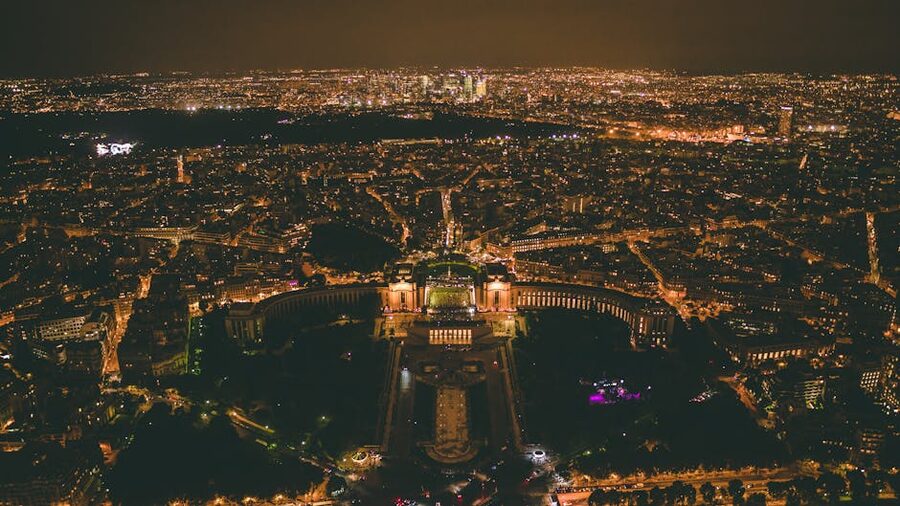
After dark is a completely different experience. Quieter crowds, completely different photographs, and the hourly sparkle of the tower lights on the Champ-de-Mars below you. Book the last available evening slot if you can. If you are building a full evening around the tower, pair it with a late Seine river cruise — the illumination cruise operators leave from docks directly under the tower.
What to bring — and what not to
There is airport-style security at the entry, which means no glass, no alcohol, no sharp objects, no large bags. Small backpacks are fine. Water bottles are allowed if they are not glass. No tripods on the summit — they take them off you at security.
Layer up. The summit is meaningfully colder than ground level — six to eight degrees colder on an average day, more in wind. In summer a jacket is fine. In winter bring a proper coat, a scarf, and gloves if you are going at night. I have seen people in summer dresses at 10pm in October and they were genuinely miserable.
Your phone camera is enough. Compact cameras are fine too. Long lenses are allowed but the summit is crowded enough that they are awkward. I have taken my best Eiffel Tower photographs on an iPhone, and that is not a brag — it is that the light does the work up there, and the view is not something a longer lens improves.
Getting there and what to do after
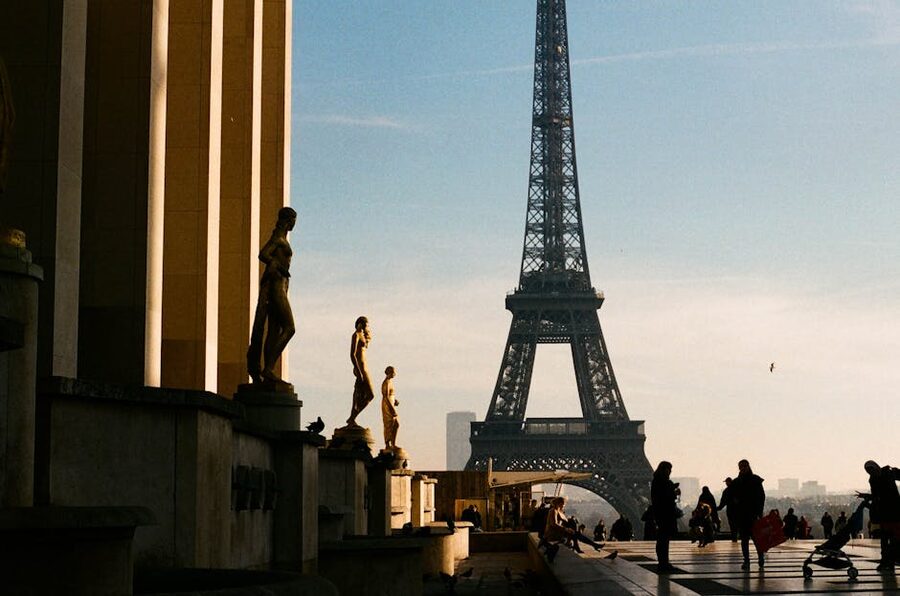
The nearest Metro stations are Bir-Hakeim (line 6) and Trocadero (lines 6 and 9). I would take Trocadero. You walk down the hill from the Palais de Chaillot, which gives you the classic approach view — the tower framed between the Trocadero fountains — and you arrive at the entry gates with the approach already photographed.
After the summit, the Seine cruise docks are a five-minute walk away, which is why the Eiffel + Seine combo is the single most-booked multi-attraction pairing in Paris. Our Seine cruise guide covers which operator to pick and why the daytime sightseeing cruise is different from the evening dinner cruise.
If you have a full day, the logical next move is the Louvre — Metro from Trocadero to Palais-Royal is direct on line 1. Our Louvre booking guide explains why the 9am slot is genuinely worth getting out of bed for, and why you do not need a guided tour if you have three hours and a plan.
For a second big-day combination, the Versailles trip pairs well with an early Eiffel summit — summit at 9am, train to Versailles by midday, palace in the afternoon. See our Versailles day-trip guide for the train options and the skip-the-line details, because Versailles is the other Paris attraction where pre-booking timing really matters.
A note on resellers and “official” lookalikes
Several sites rank highly on Google for “Eiffel Tower tickets” that are not the official tower and are not reputable operators either. They buy ticket inventory from resellers, mark it up heavily, and package it with confusing terms. I will not name them because their names change, but the pattern is the same: URLs that sound official, prices 40-60% above the tower’s own price, and vague language about “reserved access” that turns out to be a standard entry ticket with a timestamp on it.
Two simple checks protect you. First: the official site is toureiffel.paris. If the URL is not that, it is not the tower. Second: reputable third-party operators (like the three I listed above) publish their prices clearly and their cancellation terms up front. If a ticket page hides either, close the tab.
Worth knowing about the tower itself
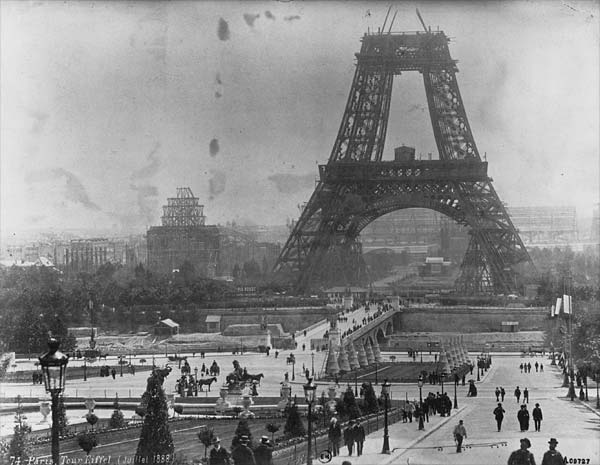
The Eiffel Tower was built for the 1889 Exposition Universelle — the world’s fair marking the centenary of the French Revolution. It was meant to come down after 20 years. It was hated by most of Paris when it went up — a coalition of 300 writers and artists, including Maupassant and Dumas, signed a public protest against its construction — and it was saved from demolition in 1909 only because it had become useful as a radiotelegraph antenna. If you are standing on the summit, you are standing on a structure that survived by being practical.
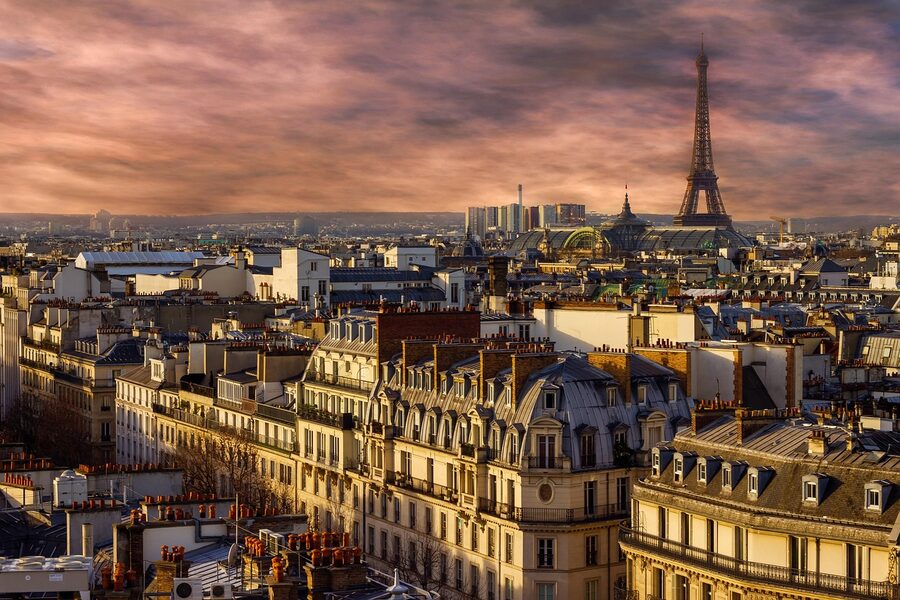
It was the tallest building in the world for 41 years, until the Chrysler Building in New York took the title in 1930. Before the current antenna was added, the summit was exactly where Gustave Eiffel’s office was — and his office is still there, reconstructed, as a small odd reward for having climbed this high.
Before you close the tab
If there is one thing to take away, it is this: book the summit ticket the day your 60-day window opens, or accept that you will be paying more for a third-party operator. Either path gets you to the top. Only one of them is cheaper.
The summit is worth the upgrade. The second floor is a great observation deck — genuinely, it is higher than anything around it and the views are excellent. But the summit is the experience you came to Paris for. It is the one you will tell people about. And it is the only place in Paris where you can stand in open air at 276 metres and feel the city stretching to the horizon in every direction.
When you’re slotting the other Paris icons around the Eiffel booking, four tour-review pages are worth bookmarking for comparison. The Louvre timed-entrance ticket is the baseline Louvre booking most people end up with after ruling out the guided options. The Versailles full-access ticket with gardens is the version that unlocks the estate rather than just the Château. The 1-hour Seine cruise from the Eiffel Tower is the obvious add-on for the same evening if you summit before sunset. And the evening river cruise with music is the gentler pairing if you did the climb that morning and want to end the day on the water.
Once you have the summit booked, the rest of the Paris icons are easier to plan around. Build a three-day Paris with an Eiffel summit on the first evening, a Louvre morning the next day, and a Versailles day trip on the third. Slot a Seine cruise in wherever the weather breaks. That is the four-attraction Paris most people remember for life, and with pre-booking on each one, you can do it without queueing a single morning.