
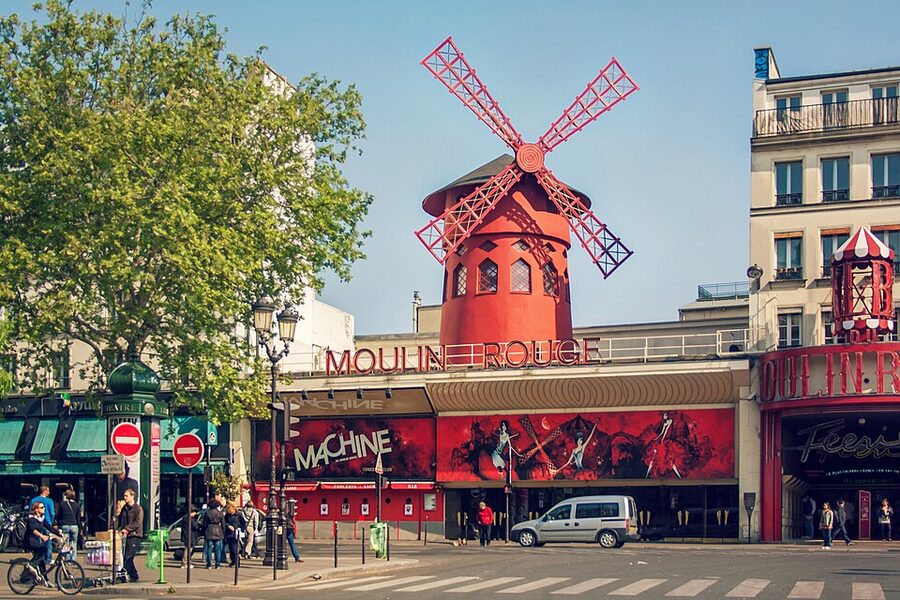
The Moulin Rouge starts before the curtain. You smell it as soon as you walk into the lobby — a strange, warm cloud of stage powder, hairspray, champagne, and that specific chalky scent that clings to old velvet. Then a man in tails hands you a flute, the lights dim, and somewhere offstage you hear feet on a wooden floor — one beat, two beats, a snare crack — and the show is already moving before you’ve sat down.
Here’s how to actually book it, which ticket is worth the upgrade, and what nobody tells you before you walk through the door under that red windmill.
- Short On Time? Three Moulin Rouge Tickets Worth Booking
- How the Booking Actually Works
- The Four Ticket Types Explained
- The Three Tickets I’d Actually Book
- 1. Moulin Rouge Cabaret Show with Champagne — 5
- 2. Dinner Show at the Moulin Rouge — 0
- 3. Moulin Rouge Cabaret Show and Dinner (Viator) — from around 0
- Getting There Without Walking the Wrong Block
- Driving and Parking
- Dress Code: What “Smart Casual” Actually Means Here
- What the Show Is Actually Like
- The Dinner: Worth the Upgrade?
- How Long the Show Runs
- The Two Cabaret Alternatives Worth Knowing
- Where to Go Before the Show
- The Moulin Rouge in Five Minutes of History
- Quick Practical FAQ
- One More Thing About Booking
- Pairing the Moulin Rouge With the Rest of Paris
- If You’re Travelling With Kids
- Pulling It Together
Short On Time? Three Moulin Rouge Tickets Worth Booking
- Moulin Rouge Cabaret Show with Champagne — $115. The flagship. Show-only ticket with a half bottle of champagne per person. The most-booked Moulin Rouge product on the market, by a wide margin.
- Dinner Show at the Moulin Rouge — $300. The full evening. Three-course French menu by the in-house chef from 7pm, then the 9pm Féerie show. Better seats, no scramble.
- Moulin Rouge Cabaret Show and Dinner (Viator). Same dinner-and-show concept, booked through Viator instead. Pick whichever date your dates fall on.
How the Booking Actually Works
You have two real options. The Moulin Rouge’s own website sells tickets directly, and so does GetYourGuide (and Viator, which lists most of the same products). Prices are within a few euros of each other. The reason most people book through GetYourGuide is that the cancellation terms are softer — you can cancel up to 24 hours before on most ticket types — and the booking flow is one click instead of a date-time-room matrix. The official site is fine if you want to email the box office in French about a specific table layout. For everyone else, GYG is the simpler route.
Whichever site you use, book early. The 9pm show on a Saturday in summer sells out three to four weeks ahead. Friday and Saturday in any month book up about ten days ahead. The 11pm show is your last-minute option but even that can vanish on a busy week.
The Four Ticket Types Explained
This is where most people get confused. The Moulin Rouge sells the same Féerie show in roughly four flavours, and the price gap between them is real.
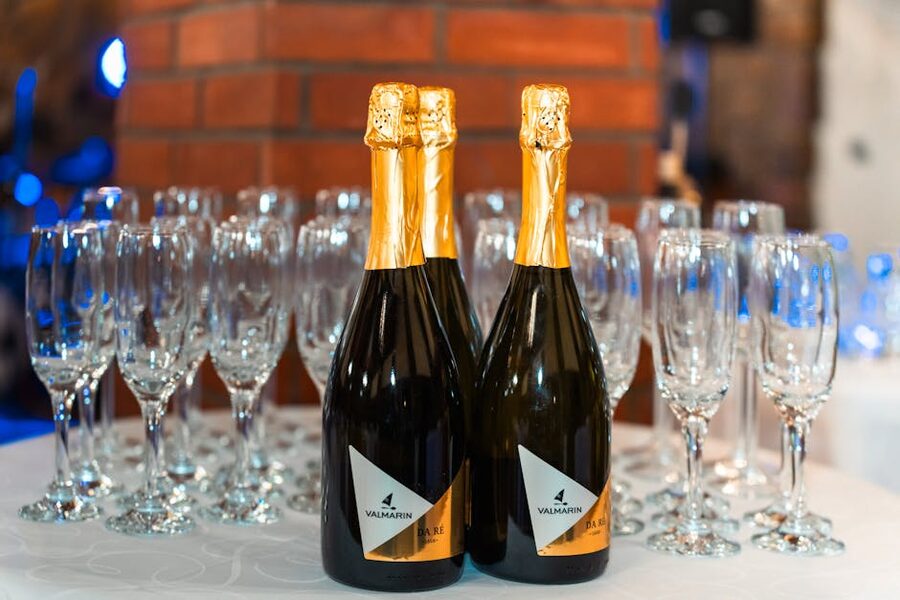
9pm show with champagne (around $115). This is the headline ticket and the one most people end up with. Doors open at 8pm, you’re seated by 8:30pm, the show runs from 9pm to about 10:45pm. Half a bottle of champagne per person is included. The champagne show ticket is the version with sixteen thousand-plus reviews — when people say they “saw the Moulin Rouge,” this is almost always what they mean.
11pm late show with champagne (around $90). Same Féerie show, two hours later, slightly cheaper, easier to book last-minute. Doors at 10:45pm, show until about 1am. Don’t book this if you have a 7am flight or a Versailles tour the next morning. I’ve seen too many people micro-sleeping by the can-can finale.
Dinner show (around $300). Doors at 6:45pm, dinner at 7pm, show at 9pm. Three courses by the in-house chef, plus the same half bottle of champagne or wine. The real upgrade isn’t the food — it’s the seating. Dinner-show guests get the front-and-centre tables in the orchestra pit zone. Show-only guests fill in around them, often in tight side rows with a partial view of the stage edge. If you’re celebrating something or you want a clean view, the dinner show ticket earns its premium.
Bundle tickets. The Moulin Rouge gets paired with a Seine cruise or an Eiffel Tower visit on a single ticket. The flagship combo is the Eiffel Tower entry with Seine river dinner cruise and Moulin Rouge show. It’s a long evening — meet at 6:30pm, finish around 1am — and the price reflects that. Worth it on your last night in Paris when you want to compress everything into one final flourish. Not worth it if you’d rather take the Eiffel and the Seine slowly on separate days.
The Three Tickets I’d Actually Book
These are the three I’d point a friend at, depending on budget and timing. The show is the same in each. The differences are seating, food, and how much of your evening you want eaten by the cabaret.
1. Moulin Rouge Cabaret Show with Champagne — $115
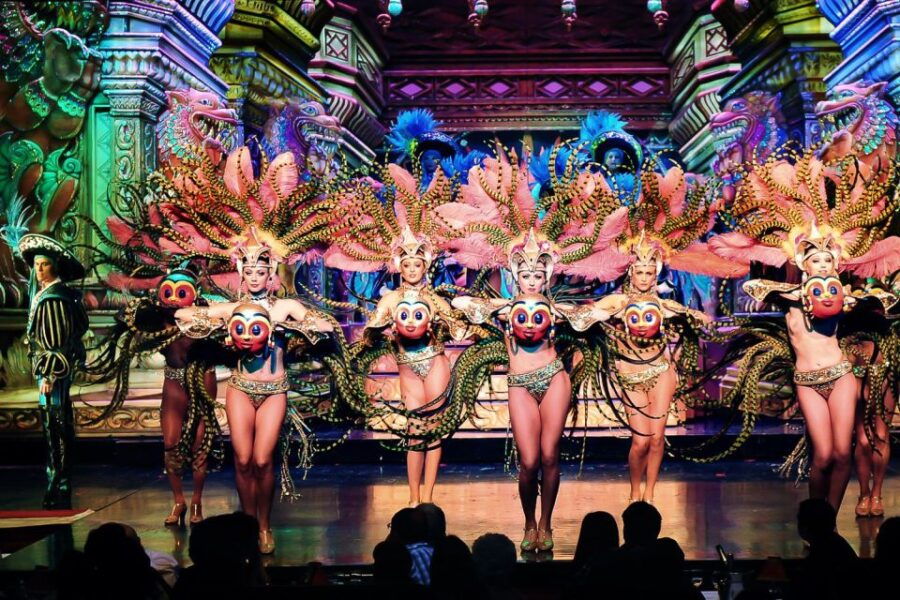
The default pick and the right one for most people. Our full review covers the seat zones, what the half bottle of champagne actually looks like on the table, and why the 9pm slot is harder to score than the 11pm one. If you only see one cabaret in your life, book this.
2. Dinner Show at the Moulin Rouge — $300
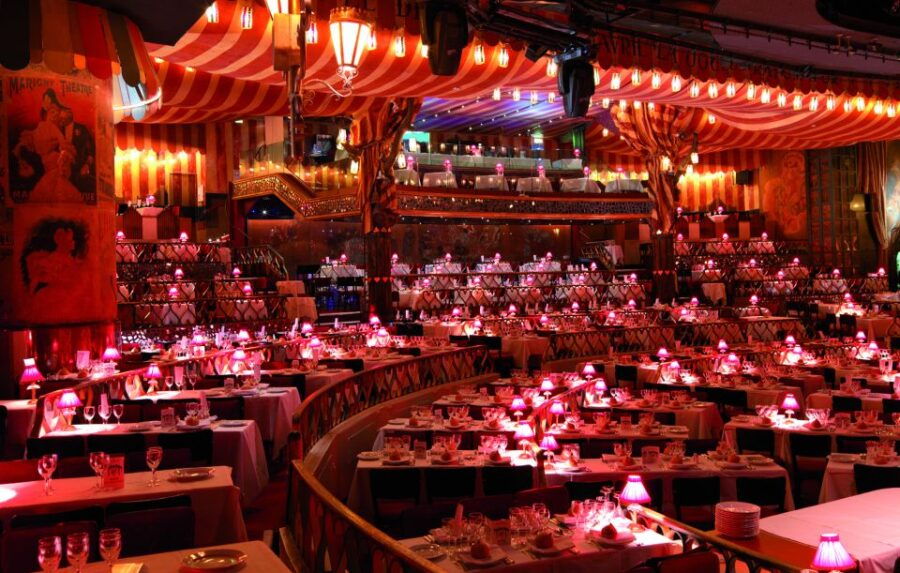
The premium pick, and the one I’d choose for an anniversary. The seats are markedly better — front-and-centre instead of side rows. Our dinner show review walks through the menu, the wine pairing, and the timing of the orchestra interlude before curtain. Book three to four weeks out for weekend dates.
3. Moulin Rouge Cabaret Show and Dinner (Viator) — from around $290
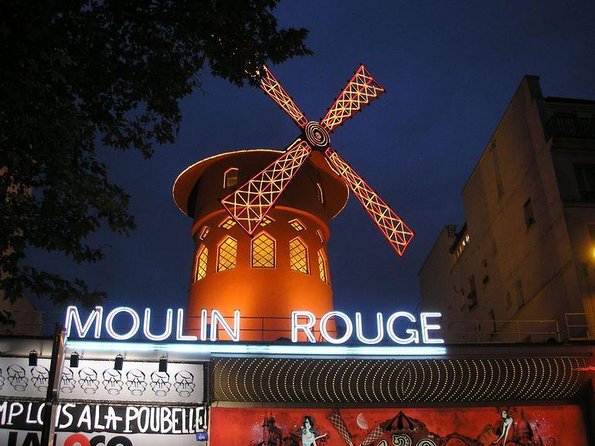
Same evening, different reseller. The Viator version of the dinner show is identical in structure — 7pm dinner, 9pm show, half bottle of champagne or wine. If you’ve got Viator vouchers from a previous booking or you collect points there, this is the same product through a different door.
Getting There Without Walking the Wrong Block
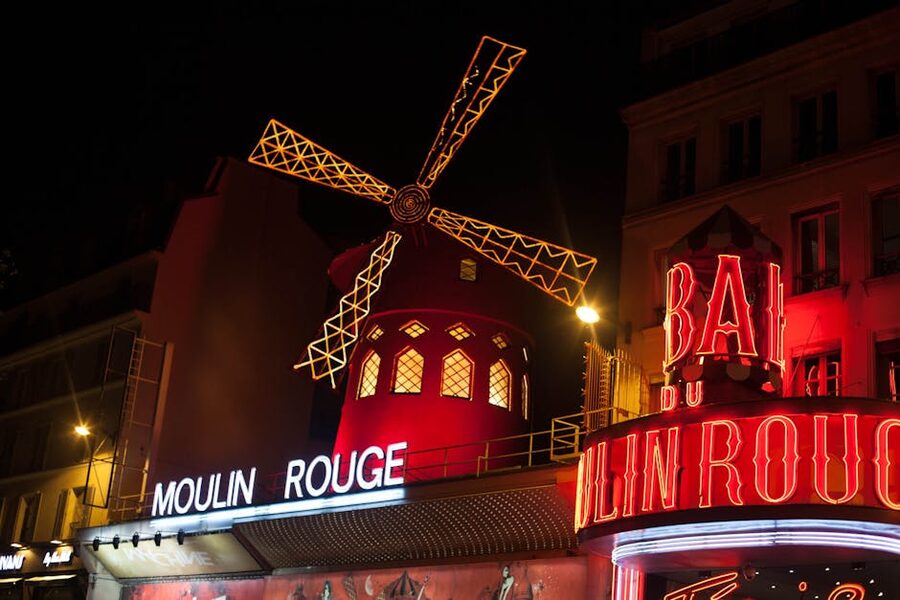
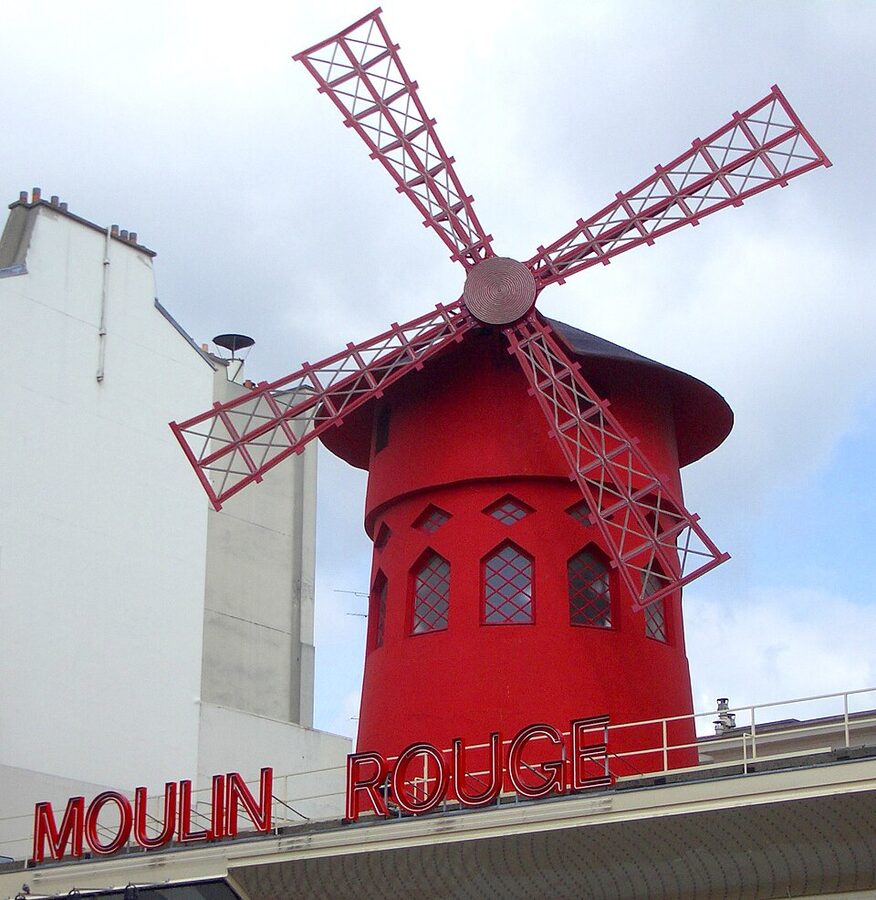
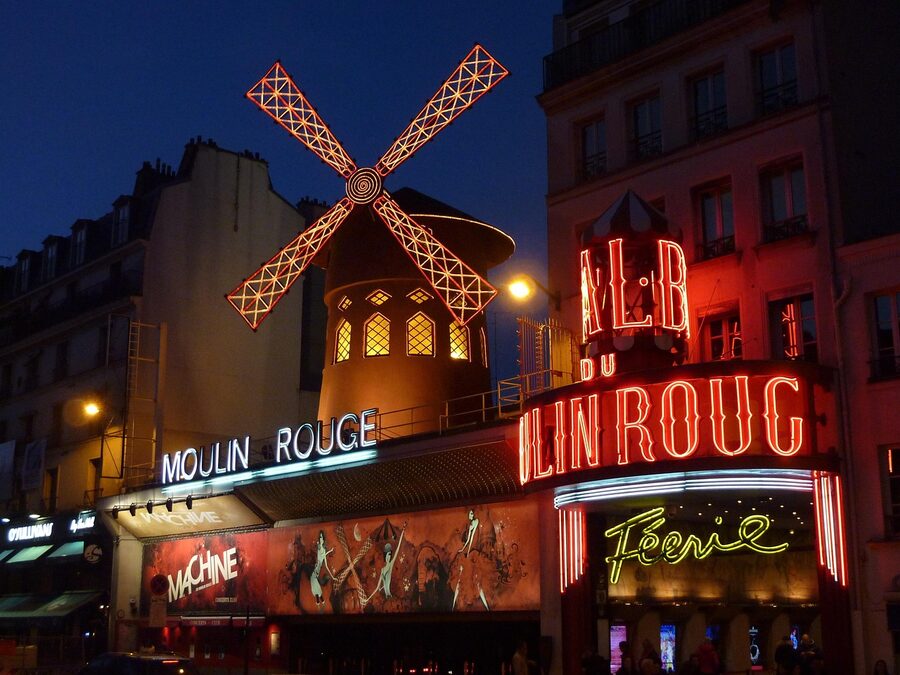
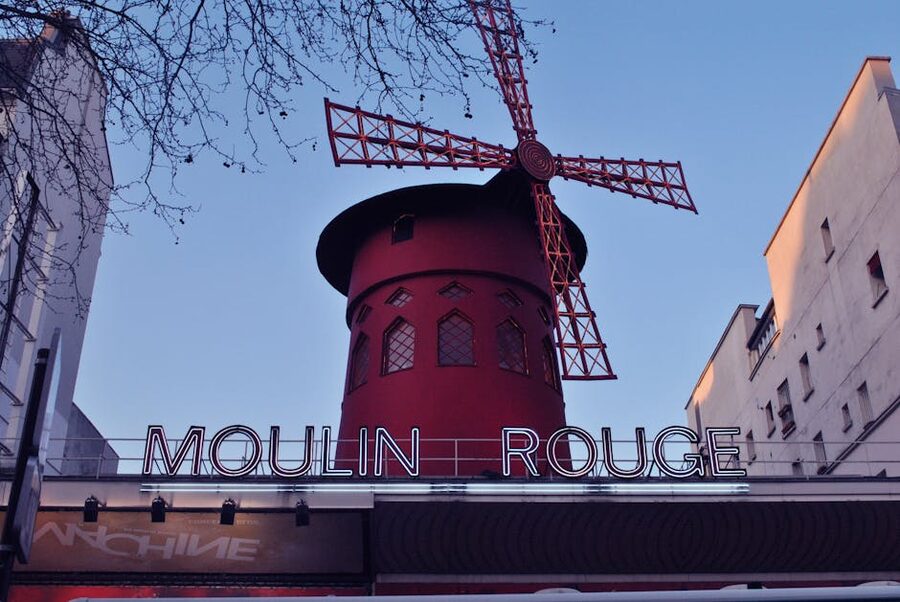
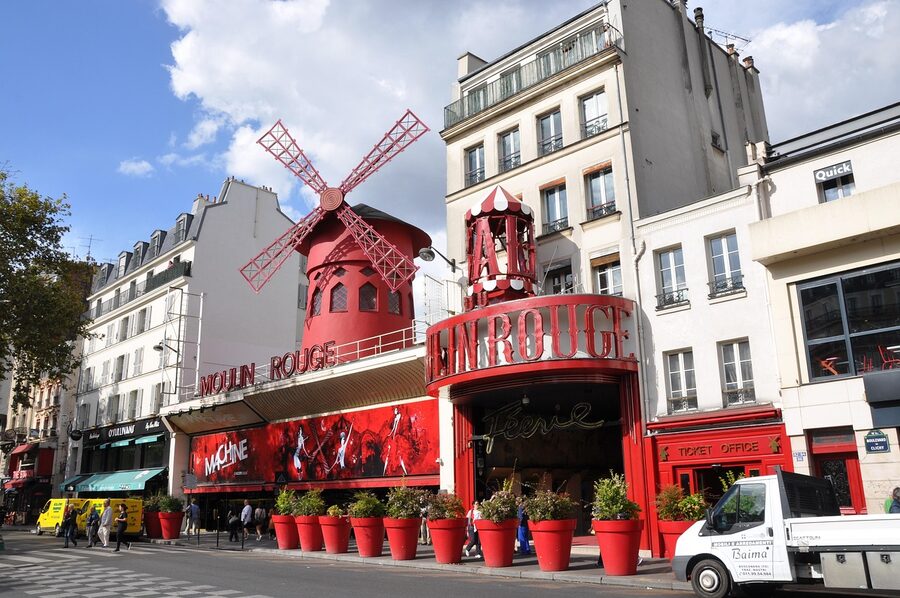
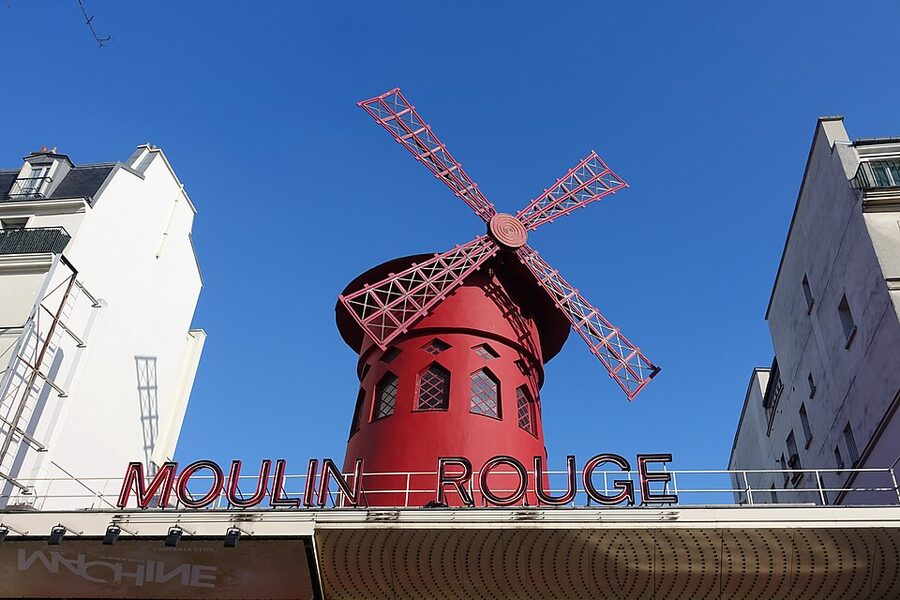
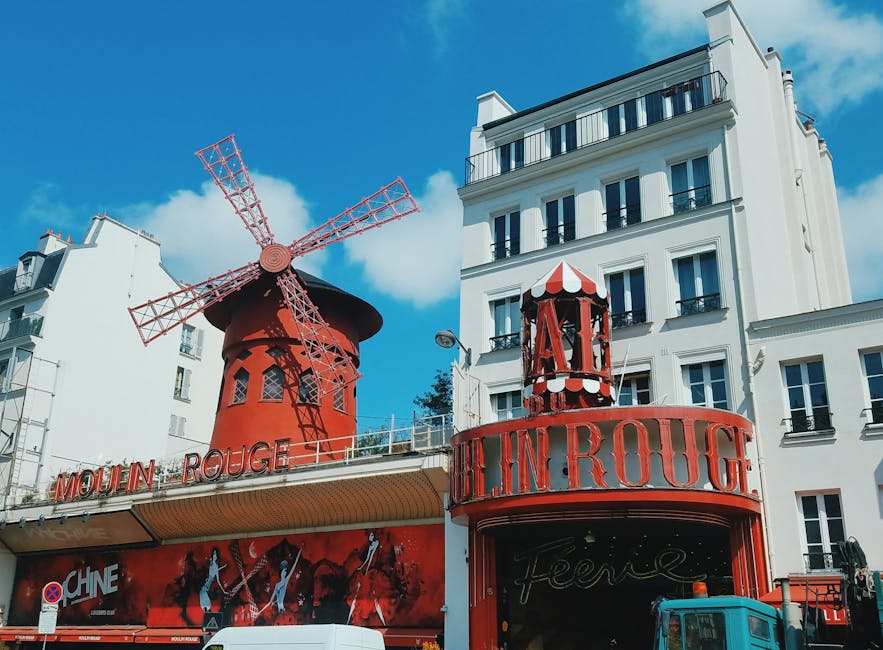
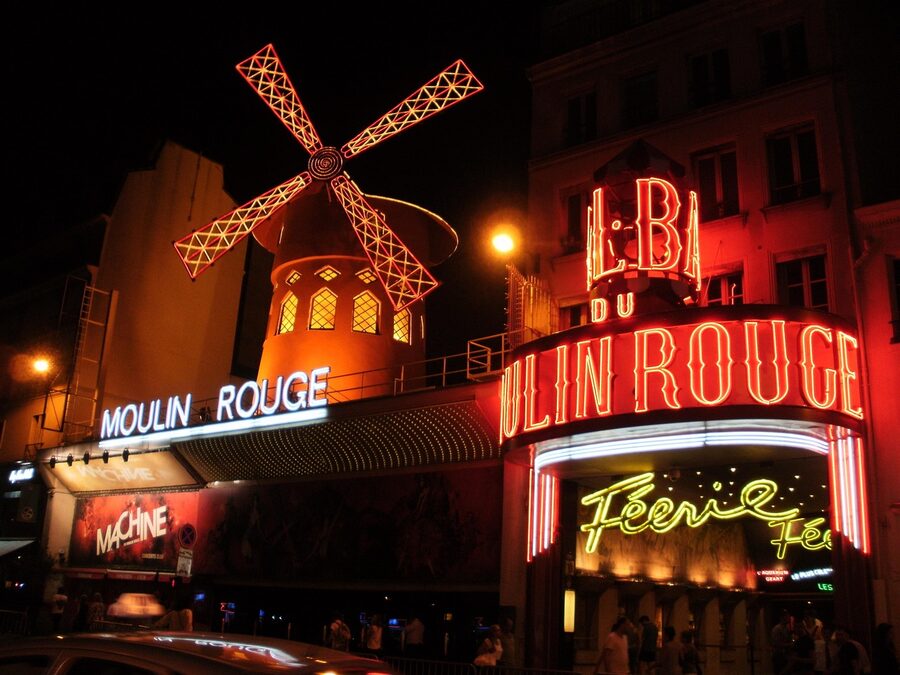
The Moulin Rouge is at 82 Boulevard de Clichy, in the 18th arrondissement. The closest metro is Blanche, on Line 2. You come up the stairs, turn around, and the red windmill is across the boulevard. Total walk from the platform to the front door: under three minutes.
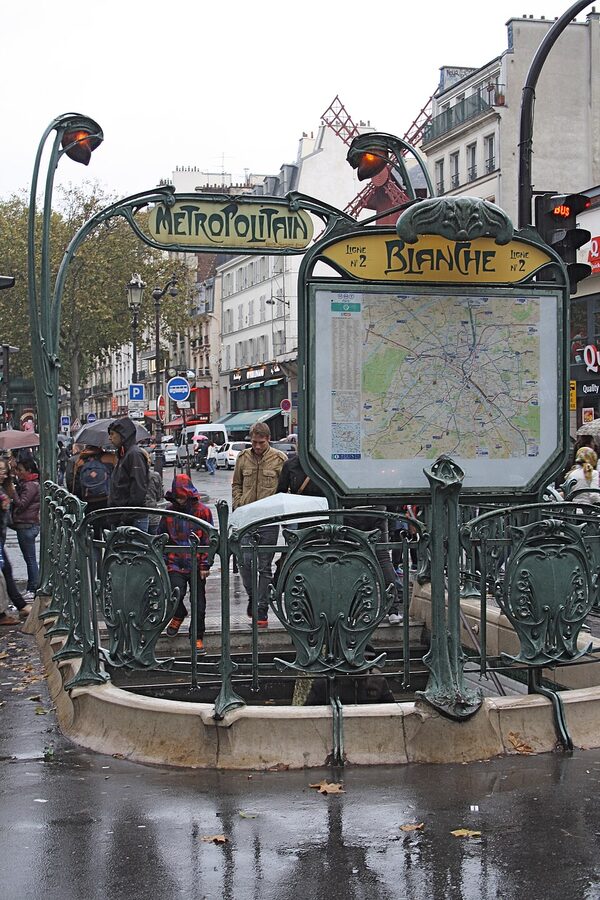
The thing nobody mentions is that two of the metro exits at Blanche put you on the wrong side of Boulevard de Clichy. The boulevard is wide, divided by a tree-lined median with traffic on both sides, and the pedestrian crossings aren’t where your instinct wants them. Use the Place Blanche / north side exit — there’s a sign as you go up the stairs — and you’ll surface within fifty metres of the front door without crossing anything.
If you’d rather walk in from somewhere south like the Latin Quarter or you’re already in the 9th arrondissement, Place de Clichy (Lines 2 and 13) is the alternative — it’s a six-minute walk down the boulevard, all on a flat pavement, well-lit at night.
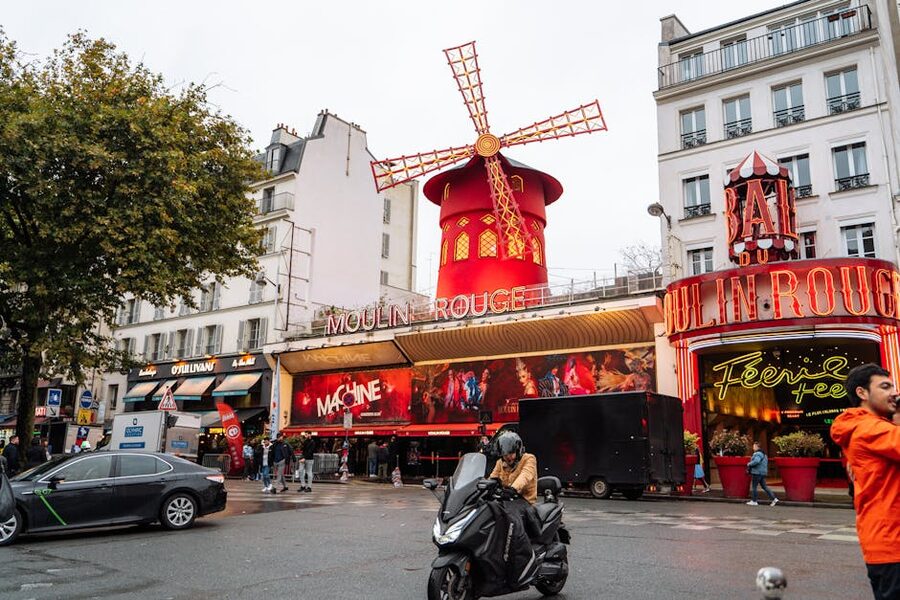
Buses 30, 54, 68 and 74 all stop within a minute of the front door if you’d rather skip the metro. Taxis and Ubers can drop you on the boulevard but they cannot stop in front of the building during shift change — the curb is a designated tour-bus zone from about 6pm to midnight. Ask your driver to pull in fifty metres further along, on the Pigalle side, and walk back.
Driving and Parking
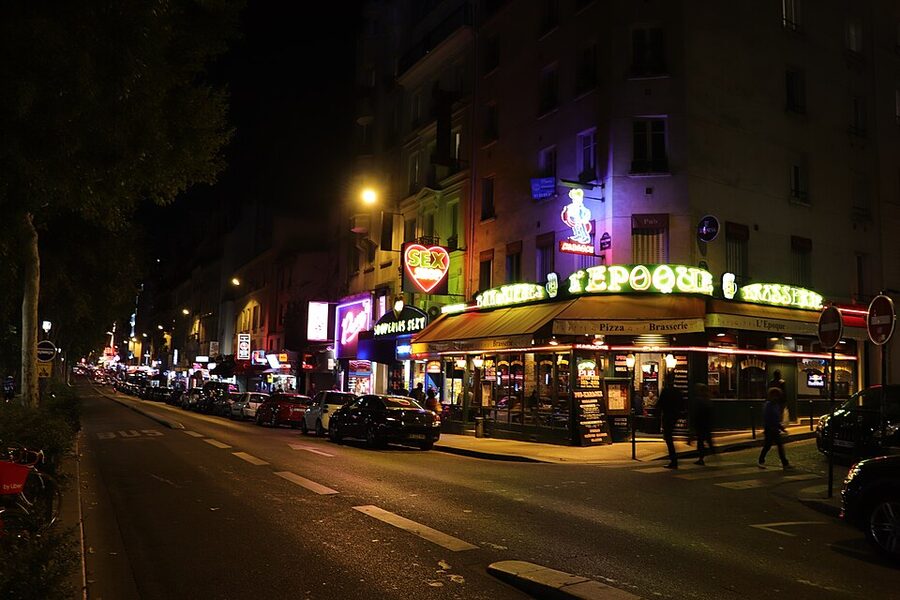
Don’t. Paris in the 18th is one of the harder neighbourhoods to drive in — narrow streets, contraflow lanes, and steep hills around Montmartre. If you’ve already committed to a car, the Clichy-Montmartre car park on Place Blanche is the closest official garage, and Moulin Rouge ticket-holders get a small discount on the in-and-out rate. Show your booking confirmation at the cashier on the way out.
Dress Code: What “Smart Casual” Actually Means Here
The official line is “smart casual, no shorts, no sportswear, no flip-flops.” The reality on a Tuesday in February is more relaxed than that — I’ve been with people in dark jeans and clean trainers and nobody blinked. The reality on a Saturday in summer with a 9pm dinner-show ticket is closer to the official line. People dress up.
The safe bet for any night: dark trousers or a dress, closed shoes, a collared shirt or a blouse. A jacket is nice but not required. Sequins, gowns, and outright cocktail wear are also normal — you’ll see both ends of the spectrum on the same night and nobody cares. What you can’t get away with: athletic shorts, flip-flops, branded sportswear, or anything that screams beach.
Coats: there’s a coatroom, it’s fast, and the staff hand the coats back without you needing the ticket if you remember the colour. Bag check exists but it’s quick — small bags fine, no large backpacks. If you’re coming straight from the airport with a wheelie suitcase, don’t. The Moulin Rouge is one of the few Paris venues that genuinely won’t let you in with luggage.
What the Show Is Actually Like
The current Moulin Rouge show is called Féerie — it’s been running since 1999, which makes it one of the longest-running cabaret revues in the world. Two hours, one act, no intermission. About sixty performers on stage at peak, including the Doriss Girls, the in-house dance troupe that the Moulin Rouge has trained since the 1950s.
The structure is broadly: opening can-can, a series of themed tableaux (pirates, an underwater scene, a circus-style acrobat sequence, a desert tableau), a couple of speciality acts (the most famous is a dancer in a tank with snakes — yes, real snakes, yes, it’s controversial), some comedy interludes, and a final can-can finale. The choreography is sharp. The costumes are spectacular. The music is loud and recorded — there’s no live orchestra during the show itself, only before curtain.
No photos during the show. This is enforced and the staff are quick about it. You can take photos in the lobby and at your table before the curtain, but the moment the lights drop, phones go in pockets. They will tap your shoulder if you forget.
Topless dancers feature in several scenes, which is worth knowing if you’re booking with kids or with someone who’d rather not. The Moulin Rouge officially admits ages six and up but in practice the show is calibrated for adults. Most parents I’ve spoken to who took children to it ended up wishing they hadn’t.
The snake act and one of the colonial-era tableaux land badly with some audiences. I’m with the people who think the snakes don’t need to be there in 2026 and the tropical-tableau choreography is past its sell-by date. The cabaret has updated less than its competitors. If those things will bother you, they will bother you, and the Crazy Horse or Paradis Latin further down this article are better fits.
The Dinner: Worth the Upgrade?
The food at the dinner show is good but not extraordinary. Three courses, French-classical menu, served by tuxedoed waiters in a room that’s already half-set for the show — the orchestra plays through dinner from a pit at the back. Service starts at 7pm sharp; if you arrive at 7:20pm you’ll catch up on the starter while everyone else is on the main.
What you’re actually paying for is the seat upgrade. Dinner-show guests get the front-and-centre tables — table for two, table for four, with white linen, candles, the works. Show-only guests fill in around them, often in side rows where the stage edge is partly blocked by the lighting rig. The $185 difference between show-only and dinner show buys you food worth maybe €60-70 retail and roughly $115-125 worth of seat upgrade. If the seat matters, it’s a good deal. If you’d rather eat at a real restaurant in Montmartre first and just see the show, the show-only ticket plus dinner elsewhere is the smarter spend.
The vegetarian and vegan menu is genuinely good — it’s not an afterthought, you’ll be served a proper three-course alternative. Flag it at booking, not on the night. Same for allergies.
How Long the Show Runs
Officially 1 hour 45 minutes. In practice it runs closer to 2 hours once you factor in the late-arriving table being seated, the brief speeches, and the costume change interludes. Plan to be in the building for at least 3 hours if you’ve booked the show-only ticket, and 5 hours if you’ve booked the dinner show.
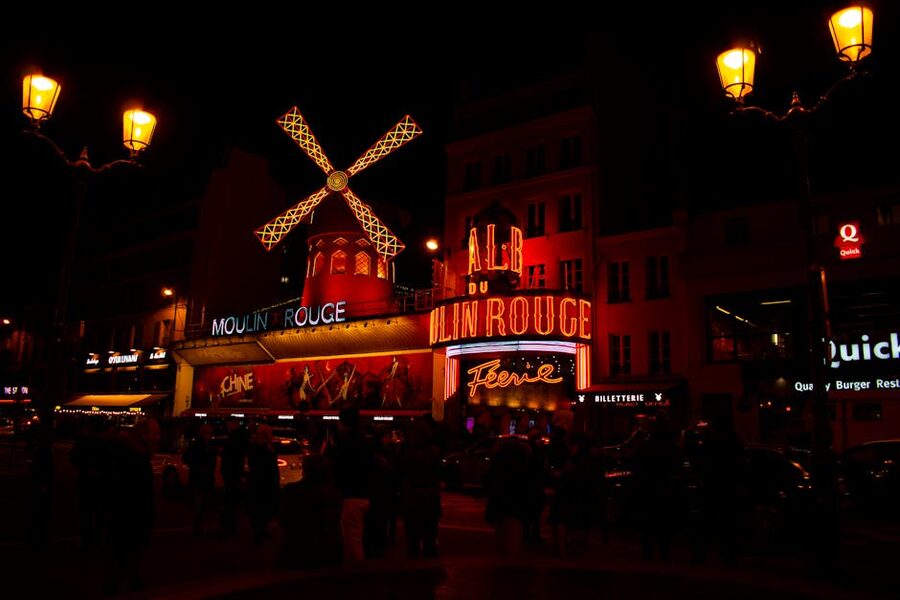
The show ends at about 10:45pm for the 9pm slot, or about 1:15am for the 11pm slot. Both end times are in the awkward window where Paris taxi supply contracts hard — the metro stops running on Line 2 at 12:30am Sunday-Thursday and 1:45am Friday-Saturday. If you’ve booked the late show on a weeknight, you’re walking, taking a night bus, or paying for an Uber surge.
The Two Cabaret Alternatives Worth Knowing
The Moulin Rouge isn’t the only cabaret in Paris and it isn’t always the best fit. Two alternatives are genuinely worth a look:
The Crazy Horse cabaret show in the 8th arrondissement is the more modern alternative — 90 minutes, cleaner choreography, projection-and-lighting heavy, no tableaux that make 2026 audiences squirm. Smaller venue, more intimate, much better if you’ve already done the Moulin Rouge once or you’re a return visitor to Paris.
The Paradis Latin cabaret show, in the 5th arrondissement, is in a venue Gustave Eiffel actually designed in 1889 — same year as the tower. The show is shorter (about 100 minutes), the cancan is the headline, and it tends to feel less mass-tourist than the Moulin Rouge. The champagne option is optional, which is also nice.
If you’ve already booked the Moulin Rouge and you want a second night out, either of these gives you a different texture. The Moulin Rouge is the spectacle. Crazy Horse is the art-house version. Paradis Latin is the historic version.
Where to Go Before the Show
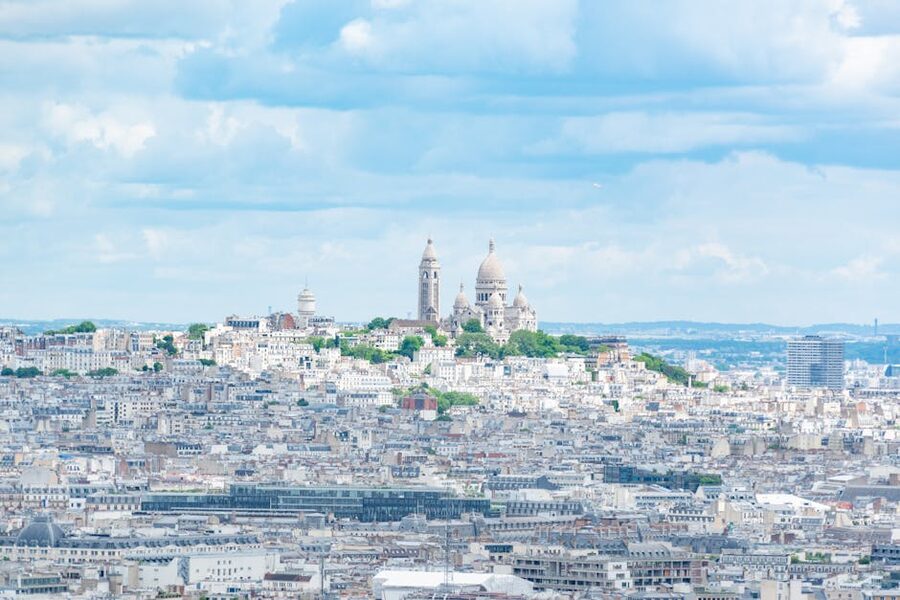
You’ll have time to kill if you’re booked for the 9pm or the 11pm slot, and the area around the Moulin Rouge is genuinely worth wandering. Montmartre proper is uphill from Boulevard de Clichy — the climb takes about fifteen minutes from the Moulin Rouge front door to the steps of Sacré-Cœur Basilica. The view from the basilica steps at sunset is one of the better free experiences in Paris.
For dinner before the show, skip the boulevard itself — it’s tourist-priced and slow. Walk one block north into the side streets and you’ll find the real restaurants. Café Blanche at 79 Rue Blanche is a reliable pre-show choice; quiet on weeknights, open until 2am, and the kitchen actually closes later than most of the area. The walk back from there to the Moulin Rouge is four minutes.
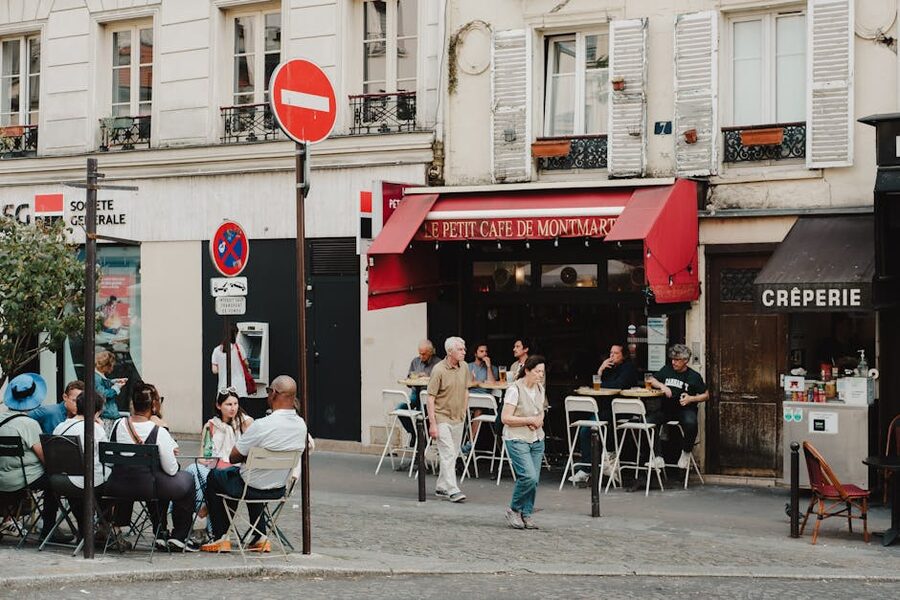
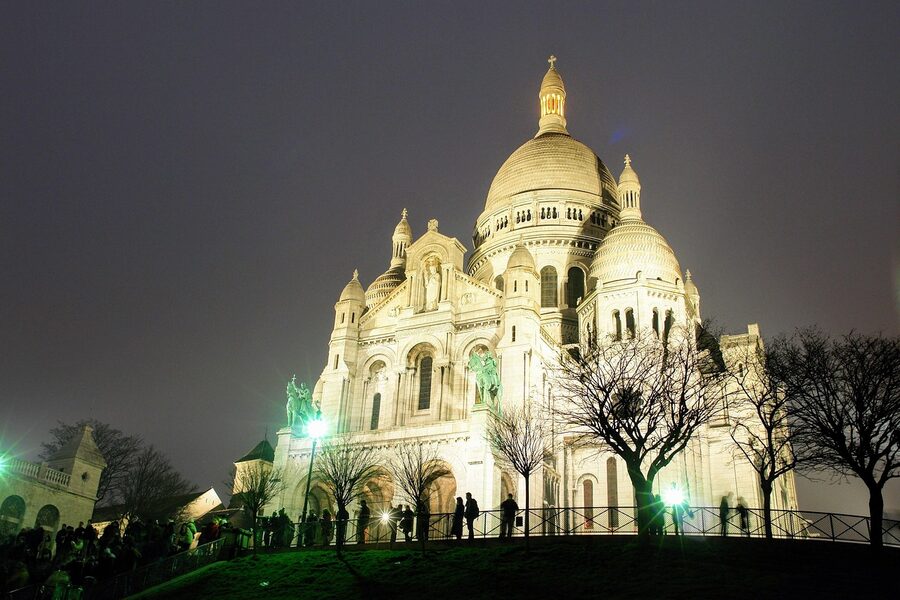
If you want to make a longer day of it, the Montmartre walking tour covers the same neighbourhood with proper local context — the Place du Tertre, the artist studios, the spots Toulouse-Lautrec actually drank in. Book it for the late afternoon and you’ll roll into your Moulin Rouge slot already in the right frame of mind.
The Moulin Rouge in Five Minutes of History
The Moulin Rouge opened on 6 October 1889 — the same year the Eiffel Tower was inaugurated. The venue’s two co-founders were Charles Zidler and Joseph Oller, who already ran a successful music hall on the Right Bank and wanted a venue closer to the working-class Montmartre nightlife. The red windmill on the roof was decorative from day one — there was never any milling done — and was designed to be visible from the bottom of Boulevard de Clichy as a beacon for arriving guests.
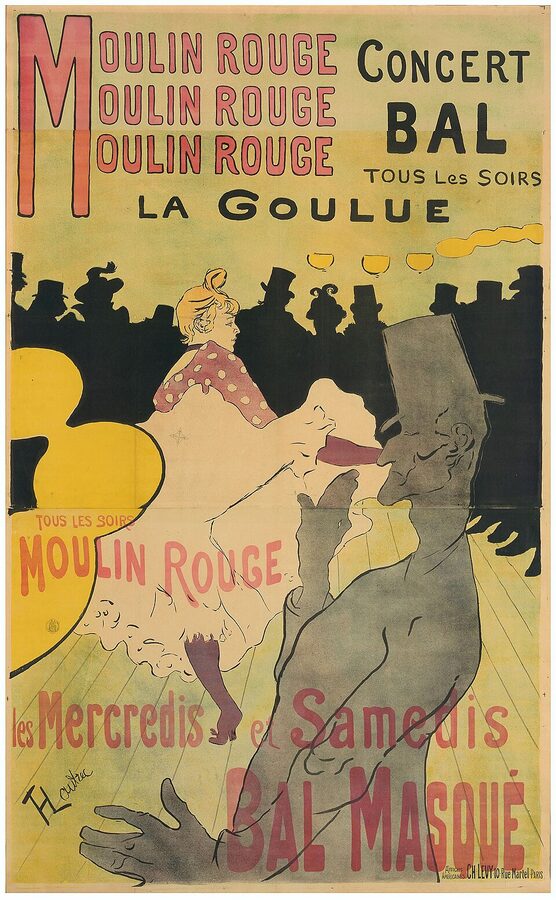
The venue’s rise was tied to one specific dance: the can-can. Originally a working-class social dance from the cafés and dance halls of the 1830s, it had been gentrified into a stage routine by the 1880s. The Moulin Rouge took it back to the working class — louder, faster, and performed by named star dancers who were paid like actresses, not chorus girls. La Goulue (real name Louise Weber) became the first dancer in Paris to be on first-name terms with her audience. Her partner, Valentin le Désossé, was a wine merchant by day and a contortionist by night.
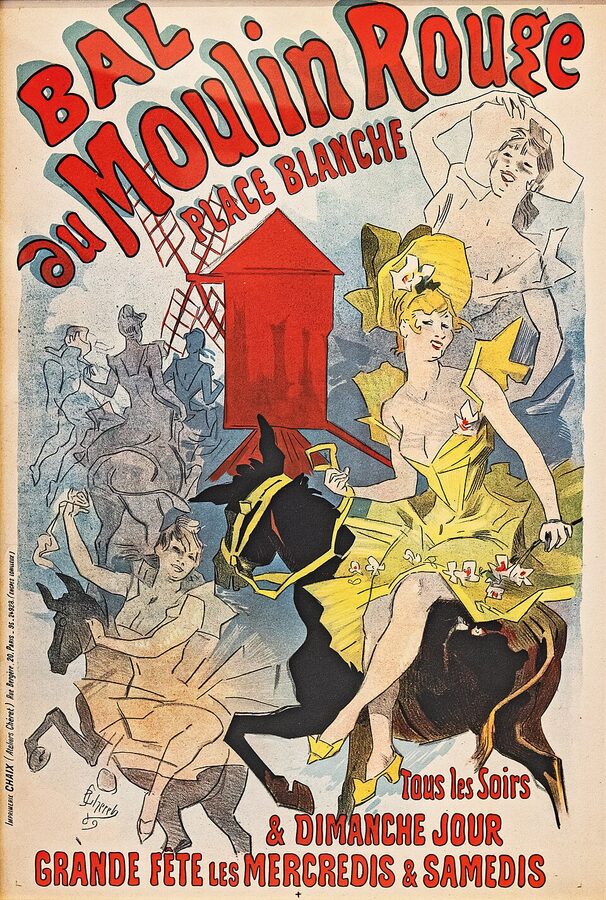
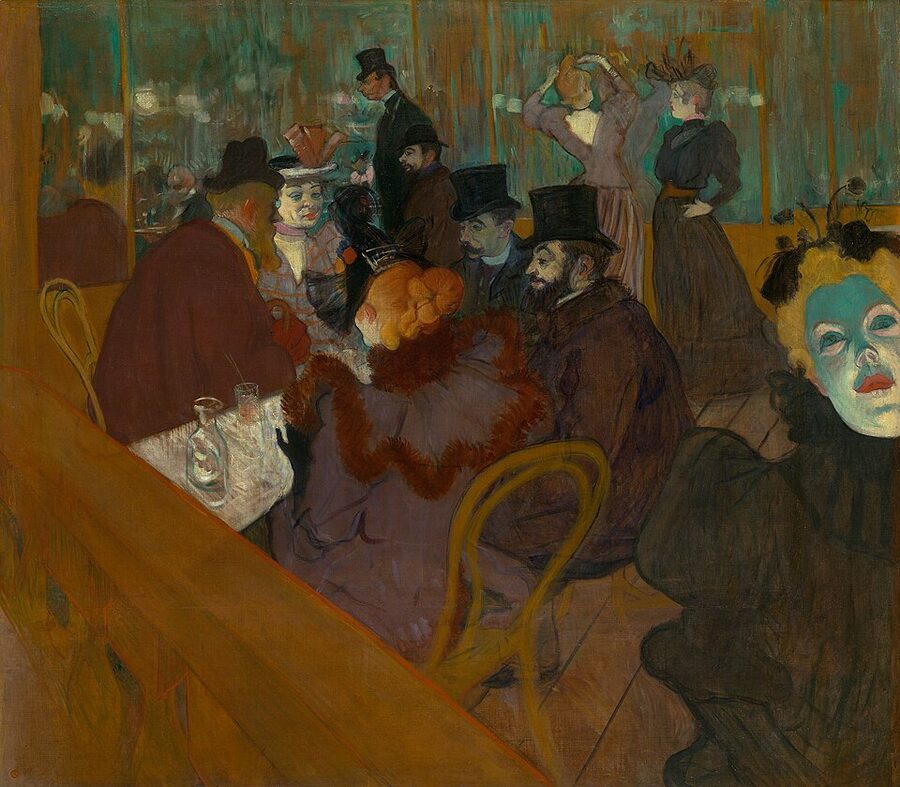
The painter Henri de Toulouse-Lautrec made the Moulin Rouge famous outside Paris. He started drawing the dancers and the audience around 1890 and produced more than thirty paintings, sketches, and posters of the venue in the next ten years. His 1891 lithograph of La Goulue was the first colour poster Paris had ever seen plastered across its walls — it ran in editions of more than three thousand and turned both the dancer and the venue into international currency.
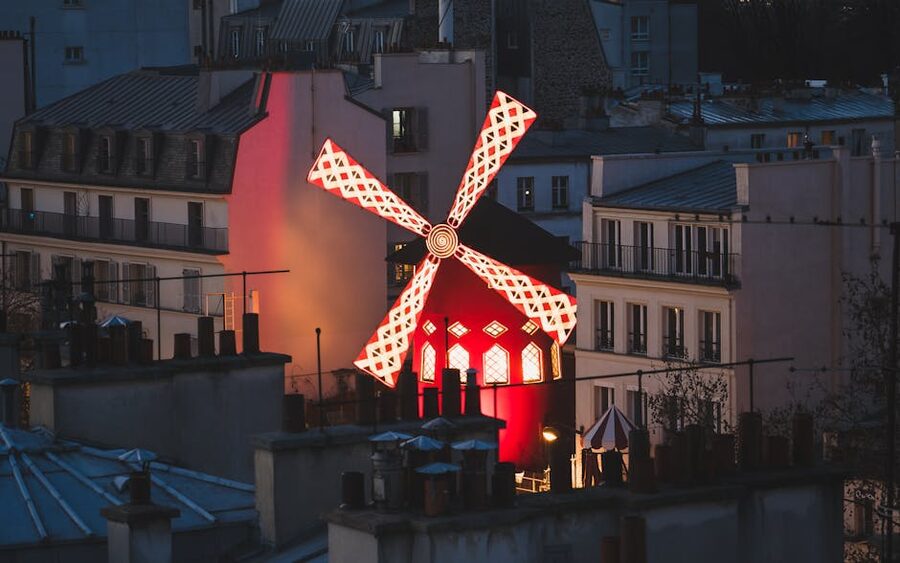
A fire in February 1915 destroyed most of the original interior. The venue was rebuilt in 1921 in the art deco style you see today, with the gilded ceiling and the curved orchestra pit still in place. The Doriss Girls dance troupe was founded in 1957 and is still the in-house ensemble. In April 2024 a section of the rooftop windmill collapsed in high winds — the blades were rebuilt within three months, and the show didn’t miss a single performance.
Quick Practical FAQ
Is the Moulin Rouge worth it? If it’s your first or second trip to Paris, yes. It’s the only Paris experience where the venue, the history, and the show are all woven together — you’re not just watching a cabaret, you’re watching one in the room where Toulouse-Lautrec drew. If it’s your fourth trip, the Crazy Horse or Paradis Latin will feel fresher.
Do I have to redeem the ticket at the box office? No. Your GetYourGuide or Viator email is the ticket. Show it on your phone at the door. The Moulin Rouge will sometimes follow up with a printable confirmation a few days before — that’s optional.
Can I get tickets on the day? Sometimes for the 11pm late show. Almost never for the 9pm. Check the box office around 6pm; if the online inventory hasn’t sold the show out by then, the box office will release the remaining seats.
How early should I arrive? Thirty minutes for the show-only ticket. Fifteen minutes for the dinner show — they want everyone seated by 7pm so the kitchen can fire all starters at once.
Are there matinees? No. The Moulin Rouge runs evening shows only. There’s no afternoon performance and there hasn’t been one since 2019.
Is photography allowed? In the lobby, yes. At your table before curtain, yes. During the show, no. They are firm on this.
One More Thing About Booking
The cancellation window matters more here than at most Paris attractions. Champagne shows on a Saturday night are non-refundable within 24 hours; dinner shows are non-refundable within 48 hours. If you’re not 100% sure of your dates, book the show-only ticket through GYG (24-hour cancellation) and decide on dinner closer to the night. You can always upgrade by emailing the box office if there’s space.
If you’re combining the Moulin Rouge with other Paris bookings on the same trip — a summit ticket at the Eiffel Tower, a morning at the Louvre, or a day at Versailles — book the Moulin Rouge first, because it has the smallest inventory and the hardest weekend dates. The bigger landmarks have far more daily capacity and can be slotted in around your cabaret slot.
Pairing the Moulin Rouge With the Rest of Paris
An evening at the Moulin Rouge works best as the closer of a long Paris day. If you’ve spent the morning queuing for the Louvre and the afternoon at the Musée d’Orsay — where, incidentally, several of the Toulouse-Lautrec Moulin Rouge paintings now live — the cabaret is the perfect aesthetic full-stop. The Belle Époque painted in the morning, the Belle Époque performed in the evening.
For first-time Paris evenings I’d pair it with a Seine river cruise earlier in the day, or with the rooftop at the Arc de Triomphe at sunset for the panoramic warm-up before you descend into the cabaret darkness. The Montparnasse Tower rooftop is the better wide-view alternative if the Arc queue looks rough — it gets you the Eiffel in the frame, which the Arc cannot. If your trip leans more architectural, the Sainte-Chapelle or Panthéon earlier in the day will do the same job.
If your day has more art in it than landmarks, the Musée de l’Orangerie is a quieter alternative to the Louvre and runs on the same Belle Époque-into-Impressionism timeline as the Moulin Rouge. The Monet water lilies and the Toulouse-Lautrec Moulin Rouge sketches across the river at the Orsay are essentially two halves of the same story. And if you have any interest in the Napoleonic side of Paris, Les Invalides is the obvious afternoon stop on the way back across the Seine.
For a similar evening-show flavour without the cabaret, the Opéra Garnier is the obvious sibling — the same Belle Époque era, the same gilded interior aesthetic, with classical instead of can-can. Book the Garnier as a guided tour during the day and the Moulin Rouge in the evening for a clean Belle Époque double bill.
If You’re Travelling With Kids
The Moulin Rouge officially admits ages 6+ but I wouldn’t bring anyone under 14. The topless scenes will land badly and the late finish (10:45pm or 1:15am) is brutal on younger kids the next day. Disneyland Paris and the Grévin Wax Museum are the right Paris evenings for families with younger children.
For 16-and-up travelling with parents, it works fine — most teenagers find the snake act memorable for the wrong reasons and laugh about it later. Drop the dinner show idea in this case; the show-only ticket is enough.
Pulling It Together
If I had to give one piece of advice, it’s this: book the 9pm show-only ticket with champagne, three weeks ahead, on a weekday. You’ll get the better seats than weekend show-only buyers (because the dinner-show crowd is smaller midweek), the cancellation flex of 24-hour notice, and you’ll be back at your hotel before midnight. Eat at Café Blanche or somewhere on Rue Lepic before, climb up to Sacré-Cœur for the sunset photo, and walk back down for the show.
The Moulin Rouge is, at its core, a 130-year-old room with a very specific atmosphere — half theatre, half time machine. The show is dated in the parts that should be updated, polished in the parts that matter, and the building itself does most of the heavy lifting. You’re not paying $115 to see modern dance. You’re paying for an evening in a venue that’s been doing this exact thing on this exact corner since the year the Eiffel Tower opened, and that’s worth showing up for once.
For the rest of your Paris evenings, the natural pairings are the three closest cousins to a Moulin Rouge night out. Opéra Garnier for a Belle Époque double bill of cabaret-by-night and gilded ballroom-by-day. Disneyland Paris if there’s a kid in the group who needs an evening that isn’t a topless cabaret. And the Grévin wax museum for a 90-minute afternoon detour on the way to dinner. They make the best four-evening set in the city.