
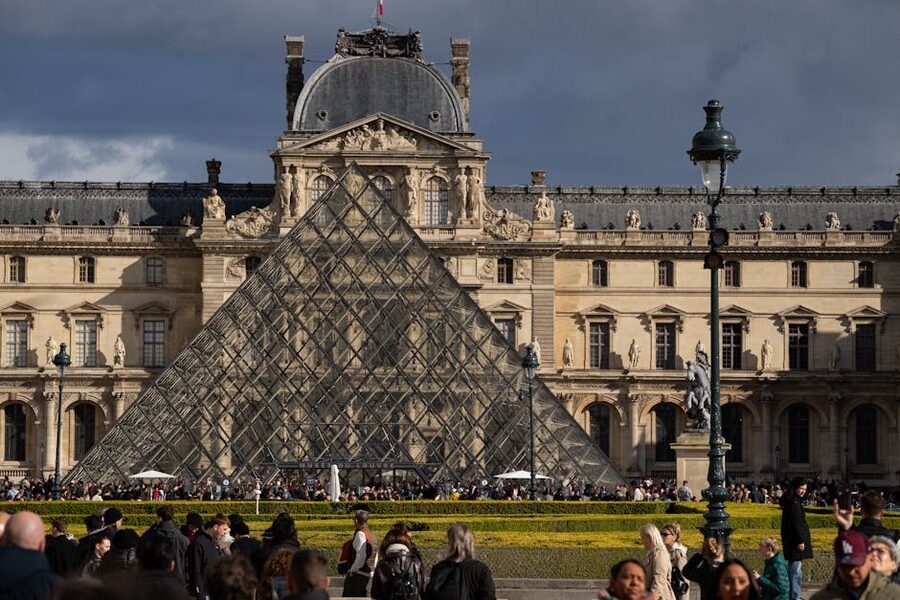
Buy the 6-day Paris Museum Pass and you’re paying about $31 a day for unlimited entry to more than 50 museums and monuments — including the Louvre, Versailles, Sainte-Chapelle, the Arc de Triomphe rooftop, and Napoleon’s Tomb. Walk up to any of those without the pass and a single ticket runs you €15-€22. The pass starts paying for itself on day one if you visit two big-name sites, and the time you save skipping ticket queues is worth more than the euros.
- In a Hurry? Top Picks
- What the Paris Museum Pass Actually Is
- What’s Not Included (Important)
- Where to Buy It
- Reservations: This Is Where People Mess Up
- Is It Worth the Money?
- Three Pass Options Compared
- 1. Paris Museum Pass: 2, 4, or 6 Days — from 9
- 2. Paris Pass Plus: Louvre, Eiffel Tower & 90+ More — about 1
- 3. Go City Paris All Inclusive Pass — about 5
- How to Plan a Trip Around the Pass
- Day 1: Right Bank, central
- Day 2: Île de la Cité and the Marais
- Day 3: Versailles
- Day 4: Champs-Élysées and Invalides
- Lesser-Known Pass Sites Worth a Slot
- Day Trips Outside Paris That the Pass Covers
- Practical Stuff Nobody Tells You
- Pass Versus Buying Tickets Individually
- While You’re Sorting Your Paris Itinerary
In a Hurry? Top Picks
- Paris Museum Pass — 2/4/6 days from about $129. The classic. Free entry to 50+ sites, valid by hour from first scan. Book on GetYourGuide.
- Paris Pass Plus — about $211. Wraps the Museum Pass into a bundle that adds the Eiffel Tower, hop-on hop-off bus, and a Seine cruise. Book on GetYourGuide.
- Go City Paris All Inclusive — about $215. Different bundle structure, 35+ attractions, refundable up to use. Book on Viator.
What the Paris Museum Pass Actually Is
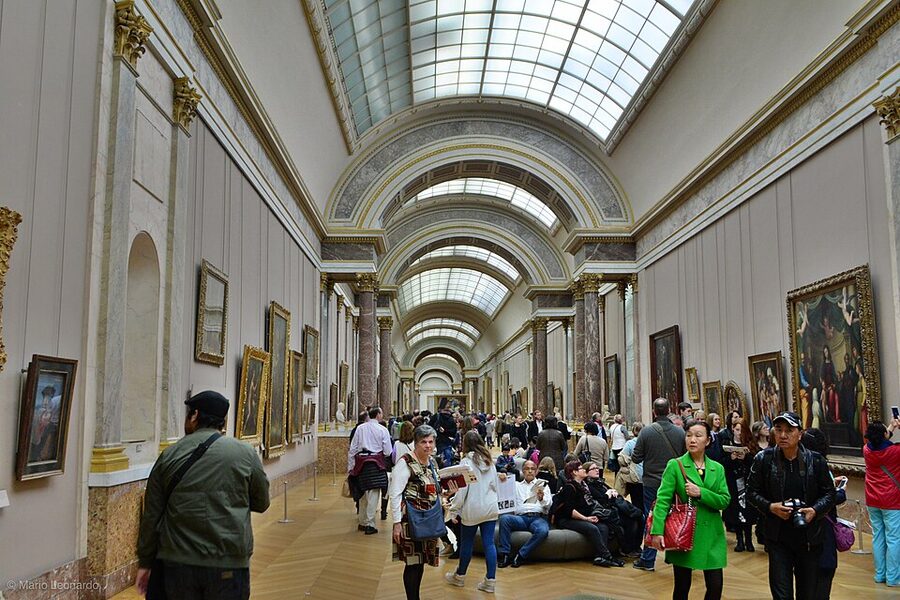
The Paris Museum Pass is a single card (or a digital QR code, if you buy it online) that gives you unlimited entry to a list of more than 50 museums, monuments, and castles in Paris and the Île-de-France region. It’s run by an association of the museums themselves, not a third-party reseller, which is why the same list of attractions is on every reseller’s site.
You buy it for 2, 4, or 6 consecutive days. The clock starts the moment you scan it at the first museum — not at midnight. So a 2-day pass is really 48 hours, a 4-day pass is 96 hours, and a 6-day pass is 144 hours. If you scan in at noon on Monday with the 2-day version, it’s good until 11:59 Wednesday. That hour-based math matters more than people think — you can squeeze a fourth museum into a “2-day” trip if you plan it right.
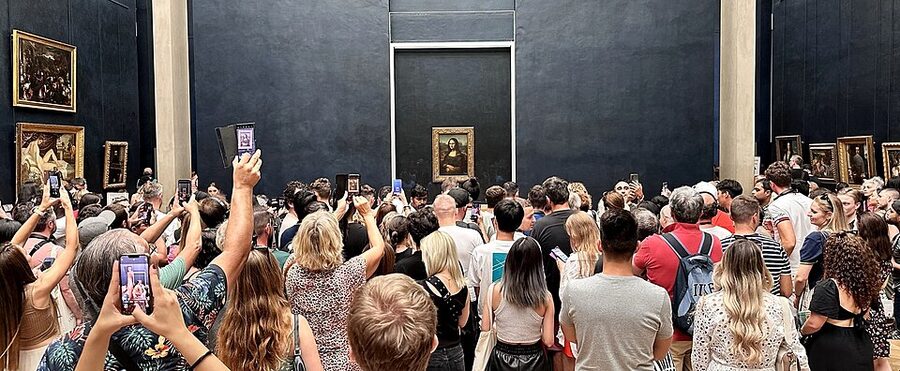
What’s covered is more than the marquee names. Yes, the Louvre, Musée d’Orsay, Versailles, Orangerie, Arc de Triomphe, Sainte-Chapelle and the Conciergerie, the Panthéon, and Les Invalides are all included. But so are smaller picks most first-timers miss — the Cluny medieval museum, the Picasso Museum in the Marais, the Rodin Museum and its garden, the Quai Branly, the Pompidou, the Conciergerie, and even Notre-Dame’s tower climb when you can get a slot.
What’s Not Included (Important)
This trips up a lot of people. The pass does not include some of the biggest names in Paris. None of these are on the list:
- The Eiffel Tower — book separately
- The Catacombs
- Disneyland Paris
- Moulin Rouge shows
- Opera Garnier guided tours (self-guided entry IS included)
- Musée Grévin wax museum
- Montparnasse Tower observation deck
- Seine river cruises — not a museum, despite some passes bundling them
If those are on your list — and the Eiffel Tower probably is — you’ll need separate tickets. Or you’ll need to look at the Paris Pass Plus or Go City bundle, which combine a Museum Pass with extra non-museum tickets at a higher price (more on those below).
Where to Buy It
Three ways. Pick whichever fits your trip.
1. The official Paris Museum Pass website (parismuseumpass.fr). Sells in euros, sends you a QR code by email, and you can pick up the physical card in Paris if you’d rather have one. This is the cheapest option in pure euro terms — no markup.
2. GetYourGuide or Viator. Slightly higher price (about $5-$10 more), but you get instant booking confirmation in your local currency and free cancellation up to 24 hours before your start date. If you book months ahead and your trip dates change, this is the safer bet — the official site doesn’t refund.
3. In person at participating museums and a few Paris tourist offices. You’ll skip the convenience of pre-booking museum time slots, and if you don’t end up using the pass it’s non-refundable. Don’t bother with this option unless you’re already in Paris and decide on the spot. Not worth the queue you’ll wait in to buy it.
Reservations: This Is Where People Mess Up
Free entry doesn’t mean walk-up entry. Several of the included sites require a separate, free, timed reservation on top of your Museum Pass. Skip this step and you’ll get turned away at the door — pass or no pass.
The list shifts year to year, but as of 2026 the ones that need advance booking are:
- The Louvre — book through the Louvre’s own site as soon as you have the pass voucher. In peak season (April-June, September-October) the morning slots fill 1-2 weeks ahead. Out of season you can sometimes book a day or two before.
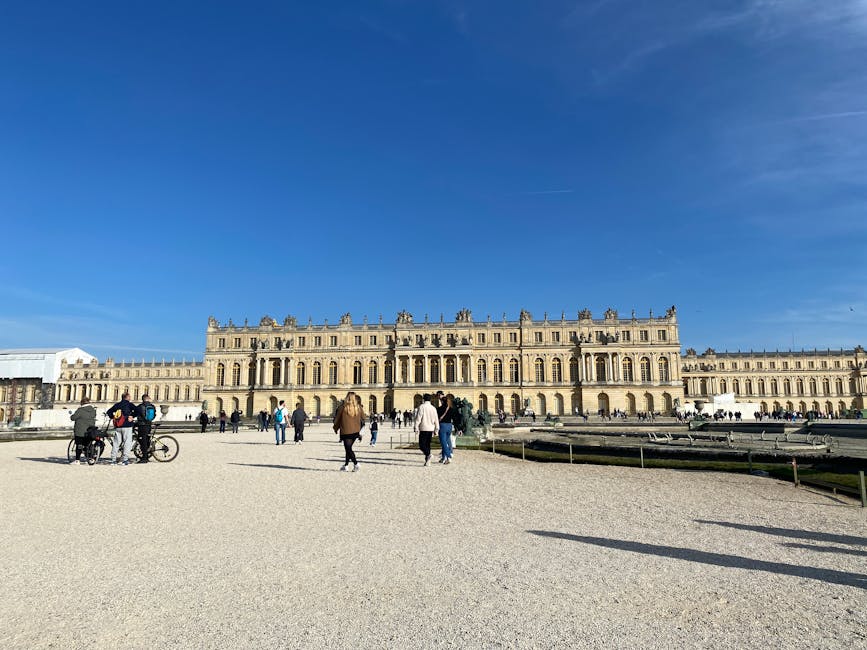
- Versailles Palace — same deal. Use the chateauversailles.fr booking page. The 9 AM and 9:30 AM slots are the ones to grab.
- Sainte-Chapelle / Conciergerie — one slot covers both because they share the entrance. Book through monuments-nationaux.fr.
- Musée de l’Orangerie — small museum, fast-selling slots. Book early.
- Hôtel de la Marine — a quieter newcomer to the pass, but they enforce the booking strictly.
- Cité de l’Architecture et du Patrimoine — usually has same-day availability except weekends.
- Notre-Dame’s Towers — limited daily slots, can sell out a week ahead in summer.
The booking confirmation email from your pass purchase has direct links for each. Bookmark them. The first thing I do once I’ve bought a pass is sit down with a coffee and book all the timed slots in one go — usually takes 20 minutes.

Is It Worth the Money?
Depends on how you travel.
The break-even maths are pretty simple. Standard adult tickets for the major sites in 2026 run roughly:
- Louvre: €22
- Versailles palace + gardens: €21 (more during fountain shows)
- Musée d’Orsay: €16
- Sainte-Chapelle: €13
- Conciergerie: €13
- Arc de Triomphe rooftop: €16
- Orangerie: €12.50
- Pantheon: €13
- Les Invalides + Napoleon’s Tomb: €15
- Notre-Dame Towers: €13 (when available)
The 2-day pass at €70 (about $129) breaks even at three or four sites. Easy to hit if you do the Louvre + Orsay on day one and Sainte-Chapelle + Conciergerie + Arc de Triomphe on day two.
The 4-day pass at €100 (about $154) breaks even at six sites. Realistic if you’re a museum person and pace yourself — say two big-and-one-small per day.
The 6-day pass at €120 (about $184) breaks even at seven or eight sites. This is the marathon option. Worth it only if you’re in Paris a full week and you’re actually going to use the days. I’ve watched friends buy the 6-day, do three sites, and admit later they over-bought.
The other half of the value calculation is time. Even with the pass, you’ll still queue for the security check at the bigger sites — that part isn’t optional. But you skip the ticket-buying queue entirely. At the Louvre on a busy summer afternoon that can shave 45 minutes off your wait. At Versailles in May it can be over an hour. Across a 4-day trip that adds up to half a day of Paris you didn’t spend in line.
Where the pass doesn’t work: short layover trips (under 48 hours), trips where you only care about one or two sites, and trips with kids under 18 or EU citizens under 26 in your group — those people enter free anyway. You only need the pass for the adults paying full price.
Three Pass Options Compared
1. Paris Museum Pass: 2, 4, or 6 Days — from $129
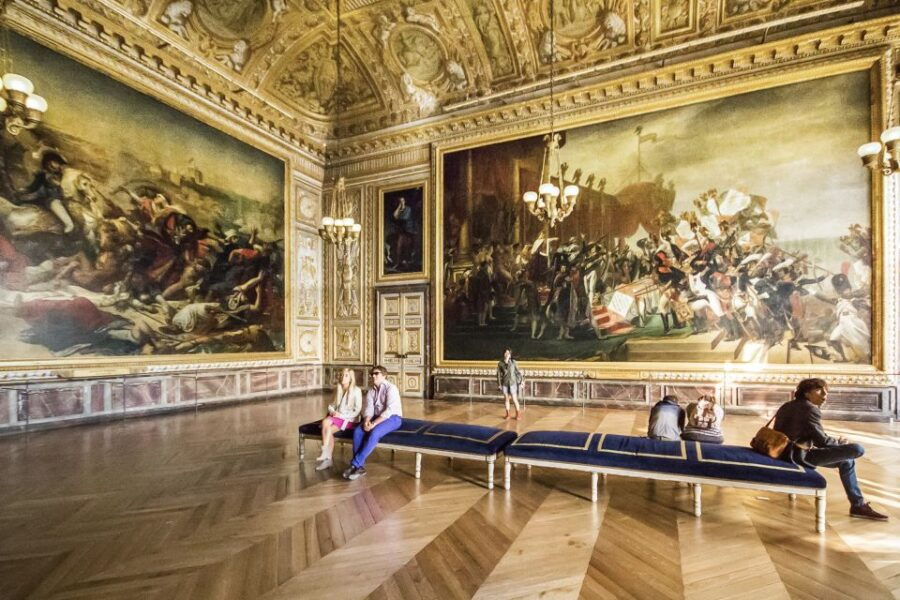
This is the one to get for most travelers. Our full review walks through the activation flow and which day-counts make sense for which trip lengths. Free cancellation up to a day before is the killer feature versus the official site — book it the moment you have flights, change later if you need to. Pure museums, no bundled fluff.
2. Paris Pass Plus: Louvre, Eiffel Tower & 90+ More — about $211
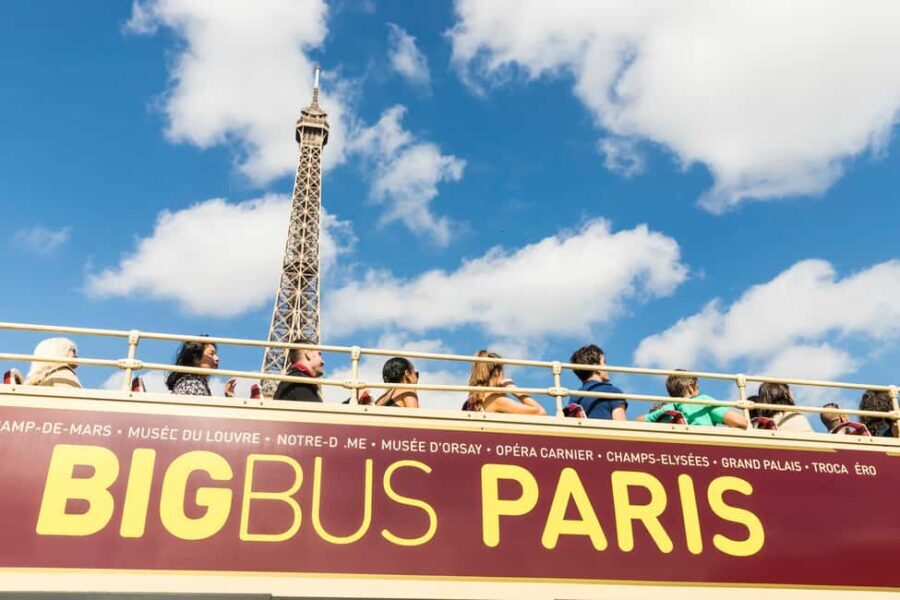
Bundles a Paris Museum Pass with Eiffel Tower entry, an open-top bus tour, and a Seine cruise inside the Go City app. Worth it if you want all those things and don’t want to manage four bookings. Less worth it if you’re not actually going to use the bus — easy to over-buy here. Compare it carefully against booking the Museum Pass plus a separate evening cruise and a hop-on hop-off ticket; sometimes the math works, sometimes it doesn’t.
3. Go City Paris All Inclusive Pass — about $215
The Go City version of the all-inclusive bundle. Same idea, different list of extras — a Seine boat, a chocolate workshop, the wax museum. The reviews on this one are mixed; our review spells out where the friction tends to hit (mostly: people buy it then can’t get reservations to the must-see museums in time and don’t realize the pass clock is still ticking). If you’ve got long lead time and you’ll use the extras, it works. If you’re a last-minute booker, stick with the standard Museum Pass.
How to Plan a Trip Around the Pass
The mistake most people make is buying the pass and then trying to figure out an itinerary. Do it the other way around. Sketch the days first, then choose the duration.
For a typical 4-day Paris trip, here’s how I’d run a 4-day pass — adjust to taste. The point is grouping by neighbourhood, not by museum size.
Day 1: Right Bank, central
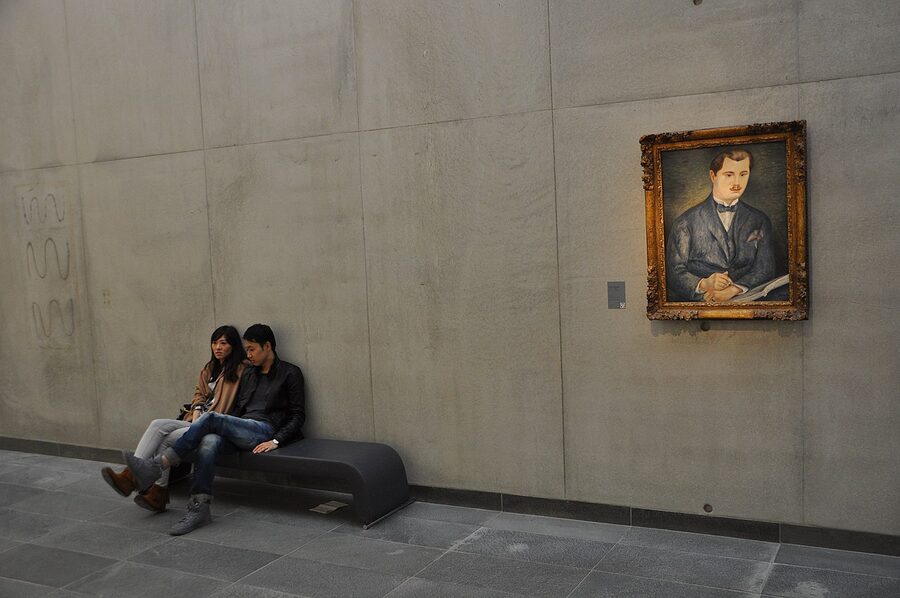
Start at the Louvre at 9 AM (book the earliest slot you can get). Two to three hours is plenty for a first visit — you don’t need to see everything, you need to see what you actually came for. Walk across the Tuileries to the Orangerie for Monet’s water lilies (an hour). End the afternoon at the Musée d’Orsay across the river. Three big sites, two of them on the same metro line, one pass.
Day 2: Île de la Cité and the Marais
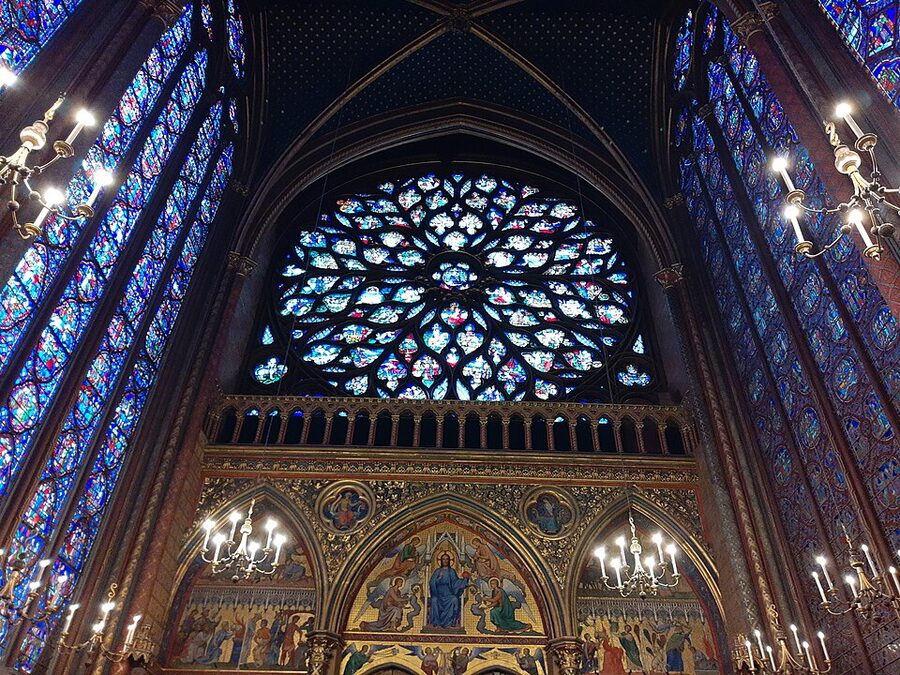
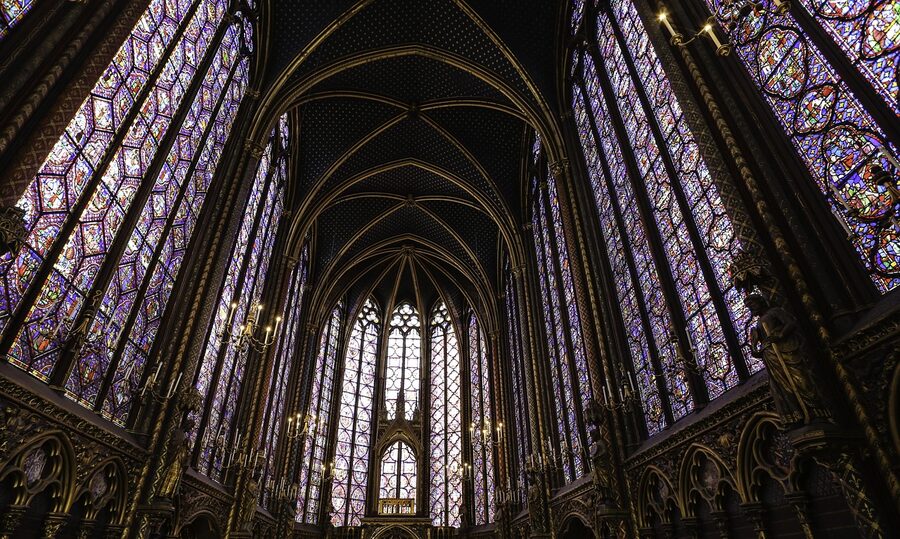
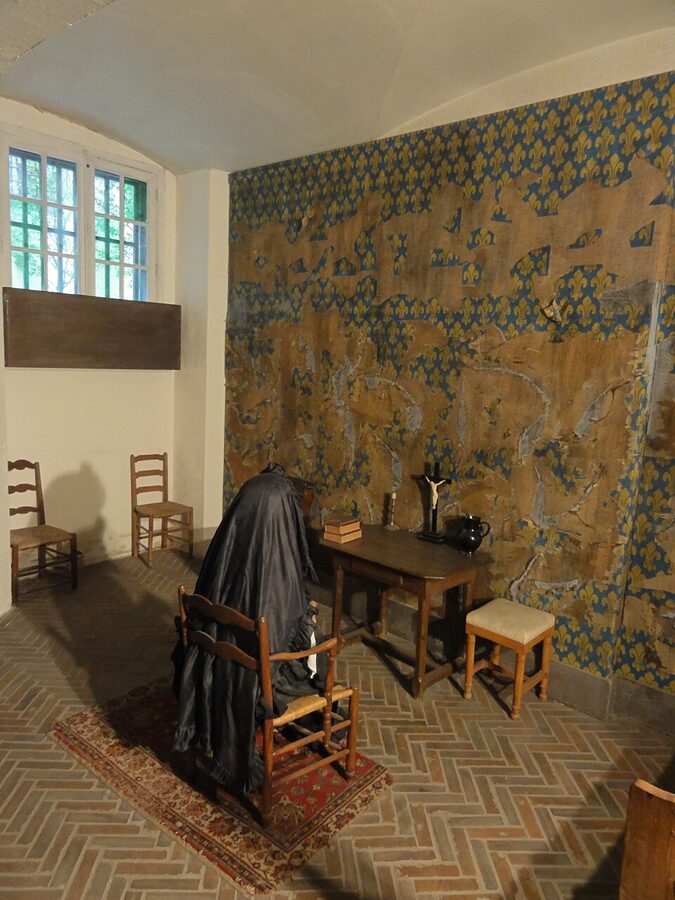
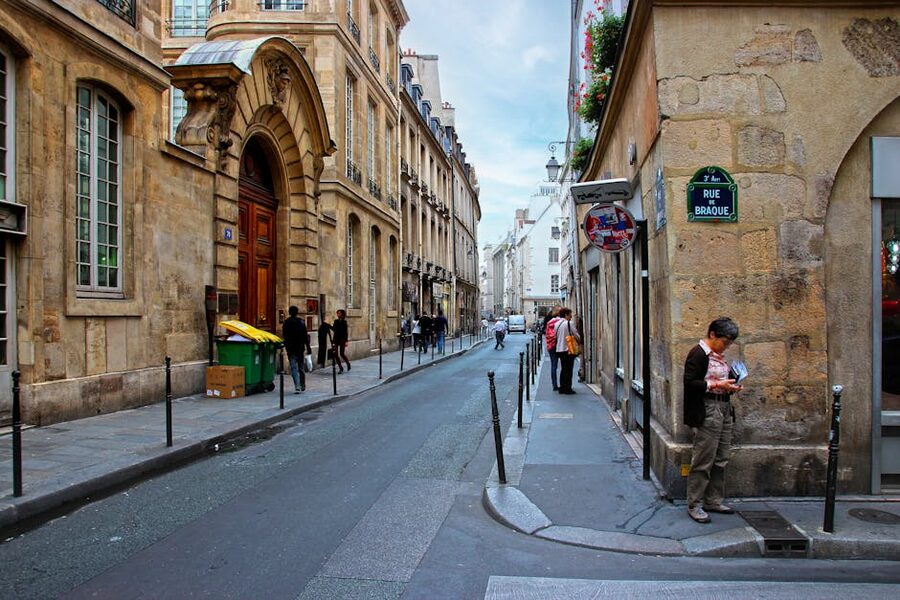
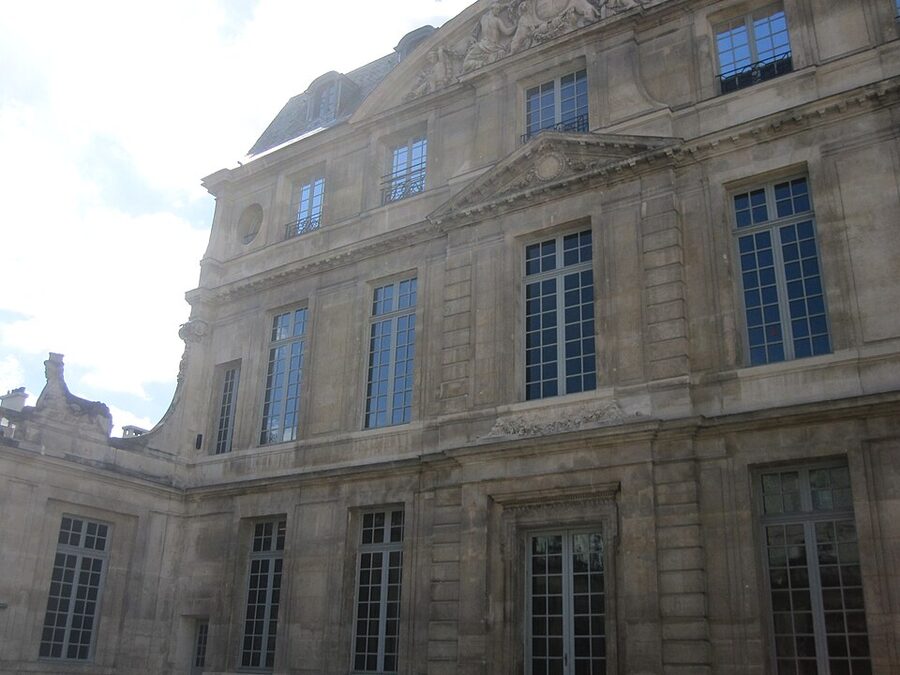
Sainte-Chapelle first thing (book the timed slot). The light is best mid-morning. Walk straight next door to the Conciergerie — same ticket, same slot, completely different vibe (medieval prison and Marie Antoinette’s cell). Cross to the Marais for lunch and the Picasso Museum in the afternoon. If you’ve got energy left, the Pompidou is fifteen minutes’ walk and stays open until 9 PM most nights.
Day 3: Versailles
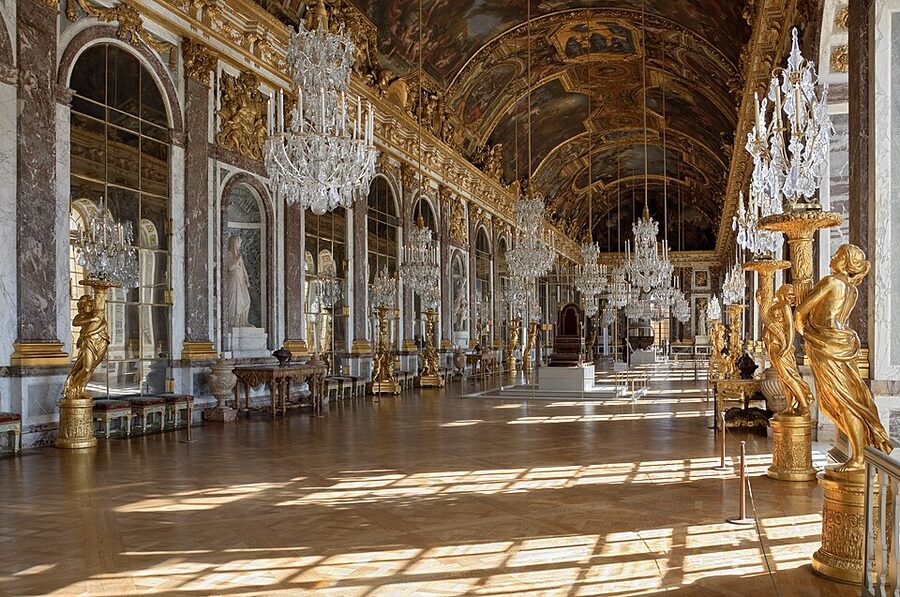
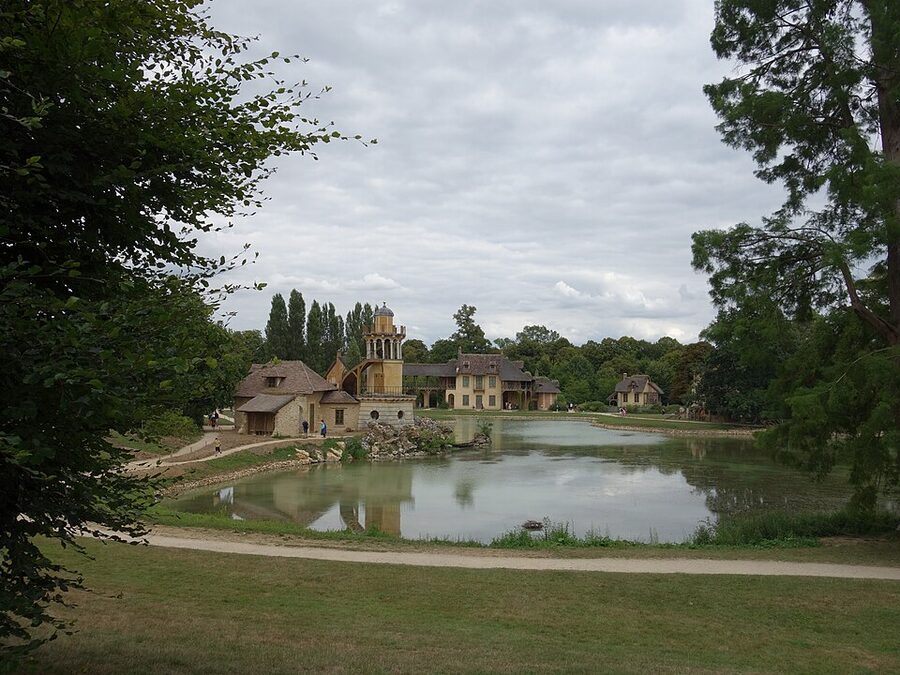
This is its own day. Take the RER C from Pont de l’Alma or Champ de Mars, get off at Versailles Château Rive Gauche, walk 10 minutes. With the pass you skip the (massive) ticket queue but you still need that 9 AM timed slot in advance. Plan a full day — the gardens alone are bigger than central Paris. Pack lunch or eat at one of the restaurants by the Grand Canal. Back to Paris by 6 PM.
Day 4: Champs-Élysées and Invalides
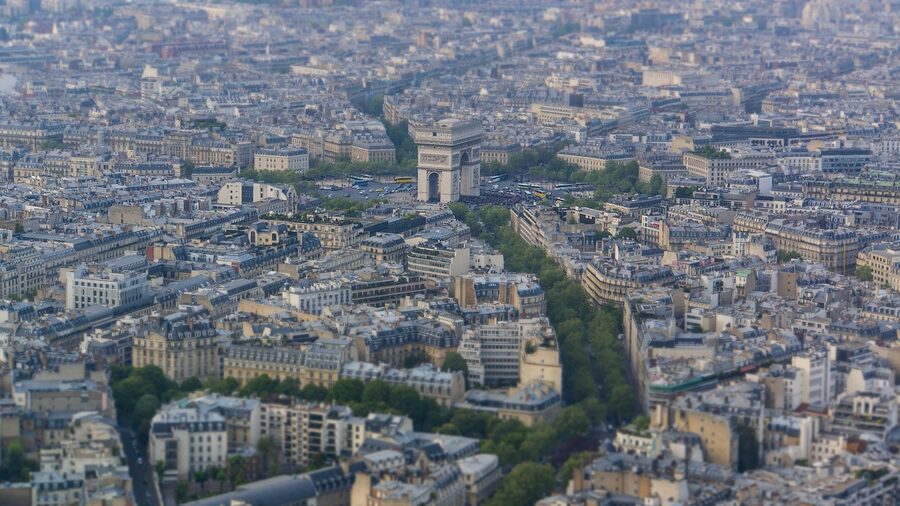
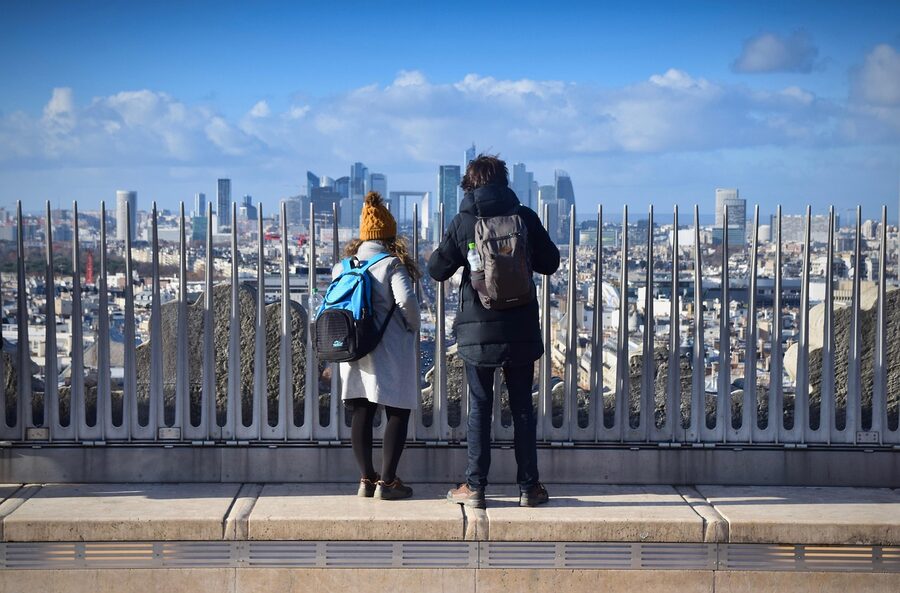
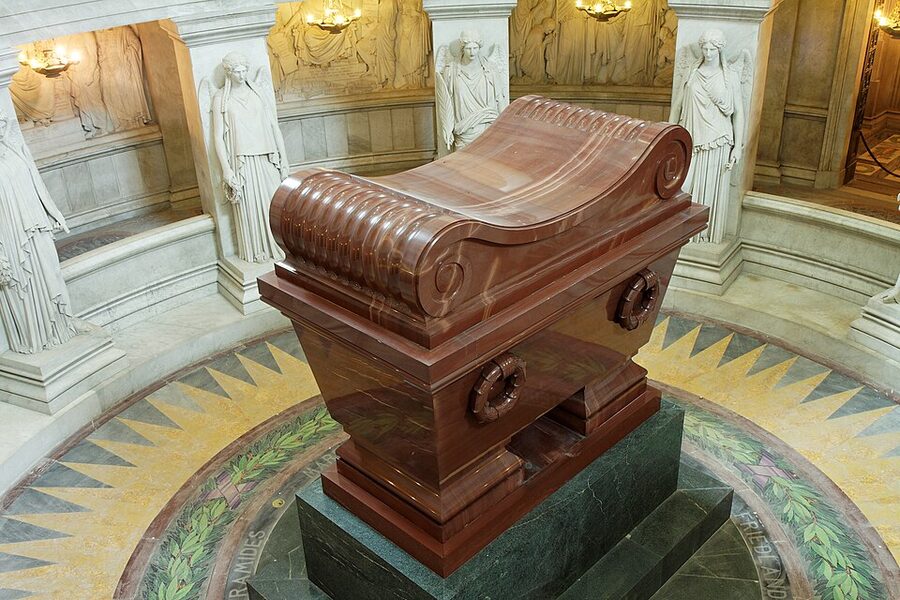
Climb the Arc de Triomphe at opening (9 AM in winter, 10 AM in summer). The rooftop view is the best in central Paris and almost nobody’s up there before 10. Walk down the Champs-Élysées if you must, or skip it and take the metro to Invalides. The Army Museum and Napoleon’s Tomb are huge — give them at least three hours. End the afternoon at the Rodin Museum’s garden across the street.

Lesser-Known Pass Sites Worth a Slot
Once you’ve done the headline names you’ve got pass time spare. The list below is where the pass quietly earns extra value — places most short-trip visitors don’t make it to.
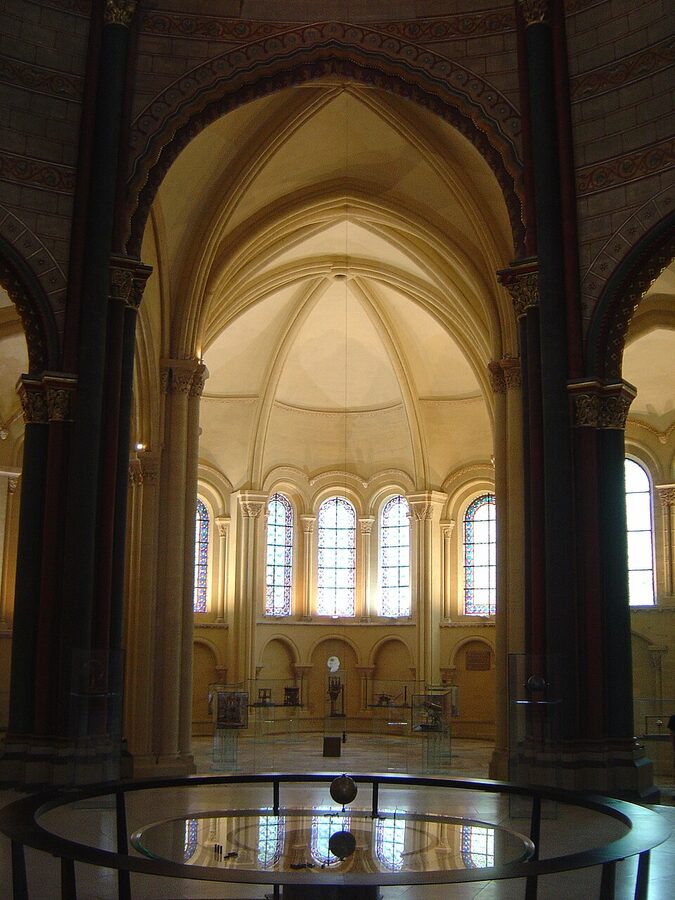
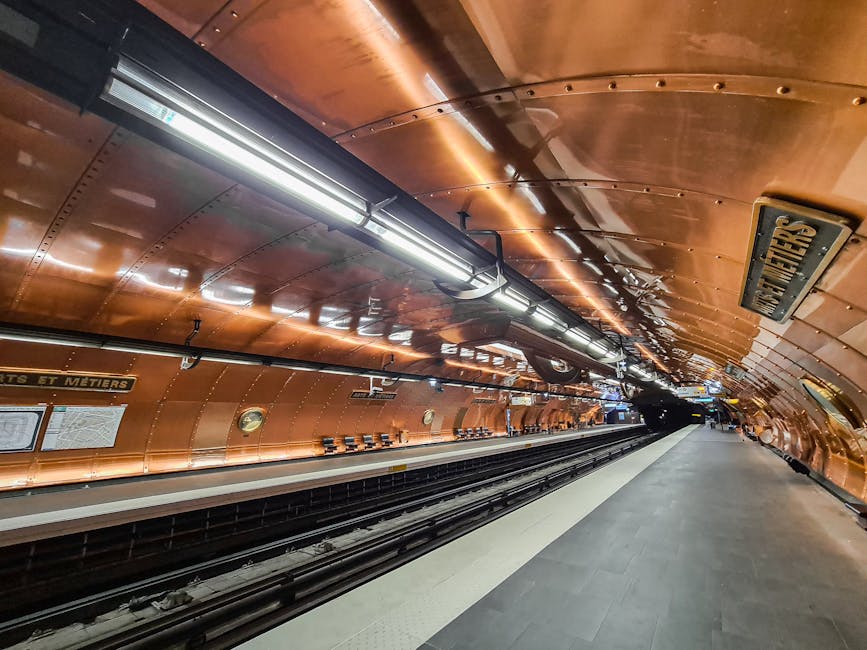
Musée des Arts et Métiers — France’s industrial science museum, housed in a deconsecrated medieval church. Steam engines, vintage planes hanging from the ceiling, a 1955 Citroën DS. Foucault’s original pendulum still swinging. Three blocks north of the Pompidou; pair them.

Musée de Cluny — France’s national museum of medieval art, in the Latin Quarter. Roman baths in the basement, the Lady and the Unicorn tapestries upstairs. Reopened in 2022 after a long renovation and now one of the smartest small museums in Paris. Walking distance from the Panthéon.
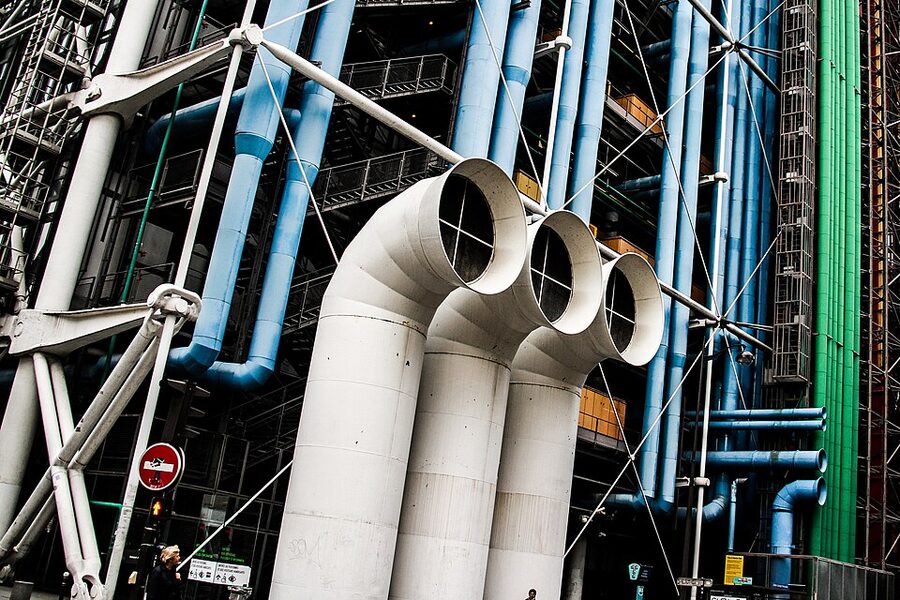
Centre Pompidou — modern and contemporary art on a scale matching the Tate Modern or MoMA. The pass covers the permanent collection plus the rooftop terrace. The temporary exhibitions are usually a separate ticket. Note: the Pompidou is closing for major renovation in late 2025 and won’t fully reopen until 2030, so check current status before you build a day around it.
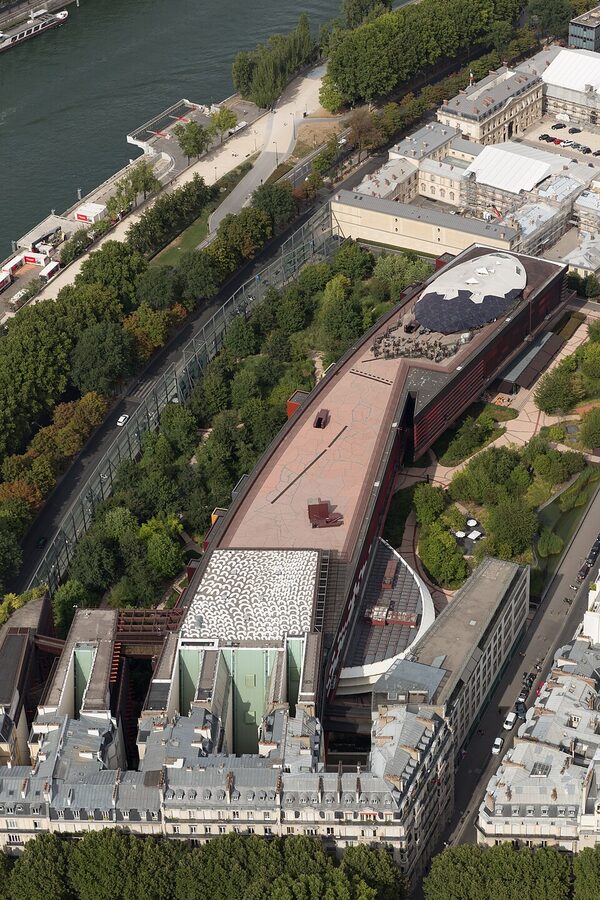
Quai Branly — anthropology and the arts of Africa, Asia, Oceania, and the Americas. Building is by Jean Nouvel and is half the experience. About 200 metres from the foot of the Eiffel Tower, so an easy add-on to a Tower morning.
Day Trips Outside Paris That the Pass Covers
The Île-de-France region is bigger than people think and the pass reaches well outside the périphérique. If you’ve got a 4 or 6-day pass, these become genuine day-trip options.

Château de Fontainebleau — about an hour southeast by train from Gare de Lyon, then a quick bus. Eight centuries of French royal residence, every monarch from Louis VII to Napoleon III has slept here. Less crowded than Versailles, and personally I find the interiors more interesting because they show successive layers rather than one Sun-King moment.
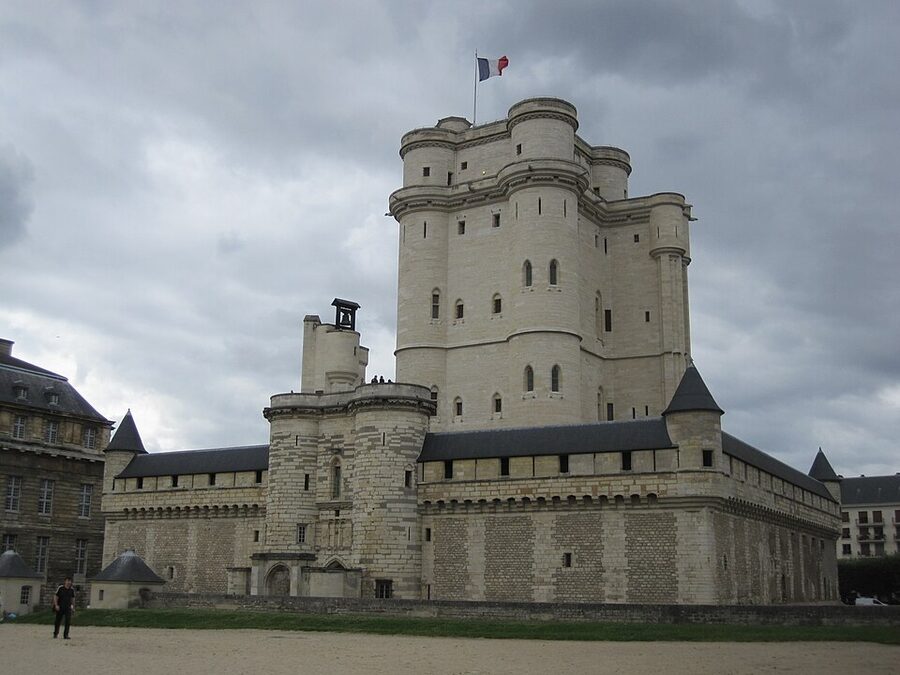
Château de Vincennes — at the eastern end of metro line 1. The medieval keep is the tallest in Europe, and on a quiet weekday morning you might have it to yourself. Combine it with a stroll in the Bois de Vincennes.
Basilique Saint-Denis — the burial place of nearly every French king, fifteen minutes north of central Paris on metro line 13. Gothic architecture in the form it was invented in, before Notre-Dame copied it. Often overlooked because the surrounding neighbourhood doesn’t look like postcard Paris.
Practical Stuff Nobody Tells You
You activate the pass by writing on it. First time you use it you write your name and the start date in pen on the card itself, or activate it in the Go City app if it’s digital. Not optional — staff check.
The hour-by-hour clock matters. A 2-day pass is 48 hours from first scan, not “today and tomorrow.” Scan at 11 AM Tuesday and you’ve got until 10:59 Thursday morning. This is a hidden bonus — you essentially get a third partial day if you start late on day one.
Bring photo ID with you. A few of the included sites do random checks to make sure the named pass-holder matches the user. I’ve never been asked for ID at the Louvre or Versailles, but I have at the Pantheon and Sainte-Chapelle once each.
You can re-enter most sites within the same day. Useful at Versailles in particular — go inside the palace early, come back out for lunch in town, walk back in for the gardens. The pass scan resets your hourly clock at each site.
Closed days are not your friend. Most Paris museums close one day a week — Mondays for the Orsay, Orangerie, Quai Branly, Picasso, Rodin, and the Pompidou; Tuesdays for the Louvre, Cluny, and Arts et Métiers; some Sundays for smaller spots. Don’t waste a pass day trying to visit something closed. Plan around the weekly rhythm before you scan.
Pass Versus Buying Tickets Individually
The other side of the equation: when does the pass not make sense? Three scenarios.
You’re only here for the Eiffel Tower and one or two specific museums. Pass doesn’t include the Tower. If your list is “Eiffel + Louvre + done”, buy the two tickets separately and skip the pass. You’ll spend €37 instead of €70.
You’re traveling with kids under 18 or EU passport holders under 26. Those entries are free with ID. The pass only saves money on the paying adults in your group.
You want a guided tour rather than self-led visits. Pass entry doesn’t include audio guides at most sites (you pay €5 extra) and definitely doesn’t include the small-group walking tours that some operators run inside the museums. If you want a Louvre highlights tour with a real guide, you need a separate ticket regardless.
Otherwise — for any first-time Paris trip of three to seven days, where you actually want to spend time inside the major museums — the pass is the one I’d buy.
While You’re Sorting Your Paris Itinerary
The Museum Pass cluster sits inside a wider set of Paris booking decisions. If you haven’t yet booked your Eiffel Tower summit ticket you’ll want to do that the same day you buy the pass — both sell out in the best summer slots. The Pass also pairs naturally with a dinner cruise on the Seine for an evening that doesn’t compete with museum hours, or with a hop-on hop-off bus if you’d rather move between Pass sites without sweating the metro map. For the few big-name attractions the Pass leaves out — Disney, the Moulin Rouge, the Catacombs, Montparnasse Tower, the Grévin — sort them as one-off bookings rather than a second pass.