
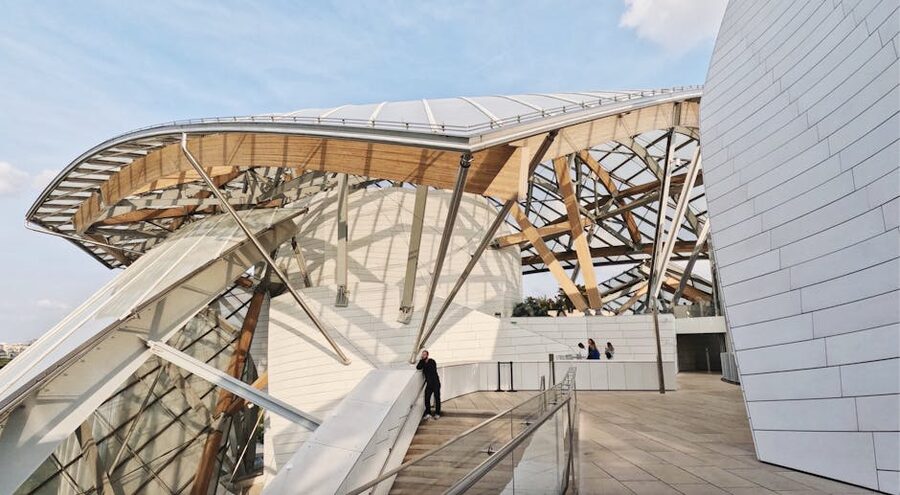
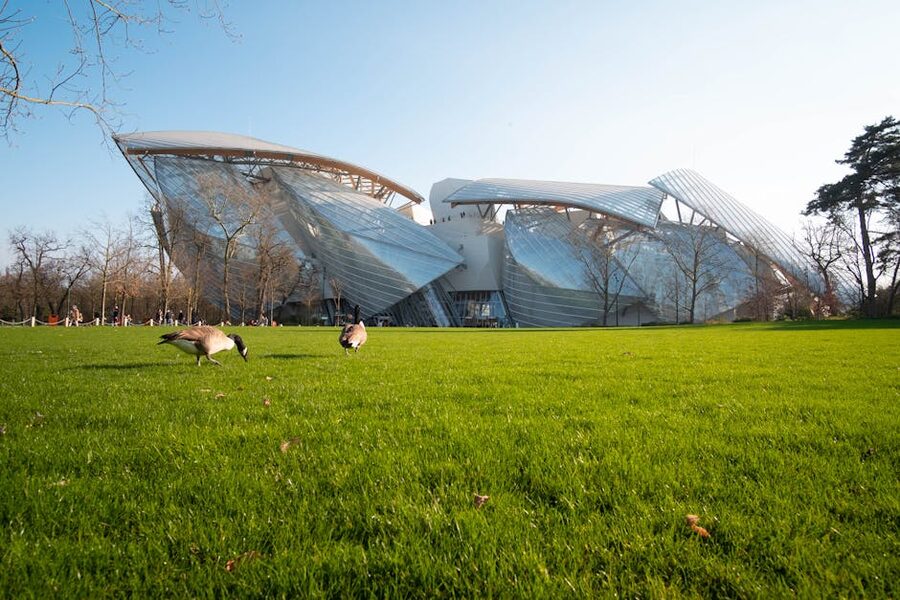
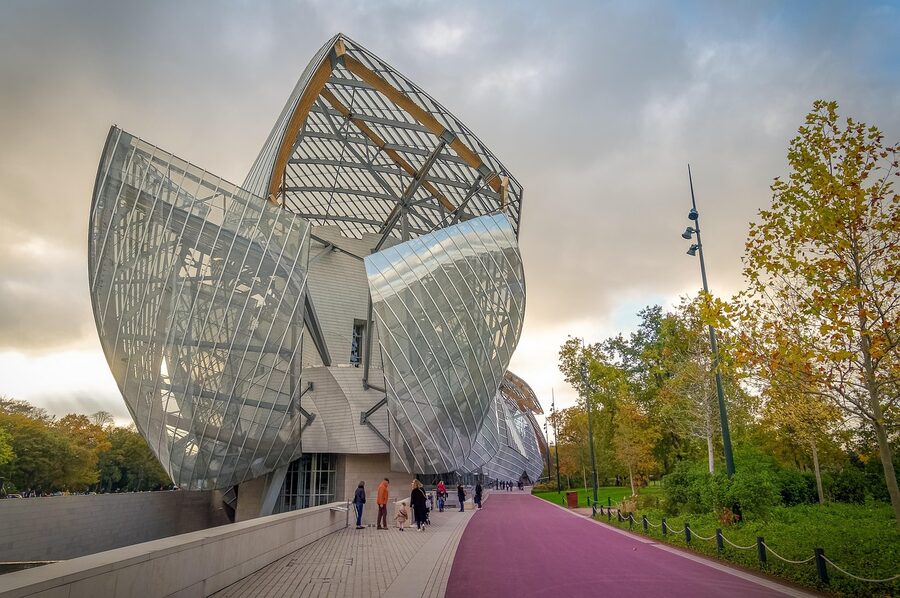
The building wears 3,600 panes of curved glass. Frank Gehry called it a “magnificent vessel” — twelve glass sails meant to look like a ship caught mid-tack on the edge of the Bois de Boulogne. Even people who couldn’t care less about contemporary art end up standing on the terrace counting the panels.
The Fondation Louis Vuitton sits west of central Paris in the 16th arrondissement, which is why a lot of first-time visitors skip it. They shouldn’t. Here’s how the booking actually works.
In a Hurry? Top 3 Tickets
- Premium Access Ticket — about $25: skip the queue, walk in any time during your slot. The default choice for most visitors.
- Marquee Exhibition Ticket — about $25: the same skip-the-line access framed around whichever big retrospective is on (recently Rothko, before that Matisse and Basquiat).
- Exterior Architecture Walking Tour + Entry — about $62.50: a guide walks you around the building before you go inside, which is the only way you actually understand what Gehry did.
- In a Hurry? Top 3 Tickets
- Where it is and how to get there
- Tickets — what you actually need to know
- Best tickets and tours to book
- 1. Fondation Louis Vuitton Premium Access Ticket — about
- 2. Fondation Louis Vuitton Ticket for the Headline Exhibition — about
- 3. Louis Vuitton Foundation Exterior Walking Tour + Premium Entry — about .50
- The building, briefly
- Inside — what’s on the walls
- How long to spend here
- The terrace, the views, and a fair warning
- Eating at the Foundation
- Best time to visit
- Combining with other Paris stops
- Practical bits people miss
- What to do near here afterwards
- Whatever else you do in Paris
Where it is and how to get there
The Fondation sits on Avenue du Mahatma Gandhi, tucked into the northern edge of the Bois de Boulogne, right next to the Jardin d’Acclimatation. That’s a 20-minute Metro hop from the centre, plus a bit of walking. Most people get there one of three ways.
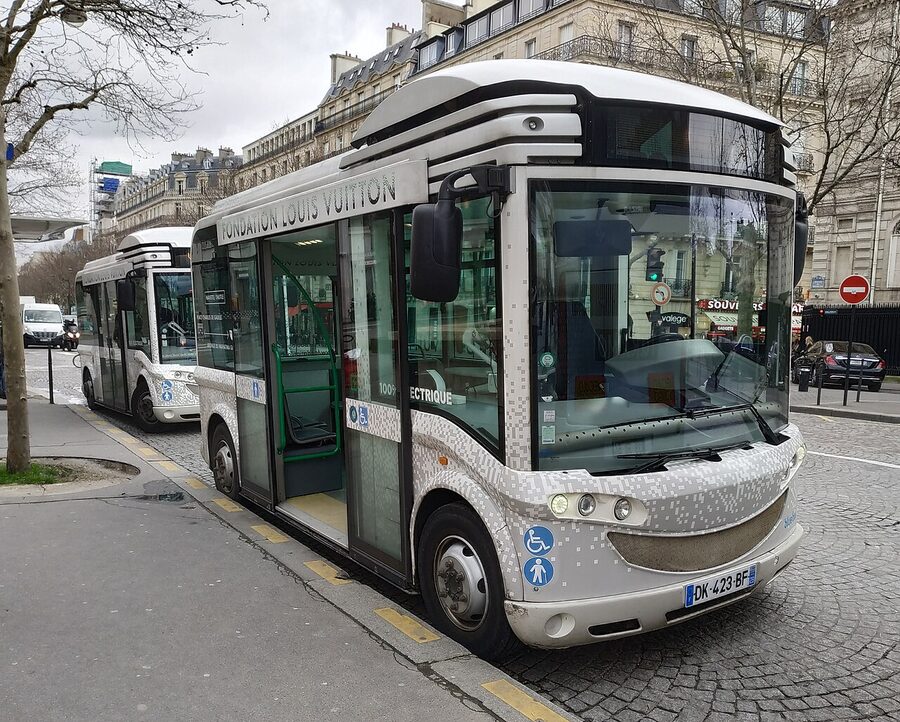
The official shuttle (easiest). The Foundation runs its own electric “Bluebus” shuttle from a stop near the Arc de Triomphe. Take Metro Line 1 to Charles de Gaulle–Étoile, take the Avenue de Friedland exit, and the bus stop is a few steps away. The ride is about 10 minutes. Tickets cost a couple of euros each way and you can book them with your entry ticket. I’d just do this — it drops you at the door and saves you guessing where you’re walking.
Metro + walk. Take Line 1 to Les Sablons (or Line 2 to Porte Dauphine) and walk through the park. It’s pleasant in good weather and the lead-up through the trees is genuinely nice. Allow 15 minutes from the station. In rain, just take the shuttle.
Taxi or rideshare. Quick from anywhere central, but not faster than the shuttle once you account for traffic on the Champs-Élysées. Useful if you’re staying near the Eiffel Tower side of the river.
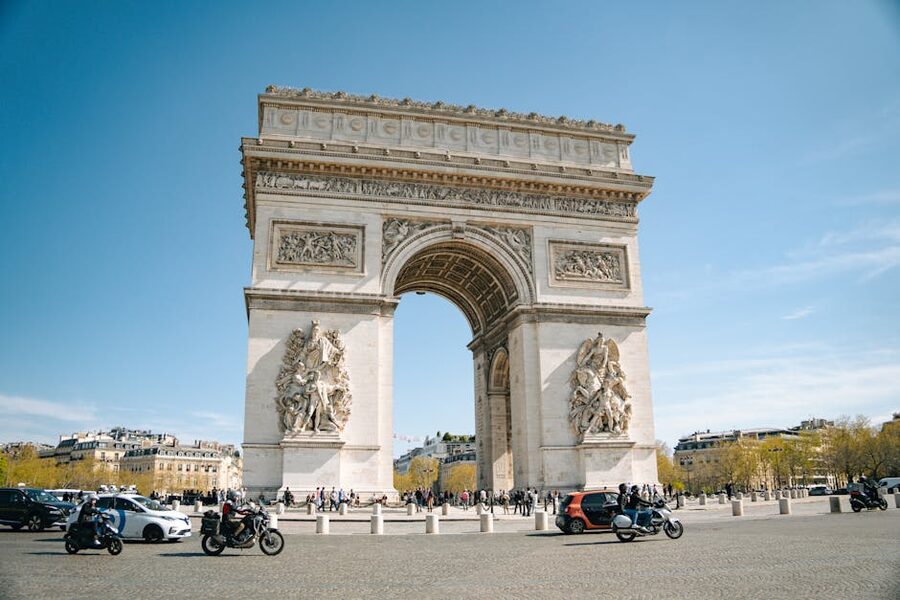
The site is also on a few of the bigger sightseeing bus loops — if you’ve already bought a Paris hop-on hop-off ticket, check whether your operator stops at the Foundation before you pay for a separate shuttle.
Tickets — what you actually need to know
Tickets for the Fondation Louis Vuitton are timed-entry and they sell out for popular slots, especially Saturday afternoons. Book online a few days ahead. The basic adult ticket runs around €18–€25 depending on the exhibition. Children under 3 are free; 3–25 is a reduced rate; the late-Tuesday slot is sometimes cheaper if you can be flexible.
Two things to know that catch people out:
- Your ticket also covers the Jardin d’Acclimatation — the historic amusement-and-zoo garden right next door. The garden closes earlier than the Foundation, so if you want to wander it, do that before you go in.
- The Paris Museum Pass does NOT include the Foundation. This trips up a lot of visitors. The Paris Museum Pass is a great deal if you’re hitting the Louvre, Orsay, Versailles, and the Pantheon, but the Fondation Louis Vuitton is a private institution and runs its own ticketing.
Skip-the-line is the default behaviour at the Foundation — there’s no separate fast-track ticket because most timed entries already function that way. What you’re really buying with the third-party “skip-the-line” tickets is the convenience of having it on your phone and not faffing with the official site, which only takes French cards smoothly. Plenty of people have written angry forum posts after their foreign card got rejected by the official portal.
Best tickets and tours to book
Three options worth considering, depending on what you actually want from the visit.
1. Fondation Louis Vuitton Premium Access Ticket — about $25
This is the standard skip-the-line ticket, and 95% of visitors should just buy this one. Our review of the Premium Access ticket covers the timing rules and what’s actually in the eleven galleries. The price is identical to most other entry options, so go with whoever has the smoothest checkout for your card.
2. Fondation Louis Vuitton Ticket for the Headline Exhibition — about $25
Functionally the same product as the Premium Access ticket, sold around whichever blockbuster show is up. Our review of the marquee-show ticket compares it to the standard option — the only difference is the marketing. Pick this one if the headline exhibition is what brought you in the first place.
3. Louis Vuitton Foundation Exterior Walking Tour + Premium Entry — about $62.50
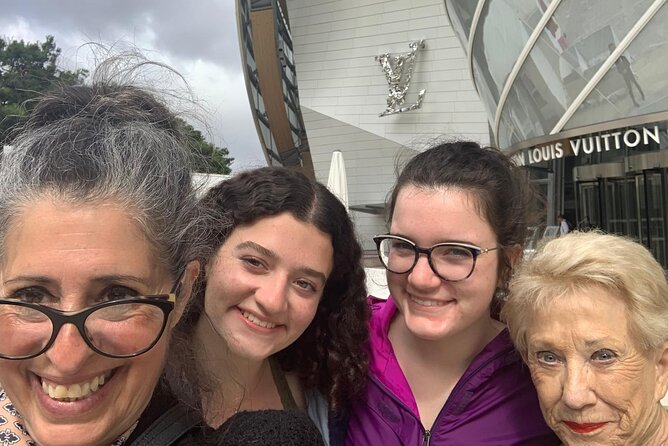
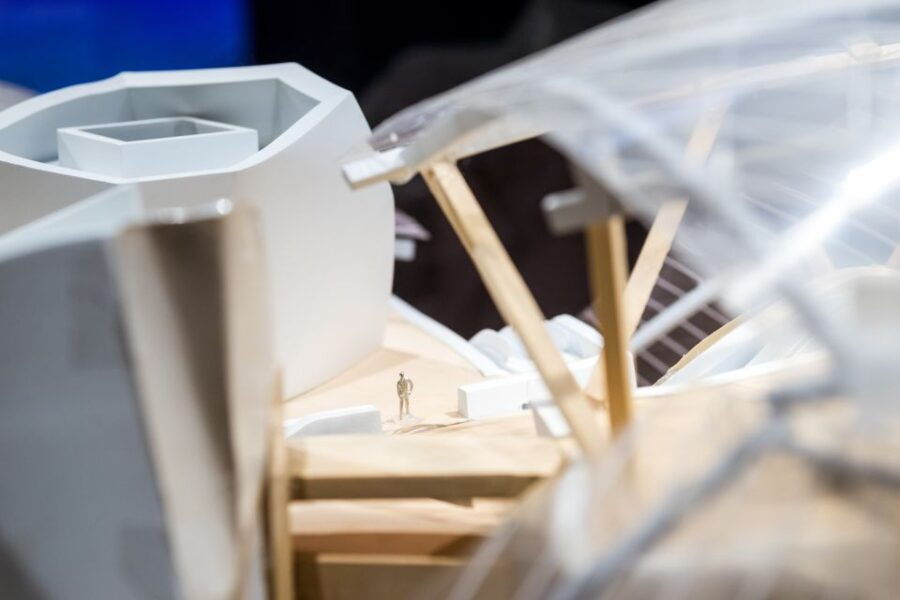
Pay extra for this one if you actually care about the architecture. A guide walks you around the outside, points out how the twelve sails read from each angle, and only then takes you in. Our review covers what the guide actually explains — without that context, most visitors miss what Gehry was doing.
The building, briefly
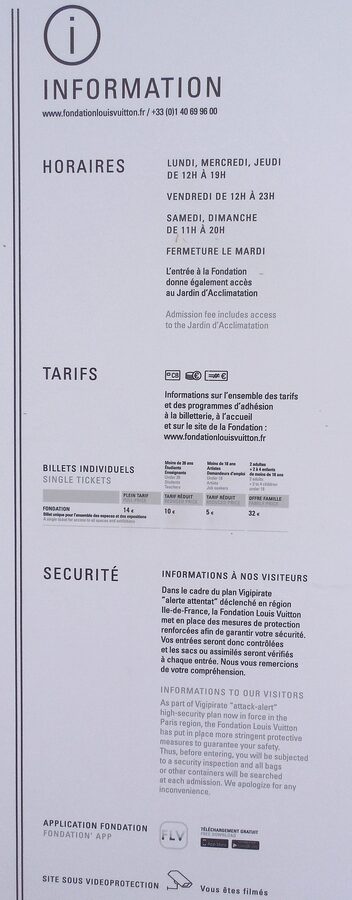
This is the most-photographed contemporary building in Paris, and a lot of people genuinely come for the architecture rather than what’s hung on the walls. Gehry was 85 when it opened in 2014. The brief from Bernard Arnault was simple: build a vessel that looks unfinished on purpose, so people interact with it.
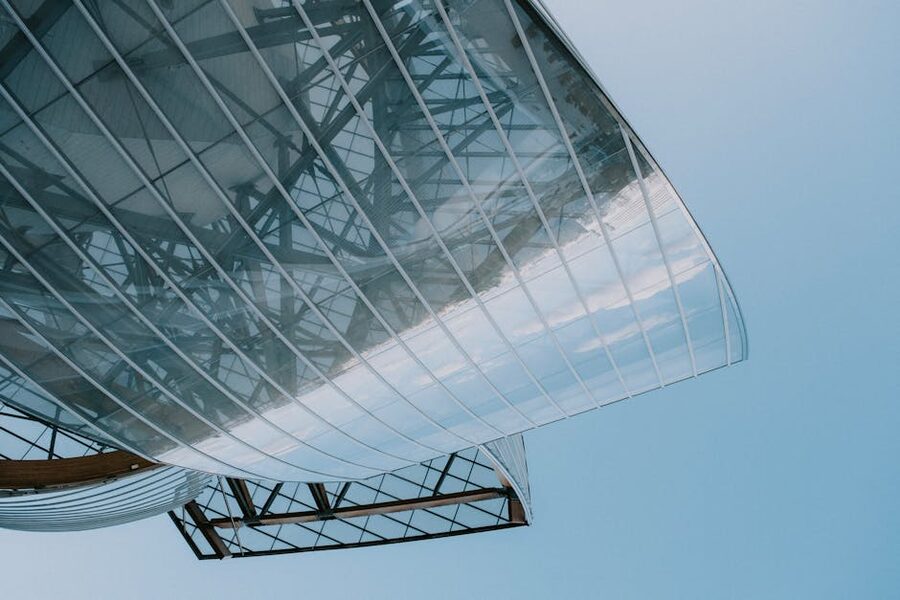
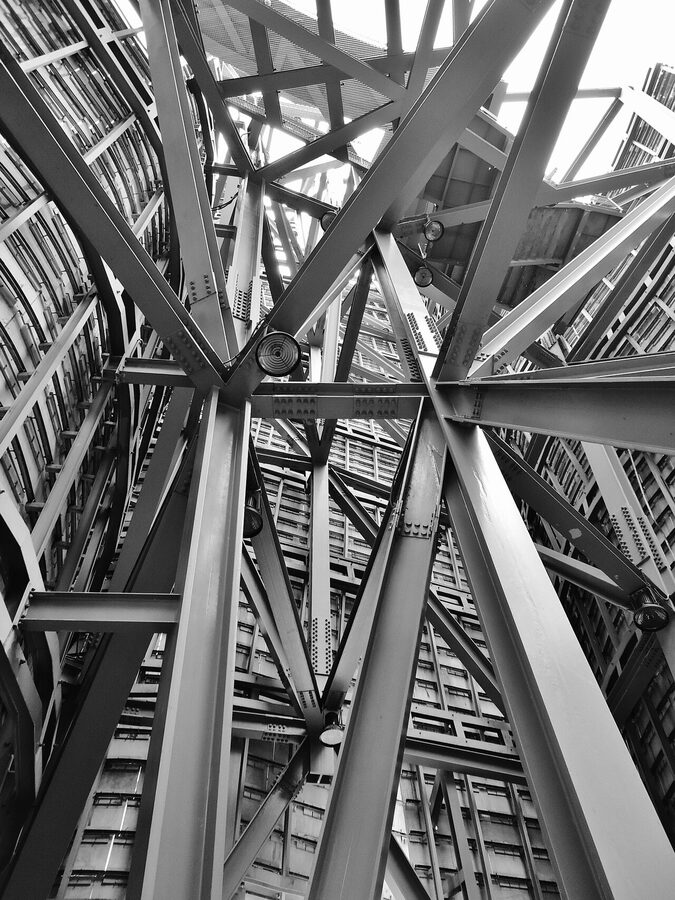
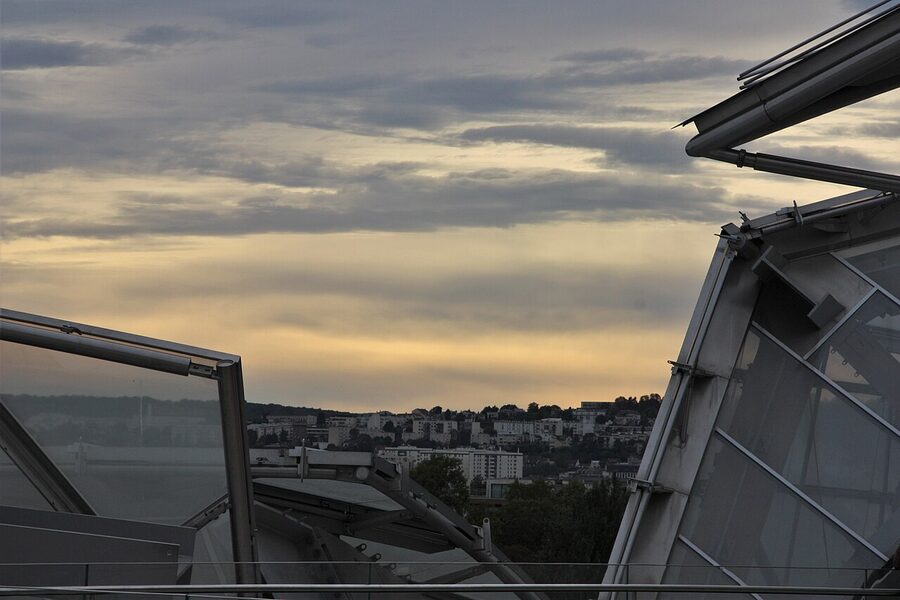
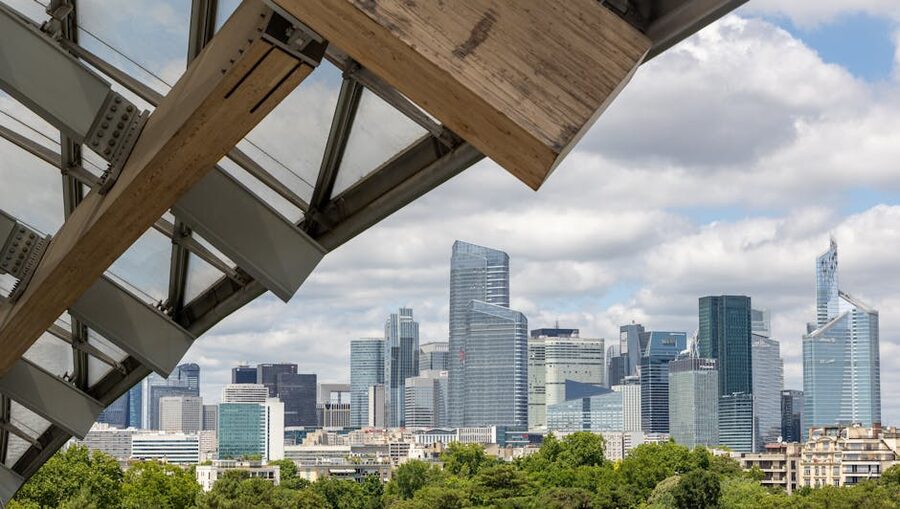
The numbers are the fun part. Twelve glass sails, 3,600 individual curved panels, none of them identical. The steel and timber structure underneath had to be modelled with the same software used for fighter-jet fuselages because no two beams meet at the same angle. From the south, it reads like a sailboat. From the east, like a melting iceberg. Walk a full lap before you go in — most visitors don’t, and they leave with no real sense of the thing.
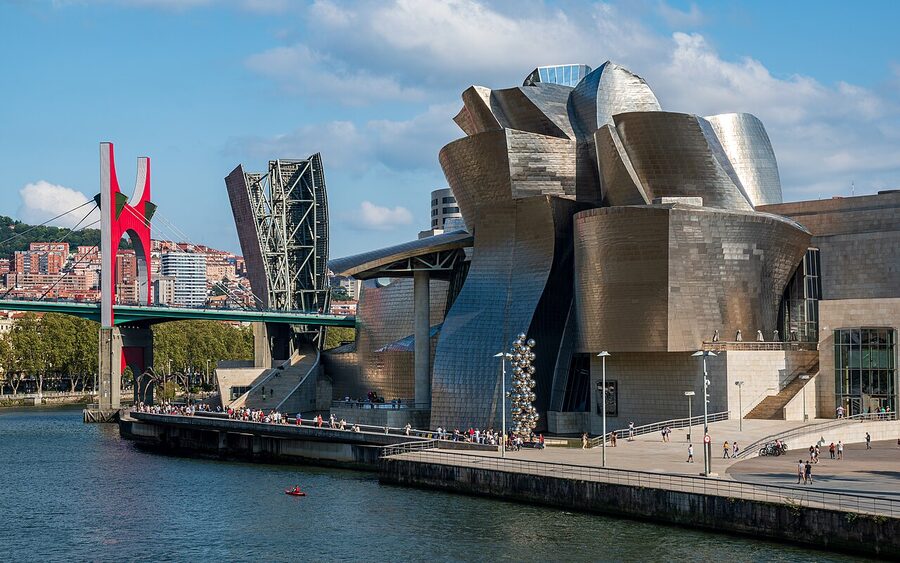
If you’ve seen Gehry’s other work — the Guggenheim Bilbao, the Walt Disney Concert Hall in LA, the Dancing House in Prague — you’ll recognise his moves. He calls them “frozen movement.” The Paris vessel is the lightest of his major buildings, and on a sunny afternoon the glass actually disappears against the sky.
Inside — what’s on the walls
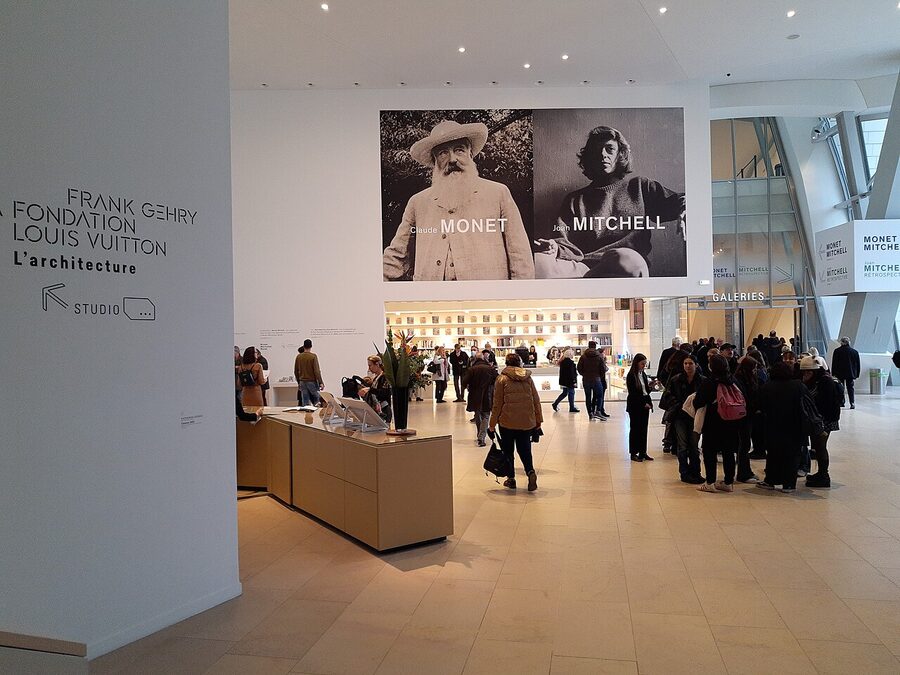
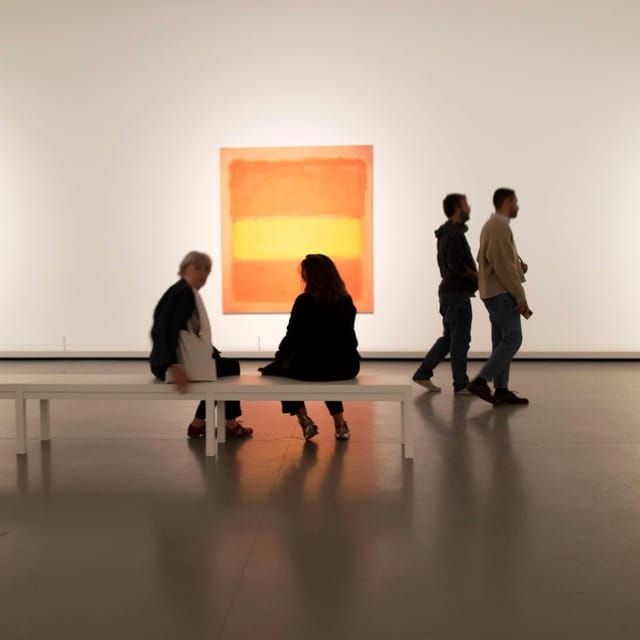
Eleven galleries spread across several floors, all temporary exhibitions. There is no permanent collection on display in the way the Musée d’Orsay has its Impressionists or the Orangerie has its Monet water lilies. What you see depends entirely on when you visit.
The Foundation owns work by Marina Abramović, Jean-Michel Basquiat, Gerhard Richter, Gilbert & George, and dozens of other 20th- and 21st-century names. They rotate roughly twice a year, often paired with a borrowed retrospective — Rothko in 2024, Matisse in 2023, before that Cindy Sherman and Basquiat. Check what’s actually on before you book; if you’re cool with the building itself, anything works, but if you came for a specific artist, time your visit.
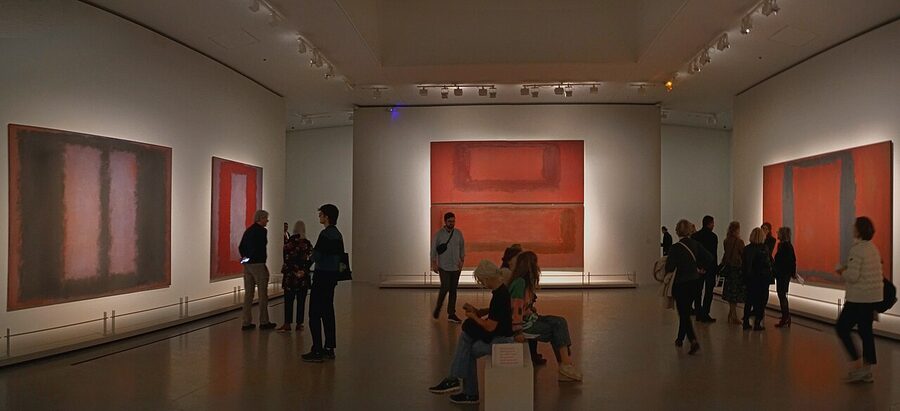
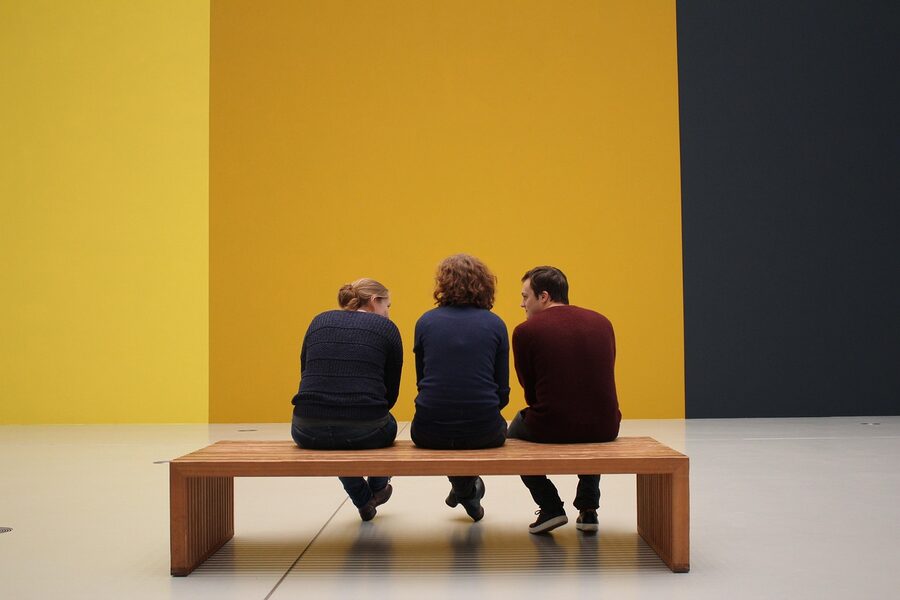
Wall text is in French and English. Galleries are large, ceilings are high, and the building leaks daylight into them in a way that makes some pieces look spectacular and some look weirdly washed out depending on the time of day. Mid-morning is usually the best light.
How long to spend here
Plan on three hours minimum. Two hours for the exhibitions and the architecture gallery (yes, there’s a permanent gallery dedicated to how the building was built — most people skip it and they shouldn’t), one hour for the terrace and the outside.
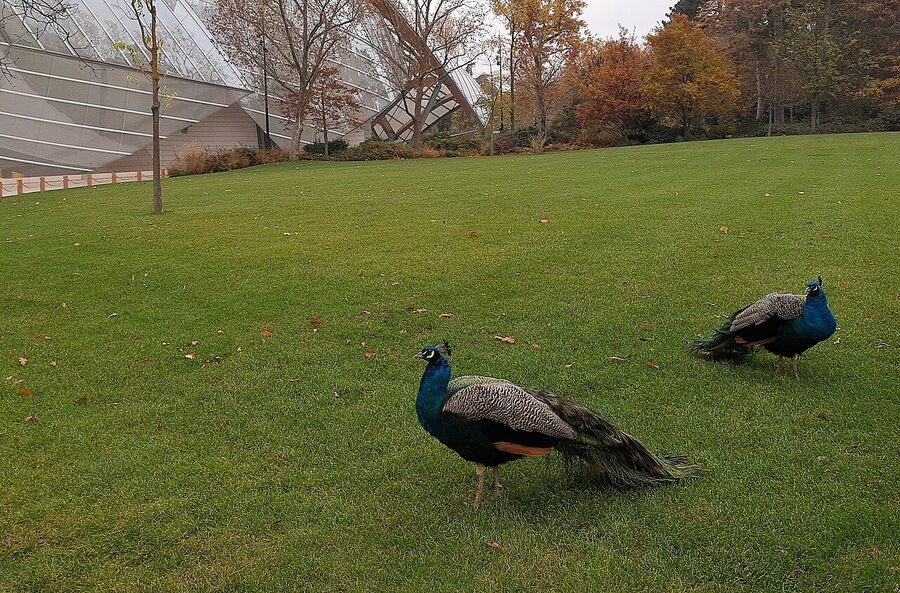
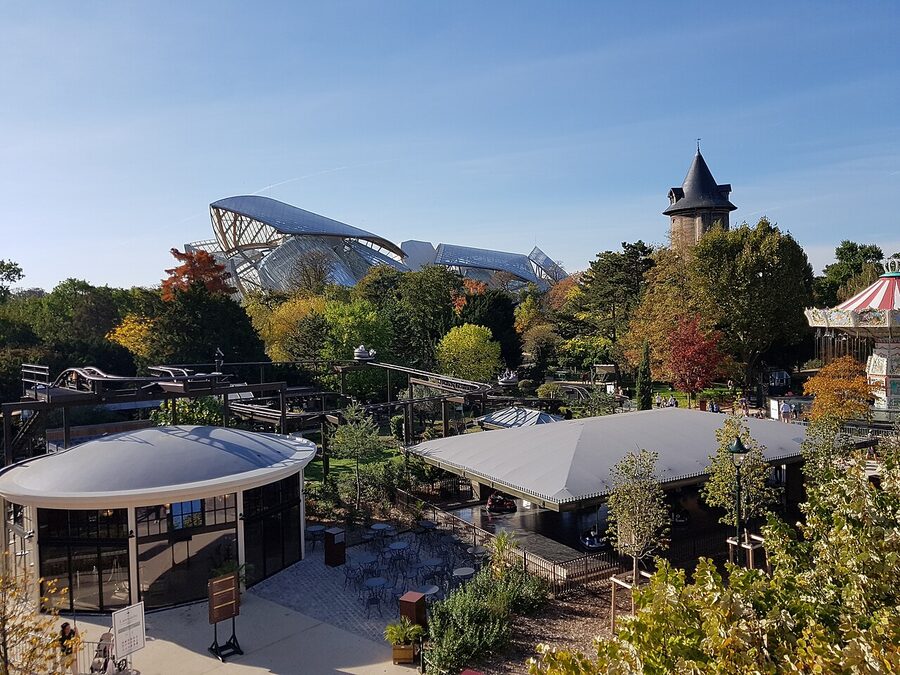
If you’re combining with the Jardin d’Acclimatation, that’s a half-day. The garden has small rides, a petting zoo, and ornamental peacocks that wander the grounds — it’s mostly families with young kids, but the layout is pretty and the ticket is included anyway, so wander through on your way out. Don’t expect a major theme park; Paris Disneyland is the other side of the city if that’s what you’re after.
The Foundation stays open later than most Paris museums — typically until 8 pm, with later hours on Friday. That makes it a good late-afternoon visit if you’ve front-loaded the day with somewhere central like the Louvre or Eiffel Tower summit.
The terrace, the views, and a fair warning
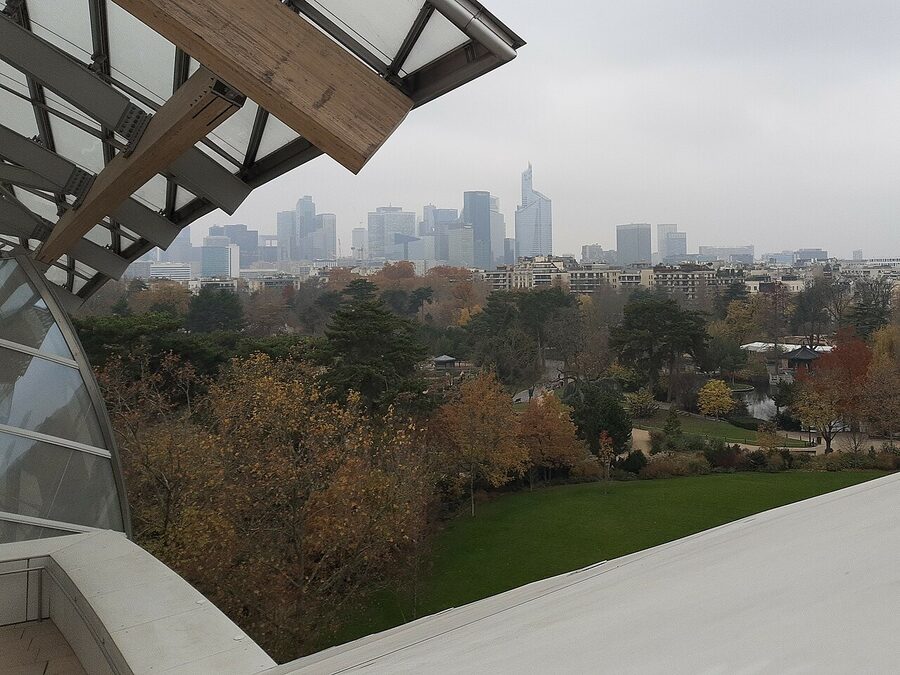
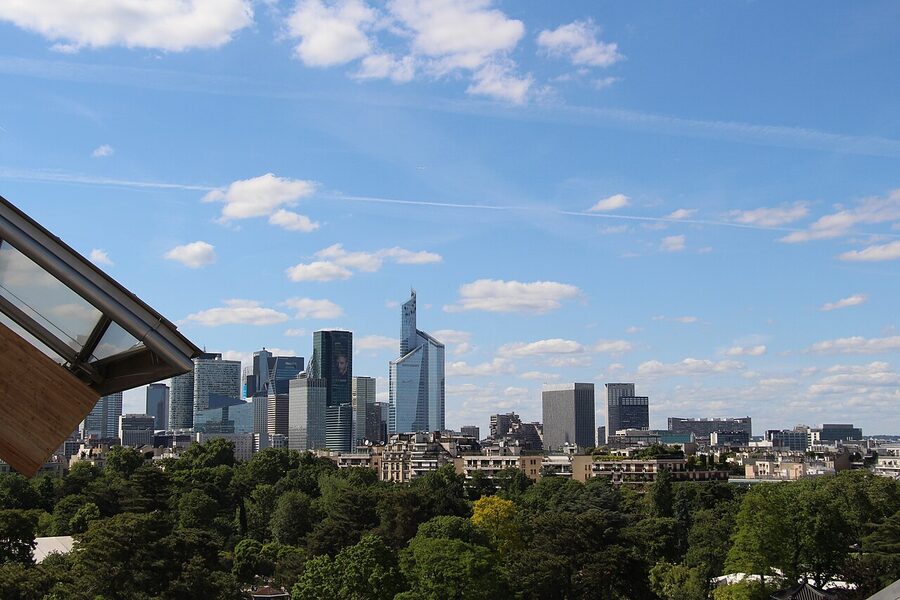
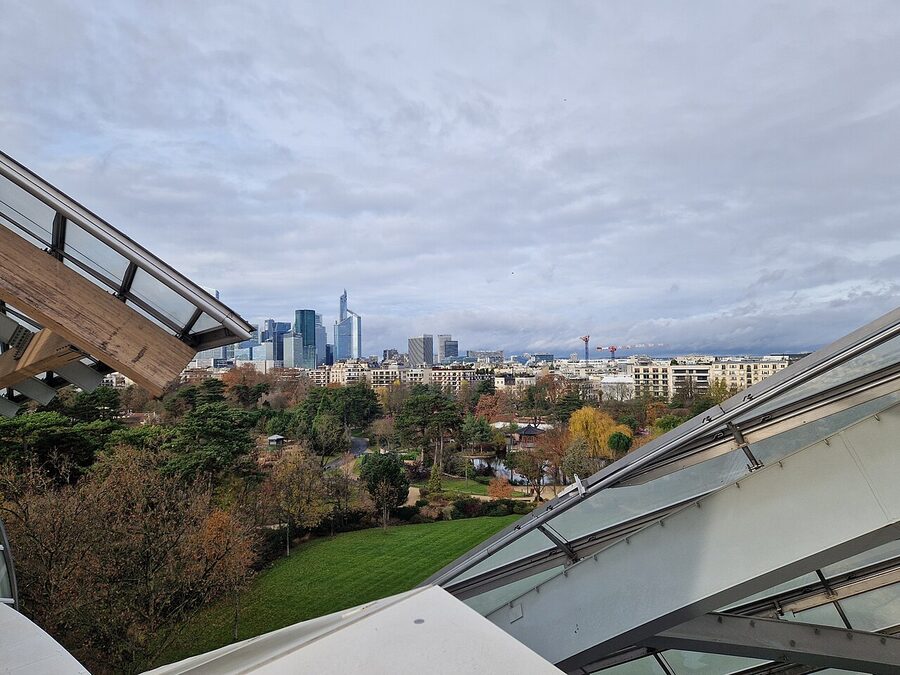
The rooftop terraces are the surprise. There are several of them at different heights, all reachable by external staircases threading through the glass sails. Walk all the way up. From the topmost terrace you get a full view of La Défense — the modernist business district to the west, with the Grande Arche framed dead-centre in the gap between two of Gehry’s sails. It’s a deliberate sightline. Gehry placed it.
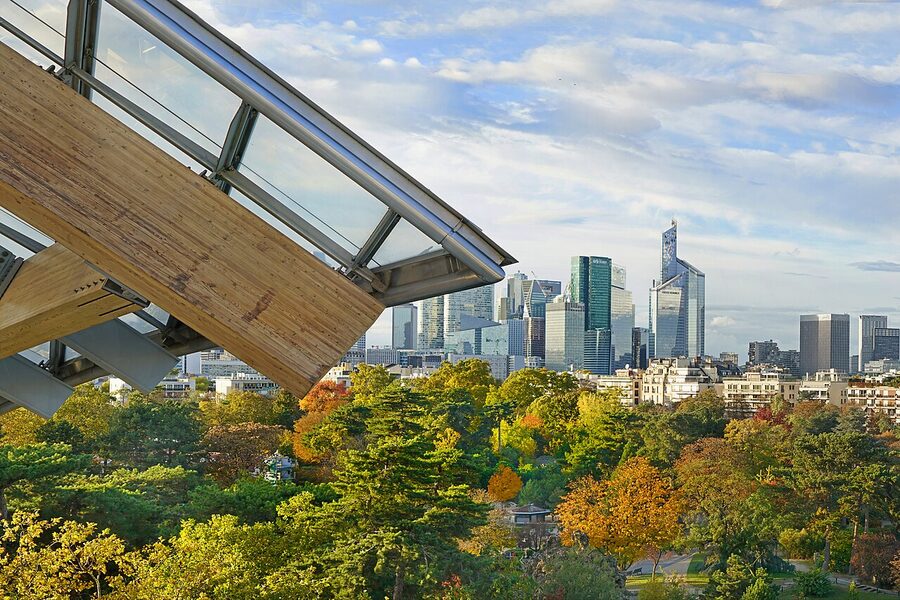
You can also see the Bois de Boulogne forest stretching south and, on a clear day, the Eiffel Tower poking up over the trees to the southeast. Different terraces give different angles, so don’t stop at the first one you find. The view east toward central Paris is more limited — too many trees and rooftops in the way — but the western views toward La Défense and the northern arc toward the suburbs are worth the climb.
One warning: if it’s pouring rain, you’ll lose the terrace experience entirely, and the museum becomes a regular contemporary art gallery. The building IS the point here. If the weather is bad and you’re in Paris for two days, push this visit to your sunny day and use the wet one for somewhere fully indoor — the Panthéon or the Sainte-Chapelle and Conciergerie.
Eating at the Foundation
There’s a Michelin-starred restaurant called Le Frank inside (named after Gehry, predictably). Reservations only, lunch and dinner, prices are what you’d expect from a Michelin-starred tourist-zone restaurant in Paris. Decent food but you’re paying for the room and the architect’s namesake more than the cooking.
There’s also a casual café on the lower level — sandwiches, salads, decent coffee, reasonable by Paris museum standards (so, expensive by everywhere-else standards). Fine for a top-up if you’ve been there three hours and need to sit down before the terrace climb.
I’d skip both. The Bois de Boulogne has nothing notable for food, but you’re a 15-minute Metro ride from some of the best meals in the city. Eat properly somewhere central afterward. Several of the better food walks in Paris are clustered around Montmartre and the Latin Quarter — see our guide to booking a Paris food tour if you’re piecing together your eating itinerary.
Best time to visit
Weekday mornings, hands down. Saturday is the busiest day; Sunday afternoons are also packed with locals on family outings. Tuesday and Wednesday mid-morning is the quietest reliable window. The Foundation closes on Tuesdays during some seasons — check before you book, this catches people out.
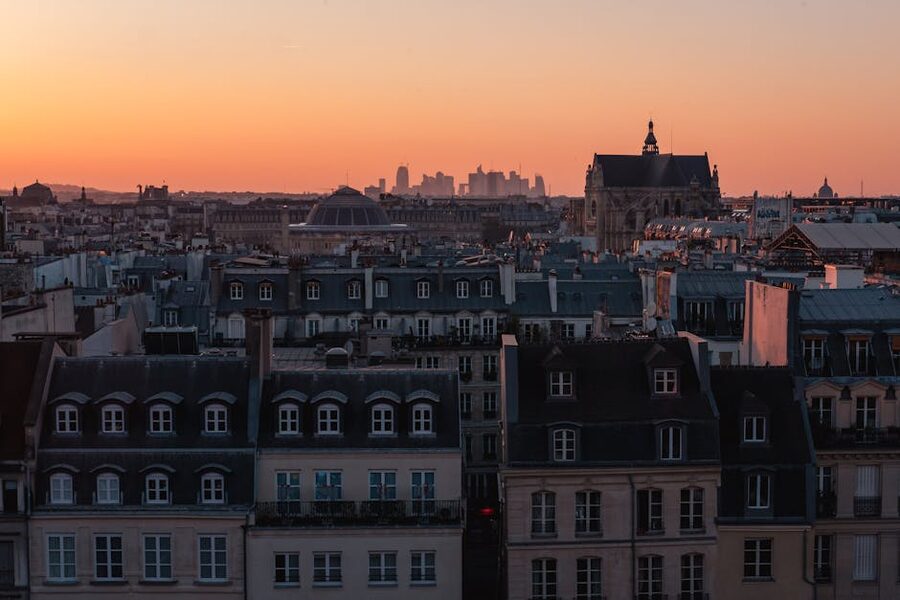
Late opening on Friday is a strong move if you want the building lit at dusk. The glass sails turn pink and gold in the sunset, and you’ll have a meaningfully smaller crowd in the galleries because most day-trippers have left. The terraces stay open until close.
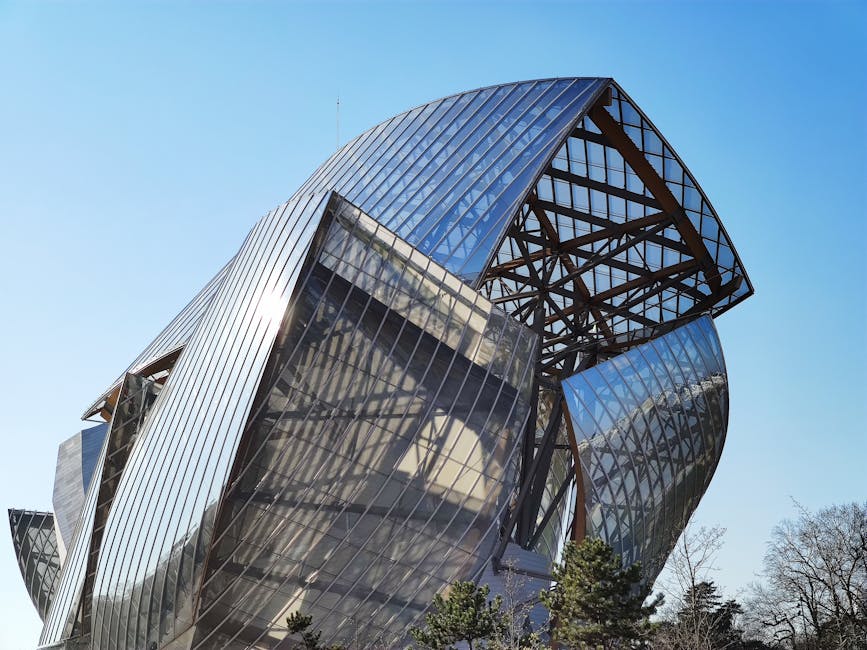
Spring and autumn are the best seasons. The Bois de Boulogne goes seriously green in May–June and seriously gold in October–November, and the contrast between Gehry’s white glass and the surrounding trees is what most photographers come for. Mid-summer the gardens get scrubby and the light is too harsh for the building to look its best. Winter is fine if you’re indoors-focused, but you lose the terrace half of the experience.
Combining with other Paris stops
The Fondation Louis Vuitton works best paired with another western-Paris stop on the same day, because going there and back to the centre eats a chunk of time. A few combinations that actually work:
Fondation + Arc de Triomphe rooftop in the same afternoon — both sit in the western 8th/16th arrondissements and the shuttle drops you back at Étoile, where you can walk straight to the Tootbus hop-on hop-off stop or pay for the Arc de Triomphe rooftop while you’re there.
Fondation + Seine evening cruise — finish the day on the river. Boats depart from quays near the Eiffel Tower and Pont Neuf. A standard Seine cruise works for any time of day; the evening cruise with live music matches well with a late-afternoon Foundation visit.
Fondation + a tower view — you’ve already seen Paris from one rooftop here; Montparnasse Tower on the other side of the river gives you a complementary angle, including a clean shot back toward the Foundation through the trees. The Montparnasse observation deck ticket is one of the cheaper Paris view-from-above options.
Practical bits people miss
A few small things that come up:
- Photography is allowed in most galleries without flash, and the building exterior is a free-for-all. The Foundation actively encourages it — the architecture is the point.
- Bag check is mandatory for anything larger than a small handbag. The cloakroom is free but the queue at peak times can add 10–15 minutes. Travel light.
- Strollers and wheelchairs are accommodated; lifts reach all gallery levels and most of the lower terraces. The very topmost terrace is staircase-only.
- The bookshop on the ground floor is genuinely good — better art-book selection than most Paris museum shops, and the Foundation runs its own publishing arm so you’ll find titles you can’t get elsewhere.
- Audio guides are available but optional. For most exhibitions the wall text does the job. Splurge on the audio guide for the architecture gallery — it’s the one place where it adds real value.
- WiFi is free and it works on the terraces, which matters if you want to look up what you’re seeing.
What to do near here afterwards
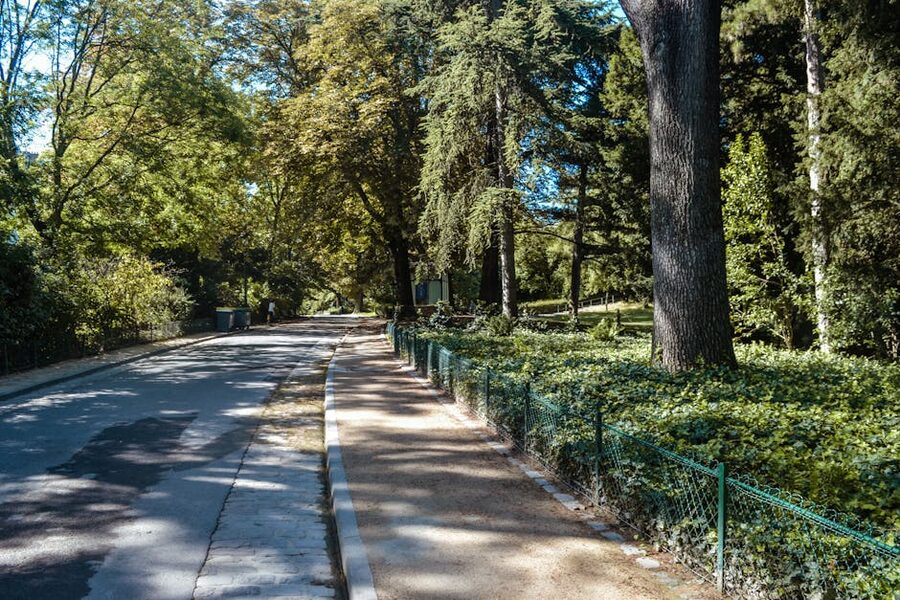
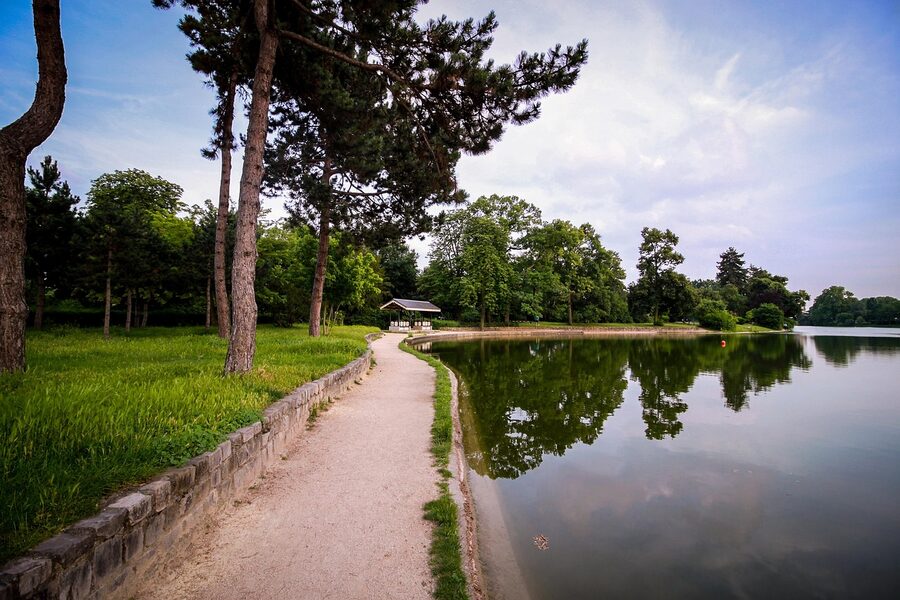
If the visit ran short and you’ve got an hour or two of light left, the Bois de Boulogne itself has a few spots worth knowing. The Lac Inférieur (the larger of the two artificial lakes) has rowing boats you can rent by the half-hour. The Pré Catelan rose garden in the southern part of the forest peaks in May–June. And the Longchamp racecourse is open most weekends if horse racing in a Manet painting setting appeals.
For something more typically Parisian, the Avenue Foch leads back from the Bois de Boulogne to the Étoile — a long, quiet, ridiculously expensive residential boulevard that ends at the Arc de Triomphe. It’s a 20-minute walk but it’s flat, leafy, and gives you a sense of the 16th arrondissement that the Metro doesn’t.
Whatever else you do in Paris
The Foundation Louis Vuitton makes the most sense as a half-day adventure on the western side of the city, paired with whichever big-ticket museum you’ve made the centrepiece of your Paris trip. If contemporary art is your thing, the Foundation plus the Musée de l’Orangerie on a different day gives you the full arc from Monet’s late panels to Rothko’s colour fields. If you’d rather pair Gehry’s building with another piece of architectural Paris, the Opera Garnier tour or the gilded gold-leaf interior of Les Invalides work as instructive contrasts. And if you want one wholly different Paris evening to round out the trip, the late show at the Moulin Rouge remains the loudest option in town.