
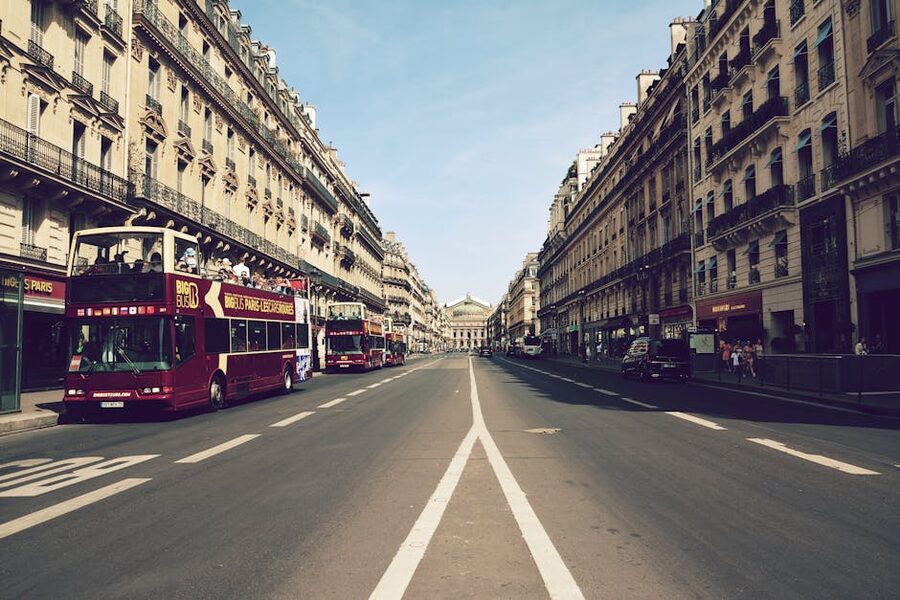
The Paris Métro is the fastest way to get anywhere in this city. Most days, that’s exactly what I want. But on the day you arrive, jet-lagged and squinting at a paper map of arrondissements, the last thing you need is to memorise five Métro line colours and figure out which exit at Châtelet won’t dump you a ten-minute walk from where you actually wanted to be. That’s when the open-top bus earns its keep.
- In a Hurry? My Top Picks
- Why Take the Bus and Not the Métro?
- The Two Operators That Actually Matter
- The Stops That Are Worth Hopping Off At
- Eiffel Tower (Champ-de-Mars)
- Louvre / Tuileries
- Musée d’Orsay
- Champs-Élysées / Arc de Triomphe
- Opéra Garnier
- Notre-Dame / Île de la Cité
- Stops I Skip
- How the Pricing Works
- Combo Tickets — Are They Worth It?
- Museum Pass + Bus — The Real Combo
- The Boat Alternative
- The 3 Tours I’d Actually Book
- 1. Tootbus Paris Hop-On Hop-Off (Optional River Cruise) — from
- 2. Paris Big Bus Hop-On Hop-Off Tour With Optional Cruise — from
- 3. Paris Hop-On Hop-Off Seine Cruise Pass (9 Stops) — from
- How to Use Your Bus Pass Properly
- Timing Tricks
- What to Bring
- Night Tours and Other Variants
- Common Things That Go Wrong
- Two Days in Paris with the Bus Pass
- One More Thing — The Bus and Day Trips
- If You Just Want to See Paris in 36 Hours
- Where to Wander Next
In a Hurry? My Top Picks
Tootbus Hop-On Hop-Off — from $43: My pick for first-timers. Up to 3 days of unlimited rides, electric buses, and a Seine cruise add-on if you want it. Check Tootbus availability.
Big Bus Paris with Optional Cruise — from $43: The classic red double-decker. Two routes, 24 or 48 hours, optional river cruise included if you upgrade. Check Big Bus availability.
Hop-On Hop-Off Seine Cruise Pass — from $27: The boat version, 9 stops along the river. Best value if you don’t need to go inland. Check boat HOHO availability.
Why Take the Bus and Not the Métro?
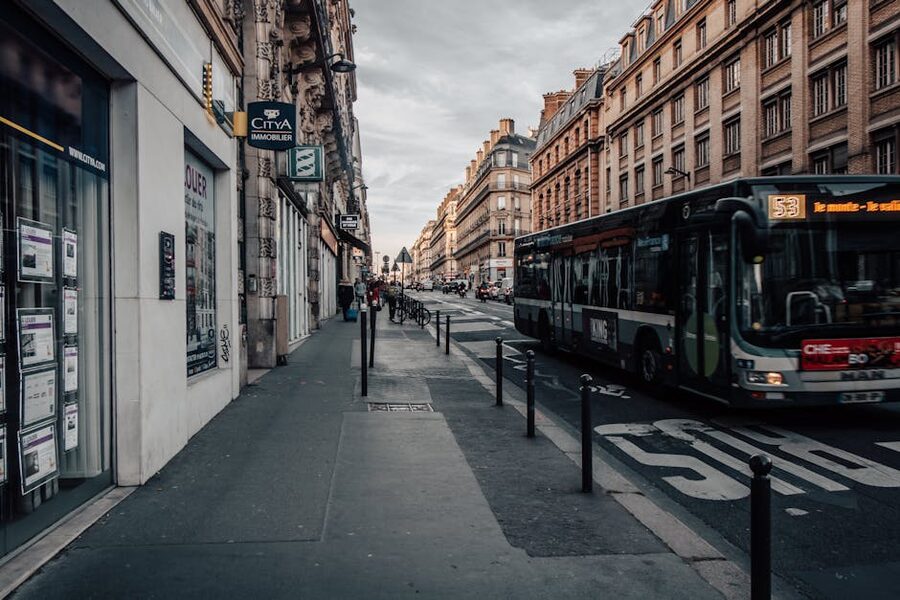
Here’s the thing about Paris that took me a few visits to figure out. The Métro is brilliant — fast, frequent, dirt cheap with a carnet of tickets. But it’s underground. You miss the city. You step into a tunnel at République, and you step out near the Louvre, and the entire stretch between is invisible to you.
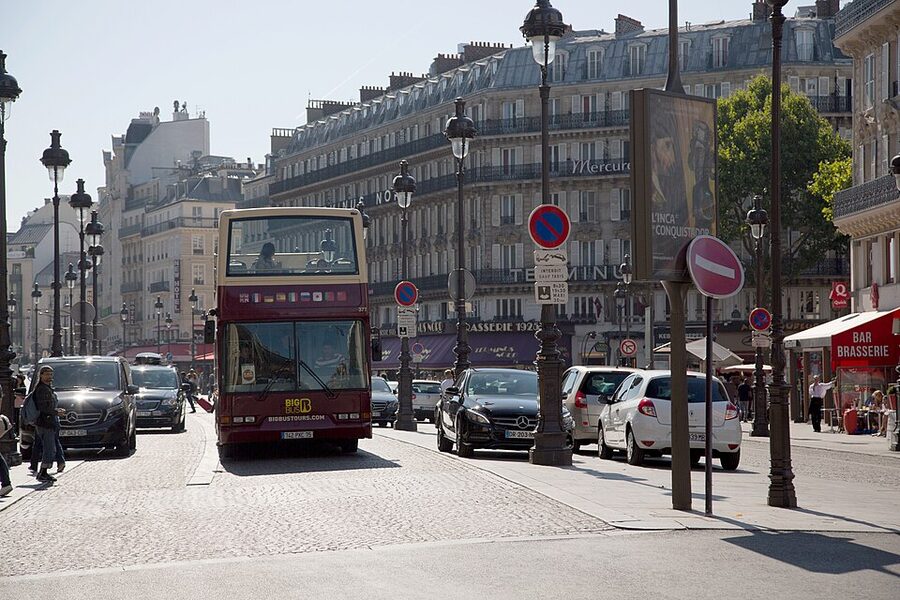
The open-top bus does the opposite. It moves at street pace, sometimes slower, and it forces you to look up. You see the Haussmann facades, the way the boulevards radiate from squares like the spokes of a wheel, and how Paris is actually a much smaller city than the Métro map makes it feel. By the time you’ve done one full loop on a hop-on hop-off bus, you’ve got a mental map of central Paris that no underground ride could give you.
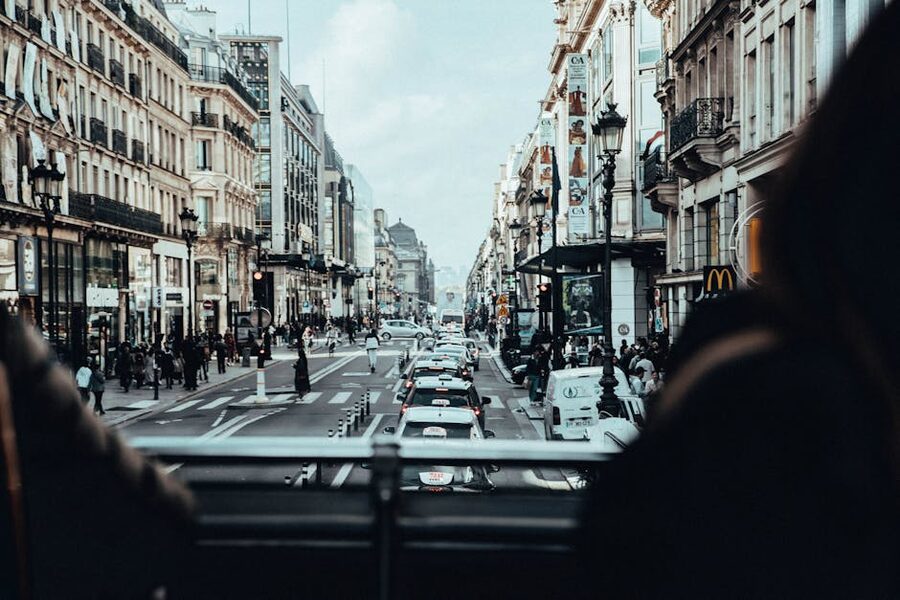
The other reason is logistics. With the bus pass, every major attraction in central Paris is one short ride away from every other one, and the bus drops you within three minutes of the entrance. No 600m walks from the closest Métro exit. No transfers. If you’ve got two days in the city and a long list, you’ll cover ground faster on the bus than fighting through Châtelet–Les Halles.
The Two Operators That Actually Matter
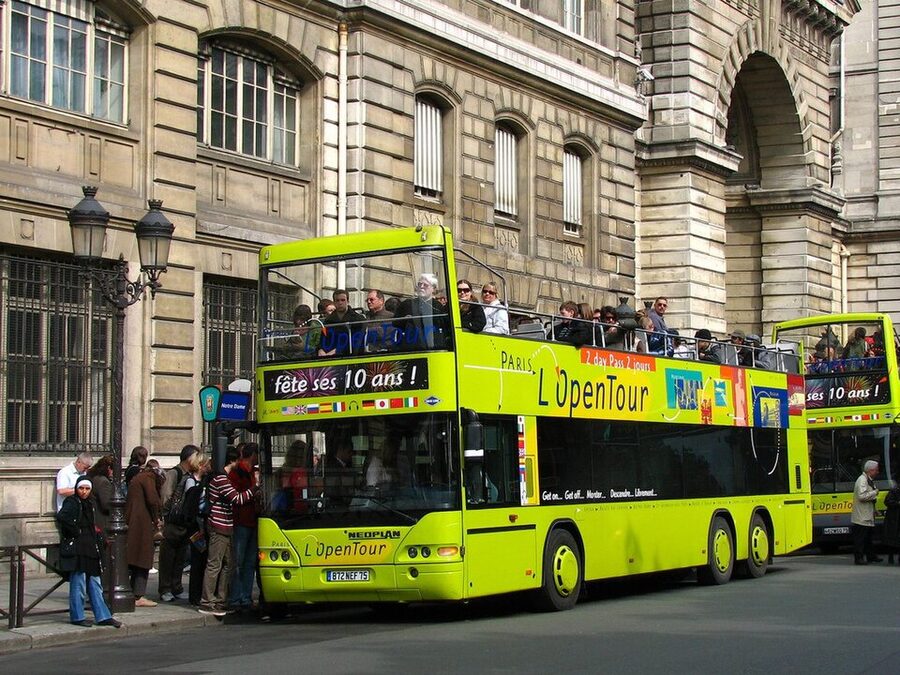
There are technically a few hop-on hop-off operators in Paris, but the booking market is dominated by two: Tootbus (formerly L’OpenTour, repainted and rebranded around 2020) and Big Bus. Both run on the same general route through central Paris, both have multilingual audio commentary, and both charge roughly the same amount for a 24-hour or 48-hour pass.
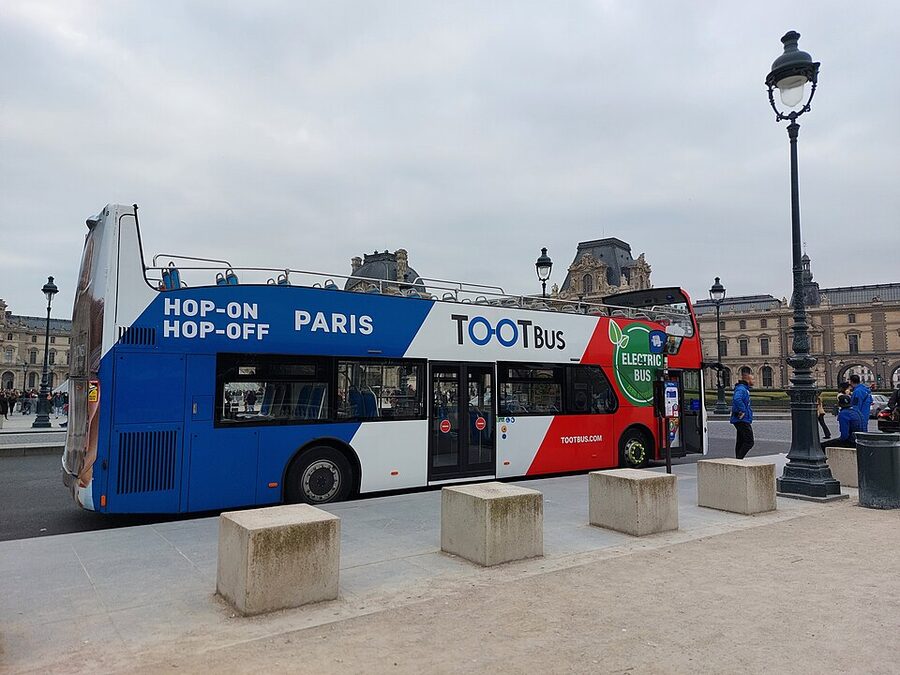
The differences are small, but they matter. Tootbus runs electric buses, which is meaningful if you’ve ever sat on a diesel double-decker in a summer traffic jam on the Champs-Élysées. The buses arrive every 10 to 15 minutes on the main loop. Tootbus also throws in free thematic walking tours with the pass — themed around fashion, “Emily in Paris” filming locations, that sort of thing — which sounds cheesy but is actually a decent way to get a guided 90-minute walk for free if you’re already paying for the bus.
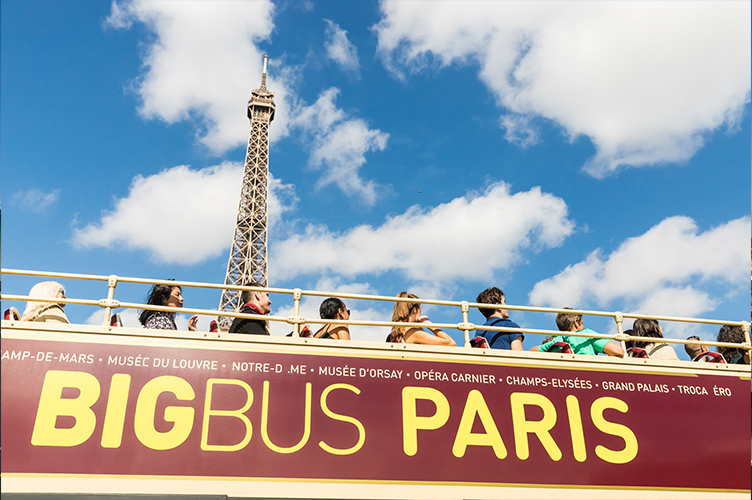
Big Bus runs the classic red diesel double-deckers. They have two routes — a “Classic” red route through central Paris and a Montmartre route that goes north of Gare du Nord. If you want to actually visit Sacré-Cœur and the Montmartre hill on the bus pass, Big Bus is the only option that includes that loop. Tootbus stays in the central loop. Big Bus also offers an upgrade that bundles a Seine river cruise into the same ticket, which I think is the single best add-on either operator sells.
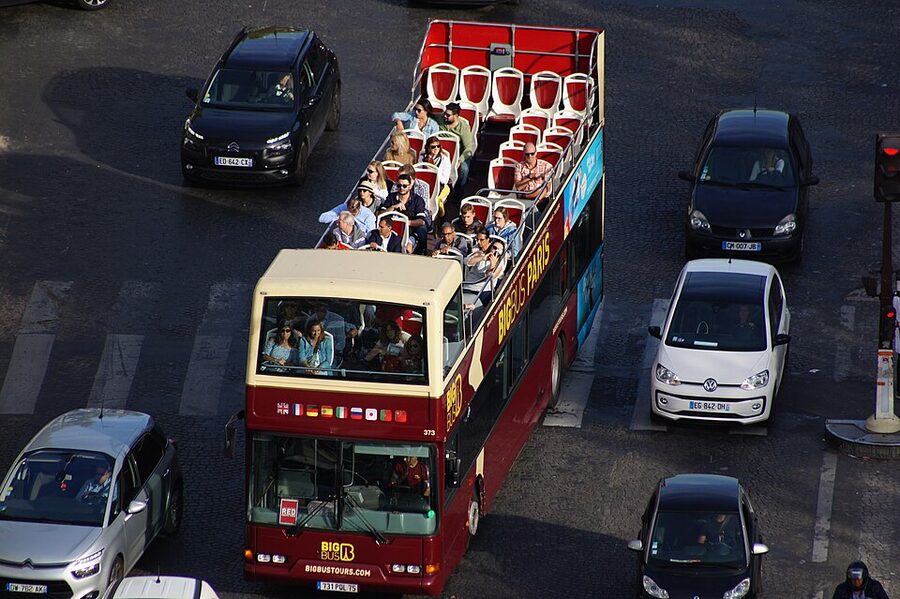
Both operators charge around €45 for a 24-hour pass and around €55-60 for 48 hours. The 48-hour upgrade is almost always worth it — you’re rarely paying double, and you’d be amazed how often you decide on day two that you want one more loop.
The Stops That Are Worth Hopping Off At
Both Tootbus and Big Bus run a similar central loop with around 8 to 10 stops. Some stops are obvious. Some are useless. Here’s where I actually get off the bus.
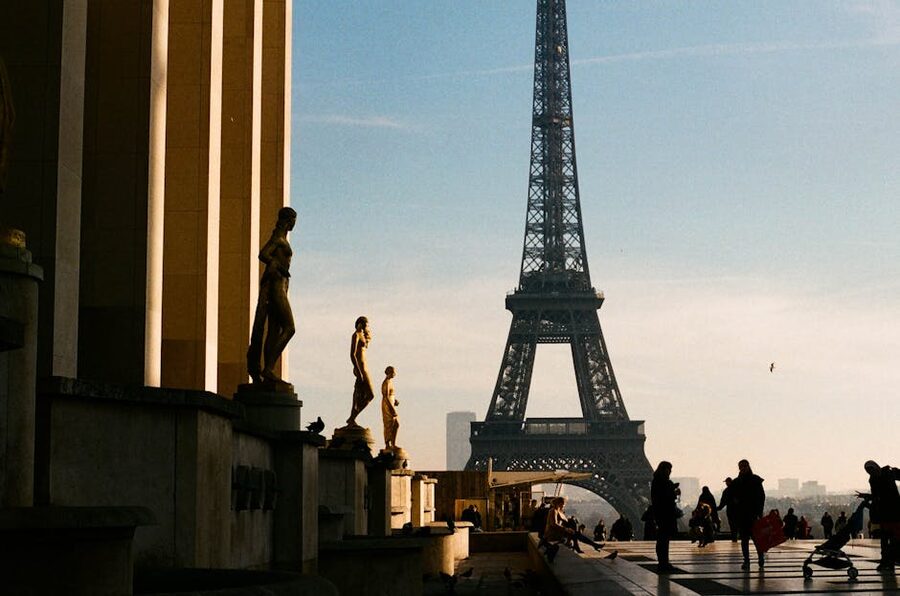
Eiffel Tower (Champ-de-Mars)
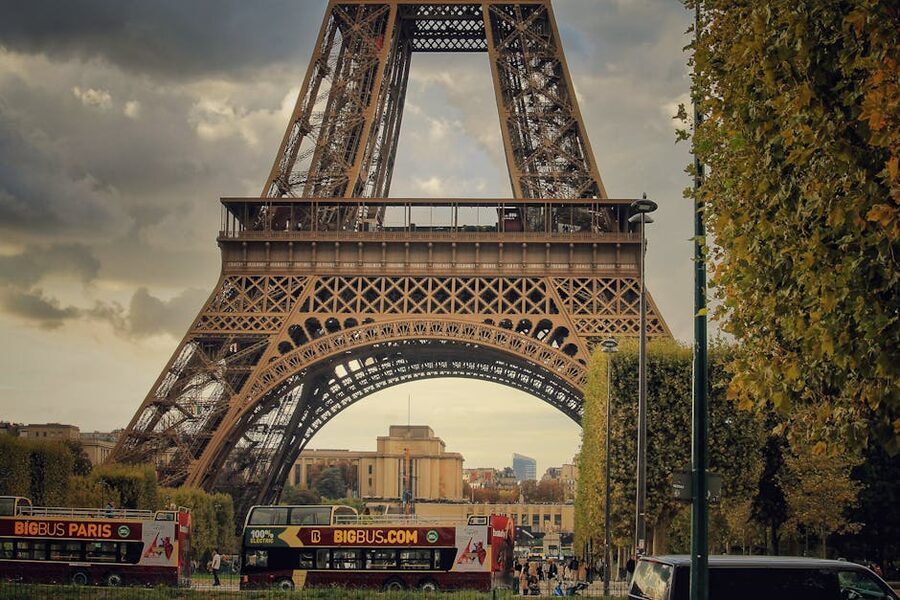
Obvious. Hop off here, walk down through the gardens for the under-the-arch shot, and either walk across to Trocadéro for the postcard angle or take the next bus. If you’ve already booked an Eiffel Tower lift ticket for a specific time slot, plan around that — our guide to booking the Eiffel Tower summit covers the timing trade-offs.

Louvre / Tuileries
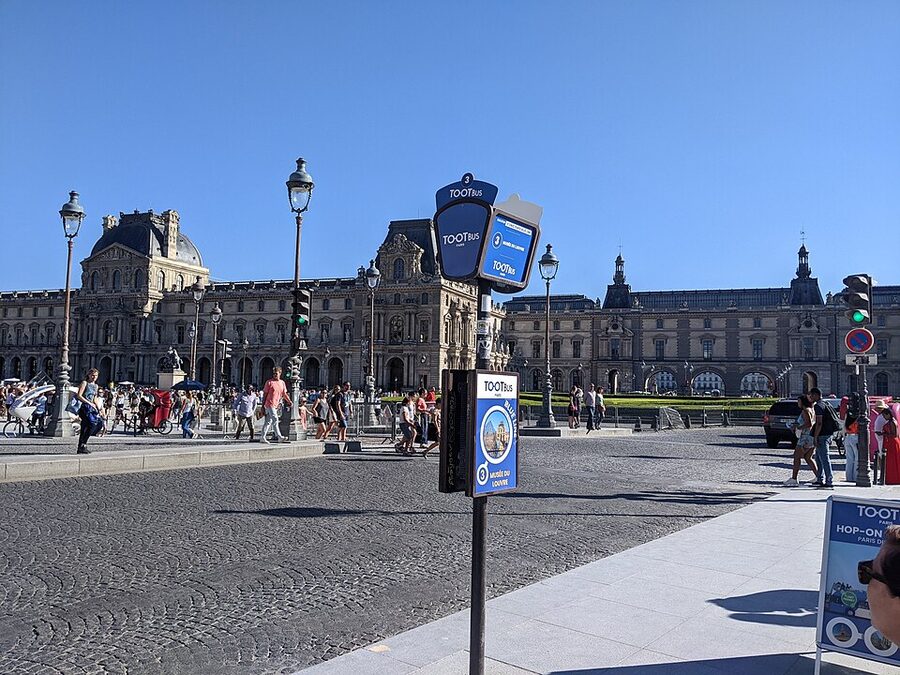
This is the busiest pickup point on either operator. It’s right by the pyramid entrance, and on a hot day you can stash bags in your hotel and use the bus to ferry between the Louvre, the Orsay, and the Orangerie without any walking in between. Worth doing if you’re visiting more than one museum — the Louvre booking guide walks through which entry slots match best with bus timing.
Musée d’Orsay
The Orsay is across the Seine from the Louvre, but the bus crosses the river to get to it, so it counts as a separate stop. You step off basically at the entrance. If you only have one museum day, this is the one I’d hop off at — the Impressionist collection is more crowd-friendly than the Louvre, and you can be in and out in 90 minutes if you focus on the top floor. Our Orsay guide covers which entrance is fastest. While you’re at it, the Musée de l’Orangerie is a 10-minute walk across the Tuileries — very different from Orsay, far smaller, but the Monet Water Lilies room alone is worth the detour.
Champs-Élysées / Arc de Triomphe
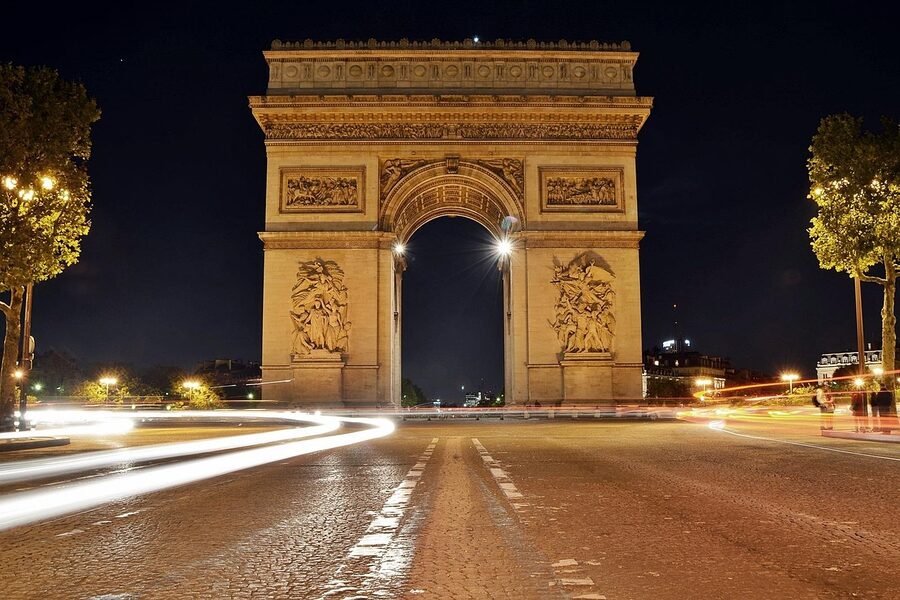
The bus runs the full length of the Champs-Élysées, which is more interesting from the upper deck than walking it (the walking experience is mostly pickpockets, perfume shops, and overpriced cafés). Hop off at the Étoile end if you want to climb the Arc — the rooftop view down the avenue is one of the better cheap thrills in Paris, and our Arc de Triomphe booking guide covers the rooftop tickets versus the regular entry.
Opéra Garnier
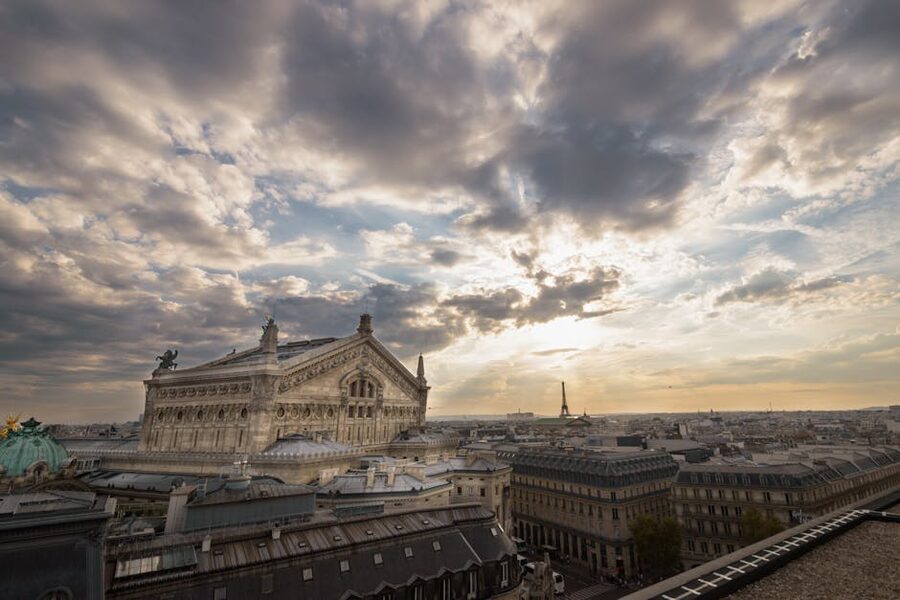
The Opera stop is a sleeper hit. Most people pass through it without getting off. But the Palais Garnier interior — the marble staircase, the chandeliers, the Chagall ceiling — is one of the most under-visited big-ticket sights in Paris. You can walk inside on a self-guided tour for less than €15. The bus stop is two minutes from the front steps.
Notre-Dame / Île de la Cité
Notre-Dame reopened to the public in late 2024 after the post-fire restoration, and the buses now stop again at the Île de la Cité. Even if you don’t go inside, the cathedral exterior is worth the hop-off — the buttresses on the east side are arguably more beautiful than the famous west front. Combine with a quick walk to Sainte-Chapelle, which is two minutes away on the same island and (I’d argue) a more astonishing interior than the cathedral.

Stops I Skip
Trinité (north of the Opera) is residential and not very interesting. Madeleine is fine but you don’t need to break the bus loop for it. The Pont Alexandre III stop is gorgeous from the bus but pointless to hop off at unless you’re walking to Les Invalides, in which case go for it.
How the Pricing Works
Both Tootbus and Big Bus charge in tiers based on how many days the pass is valid. The price you see online — typically €45 for 24 hours, €55-60 for 48 hours, €65-70 for 72 hours — is per person, and the validity clock starts when you first board, not when you book.
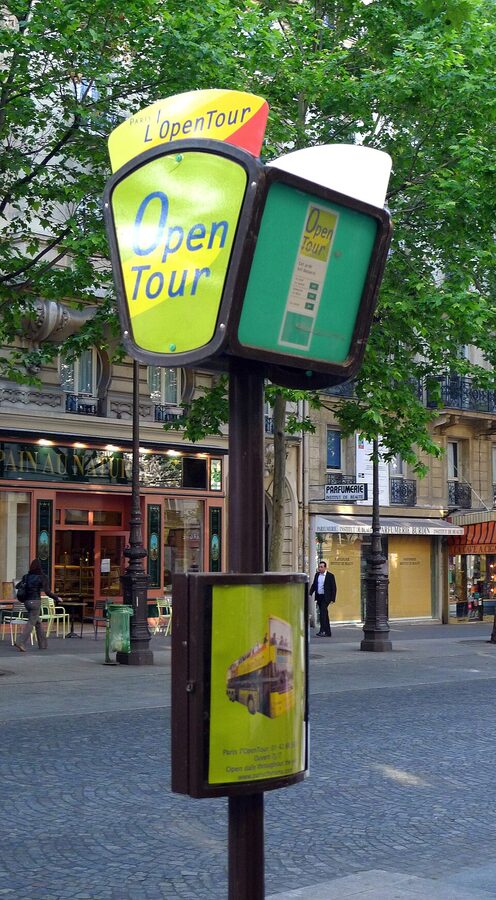
That last detail trips people up. If you board your first bus at 4pm on Tuesday, your 24-hour pass is valid until 4pm on Wednesday. So the trick to maximising it is to start early in the morning of day one, not after lunch. Two solid days of riding for the price of one.
Buying online is almost always cheaper than buying at the kiosk. Both operators run a permanent ~5% discount through GetYourGuide, and the booking is just a QR code on your phone — show it to the driver, they scan, you’re on. No paper printout needed.
Combo Tickets — Are They Worth It?
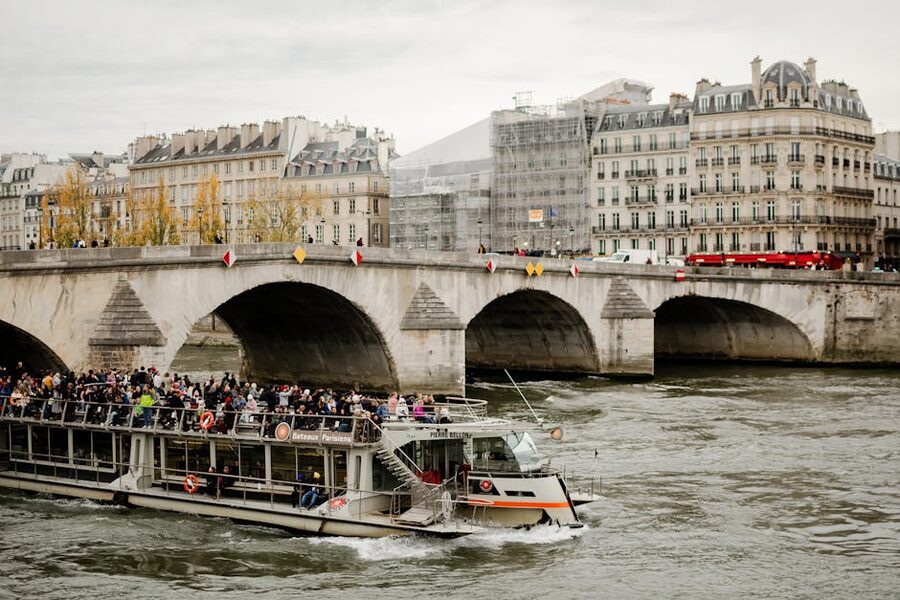
Big Bus and Tootbus both sell upgrades that bundle a Seine river cruise with the bus pass. The bus + cruise combo costs around €10 more than the bus alone, which is far less than the cruise costs separately. If you’d been planning to do a Seine cruise anyway, the combo is a no-brainer — and our Seine cruise booking guide has the full breakdown of how to choose between the cruise operators.
If you’re booking a dinner cruise as a separate evening event, that’s a different category — you wouldn’t combo that with the bus. Have a look at our guide to Paris dinner cruises for the evening options, or our evening river cruise with music guide for the cheaper sit-and-listen alternative.
Museum Pass + Bus — The Real Combo
The unofficial combo nobody advertises: the bus pass plus a Paris Museum Pass. The Museum Pass gets you into about 50 museums and monuments with no ticket queue. The bus pass gets you between them. If you’re doing 4 days of heavy sightseeing, the two passes together work out cheaper than buying tickets to each museum separately, and the time saved at queues is significant. Most people buy these as separate tickets without realising they pair.
The Boat Alternative
The hop-on hop-off boats are a different proposition. The main operator is the Seine Cruise Pass with 9 stops, run from Port de la Bourdonnais. Same idea as the bus — pay for a 24 or 48-hour pass, hop on and off as much as you want at fixed quay stops along the river.
Stops include the Eiffel Tower, Orsay, Saint-Germain, Notre-Dame, Hôtel de Ville, the Louvre, and Place de la Concorde. The boat is heated and glass-enclosed, which makes it the better choice on a wet or freezing day when the upper deck of a bus is miserable. The downside: it doesn’t go inland. You can’t reach the Opera, Sacré-Cœur, or Montmartre on a boat pass.
Pricing is around €25 for 24 hours — meaningfully cheaper than the bus pass — but you’re getting a smaller geographic coverage. My take: if you want to see Paris, do the bus. If you want a relaxed afternoon on the river with hop-off options, do the boat. They’re not really competitors. Some travellers do the bus on day one and the boat on day two, which is a strong combination.
The 3 Tours I’d Actually Book
Three options, three different angles. I’d pick based on what kind of trip you’re running, not on who has the most reviews.
1. Tootbus Paris Hop-On Hop-Off (Optional River Cruise) — from $43

If you’ve never done a Paris HOHO before, start here. Three day passes mean you can spread the bus across most of a long weekend, the electric buses are quieter and cleaner, and the audio commentary is solid (even if some reviewers find it a bit dry). The full review covers the route map and audio details in depth. The free thematic walking tours that come with the pass are the under-advertised perk.
2. Paris Big Bus Hop-On Hop-Off Tour With Optional Cruise — from $43
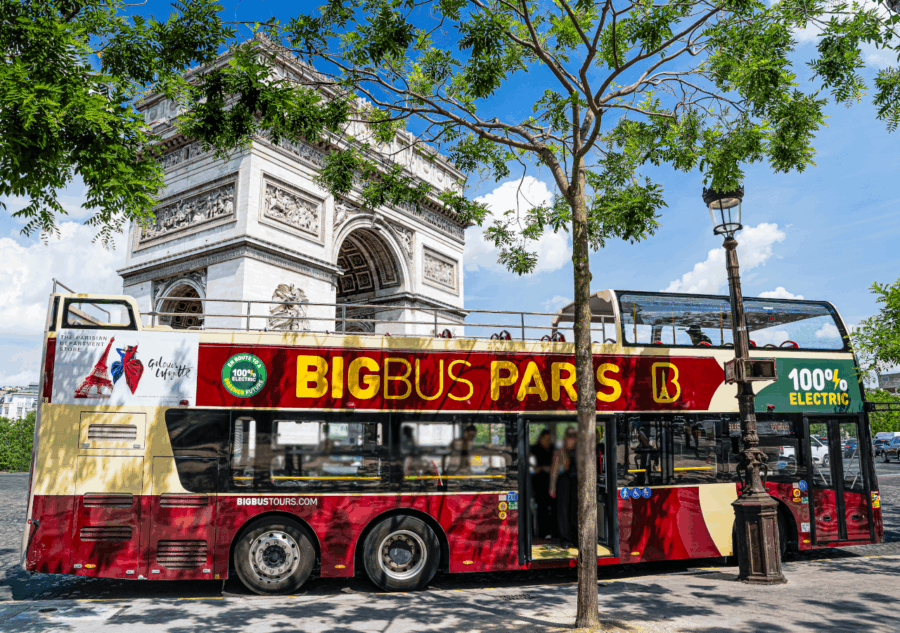
Pick this if you want to reach Sacré-Cœur and Montmartre without faffing with the Métro funicular — the Big Bus Montmartre route is the only HOHO option that goes north of Gare du Nord. I think the audio commentary is a notch better than Tootbus, with crisper history snippets and tighter timing. The optional Seine cruise upgrade is the best add-on either operator sells.
3. Paris Hop-On Hop-Off Seine Cruise Pass (9 Stops) — from $27
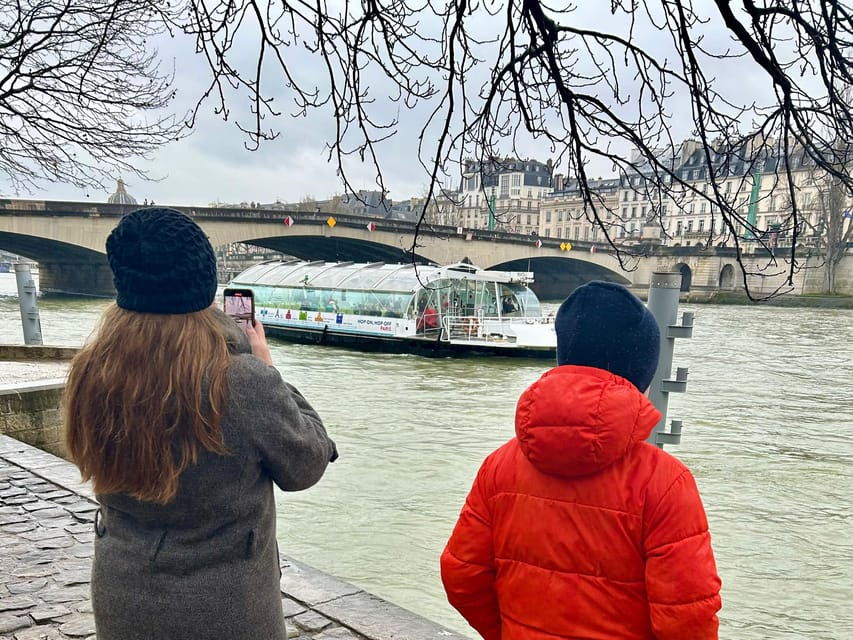
The river version. Cheaper, cosier in winter, and a different mood from the bus — you spend more time looking at bridges and buildings from a low angle than at the streetscape. Our full review of the 9-stop boat pass covers which stops are worth your time and which you can skip.
How to Use Your Bus Pass Properly
Most people use HOHO buses badly. They board at the Louvre, do one full loop, snap photos out the window, and never hop off. That’s a sightseeing tour with extra steps, and you’d have been better off booking a guided coach for two hours.
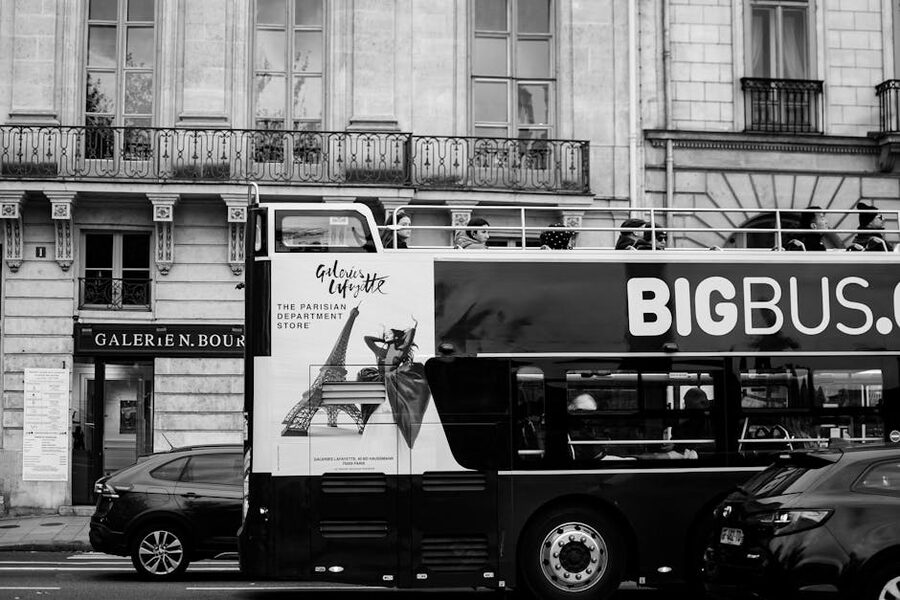
The actual point of a hop-on hop-off pass is the hop-off. Treat it as your transport spine for the day. Start at the first bus of the morning, do a full loop without getting off (this is your orientation lap, audio guide on, take notes about which stops look interesting). Then on the second loop, start hopping off — 30 to 45 minutes per landmark, climb back on the next bus, repeat.
That rhythm gets you 5 or 6 attractions in a day. If you tried that on the Métro you’d burn an extra hour walking between stations and exits, easy.
Timing Tricks
Both operators have buses every 10 to 15 minutes on the central loop, which means the wait at any stop is rarely worse than 12 minutes. But there are two times of day when this falls apart:
Around 1pm-2pm, the buses get caught in traffic, and timetables wobble. From about 5pm onward, the central Paris rush hour kicks in, and the lap time can stretch from 90 minutes to over two hours. If you have an evening dinner reservation, get back to your hotel before 5pm or take the Métro.

What to Bring
Sunscreen if it’s sunny — the upper deck has zero shade. A jacket if it’s not, because the open-top loses heat fast and the wind chill on the avenue is real. Headphones for the audio commentary if your bus uses earbuds (Tootbus provides them, Big Bus uses dedicated speakers in the seatback).
Don’t bother with the printed map they hand you at the kiosk. Both operators have apps that show real-time bus location and your nearest stop, and the apps are far more useful in practice. Download before you board.
Night Tours and Other Variants
Big Bus runs a separate panoramic night tour that’s a one-shot 2-hour evening loop, not a hop-on hop-off pass. It costs less than a daytime pass (around €35) and runs from about 9pm in summer, earlier in winter when it’s already dark by 6. The night version is a different animal — fixed itinerary, live English-speaking guide, no hopping. If you want to see Paris lit up without organising your own evening, it’s a clean little package.
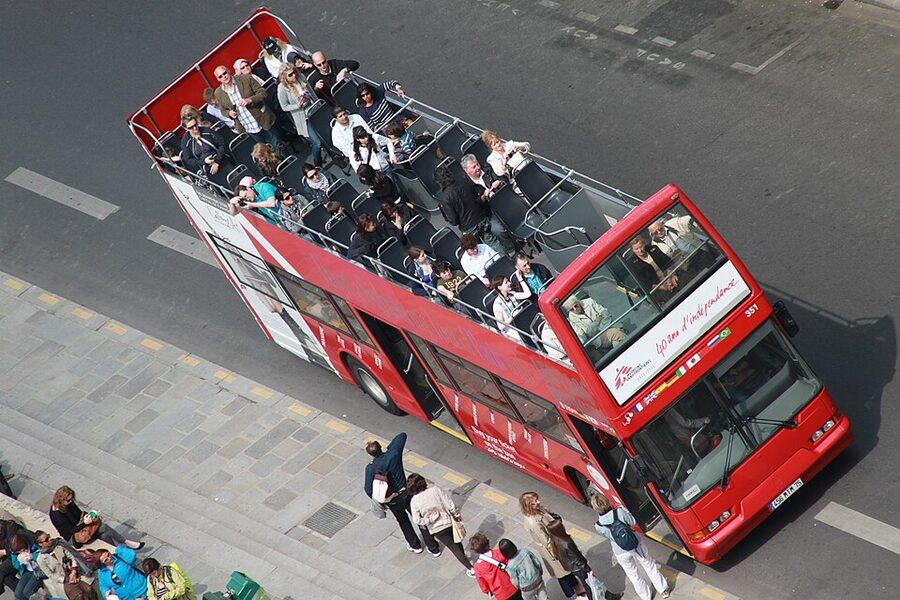
There’s also a Tootbus “Discovery” version, which is a shorter 2-hour single loop — useful if you’ve only got half a day and want a fast orientation tour without committing to a full pass. It’s about €15 cheaper than the standard pass. If you’re in Paris for less than 36 hours, this is probably the version you want.
Common Things That Go Wrong
The classic HOHO problem in Paris is buses skipping stops in heavy traffic. Both operators reserve the right to bypass a stop if their schedule is too far off, and they will, especially on summer Saturday afternoons. If your bus skips a stop you wanted, just wait — the next one will be 12 minutes behind. It’s annoying but it works out.

The other gotcha: drivers occasionally forget to start the audio commentary, especially on Big Bus. If you sit down and the audio jacks in your seatback are silent for more than five minutes, walk down and ask the driver to switch the system on. They’ll do it. They just forget.
And finally — the buses don’t run after about 6pm in winter or 8pm in summer. Don’t plan a sunset Eiffel Tower visit and assume the bus will get you home. Plan to use the Métro or a taxi for the back end of the day.
Two Days in Paris with the Bus Pass
This is the rough shape of how I’d use a 48-hour Tootbus or Big Bus pass on a first Paris visit:
Day one (morning): Board at Louvre at 9:30am. Do one full orientation loop with audio. Hop off at Trocadéro for the Eiffel Tower postcard angle, then back on, hop off at the Eiffel Tower for ground-level photos. Lunch nearby.
Day one (afternoon): Board after lunch, head to the Champs-Élysées, climb the Arc de Triomphe rooftop, back on bus, hop off at Concorde for a walk through the Tuileries to the Orangerie. End at the Louvre stop.
Day two (morning): Start with the optional Seine cruise (most operators run combo tickets where the cruise leaves from near the Eiffel Tower at fixed slots). Fast 1-hour loop. Get back on the bus.
Day two (afternoon): Hop off at the Orsay for two hours, then onward to the Opéra Garnier for a 30-minute self-guided tour, then to Notre-Dame for the cathedral exterior. End the loop, your 48 hours are up.
Total: 6 major attractions, around €55-65 for the bus, and you’ve not had to think about transit once.

One More Thing — The Bus and Day Trips
The HOHO pass is for central Paris only. It doesn’t go to Versailles, it doesn’t go to Disneyland Paris, and it doesn’t go to Giverny. If you’re planning a day trip, the bus pass is irrelevant for that day — the bus stops short of the suburban RER lines that get you to Versailles or further out.
That said, the bus is excellent on the day before or after a day trip. Use it on the morning you arrive (orientation lap before checking into the hotel) and the morning of departure (one final pass through the highlights before heading to CDG). That bookends a 4-day trip nicely.
If You Just Want to See Paris in 36 Hours
Skip the 48-hour pass. Buy the 24-hour Tootbus or Big Bus pass. Board at the very first bus of the morning, do two full loops with strategic hop-offs, and you’ll have seen more central Paris in a day than most people see in a week of Métro hops.
If your trip is longer and you want to slow down, the bus matters less in the second half of the visit — you’ll naturally start walking neighbourhoods you’ve already orientated yourself in, eating in places the bus doesn’t reach, drifting toward Le Marais or the Latin Quarter on foot. That’s normal. The bus is a first-day tool, sometimes a second-day one. After that, you’ve got the city in your head.
Where to Wander Next
If the open-top bus has done its job, you’ve got a feel for the rough shape of central Paris and you’re ready to go deeper into the bits that caught your eye. The two batch-mate guides cover the cruise side of things — the evening river cruise with music is the relaxed sit-and-watch option, and the dinner cruise guide walks through the proper sit-down meal versions. For attractions you saw from the upper deck and want to actually go inside, the Panthéon is the under-the-radar one most HOHO riders overlook entirely. And if you’re curious how the city looks from above (instead of street level), Montparnasse Tower has the best skyline view in Paris precisely because Montparnasse is the only place in central Paris where the tower itself isn’t blocking your shot of the Eiffel.