
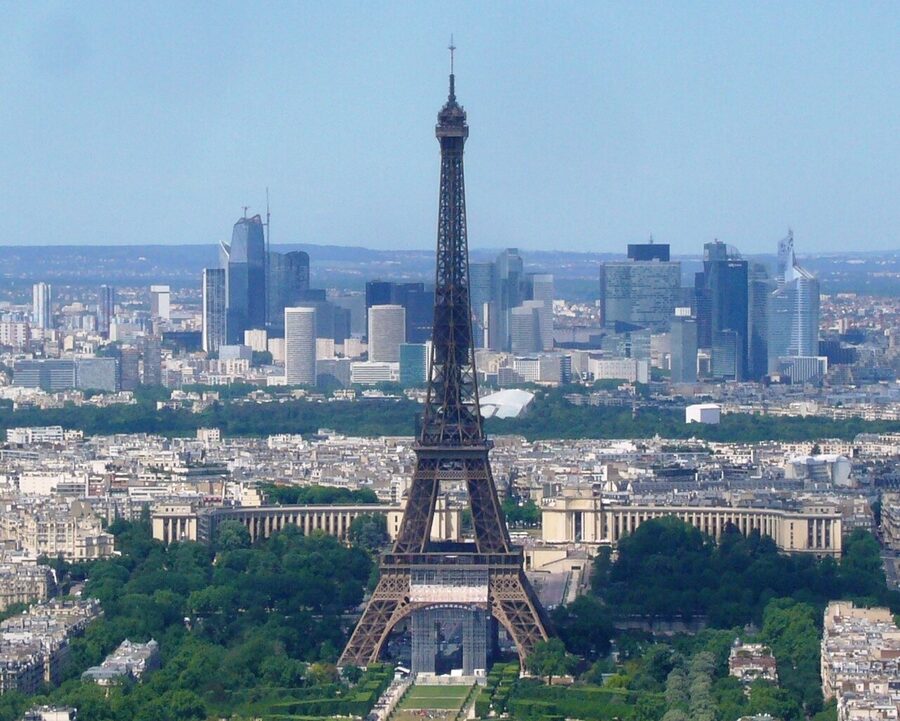
Why does the best view of the Eiffel Tower in Paris come from a 1970s office building most Parisians once wanted demolished? Because the Eiffel itself takes up the foreground when you’re standing on it, and Montparnasse Tower puts you 200 metres up across the river with the Iron Lady framed dead-centre in the panorama. It’s the only public viewpoint in the city where you can photograph the Eiffel, the Louvre, the Panthéon and Sacré-Cœur in one slow turn — and the elevator gets you there in 38 seconds.
Here’s how to actually book it, what’s worth paying for, and a few things the booking pages don’t tell you.
- Short On Time? Three Montparnasse Tower Tickets Worth Booking
- Why Anyone Goes Up a Building Parisians Hate
- What You’re Actually Paying For
- The Three Tickets Worth Knowing About
- 1. Paris: Montparnasse Tower Observation Deck Entry Ticket —
- 2. Paris Montparnasse Top of the City Observation Deck Entry Ticket —
- 3. Montparnasse Walking Tour: Secrets, Spies and Cafe Society —
- Eiffel Versus Montparnasse — How to Pick
- Booking Specifics
- How to Get There
- The Best Time to Go Up
- What to Do Below the Tower
- A Quick History (For Why It Looks the Way It Does)
- Practical Tips
- Common Questions
- Pairing It With the Rest of Paris
- One More Thing
Short On Time? Three Montparnasse Tower Tickets Worth Booking
- Paris: Montparnasse Tower Observation Deck Entry Ticket — $22. The flagship. Skip-the-line, 56th-floor deck plus 59th-floor open rooftop. The one almost everyone books and the one I’d default to.
- Paris Montparnasse Top of the City Observation Deck Entry Ticket — $23. Same access via Viator instead of GetYourGuide. Useful if you already have Viator credit or you’re booking everything in one cart.
- Montparnasse Walking Tour: Secrets, Spies and Cafe Society — $47. 2-hour guided walk through the neighbourhood with a Hemingway-and-spies angle. Pair it with a tower ticket on the same afternoon if you want context, not just the view.
Why Anyone Goes Up a Building Parisians Hate
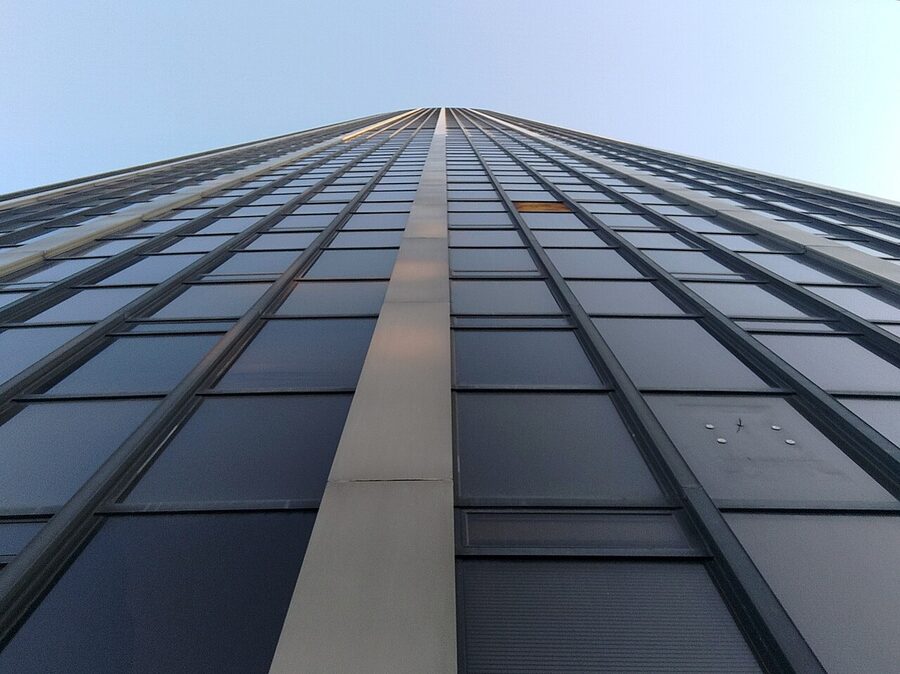
The joke about Montparnasse Tower is older than I am. The view from the top is the best in Paris because it’s the only one that doesn’t have Montparnasse Tower in it. That’s roughly the point.
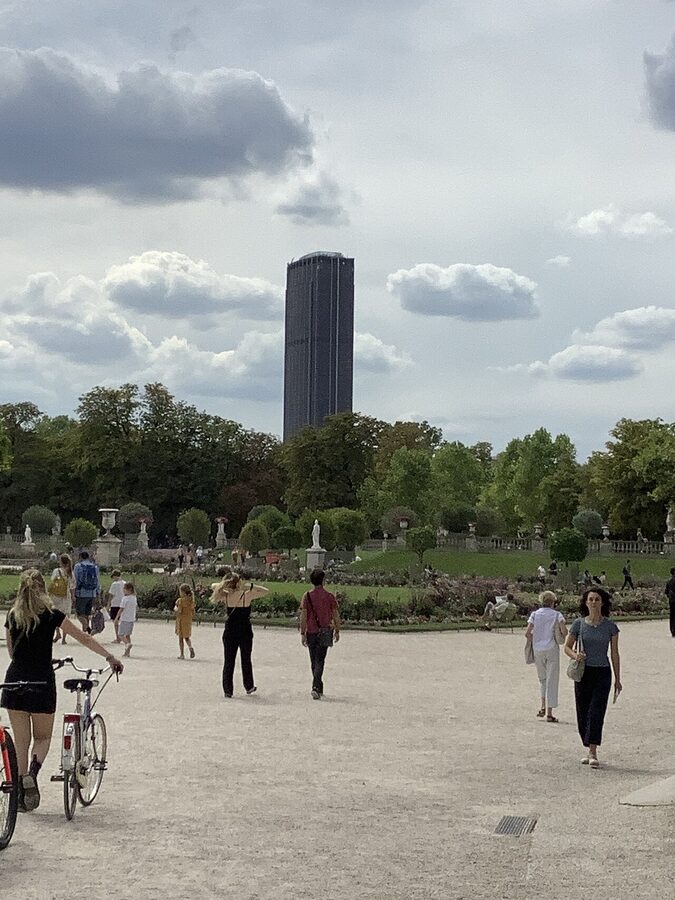
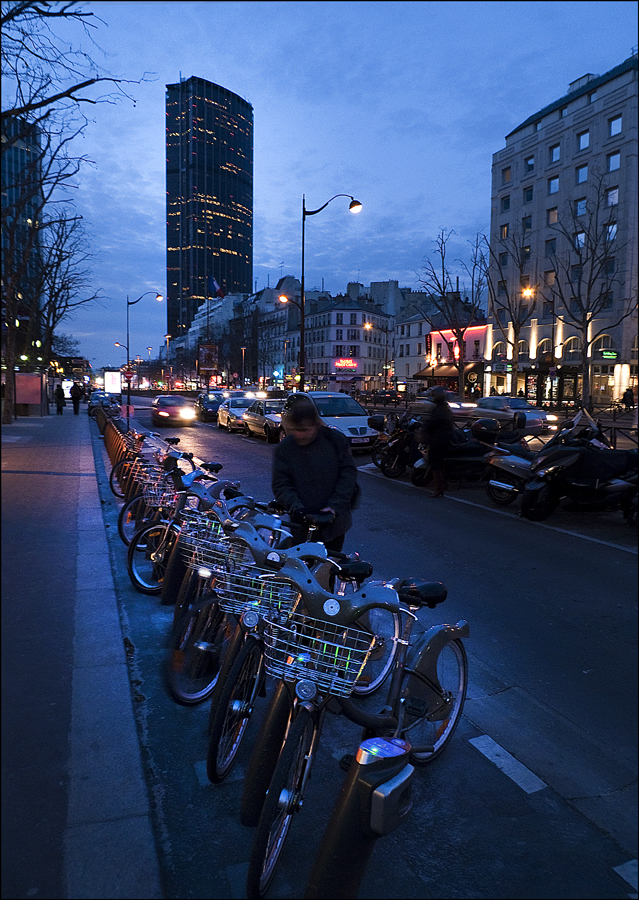
The building was finished in 1973. It was so reviled that two years later the city of Paris banned any structure over seven storeys inside the central arrondissements, and that ban — with very minor revisions — is still in force today. Which is why every photo of the Paris skyline looks like Haussmann-era rooflines and then this one black tower stuck on the southern edge.
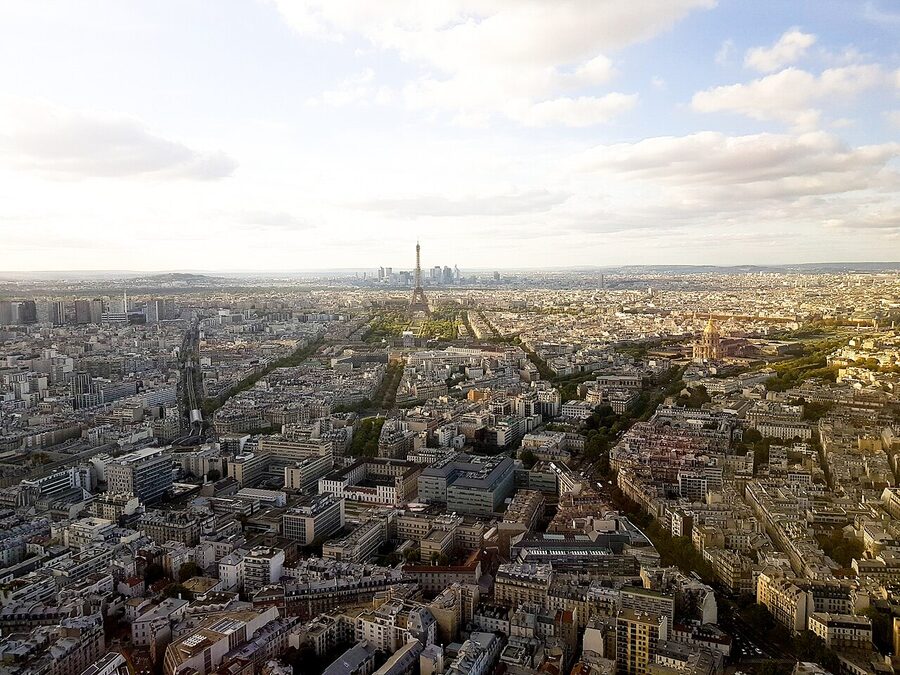
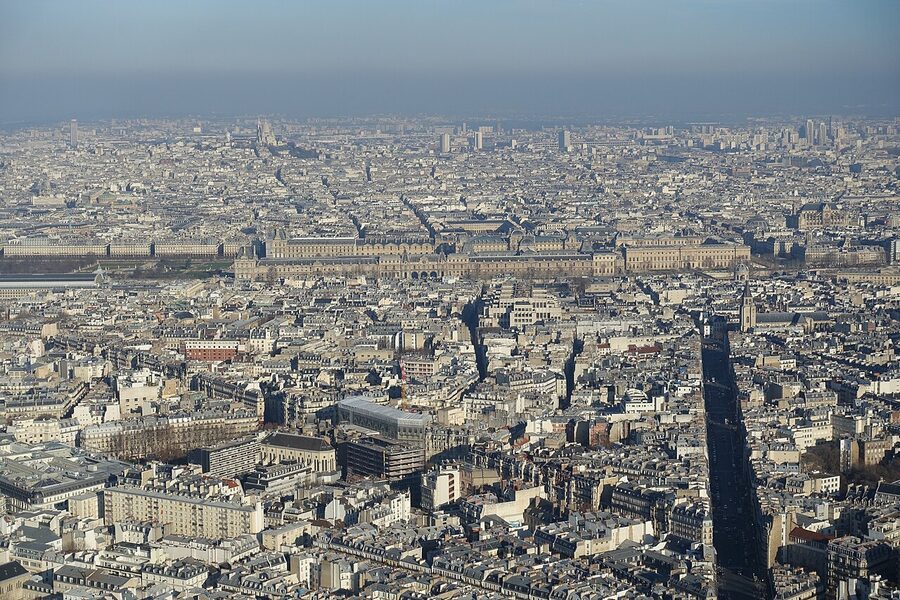
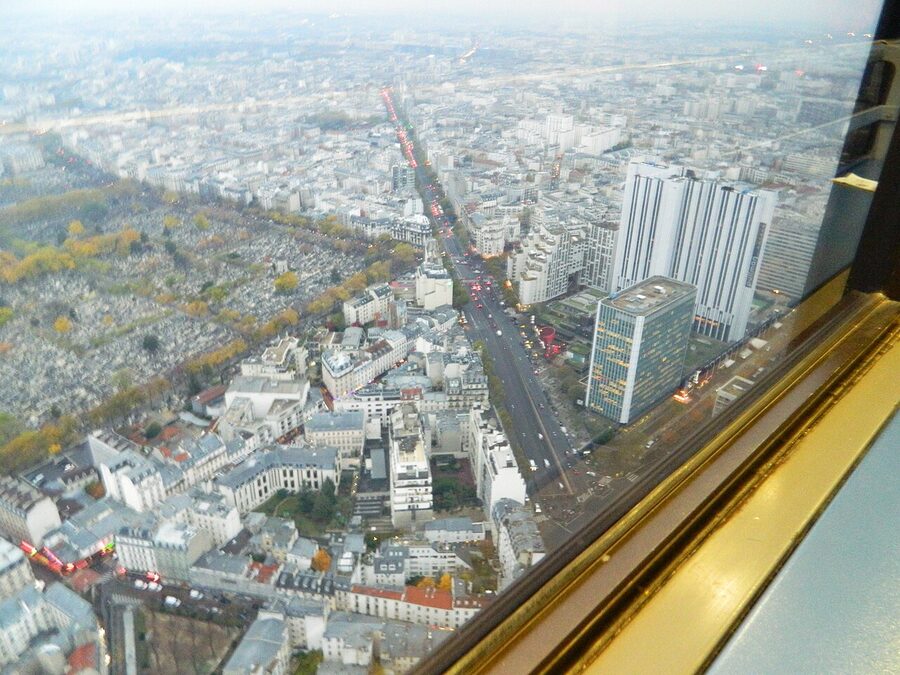
So why go up? Because the same thing that makes the building ugly from the ground makes it the best vantage point in the city. It sits south of the Seine, alone, with nothing tall around it. From the top you see the entire historic centre laid out the way you’d see it on a map — Notre-Dame, the dome of the Panthéon, the spire of Sainte-Chapelle on the Île de la Cité, Saint-Sulpice, the Louvre, the Eiffel, Sacré-Cœur on its hill. Five major monuments in a single 360-degree turn.
The Eiffel Tower has its own observation decks and a whole booking ritual — if that’s your priority, our Eiffel Tower summit guide walks through the lift system and the second-floor versus summit decision. But if photographing the Eiffel is what you actually want, you have to be on a different building. This is the building.
What You’re Actually Paying For
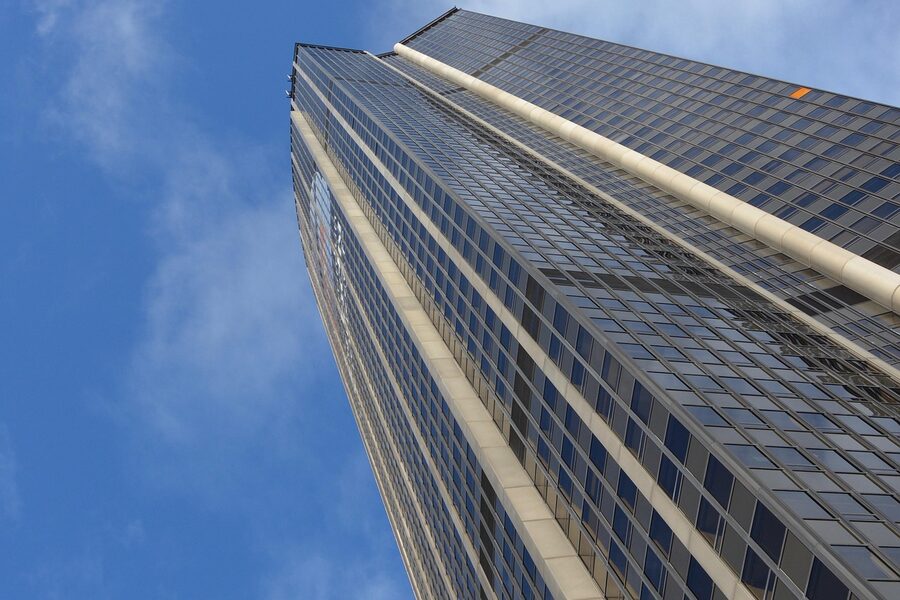
One ticket gets you two levels:
- 56th floor — fully enclosed observation deck. Glass-walled, climate-controlled, accessible by lift. There’s a small café, a champagne bar (the highest in Paris, if you care about that sort of thing), some interactive screens about the city, and panoramic seating along the windows. Wheelchair accessible. This is where you go in winter, in rain, or if anyone in your group struggles with stairs.
- 59th floor — open-air rooftop terrace. Three flights up from the 56th. No roof, just a perimeter mesh fence, the helipad, and the 360-degree view. This is where the photos happen. It’s the highest open-air viewing terrace in Paris, full stop.
You don’t pay extra for the rooftop — both levels are included in the standard $22 ticket. You can also go up and down between them as many times as you want during your visit, which matters more than it sounds when the weather is doing something interesting.
The booking platform you’ll use bundles a smartphone app called Magnicity. It’s free with the ticket and it does augmented reality overlays — point your phone at a window and it labels every monument in view. It sounds gimmicky and is, but it’s genuinely useful for the first ten minutes when you’re trying to identify what’s what across the rooftops. After that you’ll forget about it.
The Three Tickets Worth Knowing About
There aren’t a hundred different Montparnasse Tower products. The platforms list maybe a dozen between them, but most are the same entry ticket sold by different resellers. Here are the three that genuinely differ from each other.
1. Paris: Montparnasse Tower Observation Deck Entry Ticket — $22

This is the default and accounts for the bulk of bookings on the tower. It’s the most-reviewed Paris viewpoint ticket on GetYourGuide outside the Eiffel itself. Skip-the-line via a dedicated lane, 56th-floor deck plus 59th-floor rooftop, the Magnicity AR app thrown in. Our full review covers what the entry queue actually looks like at peak times and which floor is worth your first 20 minutes. If you’re booking one tower ticket and you’re not sure which, book this one.
2. Paris Montparnasse Top of the City Observation Deck Entry Ticket — $23

Functionally identical to ticket #1 — you get the same 56th-floor deck and 59th-floor rooftop, you go up the same lift, you queue in the same line. The only reason to pick this one is if you’re already booking other Paris activities through Viator and you want everything in one cart. Our Viator booking review covers the small differences in the cancellation window and the QR code workflow. A dollar more than the GYG version, no real upside, but worth knowing exists.
3. Montparnasse Walking Tour: Secrets, Spies and Cafe Society — $47
This isn’t a tower ticket. It’s a 2-hour neighbourhood walk that covers Hemingway’s old haunts, the spies and writers of the Lost Generation, and the back streets of the 14th arrondissement. The tour review singles out the cemetery section and the stories of Josephine Baker as standouts. I’d book it as a complement to a tower ticket, not instead of one — the walking tour gives you context, the tower gives you the view, and together they make a good half-day. Doesn’t include the observation deck entry.
Eiffel Versus Montparnasse — How to Pick
Most first-timers ask the same question: do I do the Eiffel summit or Montparnasse? The honest answer is they’re different products and you should ideally do both — but if you’re picking one, here’s how I’d think about it.
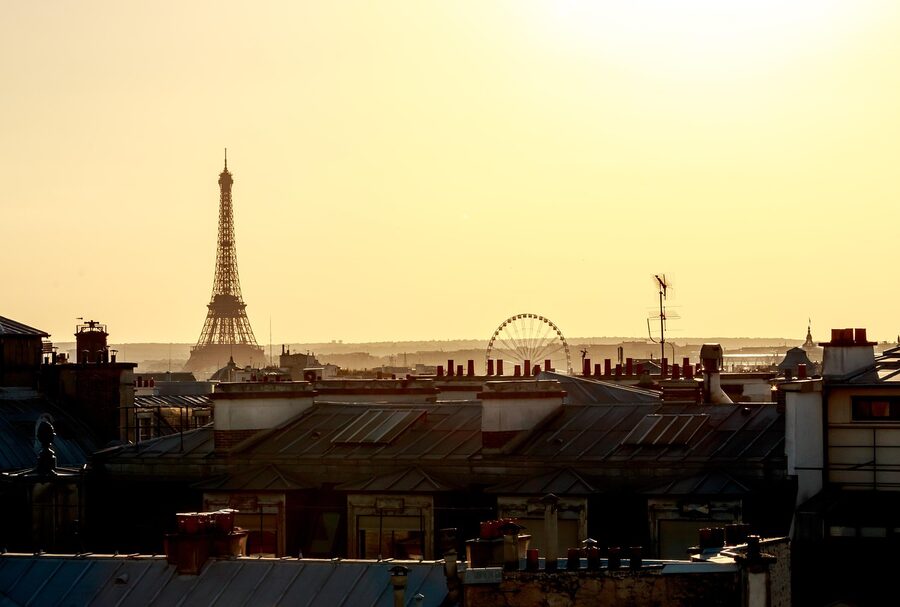
Pick Montparnasse if: you want a photo of the Eiffel that includes the Eiffel; you want the cheapest panoramic view in central Paris (a third of the price of the Eiffel summit); you don’t want to queue for 90 minutes; you’re travelling with kids and don’t want to deal with the Eiffel’s lift politics; you want sunset.
Pick the Eiffel if: the Eiffel itself is the goal; you want the symbolic experience of being on the Iron Lady; you’re happy paying for the brand premium and the queue. The Eiffel base + optional summit ticket review and the summit-or-second-floor breakdown are useful if you’re going that route — they’ll save you the comparison work I’m not going to repeat here.
Best move if you have time: do Montparnasse for sunset on a clear evening, do the Eiffel mid-afternoon another day. Ninety minutes apart by metro, two completely different photo sets, and you don’t have to choose. If your legs are giving out by the late afternoon, an indoor museum like the Musée d’Orsay or the Orangerie is the right Left-Bank fit between a morning walk and a tower sunset.
Booking Specifics
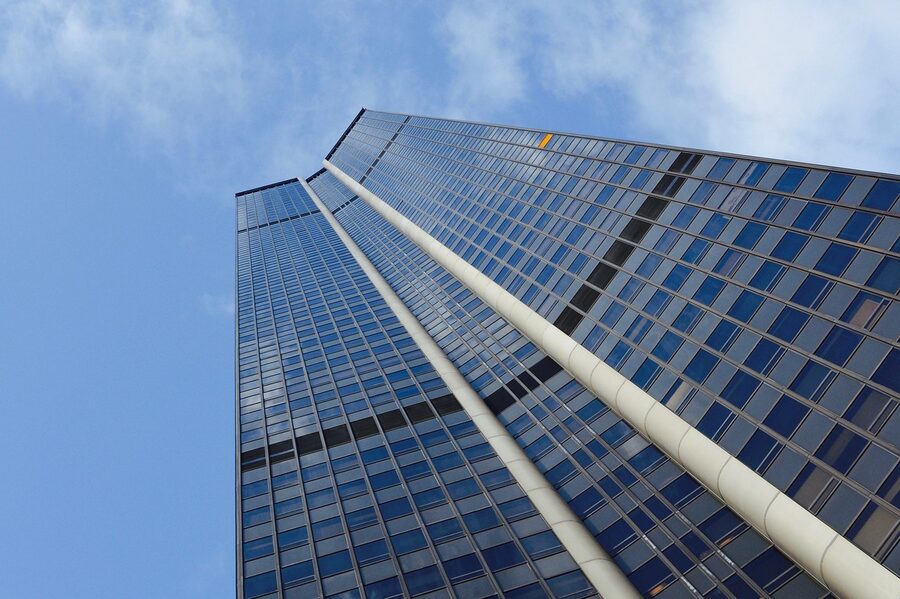
Tickets are timed-entry. You pick a half-hour slot when you book; you can show up any time within that 30-minute window and you can stay as long as you like once inside. Most people stay 60-90 minutes — long enough to do both floors, take photos, and have a coffee. Some stay 2-3 hours waiting for the light to change.
Book at least 24 hours ahead. Sunset slots sell out fastest, especially May through September. If you’re trying for sunset specifically, book a slot starting about 45 minutes before official sundown so you’re already up there as the colour changes. Same-day walk-ups are technically possible at the on-site box office but you’ll pay full price and risk a sellout.
Cancellation: the standard tickets are free-cancel up to 24 hours before. The official site has a stricter window. Always book through one of the platforms unless you have a specific reason not to — same access, more flexibility.
Paris Pass and museum passes: Montparnasse Tower is included in the Paris Pass. It’s also on some city passes intermittently. If you already have one, check before buying a separate ticket. Worth noting: the Paris Museum Pass does not include Montparnasse Tower because it’s not a museum.
How to Get There
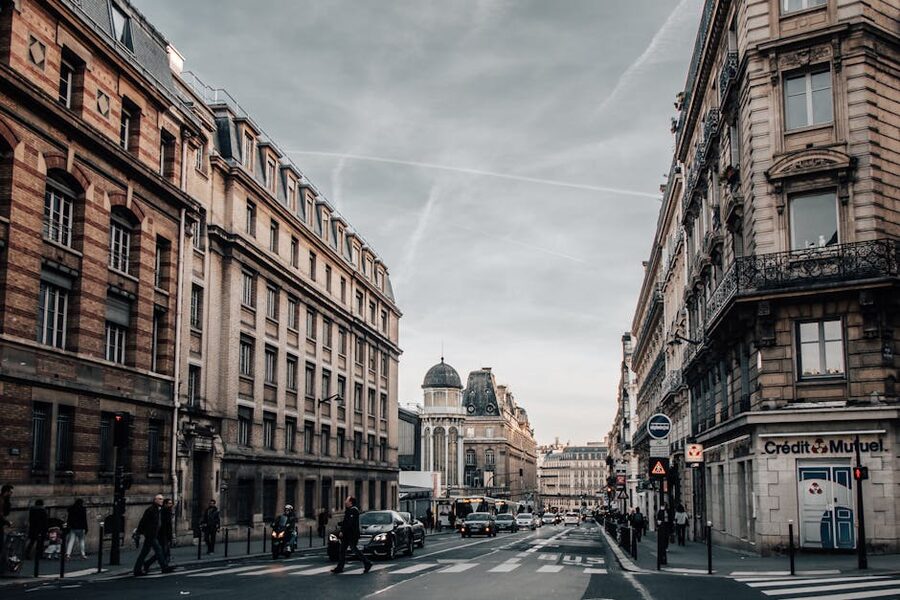
The metro stop is Montparnasse-Bienvenüe and it sits directly under the building. Lines 4, 6, 12, and 13 all stop there. From the platform to the lift queue is a 5-minute walk through the underground concourse and across a small plaza.
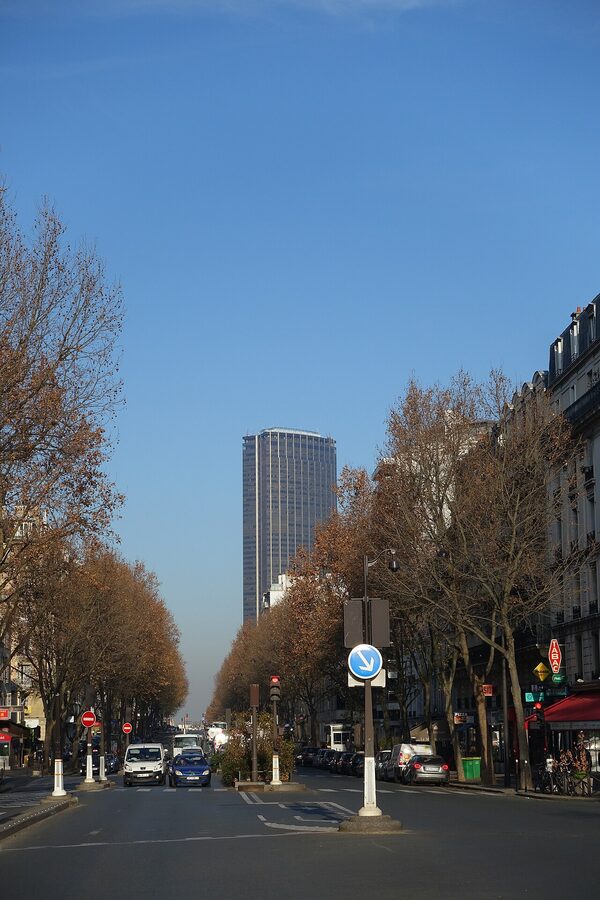
If you’d rather walk, the building is 15 minutes south of the Luxembourg Gardens or about 35 minutes south-west of Notre-Dame, depending on your route. The walk through the Latin Quarter is one of the best free things in Paris, and the route passes the Panthéon and the back of the Sorbonne if you take the Rue Soufflot line. If you’re already doing a riverside day — say, a Seine cruise followed by the Left Bank — Montparnasse is a logical end point as the light fades.
Coming from the airport, the metro Line 4 from Châtelet runs straight here. From Gare du Nord it’s a 25-minute direct ride. From Versailles, take RER C back to Champ de Mars and switch to the metro — the Versailles guide covers the train logistics if you’re combining it into a single day.
If you’ve collected a hop-on-hop-off ticket already, both major operators stop at Montparnasse. The Tootbus and Big Bus route reviews both note Montparnasse as one of the better stops because the queue at the tower is short enough that you can squeeze a visit in between buses without burning a whole afternoon. The Big Bus night tour doesn’t stop here but passes the building lit up after dark, which is its own thing.
The Best Time to Go Up
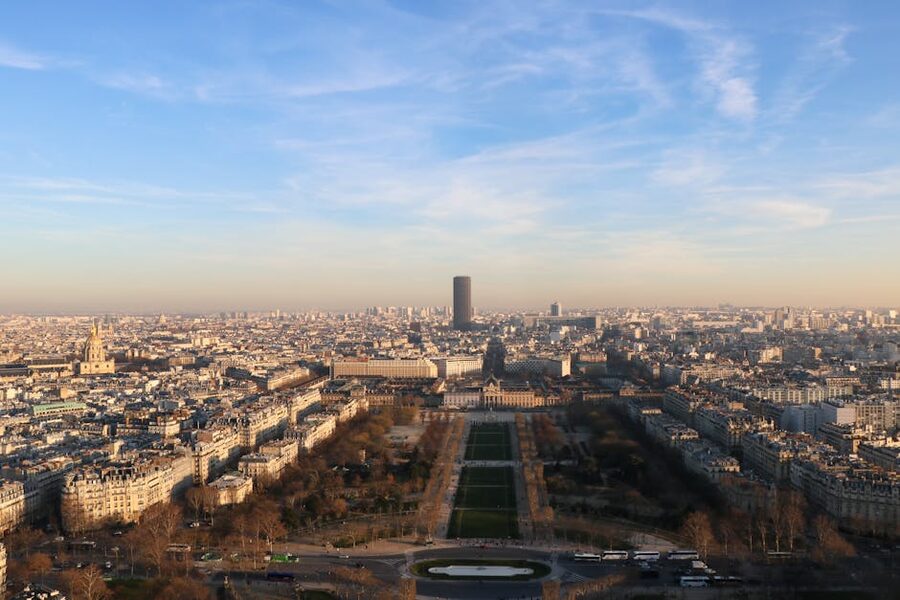
Sunset, on a clear evening, in winter or shoulder season. That’s the answer if you want one. Winter sunsets in Paris fall around 4:45-5:15pm in December — early enough that you don’t have to plan a late dinner around it, and the low sun lights the limestone façades a warm pink. Summer sunsets are around 9:45pm and you’ll be tired by then, but the colour holds for nearly an hour.
Mornings work too if the weather’s hazy. Paris in winter is often grey at midday and clears around 10am. Going up at opening (9:30am) gets you the cleanest air and the smallest crowds. The lift queue is rarely longer than 5 minutes before lunch.
Avoid: rainy days unless you’re committed to the indoor 56th floor only — the rooftop closes in heavy rain and high wind, and the glass on the 56th floor gets streaky. If your slot is booked and the forecast turns bad, the platforms will usually let you reschedule. Also avoid: anytime in the first week of August when half the city’s tour groups have rotated to evening Eiffel slots and the overflow comes here.
Hours: 9:30am to 11:30pm daily April through September. October through March, the deck closes at 10:30pm on weekdays. Last lift up is 30 minutes before close. The rooftop closes about 15 minutes before the deck.
What to Do Below the Tower
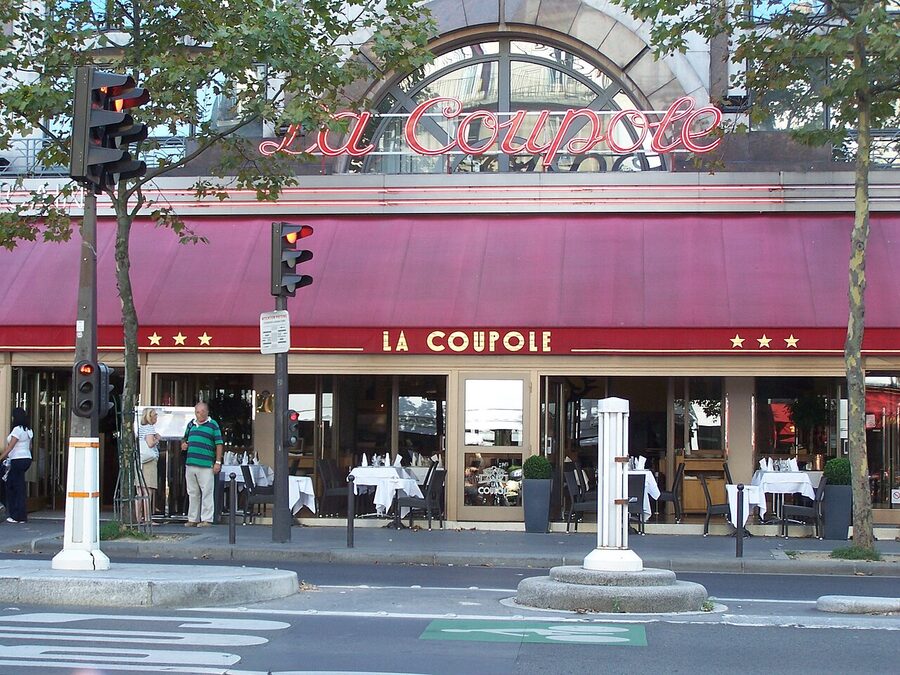
The neighbourhood around the tower used to be the most artistic district in Paris. In the 1920s and 30s Hemingway, Picasso, Modigliani, and basically every famous expat in town drank at the brasseries on the boulevard. La Coupole, La Rotonde, Le Dôme, Le Select — all four are still operating. The food has gone from cheap to overpriced but the rooms themselves are intact. La Coupole’s main dining room with the painted columns is worth lunch on a rainy day even if you can find better food on the side streets.
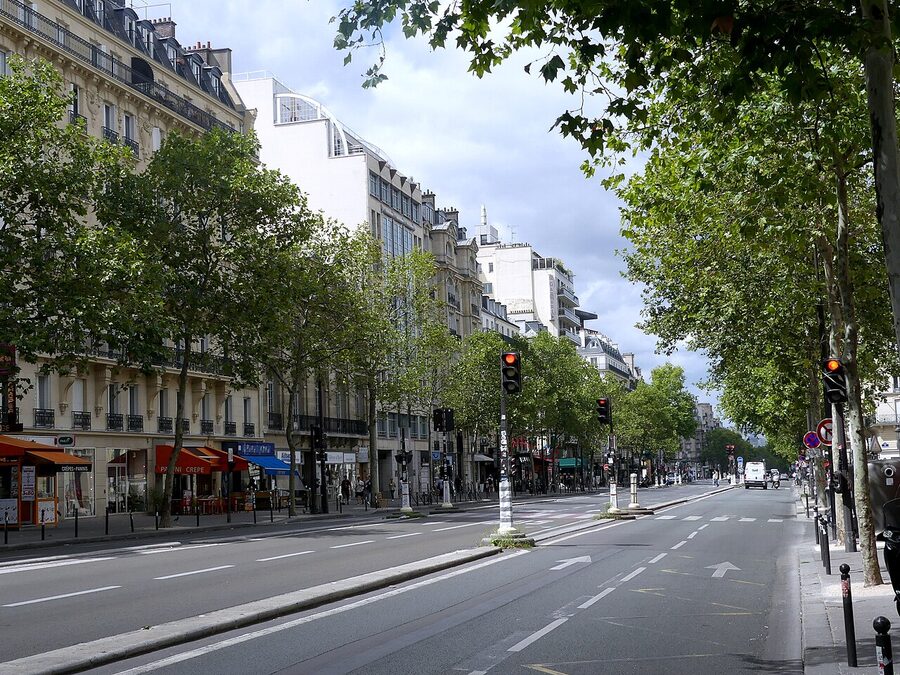
If the literary history is what draws you, the Lost Generation walking tour covers all four cafés plus the cemetery and the spies — it’s the best context-builder for Montparnasse and it pairs cleanly with a tower ticket on the same afternoon.
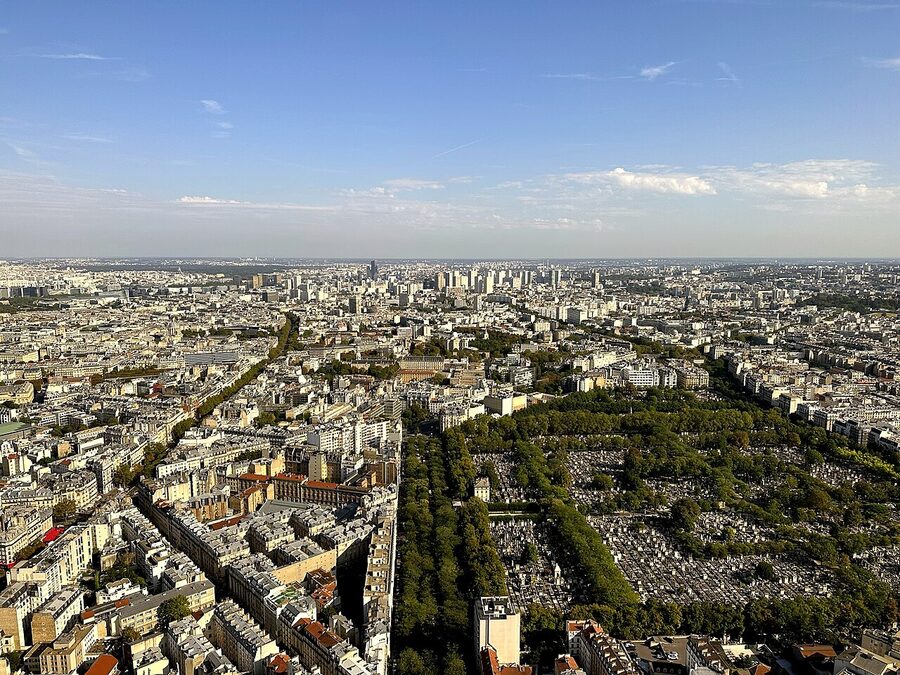
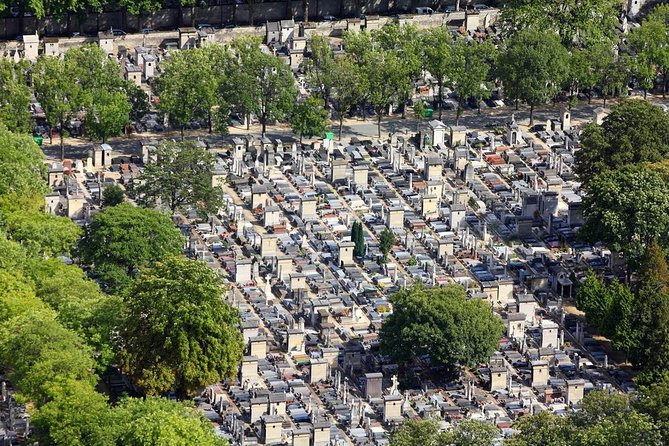
Montparnasse Cemetery is a 5-minute walk south. It’s smaller than Père Lachaise but easier to navigate and you can see almost every famous grave in 45 minutes. Pick up the free map at the entrance — it shows you exactly where each writer and philosopher is buried. Sartre and Beauvoir are together; Baudelaire is in his stepfather’s family plot, which trips up a lot of visitors looking for a stand-alone grave. The cemetery is open every day, free, and quiet even in summer.
The Catacombs entrance is at Denfert-Rochereau, 10 minutes south on Line 4. If you’re combining attractions in this corner of the 14th, the catacombs are the obvious pair — they need a separate booking with a separate timed slot, and the queues are bad in summer.
If you’ve already done Montmartre on a previous day, the Montmartre walking tour review compares the two artistic neighbourhoods — Montparnasse is the literary one, Montmartre is the painters’ one, and they peaked half a century apart.
A Quick History (For Why It Looks the Way It Does)
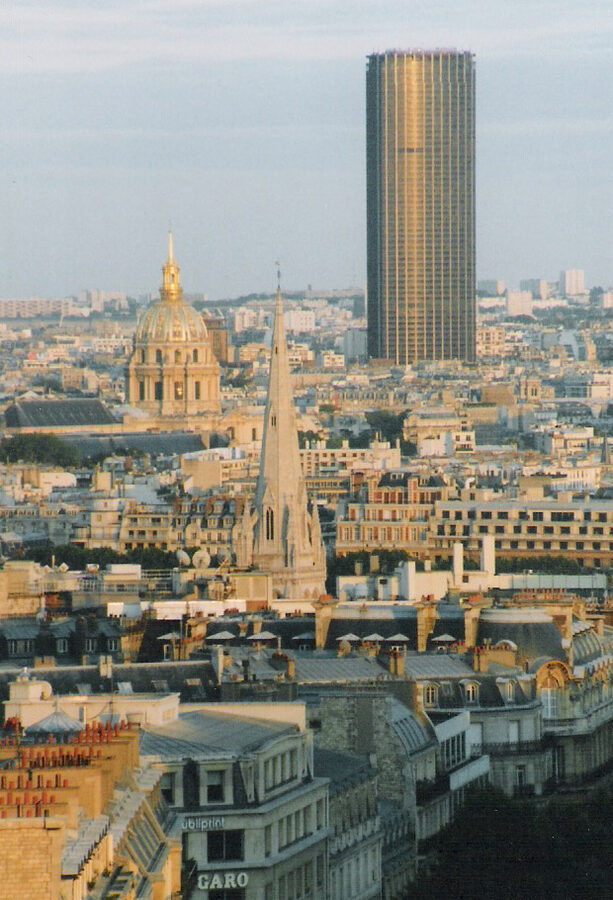
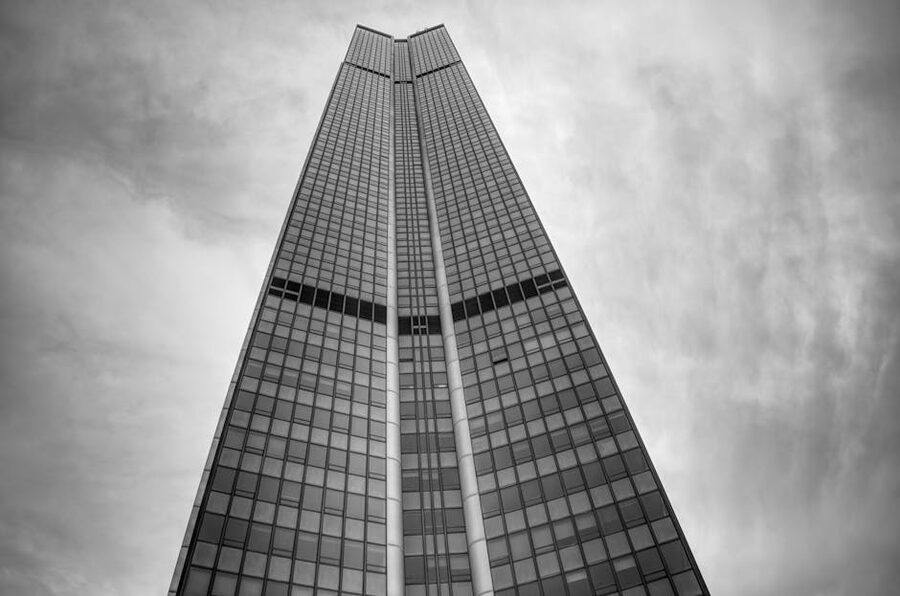
The site was a railway junction. Gare Montparnasse — the original station — was demolished in the 1960s as part of a modernisation drive, and the plot was rezoned for a single very tall office building. The architect was Eugène Beaudouin, the brief was an American-style tower in central Paris, and the result was 210 metres of dark brown glass on the south side of the Seine.
It opened in 1973. The reaction was, depending on who you ask, either “ruinous” or “necessary.” President Pompidou was personally enthusiastic about modernising Paris (the Centre Pompidou opened four years later for similar reasons). The building’s critics won the long war: in 1975 the city banned anything over 37 metres in central Paris, locking the Haussmann skyline in place.
It’s worth comparing this to how the Arc de Triomphe was built — both buildings drew complaints in their day for ruining the view, and both ended up as monuments by accident. The Arc gives you a Champs-Élysées axis and a north-facing skyline; this one gives you the Eiffel and the entire Left Bank. Different photo, same trick.
The tower itself was renovated in 2010 with new glass on three sides, and there’s a long-discussed plan to re-clad the entire facade in green glass that may or may not happen this decade. If you read about it you’ll see renderings in articles every couple of years; the project keeps getting deferred. As of now, what you see is what you get.
Practical Tips
Photography: bring a polarising filter if you’re shooting through the 56th-floor glass — it cuts the worst of the reflections. The 59th floor is open-air and you don’t need anything. Tripods are technically allowed but the rooftop perimeter is narrow and you’ll be in everyone’s way. A short monopod is the better choice. Drones are not permitted anywhere in central Paris.
Bag check: light security at the lift entrance. Standard handbags and small backpacks fine, large bags (say, anything bigger than a school backpack) are turned away — there’s no cloakroom. Plan accordingly if you’re coming straight from a station.
Food on site: the 56th-floor café does coffee, drinks, and basic snacks. The champagne bar does, well, champagne. Neither is great value but the coffee is fine and a glass of bubbly is a reasonable splurge if you’ve timed sunset right. Don’t go up for a meal — the food is functional, not destination.
Wheelchair and reduced-mobility: the 56th floor is fully accessible by lift. The 59th is up three flights of stairs with no lift alternative. If stairs are an issue, the 56th alone is still extraordinary — you lose maybe 5 metres of elevation and 360-degree open-air, but you keep the entire panorama through floor-to-ceiling glass.
Children: kids under 4 are free, 4-15 get a reduced-price ticket. The 59th floor is fenced (mesh, not glass) and safe but it’s exposed — coats are mandatory in winter and helpful even in summer because the wind picks up at altitude.
Common Questions
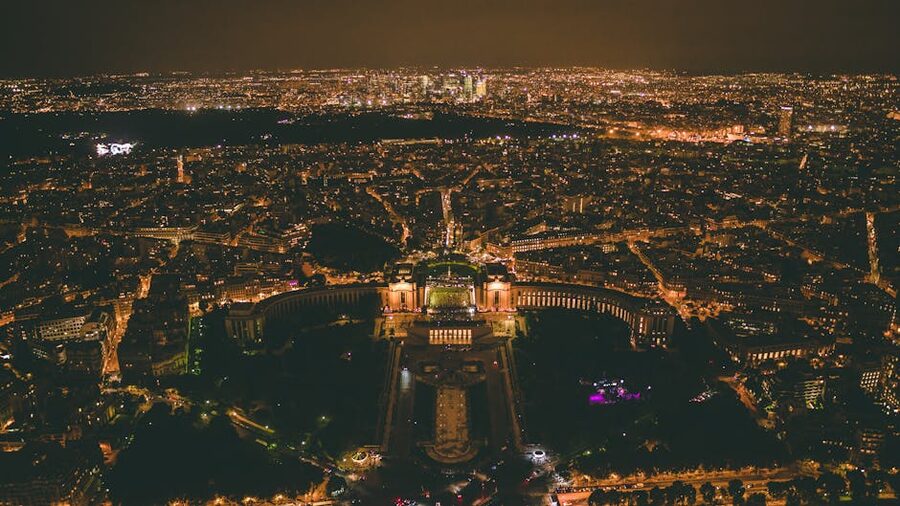
Is it worth it? If you want to photograph the Paris skyline including the Eiffel, yes — it’s the only practical way. If you don’t care about photos and you’re already going to the Eiffel and the Arc, probably skip it.
How long do I need? 60 to 90 minutes is plenty. Two hours if you want a coffee and a slow lap.
Is it scary? The 56th floor is fully enclosed, no fear factor at all. The 59th has mesh railings and you can see through the floor in a couple of spots, but it’s not glass-floor-style scary. Anyone who’s been on the Eiffel Tower’s second floor will be fine.
Can I see the Eiffel from inside the lift? No — the lift runs in the central core. You only see the view once you step out at 56.
Is it open at night? Yes. Last entry is 30 minutes before close (so 11pm in summer, 10pm in winter weekdays). Night views are stunning but glass reflections are worse — you’ll want to do most of your photography from the 59th floor.
Do I need to print my ticket? No. Your QR code on the platform’s app is fine. The scanners at the entrance read the screen directly.
Pairing It With the Rest of Paris
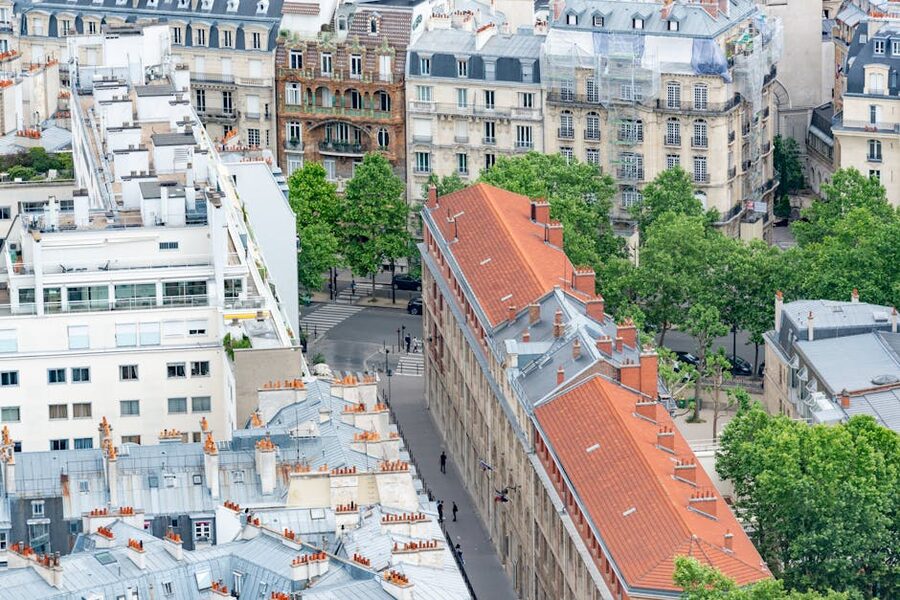
Most people doing Montparnasse Tower fit it into a half-day on a 3-5 day Paris trip. The simplest plan: tower ticket in the late afternoon for sunset, the cemetery and a brasserie beforehand, dinner in the 14th arrondissement after. If you’re cramming the rest of the city into the same week, the Paris in a Day combination handles Sainte-Chapelle and Orsay in one shot, and our Les Invalides booking guide is the other obvious Left Bank pin to add.
One More Thing
Paris is a city of street-level views. The skyline you remember from the river, the Pont des Arts, a café terrace at Saint-Germain — that’s how the city advertises itself. Montparnasse Tower is the only place inside the city where that whole street-level composition flips upside down and you become the bird. It costs the same as a museum ticket. The lift takes 38 seconds. Whatever your feelings about the building from the ground, that one ride is worth doing once.