
There is a lake under the Opéra Garnier. An actual underground reservoir, built into the foundations because the swampy ground kept flooding the 1862 construction site. Charles Garnier turned the problem into a feature, and 160 years later the Paris fire brigade still trains divers there. That fact alone is reason enough to buy the entry ticket — and it barely scratches the surface of what is hiding inside this building.
- In a Hurry? Top 3 Picks
- Opera Garnier Entry Ticket —
- Opéra Garnier + Seine River Cruise Combo —
- Palais Garnier Mystery Game —
- What You’re Actually Buying a Ticket For
- Ticket Types and the Real Trade-Offs
- How to Book — Step by Step
- Best Time to Visit
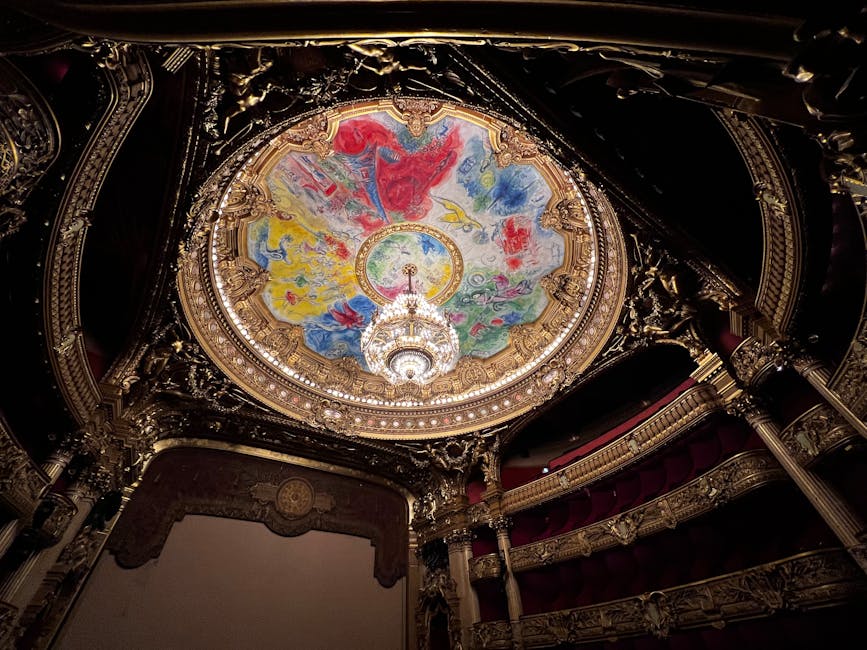
- The Auditorium and the Chagall Ceiling
- Recommended Tours and Tickets
- 1. Paris: Opera Garnier Entry Ticket —
- 2. Opéra Garnier + Seine River Cruise —
- 3. Palais Garnier Mystery Game with Admission —
- Getting There and the Surrounding Area
- What to Look for Once You’re Inside
- Practical Notes
- A Quick History (For the Curious)
- Common Mistakes I See People Make
- Pairing With Other Paris Sights
- Tickets to the Bigger Paris Cluster
- Where to Go Next
In a Hurry? Top 3 Picks
Opera Garnier Entry Ticket — $18
Self-paced access to the Grand Staircase, foyer, and auditorium balcony. The ticket nearly everyone ends up buying.
Opéra Garnier + Seine River Cruise Combo — $42
Skip-the-line opera entry plus a 1-hour Seine cruise. Best if you want both done in a half day.
Palais Garnier Mystery Game — $32
Two-hour interactive puzzle inside the opera house. Genuinely fun if you have curious teenagers in tow.
What You’re Actually Buying a Ticket For
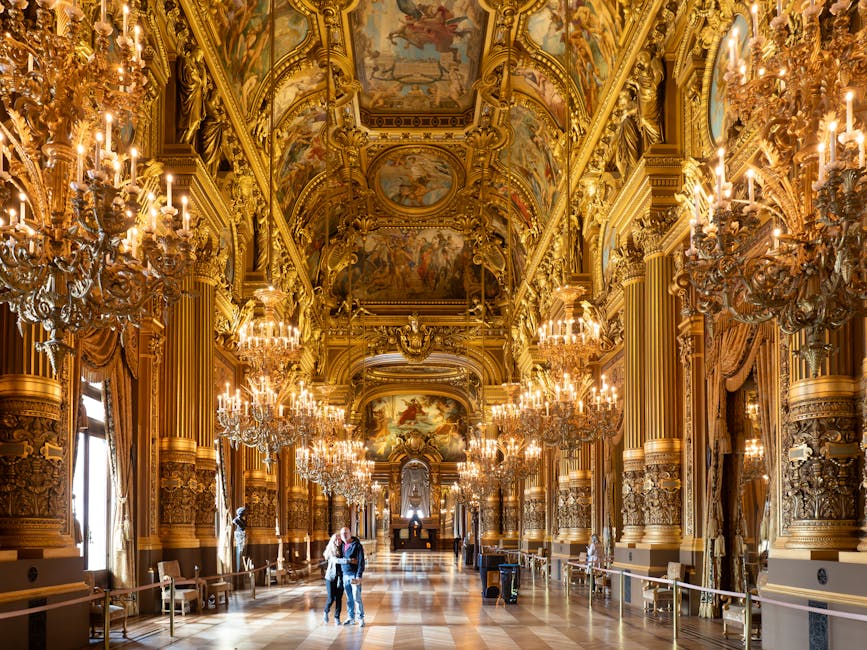
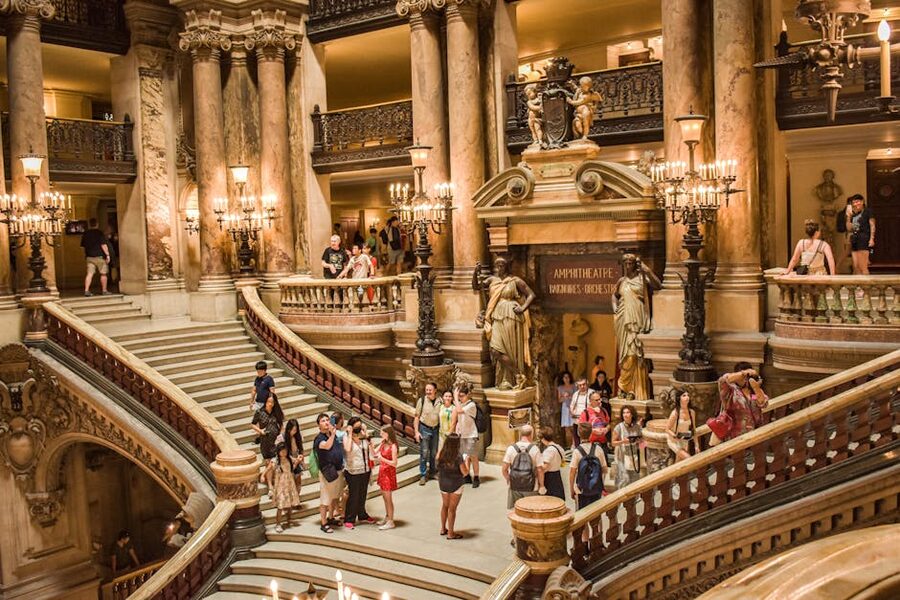
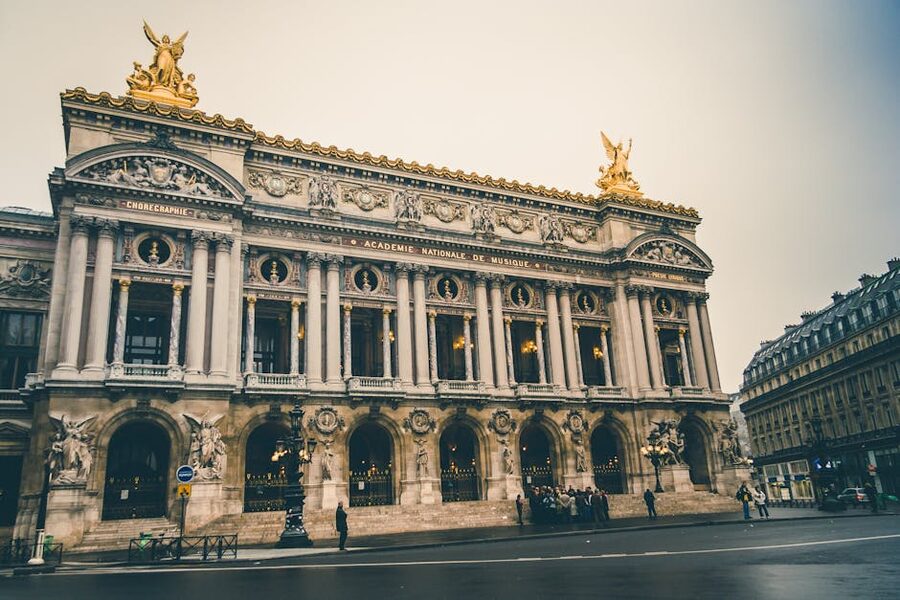
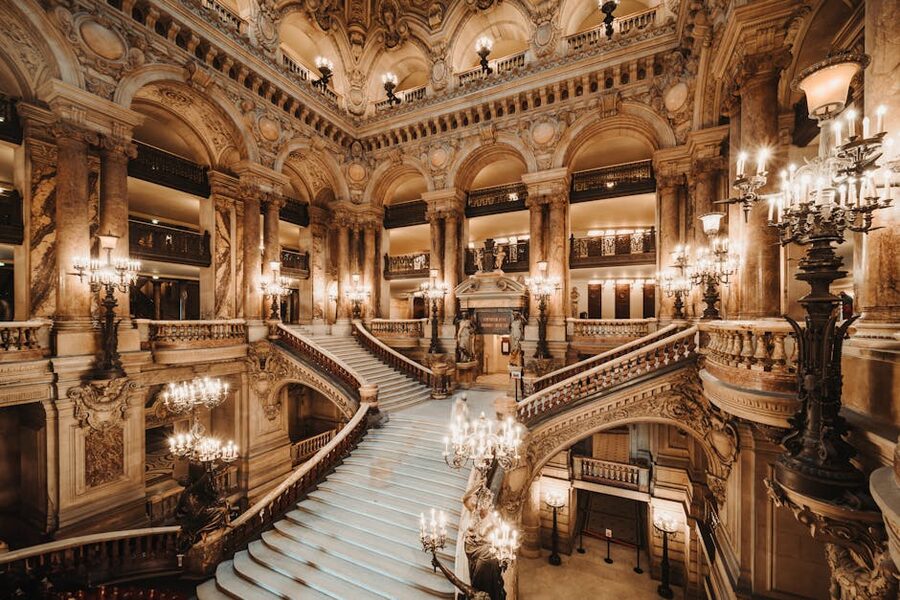
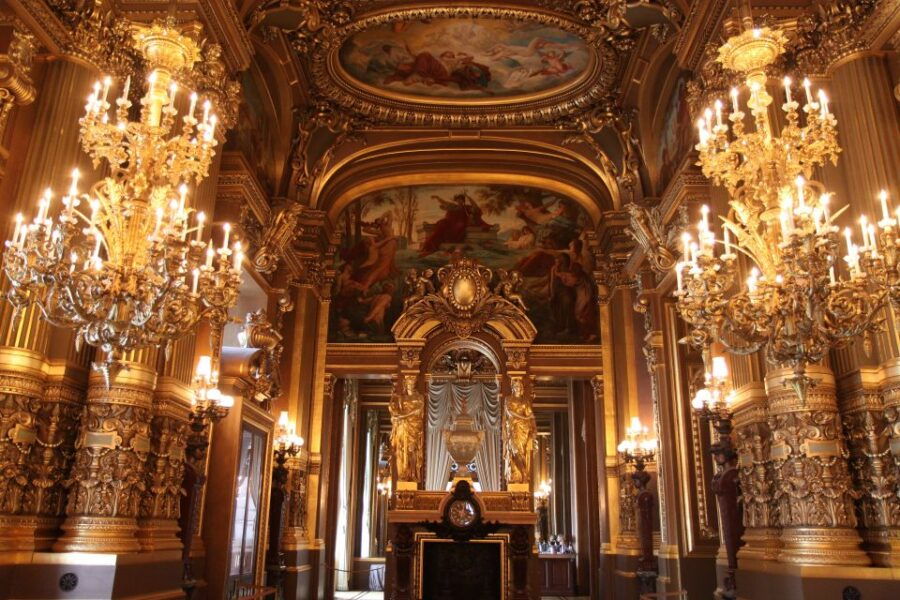
The Palais Garnier opened in 1875. It still hosts ballet performances and the occasional opera, but the day ticket has nothing to do with seeing a show. You’re paying to walk through the public areas — the Grand Staircase, the Grand Foyer, the auditorium balcony, the rotunda, and the small library-museum on the upper floor.
That’s it. About an hour of self-guided wandering. $18 at the door, $20 online with a reservation slot. No headset, no audio unless you add the app. You’re left to figure out the building on your own, which sounds underwhelming but is genuinely the right way to do it. The architecture is the point. Reading 47 placards would just slow you down.
If you’ve done the Louvre and Musée d’Orsay in the same trip, you’ll already know what 19th-century Paris looked like in paint. The Opéra is the same century turned into a building you can walk inside. Different medium, same era, equally worth your hour.
Ticket Types and the Real Trade-Offs
There are five ways to actually get inside. They sound similar on the booking pages but they’re not.
1. Standard self-guided entry ($18-20). The default. Doors open at 10am and last entry is 4:30pm in winter, 5:30pm in summer. Closes early on performance days, sometimes from 1pm.
2. Skip-the-line reserved entry (about $24). Same access, separate queue. Worth the $4-6 between June and September when the regular line wraps around the corner. Outside peak summer, skip it.
3. Guided tour (about $30). 90 minutes, English or French, leads you through the same spaces but with stories — Phantom myths, Garnier’s feud with Empress Eugénie, why the chandelier weighs eight tons. Worth it once. If you’re going twice in your life, do this on the second visit.
4. Mystery Game ($32). Pitched as an escape-room thing, but it’s really just a guided treasure hunt with a tablet. Kids 10+ love it. Adults often find it slower than they expected. The flagship Palais Garnier Mystery Game writeup goes through the puzzle pacing in detail.
5. Combo with another Paris attraction. The most popular one bundles the Garnier with a Seine cruise — see our full breakdown of that combo. Useful if your time in Paris is tight.
How to Book — Step by Step
You can book directly through operadeparis.fr. The site is fine but doesn’t always show availability for the next 48 hours, which is when most travellers are buying. GetYourGuide and Tiqets pull from the same inventory and tend to surface near-term slots more reliably. Either is fine — same ticket, same queue, slightly different cancellation terms.
For self-guided entry, you don’t need a guided slot. Buy the basic ticket, show up any time during the open window, walk in. You’ll spend about 60-90 minutes inside.
For guided tours, book at least 48 hours in advance in summer. The English-language slots fill faster than French. There are usually two English tours per day at 11am and 2:30pm.
If you’re buying same-day, the box office is to the left of the main entrance on Place de l’Opéra. There’s almost always a line, and the staff are not famously chatty. Online is faster.
Best Time to Visit
10am Tuesday through Thursday is the quietest window. Mondays it can close for cleaning or technical reasons. Weekends are busy regardless of season. School holidays (February, April, late October, all of Christmas week) are the worst — French families flood in.
Summer (June-August) means longer queues, hotter interiors (no air-con), and more group tours. The trade-off is longer opening hours and the chance to combine with a Seine cruise that leaves early evening from quai de la Conférence.
If you only have one morning in Paris and you’re choosing between this and the Eiffel Tower: do the Opéra. The Eiffel queue is longer, the views you can get from the Montparnasse Tower for less hassle, and the Garnier interior is unlike anything else in the city.
The Auditorium and the Chagall Ceiling
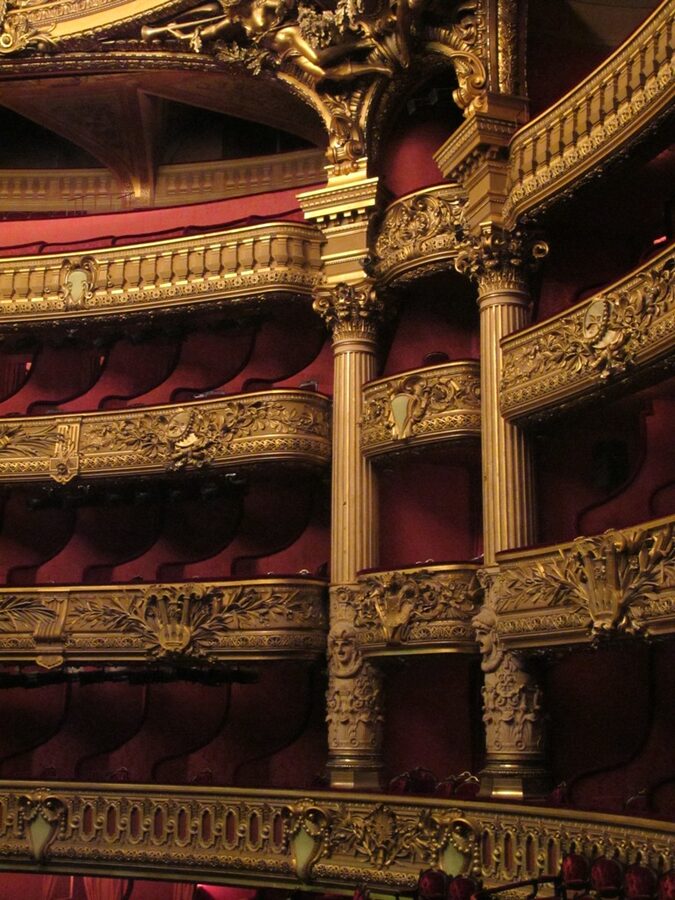
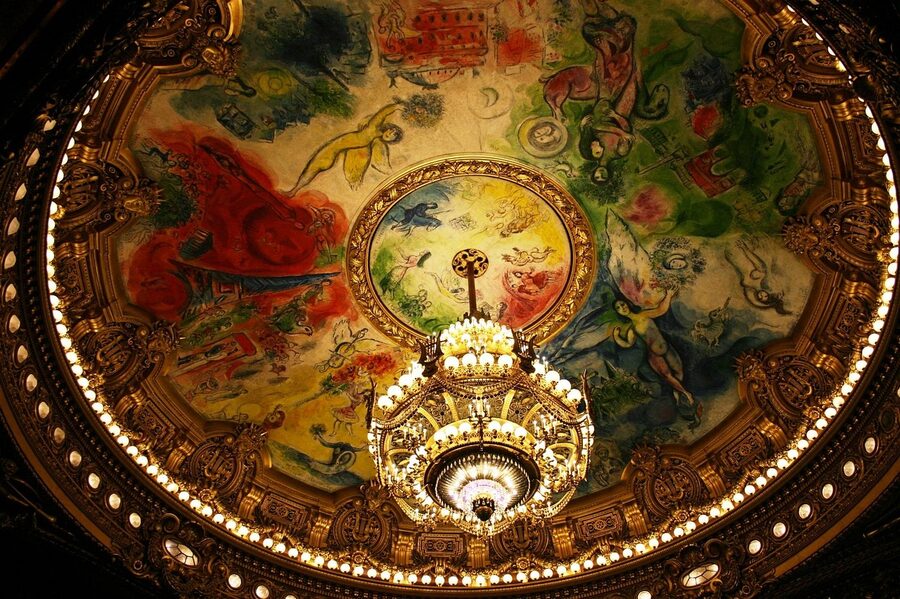
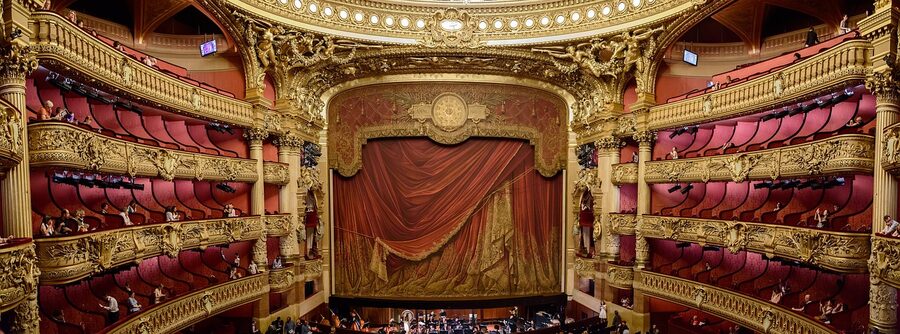
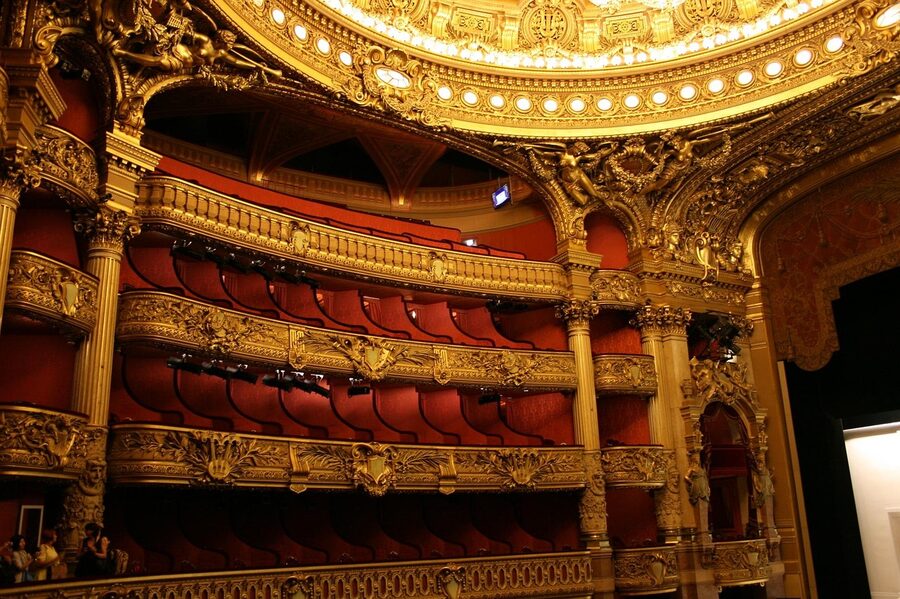
You can’t sit in the auditorium with the entry ticket. You can step into one of the side boxes for about ten minutes — usually box 5, the famous “Phantom box,” is roped off — and look around. That’s enough.
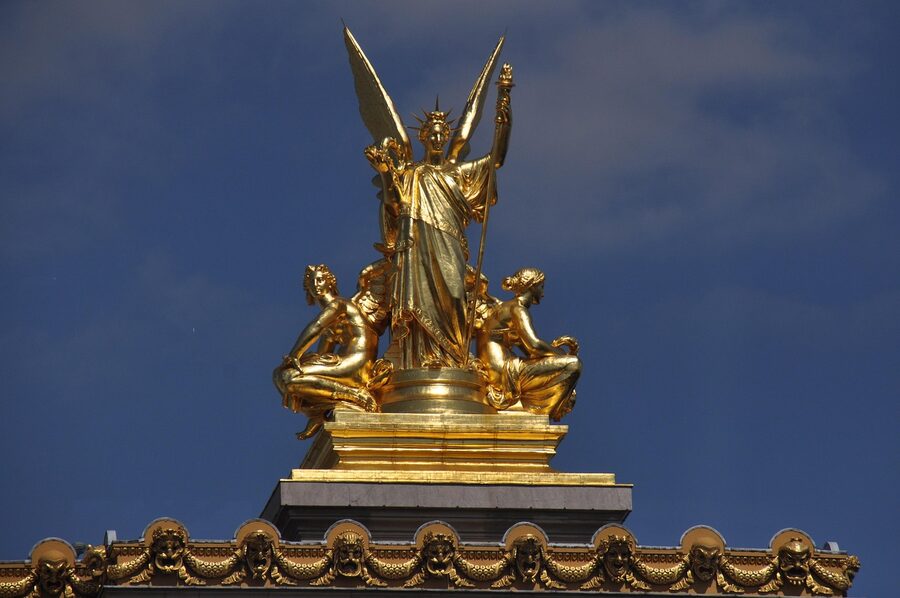
The eight-ton bronze chandelier hangs in the centre. In 1896, a counterweight came loose and one of them fell into the audience, killing a concierge. Gaston Leroux later used the incident in The Phantom of the Opera in 1910. Most visitors don’t realise the Phantom novel is set in this exact building, not a fictional opera house.
If you want to actually sit through a performance, that’s a separate ticket entirely. Ballet runs September to July, opera less frequently — most operas have moved to the Opéra Bastille across town. Ballet tickets at the Garnier start around €25 for partial-view seats and climb past €200 for orchestra. Books open online about 60-90 days before each performance.
Recommended Tours and Tickets
Three options that consistently work for different kinds of visitors.
1. Paris: Opera Garnier Entry Ticket — $18
This is the one to start with. Reserved-access slot every 30 minutes, free cancellation up to 24 hours before, and a reserve-now-pay-later option that I always tick. Our full review of the Opera Garnier entry ticket covers the booking quirks and which entry slots get crowded fastest.
2. Opéra Garnier + Seine River Cruise — $42
If you only have one full day in Paris, this is the combo I’d pick. The opera in the morning, lunch near Madeleine, then the cruise from Pont de l’Alma in the afternoon. Our deep dive on the Garnier + cruise combo walks through the timing and which boat operator you actually end up on.
3. Palais Garnier Mystery Game with Admission — $32
Different beast from the standard ticket. You get a tablet, a story about the Count of Cagliostro, and you actually have to read the building to solve it. Our full mystery game review covers the difficulty level in detail — adults who hate riddles will not love it.
Getting There and the Surrounding Area
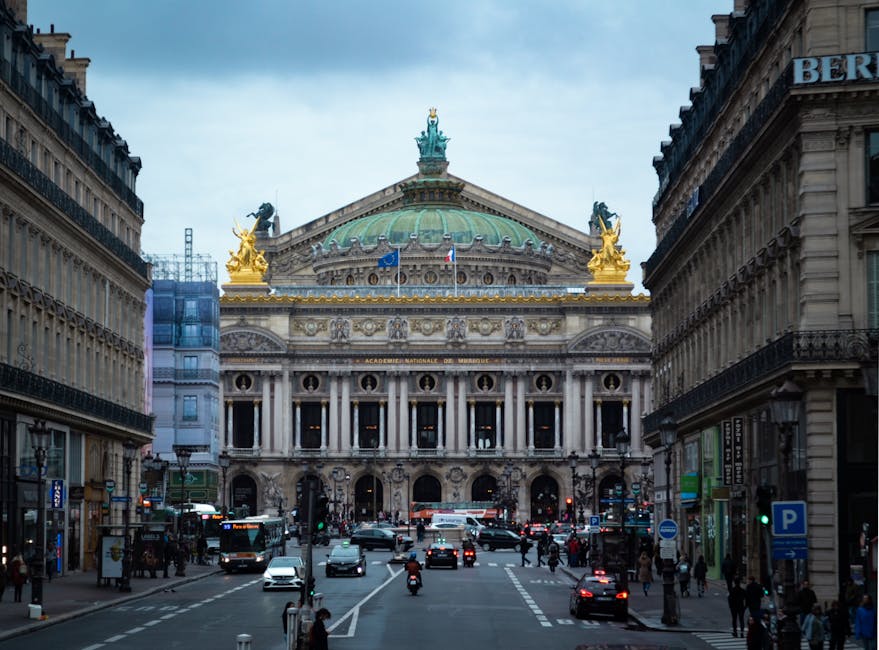
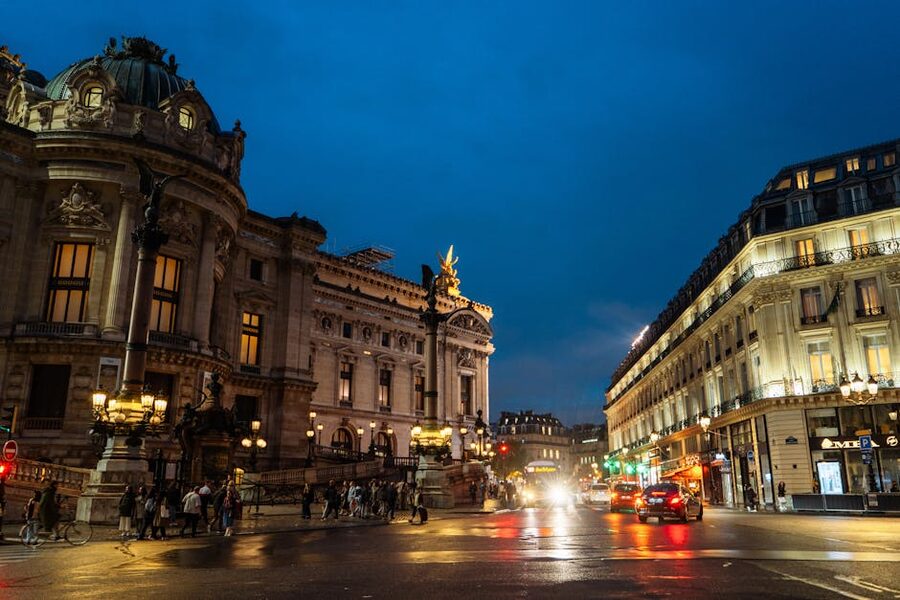
Métro Opéra (lines 3, 7, 8) drops you at the foot of the building. From Châtelet it’s three stops on the 7. From Gare du Nord, the 7 runs straight to Opéra in nine minutes. RER A also stops two minutes’ walk away at Auber.
Walking from the Louvre is about 12 minutes through the rue de l’Opéra. The walk is dull — chain stores, traffic — but it’s a good way to break up museum visits without changing trains.
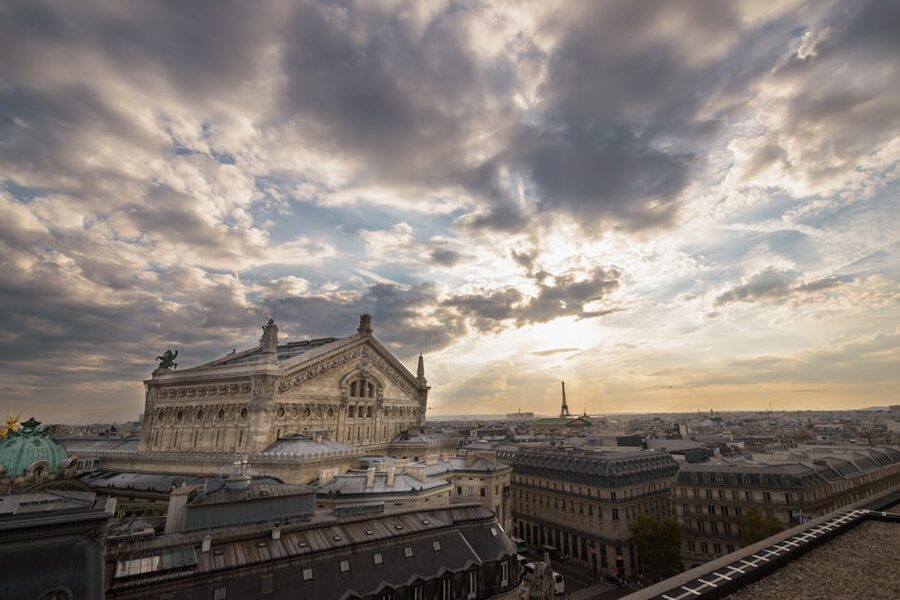
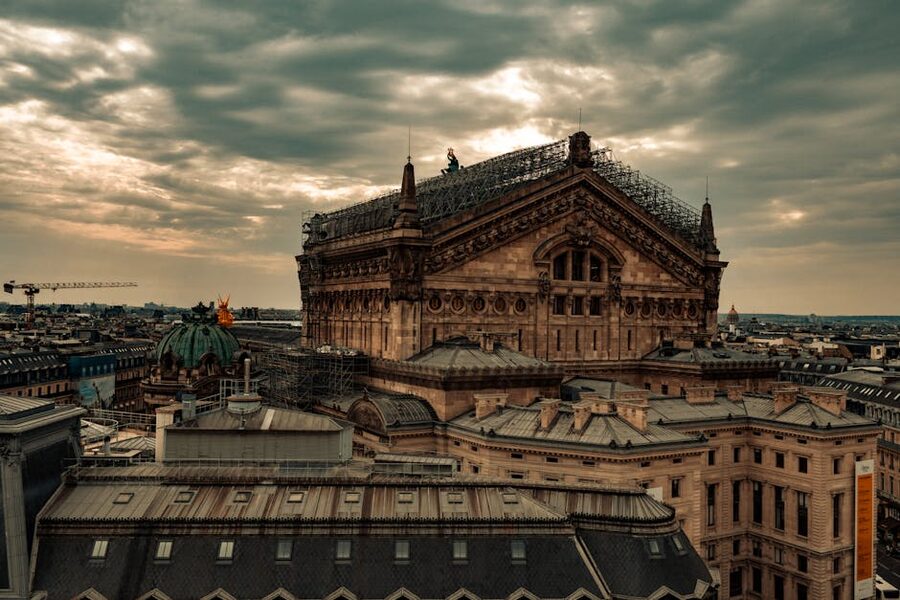
The Galeries Lafayette is two blocks behind the Opéra. The roof terrace there is free and gives you the best aerial view of the Garnier dome — better than anything you’ll get inside the building. Combine the two: opera in the morning, lunch on the Lafayette terrace, then keep walking towards the Arc de Triomphe via the Place Vendôme.
What to Look for Once You’re Inside
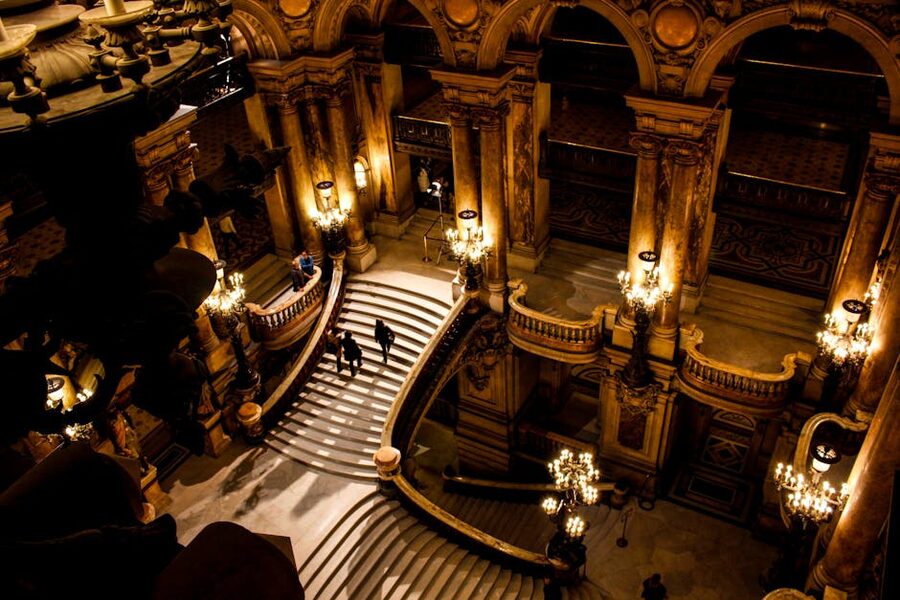
Most people walk in, take six photos of the staircase, and leave thinking they’ve seen the building. They haven’t. Five things worth slowing down for:
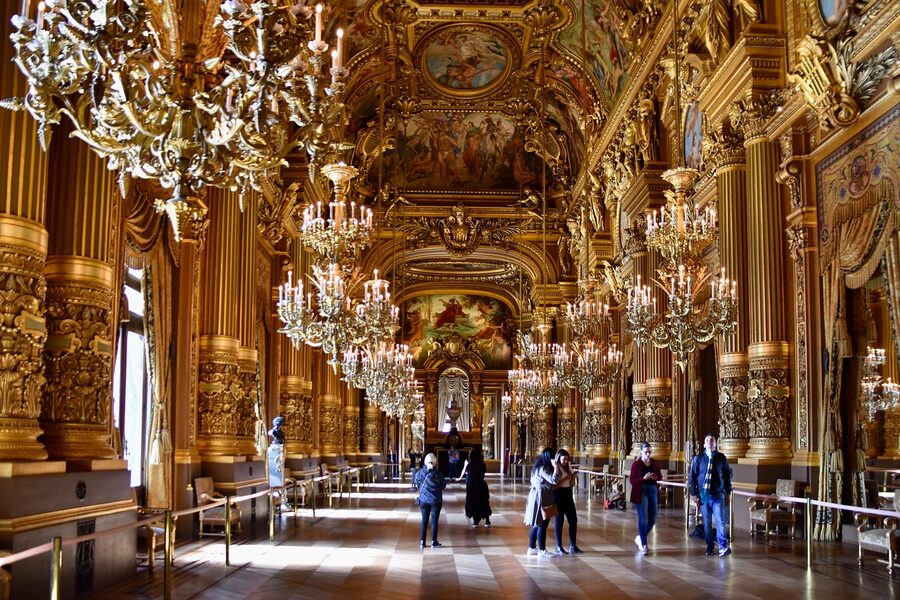
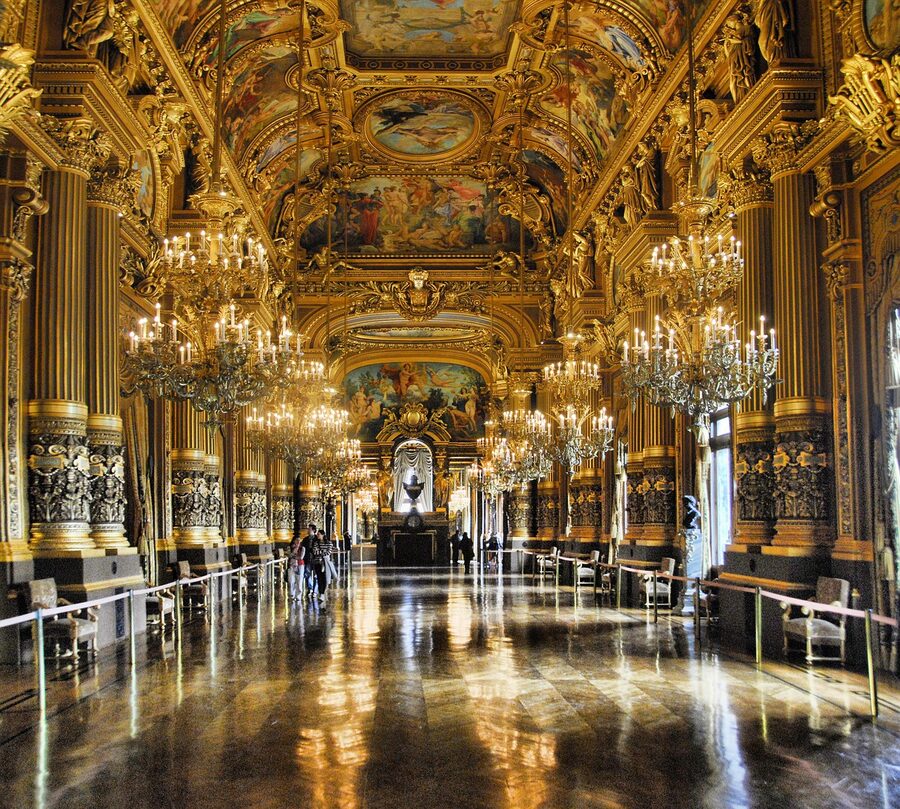
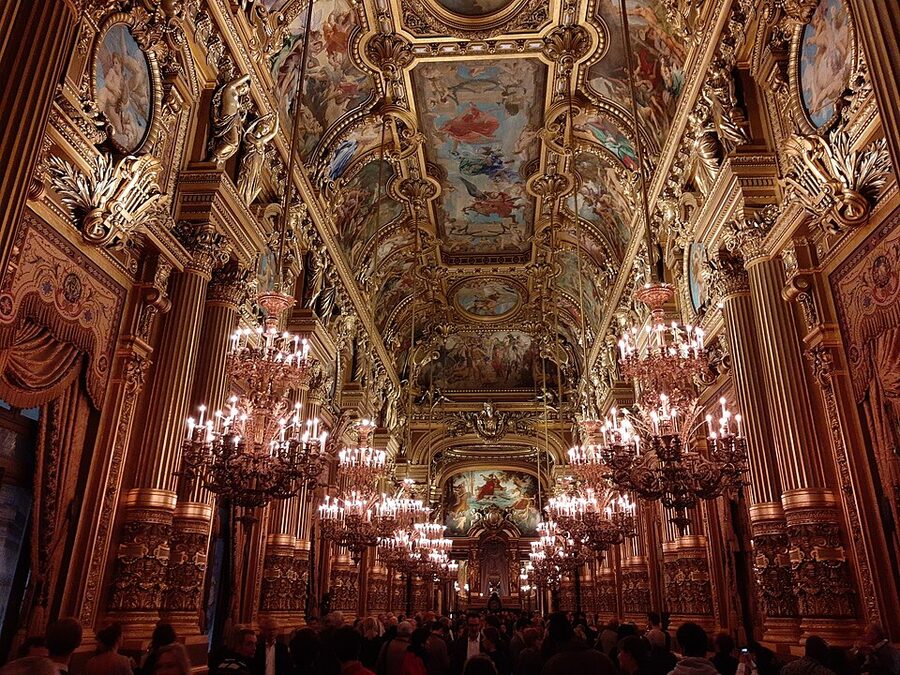
The Grand Foyer. 18 metres high, 154 metres long. Easy to overshoot because there’s no signage. From the top of the Grand Staircase, turn right and walk through the small antechamber — the foyer opens up suddenly. Spend ten minutes here.
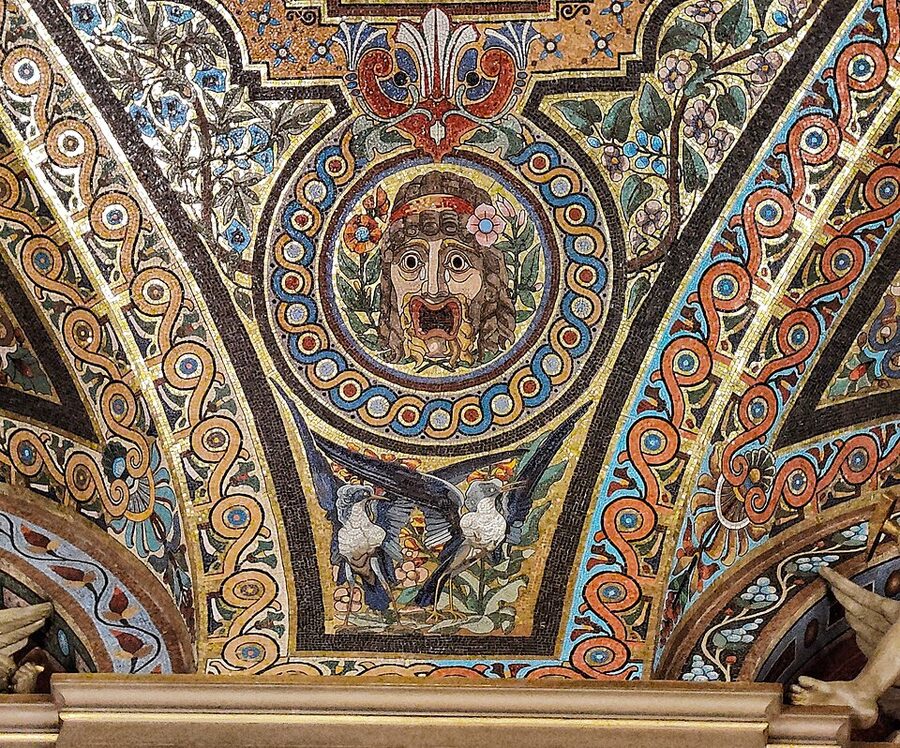
The Salon du Glacier. A circular ice-cream salon at the eastern end. Painted ceilings, mirrored walls, and almost always empty because most tourists don’t know it’s there.
The library-museum. One floor up, separate small entrance from the Grand Foyer. Original ballet costumes, scale models of stage sets, and a small ticket-collection display. Free with the entry ticket. Skip if you’re tight on time, but it’s quiet and air-conditioned.
The auditorium balcony. Box 5 is “the Phantom’s box” — usually closed off but you can stand in front of it. Boxes on the sides are typically open in rotation. Look up at the Chagall, look down at the chandelier.
The Pythia rotunda. Greek-revival circular room near the southern entrance. Easy to miss because it’s just before the exit ramp. Mosaic floor, busts in niches.
Practical Notes
Photography. Allowed throughout, no flash. Tripods need a permit. Phones are fine.
Bags. Anything bigger than a small backpack has to go in the cloakroom. €2 coin operated, you get the coin back.
Accessibility. The Grand Staircase is, well, stairs. There’s a lift to the upper floors but you have to ask staff to use it — entrance is separate, near the box office. The auditorium balcony is wheelchair-accessible.
Food. No café inside that’s open during day visits. The café CoCo on the south side serves overpriced croque-monsieur. Walk two blocks to rue Vivienne for proper lunch.
Toilets. One set on the ground floor near the entrance, one on the upper floor. Both small. Use them when you see them.
A Quick History (For the Curious)
Charles Garnier was 35 when he won the design competition in 1860. He was unknown, no famous projects, beat 170 other architects. Empress Eugénie reportedly asked him what style the building would be. He replied: “It is in the Napoleon III style, Madame.” She was not amused. The building is, to this day, considered the defining example of Second Empire architecture.
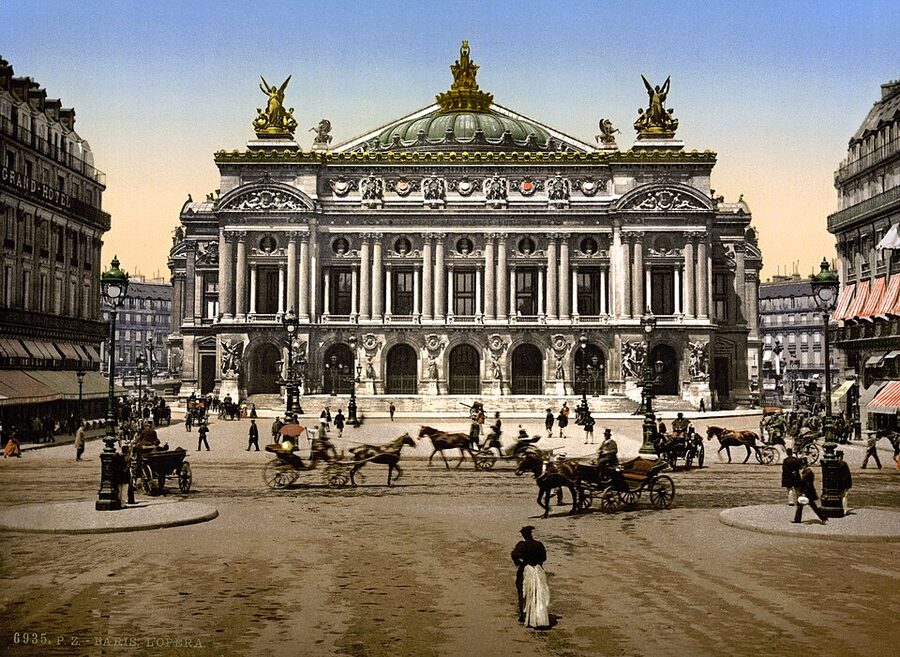
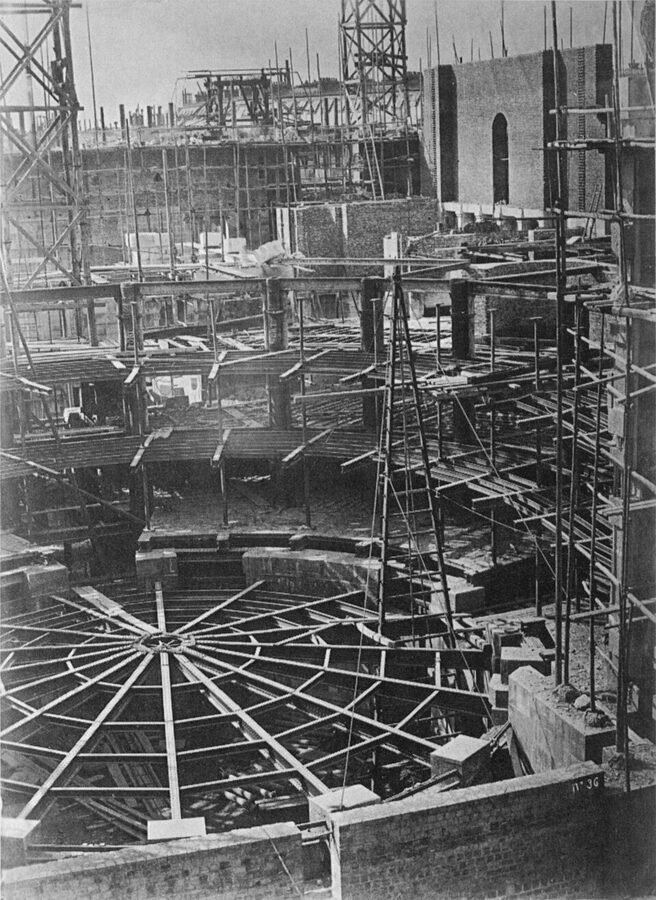
Construction took 15 years. The Franco-Prussian War paused everything in 1870, the Paris Commune turned the half-built opera into a granary in 1871, and the foundation kept flooding because nobody had checked the water table. Garnier built the underground reservoir to stabilise it. It still holds 12 million litres.
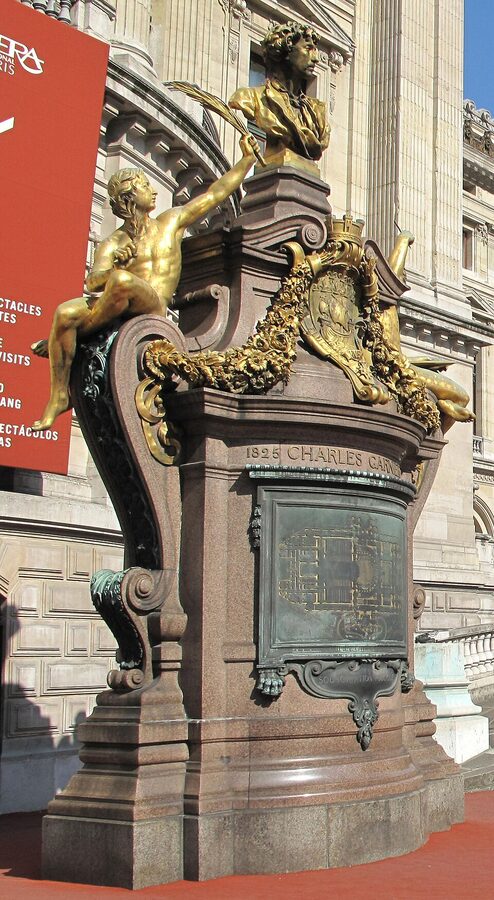
The opera opened on January 5, 1875. Garnier had to buy his own ticket — the new government had snubbed him in the political turnover. He took his seat, watched the gala, and left without speaking publicly. He died 23 years later. His monument stands on the south corner of the building, looking out at his own creation.
Common Mistakes I See People Make
Booking a guided tour for a first visit. The building is the show. A guide will keep you on a fixed route at fixed pace, and you’ll miss the side rooms. Do the standard ticket first, come back guided if you’re hooked.
Booking on a performance day without checking. The building closes early — sometimes from 1pm — when there’s a matinée or evening rehearsal. The schedule isn’t always pinned to the booking page. Cross-reference with operadeparis.fr if your slot is afternoon.
Skipping it because “it’s just a building.” I’ve heard this from travellers who’d done the Versailles palace and thought the Garnier would be similar but smaller. It isn’t. Versailles is a country residence preserved in time. The Garnier is a working theatre with a 200-year-old foundation lake. Different experience entirely.
Buying the wrong ticket type for kids. Under 12 is free with a paying adult on the standard ticket but the kid still needs a reserved slot. The mystery game has a strict 10+ age rule. Family combos like the Paris old town and Grévin museum family tour work better for younger children than anything Opéra-related.
Pairing With Other Paris Sights
The Opéra plays well with anything in the right-bank museum cluster. The Orangerie is a 15-minute walk through the Tuileries, the Orsay is across the river. Two museums plus the Opéra fits in a single day if you start at 9am.
For evening, the Moulin Rouge cabaret is a 15-minute Métro ride north on line 12. If you’re already doing a daytime Opéra visit, you’ve got the Belle Époque theme covered front and back. The Moulin shows go from 9pm — leaving plenty of time for a proper dinner between.
If you have a kid-heavy day to plan, the Grévin Wax Museum is a 5-minute walk away on Boulevard Montmartre — many families do both in one morning. The wax museum is the only Paris attraction I know of where the gift shop is genuinely more interesting than the exit.
Tickets to the Bigger Paris Cluster
If you’re trying to plan more than just one or two Paris stops, the calendar gets tight fast. Most travellers I’ve helped have ended up regretting the Pantheon or the Sainte-Chapelle being skipped — both are quick visits and book the same way. Our Panthéon booking guide and Sainte-Chapelle and Conciergerie guide cover the same logistics for those.
For somewhere completely different but still walkable from the Opéra, the Invalides complex houses Napoleon’s tomb and the army museum. It’s a 25-minute walk via the Tuileries and the Pont de la Concorde. Pair it with a Seine cruise from quai Branly and you’ve got an afternoon sorted without changing neighbourhoods more than twice.
Where to Go Next
If the Opéra grabbed you, give yourself an evening at the Moulin Rouge — same Belle Époque era, completely different mood. For another overlooked landmark, the Arc de Triomphe rooftop is criminally underused at sunset. Anyone trying to fit the whole city in two days with kids should also flag the Disneyland Paris booking guide as the one attraction that consistently gets missed off itineraries until it’s too late to book.