
You climb 270-odd steps up a stone spiral and step out onto a balcony that ringed the dome of Paris in 1790. The Eiffel Tower is to your right, Sacré-Cœur straight ahead, the rooftops of the Latin Quarter at your feet — and there’s almost nobody up here with you. That’s the payoff for picking the Panthéon over the bigger names.
- In a Hurry? Top Picks
- What the Panthéon Actually Is
- The Ticket Situation, Plain and Simple
- Hours and When to Go
- Getting There
- What’s Actually Inside
- Foucault’s Pendulum
- The Painted Nave
- The National Convention Monument
- The Crypt — Don’t Skip It
- The Dome Climb
- Exhibitions and One-Off Events
- Pairing the Panthéon With the Rest of Your Day
- A Quick History — Why It Looks Like This
- The Tours Worth Booking
- 1. Paris: Panthéon Admission Ticket —
- 2. Pantheon Entry + Seine River Cruise —
- 3. Notre-Dame Exterior, Latin Quarter and Panthéon —
- Common Questions
- Is the Panthéon worth visiting?
- Can you take photos inside?
- How long should I spend?
- Is it accessible?
- Is it free with the Paris Pass or Museum Pass?
- Latin Quarter Wandering, Beyond the Pantheon
In a Hurry? Top Picks
- Standard admission ticket — about $15. Skip the on-site queue and walk straight in. Book on GetYourGuide.
- Panthéon + Seine cruise — about $37. Combine the dome view with an hour on the river the same day. Book on GetYourGuide.
- Notre Dame exterior + Latin Quarter + Panthéon — about $46. A guide makes the crypt make sense. Book on GetYourGuide.
What the Panthéon Actually Is
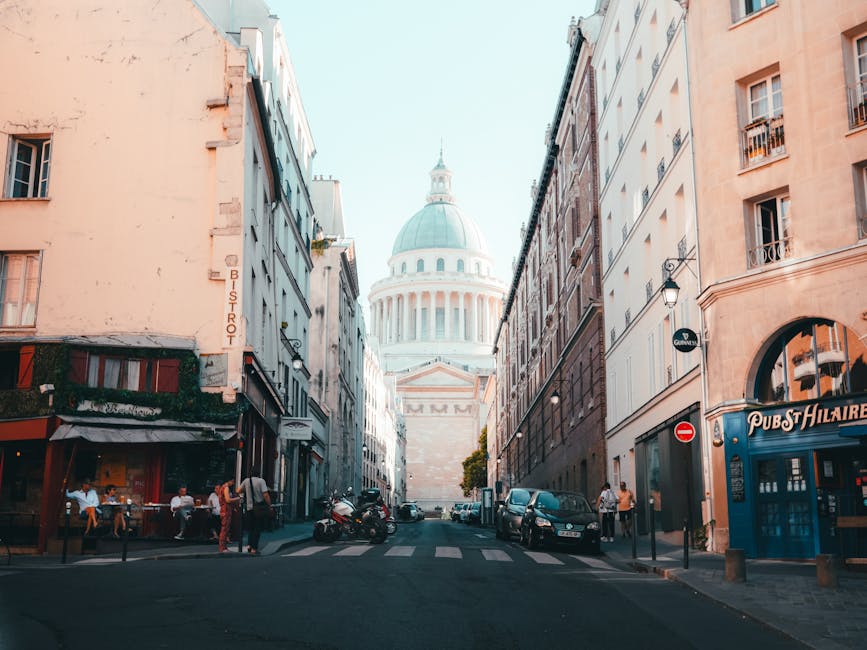
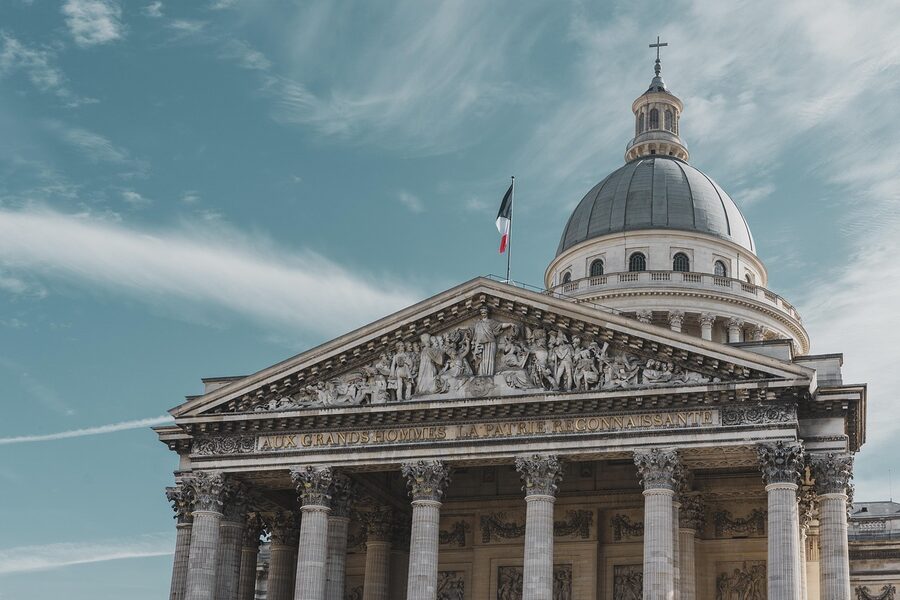
Most people walk in expecting a church and walk out a bit confused. Fair enough. It started life as one — Louis XV vowed to build a basilica for Sainte Geneviève (the patron saint of Paris) if he survived a serious illness in 1744. He survived, the church got built, and then the Revolution turned it into a mausoleum for “great men” almost as soon as the doors opened.
So today it’s a hybrid. A neoclassical building with the bones of a church — Greek cross plan, columns, a giant dome — but the function of a national tomb. The crypt downstairs holds Voltaire, Rousseau, Marie Curie, Victor Hugo, Alexandre Dumas, Jean Moulin, and a growing list of others. Above ground you’ve got the painted nave, the dome interior, and Foucault’s Pendulum still swinging at the centre.
It’s bigger than it looks from outside. Plan for at least 90 minutes inside, longer if you go up to the dome.
The Ticket Situation, Plain and Simple
Standard admission is €11.50 at the door. Online tickets through the official ticketing site or via the flagship Panthéon ticket on GetYourGuide cost roughly the same and let you skip the on-site queue, which on a busy summer afternoon can run 20–30 minutes.
Free admission applies if you’re:
- Under 18, full stop
- An EU citizen aged 18–25
- A registered job-seeker in France
- A disabled veteran (with one accompanying guest)
- Visiting on the first Sunday of any month between 1 November and 31 March
That last one is worth knowing. Most Paris monuments offer the same first-Sunday deal in the off-season — the Louvre stopped doing it years ago, but the Musée d’Orsay and the Orangerie still play. Crowds get heavier on those Sundays. Worth it if you’re on a tight budget; skip it if you want a quiet visit.
The Paris Museum Pass also covers the Panthéon. If you’re already buying a 2- or 4-day Pass for the Louvre, Invalides, and Orsay, the Panthéon is a freebie within it. Worth checking against the cost of single tickets — for two days, the Pass usually pays off after about three sites.
One thing the official site is quiet about: the dome supplement. Climbing to the colonnade costs about €3.50 extra on top of standard admission, and dome access only runs from 1 April to 31 October. In winter the upper levels are closed for safety. If the dome is your main reason for going, don’t book a January visit.
Hours and When to Go
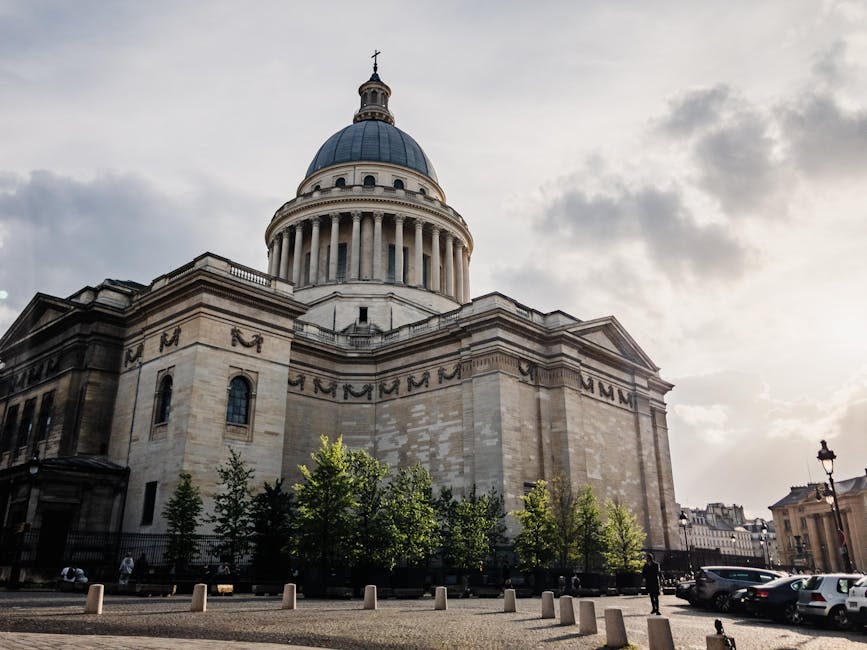
Hours shift with the seasons:
- 1 April to 30 September: 10:00 to 18:30 (last entry 17:45)
- 1 October to 31 March: 10:00 to 18:00 (last entry 17:15)
Closed on 1 January, 1 May, and 25 December. Closed mornings only for occasional state events — the official site posts these a few weeks ahead.
The crowd math is simple. Mornings before 11 are quietest. Mid-afternoons in summer are busiest, especially July and August when every Latin Quarter walking tour ends here. Late afternoon — after 16:00 — clears out fast as people leave for dinner, and the light through the south-facing portico is the best of the day.
If you’re cramming Paris into a long weekend, the Paris in a Day combo doesn’t include the Panthéon directly, but it puts you near it — Sainte-Chapelle is a 12-minute walk down rue Saint-Jacques.
Getting There
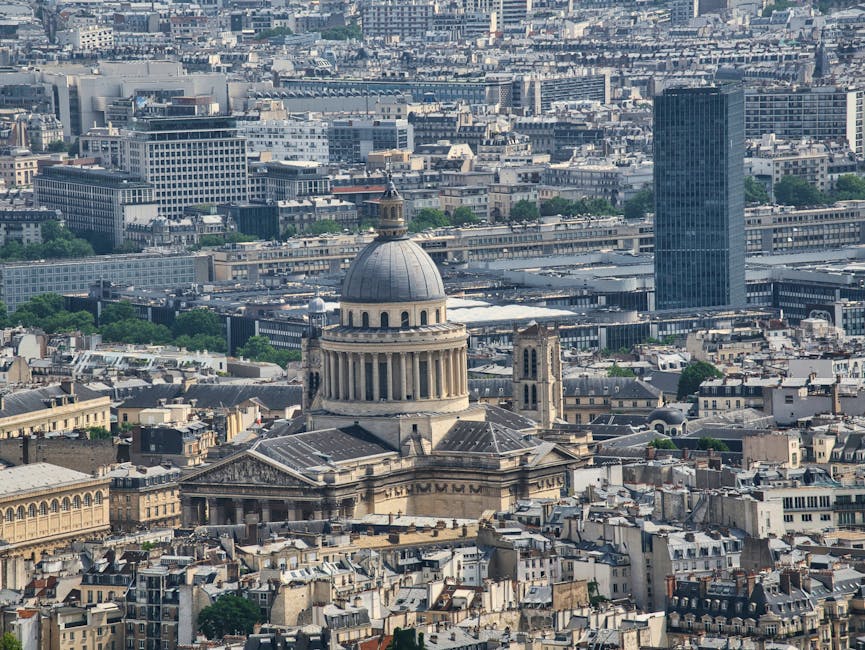
The closest Métro is Cardinal Lemoine on Line 10 — about a 6-minute walk uphill from there. Other usable options:
- RER B: Luxembourg station, 5 minutes away through the gardens
- Métro Line 10: Cluny–La Sorbonne, then a 7-minute walk south
- Bus: Lines 21, 27, 38, 82, 84, 85, and 89 all stop within a block or two
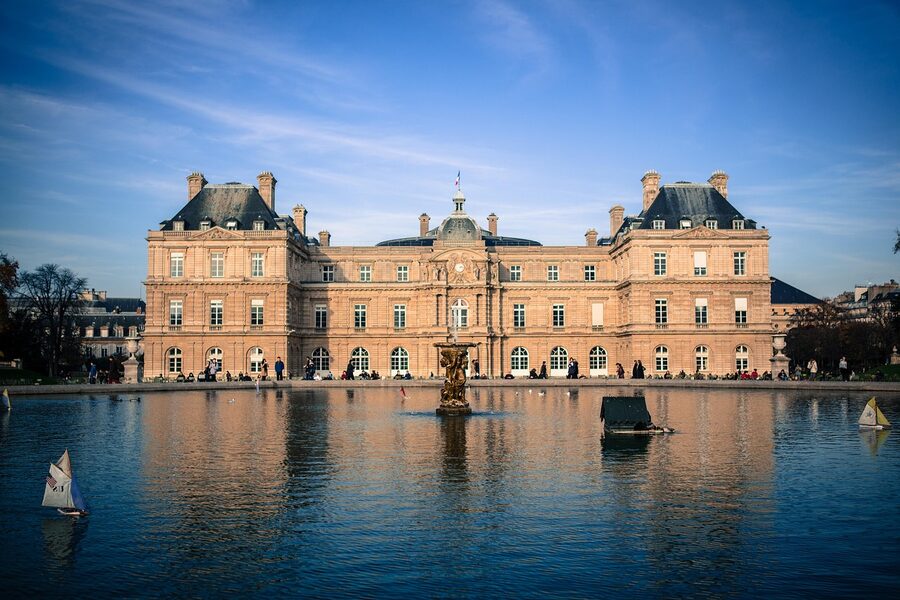
I’d take the RER B from Luxembourg if you’re coming from anywhere on that line. Walking through the Luxembourg Gardens to the Panthéon is one of the better short walks in Paris — five minutes of fountains and chestnut trees, then the dome appearing over the rooftops.
The walk from Notre-Dame is genuinely lovely too. About 12 minutes along rue Saint-Jacques, slightly uphill the whole way. If you’re already doing a Notre-Dame walking tour with crypt entry, tacking on the Panthéon afterwards lines up perfectly geographically.
Bag note: large suitcases aren’t allowed inside. There’s no proper cloakroom — only small lockers for daypacks. Drop bigger luggage at your hotel before you go.
What’s Actually Inside
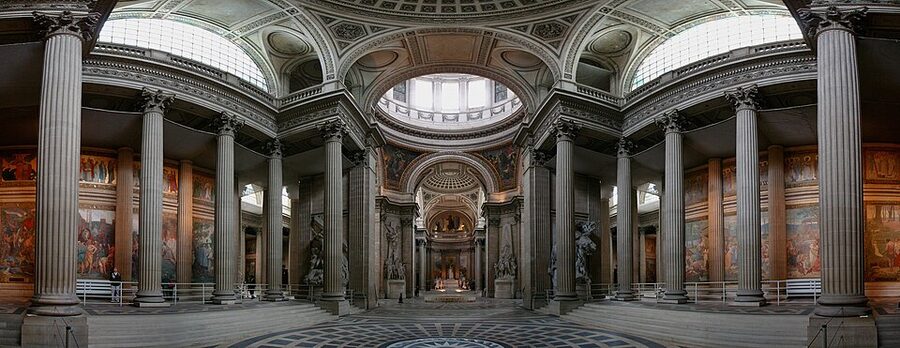
You enter through the giant portico into a space that feels almost too quiet for how busy the streets outside are. Acoustics are extraordinary — drop a coin and you’ll hear it clatter from the other end. Three things are worth real attention:
Foucault’s Pendulum
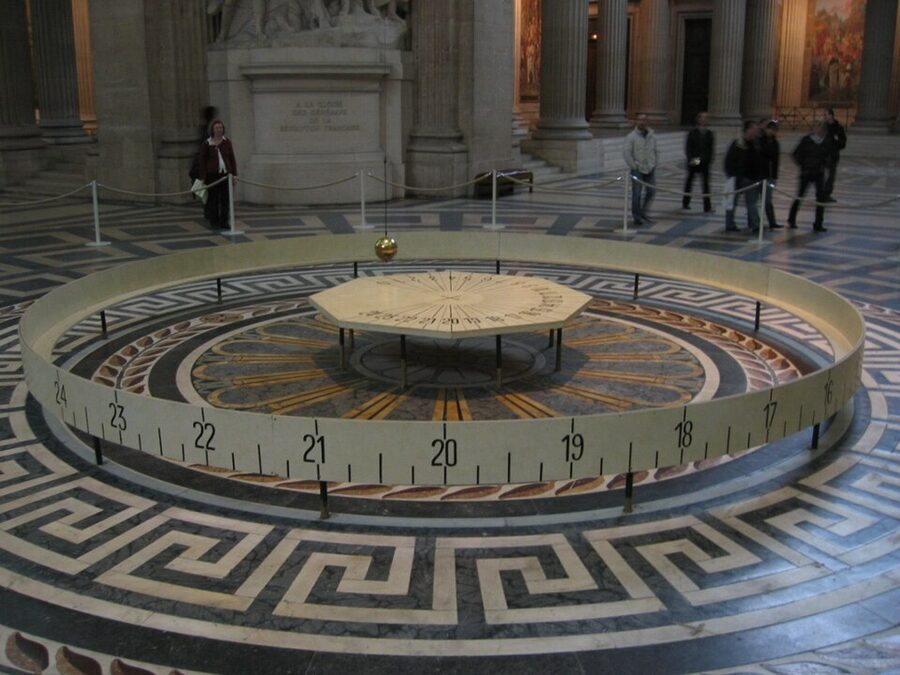
Hanging from the centre of the dome is a 28-kg brass bob on a 67-metre wire. Léon Foucault hung the original here in 1851 to demonstrate the rotation of the Earth — the first visible proof that didn’t require astronomical observation. The pendulum swings, the floor below it rotates by about 11 degrees per hour, and over a day the swing’s plane appears to drift by 270 degrees.
The version you see today is a replica — the original is in the Musée des Arts et Métiers — but it works the same way. Stand at the rope barrier for ten minutes and you can see the swing line move against the markers. Most people don’t, which is a shame; it’s one of the genuinely cool physics demonstrations you can watch in a tourist site.
The Painted Nave
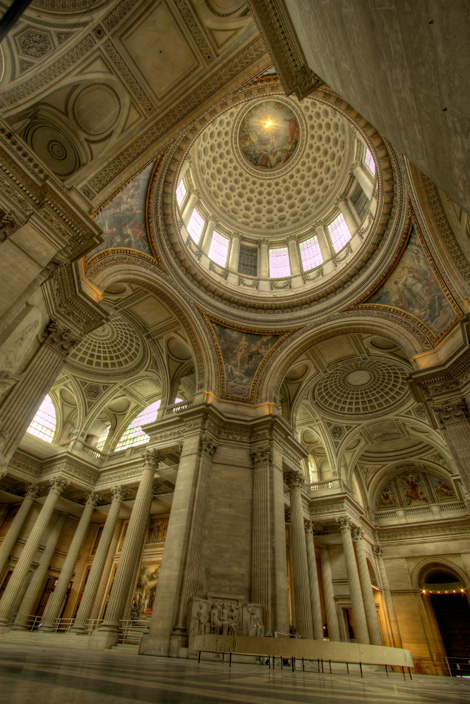
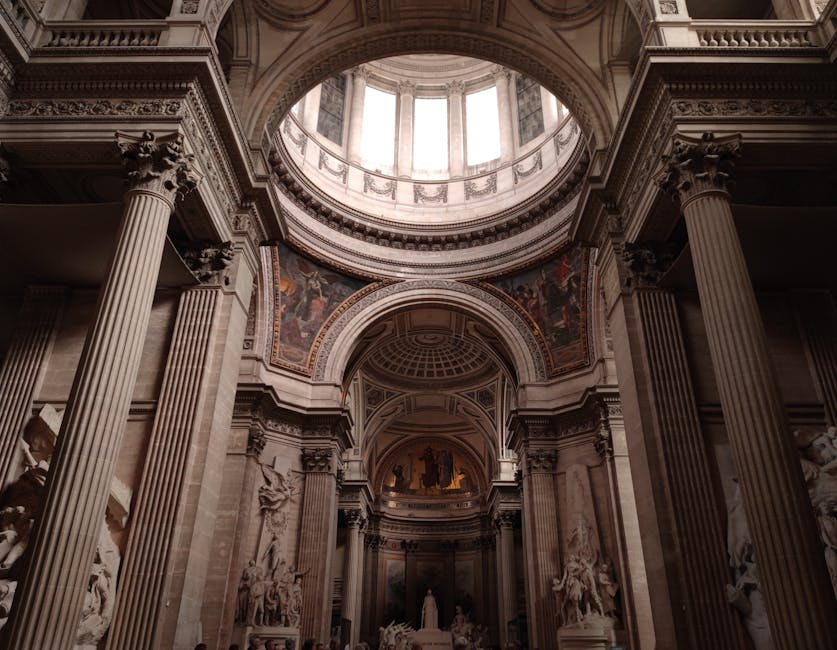
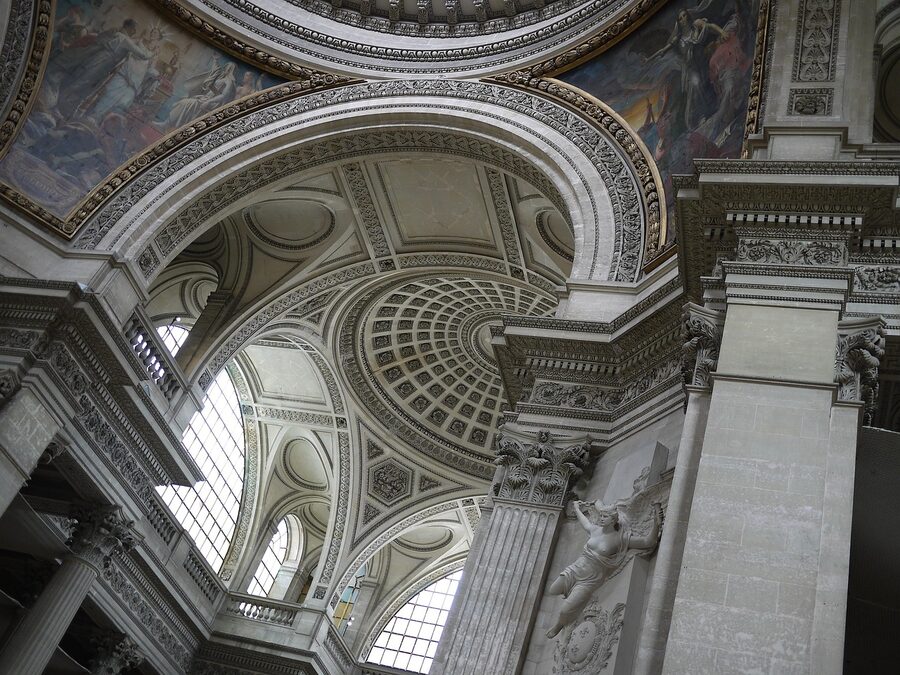
The nave walls are covered in 19th-century paintings telling the story of French history — Joan of Arc by Lenepveu in the south transept is the most famous, a four-panel cycle that’s basically the official French school-book version of the Joan story. Saint Louis, Sainte Geneviève, Charlemagne, Clovis — all the medieval set pieces. Skip them if your French history is rusty; spend ten minutes on them if it isn’t.
The National Convention Monument
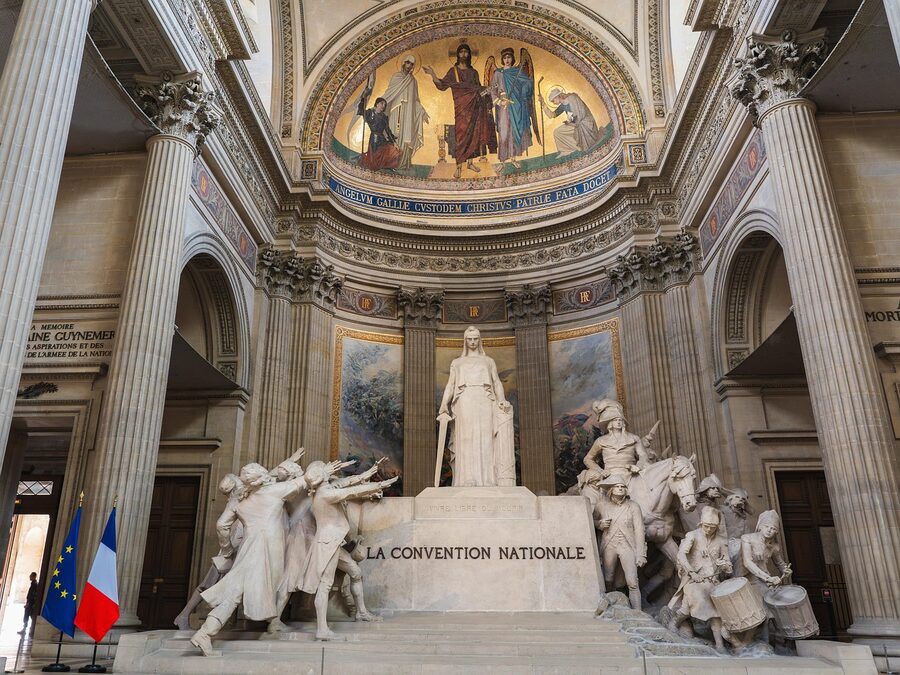
At the far end of the nave is the giant 1920s monument to the National Convention — a marble Marianne ringed by figures representing soldiers, deputies, and orators of 1792. It’s the photo most people take inside. Easy to miss the first time because it’s behind the central crossing — walk all the way down past Foucault’s Pendulum.
The Crypt — Don’t Skip It
The crypt is the part most first-timers undersell. Stairs down behind the central altar take you into a network of vaulted corridors lit just enough to read the plaques. It’s quiet, cool, and a bit cinematic — exactly the mood you want for a tomb.
Names worth seeking out:
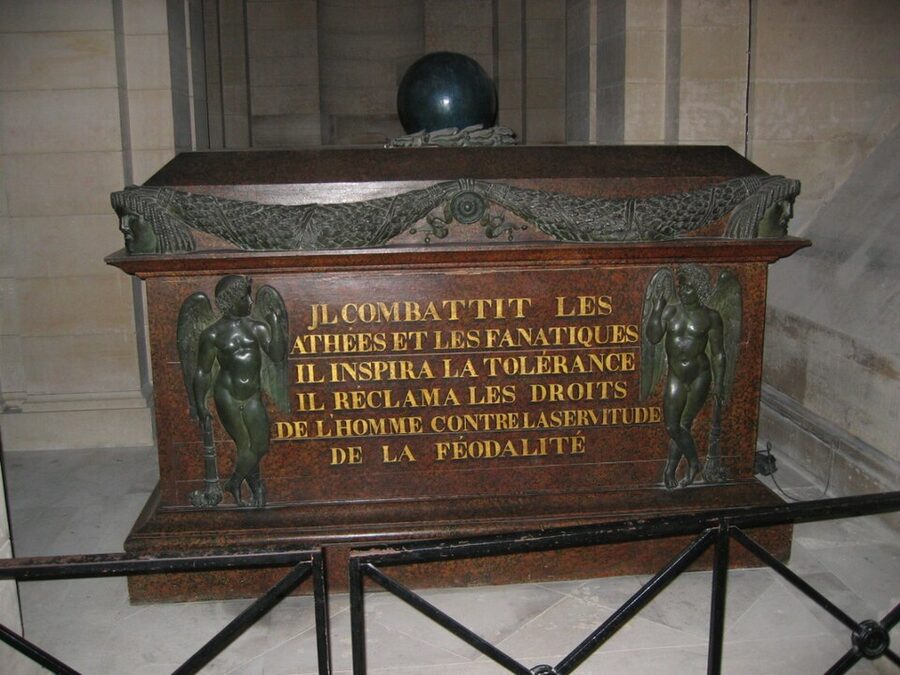
- Voltaire and Rousseau — the first two tombs, in the entrance hall. Statues over both
- Victor Hugo, Émile Zola, Alexandre Dumas — share a vault on the left. Hugo got the Panthéon’s biggest funeral in 1885, two million people lining the route from the Arc de Triomphe
- Marie and Pierre Curie — Marie was the first woman pantheonized on her own merit in 1995
- Jean Moulin — Resistance leader, transferred here in 1964 with one of the most famous speeches in modern French oratory (Malraux’s)
- Joséphine Baker — the dancer and Resistance agent, pantheonized in 2021. Hers is the newest cenotaph and the easiest to find — fresh marble, fresh flowers, English signage
The crypt typically takes 20–30 minutes if you read the plaques. Less if you breeze through. There’s no audio guide running down here that I’d actually recommend — most visitors just walk slowly and let the names do the work.
The Dome Climb
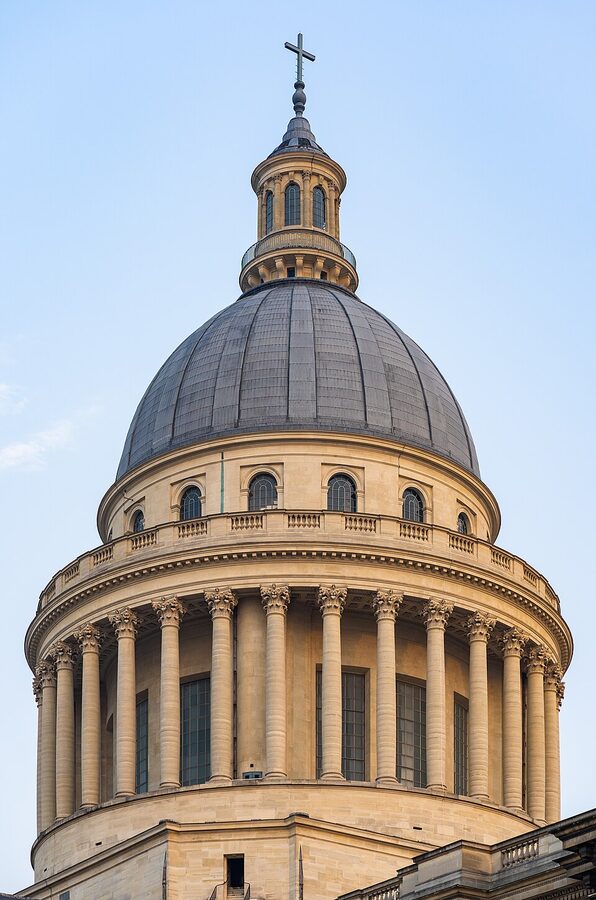
This is the bit nobody tells you about. The dome climb is the best skyline view in central Paris that isn’t on the Eiffel Tower or the Montparnasse Tower, and it costs roughly €3.50 on top of admission. Nobody knows about it. The capacity is small. You get the rooftops with almost nobody else up there.
Numbers and warnings:
- It’s 270 to 280 steps depending on how you count, no lift
- The staircase is a tight stone spiral. Tough on knees
- Open 1 April to 31 October only. Last climb usually 18:00 in summer
- Capacity is limited — if you arrive late afternoon there can be a 20-minute wait at the staircase entrance
- It’s done in two stages — first to a balcony just above the colonnade, then a smaller spiral up to the lantern at the top
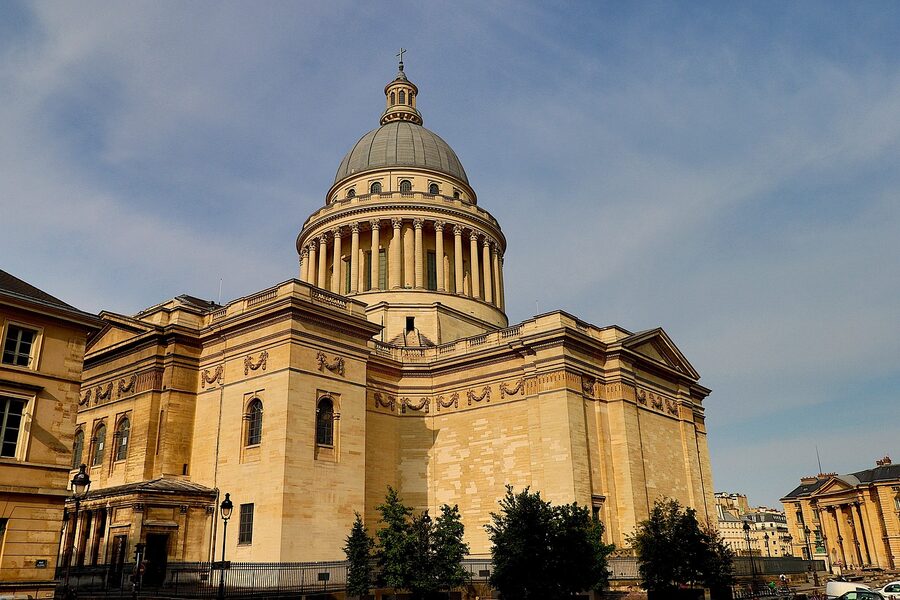
From the colonnade you get a 360 around Paris with no scaffolding to dodge. Eiffel Tower west, Sacré-Cœur and Montmartre north, the Notre-Dame tower (still scaffolded — restoration is ongoing) east-northeast, and the towers of Saint-Sulpice almost due west. The Arc de Triomphe rooftop gives you the Champs-Élysées axis better, and the Eiffel Tower summit gives you altitude — but for actual rooftop intimacy with central Paris, the Panthéon dome is the one. Wear shoes you can climb in.
Exhibitions and One-Off Events
The Centre des Monuments Nationaux runs a temporary exhibition programme inside the Panthéon — usually two or three a year, almost always tied to a writer, scientist, or political figure already pantheonized. Past examples include shows on Victor Hugo, Marie Curie, Joséphine Baker, and Alexandre Dumas. Tickets are usually included in standard admission, occasionally with a small supplement.
If you’re a planner, check the Centre des Monuments Nationaux website a few weeks before you go — exhibitions sometimes book up the side chapels and re-route the visitor flow, which is worth knowing about. If you’re a casual visitor, the temporary shows are a bonus, not a reason to time the trip.
Pantheonization ceremonies — when a new figure is officially admitted to the crypt — are public events broadcast on French TV. The most recent was the 2024 pantheonization of Missak and Mélinée Manouchian, Resistance fighters of Armenian origin. These ceremonies fill the building and shut it to regular visitors for a day or two; the official site posts dates well in advance.
Pairing the Panthéon With the Rest of Your Day
The Latin Quarter is dense with stuff. Within a 10-minute walk of the Panthéon’s front steps:
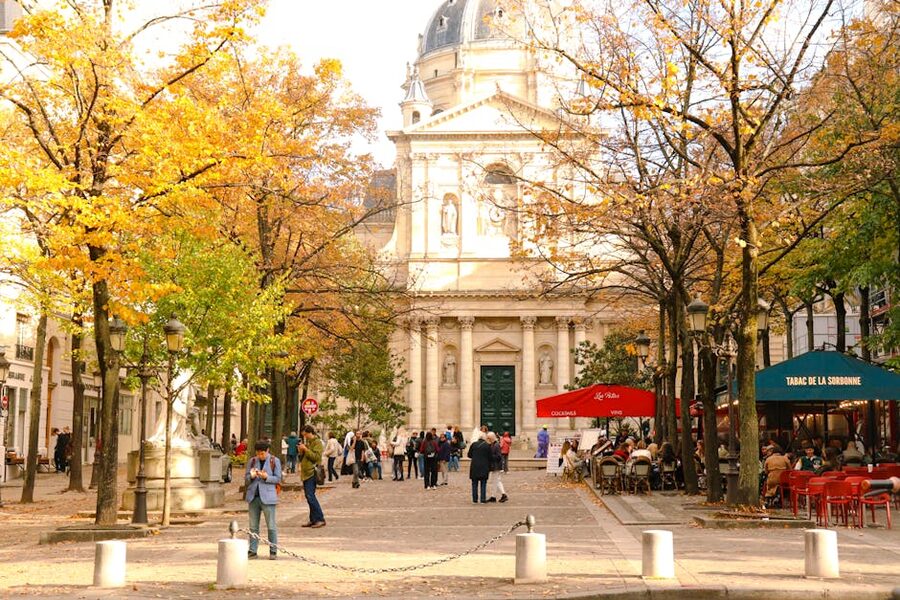
- The Sorbonne — you can’t go in casually, but the chapel courtyard is photogenic
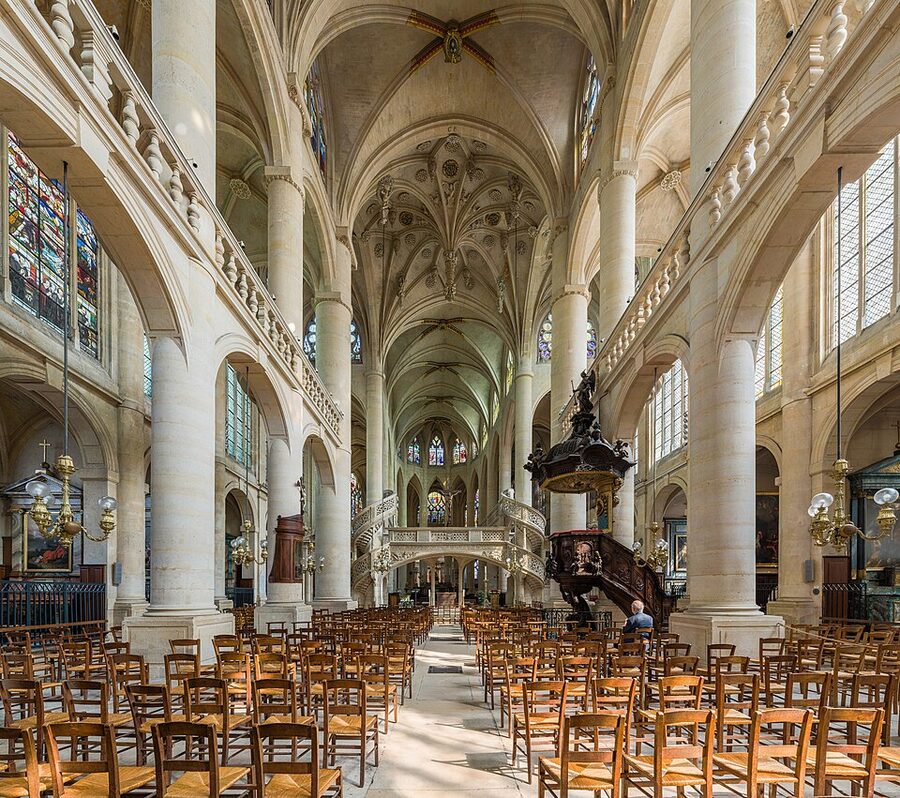
- Saint-Étienne-du-Mont — directly behind the Panthéon, one of the prettiest small churches in Paris and the only place in the city with a surviving rood screen. Free, often empty
- Luxembourg Gardens — five minutes downhill, ideal for a sit-down between sights
- Cluny Museum (Musée National du Moyen Âge) — medieval art including the Lady and the Unicorn tapestries, 8 minutes north
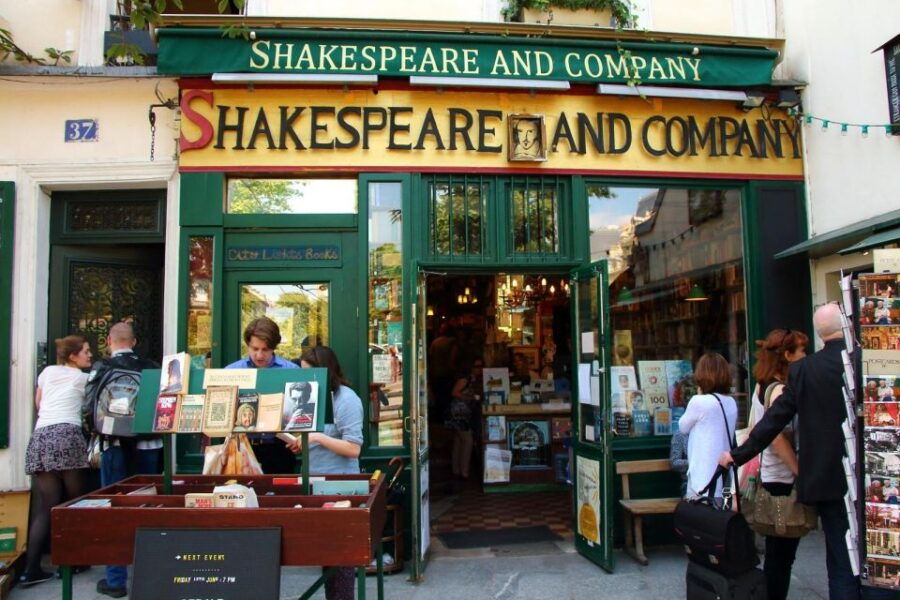
- Shakespeare and Company — the bookshop, 10 minutes north on the Seine
For food, the Latin Quarter has a tourist-trap problem on rue de la Huchette but cleans up quickly two streets back. The Notre-Dame food tasting tour covers exactly this territory if you want guidance on where to eat versus where to dodge. Or just walk to rue Mouffetard, ten minutes south of the Panthéon, where the cafés are still mostly aimed at locals.
Versailles is a bigger choice. If you’ve got a full day to give it, the Versailles palace day trip is what I’d recommend — but pair it with the Panthéon on a different day, not the same one. Versailles takes a full 8 hours door-to-door from central Paris, and you don’t want to back it onto another major site.
A Quick History — Why It Looks Like This
The short version, because the building only makes sense once you’ve got the timeline:
1744 — Louis XV falls seriously ill in Metz. He vows to rebuild the crumbling abbey church of Sainte-Geneviève if he survives.
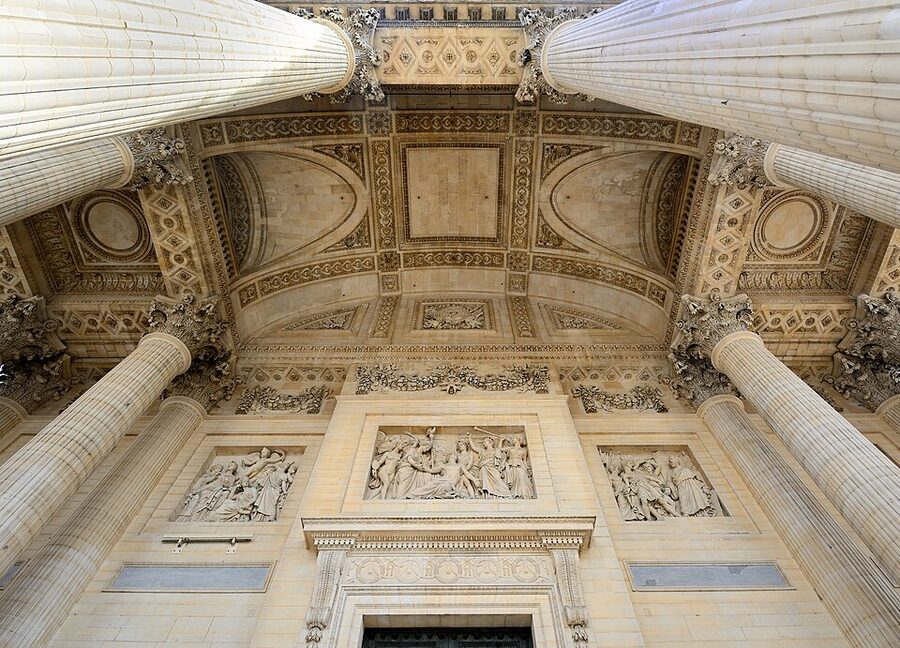
1755 — Jacques-Germain Soufflot is commissioned. His brief is “Gothic lightness in classical clothing” — a building with the soaring height of a cathedral but the columns and pediments of a Roman temple. Almost no architect at the time thought the structure would stand up.
1789 — The Revolution breaks out. The building is essentially finished but not yet consecrated.
1791 — The new Republic seizes the church and rededicates it as a “temple to the great men” of France. The first interments are the Comte de Mirabeau (later removed in disgrace) and Voltaire.
1806 onwards — The function flips back and forth several times under Napoleon and the restoration kings. Church, secular pantheon, church again, pantheon again. The Third Republic finally settles the question in 1885 by pantheonizing Victor Hugo, after which it stays a mausoleum.
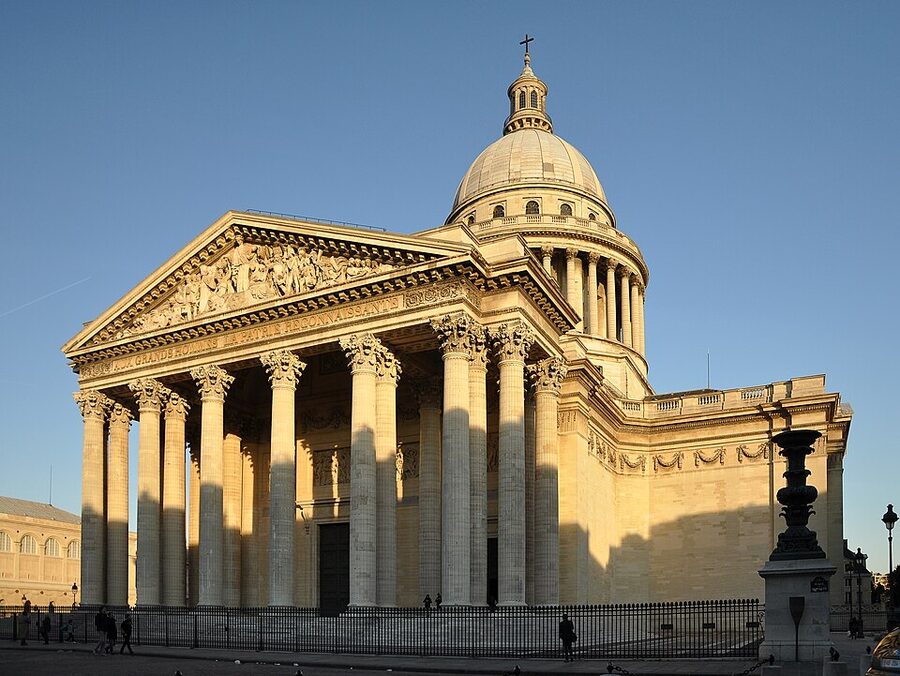
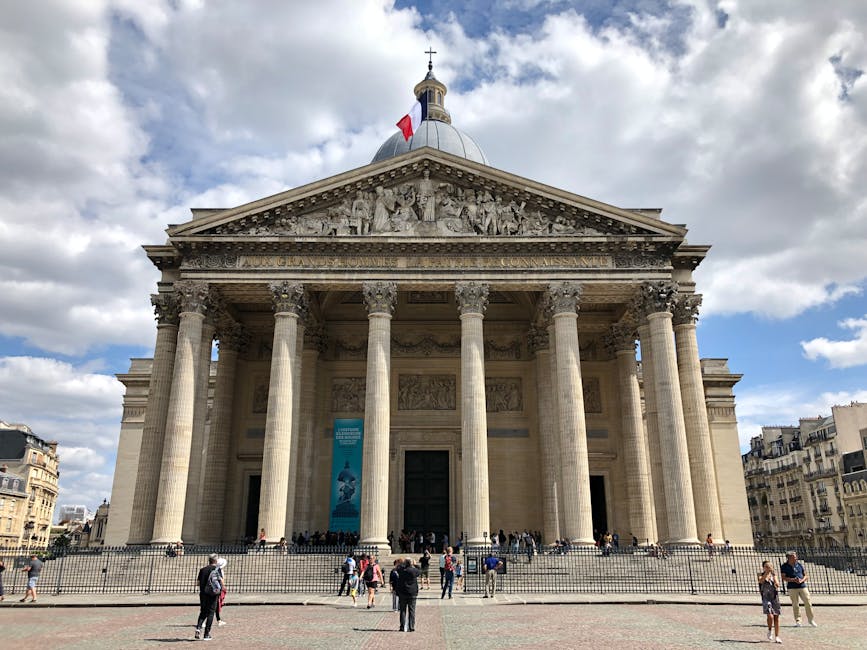
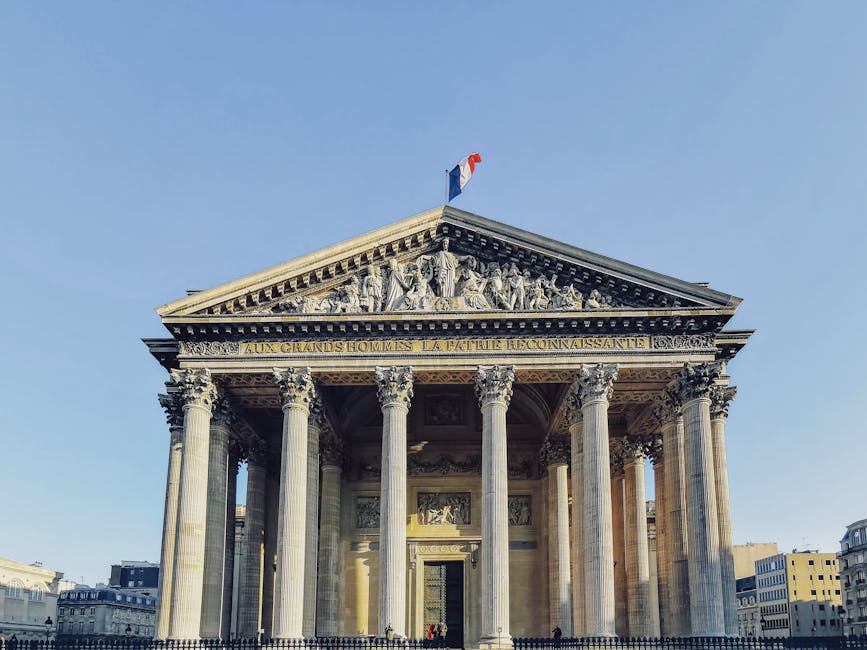
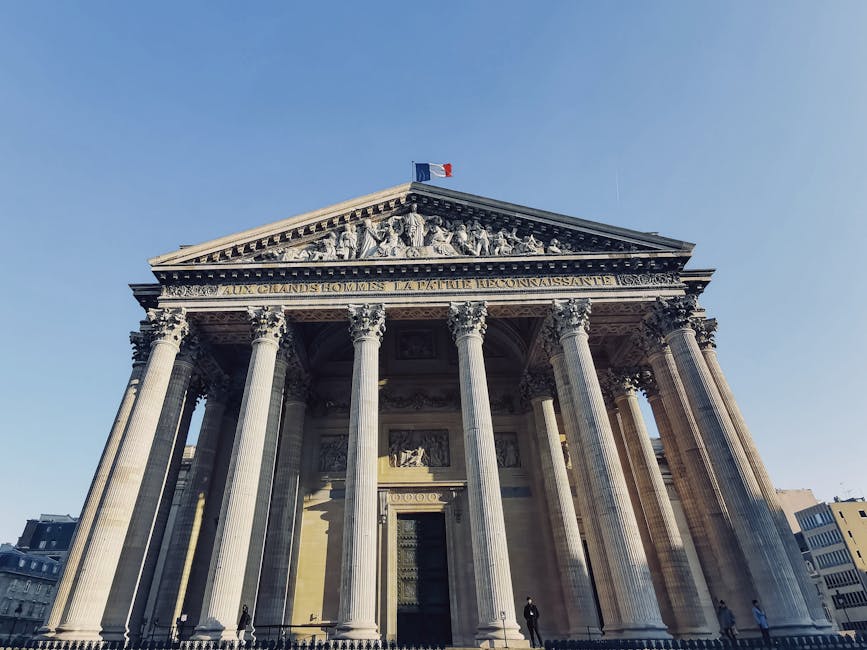
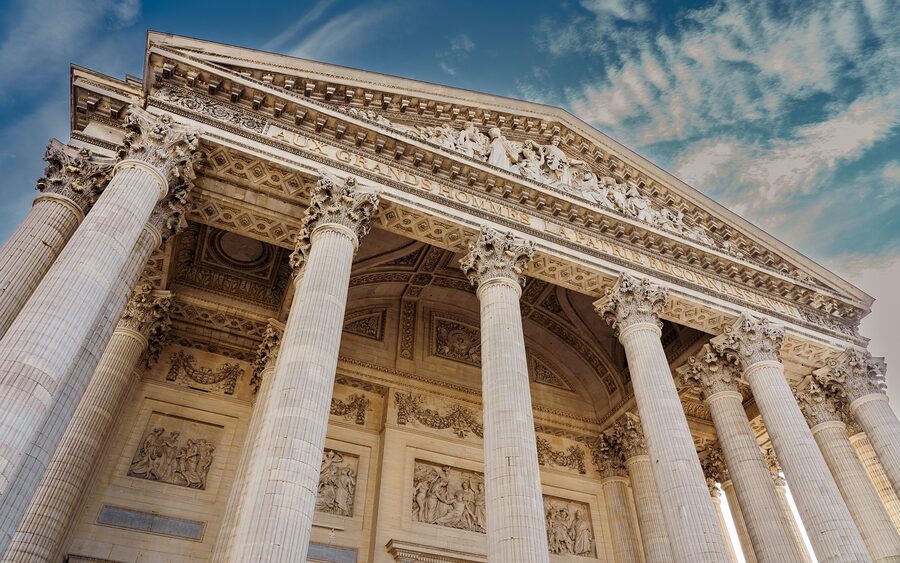
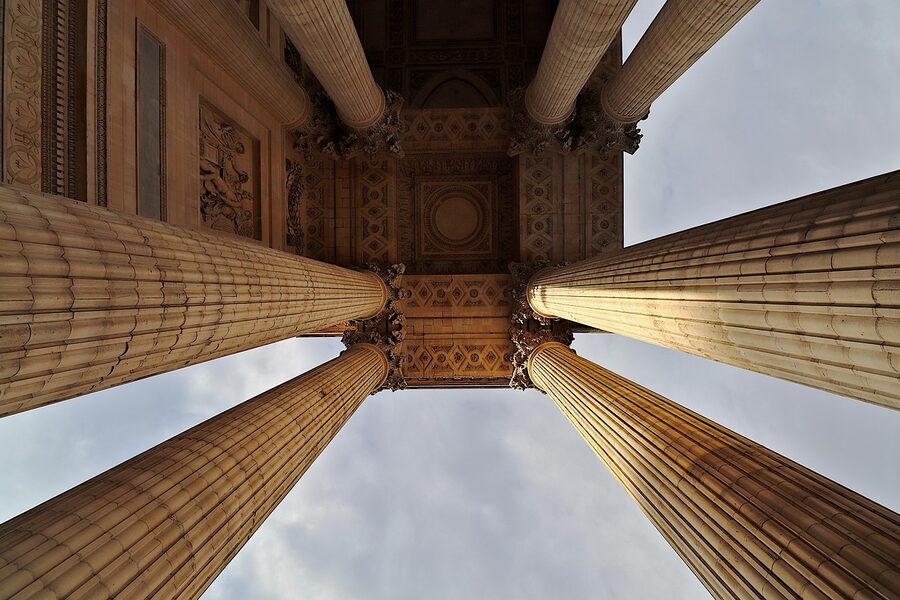
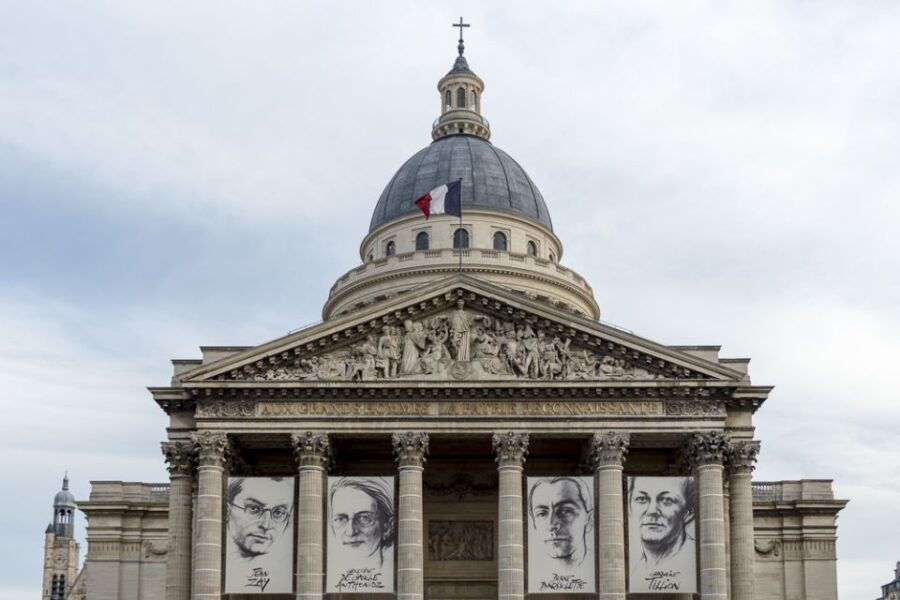
The interior tells you everything about that back-and-forth. The painted nave is full of saints and Joan of Arc — that’s the Bourbon-restoration paint job. The crypt is full of philosophes — that’s the Republic. The cross is on top — that’s the church-phase. The pediment outside reads “AUX GRANDS HOMMES LA PATRIE RECONNAISSANTE” (“To great men, the grateful homeland”) — that’s the Revolution. Three different ideologies built into one stone facade.
The Tours Worth Booking
Three options that consistently work, depending on what you want.
1. Paris: Panthéon Admission Ticket — $15
The most-booked option for the Panthéon by a wide margin, and rightly so. Our full review goes into the dome supplement and what it actually feels like to use the ticket on a busy Saturday — including how the e-ticket scans and where to enter. For most visitors this is the only ticket you need.
2. Pantheon Entry + Seine River Cruise — $37
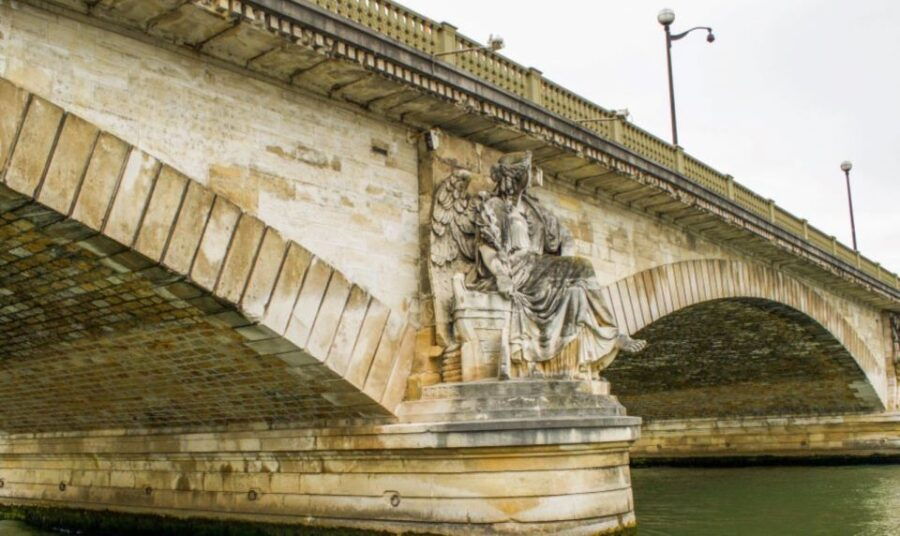
Useful if you want to pair the Panthéon with an hour on the river the same day. The cruise is a standard 1-hour Seine loop with audio commentary — perfectly fine, not life-changing, but a good rest after a stair-heavy morning. Worth comparing against booking the standalone Seine cruise separately if you want a fancier boat operator.
3. Notre-Dame Exterior, Latin Quarter and Panthéon — $46
If you’ve got time for one guided thing in the area, this is the pick. A live guide pulls together Notre-Dame’s history, the Latin Quarter’s medieval bones, and the Panthéon’s complicated politics in a way that no audio guide quite manages. The guides on this one are consistently strong — see what visitors said in our full write-up.
Common Questions
Is the Panthéon worth visiting?
Yes, with caveats. If you’ve got two days in Paris and you’ve never been, no — go to the Louvre, the Eiffel Tower, and Sainte-Chapelle first. If you’ve got four days or more, or if you’ve been to Paris before and want something a bit slower than the headline sights, the Panthéon is one of the better third-tier picks. The crypt, the dome view, and the building’s strange church-pantheon hybrid make it more interesting than it looks from outside.
Can you take photos inside?
Personal photography is allowed, including in the crypt. Tripods and commercial work need a permit — if you’re shooting for stock or social commercial, you need to apply through the Centre des Monuments Nationaux ahead of time. Phone shots and a regular camera are fine. Flash is officially discouraged but rarely policed.
How long should I spend?
90 minutes minimum to do the nave and crypt without rushing. Two hours if you also climb the dome. Add another 30 minutes if a temporary exhibition is on and you want to see it.
Is it accessible?
The ground floor (nave) is fully accessible — there’s a side ramp at the entrance and the nave itself is one big level. The crypt is accessible via a lift. The dome is not — only the spiral staircase, no lift to the colonnade. Companion entrance is free for one accompanying guest.
Is it free with the Paris Pass or Museum Pass?
It’s covered by the Paris Museum Pass. Worth comparing against the cost of single tickets if you’re hitting at least 3–4 sites in 2 days.
Latin Quarter Wandering, Beyond the Pantheon
If you liked the Panthéon, you’ll probably like Sainte-Chapelle and the Conciergerie next — both are 15 minutes north on Île de la Cité, and the combined-ticket route is the right way to do them. For another rooftop view that’s better than the Panthéon’s for sheer altitude, head south to the Montparnasse Tower observation deck — controversial building, fantastic view because the Eiffel Tower is in the picture rather than under your feet. And if you skipped the Arc de Triomphe rooftop, that’s still the cleanest place to photograph the Champs-Élysées axis. Three different vantage points on Paris — pick the one that fits your day.