
Nanta is the longest-running show in Korean history — and it debuted overseas not on Broadway but at the 1999 Edinburgh Fringe Festival, where a group of Korean chefs banging on pots out-sold half the main-stage acts. That pot-banging lineage is why Seoul now has a whole ecosystem of wordless, percussion-driven shows you can book for the price of a decent dinner. I’ve now sat through the big three — Nanta, The Painters, and TOUCH FIVE — and this is how to pick the right one and book it without eating the tourist tax.
- In a Hurry? My Top 3 Seoul Cultural Shows
- Why “Non-Verbal” Is The Magic Word
- The Three Shows, Side by Side
- 1. Myeongdong Nanta Theater Show — around
- 2. The Painters Live Art K-pop Dance Show — around
- 3. TOUCH FIVE Performance Show — around
- How Booking Actually Works
- Same-day availability
- Booking for groups
- Which Show Fits Your Trip
- Nanta: The Format, The Plot, The Pot-Banging
- What to expect on the night
- Audience participation
- The Painters: Live Canvas and K-Pop Dancing
- The souvenir painting trick
- Hongdae vs. other venues
- TOUCH FIVE: The Outlier
- Group sizes and vibe
- Booking TOUCH FIVE on marketplaces
- Venues and Getting There
- T-money and transport
- Seats, Prices, and Premium Tiers
- Timing Your Show
- A Short History of Seoul’s Non-Verbal Show Scene
- Practical Stuff Nobody Tells You
- Beyond the Big Three
- What To Do After The Show
- Pairing A Show With The Rest Of Your Seoul Week
- The Rest of Seoul’s Booking Guides
In a Hurry? My Top 3 Seoul Cultural Shows
- Myeongdong Nanta Theater Show — around $37. The original kitchen-comedy phenomenon. The safest pick for first-timers and families.
- The Painters Live Art K-pop Dance Show — around $24. Live canvas painting crossed with K-pop choreography. The most Instagrammable of the three.
- TOUCH FIVE Performance Show — around $70. Women-only (19+), sensual dance theatre. Bachelorette-party energy.
Why “Non-Verbal” Is The Magic Word
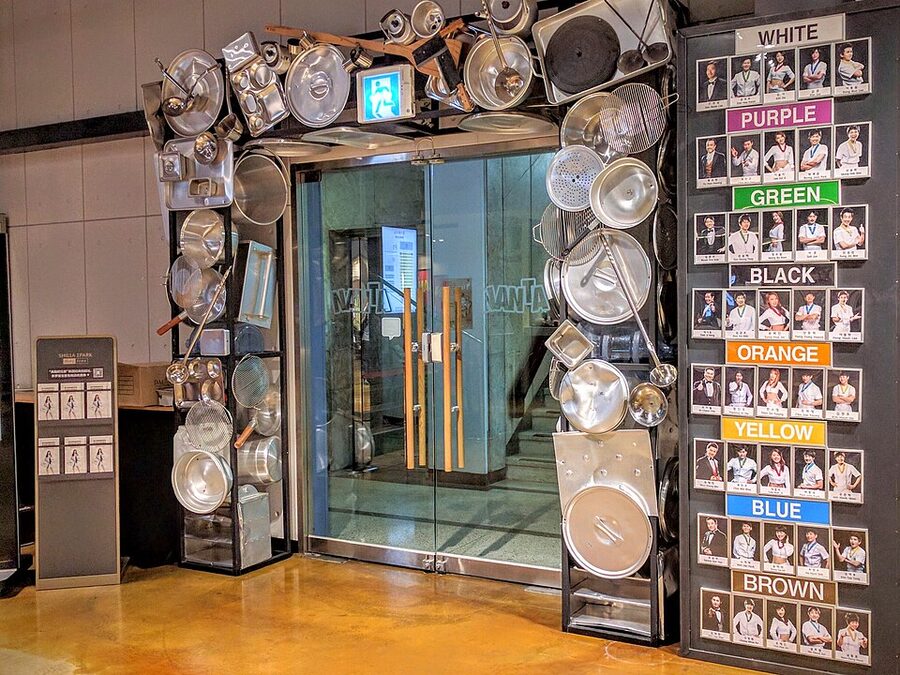
The reason these three shows keep landing in my recommendations list is that none of them requires a single word of Korean, English, or any other language to enjoy. That’s a genuine travel cheat code. Nanta bills itself as a non-verbal comedy. The Painters doesn’t bother with dialogue either — the “story” is just artists racing to finish giant paintings to a soundtrack. TOUCH FIVE is a choreographed dance piece with music only.
What that means in practice is that you can arrive on day one of your Seoul trip, jet-lagged and still fumbling with annyeonghaseyo, and enjoy every beat. I’ve brought friends who speak zero Korean and they always end up laughing or jaw-on-floor at the same moments the Korean audience does. It also means the shows work for kids (Nanta especially) and for multi-language travel groups who’d otherwise need to split up for entertainment.
The Three Shows, Side by Side
1. Myeongdong Nanta Theater Show — around $37

If you only book one, make it Nanta. It’s been running since 1997 and it’s the show every other Seoul show gets compared to — the Myeongdong run is the original cooking-comedy format and it still plays like new. The word “Nanta” means roughly “reckless drumming,” which is exactly what four chefs chopping vegetables in 4/4 time turns out to be. The first ten minutes pull you in and the next eighty never let up.
2. The Painters Live Art K-pop Dance Show — around $24
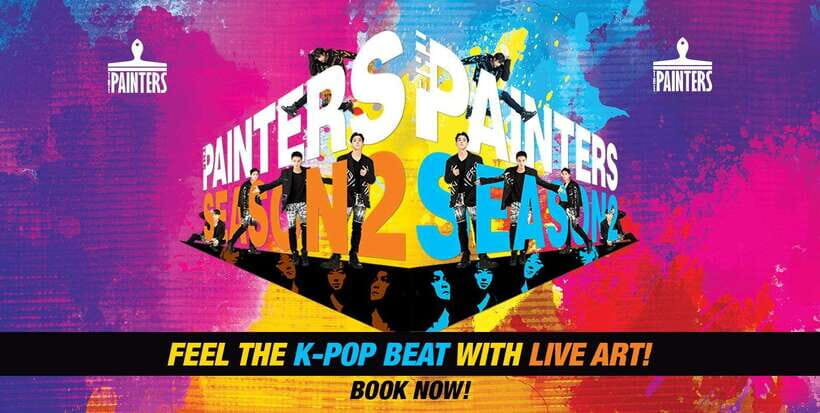
The Painters flips the formula — the performers draw and paint at real speed while K-pop dancers work the stage, and a finished canvas materialises every couple of minutes. One of them is given to an audience member at the end. It’s only 75 minutes so it’s easy to slot into a half-day, and under $25 it’s hard to beat on price-per-entertainment-minute.
3. TOUCH FIVE Performance Show — around $70
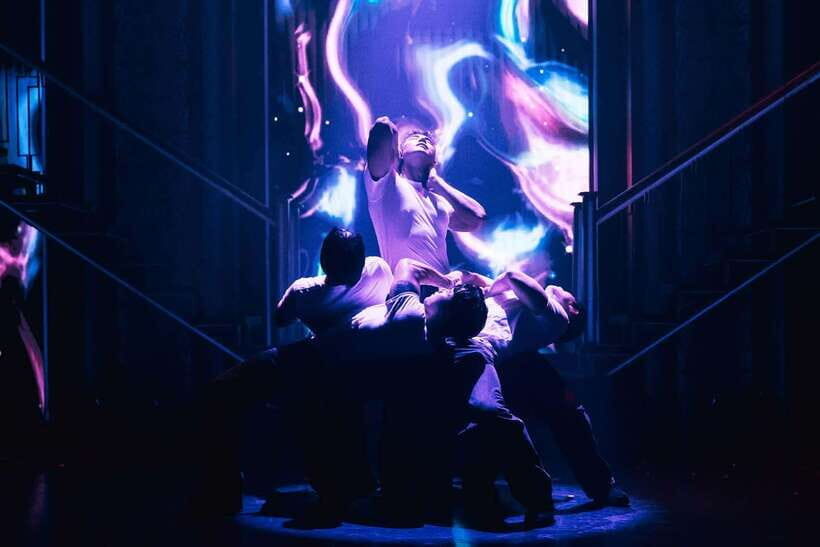
TOUCH FIVE is not family-friendly and not unisex — it’s a 70-minute, women-only, 19+ sensual dance theatre piece that’s become a fixture on Seoul hen-do itineraries. If that’s your group, it’s great. If it’s not, book one of the other two. I’ve had mates come out saying it was the highlight of their girls’ trip and others say it wasn’t their scene at all — both are fair calls.
How Booking Actually Works
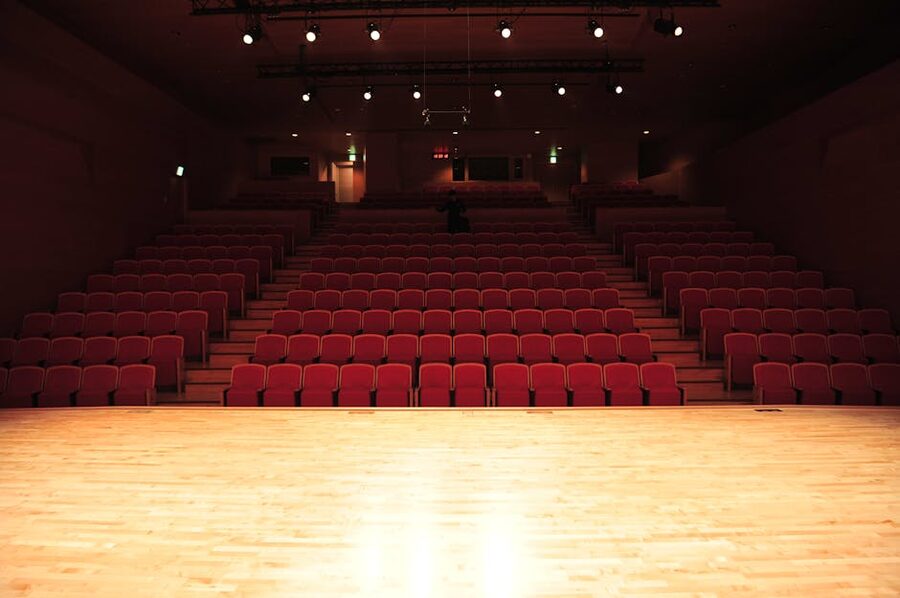
Booking any of the three online through GetYourGuide, Klook, or the show’s own site is the easy route. I pay with my own card, I get a voucher on my phone, and I show up. Done. The only reason to consider any other method is if your card is misbehaving in Korea — which, as of 2026, still happens to a surprising number of foreign travellers on Korean booking sites.
If your card is getting declined on the official Nanta site (a known issue), two workarounds work cleanly. First, use GetYourGuide or Klook — they process payments abroad so foreign cards go through without fuss. Second, walk up to the theatre in person. You can buy for the next available show, but there’s a catch I learned the hard way: you can only book the next show, not today’s if today’s is sold out, and if the current show is already running you have to wait until it finishes to buy your next date. So if you rock up at 1:30pm for a 2pm show that’s full, you kill forty minutes before they’ll sell you a Tuesday seat.
Same-day availability
All three shows sell same-day tickets if seats exist, usually up to one hour before curtain. The catch is seat choice — you’ll take whatever’s left. For Nanta on a Saturday night, left-overs are basically the back corners. For a weekday afternoon Painters show, you can stroll up at 2pm for a 3pm start and still land a decent middle-row seat.
Booking for groups
Four-plus people? Book in one transaction so the system seats you together. GetYourGuide and Klook let you pick row/section on some dates and not on others — if seat choice matters (taller friends need aisle seats, kids need sightlines), pay the small premium for premium seating rather than standard. You’ll see the map at checkout.
Which Show Fits Your Trip
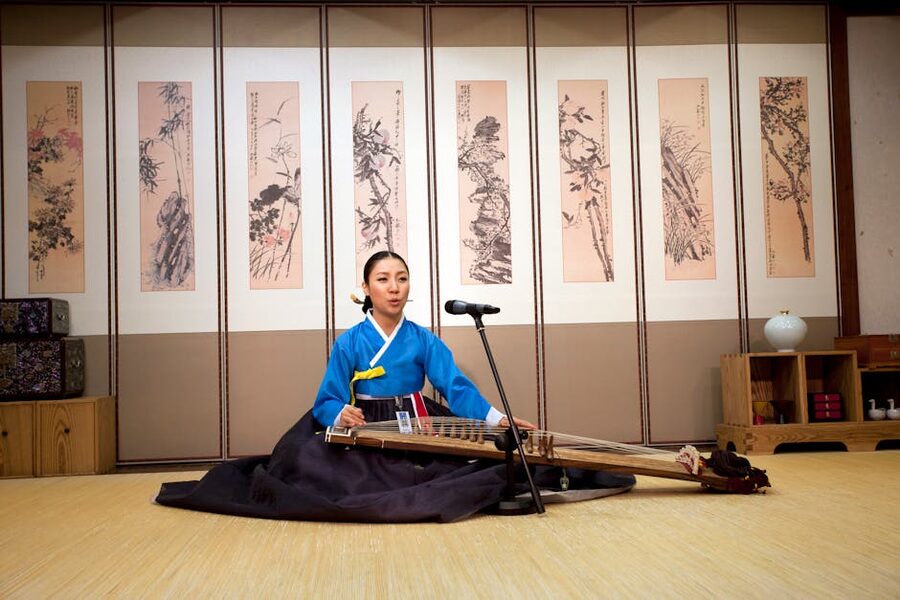
Three quick rules of thumb I use when someone asks me which show to book.
Travelling with kids or parents? Nanta, every time. It’s the most family-friendly of the three, the humour is physical and universal, and the 90-minute runtime is kid-tolerable. Teens love the pot-drumming. Grandparents love the food plot.
On a tight budget or a tight afternoon? The Painters. Under $25, 75 minutes, plenty of showings starting in the afternoon. You can pair it with dinner in Hongdae or Itaewon afterwards and still be in bed by 10pm.
Girls’ trip, bachelorette, or 19+ night out? TOUCH FIVE. It’s specifically designed for women-only groups and the atmosphere is closer to a night out than a theatre trip. Prosecco-and-a-show logic applies.
If you want the full culture hit, do Nanta on night one and The Painters on night three. They’re different enough shows that you won’t feel like you saw the same thing twice, and between them you’ll have seen both ends of Seoul’s performance scene — the classic comedy format and the modern art-plus-K-pop hybrid.
Nanta: The Format, The Plot, The Pot-Banging
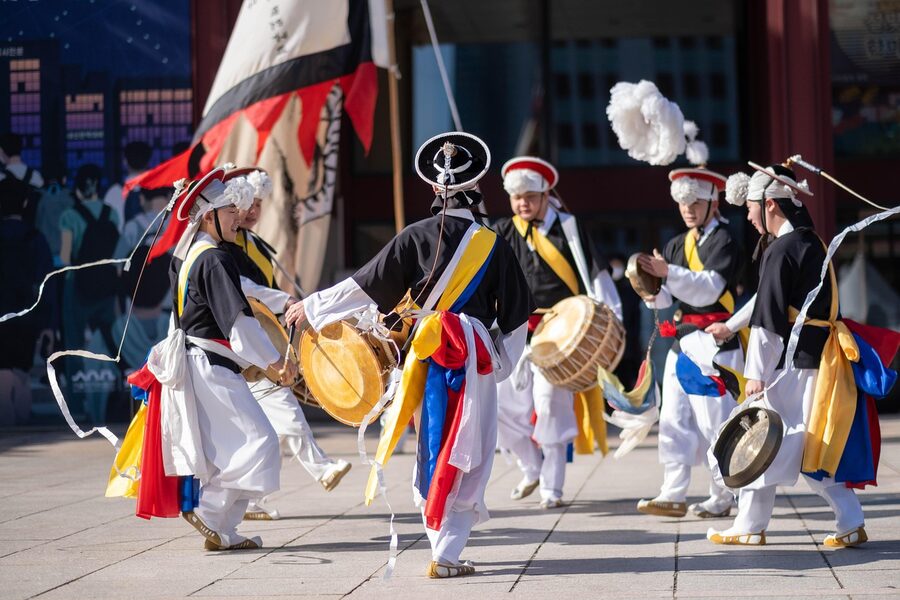
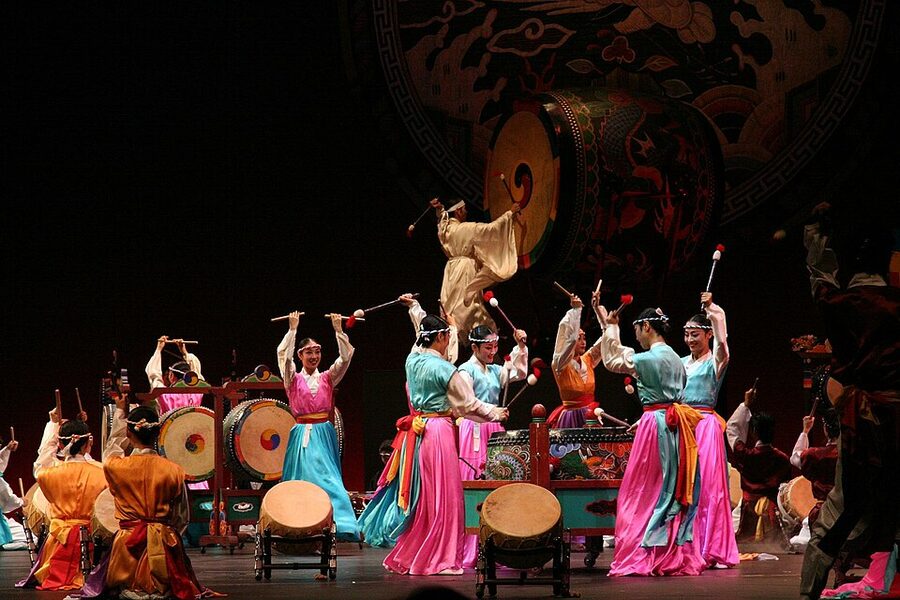
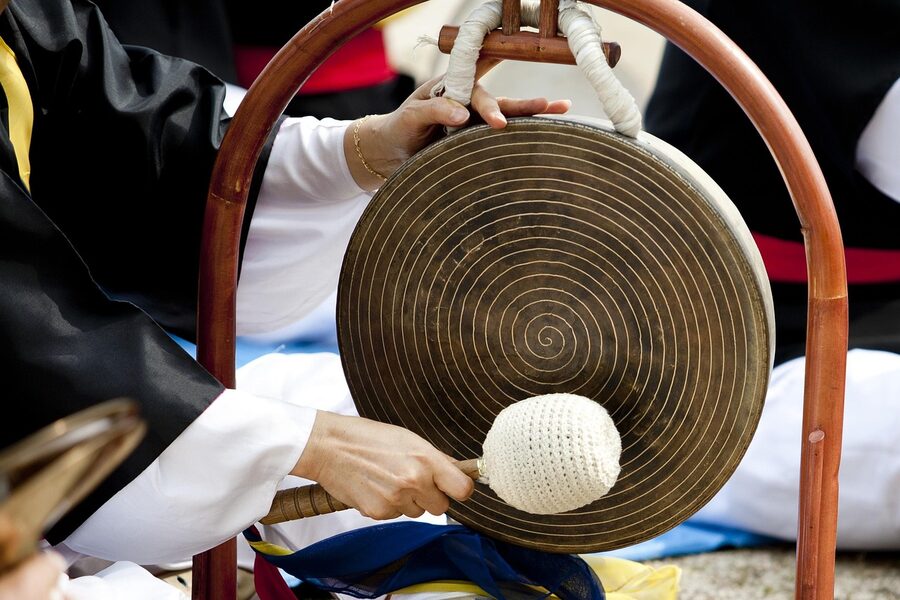
Nanta has a plot. Four chefs (sometimes three, depending on the cast) are given one hour to prepare a full wedding banquet for the manager’s fussy nephew. Chaos. Knife fights. Audience members dragged on stage. A full choreographed routine built around chopping carrots in 4/4 time. The kitchen is basically the percussion section of a samulnori band, which is a traditional Korean four-piece drum ensemble using kkwaenggwari (small gongs), jing (large gongs), janggu (hourglass drums), and buk (barrel drums).
The show has been running since 1997. It’s played more than fifty countries and was the first Korean theatre production to get a long Off-Broadway run. The Edinburgh Fringe debut in 1999 is what put it on the international tourism map — it won “Critics’ Choice” there and bookings exploded. I mention all this because the history matters: Nanta is not just a tourist thing foreign travellers do. Korean families still fill rows every night.
What to expect on the night
Doors open 30 minutes before the show. You’ll pick up your physical tickets from the box office with your booking reference — have your passport or ID handy because some sessions ask for it. Wait in the lobby area, which sells drinks and Nanta-branded merch (the aprons are weirdly good souvenirs). Photos and video are banned once you’re inside the theatre, which caught me out the first time. Put the phone away and enjoy it.
Audience participation
Two or three audience members get dragged on stage every show. It’s always good-natured, always gets a laugh, and it’s always front-row volunteers. If you don’t want to get picked, sit from row six back. If you do want to get picked, sit in the first two rows and make eye contact with the chefs. This is a surprisingly reliable system.
The Painters: Live Canvas and K-Pop Dancing
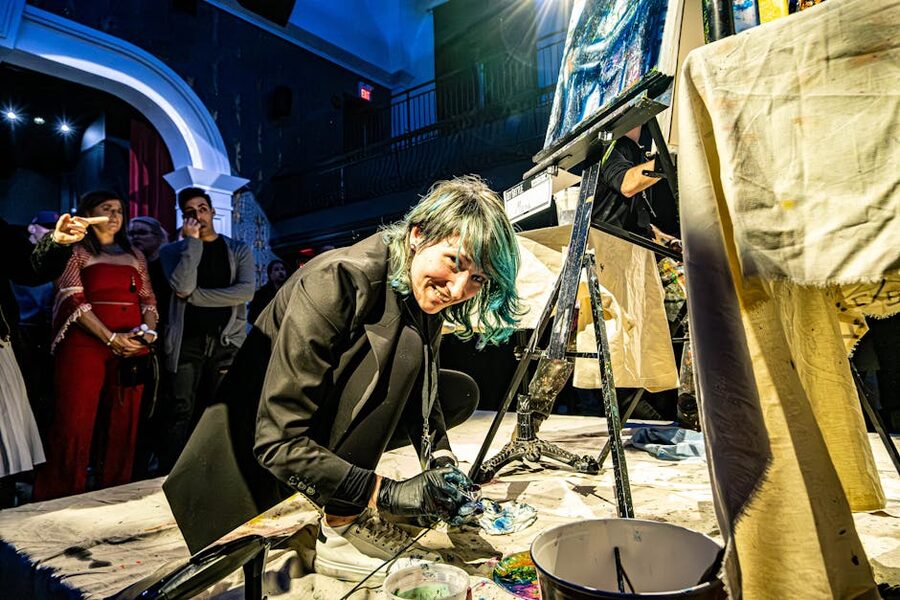
The Painters is the one I send the under-30 crowd to. Picture this: four or five painters work on human-sized canvases at the same time, while a K-pop dance crew flips and spins around them, and the music keeps building. Every few minutes, one of the paintings is completed — a portrait of Marilyn Monroe or a Van Gogh reproduction or a K-pop idol — and the canvas is flipped to the audience. Cheers. Next round.
It’s lighter than Nanta on plot and heavier on spectacle. Think street art meets flash mob meets concert. The 75-minute runtime feels short because there’s never a quiet moment. And because it’s wordless and music-led, it’s become a favourite for Chinese and Japanese tour groups visiting Seoul — expect the audience to be international.
The souvenir painting trick
At the end of the show, one finished painting is given away. It’s usually random but some sessions pick the loudest cheerer. If you want a chance, sit in the cheaper front rows rather than the expensive back row — the painters can see you better. The canvas is maybe 1m by 1.5m, so pack flat if you’re flying with Korean Air’s hand-luggage allowance.
Hongdae vs. other venues
There are two active Painters venues in Seoul. Hongdae is the younger, livelier neighbourhood and the more common booking. If you want a post-show dinner and drinks scene, pick Hongdae. The alternative Myeongdong-adjacent venue is fine too, just quieter on the way out.
TOUCH FIVE: The Outlier
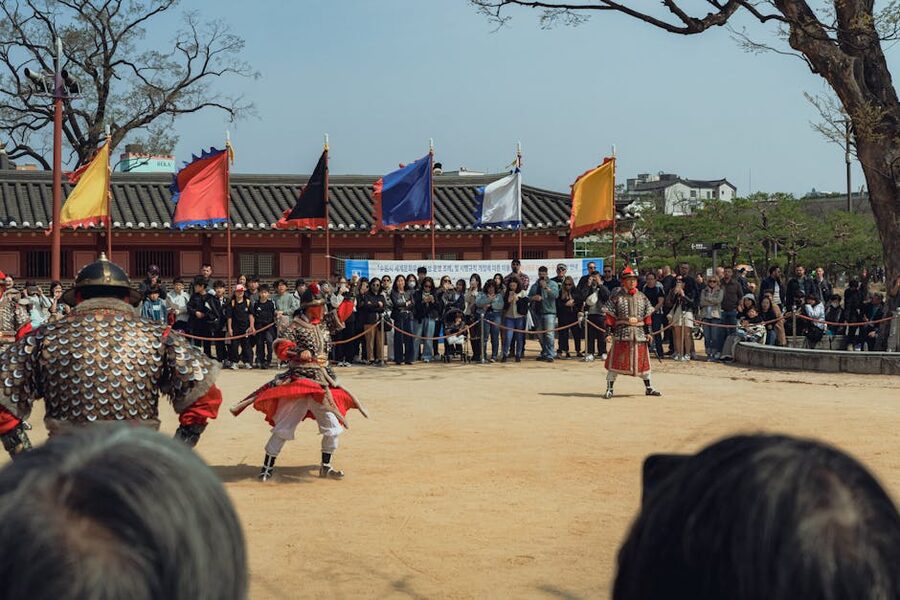
TOUCH FIVE needs a paragraph of expectation-setting. It’s a 70-minute, women-only, 19+ show built around sensual contemporary dance. Five male performers, choreographed routines, luxurious staging. The ticket price (around $70) reflects the production values — this is the most expensive of the three.
It’s marketed heavily to girls’ trips, hen parties, and the occasional couple that’s looking for something memorable. I’ve sent groups to it and had them love it. I’ve had other mates walk out mildly uncomfortable. It’s genuinely a matter of taste and group dynamic. Read the show description honestly before booking — the official Seoul TOUCH FIVE site doesn’t hide what the show is.
Group sizes and vibe
The theatre is small, which keeps the atmosphere intimate. Most groups are four to eight women who’ve booked together. Drinks at the venue are allowed (unlike Nanta where the theatre is dry). Photography is strictly banned.
Booking TOUCH FIVE on marketplaces
GetYourGuide lists it and the Klook listing is also legit. If the GYG slot you want is full, check the other platform — they allocate different seat blocks. Avoid third-party resellers on Instagram claiming “VIP access” — that’s a known scam pattern in Seoul tourist circles.
Venues and Getting There
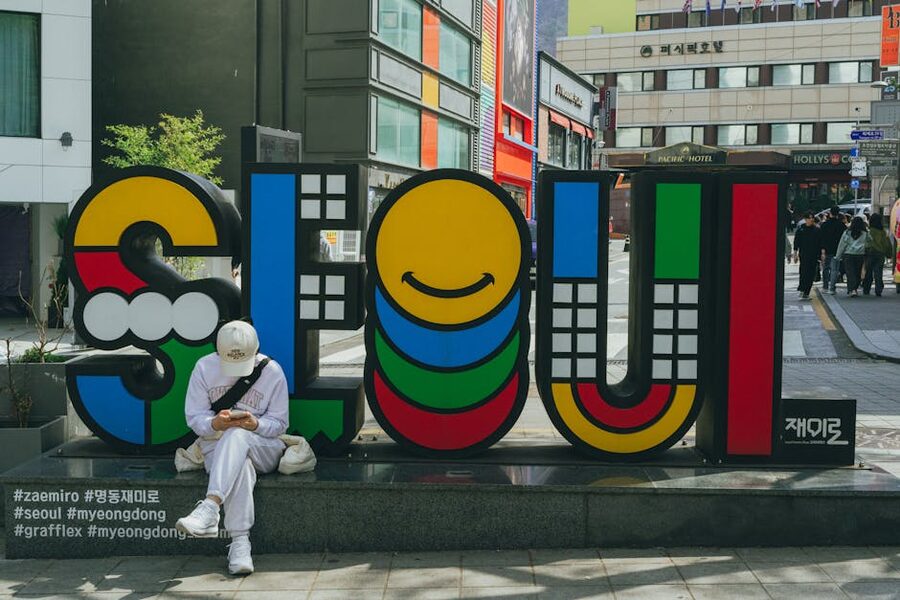
All three venues are inside central Seoul and all three are a 10-minute subway ride from Myeongdong, Hongdae, or Gangnam. The practical details:
Nanta Myeongdong Theatre. 3F, 26 Myeongdong-gil. Subway: Myeongdong Station (Line 4), Exit 6 — 4-minute walk. Loads of food options within two blocks if you want dinner before or after.
Nanta Hongdae Theatre. Near Hongik University Station (Lines 2, AREX, and Gyeongui-Jungang), Exit 9 — 5-minute walk. Better for night-out combos.
The Painters (Kyunghyang Arthill). Near Gwanghwamun Station (Line 5), Exit 8. There’s a separate Painters-Jeong Dong venue near Seodaemun Station for some sessions — double-check which one your ticket is for.
TOUCH FIVE. Usually in Hongdae or Myeongdong depending on the season’s run — the venue is on your voucher. Never turn up to the wrong one: the theatres are a 30-minute subway ride apart.
T-money and transport
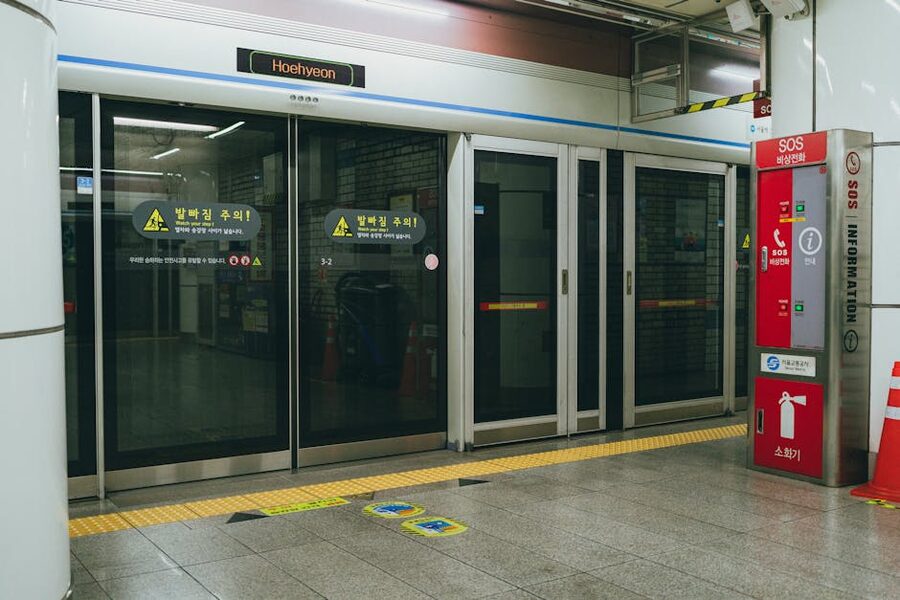
Seoul’s subway is the easiest way to reach any of these venues. Grab a T-money card from Incheon Airport on arrival and you’ll tap in and out for around ₩1,400 per trip. Taxis work too but evening traffic around Myeongdong and Hongdae can double the travel time on a Friday.
Seats, Prices, and Premium Tiers
Prices are honest if you book through official platforms. The ballpark:
- Nanta: Standard seats around $37. VIP (centre rows) around $55. Book standard for a first watch — the humour works just as well from row 10 as row 2.
- The Painters: Standard around $24. VIP around $35. This one I’d splash a little on premium seats — the painting detail is genuinely better mid-theatre.
- TOUCH FIVE: Around $70, seating tiers are minimal. You’re mostly paying for the production not the seat.
Discounts I’ve used: KTO tourist pass discounts (around 10% off), group-of-four deals on Klook, and last-minute matinee prices on weekday afternoons. If you’re staying in Seoul for a full week and want to see two shows, the hybrid approach is standard Nanta on night one and premium Painters on night five.
Timing Your Show
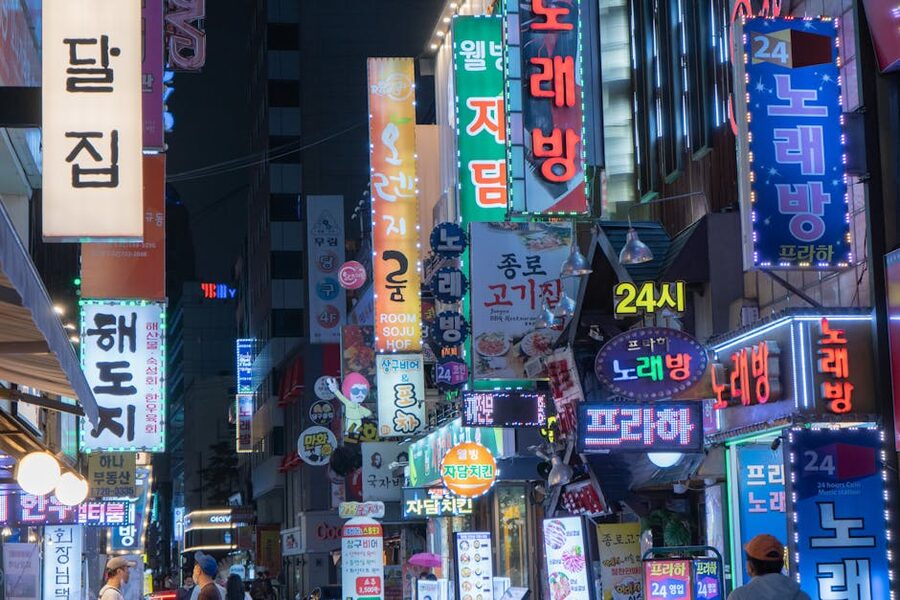
Nanta has three showtimes a day: 2pm, 5pm, and 8pm. The Painters has two: 5pm and 8pm. TOUCH FIVE is usually one evening slot around 8pm. Here’s how I’d sequence them in a Seoul itinerary:
Day one, evening. Nanta at 8pm. Jet-lag-proof because the show is physical enough to keep you awake. Dinner in Myeongdong afterwards.
Day three, afternoon. The Painters at 5pm. Short enough not to eat the evening. Dinner in Hongdae or Itaewon afterwards, or combine it with a Seoul pub crawl later in the night.
Day six (girls’ trip only). TOUCH FIVE at 8pm. Pre-dinner cocktails in Hongdae, show, post-show drinks. Pack for a late one.
A Short History of Seoul’s Non-Verbal Show Scene
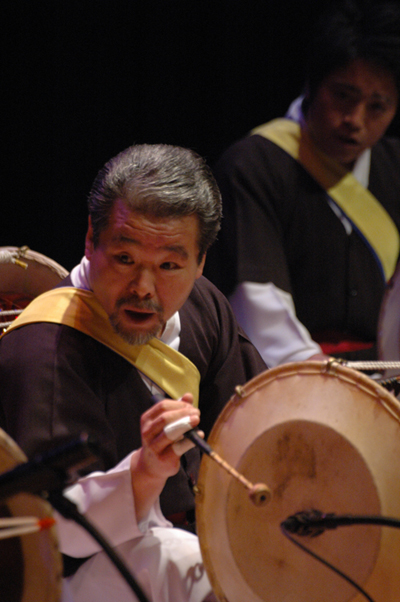
Korea’s percussion-theatre tradition goes back a long way. Samulnori as a format was codified in the late 1970s by master drummer Kim Deok-su, who took traditional farmers’ pungmul music indoors and onto the stage. Nanta’s creators took that four-drum format and replaced the drums with kitchen utensils — same rhythms, new instruments. It sounds like a gimmick but the musicology is genuine.
The Painters came along in the 2000s, riffing on the non-verbal formula but swapping percussion for live art. Both shows owe their existence to the fact that Korean theatre has always been physical first and narrative second. The modern K-pop performance culture — which TOUCH FIVE and The Painters both pull from — is basically the same DNA with LED lights and wireless mics.
Practical Stuff Nobody Tells You
Nine small things I wish someone had told me before my first cultural show in Seoul:
- Arrive 30 minutes early. All three theatres close the doors once the show starts. Latecomers stand at the back until the first interval, and on shorter shows there’s no interval.
- Phones on silent, not airplane mode. The ticket is usually your mobile voucher — you need it working when you go through the barrier.
- No photos during the show. Enforced on all three. Plenty of photo opportunities in the lobby and on the step-and-repeat at the end.
- Bathroom queues are a real thing. Especially the women’s at Nanta Myeongdong during the 8pm Saturday show. Plan accordingly.
- Avoid the full weekend nights if you want seat choice — Friday and Saturday 8pm sell out first.
- Mid-week matinees are the best value — same show, smaller crowd, easier seat selection.
- Bring earplugs for Nanta if you’re noise-sensitive. The pot-banging gets loud. Front rows hit 95dB+.
- Check what your seat shows you. At The Painters, back-row seats have a wider view of all four canvases at once. At Nanta, closer is better.
- Tipping isn’t a thing. Don’t tip the box office or the ushers. Not a Korean custom.
Beyond the Big Three
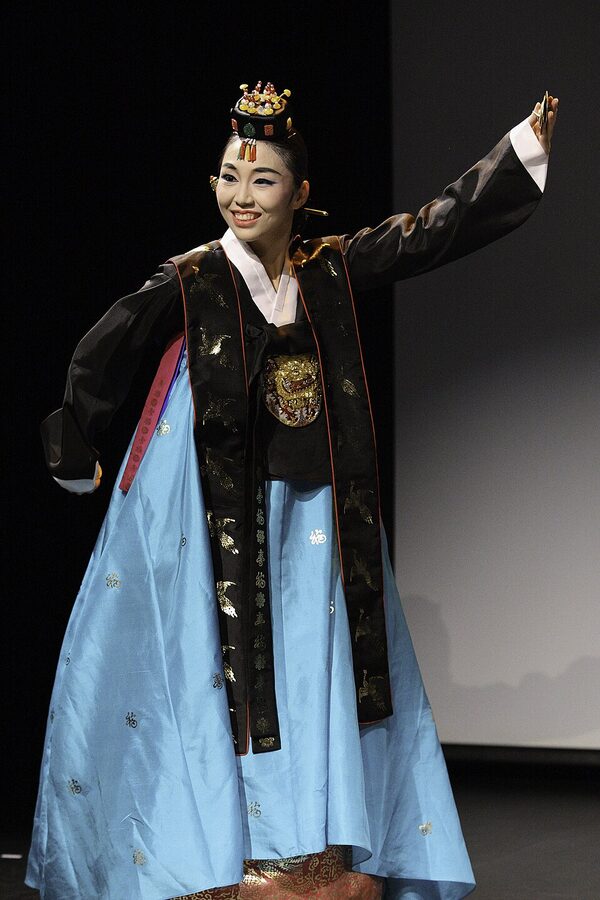
If you’ve done all three and still want more, here’s the shortlist of Seoul’s other non-verbal shows:
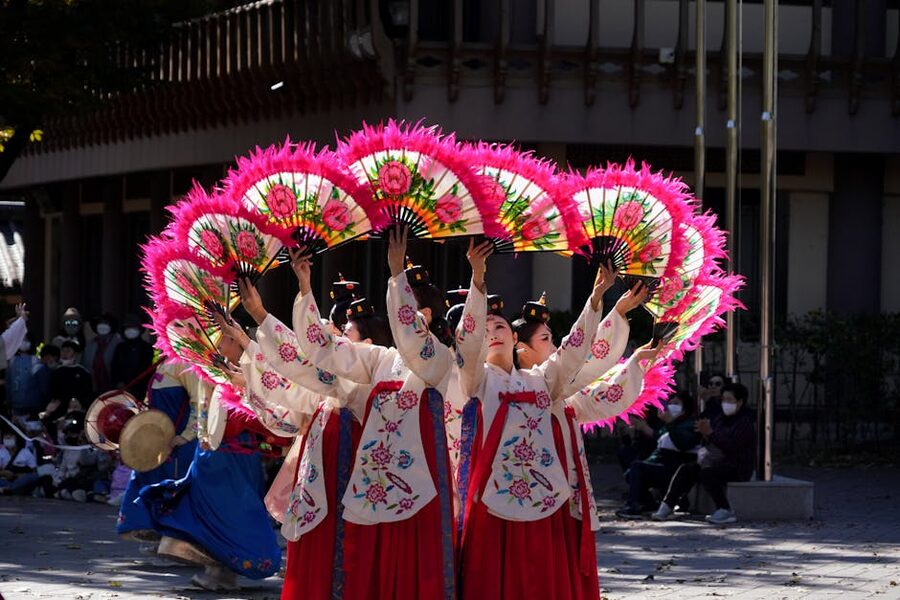
Jump. Martial-arts comedy, more acrobatic than Nanta, less funny. Around $35. Book if you want Nanta-style energy with tae kwon do instead of chopping knives.
Drawing Show. A smaller live-art show that runs in Insadong. Less polished than The Painters but a quarter of the price.
Fireman. Slapstick stunt show built around firefighter characters. Kid-heavy audiences.
Ballerina Who Loves B-Boy. Classic ballet meets breakdance. Weirdly good. Around $40.
None of these punch quite as hard as Nanta or The Painters, but they’re solid second-string picks for travellers on a longer Seoul trip.
What To Do After The Show
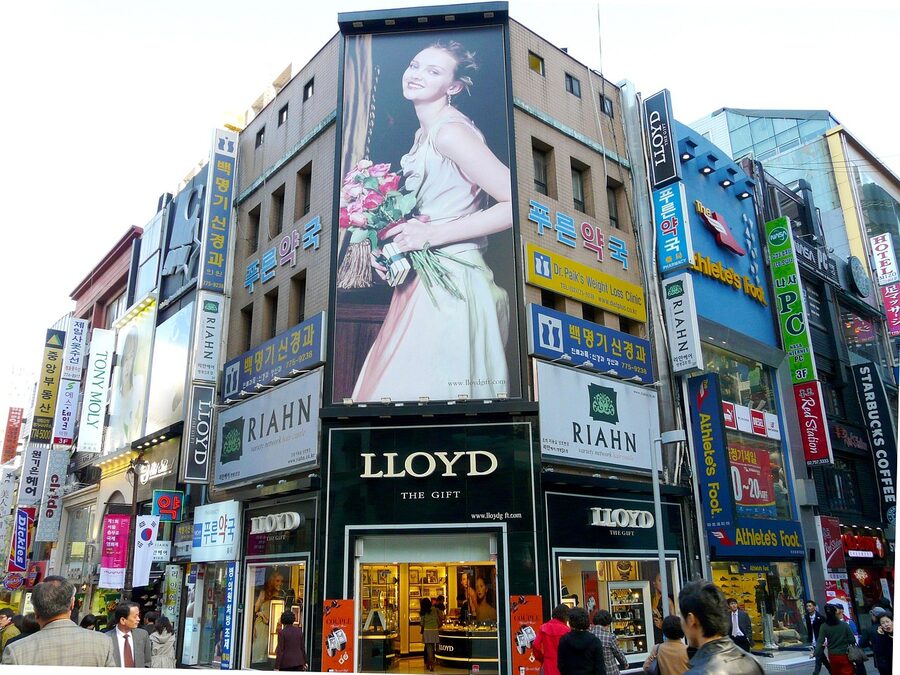
Seoul at 10pm after a cultural show is one of my favourite times to be in the city. Three post-show routes that work:
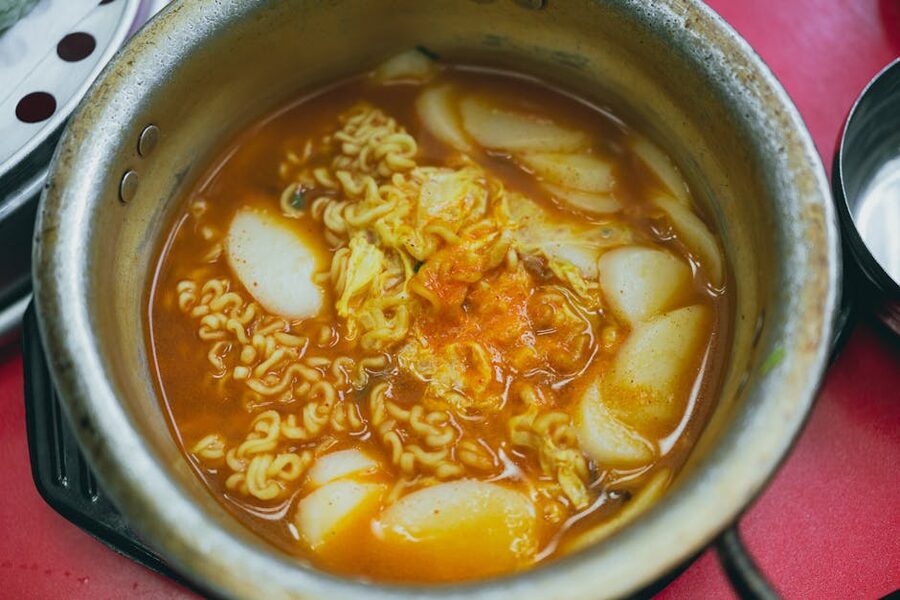
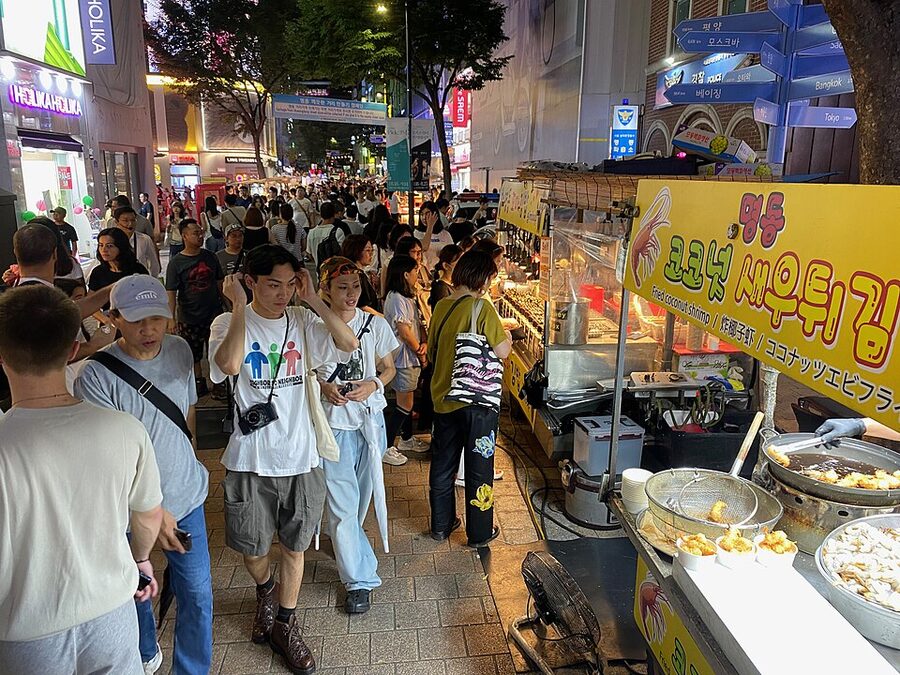
Myeongdong after Nanta. Walk down Myeongdong-gil for ten minutes. Hit one tteokbokki stall, one egg-bread cart, one hotteok pancake. That’s dinner sorted for under ₩15,000.
Hongdae after The Painters or TOUCH FIVE. The neighbourhood gets livelier between 10pm and midnight. Plenty of late bars, street performers at the busking park, and Korean barbecue joints open until 2am.
Walk to Cheonggyecheon Stream. From either Nanta venue, it’s a 15-minute stroll to the Cheonggyecheon — the restored stream running east to west through central Seoul. Quiet, lit at night, no tourists once you’re a few blocks in. Good for talking through what you just saw.
Pairing A Show With The Rest Of Your Seoul Week
A cultural show is a one-evening thing. The better move is to slot it into a Seoul week that also includes a daytime trip outside the city and a proper Korean food experience. That gives you three very different slices of Korean culture in one trip.
My default “classic Seoul week” sequence if someone asks:
- Day one (arrival): light walking around Gyeongbokgung and Bukchon, early Nanta show, early bed.
- Day two: a day trip to the DMZ or, if you want something less political, the Imjingak Peace Gondola for the border view.
- Day three: Korean cooking class in the morning, The Painters in the afternoon, street food in Myeongdong at night.
- Day four: Mt Seoraksan day trip if you want nature or Nami Island for something gentler.
- Day five: a private Seoul tour for the places you missed, finish with a Seoul night walking tour.
The Rest of Seoul’s Booking Guides
If the cultural-show booking logic here made sense and you want the same treatment for the rest of your Seoul week, I’ve written full how-to-book guides for most of the bookings a first-time visitor actually needs. The Imjingak Peace Gondola piece covers the quieter border experience if you don’t want the full DMZ tour. The Mt Seoraksan day-trip guide is for anyone who wants mountain air and a cable car after a few days of city. The Seoul pub crawl piece pairs well with a late-evening Painters or TOUCH FIVE show — you’ll still be awake enough for Itaewon by 11pm. And for the morning before a show, the Seoul night market food tour or a Korean cooking class rounds out a very full day.