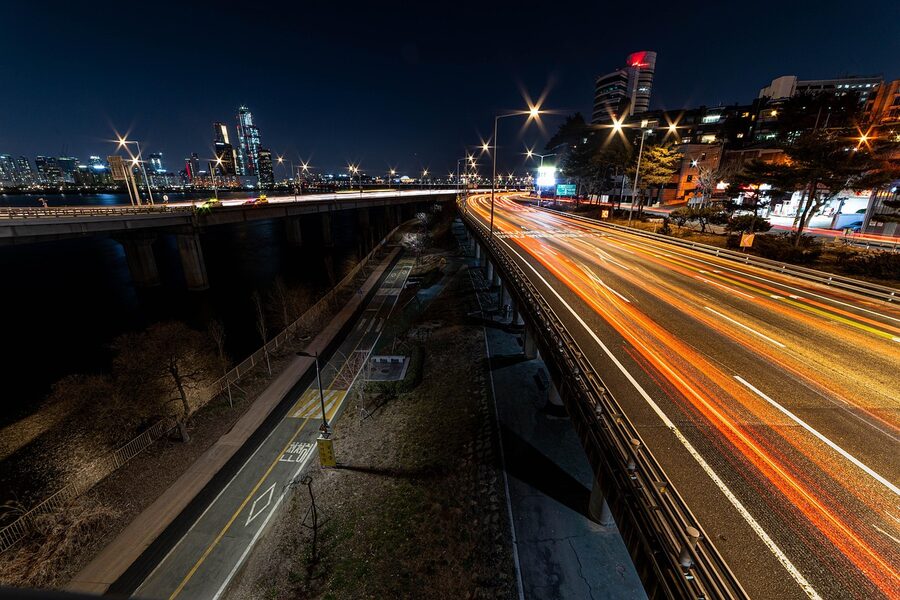
Here is the payoff. Book the right Seoul night walking tour and you will spend one evening covering Gwanghwamun lit up gold, the back alleys of Ikseon-dong where Seoulites actually drink, a palace most day-trippers never see after dark, and a stretch of Cheonggyecheon stream that feels like a different country than the one you walked through at lunch. Three hours. About $30 to $60. A set of memories that will outlive the rest of your trip.
I have done Seoul in every mode — solo with a map, on a private van tour, with a guide, without. The one version I keep recommending to friends is the night walk. Days in Seoul are for palaces, shopping, and coffee. Nights are where the city shows you its actual personality.
This is my guide to booking a Seoul night walking tour. Which one to pick, what you will walk past, what it costs, and how to do it on your own if that is more your speed.
Short on time? Here are my top three picks:
Best overall (history-heavy): Seoul Moonlight Walking Tour With Local Historian — about $32. A local historian walks you through Bukchon, Insa-dong, and a string of illuminated palaces with commentary you will not get off a placard.
Best off-the-tourist-trail: Seoul Nighttime Hidden Gems Walking Tour — about $33. Skips the postcard stops and takes you through Ikseon-dong hanok alleys and the Hanyang City Wall where the city actually feels lived in.
Best if you want food and culture in one: Seoul Palace, Temple and Market Guided Foodie Tour at Night — about $60. Three hours covering Changgyeonggung Palace after dark, Jogyesa Temple, and a Gwangjang Market eating stop with all entry fees bundled in.
- What a Seoul Night Walking Tour Actually Covers
- The Three Tours Worth Booking
- 1. Seoul Moonlight Walking Tour With Local Historian — about
- 2. Seoul Nighttime Hidden Gems Walking Tour — about
- 3. Seoul: Palace, Temple and Market Guided Foodie Tour at Night — about
- What You Will Actually See
- Gwanghwamun Square and the South Gate
- Bukchon Hanok Village
- Cheonggyecheon Stream
- Insa-dong and Samcheong-dong
- Changgyeonggung or Changdeokgung After Dark
- Namsan and N Seoul Tower
- Gwangjang Market (at Night)
- How Much a Seoul Night Walking Tour Costs
- When to Go
- What to Wear and Bring
- Seoul Night Walking Tour vs Other Night Experiences
- Doing It On Your Own (Without a Guide)
- Group Size and Why It Matters
- Booking Logistics and Cancellation
- Safety and Solo Travel
- Kids and Seniors
- What Past Guests Keep Saying
- Where to Eat Before or After
- Beyond Seoul
What a Seoul Night Walking Tour Actually Covers
There is no single “Seoul night walking tour.” The city is too big for one route to work. Instead there are a handful of well-worn circuits that operators have refined over the years, and almost every tour you can book is a variation on one of them.
The three common shapes:
Palace + palace gardens route. Starts around Gyeongbokgung or Gwanghwamun Square, walks east through Samcheong-dong and Bukchon Hanok Village, ends near Insa-dong or Changgyeonggung. This is the history-heavy version. You get illuminated gates, the changing-of-the-guard leftover crowd, hanok rooftops lit from below, and quiet palace walls that feel completely different than the daytime version of themselves.
Market + neighbourhood route. Starts at Gwangjang Market around 6pm, detours through Jongno’s side streets, and finishes somewhere around Ikseon-dong or Cheonggyecheon stream. Heavier on food and people-watching than on landmarks. Best if you want sensory density over pretty views.
Views route. Built around the Namsan cable car and N Seoul Tower, sometimes adding Naksan Park for the skyline shot without the ticket cost. This one is less about walking and more about getting you to three good photo spots. Popular with first-time visitors who want the “I was there” shot.
The tours I recommend below blend elements of all three, which is why they tend to run longer and cost a bit more than a single-route tour.
The Three Tours Worth Booking
I filtered this list by operator consistency, guide reputation, and whether the route actually stands up as a night walk rather than a rebadged daytime tour with the time shifted later. Three made the cut.
1. Seoul Moonlight Walking Tour With Local Historian — about $32
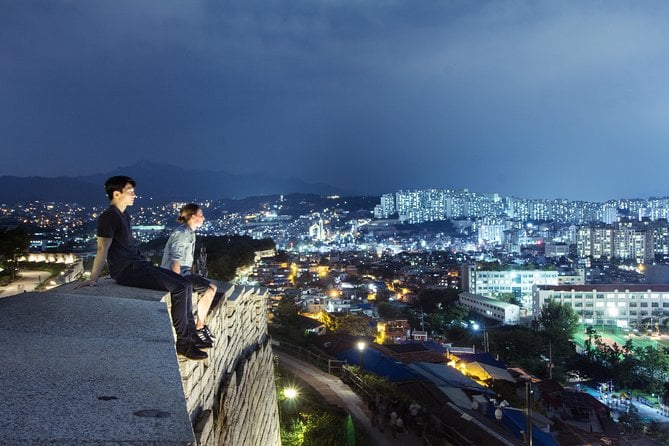
This is the history-first pick, and the one I book for friends who want to leave Seoul feeling like they actually learned something. The guide is a local historian — Gloria, Jessica, and a couple of others are the regulars — and the route threads Bukchon Hanok Village, Samcheong-dong, Insa-dong, and the outer walls of Gyeongbokgung or Changgyeonggung depending on the night. Our full review of the Moonlight Walking Tour covers what past guests have said about the pacing and the neighbourhoods.
What makes this one work is the walking speed. It is slow enough that you actually hear the guide, and fast enough that you cover ground. You are not standing in one spot for twenty minutes listening to a lecture. The stops are short, the stories are specific, and the route itself does most of the heavy lifting.
The only catch: it is a walking tour in the literal sense. Comfortable shoes, a light jacket in spring or autumn, and a willingness to climb a few short flights of stairs. If that is a deal-breaker, book the palace-plus-market tour further down the list instead.
2. Seoul Nighttime Hidden Gems Walking Tour — about $33
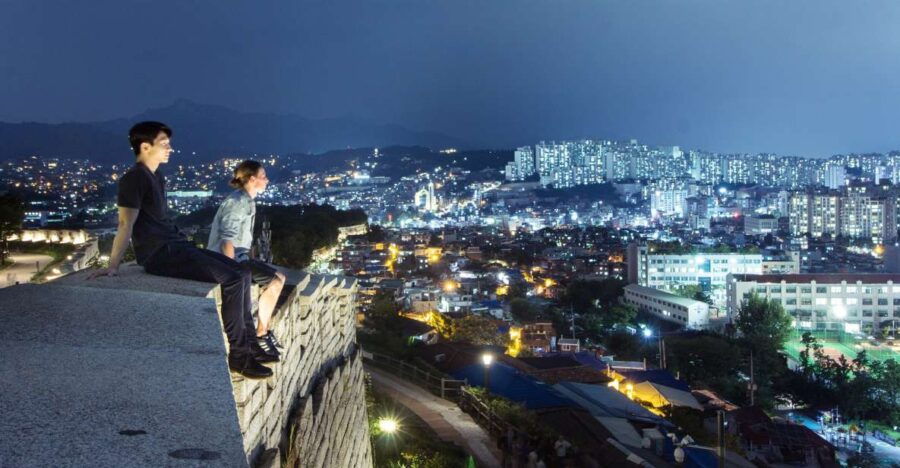
This is the off-the-tourist-trail pick. Two hours, a small group, and a route built around Ikseon-dong’s hanok alleys, a stretch of the Hanyang City Wall, and the Ehwa Mural Village if the schedule allows. Leah is the guide past visitors name most often, and she is the reason this tour keeps earning repeat bookings. Read our full breakdown of the Hidden Gems tour for the detail on what past guests have said about her.
The route is my favourite on this list, but it is the hardest-working two hours of the three. You will climb stairs. You will cross a dark park. You will walk past corner stores where the only people around are students on their phones. That is the point — this is Seoul without the tourist polish.
Food is optional and usually limited to a stop for a drink or a snack mid-route. If you are hungry at the end, head to Gwangjang Market for a proper sit-down. If you want more food in your walk, book the palace-plus-foodie tour below instead.
3. Seoul: Palace, Temple and Market Guided Foodie Tour at Night — about $60
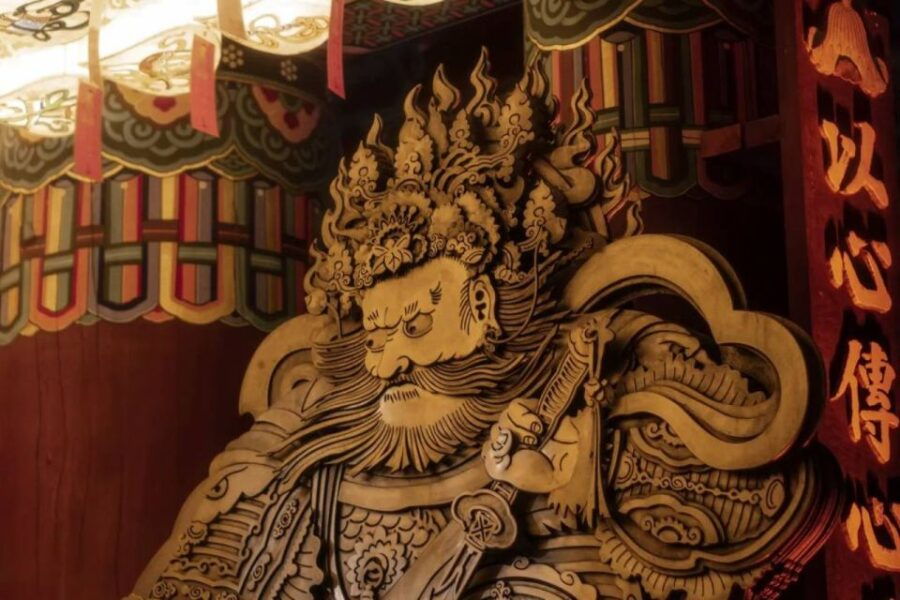
This is the all-in-one pick, and the one I book when I am travelling with someone who wants food and culture in the same evening rather than picking one. Three hours, a professional guide, and a route covering Changgyeonggung Palace after dark, Jogyesa Temple, and a Gwangjang Market eating stop with all entry fees bundled in. The Mia-led versions are the ones past guests rave about. Our review of the Palace, Temple and Market tour has the itinerary breakdown.
The appeal here is simplicity. You book one thing, you pay one price, you walk with one guide. Changgyeonggung after sunset is genuinely one of the best palace experiences in Seoul — quieter than Gyeongbokgung, older, with the Huwon secret garden gate lit so it looks like a film set.
It is the priciest of the three, but once you factor in palace entry (3,000 won), Jogyesa donation, and what you would spend at Gwangjang anyway, the gap closes quickly. Small-group format keeps it from feeling like a bus tour on foot.
What You Will Actually See
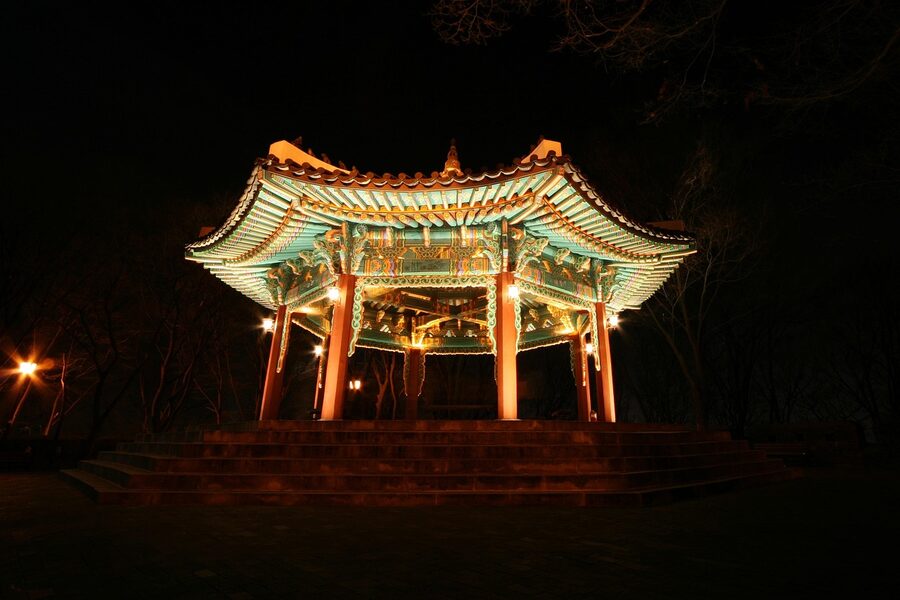
Every night walk has its own highlights, but there are seven or eight sights you are almost certain to cross on any route worth booking. Knowing them ahead of time makes the tour better — you can ask specific questions instead of just absorbing.
Gwanghwamun Square and the South Gate
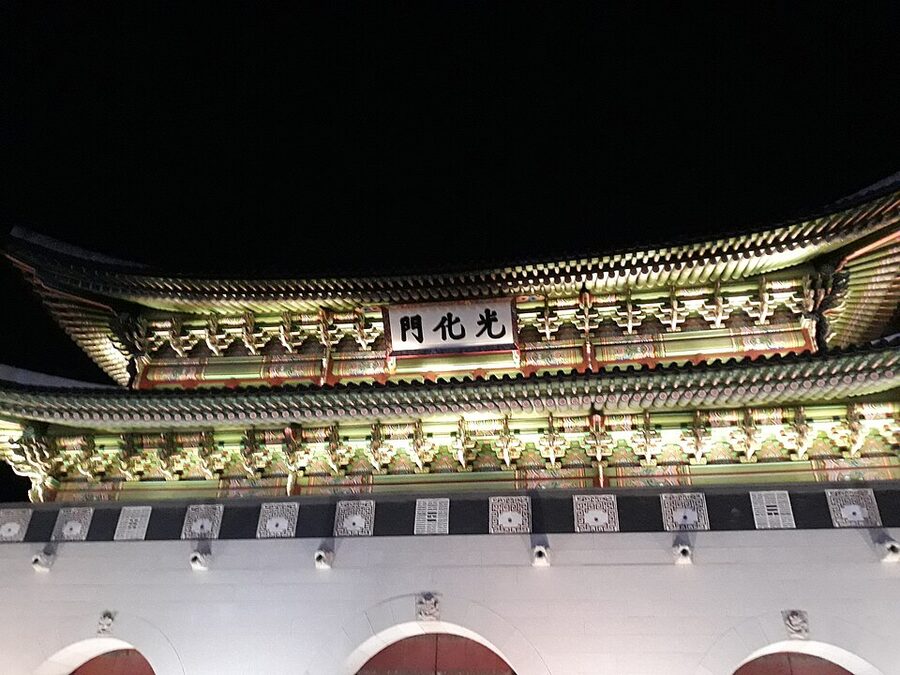
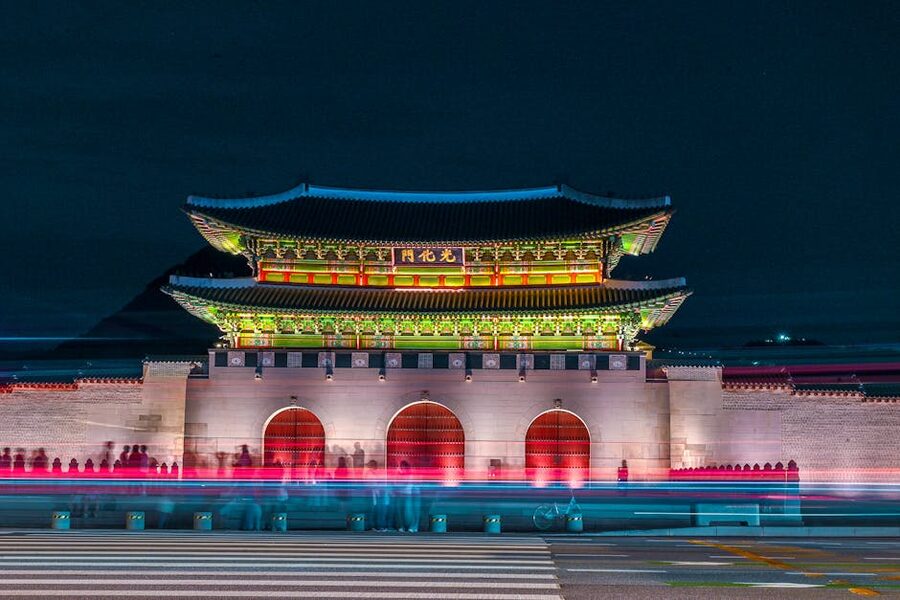
Gwanghwamun is the main gate of Gyeongbokgung Palace, and from about 7:30pm the whole plaza is lit in warm gold. The changing-of-the-guard ceremony happens during the day, but the post-ceremony calm is arguably better — you can photograph the gate without forty other phones in your shot.
The Square itself has two statues — King Sejong (the one who invented Hangul) and Admiral Yi Sun-sin — and in summer there is usually a free street performance happening somewhere along the stretch down to City Hall. If your tour starts here, you got lucky.
Bukchon Hanok Village
Bukchon is the neighbourhood of preserved traditional houses between Gyeongbokgung and Changdeokgung. By day it is overrun with rental-hanbok tourists and tour buses. By night it empties out almost completely, and you can actually hear yourself think in the steep alleys.
Most of the houses in Bukchon are private residences — not museums — and the neighbourhood association has posted polite signs asking visitors to keep quiet after dark. Any decent guide will enforce this and it is part of why walking tours work here in a way that group day trips do not.
Cheonggyecheon Stream
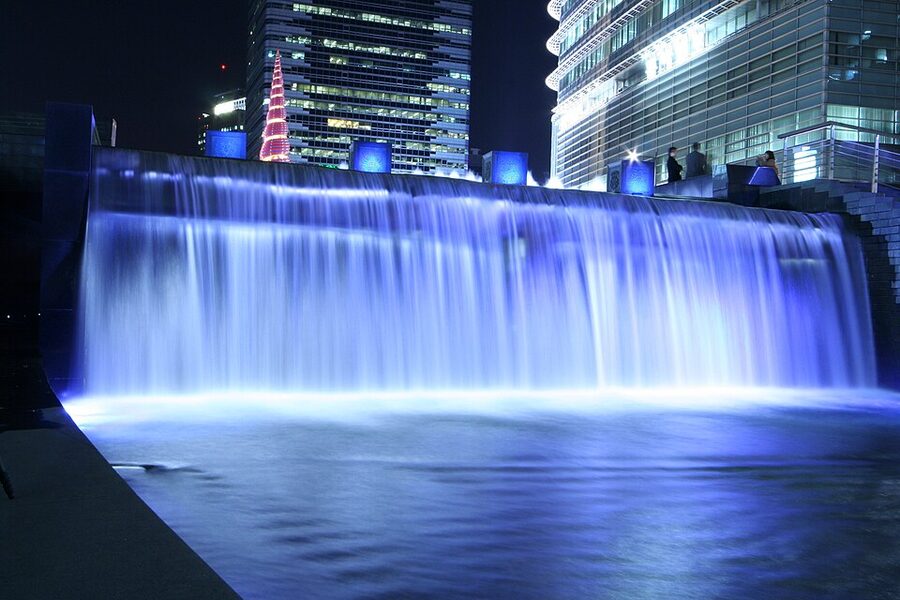
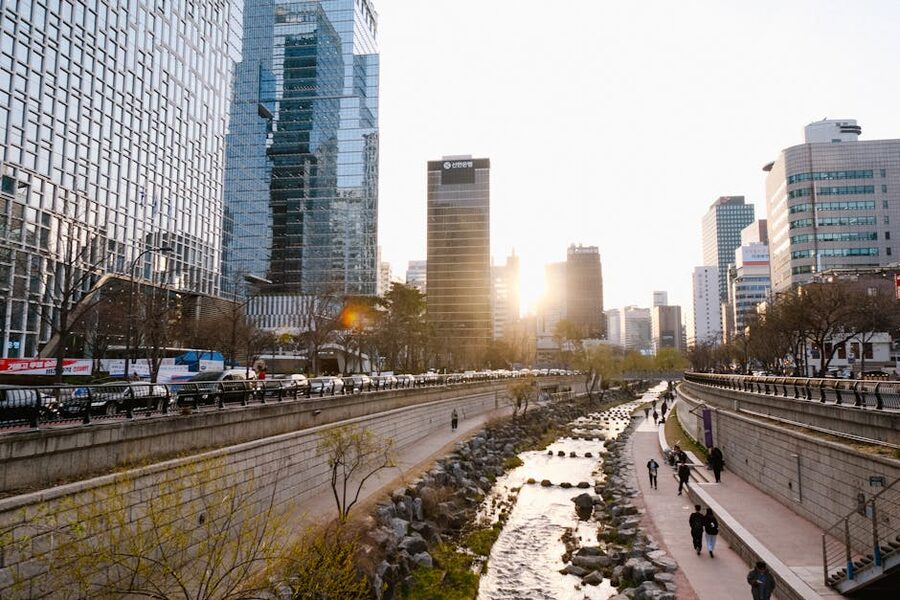
The 11-kilometre urban stream that runs under central Seoul. Restored in 2005 after decades under a concrete expressway. The first kilometre near Gwanghwamun is the most landscaped stretch, with stepping stones, a small waterfall, and a series of seasonal light installations that change every quarter.
At night the stream is lit from below. Couples sit on the stone steps. Office workers loosen their ties. Tour groups stop here for the mandatory photo. It is the section of central Seoul that feels most obviously designed to be walked, which is exactly why it shows up on every night tour route.
Insa-dong and Samcheong-dong
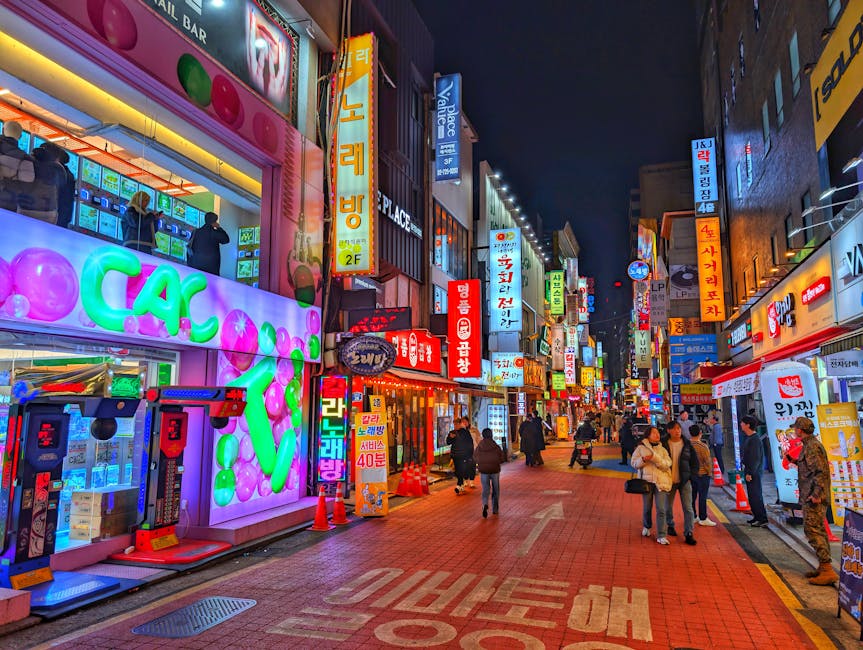
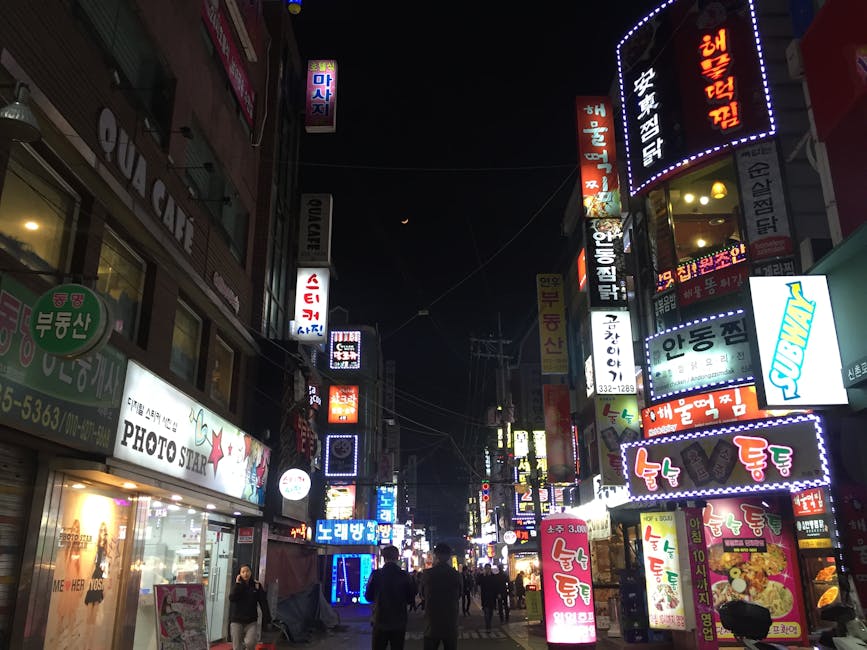
Insa-dong is the traditional-crafts street that sits just north-east of Gwanghwamun. The main strip is packed by 5pm but the side alleys thin out after 8. This is where you will find independent ceramic studios, antique tea houses, and the kind of narrow-door bars that only locals seem to know about.
Samcheong-dong is the parallel cafe street one block west. Night tours usually cut through here to reach Bukchon. Stop for a makgeolli before the rest of the walk if your guide is willing — a few of the Moonlight Tour guides make this a regular feature.
Changgyeonggung or Changdeokgung After Dark
Two of Seoul’s five grand palaces. Changgyeonggung in particular is the more atmospheric night visit — smaller, older feeling, with the Chundangji pond lit up and reflected in the water. The palace has special nighttime opening programmes a few times a year, and the best walking tours time themselves to catch one.
Regular entry is 3,000 won. The tours that include Changgyeonggung roll this fee into the ticket, which is why the palace-plus-market tour ends up looking more expensive than the rest.
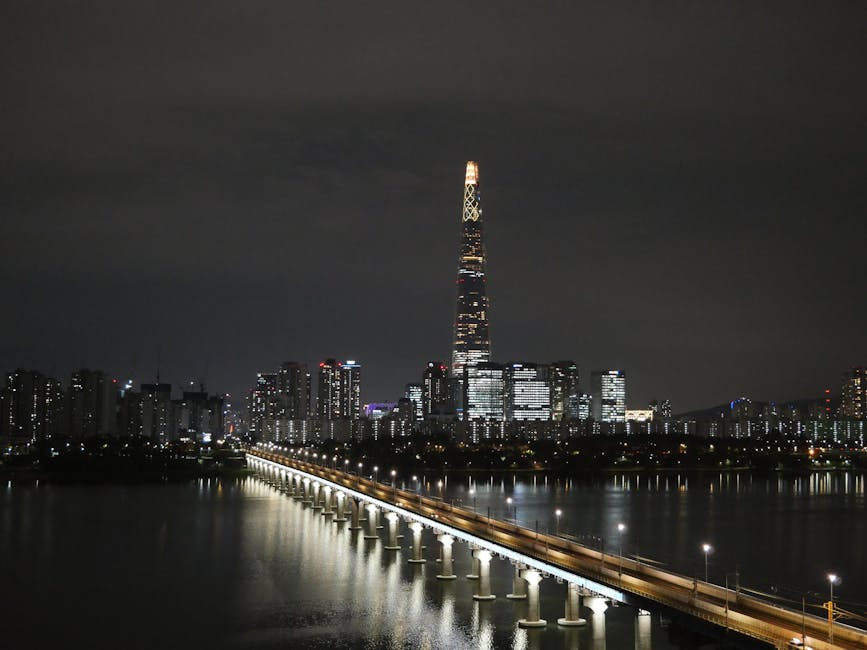
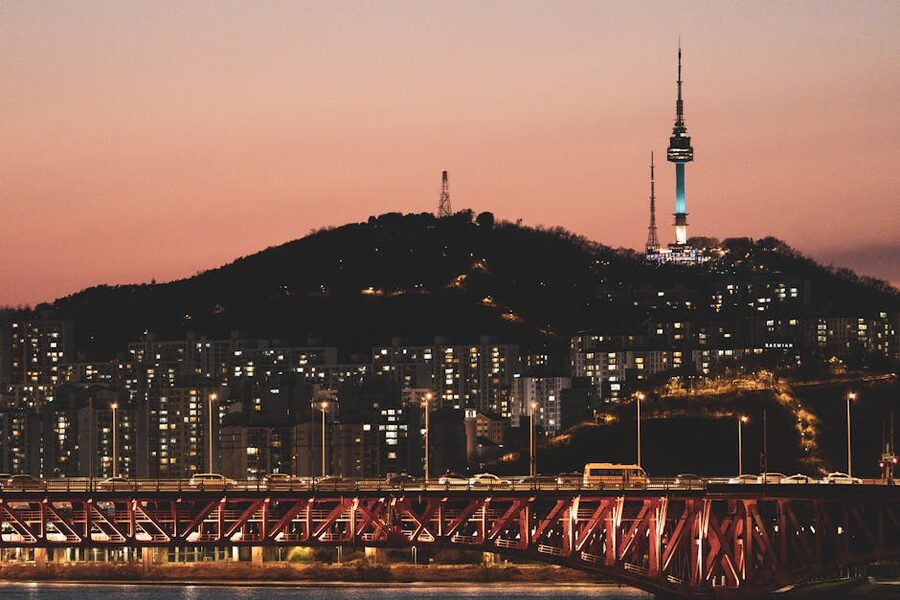
Namsan and N Seoul Tower
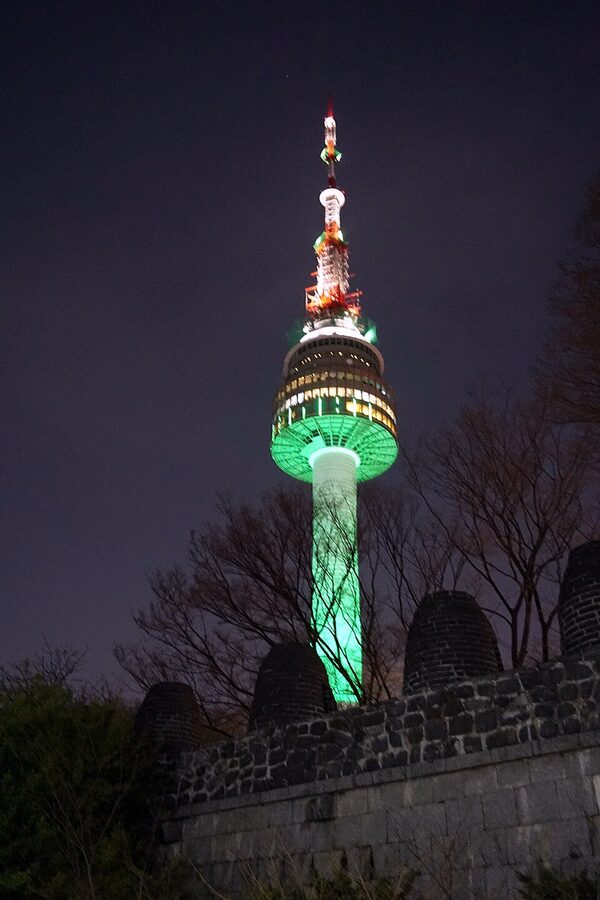
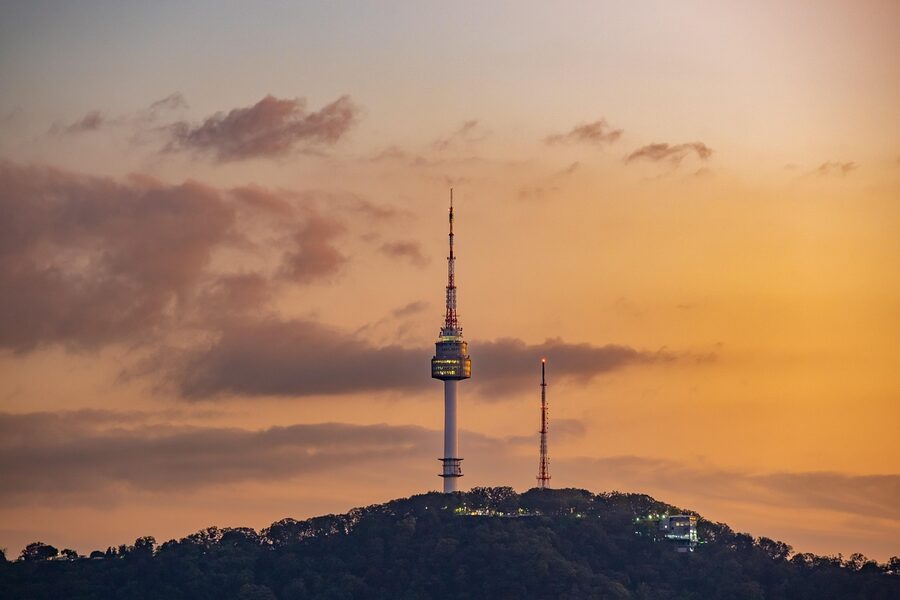
Not every night walk goes up Namsan, and the ones that do usually take the cable car rather than the trail. If the tower is on your itinerary, expect a 30 to 45 minute stop — up, photo, quick browse of the lookout, back down.
The tower itself has an observation deck that costs extra (around 21,000 won). Most walking tours skip the paid deck and stop at the free public terrace just below it, which is honestly the better value — same skyline, no ticket.
Gwangjang Market (at Night)
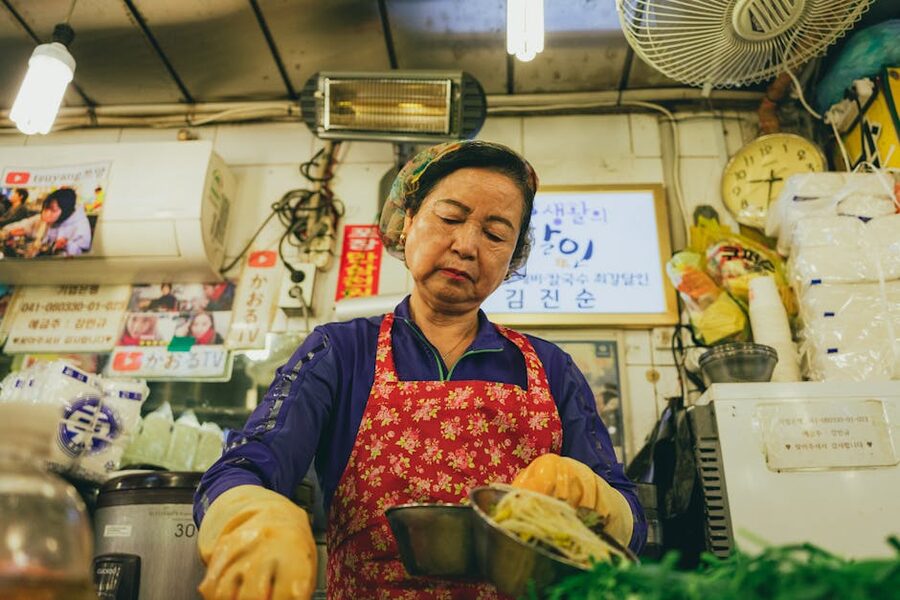
The oldest traditional market in Korea, and the pivot point between the palace routes and the food routes. At 6pm the vegetable and fabric stalls pack up and the food alleys fire up. By 8pm every plastic stool is taken.
If your night walking tour passes through Gwangjang, it is usually a 20-minute stop for one or two tastings. If you want the full food experience, book the dedicated Seoul night market food tour instead — it is built around staying at Gwangjang for the best part of two hours.
How Much a Seoul Night Walking Tour Costs
Prices cluster into three bands, and what you are paying for at each is pretty predictable.
The $30 to $35 band. Two-hour walking tours with a local guide, no palace entry, no food included beyond maybe one drink. Both the Moonlight and the Hidden Gems tours sit here. This is the sweet spot — long enough to see the city properly, cheap enough that you can still budget a meal after.
The $50 to $75 band. Three-hour tours with one or more palace entries bundled in, a food tasting, and usually a small group cap (8 to 12 people). The Palace, Temple and Market tour is the main option here. Good value once you factor in entry fees.
The $120+ band. Private night tours with a private guide and transport. Not worth it for solo travellers but useful if you are a group of four or more. At that point the per-head price drops to around the group-tour rate and you get control over the itinerary. More on private options in the private Seoul tour guide.
Add another 10,000 to 20,000 won for a full meal after the walk, and 5,000 for a coffee or tea. Factor a cab back to your hotel at around 15,000 won depending on distance.
When to Go
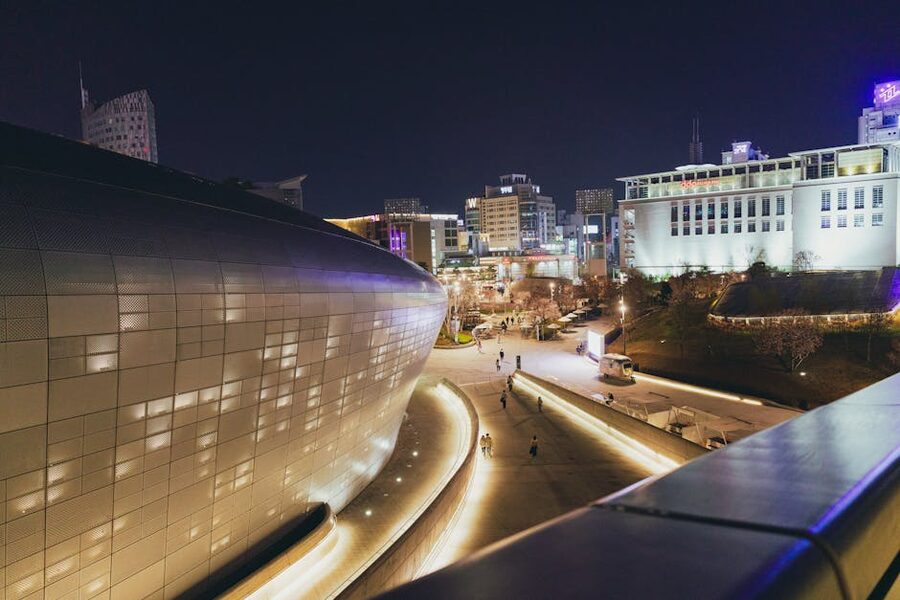
Almost every Seoul night walking tour starts between 6:30pm and 7:30pm, and the start time matters more than people realise.
In summer (June to August) the sun does not set until 7:30 or later. A 6:30pm start means you spend the first 40 minutes walking in daylight. The “night” part of the tour kicks in around the time you reach the palace. Works fine but you lose a bit of the payoff.
In winter (December to February) sunset is around 5:15pm. A 6:30pm start gives you full darkness from the opening hello, which is genuinely when this city is at its most photogenic. The cold is the trade-off — bring a proper winter coat, not a lightweight fleece.
Spring (April to May) and autumn (October to November) are the sweet-spot seasons. Mild enough to walk comfortably, dark enough for the lighting to do its work, and the palace gardens are at their best. Book early — these are the months that sell out weeks ahead.
Monday is worth avoiding if your route includes palace grounds. Most of Seoul’s palaces are closed Mondays, and while most walking tours adjust, you may end up with a longer version of the market route instead of the palace route you booked.
What to Wear and Bring
Seoul walking tours are walking tours. You will do 4 to 6 kilometres on flat roads, uneven cobbles, steep stone steps near the palaces, and at least one short hill if you are on the Bukchon route.
Shoes are the main thing. Trainers or low-profile hiking shoes beat fashion sneakers. Heels are not going to happen. In winter, treaded soles matter — the stone paths near the palace walls ice over in patches.
Layers over heavy coats. Seoul warms up fast once you are moving, especially if the route includes stairs, and you will want to shed something halfway through.
A fully charged phone for photos. A T-money card for the subway ride back — the free public wi-fi on the subway is real and works. If you do not have one yet, the Incheon Airport SIM and T-money guide walks through how to grab one on arrival.
Cash in 5,000 and 10,000 won notes for street food stalls that do not take cards. Most tour stops accept cards but market vendors still prefer cash.
Seoul Night Walking Tour vs Other Night Experiences
If you are weighing a walking tour against other ways to spend a Seoul evening, a few comparisons worth knowing.
Vs a night food tour. Food tours stay in one district (usually Gwangjang or Hongdae) and spend longer eating at each stop. Walking tours cover more ground and more landmarks but less food. Pick the food tour if you came to Seoul for the food. Pick the walking tour if you came for the city.
Vs a day tour of the same sights. Day tours of Gyeongbokgung and Bukchon are fine but crowded. The same route at night is emptier, cooler, better lit for photos, and about half the price. The full Gyeongbokgung and Bukchon day tour guide is worth a read if you want to compare the two formats.
Vs the Han River cruise. A 90-minute river cruise plus a walking tour is actually a good split evening — cruise first for the skyline, walk after for the streets. Both are roughly $30 to $40, so the combined cost lands in the middle of the walking-tour-plus-meal budget.
Vs a DMZ evening. The DMZ does not run evening tours — it is a daytime-only restricted zone. If the DMZ is on your list, keep it a separate day. Our DMZ booking guide covers how to fit it in without wrecking your Seoul schedule.
Doing It On Your Own (Without a Guide)
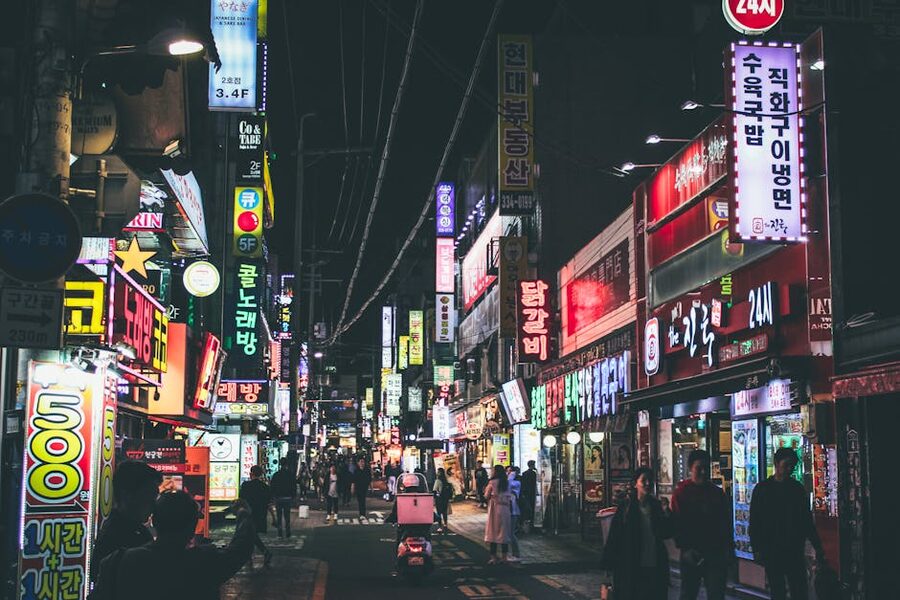
If you are on a budget or just prefer solo exploration, a self-guided Seoul night walk is entirely doable. Seoul is safe, well-signed, and the subway runs until around midnight.
The cleanest DIY route: start at Gyeonghoeru pond inside Gyeongbokgung (if you make the last entry), exit through Gwanghwamun around 7pm, walk east along Cheonggyecheon stream for about 30 minutes, turn north into Ikseon-dong for a drink at one of the small cafes hidden in the hanok alleys, and finish at Gwangjang Market for dinner at a plastic-stool stall. About 5 kilometres, 2.5 hours including stops.
You will miss the history. You will miss the guide’s best stories. You will also save the tour fee and move at your own pace, which is a legitimate trade. If you read one thing before going, make it the Cheonggyecheon history page on Visit Seoul — knowing the stream used to be a covered expressway changes how you look at it.
One warning: Google Maps walking directions are unreliable in Seoul. Download Naver Maps or KakaoMap before you land. Both work offline with pre-downloaded districts.
Group Size and Why It Matters
Group size is the single biggest variable in how much you enjoy the tour. Under 10 people and the guide can actually talk to you. Over 15 and you will spend most of the evening at the back of the pack, straining to hear.
The Hidden Gems tour caps at around 10. The Moonlight Tour usually runs 8 to 12. The Palace, Temple and Market tour runs small-group by design — no more than 12. All three are in the right range.
Avoid any tour listed as “large group” or anything advertising 25+ people. Those are essentially guided bus-and-walk tours with the walking parts used as photo-stop filler. If you want that format, you might as well save the money and take the subway.
For couples or groups of four or more, a private tour is worth a second look. The per-head cost lands around the group-tour rate, and you get to custom the route. A couple walking the Bukchon alleys at their own pace at 9pm is a completely different experience than the same route in a group of twelve at 6:30pm.
Booking Logistics and Cancellation
Both GetYourGuide and Viator allow free cancellation up to 24 hours before the tour. Weather cancellations are operator-called — if it is a monsoon downpour they will reschedule or refund you, but light rain is usually a go.
Seoul night tours rarely sell out more than a week ahead except in cherry blossom season (first two weeks of April) and autumn colour peak (last week of October to first week of November). During those windows book at least two weeks in advance for weekends and three days for weekdays.
Meeting points are almost always at a subway station exit or a well-known landmark. The Moonlight Tour meets at Anguk Station Exit 1. The Hidden Gems Tour meets at Euljiro 3-ga Exit 1. The Palace, Temple and Market Tour meets at Jongno 3-ga Exit 11. All three are central and easy to reach by subway.
Payment on both platforms is card-only at booking. Tips are not expected but are appreciated by guides — 5,000 to 10,000 won per person at the end of a two-hour tour is standard if you had a good time.
Safety and Solo Travel
Seoul is one of the safest major cities in the world after dark. Violent crime against tourists is rare, the subway is well-lit and well-staffed until midnight, and the neighbourhoods on every night-tour route are busy with local pedestrians until late.
Solo travellers, including women, report doing these tours without issue. The biggest risk is a missed last subway. Most lines stop around 11:30pm to midnight. If your tour runs over, have a KakaoTaxi or Uber alternative ready.
The one thing to watch: small groups splitting up at the end. If the tour wraps in Ikseon-dong or Gwangjang Market and you are not sure of the way home, stay with the guide or a group member to the nearest subway exit. Seoul streets shift character block by block and it is easy to drift into an unfamiliar area without meaning to.
Pickpocketing is almost non-existent but crowded markets are still crowded markets. Wear your bag in front, not on your back, while you are in Gwangjang.
Kids and Seniors
Kids under 8 will struggle with the distance on any of the three tours. The Palace, Temple and Market tour is the most kid-friendly because of the food stops and the palace as an attraction. The Hidden Gems tour is the least — stairs, distance, and late start all work against younger kids.
Teenagers love these tours, especially the Hidden Gems route. The back-alley stuff reads as cool in a way the official palace tour does not.
For seniors, the critical question is stairs. The Moonlight Tour has some. The Hidden Gems Tour has a lot. The Palace, Temple and Market Tour has the fewest. Discuss mobility with the operator before booking — most will adjust the route if they know ahead of time.
What Past Guests Keep Saying
Three themes keep coming up across the three tours.
The first is guide consistency. Gloria, Jessica, Leah, Mia — the guides on these tours get named by name in guest feedback, which is unusual. It tells you the operators are training people well and keeping them long enough to build a following.
The second is pacing. “Not rushed” is the comment that shows up repeatedly. Good walking tours balance moving forward against standing still, and these three have figured out the mix.
The third is the specificity of the stories. Past guests note that guides share things you would not find in a guidebook — which courtyard was a film location, which alley still has a family running the same shop they did in the 1940s, which palace wall was rebuilt after a fire. That kind of detail is exactly what a walking tour is supposed to deliver.
The common complaints are minor and predictable: too much walking (pick a shorter tour if this is you), too crowded at the Gwangjang stop (the one stop that will always be crowded at 8pm), and the weather (not the tour’s fault).
Where to Eat Before or After
The walking tours include light snacks at best, so plan a proper meal on either side.
Before (5pm to 6pm): Tosokchon Samgyetang near Gyeongbokgung for ginseng chicken soup — perfect pre-walk comfort food. Or a bowl of jjajangmyeon at any Chinatown-style spot in Jongno.
After (9pm onwards): Gwangjang Market itself if the tour did not take you there. Or one of the grilled-meat spots in Ikseon-dong — most take walk-ins until 10:30pm. Or Tongin Market’s Dosirak Cafe if your tour finishes by 8pm (it closes at 8:30pm).
If you want to build a full cooking-class-plus-walk day, the Seoul cooking class guide covers classes that finish around 5pm, feeding straight into a 6:30pm walking tour start.
Beyond Seoul
If Seoul nights leave you wanting more of Korea, three follow-up trips are worth thinking about. A Busan full-day city tour gives you a completely different coastal city with the country’s best seafood market and a night skyline you can walk — see the Busan city tour booking guide. A day trip to Nami Island works well from a morning start and lets you sleep in after your late walking tour. And if you want to lock in the best of Seoul into a fully custom itinerary rather than stitching together group tours, a private Seoul tour with a local guide is the upgrade — the private Seoul tour guide walks through the options.
Any of these works as a second or third day in the city. The night walk is the one I would still pick first — it sets the tone for the whole trip. Do it on your first night while you are still jet-lagged enough to stay up past your normal bedtime but awake enough to process what you are seeing. That combination is magic, and there is no second chance to use it.