
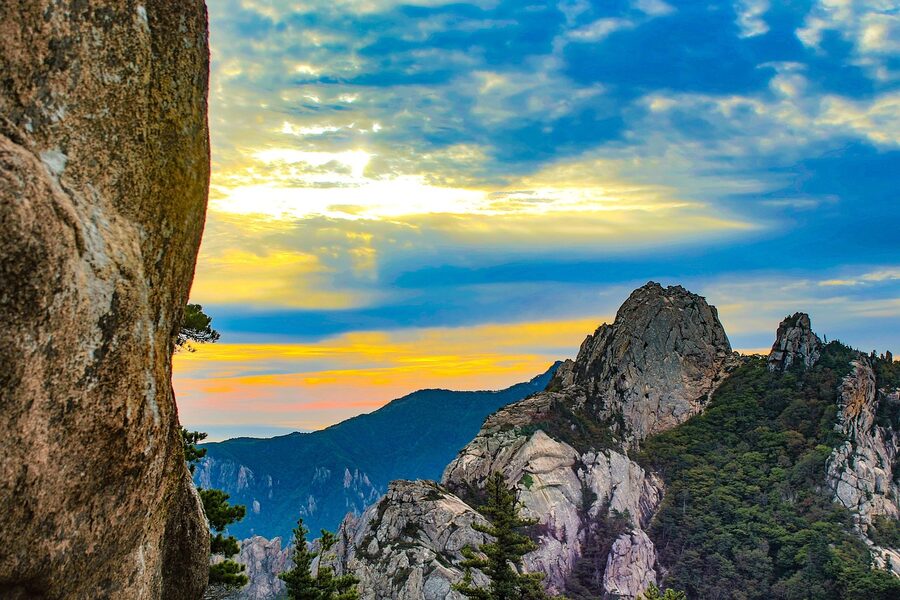
There’s a moment, somewhere between the last staircase and the first ridgeline, when the wind changes. Pine resin, cold stone, a faint whiff of woodsmoke from the restaurants far below — and then, suddenly, the whole Taebaek range opens up beneath your feet. That’s Mt Seoraksan. And the best way to reach it from Seoul on a short trip is with a tour that handles the 200-kilometre drive, the bus gymnastics, and the cable car queue for you.
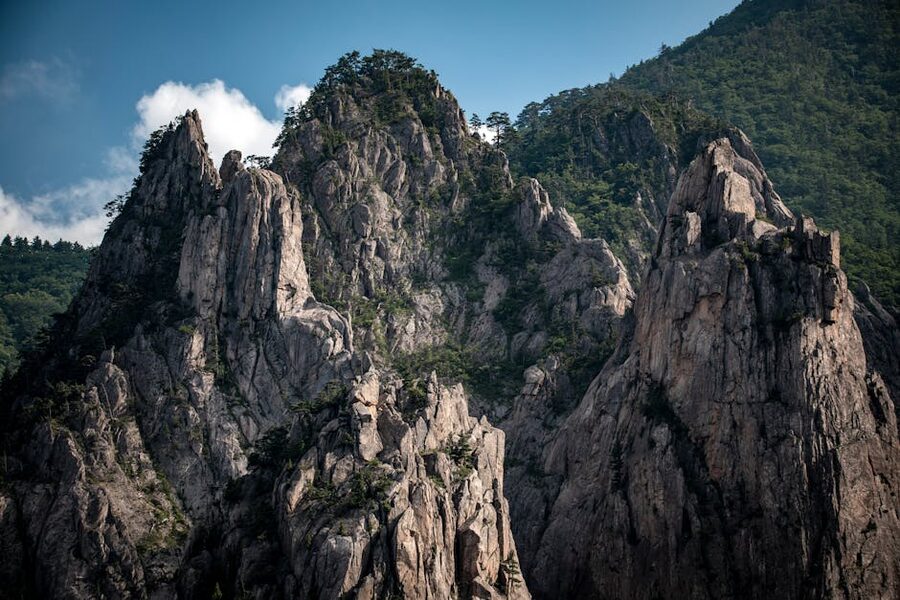
I’ve done Seoraksan as a day trip twice. Once solo with buses, and once on an organised tour with a small group. The tour won on every metric that mattered — more time in the park, a proper dinner stop, and no frantic scrolling through the Naver app trying to find the last bus back. Below is how I’d book it today.
In a Hurry? My Top 3 Picks
- Mount Seorak + Nami Island + Garden of Morning Calm ($95) — the all-rounder. Mountains, autumn gardens, and a famous filming island in one day. Check Availability
- Mt Seorak Hike + Naksansa Temple or Nami Island ($68) — cheapest of the three, with the option to actually hike rather than just ride the cable car. Check Availability
- Day Trip to Mount Seorak + Naksansa Temple ($71) — the shortest, simplest option for travellers who want mountain and temple without the detour west. Check Availability
- In a Hurry? My Top 3 Picks
- Why Take a Tour Instead of DIY?
- The 3 Best Seoraksan Day Tours from Seoul
- 1. Mount Seorak + Nami Island + Garden of Morning Calm Day Trip —
- 2. Mt Seorak Hike with Naksansa Temple or Nami Island —
- 3. Day Trip to Mount Seorak and Naksansa Temple —
- What Actually Happens on a Seoraksan Day Tour
- Getting to Seoraksan Without a Tour (If You Must)
- The Cable Car: Worth It or Skip?
- The Three Hikes Worth Knowing
- Ulsanbawi Rock — the one everyone talks about
- Biseondae Rock — the easy one
- Biryong Falls — the one with the waterfall
- When to Go — Season by Season
- Ticket Prices, Park Fees, and What You’ll Actually Pay
- What to Do When the Tour Stops at Nami Island or Naksansa
- Eating in and Around Seoraksan
- What to Pack for a Seoraksan Day Trip
- Common Questions
- Can I hike Ulsanbawi on a day tour?
- Is Seoraksan accessible for older travellers or kids?
- Is a Seoraksan tour okay with dietary restrictions?
- What about solo travellers?
- Weather contingency — what if the cable car is closed?
- The Pre-Booking Checklist
- Stretch Your Seoul Weekend Further
Why Take a Tour Instead of DIY?
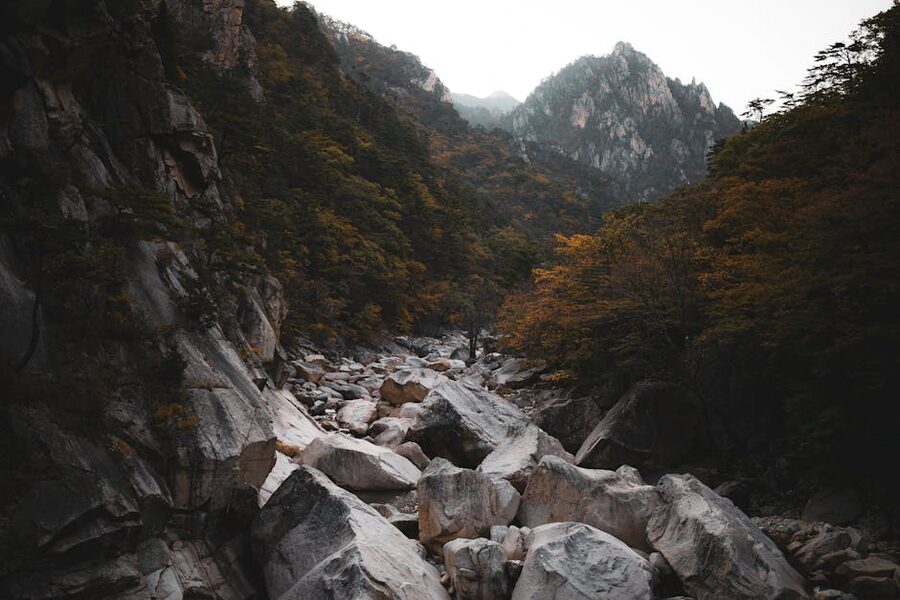
Seoul to the park entrance is about 200 km. On public transport, that’s an express bus to Sokcho (roughly 2.5 hours), then a city bus (route 7 or 7-1) into the park (another 30 minutes). Doable, but it chews up four hours of daylight each way. With only one day, that leaves you maybe three hours on the mountain itself — barely enough to ride the cable car, let alone hike.
A day tour collapses the commute into a single van or coach ride, usually 2.5 to 3 hours each way. You leave central Seoul by 7 or 8 am, arrive at the park entrance by late morning, and get four to five hours in the area before the drive home. Most tours bundle in a second stop — Nami Island, Naksansa Temple, or the Garden of Morning Calm — so the day feels fuller, not rushed.
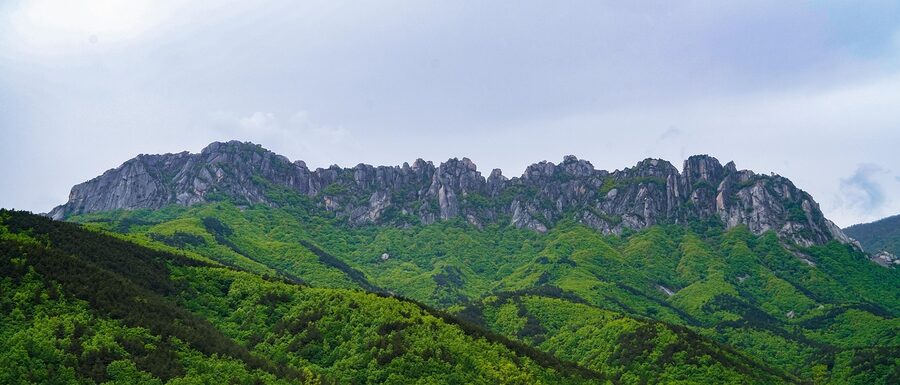
The other reason I’d book a tour: autumn weekends. October is peak foliage season, the roads jam up, the buses book out days in advance, and every accommodation within 20 km of the park gate fills. Tour operators have their own fleet and pre-booked cable car slots. On a Saturday in October, that’s genuinely the difference between seeing the park and staring at a full-bus notice on your phone.
The 3 Best Seoraksan Day Tours from Seoul
These are the tours I’d actually book, based on the pool of operators running this route and what my friends have taken. Ranked by how well they balance mountain time, extra stops, and price.
1. Mount Seorak + Nami Island + Garden of Morning Calm Day Trip — $95

The classic combo. You get the cable car up Gwongeumseong Peak, free time around Sinheungsa Temple, a walk around Nami Island, and the Garden of Morning Calm lit up for the autumn and winter light festival. It’s the tour I’d send a first-timer on — our full review covers the guide Paul and how well-timed the stops are. The main caveat: with three stops, each one gets about 90 minutes, so don’t book this if you want a proper hike.
2. Mt Seorak Hike with Naksansa Temple or Nami Island — $68
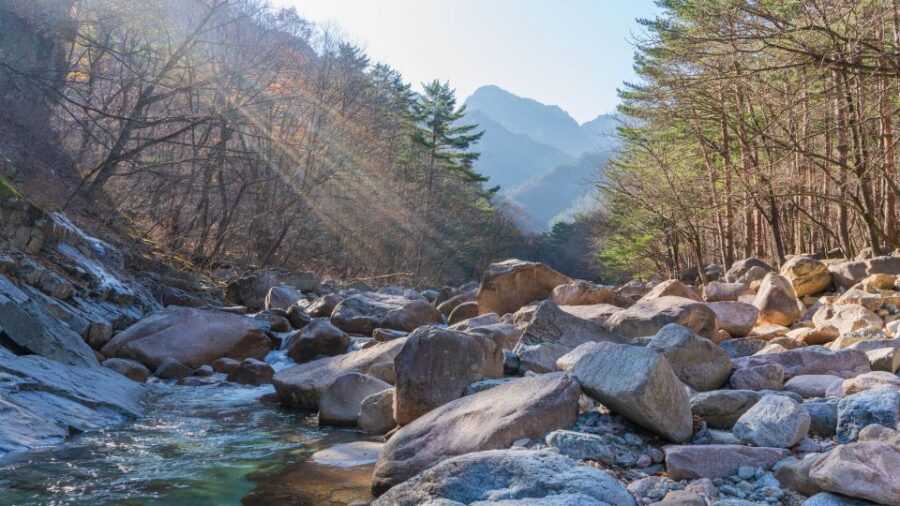
Run by KTOURSTORY and priced the lowest of the lot, this 13 to 14-hour day is the one to pick if you want to feel the mountain rather than just photograph it. You choose Naksansa Temple or Nami Island as the second stop when you book. Our detailed review breaks down how the Biseondae trail is paced and what to expect if you’ve never hiked in Korea before. Bring proper shoes — the last kilometre gets rocky.
3. Day Trip to Mount Seorak and Naksansa Temple — $71
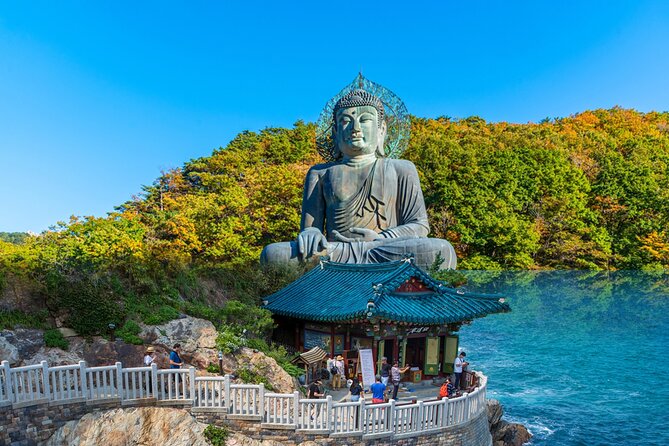
TOURSTORY’s tighter two-stop version. The drive east takes you up and over the Misiryeong Ridge, Naksansa Temple sits above a clifftop with Buddha statues facing the East Sea, and the park is the afternoon highlight. Our tour breakdown lays out the exact itinerary and tips from travellers who’ve done it. Skip this one if you’re chasing the Garden of Morning Calm or Nami Island — those are on different routes.
What Actually Happens on a Seoraksan Day Tour
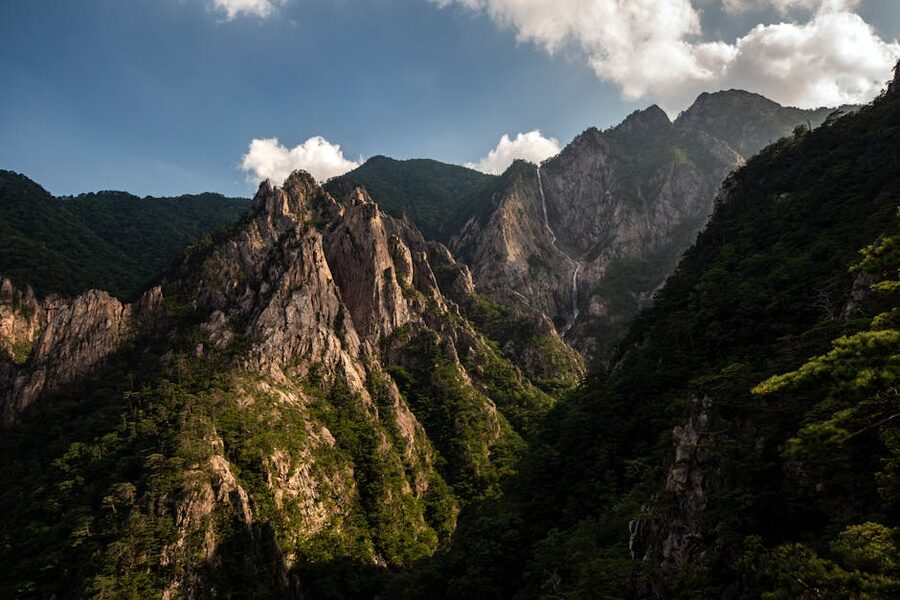
Most tours follow the same rough rhythm. Pickup from a meeting point in central Seoul — usually Myeongdong, Hongdae, or near City Hall — somewhere between 7 and 8 am. A mid-sized van or coach, 15 to 30 people, English-speaking guide, bottled water in the seat pockets. The drive east takes about two and a half hours with one rest stop for coffee and a bathroom.
You arrive at Seoraksan’s main Sogongwon entrance around 11 am. From there, most tours give you a set meeting time (usually 3 or 4 pm) and turn you loose. Your guide will point out the cable car ticket office, the Sinheungsa Temple path, and the main trail junctions. Some tours include the cable car ticket; others ask you to buy it on the day if you want to ride.
After four to five hours in the park, the tour heads to its second stop. For Nami Island that’s a two-hour ferry-and-walk loop; for Naksansa it’s a clifftop temple visit; for the Garden of Morning Calm it’s the last stop before sunset and the light festival. You’re back in central Seoul between 8:30 and 10 pm, depending on traffic and what route you took.
Getting to Seoraksan Without a Tour (If You Must)
If you’re set on going solo, here’s the real logistics. Express buses run from Seoul Express Bus Terminal (Gangnam side) to Sokcho every 30 minutes, starting around 6:30 am. The ride is two and a quarter to two and a half hours. Book the first bus the night before through Naver or the Kobus app — the 6:30 and 7:00 departures sell out first in autumn.
From Sokcho’s Express terminal, catch local bus 7 or 7-1 to the park entrance. It runs every 30 minutes and takes 25 to 30 minutes. T-money card works; you tap on and off. The last bus back to Sokcho is usually around 7 pm, and the last express bus from Sokcho to Seoul leaves around 10 pm. Miss it and you’re in a taxi for $200+.
Intercity buses from the Dong Seoul terminal (east side of the city) also work but tend to arrive at Sokcho’s less convenient second terminal. I’ve used both. If you have a choice, stick with Express.
The Cable Car: Worth It or Skip?
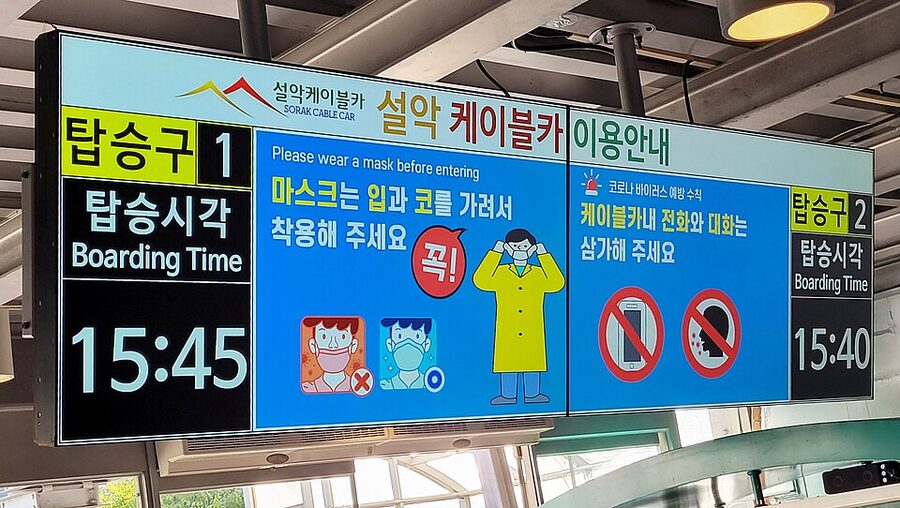
The cable car climbs roughly 700 metres to the ridge below Gwongeumseong Peak. Five-minute ride each way, carries 50 people per car, departs every five minutes. Tickets are around ₩16,000 (about $11 USD) for adults, ₩12,000 for children, and you can only buy them in person on the day. No advance booking, no online reservations.
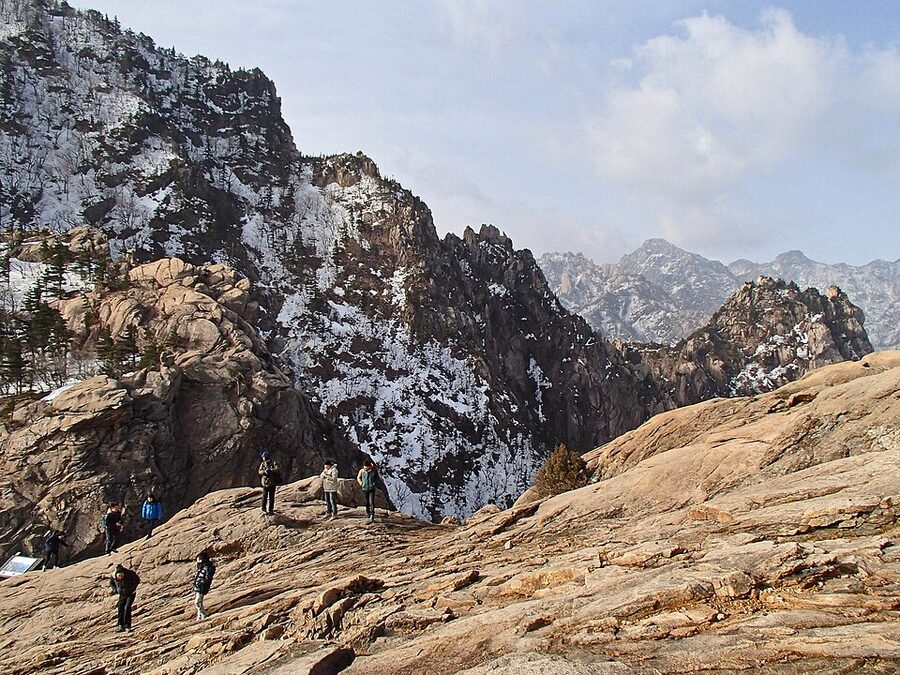
Worth it if: the sky is clear, you have 90 minutes to spare including queueing, and you don’t want to hike. The view from the fortress ridge is genuinely one of the best in the park.
Skip it if: it’s cloudy or foggy. You literally cannot see anything from the top, and ticket refunds aren’t automatic. Stand at the base, look up at the upper cable car station — if you can’t make it out, don’t bother.
The cable car also closes for strong winds, which happen more often than you’d think above 700 m. Check the board at the base station when you arrive. Most tour guides already know the day’s status before you get there.
The Three Hikes Worth Knowing
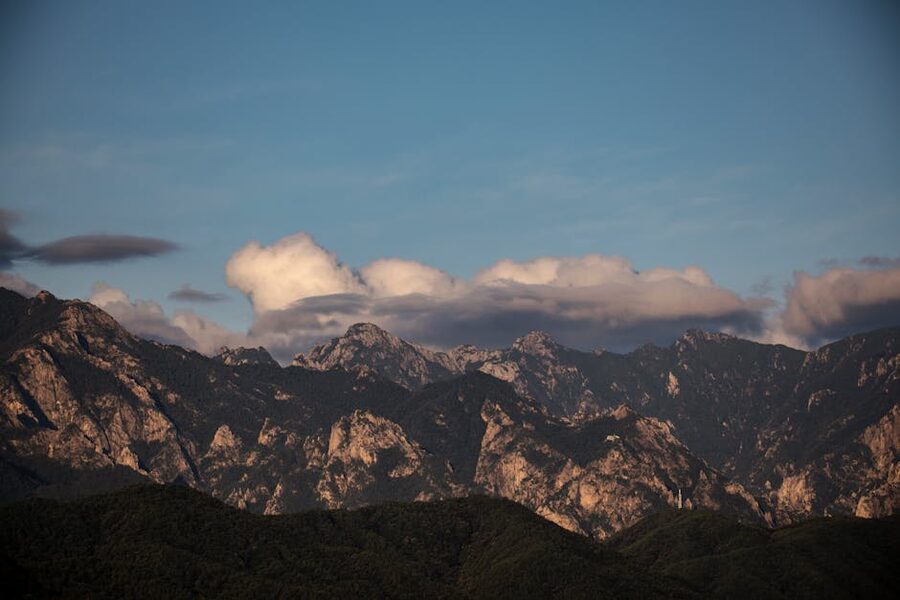
On a tour, you probably won’t have time for a full hike. But if you’ve built in buffer — or you’re doing two days in Sokcho — these are the three day walks worth your feet.
Ulsanbawi Rock — the one everyone talks about
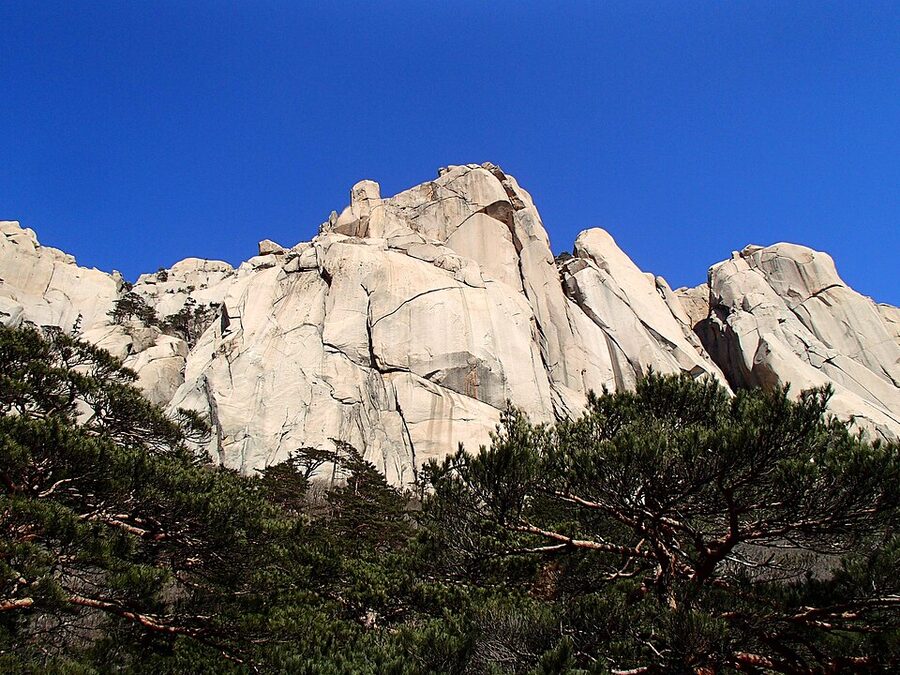
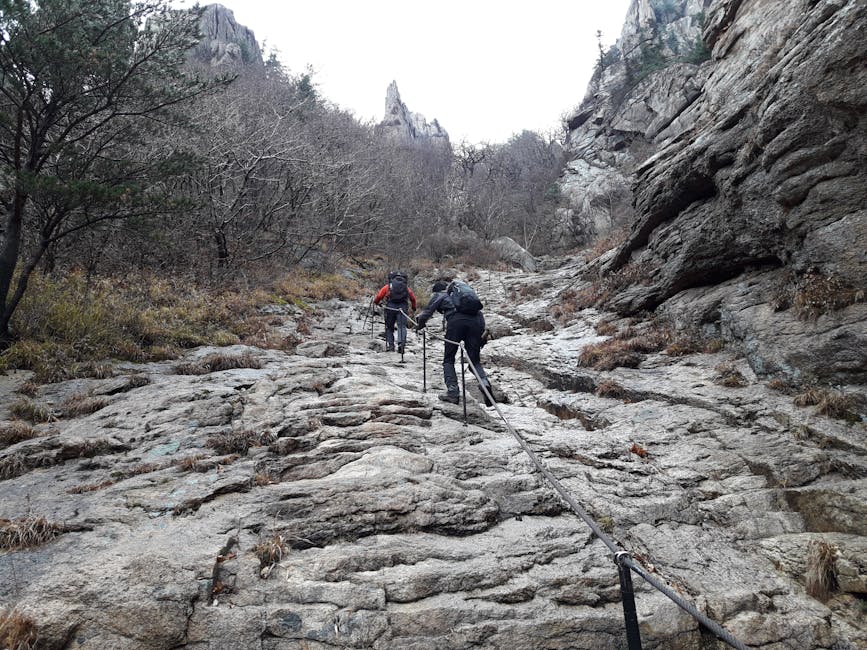
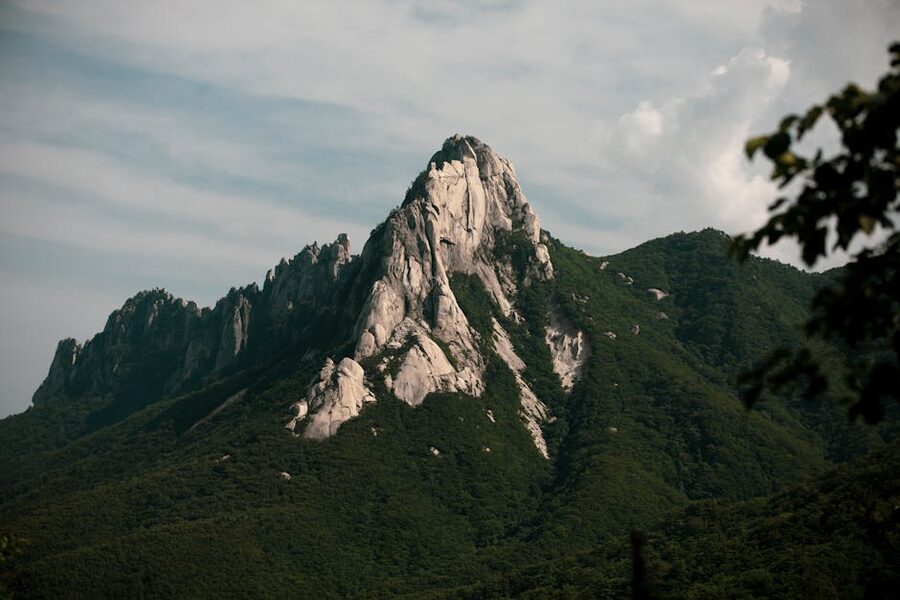
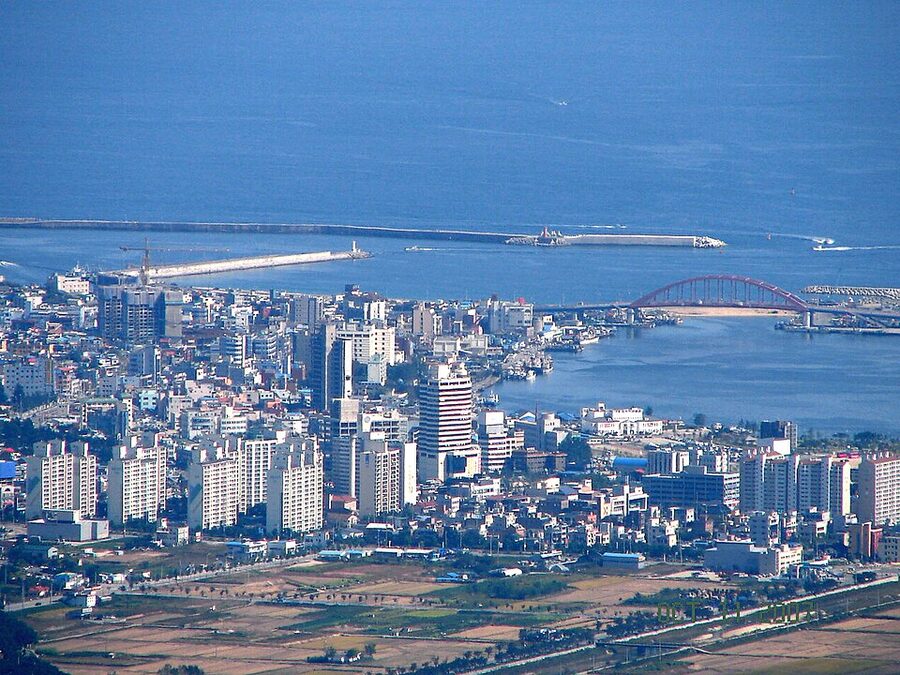
7.6 km return, 3 to 4 hours, and hard — not because of distance but because the final stretch is essentially a vertical staircase. The reward is a 360-degree view from the top of a granite ridge that sits 870 metres above sea level. On a clear day you can see all the way to Sokcho and the East Sea.
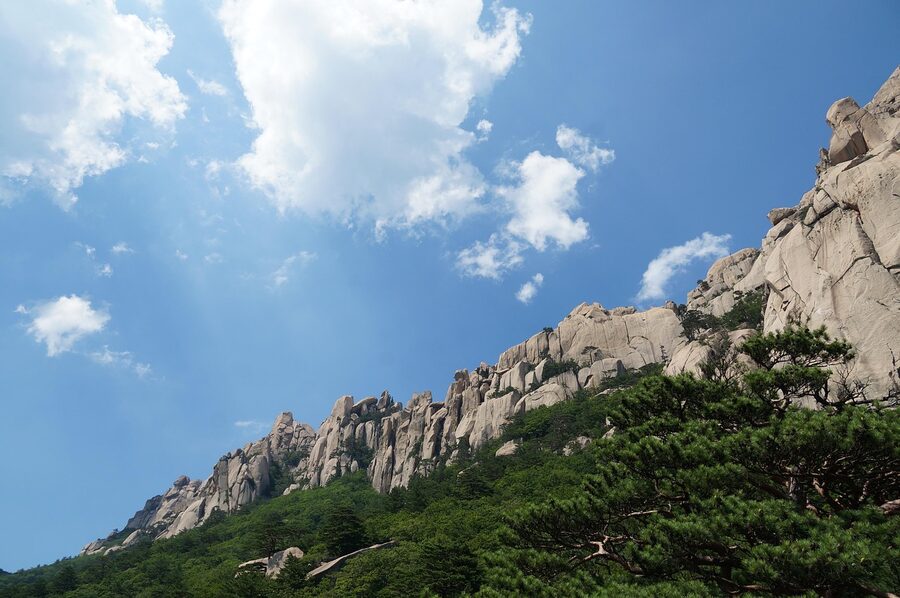
The trail passes Sinheungsa Temple in the first ten minutes, then climbs steadily through forest to Gyejoam Temple about halfway up. From Gyejoam, it’s another 40 to 60 minutes of steep steps to the top. No time for this on a standard tour — you’d need at least four and a half hours free in the park. Pace yourself; it’s worth sitting down twice and refilling water bottles.
Biseondae Rock — the easy one
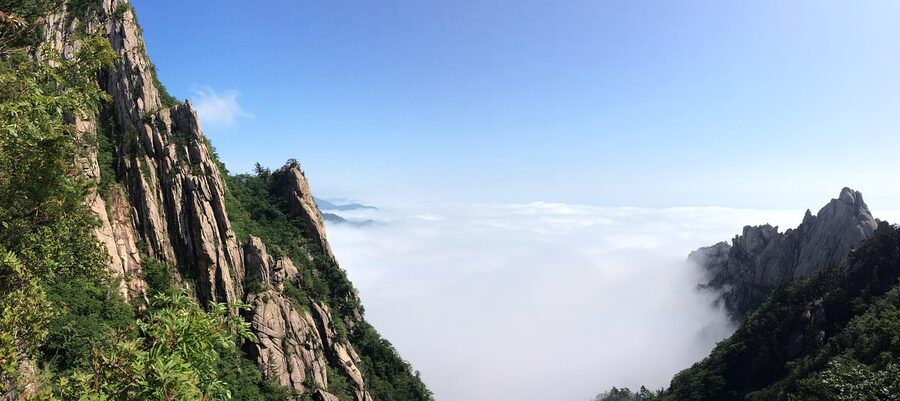
6 km return, 1.5 to 2 hours, mostly flat. This is the hike I’d pick on a day tour if the guide gave me three or four hours to play with. The path follows a stream up the valley on a well-maintained paved-then-dirt track, ending at Biseondae Rock — a wide, smooth slab that turns into a small waterfall after rain.
You cross the same stone bridge as the Ulsanbawi trail but turn left instead of right. The final stretch opens up into a natural amphitheatre with rapids, birdsong, and usually fewer people than the Ulsanbawi trail. On my first visit I had it almost to myself by 2 pm — a minor miracle on a weekend.
Biryong Falls — the one with the waterfall
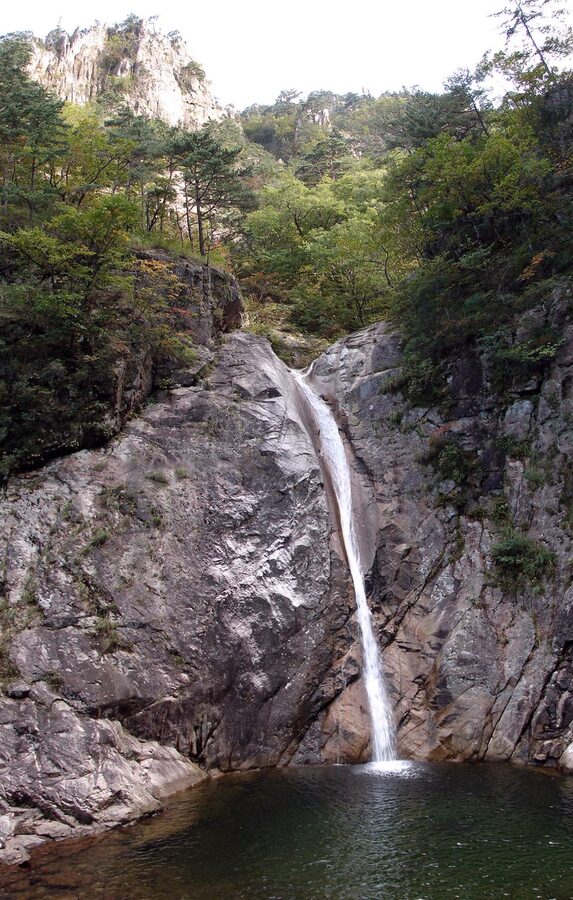
4.8 km return, 1 to 1.5 hours, moderate. The shortest of the three classic day hikes. You walk through forest, cross a long stone bridge over the Ssangcheon river, pass Yukdam Falls via a suspension bridge, and arrive at Biryong Falls itself. Optional extension: a 400-metre staircase up to Towangseong Falls observatory. That add-on is steep and exhausting but the panorama over the valley justifies it on a clear day.
When to Go — Season by Season
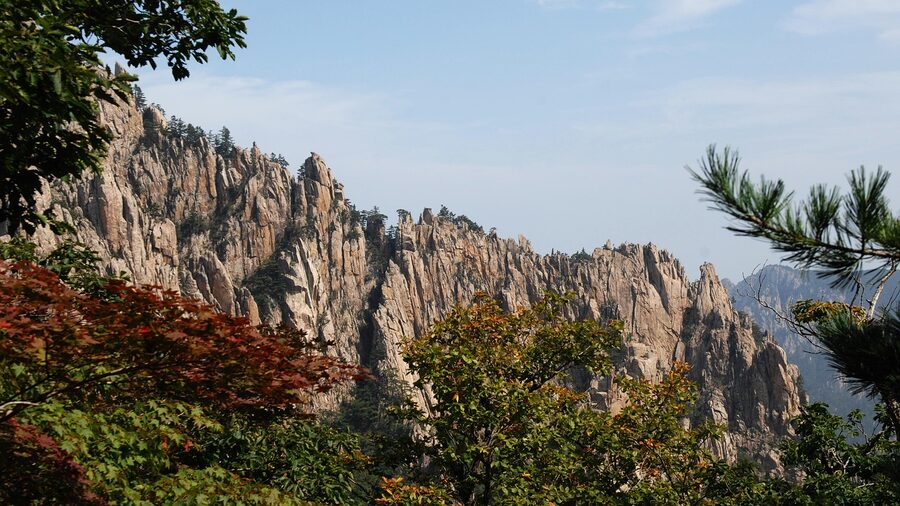
Spring (late April to May): my favourite. Wildflowers on the valley floor, high trails reopening after snow, milder weekend crowds. Temperatures run 10 to 20°C. Pack layers — mornings can still bite at 800 m elevation.
Summer (June to August): lush and green, but hot. Expect 28 to 32°C in the park and thunderstorms most afternoons. Good for waterfall hikes because the rain keeps the falls full, terrible for long ridge climbs. Start before 8 am or don’t start at all.
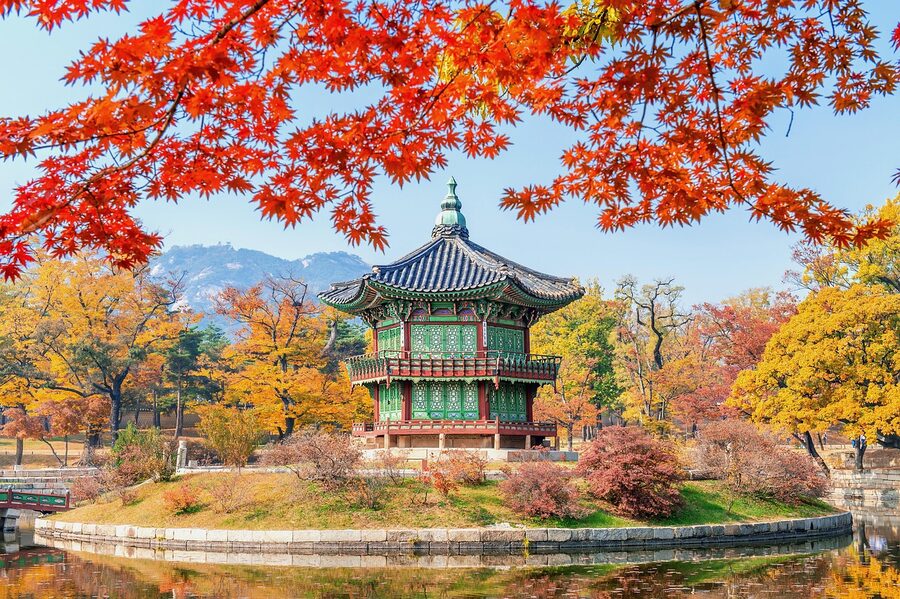
Autumn (late September to early November): the reason most tours sell out. Peak foliage usually hits mid-October, with the best colours between October 15 and 30. Crowds are a genuine issue — book two to three weeks ahead if possible. Weather turns cold fast; I’ve had 25°C valleys and 5°C ridges on the same afternoon.
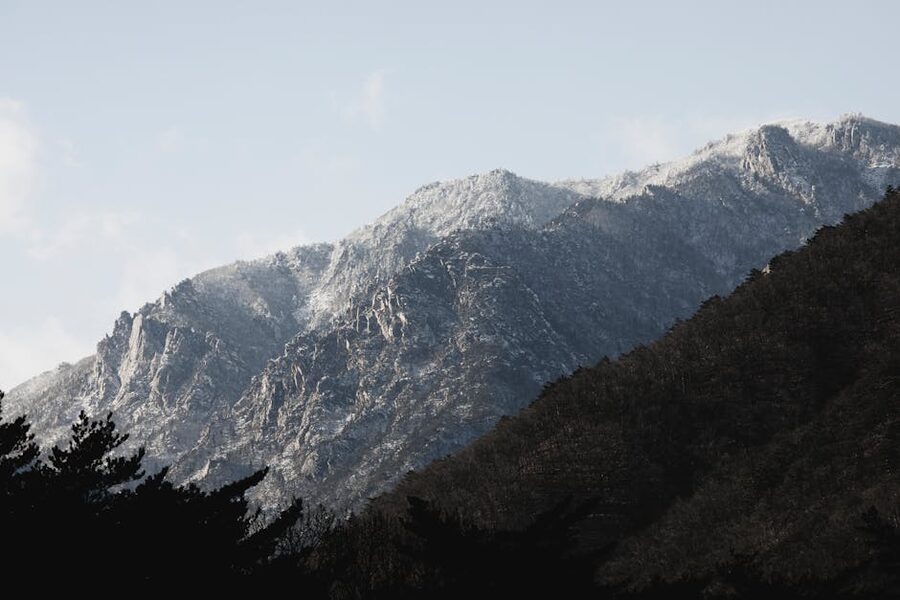
Winter (December to February): cold, crisp, quiet. Many of the high-altitude trails close due to snow and ice — stick with Biseondae and Biryong Falls, or just ride the cable car. Temperatures run -5 to 5°C. Pack real winter gear: gloves, beanie, waterproof boots. The trade-off is solitude — I’ve had the Ulsanbawi view all to myself in late January.
Ticket Prices, Park Fees, and What You’ll Actually Pay
The park itself is free. The old ₩3,500 entrance fee was scrapped when the Buddhist temple-government agreement kicked in a few years back. If your tour mentions a park entrance fee, it’s outdated.
What you’ll actually pay once inside:
- Cable car ticket: ₩16,000 adult / ₩12,000 child — same-day only, in-person purchase
- Lunch inside the park: ₩8,000 to ₩15,000 for a decent meal — seafood pancake (haemul pajeon) and bibimbap are the local default
- Coffee at Dahyang cafe: ₩5,800 for an Americano with mountain views
- Bottled water, snacks, or ice cream: 20 to 40% more expensive than Seoul, but not unreasonable
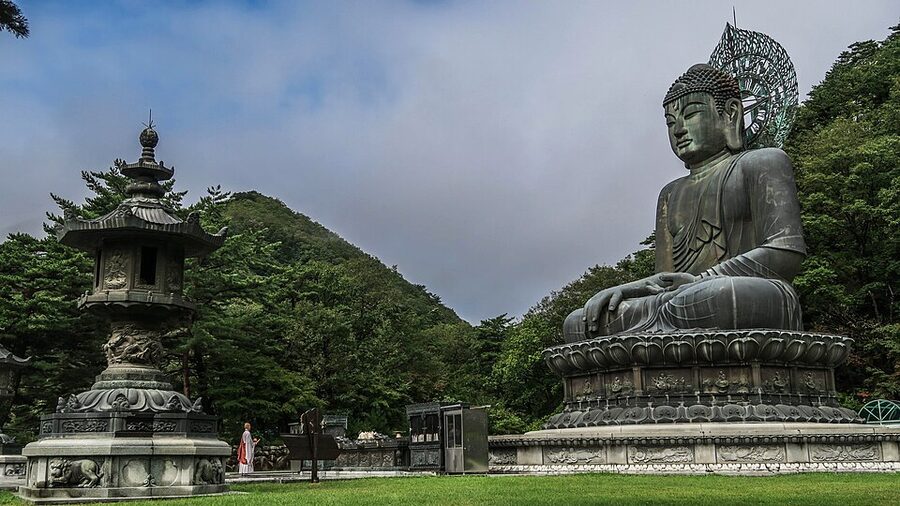
Most day tours include transport, guide, and entrance fees to secondary stops (Nami Island ferry, Garden of Morning Calm). They usually do NOT include lunch, cable car tickets, or your personal snacks. Budget roughly ₩30,000 (about $22 USD) in cash for on-the-ground costs in addition to your tour price.
What to Do When the Tour Stops at Nami Island or Naksansa
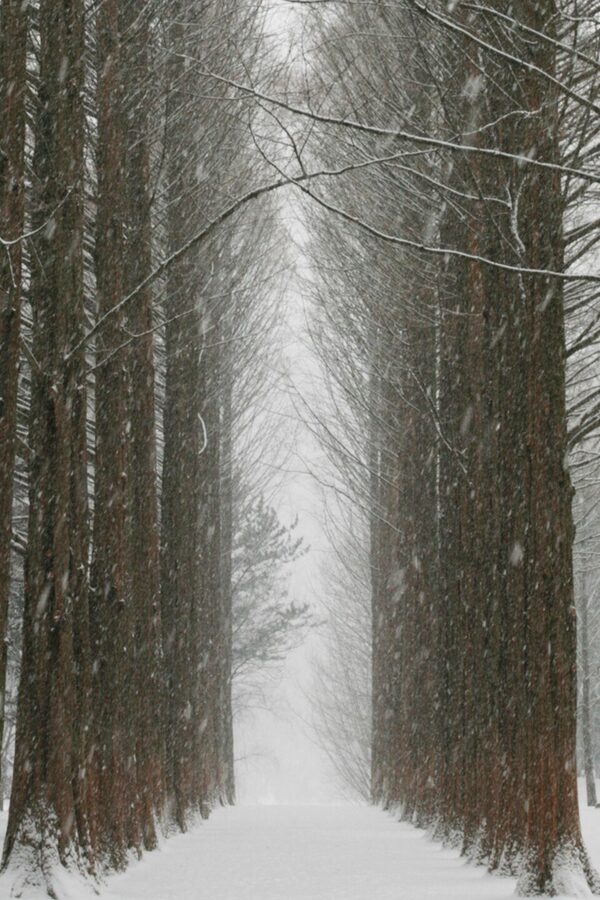
Nami Island — a small teardrop of land in the Han River, famous as a Korean drama filming location and for its tree-lined avenues. Tours usually give you 60 to 90 minutes, which is just enough to walk the central path, snap the metasequoia lane, and grab a snack. Pack light; there’s a short ferry crossing to reach it. If your tour includes Nami, it’ll also pay the ferry round-trip.
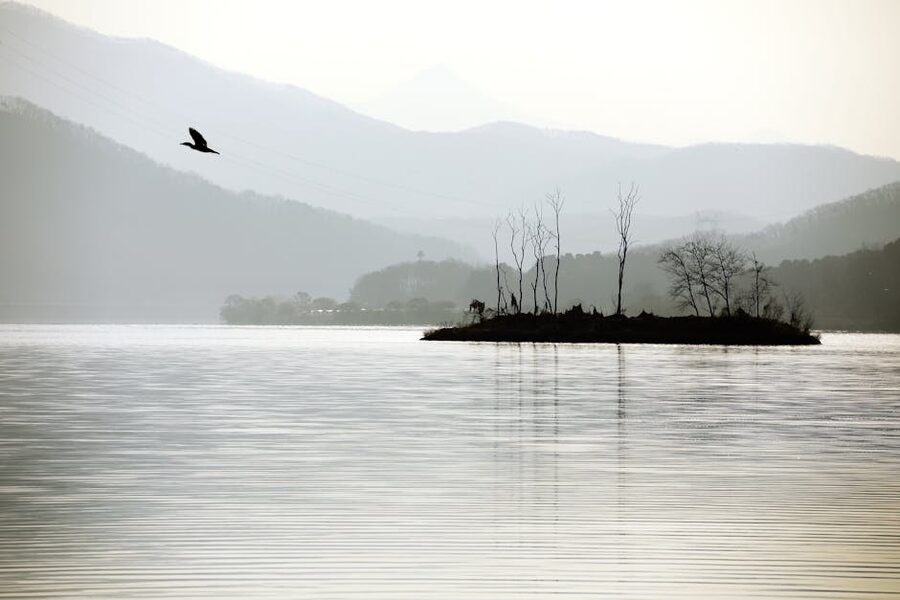
Naksansa Temple — a clifftop Buddhist temple founded in 671 AD, overlooking the East Sea about 20 km north of Seoraksan. A giant Haesu Gwaneum (sea-facing) Buddha statue stares out over the water. It’s quieter than Nami, more atmospheric, and closer to the mountain — which is why the second tour on my list uses it as its secondary stop rather than Nami.
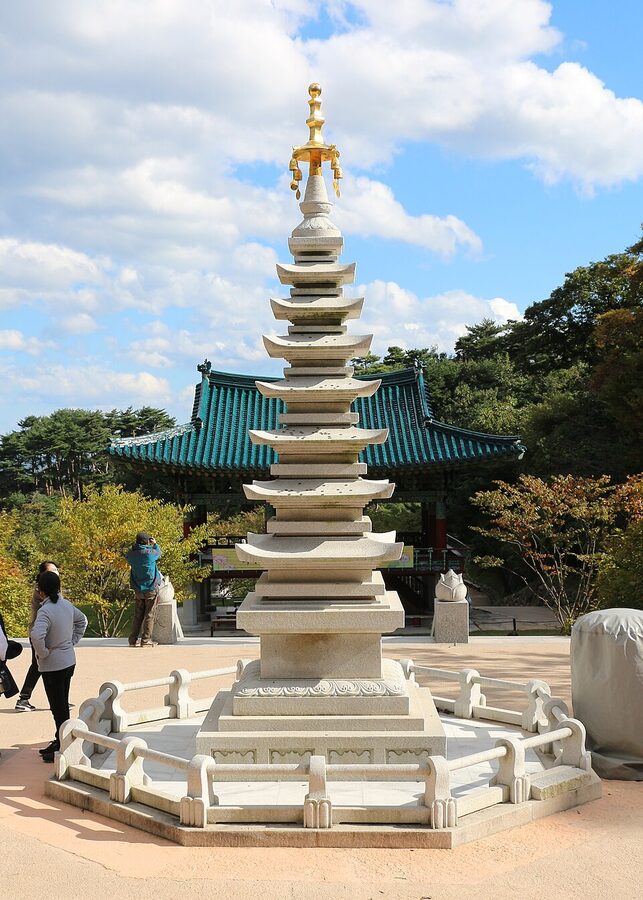
Garden of Morning Calm — a 30,000-square-metre landscaped garden about an hour east of Seoul, themed for each season. In spring it’s flower fields; in winter (December to March) it runs the Lighting Festival, one of Korea’s largest illumination events. It’s the usual last stop on the three-destination tours because it photographs best in twilight.
Eating in and Around Seoraksan
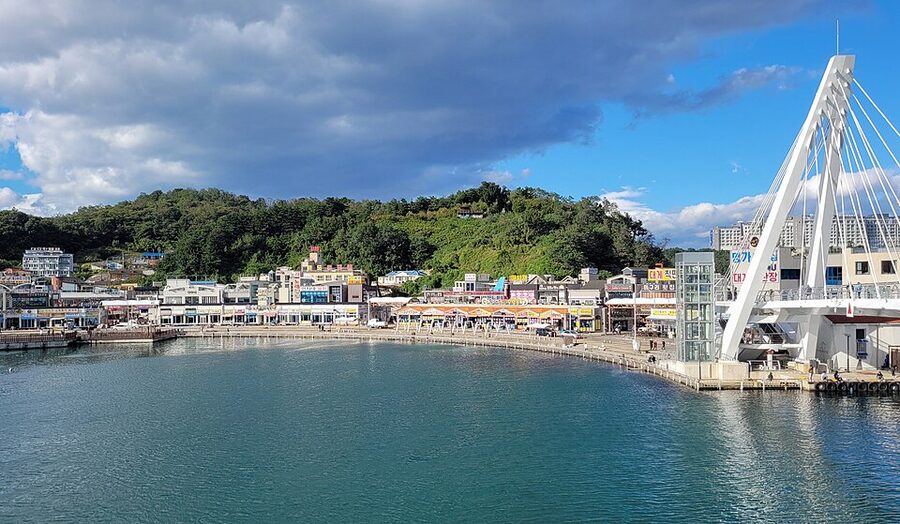
Inside the park, the cluster of restaurants near the main path is your best bet. Daraejeong does a seafood-and-green-onion pancake (haemul pajeon) that I still think about — huge, crispy, easily feeds two people. Expect ₩12,000 to ₩15,000 for a main dish. Prices run higher than Seoul but the food quality is genuinely good, not captive-audience bad.
For drinks, Dahyang cafe specialises in honey-infused coffee and teas. The honey Americano sounds strange and tastes surprisingly good after six hours of walking. I’m not sweet-tooth person and I ordered a second one.
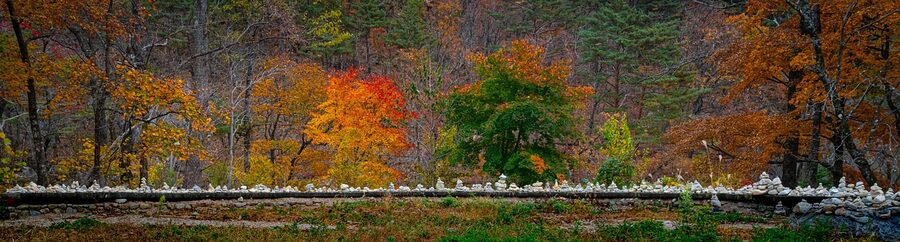
If your tour stops in Sokcho city for dinner, push for Daepo Port or the Central Market. Fresh hoe (raw fish), dak-gangjeong (sweet and spicy fried chicken), and sundae (Korean blood sausage — don’t sleep on it) are the local specialities. Budget ₩15,000 to ₩25,000 per person for a proper sit-down meal.
What to Pack for a Seoraksan Day Trip
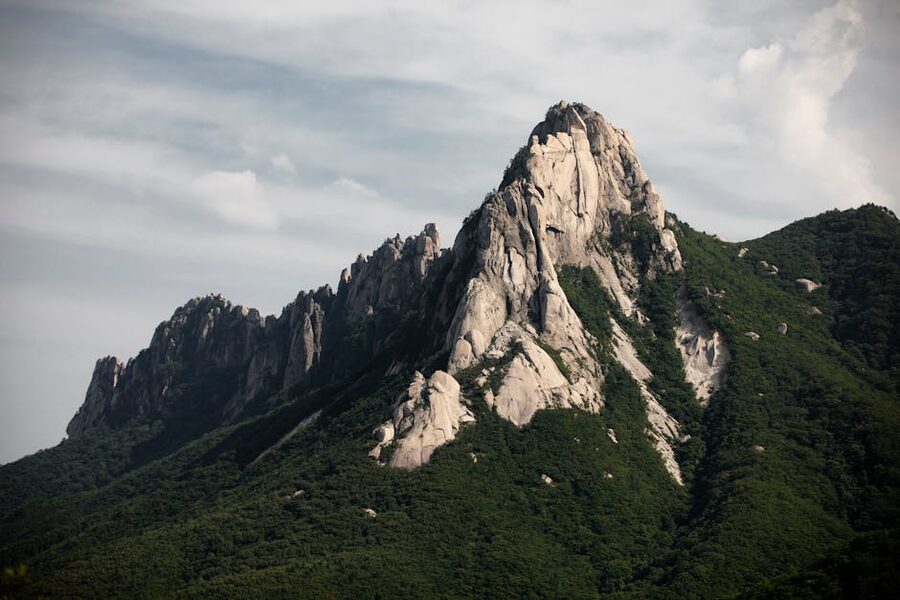
Day trips from Seoul leave early and come back late, which means you’re out for 12 to 14 hours with no real chance to swing back to the hotel. Pack with that in mind:
- Proper walking shoes — trainers are fine for the cable car and temples, but if you want to climb even a partial trail, grip matters. The stone steps get slick when damp.
- Layers — the temperature swing between valley and ridge can be 10°C or more.
- Cash — about ₩30,000 in small notes. Cable car tickets, park food, and any roadside stalls often don’t take foreign cards.
- Water bottle — most tour vans stock a couple, but not enough for a full hike day. Refill stations exist but not everywhere.
- Sunscreen + hat — tree cover disappears above the treeline, and the high-altitude sun is stronger than you expect.
- Power bank — the Naver app chews battery fast on buses, and photos in autumn will run your phone down by lunch.
Common Questions
Can I hike Ulsanbawi on a day tour?
Technically yes, but you’ll be tight on time. The round-trip is 3 to 4 hours minimum, and most tours allow 4 to 5 hours in the park. Add a lunch stop and it’s a sprint. Pick the Mt Seorak Hike tour (#2 above) which gives you more time, or book a two-day Sokcho trip and hike Ulsanbawi on day one.
Is Seoraksan accessible for older travellers or kids?
The cable car makes the summit view accessible to almost everyone — there’s a paved path from the cable car station to the main viewpoint, with handrails on the steeper sections. The Biseondae Rock trail is also pushchair-friendly for the first 2 km. Stairs on Ulsanbawi and the Towangseong observatory are too steep for most small kids or anyone with knee problems.
Is a Seoraksan tour okay with dietary restrictions?
Lunch on tours is usually at your own cost and at restaurants inside the park or in Sokcho. Vegetarian options exist (bibimbap without meat, seafood pancake, kimchi stew) but you’ll need to ask explicitly. Vegan is harder. If you have allergies, brief your tour guide at pickup — most will help translate for kitchen staff.
What about solo travellers?
All three tours above work solo. Small-group format means you’ll end up chatting to the guide and one or two other travellers. You won’t be the only person flying solo. If you want something even quieter, consider a private Seoul tour with a Seoraksan day-trip add-on, though it costs significantly more.
Weather contingency — what if the cable car is closed?
Your tour guide will pivot. The default fallback is more time at Sinheungsa Temple and one of the valley trails (Biseondae or Biryong). You won’t be refunded for the cable car ticket unless your tour included it — they just swap it out of the itinerary.
The Pre-Booking Checklist
Before you click book, run through this short list:
- Confirm pickup location — Myeongdong, Hongdae, Seoul Station, and City Hall are the common ones. Some tours list multiple pickup points with different prices.
- Check departure time — most leave between 7 and 8 am. If your flight lands the night before, factor in a buffer.
- Second-stop preference — Nami Island, Naksansa, or Garden of Morning Calm. Not every tour covers all three; pick your priority first.
- Lunch policy — included, optional, or pay-your-own.
- Cable car included? — most tours don’t include the ticket. Budget ₩16,000 separately if you want to ride.
- Weather policy — what happens if the tour is cancelled due to weather? Full refund, partial, or reschedule only?
- Autumn booking window — for October weekends, book at least two to three weeks ahead.
Stretch Your Seoul Weekend Further
If you’ve got more than a day to spare, Seoraksan pairs beautifully with other day trips out of Seoul. The Nami Island and Garden of Morning Calm combo covers two of the same stops without the long drive east, and leaves room for a proper walk around both gardens. The DMZ day tour is a completely different kind of day — history rather than hiking, and surprisingly powerful in winter light. For an even bigger contrast, the BTS In The Soop tour to PyeongChang covers another corner of Gangwon Province that most Seoraksan-focused travellers skip entirely.
Back in the city itself, consider topping off your weekend with a Gyeongbokgung Palace and Bukchon walk the day after — your legs will thank you for a slower pace — or a Seoul night market food tour if Sokcho’s Daepo Port left you hungry for more. And if you’re still building your Korea itinerary from scratch, the Busan to Gyeongju day trip is the southern counterpart to what Seoraksan offers up north: mountains, temples, and a slower rhythm than the capital. Mix and match; Korea rewards travellers who leave Seoul at least twice.
Three parallel Seoul-anchored options worth considering alongside this mountain day trip: the Imjingak Peace Gondola is the northern DMZ-region counterpart — memorial rather than hiking, but the same half-day rhythm from Seoul; a Seoul pub crawl fits naturally as the nightlife rebound after a long outdoor day; and Korean cultural shows (Nanta, Painters, TOUCH FIVE) cover the indoor option for a rainy follow-up day or the evening your legs need to sit still.