
“In The Soop: BTS Ver.” aired two seasons on JTBC in 2020 and 2021, and the whole conceit of the show was that the seven members disappeared into a private house deep in the Korean countryside and just… existed. No schedule, no cameras shoved in their faces, no stylists. They fished. They painted. They slept until noon. They made ramyeon at 2 a.m.
The house they filmed Season 1 in — the one with the glass walls looking out into the forest, the long wooden deck, the rope swing over the lake — is a real place. It sits about three hours east of Seoul, tucked into the mountains above PyeongChang, which most of the world knows as the town that hosted the 2018 Winter Olympics and otherwise promptly forgot about.
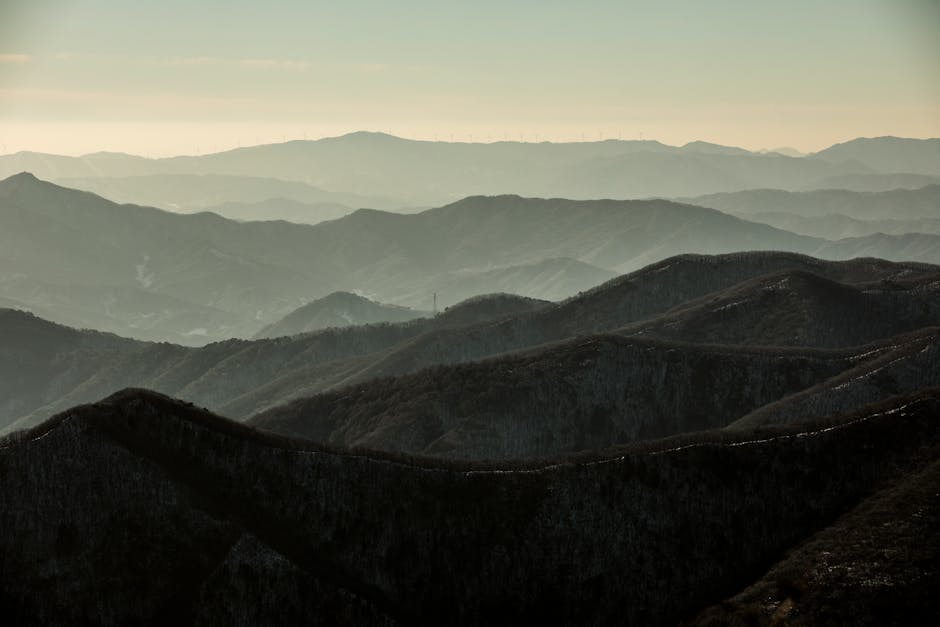
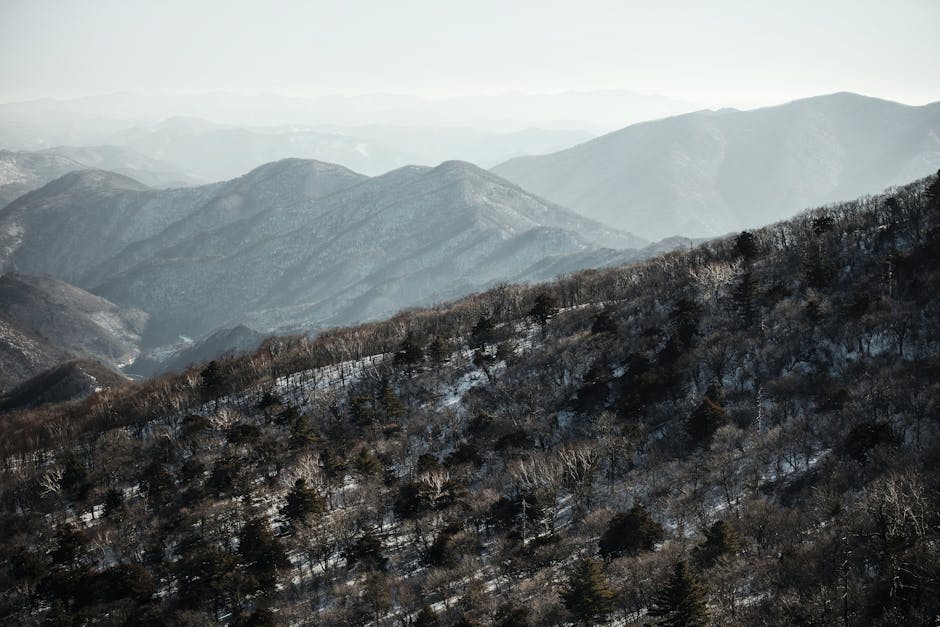
PyeongChang itself is gorgeous in a way that people who haven’t been to Korea often don’t expect. Gangwon Province is all pine-covered ridges and narrow valleys, and winter temperatures can hit minus fifteen. In autumn the hillsides turn the kind of red that makes you pull the bus over.
The town is quiet — not “quaint European village” quiet, but actually quiet, the way rural Korea is quiet, with empty two-lane roads and the occasional halmeoni selling bags of dried persimmons from a plastic stool at the bottom of her driveway. This is the landscape BTS retreated into.
And for about six years now, a single licensed tour has been running ARMY out to the Soop house to see it in person.
We’ve spent a long time looking at the tour pool for BTS-related experiences in South Korea, reading the reviews, and untangling which operators are actually licensed versus which ones are selling “BTS tours” that amount to a driver taking you past HYBE headquarters from the outside.
What follows is the straightforward guide to the one tour that actually gets you inside the In The Soop house, plus what to pair it with in Seoul if you’re building a proper ARMY pilgrimage. No fluff. Just how to book it, what you’ll actually see, and whether it’s worth the day.


- What “In The Soop” Actually Was (and Why the House Matters)
- The Main Tour: Full Day In The Soop BTS Ver. PyeongChang Tour
- The Backup Option: ARMY Must Visit BTS Tour in Seoul
- How to Decide Which Tour (or Both)
- When to Go: Season and Weather Notes
- What to Bring (and What to Leave)
- Pairing the Soop Tour With Other Korea Itinerary Stops
- The Purple Bus Stop: A Note on Hyangho Beach
- Booking Logistics: Dates, Group Size, and Cancellation
- Is This Tour Actually Worth It?
What “In The Soop” Actually Was (and Why the House Matters)
If you’re reading this and you’re already ARMY, skip ahead. If you’re reading this because your daughter, sister, partner, or best friend has announced that the one non-negotiable item on the Korea itinerary is the Soop tour, here’s the context.
In The Soop: BTS Ver. (“soop” is the romanization of the Korean word 숲, meaning “forest”) was a reality show that ran for two seasons during the pandemic, when the world was mostly indoors and BTS were at what turned out to be the peak of their collective run before the group went on hiatus for military service.
The premise was that the members had earned a break and were going to get one — a slow-TV style show where they just lived in a house together for eight days, did whatever they wanted, and the cameras captured it. No competitions. No challenges. No interview segments. Just seven guys making dinner and painting landscapes and arguing about whose turn it is to do the dishes.
It became, in ARMY circles, something closer to comfort television than a standard music-industry show. You didn’t watch it for plot. You watched it because RM was making coffee at 7 a.m. in a sweatshirt and because Jin caught a fish and shouted about it.
The Season 1 house in PyeongChang is the single most recognizable location in the entire BTS visual universe after HYBE headquarters itself, and unlike HYBE — which is an office building you can only photograph from the sidewalk — the Soop house is actually open to visitors under a licensed arrangement with the production company.
A few things to understand before you book:
- There is exactly one legitimate, licensed tour to the Season 1 house. It operates from Seoul (and occasionally Busan), it runs specific days of the week, and it’s handled by a single Korean tour operator. Everything else marketed as “BTS filming location tour” is a separate product that goes to music-video or HYBE-related spots in Seoul, which are also fun but are not the Soop house.
- Inside the house, photo rules are strict. You can photograph some areas freely, some are no-photo zones (particularly the Forest Theater), and CCTV is running the entire time. Shoes come off at the door. Indoor slippers are provided.
- Availability is seasonal. The tour tends to run on Friday, Saturday, and Sunday most of the year, with daily operation during peak summer weeks. It also closes entirely for short periods. Book well ahead.
- It’s a full day. PyeongChang is roughly three hours from Seoul each way. You’re leaving at 7 a.m. and getting back after dinner. Budget the whole day for this — don’t try to stack anything else on top of it.
The Main Tour: Full Day In The Soop BTS Ver. PyeongChang Tour
This is the tour. With 1,709 reviews and a flat 5.0 rating, it’s also the single most decorated BTS-related experience on the Viator platform, and the volume of reviews tells you how ARMY has treated it — as a pilgrimage, not a sightseeing stop. The tour is run by Hanatour ITC, a licensed Korean operator that holds the actual agreement with the Season 1 production house to bring visitors through.
If you’re booking a Soop tour from anywhere else and the price is significantly lower, it’s almost certainly not going to the real house.
Pickup is at AMID Hotel in central Seoul at 7:20 a.m. (there’s also a Busan pickup that leaves Busan Station at 7:00 a.m. if you happen to be starting your trip on the south coast). The bus is a full-size modern coach with USB ports at every seat, which matters because you’re spending roughly six hours of the day on it and ARMY tends to arrive at 7 a.m. with phones at 40%.
On the drive out, the guide runs a BTS music quiz with lyric clips and dance-move trivia, and the seatback screens play episodes of In The Soop so you’re mentally prepped for what you’re about to walk into.
Our favorite small detail: the route passes rest stops where the guide hands out tornado potato or rice cake skewers, which is such a wholesome road-trip snack that we’ve genuinely missed it on other long-distance Korean tours.
The house itself is the part that’s hard to describe without oversharing, so we’ll stick to the structure of the visit. You arrive mid-morning.
Shoes off at the entrance, slippers on, and then you’re walking through the actual rooms you watched for eight episodes: the open-plan kitchen where Jungkook made instant noodles, the long dining table where they ate BBQ, the glassed-in living room with the view straight out onto the trees.
Upstairs there are preserved props — the paper airplane RM folded in Season 1 is still there, along with musical instruments (guitar, trumpet), an RJ plush on one of the beds, and small set pieces that the production team left in place for visitors. The two guesthouse structures next to the main building are part of the visit as well.
Outside, you can see the benches where the members sat around the fire pit, the small pool, a playground area, and the camper van used in the BBQ scene. Walking up to the van in person is one of the moments people mention most in reviews. It’s not a museum. It’s the actual van, parked where it was parked.
One thing worth knowing: the Forest Theater area is marked as a no-photo zone, and the no-food rule is strictly enforced inside. You cannot take in drinks, snacks, or anything other than your own camera and your own reactions. This is a working preserved film location, not a cafe — treat it that way and the staff are welcoming; try to smuggle a boba in and they’ll very politely stop you at the door.
After the house, the tour makes its second signature stop at Hyangho Beach on the Gangwon coast. This is where the “You Never Walk Alone” album cover bus stop sits — the purple-painted bus shelter on an empty stretch of sand that became one of the most photographed ARMY pilgrimage spots in the world after the album dropped.
It’s not part of In The Soop specifically, but it’s the logical add-on: you’re already in Gangwon, you’ve already committed the day, and the beach adds the other iconic BTS photo you probably have saved somewhere on your phone. The guide gives the group time here to take the classic shot at the bus stop, walk the sand, and generally sit with how quiet the Korean east coast actually is.
In winter the wind is brutal. In summer it’s the kind of blue water that makes the album cover make sense.
Lunch is not included. This is occasionally mentioned in reviews as a minor annoyance, but in practice the tour stops at local restaurants in PyeongChang where the guide recommends options and everyone orders off the same menu. Expect to spend 10,000–15,000 won on a bowl of makguksu or a plate of dakgalbi, and don’t miss the chance to try the local buckwheat noodles — PyeongChang is famous for them.
What’s actually included in the ticket: round-trip coach, English-speaking tour staff, official In The Soop merchandise set (which fans care about disproportionately, and rightly), entrance ticket to the house, a snack stop, the instant cup noodle review event on the bus, and a BTS-themed photo booth where you can get a printed photo card at the end of the day.
What’s not included: lunch, and whatever you decide to spend at the gift shop inside the house, which — let’s be honest — is a line item you’re going to hit.
What we like: it’s the only legitimate way to get into the Season 1 house, the 5.0 rating across 1,709 reviews is not exaggeration, and the Hyangho Beach add-on turns it into a proper two-location pilgrimage rather than a single-stop drop-off. The bus is comfortable, the guide knows the material, and the merchandise set alone would cost more than the difference between this tour and the generic Seoul BTS day tours that don’t go to PyeongChang at all.
What to know: it’s a twelve-hour day, the drive is long, lunch is on you, and the photo restrictions inside are serious. If motion sickness is a real issue for you, take something before the bus leaves Seoul — the second half of the drive up into the mountains has curves. Also: wear layers. Gangwon Province sits at altitude and is meaningfully colder than Seoul most of the year, especially in the morning at the house when the forest is still in shadow.
The Backup Option: ARMY Must Visit BTS Tour in Seoul

If you’re reading this from the airport, realizing the Soop tour sold out for your dates, and panicking — don’t. There’s a second tour we’d point you toward, which is the one that keeps you in Seoul and hits as many HYBE- and BTS-adjacent spots as possible without the three-hour drive each way.
This one is a completely different animal. It’s city-based, half-day, and focuses on the Seoul-side of the BTS map — the neighborhoods, the HYBE headquarters (exterior only, for obvious legal reasons), the cafes the members have been photographed in, and the spots that have become informal ARMY landmarks over the years.
It’s also massively cheaper, which makes it a reasonable second-day add-on even if you’ve already done the Soop tour. Think of it as the Seoul chapter of the pilgrimage versus the Gangwon chapter.
The itinerary shifts over time because the guides update stops as new things become relevant to ARMY — a new cafe the members have posted about, a new location from a music video, a new rooftop someone was spotted on. That’s a feature, not a bug. It keeps the tour feeling current, especially compared to static filming-location tours that haven’t been updated since 2019.
The pace is comfortable, the walking is manageable, and the photo stops are built around the spots ARMY actually want photos of.
We’d book this as a complement to the Soop tour rather than a replacement. If you only have one day, take the Soop tour — it’s the irreplaceable one. If you have two, do both, and treat the Seoul half-day as the warmup. We’d also pencil in a Seoul night market food tour for the evening of your second day — it’s the perfect decompression from a BTS-packed afternoon, and Gwangjang Market is a ten-minute taxi from most central hotels.
How to Decide Which Tour (or Both)
Here’s the short version.
Take the Soop tour if: you watched In The Soop, you want to stand in the actual Season 1 house, you have a full free day in your Korea itinerary, and you’re okay with a twelve-hour commitment including six hours on a bus. If any of those are true, this is the single best BTS-related experience available to the public, full stop.
Take the Seoul ARMY tour if: you’re tight on time, you don’t have a full day to give up, you’ve already done one long day trip (like a DMZ tour from Seoul or a Gyeongju run from Busan) and can’t face another, or the Soop tour is sold out for your dates. It’s the right choice for the “I love BTS but I also want to eat samgyeopsal tonight” traveler.
Take both if: you’re building a proper ARMY trip and you have at least four or five full days in Seoul. The Soop tour gets you the iconic one-time-only moment at the house. The Seoul tour keeps the fandom going on a separate day without eating another full twelve hours. Together, they cost roughly $187, which is less than a lot of one-day K-pop concert tickets, and you’ll come home with actual photos from locations that matter.
When to Go: Season and Weather Notes
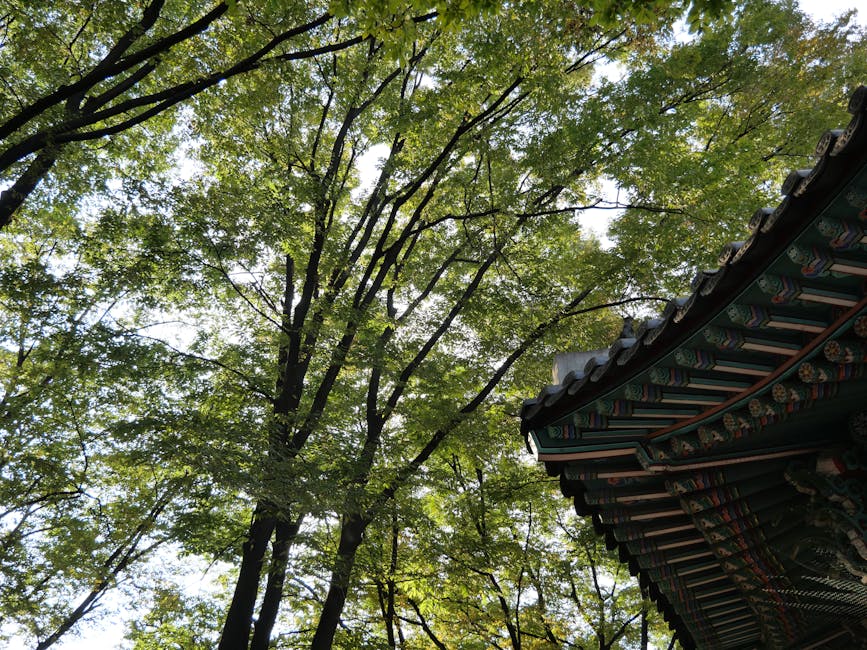
PyeongChang is one of the few places in South Korea where the season genuinely changes the experience. Because the house sits in forest at elevation, the view through the glass walls is a different scene depending on when you visit.
Autumn (late October through mid-November) is the one we’d pick if we had full control of the calendar. The maples turn red, the air is cold and dry, and the light in the forest around the house is exactly what you remember from the show — the members filmed during a mix of seasons, but autumn is the one that photographs the best for you, the visitor. Book ahead because it’s the peak weekend for domestic Korean tourism as well.
Winter (December through February) is the most atmospheric. Gangwon gets real snow, the surrounding pine forest turns into a proper winter scene, and the contrast between the warm glass-walled interior of the house and the frozen outdoors is striking.
The tradeoff is that it’s genuinely cold — expect minus ten in the mornings — and the road conditions on the drive out can delay departure. Bring a real winter coat, not the “it’s kind of cold in Seoul” coat you packed for Gyeongbokgung.
Spring (April and May) is the gentlest weather. The cherry blossoms around PyeongChang bloom later than in Seoul, so if you’ve missed them in the city you can catch them again up in the mountains. The forest is just starting to green up. Tours operate normal weekend schedule.
Summer (June through August) is the one period where the tour runs on some form of daily schedule rather than Friday-Sunday only. It’s also humid, occasionally rainy, and the forest is at its most jungle-like. Not our favorite season for photos of the house itself but the best for the Hyangho Beach stop — the water is actually swimmable in July.
What to Bring (and What to Leave)
The tour provides slippers, merchandise, a snack, and the photo card. Here’s what we’d bring on our end:
- Your own light stick if you own one. You don’t “need” it, obviously, but ARMY on this tour bring theirs and the group photos at Hyangho Beach with everyone holding an Army Bomb at sunset is genuinely special. If you own one, bring it.
- A real camera or just a charged phone. The house interior is the tour’s photo centerpiece and you want good shots. Bring a power bank — even with USB ports on the bus, you’re using your phone all day.
- Layers. The drive is climate controlled, the house interior is warm, the forest walk is cold, the beach is windy. You want a t-shirt base layer, a mid layer, and a jacket you can take on and off.
- Comfortable shoes you can take off and on easily. You’ll slip out of them at the house entrance. Ankle boots with laces are annoying. Slip-ons are perfect.
- Cash for lunch and the gift shop. Cards work at most places, but the small PyeongChang restaurants and the rest-stop snack counters run faster on cash. 30,000 won should cover lunch and a few snacks comfortably.
- A small gift for the group, if you’re that type. ARMY tours often end up with people swapping photocards or small trinkets, and bringing five or six little things (stickers, photocards, small prints) is a nice way to meet people on the long bus ride home.
What we’d leave at the hotel: big tripods (they’ll slow you down and most aren’t allowed inside the house), noisy snacks, anything liquid you can’t screw the cap on properly, and the notion that you’re going to be able to reproduce every shot you’ve seen on Instagram. Some spots are no-photo, the light changes, and the best part of the day is usually the unplanned moment, not the one you scripted before you left home.
Pairing the Soop Tour With Other Korea Itinerary Stops
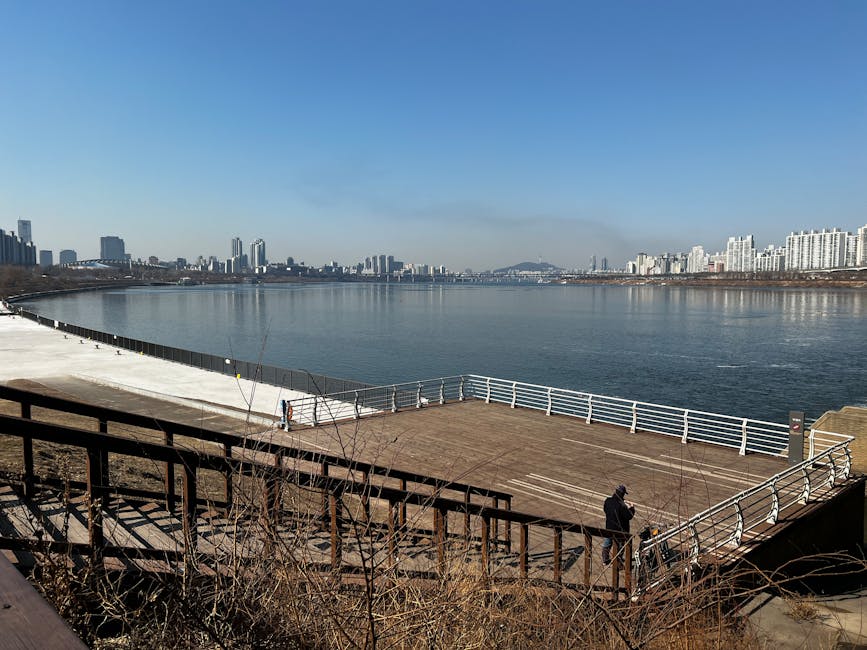
If this is your one big BTS-themed day, the question becomes: what do you do with the rest of your Seoul itinerary? The Soop tour eats an entire day, so you want the other days to work for you.
We’d build a four- or five-day Seoul base around it. Day one, recover from the flight and do the classic Gyeongbokgung and Bukchon sightseeing loop — it’s walking, it’s outside, it’ll fight the jet lag, and you’ll tick off the single most photographed palace in the country. Day two, do the DMZ tour for the historical side of the trip, which you should not skip just because it isn’t BTS.
Day three is the Soop tour. Day four, slow it down with a food-focused day — a night market food tour is the right call here, and it pairs nicely with an afternoon in Hongdae or Itaewon. Day five, either head south to Busan and Gyeongju for the historical-temple angle, or stay in Seoul and do the ARMY half-day tour to close the BTS loop.
If you’re in Korea for longer than five days, we’d add a proper Busan stop — the port city is nothing like Seoul, the beaches are better than anyone expects, and the food scene is easily worth two nights. From Busan you can also catch the alternate pickup for the Soop tour if you happen to schedule it for the end of your trip rather than the beginning.
Coming from a longer Asia swing? A lot of readers build the Korea leg on the back of Vietnam or Indonesia. If you’re arriving from the south, we’ve covered what to do in Hanoi (including the Ha Giang Loop motorbike circuit) and the Bali side of the trip (Ubud tours and the Bali waterfalls route are the two we’d pick). BTS fans flying in from Japan should also consider adding a stopover — Seoul is less than two hours from most Japanese airports and the flights are cheap.
The Purple Bus Stop: A Note on Hyangho Beach
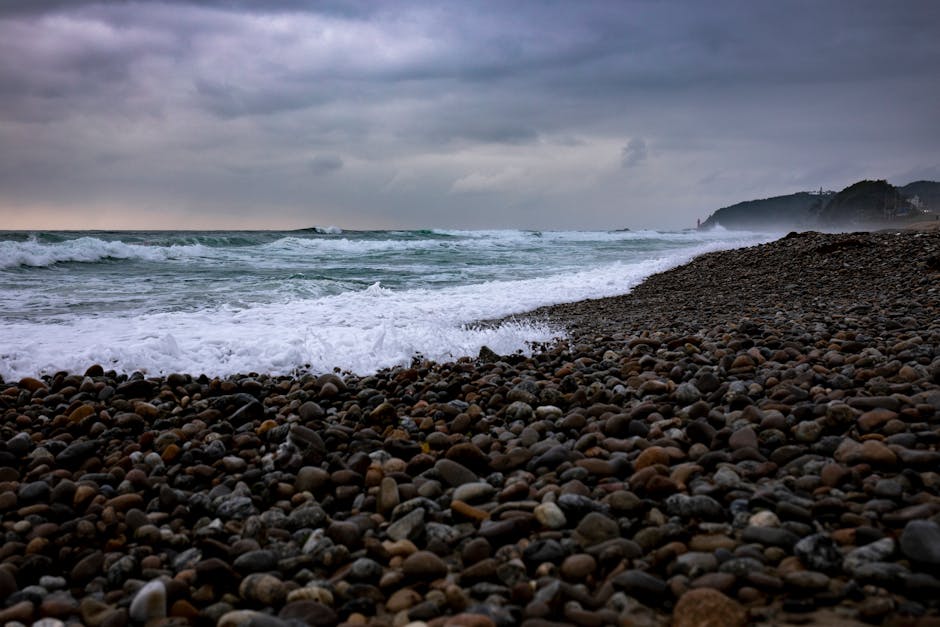

We mentioned the Hyangho Beach stop above, but it’s worth a moment on its own because it’s the part of the day most visitors don’t expect to love as much as they do. The beach itself is about 40 minutes by road from the Soop house, on the Gangwon coast near Gangneung. It is, on any non-summer day, nearly empty.
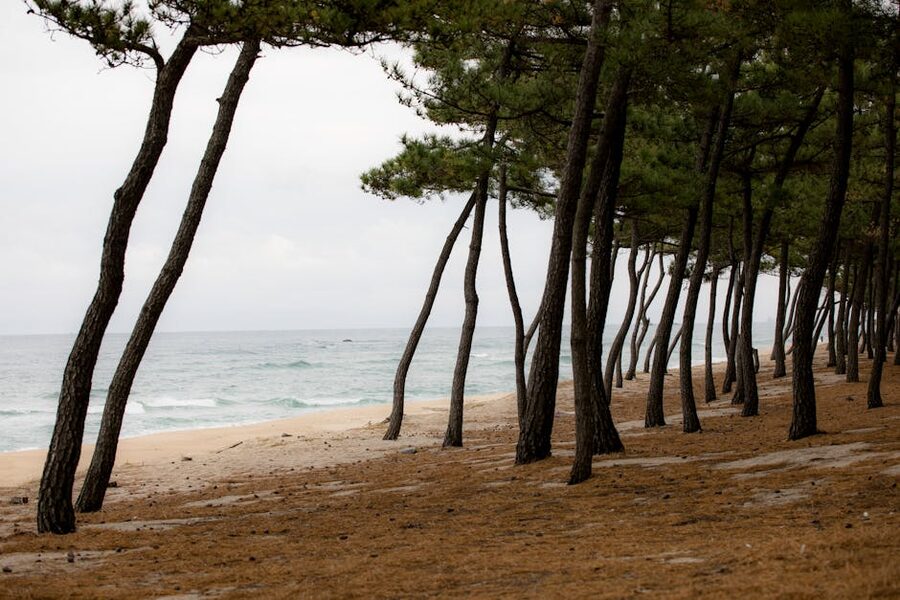
Wide flat sand, a line of low pines, and one painted purple bus shelter that is not marked with any signage and is not called anything official — it’s just the bus stop that ended up on the “You Never Walk Alone” album cover in 2017.
When you pull up, the guide will point it out, and then everyone gets out of the bus and walks down the sand to take their photos. There’s usually a small amount of waiting for your turn at the shelter itself, but it moves fast — people take their shot, step aside, let the next person in. The overall feeling is surprisingly ceremonial.
You can tell everyone knows what the bus stop means to them, and nobody is trying to rush anyone else. In winter the sea is grey and the wind is sharp and the whole scene looks exactly like the album art. In summer it softens into something closer to a beach afternoon, and some people skip the photo entirely and just walk barefoot for twenty minutes.
Either way, it’s a better ending to the day than if the tour just drove you back to Seoul from the Soop house with nothing else on the itinerary.
Booking Logistics: Dates, Group Size, and Cancellation
A few practical details for when you actually hit the booking page:
Book as early as you can. The Soop tour runs a fixed schedule — typically Friday, Saturday, and Sunday with daily operation during the busiest summer weeks — and specific dates sell out weeks in advance, particularly around Korean holidays, the first week of December, and BTS comeback weeks. If you know when you’re going, book as soon as your dates firm up.
Viator’s cancellation terms on this tour are generally 24 hours for full refund, which gives you wiggle room if your plans shift.
Minimum group size matters. This tour has a minimum participant count to operate (around 10 people). If you’re booking well ahead for a low-season date, check that the tour is confirmed to run before you lock in non-refundable hotels or flights around it. Most of the time it runs — the tour is popular enough that even shoulder-season weekends fill — but it’s worth double-checking in January or during typhoon weeks.
Pickup is Seoul AMID Hotel, not your own hotel. You have to make your own way to AMID Hotel in central Seoul by 7:20 a.m. If you’re staying in Myeongdong or Hongdae, that’s a short taxi or subway ride — budget for a taxi because the subway isn’t running early enough on Sunday mornings to get you there on time from most neighborhoods. If you’re staying in Itaewon or farther out, consider booking a hotel closer to AMID for the night before.
The Busan departure is a real option if you’re coming from the south. The Busan pickup leaves from Busan Station at 7:00 a.m., and the tour runs a bigger loop — you end up back in Busan that night rather than Seoul. It’s priced slightly higher (closer to $173) because of the longer drive, and it’s a legitimate way to do the Soop tour without a separate Seoul trip. We’d only recommend it if you’re already in Busan for other reasons.
Bring your passport or ID. Entry to the house requires matching your booking name to a government ID at check-in. A printed or screenshot booking confirmation is fine, but you need the ID to back it up.
Is This Tour Actually Worth It?
The honest answer depends on whether you’re ARMY. If you watched In The Soop — even once, even on a plane — you already know why this tour matters, and $139 for a twelve-hour day that includes the house, the merchandise, the beach, and transport from Seoul is, frankly, a bargain compared to what similar experiences cost for K-pop fans anywhere else in the world. The tour has 1,709 five-star reviews.
You don’t get to that number by being a tourist trap. You get there by showing people something they’ve waited years to see, and letting them take the time they need to actually be there.
If you haven’t watched the show and someone is dragging you along — it’s still a beautiful day. PyeongChang is one of the prettier corners of South Korea. The forest around the house is genuinely nice. The Hyangho Beach bus stop is a memorable photo spot even without the album reference. Gangwon’s food is underrated.
You’re not going to have the same emotional reaction as the person you’re traveling with, but you’re not going to be miserable either. Bring a book for the bus. Take the photos. Order the buckwheat noodles for lunch.
And if you’re ARMY and you’ve been putting this off because you weren’t sure if the tour was legit or if the house was still open — it is legit, it is still open, it’s run by Hanatour ITC with a proper licensed agreement, and the 2026 season schedule is already publishing dates. Book it. You won’t regret the day.
One last thing. The thing people seem to say most often in reviews, the thing that comes up almost more than the house itself, is the quiet. The Soop was a show about rest. About seven extraordinarily busy people stopping for a week to just exist in a forest.
And the tour, for all that it’s a packaged day trip, somehow manages to preserve that — for maybe an hour, while you’re walking through the actual rooms and looking out the actual windows, you’re standing in a place that was deliberately designed to be slow. Korea moves fast. Seoul moves very fast. The Soop house doesn’t. That’s the part you remember.