
A Swedish mum I met on the Yurikamome line told me she’d booked a ninja class in Tokyo purely as a distraction for her 8-year-old. She came out weeping. Her kid had just thrown a shuriken into a straw target, dead centre, and the instructor — an actual 14th-generation descendant from Iga — had knelt down and called him shinobi. She spent the rest of that morning texting her husband photos of a boy in a black hood holding a wooden sword with both hands like he’d been doing it his whole life.
That’s the thing with Tokyo ninja experiences. They read as kitsch on paper. Then you show up, and somewhere between the costume room and the throwing star range, a three-hour museum tour becomes one of the most-talked-about hours of your trip.
- In a Hurry
- What a Tokyo ninja experience actually is (and isn’t)
- The three tours worth booking
- 1. Tokyo Samurai Ninja Museum Guided Tour —
- 2. Ninja Experience (Family & Kid Friendly) — .92
- 3. Ninja Samurai 2-Hour Hands-On Lesson — .22
- How to book (and how far in advance)
- Where the experiences happen — Asakusa vs Shinjuku
- Asakusa — Samurai Ninja Museum
- Shinjuku/Kabukicho — Ninja Trick House and the live show
- What actually happens in the session
- A 60-second history: why Tokyo is the weird choice
- The weapons you’ll actually touch
- Shuriken (throwing stars)
- Katana
- Manriki-kusari and other chain weapons
- Ninja tools beyond weapons
- What to wear, what to bring
- Pricing and what’s included
- Is it OK for kids? And for adults?
- Tokyo ninja vs Kyoto ninja: which city if you can only pick one?
- Common questions I get
- If you’re building a Tokyo “old Japan” day around this
- Pairing it with other booking guides in this series
In a Hurry
- Samurai Ninja Museum Guided Tour — $28. Best all-rounder in Asakusa, 1 hour, costume + star throwing + sword lesson. Check availability.
- Ninja Experience (Family & Kid Friendly) — $47.92. The one to book if you’ve got kids under 10 — costumes sized for them, a treasure hunt, photoshoot. Check availability.
- 2-Hour Hands-On Ninja & Samurai Lesson — $86.22. Small group, real instruction. Book this if you actually want to learn, not just dress up. Check availability.
What a Tokyo ninja experience actually is (and isn’t)
Let me get the honest bit out first. Tokyo is not the historical home of ninja. That honour belongs to Iga (Mie Prefecture) and Koka (Shiga) — the mountainous regions west of Kyoto where the shinobi families actually trained and hired themselves out as mercenaries in the 15th and 16th centuries. If you want buildings with genuine trapdoors and revolving walls, you go there.
Tokyo offers something different. What you book here is a recreated experience — costume, weapons demo, a short lesson on the history, and a chance to throw actual shuriken at wooden targets. It’s part museum visit, part role play, part photo shoot. The quality is genuinely high. The two main operators (Maikoya’s Samurai Ninja Museum in Asakusa, and the Ninja Trick House in Shinjuku) have been running for over a decade and the staff know their material.
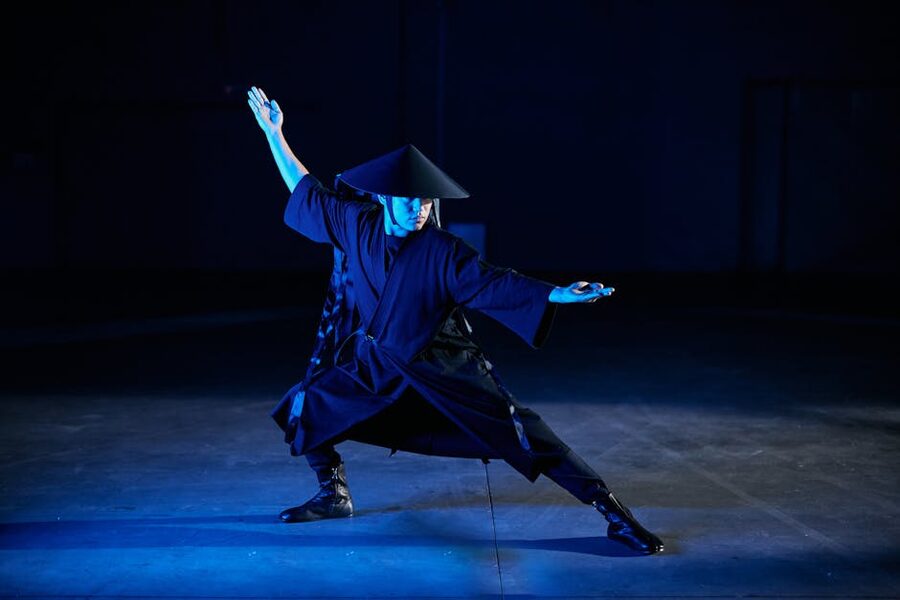
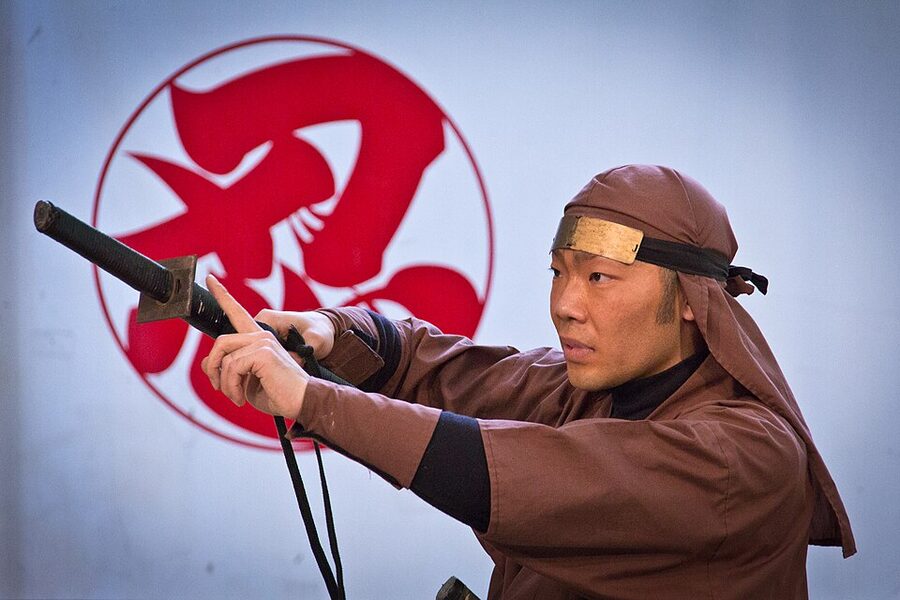
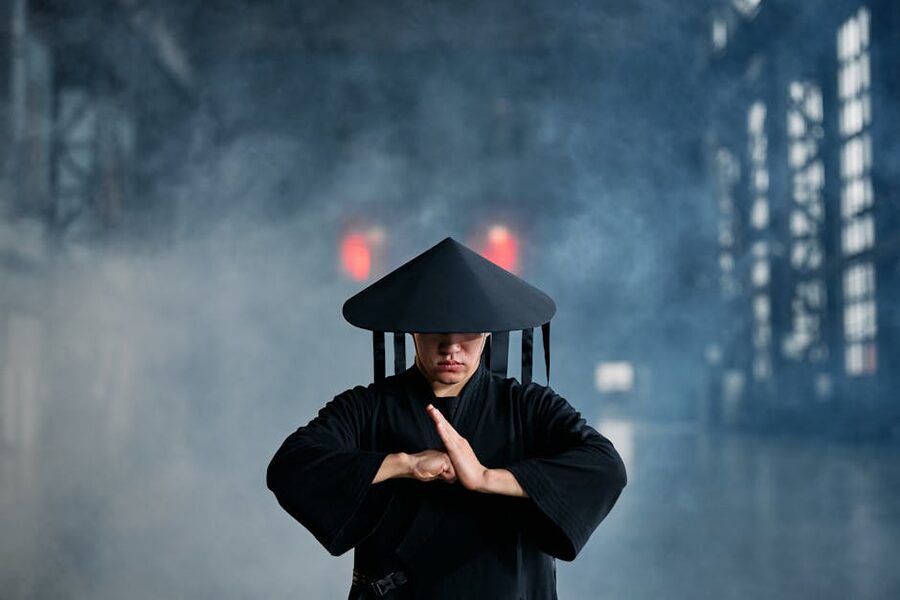
Think of it like this: you’re not learning to scale a castle wall. You’re learning to hold a katana properly, throwing weighted steel stars at a target from 2 metres, and getting dressed in traditional shinobi shozoku with the hood wrapped correctly. That’s a solid hour. No one leaves disappointed — but it helps to arrive with your expectations calibrated.
The three tours worth booking
I’ve filtered the Tokyo ninja options down to three that consistently deliver. Prices are USD and change a little with season and group size — always check the booking page for the exact rate on your date.
1. Tokyo Samurai Ninja Museum Guided Tour — $28
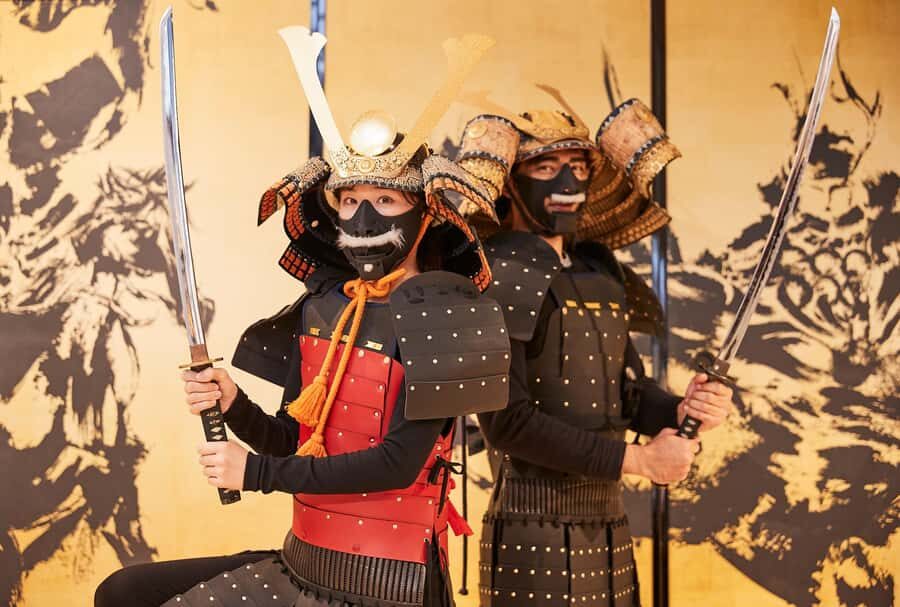
This is the guided tour everyone means when they say “the Asakusa ninja museum.” It’s a compact hour — you’re dressed up as a samurai, walked through the exhibits by an English-speaking guide, taught to handle a sword, then given a go at the ninja star throwing game. Our full review breaks down what each of those 60 minutes looks like and which guides have the best reputation. Book at least three days out; the English slots sell faster than the Japanese ones.
2. Ninja Experience (Family & Kid Friendly) — $47.92
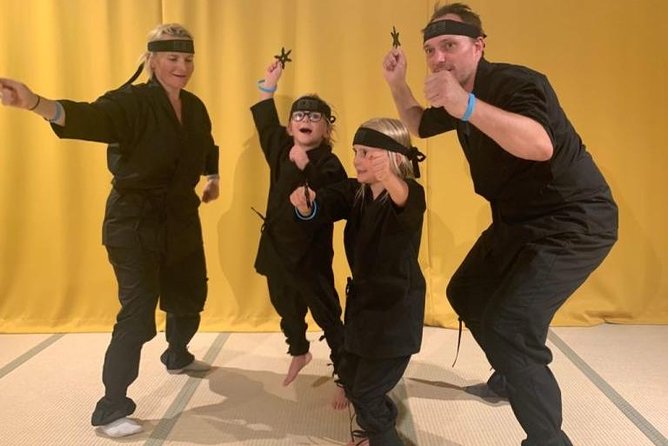
Run by Maikoya, the same operator behind a lot of Tokyo’s tea and kimono classes. Maximum 15 people, so you’re never in a mob. The session layers costume fitting, a brief history talk, throwing-star and dart practice, a treasure hunt, then a photo shoot. Our full write-up has the photos from a mum who took her 9-year-old and ended up enjoying it more than the kid did. Worth the premium over the $28 tour if you have children.
3. Ninja Samurai 2-Hour Hands-On Lesson — $86.22
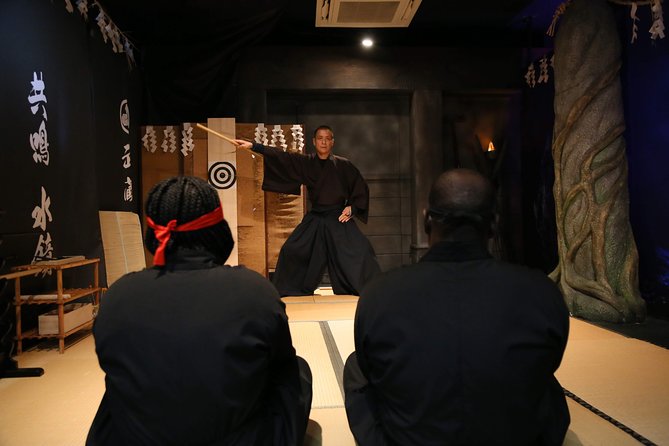
The step-up option. Two full hours, small class, instructor-led. You cover ninja history in more depth, then drill technique — footwork, weapon handling, stealth postures — rather than just trying things once. Our review covers which Tokyo location it runs from and what physical fitness level it assumes (not much — they adapt). Book this if you’re travelling solo or as a couple and want something that feels more like a workshop than a tour.
How to book (and how far in advance)
All three tours I listed above take online bookings through GetYourGuide or Viator. You pay at booking, receive a confirmation email with the meeting point, and show up 10 minutes early. No printed ticket needed — they scan your phone.
Lead time: for English-language slots, I’d book three to five days out in shoulder season (April, October-November), a full week in April cherry blossom and the July-August peak. Last-minute same-day bookings are possible for Japanese slots but the English guides are the bottleneck. Cancellation is usually free up to 24 hours before — check the specific tour for the policy.
A small tip that’s saved me twice: the Asakusa museum has morning and afternoon sessions, and the late-afternoon ones are consistently less busy than the 10am slot. If you’re flexible, book the 3pm or 4pm and you’ll get more direct time with the guide.
Where the experiences happen — Asakusa vs Shinjuku
There are two clusters in Tokyo. Choose based on where you’re already spending the day.
Asakusa — Samurai Ninja Museum
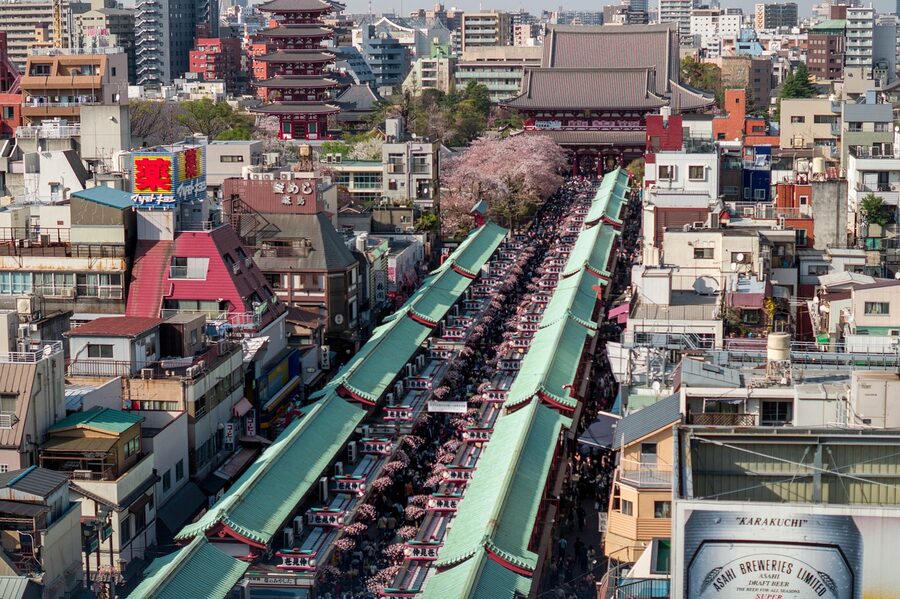
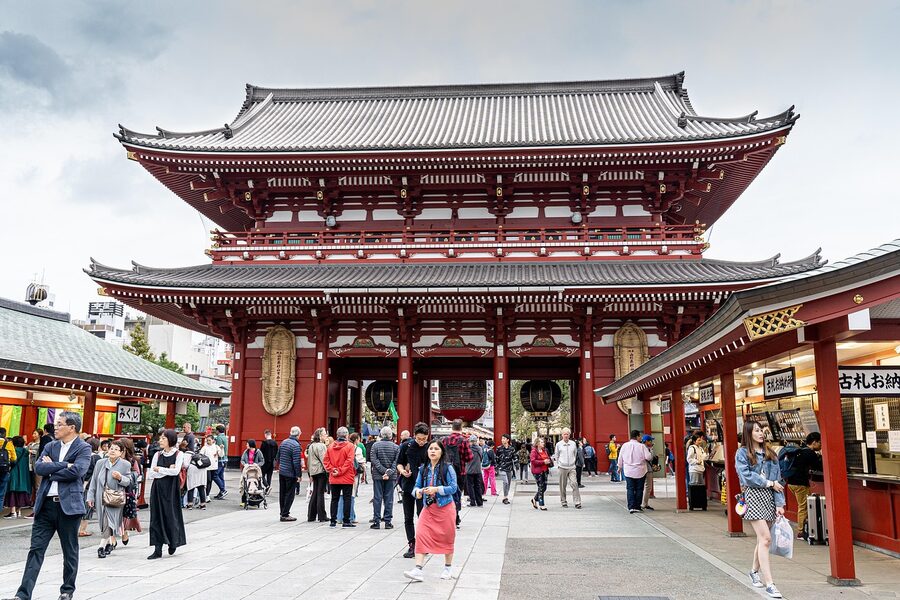
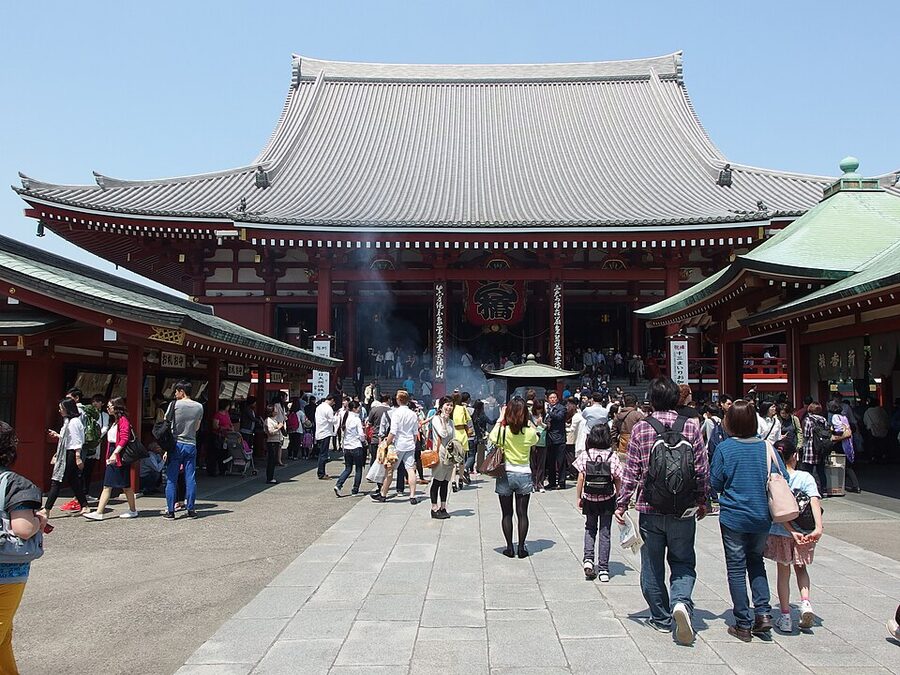
Asakusa is the old-town east side of Tokyo — Senso-ji Temple, Nakamise Street, rickshaw pullers in cotton hakama. The Samurai Ninja Museum sits a couple of blocks off the main shopping street, near Hanakawado Park. It’s tidy to combine with a morning at Senso-ji and, if you want to keep the samurai thread, an afternoon entry-only ticket for anyone in your group who doesn’t want the guided bit.
Asakusa is also where you’d do a kimono rental morning or a rickshaw tour. It’s the day to lean into traditional Tokyo.
Shinjuku/Kabukicho — Ninja Trick House and the live show
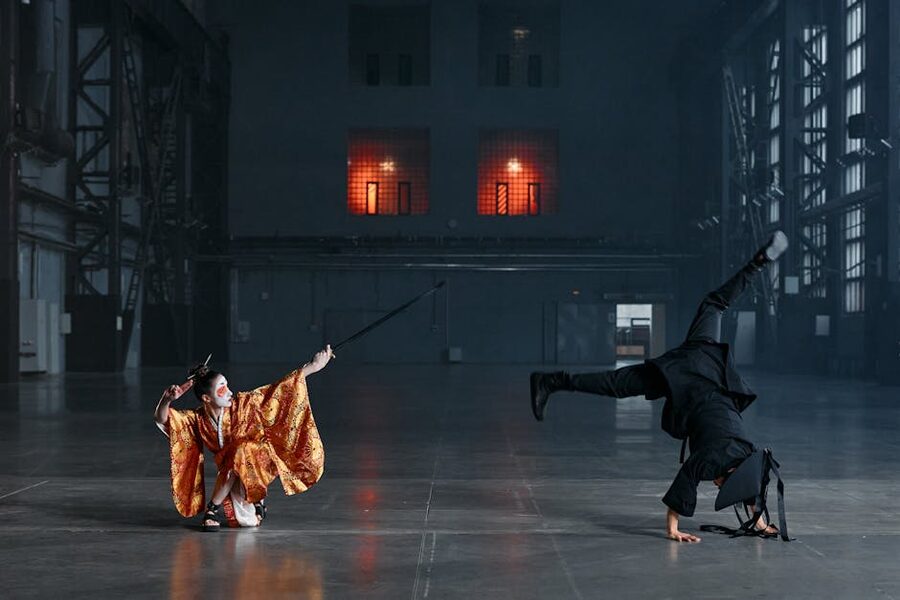
Shinjuku’s offer leans more theatrical. The Ninja Trick House has mechanical doors, hidden passages, and stars you throw in a small range. There’s also a live show — the Shinjuku Ninja Live Show at $43 — a wordless 40-minute performance with acrobatic swordplay and taiko drumming. Reviews are mixed for the show (some loved it, some felt it leaned heavy on the theatrical side), so I rank the hands-on tours above it. Still, if you’re already heading out for a night in Golden Gai, a 6pm show followed by yakitori in the alleys works nicely.
What actually happens in the session
The one-hour Samurai Ninja Museum tour is the template everyone else follows. Here’s the usual flow:
Minutes 0-10: Costume. You pick a size, the staff help with the wrap, you choose a hood colour. The dark navy is the historically accurate one — true black shows up in moonlight, apparently. Photos happen throughout; ask them to take a group shot on your phone.
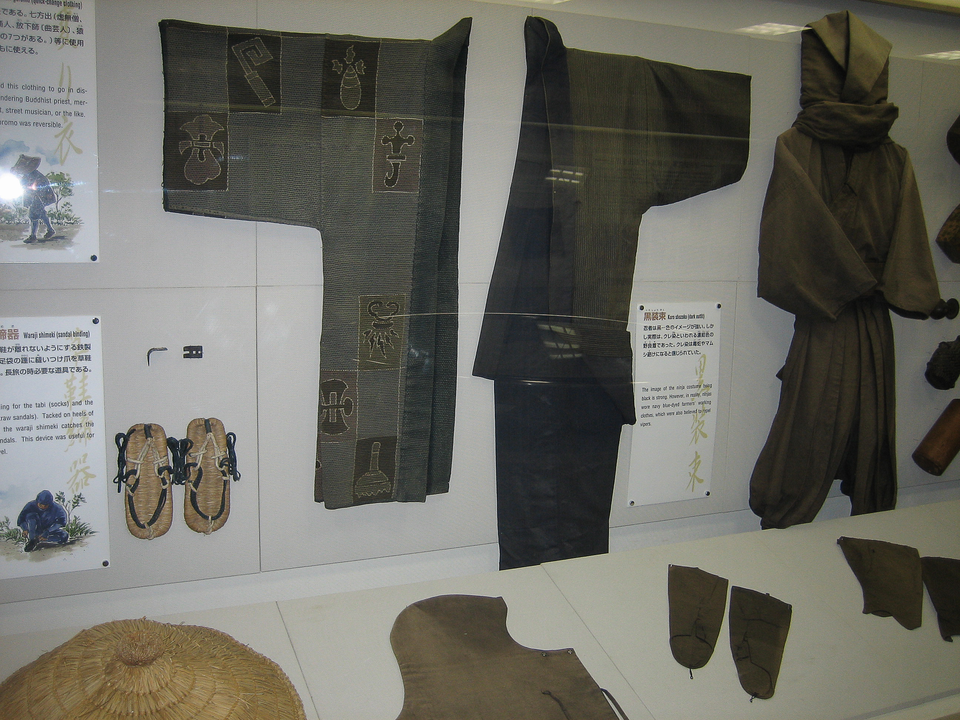
Minutes 10-25: Museum walk. The guide takes you through real ninja tools, authentic swords, and one or two pieces that are period-genuine. The Asakusa museum has a Edo-period manriki (a ninja chain weapon) I find genuinely unsettling to look at. Expect good one-liners from the guide — the running jokes about Hollywood ninja are well-rehearsed.
Minutes 25-45: Hands-on. Sword lesson first — how to hold a katana with both hands, basic cuts, a coordinated pair drill. Then the star-throwing range. They use weighted steel shuriken; the targets are straw bales. Most people land at least one.
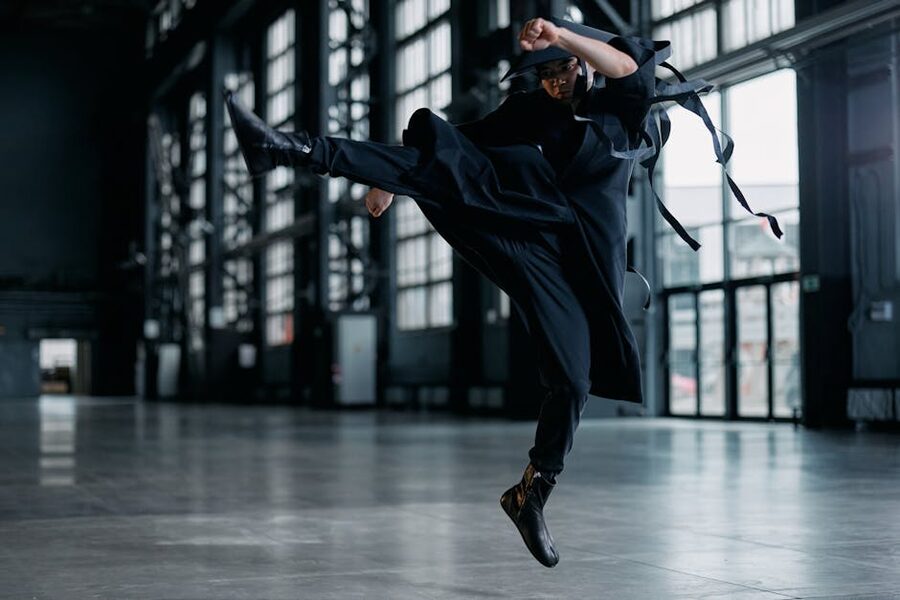
Minutes 45-60: Photos and wrap. Staff take the group photo on their camera; you buy the prints after (maybe $5 each). You change back, collect your shoes, leave with a card showing your “ninja rank” and a small souvenir shuriken sticker.
A 60-second history: why Tokyo is the weird choice
The ninja’s real home was Iga and Koka, regions in what’s now Mie and Shiga prefectures. These were mountainous, self-governing communities that developed unorthodox combat skills as self-defence — their people became mercenaries for warring lords in the 15th and 16th centuries. That’s the era of the actual ninja.
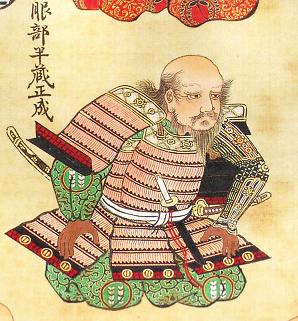
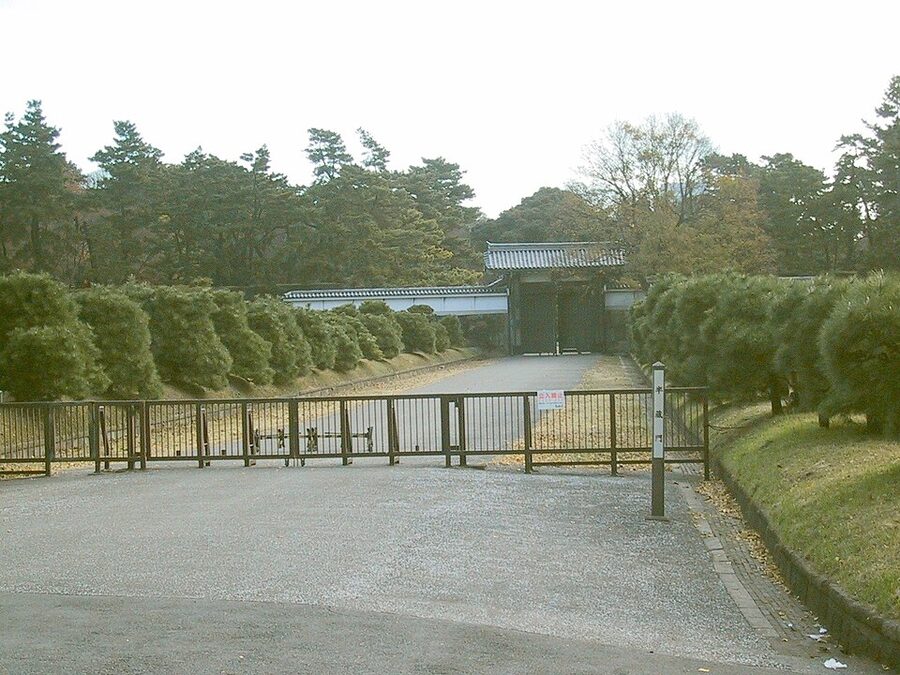
Edo — now Tokyo — does have one legitimate ninja link. After Tokugawa Ieyasu consolidated power in 1603, he brought the Iga clan leader Hattori Hanzo to Edo as a security commander and stationed ninja guards at what became Edo Castle. The gate they guarded still bears the name Hanzomon — you’ll cross it on the subway if you take the purple Hanzomon line. That’s about it for authentic Tokyo ninja history.
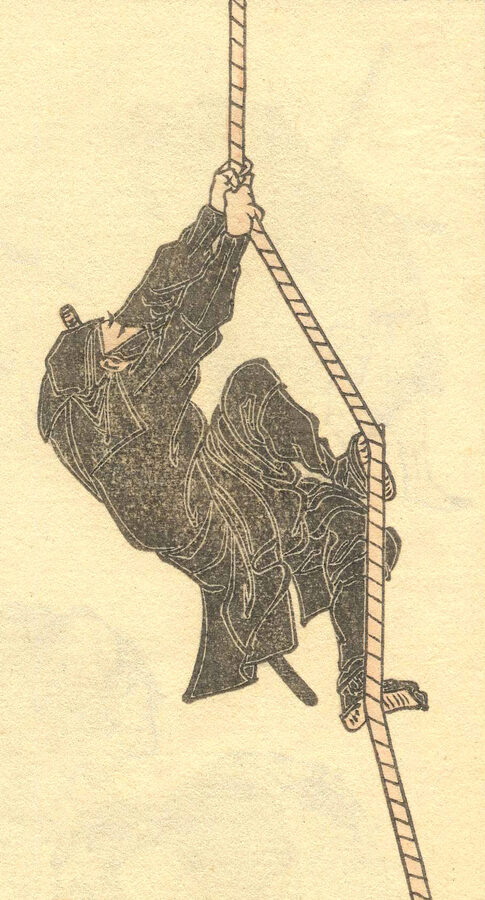
Everything else about the ninja look — the all-black outfit, the hood, the single sword across the back — was codified in Edo-period popular culture. Kabuki plays borrowed it. Wood-block prints spread it. By the time the image reached the West in the 19th century it was already a stylised entertainment figure, not a historical soldier. Modern Tokyo experiences are in that tradition — theatrical, knowingly so, drawing on 250 years of how Japan itself has depicted the ninja.
The weapons you’ll actually touch
Every Tokyo experience includes handling props. What you’re handed is usually real steel for the display weapons and training-weight replicas for the hands-on bits. A quick tour of the kit.
Shuriken (throwing stars)
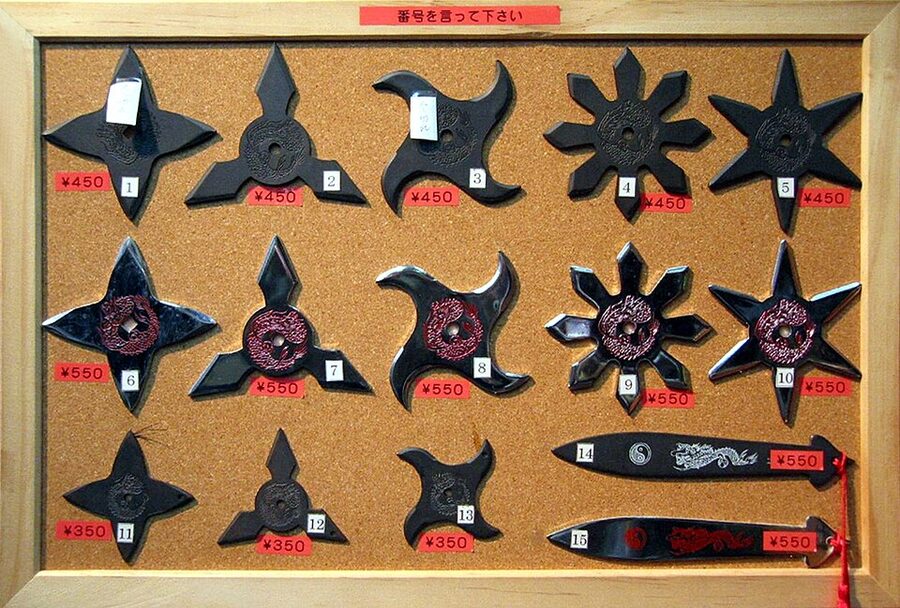
The stars you throw in the experiences are weighted steel, usually the four-point juji or the classic eight-point happogata. You get five throws from two metres at a straw bale. Most first-timers stick at least one. The instructor’s tip is always the same: don’t flick the wrist, push from the shoulder like a dart.
Katana
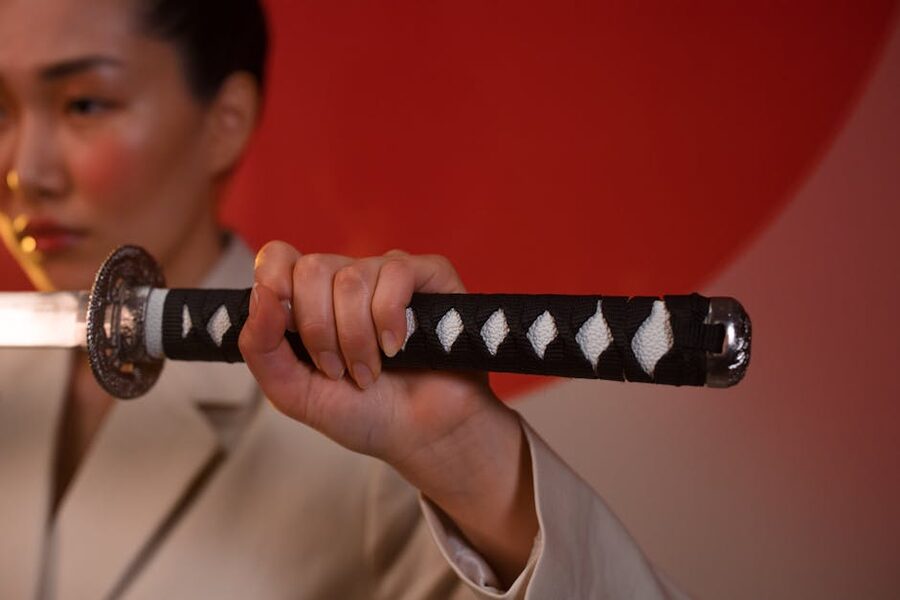
The sword portion uses a real katana for demonstration and a blunted replica for your practice. You learn the two-hand grip, a basic vertical cut (kirioroshi), and a side-to-side stance drill. Most experiences pair you with another guest for a coordinated sequence. The sword itself is heavier than people expect — about 1.2kg, all in the blade. Fifteen minutes of handling it is enough for forearm burn.
Manriki-kusari and other chain weapons
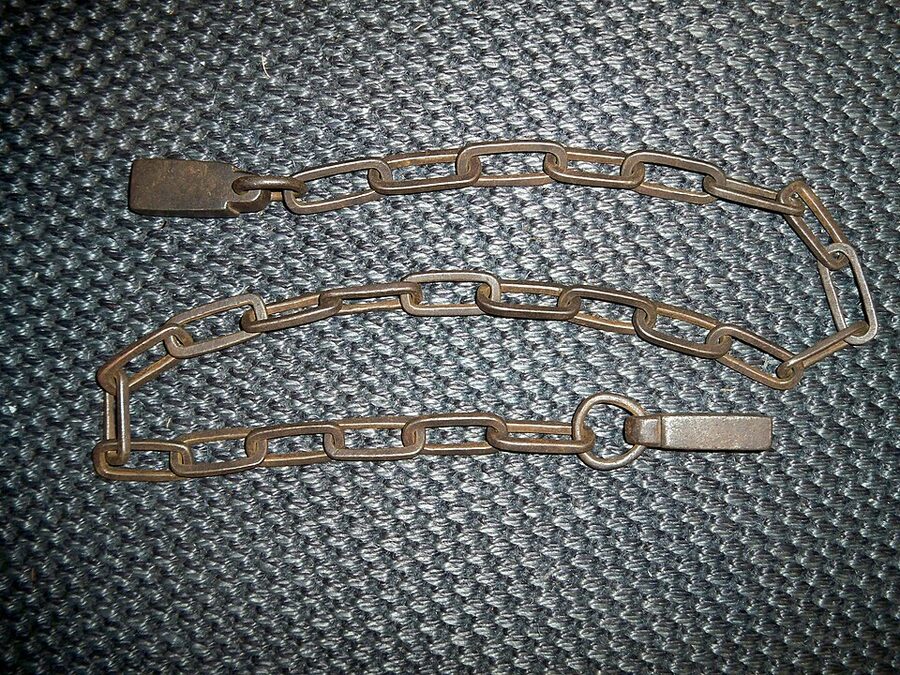
You don’t train with these, but they come out for the museum display. Chain weapons, hidden blades, grappling hooks, caltrops. The appeal of the Asakusa museum is the sheer variety — far more than a themed restaurant could show you. Ask the guide about kuroguwa (the grappling hook) — you’ll usually get a good story.
Ninja tools beyond weapons
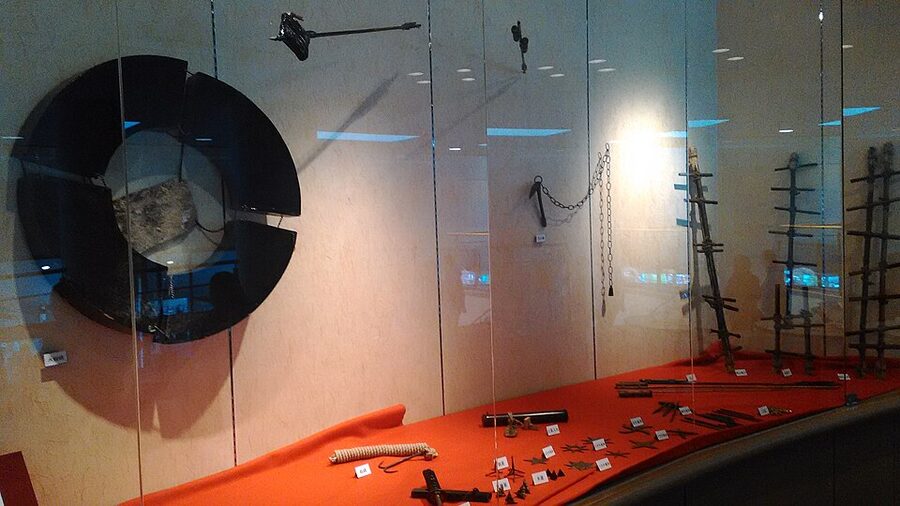
The guides always circle back to this — historically, ninja spent far more time on surveillance, sabotage, and communication than combat. They carried folding saws for cutting through bamboo, tetsubishi caltrops to spike pursuers, and blow tubes for signalling. This is where a guided tour beats a self-entry ticket — you leave with a sharper picture of what the job actually was.
What to wear, what to bring
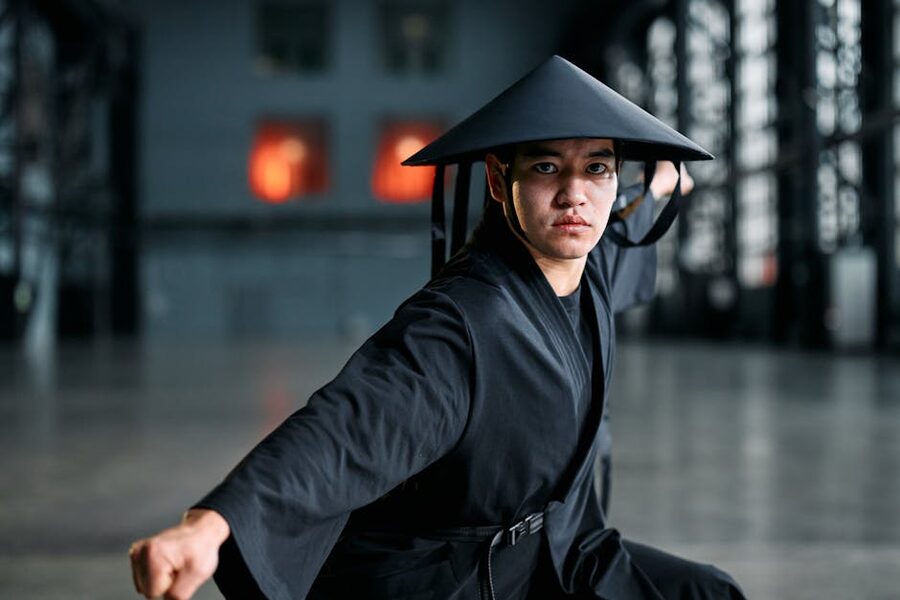
Short answer: jeans, a t-shirt, grippy socks in your bag. You’ll change into costume over your own clothes, so comfortable layers are fine. The socks matter — the dojo and throwing range are shoes-off zones and plain floor socks slip. Tabi socks aren’t required; thin cotton grippers are ideal.
Leave big bags at your hotel. The museums have lockers but they’re small and it’s easier not to bother. Bring your phone (everyone takes photos), a water bottle, and a small note of any martial arts or back injuries — the instructors adjust the sword drill if anything’s niggling.
Pricing and what’s included
The $28 Samurai Ninja Museum guided tour is the pricing benchmark. Here’s what that includes: 60-minute guided session, full costume rental (photos allowed), sword and shuriken hands-on, museum entry, English-speaking guide, and a souvenir card at the end. Photos taken on their cameras are optional extras (around $5 per print).
The $47.92 family-friendly tour adds a longer treasure hunt and a structured photo shoot at the end — the kids get a framed print included. The $86.22 two-hour hands-on lesson adds a second hour of instruction and caps the group size at around six, so you get far more direct teaching.
Not included anywhere: transport, food, and photo prints. Budget an extra $10 for taxis or bring a Suica card. Most people grab a taiyaki or a matcha soft-serve from Nakamise Street on the walk out, so add that if you’re doing Asakusa.
Is it OK for kids? And for adults?
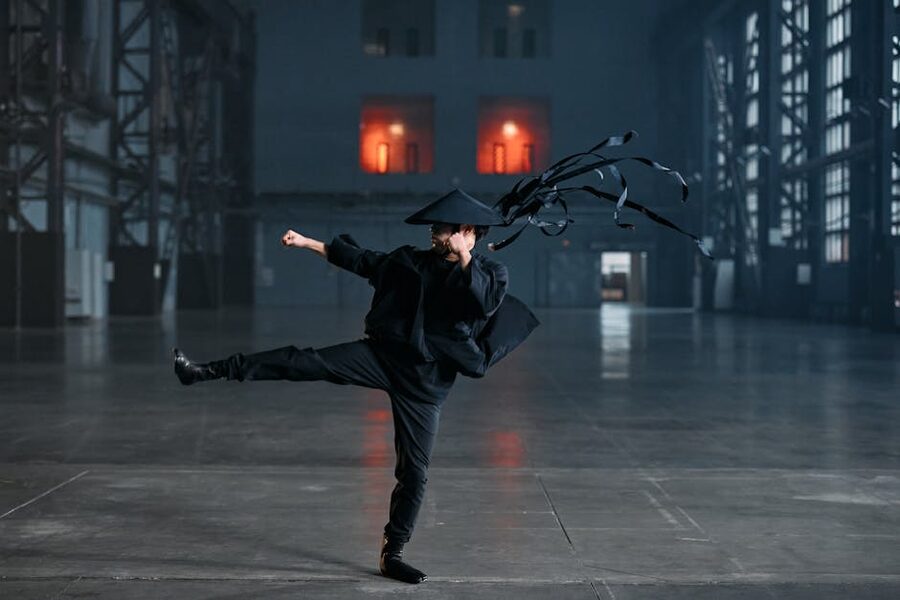
Yes on both counts. The family-friendly tour explicitly welcomes kids from about 4 upwards, and the costumes go down to child sizes. The throwing stars they give children are softer and lighter than the adult steel versions. I’ve been in a session with a five-year-old who loved the treasure hunt but zoned out during the history talk — that’s normal.
For adults alone or couples, go with the 2-hour lesson or the standard Samurai Ninja Museum tour. Both feel grown-up — the history and technique portions are pitched at adults. Groups of friends do well at either. Solo travellers should not worry; about a third of any session is solo.
Tokyo ninja vs Kyoto ninja: which city if you can only pick one?
If you’re doing both cities anyway, honestly, do one in each. They’re different enough.
Tokyo’s offer is museum-heavy, polished, and close to other big attractions. You can slot an hour in between Senso-ji and a kimono shoot without losing half a day. Kyoto’s ninja experiences lean older — there’s a Samurai Ninja Museum in Kyoto too, but also a weapon making class where you forge your own shuriken. Kyoto also sits closer to the real Iga heartland if you want to day-trip to the source.
If you’re pinned to one city, book Tokyo for convenience — it slots into a Tokyo-only itinerary without friction. Book Kyoto if you’re more interested in craft than costume, and you don’t mind that Kyoto’s experiences tend to cost a touch more.
Common questions I get
Do I need to speak Japanese? No. All three tours I’ve recommended run in English with an English-speaking guide. Japanese slots exist and are usually cheaper by about $5, but you’ll miss the narrative.
Can I wear the costume outside? Not the one you rent for the session. Some operators do offer paid ninja costume street rental for photos around Asakusa — ask at the front desk if interested. It’s a separate add-on.
Are photos and videos allowed? Yes, throughout. The guides expect it. They’ll also take photos for you on request.
Is there a show, or is it all participation? The Samurai Ninja Museum tour has a short demo from the guide (sword drawing, a short kata). The Shinjuku Ninja Live Show is pure performance. The 2-hour lesson is all participation, barely a demo.
Accessibility? The Asakusa museum has some stairs. Call ahead if that’s a barrier — they’ve accommodated wheelchair users before but it needs coordination. The throwing star range is flat.
Rain? All indoor. Zero weather impact.
If you’re building a Tokyo “old Japan” day around this
Here’s a structure that works for most first-timers. Morning: Senso-ji temple walk (90 minutes) and Nakamise Street for a matcha soft-serve. Midday: the Samurai Ninja Museum guided hour. Afternoon: either a kimono rental for a photo walk back to Senso-ji, or a tea ceremony session if you want something calmer. Evening: dinner in Asakusa or a move to Shinjuku for Golden Gai.
If you’ve got kids along, the samurai sword archery class is a decent follow-up on a second day. Same operator runs both at some locations; ask about a bundle rate.
Pairing it with other booking guides in this series
This is the Tokyo entry in a four-part ninja-and-warrior series. If you’re building a Japan itinerary that runs wider than one city, the sibling guides are useful: a private Hiroshima tour on the Sanyo route pairs naturally with a Japanese archery experience in Hiroshima (the kyudo studios there are quieter than Kyoto’s and the instruction runs longer). A Kyoto rickshaw tour through Arashiyama is the other bookend — a traditional transport experience to balance the combat-heavy Tokyo ninja session.
Readers who book the ninja morning also tend to follow up with a broader samurai experience the next day. If you want the actual performance angle rather than hands-on, the Kaguwa theatre show in Asakusa is where to go — it’s more theatrical than the ninja museum and makes a good evening companion.