
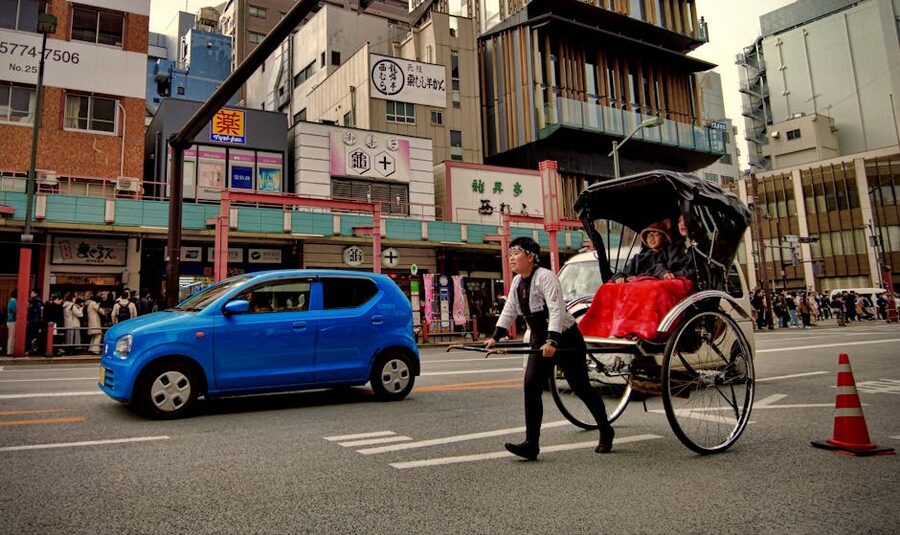
Have you ever wondered what Tokyo looked like before the neon and the skyscrapers? Asakusa is the closest you will get. And the best way to see it — the backstreets, the hidden temples, the spots the walking crowds blow right past — is from the back of a rickshaw, pulled by someone who knows every alley by name.
A rickshaw tour through Asakusa is one of those experiences that sounds touristy until you actually do it. Then you realize the runner is pointing out things you would have walked past ten times, the elevated seat gives you a completely different perspective on Sensoji Temple, and the whole thing costs less than a decent lunch.
Short on time? Here are my top picks:
Best rickshaw tour: Tokyo Asakusa Rickshaw Tour — $39.79. Perfect 5.0 rating from 1,400 reviews. Multiple duration options starting at 30 minutes.
Best walking alternative: Asakusa Walking Tour with Sensoji Temple — $22. Two-hour guided walk covering the same area on foot. Great budget option.
Best evening add-on: Asakusa Kaguwa Cabaret Theater — $49. Traditional dance performance right in the neighborhood. Pairs perfectly with an afternoon rickshaw ride.
- How Rickshaw Tours in Asakusa Work
- Pre-Booked Tour vs Walking Up to a Rickshaw
- The Best Asakusa Tours to Book
- 1. Tokyo Asakusa Rickshaw Tour — .79
- 2. Asakusa Walking Tour with Sensoji Temple Visit —
- 3. Asakusa Kaguwa — Japanese Dance Cabaret Theater —
- When to Go
- How to Get to Asakusa
- Tips for Getting the Most Out of Your Ride
- What You Will See on the Route
- More Tokyo Experiences Worth Booking
How Rickshaw Tours in Asakusa Work
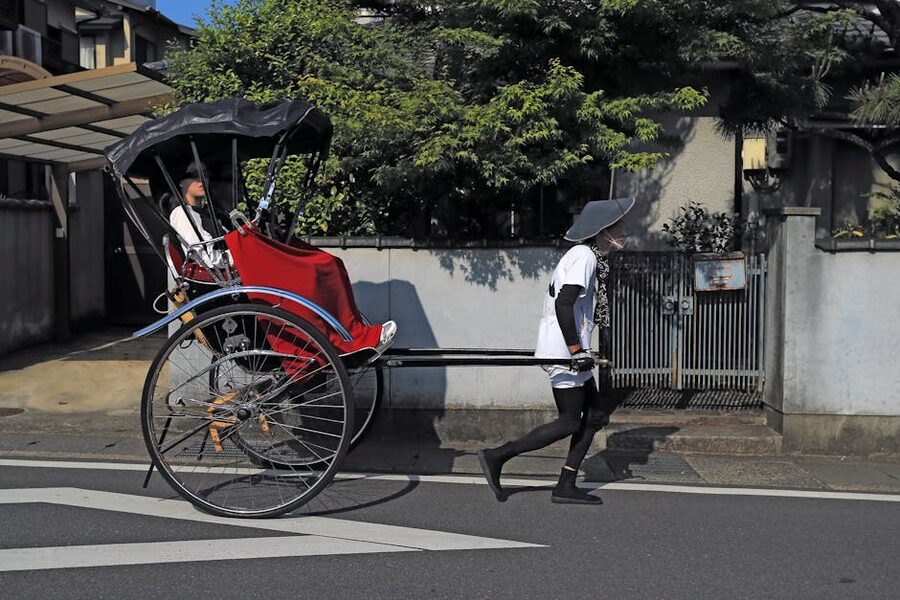
You do not need to book in advance to get a rickshaw ride in Asakusa. Runners stand near Kaminarimon Gate and along Nakamise-dori, calling out to passersby. But here is the problem with that approach: you negotiate on the spot, you do not know what you are getting, and pricing can be inconsistent.
Pre-booking through Viator or a similar platform locks in your price, guarantees an English-speaking runner, and lets you choose your duration. The standard options are 30 minutes (quick highlights), 60 minutes (the sweet spot), or 2+ hours (deep explore side streets and lesser-known temples). Most people go with 30 or 60 minutes.
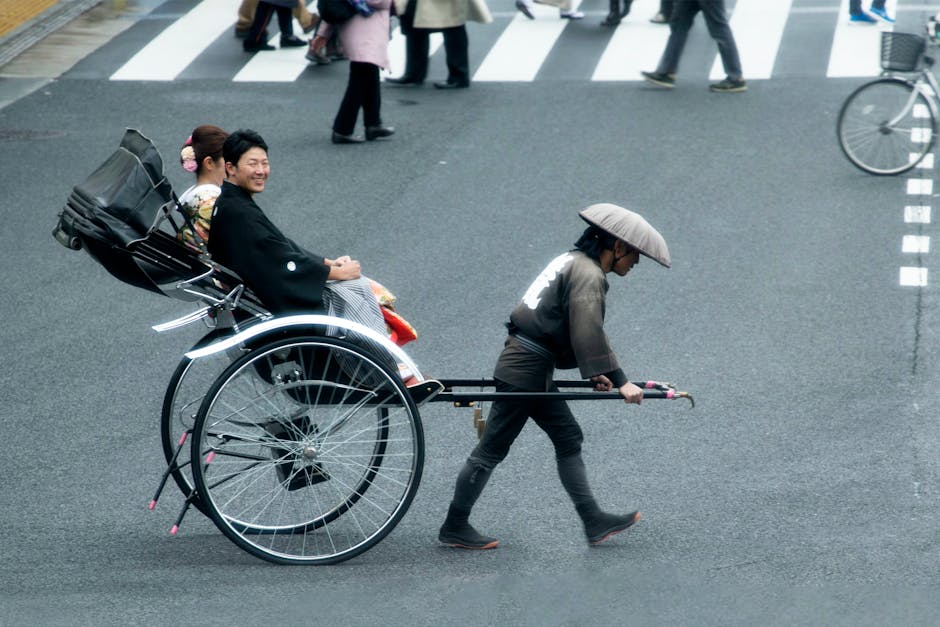
The rickshaw holds two passengers and one runner. The runner does all the work — pulling, narrating, stopping at photo spots, and occasionally lifting the rickshaw over curbs with you in it. They are trained guides, not just drivers. Most know the history of every building you pass and can rattle off facts about Sensoji that even Japanese travellers do not know.
Meeting point is typically near Kaminarimon Gate. You will get a confirmation with the exact location after booking. The runners wear traditional happi coats and are easy to spot.
Pre-Booked Tour vs Walking Up to a Rickshaw
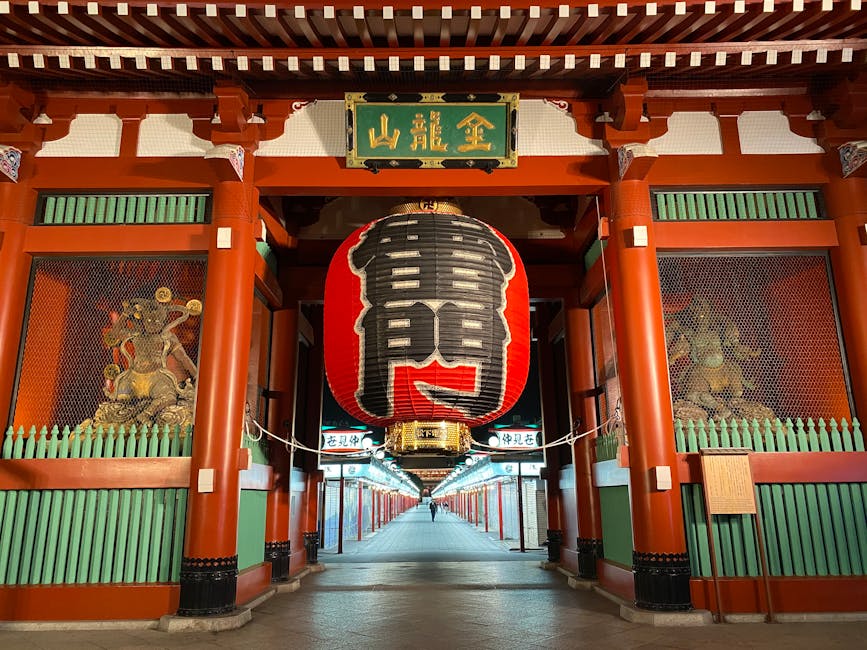
Walking up to a rickshaw runner on the street works, but it is a different experience. The street-side guys are legitimate — this is a regulated business in Asakusa, not a scam — but pricing is less transparent. You might pay more or less than the online rate depending on how busy the day is, and the route is whatever the runner decides.
Pre-booking gives you a set price, a set duration, and usually a more structured route that hits the best spots. You also get the guarantee of an English-speaking guide, which matters. Some of the walk-up runners speak limited English, and half the value of the experience is the commentary.
If you are the spontaneous type and comfortable negotiating in a foreign language, walk-up is fine. If you want certainty and a guaranteed English guide, book ahead. The price difference is negligible either way.
One thing to note: weekends and holidays are significantly busier. If you want a pre-booked slot on a Saturday, reserve at least 2-3 days in advance. Weekday mornings almost always have availability.
The Best Asakusa Tours to Book
1. Tokyo Asakusa Rickshaw Tour — $39.79
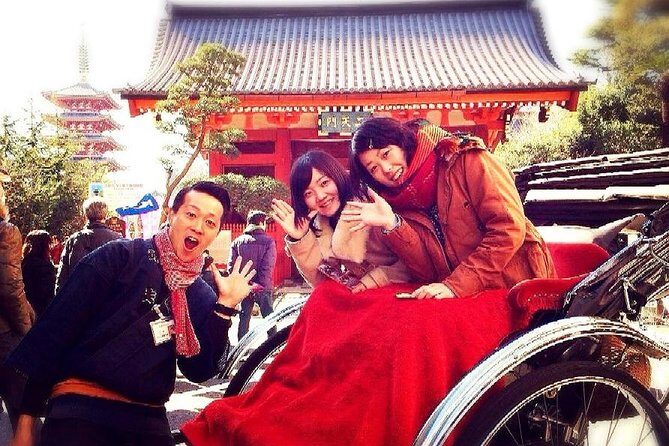
This is the one. 1,400 reviews, perfect 5.0 rating, and prices starting at $39.79 for the shortest option. The tour operates through Ebisuya, which is the largest and most established rickshaw company in Japan — they have been doing this for decades and it shows in the quality of their runners.
You pick your duration when booking: 30 minutes covers Kaminarimon, Nakamise-dori, and Sensoji Temple with a few backstreet detours. The 60-minute version adds the traditional merchant district, Sumida River views, and quieter residential streets where you see a completely different side of Asakusa. Every version includes photo stops where the runner hops out and takes your picture with the rickshaw framed against whatever landmark you are passing.
At under $40 per person for the 30-minute ride, this is genuinely one of the best-value activities in Tokyo. You get a private guide, a unique perspective, and photos you would never get on foot because the elevated seat puts you above the crowd line. If you are doing a full day of Tokyo sightseeing, start with this.
2. Asakusa Walking Tour with Sensoji Temple Visit — $22
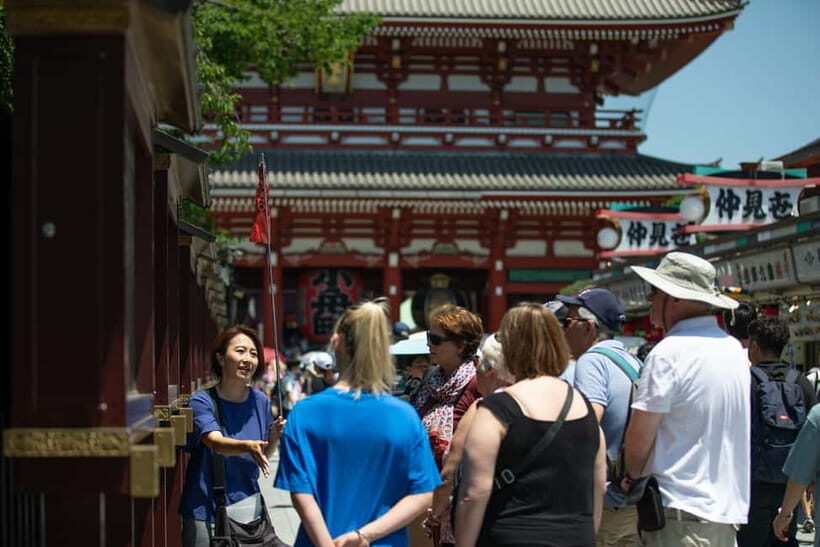
Not everyone wants to ride in a rickshaw — and that is completely fine. This 2-hour walking tour covers the same Asakusa territory on foot, but goes deeper into the history and culture because you are not limited by where a rickshaw can physically go. At $22, it is also about half the price.
The guide walks you through Kaminarimon, down Nakamise-dori, through the temple grounds, and into side streets that most travellers never find. With 1,583 reviews at 4.8 stars, this is one of the highest-rated walking tours in all of Tokyo. The two-hour duration is enough to cover the area thoroughly without dragging.
This is the better choice if you want historical context over the novelty factor. The walking guides tend to go deeper on Sensoji’s 1,400-year history, the significance of the various temple buildings, and the story of how Asakusa went from fishing village to entertainment district. If you have already done the Gion walking tour in Kyoto or the Fushimi Inari hike, you know how much a good guide adds.
3. Asakusa Kaguwa — Japanese Dance Cabaret Theater — $49
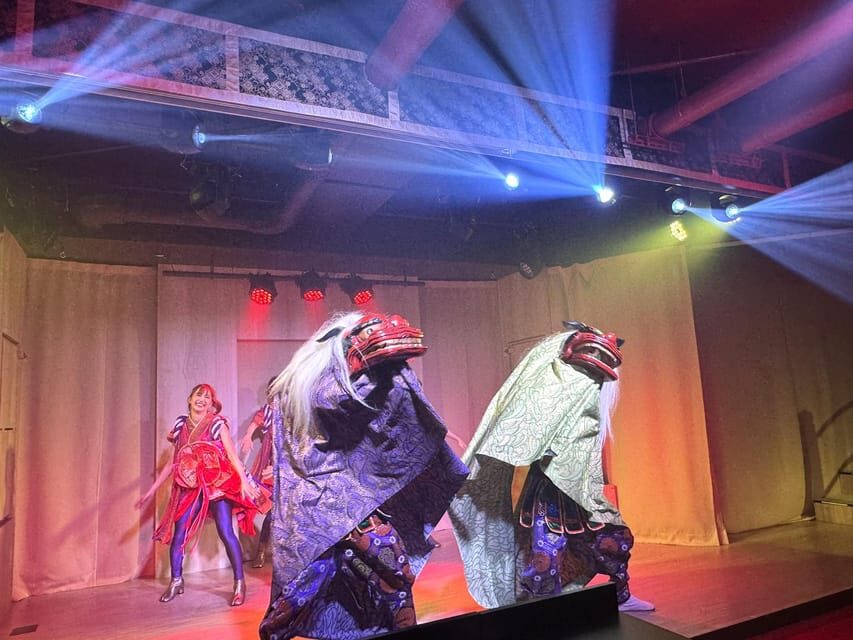
This is not a rickshaw tour — it is what you do with your evening after the rickshaw tour. Asakusa Kaguwa is a cabaret-style theater in the heart of the neighborhood that stages traditional Japanese dance performances with a modern twist. 2,270 reviews at 4.8 stars and a ticket price of $49 that includes one drink.
The 2-hour show blends classical dance, live music, and elaborate costumes into something that feels accessible even if you know nothing about Japanese performing arts. It is not stuffy or academic — it is entertainment first, cultural education second. The included drink helps you settle in.
I mention it here because the location is perfect: you can do a rickshaw tour in the afternoon, grab dinner at one of Asakusa’s countless yakitori or tempura spots, then walk to the theater for the evening performance. It turns a half-day Asakusa visit into a proper full evening. If you are into unique Japanese cultural experiences, this pairs well with a sumo morning — two sides of traditional performance in one day.
When to Go
Rickshaw tours run year-round and in most weather. Rain is the exception — most operators cancel during heavy rain for safety reasons (the roads get slippery for the runners). Light rain or overcast skies are fine, and the runners carry blankets and rain covers for passengers.
Best time of day: Early morning (9-10 AM) or late afternoon (3-4 PM). Midday is when tour bus crowds peak and Nakamise-dori becomes a shoulder-to-shoulder shuffle. The rickshaw can navigate side streets to avoid the worst of it, but the experience is more relaxed when the streets are quieter.
Best season: Spring (late March through April) for cherry blossoms around the Sumida River, or autumn (November) for the fall colors in the temple grounds. But honestly, Asakusa works in every season. Summer is hot but the early morning or evening light is gorgeous. Winter means fewer crowds and crisp air.
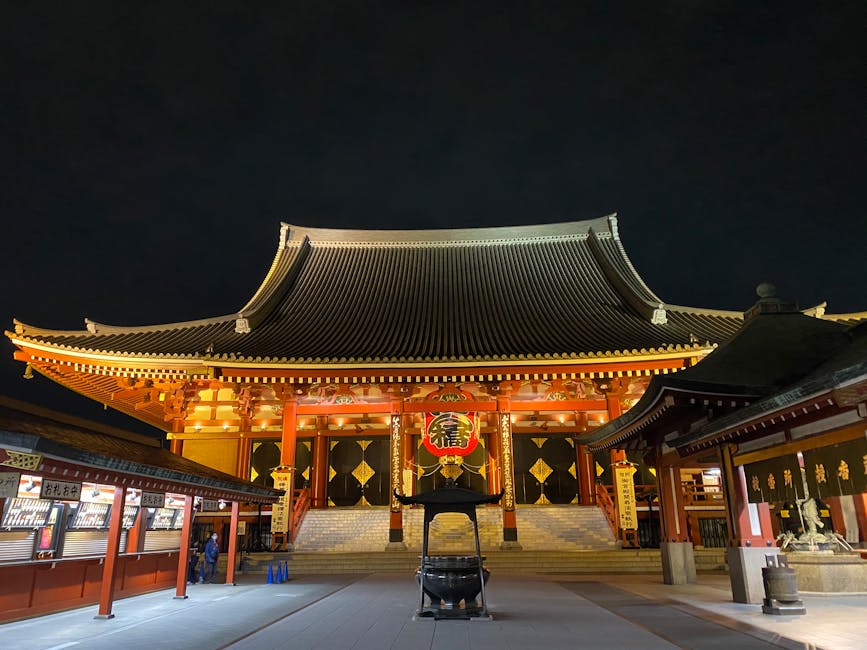
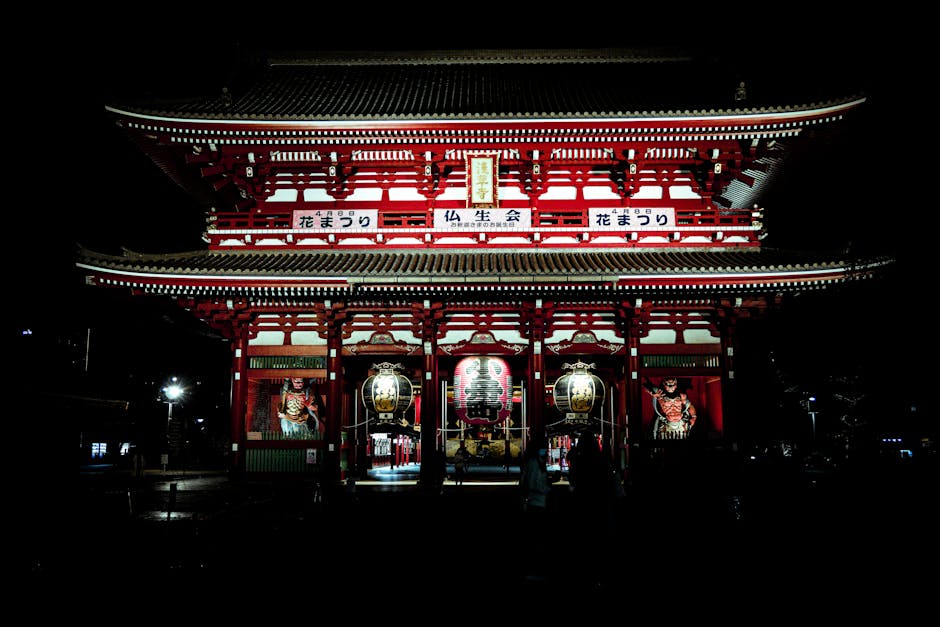
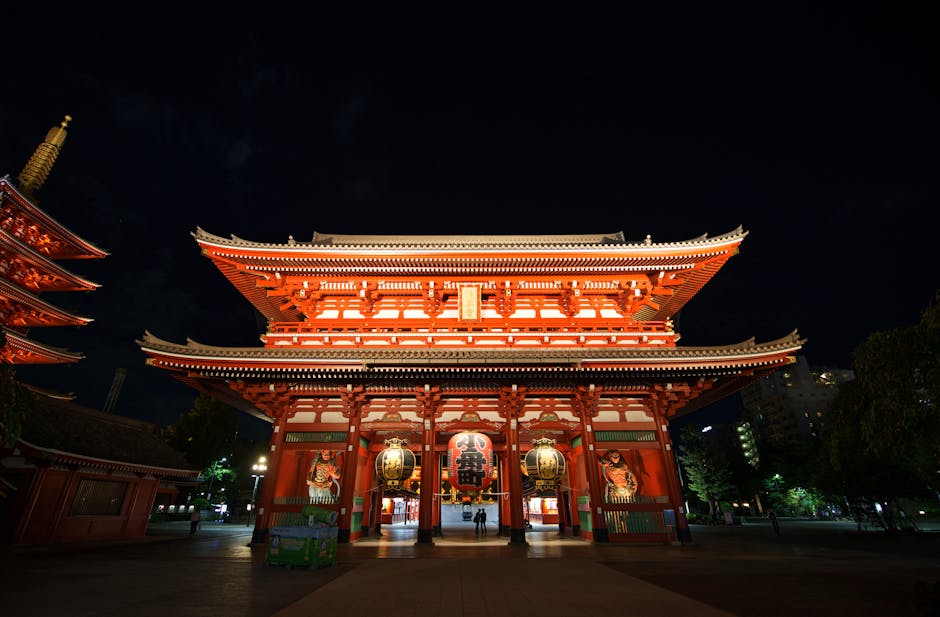
Sensoji Temple itself is open from 6:00 AM to 5:00 PM (main hall), but the grounds and gates are accessible 24/7. Some of the best photos of Kaminarimon and the pagoda happen after dark when the lanterns are lit and the travellers have cleared out.
How to Get to Asakusa
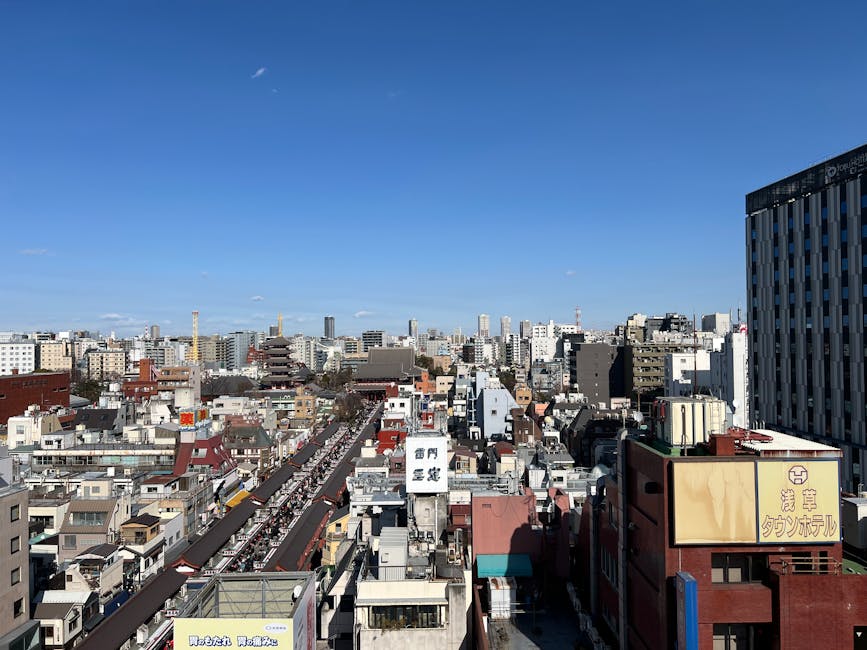
Asakusa is one of the easiest neighborhoods in Tokyo to reach by public transport.
By subway: Asakusa Station is served by the Ginza Line (orange), Asakusa Line (rose), and Tsukuba Express. From Shibuya, take the Ginza Line direct (30 minutes). From Shinjuku, take the Marunouchi Line to Ginza, transfer to the Ginza Line (35 minutes total). From Tokyo Station, the Ginza Line takes about 15 minutes.
By water bus: TOKYO CRUISE runs boats from Hinode Pier (near Hamamatsucho Station) to Asakusa along the Sumida River. It takes about 40 minutes and costs around 1,000 yen. This is a scenic option if you are not in a hurry — you pass under a dozen bridges and get a perspective on the city you cannot get any other way.
By taxi: From central Tokyo hotels, a taxi to Asakusa runs roughly 2,000-3,000 yen depending on traffic. Reasonable for groups of 3-4 splitting the fare.
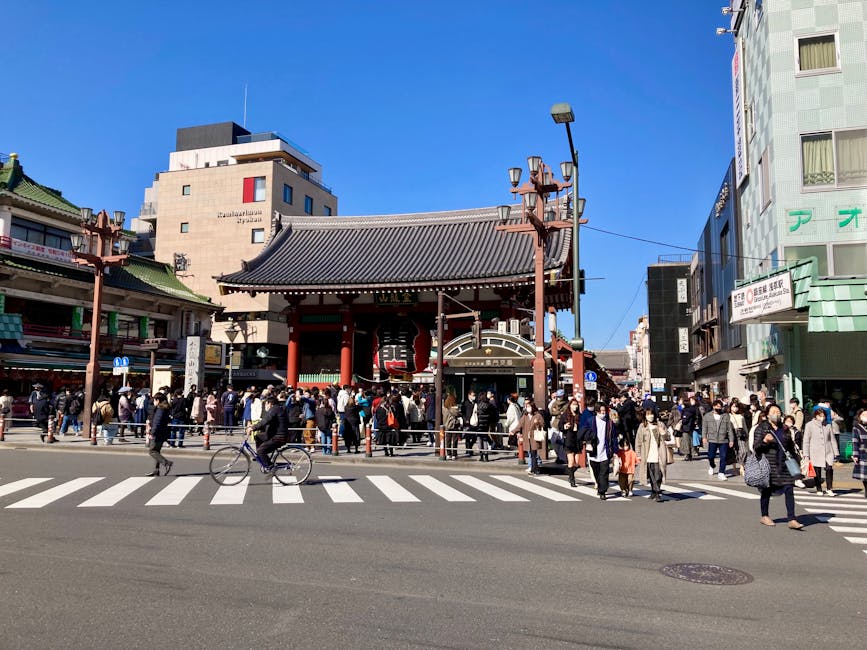
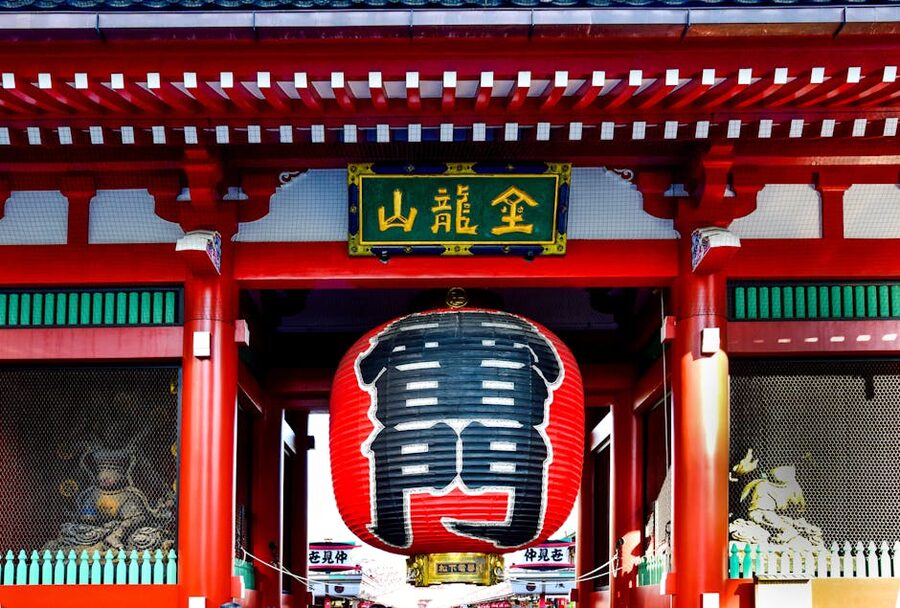
The rickshaw meeting point is usually right at Kaminarimon Gate, which is a 2-minute walk from Asakusa Station Exit 1. You literally cannot miss the gate — it is the one with the enormous red lantern.
Tips for Getting the Most Out of Your Ride
- Pick 60 minutes if your budget allows it. The 30-minute ride feels a bit rushed. An hour gives the runner time to take you off the main streets where the real charm is.
- Ask your runner to take photos of you. They are used to it and know exactly which angles look best. This is part of the service, not an imposition.
- Dress comfortably but consider renting a kimono first. Several rental shops near Kaminarimon rent kimonos for about 3,000-5,000 yen. The photos from a rickshaw ride in a kimono are genuinely stunning and the runners love it.
- Tip if you had a great experience. Tipping is not expected in Japan, but rickshaw runners are an exception — many work on tips. A few hundred yen or $5 is appreciated.
- Combine with Nakamise-dori shopping. The street has 90+ shops selling everything from rice crackers to traditional crafts. Budget 20-30 minutes for browsing before or after your ride.
- Visit the temple grounds after dark too. Even if your rickshaw tour is during the day, come back in the evening. The lit-up gates with almost nobody around is a completely different and arguably better experience.
What You Will See on the Route
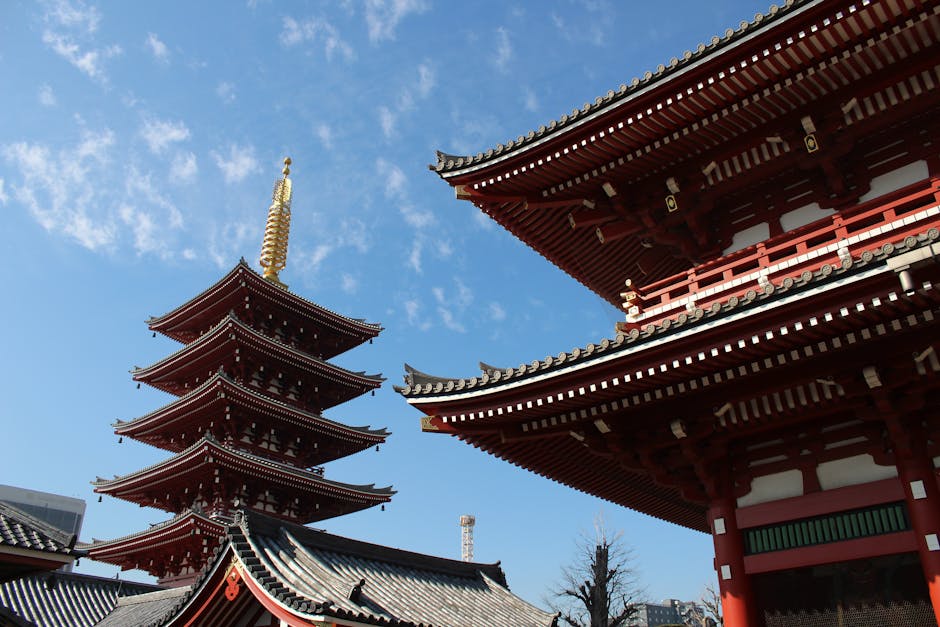
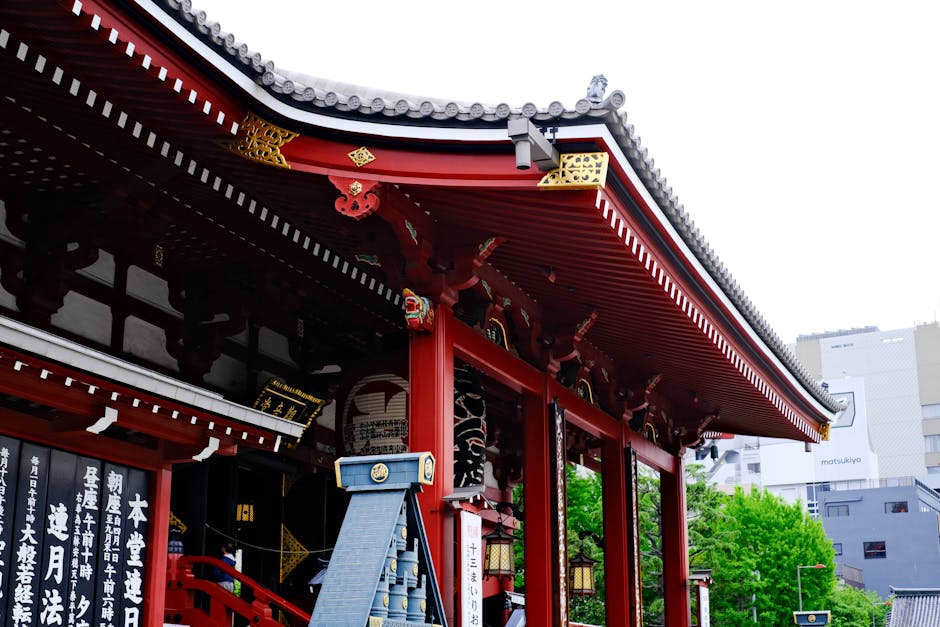
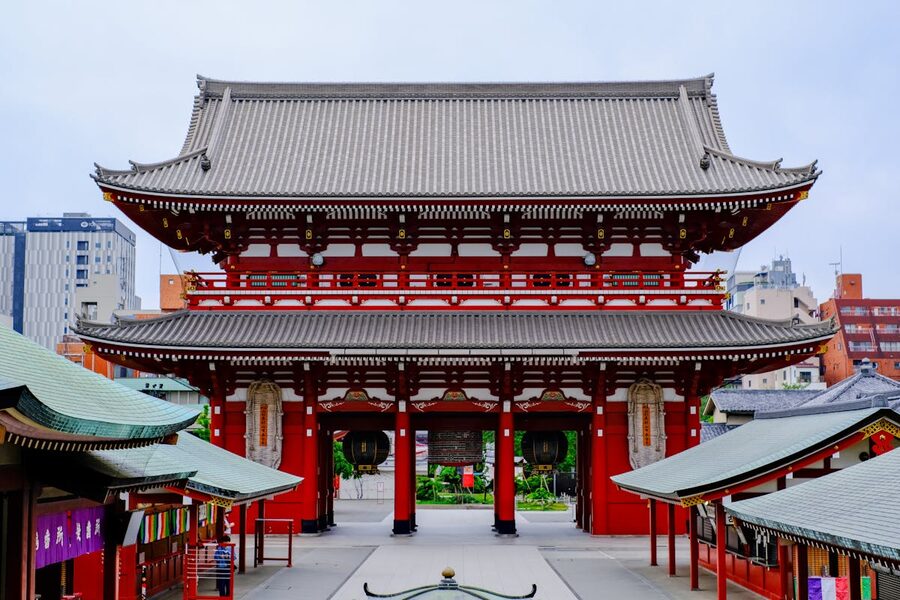
Every rickshaw route in Asakusa passes the big landmarks: Kaminarimon Gate with its iconic red lantern, Nakamise-dori shopping street, Hozomon Gate (the second, larger gate), the five-story pagoda, and the main hall of Sensoji Temple. These are the non-negotiables.
But the real value of a rickshaw tour is what happens when you leave the main drag. Longer routes take you through the Denpoin-dori covered shopping street, past traditional merchant houses that have been in the same families for generations, and along quiet residential lanes where you see elderly residents tending tiny gardens next to 400-year-old shrines.
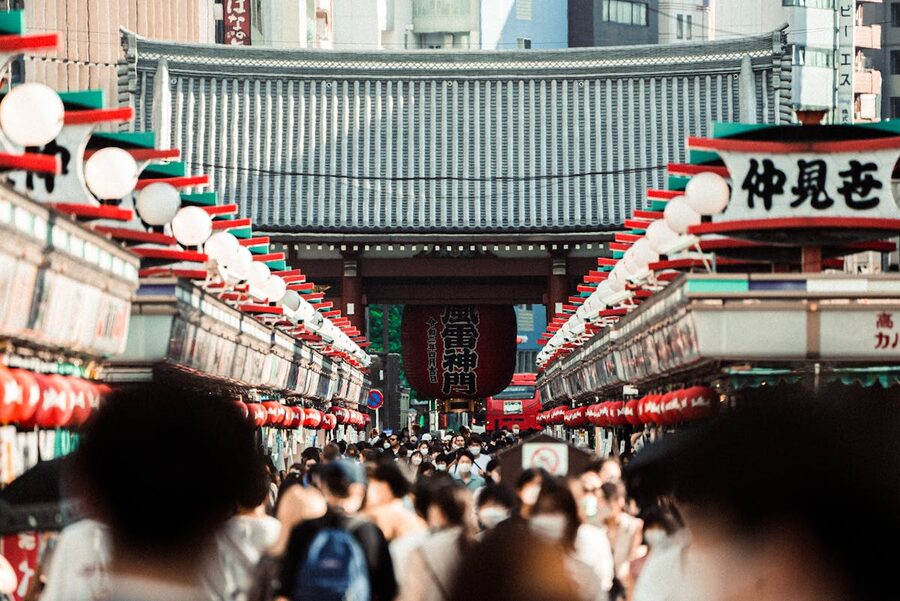
Some routes include a swing past the Sumida River for views of the Tokyo Skytree and the Asahi Beer Hall (the building with the golden flame sculpture on top that everyone photographs). On clear days, the river path is gorgeous — wide open sky in a city that usually feels like a canyon of buildings.
Sensoji Temple deserves more than a drive-by. Built in 645 AD, it is the oldest temple in Tokyo and one of the most visited religious sites in the world — about 30 million people come through every year. The temple was destroyed in the 1945 firebombing of Tokyo and rebuilt in the 1950s. What you see today is a faithful reconstruction, but the spiritual significance is unbroken.
Pull an omikuji fortune at the stand near the main hall — if you get bad luck, tie it to the rack and leave it behind. That is the tradition.
More Tokyo Experiences Worth Booking
Asakusa is just one piece of Tokyo, and the city rewards people who mix up their itinerary. If you are into the cultural side, a sumo experience in the morning followed by your rickshaw ride in the afternoon is a strong combination. For something completely different, the Tokyo go-kart tour lets you drive through the city streets in costume — it is ridiculous and fantastic.
Night owls should look at the bar hopping tours in Shinjuku or Shibuya, where guides take you to tiny standing bars you would never find alone. The teamLab Planets experience is the most popular ticket in Tokyo right now, and for good reason — it is unlike anything else.
Food lovers have excellent options too: the Tsukiji fish market food tour covers the outer market stalls where the fresh seafood is absurdly good, and the Shinjuku food tour dives into the backstreet izakaya scene. If you want an overview of the city from above, Tokyo Skytree tickets put you 450 meters up with views that go on forever, and you can see Asakusa directly below.
For a full day without planning stress, the hop-on hop-off bus connects all the major districts including Asakusa. And anyone interested in sushi making classes should book early — they fill up fast. And for a day outside the city, the Mt. Fuji and Hakone day trip or a trip to Kamakura are the most popular options.
Disclosure: This article contains affiliate links. If you book a tour through our links, we may earn a small commission at no extra cost to you. This helps us keep writing these guides.