
A full set of samurai armor weighs about 25 kilograms. You do not fully appreciate that number until someone straps the shoulder guards onto you and your posture immediately changes — back straighter, chin up, center of gravity shifted forward. For a few seconds you understand, physically, why samurai walked the way they did.
That moment — standing in a 100-year-old Kyoto townhouse wearing replica Edo-period armor, holding a katana that is heavier than you expected — is the reason these samurai experiences have become some of the most booked activities in Japan. They are not theme park shows. The best ones are taught by actual martial arts practitioners who treat the history seriously.
Tokyo and Kyoto each offer a different version of the samurai experience, and they are not interchangeable. Tokyo has the museum-and-show approach: hands-on exhibits, armor try-ons, sword handling, plus a wild dinner theater option in Kabukicho. Kyoto goes deeper into the martial arts side: kendo training, iaido (sword drawing), and proper technique drills in traditional houses. This guide covers both.
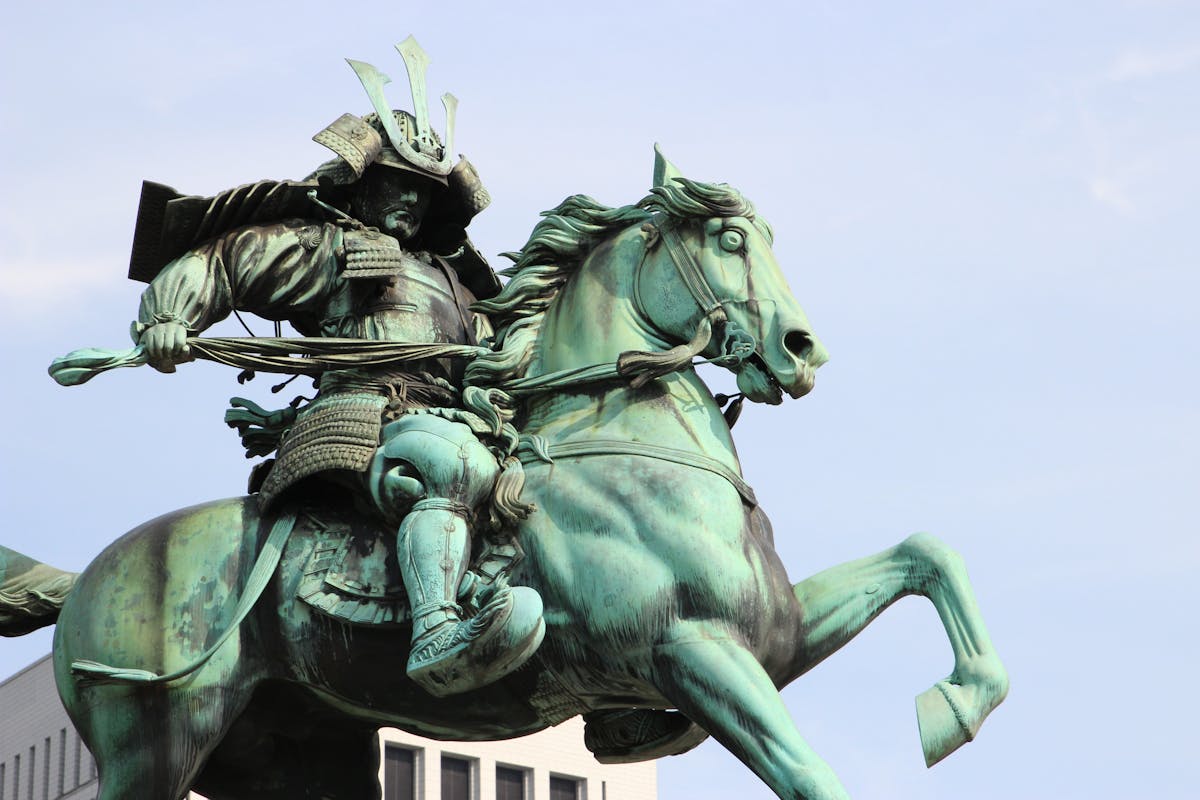
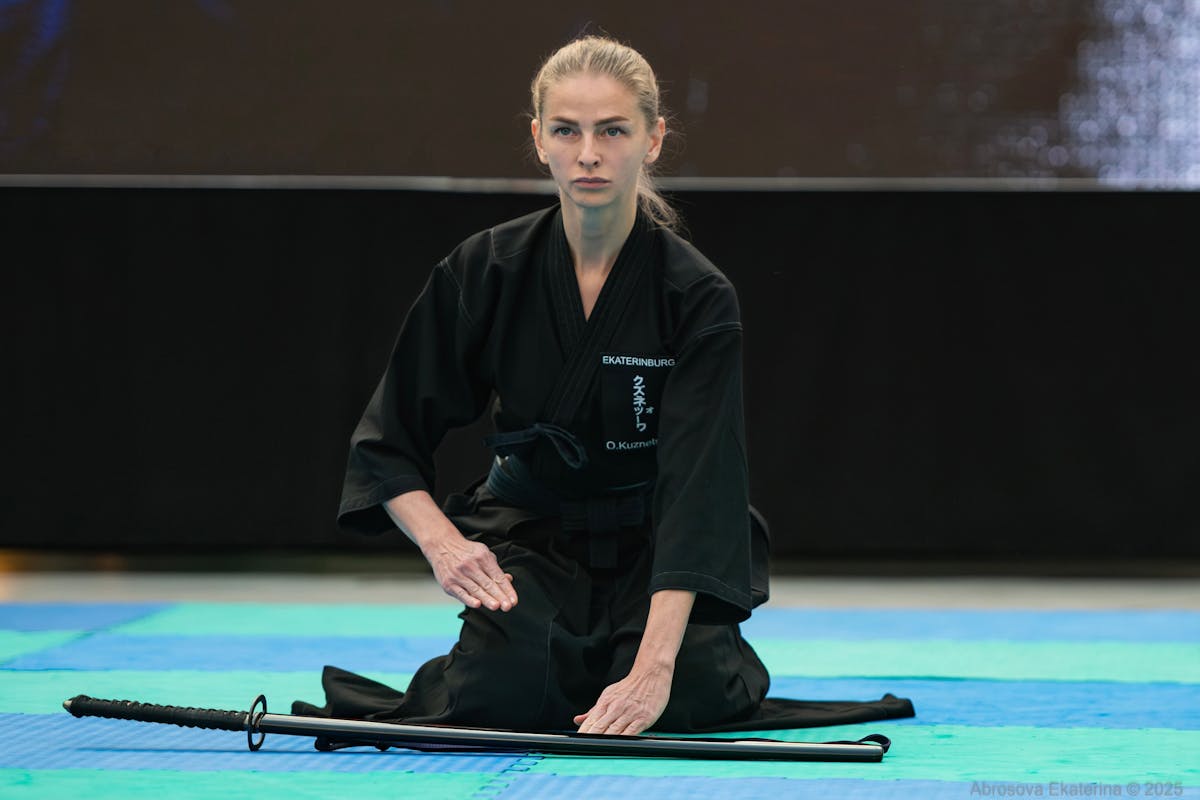
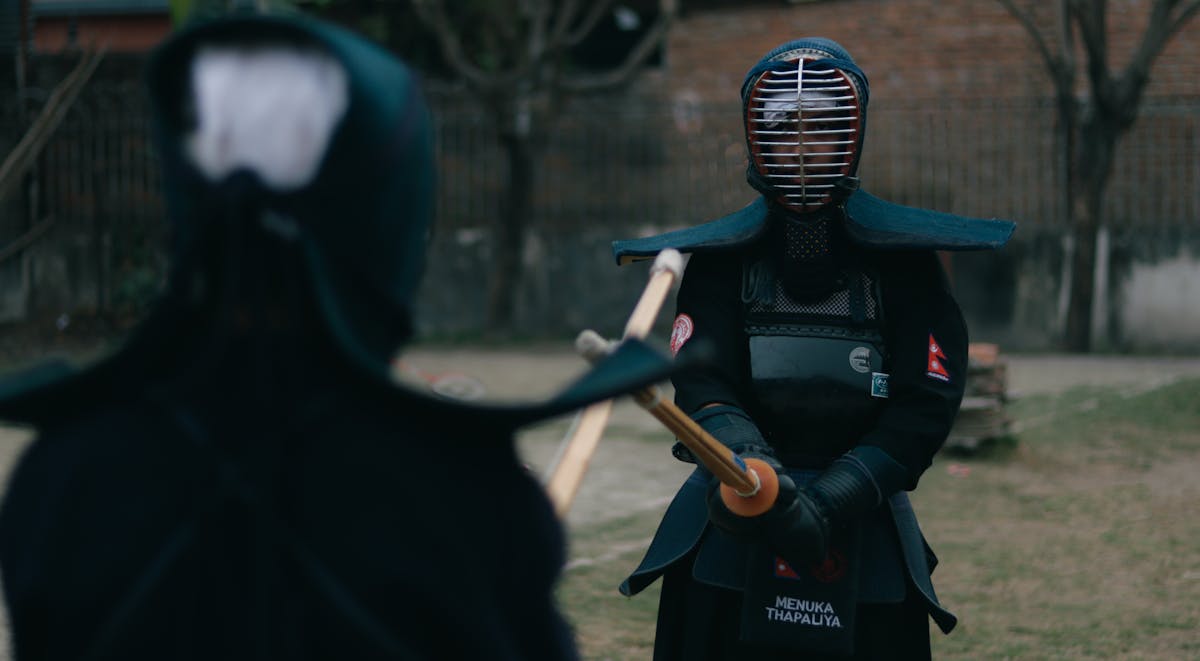
Short on time? Here are my top 3 picks:
Best overall: Samurai Ninja Museum Tokyo — $28. Museum tour plus armor and sword experience. Best value in Tokyo.
Best premium (Kyoto): Kyoto Samurai Experience — $119. Small-group with a real martial arts master. The most authentic option.
Most unique: Samurai Restaurant Show Tokyo — $55. Dinner theater in Kabukicho with live sword performances and two drinks included.
- Tokyo vs Kyoto: Which Samurai Experience Should You Book?
- The Best Samurai Experiences to Book
- 1. Samurai Ninja Museum Tokyo —
- 2. Kyoto Samurai Experience — 9
- 3. Samurai Restaurant Show Tokyo —
- 4. Kendo and Samurai Experience in Kyoto — 3
- What to Expect During a Samurai Experience
- When to Book
- How to Get There
- Tips Before You Go
- The History Behind What You Will Experience
- More Japan Cultural Experiences
Tokyo vs Kyoto: Which Samurai Experience Should You Book?
This depends entirely on what you want out of it.
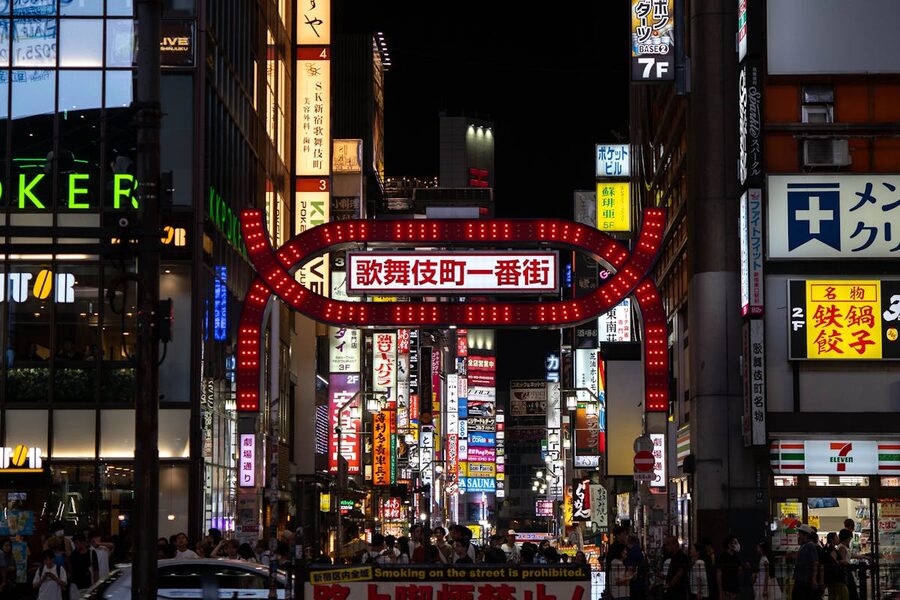
Tokyo samurai experiences are designed for accessibility. The Samurai Ninja Museum in Shinjuku runs guided tours every 15 minutes, lets everyone try on armor, handles swords, and throws ninja stars. It is polished, fun, works great for families, and takes about an hour. The Samurai Restaurant show is a completely different vibe — a Kabukicho dinner theater with choreographed sword fights, singing, and drinks. Think entertainment first, education second.
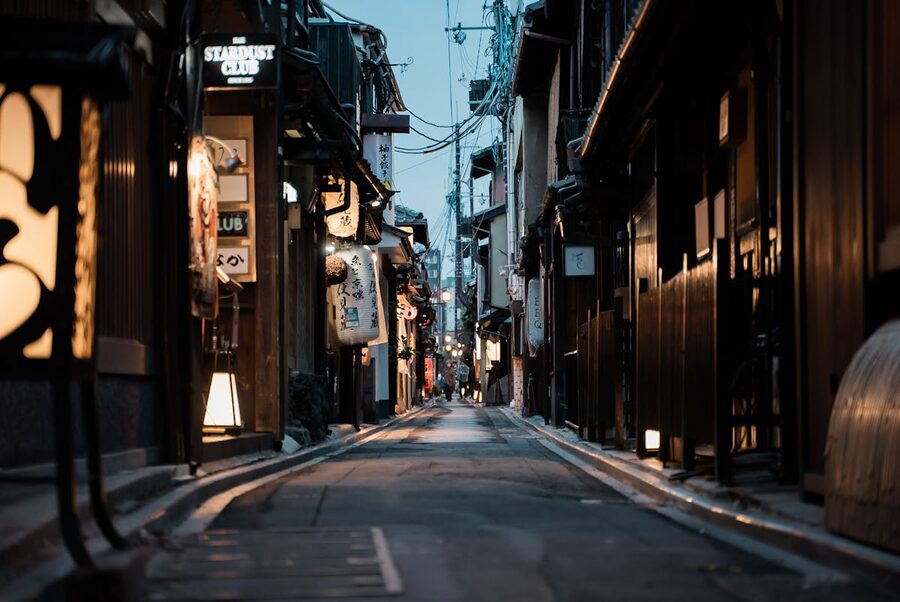
Kyoto samurai experiences lean into the martial arts tradition. The best ones operate in traditional machiya townhouses, taught by instructors with 20-50 years of kendo or iaido training. You wear proper training gear (not just armor for photos), learn actual sword techniques, and the sessions run 1-2 hours. These feel less like tourist attractions and more like private martial arts lessons with cultural depth.
My take: do the Tokyo museum if you want a quick, fun cultural activity that fits into a packed day. Do Kyoto if you want something that stays with you — the kind of experience where you are still thinking about the instructor’s words on the train home.
The Best Samurai Experiences to Book
1. Samurai Ninja Museum Tokyo — $28
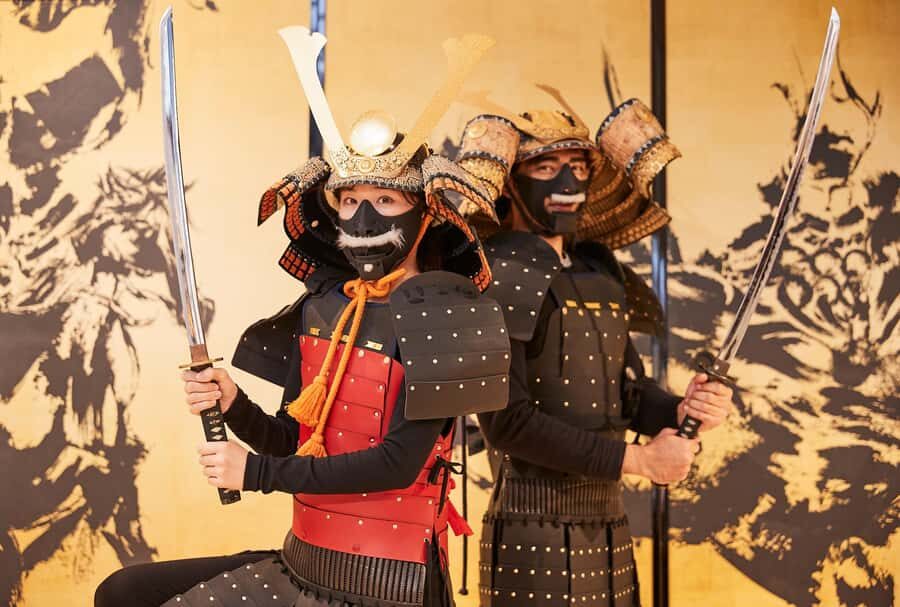
At $28 this is the best value samurai experience in Japan, full stop. The guided tour runs about 30 minutes through the museum collection — authentic Edo-period armor, a wall of swords with stories attached to each one, and ninja weapons you probably did not know existed. Then you get hands-on: full samurai armor try-on, sword handling, and ninja star throwing.
What makes the museum experience work is the guides. They are enthusiastic without being cheesy, and they weave in real history — how the sword was considered the samurai’s soul, why different periods produced different armor styles, what the ninja actually did versus the movie version. Over 1,300 visitors have rated this 4.6 out of 5, and it is one of those rare Tokyo activities that works equally well for solo travellers, couples, and families with kids.
Tours start every 15 minutes. The Shinjuku location is a 5-minute walk from the station. Budget about an hour total.
2. Kyoto Samurai Experience — $119

This is the one for people who want substance over spectacle. At $119 it costs more than every other option on this list, and it is worth every yen. The experience takes place in a traditional Kyoto house with a martial arts master who has been training for decades. You wear proper training gear — hakama pants, keikogi jacket — and learn iaido (sword drawing), basic kata (forms), and the philosophy behind bushido.
The perfect 5.0 rating across nearly 1,300 reviews is almost unheard of at this volume. The small group size (usually 2-6 people) means you get genuine individual attention. The instructor does not just show you moves — they explain why the samurai valued specific virtues, how sword technique reflects Japanese aesthetics, and what bushido means in modern Japan. You leave with a different understanding of Japanese culture than you walked in with.
Pair it with the Kyoto tea ceremony for a full day of traditional Japanese cultural experiences. They complement each other perfectly — martial discipline and meditative calm, two sides of the same coin.
3. Samurai Restaurant Show Tokyo — $55
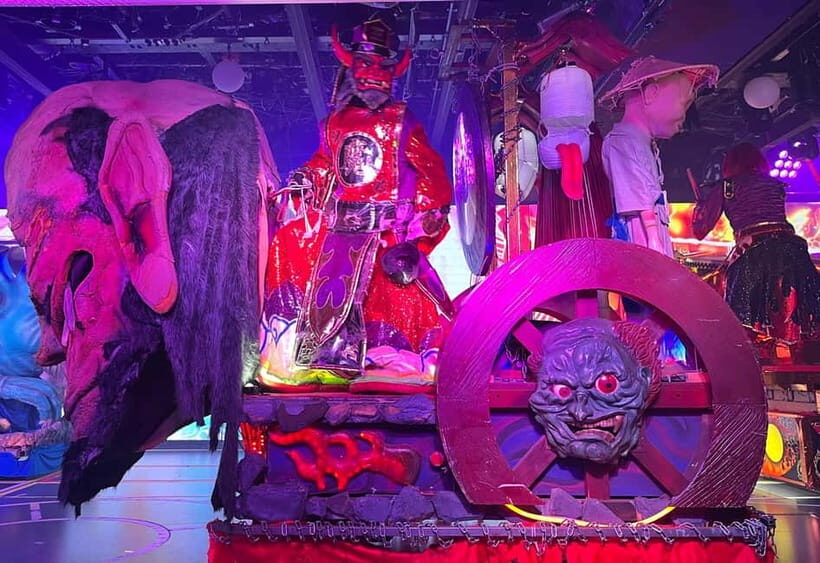
Completely different energy from the museum or the Kyoto experience. The Samurai Restaurant is a $55 dinner theater in Kabukicho — Tokyo’s entertainment district — with live sword performances, choreographed fights, singing, and two drinks included. It is loud, dramatic, and unashamedly over the top.
I was skeptical going in. Tourist trap dinner show? But the 1,300+ reviews averaging 4.5 stars are not wrong. The performers are genuinely talented — the sword work is real martial arts, not just stage combat — and the production values are higher than you would expect. The interior design alone is worth seeing. Two drinks are included in the ticket price, and the 90-minute runtime does not drag.
Best for: evening entertainment, date nights, groups. Not the right pick if you want historical depth or hands-on martial arts training. But as a uniquely Tokyo nightlife experience, it is hard to beat. It pairs perfectly with a Shinjuku bar hopping tour afterward since you are already in Kabukicho.
4. Kendo and Samurai Experience in Kyoto — $103
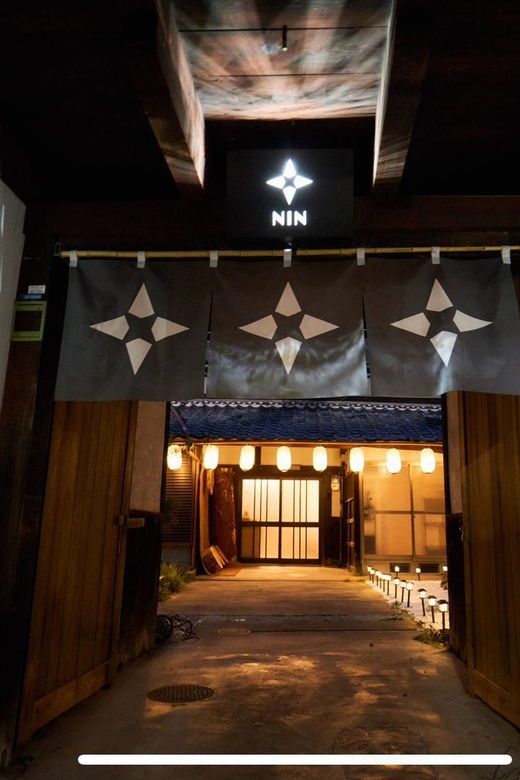
If the Kyoto Samurai Experience is the refined introduction, this is the deep end. At $103 for a 2-hour session, you get full kendo training with a master who has been practicing for over 50 years. You wear the complete gear — bogu armor, hakama, keikogi — and learn proper striking technique with a shinai (bamboo sword).
The reviews (4.9 stars from 800+ visitors) consistently highlight the instructor. He does not just teach moves — he teaches the connection between kendo and samurai history, explains the spiritual dimension of martial arts in Japanese culture, and makes sure every participant leaves with a genuine understanding of what they practiced. The session takes place in a traditional house that is over 100 years old, which adds enormously to the atmosphere.
This one requires a bit more physical effort than the museum experience. You will swing a sword, do footwork drills, and possibly spar. Not intense enough to require fitness, but you will feel it in your shoulders the next day. Combine with the Gion district walking tour for a full Kyoto cultural day.
What to Expect During a Samurai Experience
The format varies by venue, but here is the general flow.
At the Tokyo museum: You arrive, check in, and join a guided tour through the exhibits. The guide explains the different types of samurai armor, the evolution of the Japanese sword, and the difference between historical samurai and the pop culture version. After the tour, you try on a full set of replica armor (unisex sizing, fits kids too), handle katana replicas, and throw ninja stars at a target. The whole thing takes about an hour and runs on a rolling schedule.
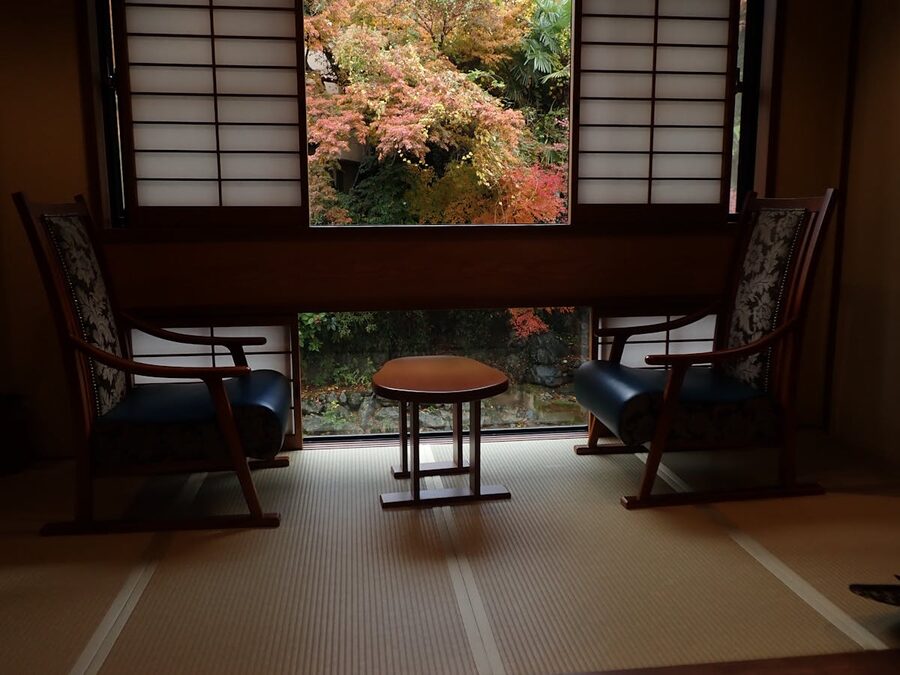
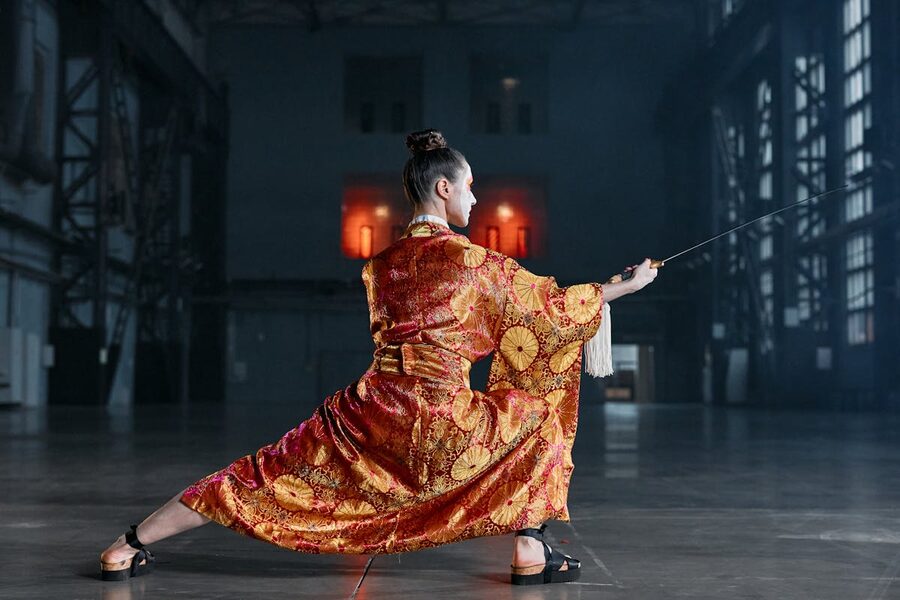
At the Kyoto experiences: You meet the instructor at a traditional house, change into training clothes (provided), and sit on the tatami floor for a brief introduction. Then you move into technique: how to hold a sword, the correct stance, basic cuts. The instructor demonstrates, you practice. In the kendo version, you eventually put on armor and do light sparring. The whole session is 1-2 hours depending on which experience you book. Expect to sweat, especially in summer.
At the restaurant show: You arrive at the venue in Kabukicho, get seated, order your two included drinks, and the show starts. Performers in full samurai costumes do choreographed fight scenes with real-looking weaponry, interspersed with singing and audience interaction. The interior is elaborately decorated — think feudal Japan meets nightclub. Show runs about 90 minutes.
When to Book
Tokyo museum: Open daily, tours every 15 minutes. Walk-ins are possible but online booking guarantees your slot. Morning visits (before 11 AM) tend to have smaller groups.
Tokyo restaurant show: Evening shows, usually starting around 6:00-7:00 PM. Book at least a few days ahead — weekend slots sell out regularly. This works well as a first-night-in-Tokyo activity since it is in Shinjuku.
Kyoto experiences: Small groups mean limited daily capacity. Book at least a week in advance, especially during spring (cherry blossom season) and autumn (koyo). The Kyoto Samurai Experience and the Kendo experience both run morning and afternoon sessions.
Best time of year: These are all indoor activities, so they work year-round. Summer in Kyoto is brutally hot and humid — the training sessions get sweaty. Winter is fine for indoor activities. Honestly, a samurai experience on a rainy day in Kyoto is kind of perfect — you are inside a traditional house listening to rain on the roof while learning sword technique.
How to Get There
Tokyo Samurai Ninja Museum (Shinjuku): 5-minute walk from JR Shinjuku Station east exit. Also accessible from the Tokyo Metro Shinjuku-sanchome Station. The museum is on a side street near Kabukicho — follow the signs or use Google Maps.
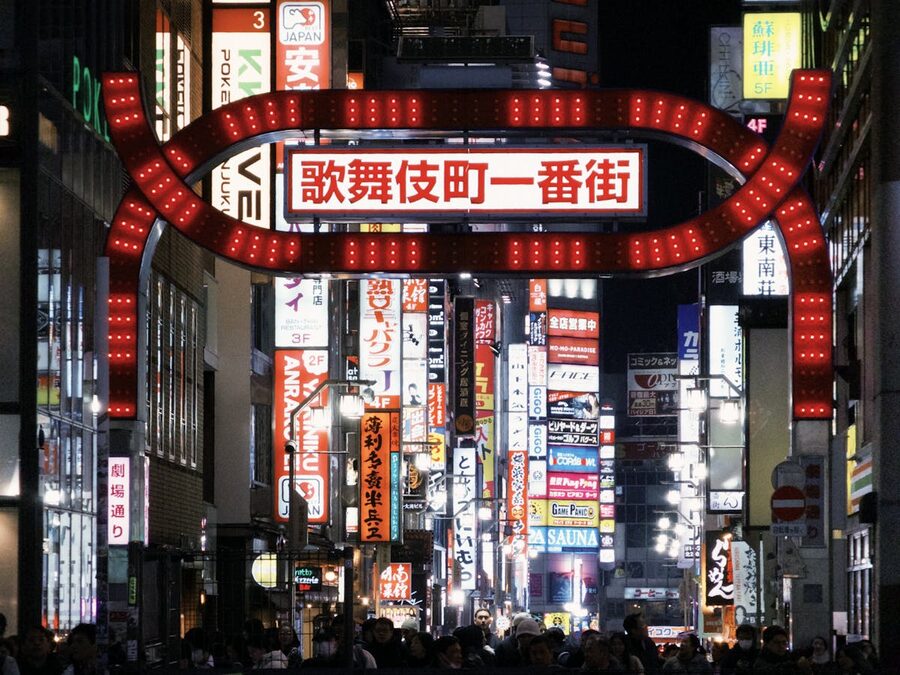
Samurai Restaurant (Kabukicho): Deep in the Kabukicho entertainment district, about 8 minutes from Shinjuku Station east exit. The neon-lit streets make it easy to find at night. If you are coming from the Shinjuku food tour area, it is walking distance.
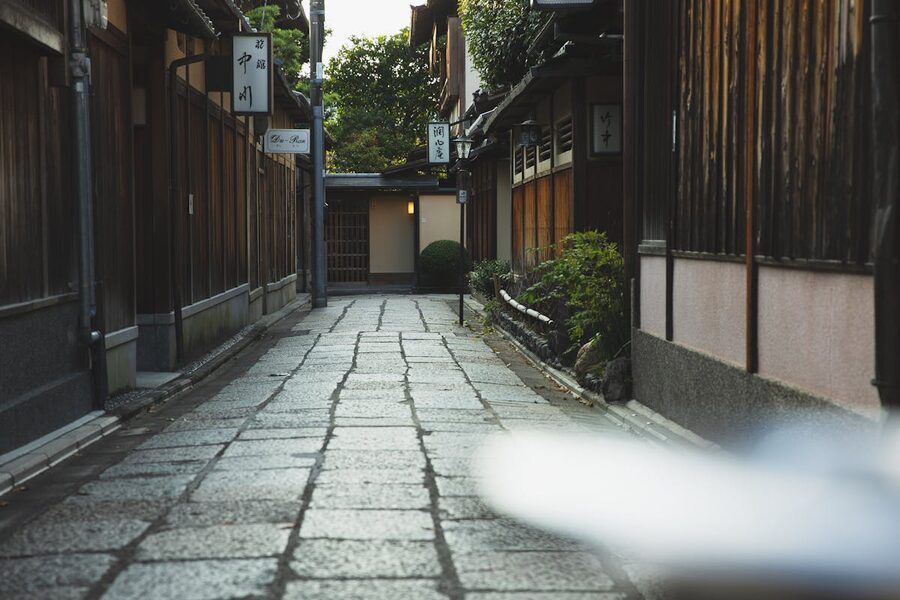
Kyoto Samurai Experience: Near the Gion district, accessible from Keihan Gion-Shijo Station (5-minute walk) or Hankyu Kyoto-Kawaramachi Station (10-minute walk). The venue sends exact directions after booking. If you are doing the Arashiyama bamboo forest tour the same day, do Arashiyama in the morning and the samurai experience in the afternoon.
Kyoto Kendo Experience: Located in a traditional house in central Kyoto. The exact address is provided after booking. Generally within walking distance of the Gion area and the Fushimi Inari shrine.
Tips Before You Go
Wear comfortable clothes for Kyoto experiences. You change into training gear, but you need to be able to move freely underneath. Avoid restrictive jeans or heavy layers. T-shirt and flexible pants work best.
The Tokyo museum is fine for kids. The armor comes in children’s sizes, the ninja star throwing is a hit with younger visitors, and the guides adjust their explanations for different ages. The restaurant show works for older kids (10+) but might be too loud and intense for toddlers.
Photography is encouraged everywhere. All four experiences actively encourage photos and videos. The armor try-on at the museum is specifically designed as a photo opportunity — they even help you pose. At the Kyoto experiences, the instructors will take photos of you in gear if you ask.
No prior martial arts experience needed. Everything is taught from scratch. The instructors have seen thousands of first-timers and they are patient. The Kyoto kendo experience is the most physical, but even complete beginners handle it fine.
Combine with cultural experiences. A samurai experience pairs naturally with other traditional Japanese activities. In Tokyo, add a sushi making class for a food-and-culture day. In Kyoto, the tea ceremony is the classic companion — warrior arts in the morning, contemplative arts in the afternoon. The Kyoto bike tour also works well since you can cycle between cultural experiences.
The History Behind What You Will Experience
The samurai class existed for roughly 700 years, from the late Heian period (around the 12th century) through the Meiji Restoration in 1868. That is a longer run than the Roman Empire. During the Edo period (1603-1868) — the era most of these experiences draw from — the samurai made up about 5-7% of the population and served as both warriors and administrators.
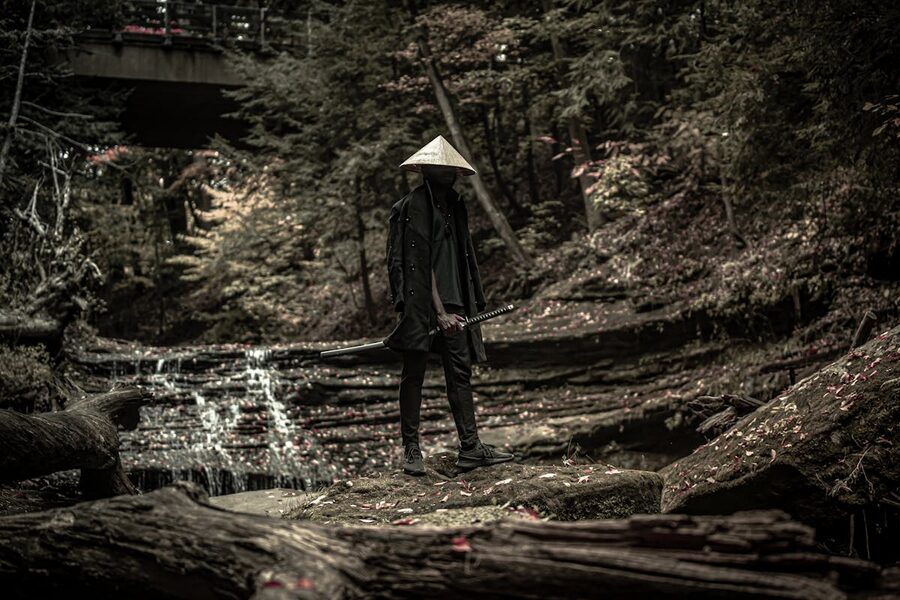
The katana was not just a weapon — it was legally restricted to the samurai class and considered an extension of the warrior’s spirit. This is why the sword-handling portions of these experiences are treated with such reverence by the instructors. You are not just holding a piece of metal. You are participating in a tradition with strict protocols about how to draw, hold, cut, and sheathe.
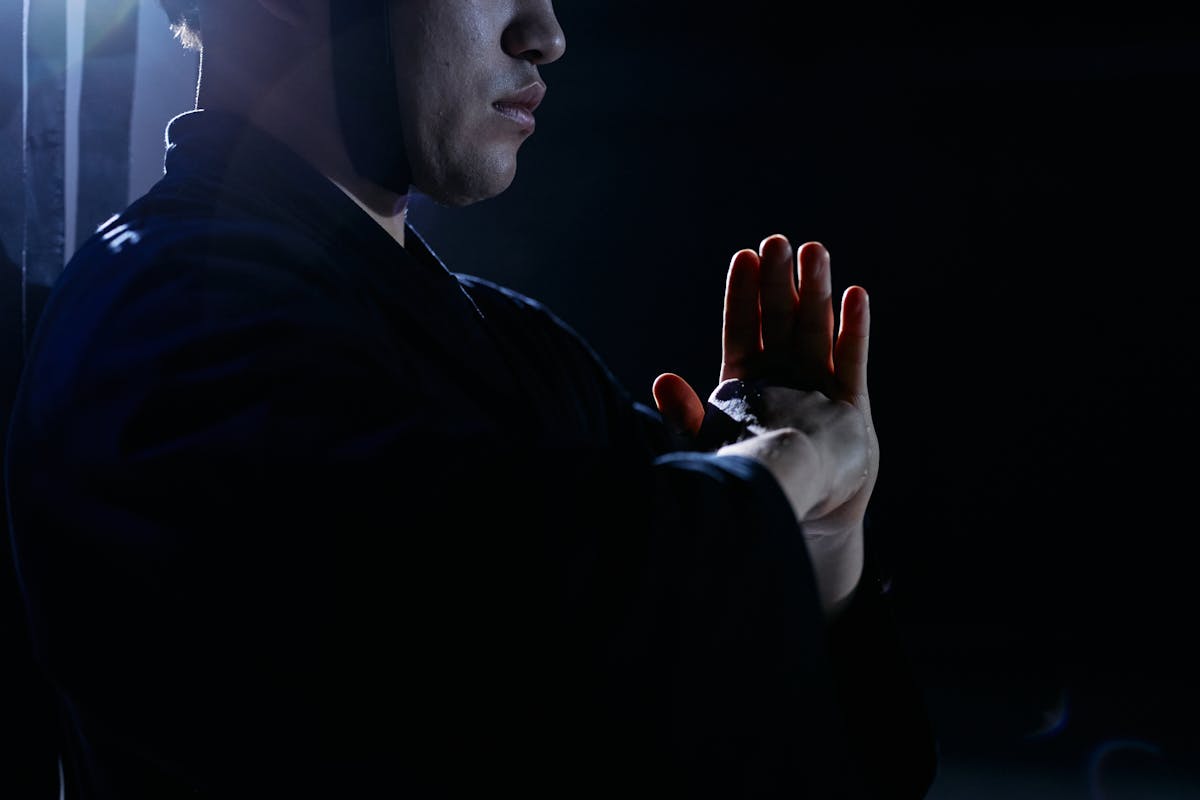
Kendo (“the way of the sword”) evolved from actual battlefield techniques into a formalized martial art during the Edo period, when Japan was at peace and the samurai needed ways to maintain their skills without killing each other. The bamboo swords (shinai) and protective armor (bogu) you wear at the Kyoto kendo experience were developed specifically for safe training, and the forms have barely changed in 300 years.
More Japan Cultural Experiences
The samurai experiences work best as part of a broader cultural itinerary. In Tokyo, the sumo experience is the other big hands-on cultural activity — completely different energy but equally immersive. If food culture is your thing, the ramen cooking classes and chopstick making workshops offer a quieter, more meditative kind of craftsmanship.
For day trips that complement a cultural-focused itinerary, the Kamakura day trip takes you to Japan’s first samurai capital, and the Nagano snow monkeys are the kind of experience you cannot get anywhere else in the world.
And if you are heading to Kyoto anyway for the samurai training, make time for the Nara day trip — the ancient capital is 45 minutes away and pairs perfectly with a morning kendo session.
This article contains affiliate links. If you book through our links, we earn a small commission at no extra cost to you. This helps us keep creating free travel guides.