My shuriken bounced off the target. Not stuck. Bounced. Hit the wooden wall, fell on the floor, rolled.
The instructor said something in Japanese. The translator laughed. “He says: try again. Use the wrist, not the arm.”
I threw again. It stuck. The whole class clapped. I felt like a small child.
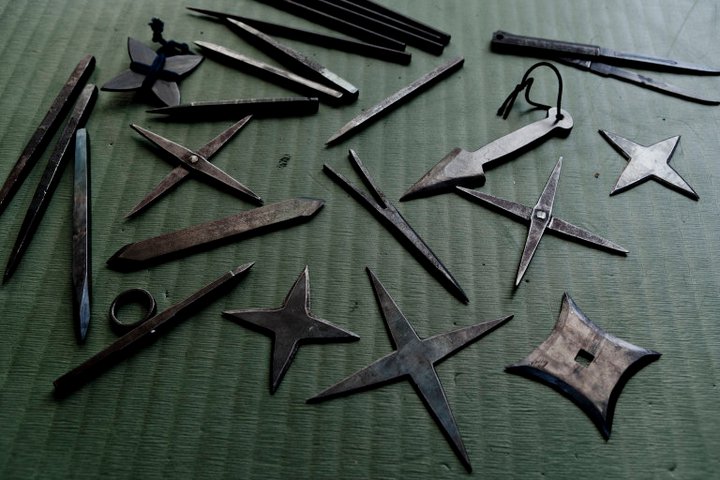
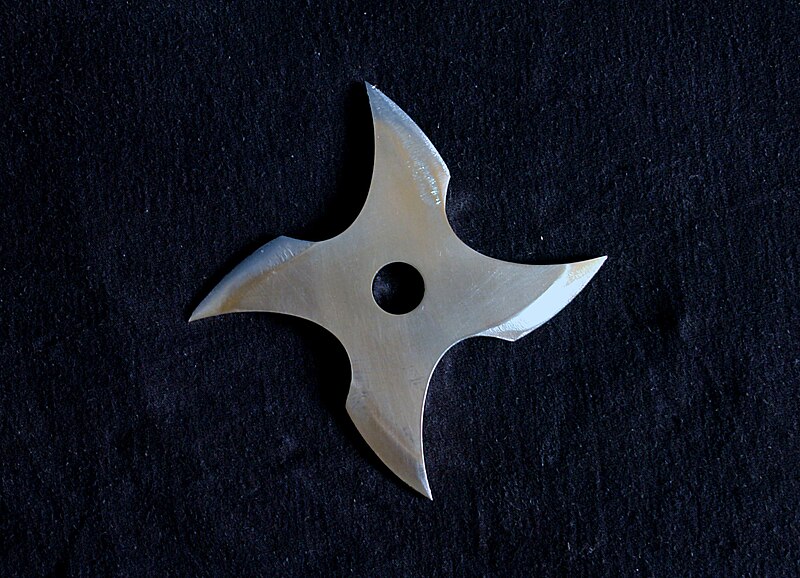
Kyoto’s ninja experiences are one of the city’s most unexpected highlights. You learn the actual history of the Iga and Koga schools of ninjutsu (spoiler: real ninja were information gatherers, not assassins), throw actual metal shuriken at actual targets, handle real weapons including swords and smoke bombs, and come away with a completely different understanding of the word “ninja.”
If you’re doing the samurai kenbu show on the same trip, the ninja experience is the perfect counterpart — the art form of the warrior class vs the working spy craft of the lower-rank operatives who supported them.
Short on time? Here are my top picks:
Best hands-on: Ninja Hands-On 1-Hour Lesson — $80, perfect 5.0, 489 reviews. Throw shuriken, handle weapons, learn basic stealth techniques. Good for all ages.
Most unique: Ninja Weapon Making Class at a Historic Mansion — $148, 4.8 rating, 478 reviews. Forge your own shuriken in a 150-year-old Kyoto mansion. You take it home.
Museum option: Samurai & Ninja Museum Ticket — $29, 632 reviews. Guided museum tour with costume wearing and mini demos. Best for families.
- What a Real Ninja Experience Actually Involves
- The Kuro-Shozoku (Black Clothing)
- Weapons Training
- The Stealth Training
- The 3 Best Kyoto Ninja Experiences
- 1. Ninja Hands-On 1-Hour Lesson —
- 2. Kyoto: Ninja Weapon Making Class at a Historic Mansion — 8
- 3. Samurai & Ninja Museum Ticket —
- Who Ninja Actually Were (And Weren’t)
- Real Ninja Skills You’ll Actually Learn
- Kyoto Ninja vs Iga Ninja Museum
- Ninja vs Samurai Experiences in Kyoto
- Practical Tips
- Combining with Other Kyoto Experiences
- Getting There
- More Kyoto Experiences
What a Real Ninja Experience Actually Involves
Forget the movies. The real ninja experiences focus on actual skills — the stuff that 17th-century ninja really did — rather than movie tropes.
The Kuro-Shozoku (Black Clothing)
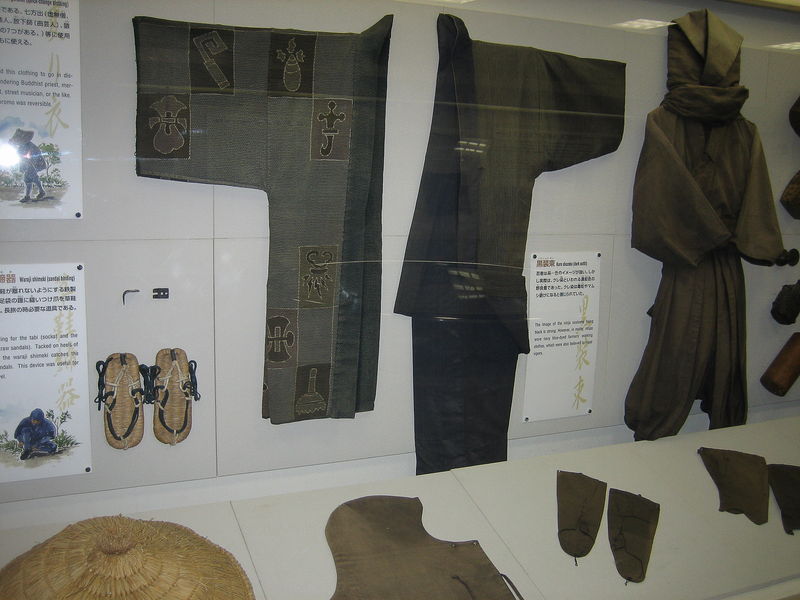
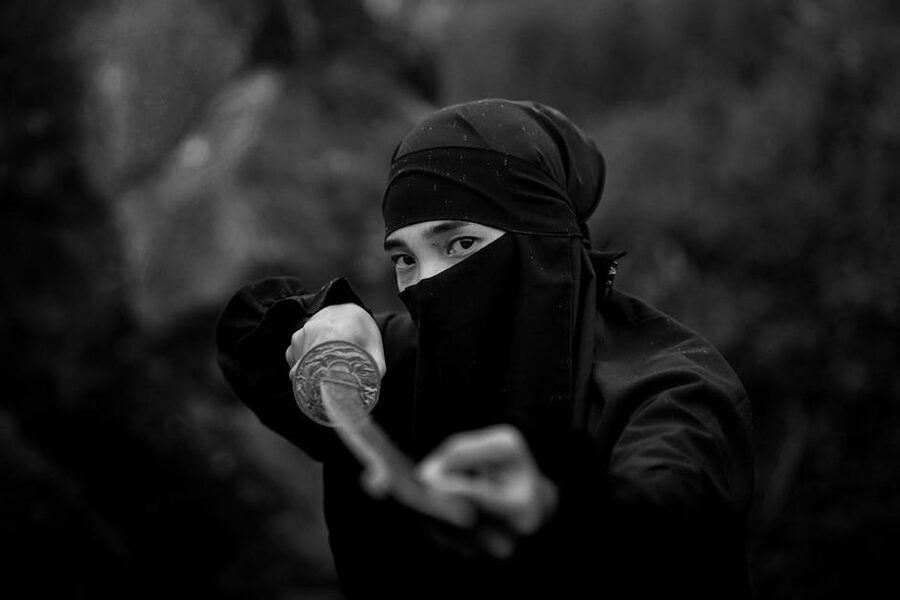
Most experiences start with the costume. You put on a cotton kuro-shozoku (black ninja outfit) — loose tunic, baggy pants, cloth wrapped around the lower face, tabi socks, and waraji (straw sandals). It’s not just for photos. The loose fit gives you the range of motion the techniques require.
Weapons Training
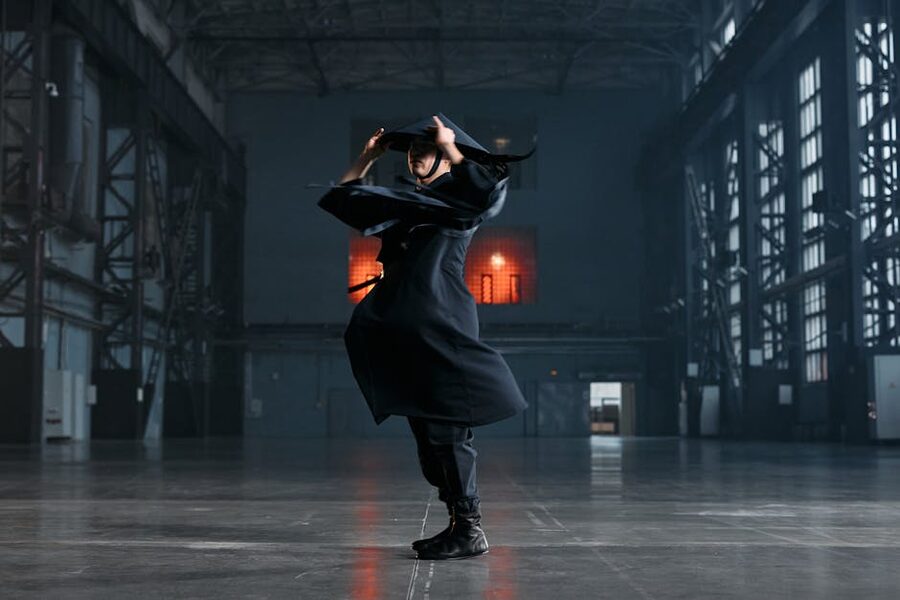
You’ll handle 3-5 different weapons depending on the experience length:
Katana: The sword. The instructor will show you how to hold it, walk with it, draw it smoothly, and perform a few basic cuts. This is harder than it looks. The balance point is different from any Western sword.
Shuriken: Throwing stars. You get 8-10 throws at a wooden target from 2-3 metres. Most people get one to stick on their third or fourth try. Some never do. Either outcome is fun.
Kusarigama: A chain and sickle combination. One of the most technical weapons and usually demonstrated rather than tried. The instructor will show you how it works without letting you near it.
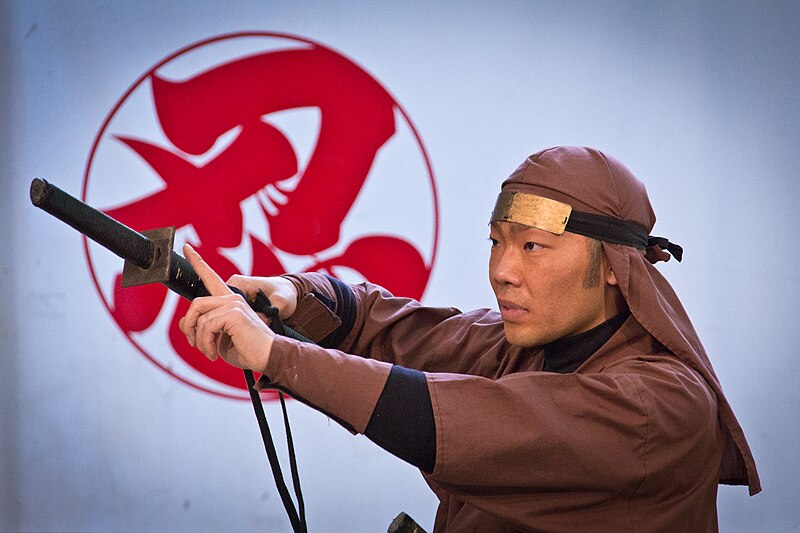
Smoke bombs and stealth tools: Some experiences demonstrate real smoke bomb ingredients (safe, small-scale) and other stealth tools like caltrops and climbing hooks. Educational rather than hands-on.
The Stealth Training
The surprising part of a ninja experience is how much time is spent on quiet walking. Real ninja spent more time sneaking than fighting. You’ll learn the “nuki ashi” (soundless step), the “yoko aruki” (sideways walk for narrow spaces), and how to move through a room without making a single sound.
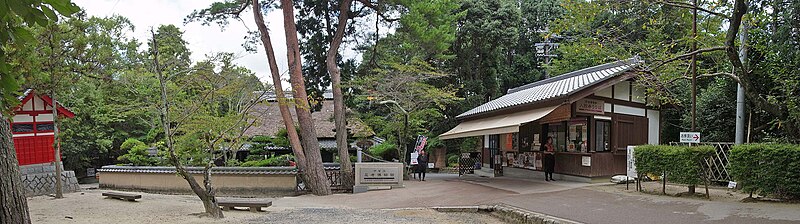
It’s harder than it looks. The floor you practice on is often the mansion’s original wooden boards — some of which are deliberately noisy (“nightingale floors”) — and the instructor can tell if you’re making noise from across the room.
The 3 Best Kyoto Ninja Experiences
1. Ninja Hands-On 1-Hour Lesson — $80

Perfect 5.0 across 489 reviews at $80. One hour in English covers costume, weapons (shuriken throwing, sword handling), and basic stealth techniques. Small groups, beginner-friendly, and the instructors are patient with first-timers. Our full review covers the class structure and what you’ll actually do.
2. Kyoto: Ninja Weapon Making Class at a Historic Mansion — $148

478 reviews at $148 with a 4.8 rating. You actually forge your own shuriken in a 150-year-old Kyoto mansion using traditional blacksmithing techniques (adapted for the 150-minute class time). Christopher from a recent visit said the team were fantastic and the experience was unique. Our review covers the forging process and what you take home.
3. Samurai & Ninja Museum Ticket — $29
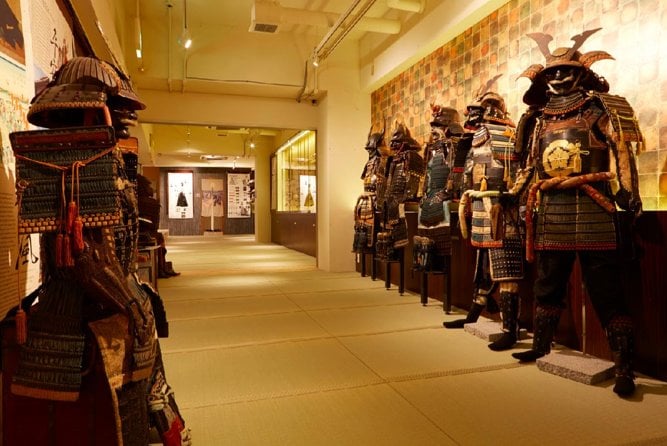
$29 with 632 reviews. This is the museum version — guided tour through artifacts, historical explanations, small hands-on demos, and photo opportunities in the costume. About an hour total. Great for families with kids aged 6-12 who want the ninja experience without a full training class. Our review covers the museum content and the mini demos.
Who Ninja Actually Were (And Weren’t)
Forget everything you’ve seen in movies. Real ninja — called “shinobi” in Japanese — were not what Hollywood has taught you.
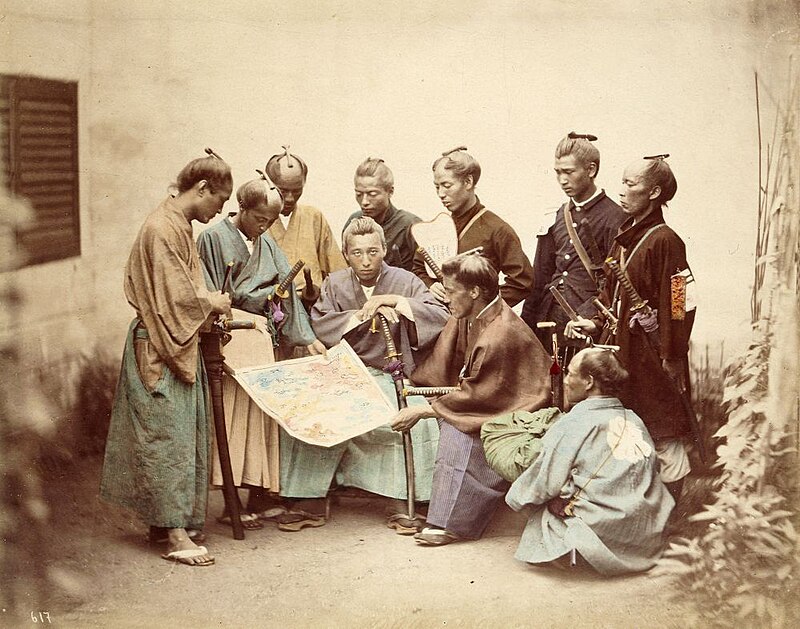
Shinobi were specialized operatives who served local feudal lords during Japan’s Sengoku period (roughly 1467-1615). Their primary job was not assassination. It was information gathering. They were spies, scouts, and occasionally saboteurs. The “assassin” framing is mostly a 20th-century invention.
Most ninja were born into ninja families. The skills — stealth, information gathering, disguise, coded communication — were passed down from parents to children through generations. The two most famous schools were Iga-ryu (from Iga province, now Mie Prefecture) and Koga-ryu (from Koga province, now Shiga Prefecture). Both were geographically close to Kyoto, which is why the Kyoto experiences can draw directly from those traditions.
Real ninja wore normal peasant clothing during operations. The all-black outfit you’ll wear in your experience is mostly a theatrical invention from kabuki plays in the 1800s. The black-clad ninja became the stock character because they needed to be visually distinct from other characters on stage. The image stuck.
Real Ninja Skills You’ll Actually Learn
Most of what a real ninja actually did was dead boring by movie standards but genuinely useful:
Information gathering: Memorizing faces, overhearing conversations, reading body language, identifying lies. This was probably 80% of a ninja’s working life.
Disguise: A ninja could pass as a monk, a merchant, a farmer, or a travelling performer. The disguise was the primary tool.
Wilderness survival: Finding food, building shelter, moving unnoticed through forests and mountains. Many operations took weeks of travel.
Coded communication: Ninja developed their own written codes, hand signals, and knotted-rope systems to pass information without being understood by outsiders.
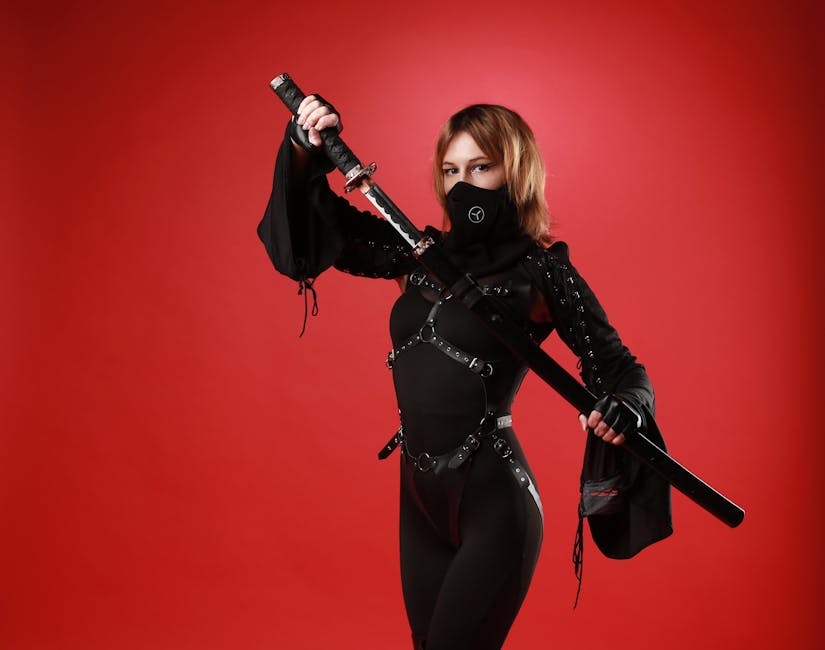
Escape techniques: Rope climbing, wall scaling, swimming in armor, disappearing into crowds. These were the “last-resort” skills when a mission went sideways.
Combat skills: Yes, they learned to fight. But a shinobi who had to fight was usually a shinobi whose mission had already failed. The goal was always to complete the job and escape without being seen.
Why this matters when you visit: The instructor at your experience will spend some time debunking the Hollywood ninja myths before teaching you anything. By the end, you’ll understand that throwing shuriken at a target is maybe 5% of what the job actually was. The other 95% was psychological — blending in, reading people, staying calm.
Kyoto Ninja vs Iga Ninja Museum
If you’re spending time in Japan, you might be deciding between the Kyoto experiences and the famous Iga Ninja Museum in Mie Prefecture. Here’s the difference.
Kyoto ninja experiences: Hands-on, in central Kyoto, easier to reach, less time commitment, more beginner-friendly. You throw shuriken, handle swords, wear costumes. 1-2.5 hours. Perfect for a half-day activity.
Iga Ninja Museum: Museum-focused, 2 hours from Kyoto by train, more historical depth, authentic location where real ninja trained. Less hands-on but more academically serious. 3-4 hours including travel.
If you have one afternoon: Kyoto. If you’re a ninja history enthusiast with a full day: Iga.
Ninja vs Samurai Experiences in Kyoto
Kyoto has experiences for both. Here’s how they differ.
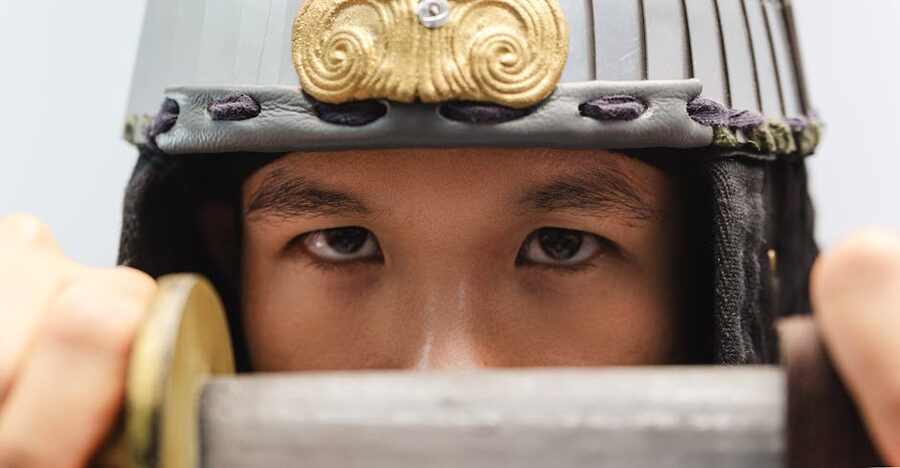
Samurai experience: Focus on the warrior aristocracy. Costume (hakama and kimono rather than black), sword training, kenbu dance form, formal etiquette. More refined, more cultural. Think “learning a traditional art form.”
Ninja experience: Focus on the spy craft. Black costume, shuriken, stealth, weapons variety, martial skills. More playful, more action-oriented. Think “learning a working profession.”
If you’re a family with kids, ninja usually wins — more hands-on, more props, more running around. If you’re a couple or solo visitor interested in cultural depth, the samurai kenbu show is the better pick.
Many visitors do both on different days. The ninja class in the morning, the samurai show in the evening — that’s a full Kyoto culture day.
Practical Tips
When to book: 3-5 days ahead for standard classes. 7+ days for the weapon-making class (smaller capacity, fills fast). Weekends book faster than weekdays.
Who it’s good for: Ages 7+ for the hands-on classes. Younger kids can do the museum option. Adults of all fitness levels — you don’t need to be athletic.
What to wear: Comfortable clothes you can move in. They’ll give you the ninja costume to wear over the top. Avoid skirts, dresses, or restrictive pants.
Shoes: You’ll remove them at the entrance. Wear socks. The traditional tabi socks (if provided) separate the big toe — they look weird but feel fine.
Photography: Allowed everywhere. The instructors often take group photos. Some experiences include professional photos as part of the package.
Language: English. The instructors are experienced with international visitors and have English-speaking staff or translators.
Safety: Real metal shuriken and swords. The instructors are trained to handle safety, but respect the weapons. Don’t mess around. Minor cuts are rare but possible.
Duration: Plan 2 hours total for the 1-hour class (arrival, dressing, class, photos, departure). Plan 3-3.5 hours for the weapon making class. Plan 1.5 hours for the museum option.
Combining with Other Kyoto Experiences
A perfect “Kyoto warrior day” might look like this:
Morning: Nijo Castle — where the shogun lived and where the “nightingale floors” (designed to detect ninja assassins) were installed.
Late morning: Ninja experience in central Kyoto (10-12am slot).
Lunch: Kyoto-style kaiseki in Gion.
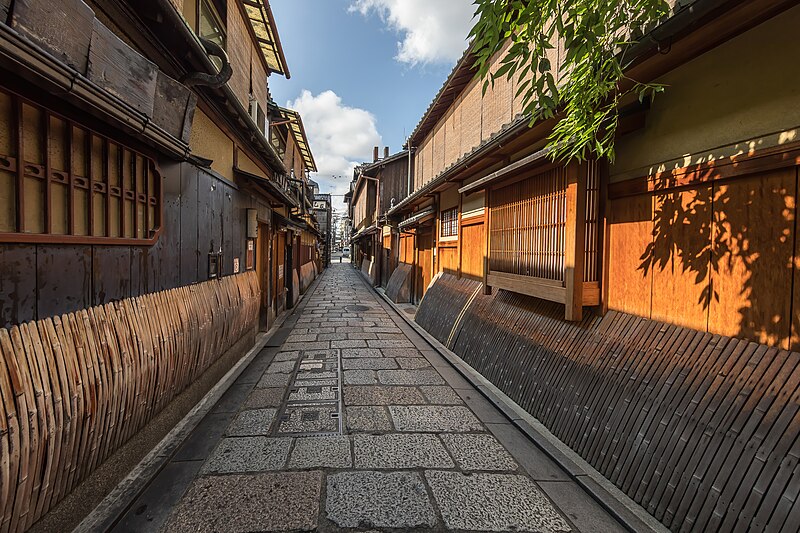
Afternoon: Gion geisha district walking tour. Different world, same historical period.
Early evening: Samurai kenbu sword dance show (4:15pm slot).
Evening: Dinner in Pontocho, then bar hopping or a night food tour.
Getting There
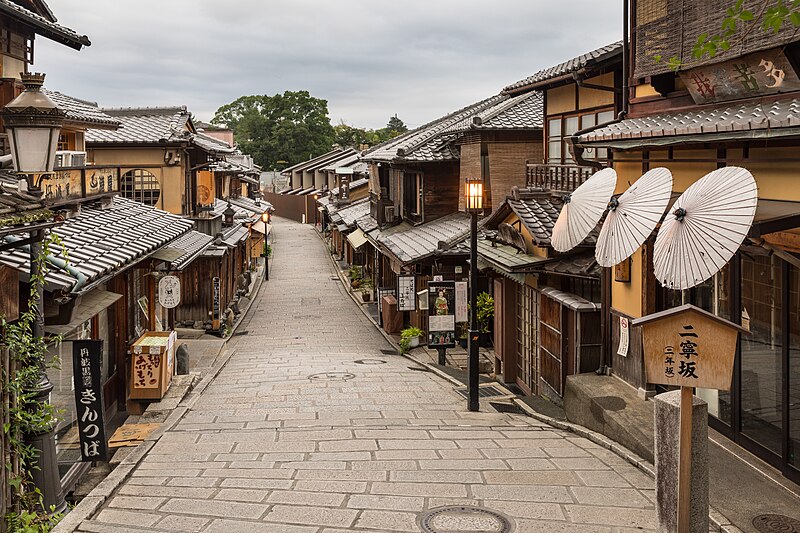
All three ninja experiences are in central Kyoto, walkable from the main station and bus network.
From Kyoto Station: 10-15 minutes by bus (#206) or subway to the city centre, then a 5-10 minute walk depending on the specific venue. Address details come with your booking confirmation.
From Gion: 10-15 minute walk. Easy to combine with a morning in Higashiyama.
From Arashiyama: 20-25 minutes by train and walk. A longer trip but doable if you’ve done the bamboo forest in the morning.
More Kyoto Experiences
The ninja class is one piece of Kyoto’s warrior-culture cluster. Our samurai kenbu sword dance guide covers the aristocratic warrior counterpart. Nijo Castle shows you where the shogun actually lived and the nightingale floors designed specifically to detect ninja. Kimono rental and tea ceremony is the calm, refined counterpoint — same era, opposite energy. The Gion geisha walk completes the picture of Edo-period Kyoto social life. And if you want to compare the ninja experience to the Tokyo samurai museum, our Tokyo Samurai Ninja Museum guide covers the eastern version of the same tradition.