
I’d always assumed that real samurai armour would be heavy. Clunky. Something you’d struggle to move in. Then the museum guide handed me a replica helmet and I nearly dropped it — not because it was heavy, but because it was so light. Lacquered iron plates, silk cord lacing, leather backing. The whole thing weighed maybe 2.5 kilograms. A medieval European knight’s helmet weighed four times that. No wonder the samurai could fight in theirs.
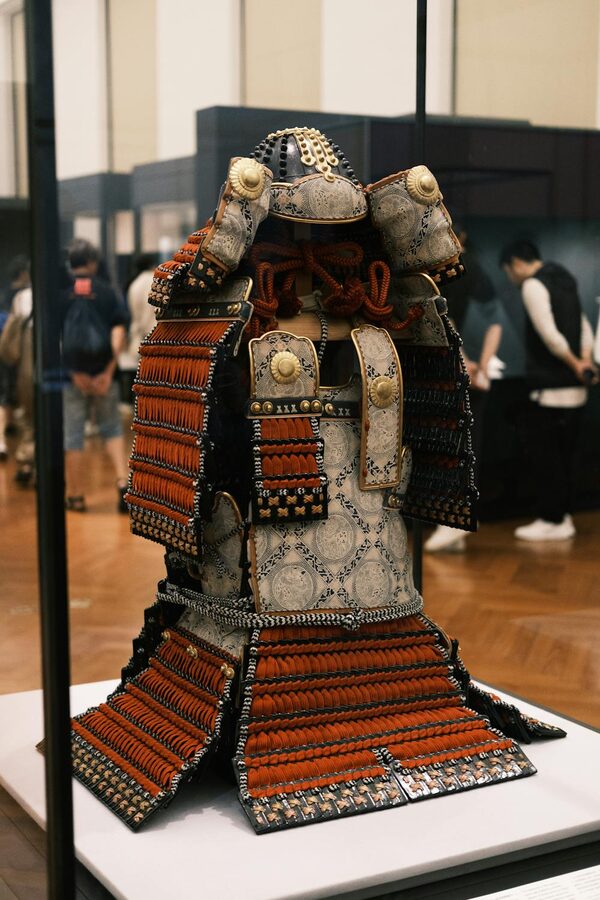
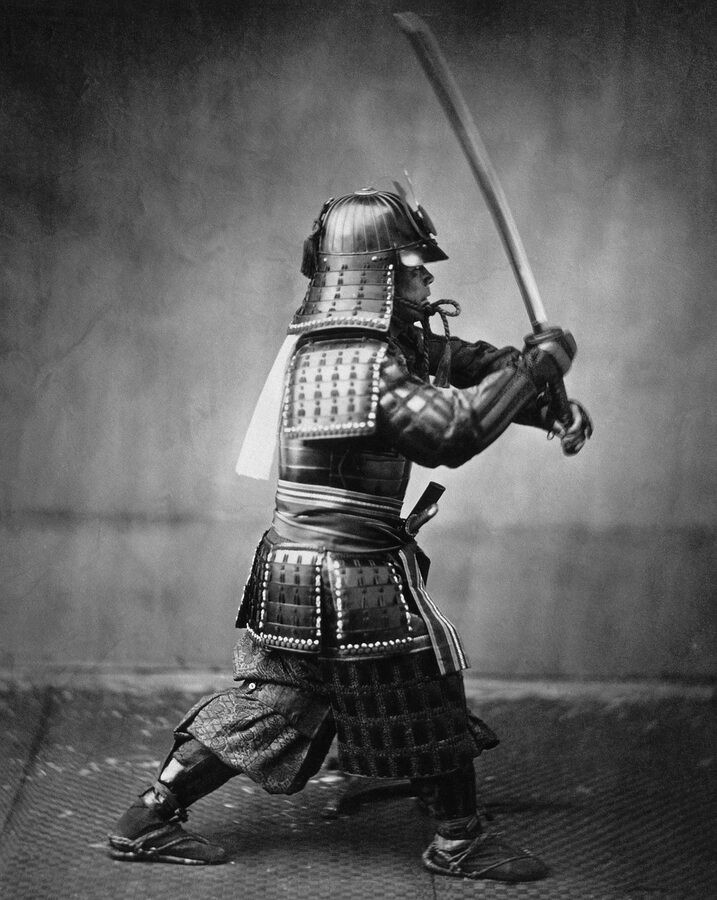
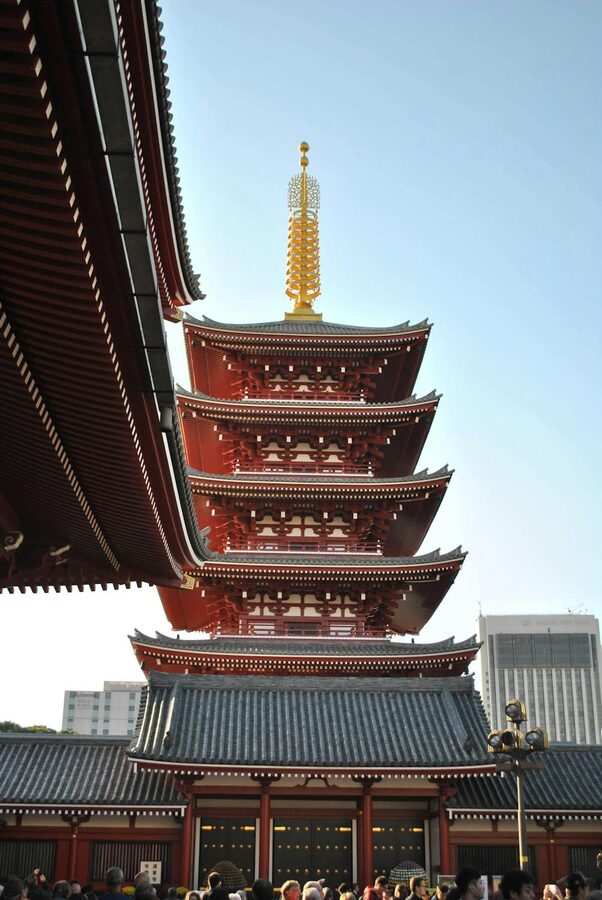
The Tokyo Samurai Ninja Museum sits in Asakusa, a few minutes’ walk from Sensoji Temple. It’s not a dusty collection behind glass. It’s an interactive experience where you handle real (well, real replica) weapons, try on armour, learn throwing star techniques, and hear the actual history of Japan’s warrior classes — told by guides who clearly love what they’re talking about.
There are also samurai-themed dinner shows in Shinjuku — full theatrical performances with sword fighting choreography, traditional music, and a meal. Different experience, same fascination. This guide covers both.
Short on time? Here are my top picks:
Best museum experience: Samurai Ninja Museum Tour — Armor & Sword Experience — $28. 1-hour guided tour with hands-on weapon handling and armour try-on. The most popular option.
Skip-the-line entry: Samurai Ninja Museum Skip-the-Line Ticket — $28. Same museum, guaranteed fast entry. Worth it during peak seasons.
Dinner show: Samurai Restaurant Show with 2 Drinks — $55. 90-minute dinner theatre in Shinjuku with live sword performances and a meal.
- What the Museum Actually Offers
- The Samurai Restaurant Show
- Which to Book
- 1. Samurai Ninja Museum Tour — Armor & Sword Experience —
- 2. Samurai Ninja Museum — Skip-the-Line Entry —
- 3. Samurai Restaurant Show with 2 Drinks —
- Samurai and Ninja — The Real History
- The Katana — Why Japanese Swords Are Different
- The Bushido Code — Fact vs Hollywood
- When to Visit
- Practical Tips
- Samurai vs Ninja — The Rivalry Explained
- More Asakusa and Tokyo Activities
What the Museum Actually Offers
The Samurai Ninja Museum is divided into two main sections: samurai and ninja. Each has display rooms with genuine artifacts (and clearly labelled reproductions), interactive stations, and guided commentary.
The samurai section covers armour, weapons, battle formations, and the bushido code. You’ll see different styles of armour from different periods — the heavy plate armour of the early samurai, the lighter lacquered armour of the Sengoku warlords, and the ceremonial armour of the peacetime Edo period. The guides explain why the designs changed: as warfare evolved from mounted archery to infantry combat to firearms, the armour adapted.
The hands-on part is the highlight. You can hold a katana (replica, but weighted correctly), try on helmet pieces, and learn the basic guard positions. The guides demonstrate cutting techniques and explain the metallurgy behind Japanese sword-making — how the folded steel process creates the distinctive wave pattern on the blade edge.
The ninja section covers stealth techniques, weapons (including the famous shuriken throwing stars), and the reality behind the myth. Spoiler: real ninja were nothing like the movies. They were spies, saboteurs, and intelligence gatherers — more like special forces than supernatural warriors. The guides debunk common ninja myths while showing you the actual tools of the trade: climbing hooks, smoke bombs, caltrops, and disguise kits.
The throwing star experience lets you try your hand at shuriken throwing. It’s harder than it looks. The targets are close (about 3 metres) and the technique matters more than strength. Expect to miss a lot on your first attempts.
The Samurai Restaurant Show
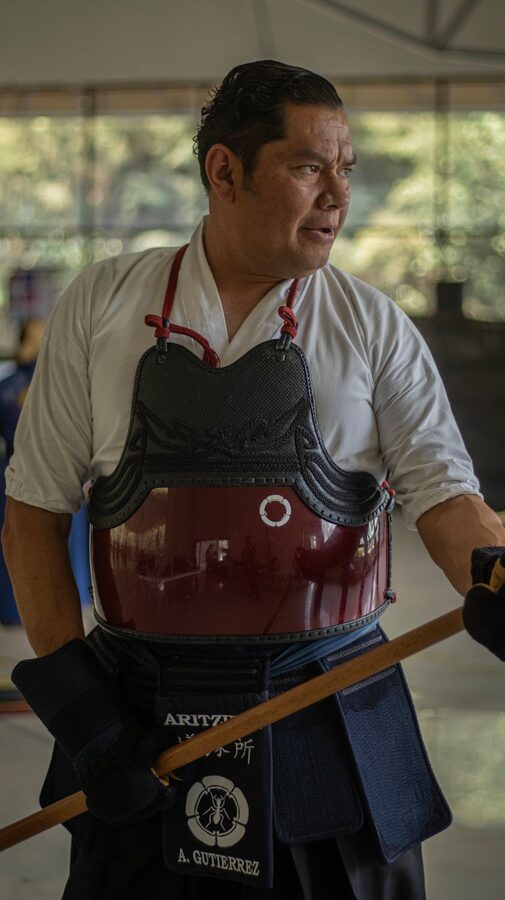
Separate from the museum (different location — this one is in Kabukicho, Shinjuku), the Samurai Restaurant Show is a dinner theatre experience. Live performers in full samurai armour perform choreographed sword fights, traditional dance, and drumming while you eat a multi-course Japanese meal.
At $55 per person including 2 drinks, it’s priced like a nice dinner out — except the dinner comes with a 90-minute theatrical performance. The sword fighting choreography is genuinely impressive — fast, physical, and performed at close range. The performers are trained martial artists, not actors pretending.
The show runs nightly in Kabukicho (Shinjuku’s entertainment district), which makes it easy to combine with a Shinjuku night walking tour — see the show first, then explore Golden Gai afterwards.
Which to Book
1. Samurai Ninja Museum Tour — Armor & Sword Experience — $28
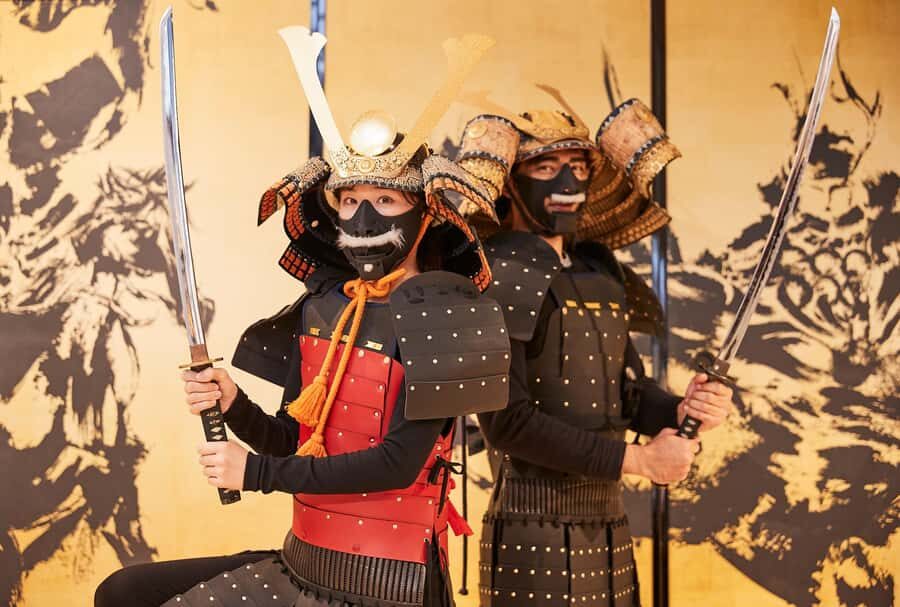
The core experience. At $28 per person for roughly 1 hour, a guide takes you through both the samurai and ninja sections with hands-on activities throughout. The tour includes holding katana and other weapons, trying on armour pieces, and the shuriken throwing experience.
Group sizes are small (usually 6-10 people), which means the guide can actually interact with everyone rather than broadcasting to a crowd. Our review covers the full hour breakdown. The guides are knowledgeable and enthusiastic — several reviewers mention learning things about samurai culture that they’d never encountered in books or documentaries.
Fair warning: this is a tourist-oriented museum, not the Tokyo National Museum. If you’re expecting museum-grade curation with scholarly labels, adjust your expectations. What it does well is make samurai and ninja history accessible, interactive, and fun — especially for families with kids.
2. Samurai Ninja Museum — Skip-the-Line Entry — $28
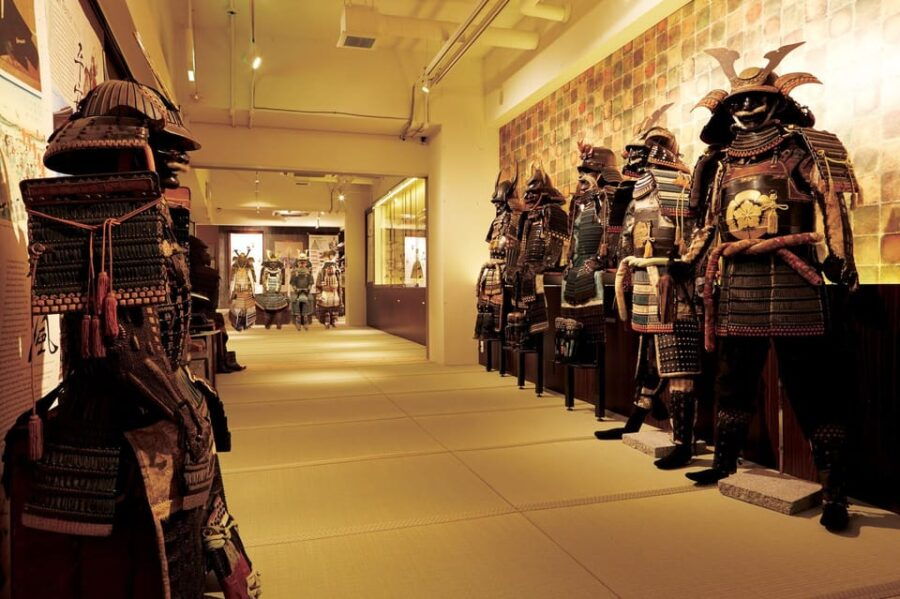
Same museum, same price, same experience — but with skip-the-line entry. At $28 per person, there’s no price penalty for booking this version over Tour 1. The practical difference is that during busy periods (weekends, holidays, cherry blossom season), walk-up visitors sometimes wait 15-20 minutes to enter. The skip-the-line ticket gets you straight in.
If you’re visiting during peak season or have a tight Asakusa schedule, this is the safer booking. If you’re visiting on a weekday outside peak season, either option works fine — the queues are rarely an issue.
3. Samurai Restaurant Show with 2 Drinks — $55
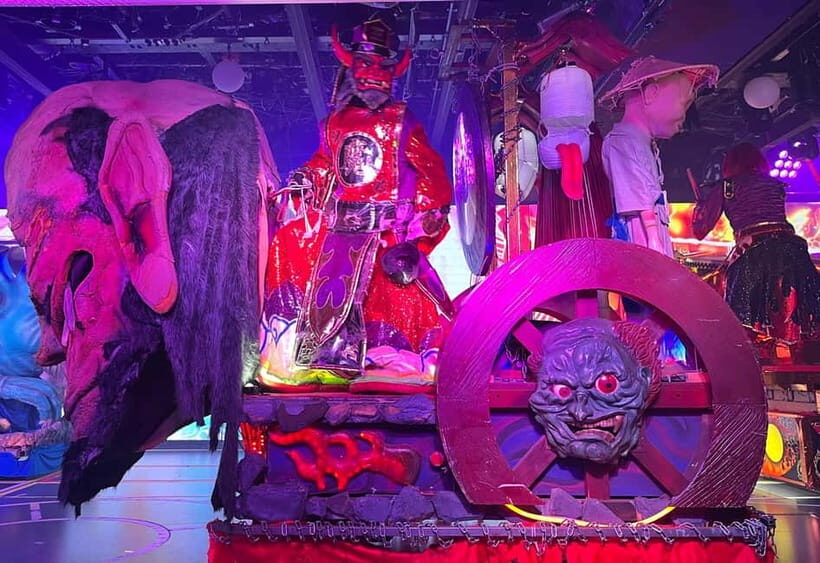
A completely different experience from the museum. At $55 per person including a meal and 2 drinks, this is a 90-minute dinner theatre in Kabukicho featuring live samurai sword fighting, taiko drumming, and traditional dance. The performance space is intimate — you’re sitting close enough to hear the swords connect.
The food is standard Japanese set meal — rice, miso soup, meat or fish, and sides. Not the main attraction, but decent. The 2 included drinks are beer, sake, or soft drinks. Additional drinks are available for purchase. Our review covers the show format and seating options.
Best paired with: arrive in Shinjuku around 5pm, see the show at 6pm, then head to Golden Gai at 8pm for a completely different kind of evening.
Samurai and Ninja — The Real History
The museum tells a condensed version of this, but here’s the context that makes it interesting.
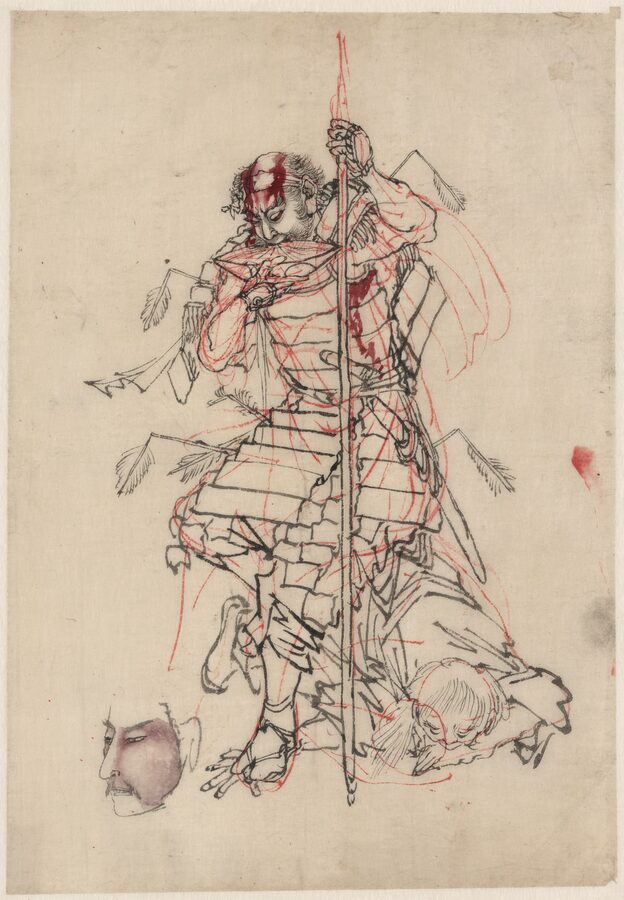
The samurai emerged as a warrior class in the 12th century when the imperial court lost control of the provinces and military strongmen filled the power vacuum. The first shogunate (military government) was established in 1185, and for the next 700 years Japan was ruled by samurai rather than emperors. The emperor remained as a figurehead — a ceremonial head of state with no actual power, while the shogun and his samurai ran the country.
The samurai era peaked during the Sengoku period (1467-1615) — a 150-year civil war that saw hundreds of warlords fighting for territorial control. This is the era that produced the famous names: Oda Nobunaga, Tokugawa Ieyasu, Miyamoto Musashi. The armour, weapons, and battle tactics the museum displays mostly come from this period because it was the peak of samurai military technology.
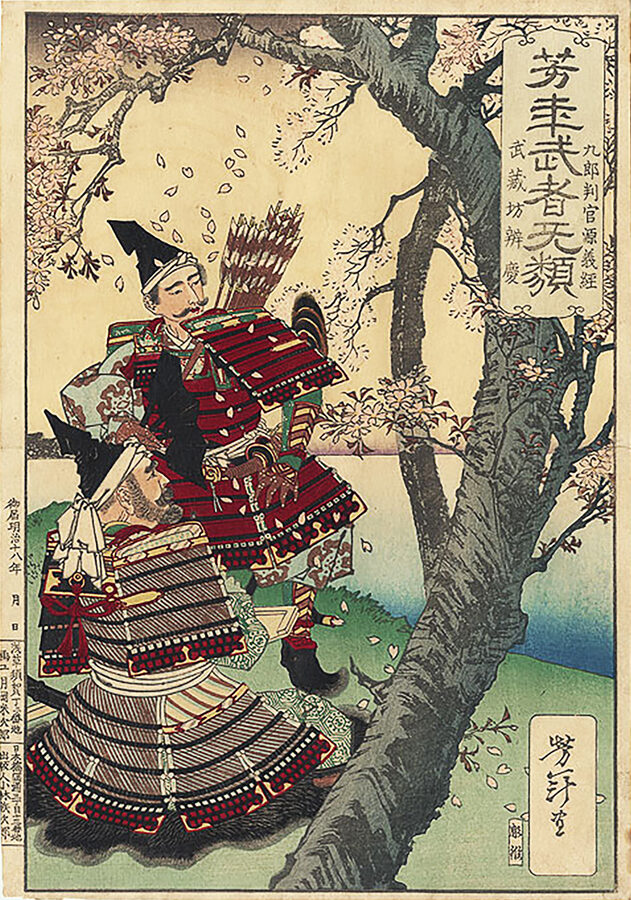
Then came peace. The Tokugawa shogunate unified Japan in 1603 and maintained stability for 265 years. The samurai went from warriors to administrators. They still carried swords (two swords, always — a long katana and a short wakizashi, worn together on the left hip), still trained in martial arts, and still followed the bushido code. But their actual job was running the government, collecting taxes, and maintaining order. Many of them were essentially medieval civil servants who happened to be very good with swords.
The ninja (more properly called shinobi) operated in parallel to the samurai but in the shadows. While samurai fought openly under banners and clan insignia, ninja operated covertly — gathering intelligence, conducting sabotage, and occasionally assassinating targets. The two most famous ninja clans (Iga and Koga, both based in the mountains of central Japan) developed their own schools of espionage and unconventional warfare.
The museum’s ninja section is honest about separating fact from fiction. Real ninja didn’t wear all-black outfits (that’s a theatrical convention from kabuki theatre). They didn’t have supernatural powers. They were highly trained specialists in infiltration, disguise, and escape — closer to modern intelligence operatives than comic book characters. Their weapons were practical: poison, fire, smoke bombs, and caltrops (small spiked devices scattered on the ground to slow pursuers).
The Meiji Restoration of 1868 abolished the samurai class, banned the wearing of swords in public, and ended the feudal system. The last samurai generation was absorbed into the modern Japanese military or became businessmen, politicians, and scholars. The ninja had already faded into legend — their skills irrelevant in an age of telegraphs and rifles.
The Katana — Why Japanese Swords Are Different
The museum devotes significant attention to sword-making, and it is one of the most fascinating parts of the tour. Japanese katana are not just weapons — they are engineering marvels that took centuries to perfect.
The process starts with tamahagane steel, a type of iron sand smelted in a clay furnace (tatara) at carefully controlled temperatures. The swordsmith folds the steel repeatedly — typically 12-15 times, creating thousands of microscopic layers. This folding process removes impurities and creates a grain pattern in the steel that is visible on the finished blade.
The blade is then differentially hardened: a clay mixture is applied thicker on the back (spine) and thinner on the cutting edge before the blade is heated and quenched in water. The thin-coated edge cools faster and becomes extremely hard (capable of cutting through bone), while the thick-coated spine cools slower and remains flexible (preventing the blade from snapping on impact). The boundary between hard and soft steel creates the distinctive wavy line (hamon) visible on every katana.
A single katana takes a master swordsmith about 3-6 months to complete. In the Sengoku period, a quality katana was worth as much as a house. Today, newly forged katana by licensed Japanese smiths sell for 0,000-0,000. The museum lets you hold replicas that are weighted and balanced like the real thing — heavy enough at the grip to feel purposeful, light enough at the tip to swing with precision.
The Bushido Code — Fact vs Hollywood
Every samurai movie and TV show references bushido — the way of the warrior. The museum addresses this, but the reality is more complicated (and more interesting) than the Hollywood version.
The concept of a formal bushido code was largely a peacetime invention. During the actual fighting centuries (1100s-1500s), samurai were pragmatic warriors who did whatever worked. Honour mattered, but survival mattered more. The famous death before dishonour ethos was romanticised during the Edo period (1603-1868), when the samurai hadn’t fought a real war in generations and needed an identity beyond government bureaucrat with a sword.
The book that defined bushido — Hagakure, written in 1716 — was authored by a samurai who had never seen combat. It reads like a philosophical treatise by someone who desperately wished he’d been born in a more exciting era. The museum’s guides acknowledge this contradiction honestly, which is refreshing. They present the samurai as complex, flawed, evolving people rather than the cartoon warriors of popular culture.
The parallel with ninja is similar. The ninja as depicted in movies — all-black outfit, supernatural abilities, silent assassination — is almost entirely fictional. Real shinobi wore disguises appropriate to their mission: sometimes farmer’s clothing, sometimes monk’s robes, sometimes nothing distinctive at all. Their greatest skill was not combat but intelligence gathering — understanding enemy troop movements, supply lines, and political alliances.
The museum’s approach of separating fact from fiction is what makes it worthwhile for adults. Kids enjoy the throwing stars and armour. Adults appreciate learning that the reality was more nuanced and more interesting than the myths.
When to Visit
Morning is best. The museum opens at 10am and the first few tour slots are typically the least crowded. By early afternoon (1-3pm), especially on weekends and during holidays, the small museum space can feel cramped with multiple tour groups cycling through.
Weekdays are significantly quieter than weekends. On a Tuesday morning in March, you might have a tour group of 4 people. On a Saturday afternoon in April (cherry blossom season), the same tour might have 10 people and a 15-minute wait to start.
Combine with Asakusa. The museum sits in the heart of Tokyo’s most traditional district. A solid Asakusa half-day: Sensoji Temple at 9am (before the crowds), Nakamise shopping street, the museum at 10:30am, then lunch at a tempura restaurant on Denpoin-dori street. If you have the afternoon free, add an Asakusa rickshaw tour or cross the river to the Sumida ward for views of Tokyo Skytree.
The restaurant show runs evenings only. Shows typically start at 6pm, 7pm, or 8pm depending on the night. Book the 6pm show if you want time for Shinjuku nightlife afterwards. The 8pm show means you’ll finish around 9:30pm — late for some but perfectly timed for Golden Gai, which doesn’t really get going until 10pm anyway.
Practical Tips
The museum is in Asakusa — about 3 minutes’ walk from Sensoji Temple. The nearest station is Asakusa (Ginza Line, Asakusa Line, or Tsukuba Express). If you’re already planning to visit Sensoji, add the museum to the same morning. A good Asakusa itinerary: Sensoji Temple (free, open early), Nakamise shopping street, then the Samurai Ninja Museum, followed by lunch at one of the restaurants along the Sumida River.
The restaurant show is in Kabukicho, Shinjuku — a completely different part of Tokyo. Don’t try to do the museum and the show on the same afternoon unless you enjoy stressful subway transfers. The museum is a daytime activity. The show is an evening activity. Pick one or do them on separate days.
Book the museum 1-2 days ahead. Tours run every 30 minutes and popular slots (late morning, early afternoon) fill up during peak season. The 9:30am and 10am slots are usually less crowded.
The museum is family-friendly. Kids love the hands-on activities — the shuriken throwing and armour try-on are designed for all ages. Children under 3 are free. The guides adjust their explanations based on the audience — more historical detail for adults, more action and fun for families.
Allow about 90 minutes total. The guided tour is 60 minutes, but you’ll want time before and after for the photo opportunities. There’s a gift shop (of course) with surprisingly decent replica weapons and traditional items.
Compare with the Samurai Experience. If you’re choosing between this museum and the samurai training experience, they’re different things. The museum is about history and artifacts with some hands-on elements. The training experience is about actually learning sword techniques in a dojo setting. Both are worth doing if you have time. If you only have one slot, the museum is better for general interest and families, the training is better for martial arts enthusiasts.
Samurai vs Ninja — The Rivalry Explained
One of the most common questions visitors ask at the museum is whether samurai and ninja were enemies. The answer is: it depends on who hired the ninja.
Samurai were the ruling military class — the equivalent of aristocratic officers. They fought openly, under banners, following rules of engagement. Their status was inherited. A samurai’s son was a samurai. Their identity was public. Everyone knew who they were, what clan they served, and where to find them.
Ninja were contractors. They had no fixed loyalty to a clan or lord. They sold their services — espionage, sabotage, assassination — to whoever paid. A daimyo (feudal lord) might employ samurai as his visible army while secretly hiring ninja from Iga or Koga province to spy on rival lords. The samurai didn’t like this arrangement but they recognised its effectiveness.
The famous historical conflict between the two came during the Tokugawa period. Tokugawa Ieyasu used ninja extensively during his rise to power, then systematically dismantled the ninja networks once he controlled Japan. He didn’t want anyone else using the same tools against him. The Iga ninja were given a choice: become government agents (essentially the Tokugawa’s secret police) or disband. Most chose integration. The age of independent ninja clans ended not with a battle but with a job offer.
This tension between the open warrior (samurai) and the shadow operative (ninja) is a central theme of the museum. It also explains why samurai and ninja are almost always presented together in Japanese culture — they weren’t two separate worlds but two sides of the same military system.
More Asakusa and Tokyo Activities
Asakusa is packed with things to do. Our Asakusa rickshaw tour guide covers the traditional rickshaw rides through the temple district. The Tokyo cooking classes (including sushi-making) run in Asakusa too.
For more uniquely Japanese experiences, the sumo experience and chopstick making workshops are both popular. And if the samurai restaurant show sparks your interest in Tokyo’s entertainment scene, the yakatabune dinner cruise offers another traditional evening with food, performance, and history — on a boat instead of a stage.