
The bow weighs about two and a half kilos. The sensei makes it look like a drinking straw.
I had been holding mine for 90 seconds. My left shoulder was shaking. The sensei walked over, adjusted my elbow by roughly half an inch, and the shake stopped. “Now breathe,” he said. I breathed. He walked away to correct the next student. My shoulder stayed still for the first time that hour.
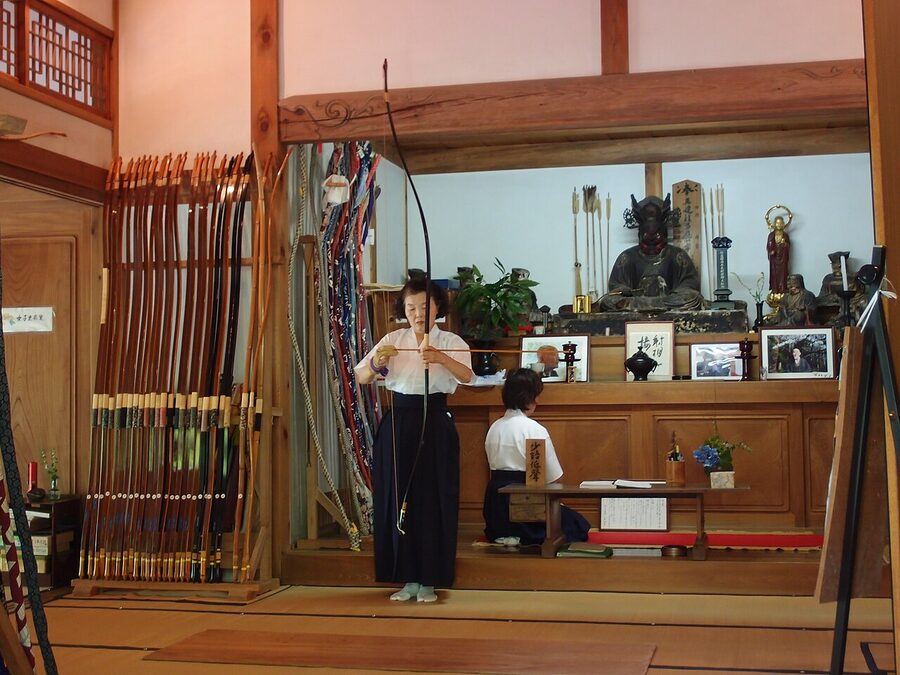
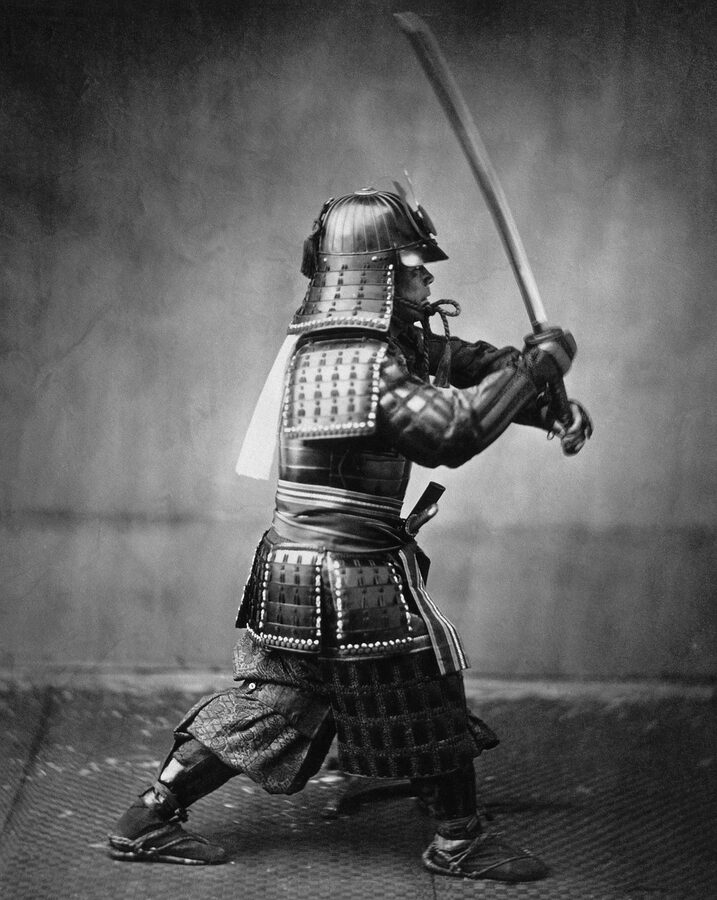
Tokyo is the best place in Japan to actually train in samurai arts — not watch a show, not tour a museum, but sweat through a proper two-hour class where somebody shows you how to hold a 900-year-old posture correctly. Three arts are taught to foreigners here: kendo (swordsmanship with bamboo shinai), iaido/kenjutsu (real katana work), and kyudo (Japanese longbow archery). Most of Tokyo’s samurai experiences focus on one of those. A few combine them.
This guide is specifically about the hands-on training classes — the ones where you hold the weapon and swing it under instruction. If you want museum visits and dinner shows, see our separate Samurai Experience in Tokyo & Kyoto guide.
Short on time? Here are my top picks:
Best combined class: Samurai Sword & Archery Class from a Samurai Descendant — learn both disciplines in one 2-hour session, taught by an actual descendant of a warrior family. The most reviewed class in Tokyo.
Best for sword only: Kendo Practice Experience — real dojo, real bamboo shinai, full-contact sparring drills. Closer to actual martial arts training than the tourist versions.
Best for archery only: Japanese Archery (Kyudo) Experience — pure kyudo in a traditional range. Slower and quieter than the sword classes. Deeply meditative.
- Sword vs Archery: What You’re Actually Learning
- The 3 Best Tokyo Classes
- 1. Samurai Sword & Archery Class from a Samurai Descendant — 3
- 2. Kendo Practice Experience: Learn Samurai Swordsmanship — 2
- 3. Japanese Archery (Kyudo) Experience — 2
- A Bit About the Weapons You’ll Hold
- What a Typical Class Looks Like
- The History — Why These Arts Still Exist
- The Dojos Themselves
- Who Each Class Is Actually For
- Practical Tips
- More Tokyo and Japan Experiences
Sword vs Archery: What You’re Actually Learning
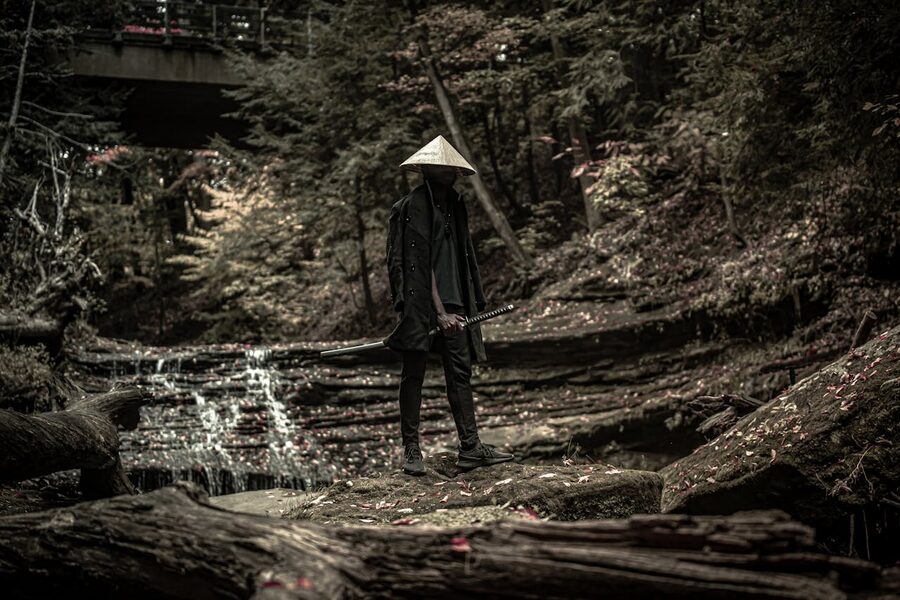
The samurai trained in multiple disciplines because no single weapon covered every situation. A modern class compresses that into a 2-hour introduction, but you’ll pick up the underlying logic quickly.
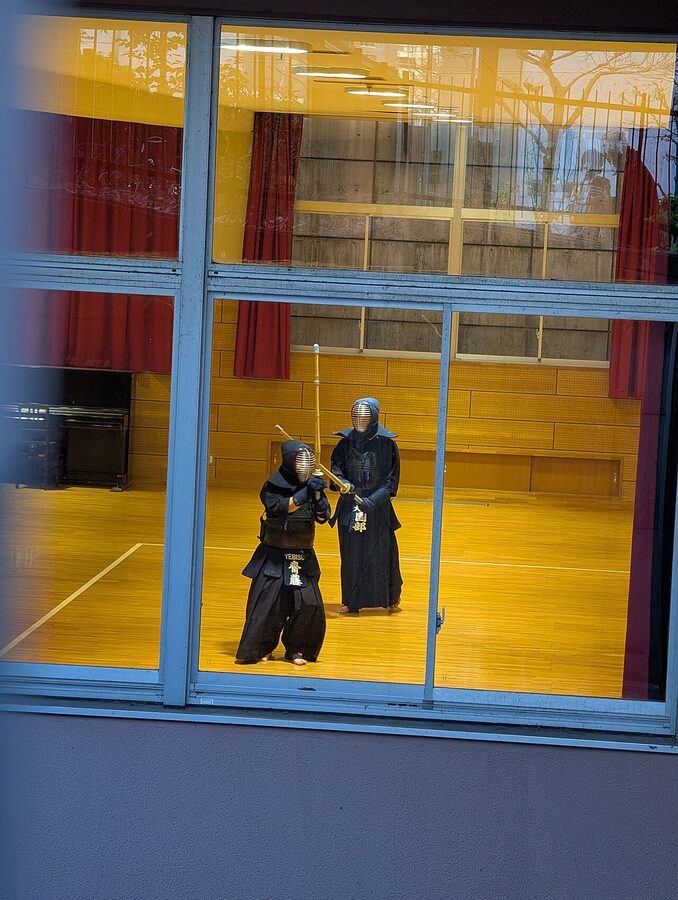
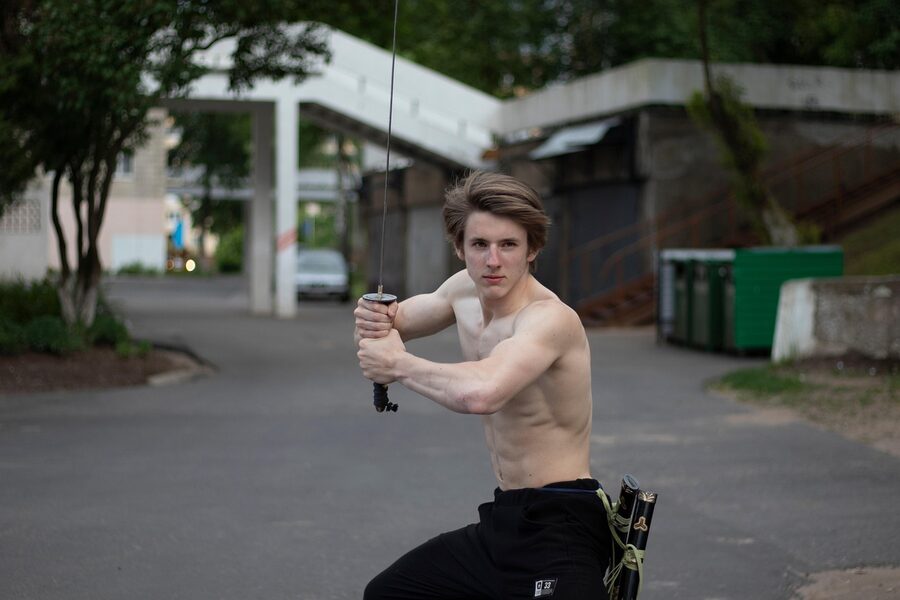
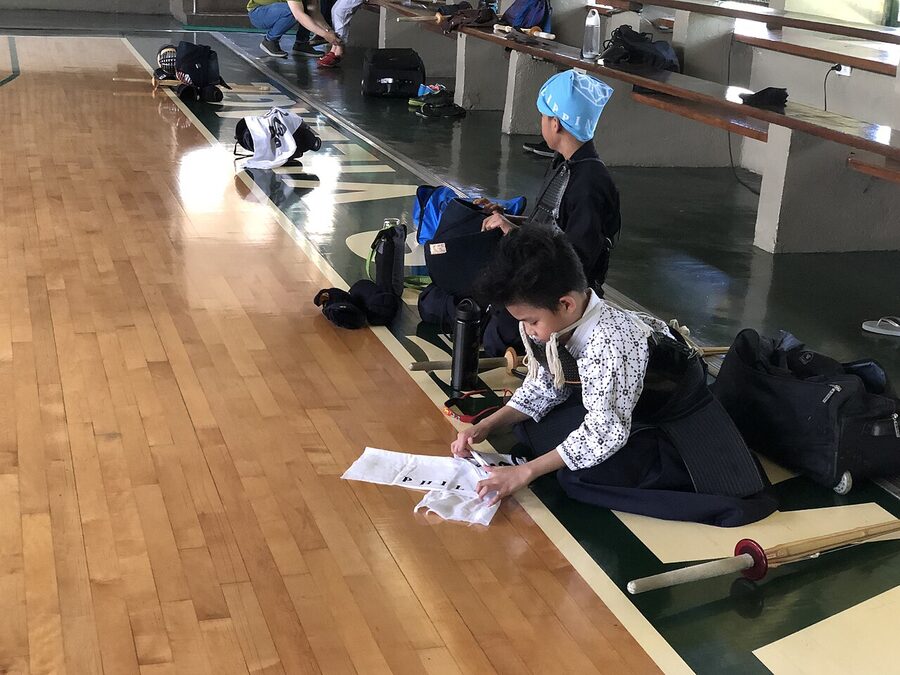
Kendo is the modern sport descendant of samurai swordsmanship. You wear armour (bogu) and spar with bamboo shinai, scoring points by hitting specific target areas — head (men), wrist (kote), torso (do), throat (tsuki). It’s fast, physical, and noisy. The shinai make a sharp crack when they land. Kendo classes for visitors include a partial equipment fitting so you feel the weight.
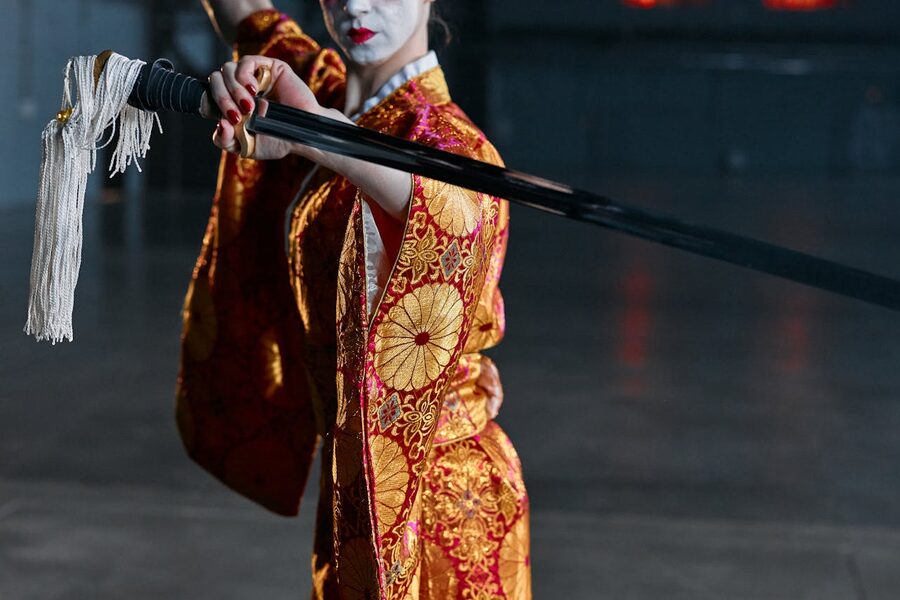
Iaido and kenjutsu are the older sword arts. Iaido focuses on the draw — pulling the blade cleanly from its scabbard and cutting in one motion. Kenjutsu is the broader combat discipline. Both use real katana (or blunt iaito training swords) and emphasise precise, controlled movement. No sparring. Much quieter than kendo.
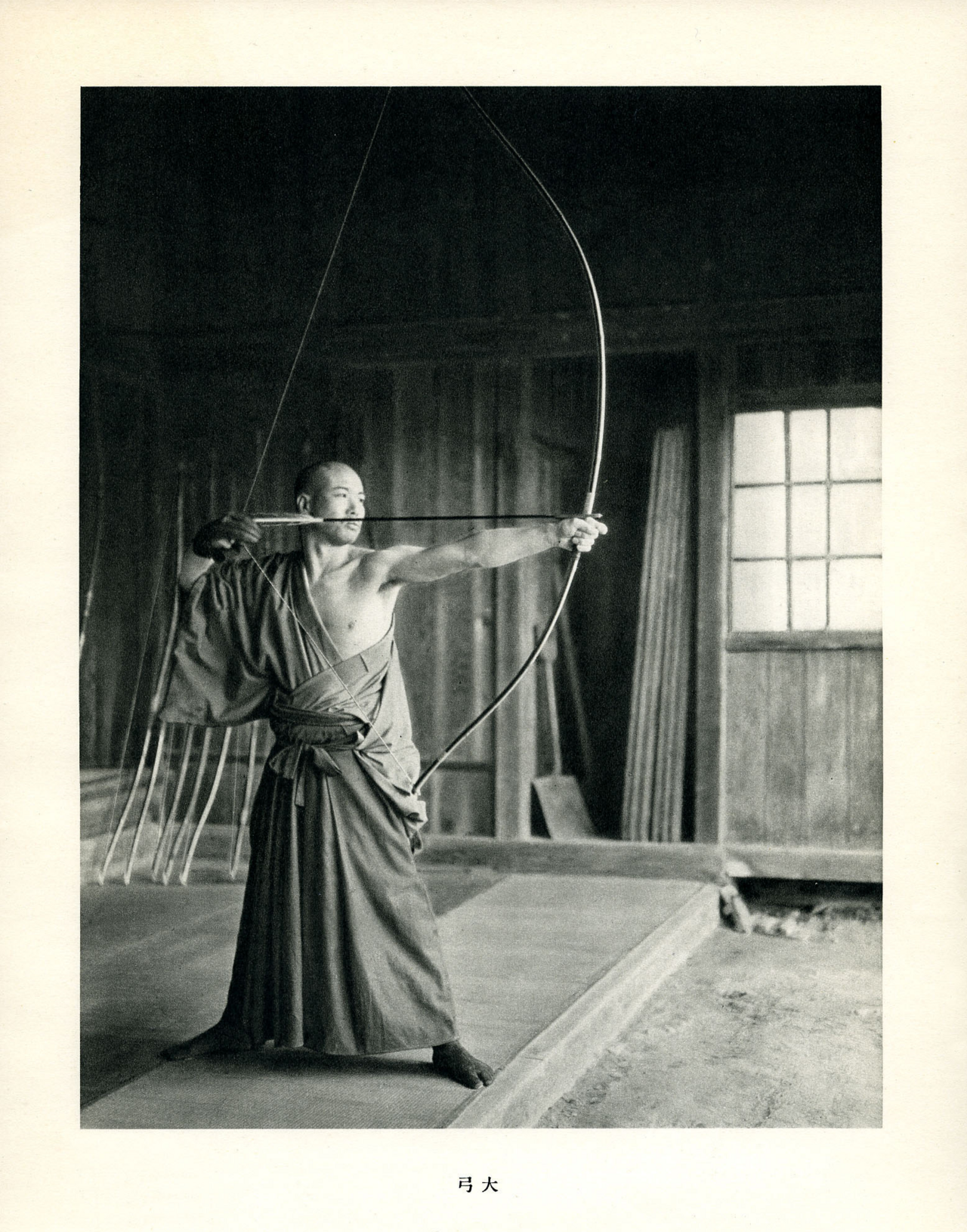
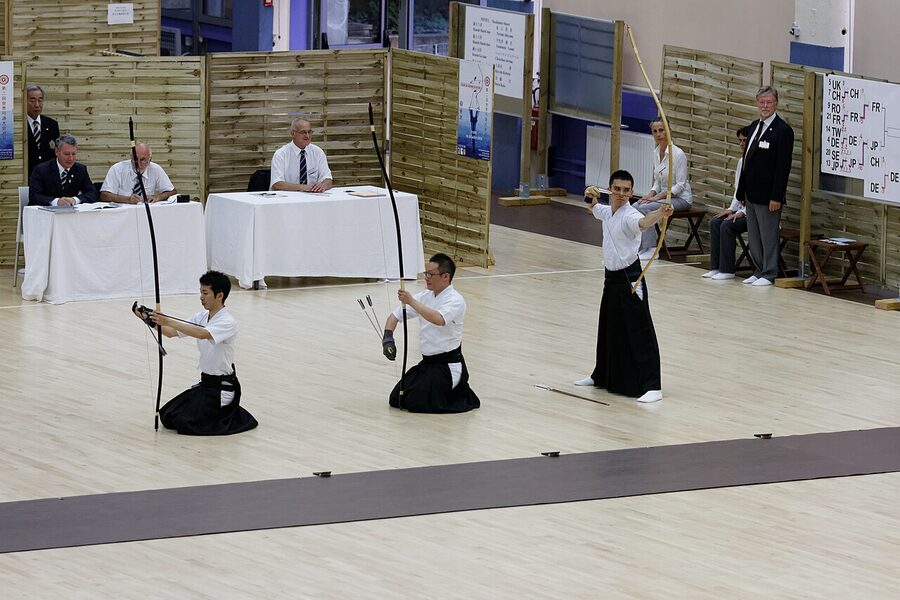
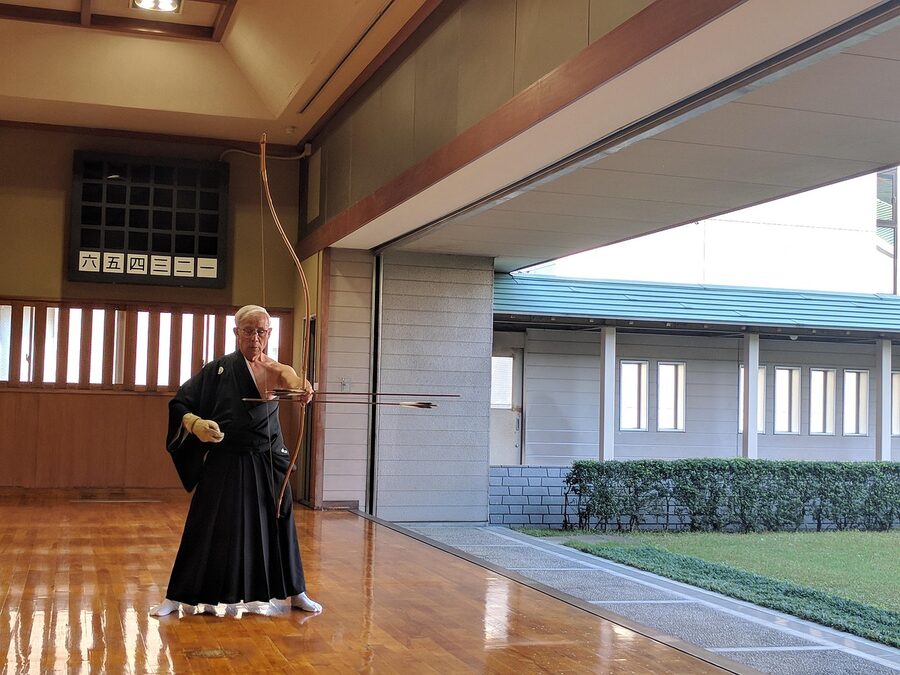
Kyudo is Japanese longbow archery. The bows are 2+ metres long, shot from a kneeling or standing position, using a specific sequence of eight movements called hassetsu. Kyudo prioritises form over accuracy — a beautiful shot that misses the target is better than an ugly shot that hits it. You’ll be corrected on posture, breath, and grip for the first hour before anyone lets you release an arrow.
The 3 Best Tokyo Classes
1. Samurai Sword & Archery Class from a Samurai Descendant — $193
If you only do one samurai class in Tokyo, do this one. You get both sword and archery in a single 2-hour session, taught by a descendant of a recorded samurai family. The lineage shows in the small things — the way he adjusts your grip on the shinai, the specific instruction on breath before releasing an arrow, the stories between exercises. The class is small (4-6 people), indoors, and photo-friendly. It’s the priciest option in this guide and the reason is the instructor. Our full review covers the bloodline backstory and what a typical session looks like.
2. Kendo Practice Experience: Learn Samurai Swordsmanship — $132
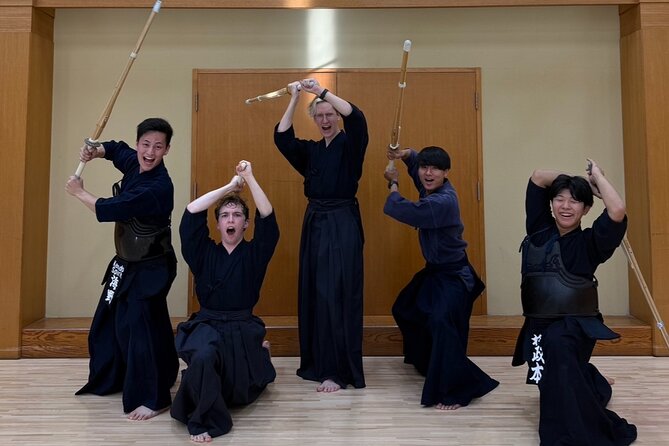
Book this one if you’ve done martial arts before or want the closest thing to actual samurai training. You join a working kendo dojo for the session, put on partial bogu (armour), and run drills with bamboo shinai. Expect sweating, some bruising on your forearms, and a sensei who speaks less English than the other classes but teaches better physical technique. Not photo-friendly in the same way — too busy, too fast. Leave the DSLR at home and keep the phone in your locker. Our review covers the dojo vibe and what to wear.
3. Japanese Archery (Kyudo) Experience — $122
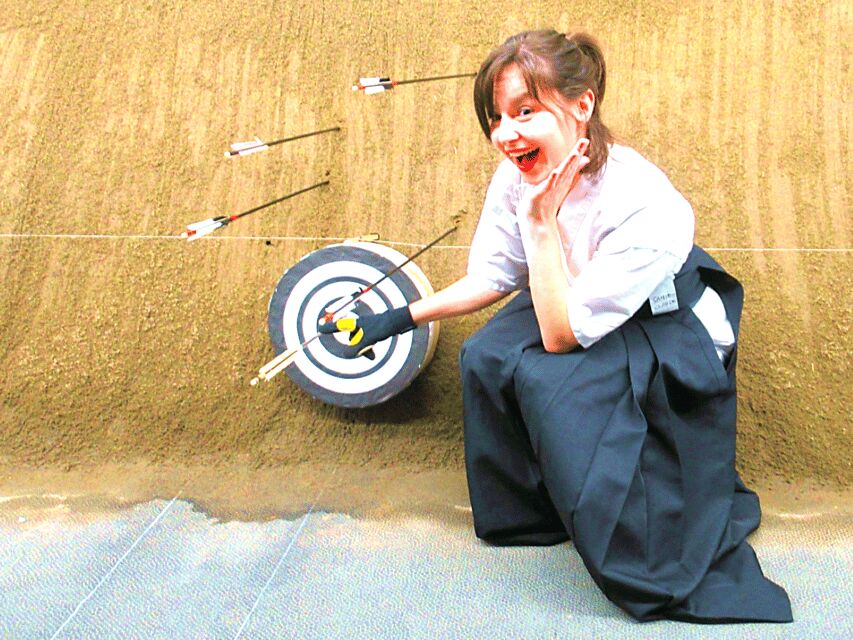
Pick this one if the idea of sweat and shouting in a kendo class sounds like a bad Tuesday. Kyudo is the slow and spiritual branch of samurai martial arts — two hours of careful posture work, breathing, and maybe 10-15 arrows released by the end. The range is traditional and the sensei speaks decent English. You won’t leave with action shots, but you might leave more centred than when you arrived. Good for travellers who’ve had a hectic week in Tokyo. Our review explains the kyudo etiquette you’ll need to know.
A Bit About the Weapons You’ll Hold
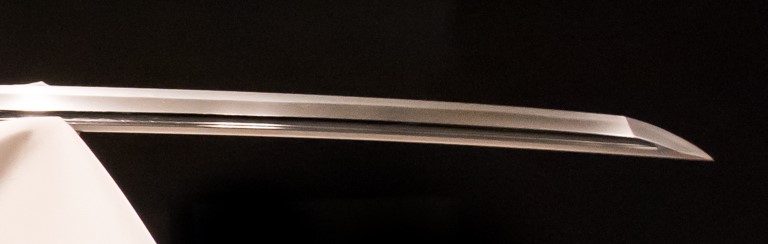
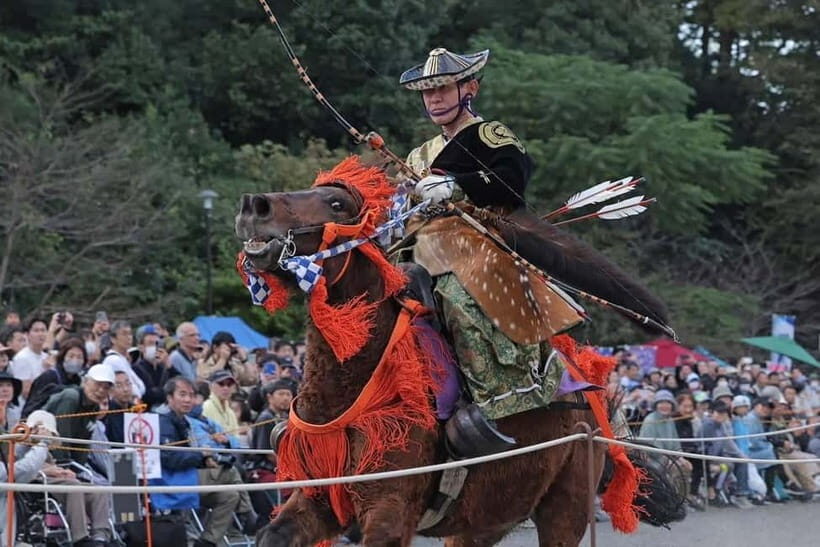
The katana is the weapon most people associate with samurai, but it was only one of several a warrior carried. Samurai typically had a long sword (katana, worn edge-up through the sash), a short sword (wakizashi), and often a tanto dagger. Archery was the primary battlefield weapon for the first few centuries of samurai history — the katana only became dominant in the Edo period when combat moved to cities.
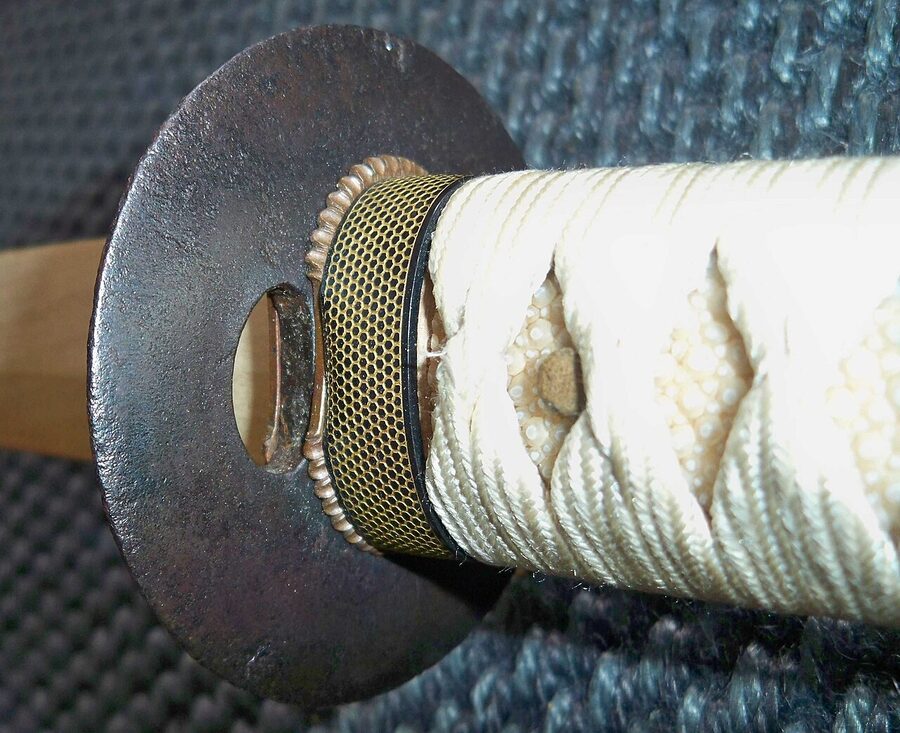
In a visitor class you’ll usually hold a training weapon rather than a genuine antique — a bamboo shinai for kendo, an iaito (unsharpened metal training sword) for iaido, a fiberglass or bamboo bow for kyudo. A few high-end classes let you hold a real blade under close supervision. Worth asking when you book if that matters to you.
What a Typical Class Looks Like
Most Tokyo samurai classes follow a pattern. Understanding it helps you pick the right one for your pace.
Arrival (10 minutes): You change into provided clothing — usually a hakama (pleated trousers) and a gi (jacket). Photos with the outfit are allowed; most people spend a few minutes before and after the session looking slightly ridiculous in the mirror and loving it.
Etiquette brief (10 minutes): Bowing. Holding weapons correctly. Where to stand. Where not to stand. How to address the sensei. The bowing is more elaborate than you expect — to the dojo, to the weapon rack, to the instructor, to your training partner, each one a specific angle and duration.
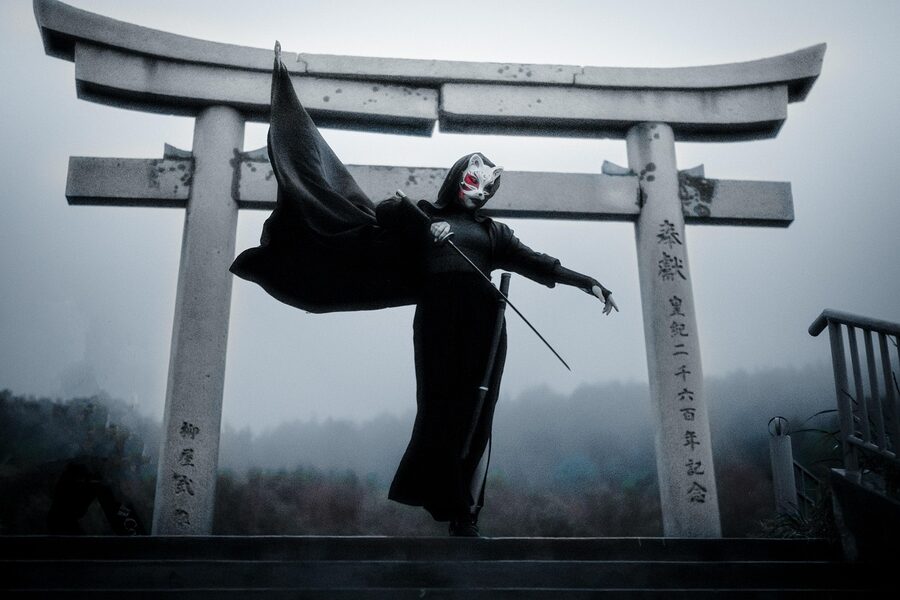
Posture work (15-20 minutes): Before any weapon, you learn to stand. Feet positioning, weight distribution, knee bend, shoulder drop. In kyudo this is the foundation of shahō hassetsu (eight stages of shooting). In kendo it’s kamae (ready stance). The sensei will correct you several times. It feels repetitive. It’s not.
Technique drills (45-60 minutes): The bulk of the class. In kendo, you practice basic strikes (men, kote, do). In iaido, the draw and cut. In kyudo, the eight stages of shooting. Repetition is the method — you do the same small movement 50 times, then another 50. Tedious on paper, weirdly satisfying in practice.
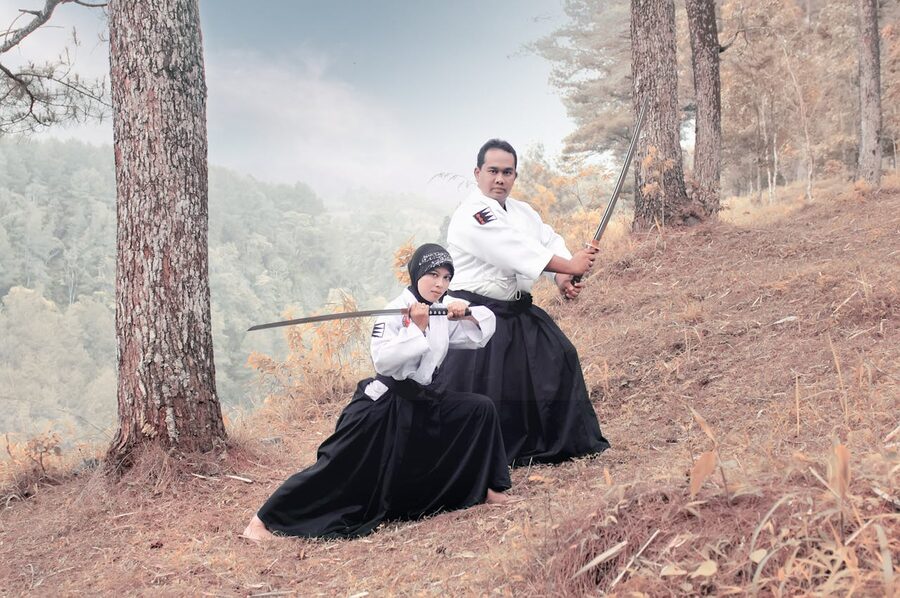
Free practice (10-15 minutes): After the technique drills, you get a short window to try what you’ve learned under supervision. This is when most people finally feel the movement click. The sensei stays close and adjusts.
Closing ceremony (5 minutes): More bowing. Changing out of the gear. Photos in kit before you leave. Certificate handed over at some classes.
The History — Why These Arts Still Exist
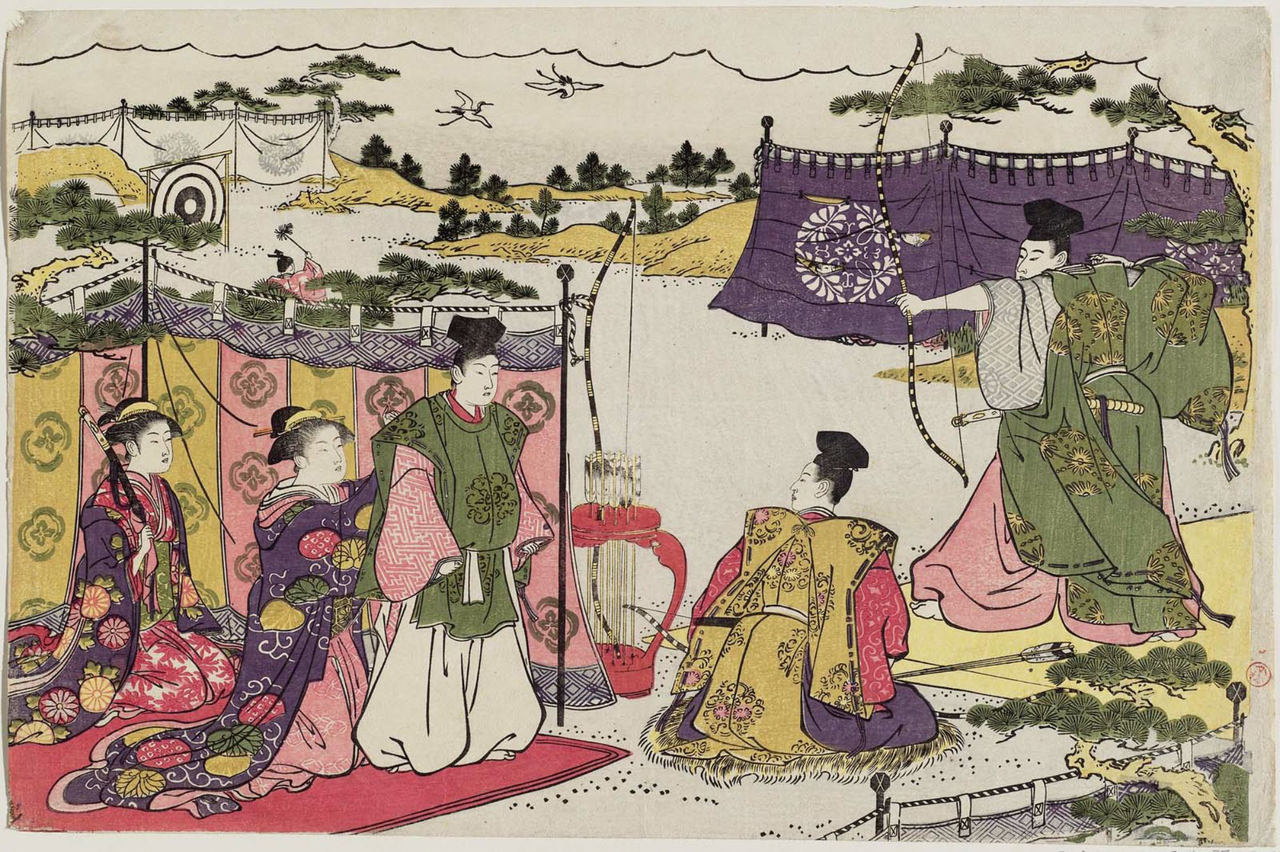
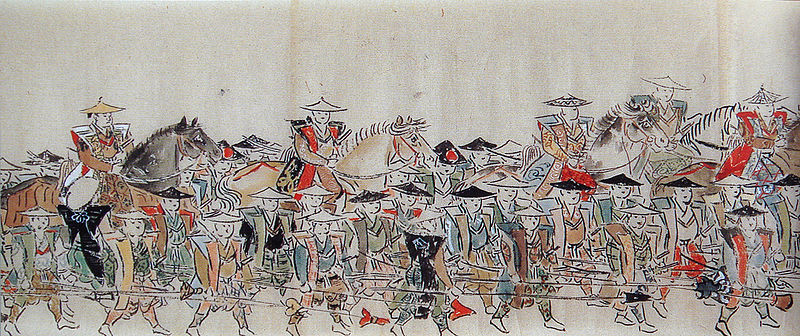
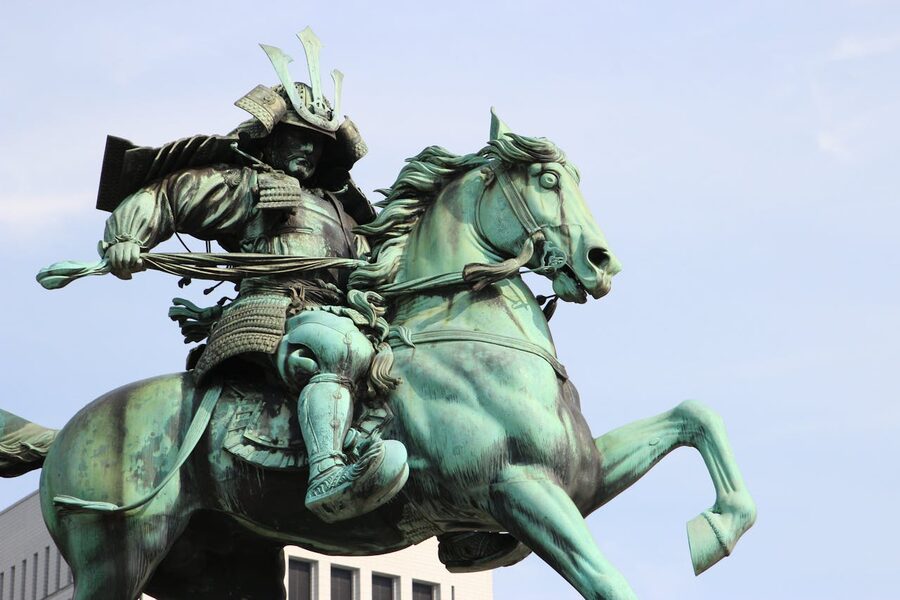
Japan’s warrior class — the samurai — ruled the country in various forms from the 1100s until 1868. The Meiji Restoration dissolved samurai as a political class, and the wearing of swords in public was banned in 1876. The warrior arts had to either die or change.
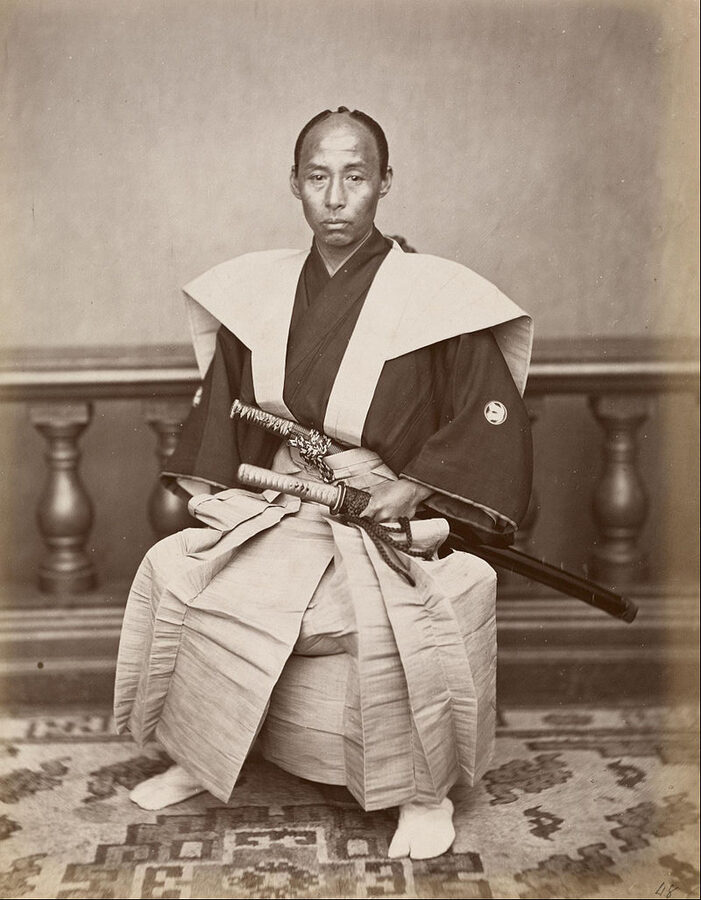
They changed. Kenjutsu (killing swordsmanship) became kendo (sport swordsmanship) with protective armour and bamboo shinai in place of steel. Archery was codified as kyudo — with explicit spiritual-philosophical framing — in the 1890s. Iaido survived mostly intact because it had always been more about form than combat.
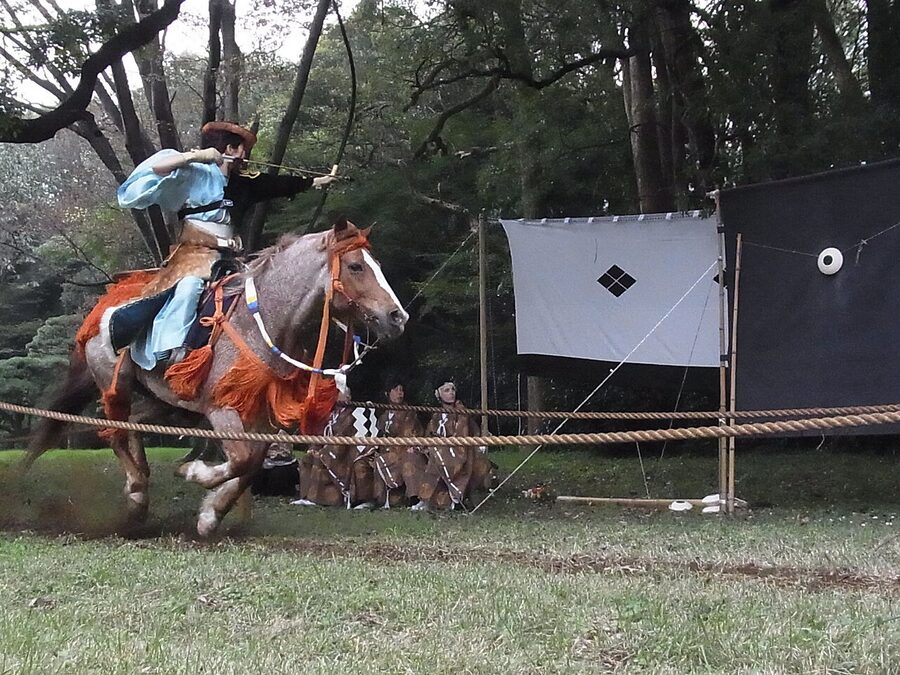
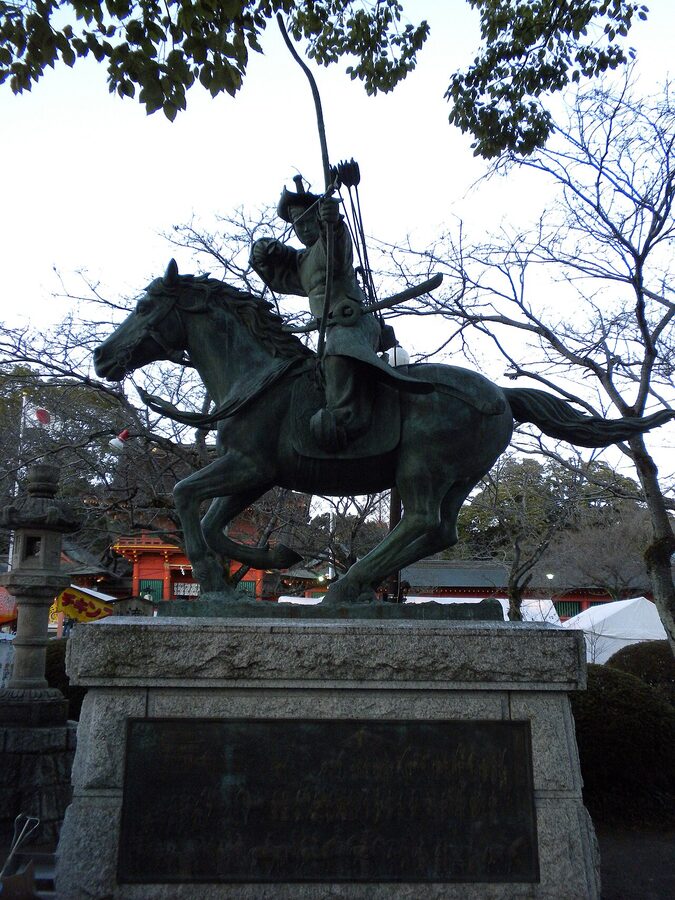
By the 20th century all three arts had federations, international competitions, and standardised rankings (dan system). The classes that visitors can book today are effectively beginner-level introductions to these modern sport-ified versions — not period re-enactment. Which is actually more authentic than it sounds: the samurai themselves ran formal schools (ryu) with exactly this kind of structured progression.
The Dojos Themselves
Most of Tokyo’s samurai classes for visitors are held in one of three kinds of venues. Knowing the difference helps you calibrate expectations.
Dedicated visitor studios (Samurai Descendant class, several others): Purpose-built for English-language tourist classes. Brighter, more cameras-friendly, English signage, newer equipment. Less “dojo atmosphere.” Best for first-timers and groups with children.
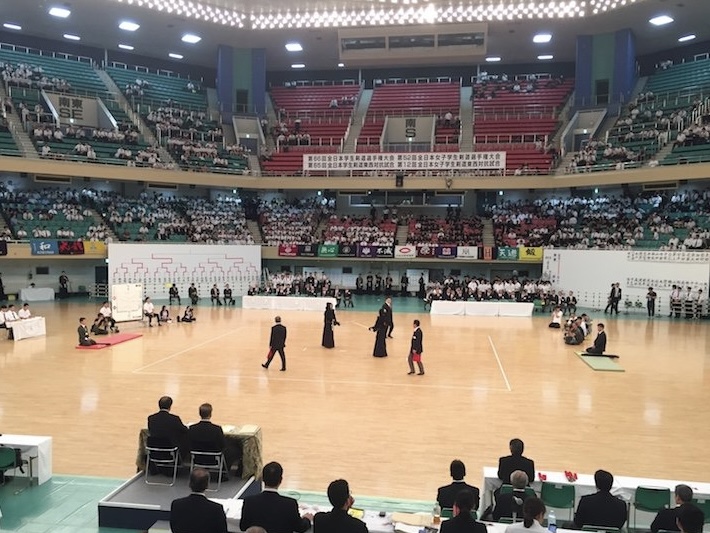
Working dojos that take visitors for a session (Kendo Practice): Active local clubs that set aside specific slots for visiting beginners. Older buildings, wooden floors, equipment smells faintly of sweat. More atmospheric. Less English support but the technique instruction tends to be stronger.
Traditional kyudo ranges (Kyudo Experience): Outdoor or semi-outdoor shooting halls with long clean floors and target butts at distance. Quiet. Formal. Shoes off. You feel like you’ve wandered into a Yukio Mishima novel.
Who Each Class Is Actually For
Complete beginner, first time in Japan, wants the full experience: The Samurai Descendant class. It covers both sword and archery, has the strongest story (the lineage), and is English-heavy enough that you won’t feel lost. Pay the $193 and don’t regret it.
Has some martial arts background (karate, jiu-jitsu, fencing): The Kendo Practice. You’ll pick up the basics fast and get more out of the sparring drills than a pure beginner would. The sweaty physicality fits your vibe.
Wants something calm after a chaotic Tokyo itinerary: The Kyudo Experience. No shouting, no running, no contact sports. Two hours of controlled breathing and aiming. You’ll leave centred.
Travelling with kids 10+: The Samurai Descendant class has the most flexibility for younger participants. Confirm age minimums when booking — some operators require 12+ for the sword portions.
Practical Tips
Clothes: Most studios provide gi and hakama but not always for kids. Wear comfortable exercise clothes underneath — shorts under the hakama is fine. Socks are mandatory. Closed shoes to the venue, swapped for bare feet or dojo slippers inside.
Physical requirements: You need to be able to stand for an hour and kneel briefly. Archery is more forgiving than the sword classes — kneeling and standing shots both exist. Kendo is the most physical. Mention any knee, back, or shoulder injuries when booking.
Photography: Sword classes usually allow photos at specific moments. Kyudo ranges often prohibit photography mid-shot but allow posed photos with the bow. Always ask — and put the phone away when the sensei tells you to.
When to book: Weekend slots fill fastest, especially spring and autumn tourist peaks. Book 5-7 days ahead. The Samurai Descendant class in particular can sell out 2 weeks ahead during cherry blossom season.
Language: All three recommended classes have English-speaking instructors or translators. The kendo class has less native English support — the sensei uses a core set of terms and a lot of demonstration. You’ll pick it up.
Cost justification: A 2-hour samurai class costs more than a movie ticket but less than a concert. You leave knowing something specific about Japanese culture that almost nobody does. Worth it.
More Tokyo and Japan Experiences
Samurai training pairs naturally with Tokyo’s other traditional experiences. Our Samurai Ninja Museum guide is the museum-and-show companion — good to visit the day before a hands-on class to give the training context. If you want a gentler craft experience, the Tokyo kintsugi workshop shares the same “traditional Japanese craft in 2 hours” format. For wider Tokyo samurai content, our Samurai Experience in Tokyo & Kyoto guide covers museums, dinner shows, and armour fittings. The Asakusa Sensoji walking tour covers old Tokyo — the neighbourhood where many samurai classes are held is a short walk from this district. For a parallel Kyoto experience, our Kyoto samurai kenbu sword dance covers the performance side of the same tradition. The Tokyo pub crawl is where to unwind after a physical class. Our Shibuya walking and food tour covers modern Tokyo as a contrast. And for another Japan contrast, the Kanazawa tea ceremony shows you a very different Japanese discipline — stillness over combat, matcha over katana. Tokyo is the best city in Japan for samurai training because its dojos are professional, its instructors are often lineage-descended, and the surrounding neighbourhoods give you something to do after class. Leave 3 hours blocked; spend the evening sore and proud.