
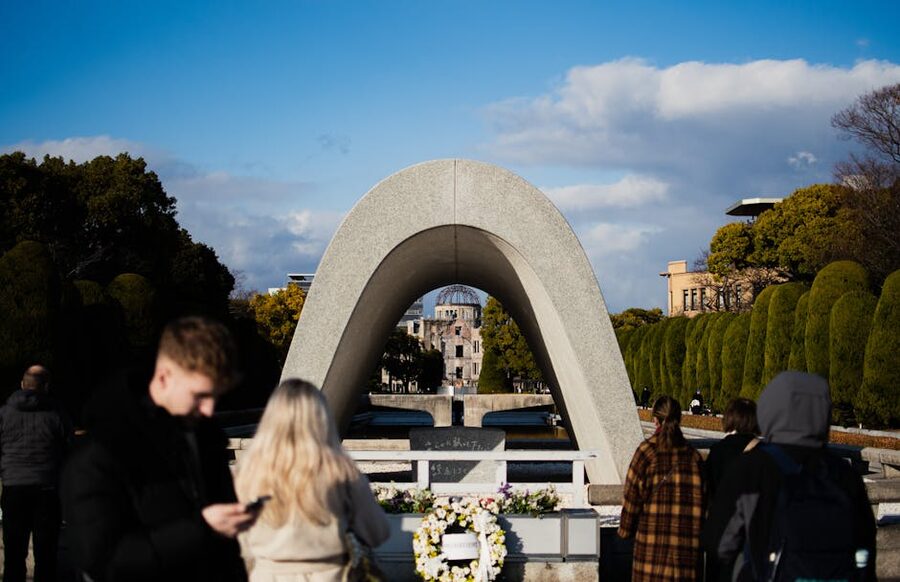
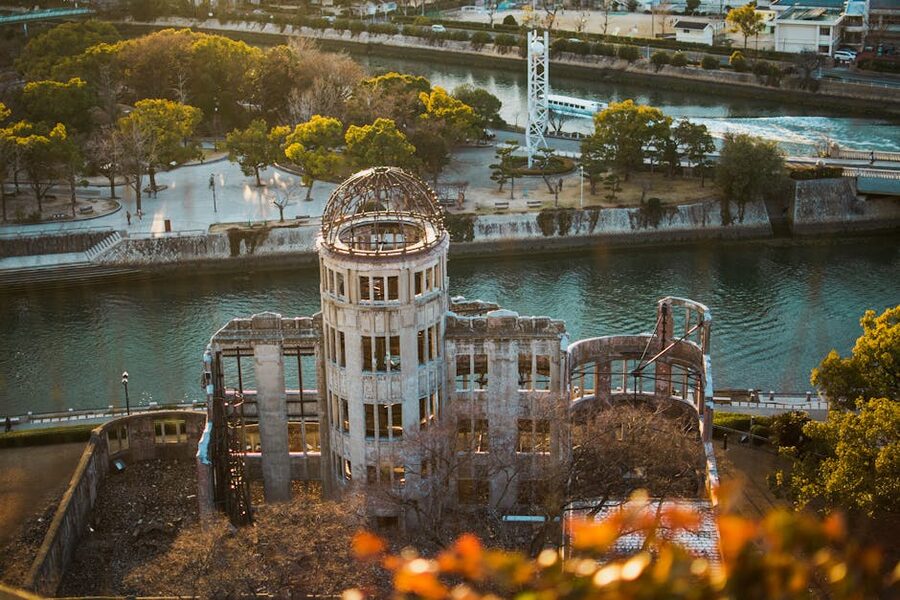
The guide was already moving when I caught up. She’d pointed at the dome across the river, said something about the roof skeleton being original 1915 ironwork, and then turned into a side street to show me a tree that survived the bomb. Fifteen minutes in and I’d already learned more than two hours of wandering the park on my own would have taught me. This is the thing nobody tells you about a private Hiroshima tour: the value isn’t the places, it’s the pace. A good guide knows what to linger on and what to walk past.
Hiroshima can be done on your own. The Peace Park is walkable, the museum is well-translated, and the trams are easy. But nobody comes out of a self-guided Hiroshima day saying they understood it. The story is too layered and the spaces are too quiet to fill in by yourself. A private tour is the shortcut to actually getting it.
Short on time? Here are my top picks:
Best full-day experience: Hiroshima/Miyajima Full-Day Private Tour With Government Licensed Guide — $202 per person. Eight hours, both sides covered, the most-booked private tour in the city.
Best half-day option: Hiroshima City 4hr Private Walking Tour With Licensed Guide — $122 per person. Four hours, Peace Park and the old city, no ferry. Good if Miyajima is on a separate day.
Best flexibility: Hiroshima & Miyajima Full-Day Private Tour & Licensed Guide — $196 per person. Eight hours on GetYourGuide, fully customisable itinerary, licensed guide.
- Why a Private Tour Actually Makes Sense in Hiroshima
- The Recommended Tours
- 1. Hiroshima/Miyajima Full-Day Private Tour With Government Licensed Guide — 2 per person
- 2. Hiroshima City 4hr Private Walking Tour With Licensed Guide — 2 per person
- 3. Hiroshima & Miyajima Full-Day Private Tour & Licensed Guide — 6 per person
- What the Day Actually Looks Like
- How Much Does a Private Hiroshima Guide Cost?
- Government-Licensed vs. Non-Licensed Guides
- Should You Do Hiroshima on Your Own Instead?
- Peace Memorial Museum: What to Know Before You Book
- Hiroshima + Miyajima Combined: Is It Doable in One Day?
- Is the Hiroshima Tourist Pass Worth It With a Private Tour?
- The History in the Ground
- Hiroshima Castle: Worth Adding?
- Off the Beaten Path: What Good Guides Show You
- What to Wear and When to Go
- Booking Logistics: What Actually Happens
- Private vs Group Tours: The Real Difference
- Where to Go Next
Why a Private Tour Actually Makes Sense in Hiroshima
In most Japanese cities, a private tour is a luxury. In Hiroshima, it’s a tool. The difference is what you’re paying for.
Tokyo has a thousand things to do and most of them work fine without a guide. Kyoto is a museum you can wander through on your own. Osaka is so easy to navigate that a guide feels like overkill. Hiroshima is different. The main attraction is not a building or a street — it’s a history. And history needs someone who knows how to tell it.
There are three specific things a guide unlocks in Hiroshima that you cannot easily get on your own:
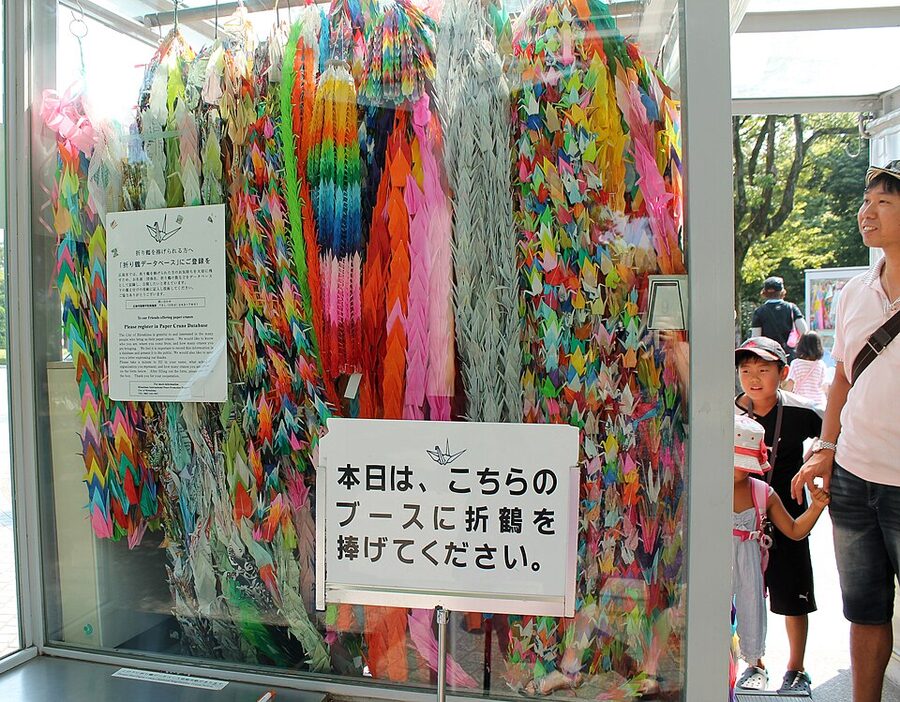
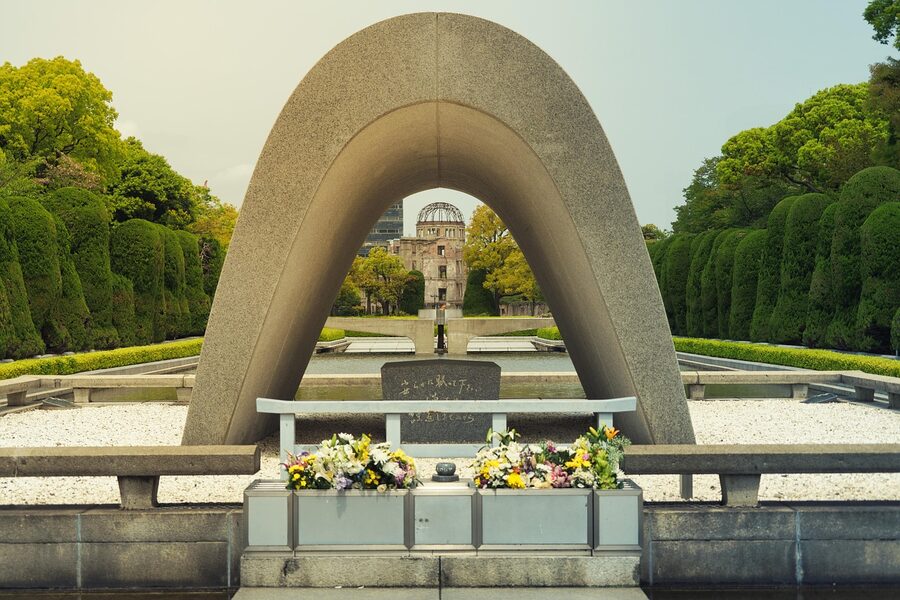
Context for the park. The Peace Memorial Park has dozens of monuments. Without a guide, most people walk past 90 percent of them and head straight for the dome. Each one has a specific story — the Children’s Peace Monument with the paper cranes, the Korean Victims memorial, the mound where 70,000 unidentified remains are interred. A guide turns the park from a walk into a narrative.
Navigation between Hiroshima and Miyajima. The logistics of tram + train + ferry are fine, but they eat time. A private tour either handles the transport or times it so you’re never waiting. You gain back an hour minimum over doing it yourself.
Translation inside the museum. The Peace Memorial Museum has English throughout, but the context comes from a guide who can point out which artefacts to prioritise in the hour you’ll realistically spend there. The museum’s density is its main challenge — there is too much, and the emotional weight piles up. A guide curates.
The Recommended Tours
I picked three that cover the range — a full-day Viator option, a half-day city walking tour, and a flexible GetYourGuide pick. The choice comes down to how long you have and whether Miyajima is on your list.
1. Hiroshima/Miyajima Full-Day Private Tour With Government Licensed Guide — $202 per person
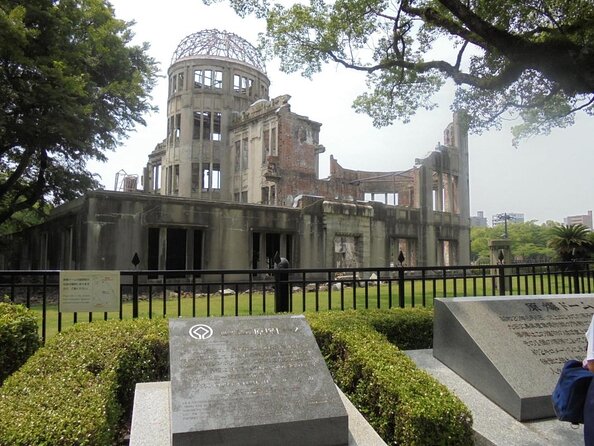
This is the one I’d pick if I only had a single day in Hiroshima. Our full review covers why the government-licensed guide tier is worth the price bump — national-level guides train for years and have to pass an exam that includes history, cultural interpretation, and crisis management. The full-day format also means you don’t skip Miyajima to fit it in.
2. Hiroshima City 4hr Private Walking Tour With Licensed Guide — $122 per person
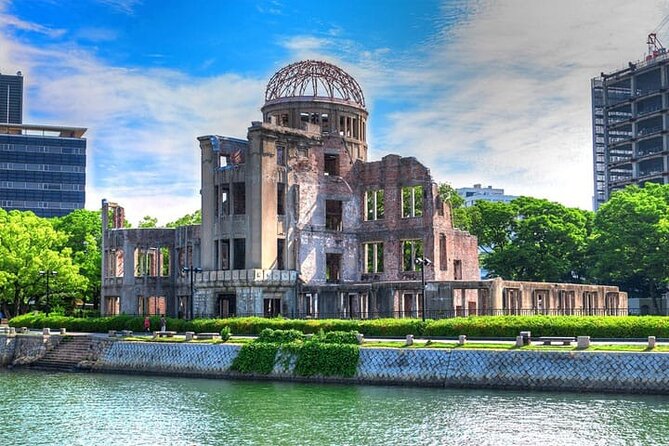
The half-day format is underrated — our review digs into the pace and why four hours in the Peace Park is actually the sweet spot for most first-timers. Any longer and the emotional weight gets oppressive. Any shorter and the museum becomes a rush.
3. Hiroshima & Miyajima Full-Day Private Tour & Licensed Guide — $196 per person
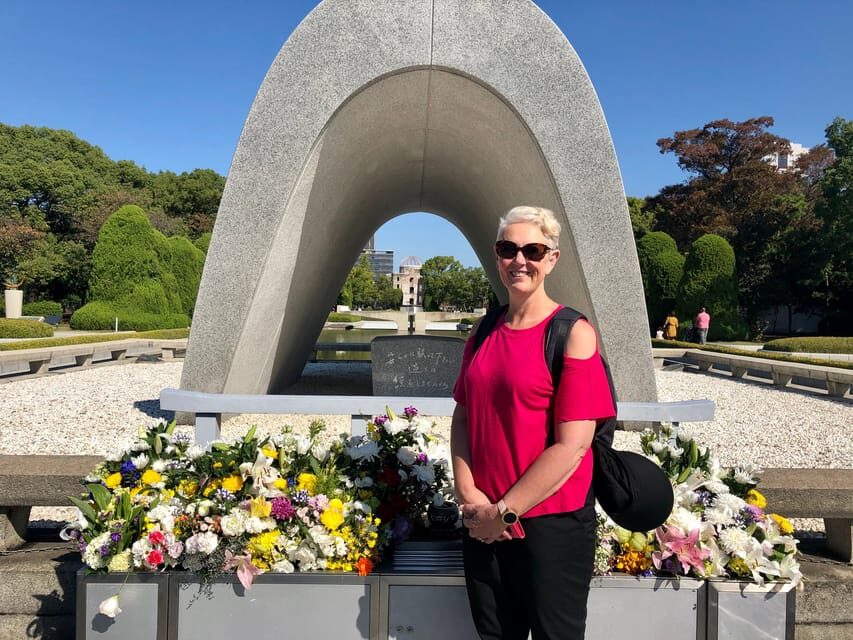
This is the flexible option. Our review walks through how the customisation actually works — you email the operator before the day and specify whether you want more museum time, more Miyajima, or more off-path stops. The GetYourGuide booking also has slightly better cancellation terms than Viator for the same price tier.
What the Day Actually Looks Like
A full-day Hiroshima private tour is built around three anchors: the Peace Park complex, the ferry crossing, and Miyajima. The order varies by guide but the arc is usually the same.
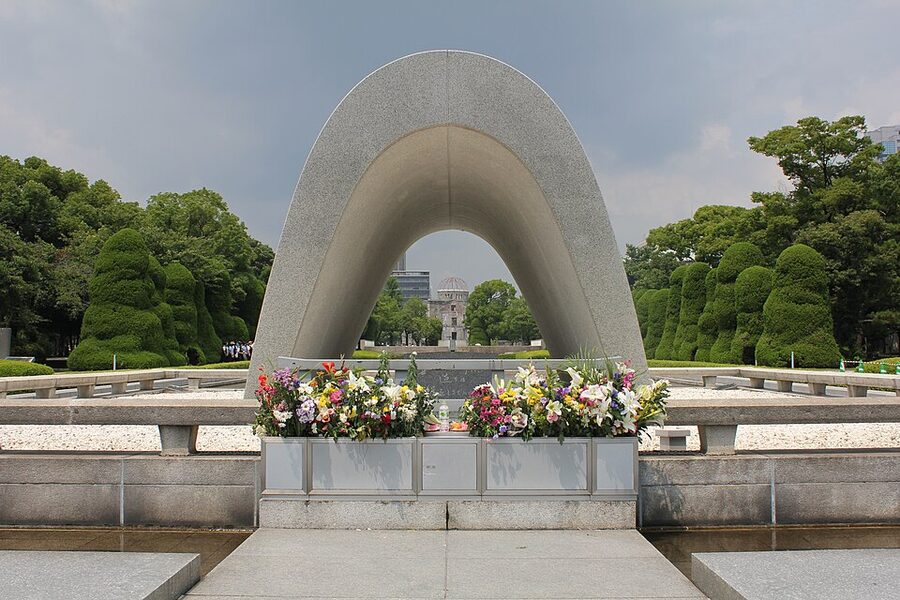
Morning (two to three hours): the Peace Park. Start at the dome, walk the park path past the cenotaph and the Peace Flame, and end inside the museum. Most tours allocate around 60 minutes for the museum. That’s tight but workable with a guide who can tell you what to prioritise.
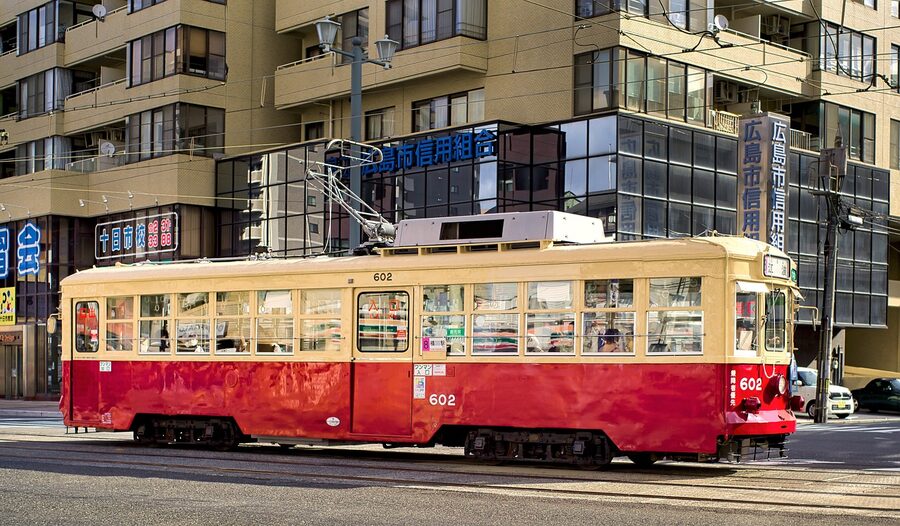
Midday: the tram and ferry. From Hiroshima to Miyajima, the standard route is a tram to Hiroshima Station, then a JR train to Miyajimaguchi, then the JR ferry across. The full-day tours usually get the ferry around noon or just after. Some tours pre-book the Hiroshima World Heritage Sea Route ferry — a faster private ferry from near the dome — but it’s seasonal and costs more.
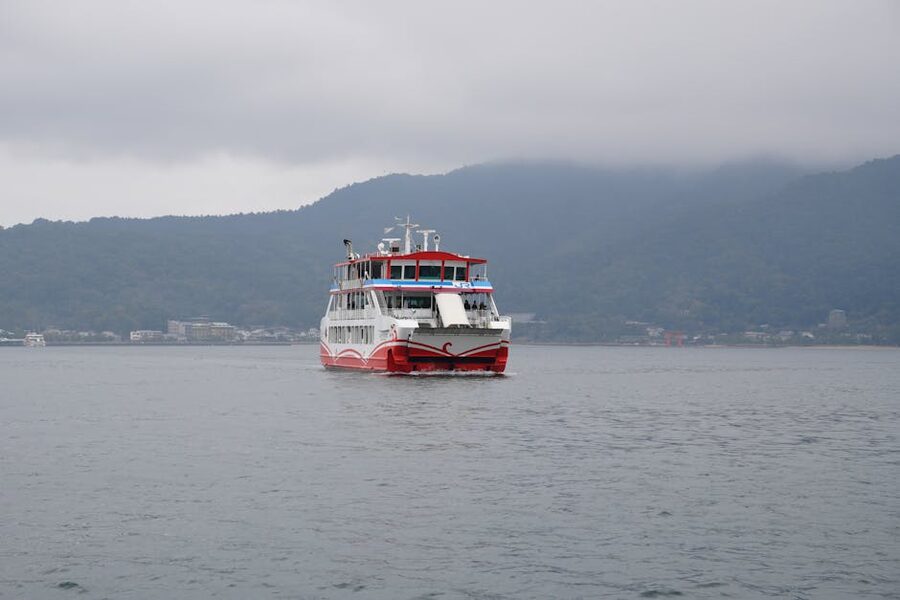
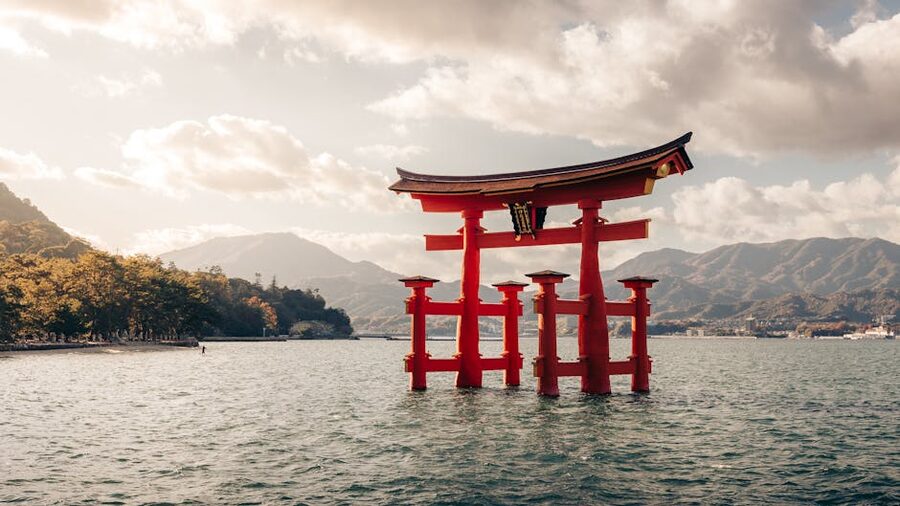
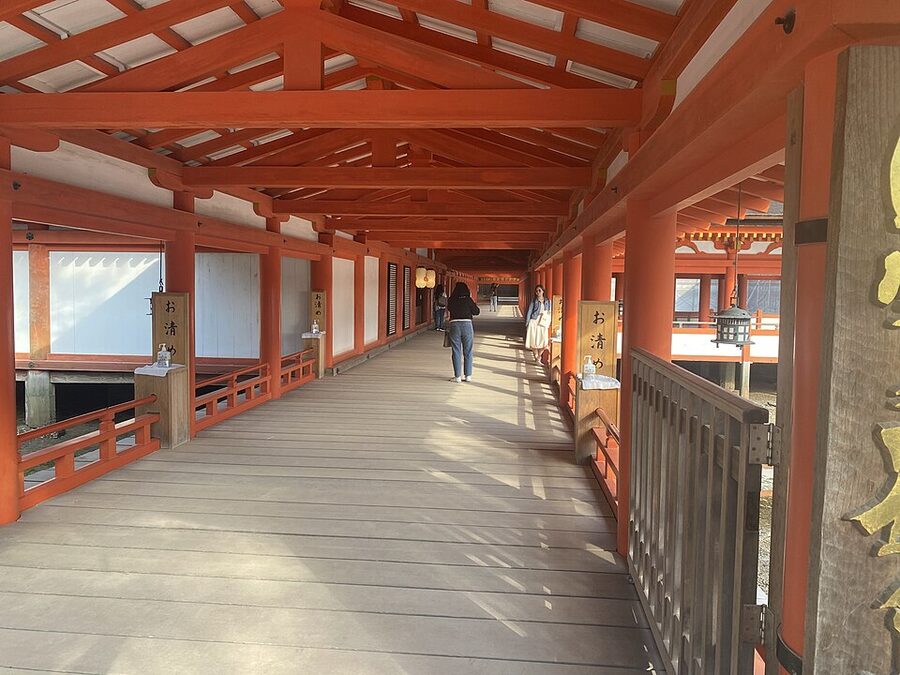
Afternoon: Miyajima. Itsukushima Shrine, the torii gate, usually Daishoin Temple, and lunch somewhere on the main street. The smart tours time the shrine visit to coincide with high tide — the gate and shrine are only “floating” when the water’s up.
Late afternoon: return to Hiroshima. Most eight-hour tours drop you back at your hotel or at Hiroshima Station around 5pm. Some will end at the station if you’re catching a Shinkansen out that evening.
How Much Does a Private Hiroshima Guide Cost?
Prices are by group, not per person in many cases, which throws off first-time bookers. The numbers on Viator and GetYourGuide tend to show the lowest per-person rate — which assumes a full group. If you’re a couple, the actual rate is often double.
The realistic ranges for 2026:
- Half-day private tour (3-4 hours): $80-$150 per person for a group of two. Peace Park only.
- Full-day private tour (7-8 hours): $180-$250 per person for a group of two. Hiroshima plus Miyajima.
- Private car tour: $400-$700 per group for a full day, typically with a driver separate from the guide. Best for mobility issues or groups of 4+.
- Specialist private tour (e.g. peace cycling): $50-$70 per person. Niche formats, often smaller operators.
The price tier that makes the most sense for most people is the full-day Viator or GetYourGuide option around $200 per person. It covers both the Peace Park and Miyajima, which are the two things you actually came to Hiroshima to see.
Government-Licensed vs. Non-Licensed Guides
You’ll see “government licensed guide” or “nationally licensed” in almost every listing. It’s not marketing fluff — it’s a real Japanese credential, and the difference matters.
To become a nationally licensed guide in Japan, you have to pass an exam administered by the Japan Tourism Agency. The exam covers Japanese history, culture, geography, general knowledge, and English (or another foreign language) at a high level. The pass rate hovers around 20 percent. Licensed guides pay ongoing registration fees and have to meet continuing education requirements.
For Hiroshima specifically, the licensed tier is worth the premium. The material is historically dense and emotionally heavy. A guide who has been trained to handle it — who knows how to pace the information, when to pause, which stories land hardest — is a different animal than someone who read a Wikipedia article. You’re paying for the judgement, not just the facts.
Non-licensed guides are fine for straightforward city walks or food tours. For Hiroshima, pay the extra.
Should You Do Hiroshima on Your Own Instead?
This is the fair question. Self-guided Hiroshima is absolutely possible. The Peace Park is walkable, the museum is well-signed in English, and Miyajima is a straightforward ferry ride. A lot of people do it in a day and come away moved.
What you miss without a guide:
- The background for the side monuments in the Peace Park. Most self-guided visitors see the dome, the cenotaph, and the museum and miss the rest.
- The stories from survivors. Licensed guides often have direct or second-hand connections to hibakusha (bomb survivors) — material you cannot get from signage.
- Efficient museum routing. The Peace Memorial Museum is dense enough to consume an entire day. A guide can get you through in 60-75 minutes and leave you with the key artefacts fresh in your mind instead of all of them blurring together.
- High-tide timing on Miyajima. Without planning, you might arrive at the torii at low tide and see mud instead of floating.
My honest take: if Hiroshima is a quick overnight between Kyoto and Kyushu and you just want to see the dome and eat some okonomiyaki, do it yourself. If it’s a planned day and you want to understand what happened here, book a private guide. The difference in experience is not subtle.
Peace Memorial Museum: What to Know Before You Book
The Peace Memorial Museum is the most important stop in the city, and it’s the one most visitors handle wrong. Three things worth knowing up front.
Entry is ¥200 (about $1.40). It is genuinely one of the cheapest important museums on the planet. There is no reason to skip it on cost.
Pre-booking is not required for individuals, but is for groups. Individual visitors and pairs can walk up. For groups of 10 or more, reservations are required. If you’re on a private tour, your guide handles this.
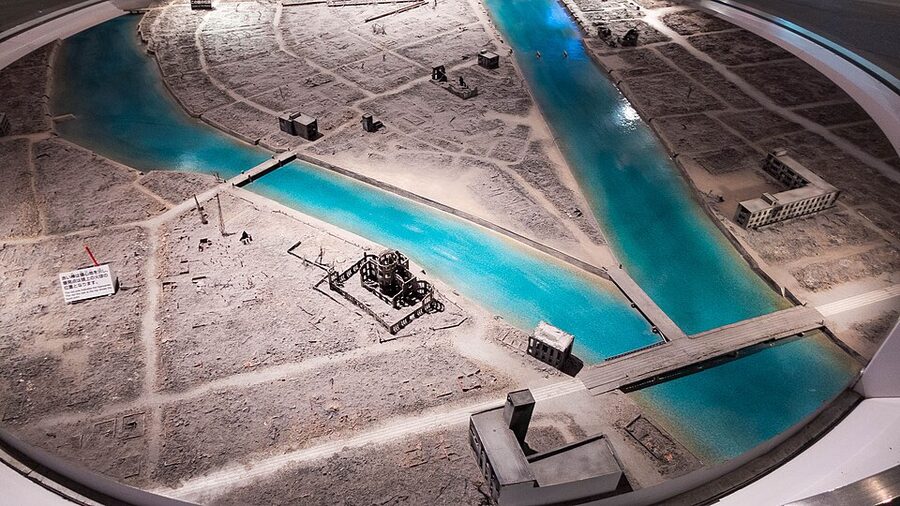
Audio guides are available but most guided tours will skip them — the private guide replaces the audio guide. The main exhibit path is linear, so you don’t get lost. The emotional weight builds gradually — the museum is structured to move you through the scientific overview first, then the personal artefacts, then the aftermath. If you’re doing it on your own, give yourself at least 90 minutes. With a guide, 60 minutes is enough.
Hiroshima + Miyajima Combined: Is It Doable in One Day?
Yes, and it’s the standard format for private tours. But there are caveats.
A full-day tour that covers both typically runs 7-8 hours, door to door. That’s roughly:
- 2.5 hours in the Peace Park and museum
- 1 hour in transit each way to Miyajima (tram + train + ferry)
- 2.5-3 hours on Miyajima
- Buffer time for lunch and transitions
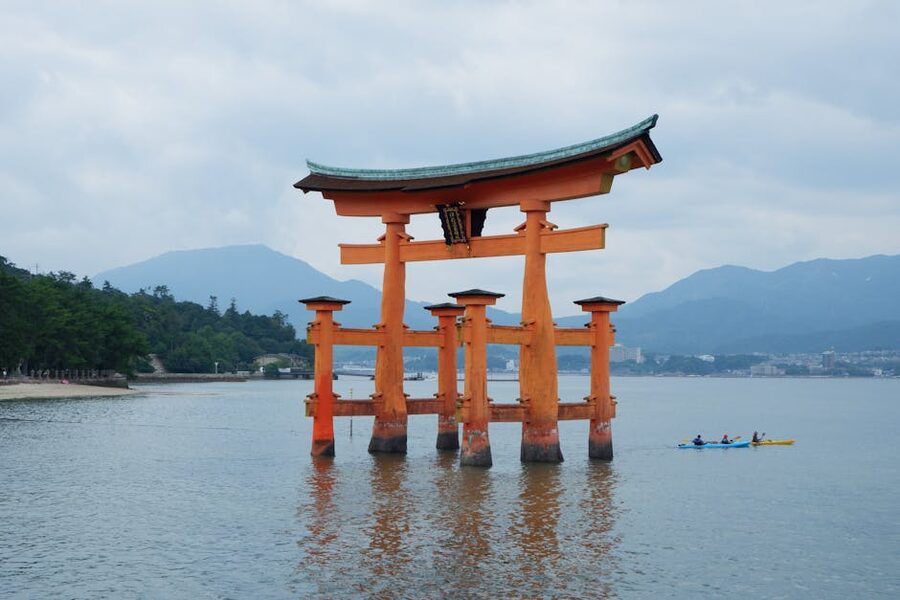
This is doable but tight. If you want to actually hike up Mt Misen (the peak on Miyajima), or spend time in Daishoin Temple, or eat properly, you need two days. Many people split it — Peace Park one day, Miyajima the next. The full-day combined tour is the right call if your schedule forces a single day.
If you’re based in Osaka or Kyoto and doing Hiroshima as a day trip, the combined format makes the most sense — you only get one window and want everything packed into it. See our guide on booking the Osaka/Kyoto day trip for the Shinkansen timing.
Is the Hiroshima Tourist Pass Worth It With a Private Tour?
Short answer: no, and you don’t need it. The Hiroshima Tourist Pass covers local trams, buses, and the Miyajima ferry, and it’s aimed at self-guided travellers who are moving around a lot in a single day.
On a private tour, transportation is either included or handled by the guide on your behalf. The tour operator covers the ferry. The tram is handled either by the guide buying tickets or by you paying the ¥240 flat fare as you go. The maths on the pass doesn’t work out unless you’re doing three or more separate tram rides on the same day as a round-trip to Miyajima — which you won’t, on a guided day.
Buy the pass if you’re doing Hiroshima on your own. Skip it if you’ve booked a private guide.
The History in the Ground
One thing the guidebooks understate: Hiroshima is built on top of itself. The city you’re walking through is literally on the rubble.
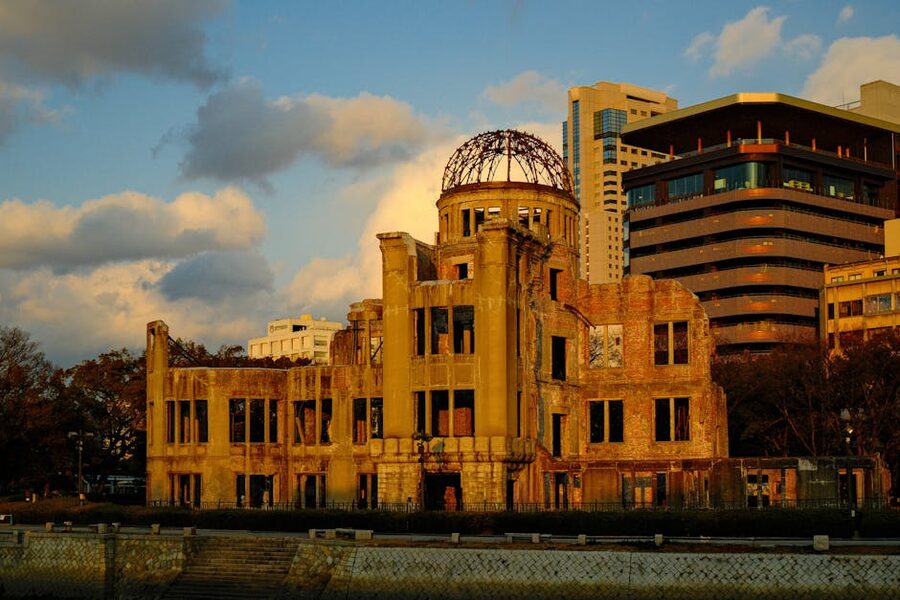
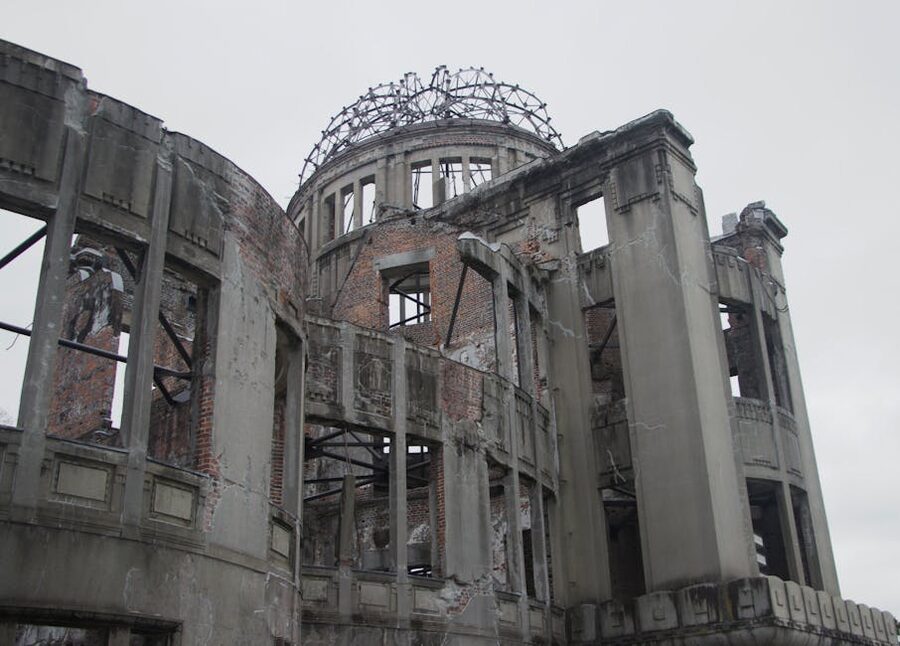
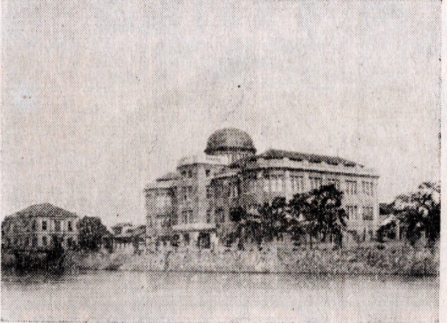
Before the war, the building now known as the Atomic Bomb Dome was the Hiroshima Prefectural Industrial Promotion Hall. It opened in 1915, designed by a Czech architect, Jan Letzel, and served as a showcase for regional products. The 1929 photograph shows it as a busy, architecturally distinctive building in a dense urban fabric.
After August 6, 1945, everything around it was ash. The dome’s copper roof melted. Interior floors collapsed. But the steel skeleton of the dome and parts of the masonry walls held, because the shockwave came from almost directly overhead and pushed down rather than sideways. The ruin survived because of geometry, not strength.
The city’s reconstruction began almost immediately. By the late 1950s, the area around the dome had been rebuilt. By 1966, the Peace Memorial Park was fully landscaped. The dome itself was a political fight — many residents wanted it demolished because it was a reminder of trauma. A petition campaign by survivors and a formal city council vote saved it. In 1996, it became a UNESCO World Heritage Site.
A good private guide gives you this layered view — not just what you’re seeing, but what was here before, and what was built over the gaps. This is where a guide earns their fee.
Hiroshima Castle: Worth Adding?
Most private tours include Hiroshima Castle as an optional add-on, and some of the half-day ones include it by default. It’s a reconstruction — the original was destroyed in 1945 — but the grounds and the moat are authentic Edo-period layout.
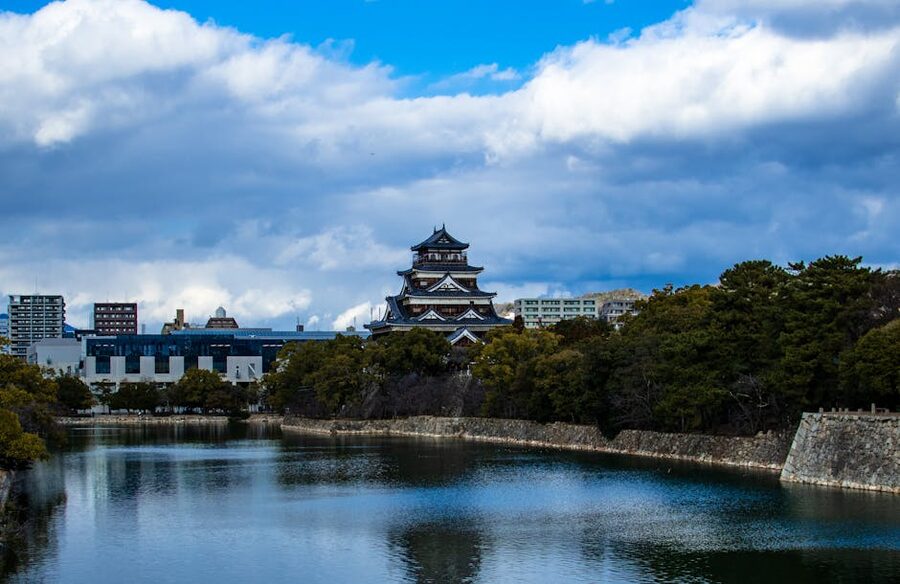
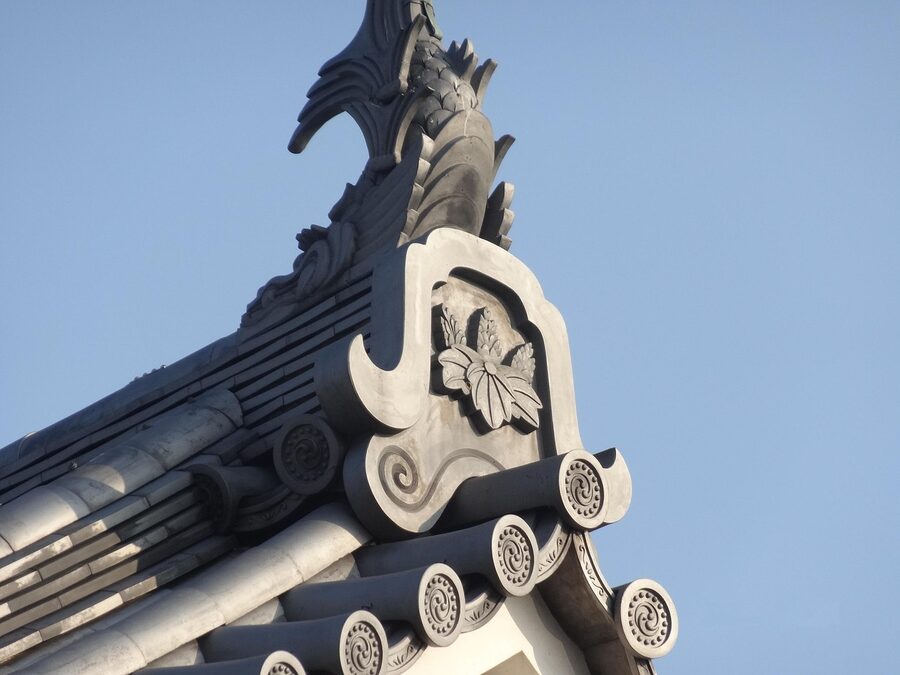
Whether it’s worth the time depends on your pace. If you’ve already allocated a full day to Peace Park plus Miyajima, skip the castle. If you’re on a half-day private tour and have energy left, add it — it’s a 20-minute walk from the Peace Park. The castle is genuinely interesting, but not in the same league as the Peace Memorial.
Off the Beaten Path: What Good Guides Show You
This is where private tours earn their premium over group tours. A good guide has favourites, and Hiroshima has a lot of quiet, meaningful places that don’t make the standard itinerary.

Some of the stops that private guides often add:
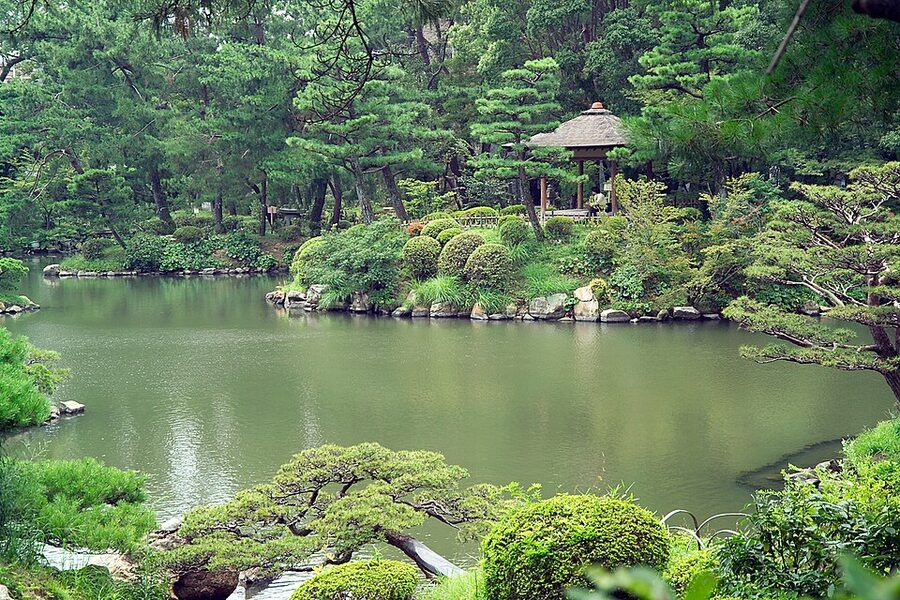
- Shukkeien Garden. A formal Edo-period garden near the castle. Rebuilt after the bombing but using original stones where possible. Quiet, small, and rarely on group itineraries.
- Hondori Shopping Arcade. The covered shopping street that became one of the first areas rebuilt after the war. A working commercial street rather than a tourist attraction.
- Honkawa Elementary School Peace Museum. A school building that stood during the bombing, now a small museum. Most tour operators will stop here if asked.
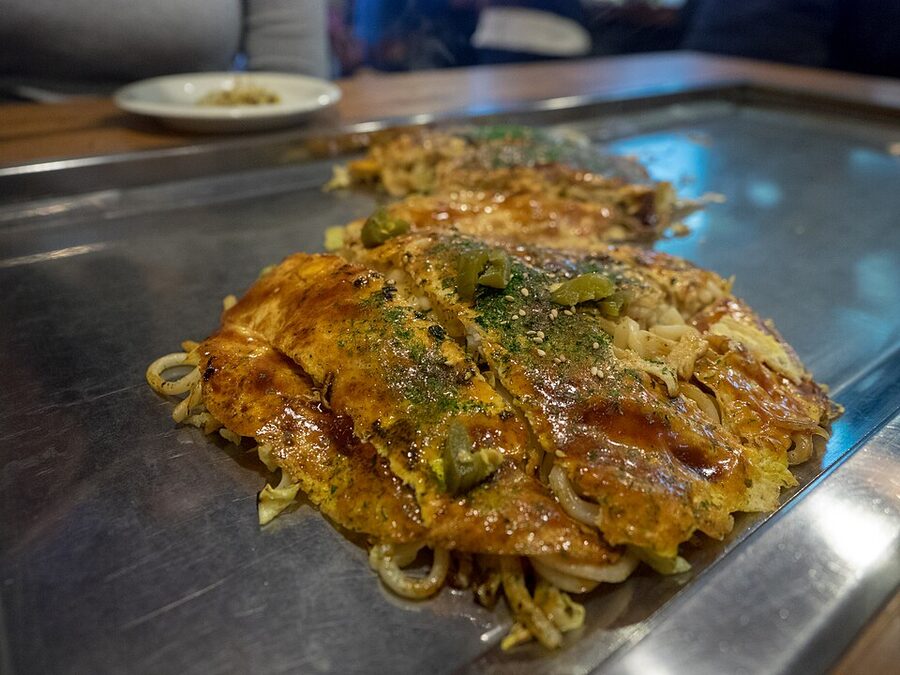
- Okonomi-mura. A building with multiple floors of okonomiyaki stalls. Hiroshima-style okonomiyaki is different from Osaka’s — it’s layered rather than mixed, and includes yakisoba noodles. A guide will take you to a stall that locals use rather than the tourist-heavy ones on the ground floor.
What to Wear and When to Go
Hiroshima is hot and humid in summer, brutal in July and August. The emotional weight of the Peace Park plus 32°C heat is a lot. Spring (April-May) and autumn (October-November) are the best windows — comfortable temperatures, cherry blossoms or fall colours, and the museum’s indoor section is a welcome break from the weather.

Winter (December-February) is fine for the Peace Park but cold on Miyajima, especially if you’re hiking up Mt Misen. The island’s ropeway sometimes closes in wind. Private tours run year-round; the guides adjust the pacing for weather.
Dress modestly. You’ll be inside a shrine, a temple, and a memorial museum. Shoulders covered, no crop tops, closed shoes are sensible because the shrine at Miyajima involves stepping across wooden floors.
Booking Logistics: What Actually Happens
The mechanics of booking a private Hiroshima tour through Viator or GetYourGuide are the same as any other booking. Pick a date, choose your group size, pay. The confirmation comes within an hour. The guide is assigned usually within 48 hours and will contact you via email or the platform’s message system to confirm pickup details.
Most private tours ask for your hotel name at booking so the guide can plan pickup. If you’re cruise-ship arriving or train-in the morning of, that’s fine — just note it in the booking message and they’ll arrange to meet at the port or station.
Lead time matters. The licensed guides on popular operators book out 4-6 weeks ahead during peak season (spring and autumn). Off-season you can usually get someone on a week’s notice. For groups of four or more, book earlier — availability is tighter.
Cancellation terms are usually 24-48 hours for a full refund. Check the specific listing — some licensed-guide tours require 72-hour notice because the guide reserves the day.
Private vs Group Tours: The Real Difference
Private tours are two to three times the per-person cost of group tours for the same itinerary. The question is whether the difference is worth it.
Where private wins:
- You control the pace. Slow the museum down, speed up the shrine, skip lunch, add a stop. A group tour has one clock.
- Questions get answered. In a group of 20, you won’t ask the awkward questions. With a guide to yourself, you will.
- You get the guide’s personal stories. In a group, guides stick to the script. One-on-one, they go off it.
- You travel efficiently. No waiting for stragglers. No lost members.
Where group wins:
- Price. A group tour costs $60-$80 per person. A private tour is $150-$250.
- Built-in logistics. Group tours handle the bus, the ferry, and sometimes lunch. Private tours you handle some of that yourself.
- Social energy. Some people like chatting with other travellers. Solo on a private tour can feel quiet if the guide is reserved.
For Hiroshima specifically, I’d lean private. The material is heavy enough that you want space to process it at your own pace. In Tokyo or Osaka, group tours are fine. Here, the extra money buys you the breathing room.
Where to Go Next
If Hiroshima is part of a longer Japan trip, there’s a natural arc through the country’s cultural experiences. Start with a private city tour in one of the main hubs — Tokyo, Kyoto, or Osaka. The private format works especially well in Kyoto, where the geographic spread of the temples eats time on public transport. If you’re in Hiroshima with energy left over, the Japanese archery experience offers something genuinely different — a small dojo, a live teacher, and a kyudo lesson that turns the city’s martial history into something you can physically do. Round it out with a rickshaw tour through Arashiyama or a Tokyo ninja experience and you’ve built a Japan itinerary that actually balances reflection with hands-on. For logistics across cities, the Hiroshima + Miyajima day trip guide covers the Shinkansen timings from Osaka or Kyoto, and the city walking tours guide digs deeper into half-day formats for the Peace Park specifically.