
The sound is bamboo on bamboo.
That’s what fills an Osaka dojo when a kendo class is in full swing — the sharp crack of shinai meeting shinai, the shouted kiai cutting across the room, bare feet shuffling on wooden floors. No music. No crowd. Just the same three sounds on loop for two hours, the smell of sweat and old tatami underneath, and a sensei circling with hands clasped behind his back, watching for the one thing every beginner gets wrong: they try too hard to be precise, and they forget to mean it.
Kendo cares less about where your sword lands than whether you meant it. That’s the thing that catches most first-timers off guard.
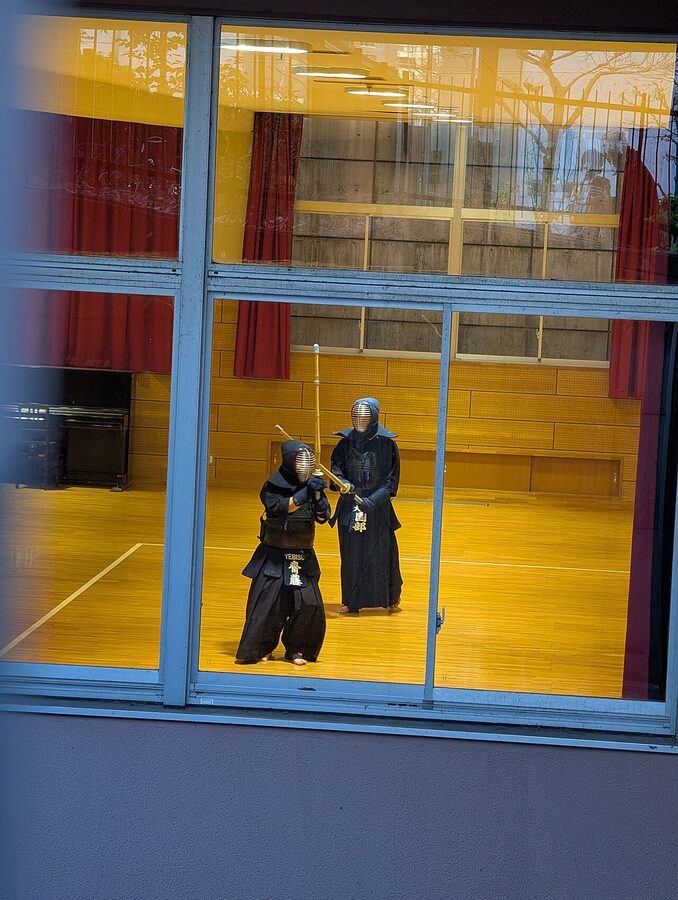
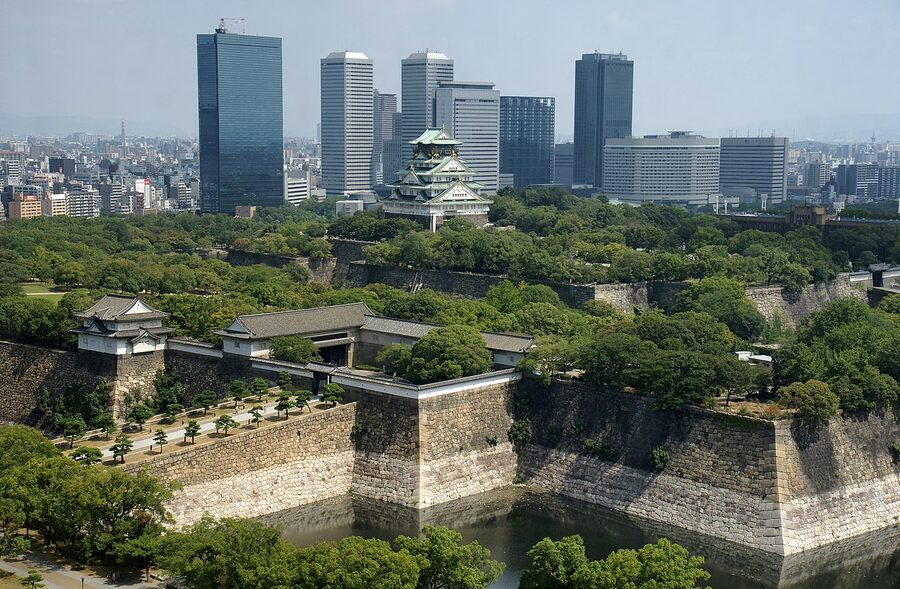
Osaka is the best place in Japan to try kendo if you want real martial-arts structure rather than a polished tourist experience. The city’s samurai training classes are run by working dojos, not visitor-only studios, and the sensei tend to come from the sport side rather than the entertainment side. You’ll sweat more. You’ll also come out knowing what you’re doing.
Three solid options run regularly, each with a different format: group kendo (the classic), short English-led kendo (for beginners who want less drilling), and private sword-master training (the premium format). All are under $180.
Short on time? Here are my top picks:
Best all-round class: Samurai Training Experience KENDO in Osaka — the most booked Osaka kendo class. 2 hours, full kit, real dojo. Sensei will actually correct your form.
Best English-led beginner class: 2-Hour Kendo Experience With English Instructor — clearer instructions in English, faster-moving session. Good if you only have one day in Osaka.
Best for private training: Osaka: Private Samurai Experience with Sword Master — one-on-one with a real sword master. Closer to iaido/kenjutsu than kendo. Pricier but you get the master’s full attention.
- What Actually Is Kendo?
- The Mind Side — Zanshin, Mushin, and Why Japanese Sensei Care About Your Breathing
- The 3 Best Osaka Samurai & Kendo Classes
- 1. Samurai Training Experience KENDO in Osaka — 1
- 2. 2-Hour Kendo Experience With English Instructor — 9
- 3. Osaka Private Samurai Experience with Sword Master — 8
- Step-by-Step: What Happens in the Kendo Class
- The History — Why Osaka Specifically
- Kendo vs Iaido vs Kenjutsu: Which You’re Actually Doing
- What To Wear, What To Bring, What Not To Do
- More Osaka and Japan Experiences
What Actually Is Kendo?
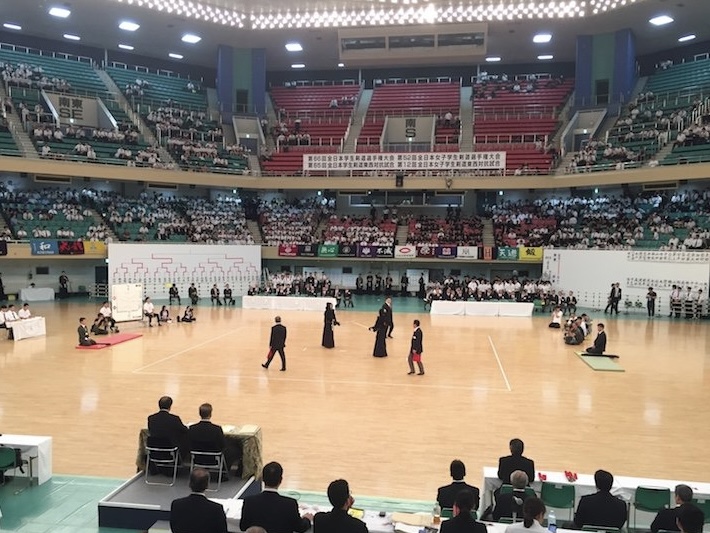
Kendo means “the way of the sword.” It’s the modern sport descendant of samurai swordsmanship — codified in the late 1800s when Japan was modernising, preserved through the 20th century as a school and university sport, and now practiced by about 1.5 million people in Japan alone.
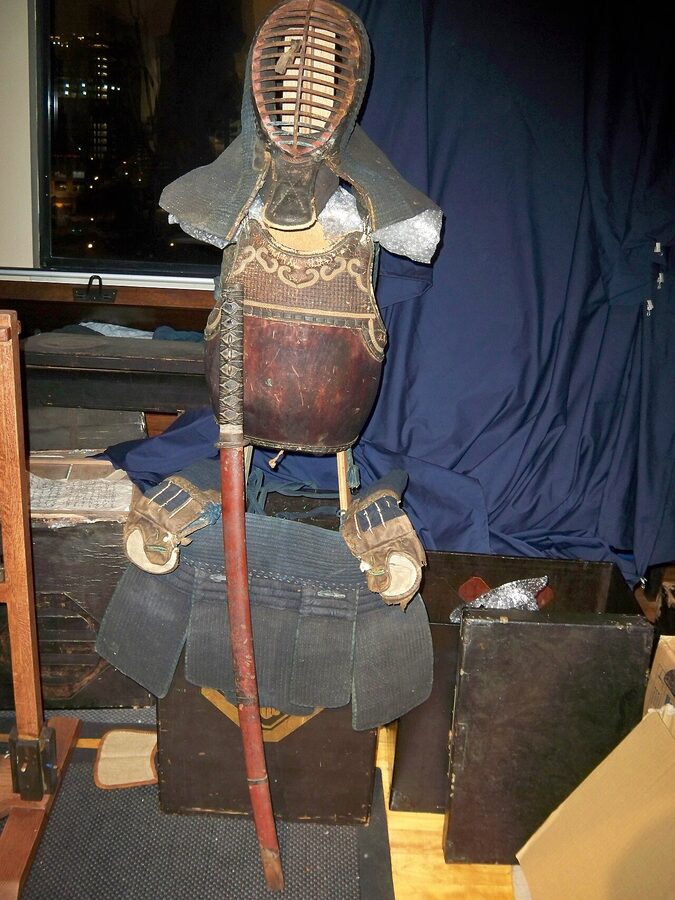
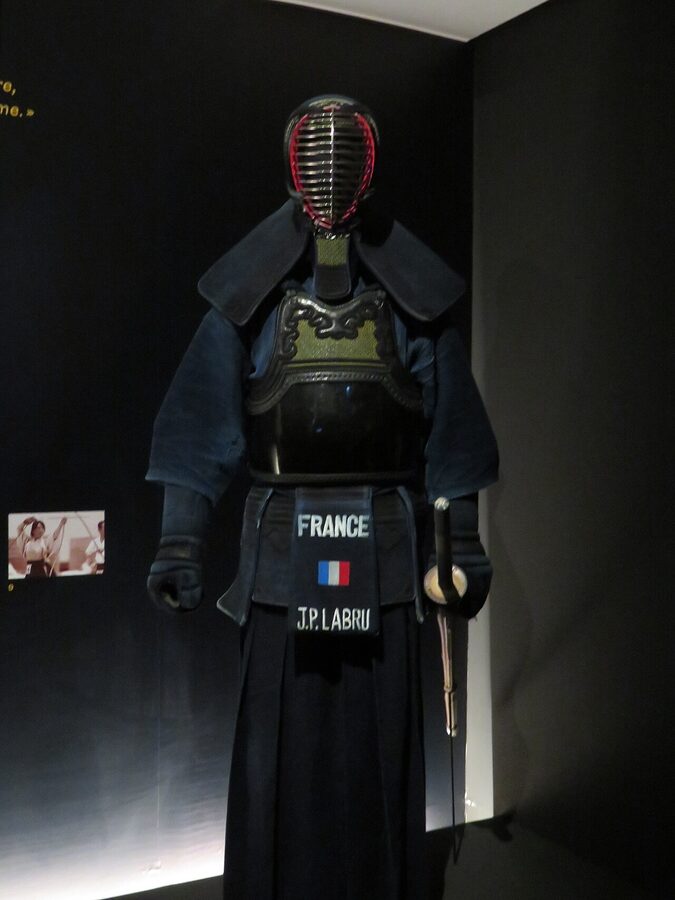
The weapon is a shinai — a hollow bamboo sword split into four staves held together with cord and leather. You wear bogu, a four-piece armour set: men (helmet/mask), do (torso), kote (forearm gauntlets), and tare (waist guard). The full kit weighs about 5-7 kg and traps heat like you wouldn’t believe.
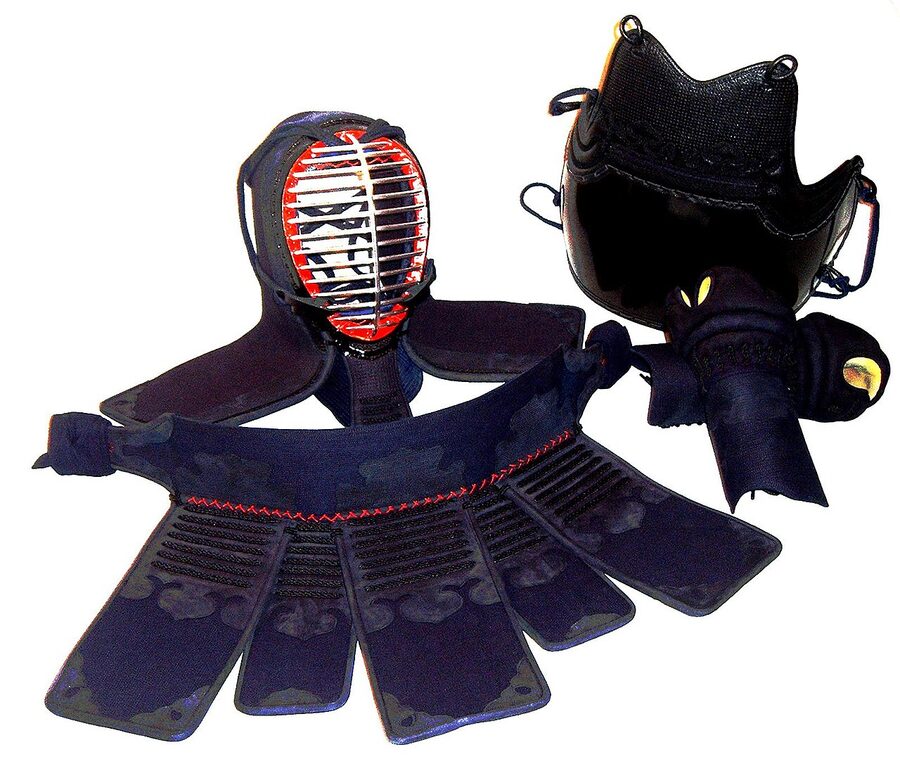
You score by striking specific target areas with proper form AND shouting the name of the target at the moment of strike. That last part trips up every foreigner at first. The Japanese word for the yell is kiai — literally “spirit shout” — and it’s not optional. A beautifully-placed strike without a kiai doesn’t score. Kendo is one of the few martial arts where yelling is a technical requirement.
The Mind Side — Zanshin, Mushin, and Why Japanese Sensei Care About Your Breathing
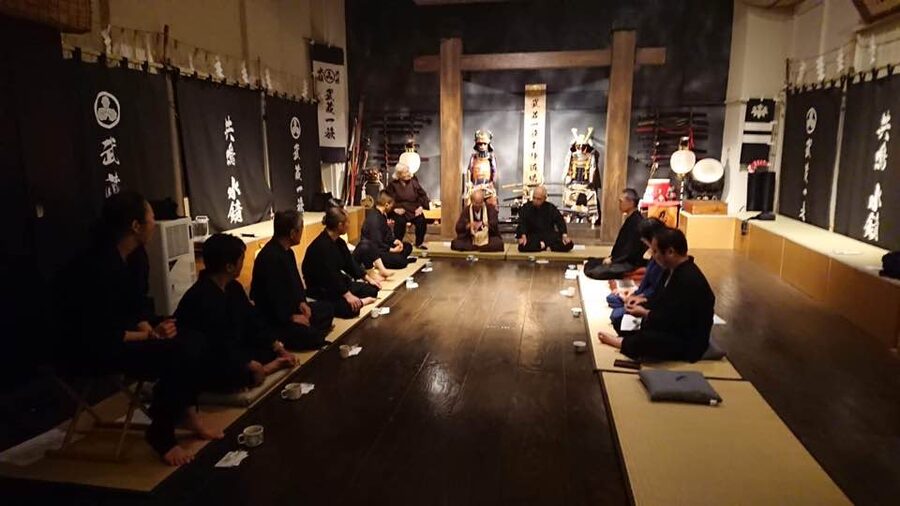
Every kendo class in Osaka starts with a short seated meditation called mokusō. You kneel on your heels, rest your hands on your thighs, and close your eyes for about 30 seconds. The sensei calls “mokusō yame” (end meditation) and you open your eyes. Then practice begins.
Most beginners think this is ceremonial. It isn’t. The meditation is there to get you to three Japanese mental states that matter in kendo:
Mushin (無心) — “no mind”: Acting without calculation. A kendoka who pauses to think about whether to strike has already lost the point. You react, not deliberate. Mushin is what the sensei is training when he makes you do the same simple strike 50 times in a row — after enough repetition, the decision drops below conscious thought.
Zanshin (残心) — “remaining mind”: Awareness after the strike. Most beginners swing, land the hit, and immediately relax. In kendo you hold your posture, your breath, and your attention for a beat after the strike — you’re still ready to defend or counter. Scoring in kendo officially requires zanshin; a strike with no follow-through doesn’t count even if it was perfect.
Fudōshin (不動心) — “immovable mind”: Calm under pressure. The tradition is that the kendoka who stays calmest wins. Panic is visible; the sensei can see it in your feet and your grip. Fudoshin is the long-term goal of the sport.
You will not achieve any of these in a 2-hour class. But you’ll feel them being pointed at, and the corrections you get will start to make sense. “Breathe slower.” “Don’t lean in.” “Finish your strike.” These aren’t random corrections — they’re all about getting you into the right headspace for the technique to work.
The 3 Best Osaka Samurai & Kendo Classes
1. Samurai Training Experience KENDO in Osaka — $131
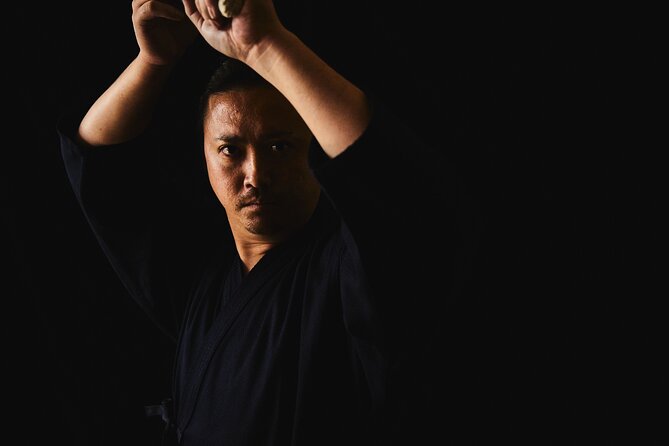
The most-booked Osaka samurai class and the one that delivers the most actual kendo. Two hours in an active dojo, you wear partial bogu (helmet and torso — full kit costs extra), practice basic strikes against a padded tire or wooden target, and finish with light sparring drills against the sensei or a senior student. The class is taught mostly in Japanese with English support from a translator — if you want pure English instruction, pick class #2 below. Our full review covers what a typical session looks like and what to wear.
2. 2-Hour Kendo Experience With English Instructor — $119
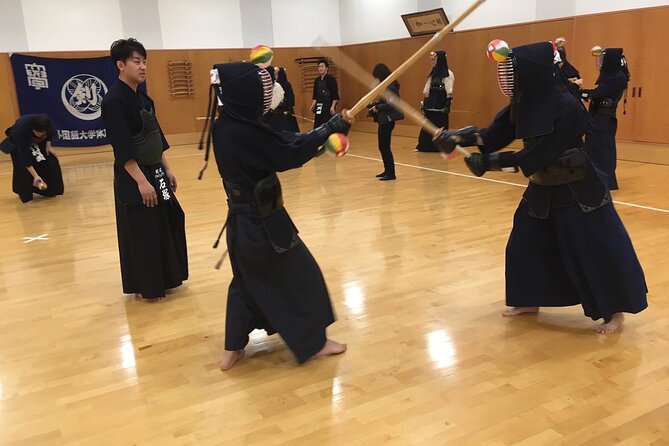
Twelve dollars less than the headline class and the main reason to pick it is the instructor’s English. Everything gets explained clearly without pausing for translation, which means more time actually practicing. The class is slightly more beginner-friendly and moves faster through the etiquette briefing. Good for travellers with limited Japan time who want to do kendo without the full dojo-immersion experience. Our review compares it to the main class.
3. Osaka Private Samurai Experience with Sword Master — $158
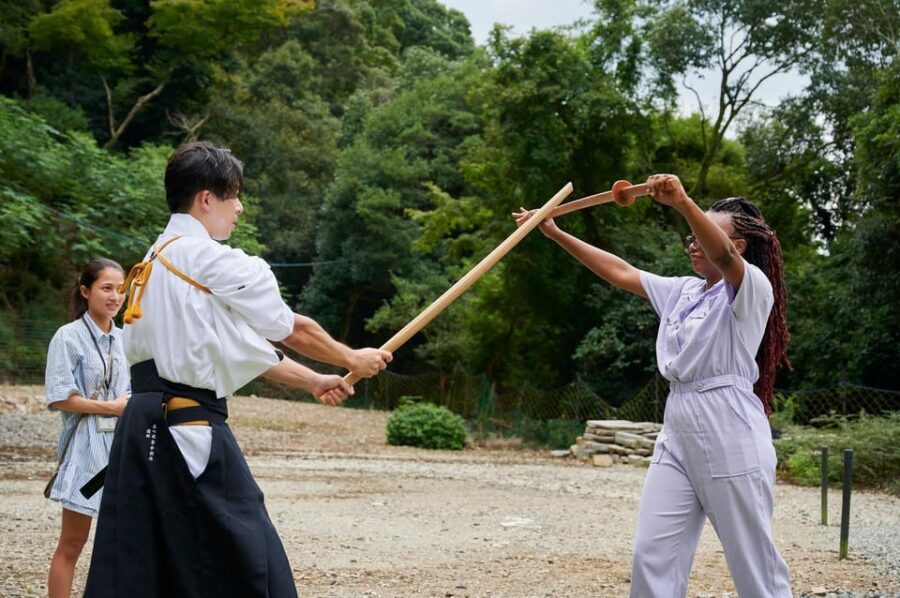
This one isn’t really kendo. It’s iaido/kenjutsu — the older sword arts that focus on the draw, the cut, and precision of movement rather than sparring. The “sword master” framing is accurate; you get the full attention of one teacher for two hours and your hand position will get corrected about 50 times. Book this if you’ve done a group kendo class before and want depth, or if you have a specific interest in samurai sword craft rather than sport kendo. Our review breaks down the sword-master format.
Step-by-Step: What Happens in the Kendo Class
Every Osaka kendo class follows a similar structure. Knowing it helps you arrive mentally prepared.
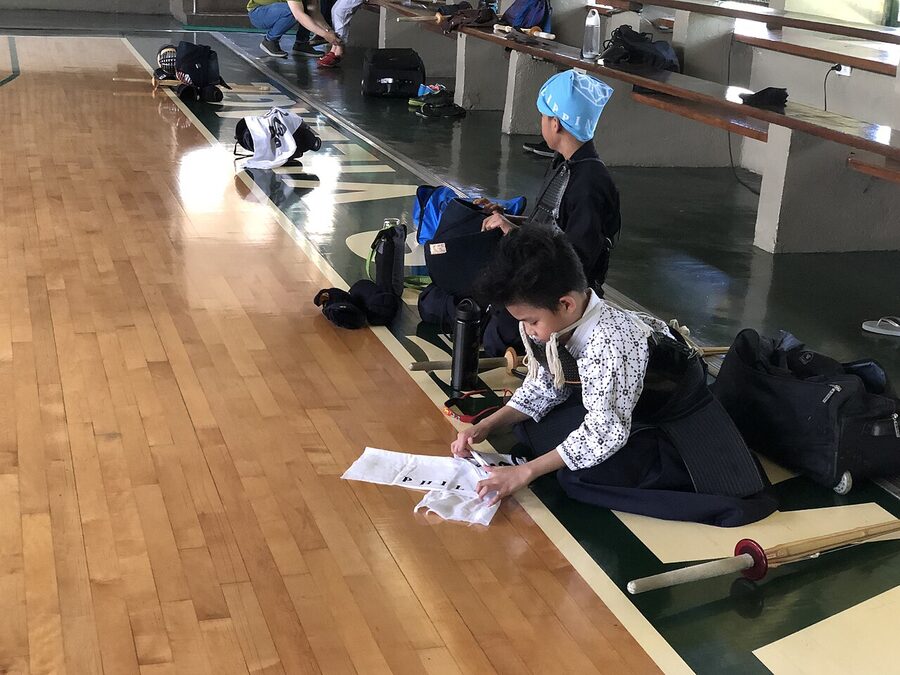
Arrival & change (10 minutes): Shoes off at the door. Change into a cotton gi (jacket) and hakama (pleated trousers). Socks stay on. You’ll look a bit silly at first — especially the hakama, which takes most beginners three tries to tie properly.
Etiquette brief (10 minutes): Bowing. The sensei shows you how to bow to the dojo (a deep bow at the entrance), to your training partner (a quick nod), and to the weapons when handling them (two hands, respectful posture). The shinai itself gets handled ceremonially — you don’t drag it, drop it, or step over it.
Footwork (15-20 minutes): Suri-ashi — the distinctive kendo shuffle where your feet never cross. You practice moving forward, backward, and sideways without picking your feet up. It feels weird. After 20 minutes it starts to feel normal. That’s the point.
Basic strikes (30-40 minutes): Men (strike to the top of the head), kote (strike to the forearm), do (strike to the torso). Each has a specific sequence: step forward, raise shinai, strike, call the target name, continue past your partner. You’ll do about 50 of each. Your shoulders will complain.
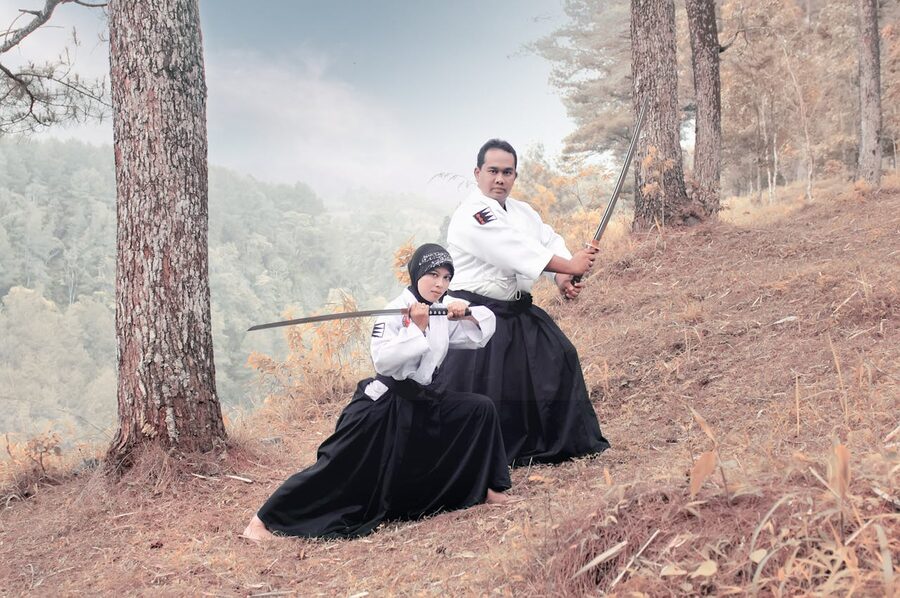
Sparring drills (15-20 minutes): The last section of the class is when you get to actually contact a target — either a padded tire on a stand, a wooden practice dummy, or (in advanced classes) light sparring against the sensei. This is where the yelling comes in. “MEN!” and a proper strike, over and over. The volume is surprising.
Closing & tea (5-10 minutes): More bowing. Change out of the gear. Some classes end with green tea and a short conversation with the sensei. The tea is usually good, the conversation usually more revealing than the class itself.
The History — Why Osaka Specifically
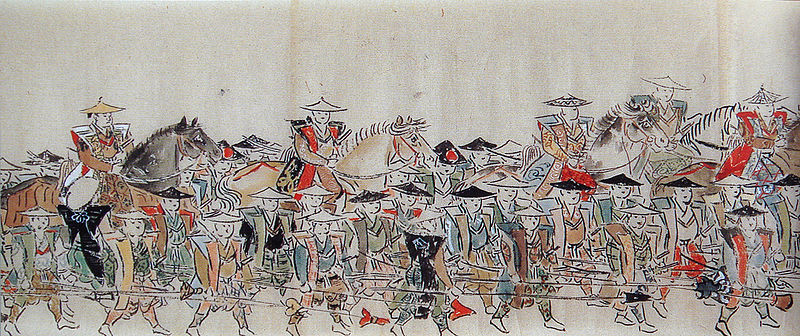
Osaka has a dense samurai history that most visitors only learn through the castle tour. The city was the site of the Siege of Osaka (1614-1615), the battle that ended the Sengoku (warring states) period and consolidated Tokugawa rule over Japan. For 250 years after that, Osaka thrived as a merchant city governed by samurai administrators. The region produced several famous sword schools — Higo-ryu, Osaka-ryu — some of which survive in modern form.
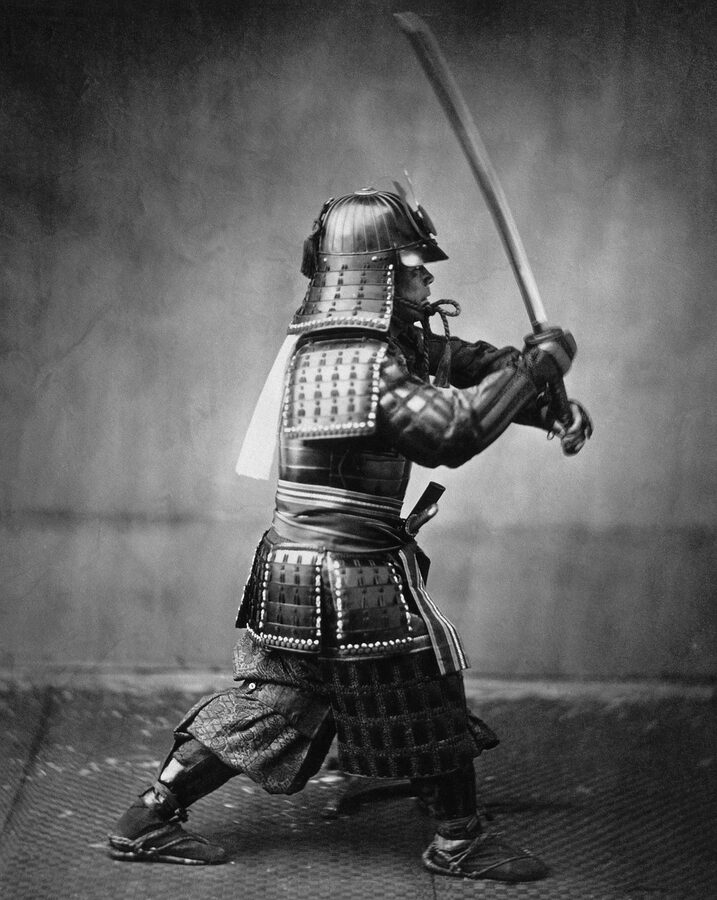
This history matters because it shapes how Osaka’s sensei teach. The emphasis is less on cultural performance (as in Tokyo’s tourist-focused studios) and more on actual technique. Osaka kendo feels closer to sport and closer to the battlefield lineage than the polished Tokyo versions. Whether that’s better for you depends on what you want — training or experience.
Kendo vs Iaido vs Kenjutsu: Which You’re Actually Doing
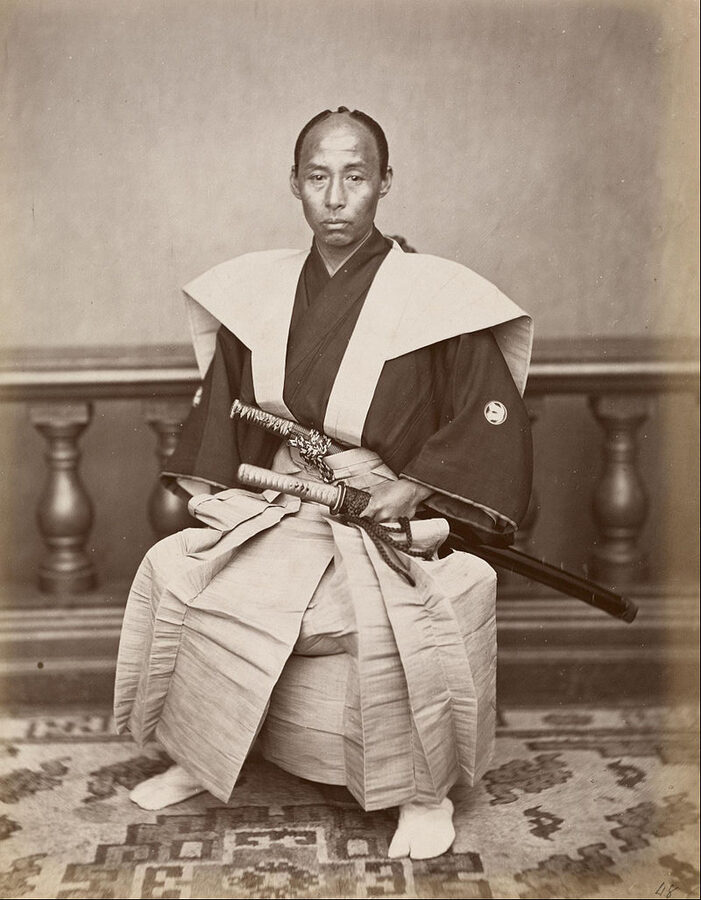
The three terms get thrown around interchangeably, but they describe distinct arts.
Kendo is the sport. Bamboo shinai, bogu armour, sparring, scoring. Fast and physical. What you do in class 1 and class 2 above.
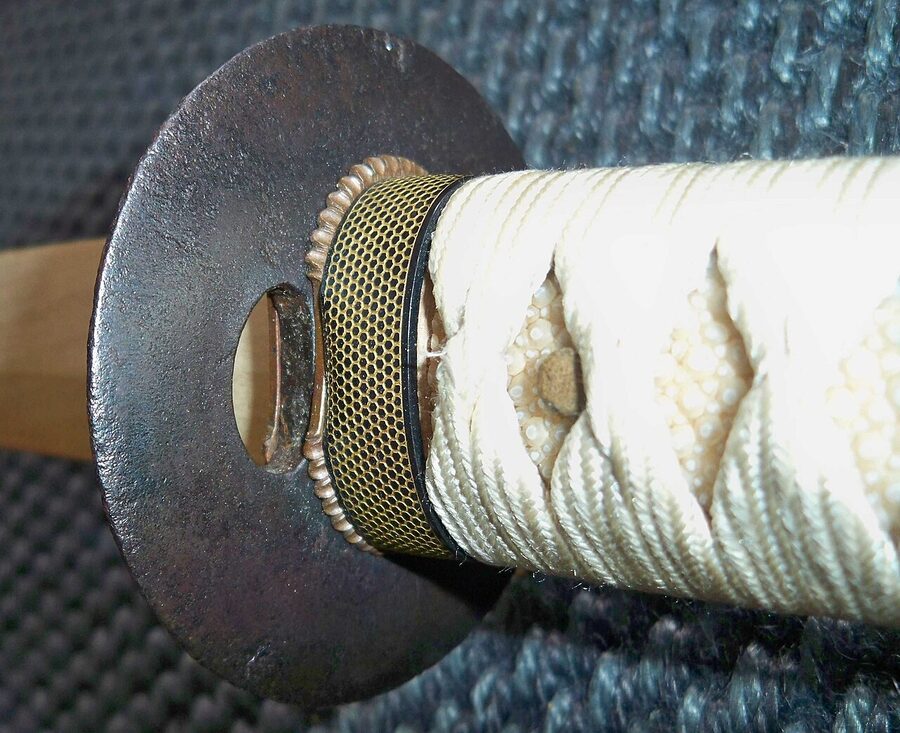
Iaido is the art of drawing and cutting from a seated or standing position — the single most iconic samurai motion, distilled into solo practice. You use an iaito (blunt training sword) or a real katana. No sparring. Highly precise, meditative. Close to what you’d do in class 3.
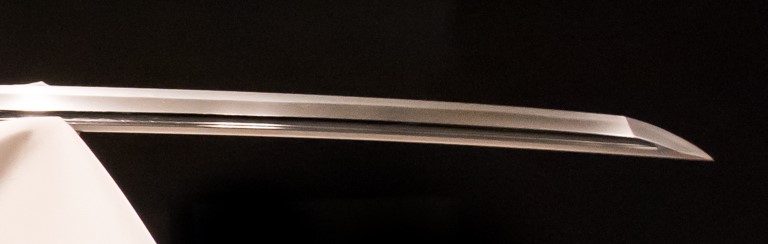
Kenjutsu is the broader combat swordsmanship — the original samurai battlefield discipline before kendo was codified into a sport. A few traditional schools still teach kenjutsu; most Osaka visitor classes don’t include it. If you want authentic kenjutsu, you’d need to find a specific koryu (old-school) dojo, usually by invitation.
What To Wear, What To Bring, What Not To Do
Clothes: Exercise clothes underneath the provided gi and hakama. Shorts or leggings work. Socks are required — no bare feet in the dojo. Bring a small hand towel; you will sweat.
Hair: If yours is long enough, tie it up. The men (helmet) fits poorly around loose hair.
Jewelry: Remove watches, rings, and necklaces before class. They can catch on the bogu or scratch the sensei.
Phones: Silence them. No photos during the actual drills unless the sensei says so. Posed photos at the start and end are normal.
Alcohol: Skip it at lunch. Kendo + beer = you falling over. Save the izakaya for after.
When to book: Weekend morning slots fill first. Book 5-7 days ahead. Class sizes are small (usually 4-8), so late bookings often aren’t possible.
Getting there: Most Osaka kendo classes are in Namba, Dotonbori, or around Osaka Castle. All reachable from central Osaka in under 15 minutes by subway.
More Osaka and Japan Experiences
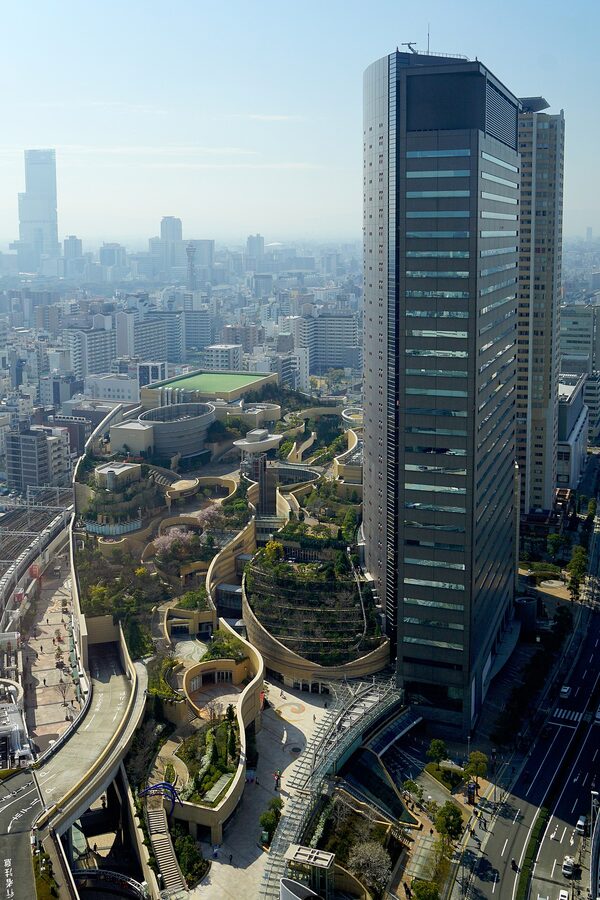
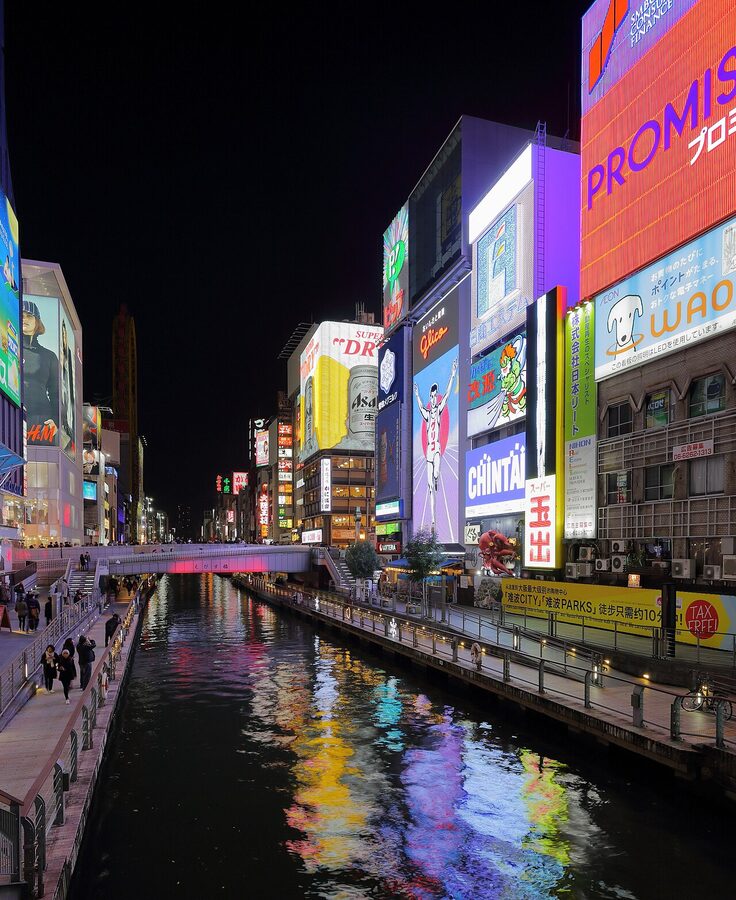
Osaka is best explored as a city that doesn’t apologise for enjoying itself. After kendo, our Osaka ramen & gyoza cooking class guide is the obvious pairing — train in the morning, cook in the afternoon. The Dotonbori river cruise gives you the evening neon. Kuromon Market food tours cover the food-market side. For a contrast to the intensity of kendo, the Umeda Sky Building views are a quiet half-hour. Our Osaka backstreet night tours cover the hidden alleys. For more samurai content, check our Tokyo sword & archery classes guide — if Tokyo is also on your itinerary, the Tokyo classes focus more on archery alongside the sword. Our general Samurai Experience Tokyo & Kyoto guide covers museums and shows. For a full day of martial arts + food, combine this with the Kyoto samurai kenbu sword dance. And if you want to keep the traditional-craft momentum going, the Tokyo kintsugi workshop or Kanazawa tea ceremony round out your Japan trip with quieter hands-on experiences.