
The guide ducked under a half-length curtain into a space the size of a garden shed. Six stools around a counter. A man in a headband grilling skewers over charcoal. No menu. No English. The guide ordered for us in rapid-fire Japanese and within two minutes I was eating the best kushikatsu I’ve had in my life — deep-fried lotus root, pork belly, and something the guide called “devil’s tongue” that turned out to be konjac jelly. Total bill: 800 yen. About $5.50.
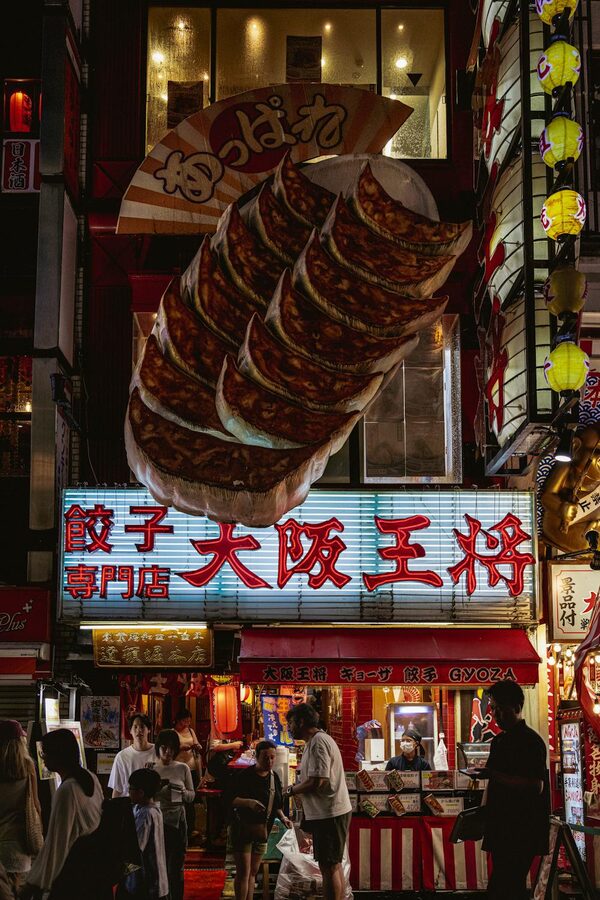
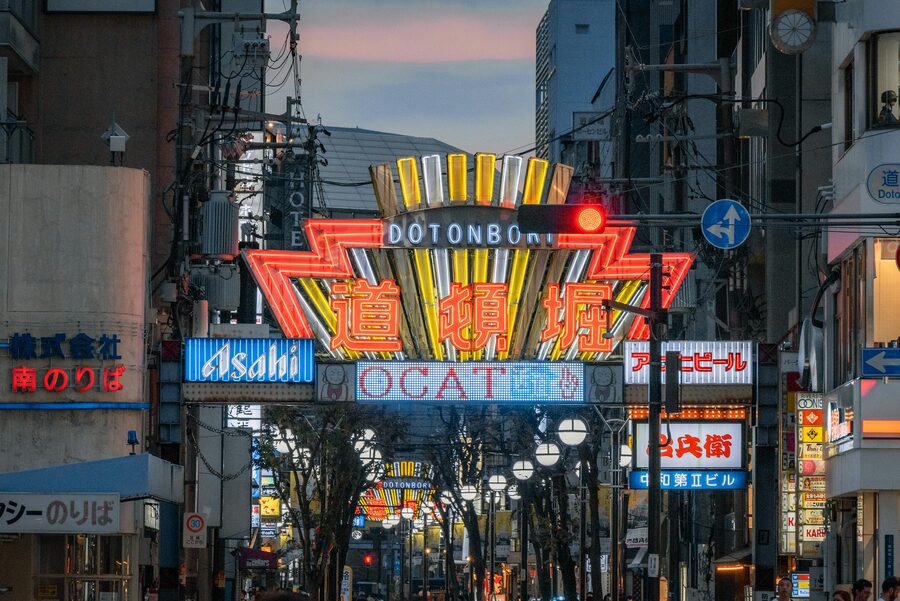
That’s the difference between walking around Osaka at night on your own and going with someone who knows where the unmarked doors lead. Dotonbori is fun in a theme-park way — giant neon signs, crowds, the famous Glico running man. But the Osaka that locals actually eat and drink in is a maze of narrow alleys, standing bars, and tiny restaurants that seat 8 people maximum. The backstreet night tours take you there.
Short on time? Here are my top picks:
Best value: Deep Backstreets Walking Tour — $40. 3-hour walk through hidden neighborhoods with optional dinner add-on. The cheapest guided night experience in Osaka.
Best overall: Deep Backstreet Osaka Tours — $53. Perfect 5.0 rating. Covers Shinsekai, local izakayas, and neighborhoods travelers never see. The original Osaka backstreet tour.
Most food-focused: Osaka Backstreet Night Tour — $109. Includes multiple food stops with drinks. Premium option if you want to eat your way through the backstreets.
- What These Tours Actually Show You
- The Food You’ll Eat
- Which Tour to Book
- 1. Deep Backstreet Osaka Tours —
- 2. Deep Backstreets Walking Tour with Dinner —
- 3. Osaka Backstreet Night Tour — 9
- Shinsekai — Osaka’s Retro Wonderland
- Practical Tips
- Where Exactly the Tours Go
- Osaka vs Tokyo Nightlife — The Key Differences
- Best Time to Do a Backstreet Tour
- Related Osaka Guides
What These Tours Actually Show You
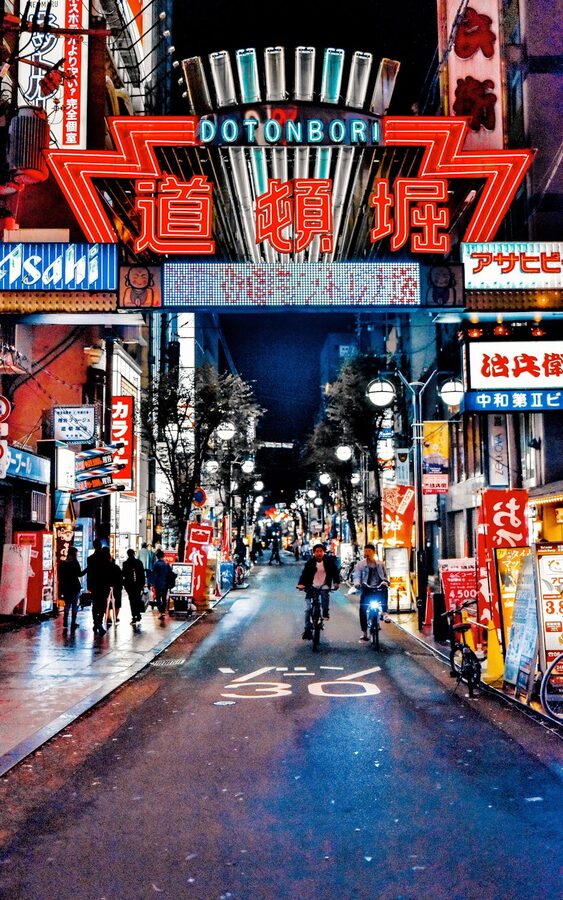
Osaka has two faces at night. The tourist face is Dotonbori — the canal-side entertainment strip with its giant mechanical crab, the Glico running man sign, and restaurants that have English menus and charge accordingly. It’s worth seeing, but it’s performing for you.
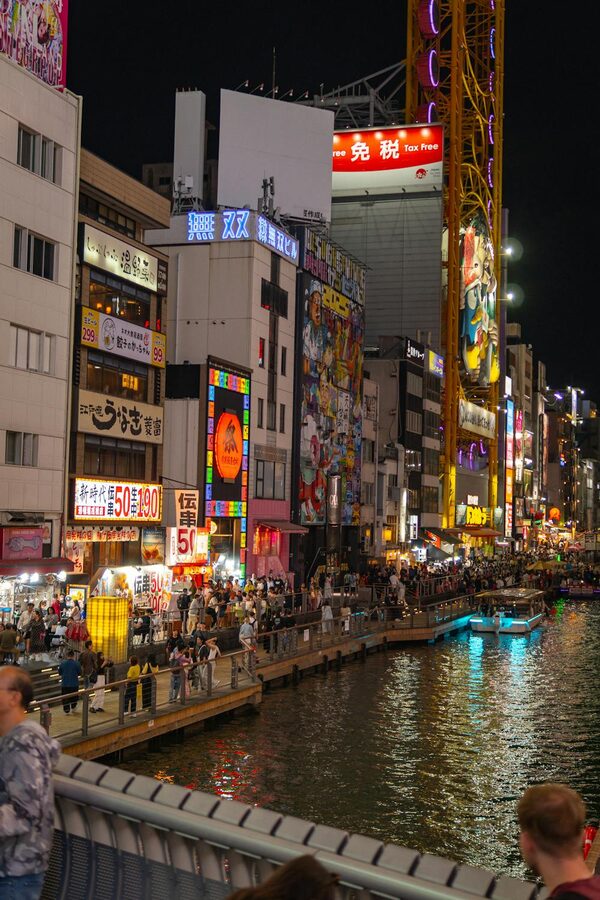
The local face is everything behind and around Dotonbori. Shinsekai — a retro entertainment district built in 1912 that feels like it hasn’t been renovated since. Ura-Namba — the backstreets behind Namba station where the izakayas have no signs and the only way to find them is to know where the door is. Tennoji — the area around Japan’s oldest temple, where standing bars serve drinks for 200 yen and the kushikatsu joints have been frying since the 1940s.
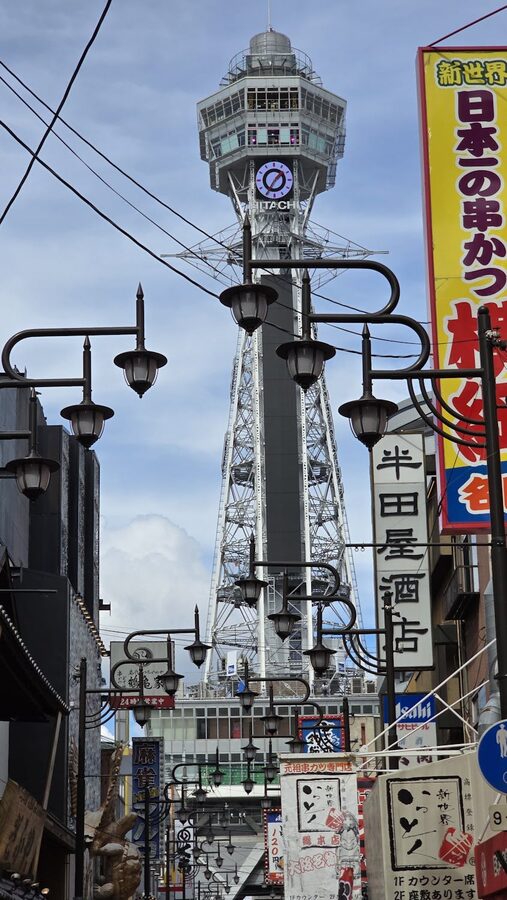
The backstreet tours take you through 3-5 of these neighborhoods over about 3 hours, stopping at places the guide has a relationship with. That’s the key detail — these aren’t random restaurants. The guides have been bringing groups here for years, the owners know them by name, and you get treated like a local friend rather than a tourist customer.
The Food You’ll Eat
Osaka’s food identity is built on a handful of dishes that the city takes extremely seriously.
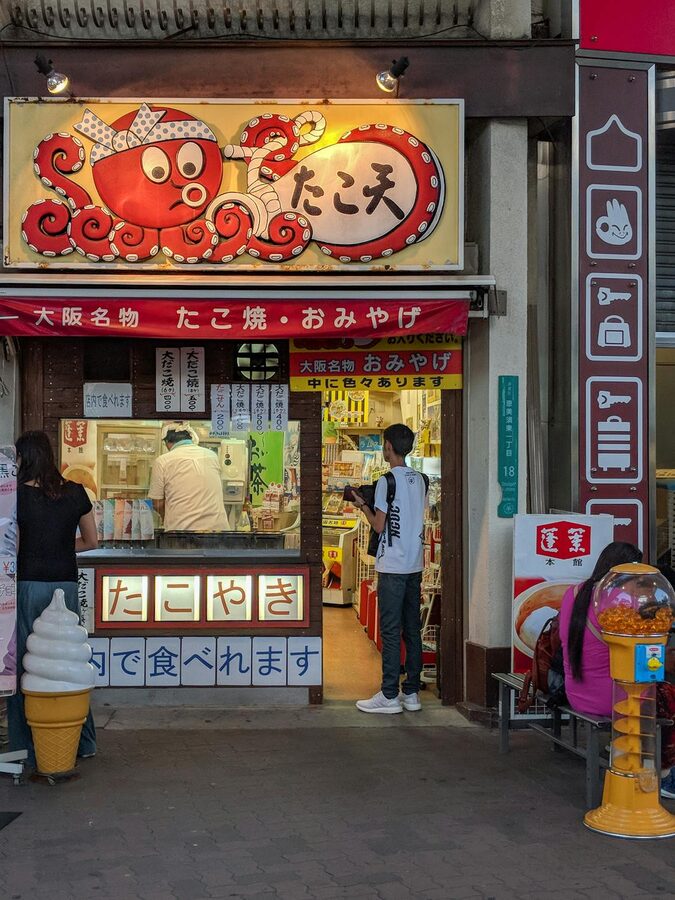
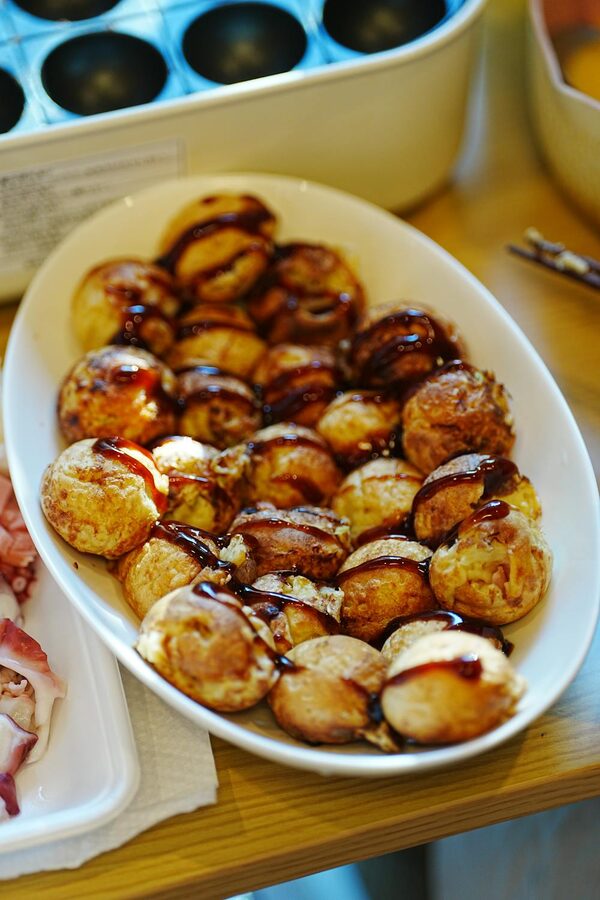
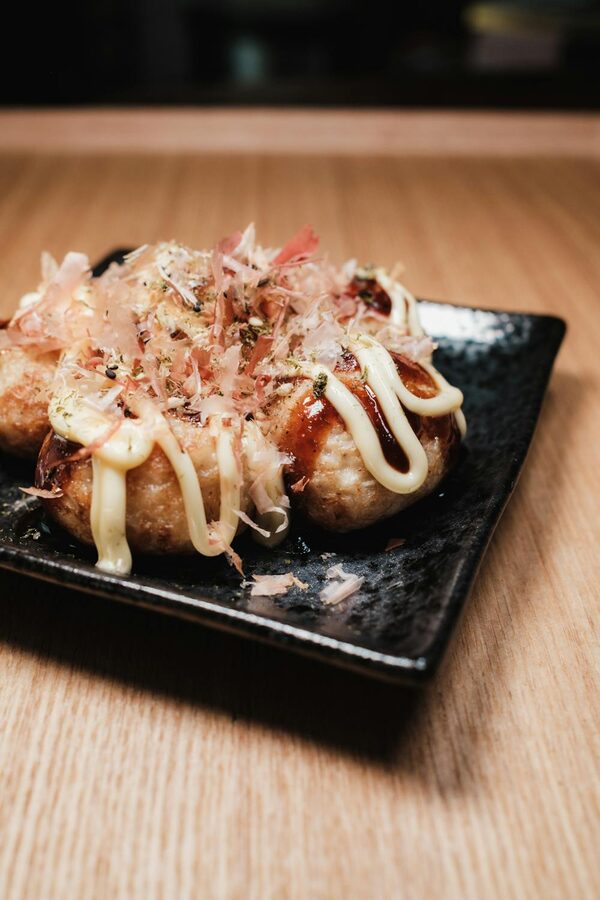
Takoyaki — octopus balls. Batter poured into half-sphere moulds with chunks of octopus, pickled ginger, and green onion. Cooked on a griddle and rolled continuously until golden. Topped with mayo, takoyaki sauce, and bonito flakes that wave in the heat like they’re still alive. Every Osaka neighbourhood has its own takoyaki stand and fierce opinions about whose is best.
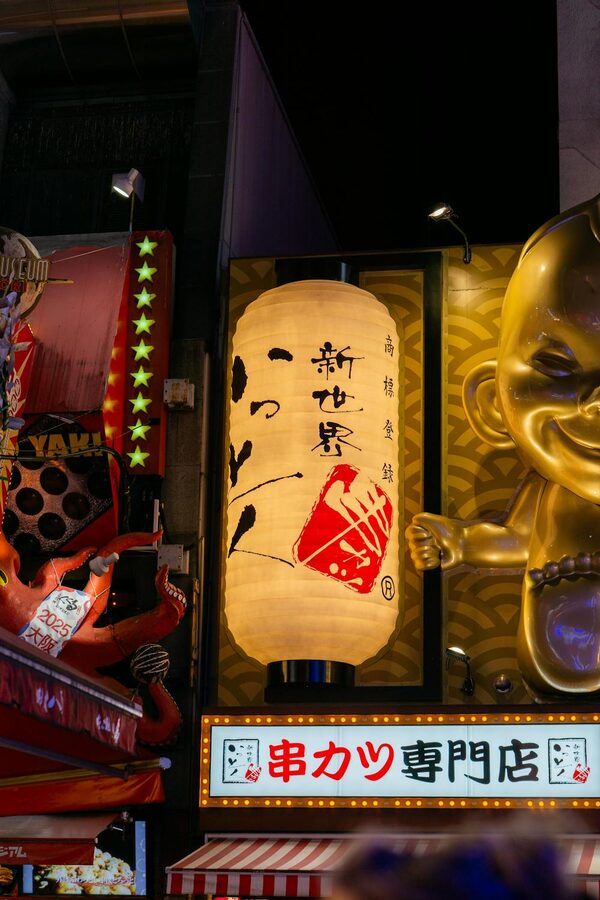
Kushikatsu — deep-fried skewers. Anything from pork and shrimp to quail eggs and mochi, coated in a light panko batter and fried until golden. Dipped once — and only once — into communal Worcestershire sauce. The “no double dipping” rule is sacred in Osaka’s kushikatsu culture and signs reminding you are posted in every shop.
Okonomiyaki — savoury pancakes. Batter mixed with cabbage, your choice of protein (pork belly is the classic), and whatever else the cook decides to throw in. Griddled in front of you, topped with brown sauce, mayo, and more bonito flakes. The Osaka version is mixed-batter style (as opposed to Hiroshima’s layered style, which Osaka residents will argue is inferior until their dying breath).
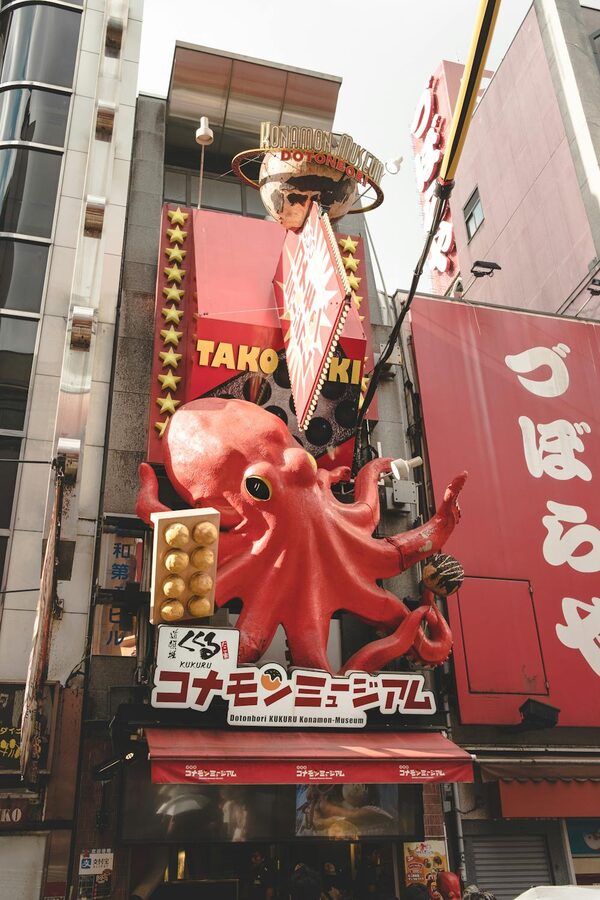
The backstreet tours typically include 3-4 food stops. The budget tours ($40-53) don’t include food in the price but take you to places where a full meal costs 500-1,500 yen. The premium tour ($109) includes multiple food stops and drinks — more convenient but less authentic, since you’re eating on a schedule rather than spontaneously.
Which Tour to Book
1. Deep Backstreet Osaka Tours — $53
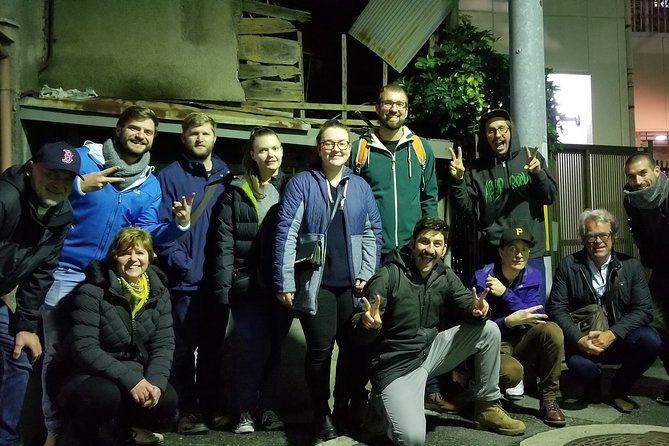
This is the original and still the most popular. A perfect 5.0 rating with over 1,200 bookings. At $53 per person for about 3 hours, the guide takes small groups through Shinsekai, local izakayas, and neighborhoods that don’t appear in guidebooks. Food isn’t included in the price — you buy what you want at each stop — which actually works better because you eat what appeals to you rather than what’s been pre-arranged.
The guide — an Indonesian student fluent in English and Japanese — gets mentioned by name in practically every review. The tour adapts to the group: more food stops if everyone’s hungry, more walking and history if the group is curious. Our review covers the typical route and what to budget for food.
2. Deep Backstreets Walking Tour with Dinner — $40
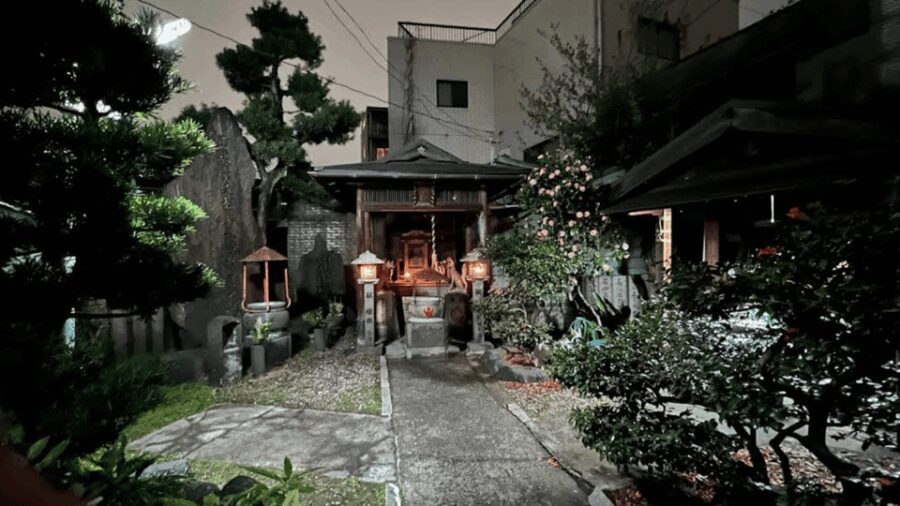
The budget pick and a genuine bargain. At $40 per person, this is walking-tour pricing for a backstreet experience. The route covers similar ground to Tour 1 but through a different operator on GetYourGuide. The optional dinner add-on (around $20 extra) includes a sit-down meal at a local restaurant — decent value if you don’t want to navigate ordering on your own.
The format is slightly more structured than Tour 1. The guide follows a set route with planned stops, which means less spontaneity but more predictability. If you want to know exactly where you’re going and what you’ll eat, this is the safer choice. If you prefer the guide to improvise based on the vibe of the night, Tour 1 is better.
3. Osaka Backstreet Night Tour — $109
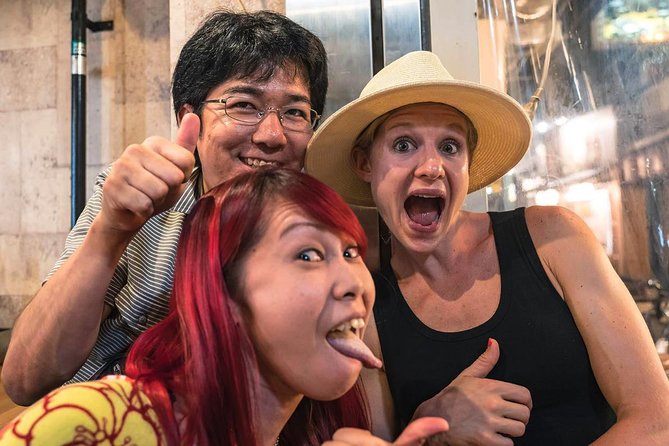
The all-inclusive option. At $109 per person, food and drinks are included at multiple stops throughout the night. This is the “don’t think, just eat and walk” format — the guide orders for you, the bill is covered, and you focus on the experience rather than fumbling with yen at each counter.
The higher price gets you: more food (5-7 dishes across multiple stops), drinks (beer, sake, and soft drinks), and a slightly longer tour. Our review breaks down what’s included. If you’d rather spend $50-60 on food independently and have more control over what you eat, Tours 1 or 2 are the smarter play. But if you want the hassle-free, all-in experience, this delivers.
Shinsekai — Osaka’s Retro Wonderland
Every backstreet tour spends time in Shinsekai, and for good reason. It’s the most atmospheric neighbourhood in Osaka — maybe in all of Japan — and its history is genuinely wild.
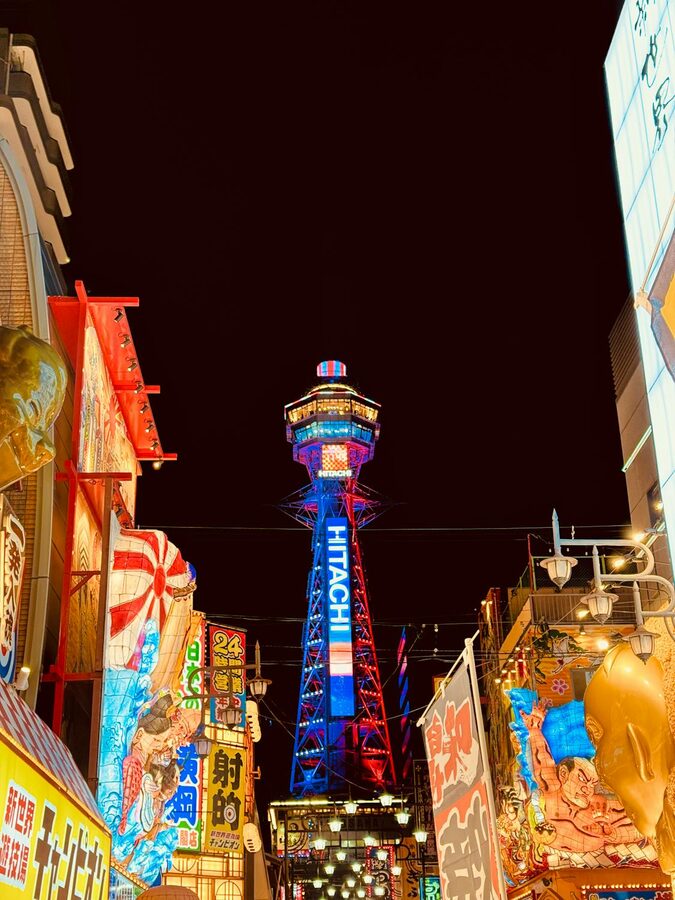
Shinsekai was built in 1912 as Osaka’s answer to Paris and New York. That’s not an exaggeration. The developers literally modelled the northern half of the district on the Champs-Élysées and the southern half on Coney Island. They built a tower — the original Tsutenkaku — modelled on the Eiffel Tower and connected it to a Luna Park amusement park via an aerial tramway.
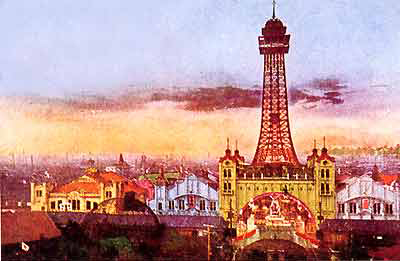
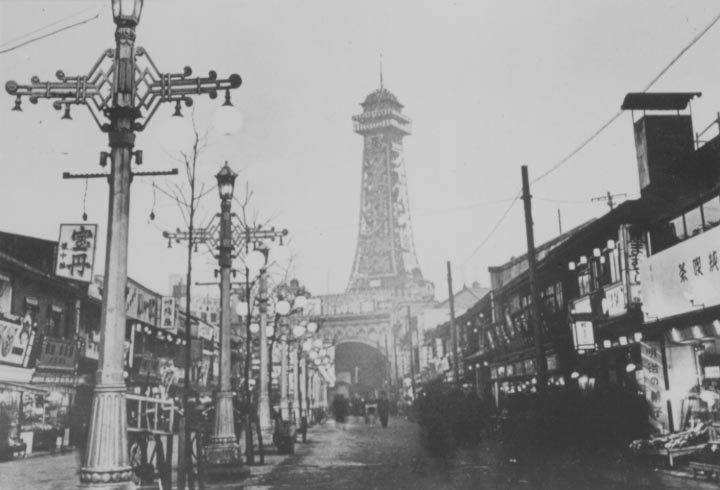
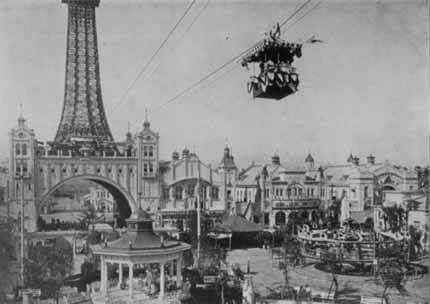
After the war, the area declined. The amusement park was gone, the original tower was scrapped, and the neighbourhood became associated with day labourers, gambling, and cheap food. For decades, Shinsekai was the part of Osaka that guidebooks warned you about.
Then something interesting happened. The scrappy, unchanged character that scared off mainstream tourism became exactly what a new generation of visitors wanted. The hand-painted signs, the 500-yen kushikatsu, the standing bars, the game centres — they weren’t old and rundown anymore. They were “retro” and “authentic.” Shinsekai became cool without changing a single thing about itself.
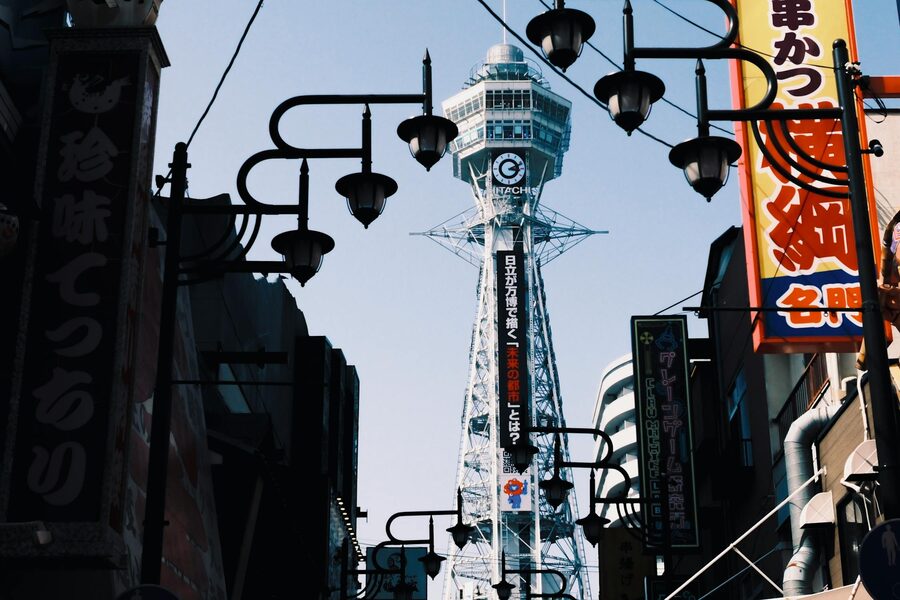
Today the backstreet tours use Shinsekai as either a starting point or a centrepiece. The guides know the history — from the Eiffel Tower ambitions to the post-war decline to the current revival — and telling that story while walking through the actual streets makes it real in a way that reading about it doesn’t.
Practical Tips
Start time matters. Most tours begin between 5pm and 7pm. Earlier starts (5-6pm) catch the transition from day to night — you see the neon signs flicker on and the neighbourhood transform. Later starts (7pm) skip straight to the full night atmosphere. Both work. Personal preference.
Come hungry. Even on tours that don’t include food, you’ll be walking past incredible street food for 3 hours. Budget 2,000-3,000 yen ($14-20) for food and drinks if you’re on a non-inclusive tour. That covers 3-4 dishes and a couple of drinks.
Cash is still king in the backstreets. Dotonbori’s tourist restaurants take cards. The 6-stool izakaya in Ura-Namba does not. Bring at least 5,000 yen in cash. Some of the smallest places are literally cash-only because they don’t have a card reader — or electricity, in one memorable case where the food was cooked entirely on charcoal.
Wear comfortable shoes. You’ll walk 5-8 kilometres over the course of the tour, mostly on flat pavement but with some uneven alley surfaces. This is not a strenuous hike — the pace is leisurely with frequent stops — but uncomfortable shoes will make the last hour miserable.
Osaka has a different energy than Tokyo. If you’ve been in Tokyo for a few days and then arrive in Osaka, the vibe shift is immediate. People are louder. Strangers talk to you. The humour is more direct. Osaka people are proud of being the “anti-Tokyo” — more casual, more food-obsessed, funnier. The backstreet tours lean into this and the guides embody it.
Where Exactly the Tours Go
Understanding the geography helps you decide which tour fits best. Osaka’s nightlife districts are concentrated in the Minami (south) area, and the backstreet tours weave through several of them.
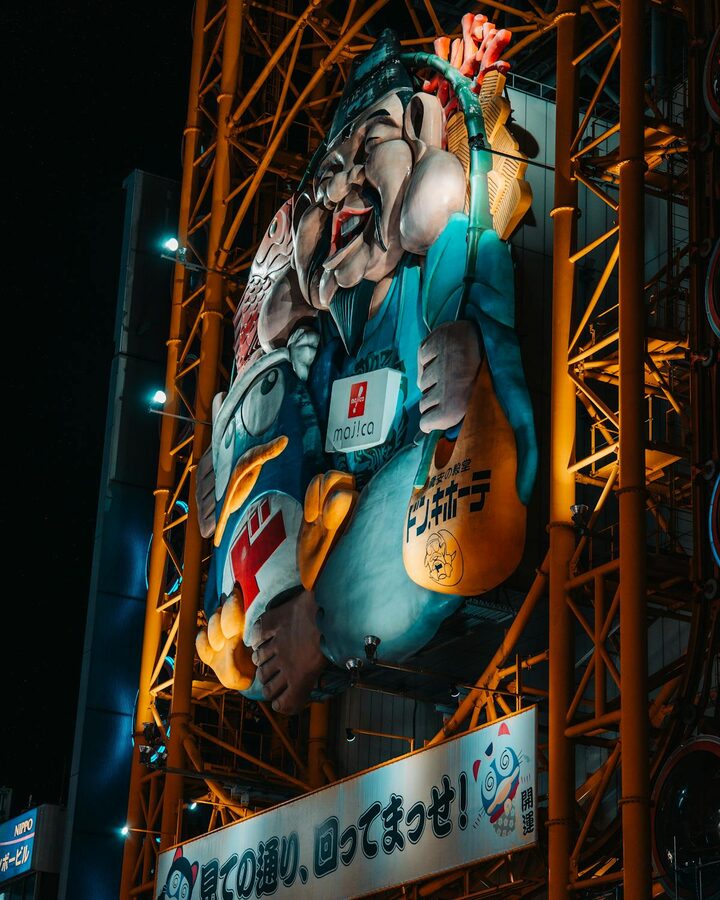
Shinsekai is the retro entertainment district south of Tennoji. Kushikatsu territory. The atmosphere is loud, colourful, and unapologetically lowbrow. Think arcade games, beer for 200 yen, and elderly men playing shogi on the street. Most tours spend 30-60 minutes here.
Ura-Namba (literally “behind Namba”) is the maze of tiny alleys south and east of Namba station. This is where the standing bars and counter-only restaurants cluster. Some streets are so narrow that two people can barely pass each other. The food here tends to be more refined than Shinsekai — yakitori joints, wine bars, small plates — but still at Osaka prices rather than Tokyo prices.
Tennoji is the area around Shitennoji Temple, Japan’s oldest Buddhist temple (founded 593 AD). The food scene here is old-school — working-class izakayas that have been serving the same menu since the post-war era. Less photogenic than Shinsekai but arguably better food.
Nishi-Nari is the most controversial inclusion on some tours. It’s Osaka’s day-labourer district, once considered the roughest neighbourhood in the city. Today it’s gentrifying rapidly — hostels and craft beer bars are popping up alongside the 100-yen vending machines and old-school pachinko parlours. Some guides include it for the contrast and the history. Others avoid it. Neither approach is wrong.
Osaka vs Tokyo Nightlife — The Key Differences
If you’ve done a Tokyo bar hopping tour and you’re wondering whether the Osaka version is just the same thing in a different city, the answer is no. The differences run deep.
Tokyo’s nightlife is polished, segmented, and spread across huge districts — Shinjuku’s Golden Gai for tiny bars, Shibuya for clubs, Roppongi for international crowds. Each area has a clear identity and a clear audience.
Osaka’s nightlife is messy, overlapping, and concentrated. Within a 15-minute walk you go from a kushikatsu counter to a craft cocktail bar to an alley where someone is grilling yakitori over charcoal on the pavement. The categories blur. A bar might also serve excellent food. A restaurant might turn into a karaoke spot after 10pm. Nothing is strictly one thing.
The other difference is the people. Osaka people talk to strangers. In Tokyo, the bar hopping tours create a bubble — you’re with your guide and your group. In Osaka, the person next to you at the counter will start a conversation whether you want them to or not, and by the end of the night you might have dinner plans for tomorrow with a local who insisted on showing you their favourite ramen place. This happens constantly and it’s one of the best things about Osaka nightlife.
Best Time to Do a Backstreet Tour
Any night of the week works. Unlike some cities where nightlife is weekend-only, Osaka’s backstreet scene runs every night. Weekdays are actually better for some experiences — the standing bars are less crowded, the locals are more relaxed, and the guides can spend more time at each stop.
Friday and Saturday nights are busiest. More atmosphere, more people, more energy — but also more crowded at popular stops and occasionally a longer wait for food. If you want the full carnival atmosphere, go on a weekend. If you want a more intimate, conversational experience, go Tuesday through Thursday.
Avoid booking during Tenjin Matsuri (July 24-25). Osaka’s biggest festival takes over the Minami area and many of the small restaurants the tours rely on will be closed or changed by the festival crowds. That said, the festival itself is spectacular — if you’re in Osaka on those dates, forget the backstreet tour and go to the festival instead.
Autumn and spring are the most pleasant seasons for walking. Summer in Osaka is brutally humid — even more than Tokyo because the city sits in a basin that traps the heat. Walking 5+ kilometres in August while eating hot fried food is an endurance test. Winter (December-February) is manageable with layers but some of the open-air stops are cold.
Related Osaka Guides
If the backstreet tour sparks your interest in Osaka’s food scene, our Osaka food tours guide covers the dedicated food walking tours that go deeper into specific neighbourhoods and dishes. The Osaka bar hopping tours are the natural next step if you want more nightlife after the backstreet walk — they focus on the drinking side rather than the food.
For daytime Osaka, the Osaka Castle guide covers tickets and the best way to visit, and the Osaka walking tours hit the major sights if it’s your first visit. The sumo experience also makes a good afternoon-into-evening pairing — catch a sumo show, then hit the backstreets for dinner.