
I broke the bowl on purpose. The instructor smiled.
She handed me a piece of cloth, told me to wrap the bowl inside it, and then tap it gently with a small hammer. The ceramic split into three clean pieces. My first instinct was to feel guilty. Her response was to hand me a tiny jar of gold-coloured lacquer and a brush the width of a single hair.
“Now,” she said, “we make it more beautiful than it was before.”
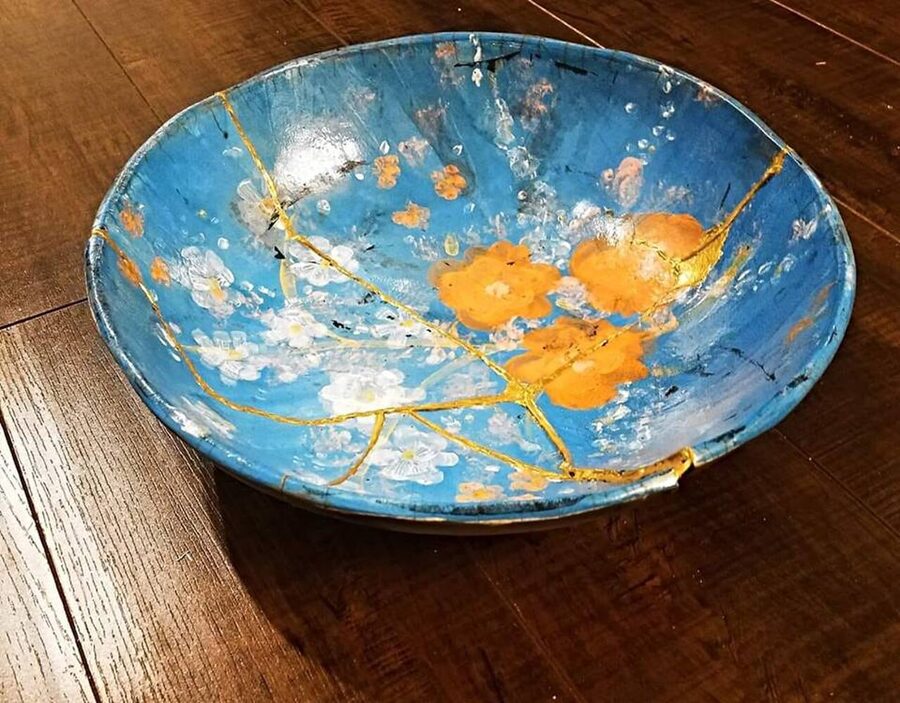
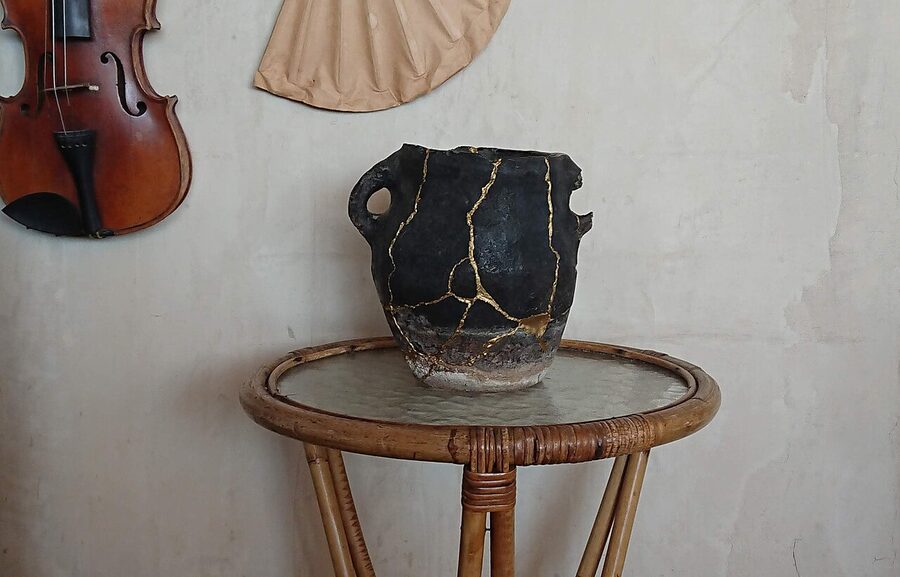
Kintsugi (金継ぎ) literally means “golden joinery.” It’s a 15th-century Japanese repair technique that fixes broken ceramics using lacquer mixed with powdered gold. Instead of hiding the damage, kintsugi highlights it. The cracks become golden veins running through the ceramic, and the repaired object is considered more beautiful than the original.
The philosophy behind it is profoundly Japanese: don’t discard broken things. Honour their history. Make the damage part of the story.
In Tokyo, you can take a kintsugi workshop where you break a bowl, repair it with gold lacquer, and take it home. It takes about 90 minutes, costs about $60, and gives you one of the most meaningful souvenirs from Japan.
Short on time? Here are my top picks:
Best for beginners: Kintsugi Experience in Nihonbashi — 90 minutes, English-guided, quick-dry lacquer. The most popular option for a reason.
Best for real craft: Master Taku Pure Gold Workshop — real 24K gold on real urushi. More than double the price, but you’re making something with actual precious metal.
Best budget pick: Traditional Kintsugi in Asakusa — cheapest legitimate kintsugi in Tokyo. Pair with a Sensoji temple visit the same afternoon.
- What Happens in the Workshop
- The 3 Best Tokyo Kintsugi Workshops
- 1. Kintsugi Experience in Tokyo (Nihonbashi) —
- 2. Authentic Pure Gold Kintsugi Workshop With Master Taku — 2
- 3. Traditional Kintsugi Gold Repair Workshop in Asakusa —
- Why Kintsugi Matters
- The History of Kintsugi
- Nihonbashi — Where the Workshop Lives
- Traditional vs Workshop Kintsugi
- Other Craft Experiences in Tokyo
- Practical Tips
- More Tokyo and Japan Experiences
What Happens in the Workshop
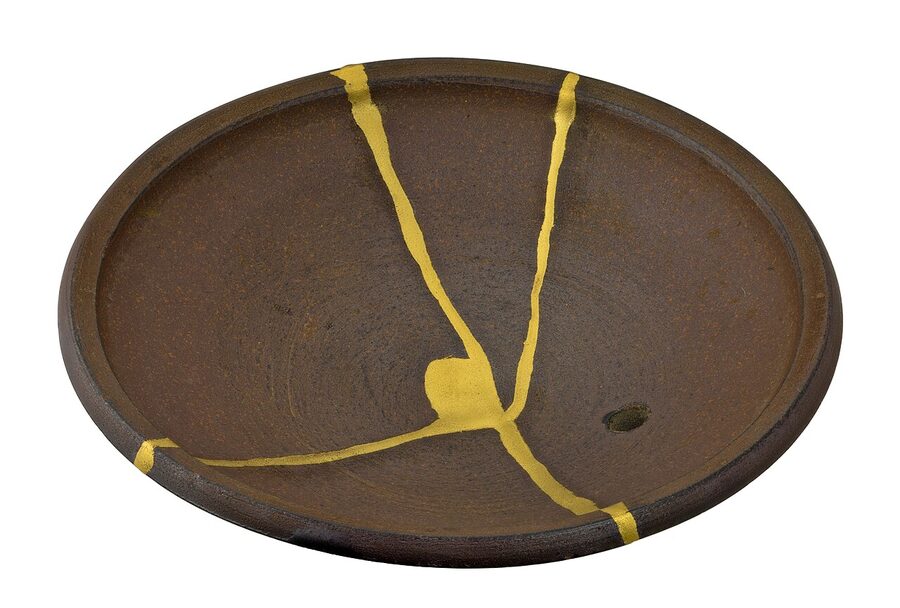
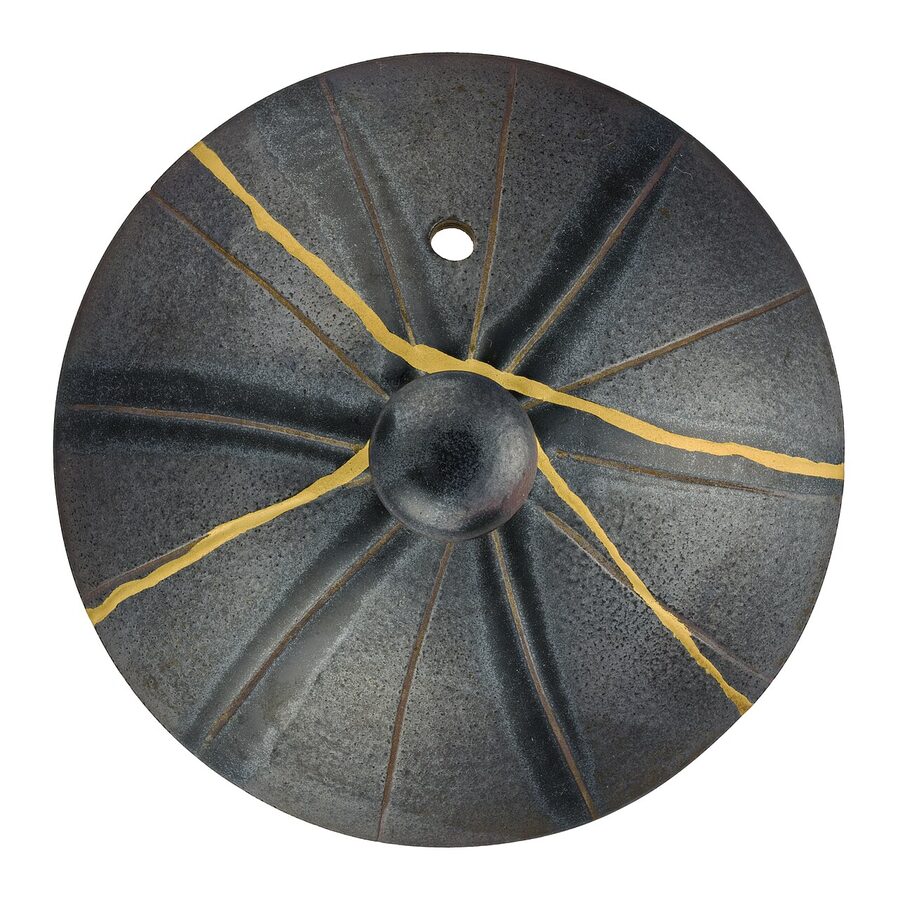
Here’s the step-by-step of a typical Tokyo kintsugi workshop:
The introduction (10 minutes): The instructor explains kintsugi’s history, philosophy, and the materials you’ll use. You learn about the connection between kintsugi and wabi-sabi — the Japanese aesthetic that finds beauty in imperfection.
The break (5 minutes): You receive a ceramic bowl or cup and deliberately break it into 2-4 pieces. Some workshops give you a pre-broken piece. Breaking your own feels more meaningful — you’re creating the “flaw” you’ll transform.
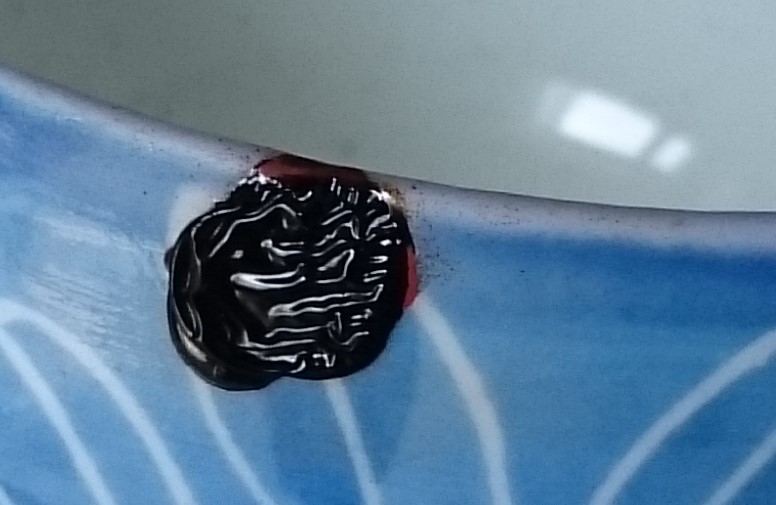
The repair (45-60 minutes): Using a thin brush, you apply lacquer along the broken edges and press the pieces back together. Then you dust gold powder along the seam lines. The lacquer acts as both glue and canvas — the gold adheres to it and creates the distinctive veins.
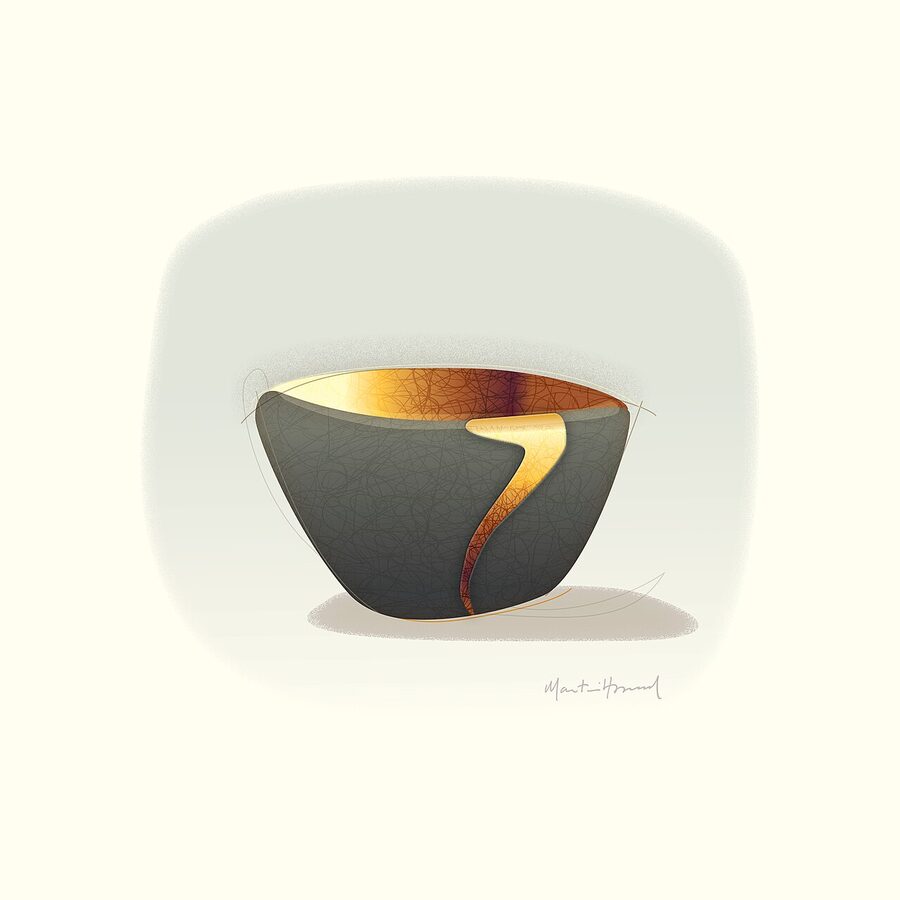
The finishing (15-20 minutes): You clean excess gold, smooth the repair lines, and let the lacquer begin to set. The instructor checks your work and offers adjustments. You take your repaired piece home the same day (the workshop version uses quick-setting lacquer rather than traditional urushi, which takes weeks to cure).
The 3 Best Tokyo Kintsugi Workshops
1. Kintsugi Experience in Tokyo (Nihonbashi) — $60
If this is your first kintsugi class and you’re just deciding whether 90 minutes of gold-repair is worth $60, start here. The Nihonbashi studio has taught hundreds of beginners, the English is clear, and the bowl you take home looks convincingly “authentic” even though the lacquer is the quick-dry kind. Good for solo travellers and couples — groups max out around 10. Book 3-5 days ahead because weekend slots go fast. Our full review covers what to expect and how to prepare.
2. Authentic Pure Gold Kintsugi Workshop With Master Taku — $142
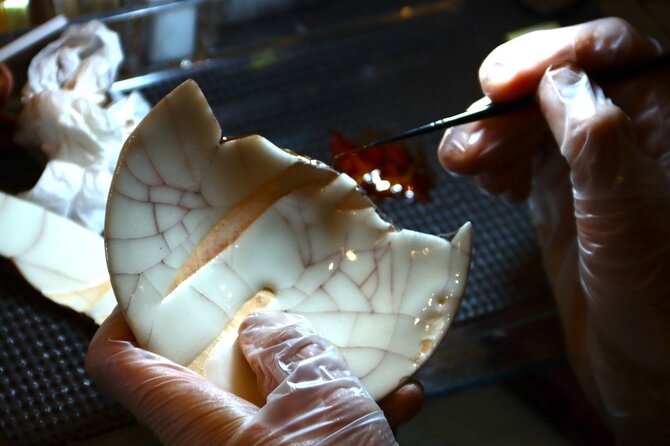
The budget workshops use “gold-effect powder” — which is fine for a souvenir but isn’t actually gold. Master Taku’s class uses pure 24K gold dust over real urushi lacquer, so what you take home is a piece with actual precious metal in it. He also explains why certain breaks want to be filled differently — something the faster workshops skip. More than twice the price of the Nihonbashi option, but if the craft itself is what interests you, this is the one worth the extra money. Our review explains the difference between real gold and gold-effect kintsugi.
3. Traditional Kintsugi Gold Repair Workshop in Asakusa — $36
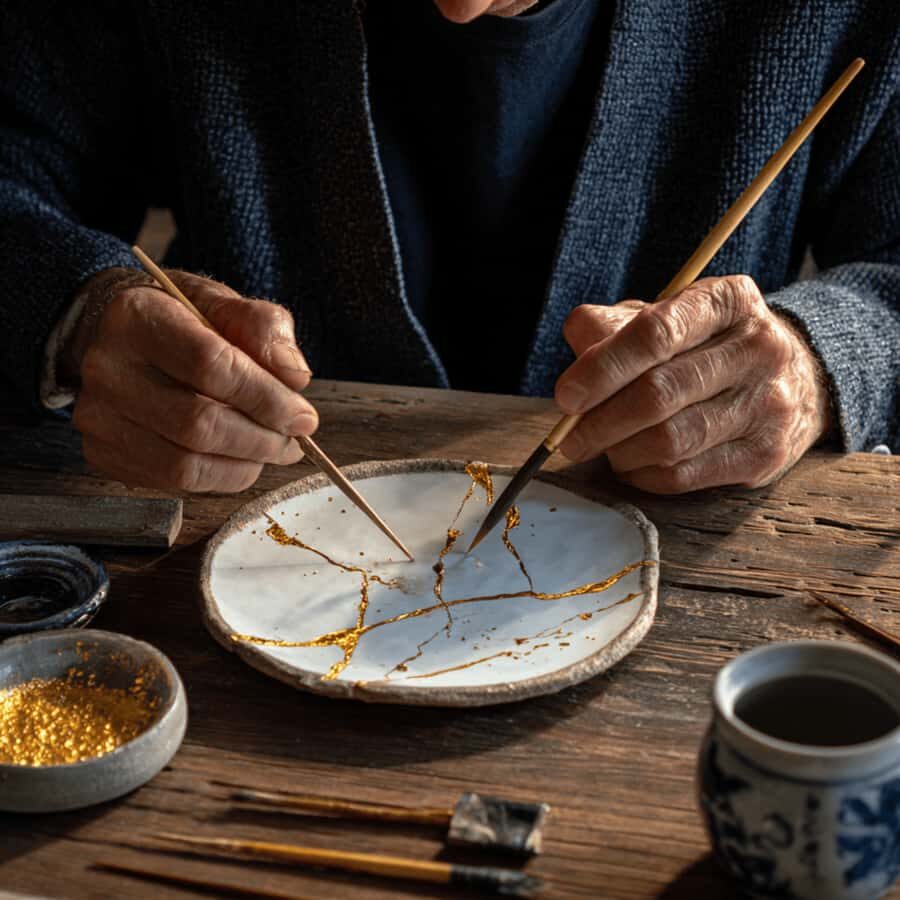
At $36 this is almost half the price of the Nihonbashi workshop and about a quarter of Master Taku’s. The compromise: shorter session, slightly less hand-holding, and a smaller piece to work on (often a cup or small dish rather than a full bowl). Perfect if you’re travelling with family, doing a craft day on a budget, or already know a bit about the technique and don’t need the long introduction. The Asakusa location also means you can walk to Sensoji Temple right after. Our review covers the tradeoffs at this price point.
Why Kintsugi Matters
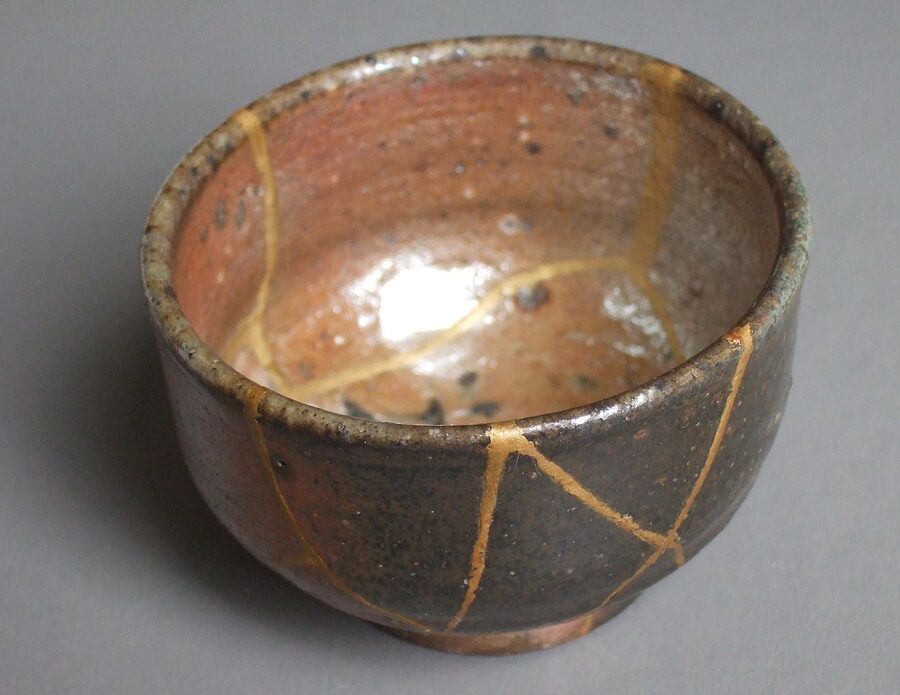
In most cultures, when something breaks, you throw it away or glue it invisibly. The goal is to make the damage disappear. Kintsugi does the opposite — it makes the damage the most prominent feature.
The philosophy connects to several Japanese concepts:
Wabi-sabi (侘寂): The aesthetic of finding beauty in imperfection, transience, and incompleteness. A kintsugi bowl is more wabi-sabi than a perfect one because it shows its age and experience.
Mottainai (もったいない): A sense of regret over waste. Throwing away a broken bowl when it could be made beautiful again is mottainai. Repairing it honours the effort of the potter who made it.
Mushin (無心): “No mind” — the zen concept of acting without ego or attachment to outcome. In kintsugi, you don’t control where the cracks go. You work with what the break gives you.
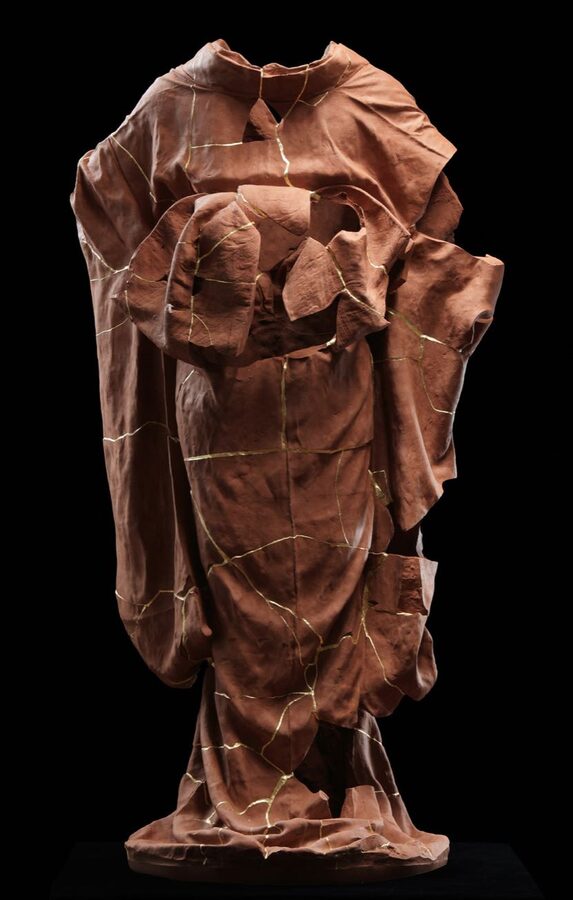
This isn’t just craft philosophy. The same thinking shows up in Japanese architecture (wooden buildings designed to be rebuilt), Japanese food (seasonal ingredients eaten only when naturally available), and Japanese gardens (designed to change with the seasons rather than maintain a fixed state).
When visitors take a kintsugi workshop, they often report that it changes how they think about broken things back home. That sounds dramatic, but spending 90 minutes deliberately transforming damage into decoration does something to your perspective.
The History of Kintsugi
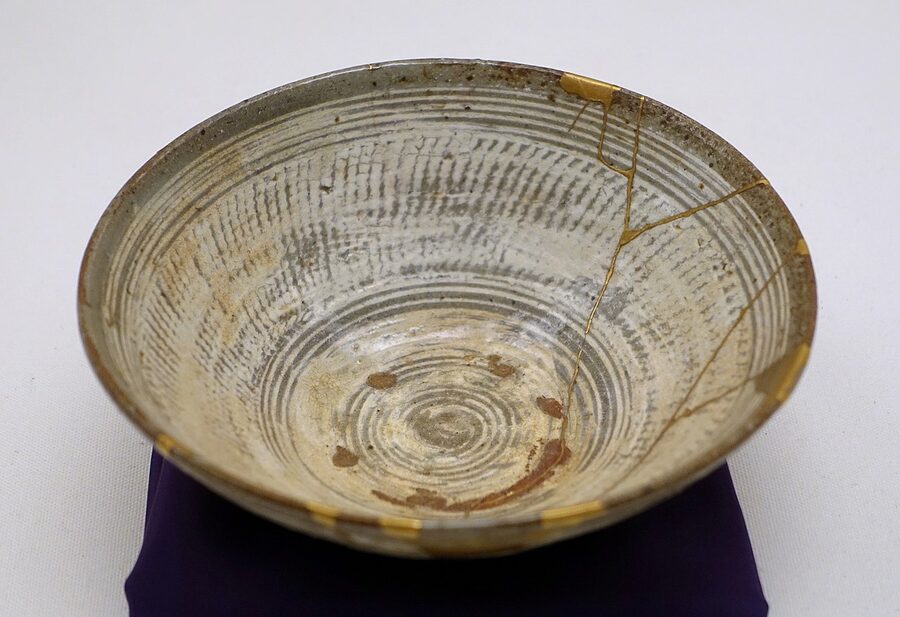
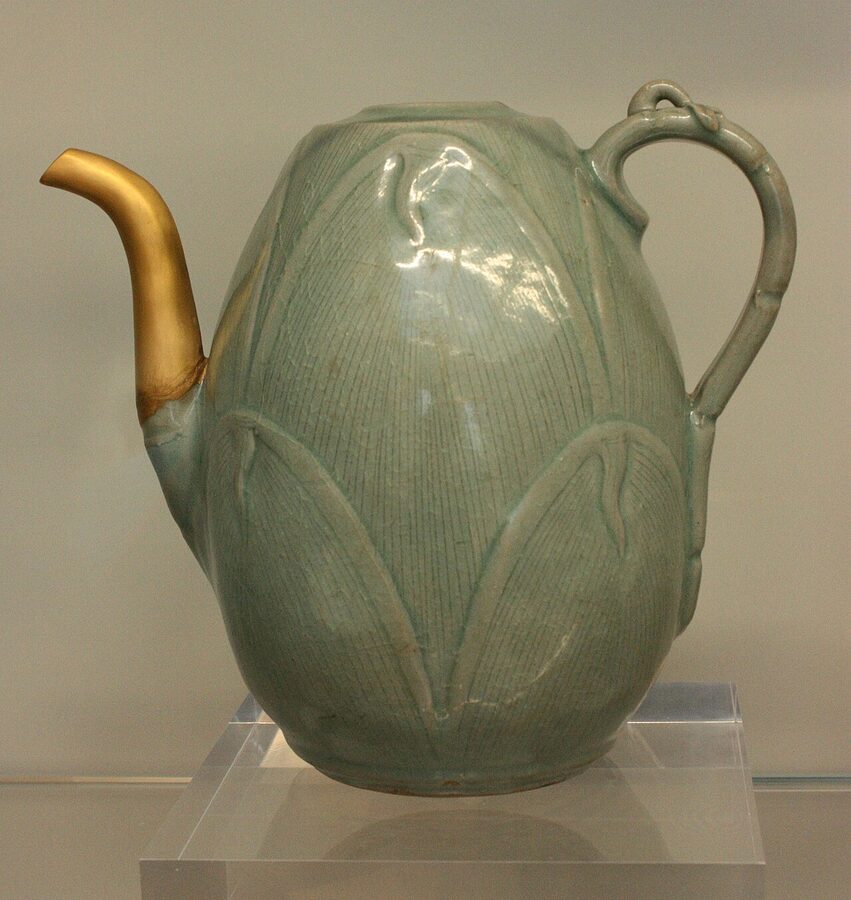
Kintsugi dates to the late 15th century. The most popular origin story says that shogun Ashikaga Yoshimasa (1436-1490) sent a broken Chinese tea bowl to China for repair. It came back stapled together with metal clamps — functional but ugly. Japanese craftsmen developed kintsugi as a more beautiful alternative.
The technique grew alongside the tea ceremony culture, where the aesthetic of the tea bowl matters enormously. Tea masters began to specifically seek out kintsugi-repaired bowls for their ceremonies because the gold lines added character and uniqueness. Some collectors even deliberately broke valuable bowls to have them kintsugi-repaired.
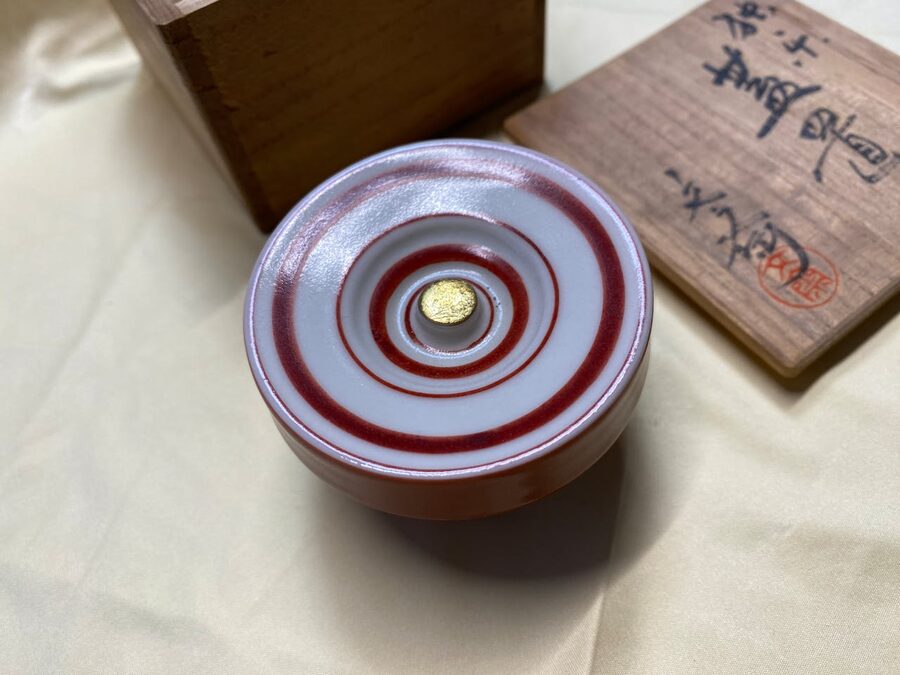
By the 16th century, kintsugi was a recognised art form. Specialists (kintsugi-shi) repaired ceramics for wealthy patrons. Some of the most famous tea bowls in Japanese museums are kintsugi-repaired pieces worth thousands of dollars — valued BECAUSE of their repairs, not despite them.
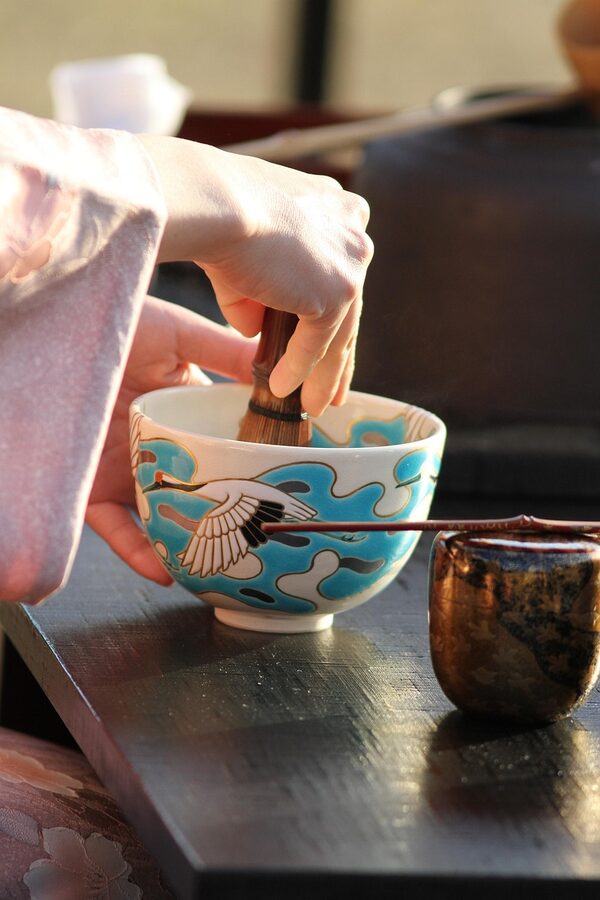
When you hold your repaired bowl in the workshop, you’re practicing a technique that’s been used on some of the most treasured objects in Japanese art history. The only difference is the price of the bowl.
Nihonbashi — Where the Workshop Lives
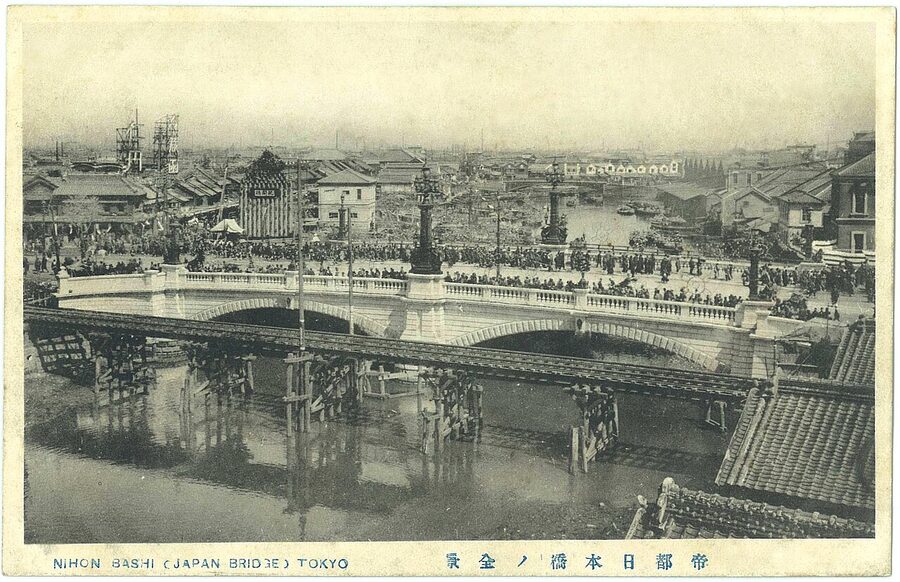
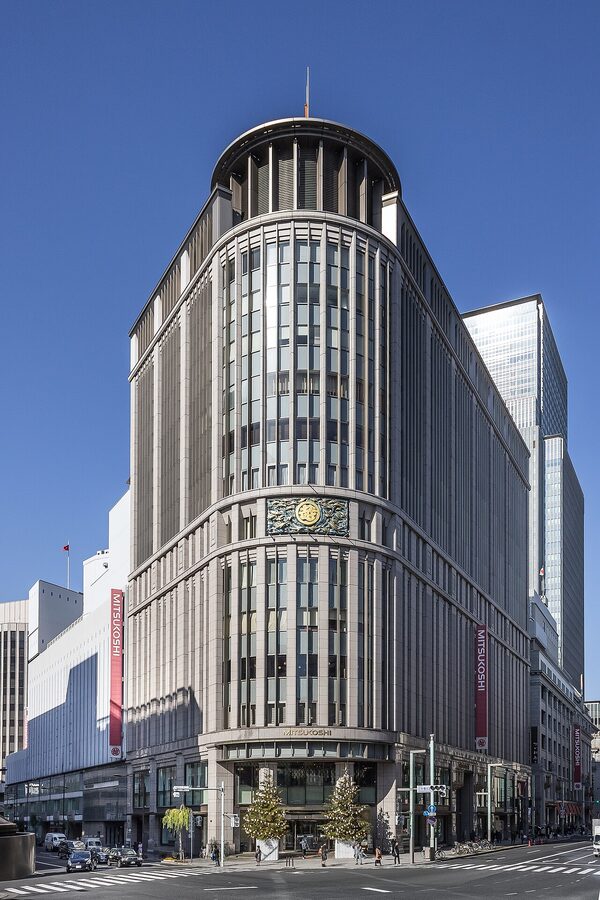
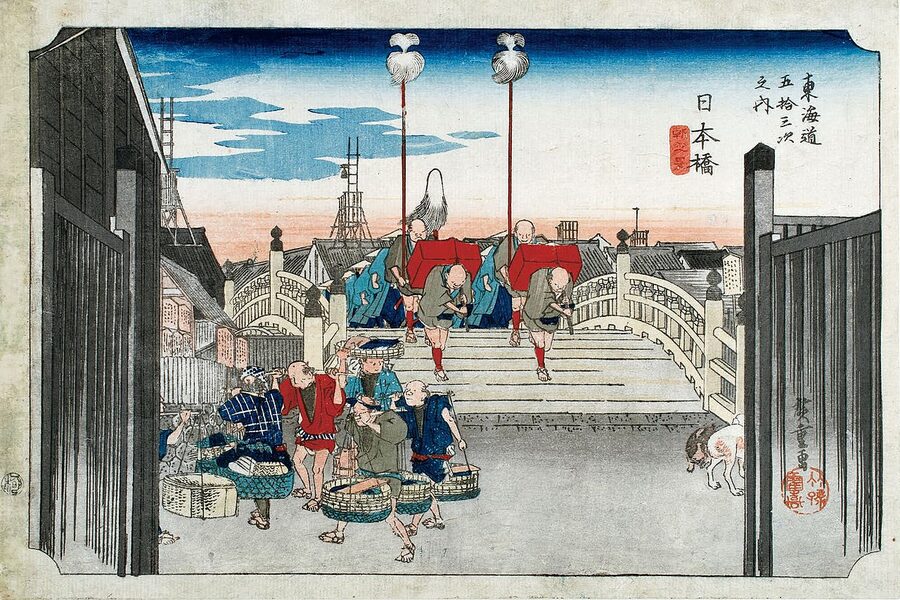
The kintsugi workshop is in Nihonbashi, which is a fitting location. Nihonbashi has been Tokyo’s craft and commerce centre since the Edo period. The name means “Japan Bridge” — it was the official centre of Japan, the point from which all distances were measured.
Today, Nihonbashi is a mix of department stores (Mitsukoshi and Takashimaya, both centuries-old), traditional craft shops, and modern offices. It’s more polished than Asakusa and less chaotic than Shibuya — the kind of neighbourhood where a kintsugi workshop feels exactly right.
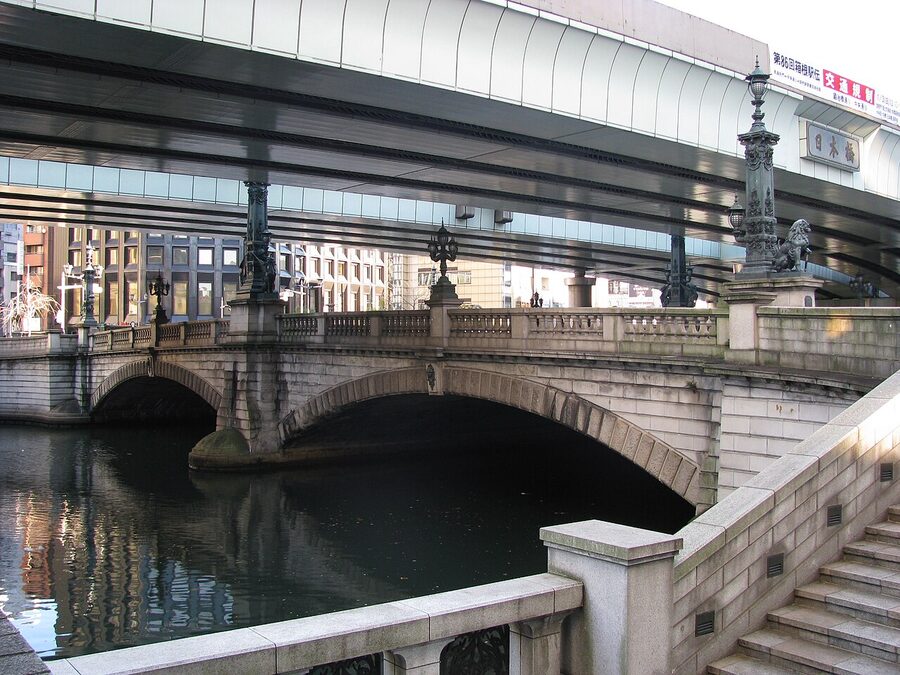
After the workshop, walk through Nihonbashi. Visit the Mitsukoshi department store (Japan’s oldest, founded 1673). Check out the traditional paper shop Haibara (founded 1806). Look at the Nihonbashi bridge itself — the current stone version was built in 1911 and has a famous pair of guardian lions.
Traditional vs Workshop Kintsugi
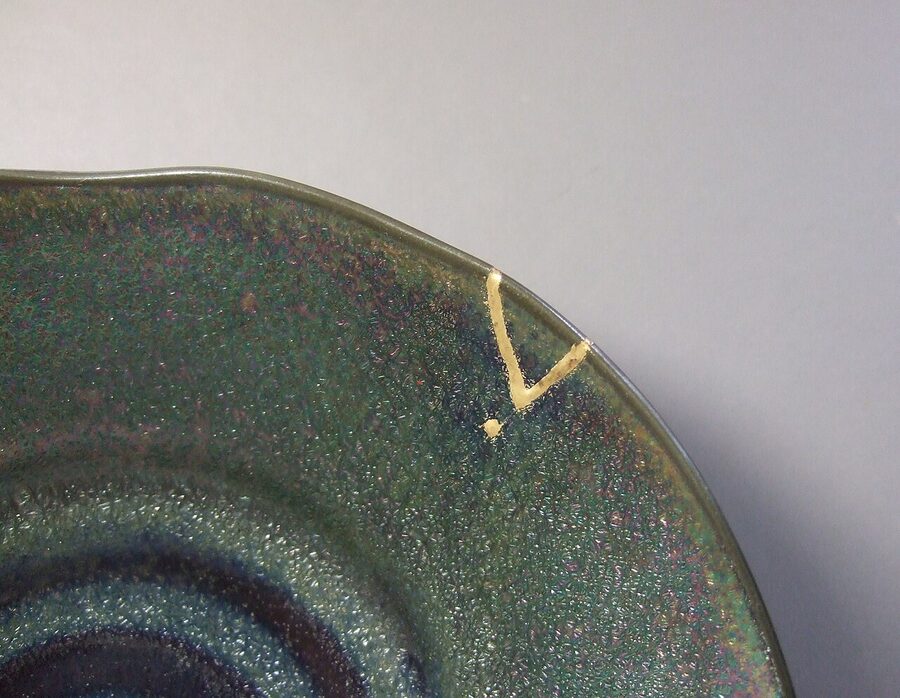
An important distinction: the workshop experience uses modern materials (food-safe synthetic lacquer with gold-effect powder) that dry quickly. Traditional kintsugi uses urushi lacquer (from the sap of the lacquer tree) mixed with actual gold, silver, or platinum powder. The traditional process takes 3-6 weeks because urushi needs humidity and time to cure properly.
The workshop version is designed to give you the experience and a take-home piece in 90 minutes. It’s genuine kintsugi in technique and philosophy, but adapted for the workshop format. If you want the full traditional process, some studios in Tokyo offer multi-session courses where you use real urushi and gold — but these cost significantly more and require you to return to pick up your piece weeks later.
One thing the workshop doesn’t compromise on: the philosophy. Whether you’re using real gold or gold-effect powder, the act of breaking something and making it beautiful again is the same. The instructor talks you through the meaning while you work. By the time you’re dusting gold onto your third crack line, you understand why this technique has survived 500 years.
The urushi lacquer used in traditional kintsugi is fascinating in its own right. It comes from the sap of the Toxicodendron vernicifluum tree (related to poison ivy — the same chemical that causes the rash is what makes urushi so durable). Urushi cures through a chemical reaction with humidity, not by drying, which is why traditional kintsugi takes weeks and why Japan’s humid climate is perfect for the process. The finished lacquer is essentially plastic — harder than most modern adhesives and completely food-safe after curing.
Other Craft Experiences in Tokyo
If kintsugi appeals to you, Tokyo has several other traditional craft workshops worth investigating.
Chopstick making: Carve your own chopsticks from a block of wood using traditional tools. Takes about 90 minutes, and you eat with them at dinner that night. Our chopstick making guide covers the best options.
Sushi making: Not technically a “craft” in the kintsugi sense, but the precision and philosophy are similar. Japanese cooking classes focus on technique and respect for ingredients in ways that feel more like art than cooking.
Woodblock printing: Carve and print your own ukiyo-e style image. Available in several studios in Asakusa and Nihonbashi. Takes 2-3 hours and connects you to the art form that inspired Impressionism.
Indigo dyeing (aizome): Dip fabric into indigo vats to create traditional Japanese patterns. The oldest textile technique in Japan, still practiced in the same way it was 500 years ago.
Tokyo’s craft workshops are some of the most underrated experiences in the city. While most visitors focus on temples, food, and shopping, the workshops give you something you can’t get anywhere else — a skill, a souvenir you made yourself, and an understanding of why Japanese artisans think the way they do.
Practical Tips
When to book: Sessions run several times per week, usually afternoons. Book 3-5 days ahead. Weekend slots fill fastest.
Duration: About 90 minutes. Arrive 5-10 minutes early.
What to wear: Comfortable clothing. The lacquer can stain, so avoid expensive tops. An apron is usually provided.
Language: The workshop is conducted in English. The instructor speaks fluently and explains the philosophical context as well as the technique.
Taking it home: The repaired bowl is wrapped in tissue paper and boxed for you. It’s safe to pack in your suitcase (wrap it in clothing for extra padding) or carry it on the plane. The workshop lacquer is fully cured by the time you leave.
Kids: Generally suitable for ages 10+. Younger kids may struggle with the fine brush work. Check with the operator.
Souvenirs: This IS the souvenir. The bowl you repair is the most meaningful thing you’ll bring home from Tokyo. Every time you use it for breakfast, you’ll remember the workshop.
More Tokyo and Japan Experiences
Kintsugi is one of several traditional craft experiences available in Tokyo. If you enjoy working with your hands, our chopstick making workshop guide covers another take-home craft. For other Tokyo traditional experiences, the Asakusa Sensoji walking tour gives you old-Tokyo atmosphere. Our Yanaka walking tour covers the neighbourhood that feels most like pre-war Tokyo. The samurai ninja museum pairs well for a “Japanese traditions” day. If the zen philosophy behind kintsugi resonates, our Kyoto zen meditation guide takes the same aesthetic into a temple setting. And for the Kyoto side of Japanese crafts, our matcha tea museum and kimono rental guide cover the tea and textile traditions. The Kanazawa tea ceremony is the garden version of this meditative craft experience. For evening Tokyo, the pub crawl or Shibuya food tour are the loud, modern counterparts to a quiet afternoon with gold and broken ceramics.