
A full-day coach tour locks you into a fixed Shibuya stop at 14:00 — the bus leaves at 14:45 whether the queue at teamLab Planets has just collapsed or not. A private guide rearranges the morning at breakfast: when you mention your 7-year-old is melting down over the thought of another temple, she shifts the plan to Akihabara first, Senso-ji after lunch when the Asakusa coach crowds thin out, and scraps Meiji Jingu entirely. Same city, same hours, completely different day.
This guide covers how a private Tokyo tour actually works, what it costs, which three tours are worth booking from the review database, and the friction points nobody tells you about until you’re halfway through yours. Written for travellers who’ve already decided the coach isn’t the right call — or are on the fence.
Short on time? Here are my top picks:
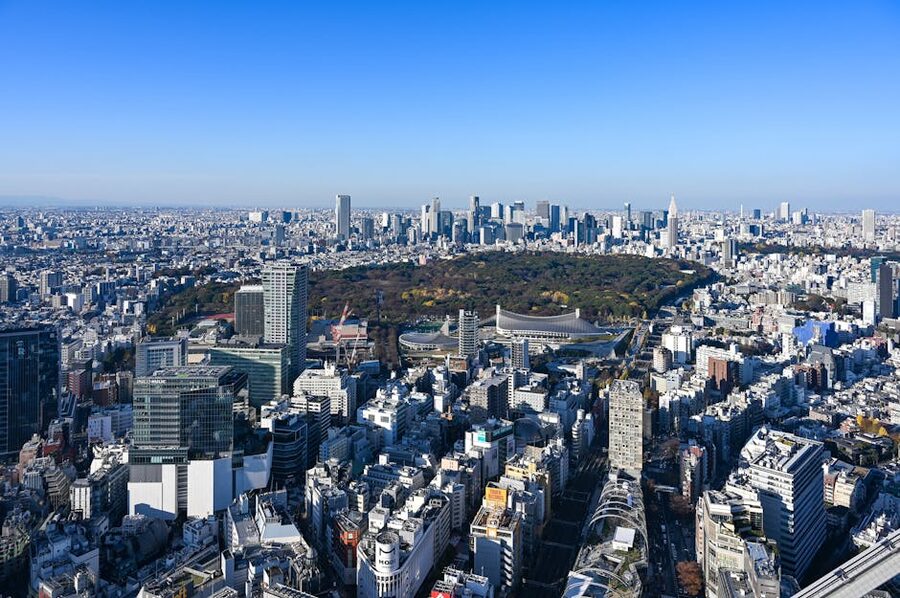
Best overall — the licensed guide standard: Tokyo Full-Day Private Tour with Government-Licensed Guide — from $156 per person, 3,900+ reviews. Eight hours, fully licensed English-speaking guide, you pick three or four sites from a menu that includes Imperial Palace, Shinjuku Gyoen, Shibuya, Senso-ji, Meiji Jingu.
Best for a truly bespoke day: Experience Tokyo Like a Local — Full Day Personalized Tour — from $146 per person, 1,500+ reviews. Less famous sights, more neighbourhood food stops and local shops, hosted more like a friend showing you around than a guide running an itinerary.
Best mid-length with transfer included: Tokyo Private City Highlights Tour with Local Guide — from $106 per person, 1,400+ reviews. Four-to-eight-hour flex window, licensed multilingual guide, hotel pickup included, good if your group is jet-lagged and doesn’t want to deal with Tokyo Station on day one.
- What “private” actually gets you (and what it doesn’t)
- What you’ll actually pay
- The three private Tokyo tours I’d actually book
- 1. Tokyo Full-Day Private Tour with Government-Licensed Guide — from 6 per person
- 2. Experience Tokyo Like a Local — Full Day Personalized Tour — from 6 per person
- 3. Tokyo Private City Highlights Tour with Local Guide — from 6 per person
- Licensed guide vs unlicensed — when the credential actually matters
- The Tokyo subway is the hidden problem a private tour solves
- Private car tours — when they earn the premium
- Which sights private guides default to — and why some of those are wrong for you
- How the booking itself actually works
- Cancellation, weather, and the unspoken etiquette
- What a coach tour does better (and why it’s still a legitimate choice)
- Booking a private Tokyo guide for specific experiences, not a general tour
- Specific friction points nobody warns you about
- Pairing a private tour with specific Tokyo experiences
- Evening private tours — the underrated option
- Tokyo history in one paragraph your guide will give you anyway
- Seasons and timing: when private tours earn the premium most
- Accessibility and family considerations
- Deciding between Tokyo and the Kyoto private tour
- What a private Tokyo tour looks like when it goes right
- A planning checklist for the week before
- Mt Fuji day trips vs a general Tokyo private
- A final note on price
- Where else to spend your Tokyo time
What “private” actually gets you (and what it doesn’t)
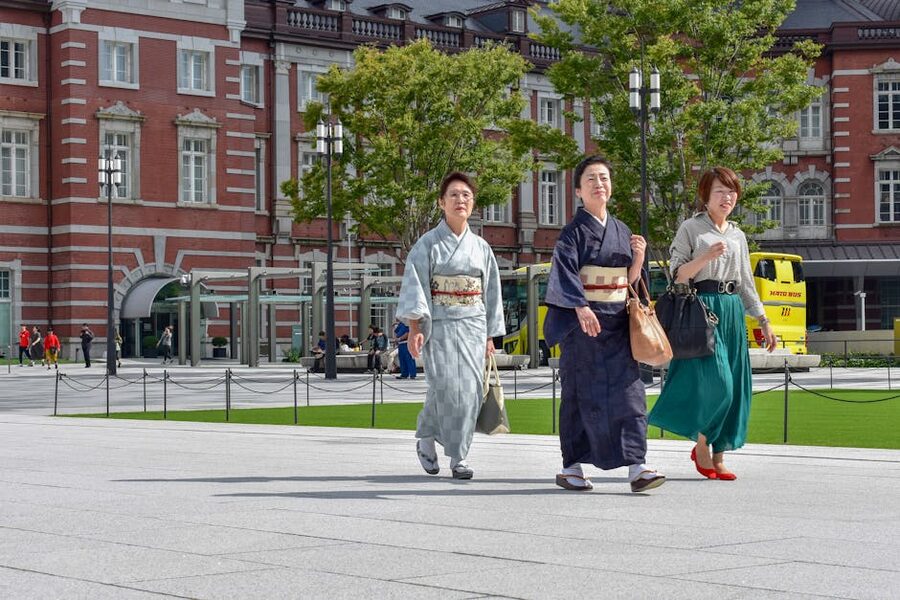
A private Tokyo tour is one guide, your group (up to 5-7 people for most, some go up to 13), a customisable route, and the ability to change the plan in real time. That last bit is the whole point — and the reason the coach tours, while cheaper, are a different product.
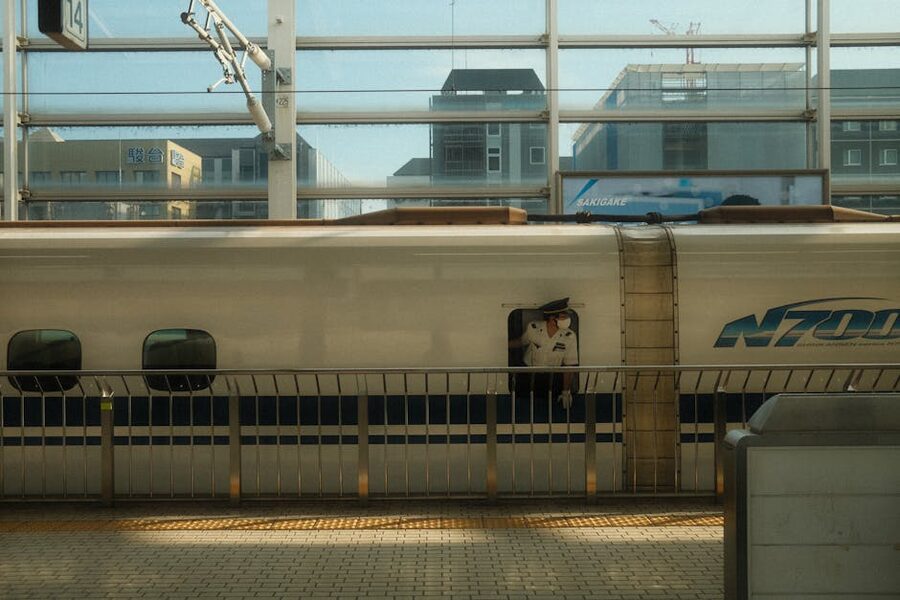
What it doesn’t get you: a private car. Most private Tokyo tours move by subway and on foot. The guide buys the Metro Passes, navigates the transfers, and explains the JR vs Tokyo Metro vs Toei distinction so you don’t lose ten minutes each transfer working out which gate to tap through. If you want door-to-door private transport, you’re looking at the private-car product (more on that below), which roughly doubles the price.
What it also doesn’t include on most listings: entrance fees (Senso-ji is free but Tokyo Skytree, teamLab, sumo tournaments all cost extra) and lunch. The 24-hour Metro Pass runs 800 yen for adults and 400 for children — either you pay the guide back at the end or they fold it into a package rate. Ask before the tour starts.
What you’ll actually pay
Per-person rates on the licensed-guide tours start around $99-110 for shorter half-day formats and rise to $155-170 for a full eight hours with a government-licensed guide. The GetYourGuide listings on the bespoke end sit closer to $53 per person when you book two people together, because the guide fee is split across the group. Private car tours with an English-speaking driver start at about $270 per group of four and climb to $470 for a chauffeur-driven day.
The practical read: for two adults doing a full day, expect $300-320 total. For a family of four, the per-head price drops fast because most tours price by booking, not by headcount after the first person. Always check whether the price is “per person” or “per group of up to X” — the big-ticket car tours are usually group pricing.
The three private Tokyo tours I’d actually book
There are hundreds of listings. Most are fine. These three are the ones with enough reviews and enough genuinely distinct positioning to matter. All three are distinct in format — don’t pick them because of overlap, pick them because one of them fits how you want to travel.
1. Tokyo Full-Day Private Tour with Government-Licensed Guide — from $156 per person
This is the default licensed-guide pick. The licence matters: Japan’s National Government Licensed Guide Interpreter qualification is the only formal guide credential in the country, and it filters out the casual hobbyists. Guides here have cleared written exams on Japanese history, geography, and culture. Our full review of the Tokyo Full-Day Private Tour walks through the site menu in detail. Book this if you want depth of commentary — the licensed guides can actually answer the follow-up question when you ask why Meiji Jingu was rebuilt in 1958.
2. Experience Tokyo Like a Local — Full Day Personalized Tour — from $146 per person
Different product, same price band. The guides here aren’t always licensed, but that isn’t a knock — it means the tour leans into neighbourhood-local knowledge instead of historical lecture. Expect off-the-beaten-path eateries, a slower pace, more time sitting down and talking. Our full review of the Experience Tokyo Like a Local tour digs into what travellers actually did on their days. Book this one if you’ve been to Tokyo once before and want to skip the landmarks you’ve already done.
3. Tokyo Private City Highlights Tour with Local Guide — from $106 per person
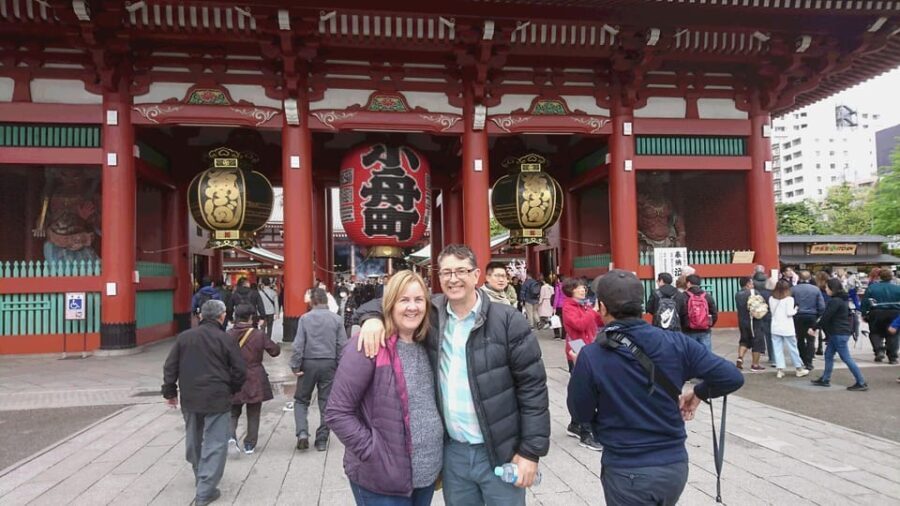
This one runs through GetYourGuide rather than Viator and adds hotel transfer, which sounds minor but matters a lot on the first morning when you don’t know which train leaves from which platform at Shinjuku Station. The 4-8 hour flex is genuinely useful: you can call it at five hours if someone’s flagging. Our full review of the Tokyo Private City Highlights Tour has the Fumiko story in it — that’s the guide readers keep naming in reviews. Book this one if jet lag is the variable you can’t predict.
Licensed guide vs unlicensed — when the credential actually matters
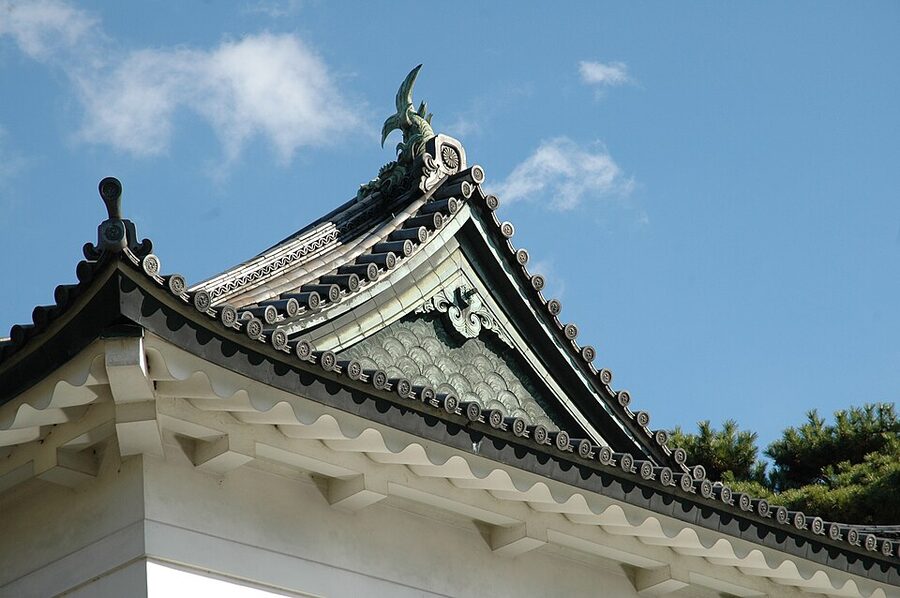
Japan has a National Government Licensed Guide Interpreter system that dates back to 1949. It’s the closest thing in the world to a formally regulated tourist guide profession. To get licensed, you pass a written exam covering Japanese history, geography, culture and politics, plus a language exam in your working language. It’s not easy. Only a few thousand people in Tokyo hold it.
The catch: in 2018 Japan legalised unlicensed paid guiding. So the licence is no longer legally required to charge for tours. A lot of the newer, more flexible, more “local friend” style tours are run by guides who never bothered with the exam. They aren’t worse — they’re different. What you lose is the depth of historical commentary; what you gain is usually personality, flexibility, and a lower price point.
When does the licence matter? If you’re visiting specifically for history — Imperial Palace, Edo-Tokyo Museum, any of the older temples — licensed. If you’re here for neighbourhood food, contemporary culture, or to meet a local, unlicensed is fine and often better. A lot of travellers overindex on the licence because it sounds official; in practice, the reviews tell you more than the credential.
The Tokyo subway is the hidden problem a private tour solves
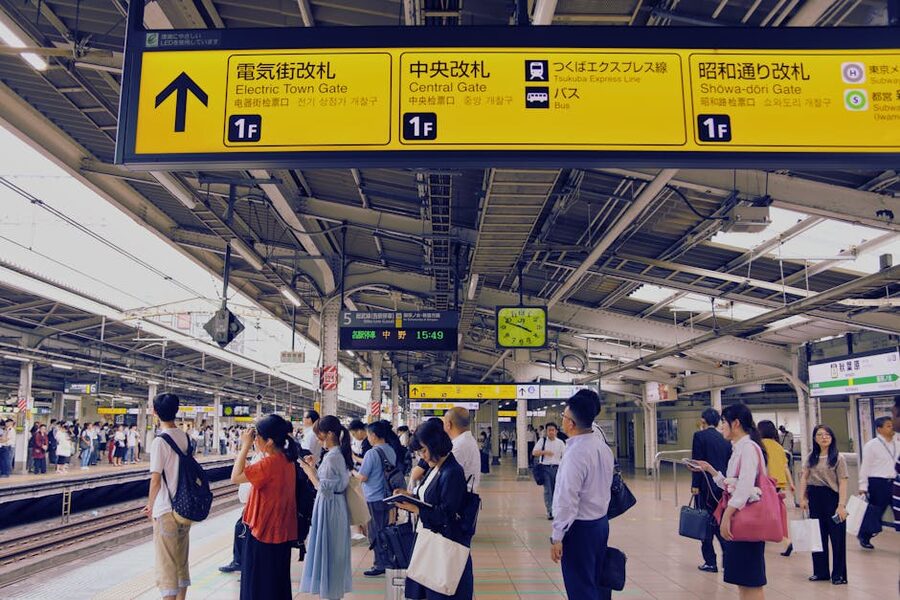
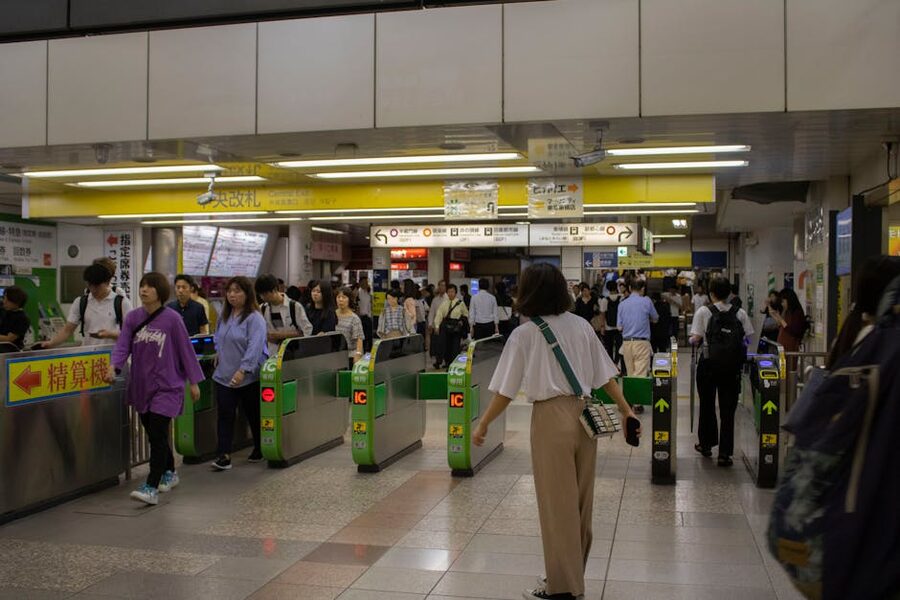
Tokyo’s subway has thirteen lines operated by three different entities (JR East, Tokyo Metro, Toei), with overlapping stations that aren’t always connected. The most famous trap: Ginza Station has four separate platforms on three different lines that require about six minutes of walking to switch between. A coach tour bypasses all of this by moving everyone in one vehicle. A private tour uses the subway — which is actually faster — and the guide absorbs the navigation problem.
If you’re attempting Tokyo without a guide, do the IC card load-up at the airport arrival hall, not at Tokyo Station on day one. The Tokyo Station queue for IC card issuance can hit 40 minutes on Monday mornings. A guide just hands you a loaded card.
Private car tours — when they earn the premium

A few of the Tokyo private tours are car-based — English-speaking driver, 4-seat or 13-seat vehicle, door-to-door. Pricing starts around $268 per group of four and goes up to $468 for a chauffeur-driven day. These aren’t replacements for the subway-based walking tours; they’re a different product.
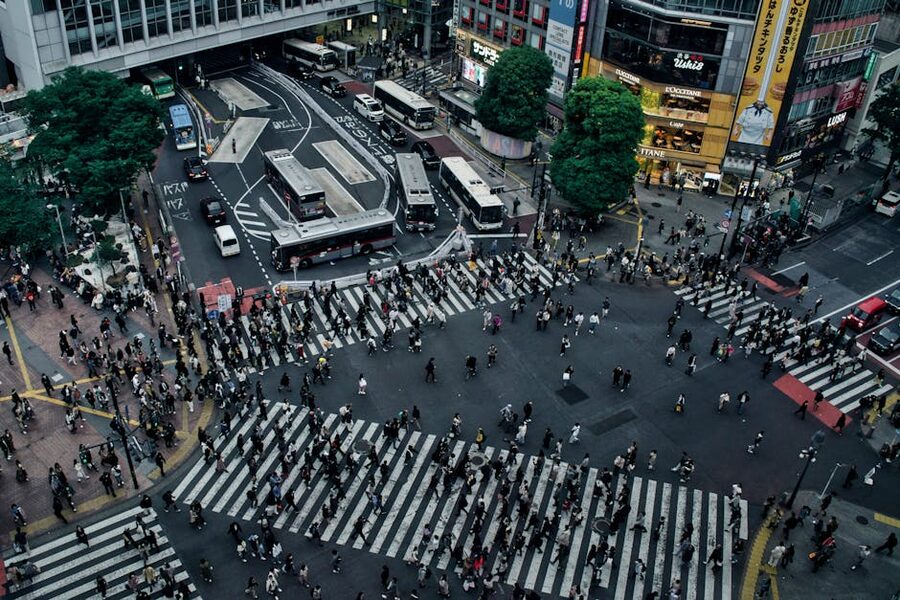
When they earn it: elderly travellers, families with toddlers, or anyone with a mobility concern. When they don’t: solo travellers, couples who are happy on public transport, or groups under six people who are OK with some walking. The car tours also lose flexibility in central Tokyo — traffic around Shibuya Crossing is genuinely worse than the Yamanote Line in rush hour, and the car can’t stop outside most temple gates.
One middle ground: the van-based option (up to 13 passengers) starts at $321 per group. For a multi-generational family, that comes out cheaper per person than two separate walking tours and a ride-hail.
Which sights private guides default to — and why some of those are wrong for you
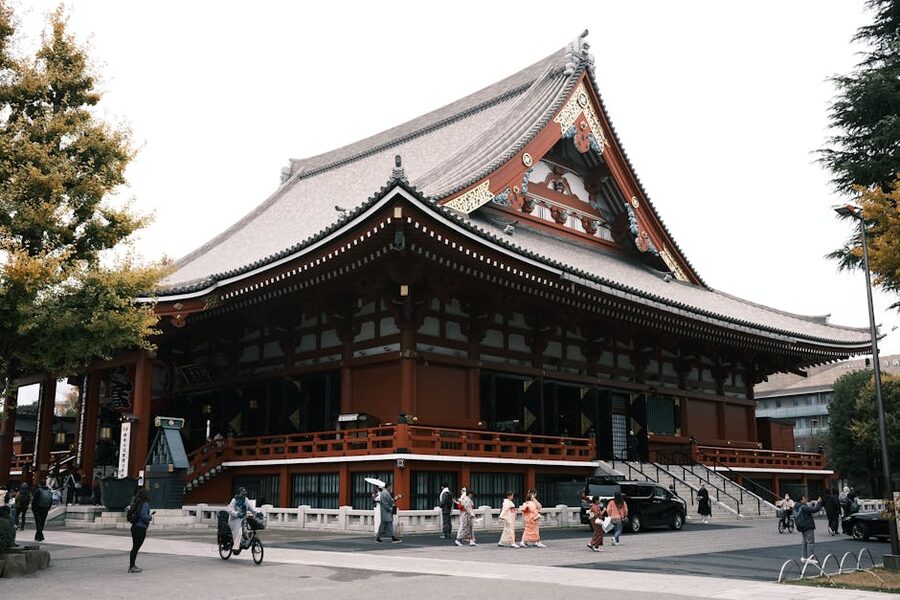
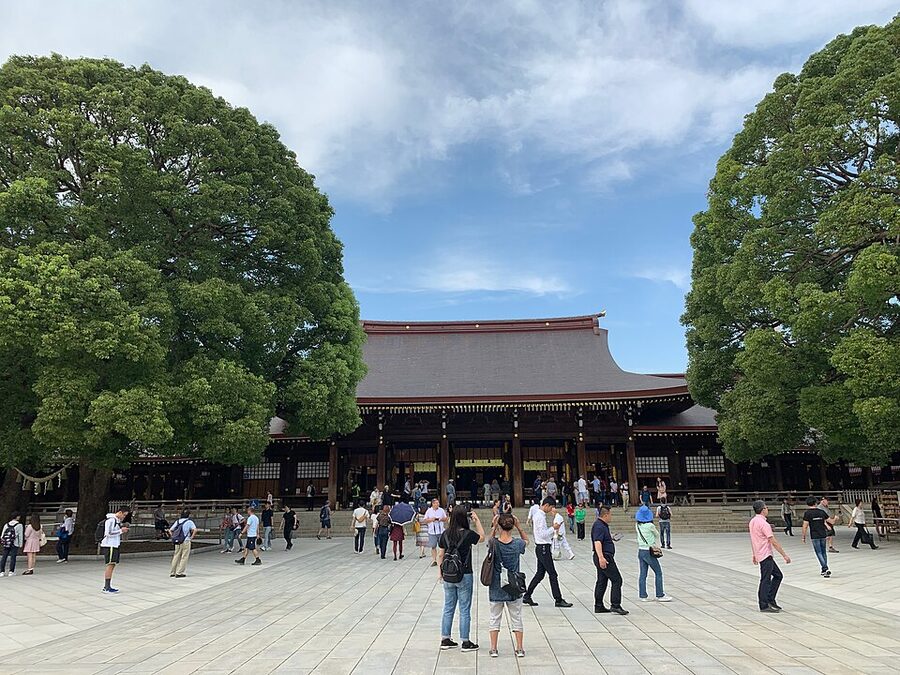
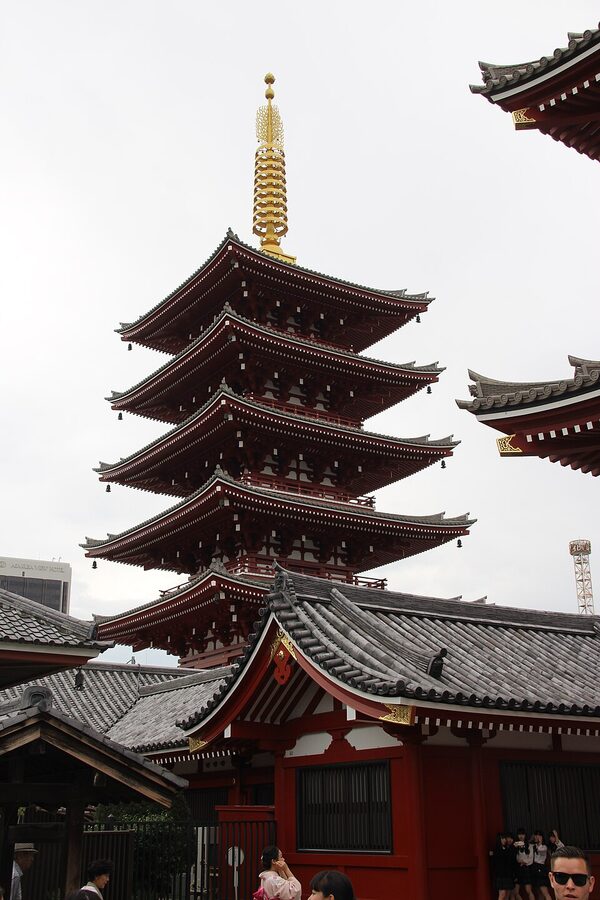
The standard menu most private Tokyo tours offer: Imperial Palace, Shinjuku Gyoen, Shibuya Crossing, Senso-ji Temple, Meiji Jingu, Tsukiji (outer market), Ginza, and sometimes Tokyo Skytree or Odaiba. You pick three or four depending on the tour length.
Here’s where travellers get it wrong. The default menu is optimised for first-timers who want the famous sights. That’s fine for day one. But if this is your second or third Tokyo trip, skip Shibuya and Meiji Jingu and spend the day in one neighbourhood you’ve never been to — Yanaka for shitamachi old Tokyo, Shimokitazawa for vintage and music, Kiyosumi-Shirakawa for coffee and art, or Kichijoji for the parks and second-hand bookshops. Any private guide will do this if you ask. Most won’t volunteer it.
How the booking itself actually works
Book 3-7 days out for the licensed-guide tours. The flagship options get properly booked up during cherry blossom season (late March to early April), Golden Week (late April to early May), and the autumn foliage peak (mid-November). In those windows, book two weeks ahead. Off-season, you can book same-day if you don’t mind whoever’s available.
After booking, two things happen. First, the platform (Viator or GetYourGuide) sends a confirmation voucher — save the PDF, you’ll need it. Second, within 24-48 hours the actual guide reaches out by email or WhatsApp to introduce themselves and ask what you want to see. This is the critical step. Reply specifically: “I want X, Y, Z, we’re OK walking, we have a 7-year-old” rather than “we want to see the highlights.”
Cancellation policies on the main platforms give you a full refund up to 24 hours before. That covers jet-lag cancellations if you arrive on an overnight flight and decide day one is a write-off. The licensed-guide tours are stricter — some require 48 or 72 hours notice. Read the small print.
Cancellation, weather, and the unspoken etiquette
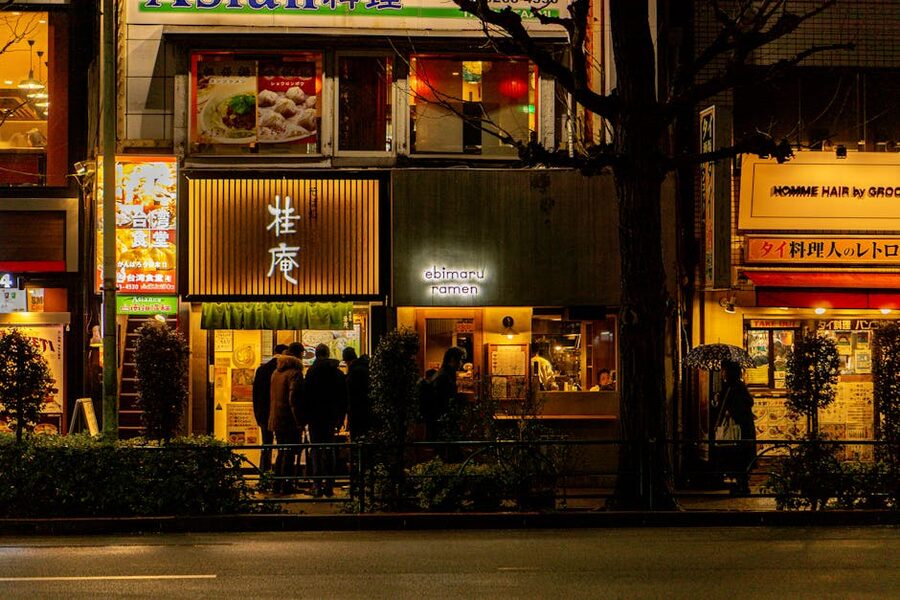
Weather cancellations are rare. Tokyo gets real rain but the tours run through it — your guide will pivot to indoor sites (Edo-Tokyo Museum, TeamLab Planets, the Mori Art Museum) and you’ll barely lose the day. Typhoon-level storms are the one exception; those are usually called 24-48 hours out and you get a full refund.
On tipping: Japan doesn’t do tips. Private guides are an edge case. A lot of the Western platforms default to tip-expecting; a lot of the Japanese-operator tours don’t. Safe approach: bring 2,000-3,000 yen in an envelope and offer it at the end. If the guide declines twice, put it away. If she accepts, the envelope is the culturally correct delivery — not cash in the hand.
On lunch: most tours schedule an hour around 12:30 at a restaurant the guide picks. You pay for your own meal and (this is where travellers get it wrong) you pay for the guide’s meal too. It’s assumed. Budget 2,000-3,000 yen per person for this. The guide won’t order anything extravagant.
What a coach tour does better (and why it’s still a legitimate choice)
I’m not anti-coach, and you shouldn’t be either. A coach tour costs about $129 per person for a full day with lunch included. A private tour starts at $146 per person and typically runs closer to $300 per couple after you add transport and meals. For solo travellers and cost-conscious couples doing a single day in Tokyo, the coach genuinely is the better maths — especially if you’ve got our coach tour booking guide open while you book.
The coach also does a thing that’s surprisingly underrated: it forces you to pace yourself. You get out, you see the thing, you get back on the bus, you sit down for 20 minutes while the guide narrates. If your group includes anyone who struggles with endurance, that’s a gift the private tours can’t easily replicate — they’re on foot all day and the social pressure keeps you moving when your body wants a break.
If you want the middle ground, the Tokyo hop-on hop-off bus lets you set your own pace on a fixed route at about a third of a private tour’s price. Not the same product. Still a valid first day.
Booking a private Tokyo guide for specific experiences, not a general tour

One rethink: sometimes the right call isn’t a general “Tokyo highlights” private tour but a specialist day. Tokyo has experience-specific private guides who do one thing well — Tsukiji fish market food tours, Shinjuku food walks, Yanaka old quarter deep dives. These are privately guided but topic-specific, which means the guide actually knows the material cold.
Works especially well on day two. Do the general licensed-guide tour on day one (Imperial Palace, Senso-ji, Meiji Jingu as a fast overview), then use days two and three for specialists — a food tour for dinner, a jazz club crawl for late night, a photography walk at dawn in Asakusa.
Specific friction points nobody warns you about

The guide’s English is not always what you expected. “Fluent English” on Viator covers a wide range. Expect professional, functional English — not conversational nuance. If you need someone for a specific professional reason (medical interpretation, business meetings), book through the Japan Guide Association directly rather than a platform.
Cash still matters. Most Tokyo attractions now take IC cards, but a handful of temple entrance donations, Senso-ji fortune papers (omikuji), and the older restaurants are cash-only. Have 10,000 yen in small bills before you start the day. Your guide will have cash too but it’s embarrassing to borrow.
Pace control is on you. A good guide will ask every 90 minutes if you want to sit down for a coffee. A rushed guide won’t, and you’ll feel it at hour five. If you’re travelling with kids or over 60, explicitly tell the guide at the start: “We want to slow down every two hours.” Most will respect this.
Photos are your responsibility. Some guides are great at photographing clients at photo spots. Many aren’t. Assume you’ll need to ask her to take photos, and bring a small phone tripod if you want group shots at the gates.
Pairing a private tour with specific Tokyo experiences

Think of the private tour as your orientation day. It gives you the lay of the land, the subway confidence, and a shortlist of places you want to return to solo. Then use the rest of your Tokyo days more specifically:
A lot of travellers pair the private tour with the Imperial Palace walking tour on a separate day — the Imperial Palace inner grounds only open on guided tours, and a specialist guide there knows what you can’t see. Similarly, teamLab Planets is a solo experience that a general private guide will just park you at for two hours — book the ticket yourself.
If you want to see sumo, the samurai and ninja museum is a decent rainy-afternoon alternative during the off-tournament months. Neither of these fits into a general private tour — they’re day-two or day-three add-ons.
Evening private tours — the underrated option
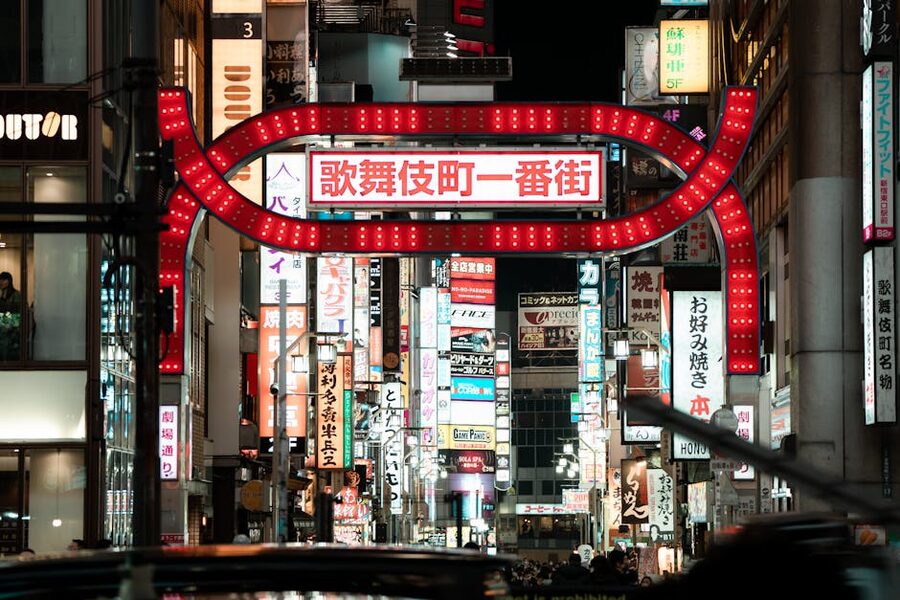
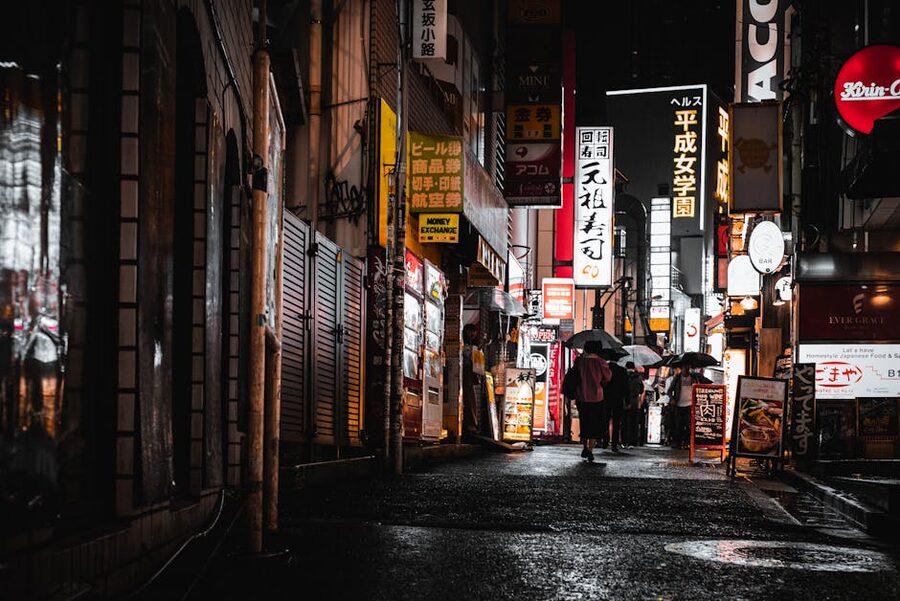
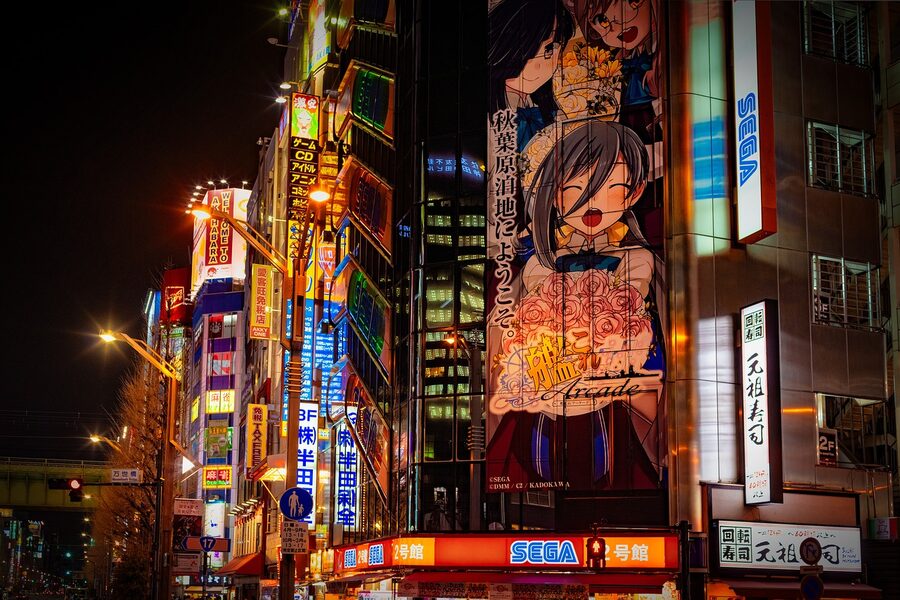
Most private Tokyo tours are daytime affairs. The evening versions (4-6 hours, 18:00-22:00) are less popular but often better value per hour. You get the neon spectacle at its peak, the izakaya scene properly explained, and none of the temple queues. Our Shinjuku night walking guide covers the Golden Gai/Omoide Yokocho format specifically.
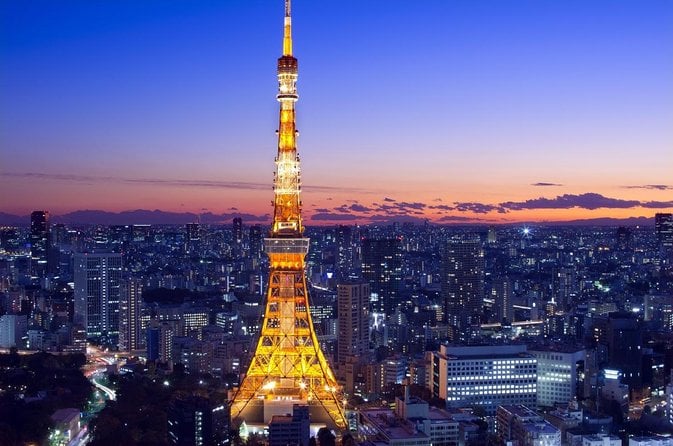
An evening private also lets you front-load other things during the day: Tokyo Tower in the late afternoon for the sunset view, a cycling tour through Asakusa in the morning, then the private guide from 18:00 to close out with dinner and neon-lit walking. That’s the most Tokyo-saturated day you can run.

Tokyo history in one paragraph your guide will give you anyway
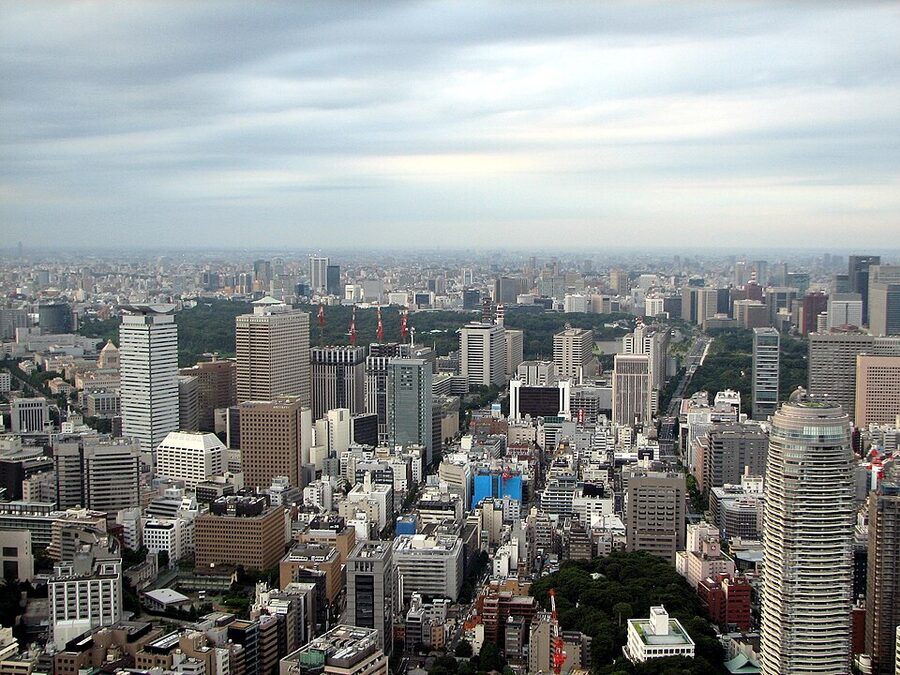
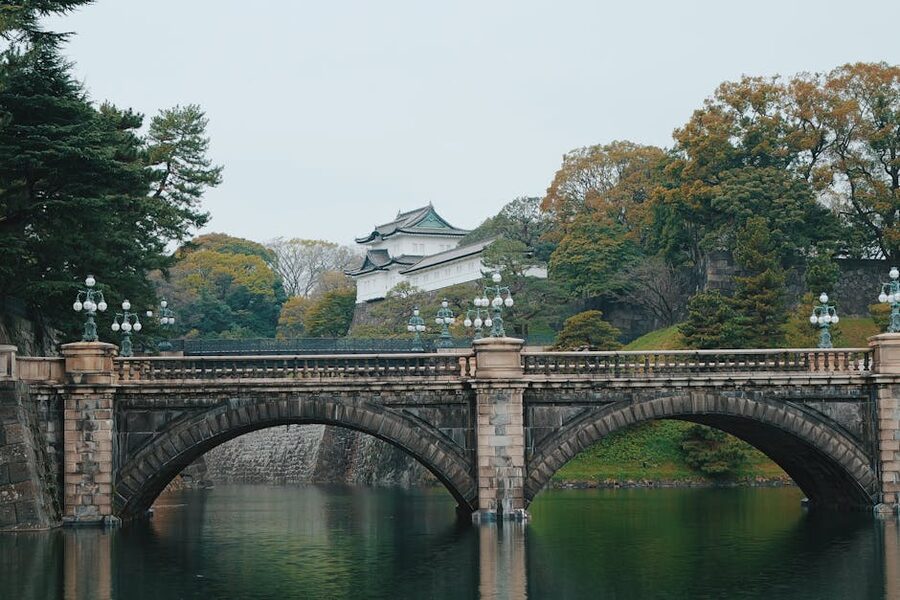
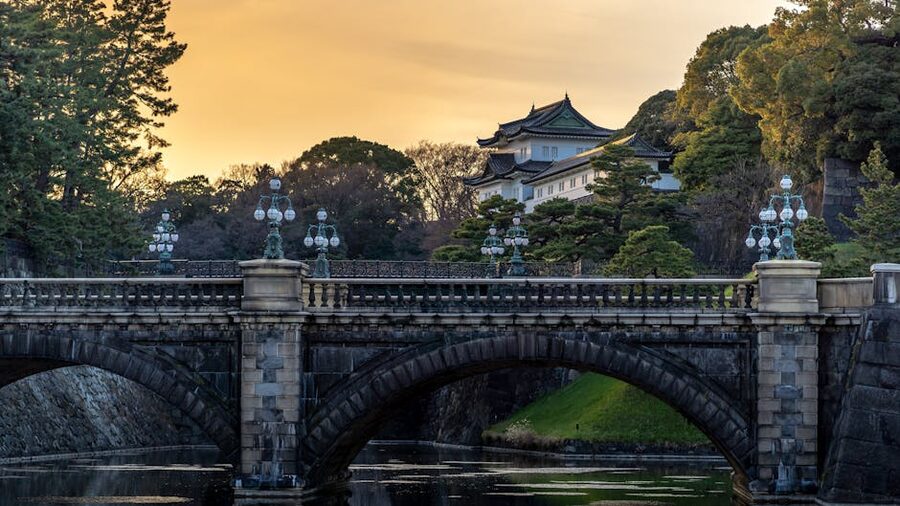
Tokyo was Edo until 1868. Edo Castle — now the Imperial Palace — sat at the heart of a city that grew from a fishing village in 1603, when Tokugawa Ieyasu set up the shogunate, into the world’s largest city by 1721 (over a million residents). The Meiji Restoration in 1868 ended the shogunate, the emperor moved from Kyoto to Edo, and Edo became Tokyo (meaning “Eastern Capital”). The 1923 Great Kanto Earthquake and World War II firebombings levelled most of the pre-war city, which is why what you see today is almost entirely post-1945 architecture — with pockets of older stuff in Yanaka, Kagurazaka, and parts of Asakusa that survived or were rebuilt faithfully. A licensed guide will give you this in ten minutes of walking commentary. An unlicensed guide will point at buildings and say “this one’s old.”
Seasons and timing: when private tours earn the premium most

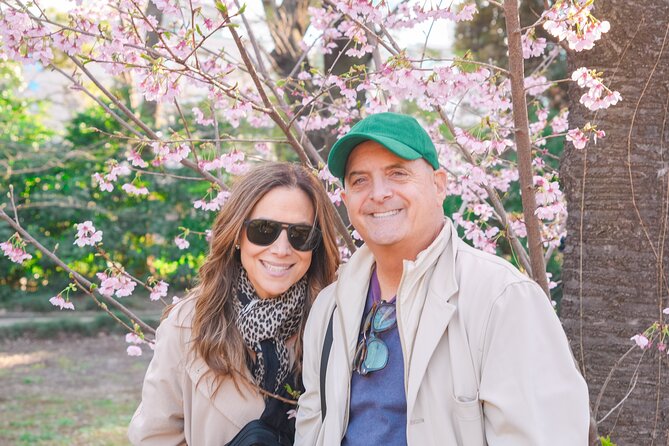
Cherry blossom (last week of March to second week of April): private tour, book four weeks ahead, accept the 20-30% seasonal premium, the access to side-street blossom spots that coaches can’t reach is worth it. Golden Week (late April-early May): private or avoid — coaches get caught in domestic Japanese tourist traffic and the coach tours just don’t run well.
Summer (July-August): brutal. Tokyo regularly hits 35°C with 70%+ humidity. A private guide can pivot indoors or to air-conditioned routes. A coach tour with fixed outdoor stops will break you. Autumn (mid-November): second-best season after cherry blossom. Momiji (autumn leaves) at Rikugien and Koishikawa Korakuen peak around Nov 20-Dec 5, and private guides know the best viewing windows.
Winter (December-February): lowest prices, shortest days (sunset at 16:30 in December). A shorter half-day private tour works better here — save the long day for a different season.
Accessibility and family considerations
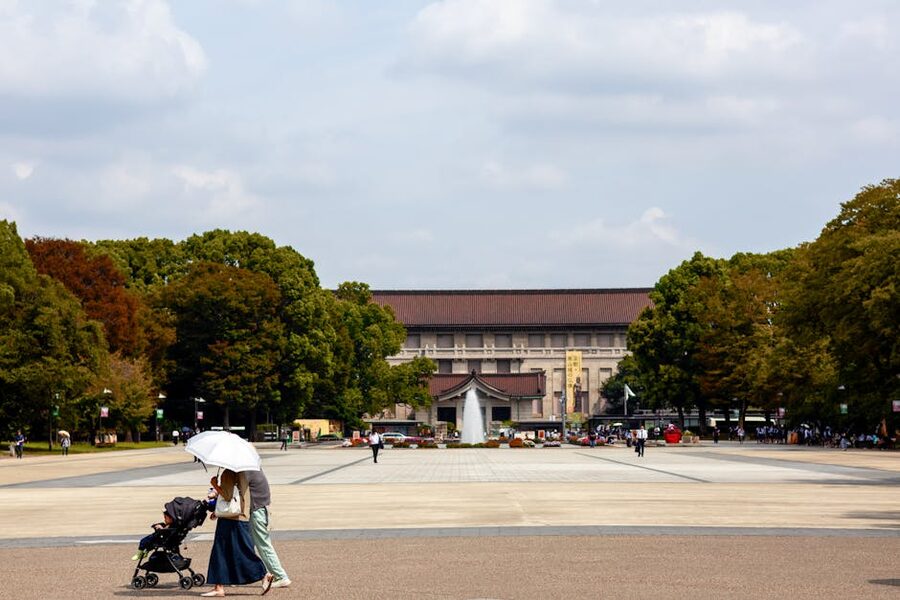
Private tours handle accessibility far better than coaches. Tokyo’s subway is 90% step-free at major stations but the last-mile walk to temples and shrines often involves stairs. A private guide plans the route around your group’s ability. Ask at booking: stroller-friendly, wheelchair-accessible, avoiding long stairs. The licensed-guide tours in particular will rework the route.
Families with younger kids: the 4-hour half-day private tours are the right product, not full-day. Kids hit the wall around hour four. Don’t fight it.
Solo older travellers: car-based private tours are worth the premium. Tokyo on foot for eight hours is 15,000-20,000 steps. Your 67-year-old knees will tell you about it.
Deciding between Tokyo and the Kyoto private tour
If you’re doing both cities and can only afford one private guide, here’s the call: Kyoto is easier to see well without a guide (smaller, more walkable, clearer temple geography) while Tokyo is harder. That flips the instinct — most travellers assume they need the guide more in Kyoto because of the historical density, but the subway complexity and sprawl actually makes Tokyo the harder self-navigation.
If you’re in both cities: spend the private guide day in Tokyo, not Kyoto, and rely on a good map app and our Kyoto private tour guide to decide whether to double up. If you’re only in Tokyo: definitely book one.
What a private Tokyo tour looks like when it goes right
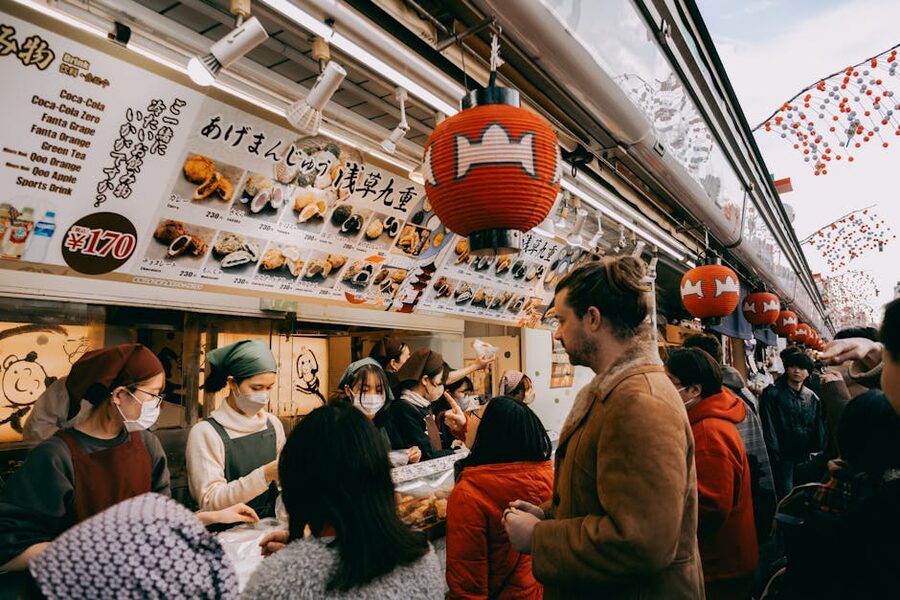
A well-run private tour feels like being shown around by a friend who happens to live there, not like being delivered a service. The tells: your guide asks about your trip before she asks what you want to see. She gets the food recommendation right on the first suggestion. She has a sense of humour. She tells you when something on the default menu is overrated. She doesn’t hustle you through the gift shop. She gets you home to your hotel better than you’d have gotten yourself.
The bad version feels transactional. Monologue-style history lectures, rigid timing, zero flexibility, the guide checking her phone every 15 minutes for the next booking. Those tours exist. The reviews usually tell you which is which — look specifically for names (“Yuki was wonderful” is a better signal than “the tour was great”).
A planning checklist for the week before
Four weeks out: book the private tour if travelling in cherry blossom, Golden Week, or autumn peak.
Two weeks out: if not in peak season, book now. Lock your preferred guide if available.
Three days out: reply to the guide’s email with specifics. What you want to see, what you don’t want, any mobility notes, any food allergies.
The night before: save the guide’s WhatsApp number. Charge the power bank. Have 10,000 yen cash in small bills. Load Suica on your phone if you’re on iPhone (Android users: IC card physical only, no mobile Suica).
Morning of: arrive at the meeting point 10 minutes early. Text the guide to confirm you’re there. Order coffee while you wait.

Mt Fuji day trips vs a general Tokyo private
If Mt Fuji is on the list, that’s a separate private tour — the Mt Fuji private tour from Tokyo is a 10-12 hour day because of the 2.5-hour drive each way. Don’t try to fit it into a general Tokyo private tour; the logistics don’t work. Similarly, if you’re combining Mt Fuji with Hakone, the Fuji-Hakone day trip guide has the transfer timings.
The smart build: general Tokyo private tour on day one, Fuji/Hakone private on day two, specialist experience (food, Ghibli, teamLab) on day three. That’s a tight three-day Tokyo first-timer itinerary.
A final note on price
$300 for a couple to have a professional guide for eight hours in the world’s most complex city is, objectively, a good deal. The same eight hours with a private driver in Europe runs €400-500. The same with a private guide in New York runs closer to $600. Tokyo’s private guide economy punches below its weight on price.
What you’re actually buying is cognitive load reduction. On a day when your body is handling jet lag and your mind is processing a radically foreign environment, paying someone to make the navigation and the ordering and the etiquette and the language disappear is a real gift to yourself. Most travellers who book one do it on day one or two and wish they’d booked two days, not one.
Where else to spend your Tokyo time
The private tour solves day one. For days two through five you’ve got enough familiarity to go without. The three I’d point you toward next: a Shibuya food walk once you know the geography, a yakatabune dinner cruise for a totally different angle on the city (from the water, in a traditional wooden boat), and the Kamakura day trip for when Tokyo’s density starts to wear on you and you need a coastal reset. In Kyoto, the sister Kyoto private tour guide runs through the same decision framework from the other end — licensed vs local, walking vs car, full-day vs half. Different city, same thinking.