
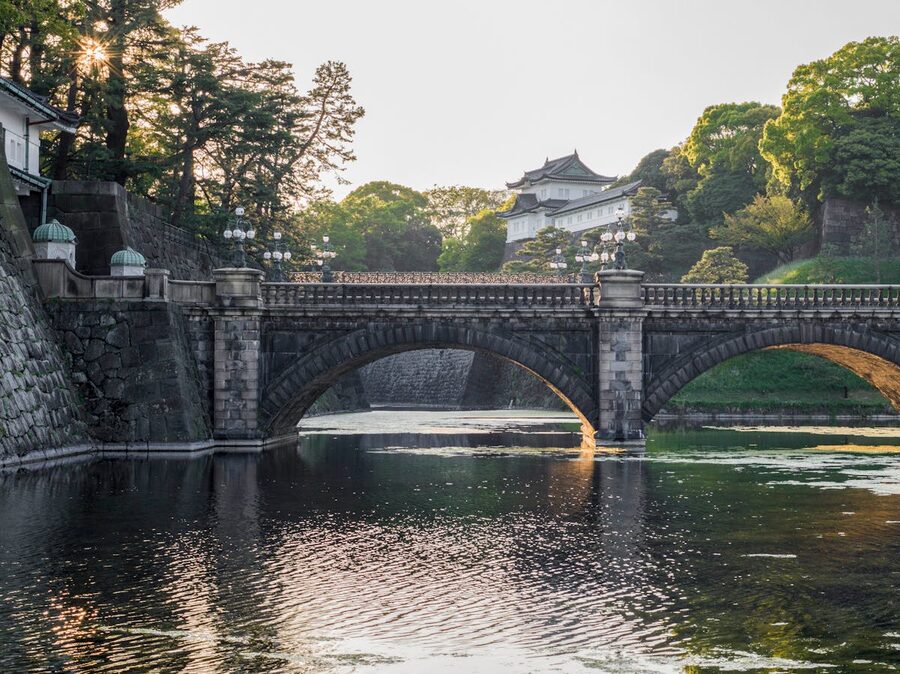
Most people think the Imperial Palace in Tokyo is just a photo stop. You walk up to the Nijubashi bridge, take a picture of the stone arches reflected in the moat, and leave. Maybe you peek through the gate. That’s it. I watched dozens of travellers do exactly that on my first visit, and I nearly did the same thing.
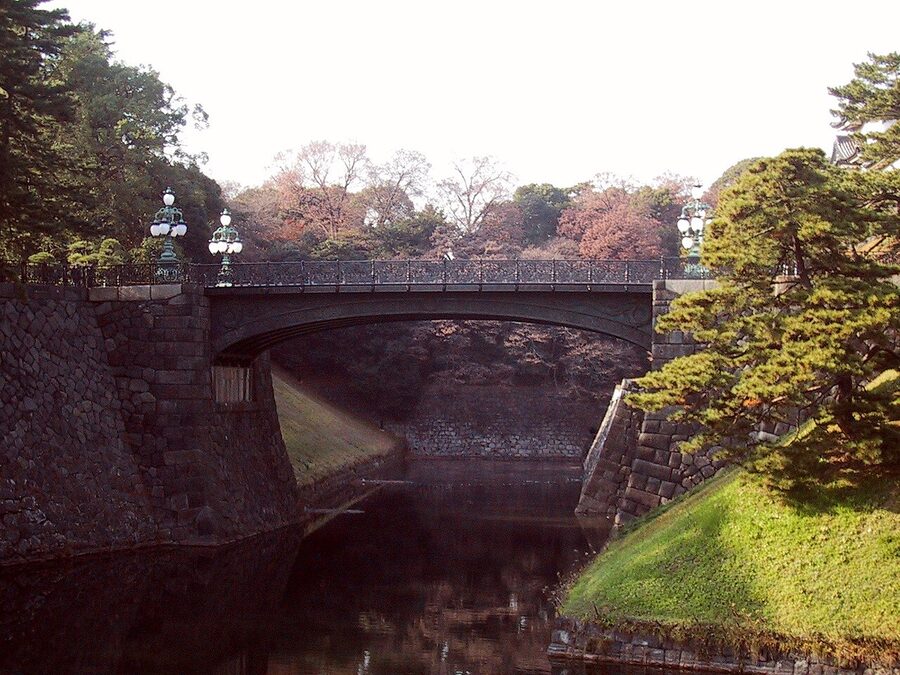
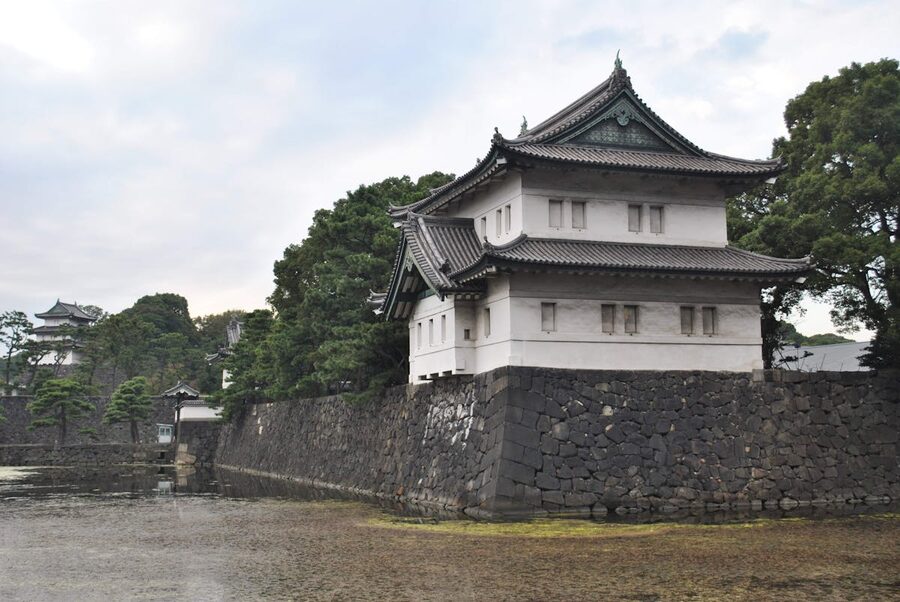
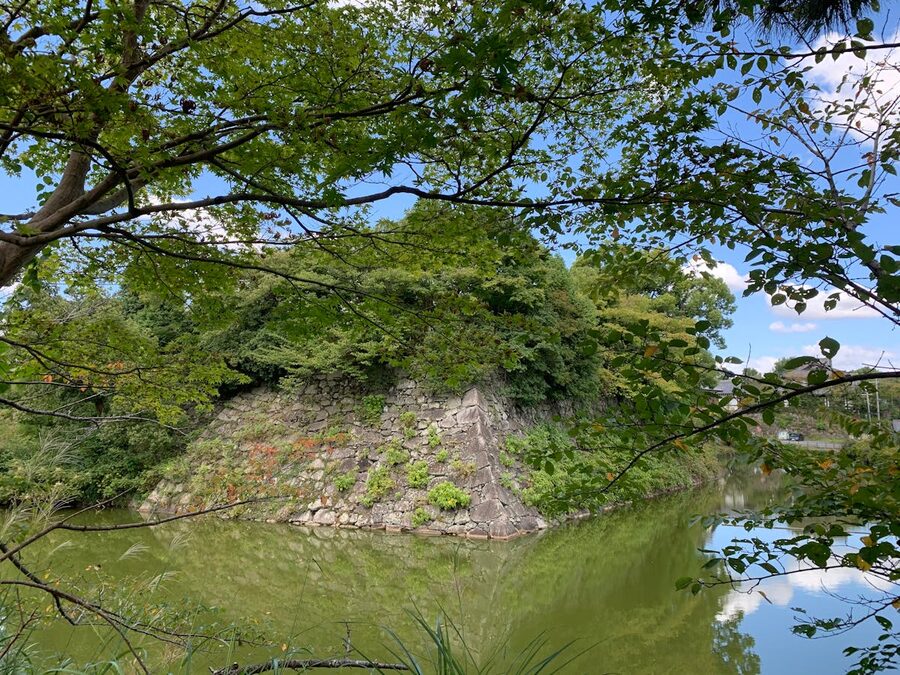
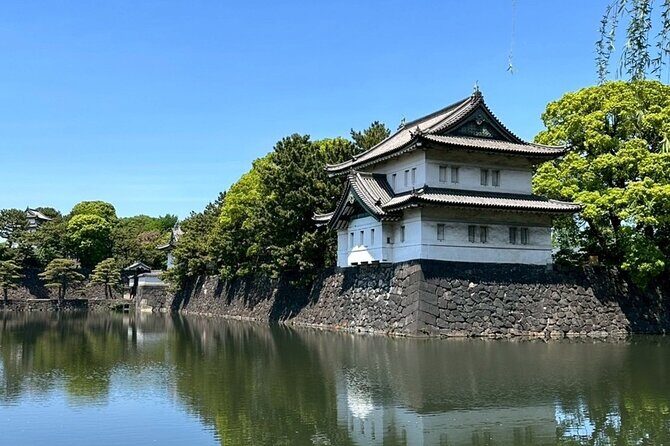
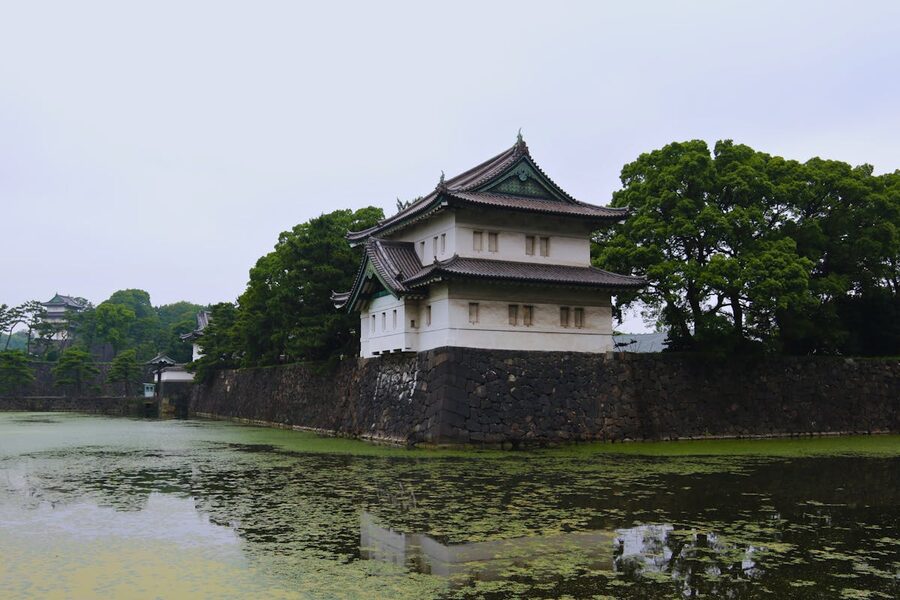
But the Imperial Palace grounds sit on top of what was once the largest castle in the world. Edo Castle, headquarters of the Tokugawa shoguns for 260 years, occupied this exact spot. The moats, the massive stone walls, the watchtowers still standing at the corners — all of it is hiding in plain sight, and none of it makes sense without someone explaining the history behind it.
That’s where the walking tours come in. And honestly, at $16-$30 for a two-hour guided walk through the East Gardens and castle ruins, these are some of the cheapest and most worthwhile tours you can book in Tokyo.
Short on time? Here are my top 3 picks:
Best overall: Imperial Palace and Shogun Historical Walking Tour — $22. Highest-rated tour with the most reviews. Expert guides who actually make the history interesting.
Best budget: Imperial Palace and Shogun Walking Tour — $16. Same ground, lower price, still a solid 2-hour walk.
Best for depth: Castle, Imperial Palace, Shogun & Garden Walking Tour — $30. Covers the gardens more thoroughly and includes extra cultural context.
- How the Imperial Palace Visit System Works
- Free Self-Guided vs. Paid Walking Tours
- The Best Imperial Palace Walking Tours to Book
- 1. Imperial Palace and Shogun Historical Walking Tour —
- 2. Tokyo Castle: Imperial Palace, Shogun & Garden Walking Tour —
- 3. Imperial Palace and Shogun Walking Tour —
- 4. Imperial Palace & Tokyo Castle History Walking Tour —
- 5. Tokyo Castle & Imperial Palace Historical Walking Tour —
- When to Visit the Imperial Palace
- How to Get to the Imperial Palace
- Tips That Will Actually Save You Time
- What You’ll Actually See on the Walk
- What Else to See Around Tokyo
How the Imperial Palace Visit System Works
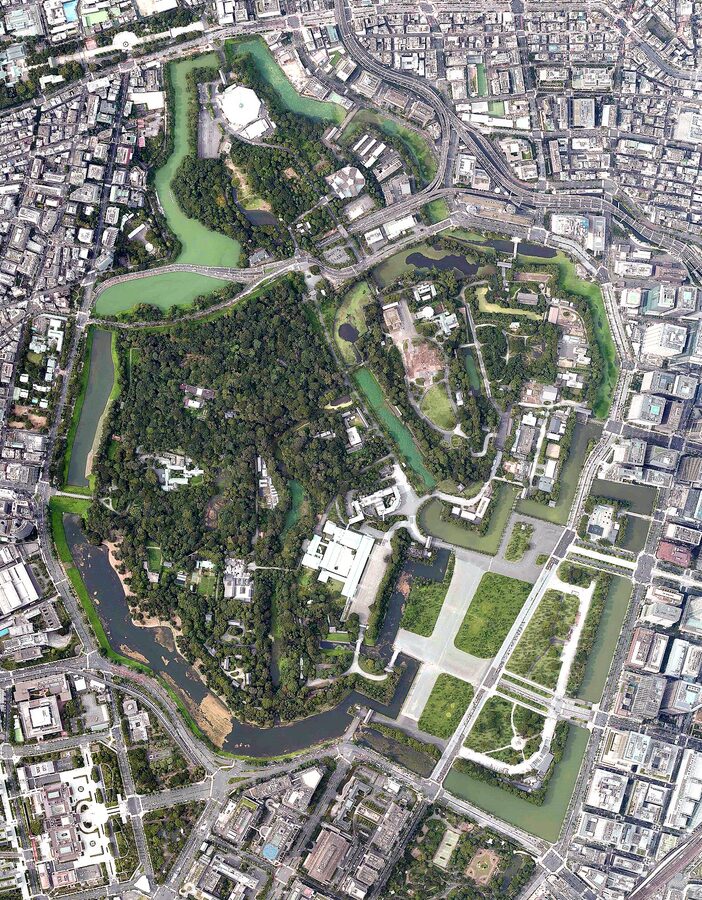
The Imperial Palace grounds are divided into sections with different access rules, and this is where most visitors get confused.
The East Gardens (Kokyo Higashi Gyoen) — Free entry, no reservation needed. Open most days except Mondays and Fridays. Hours vary by season but generally 9am to 4pm or 5pm. You walk in through the Otemon Gate, they hand you a small plastic token to return when you leave, and you’re free to wander the old Honmaru and Ninomaru areas. The castle foundations, the watchtower remains, the Ninomaru Garden — all of this is in the East Gardens.
The Inner Palace Grounds — These require advance registration through the Imperial Household Agency website (sankan.kunaicho.go.jp). Free guided tours run twice daily at 10am and 1:30pm in Japanese, with some English tours available. You see the inner gardens and a few buildings from the outside, but not the palace interior itself. You need to register online at least 4 days in advance.
The General Audience Days — Twice a year (January 2nd for New Year, and the Emperor’s birthday in February), the inner grounds open to the public. The Emperor appears on a balcony behind bulletproof glass and waves. Tens of thousands of people attend. It’s an experience, but it’s not exactly a relaxed garden stroll.
Kokyo Gaien National Garden — The large open plaza and park area in front of the palace, on the Tokyo Station side. Always open, always free. This is where the famous Nijubashi bridge view is. Nice for a run or a picnic, but the historical interest is limited compared to the East Gardens.
The short version: the East Gardens are the main attraction for most visitors, and a walking tour covers that area plus the surrounding moat and gate areas with context you won’t get from a guidebook.
Free Self-Guided vs. Paid Walking Tours
You can absolutely visit the East Gardens for free on your own. So why pay for a tour?
I’ll be straightforward. If you already know your Tokugawa history, if you can explain the difference between the Honmaru and Ninomaru compounds, and if you can look at a stone wall and tell whether it was built in the early or late Edo period from the cutting technique — go on your own. Bring a good guidebook and enjoy the quiet.
But for most people, including me the first time, walking through the East Gardens without a guide means walking past some old stone foundations, some nice trees, and a garden, and coming away thinking, “That was… pleasant?” You miss everything that makes it interesting.
A good guide will stop at the Tenshudai — the foundation base of what was once the tallest castle tower in Japan — and explain that it stood for just 19 years before a fire destroyed it in 1657, and the shogunate deliberately chose not to rebuild it. That’s a story about power and priorities that changes how you see the entire site.
The paid walking tours cost between $16 and $30, last about two hours, and cover the East Gardens plus the outer moat area with the gates, watchtowers, and bridges. They run rain or shine, and the groups are usually small (under 15 people). For what you get, this is genuinely one of the best-value guided experiences in Tokyo.
The Best Imperial Palace Walking Tours to Book
I’ve gone through the major options and ranked them based on guide quality, value, and what you actually see. All of these tours cover the East Gardens and surrounding palace grounds.
1. Imperial Palace and Shogun Historical Walking Tour — $22
This is the one I’d book if I could only pick one. It’s the most reviewed Imperial Palace tour on the market, with over 2,200 reviews and a perfect 5.0 rating — which is unusual for a tour with that volume of feedback. The guides here are English-speaking history specialists, and multiple visitors mention their guides by name (Blake, Tony, Lakki), which tells you something about the quality of interaction.
At $22 per person, it’s in the sweet spot between cheap and suspiciously cheap. The tour covers the East Gardens, Edo Castle ruins, and the shogunate history with enough depth that you’ll actually remember what you learned. Small groups keep it conversational rather than lecture-style.
If you’re doing a samurai experience or any other history-focused activity in Tokyo, this pairs well because the guides give you the political backstory that puts everything else in context.
2. Tokyo Castle: Imperial Palace, Shogun & Garden Walking Tour — $30
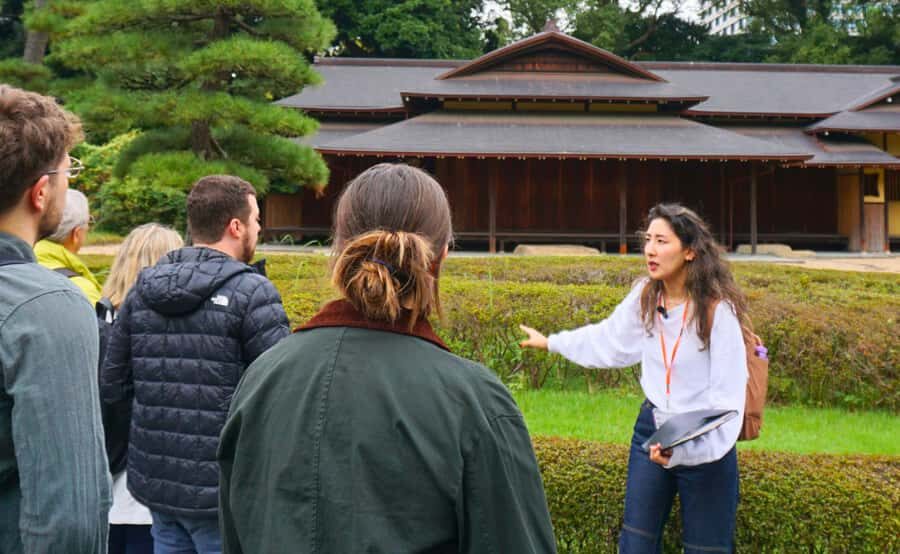
This is the premium pick, and the extra $8 over the budget option gets you a more thorough walk through the garden sections. The two-hour tour covers the same castle history as the others but puts more emphasis on the Ninomaru Garden, the seasonal flowers, and the connection between garden design and Edo-period political culture. Sounds dry, but a good guide makes it fascinating.
With nearly 1,300 reviews and a 4.9 rating, the quality is consistent. It’s run by Sunrise Adventure, and the guides are passionate enough that several travellers specifically mention getting help with photos and learning things that even repeat visitors to Japan didn’t know.
Worth the extra money if you’re interested in Japanese gardens beyond just “oh, that’s pretty.” If you’re also planning to visit Osaka Castle, the contrast between the two sites is interesting — same era, completely different approach to fortification.
3. Imperial Palace and Shogun Walking Tour — $16

At $16 per person, this is the cheapest guided option that’s still worth taking. Same two-hour format, same East Gardens coverage, and a 4.9 rating across over 900 reviews. The company behind it, Traveling Tokyo, also runs the top-rated tour above, so the guide quality is consistent.
The reviews paint a clear picture: guides like Tony get called out as “fantastic” and “really knowledgeable,” and several people mention getting restaurant recommendations and weekend activity tips beyond the tour itself. That kind of personal touch at this price point is rare in Tokyo, where guided experiences tend to be expensive.
If you’re watching your budget in Tokyo (and you should be — it adds up fast), $16 for a quality two-hour walking tour is genuinely difficult to beat. Pair it with a rickshaw ride in Asakusa and a Tsukiji food tour and you’ve got a full day of guided experiences for under $80 total.
4. Imperial Palace & Tokyo Castle History Walking Tour — $23
This one from Local Guide Stars focuses more on the Edo Castle narrative. At $23 for two hours, it’s mid-range and the 4.7 rating with over 1,000 reviews suggests solid but not exceptional guide quality compared to the 5.0-rated options above.
The distinction is emphasis. Where the top-rated tours blend garden walks with history, this one goes deeper on the castle architecture, the siege tactics, and the political maneuvering of the Tokugawa shogunate. If you’re into military history or Japanese feudal politics, that focus might be exactly what you want.
The slightly lower rating seems to come down to guide variability rather than tour design. Some guides get glowing reviews (Anju is mentioned as “great”), while others are described as adequate but not standout. At $23, it’s perfectly good value — just not the slam-dunk that tour #1 is.
5. Tokyo Castle & Imperial Palace Historical Walking Tour — $24
This is the second Viator option, also run by Local Guide Stars, with a perfect 5.0 rating but from a smaller review pool of around 724 people. At $24 per person, the price lands right in the middle of the range.
The tour covers the same ground — East Gardens, Edo Castle ruins, outer moat circuit — but positions itself specifically as a historical walking tour rather than a garden-and-history blend. If you’ve already read the other listings and they all sound the same, honestly, they kind of are. The differences between Imperial Palace walking tours come down to guide personality more than route or content.
My advice: book whichever one fits your schedule and budget. Tour #1 at $22 is my default recommendation, tour #3 at $16 is the budget pick, and this one at $24 is a perfectly fine middle ground. You won’t regret any of them.
When to Visit the Imperial Palace
The East Gardens are open year-round except Mondays and Fridays. Specific hours:
March 1 – April 14: 9am to 4:30pm (last entry 4pm)
April 15 – August 31: 9am to 5pm (last entry 4:30pm)
September 1 – October 31: 9am to 4:30pm (last entry 4pm)
November 1 – February 28/29: 9am to 4pm (last entry 3:30pm)
Closed December 28 through January 3, and occasionally for special Imperial events.
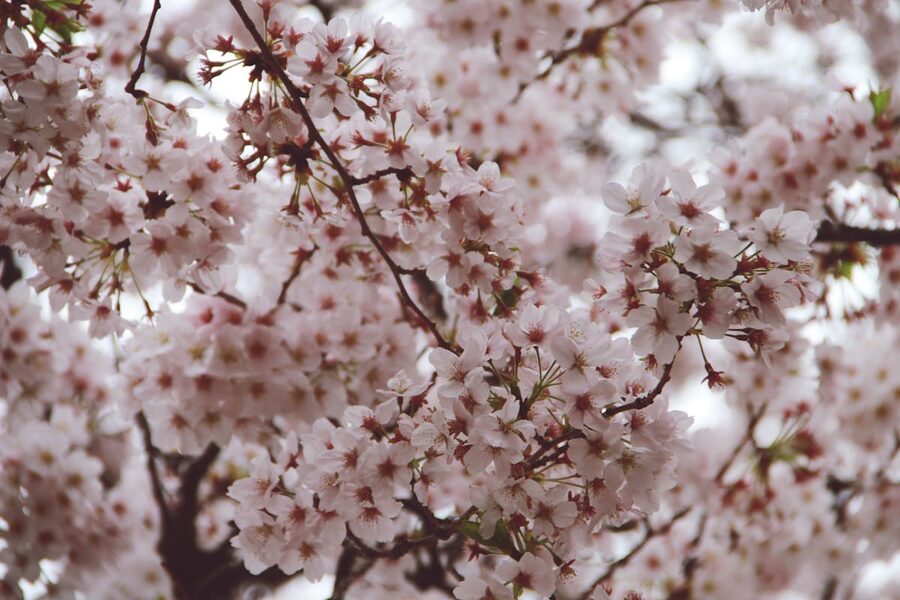
Best time of year: Late March through mid-April for cherry blossoms. The Chidorigafuchi moat area, just north of the palace, becomes one of Tokyo’s top hanami spots. But spring also means peak crowds and full tour groups.
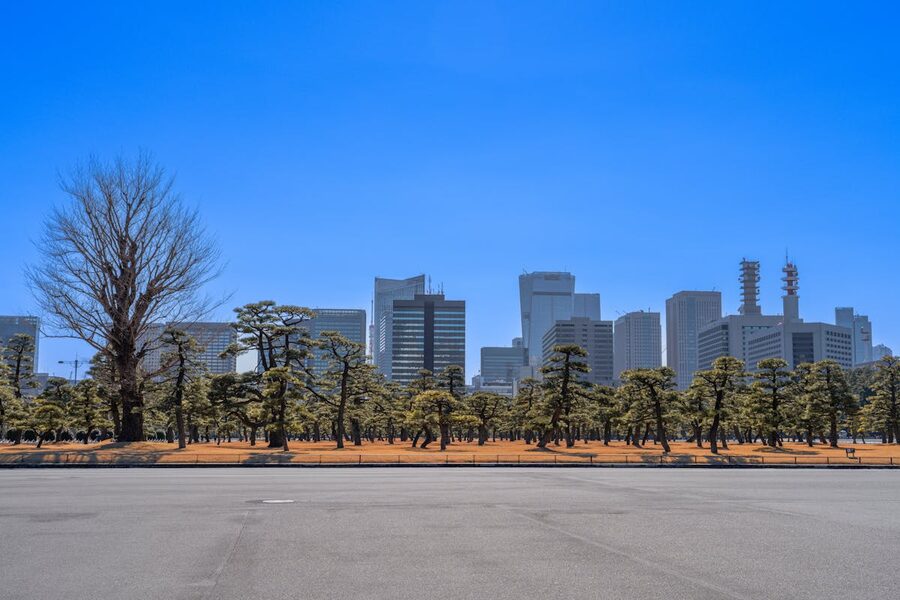
Best time of day: First thing in the morning, right when the gates open at 9am. By 11am the tour groups arrive and the paths get busy. Late afternoon is also good — softer light, thinner crowds, and the stone walls look their best as the sun drops.
Worst time: July and August. The humidity in Tokyo is suffocating, and a two-hour outdoor walk in 35-degree heat with 80% humidity is miserable. If summer is your only option, book the earliest morning tour available and bring a towel.
Autumn (mid-November to early December) is underrated. The gardens have beautiful fall color, the weather is comfortable, and there are far fewer travellers than in spring. Winter is cold but crisp and clear, and the bare trees let you see the castle wall architecture more clearly.
How to Get to the Imperial Palace
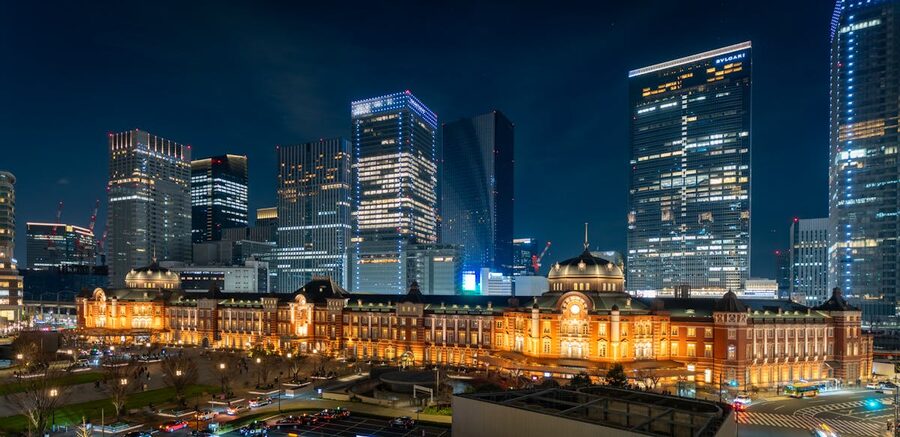
The palace is in the dead center of Tokyo, surrounded by subway stations on every side.
From Tokyo Station (Marunouchi side): Walk west through the Marunouchi business district. About 10 minutes to the Kokyo Gaien plaza, 15 minutes to the Otemon Gate entrance of the East Gardens. This is the most straightforward approach.
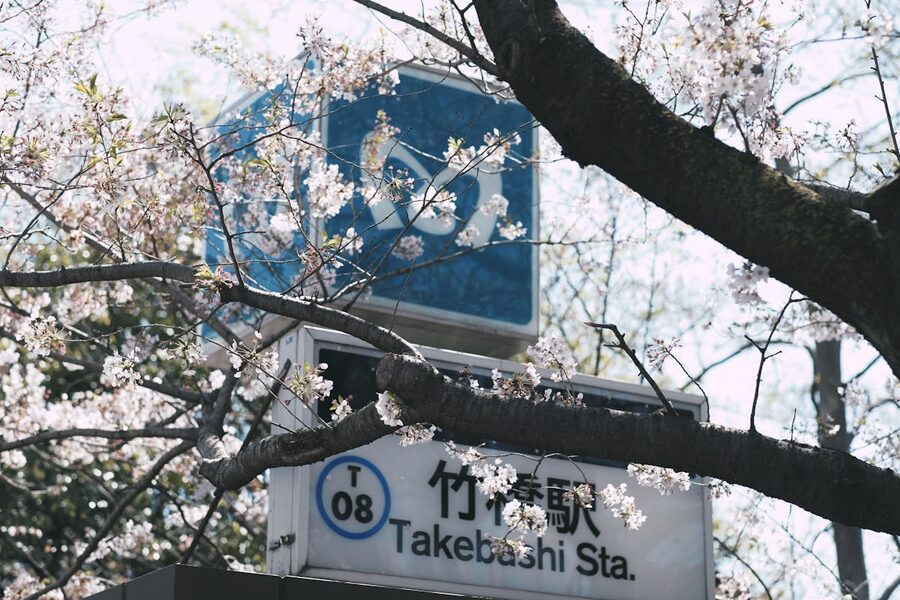
By subway to the East Gardens: Otemachi Station (multiple lines including Marunouchi, Chiyoda, Tozai, Hanzomon, Mita) puts you right at the Otemon Gate, the main entrance. Exit C13b. Takebashi Station (Tozai Line) gets you to the Kitahanebashi Gate on the north side — less crowded entry point.
By subway to Nijubashi/Seimon area: Nijubashimae Station (Chiyoda Line) drops you at the famous bridge photo spot. Hibiya Station (multiple lines) works too, about a 5-minute walk.
By JR: Tokyo Station is on the Yamanote, Chuo, and multiple Shinkansen lines. Use the Marunouchi Central Exit and walk straight west.
Most walking tours meet at or near Tokyo Station or Otemachi Station. Check your booking confirmation for the exact meeting point — several tours meet at the Marunouchi side of Tokyo Station, which is convenient if you’re coming from elsewhere in the city.
If you’re taking the hop-on hop-off sightseeing bus, there’s a stop near the palace area too.
Tips That Will Actually Save You Time
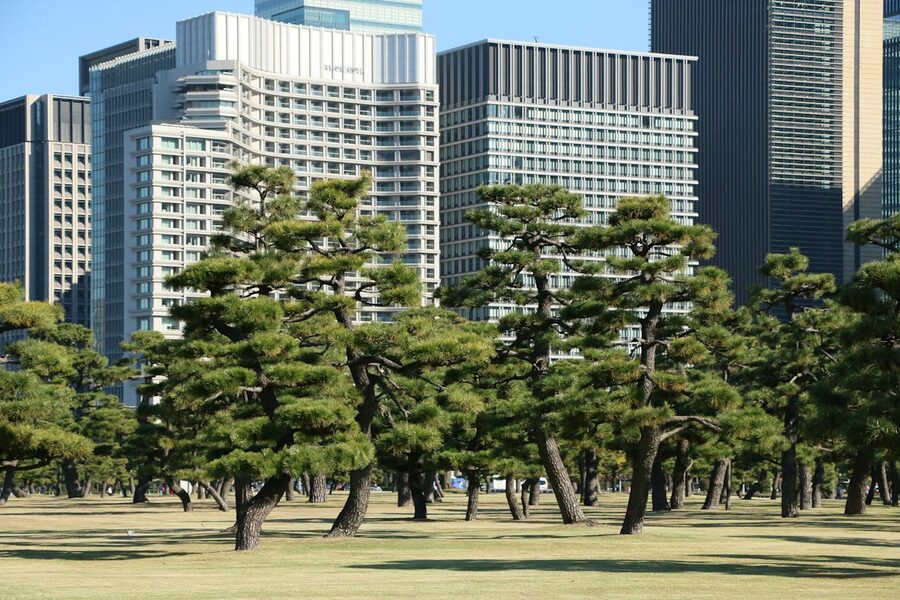
Wear comfortable shoes. This seems obvious, but the paths are gravel and uneven stone in places, and you’re walking for two hours. Sandals and heels are a bad idea. I watched someone in platform shoes struggle through the entire Honmaru area.
The East Gardens are free — the inner grounds tour is also free. Neither costs money. The paid walking tours charge for the guide’s expertise, not for entry. Don’t confuse “free admission” with “a guide won’t add value.”
Register for the inner grounds tour separately if you want it. The walking tours that cost $16-$30 cover the East Gardens and outer areas. The Imperial Household Agency’s inner grounds tour is a different thing — you register on their website (sankan.kunaicho.go.jp) at least 4 days ahead.
The plastic token matters. When you enter the East Gardens, they give you a numbered plastic token. You must return it when you leave. Don’t lose it or they’ll hold you up at the exit.
Bring water in summer, layers in winter. There’s a small rest area with vending machines inside the East Gardens, but it’s partway through the circuit. In summer, start hydrated. In winter, the wind off the moat cuts through you.
Photography tip: The Tenshudai (castle tower foundation) is the highest point in the gardens. From the top, you get a 360-degree view that includes the modern skyline, the inner palace roofline, and the garden below. Most people take a photo from the bottom and leave. Walk up.
Combine with nearby attractions. The palace is a 10-minute walk from the Tokyo Station area, and Nihonbashi is just east. After a morning palace tour, you could walk to the Marunouchi shopping area for lunch, then head to teamLab Planets in the afternoon. The evening bar hopping tours in Shinjuku or Shibuya round out a full day nicely.
What You’ll Actually See on the Walk
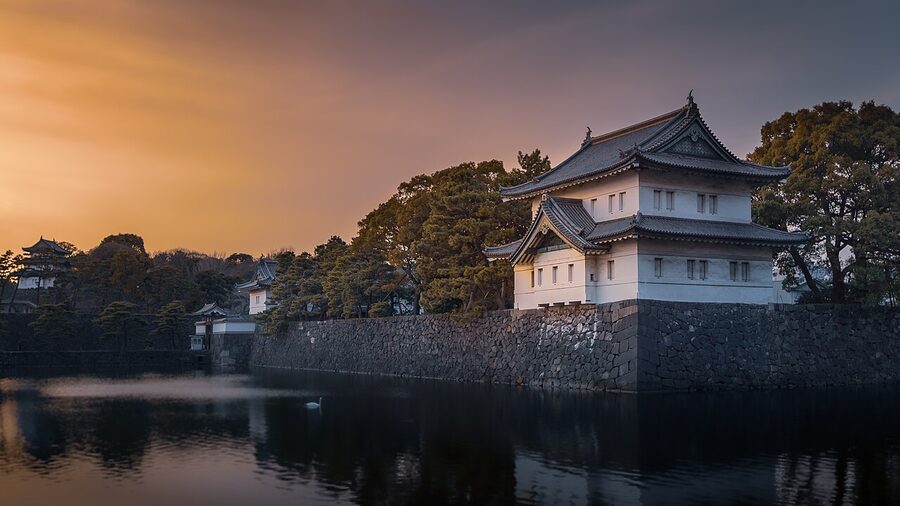
The Imperial Palace grounds sit on the former site of Edo Castle, which was built in 1457 by a warrior named Ota Dokan. A century later, Tokugawa Ieyasu took it over and turned it into the military capital of Japan. For the next 260 years, the shoguns ran the country from this spot while the emperor sat largely powerless in Kyoto.
The Tenshudai is the foundation platform of the original castle tower. When it was built, it was the tallest castle tower in all of Japan. A massive fire in 1657 destroyed it, and the shogunate made a deliberate decision not to rebuild — partly because the money was needed elsewhere, partly because the tower had become a symbol of military excess that no longer served a political purpose. The foundation still stands, and you can climb up for the best vantage point in the gardens.
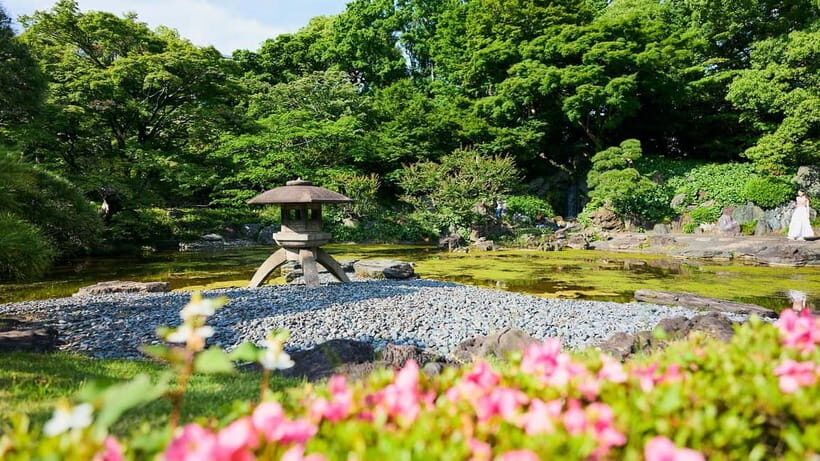
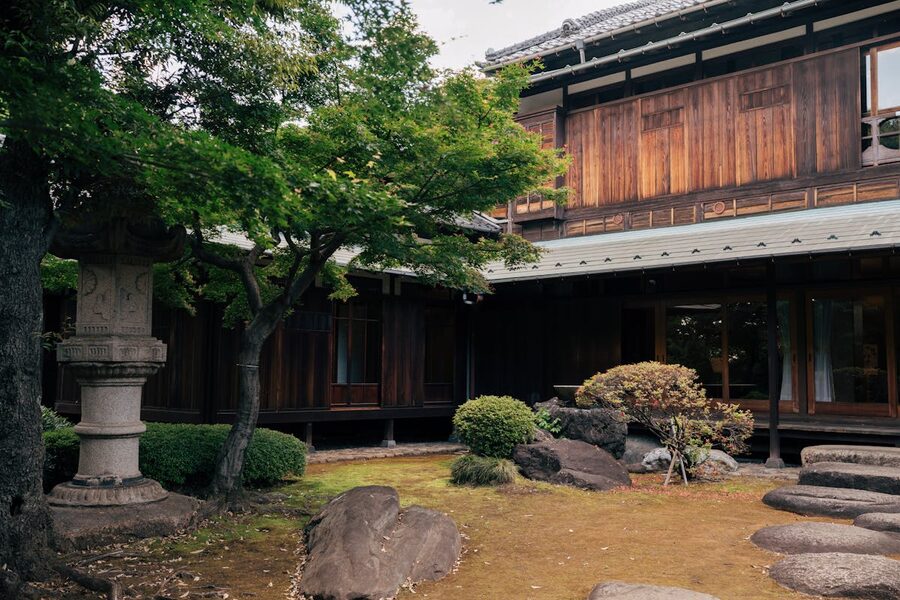
The Ninomaru Garden was originally where feudal lords (daimyo) would wait before their audiences with the shogun. The garden was designed to impress and intimidate in equal measure. Today it’s a carefully maintained Japanese garden with a central pond, walking paths, and seasonal plantings that change throughout the year. In autumn, the maples here are spectacular.
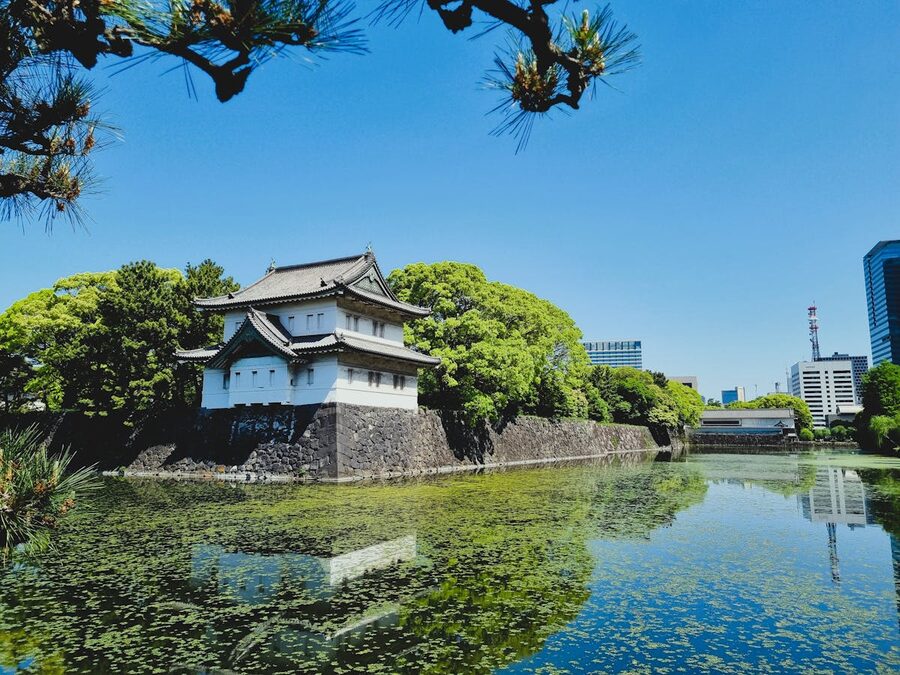
The Hyakunin Bansho (Hundred-Man Guardhouse) is one of the few surviving buildings from the castle era. This is where 100 guards were stationed around the clock to protect the inner compound. It’s a long, low wooden building, and the scale of it gives you a sense of how seriously the shoguns took security.
The Otemon Gate is the main entrance and a classic example of masugata-style castle gate construction — a right-angle turn designed to slow down attacking forces and expose them to defenders on the walls above. Even today, walking through it you can feel how the layout was designed to control movement.
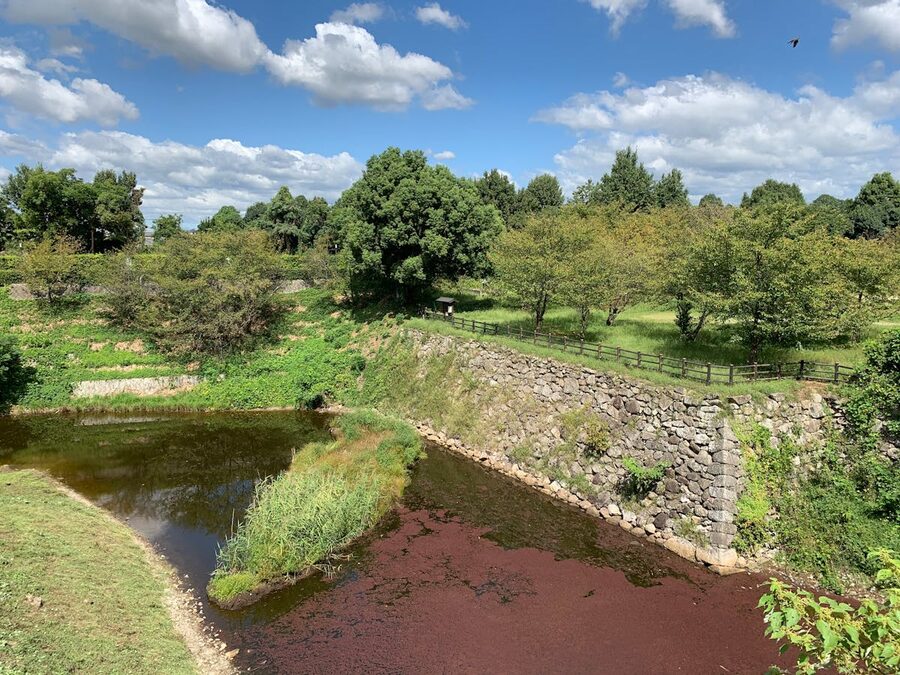
The moat system surrounds the entire complex and consists of multiple rings originally filled by diverting the Nihonbashi River. Some sections are wide enough that they look like small lakes. The outer moat (Sotobori) extends far beyond the palace and you can still trace sections of it through modern Tokyo streets.
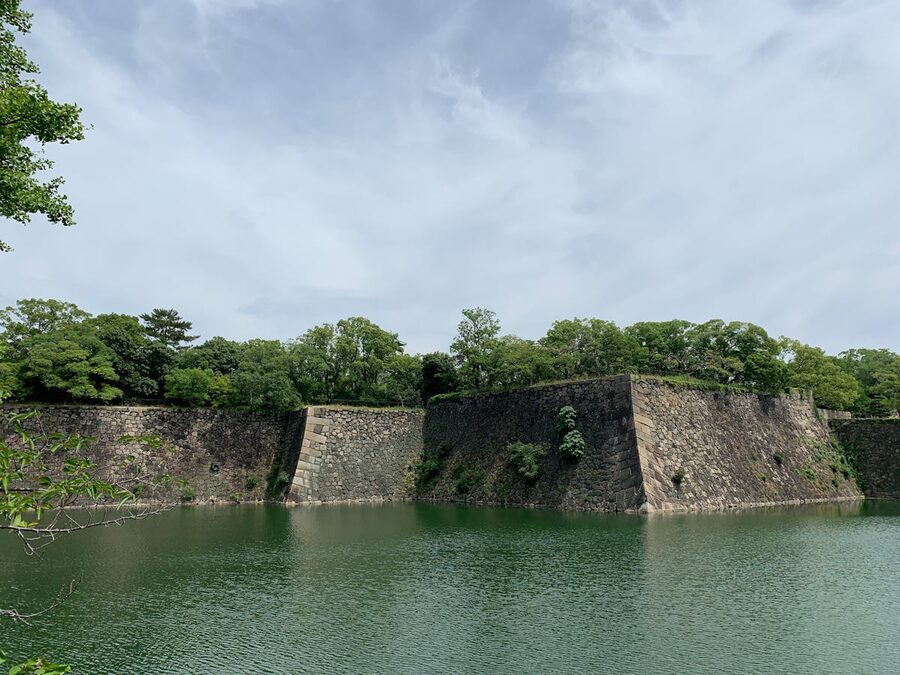
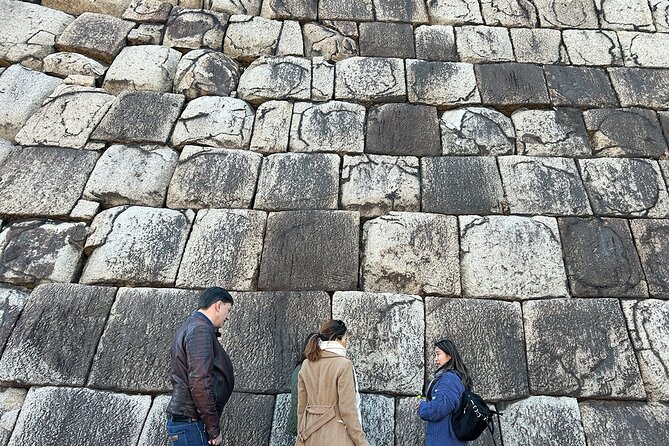
The stone walls are worth paying attention to, even if you normally wouldn’t give a wall a second look. The construction technique changed over the 200+ years of building and renovation. Earlier sections use roughly cut stones with visible gaps (called nozurazumi), while later sections use precisely cut blocks fitted together without mortar (called kirikomi-hagi). A good guide will point out where the techniques change and explain what that tells you about the era.
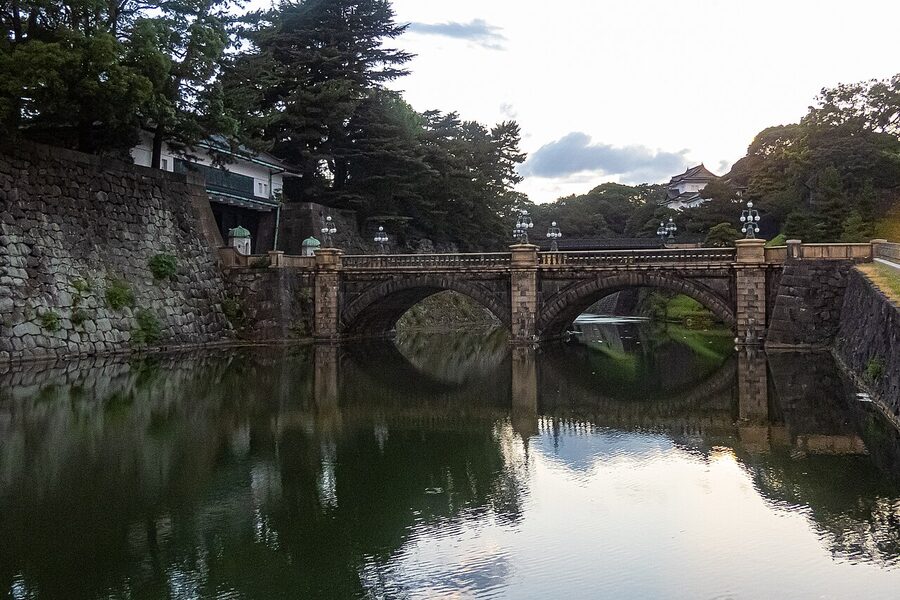
After the Meiji Restoration in 1868, the emperor moved from Kyoto to Tokyo and the castle became the Imperial Palace. Most of the original structures were already gone by then, destroyed by fires and earthquakes. The current palace buildings were completed in 1968 and are closed to the public except during general audience days. But the gardens, walls, moats, and ruins are the real draw — they hold more history than the modern palace itself.
What Else to See Around Tokyo
The Imperial Palace is right in central Tokyo, so it slots easily into a full day of sightseeing. If you haven’t been yet, the Asakusa rickshaw tour is a great pairing — totally different vibe but covers the old shitamachi side of the city. For something in the same historical lane, the samurai experience gives you the hands-on version of what you learn about on the palace walk.
And if you’re planning day trips, Kamakura and Nikko are both shogunate history destinations that connect directly to what you see at the palace — Nikko is where Tokugawa Ieyasu is actually enshrined. For food, the Tsukiji food tour and Shinjuku food tour are both easy to fit into the same day.
If you want to see Tokyo from above first, Tokyo Skytree tickets let you spot the palace grounds from 350 meters up. And for a full day of hitting every major spot, the full-day bus tour includes a palace stop on most itineraries. The sumo shows are a great evening add-on, and the Mt. Fuji day trip makes for a perfect contrast to a morning spent in the palace gardens.
This article contains affiliate links. When you book through these links, we may earn a small commission at no extra cost to you. This helps us keep creating free travel guides.