
The guide stopped at a traffic light in Yanaka and pointed at a cat sleeping on a wall. “That’s Tama,” he said. “She’s been here every morning for six years.” Then we turned down an alley so narrow the handlebars almost touched the walls on both sides, and suddenly we were in a 200-year-old neighborhood that looked nothing like the Tokyo you see on postcards. No neon. No skyscrapers. Just wooden houses, potted plants, and a vending machine selling hot corn soup for 120 yen.
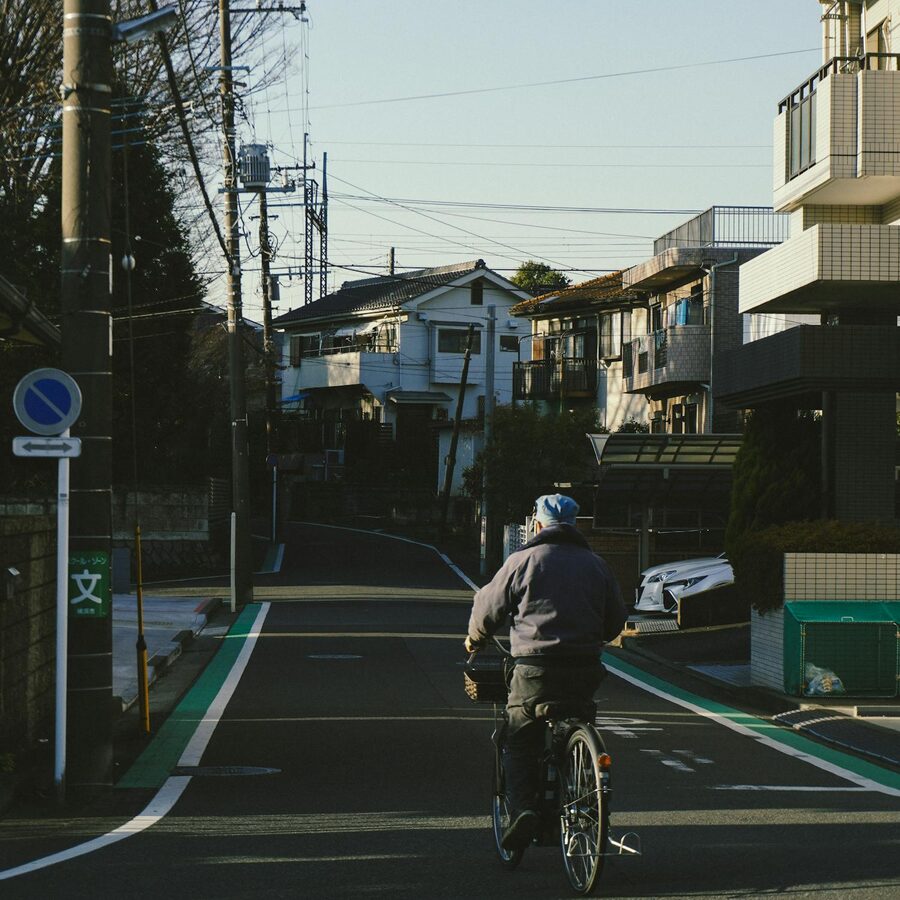
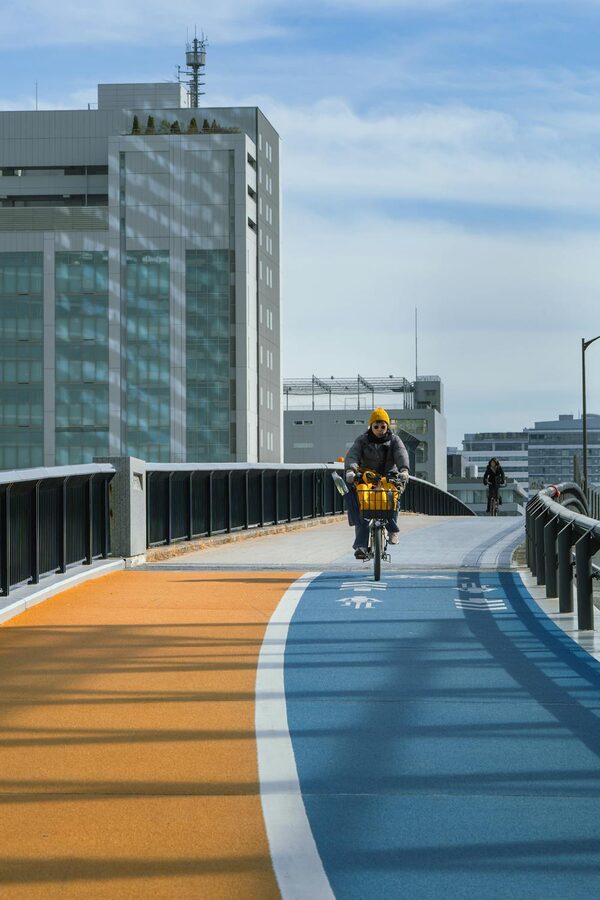
That’s the pitch for Tokyo bike tours. You already know what the big landmarks look like from photos. What you don’t know is what it feels like to cycle past them at your own pace, cut through backstreets the buses can’t reach, and stop wherever you want — a shrine, a bakery, a view that only exists from this particular bridge at this particular angle.
Tokyo is flat. Genuinely flat. The entire central area sits on river delta land and the elevation change between Tokyo Station and Asakusa is about three metres. You don’t need to be fit. You don’t need cycling experience. The e-bike options make it even easier.
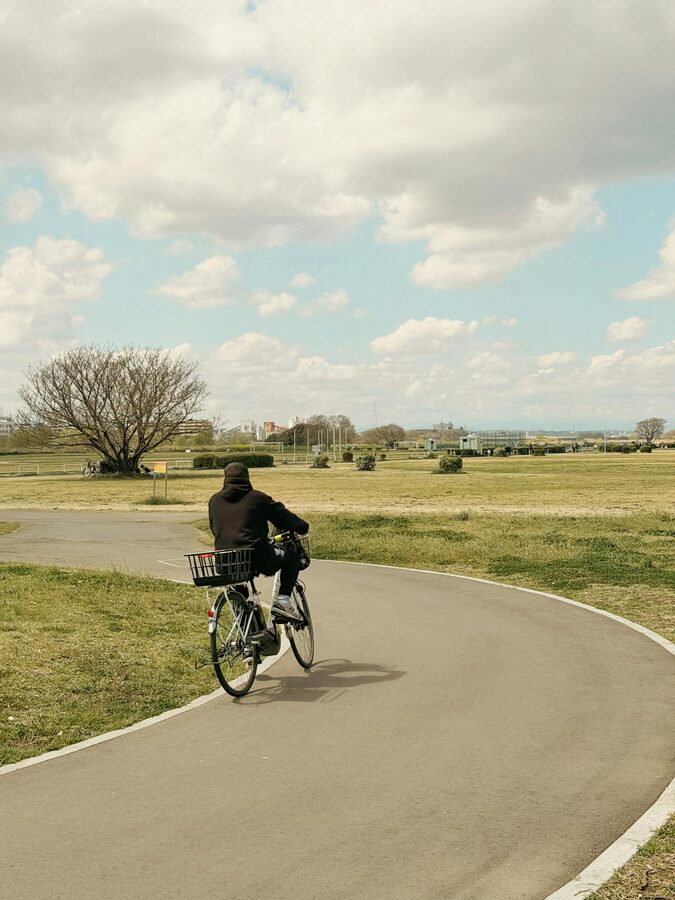
Short on time? Here are my top picks:
Best overall: Tokyo Bike Tour with Meiji-Jingu Shrine — $106. Perfect 5.0 rating. Covers Meiji Shrine, Aoyama Cemetery, Harajuku backstreets, and hidden neighborhoods. The most popular guided bike tour in Tokyo.
Best value: 3-Hour E-Bike Hidden Gems Tour — $64. E-bikes mean zero effort on hills and longer range. Covers Tokyo Station, gardens, temples, and local markets in 3 hours.
Most comprehensive: Tokyo Great Cycling Tour — $99. Full-day ride hitting Tsukiji, temples, the Imperial Palace loop, and Meiji Shrine. Lunch included.
- What a Tokyo Bike Tour Actually Covers
- Which Tour to Book
- 1. Tokyo Bike Tour with Meiji-Jingu Shrine — 6
- 2. 3-Hour E-Bike Hidden Gems Tour —
- 3. Tokyo Great Cycling Tour —
- Practical Things to Know
- Cycling Culture in Tokyo
- Zojoji Temple and Tokyo Tower — The Surprise Combo Stop
- The Neighborhoods You’ll Discover
- Renting a Bike Independently vs Guided Tours
- After Your Ride
What a Tokyo Bike Tour Actually Covers
The tours aren’t just cycling from A to B. They’re structured around neighborhoods and landmarks that tell a story — usually mixing famous sites with places you’d never find on your own.
A typical half-day tour starts near Tokyo Station or Shinjuku and covers 15-25 kilometres over 3-5 hours. That sounds like a lot, but at a cycling pace with frequent stops (every 10-15 minutes), it doesn’t feel like exercise. The guides adjust speed to the slowest rider, and the e-bike tours eliminate effort entirely.
Common stops include:
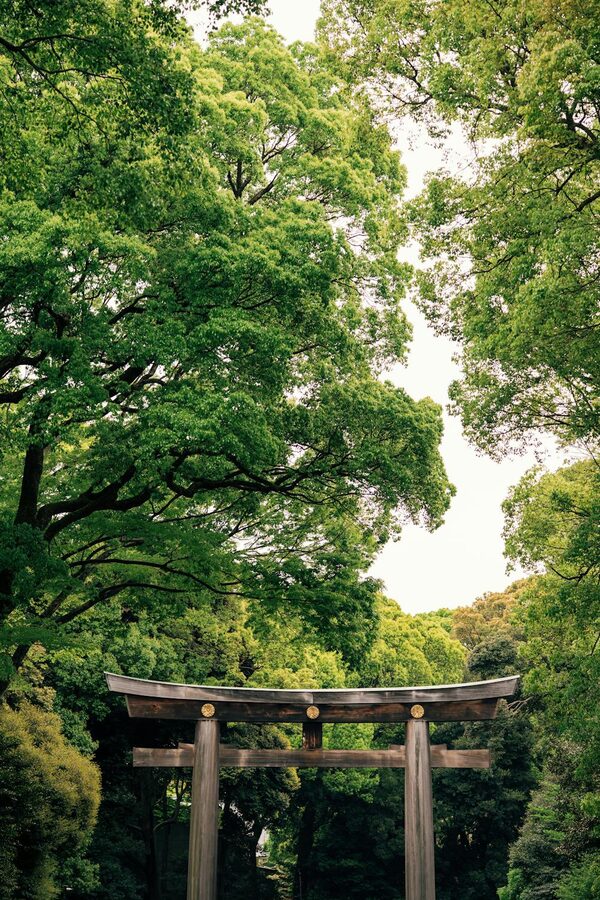
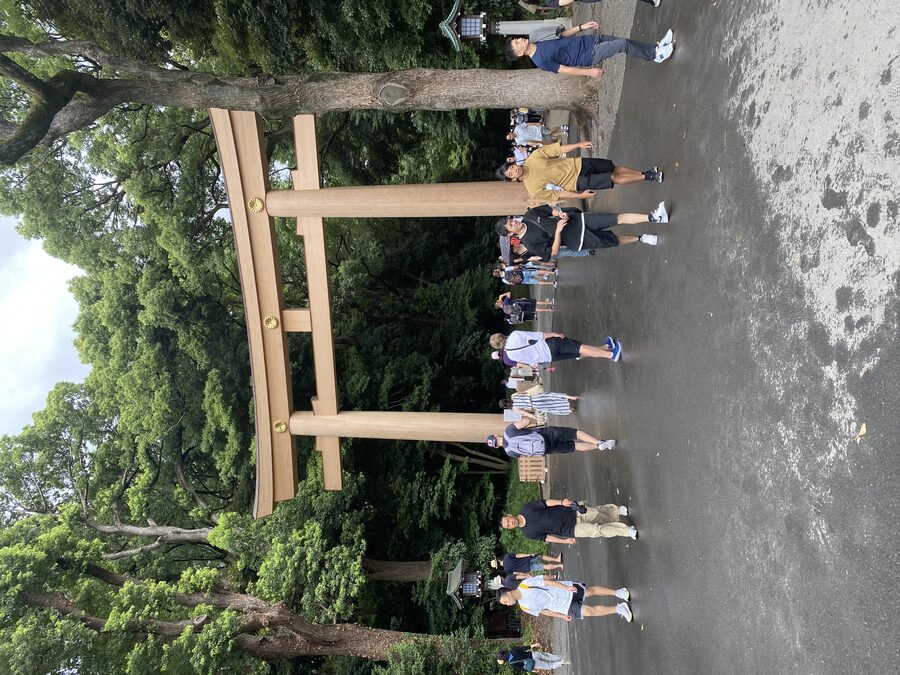
Meiji Jingu Shrine — You park the bikes and walk through the forest on foot. The 12-metre-high torii gate at the entrance is made from a 1,500-year-old Japanese cypress tree. The guides know this kind of detail because they’ve done this route 500 times and they’ve run out of boring facts.
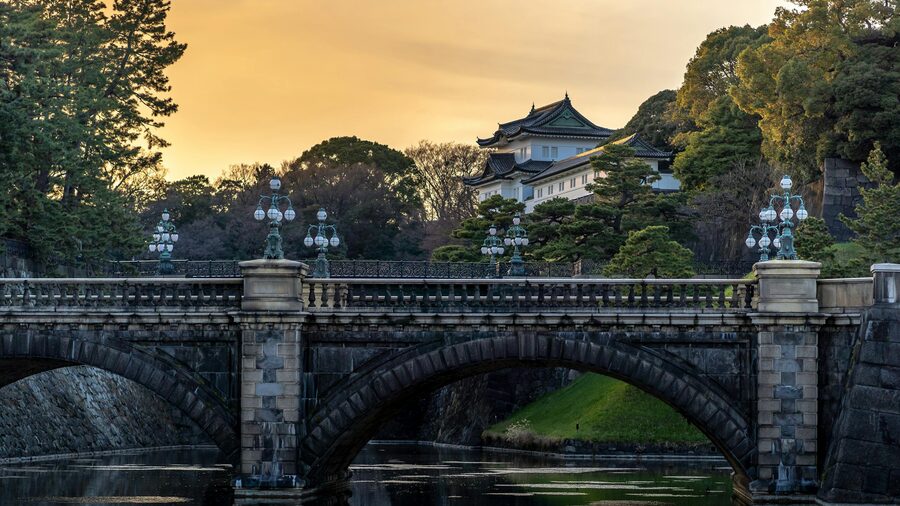
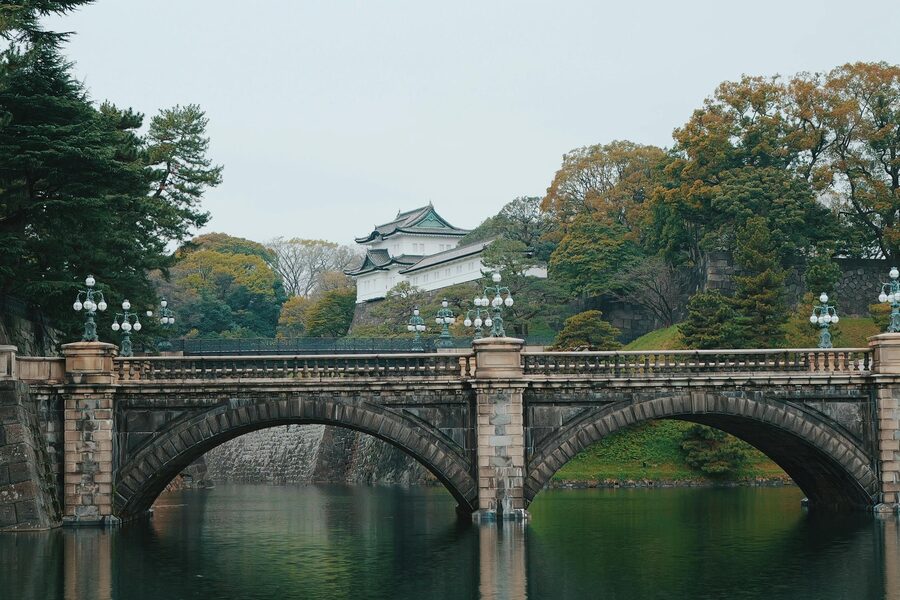
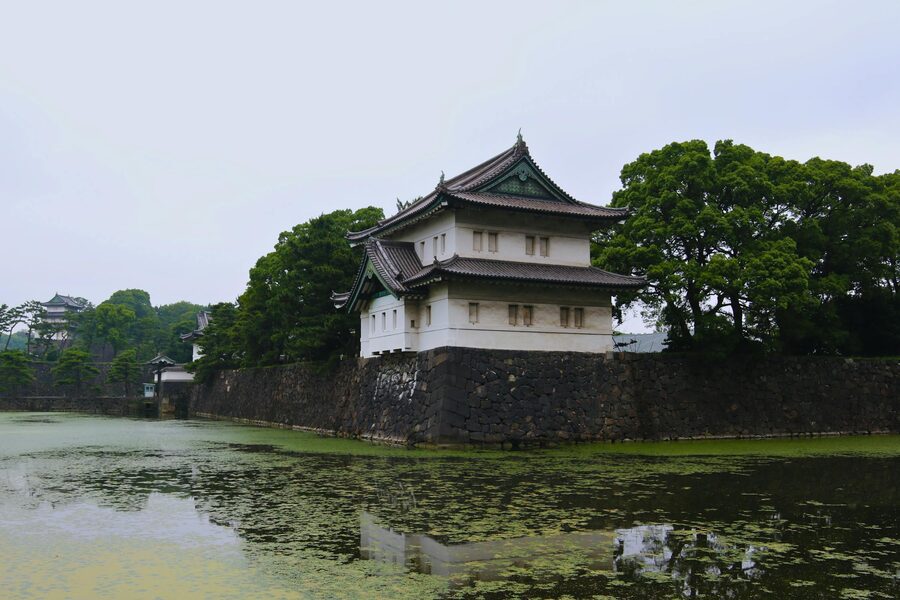
The Imperial Palace loop — The 5-kilometre loop around the Palace moat is where Tokyo’s runners and cyclists go. Flat, tree-lined, and with views of the stone walls and watchtowers that date back to when this was Edo Castle. On Sundays part of the road is closed to cars.
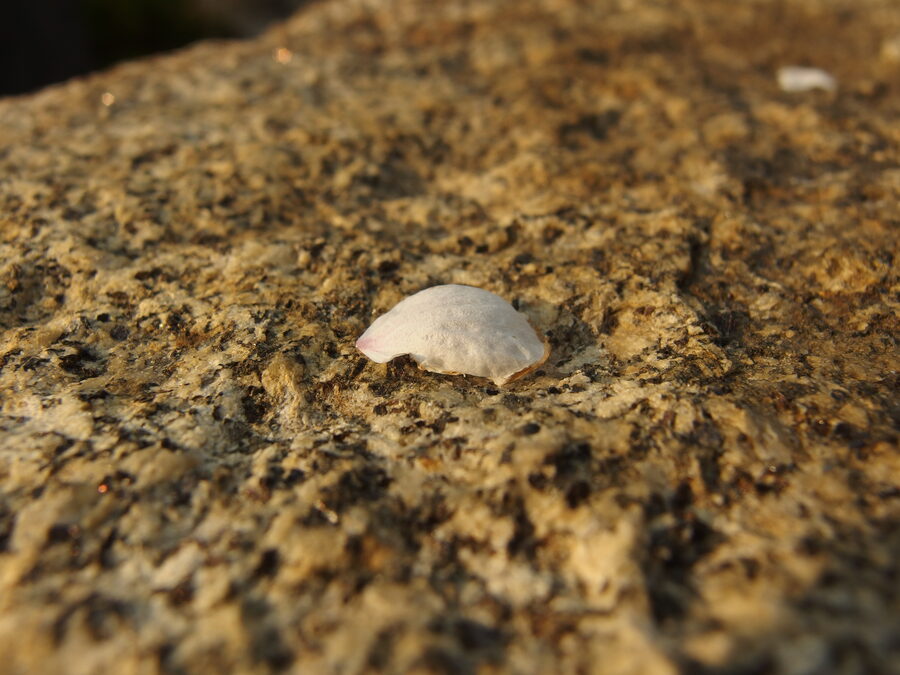
Aoyama Cemetery — This one surprises people. It’s a public cemetery, but it’s also one of Tokyo’s best cherry blossom spots and a strangely peaceful place to cycle through. Historical figures buried here include Japan’s first prime minister and several feudal lords. The cherry blossom tunnel in spring is worth the entire tour.
Backstreet neighborhoods — Yanaka, Nezu, Sendagi (collectively called “Yanesen”). These are some of the only Tokyo neighborhoods that survived both the 1923 earthquake and the WWII firebombing. The wooden houses, narrow lanes, and independent shops here give you a glimpse of what pre-war Tokyo looked like. You can’t drive through most of these streets. On a bike, they’re perfect.
Which Tour to Book
1. Tokyo Bike Tour with Meiji-Jingu Shrine — $106

This is the most popular bike tour in Tokyo and the ratings speak for themselves — a perfect 5.0 across a huge number of bookings. The route covers Meiji Jingu Shrine, Aoyama Cemetery, Harajuku’s backstreets, and several neighborhoods that most travelers never see. The pace is relaxed — this is not a workout, it’s a sightseeing tour that happens to be on bikes.
At $106 per person for roughly 4 hours, the value is strong. The guide runs the show — stopping to explain history, pointing out details you’d miss on foot, and adjusting the route based on the group’s interests. If someone spots a shop they want to duck into, the tour pauses. The guide quality is what makes this tour work — multiple reviewers name specific guides who turned a bike ride into a cultural education.
Small groups (max 8-10 riders) on comfortable city bikes with baskets. No lycra required.
2. 3-Hour E-Bike Hidden Gems Tour — $64
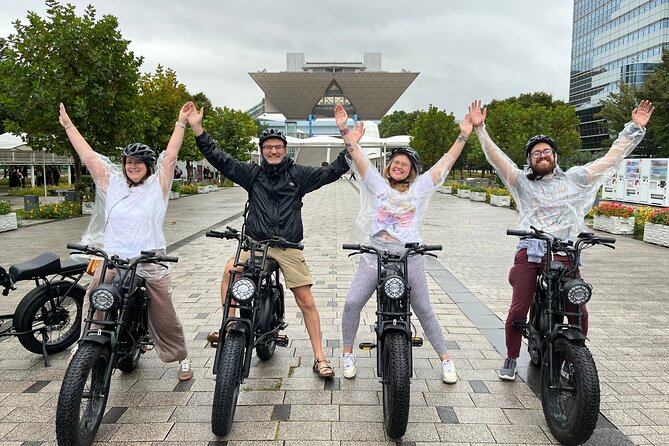
If you want the bike tour experience but don’t want to pedal harder than necessary, this is it. E-bikes with pedal assist mean you’re gliding through Tokyo with minimal effort — a light push on the pedals and the motor does the rest. The 3-hour format is tighter than Tour 1 but covers a surprising amount of ground thanks to the electric boost.
At $64 per person, it’s the most affordable guided option. The route passes Tokyo Station, hidden gardens, temples, and local markets that cater to residents rather than travelers. Our review covers what the e-bikes are actually like to ride — spoiler: they’re fantastic, and you’ll want to rent one for the rest of your trip.
3. Tokyo Great Cycling Tour — $99
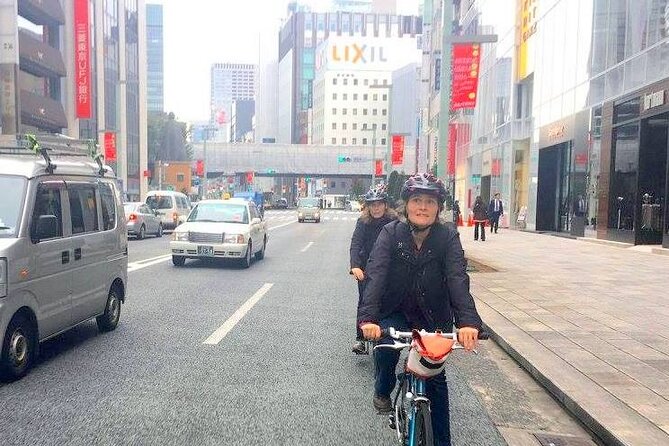
The most comprehensive option — a full-day ride covering roughly 25 kilometres with a lunch break included. The route hits Tsukiji Market (for a quick food stop), Zojo-ji Temple, the Imperial Palace loop, Meiji Jingu, and several smaller shrines and neighborhoods in between. At $99 per person, the per-hour value is excellent.
The catch is that it’s a long day. Five to six hours of cycling (with stops) will tire most people out, even on flat ground. If you have limited time in Tokyo and want to pack a lot in, this tour covers more landmarks than any bus tour could while keeping the intimate small-group feel. Bring sunscreen. Drink water. Wear padded shorts if you own them.
Practical Things to Know
Japan cycles on the left. Same side as cars. If you’re from a country that drives on the right, this takes about 10 minutes to adjust to. The guides remind you constantly for the first few kilometres, and it becomes natural quickly. The bigger adjustment is sharing sidewalks with pedestrians — in Japan, cycling on sidewalks is legal and common.
E-bikes vs regular bikes. The e-bike tours (Tour 2) use pedal-assist bikes, not throttle bikes. You still pedal — the motor amplifies your effort. On a flat Tokyo street, you barely notice the assistance. On the few gentle inclines, you suddenly feel like a superhero. If you have any concerns about fitness or stamina, book the e-bike option. No shame in it. The locals all ride them too.
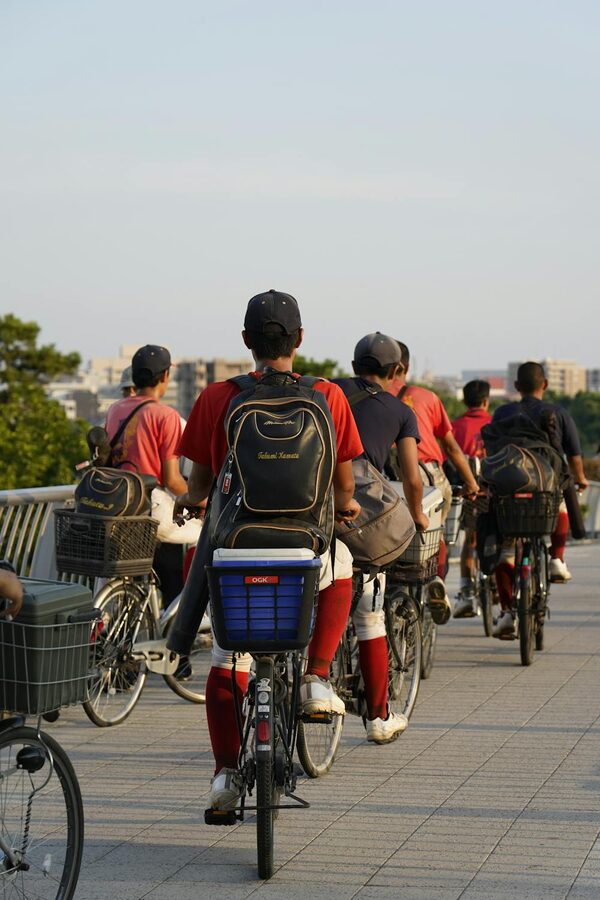
Weather matters. Rain cancels most bike tours (you’ll get a full refund or reschedule). Check the forecast and have a backup plan. The best months for cycling in Tokyo are March-May and October-November — mild temperatures, low humidity, clear skies. Summer (June-August) is hot and humid enough to make cycling unpleasant even with e-bikes.
What to wear. Comfortable clothes, closed-toe shoes, layers in cooler months. No special cycling gear needed. Helmets are provided but not required by law for adults in Japan (they became mandatory for children in 2024). I’d recommend wearing one anyway — Tokyo traffic is orderly but you’re still cycling in a city of 14 million people.
Bring a camera with a neck strap. You’ll want to take photos constantly and fumbling a phone out of your pocket while cycling is how you end up buying a new phone in Akihabara. A camera on a neck strap or a phone lanyard solves this.
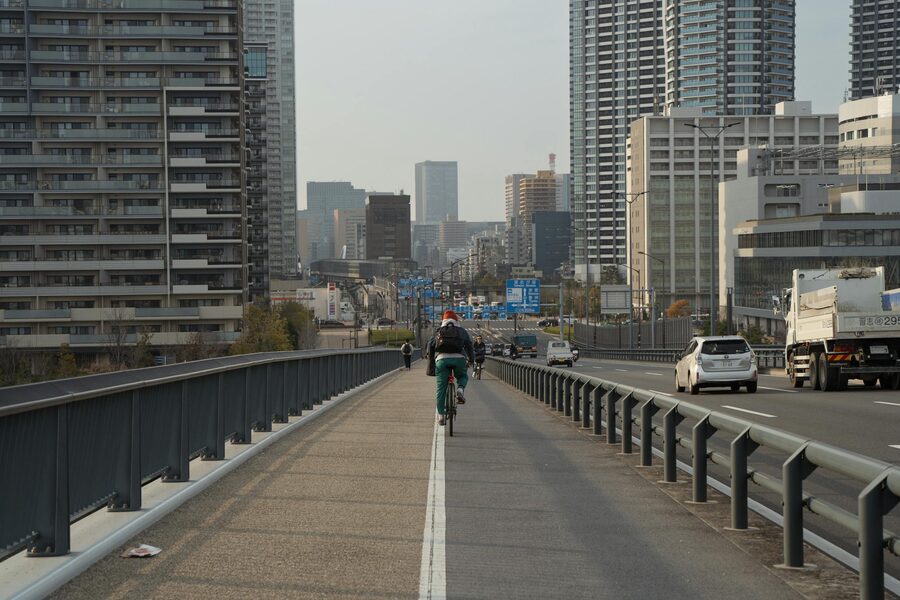
Book at least 2-3 days ahead. Groups are small (6-10 riders max) and popular time slots sell out, especially during cherry blossom season and autumn foliage season. Weekend mornings are the busiest.
Cycling Culture in Tokyo
Japan has one of the highest cycling rates of any developed country. In Tokyo alone, there are over 14 million registered bicycles — the city uses bikes the way other cities use the subway. Office workers cycle to the station, grandmothers cycle to the supermarket, kids cycle to school. It’s so normal that nobody thinks of it as “cycling culture.” It’s just transport.
This has practical benefits for travelers on bike tours. Drivers expect cyclists. The roads are built for it. Traffic is disciplined — Japanese drivers don’t honk, don’t tailgate, and don’t run red lights. Cycling in Tokyo feels safer than cycling in most Western cities, which surprises people who expect chaos.
The mamachari — the classic Japanese city bike with a basket, a bell, and an upright seating position — is the most common vehicle in Tokyo. The tours use similar bikes (or e-bike versions) because they’re comfortable, practical, and stable. If you can ride a bicycle at all, you can ride a mamachari.
Zojoji Temple and Tokyo Tower — The Surprise Combo Stop
Most full-day bike tours include a stop at Zojoji Temple, which sits directly at the base of Tokyo Tower. The contrast is absurd and wonderful — a 600-year-old Buddhist temple in the foreground with a 333-metre-tall steel tower behind it. It’s the kind of photo that looks Photoshopped but isn’t.
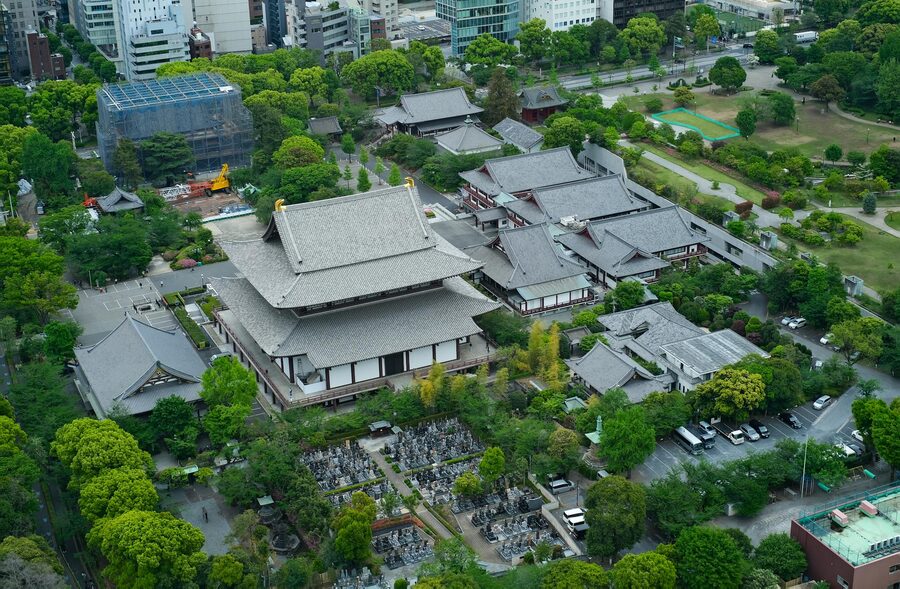
Zojoji is one of Tokyo’s most important temples — six Tokugawa shoguns are entombed here. But it doesn’t get the crowds that Sensoji in Asakusa does, which makes it a better cycling stop. You can actually hear the monks chanting if you arrive at the right time.
The Neighborhoods You’ll Discover
The real value of a bike tour isn’t the famous landmarks — you can see those on any sightseeing bus. It’s the neighborhoods in between.
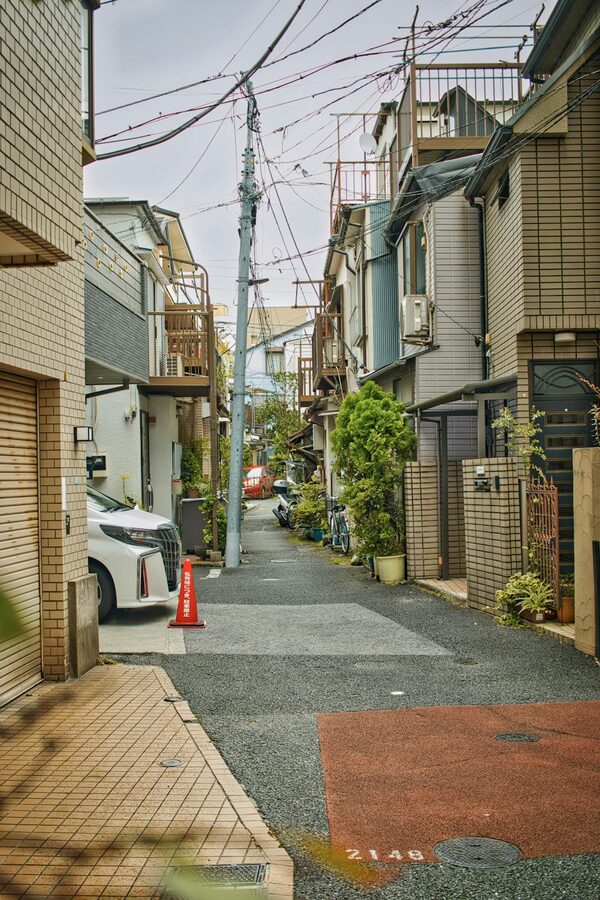
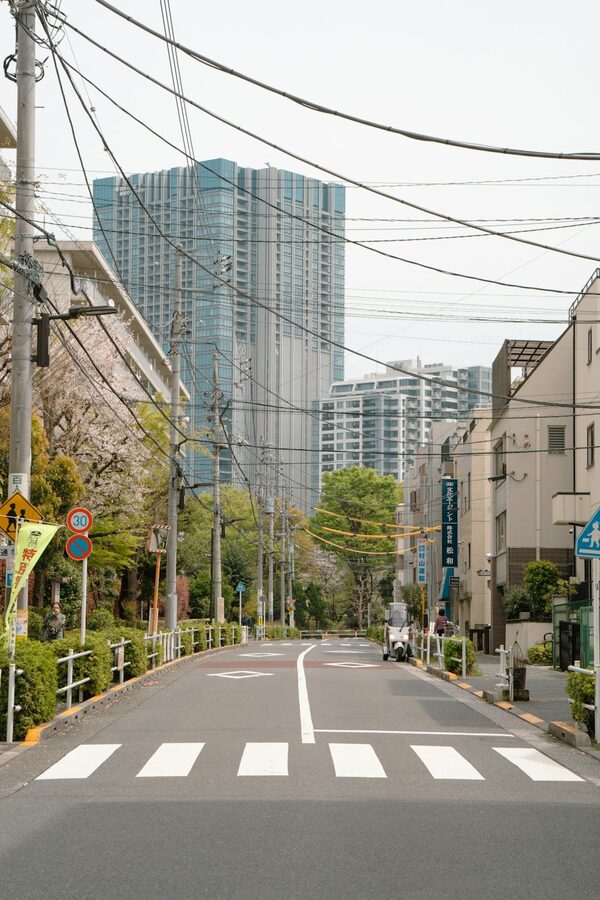
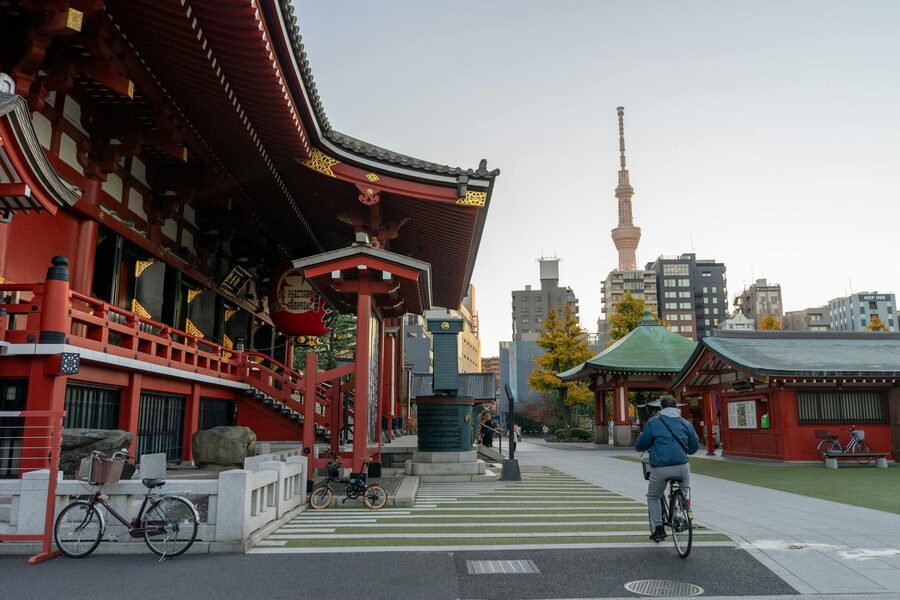
The Yanaka-Nezu-Sendagi area (shortened to “Yanesen” by locals) survived the 1923 Great Kanto Earthquake and the WWII firebombings that levelled most of Tokyo. The wooden houses, narrow stone-paved lanes, and independent craft shops here are genuinely old, not reproductions. A few of the buildings date back to the Meiji era (1868-1912). Cycling through Yanesen is like finding a pocket of time that the rest of Tokyo forgot to demolish.
The guides know the details that turn a pleasant ride into a memorable one: which bakery has been making the same red bean bread since 1912, which alley has a hidden shrine dedicated to cats, which vending machine sells limited-edition Tokyo banana Kit-Kats. These micro-discoveries are impossible to plan for and impossible to replicate on a bus.
Renting a Bike Independently vs Guided Tours
You can rent bikes in Tokyo independently through services like Docomo Bike Share (red bikes, app-based, stations everywhere, about 165 yen per 30 minutes). The coverage is excellent and it’s a viable alternative if you’re comfortable navigating Japanese streets on your own.
The argument for a guided tour: navigation, context, and access. Navigating Tokyo by bike without local knowledge means you’ll spend half your time on busy roads that an experienced guide would avoid. The guides use routes through parks, riverside paths, and quiet residential streets that aren’t on Google Maps cycling directions. They also get you into spots that a solo rider would cycle right past — unmarked temples, hidden gardens, backstreet food stalls.
If you’re confident in your sense of direction and just want to cycle freely, rent independently. If you want someone to show you the Tokyo that travelers don’t see, book a guided tour. The 4-106 price includes the bike, the route knowledge, and 3-5 hours of commentary that turns landmarks into stories.
After Your Ride
A bike tour pairs well with plenty of other Tokyo activities. If you did a morning ride, the afternoon is free for an Imperial Palace walking tour to see the interior sections you cycled past, or a Tsukiji food tour for lunch.
For a different kind of two-wheeled Tokyo experience, the street go-kart tours are motorized mayhem through the city streets — a completely different vibe from the peaceful cycling tours but equally memorable.
If you’re spending more time in Japan and enjoyed the cycling, our Kyoto bike tours guide covers the best rides through Kyoto’s temple districts. Kyoto is even more bike-friendly than Tokyo — flatter, fewer cars, and the distances between major sites are shorter.
And for your Tokyo evenings, check our guides to yakatabune dinner cruises (traditional boat dining on the Sumida River), bar hopping tours, or the Tokyo Drift JDM car experience for something completely different after dark.